
12 Sep 2024
🌿 A sum up of our inspiring #LEMONTREE Annual Meeting 2024! With exciting research updates and our first ECR Summer School, the team’s collaboration is driving advancements in Earth System Models. 🌍 Read more: research.reading.ac.uk/lemon… #ClimateScience #ECR #EarthSystemModels
3
8
525

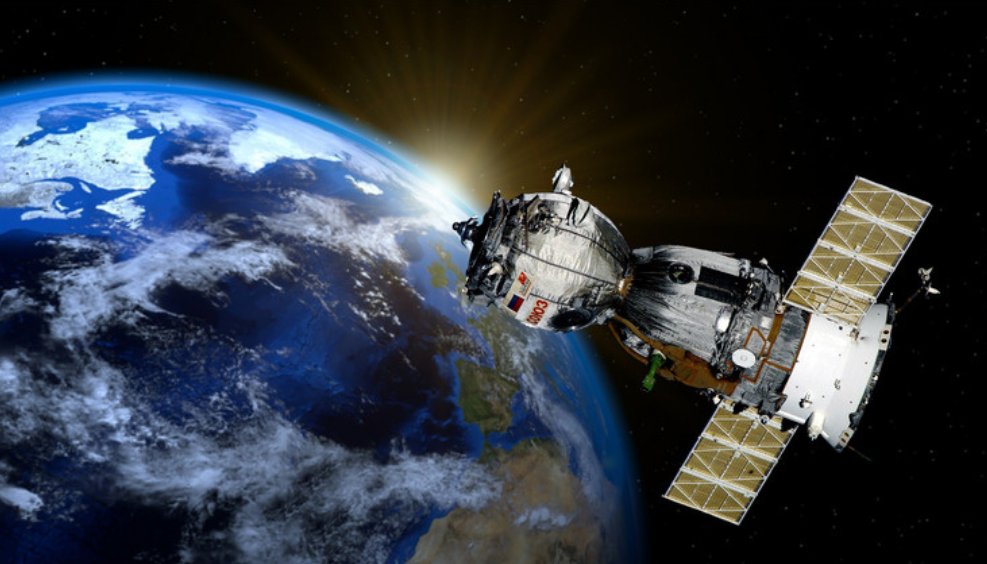
#AI4PEX research focus 1: #EarthObservation
We use existing in-situ observations and satellite data to generate new upscaled #MachineLearning-based products, and cross-check for with the #Copernicus land, ocean and atmospheric datasets.
#EarthSystemModels #climatescience
1
2
99
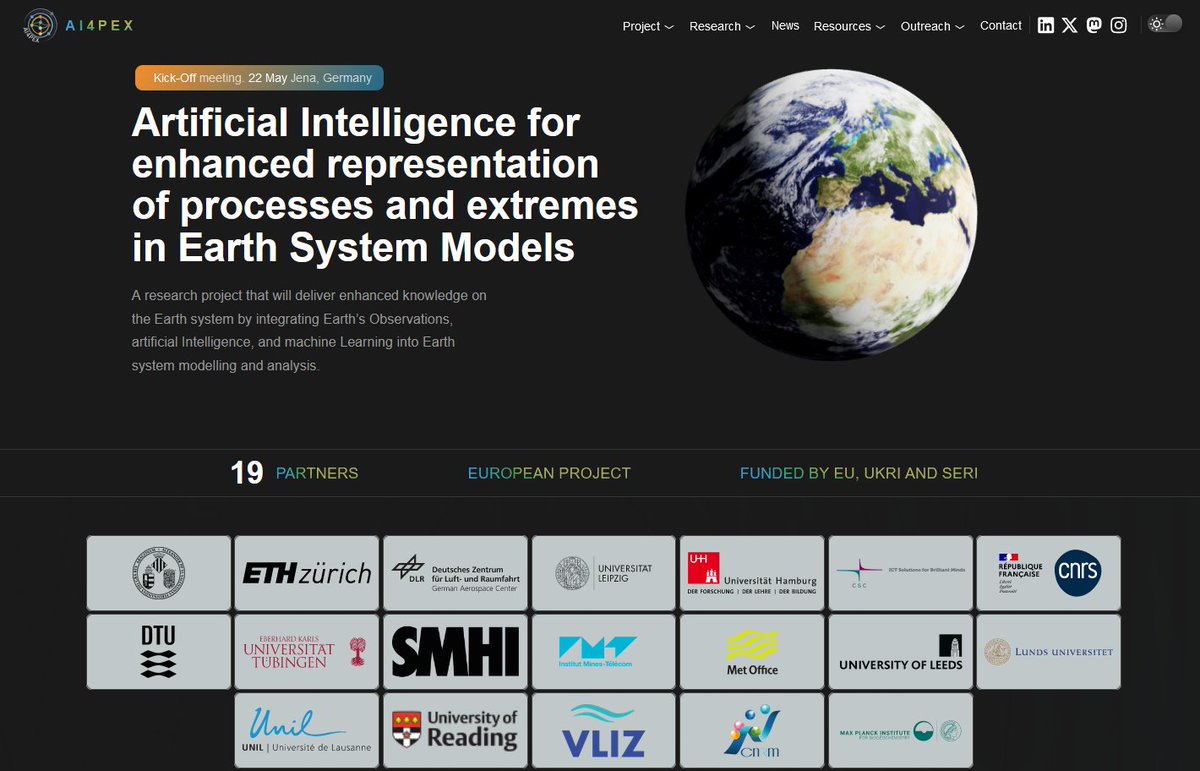
📣 #AI4PEX just launched its new website 🚀.
Check it out 👉 ai4pex.org/
#EarthSystemModels #ClimateResearch
8
14
942

14 May 2024
CT2, led by @chrisd_jones @MetOffice_Sci & @ilitat @ MPI-meteo presenting progress on: implem. of CH4 emission-driven capability in #EarthSystemModels, interactive N cycle, @ESMValTool increased inter-model comparison capabilities, ice-sheet coupling... and much more!
1
3
30
#AI4PEX postdoc position available @MPI_BGC developing hybrid modeling approach (HM) bridging machine learning and #EarthSystemModels!
See here: mpg.de/21834237/postdoctoral…
#Postdoc #ClimateResearch #ResearchOpportunity
3
5
492

15 Apr 2024
@esiwace participates at #EGU24 together with the #ClimateResearchNet network.
The aim is to advance in the development of #EarthSystemModels🌍 👇
10 Apr 2024

Only 5 days left before #EGU24! 🌍 Don't miss out on the #ClimateResearchNet session: "Unleashing your potential as an Early-Career researcher: bridging the research-policy divide". Join us for insightful discussions and a poster exhibition.
👀 esm2025.eu/science-policy-pa…
1
5
99

1 Apr 2024
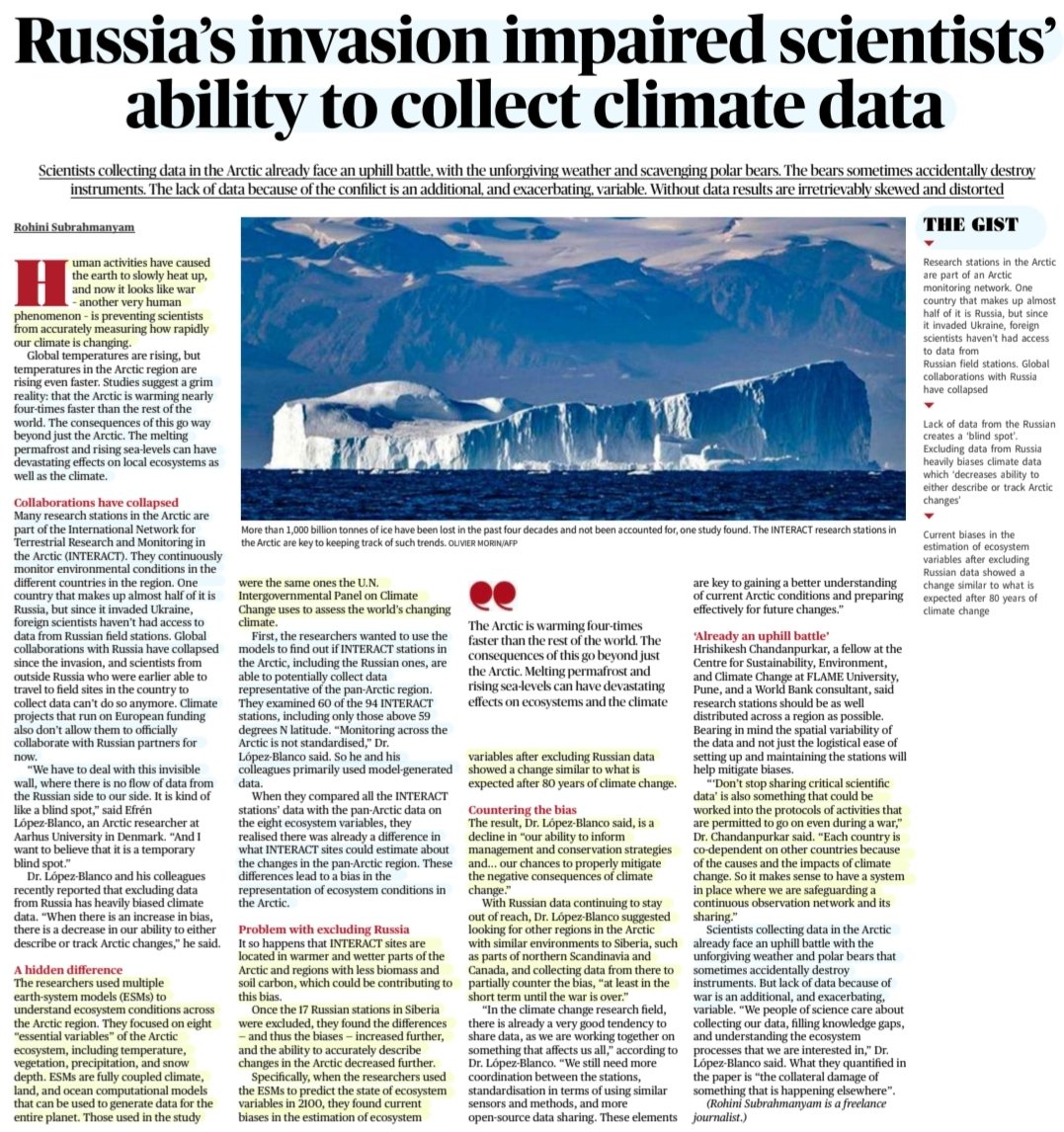
"Russia's Invasion impaired Scientist's ability to collect Climate data"
:An Insightful article by Ms Rohini Subramanyam
#Data #climate #ClimateChange #INTERACT
#EarthSystemModels
#Arctic #ResearchStations #collaboration
#Russia #RussiaUkraineWar
#GlobalWarming
#UPSC
1
7
28
1,144
21 Nov 2023
Encouraging the use of emission-driven #EarthSystemModels for carbon cycle in the next @wcrpcmip phase will give impetus to the development of other cycles/components with added value for many scientific & societal issues.
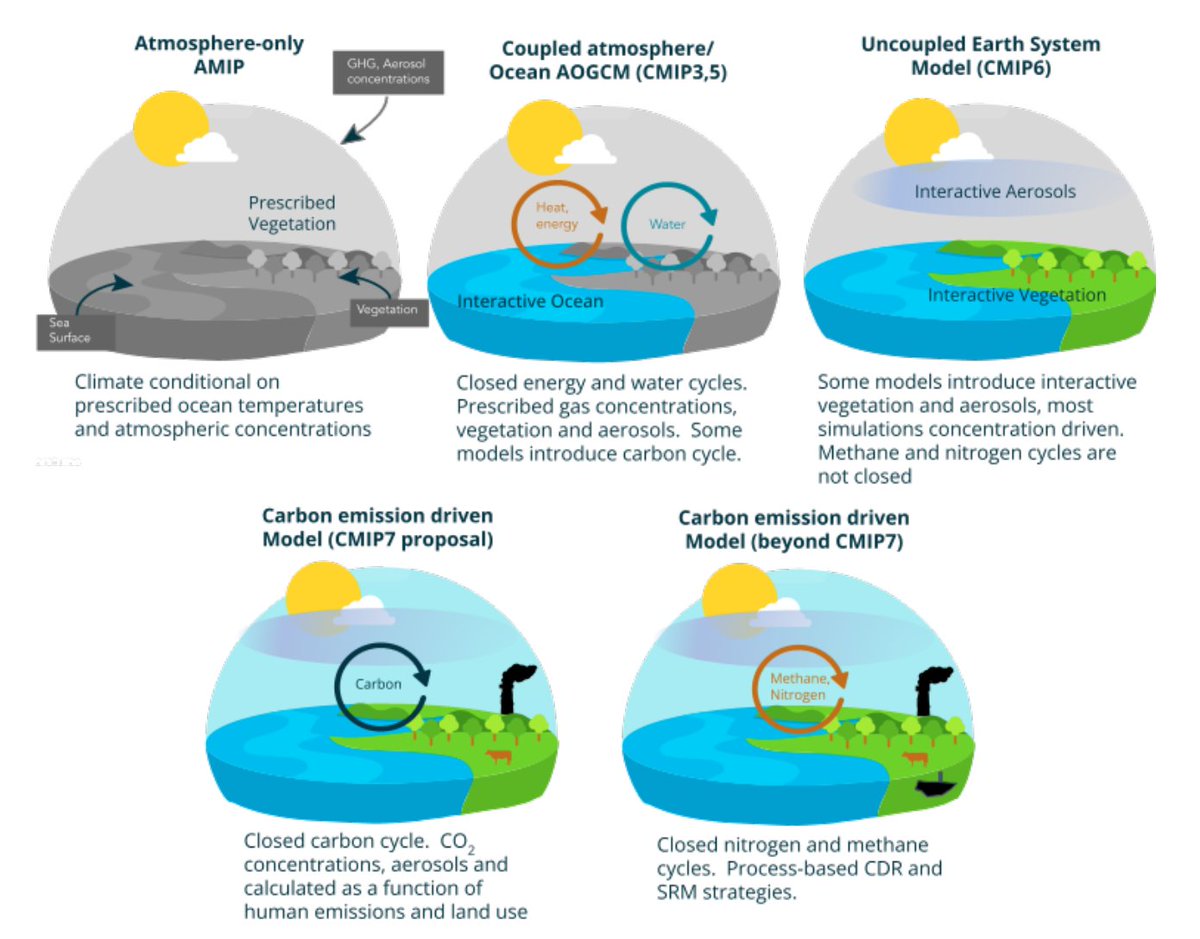
21 Nov 2023

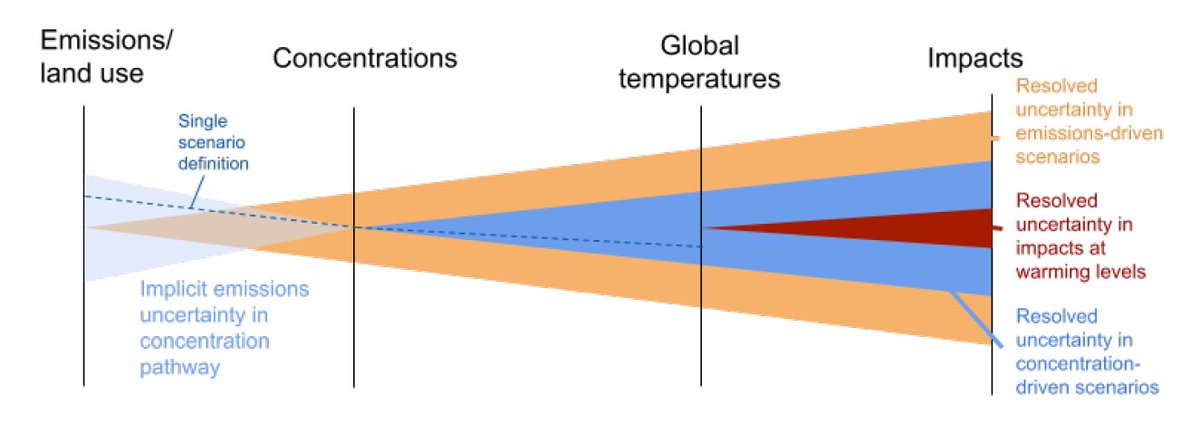
Most Earth System Model runs use scenarios that start at concentrations, not emissions, meaning key carbon cycle uncertainties are often overlooked.
Should we have more emission-driven Earth System Model runs?
New paper by @benmsanderson out for review: egusphere.copernicus.org/pre…
7
22
5,127
29 Sep 2023
@esiwace has joined the #ClimateResearchNet network to advance in the development of #EarthSystemModels🌍
4 Apr 2023
Are you into #climatepolicy?
Take 2 min to watch/read below how we're building the next generation of #EarthSystemModels and Integrated Assessment Models tailored to inform mitigation strategies in support of achieving the goals of the Paris Agreement.👇
#ClimateResearchNet
1
4
332
1 Sep 2023
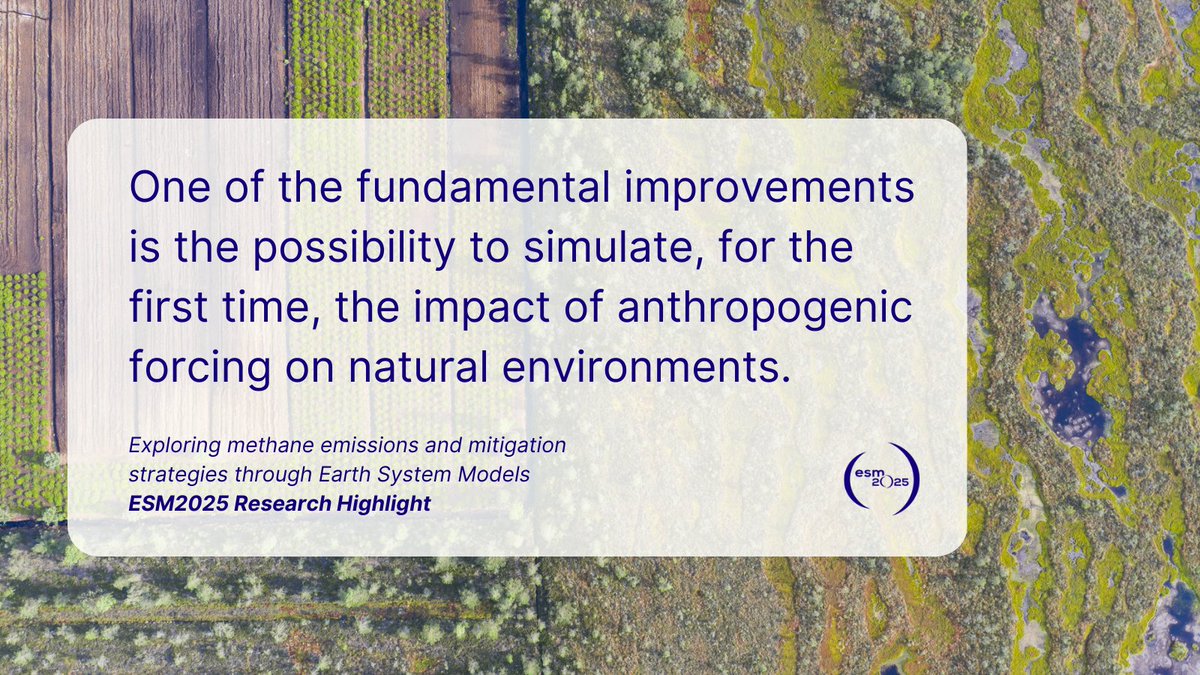
📢📢 Methane emission-driven #EarthSystemModels!
UKESM-ems model was the 1st to include both the coupling of CH4 cycle with wetlands & the implementation of comprehensive interactive atmospheric chemistry, while running emission-driven.
But we have other teams on it! 👇🧵
(1/5)
1
3
4
776
26 Aug 2023
Until recently, climate models used to project 21st cent. climate change haven't included interactive ice sheets in their simulations. This is starting to change in the next generation of #EarthSystemModels we're developing👇
@IPSL_outreach @IPSL_outreach
pulse.ly/2yhwywku4c
3
317
13 Aug 2023
That is why we are working to:
➡️ Improve the representation of the missing processes and compartments of the land-to-ocean aquatic continuum in #EarthSystemModels
➡️ Introduce a full coupling of the land and ocean carbon fluxes in#EarthSystemModels
1
2
61
7 Aug 2023
At ESM2025, ocean🌊, ice sheet❄️ and atmosphere☁️ modellers & researchers are carrying out strongly transdisciplinary work in order to develop a new generation of #EarthSystemModels that includes interactive ice-sheet dynamics.
Want to know more? 👉
pulse.ly/ahtirmynho
1
2
5
600
1 Aug 2023
#EarthSystemModels are powerful tools for predicting future #climatechange and informing international #climatepolicy, but most still have significant uncertainties in their representations of methane sources, sinks & transport. 🧵
👇
(1/4)
(To know 👀 pulse.ly/li3y1ohu1j)

1
2
3
564
26 Jul 2023
Building a new generation of #EarthSystemModels finally capable of interactively simulating ice-sheets can bring about new interesting results for climate #policymaking
A hint? Sea-level rise & low-likelihood high-impact events. To know 👉pulse.ly/0tqawepxbo
@cinea_eu
1
7
803

6 Jul 2023
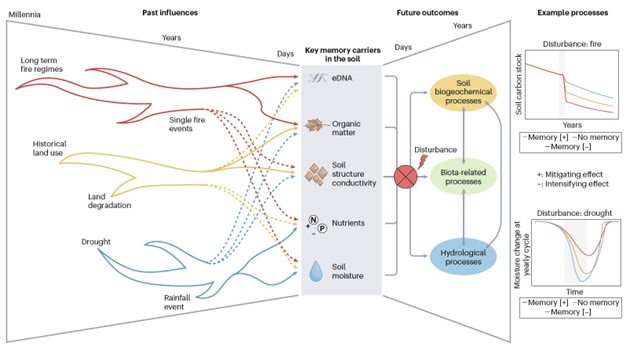
"Soil as a Living Archive of the Earth System" by Rahmati et al. @NatRevEarthEnv ➡️nature.com/articles/s43017-0… shows how more systematic inclusion of #soilmemory in #EarthSystemModels can account for complex land surface responses to disturbances and #climatechange @VereeckenHarry
2
6
273
1 Jun 2023
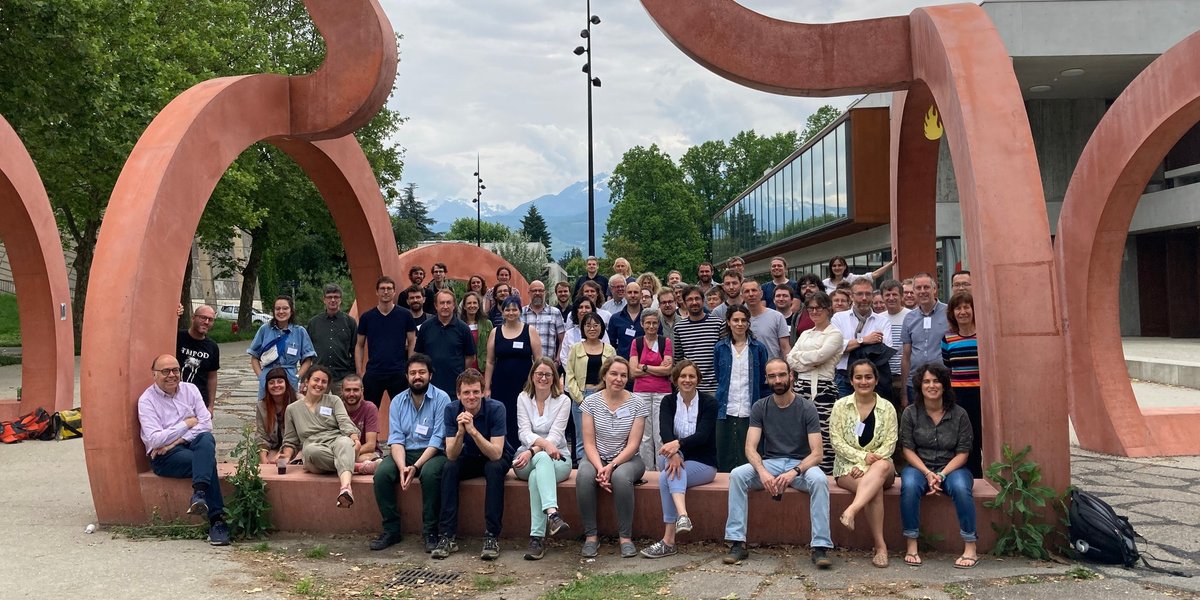
...and that's it, we've wrapped up our 2nd GA!
We all had a great time meeting face-to-face in the beautiful Alpes, many productive discussions & the project is moving forward!
See you soon for new updates on the next gen. of #EarthSystemModels, interacting with IAMs & SCMs!
2
14
1,173

31 May 2023
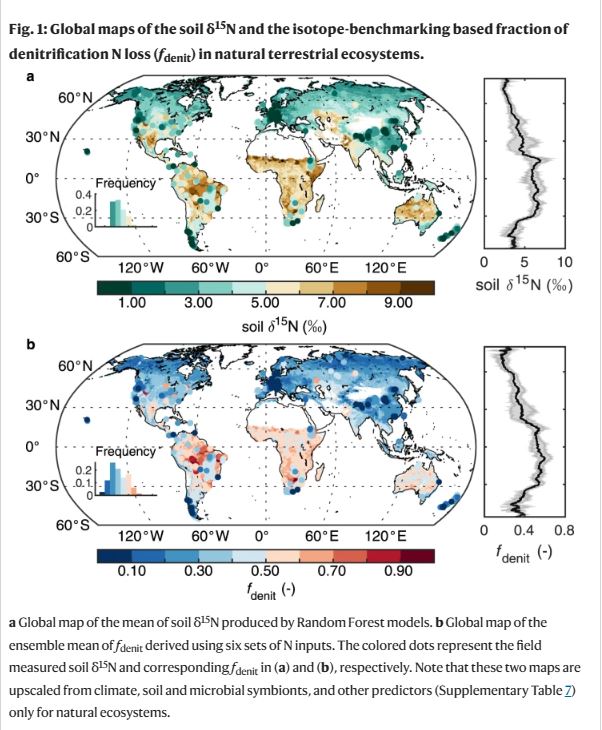
📢 Nitrogen Paper Alert
published last week in nature communications: "Overestimated nitrogen loss from denitrification for natural terrestrial ecosystems in CMIP6 Earth System Models"
👉🏻bit.ly/42ctYnx
#Nitrogen #EarthSystemModels #Carbon
ALT https://www.nature.com/articles/s41467-023-38803-z#citeas
10
391
5 May 2023
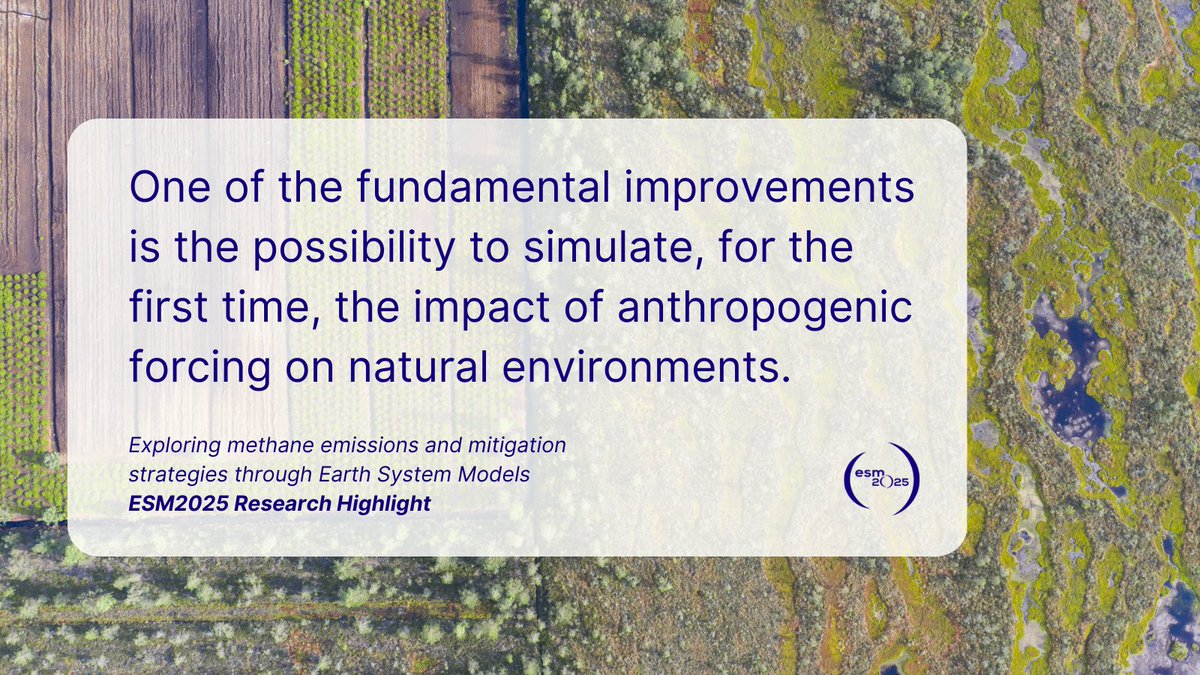
📢📢 Methane emission-driven #EarthSystemModels!
UKESM-ems model is the 1st to include both the coupling of CH4 cycle with wetlands, & the implementation of comprehensive interactive atmospheric chemistry, while running emission-driven.
But we have other teams on it! 👇🧵
(1/5)
1
3
6
748
25 Apr 2023
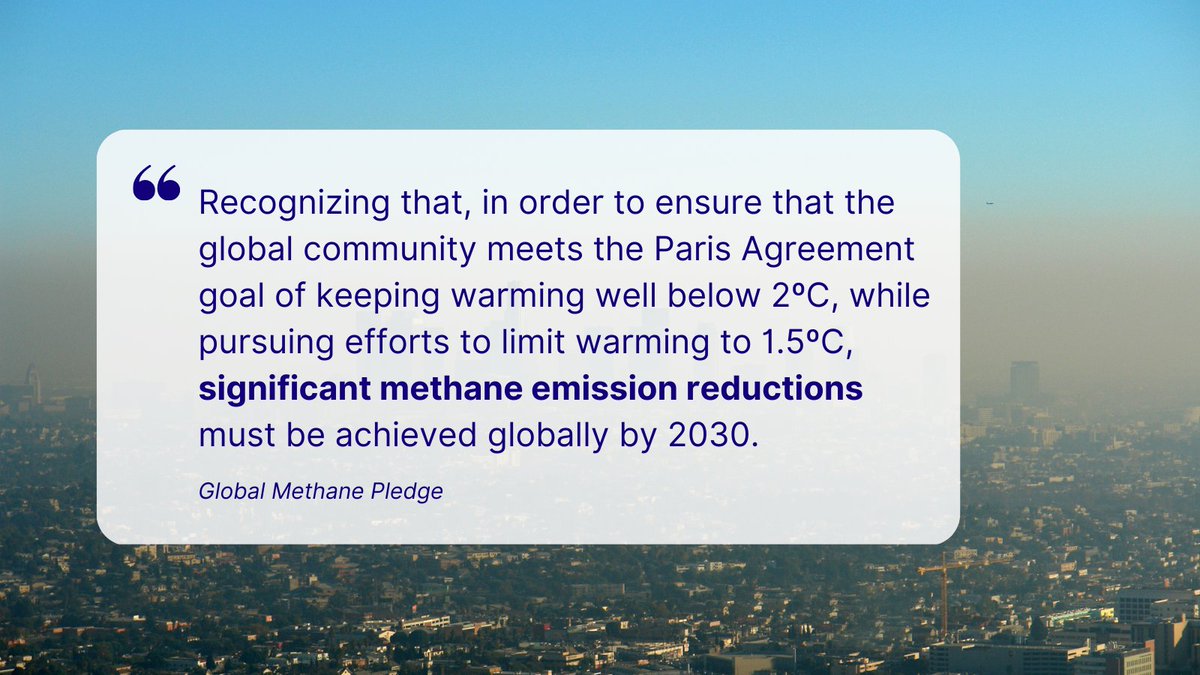
#EarthSystemModels are powerful tools for predicting future #climatechange and informing international #climatepolicy, but most still have significant uncertainties in their representations of methane sources, sinks & transport. 🧵
👇
(1/4)
(To know 👀 bit.ly/40L96mQ)
1
2
3
730