
27 Nov 2025
Masquerading as Indians, Pak social media accounts push misinformation against India
yespunjab.com/?p=185863
#Misinformation #SocialMedia #FakeAccounts #IndiaNews #Pakistan #OnlinePropaganda #XPlatform #ElectionInfluence #DigitalSecurity #CyberThreats
29

17 Nov 2025
🚨How did Instagram influence the Bihar Assembly Election?
One search on Instagram: a flood of caste supremacy, and clear political messaging. Big Tech is shaping our elections more than we think. Vipul Kumar (@vipul_reports) explains. #Watch ⬇️
#BiharElections #SocialMediaImpact #ElectionInfluence #BiharPolitics
2
4
376

5 Jun 2025
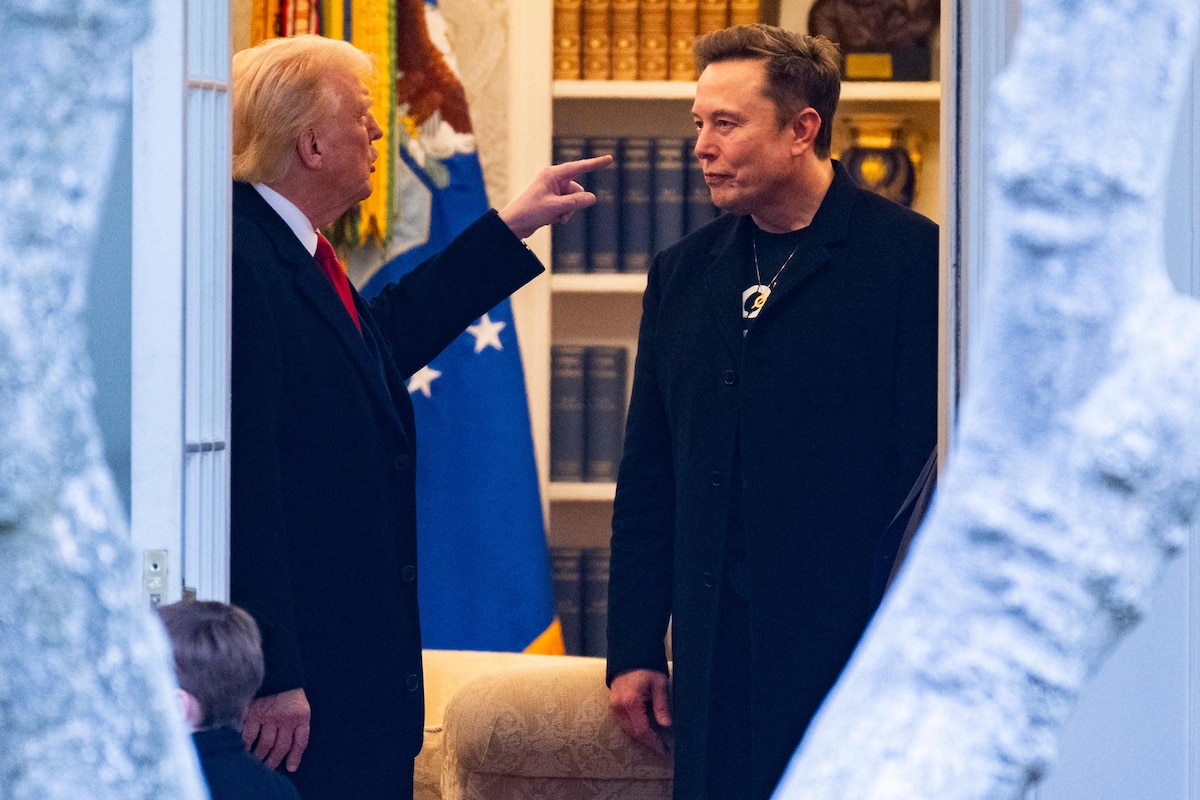
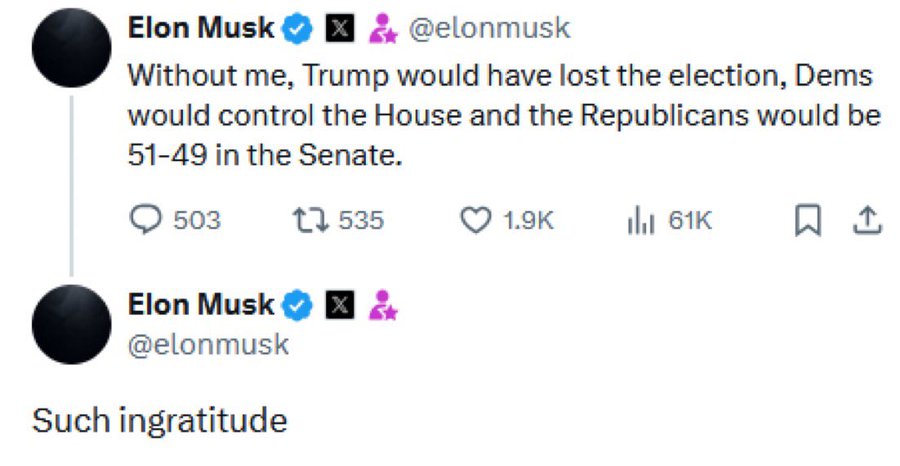
🇺🇸Elon Musk affirme que sans lui, Trump aurait perdu l’élection, et décrit le comportement de l’ancien président comme « de l’ingratitude pure ».
#MuskVsTrump #électionsaméricaines #ingratitude #politiqueUSA
#MuskTrumpClash #USPolitics #ElectionInfluence #GratitudeDebate
#MuskContraTrump #eleccionesEEUU #ingratitud #politicaestadounidense
#ماسك_و_ترامب #الانتخابات_الأمريكية #ناكر_للجميل #السياسة_الأمريكية
3
4
171

17 Mar 2025
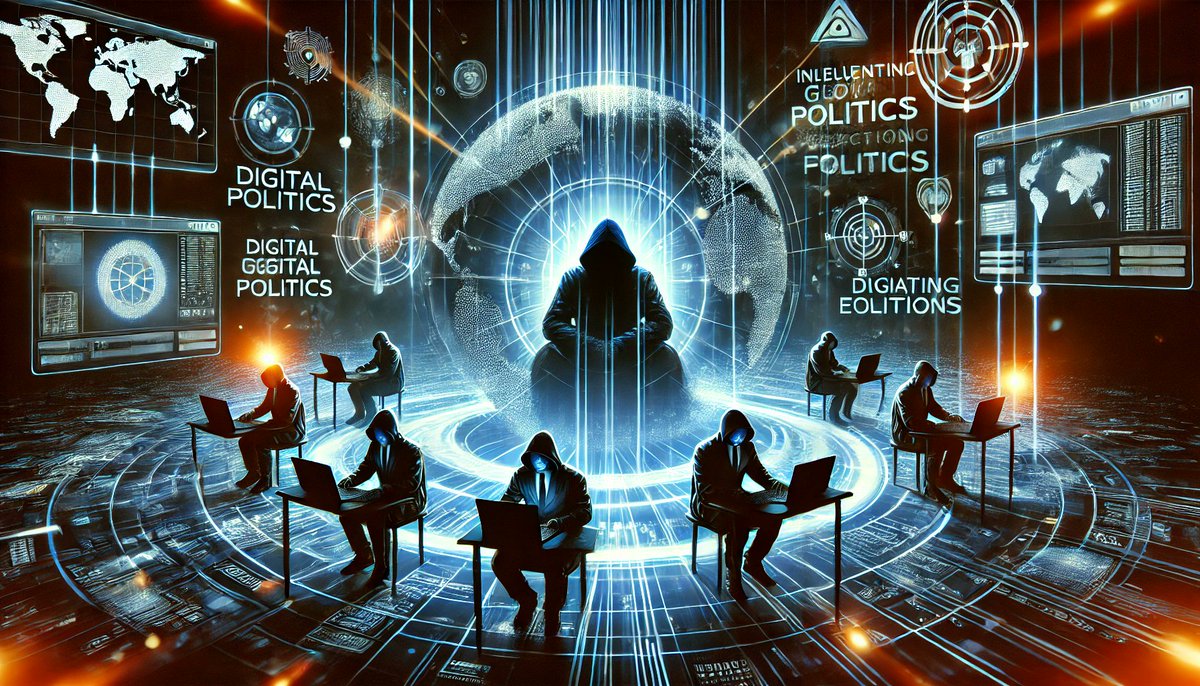
Intelligence agencies and cyber changes: Document leaks and analytical reports indicate that intelligence agencies actively use cyberspace to influence elections and wage information wars. These facts confirm the beginning of a new era of global control methods.
#CyberAgencies #InfoWars #ElectionInfluence #GlobalControl #LeakedEvidence #ConspiracyFacts #DigitalPower
2
30

9 Mar 2025
🔵 Arabella Advisors manages six nonprofits acting as left-leaning incubators.
#NewVentureFund #SixteenThirtyFund #HopewellFund #WindwardFund #NorthFund #ImpetusFund
💰 Major funders: Soros, Zuckerberg, Gates, Hansjörg Wyss (Swiss billionaire).
#DarkMoney #PoliticalFunding #BillionaireInfluence
🗳️ Influence focus: US elections, SCOTUS picks, court delegitimization efforts.
#ElectionInfluence #SCOTUS #PoliticalPower
🏛️ $410M spent to oppose Trump & boost Democrats (2020).
#AntiTrump #DemocratFunding #PoliticalStrategy
🏦 $181M raised (2023), $141.3M spent, focusing on 2024 elections.
#2024Elections #LiberalFunding #CampaignMoney
🏴☠️ "Dark money" network with non-disclosed donors shaping policy & elections.
#DarkMoney #PoliticalInfluence #SecretFunding
🎯 Arabella-led groups fund activism on:Abortion rights 🩸
Progressive policies 📜
Democratic campaigns 🌊
#LiberalAgenda #PoliticalActivism #PolicyShaping
🚀 Strategy: Nonprofit "fronts" used to fund and amplify progressive causes.
#AstroTurfing #LeftWingInfluence #NonprofitNetwork
🔥 Critics call it "left-wing dark money machine" influencing Democratic priorities.
#PoliticalLobbying #LiberalMachine #ElectionInterference
1
2
38

20 Feb 2025
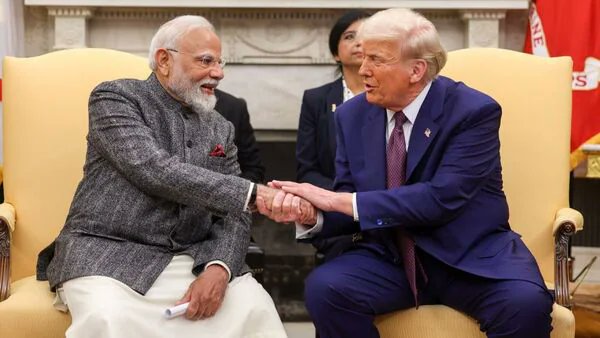
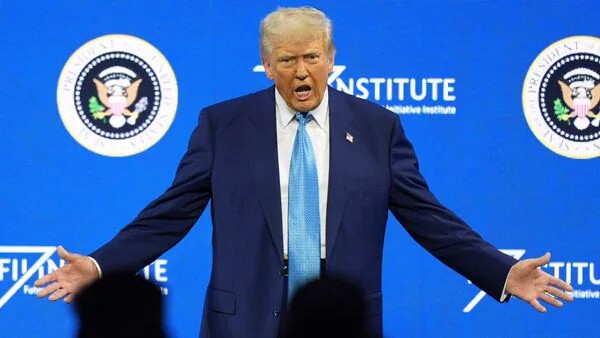
🚨 BREAKING 🚨 Donald Trump claims Joe Biden attempted to influence India's elections! 😱
He says he will share all details with the Modi government.
"The $21 million allocated for voter turnout in India may have been used to sway the elections." – Trump
Navidh Now (24x7 News Channel) provides round-the-clock news updates across social media, maintaining a neutral stance and refraining from endorsing or promoting any political party in India.
Subscribe to our channel for the latest news updates.
Stay connected on Social Media:
Follow us on Twitter: (x.com/navidhnow)
Follow us on Youtube: youtube.com/@navidhnow
#TrumpOnIndia 🇮🇳 #ElectionInfluence 🗳️ #BreakingNews #Trending #TrendingNow @narendramodi @realDonaldTrump @BJP4India
3
3
33

17 Feb 2025
Is democracy truly what we think it is, or is it a carefully managed system of control? In this eye-opening video, we break down Mike Benz’s research on how democratic institutions may not be as free as they seem. We explore the role of government influence, media manipulation, and geopolitical strategy in shaping elections and policies worldwide. Using real-world examples from the USA, Australia, and beyond, we question if democracy has become a tool for elite control rather than public representation. From corporate lobbying and election funding to media bias and foreign intervention, this discussion challenges the traditional understanding of free and fair governance. If you believe in critical thinking, personal development, and questioning the status quo, this video is for you. Join the conversation and explore whether democracy is truly working—or if we’re just given the illusion of choice. #Democracy #PoliticalAwakening #FreeThinking #GovernmentControl #MediaManipulation #ElectionInfluence #TruthSeeker #PoliticsExplained #GlobalInfluence #Geopolitics #CriticalThinking #PersonalDevelopment
Find Val
Instagram: val_malinovskiy_
TikTok: val.malinovskiy
3
9
45
4,881

19 Jan 2025
Can AI Influence Democracy in Elections? 🤖🗳️
#AIinDemocracy #Elections2023 #TechEthics #VoteEquality #ArtificialIntelligence #DigitalVoting #FutureOfPolitics #TechImpact #ElectionInfluence #SmartVoting
26

10 Jan 2025
The German Media's Confrontation with Elon Musk: An Analysis
The relationship between Elon Musk (
@elonmusk
) and German legacy media has been notably contentious, with high-profile coverage often framing the billionaire in a negative light. This dynamic has escalated as Musk has become more involved in political discourse, particularly in endorsing the far-right Alternative for Germany (AfD) party, and through his actions on his social media platform, X (formerly Twitter).
The Background of Musk's Media Scrutiny
Elon Musk, known for his ventures like Tesla (
@Tesla
), SpaceX (
@SpaceX
), and X (
@X
), has long been a subject of media fascination and criticism. His outspoken nature, particularly his use of social media to voice controversial opinions, has made him a polarizing figure. In Germany, where the political landscape is sensitive to historical and current right-wing movements, Musk's support for the AfD has intensified the scrutiny.
Der Spiegel's "Public Enemy Number Two"
One of the most direct confrontations came from Der Spiegel (
@derspiegel
), a leading German news magazine. In an article titled "Public Enemy Number Two," Der Spiegel drew parallels between Musk and Alfred Hugenberg, a media mogul from the Nazi era, suggesting Musk's actions are detrimental to democracy. This comparison was not just about his business practices but also his political endorsements, particularly his support for Donald Trump (
@realDonaldTrump
) and the AfD, which have been criticized by many in Germany due to their anti-immigration stance and nationalist rhetoric. This coverage led to Musk responding with humor, alluding to Nazi propaganda chief Joseph Goebbels, further fueling the controversy.
Other Media Outlets Joining the Fray
The backlash wasn't limited to Der Spiegel. Stern (
@stern
), another significant German magazine, used its front cover to attack Musk, particularly in light of his planned interview with AfD leader Alice Weidel (
@Alice_Weidel
). This was perceived as an attempt to influence German elections, raising concerns about foreign intervention in national politics. The timing was particularly sensitive as Germany was approaching a snap election, and Musk's public endorsement of AfD was seen as an unwelcome interference.
Criticism of Media Tactics
The criticism from Musk's supporters, including notable figures on X, points to what they see as a biased portrayal by German legacy media. They argue that these media outlets are using their influence to delegitimize Musk's business and political views rather than engaging in objective journalism. This sentiment is echoed in posts on X, where users have accused the media of corruption, especially after Musk highlighted financial connections like Bill Gates (
@BillGates
) funding Der Spiegel.
The Political Dimension
Musk's involvement in German politics has been controversial, with his comments often seen as inflammatory or misinformed. His critique of Chancellor Olaf Scholz (
@OlafScholz
) and support for AfD have been met with strong resistance from mainstream politicians who accuse him of promoting extremism or misunderstanding German political nuances. The AfD itself is a contentious topic in Germany, classified by some as a suspected extremist organization, making Musk's support a hotbed for media scrutiny.
Broader Implications
This media battle raises questions about the role of influential figures like Musk in national politics, especially in countries with a fraught history with right-wing ideologies. It also highlights the tension between free speech, political influence, and media responsibility. The media's portrayal of Musk as an antagonist to democracy underscores a broader debate on how much sway billionaires should have in shaping political discourse, especially through social media platforms they control.
Conclusion
The German legacy media's attack on Elon Musk is multifaceted, involving concerns over his political endorsements, his influence on public discourse, and his business practices. While Musk's actions have certainly stirred debate, the media's response has been seen by some as overly aggressive or politically motivated. This situation exemplifies the complexities of modern media landscapes where personal, political, and business interests intersect, often leading to public skirmishes that extend far beyond the initial points of contention.
Hashtags and Mentions:
#TrendingNow #ElonMusk #GermanMedia #AfD #Tesla #SpaceX #X #ElonMuskGermanMedia #MediaBias #PoliticalInfluence #BillionairesInPolitics #MediaAttack #FreeSpeech #RightWing #PoliticalEndorsement #GermanPolitics #MediaScrutiny #Censorship #JournalismEthics #PublicOpinion #SocialMediaImpact #BusinessAndPolitics #ElectionInfluence #MuskCriticism #GermanElections
4
126

30 Dec 2024
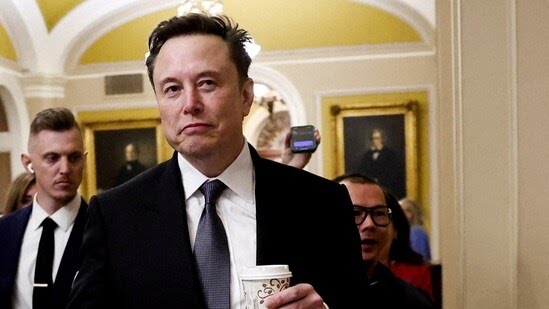
Germany Accuses Elon Musk of Federal Election Influence 🚨
German officials claim Elon Musk is attempting to influence their federal election.
Follow us for more simplified news in under 25 words.
#ElonMusk #Germany #ElectionInfluence #Politics #GeoNewsDaily #SquidGame2
#AUSvIND
#GranHermano2025
3
8
90

27 Nov 2024
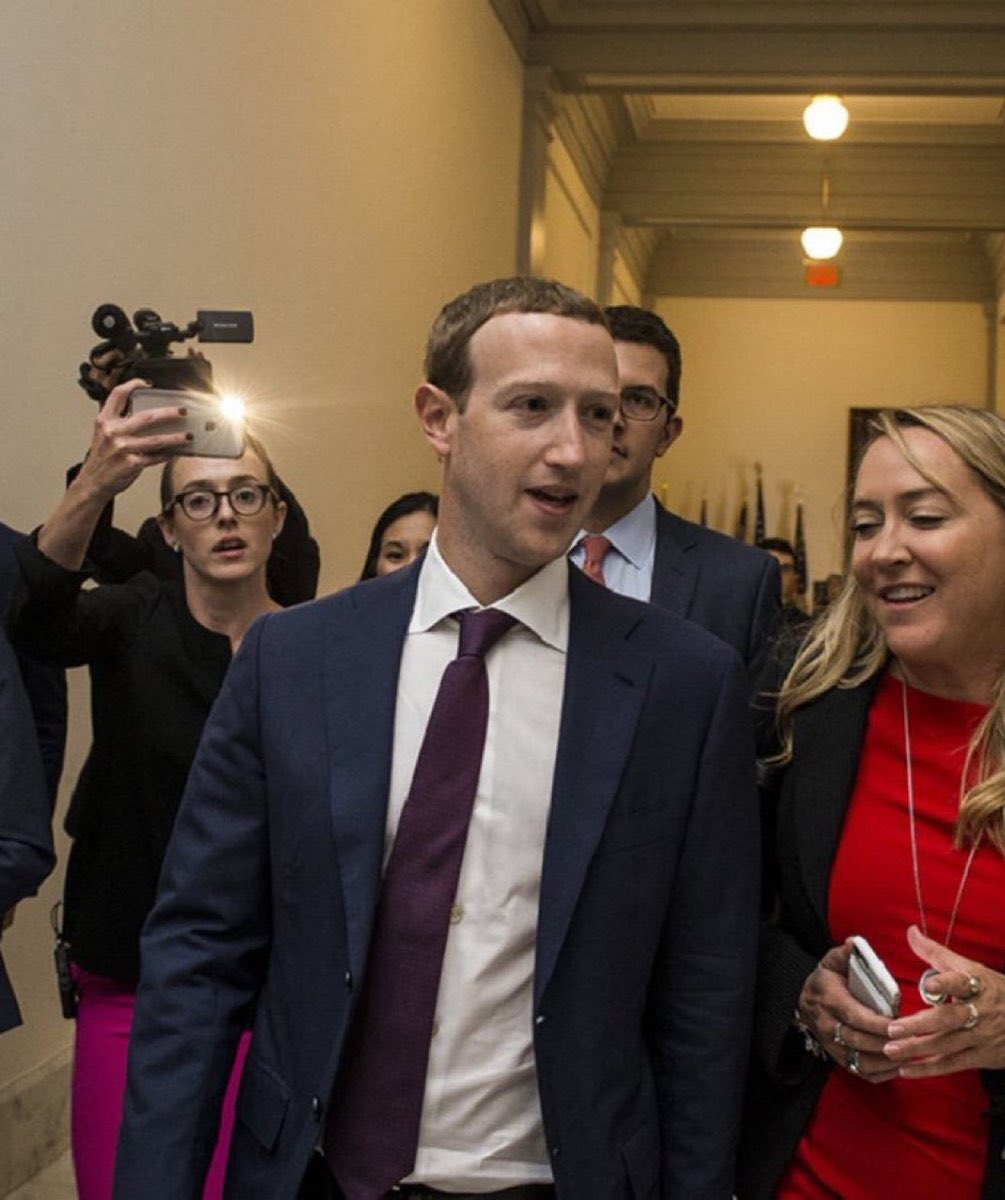
🚨 BREAKING: Mark Zuckerberg seen sneaking into Mar-a-Lago.
What's the Zuck up to now? Trying to dodge legal heat?
#ZuckAtMarALago #ElectionInfluence
12
14
27
1,419

13 Nov 2024
🔍 How Algorithmic Echo Chambers Influence Elections
linkedin.com/pulse/how-algor…
#AlgorithmicEchoChambers #SocialMedia #DigitalDemocracy #DataPrivacy #DigitalLiteracy #ElectionInfluence #PublicDiscourse #Democracy #PoliticalDiscourse #BigTech #Politics #USPol #OpenElections
2
47

6 Nov 2024
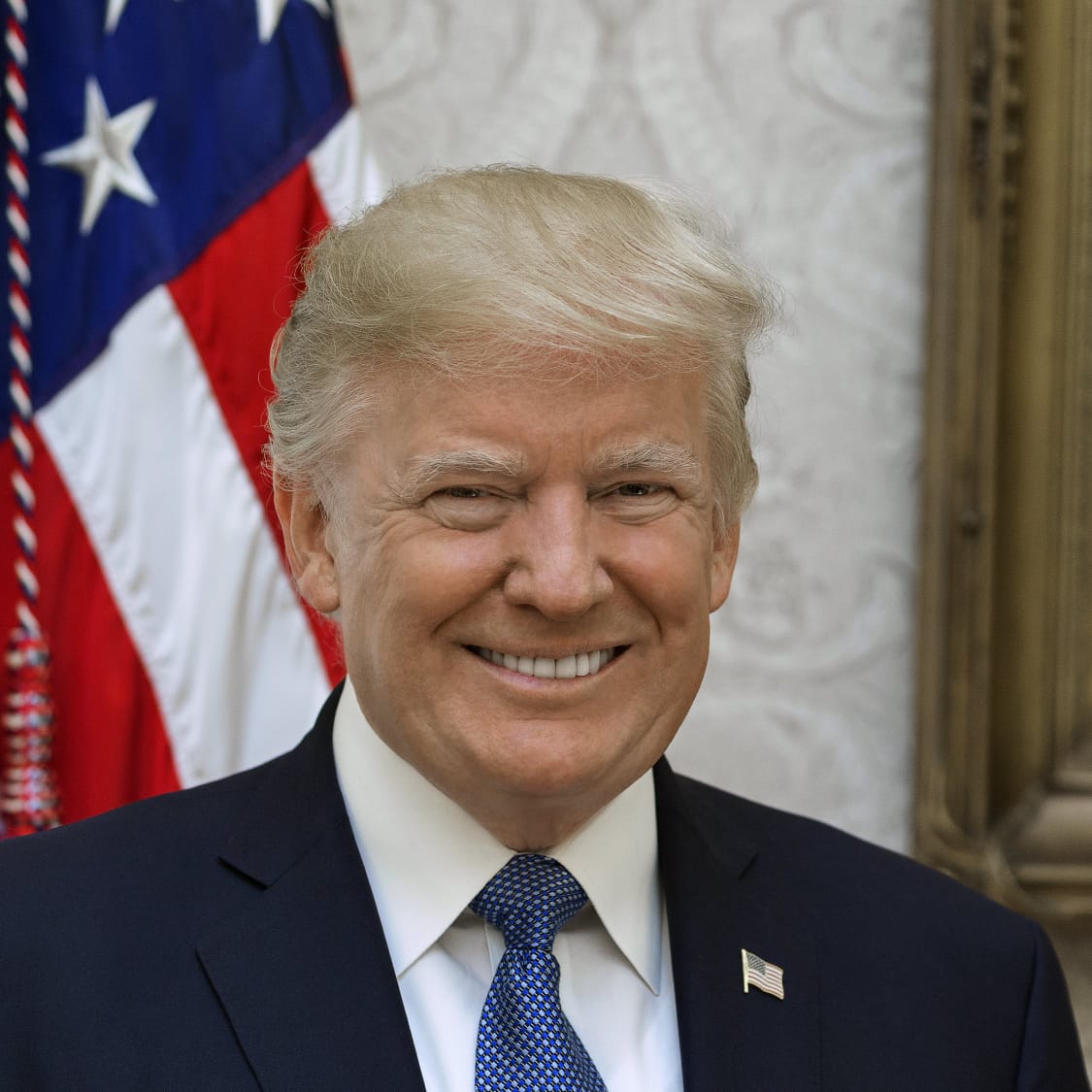
"Artists like Cardi B, Katy Perry, and Megan Thee Stallion can’t even fully influence their own music careers, let alone win an election for Harris. Trump played his cards right, and kudos to Elon for acquiring X to give him the edge. #Trump2024 #ElonMusk #ElectionInfluence #MAGA
1
23
4,106

5 Nov 2024
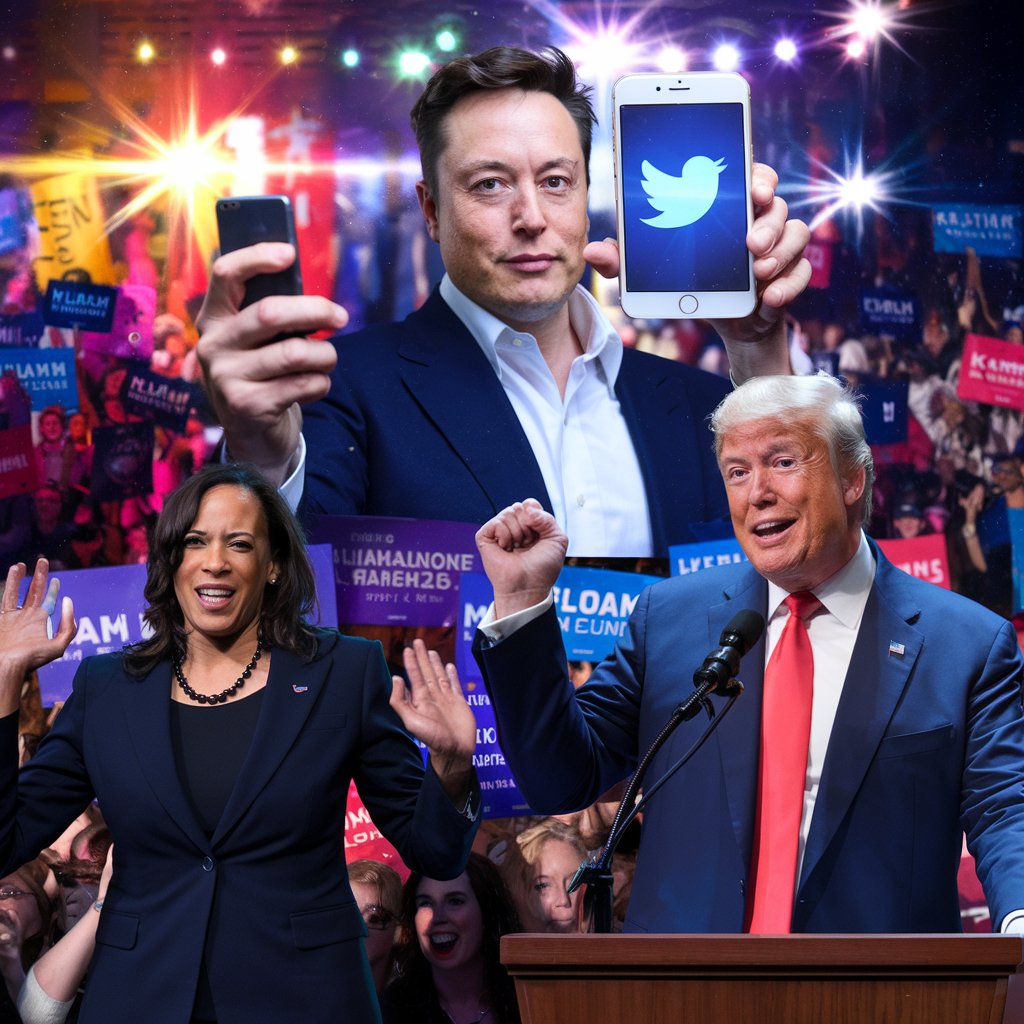
Sometimes the loudest voices are the ones tweeting. 🗳️
#ElectionInfluence
#Election2024
#Trump #Kamala #FightForAmerica #ElectionDay #USElection2024
#ElonMusk #ElectionDay
1
2
406
5 Nov 2024
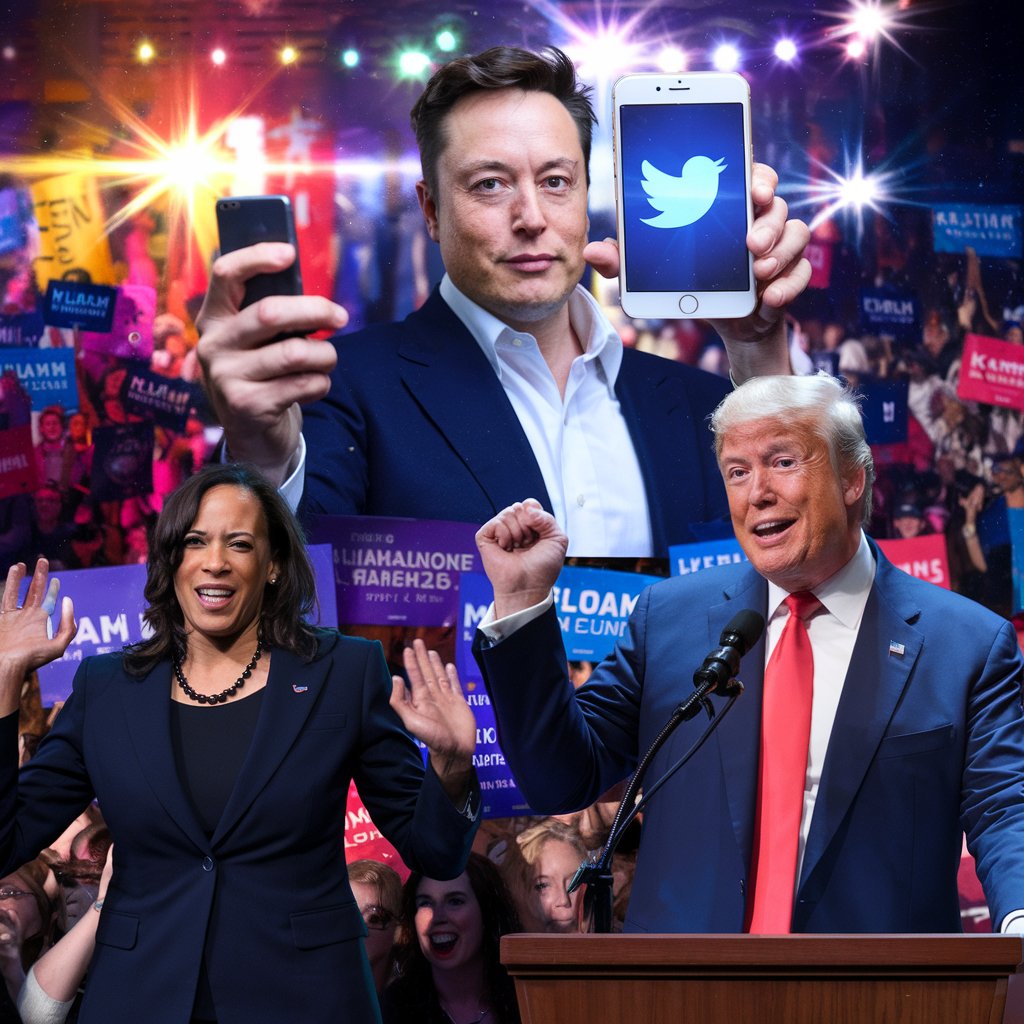
Sometimes the loudest voices are the ones tweeting. 🗳️
#ElectionInfluence
#Election2024
#Trump #Kamala #FightForAmerica #ElectionDay #USElection2024
#ElonMusk
1
2
473

1 Nov 2024
Media Sets Narrative Against Trump Supporters Ahead of Election Day
#Election2024 #MediaNarrative #TrumpSupporters #PublicPerception #ElectionBias #MainstreamMedia #PoliticalDivide #EarlyFraming #ElectionInfluence #Bias
4
266

28 Oct 2024
Old Tactics, New Tech: Kremlin’s Timeless Love Affair with U.S. Elections
Because why stop at your own borders? Today, Propastop explores Russia's deep-rooted tradition of "helping" the U.S. pick its president—whether it’s through Soviet-era subterfuge or AI-powered 2024 spin. The Kremlin never misses a chance to toss a wrench into democracy... purely out of neighborly concern, of course. #USPolitics #ElectionInfluence #SomeThingsNeverChange
28 Oct 2024

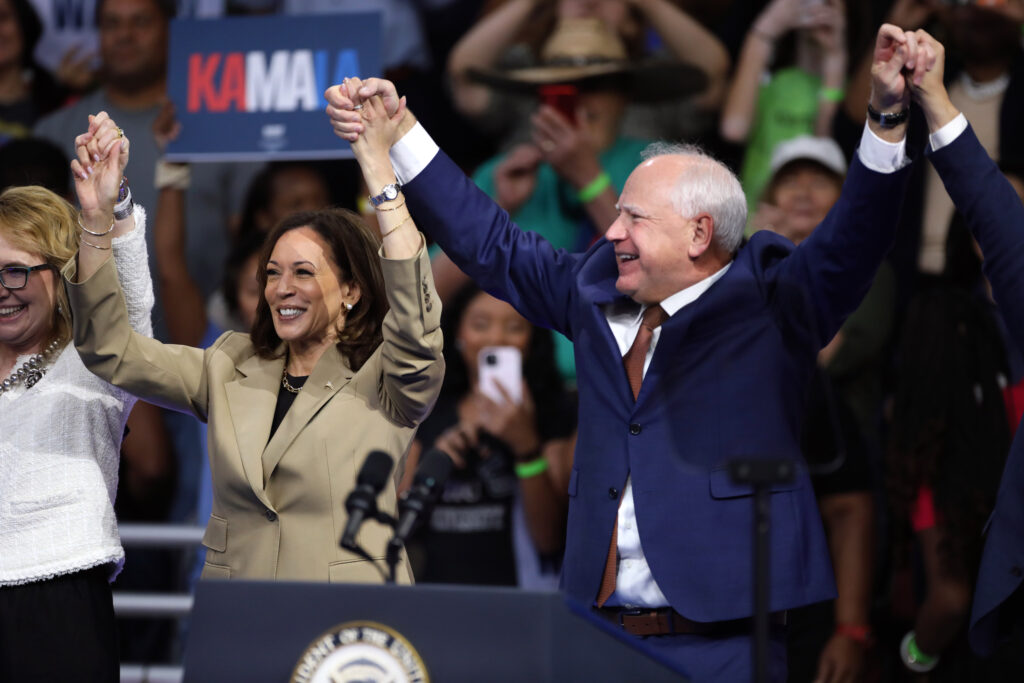
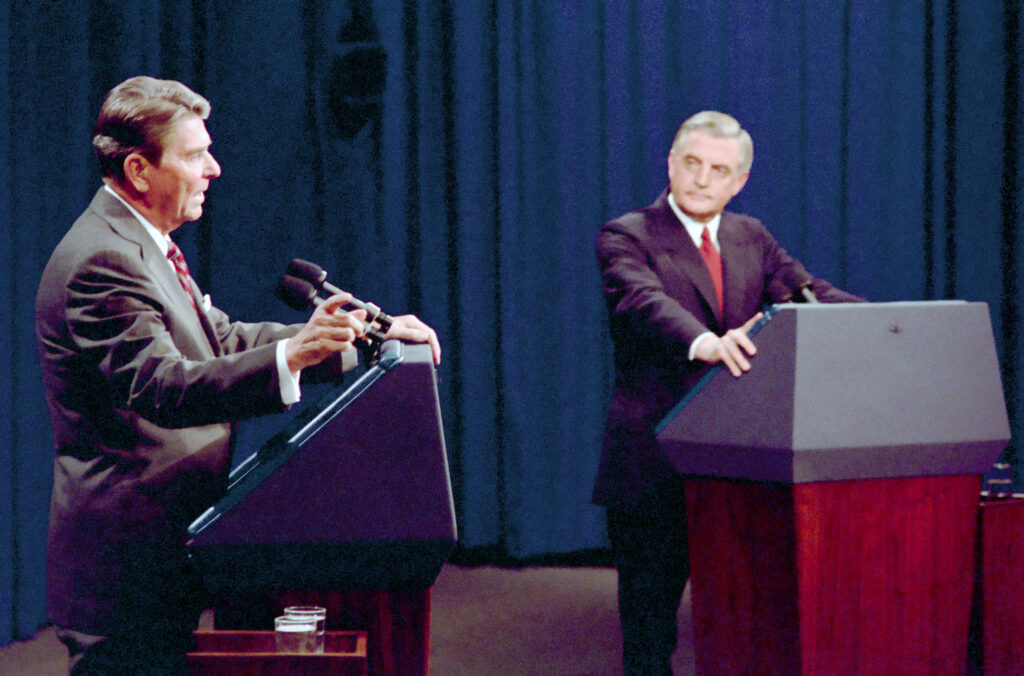
Old Tactics in a New Bottle: Kremlin’s Interference in U.S. Elections
Today, Propastop dives into how Russian and Soviet intelligence have historically tried to sway U.S. presidential outcomes—and the motives driving these enduring efforts.
propastop.org/eng/
1
9
73
13,062
8 Oct 2024
HISTORICAL NEWS ⚠️CNN Exposed: Network Planned to Make "Climate Change" the Next Big Issue After COVID Fatigue
In 2021, a CNN Director was caught on tape admitting that the network deliberately planned to pivot from COVID to climate change as their next primary focus. With climate change now being linked to hurricanes and extreme weather, some argue it could play a major role in influencing the 2024 election.
#ClimateChangeAgenda #Election2024 #CNNExposed #MediaNarratives #HurricanePolitics #BreakingNews #ClimateCrisis #ElectionInfluence #WeatherPolitics #MediaBias
🎥 Project Veritas
1
7
13
917

Taylor Swift's Endorsement of Kamala Harris: A Game-Changer for 2024 Elections?
youtu.be/-IlASOFWCic
#TaylorSwift #KamalaHarris #2024Elections #PoliticalEndorsement #SwiftiesForHarris #Vote2024 #CelebrityPolitics #WomenInPolitics #ElectionInfluence #SwiftSupport #hotnews
3
61

8 Sep 2024
🚨 Persecution of Duterte's Allies🚨
Alice, Pastor Quiboloy, and Harry Roque, alleged financial supporters of the Duterte family, are being persecuted with their funding cut off until the elections 2025 and 2028.
Despite claims that this isn’t politically motivated, it seems evident that it is.
This situation bears a resemblance to Marcos Sr.'s tactics, who similarly suppressed opposition to maintain his grip on power for decades.
#PoliticalPersecution #FundingCut #DuterteSupporters #Alice #PastorQuiboloy #HarryRoque #PoliticalMotivation #MarcosTactics #PoliticalSuppression #ElectionInfluence #PhilippinePolitics #Opposition #PowerStruggle
3
17
557