yidir kahlouche retweeted

We recently created, an open-source and self-hosted alternative to EmailJS called FormTo. FormTo is a lightweight, self-hosted email delivery service that provides a simple REST API for sending emails directly from your applications. It is designed to be easy.
1
1
1
8


Jun 4
Chief, have you used EmailJS in any of your projects?
I have heard about Resend, but I haven't used it yet. I want to which one is better
1
1
20


Jun 2
Day 55 of JavaScript 🚀
Just made my newsletter signup form actually send emails! 📩
Integrated EmailJS so subscribers get a confirmation email instantly after signing up 🔥
Check it out 👇
newsletter-sign-up-smoky-sev…
#100DaysOfCode #JavaScript #Frontend
Apr 6

"tomorrow or maybe tonight" 😂
Update: built AND shipped it ✅ 👇
newsletter-sign-up-smoky-sev…
#100DaysOfCode #JavaScript #buildinpublic
1
28

May 27
🔗 Product:github.com/vishesh1111/USICT… 💻 GitHub:github.com/vishesh1111/USICT…
⚙️ Technologies Used:-
Next.js, React, TypeScript, Tailwind CSS, shadcn/ui, Framer Motion, Prisma, Supabase PostgreSQL, Google Gemini 2.5 Flash, Vercel AI SDK, Zustand, Zod, React Hook Form, EmailJS, Recharts.
1
80

May 25
Built Jimlat Fashion Store from scratch for a online vendor friend of mine.
Customers browse, order, and the vendor gets notified on WhatsApp instantly. Login → browse → cart → checkout → done. First project 🤍 HTML,CSS,JS,Firebase and Emailjs 💪🏿
richard-olasehinde.github.io…
May 15

Been working on a personal project for the last 2 weeks or so,will launch it in the coming days hopefully.
1
3
253


May 22
I just published How I Added a Working Contact Form to My React Vite Portfolio Using EmailJS 🚀 medium.com/p/how-i-added-a-w…
2

May 18
Today was one of those “real builder” days.
Built and deployed a fully native in-app feedback system for SwiftList:
• no more Gmail popups
• works on mobile desktop
• custom feedback page direct email delivery
• integrated EmailJS into production
• fixed Cloud Run deploy failures
• resolved package-lock dependency conflicts
• debugged Vite build issues live
• added Privacy Policy Terms of Service directly into the app sidebar
A lot of people quit when deployments start breaking.
That’s usually where the actual learning begins.
SwiftList keeps leveling up every day. 🚀 @SwiftLister_
#buildinpublic #indiehacker #webdev #reactjs #saas #startup #programming #coding #javascript #typescript #vite #cloudrun #github #entrepreneur #softwaredeveloper #ai #techstartup #mobileapp #pwa #solopreneur #swiftlist
2
1
75

أصبح:
Portfolio Website
أكثر من مجرد صفحة تعرض أعمالك، بل هو انعكاس مباشر لمهاراتك كمطور وطريقة تقديمك لنفسك داخل المجال التقني.
في هذا الكورس ستتعلم كيف تبني:
Modern Frontend Portfolio
احترافي وتفاعلي باستخدام:
Next.js
Three.js
Tailwind CSS
مع إضافات ثلاثية الأبعاد وتأثيرات بصرية حديثة تجعل موقعك مميزًا فعلًا.
الكورس مقدم بواسطة:
CodeBucks
ويركز على بناء Portfolio متكامل ومتجاوب مع جميع الأجهزة.
ستتعلم فيه:
بناء:
Responsive Portfolio Website
يعمل بشكل احترافي على:
Mobile
Desktop
استخدام:
Next.js
لبناء هيكل الموقع وتحسين الأداء.
إضافة عناصر:
3D
باستخدام:
Three.js
react-three-fiber
react-three-drei
دمج:
3D Models
داخل مشروع React بسهولة.
تحويل النماذج ثلاثية الأبعاد إلى:
JSX Components
باستخدام:
Gltf JSX
استخدام:
Tailwind CSS
لبناء تصميم حديث وسريع.
إضافة:
Smooth Animations
باستخدام:
framer-motion
عرض:
GitHub Stats
Contribution Activity
بشكل ديناميكي داخل الموقع.
استخدام:
AI-Generated Images
لتحسين الهوية البصرية للموقع.
إضافة:
Custom Fonts
Lucide Icons
لتحسين التصميم والتجربة البصرية.
بناء:
Interactive Forms
باستخدام:
react-hook-form
إدارة الرسائل والإيميلات عبر:
Emailjs
إضافة:
Notifications
باستخدام:
Sonner
إنشاء:
Sound Interaction
لتشغيل الموسيقى والتفاعل داخل الموقع.
تحسين:
Image Optimization
Performance
لضمان سرعة الموقع على جميع الأجهزة.
الميزة الجميلة في هذا الكورس أنه يجمع بين:
Frontend Development
3D Graphics
Animations
Modern UI Design
في مشروع حقيقي يساعدك على بناء Portfolio احترافي يبرز مهاراتك بشكل مختلف عن المواقع التقليدية.
إذا كنت تريد تعلم:
Next.js
Three.js
Tailwind CSS
Frontend Portfolio
Interactive Web Design
فهذا الكورس يعتبر من أفضل المشاريع العملية لبناء Portfolio حديث واحترافي باستخدام أحدث تقنيات تطوير الويب.
#تطوير_ويب #برمجة
freecodecamp.org/news/create…
1
4
198

May 16
🦷 Built a production-ready dental clinic website — 1st year CSE.
HTML · CSS · JS · GSAP · EmailJS · WhatsApp API
Real stack. Open to internships 💼
@Freshworks @BrowserStack @getpostman @webflow #WebDev @TheOdinProject
@ShradhaKhapra_ @webkul @techugo_apps @FroidenIndia
2
71


May 5
#threatreport #LowCompleteness
Inside a Fake DHL Campaign Built to Steal Credentials | 28-04-2026
Source: forcepoint.com/blog/x-labs/f…
Key details below ↓
💀Threats:
Credential_harvesting_technique,
🎯Victims: Consumers, Individuals
🏭Industry: Logistic
📚TTPs:
⚔️Tactics: 3
🛠️Technics: 0
🤖LLM extracted TTPs:`
T1016.001, T1566.002, T1567, T1614
🧨IOCs:
- Domain: 1
- Url: 3
- Email: 2
📜Programming Languages: javascript
#threatreport:
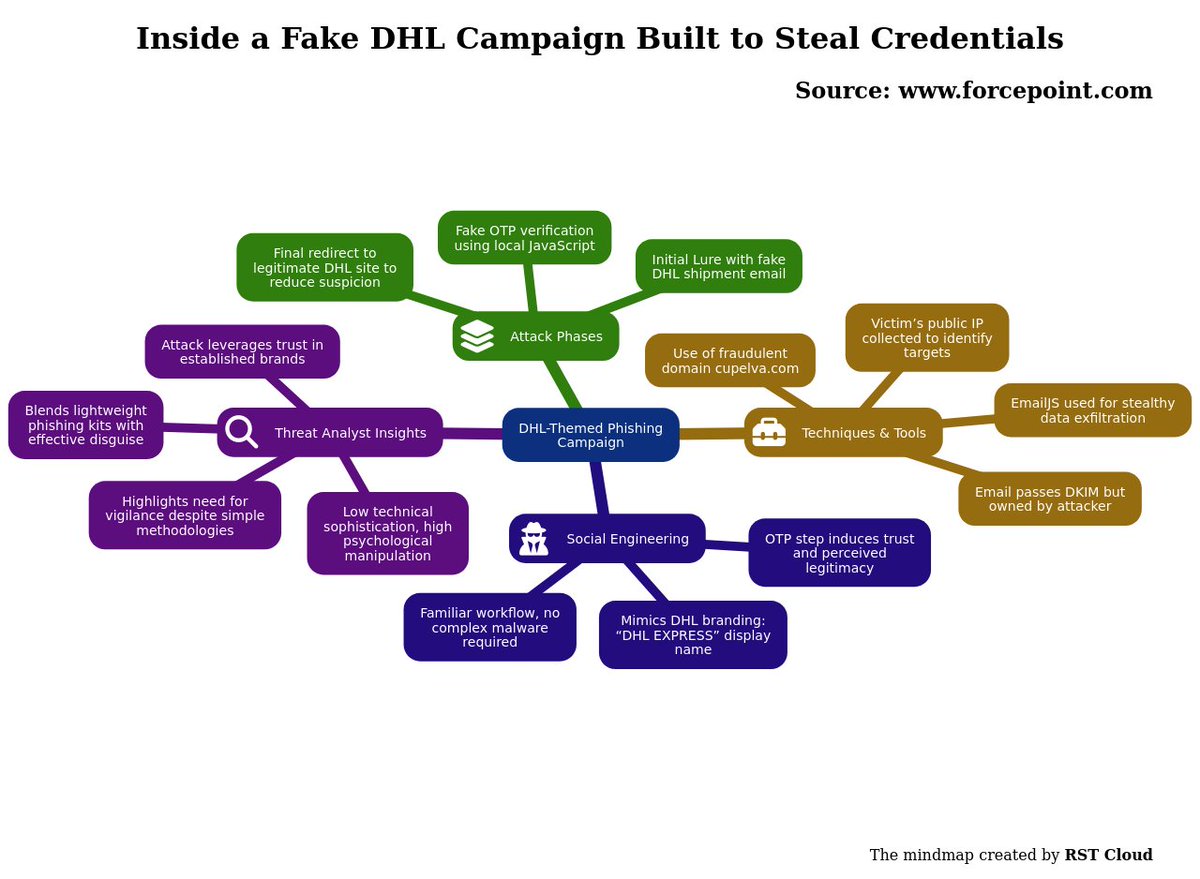
A recent phishing campaign identified by X-Labs targets individuals, utilizing DHL's branding to deceive users and steal their credentials. The attack unfolds in two main phases: the initial lure and the exploitation of a fake one-time password (OTP) verification step, both designed to foster trust before executing the theft of sensitive information. The phishing email mimics a shipment notice from DHL, using the display name "DHL EXPRESS," although it originates from a fraudulent domain, cupelva.com. While the message may pass DKIM checks, which can mislead filtering systems, it is ultimately malicious because it’s authenticated by a domain owned by the attackers.
The phishing kit, described as lightweight, follows an 11-step attack chain. After receiving the phishing email, victims are directed to a fake OTP page that generates a six-digit number through local JavaScript, contributing to the illusion of legitimacy. In this phase, the kit retrieves the victim's public IP address via various services, which helps the attacker identify high-value targets and differentiate genuine users from those represented by automated scanners. This data can also support further fraudulent activities.
To facilitate the credential harvesting, attackers exploit EmailJS, a legitimate service that allows for seamless data exfiltration through the browser without heavy infrastructure requirements. Through this tactic, the attackers can maintain a low profile and develop their phishing schemes more efficiently. Ultimately, while the campaign lacks sophisticated malware or complex backend systems, it relies on familiar elements to guide victims towards sharing their credentials without arousing suspicion.
The combination of a false verification process, the use of a legitimate third-party service for data collection, and the final redirect to the authentic DHL site are strategic moves meant to prevent immediate detection. This incident underscores that phishing attacks can be highly effective even without technical complexity, relying instead on psychological manipulation and trusted branding to achieve their objectives.
1
47

No malware. No complex backend. Just a fake OTP page, a spoofed DHL login and EmailJS shipping your password to an attacker. X-Labs breaks it down. forcepoint.com/blog/x-labs/f…

1
1
33

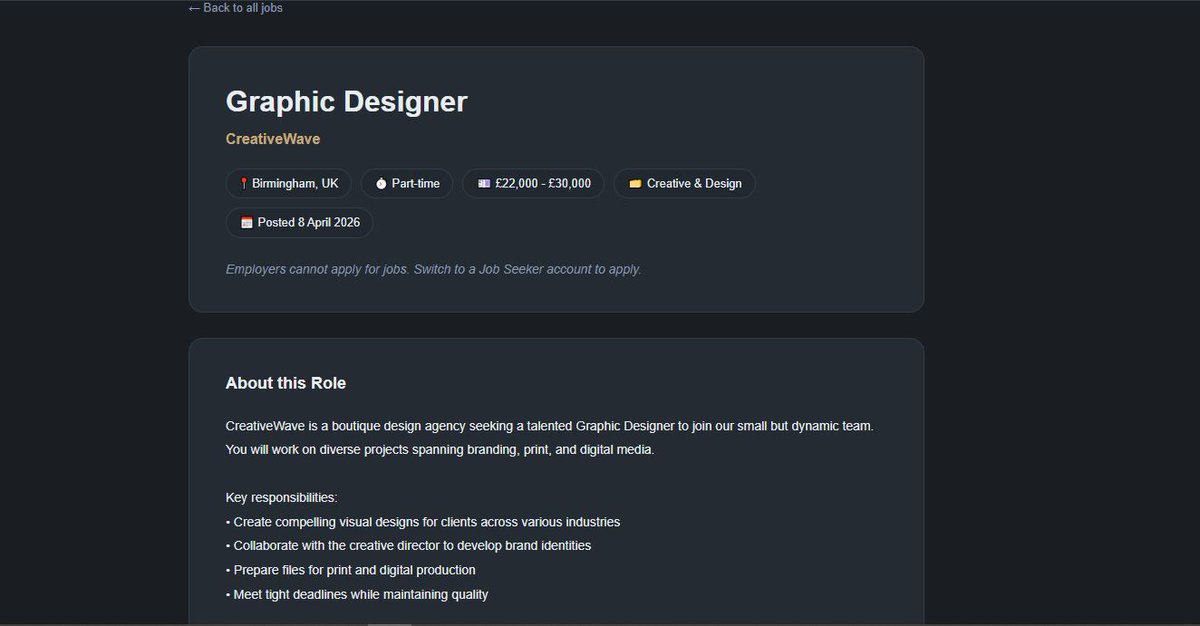
It’s been a few days since my last update, but I’ve been building behind the scenes.
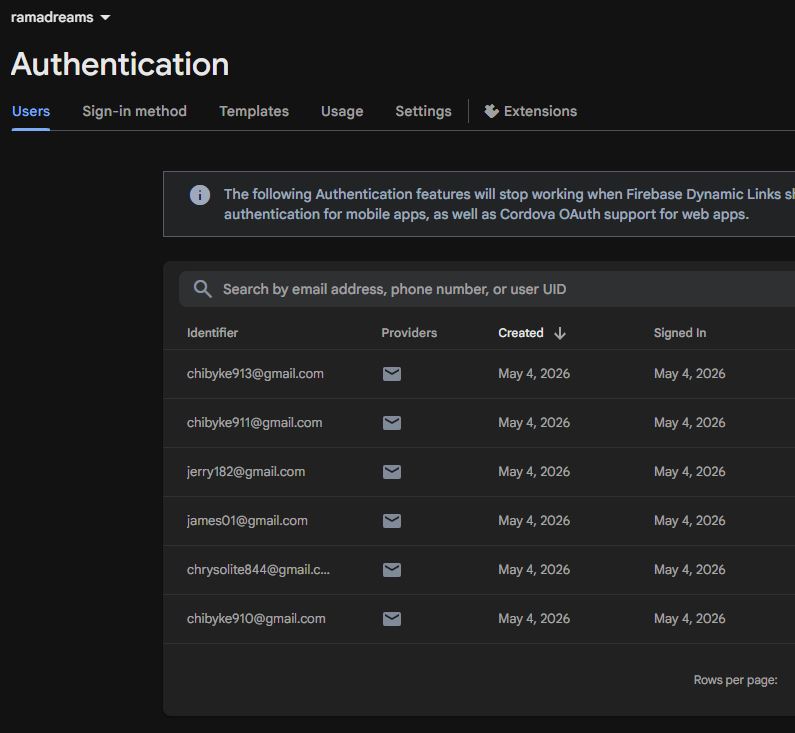
Big progress: Firebase auth is fully working ✅
MongoDB is set up — applications storing correctly ✅
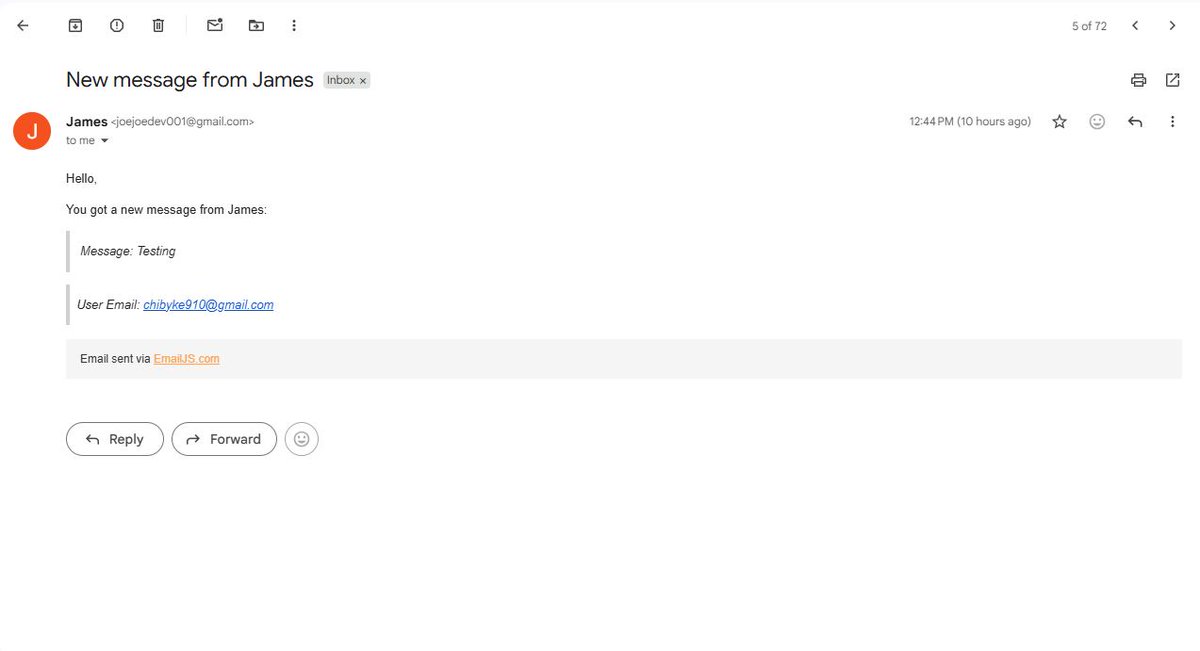
EmailJS integrated — emails coming through fine ✅
#buildinpublic
@maazscript
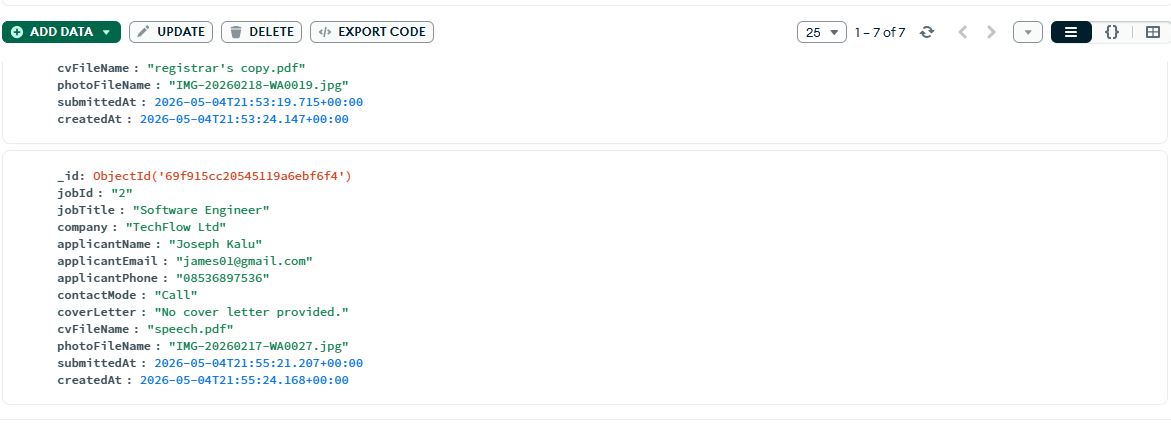
1
1
60

Step 2: I used EmailJS (free) to send the output to my inbox automatically
No backend. No server.
Just a simple HTML file running the whole thing
1
3


Think you're safe because a phishing email looks "official"? Think again. 📦
A new DHL-themed campaign is using an 11-step attack chain to harvest credentials. It starts with a fake "Waybill Confirmation" email, walks victims through a "fake OTP" verification (to build trust!), and ends at a spoofed DHL login portal.
What's clever? It uses EmailJS to exfiltrate your password and device telemetry directly from the browser. It’s lightweight, bypasses some filters via DKIM, and redirects you to the real DHL site when finished.
Stay skeptical. Always check the sender domain.
#Phishing #CyberSecurity #DHL #InfoSec #CredentialTheft
hackread.com/dhl-phishing-sc…
2
3
46

No malware. No complex backend. Just a fake OTP page, a spoofed DHL login and EmailJS shipping your password to an attacker. X-Labs breaks it down. forcepoint.com/blog/x-labs/f…

74