
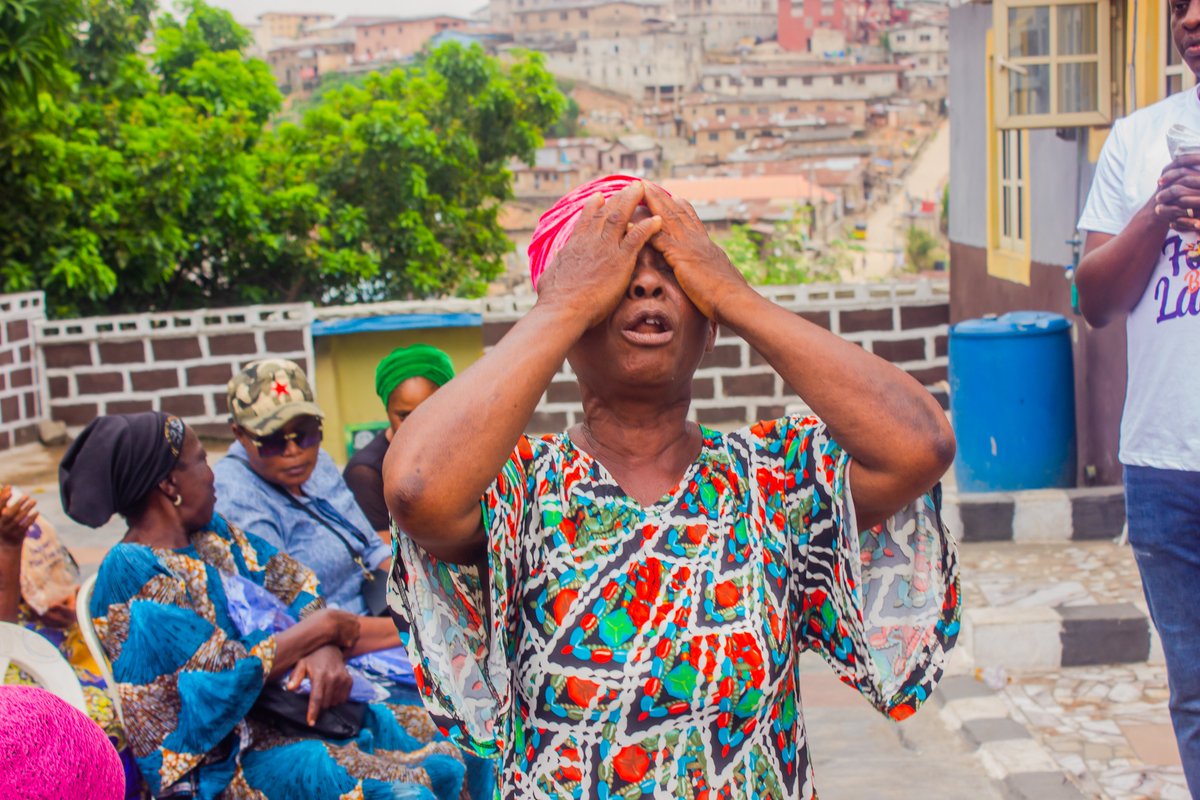
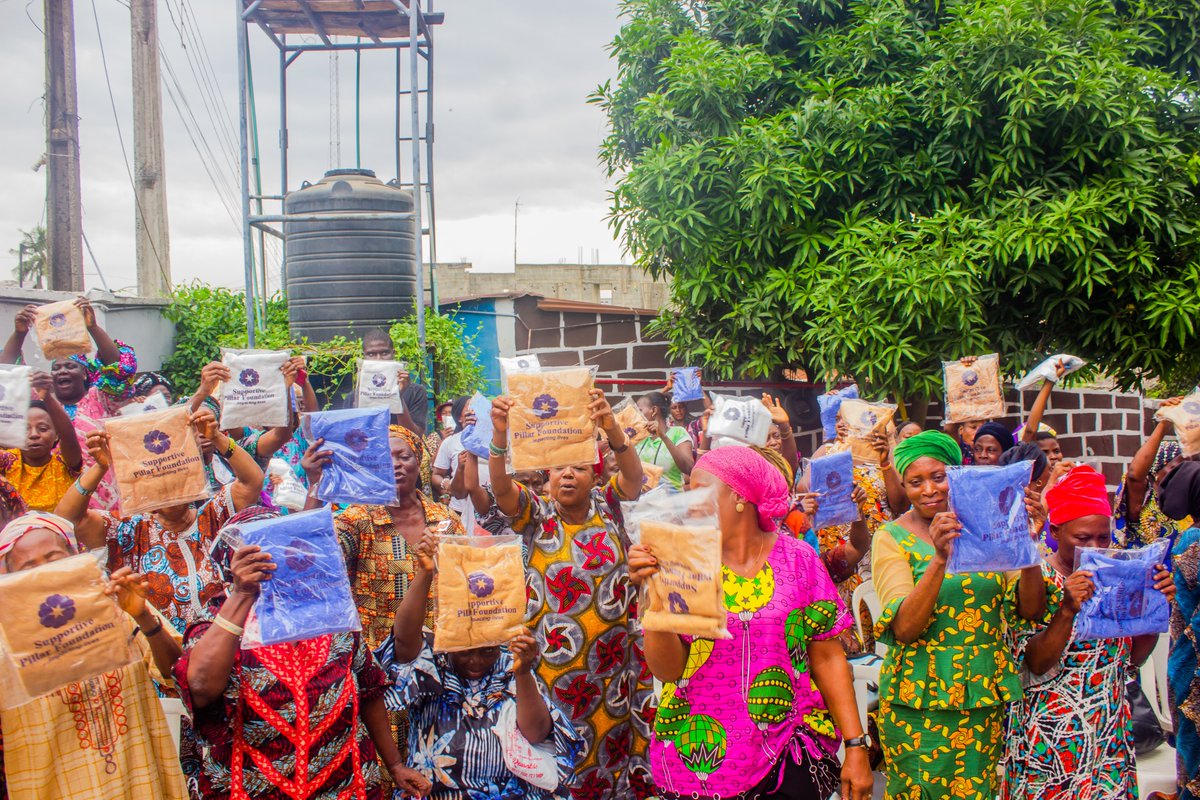
We often say that our quarterly events are not just distributions; they are family reunions.
Looking back at our first scheme of the year, the essence of community was so vibrant.
#CommunityFirst #EndIsolation #SupportGroup #WidowsCare


1
2
11
We often say that our quarterly events are not just distributions; they are family reunions.
Looking back at our first scheme of the year, the essence of community was so vibrant.
#CommunityFirst #EndIsolation #SupportGroup #WidowsCare
2
3
10

March 21 is World Down Syndrome Day 💛💙
This year’s theme, Together Against Loneliness, reminds us to build connection, inclusion & belonging. Every small act of support makes a difference.
#WorldDownSyndromeDay #InclusionMatters #EndIsolation

1
2
18

22 Oct 2025
🌞 Introducing The Morning Brew! ☕
Our brand-new drop-in space kicked off last week, designed to bring people together, tackle isolation, and spark conversation. 💬
Come along for a cuppa, a chat, and a warm welcome — no pressure, no judgement, just good company.
Because sometimes the best therapy starts with a cup of tea. 💜
📍 West Wellbeing, Dairy Farm
🕙 Every Thursday, 10.30am - 12:30pm
#TheMorningBrew #WestWellbeing #CommunityConnection #EndIsolation #YouAreNotAlone #Wellbeing

3
60

16 Sep 2025
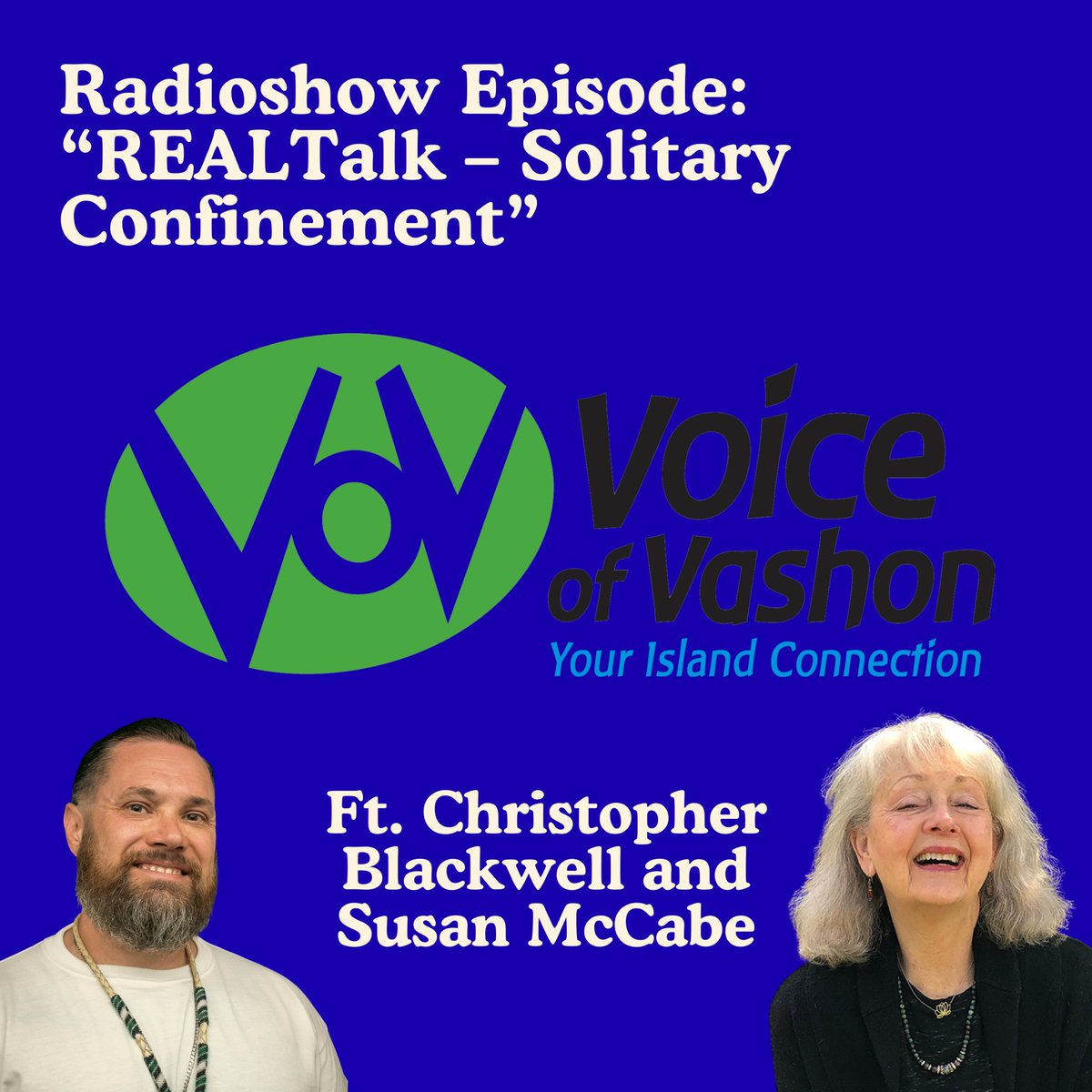
On REALTalk, Chris Blackwell exposes the realities of solitary confinement.
Listen & join the fight to #EndIsolation: voiceofvashon.org/episode/re…
3
507

24 Jul 2025
Medical isolation wasn’t just cruel.
It was scientifically proven to harm.
Laura Jensen’s husband, Gary, died alone—despite studies showing isolation increases mortality. Why were these policies ever allowed?
🎧 Her voice matters. So does yours. #PatientRights #EndIsolation
1
3
125

8 Jul 2025
Isolation is more than physical solitude; it’s a profound sense of disconnection that can affect individuals of all ages, including children, teens, and adults. We explore the warning signs of isolation across diverse age groups and provide actionable guidance for loved ones, colleagues, spouses, parents, and teachers to offer meaningful support. By recognizing these signs early and responding with empathy, we can help foster connection and emotional well-being.
WARNING SIGNS
Children:
- Withdrawal from play or social activities with peers
- Increased clinginess or reluctance to attend school
- Frequent complaints of boredom or sadness
- Decline in academic performance or lack of interest in hobbies
- Changes in sleep or eating patterns
Teens:
- Social withdrawal, such as avoiding friends or extracurricular activities
- Excessive time spent online or gaming as an escape
- Irritability, mood swings, or expressions of hopelessness
- Drop in grades or disengagement from school
- Secretive behavior or reluctance to communicate
Adults:
- Disinterest in social interactions or hobbies previously enjoyed
- Persistent fatigue, low energy, or lack of motivation
- Increased irritability or emotional distance from others
- Neglecting personal care or responsibilities
- Expressions of feeling “trapped” or disconnected
HOW TO HELP
For Loved Ones (All Ages):
- Initiate open, non-judgmental conversations to express concern and listen actively.
- Spend quality time together, engaging in activities they enjoy.
- Encourage small steps toward social connection, such as joining a group or event.
- Validate their feelings and avoid dismissing their struggles.
For Colleagues (Adults):
- Notice changes in behavior, such as reduced participation or missed deadlines, and check in privately.
- Foster an inclusive workplace by inviting them to team activities or discussions.
- Suggest professional resources, like employee assistance programs, if appropriate.
For Spouses (Adults):
- Create a safe space for honest communication without pressure.
- Plan shared activities to rebuild connection, like date nights or walks.
- Encourage professional support, such as therapy, and offer to assist in finding resources.
For Parents (Children and Teens):
- Observe changes in behavior and gently ask open-ended questions about their feelings.
- Maintain consistent routines while allowing space for emotional expression.
- Collaborate with school counselors or therapists to address underlying issues.
- Model healthy social behaviors and encourage group activities.
For Teachers (Children and Teens):
- Monitor for withdrawal or disengagement in class or with peers.
- Create opportunities for inclusion, such as group projects or mentorship programs.
- Communicate concerns with parents and school counselors to ensure a coordinated approach.
- Foster a classroom environment that promotes empathy and connection.
By understanding the signs of isolation and responding with compassion and proactive support, we can make a meaningful difference in the lives of those feeling disconnected and learn how to build stronger connections and support mental health across all ages.
#MentalHealthAwareness #IsolationSupport #EmotionalWellBeing #ChildMentalHealth #TeenMentalHealth #AdultMentalHealth #ConnectionMatters #SupportLovedOnes #MentalHealthMatters #EndIsolation
@Jamessucre2 @samaritans @Foundation_JF @Ccounsellingug @nff_news @Hewlett_Found
1
4
7
203

10 Jun 2025
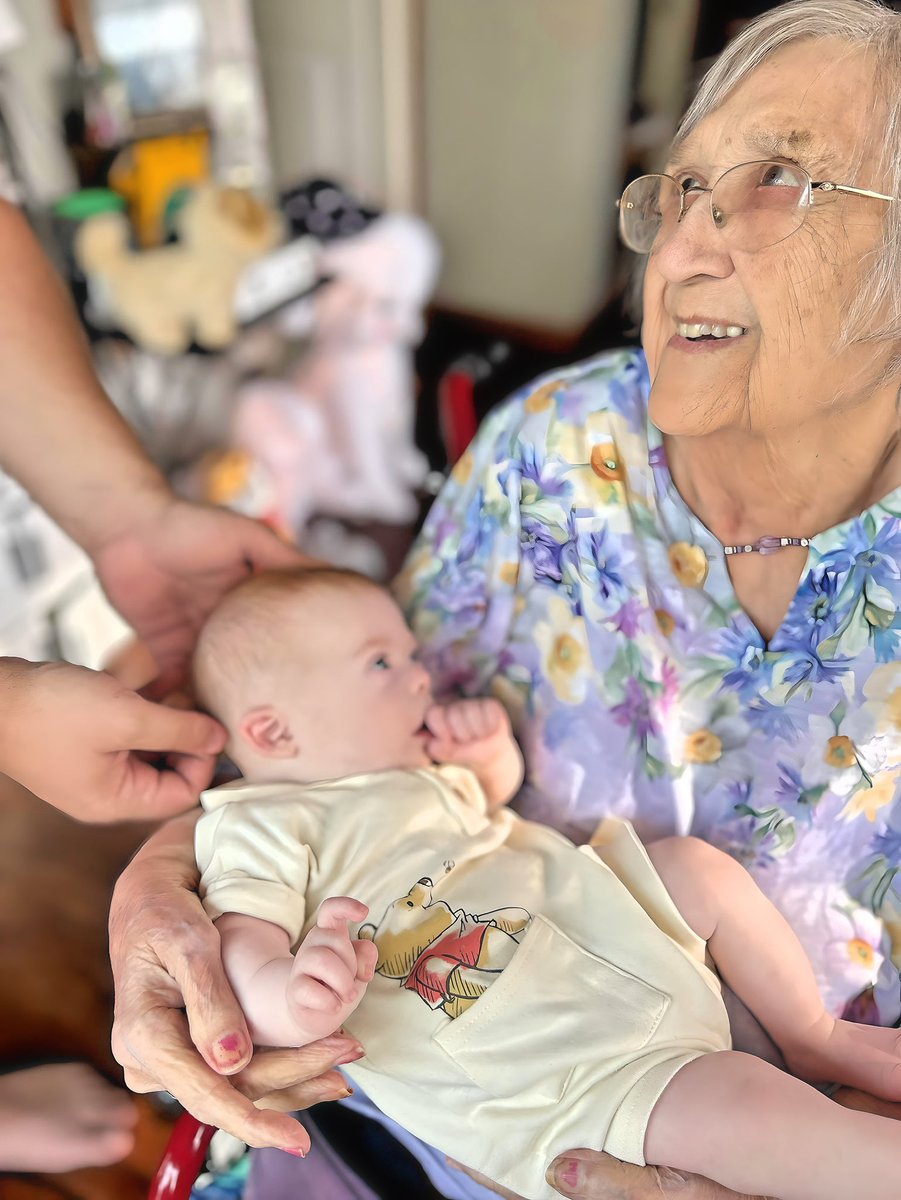
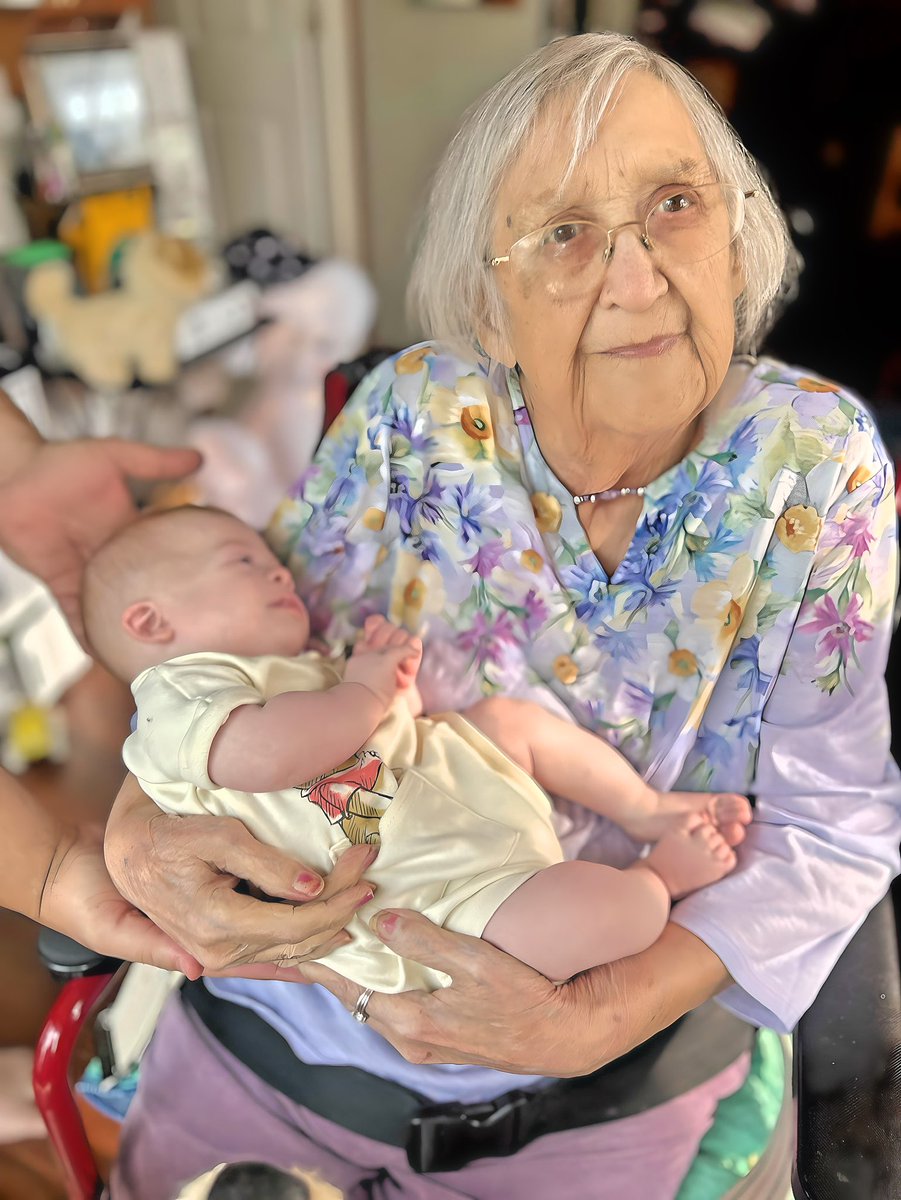
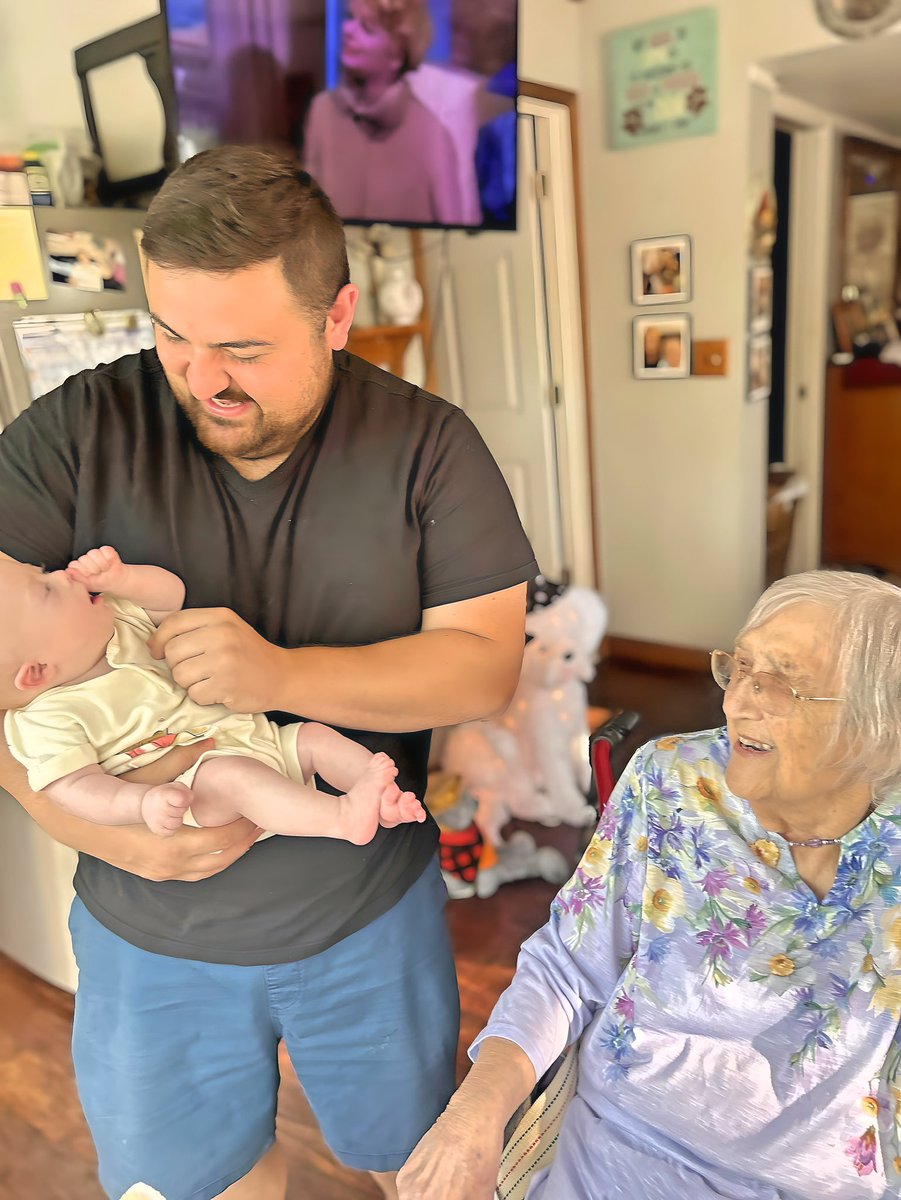
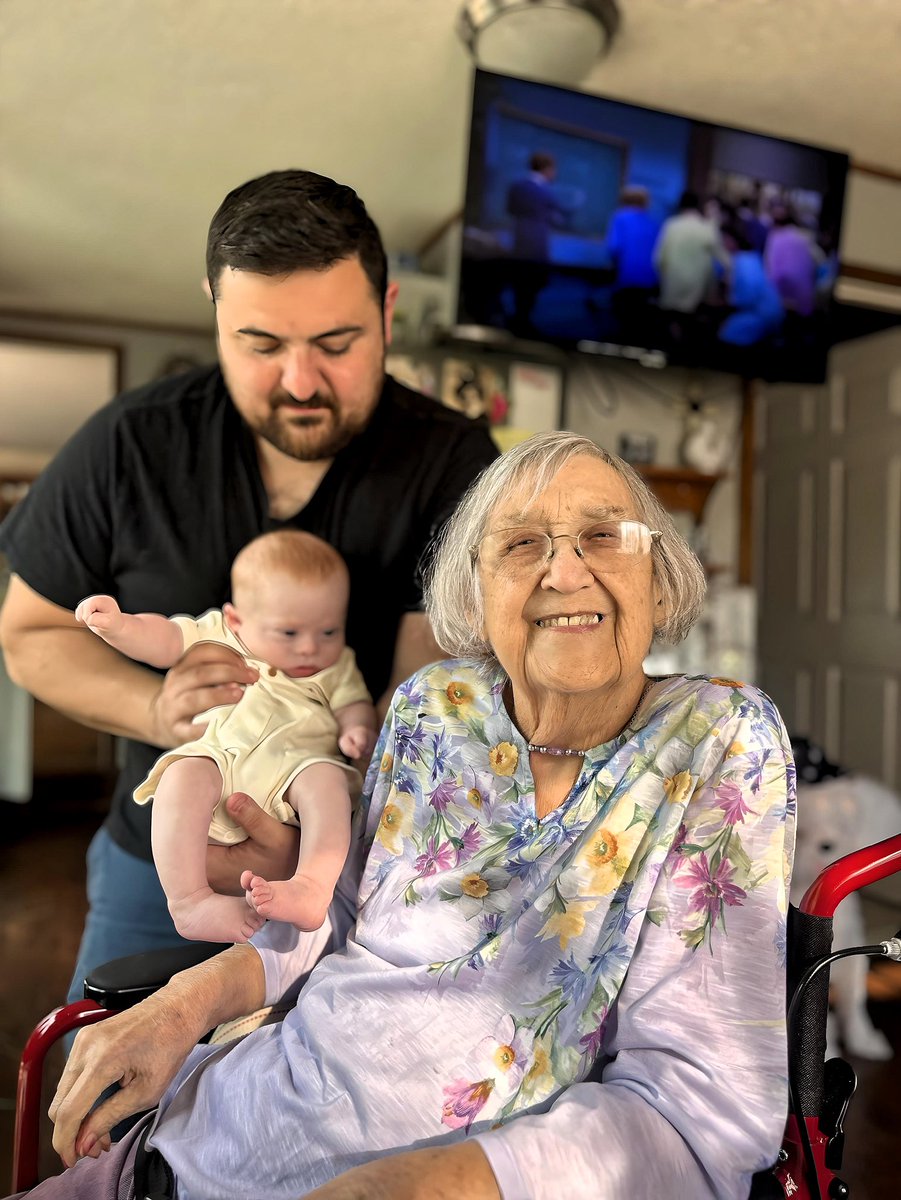
Moments like these are what guardianship stole from us for 14 long months of isolation, followed by 2 years of limited contact.
This is my Mom, visiting with her great-grandchild — precious memories she was cruelly denied when a court system that should have protected her instead isolated and neglected her.
We were not bad children. We were not unfit. We were her family — her advocates — and still, a judge allowed her to be cut off from all of us except a granddaughter who basically kidnapped her, changed her estate plan, and filed personal protection orders so she could isolate, manipulate and control her. In the three years since, the only changes have been the rapid decline of her health, mind and spirit.
Now, after irreparable harm, I am finally her guardian. But there has been no accountability. No justice. No apology.
Guardianship is supposed to protect — but for too many, it becomes the weapon that destroys.
The judges, attorneys, and guardians who failed her, who enabled her neglect, who silenced our family — they should be behind bars, not behind a bench.
If you think this could never happen to your family, think again.
#GuardianshipAbuse #FamilyFirst #ElderRights #ReformGuardianship #EndIsolation #justiceforbettyhayes #probateracket #waynecounty #vulnerable #stroke @ProtectParents @jethomas58 @JakksonT @JudgeJeanine @justicefortwila @AASGAAbuse @lawful_guardian @GeoFio8 @BJcourvilleJD @Charlieleduff @DaveBondyTV @DeadlineDetroit @freep @mich_enjoyer @FoxNews
5
8
18
344

14 Mar 2025
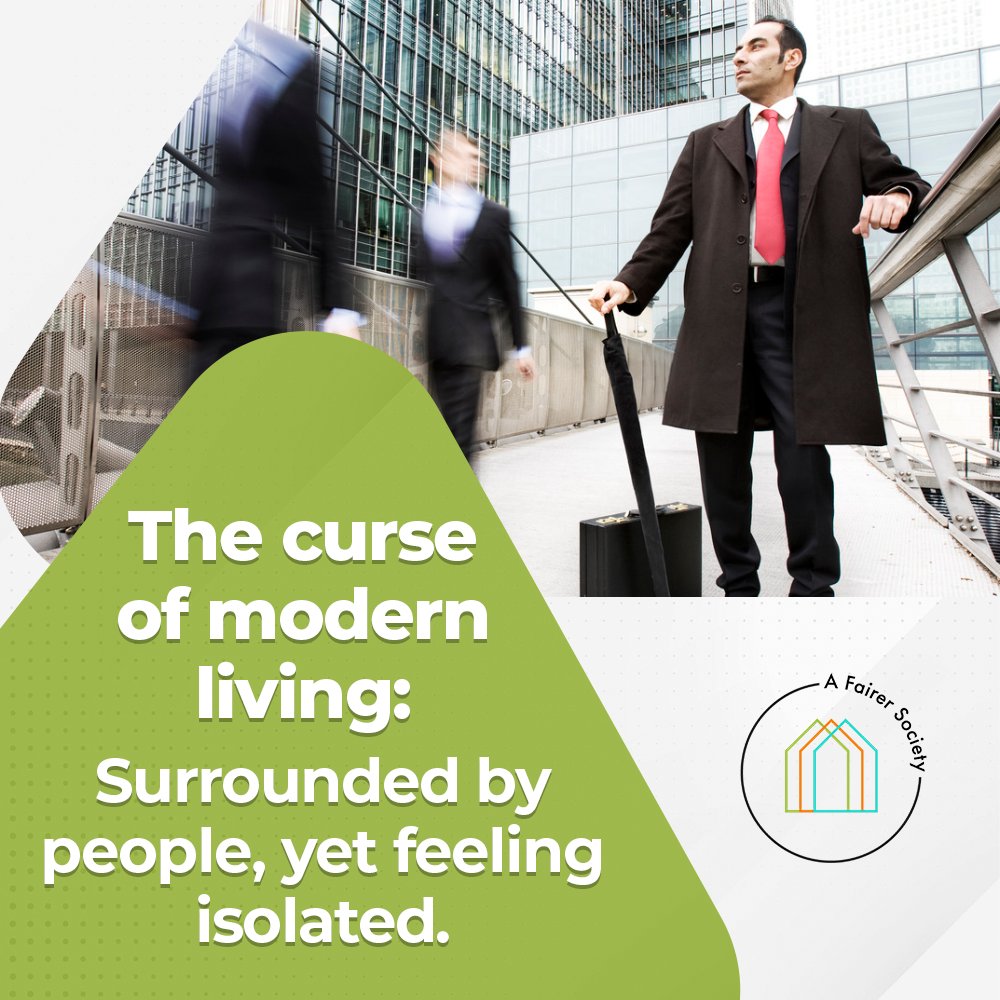
Lonely in a city of millions? Cohousing offers a close-knit community in the heart of the city ❤️🏡🤝
Let's create a better society together 🤝 Learn more ⤵️
afairersociety.com/lonelines…
#AFairerSociety#EndLoneliness #CohousingUK #EndIsolation #CohousingSolutions
1
1
20

27 Feb 2025
5⃣ Öcalan has been imprisoned for over 26 years, with the last four in total isolation—no lawyer visits or family contact. Yet, his vision for peace endures.
#EndIsolation #Öcalan
📜 Read More: medyanews.rs/xENRGf4
medyanews.rs/xENRGf4
1
1
2
125

Survivors of gender-based violence often feel alone—but they don’t have to be. BWSS has been providing confidential support groups in Vancouver for 46 years, creating safe spaces for healing, connection, and empowerment. #EndIsolation #HealingTogether bwss.org/building-wellness-a…
3
3
117
7 Feb 2025
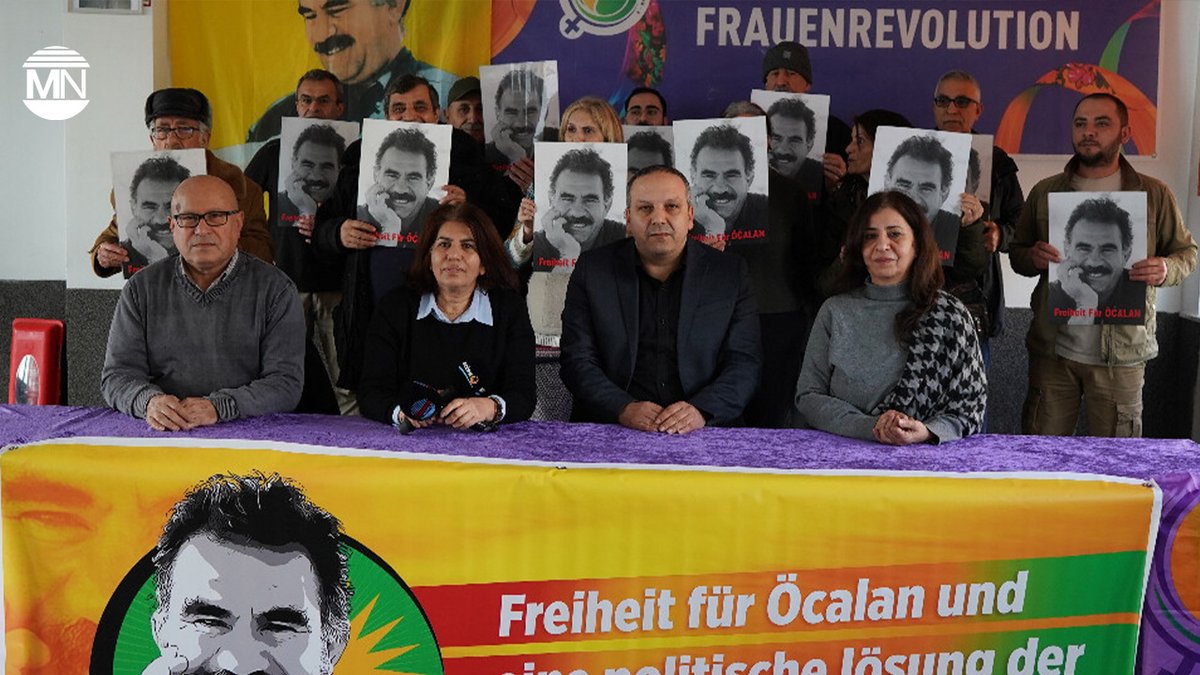
15 February global march uniting Kurds and their allies for the liberation of Öcalan
💢On 15 February, let’s gather in Strasbourg to demand the physical release of Abdullah Öcalan. His freedom is central to peace and democracy in the Middle East.
#FreedomForÖcalan #EndIsolation #KurdishRights
🔗medyanews.rs/wfvHEkm
3
4
265

3 Feb 2025
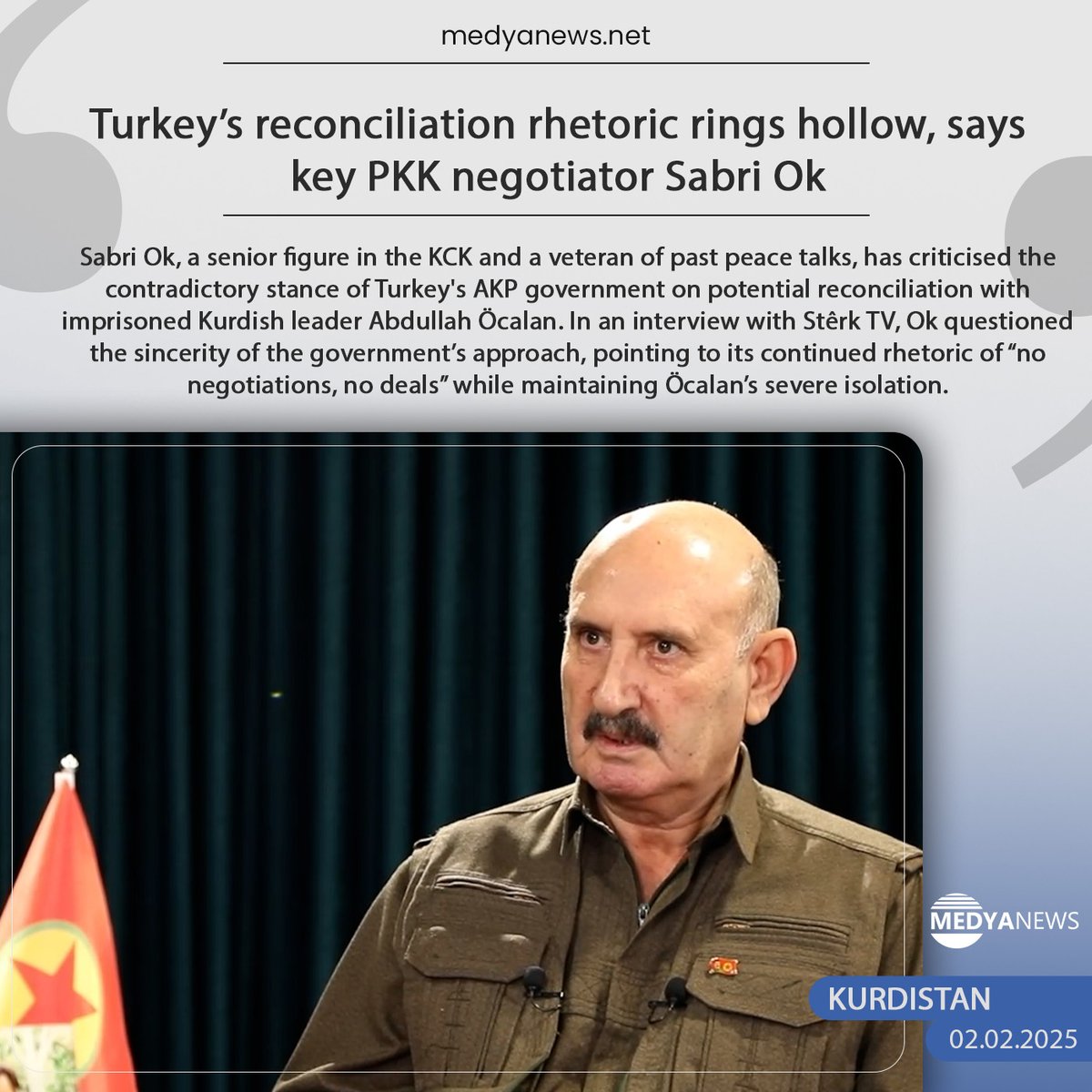
Turkey cannot claim peace while bombing Kurds
❗ As Turkish President Erdoğan speaks of reconciliation, Turkey continues military attacks on Kurdish regions.
🔥 Sabri Ok warns: “You cannot bomb civilians in Rojava one day and speak about peace the next.”
🕊️ A serious step towards Öcalan’s freedom and Kurdish legal recognition is the only path to peace. (medyanews.rs/fiq2WD9)
#NoJusticeNoPeace #EndIsolation
4
203
3 Feb 2025
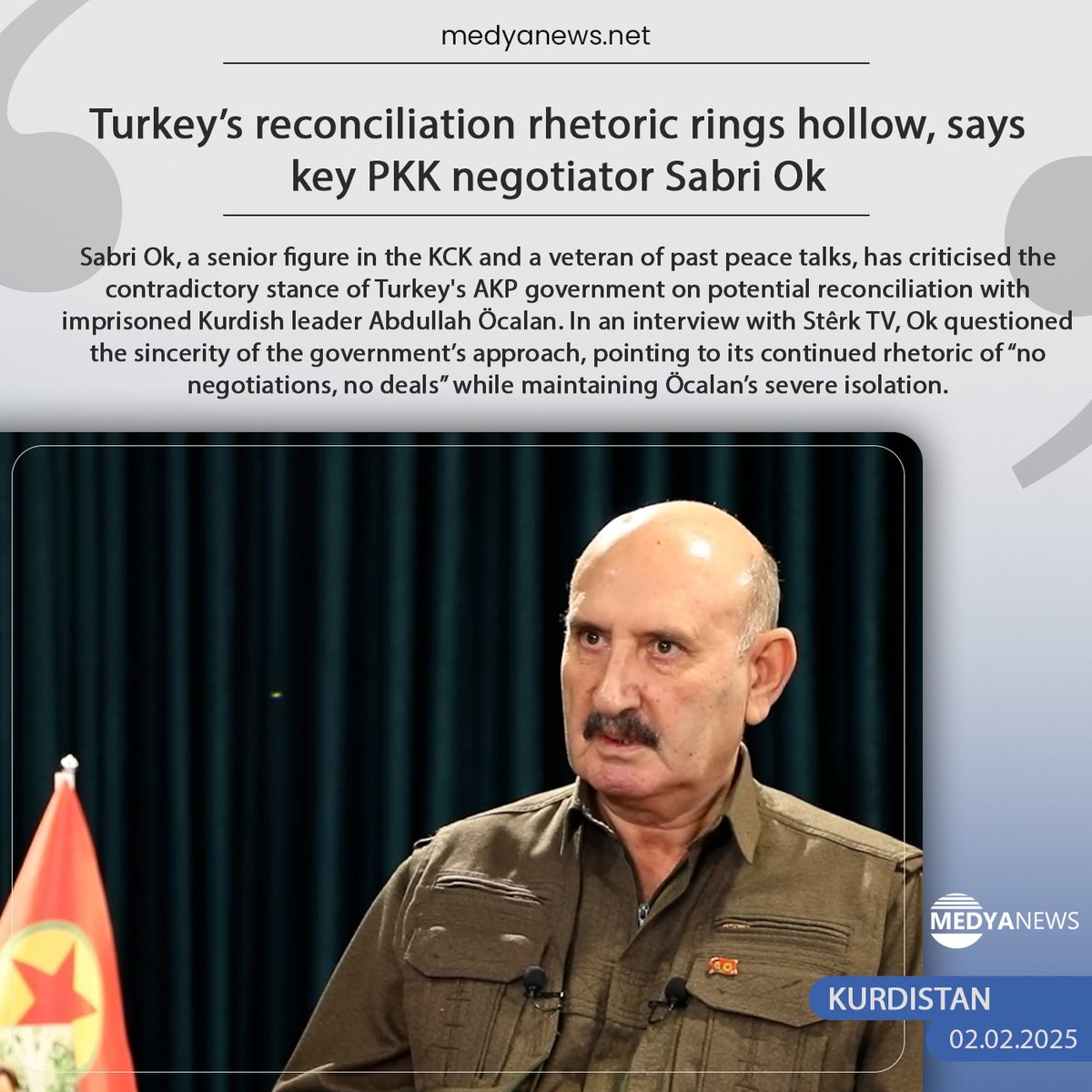
Turkey cannot claim peace while bombing Kurds
❗ As Turkish President Erdoğan speaks of reconciliation, Turkey continues military attacks on Kurdish regions.
🔥 Sabri Ok warns: “You cannot bomb civilians in Rojava one day and speak about peace the next.”
🕊️ A serious step towards Öcalan’s freedom and Kurdish legal recognition is the only path to peace. (medyanews.rs/fiq2WD9)
#NoJusticeNoPeace #EndIsolation
3
8
334
3 Feb 2025
Turkey cannot claim peace while bombing Kurds
❗ As Turkish President Erdoğan speaks of reconciliation, Turkey continues military attacks on Kurdish regions.
🔥 Sabri Ok warns: “You cannot bomb civilians in Rojava one day and speak about peace the next.”
🕊️ A serious step towards Öcalan’s freedom and Kurdish legal recognition is the only path to peace. medyanews.rs/fiq2WD9
#NoJusticeNoPeace #EndIsolation
4
477
2 Feb 2025
Turkey cannot claim peace while bombing Kurds
❗ As Turkish President Erdoğan speaks of reconciliation, Turkey continues military attacks on Kurdish regions.
🔥 Sabri Ok warns: “You cannot bomb civilians in Rojava one day and speak about peace the next.”
🕊️ A serious step towards Öcalan’s freedom and Kurdish legal recognition is the only path to peace. medyanews.rs/fiq2WD9
#NoJusticeNoPeace #EndIsolation
4
7
344
2 Feb 2025
🔴🎥 Sabri Ok, senior KCK figure and veteran negotiator, has criticised Turkey’s AKP government for rejecting talks while keeping the Kurdish leader Abdullah Öcalan in strict isolation.
📢 “No meaningful steps can be taken unless his conditions change,” he warned, as he recalled Öcalan’s 2013 call for a legal basis to peace.
⚖️ Without serious action, peace remains a mirage.
#EndIsolation #FreeÖcalan
▶️ Watch the short excerpt from his latest remarks.
medyanews.rs/fiq2WD9
4
9
378
30 Jan 2025
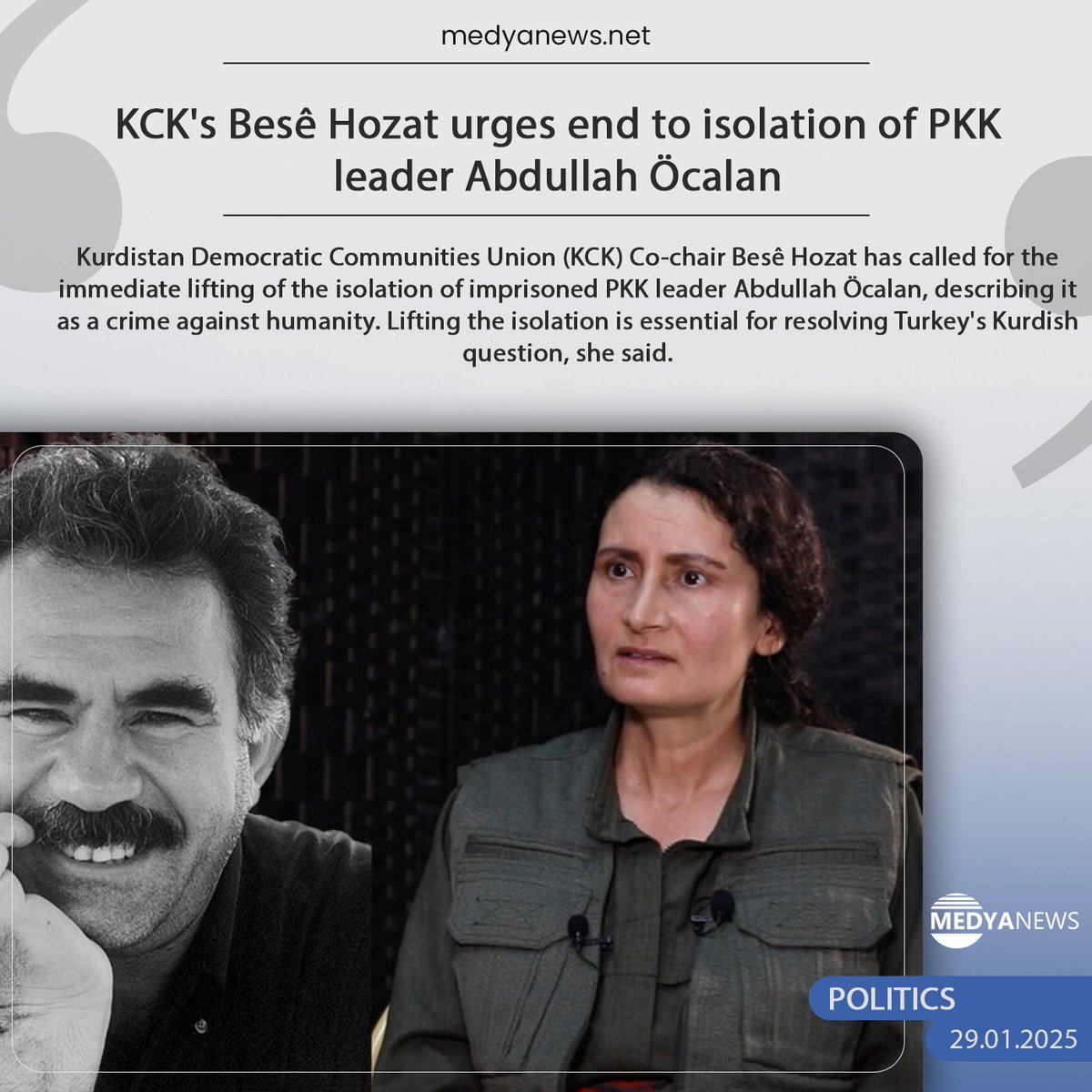
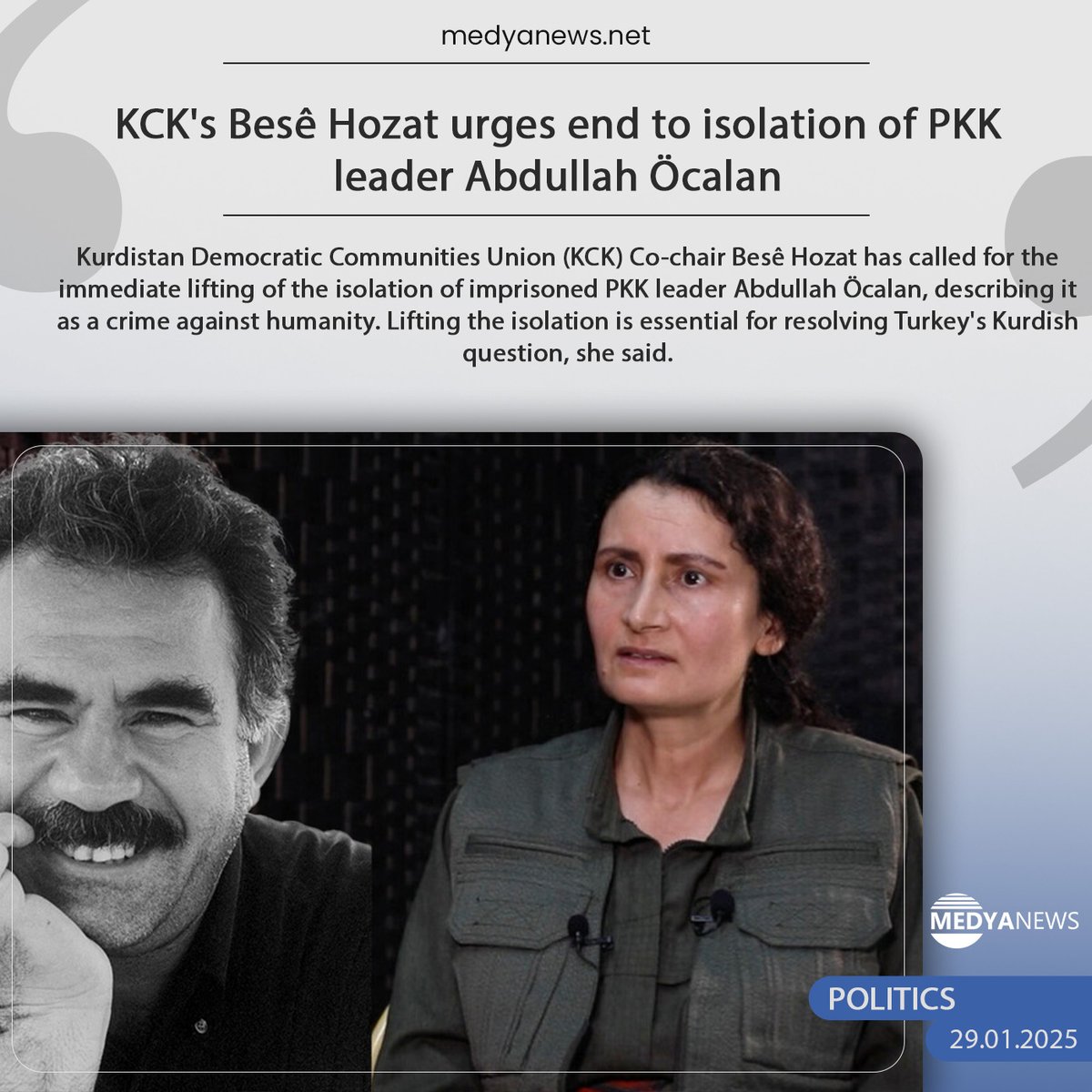
‘Turkey feeds on war and chaos,’ says KCK's Besê Hozat. She calls for unity, and freedom for the PKK leader Abdullah Öcalan for a lasting resolution. #PeaceNow #EndIsolation (medyanews.rs/Hk3axyH)
3
4
212
30 Jan 2025
‘Turkey feeds on war and chaos,’ says KCK's Besê Hozat. She calls for unity, and freedom for the PKK leader Abdullah Öcalan for a lasting resolution. #PeaceNow #EndIsolation (medyanews.rs/Hk3axyH)
2
204
29 Jan 2025
🔴KCK Co-chair Besê Hozat demands Öcalan’s release, calling isolation a crime against humanity.
#PeaceNow #EndIsolation #KurdishQuestion
🔗medyanews.rs/Hk3axyH
1
2
303