
An enlarged pituitary is usually overworked hypertrophy or a tumor. Tumors may be benign or malignant, hormone producing or not. No food treats this. Medication or surgery may be needed. #PituitaryHealth #EndocrineSystem #MedicalAdvice
13
An enlarged pituitary usually means the gland is overworked or there is a tumor, benign or malignant. There is no specific food that shrinks the pituitary. This requires medical evaluation. #PituitaryHealth #EndocrineSystem #MedicalAdvice
7

Jun 11
Not getting any success in acquiring top grades? Homeostasis Assignment Help has a perfect solution for you! #HomeostasisAssignmentHelp #Osmoregulation #Thermoregulation #EndocrineSystem #CalciumHomeostasis #SepsisAndHomeostasis #NegativeFeedback #PositiveFeedback #UKHomeworkHelp

10

May 13
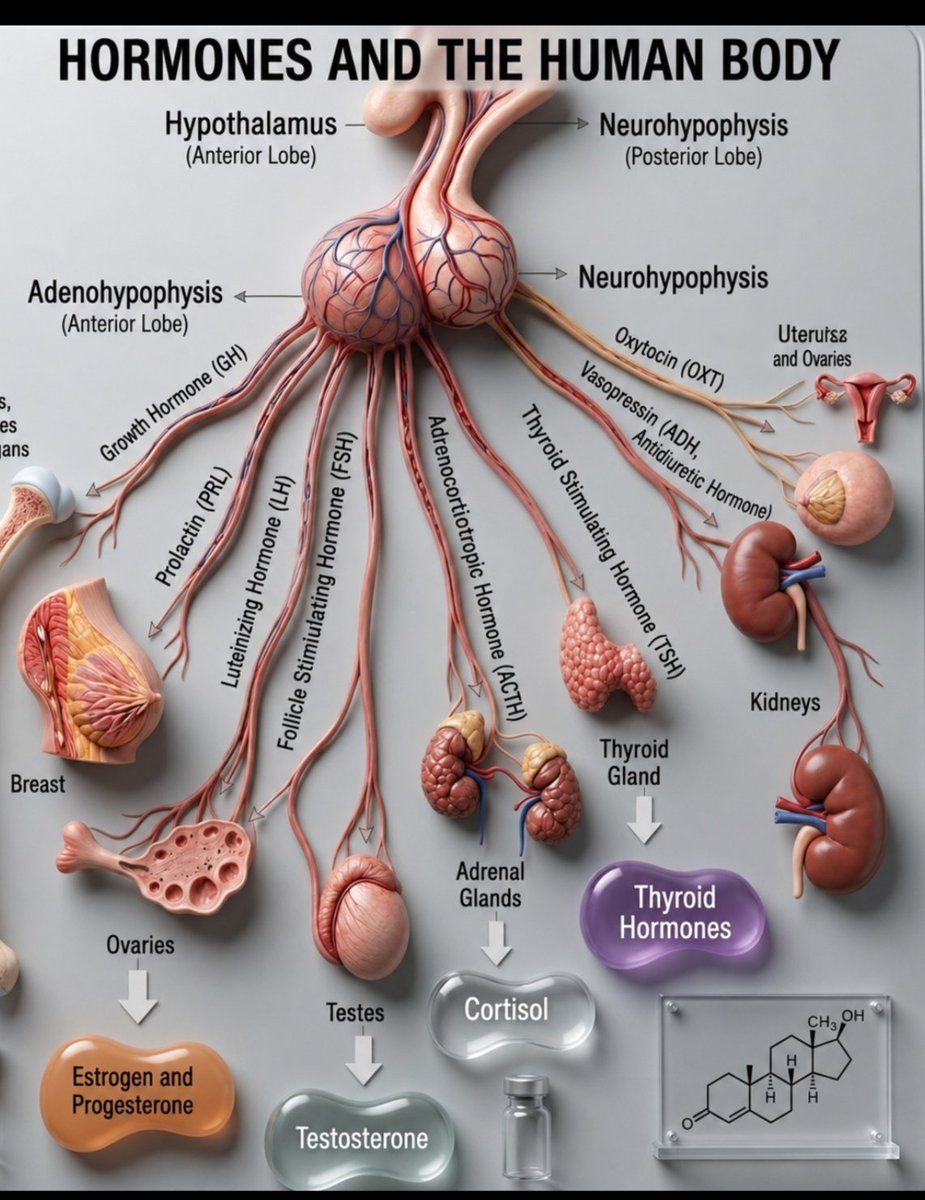
HORMONES OF THE HUMAN BODY: THE MASTER MESSENGERS.
Did you know your body has its own ultra-fast “messaging network”? It’s called the endocrine system — a group of glands that release hormones to control almost EVERYTHING: from your mood to the way you process energy.
• 📏 Growth Hormone: Acts directly on bones and muscles to ensure proper growth and development.
• 🦋 TSH (Thyroid-Stimulating Hormone): Regulates the metabolism of every cell in your body.
• ⚡ ACTH and Cortisol: Your greatest allies (and sometimes enemies) for managing stress through the adrenal glands.
• 🌊 Vasopressin and Oxytocin: Essential for fluid balance in the kidneys, emotional bonding, and childbirth.
• 🔥 Sex Hormones: Testosterone, estrogen, and progesterone shape reproductive characteristics and vitality.
Maintaining this balance is vital for your health. Even a small change in hormone levels can affect how you feel, sleep, or grow.
Which of these functions fascinates you the most? Tell us in the comments! 👇
#Biology #Health #HumanBody #Medicine #ScienceCommunication #Hormones #EndocrineSystem #ScienceForEveryone
2
7
282

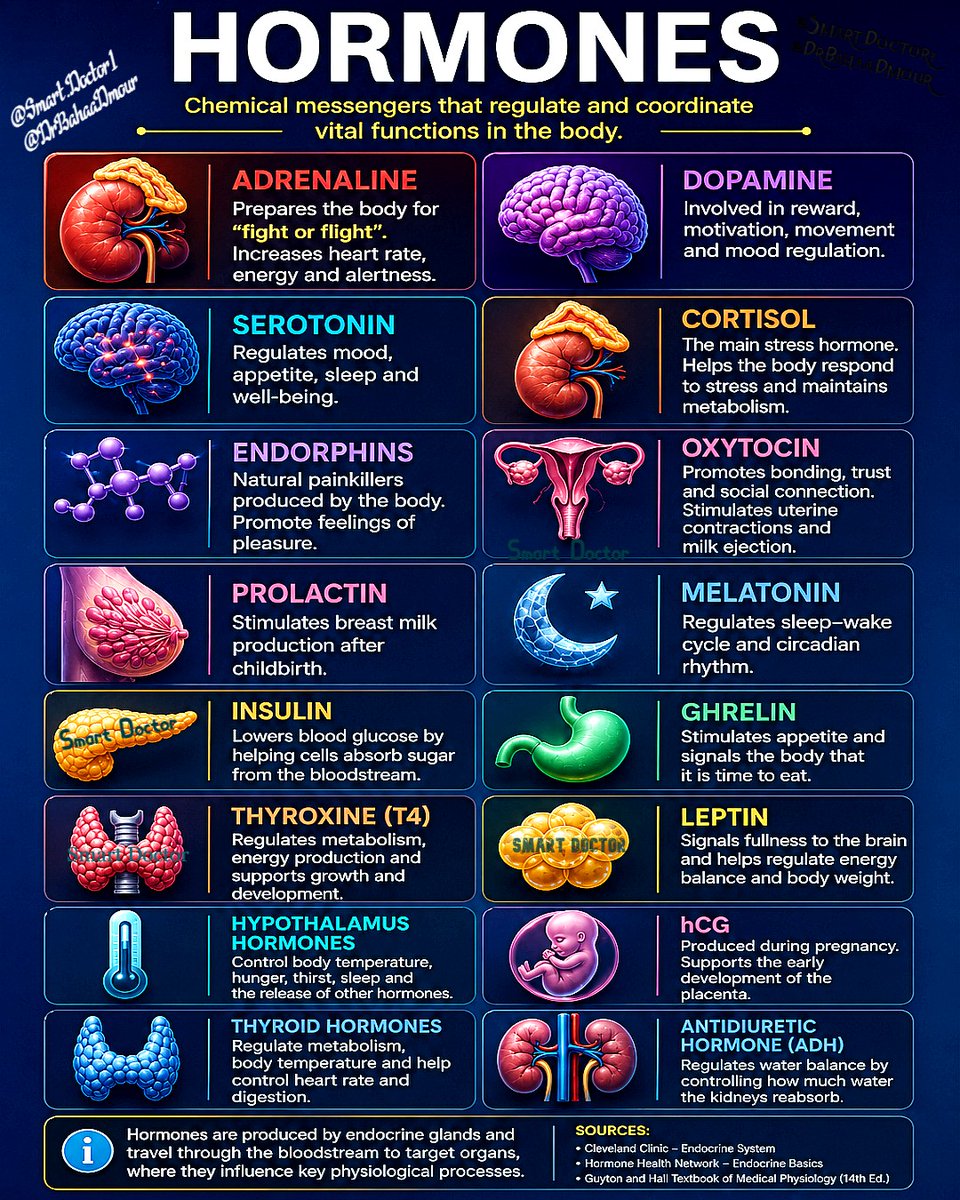
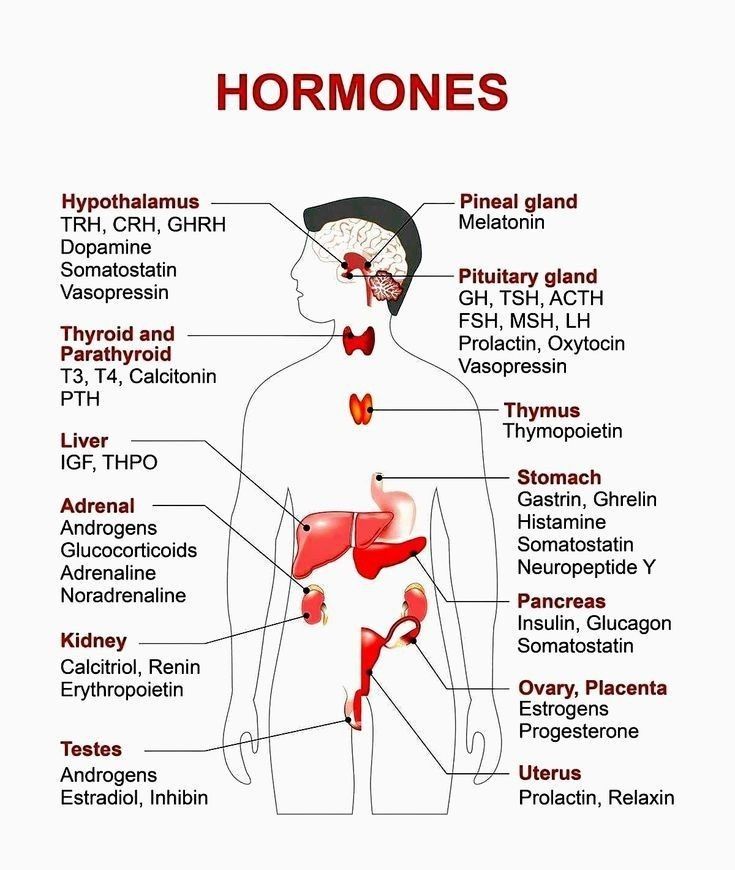
This image is a strong overview of body signaling: it shows true hormones alongside neurotransmitters and hypothalamic control, making it best understood as a broad map of how the body communicates, adapts, and stays in balance. ✨
#Hormones #EndocrineSystem #MedicalEducation
1
167

May 5
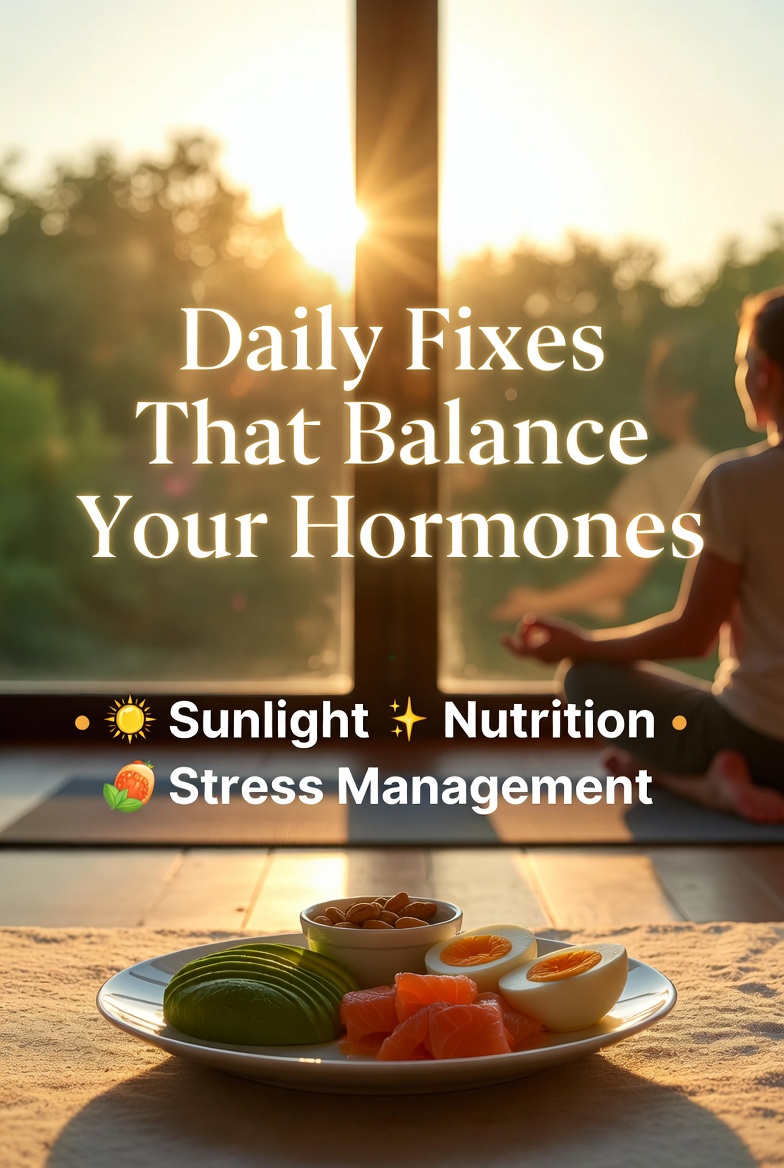
When this system gets out of sync you feel: tired, moody, gaining fat, losing muscle, low drive. Simple daily fixes that actually work:
👍 Morning sunlight
👍Healthy fats protein key micronutrients
👍Stress management (breathing/meditation)
Your hormones don’t lie. Respect the system and feel the difference. What’s your #1 hormone struggle right now — energy, mood, sleep, or something else? Comment below and RT to help a friend.
#HormoneHealth #EndocrineSystem #HormoneBalance #MensHealth #WomensHealth
3
1
7
78
May 5
Your body is speaking a silent language… and it’s called hormones.
They control your energy, mood, muscle, bones, libido, stress, sleep — literally everything. Most people have no idea there’s a master control center running the show. Thread
#HormoneHealth #EndocrineSystem
12
1
19
201

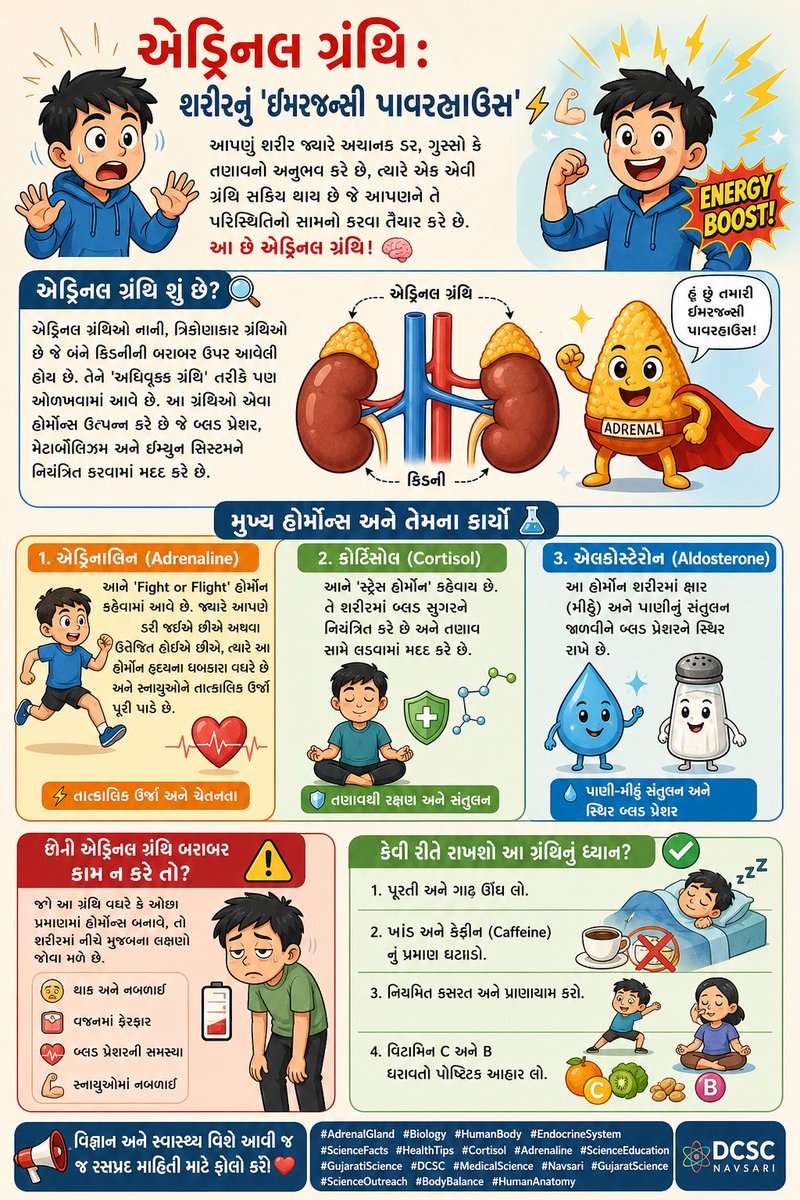
એડ્રિનલ ગ્રંથિ: શરીરનું 'ઇમરજન્સી પાવરહાઉસ' ⚡💪
આપણું શરીર જ્યારે અચાનક ડર, ગુસ્સો કે તણાવનો અનુભવ કરે છે, ત્યારે એક એવી ગ્રંથિ સક્રિય થાય છે જે આપણને તે પરિસ્થિતિનો સામનો કરવા તૈયાર કરે છે. આ છે એડ્રિનલ ગ્રંથિ (Adrenal Gland). 🧠🔬
એડ્રિનલ ગ્રંથિ શું છે? 🧐
એડ્રિનલ ગ્રંથિઓ નાની, ત્રિકોણાકાર ગ્રંથિઓ છે જે બંને કિડનીની બરાબર ઉપર આવેલી હોય છે. તેને 'અધિવૃક્ક ગ્રંથિ' તરીકે પણ ઓળખવામાં આવે છે. આ ગ્રંથિઓ એવા હોર્મોન્સ ઉત્પન્ન કરે છે જે બ્લડ પ્રેશર, મેટાબોલિઝમ અને ઇમ્યુન સિસ્ટમને નિયંત્રિત કરવામાં મદદ કરે છે.
મુખ્ય હોર્મોન્સ અને તેમના કાર્યો: 🧪
એડ્રિનાલિન (Adrenaline): આને 'Fight or Flight' હોર્મોન કહેવામાં આવે છે. જ્યારે આપણે ડરી જઈએ છીએ અથવા ઉત્તેજિત હોઈએ છીએ, ત્યારે આ હોર્મોન હૃદયના ધબકારા વધારે છે અને સ્નાયુઓને તાત્કાલિક ઉર્જા પૂરી પાડે છે. 🏃♂️💨
કોર્ટિસોલ (Cortisol): આને 'સ્ટ્રેસ હોર્મોન' કહેવાય છે. તે શરીરમાં બ્લડ સુગરને નિયંત્રિત કરે છે અને તણાવ સામે લડવામાં મદદ કરે છે. 🧘♀️
એલ્ડોસ્ટેરોન (Aldosterone): આ હોર્મોન શરીરમાં ક્ષાર (મીઠું) અને પાણીનું સંતુલન જાળવીને બ્લડ પ્રેશરને સ્થિર રાખે છે. 💧🧂
જો એડ્રિનલ ગ્રંથિ બરાબર કામ ન કરે તો? ⚠️
જો આ ગ્રંથિ વધારે કે ઓછા પ્રમાણમાં હોર્મોન્સ બનાવે, તો શરીરમાં થાક, વજનમાં ફેરફાર, બ્લડ પ્રેશરની સમસ્યા કે સ્નાયુઓની નબળાઈ જેવા લક્ષણો જોવા મળે છે.
કેવી રીતે રાખશો આ ગ્રંથિનું ધ્યાન? ✅
૧. પૂરતી અને ગાઢ ઊંઘ લો. 💤 ૨. ખાંડ અને કેફીન (Caffeine) નું પ્રમાણ ઘટાડો. ☕❌ ૩. નિયમિત કસરત અને પ્રાણાયામ કરો. 🤸♂️ ૪. વિટામિન C અને B ધરાવતો પૌષ્ટિક આહાર લો. 🍎
📢 વિજ્ઞાન અને સ્વાસ્થ્ય વિશે આવી જ રસપ્રદ માહિતી માટે ફોલો કરો!
#AdrenalGland #Biology #HumanBody #EndocrineSystem #ScienceFacts #HealthTips #Cortisol #Adrenaline #EmergencyHormone #ScienceEducation #GujaratiScience #DCSC #MedicalScience #Navsari #GujaratScience #ScienceOutreach #BodyBalance #HumanAnatomy
1
64
72
736

🧠 There's a gland the size of a pea at the base of your brain — and it determines how tall you grow.
Too much during the growth years? A person could reach up to 8 feet tall — a condition known as gigantism. 📏
Follow for more anatomical awesomeness!
#anatomy #humananatomy #brain #pituitarygland #growthhormone #hormones #endocrinesystem #bonemass #gigantism #growth #physiology #anatomyandphysiology #medschool #premed #nursingschool #learnontiktok
3
300
🧠 This tiny gland at the base of your brain controls how you grow, recover, and even how you sleep.
That's why quality sleep isn't just rest — it's recovery at a hormonal level.
Follow for more anatomical awesomeness!
#anatomy #humananatomy #brain #pituitarygland #hypothalamus #growthhormone #hormones #endocrine #endocrinesystem #sleep #circadianrhythm #physiology #anatomyandphysiology #medschool #premed #nursingschool #learnontiktok
1
3
193

Apr 21
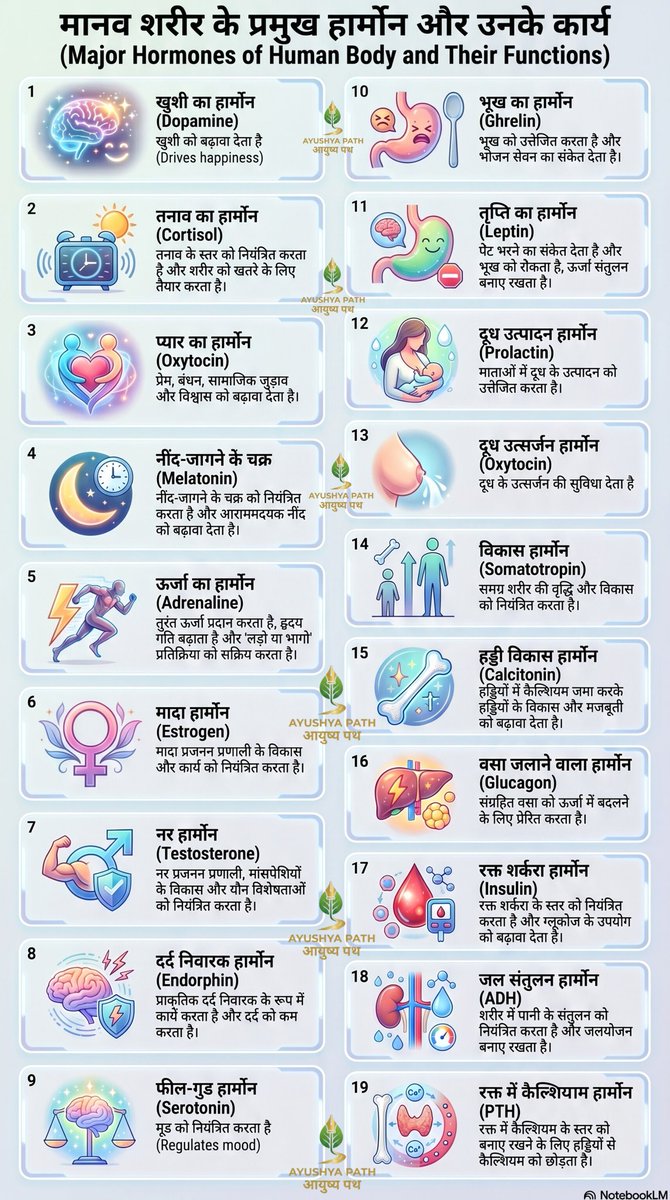
जन-जागरूकता के लिए विशेष! 📢
डोपामाइन (खुशी) से लेकर कॉर्टिसोल (तनाव) तक— मानव शरीर के 19 प्रमुख हार्मोन्स और उनके कार्यों की संपूर्ण गाइड।
यह एक पोस्टर आपकी सेहत को समझने का नज़रिया बदल देगा।
कृपया इसे Retweet (RT) करें ताकि यह बहुमूल्य जानकारी ज्यादा से ज्यादा लोगों तक पहुँच सके। 🌱🤝
#PublicHealth #Wellness #EndocrineSystem #AyushyaMandiram
1
3
4
80

Apr 20
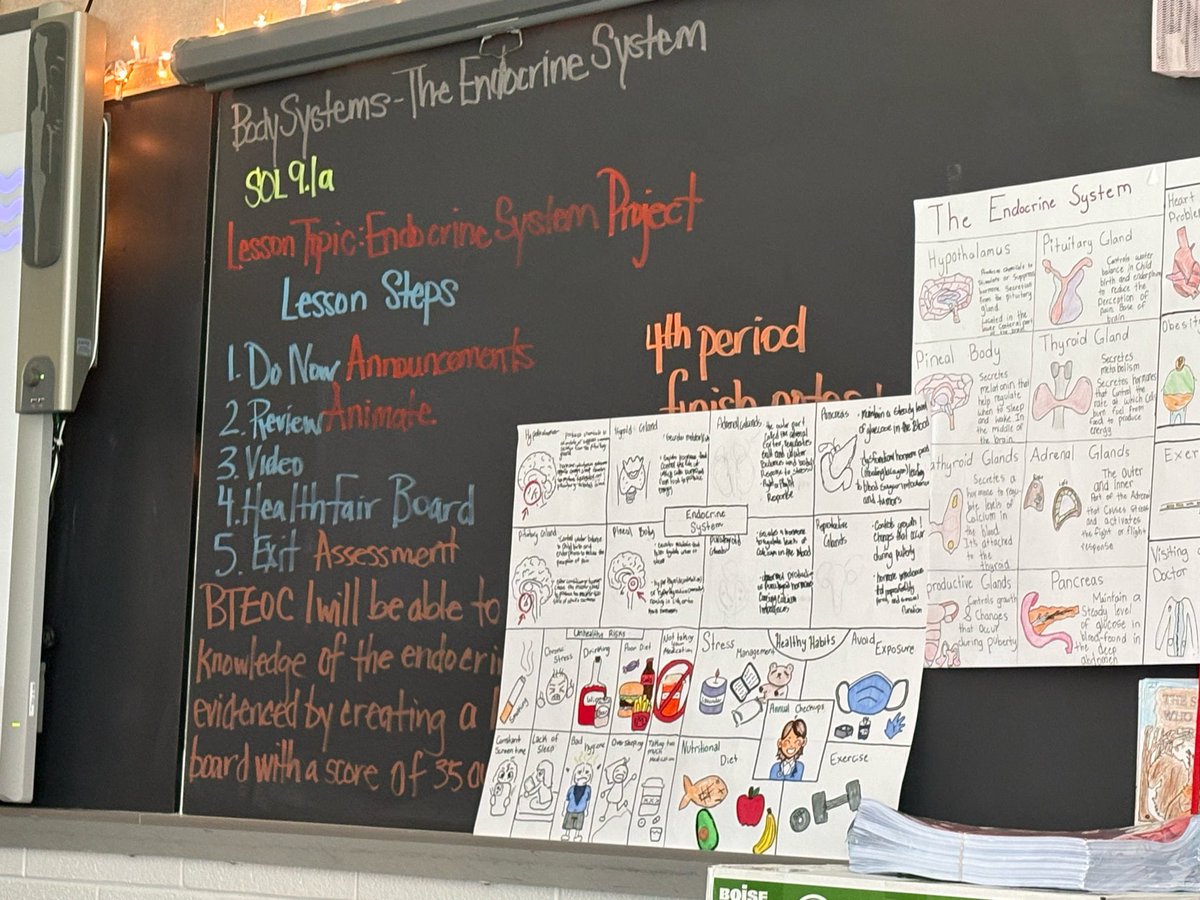
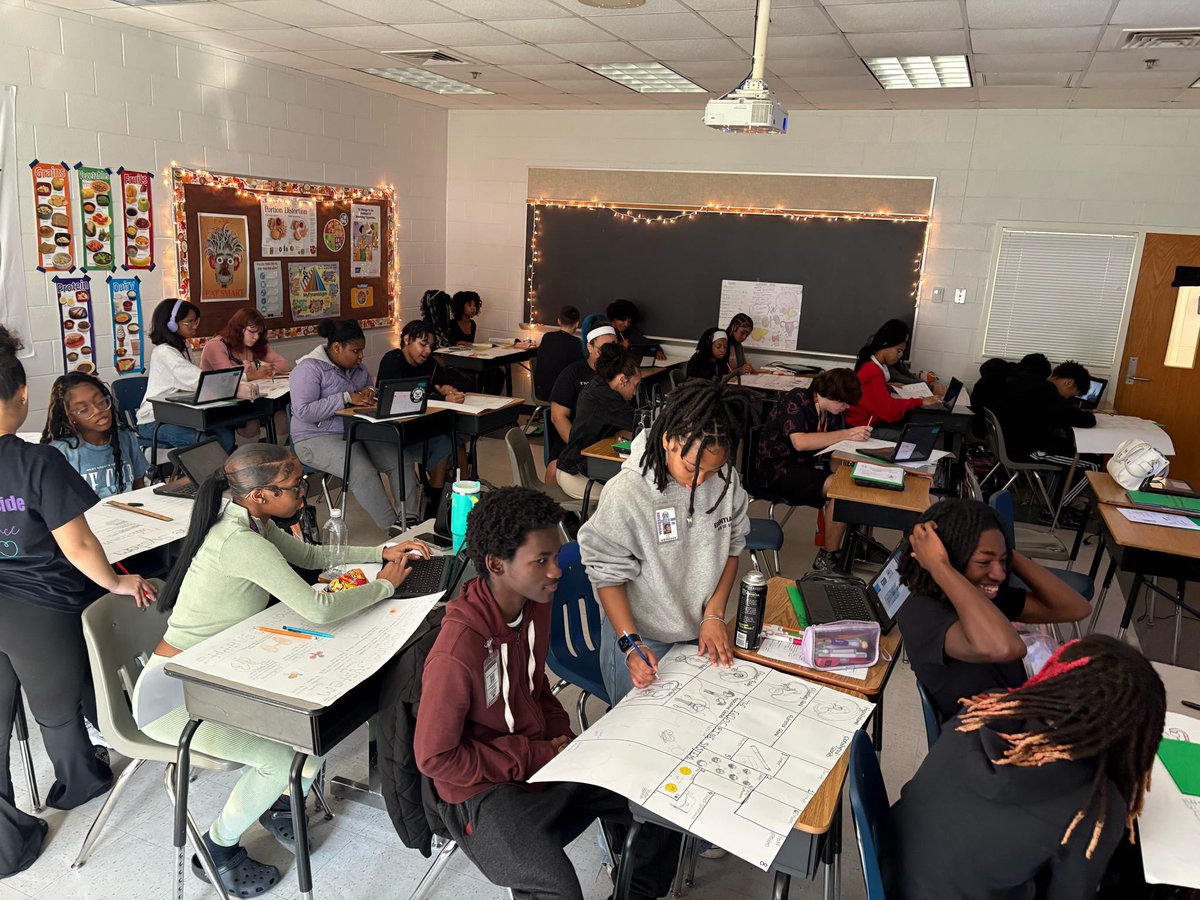
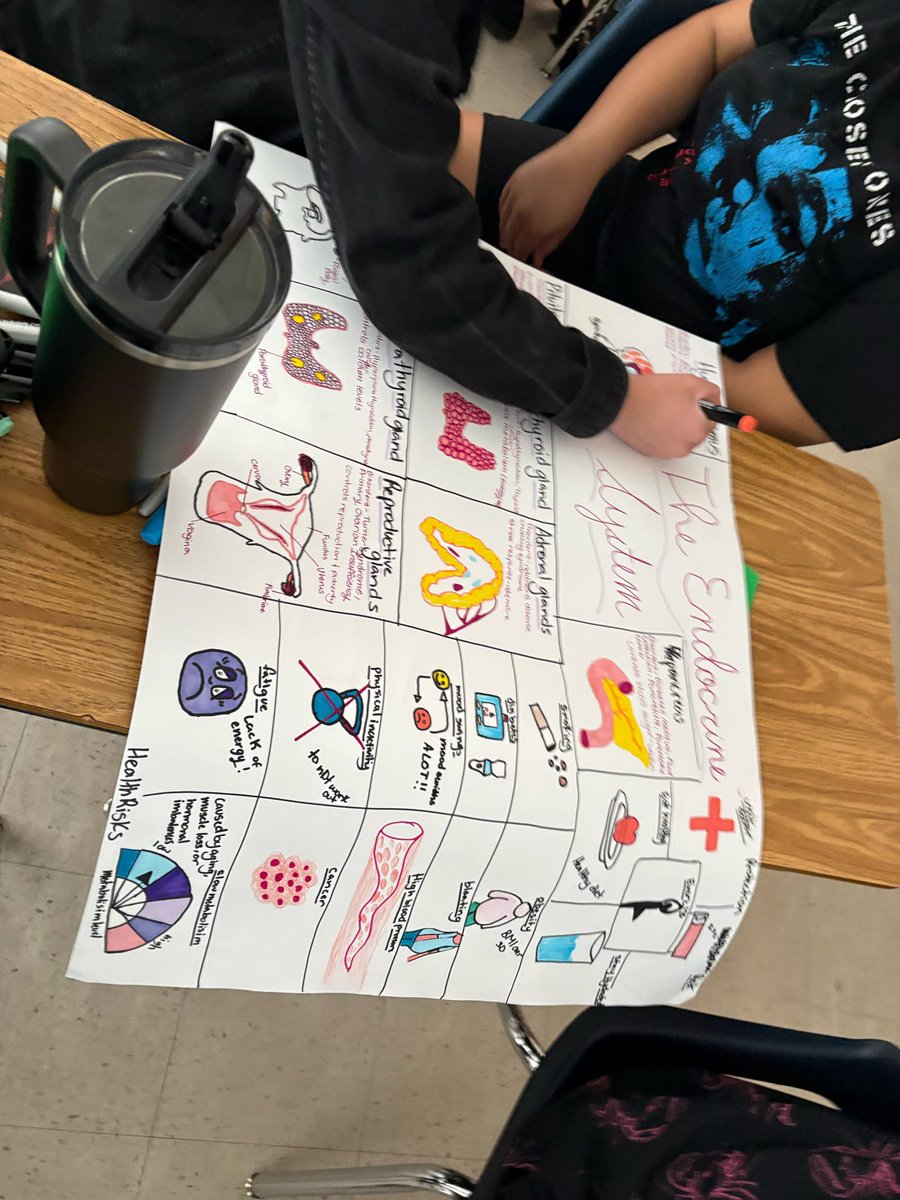
Students at @NNPSWoodside complete their projects on the #endocrinesystem while in #healtheducation
#highschoolHealthEd #HealthEd #bodysystems
2
21
Testosterone is made in the testes — but the testes don't decide how much to make. Your brain does. 🧠 Follow for more anatomical awesomeness! 👉
#anatomy #humanbody #testosterone #menshealth #hormones #hypothalamus #humananatomy #endocrinesystem #bodyscience #anatomyeducation #didyouknow #learnontiktok
4
320

Did you know your muscles actively absorb blood sugar & burn calories? They're not just for lifting—they're endocrine organs that fight inflammation & diabetes! #MuscleHealth #EndocrineSystem
1
3
69

How has your Monday been? Today, I found out I HAVE AN EXTRA ORGAN!
Yes, body fat, or adipose tissue, is now recognized by scientists as an essential, active endocrine organ! Did you know that in 2026, there are more people obese than starving?
#BodyFat #AdiposeTissue #EndocrineSystem #HealthScience #ObesityAwareness #Nutrition
2
46

Jan 7
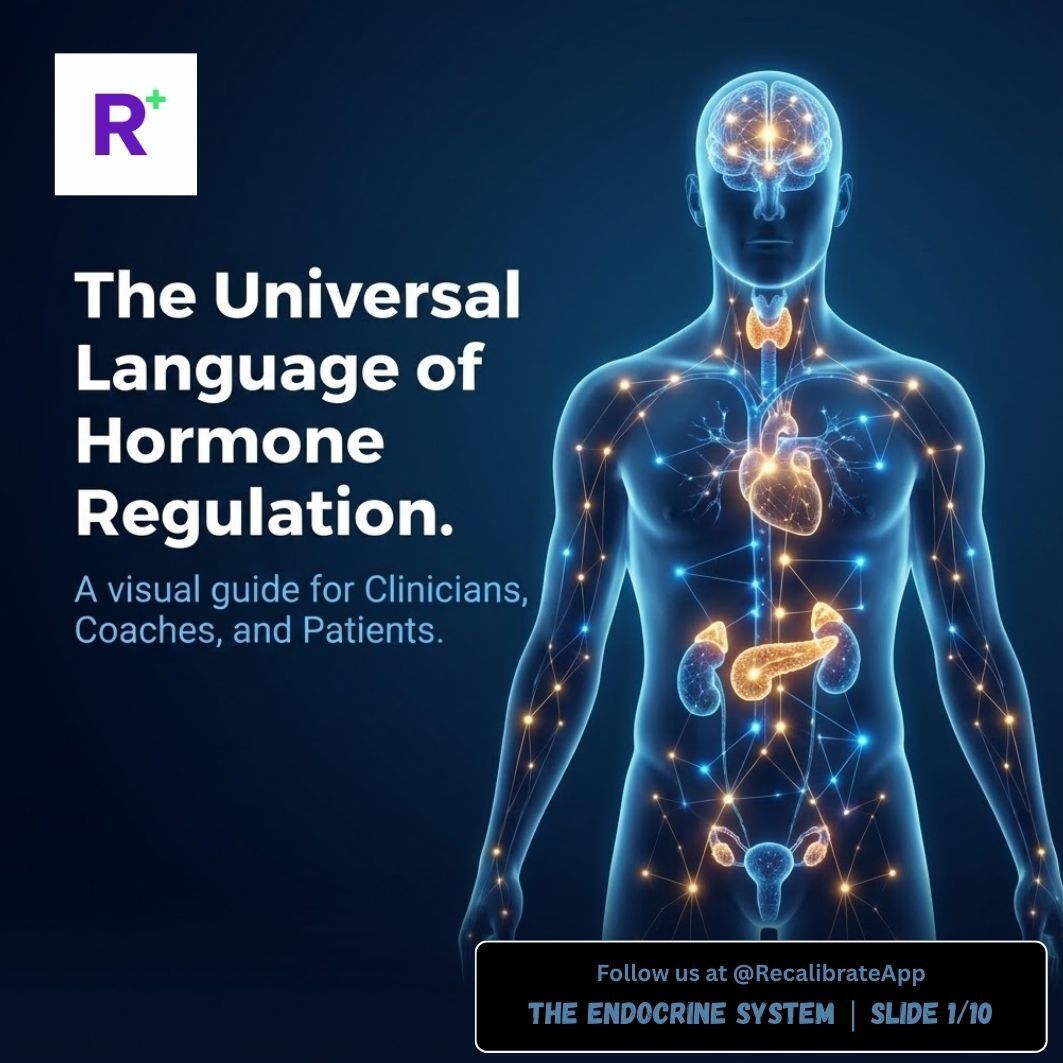
The Endocrine System & The Universal Language of Hormone Regulation 🧬🗣️
This essential breakdown is one every endocrinologist, GP, obstetrician, psychiatrist, dietitian, trainer, coach, nurse, and patient should have bookmarked. 📌
The endocrine system is your body’s chemical messaging network — slow, powerful, and far-reaching. Hormones travel through the blood to regulate almost everything: energy, mood, sleep, growth, reproduction, stress, and metabolism. 🧪🧠😴💪
Major glands and their primary hormones/functions:
• Hypothalamus — the master coordinator in the brain; releases releasing/inhibiting hormones that tell the pituitary what to do 🧠👑
• Pituitary gland — “master gland” in the brain 🧠
– Anterior: GH (growth), TSH (thyroid), ACTH (adrenals), FSH/LH (gonads), prolactin (milk production)
– Posterior: ADH (water balance), oxytocin (birth & bonding) 💧❤️
• Thyroid gland (neck) — T3 & T4 calcitonin
– Controls basal metabolic rate, heart rate, body temperature, energy levels 🔥⚡️
• Parathyroid glands (behind thyroid) — parathyroid hormone (PTH)
– Regulates blood calcium & phosphate levels, bone health 🦴
• Adrenal glands (on top of kidneys)
– Cortex: cortisol (stress, inflammation, metabolism), aldosterone (blood pressure, sodium/potassium) 😨
– Medulla: adrenaline & noradrenaline (fight-or-flight response) 🏃♀️💨
• Pancreas (endocrine portion) — islets of Langerhans
– Insulin (lowers blood glucose) 📉
– Glucagon (raises blood glucose) 📈
– Somatostatin (regulates other hormones)
• Pineal gland (brain) — melatonin
– Regulates circadian rhythm & sleep-wake cycles 🌙⏰
• Gonads
– Ovaries: estrogen, progesterone (female characteristics, menstrual cycle, pregnancy) 🚺
– Testes: testosterone (male characteristics, muscle mass, sperm production) 🚹
• Thymus (chest, most active in childhood) — thymosin
– T-cell maturation for immune function 🛡️
Why precise endocrine language transforms care:
When clinicians and patients speak the same terms, vague complaints turn into actionable insights: 💡
- Persistent fatigue, cold intolerance, and unexplained weight gain → potential thyroid dysfunction (low free T4 or elevated TSH) 🥶
- Chronic stress, anxiety, and difficulty recovering → possible adrenal cortex involvement (dysregulated cortisol pattern) 😟
- Irregular or painful menstrual cycles with acne/hirsutism → potential ovarian hormone imbalance (e.g., elevated androgens in PCOS) 🩸
- Frequent blood sugar fluctuations, hunger, and energy crashes → pancreatic endocrine dysfunction (insulin resistance or impaired glucagon response) 🎢
For clinicians: Standardised gland and hormone terminology in notes, lab requests, referrals, and team discussions eliminates guesswork and accelerates accurate diagnosis and management. 📝✅
For patients: Understanding the basics lets you articulate concerns clearly, giving your healthcare team immediate context and helping you better comprehend your bloodtests, scans, and treatment options. 🗣️🔎
Precise communication reduces misdiagnosis, shortens diagnostic journeys, and leads to more effective management of pain, fatigue, mood, weight, fertility, sleep, and metabolic conditions. 🎯
Better Communication = Better Care ✨
Save this post, share with your endocrinologist, GP, trainer, therapist, or anyone navigating hormone health, and tag someone who needs this comprehensive refresher! 📤
Visit Recalibratepain.com and join our Health and Pain Management App Waitlist for Allied Health, Chronic Pain and Illness and Rehabilitation (Launching Q1 2026)
#EndocrineSystem #Hormones #ThyroidHealth #AdrenalHealth #PCOS #Metabolism #HumanAnatomy #MedicalEducation #Nursing #HealthLiteracy #ClinicianEducation
1
2
4
165

19 Dec 2025
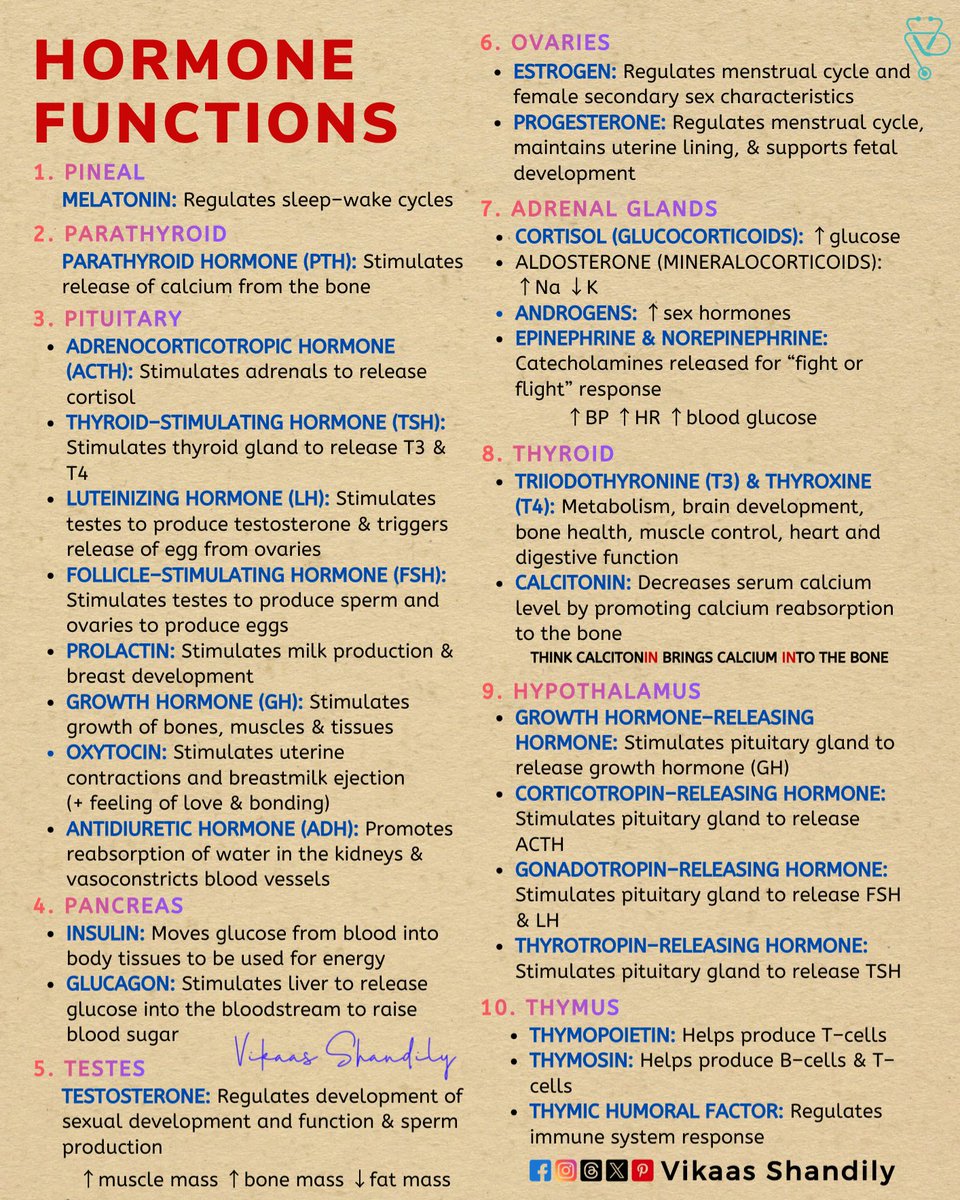
Hormone Functions
#HormoneFunctions #EndocrineSystem #VikaasShandily #AnatomyPhysiology #NursingNotes #Hormones #Physiology #Healthcare #Biology
3
1
120

13 Dec 2025
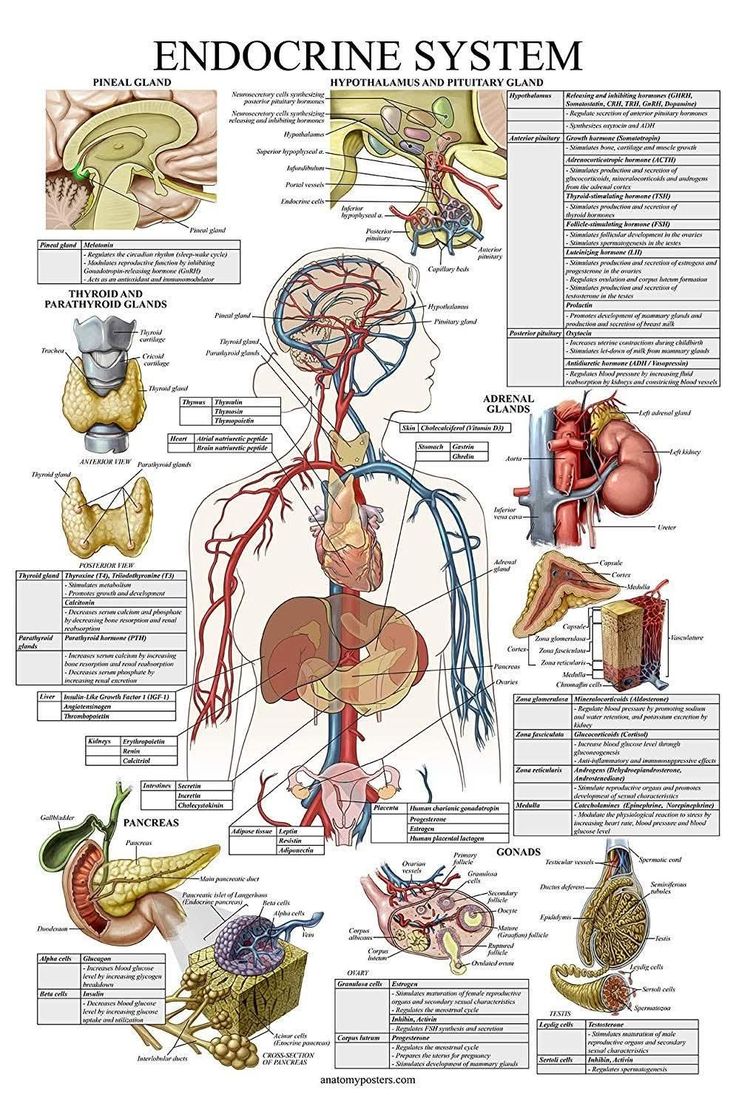
✅ 📌 Post (English Urdu Mix)
Endocrine System — ہمارے جسم کا وہ powerful network ہے جو hormones کے ذریعے growth, mood, metabolism, reproduction اور بے شمار body functions کو control کرتا ہے۔
یہ system glands کا پورا family ہے جیسے Pituitary, Thyroid, Adrenal, Pancreas, Gonads وغیرہ—جو ہر وقت چُپکے سے جسم کا balance برقرار رکھتے ہیں۔
Hormones ہی وہ messengers ہیں جو جسم کو بتاتے ہیں:
✔ کب grow کرنا ہے
✔ کب energy use کرنی ہے
✔ کب rest کرنا ہے
✔ کب stress سے لڑنا ہے
✔ کب blood sugar control کرنی ہے
اگر endocrine system ٹھیک نہ ہو تو issues جیسے weight gain, fatigue, mood swings, high sugar, infertility, stress increase ہو سکتے ہیں۔
Stay aware, stay healthy!
Hormonal health = Life balance 💛
---
🎯 Thumbnail Title (for your post)
“ENDOCRINE SYSTEM — Hormones that Control Your Body”
“Endocrine System Explained | Urdu English Mix”
---
🔥 Hashtags
#EndocrineSystem #Hormones #HealthAwareness #MedicalInfo
#HumanBody #Thyroid #Pancreas #AdrenalGlands
#UrduEnglishMix #HealthEducation #BodyScience #PituitaryGland
2
1
8
924
11 Dec 2025
✅ Hormones Post (English Urdu Mix)
Hormones – The Body’s Secret Messengers!
Hormones ہمارے جسم کے اندر وہ chemical messengers ہیں جو ہر organ کو guide کرتے ہیں—
✓ mood
✓ sleep
✓ energy
✓ growth
✓ digestion
✓ stress
سب کو control کرتے ہیں۔
Brain سے لے کر Kidney تک، ہر organ اپنے خاص hormones بناتا ہے:
🧠 Hypothalamus: Dopamine, Vasopressin
🧠 Pituitary: GH, TSH, Prolactin, Oxytocin
🌙 Pineal Gland: Melatonin (نیند کا ہارمون)
🦋 Thyroid: T3, T4 (Metabolism)
💪 Adrenal: Adrenaline, Cortisol (Stress Control)
🍽 Stomach: Ghrelin (Hunger Hormone)
🩸 Pancreas: Insulin, Glucagon
👩🍼 Ovary: Estrogen, Progesterone
👨 Testes: Androgens (Male hormones)
Balanced hormones = Healthy life
اور اگر hormones imbalance ہو جائیں تو symptoms ظاہر ہوتے ہیں جیسے:
• تھکاوٹ
• وزن بڑھنا یا کم ہونا
• نیند کی کمی
• mood swings
• stress
• infertility issues
Tip: Healthy food regular sleep exercise = Hormones stay balanced.
---
📌 Thumbnail Line (Thumb/Caption):
“Hormones control everything! Balance them to stay healthy.”
---
🔥 Hashtags:
#Hormones #EndocrineSystem #HealthTips #HormonalBalance #MedicalInfo #Wellness #BodySystem #HealthyLife #ScienceFacts #DailyHealth
3
10
81

The Lumbar Epidural was Very Painful
I was Paralyzed, Crippled from The Disc oozing out all over my Sciatic Nerves, Impinging them.
I screamed, Crying uncontrollably, As this was Pain=You Want to Die from.
The Corticosteroids helped me walk, but also Damaged t/EndocrineSystem🎖
1
3
57