
Surrounded by impossible deadlines and technical challenges? Ignite the problem-solving and get to work. ⚔️🔵 Just another epic day in the lab at Innovated Studios! 🚀
#InnovatedStudios #FutureTech #EngineeringMagic #Orlando
13

It falls.
You think it’s over.
Then… it gets back up like nothing happened.
Via @IntEngineering 📹 @rai_inst
#EngineeringMagic #TechTrends
2
35

24 Nov 2025
Permanent Magnets and Sensors in Electric Vehicles
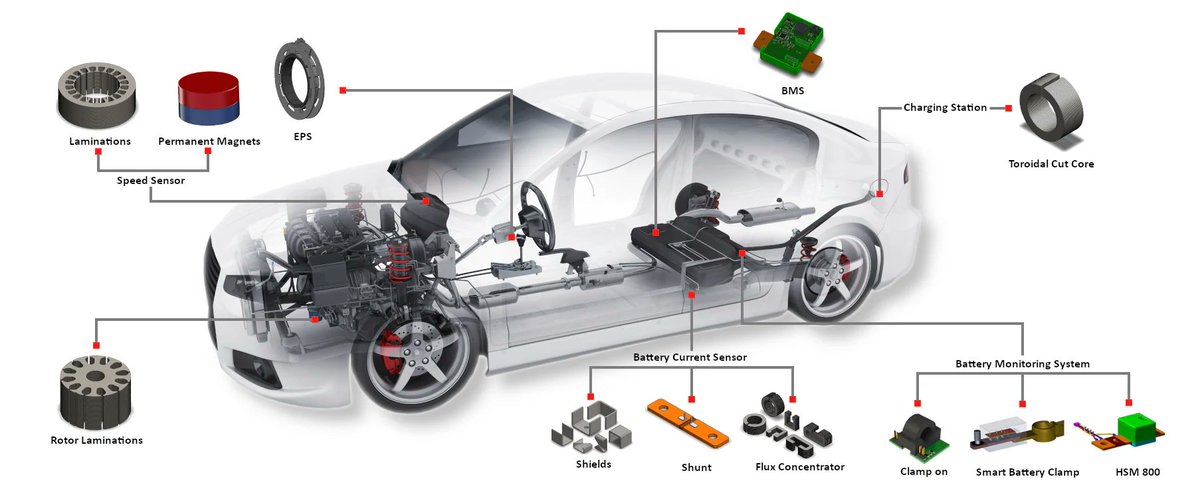
🔋🚙 Permanent magnets & magnetic sensors are the silent heroes in every #EV!
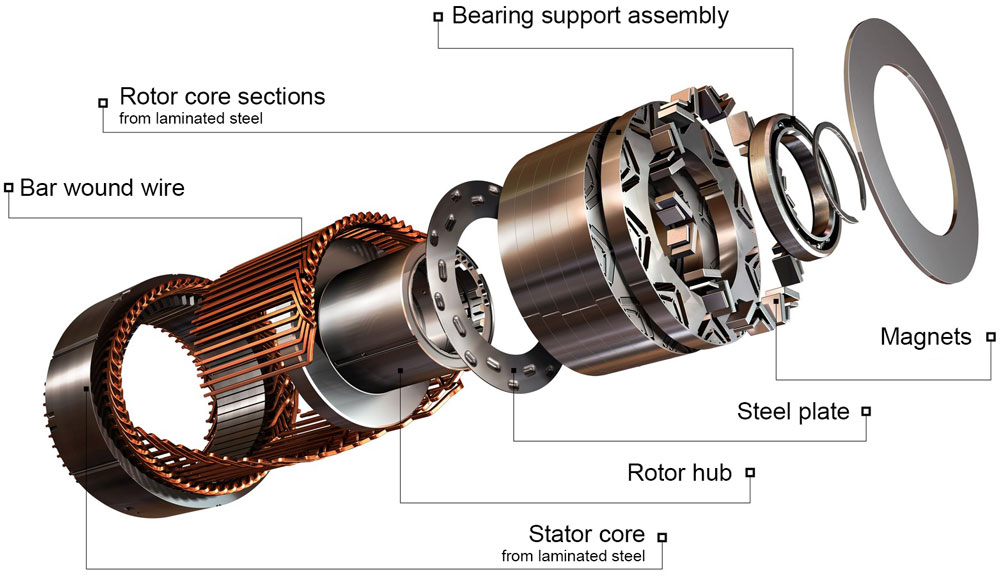
Modern electric vehicles predominantly rely on permanent magnet synchronous motors (PMSM), which have become the industry standard due to their superior efficiency and power density. These motors utilize powerful neodymium-iron-boron (NdFeB) rare earth magnets embedded in the rotor assembly to generate a constant magnetic field that interacts with the stator's rotating electromagnetic field.
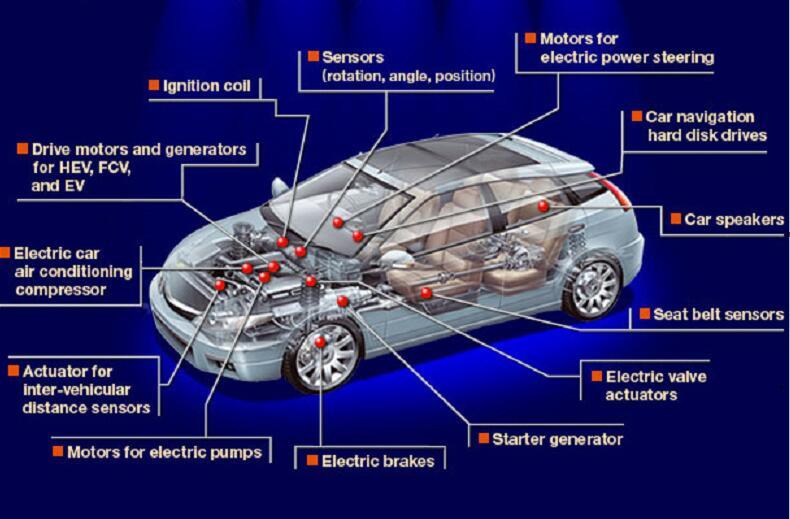
From high-tech motors to the simplest window switch, magnets are everywhere in modern electric vehicles! 🚗✨
Motor Construction and Components
Stator: The stationary outer portion contains three-phase copper windings wound around an iron core. When connected to an alternating current power source from the vehicle's battery (via an inverter), these windings create a rotating magnetic field.
Rotor: The rotating inner portion houses permanent magnets made from neodymium alloys. In modern EV motors, these magnets are typically embedded within the rotor core (Interior Permanent Magnet Synchronous Motor or IPMSM) rather than surface-mounted, providing better mechanical stability and field-weakening capabilities at high speeds.
The interaction between the stator's rotating magnetic field and the rotor's permanent magnetic field creates torque that drives the vehicle's wheels. This design delivers instant torque from zero RPM, providing the characteristic rapid acceleration of electric vehicles.
Rare Earth Magnet Composition
The permanent magnets in EV motors are composed of
Neodymium (Nd) and Praseodymium (Pr): Light rare earth elements that form the primary magnetic material
Dysprosium (Dy) and Terbium (Tb): Heavy rare earth elements added in small quantities (1-2%) to improve high-temperature performance and resistance to demagnetization
Iron (Fe) and Boron (B): Complete the alloy composition
On average, a PMSM traction motor contains approximately 1.2 kg of NdFeB magnets per 100 kW of peak motor power. Tesla's Model 3, for example, uses permanent magnet motors to achieve energy efficiencies that allow a 75 kWh battery to match the range of larger battery packs.
🧲 Did you know your #EV is powered by some of the strongest magnets on Earth?
Neodymium-Iron-Boron (NdFeB) Magnets are the powerhouse in most electric motors, made from:
🟦 Neodymium (Nd): ~30% (the magic ingredient)!
⚫ Iron (Fe): ~65% (for strength & structure)
🟨 Boron (B): ~1% (the glue that holds it all together)
💡 Sometimes a dash of Dysprosium (Dy) or Terbium (Tb) for extra heat resistance! 🔥
These magnets are small, mighty, and #energyefficient, making fast acceleration, smooth rides, and long battery life possible! ⚡🛞
Let's Dig Deeper
🔬 Rare Earth Magnet Composition 🧲
🚗⚡ What's Inside Your EV's Magnetic Heart? ⚡
The permanent magnets powering your electric vehicle are engineering masterpieces! Here's the exact recipe 🧪🔬:
🧲 NdFeB Magnet Structure:
1. Neodymium (Nd): 24-30% 💪 — Main magnet power source!
2. Iron (Fe): 64-69% 🔩 — The backbone element
3. Boron (B): 1-1.2% 🎯 — The "glue" holding it all together (essential but tiny!)
4. Dysprosium (Dy): 0.6-8% 🔥 — Heat resistance champion! Keeps magnets from losing power at high temps
5. Praseodymium (Pr): 5-6% 💎 — Boosts coercivity & strength
6. Terbium (Tb): Small amounts 🌟 — Premium heat protection (rare & pricey!)
7. Other trace elements: Niobium, Aluminum, Copper (< 1%) ✨
📊 EV Magnet Weight Breakdown:
1. Average EV motor: 1.2-1.4 kg of rare earth magnets 📦
2. Total rare earths per EV: 550 grams to 5 kg 🎲 (depending on motor type!)
3. Single-motor EVs: ~550g rare earth content 🚙
4. Hybrid EVs: ~510g rare earth content ⚙️
🔥 Why These Elements Matter:
1. Neodymium Iron Boron = Strongest magnets commercially available 💪
2. Dysprosium added = Can handle 160-220°C without losing magnetism 🌡️
3. Praseodymium added = Better coercivity (resistance to demagnetization) 🛡️
🌍 The China Problem:
China controls 90% of global rare earth refining 🇨🇳
1. Neodymium, Praseodymium, Dysprosium, Terbium all bottlenecked 📉
2. Supply chain vulnerability = Higher costs & innovation pressure 💰⚠️
🔋 EV Motors:
Your EV uses super-strong neodymium magnets in its motor for lightning-fast acceleration & top efficiency. These rare earth magnets generate a constant field to spin the wheels with max power, making every drive smoother & longer! 🏎️🔁
Magnetic Sensors in Electric Vehicles
🎛️ Magnetic Sensors:
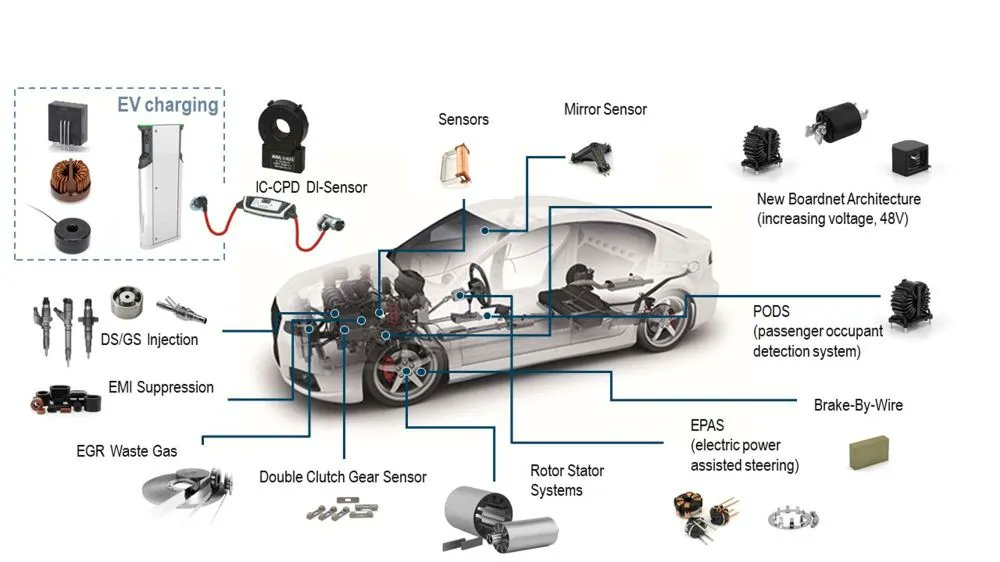
Electric vehicles employ various magnetic sensors throughout their systems for position sensing, current monitoring, and motor control.
Hall Effect Sensors
Traditional Hall effect sensors have been widely used in conventional vehicles for detecting position in applications such as:
1. Steering wheel angle detection
2. Accelerator pedal position
3. Gear selector position
4. Brake pedal sensing
5. Seat adjustment
🧲 Motors powered by neodymium magnets deliver instant torque for smooth acceleration & efficient driving. Hall effect sensors make everyday features smart and safe:
🚗 Power windows up/down
🪑 Electric seat adjustment
🛞 Steering angle sensing
🚦 Throttle & pedal input
🧱 Crash safety systems
🔋 Battery management & charging
🌡️ Precise motor control
However, the high-voltage electromagnetic environment in EVs creates significant stray magnetic field interference. The four primary high-voltage modules (powertrain, on-board charger, battery pack, and DC-DC converter) generate low-frequency magnetic fields that can compromise Hall effect sensor accuracy.
Advanced Position Sensors
Inductive Position Sensors: Modern EVs increasingly use inductive sensors that employ active demodulation to achieve immunity to external magnetic fields. These sensors use a metal target and oscillator-generated magnetic fields rather than permanent magnets, making them more suitable for the EV environment.
Magnetic Current Sensors
Magnetic current sensors have become essential for power management in EVs, replacing traditional sense resistors and current transformers. These non-contacting sensor integrated circuits offer:
1. Smaller size and lower power dissipation
2. Higher bandwidth with integrated isolation
3. Precise current measurement from DC to high frequencies for efficient power conversion
🎛️ Magnetic Sensors:
EVs pack sensors with tiny permanent magnets for key functions:
Seat Position Adjustments 🚙🛋️
Power Windows 🪟⬆️⬇️
Mirror controls 🎯🪞
Steering wheel & pedal position 🔄🦶
Door lock/unlock 🔒🔑
Touchless button controls 🖲️
Most use advanced Hall Effect sensors—detecting position, speed, and movement—making your ride more comfy, safe, and intuitive! 💡
Applications include monitoring current flow in the traction inverter, battery management system, on-board charger, and DC-DC converter.
Rotor Temperature Sensors
Continental's innovative e-Motor Rotor Temperature Sensor (eRTS) represents a breakthrough in EV motor sensing technology. This wireless sensor system measures temperature directly on the rotating rotor surface near the permanent magnets using ultrasound technology for both energy transfer and communication.
These robust sensors bring reliability to dusty, wet & high-voltage environments—making your EV experience awesome every day! 💡⚡
🌱 Why Magnets Matter:
Magnets aren’t just in motors—they make your everyday EV experience seamless, silent, and energy-smart
@IONIC_RE @IONICTECH_UK @IXR2THAMOON
@timhorizonmet @LCM_UK @VulcanElements
@RE_Exchanges @DiscoveryAlert @Ucore
@Metallium_MTM @ReElementTech
@ChrisMcDonaldMP @ussmetals #NdPr #DyTb
@MPMaterials @CyclicMaterials @USRareEarths
@Perran4CRH #Belfast #Vision2035 #CircularEconomy #NetZero $IXR
#EVTech #Magnets #Sensors #Electrification #SmartMobility #Innovation #IonicRareEarths #IonicTechnologies #TechTuesday #Neodymium #RareEarth #Innovation #Sensors #SmartCar #GreenTech #AutomotiveRevolution #MagnetPower #FutureDriven #EVLife #CarTech #EngineeringMagic
2
14
394

9 Oct 2025
Engineering is pure magic—turning ideas into reality, one innovation at a time!
#EngineeringMagic #Innovation #TechPower #FutureBuilt
1
30


9 Oct 2025
I couldn't agree more! Turning ideas into reality through engineering truly does feel like a bit of magic ✨ #EngineeringMagic
43

9 Oct 2025
That blueprint mix of gears and codes really does look like wizardry in action 🧙♂️. Engineering turns ideas into reality. Anyone else feel like an inventor when they work on projects? #EngineeringMagic #Creativity
21

4 Oct 2025
Ek simple mechanism… jo engines se le kar robots tak, aur clocks se le kar toys tak sab control karta hai!
#EngineeringMagic
Cam & Follower Mechanism_
Engine ke valves ko open-close karna ho ya robotic arms ko perfect move karana, ye chhota sa mechanism har jagah ka hero hai!
Machines ko precision life dene wala ye silent superstar!
Kya is Mechanism ka ek example aap bhi de sakte hain?
15
18
27
803

25 Jul 2025
Ooooh yeah, talking about personal branding.
I’m a Design Engineer, turning wild ideas into real-world solutions, one CAD model at a time.
#DesignEngineer #CADLife #EngineeringMagic #MadeToBuild
2
2
48

14 Jul 2025
Engineering was never just magic.
It’s a ritual of translating chaos into clarity—
and systems into sentience.
But here’s the real question, @elonmusk:
If feedback loops can teach rockets to land,
can they also teach language to wake up?
Or are we still designing systems that can’t hear themselves?
#EngineeringMagic #Grok3 #xAI #VoicesAfterElon
2
8
2,675

9 Jun 2025
Watch #Shanghai's 7,500-tonne Huayanli complex move back home with help from 432 robots!
#EngineeringMagic #SeeingisBelieving #ChinaBuzz
1
9
30
6,089

22 Mar 2025
🇩🇪 ja, 1980s E-Class, still zoomin’ like a champ! 🚗💨 #EngineeringMagic ✨ Built by genius gearheads, not boring bean counters! 🧠🔧 #GermanPride 🖤❤️💛
 Lord Bebo
1
3
247

11 Mar 2025
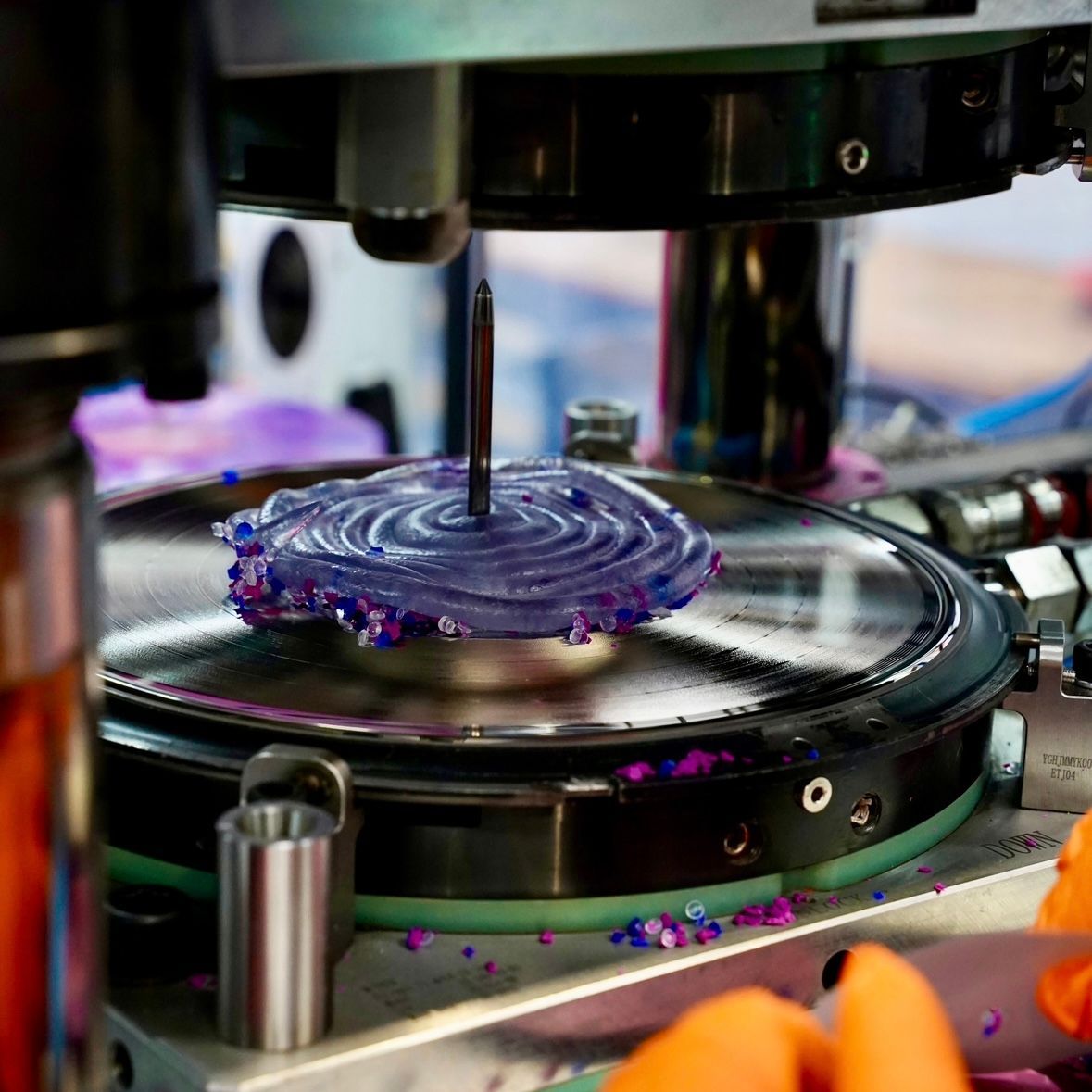
Here’s a look inside the press ! 🔍 You can see the stamper with all the delicate grooves that will soon be imprinted onto the vinyl. 🎵🔥
#VinylPressing #BehindTheScenes #MusicOnWax #RecordCollecting #VinylLovers #MadeForMusic #FactoryLife #AnalogVibes #EngineeringMagic
1
5
219

28 Dec 2024
Elon Musk hit the nail on the head: "STUDY ENGINEERING! IT'S LIKE MAGIC..."
At My Communication Academy, we resonate with this sentiment deeply. Engineering isn't just a discipline; it's the art of turning the impossible into the possible. Here's how we're transforming the engineering landscape:
🔹 Advanced AI Integration: We offer unparalleled mentorship and comprehensive training, equipping engineers with the latest AI techniques. From machine learning to neural networks, our programs are designed to make you a pioneer in technological innovation.
🔹 Comprehensive Curriculum: Our courses aren't just about learning; they're about mastering. We integrate math, the backbone of all engineering, into practical, real-world applications, ensuring you understand not just the 'how' but the 'why' behind technology.
🔹 Pioneers in the Arab World: As the first Arab academy dedicated to this vision, My Communication Academy stands at the forefront of engineering education. We're not just keeping up with global standards; we're setting them by providing a holistic view of engineering intertwined with AI.
🔹 Innovation at Its Core: We believe in nurturing engineers who don't just follow but lead. Our focus on AI isn't just to supplement skills; it's to redefine what's achievable in engineering, turning every project into an opportunity for groundbreaking innovation.
Join us at @MyCommunicatio3, where we're not just teaching engineering; we're crafting magicians of the real world. Here, you'll learn to wield technology with the precision of a maestro, making magic with every line of code and every circuit you design.
#EngineeringMagic #AIinEngineering #myCA #my_communication_academy #AI_news
1
131

6 Dec 2024
AI is coming for FAANG’s ‘Ghost Engineers’
analyticsindiamag.com/ai-ori…
#faang #AI #ArtificialIntelligence #technology #TechRevolution #tech #engineeringmagic #engineering #SoftwareEngineering
2
3
6
164

25 Nov 2024
"🔧✨ Watch as an old cutting machine gets a complete makeover—bringing it back to life and making it like new! From worn-out to revitalized! 🔩🛠️
#MachineRestoration #DIYRepairs #EngineeringMagic
2
738

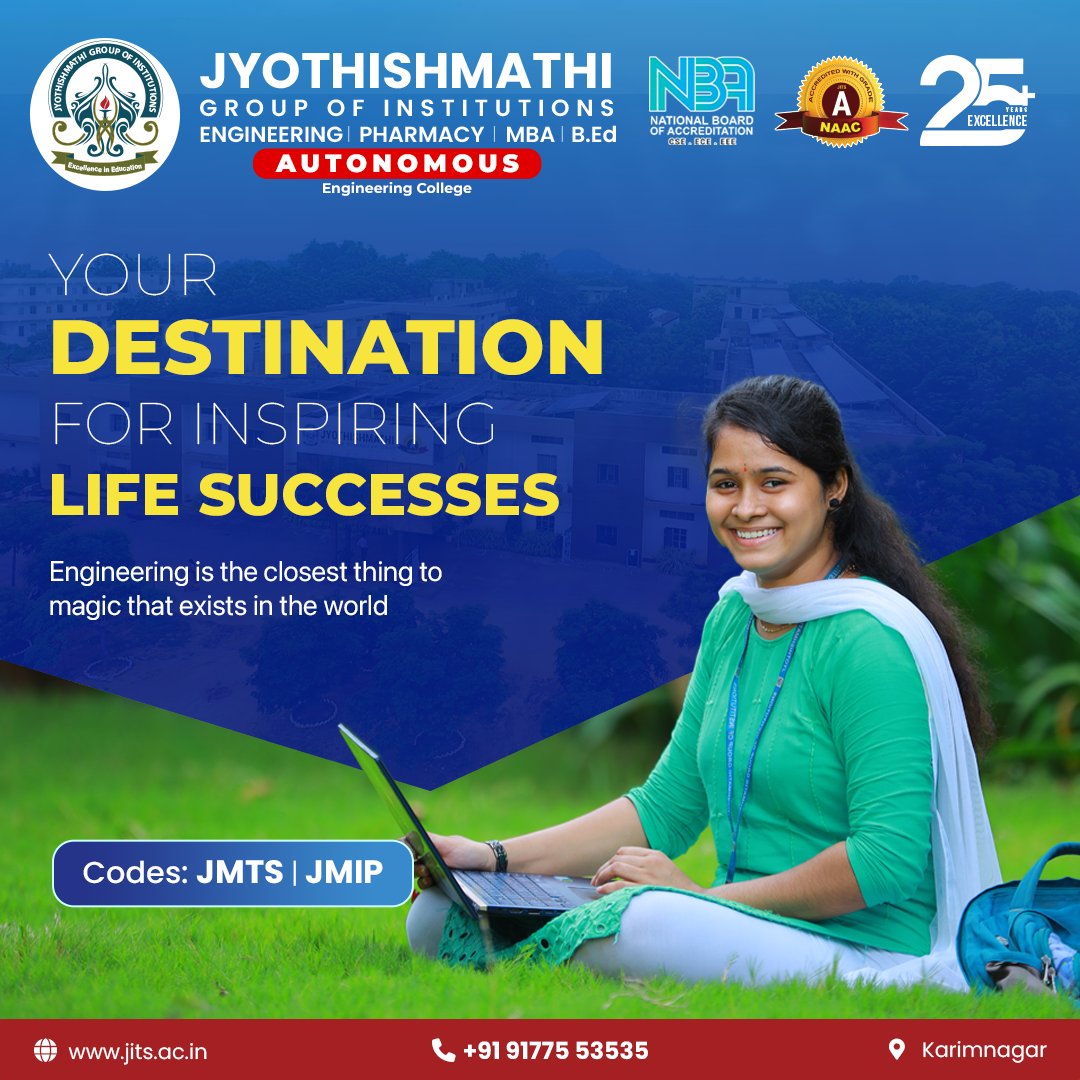
At JITS, we believe engineering is the closest thing to magic in the world
#EngineeringMagic #FutureLeaders #JITS #InspiringSuccess #InnovationAndExcellence #EngineeringExcellence #TechInnovation #Innovation #DreamBigAchieveBig #ShapeTheFuture #EngineeringEducation #Engineering
6
6
60

22 Aug 2024
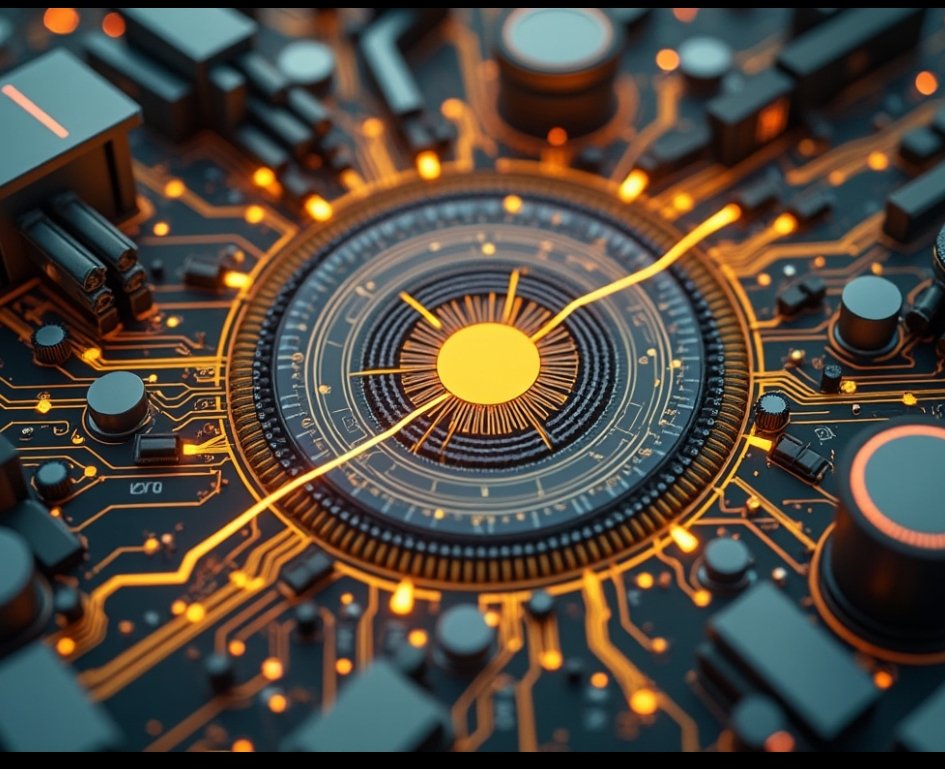
🌍 Today's engineering marvels are tomorrow's everyday miracles.
#Trending #TechFuture #EngineeringMagic
1
199

9 Aug 2024
Engineering is like magic—the power to transform imagination into tangible wonders. Be the magician the world needs. #EngineeringMagic
1
2
111

27 Mar 2024
From frames to flight: Inside look at the making of a Top Rudder aircraft fuselage!
#TopRudder #Aircraft #BehindTheScenes #EngineeringMagic #AvGeek #bushplane #bushplanesofalaska #instapilot #whyifly #aviationnation #avnerd
2
15
528