
Jan 9
Klopt, Slag van Halbe. 30000 van Busse’s troepen (van oorspronkelijke 200k!) haalden het. Busse incluis.
Ergens gelezen dat de Enigmamachine van het HQ van het 9e Leger nog vrij recent werd teruggevonden in de bossen van Halbe.
2
25

8 Nov 2025
Day 105 Bjave P1410117 "Enigma Machine" opensea.io/item/polygon/0xe8… #nft #photography #photos #openseanft #glitchart #photographyeveryday #abstract #glitchphotography #abstractart #opensea #enigmamachine #poetry

2
37

29 Aug 2025
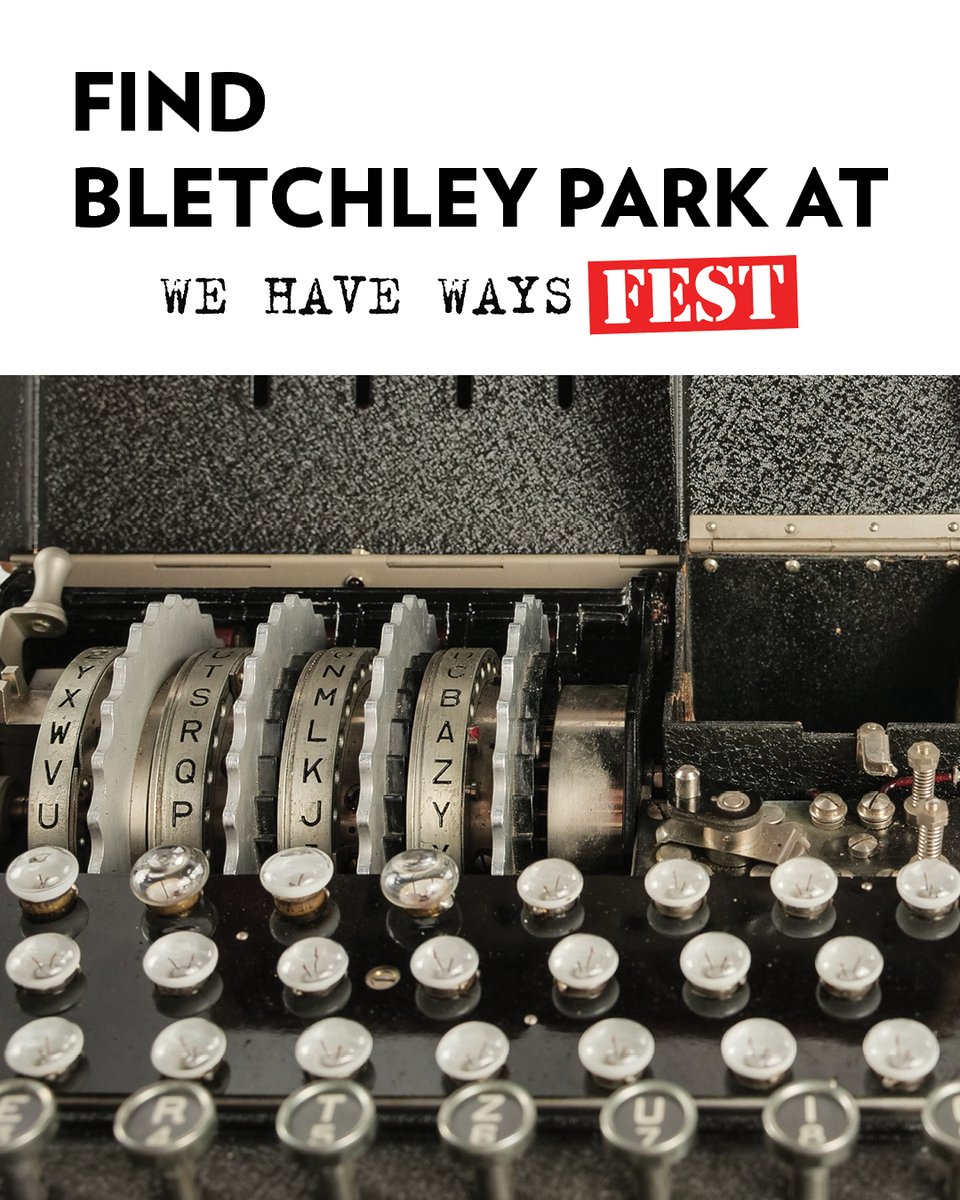
We’re excited to once again be attending #WeHaveWaysFest on 12–14 September!
We Have Ways is the UK’s No.1 Second World War Festival, brought to you by the brilliant team behind @WeHaveWaysPod
What’s waiting for you at the Bletchley Park stand:
- Meet our historians, Dr David Kenyon and Dr Thomas Cheetham
- Watch a live Enigma machine demonstration
- Get into character as a codebreaker and strike a pose at our photo op
- Try your hand at codebreaking challenges
Come and meet the Bletchley Park team and discover the world of wartime codebreaking!
#BletchleyPark #EnigmaMachine #WWIIHistory
2
10
48
2,691

12 Jul 2025
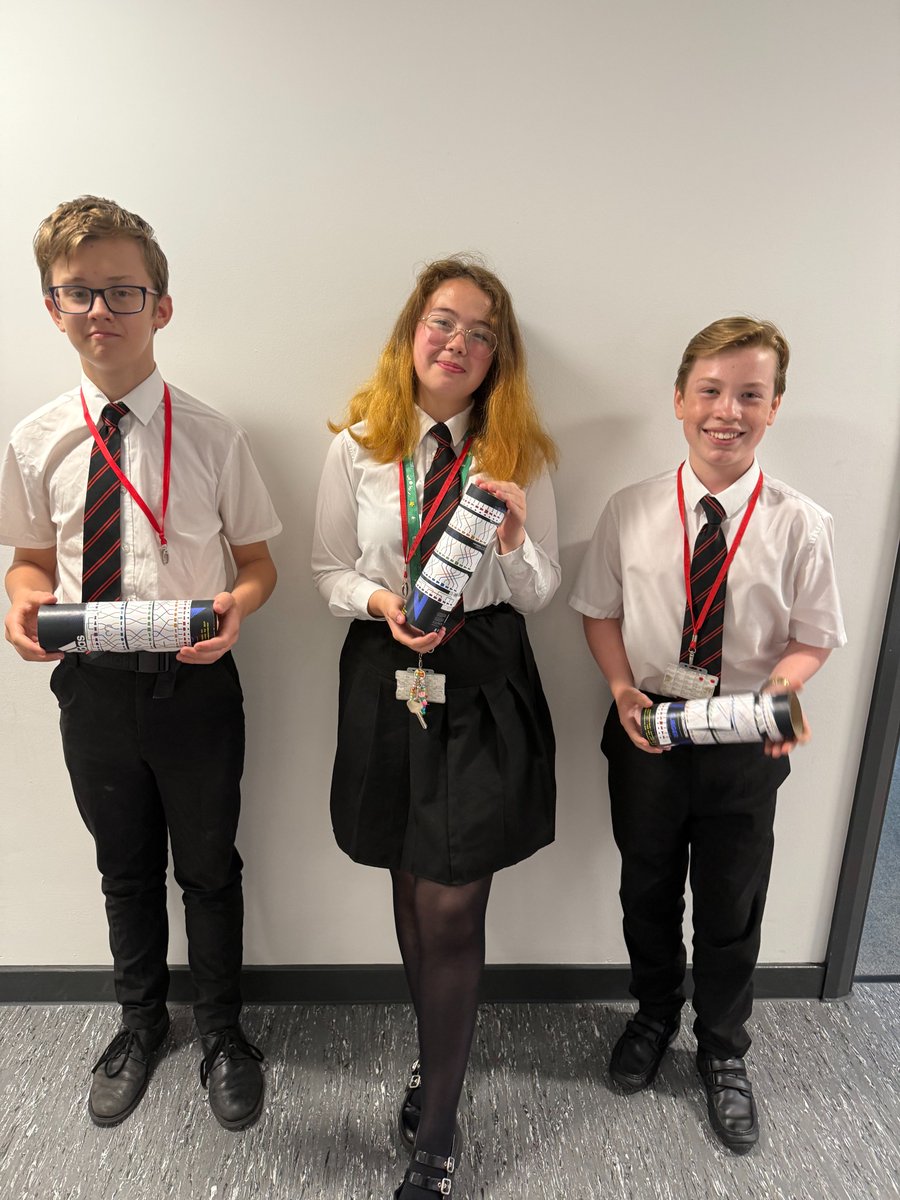
🔧✨ STEM in action! 💻⌨️
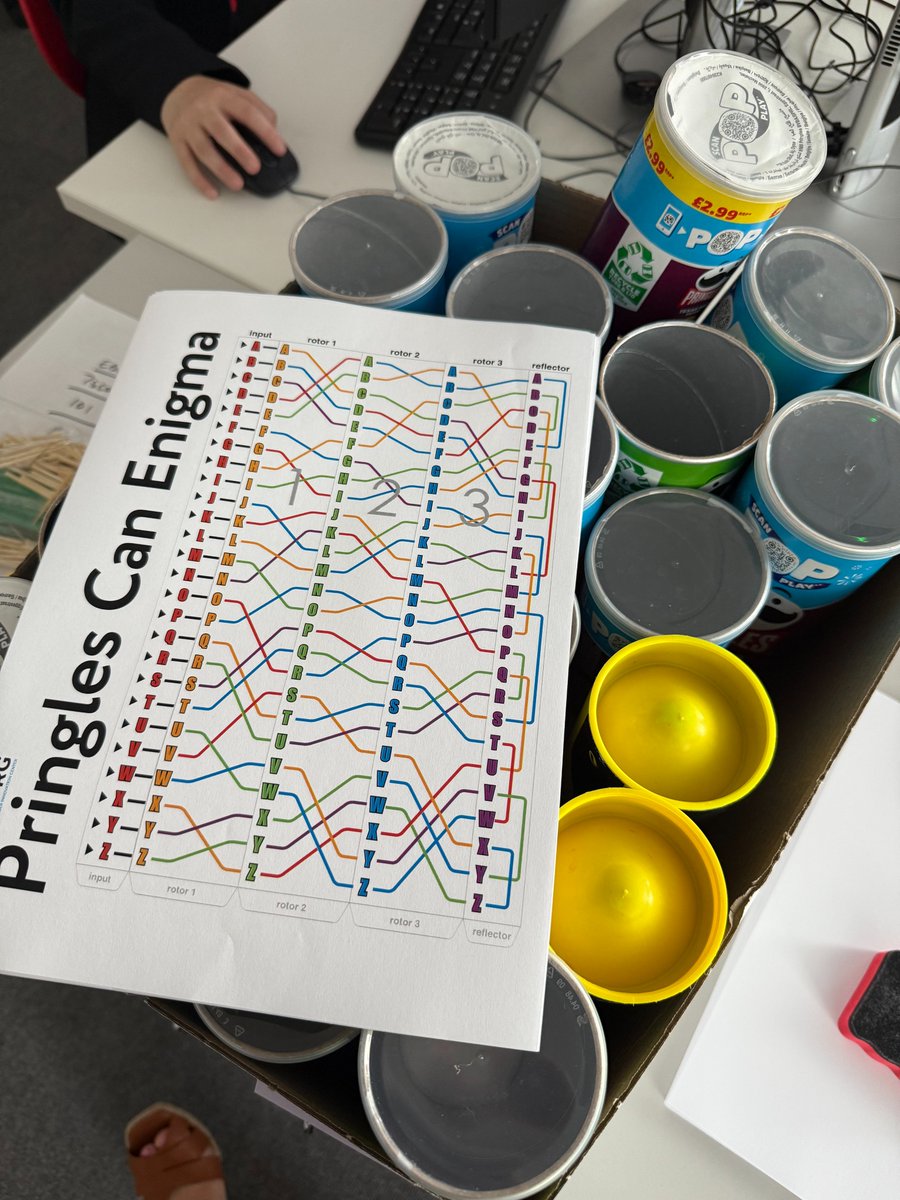
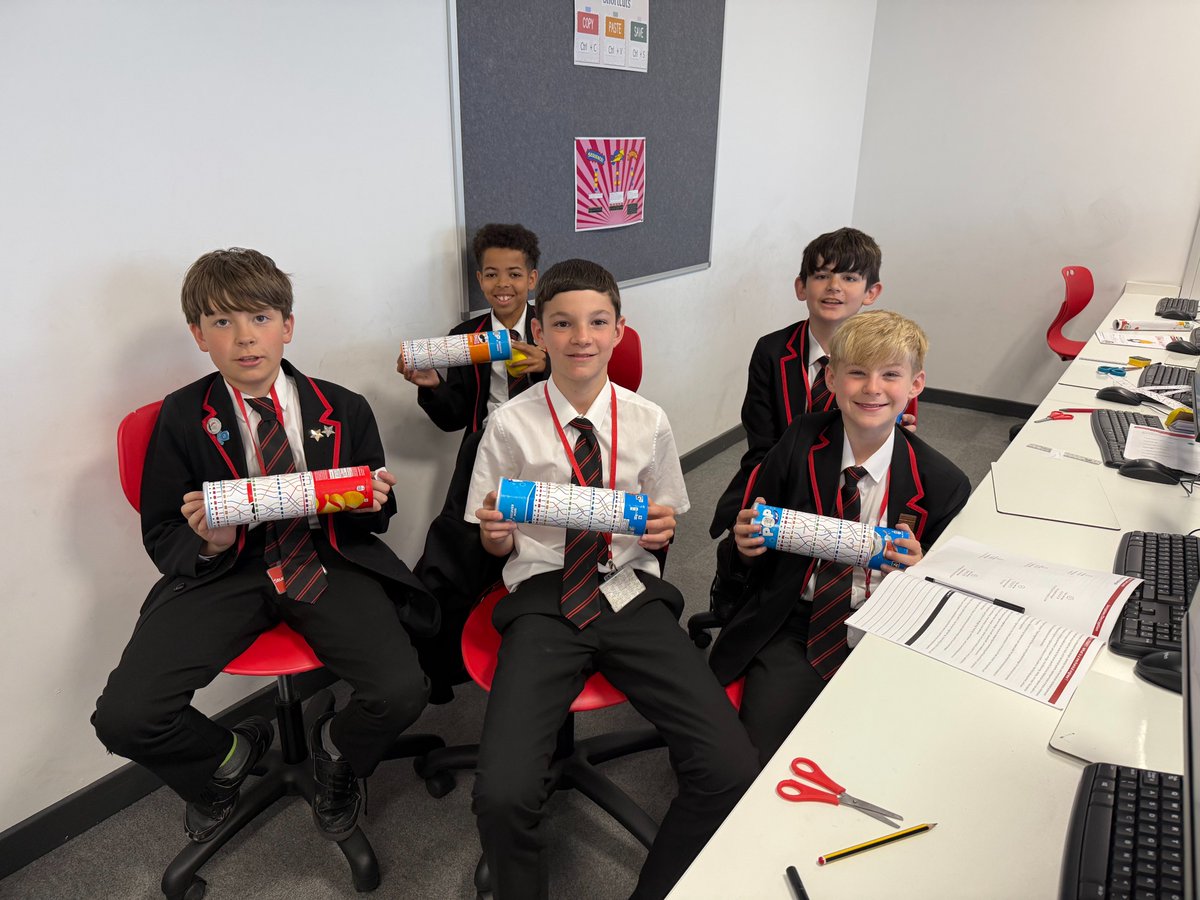
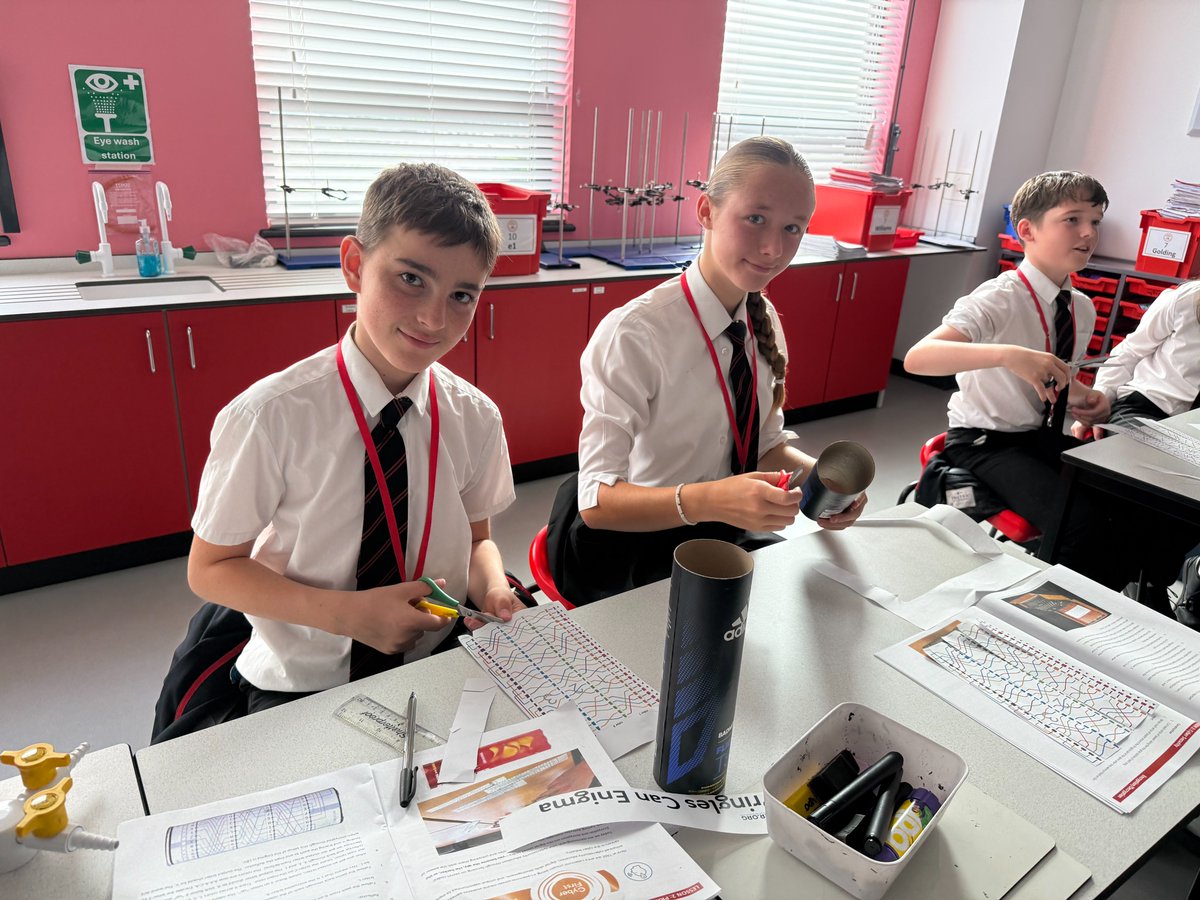
Our Year 7, 8, and 9 students had a fabulous time during this week’s Engineering STEM Day. Each student built their very own Enigma machine—a brilliant blend of history, engineering, and problem-solving! 🧠🔐
#STEMDay #EngineeringFun #EnigmaMachine
2
5
1,018

9 Jul 2025
⚙️📡 Vault Boy is on an adventure at @bletchleypark ! Day 1 done, and with still lots to do tomorrow for day 2!
#bletchleypark #bletchley #bletchleyparkmuseum #enigma #enigmamachine #codebreakers #vaultboy #vaultboyadventures

2
105

24 Jun 2025
There's no encryption, no ChatGPT, no AI as we know it without him. He turned 112 yesterday. Let’s rewind time, watch and pay our respects.🌹
.
.
.
.
.
#cryptography #encryption #alanturing #codebreakers #enigmamachine #infosec #cybersecurity
2
3
27
1,747

3 Jun 2025
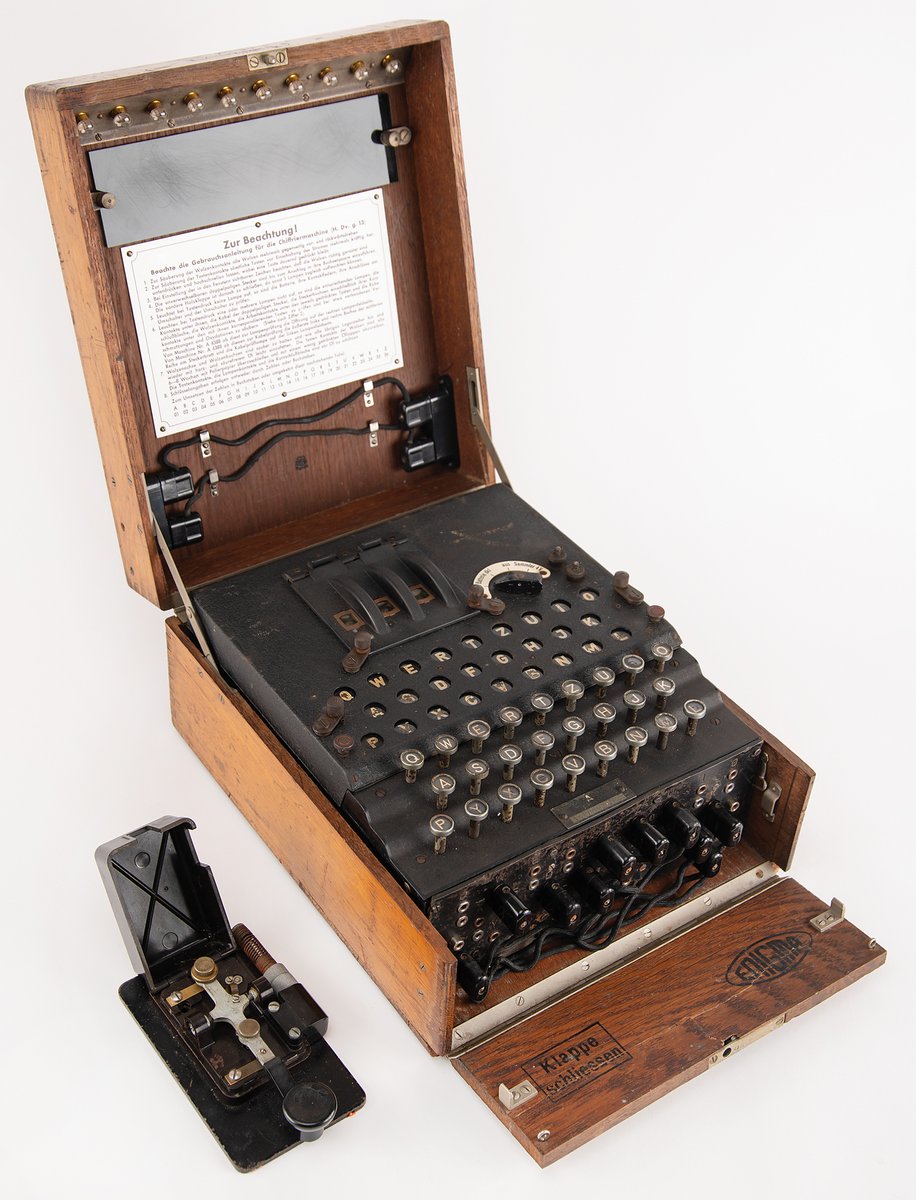
A WWII Enigma machine—built in ‘43, abandoned in a Belgian shed, now restored to code-cracking glory—is up for bid.
Rotor-matching. Plugboard-intact. Secret history, revealed.
@RRAuction → shorturl.at/vtih9
#WWIIHistory #EnigmaMachine #Codebreakers #AlanTuring #MilitaryTech #RRAuction
2
5
319

18 May 2025
THE NEW WAR MACHINE: SensusQ’s Technology Revolutionizes Warfare in Ukraine
A BATTLEFIELD MARVEL: In the fog of war, where chaos reigns and split-second decisions can mean the difference between victory and defeat, a new tool is cutting through the noise.
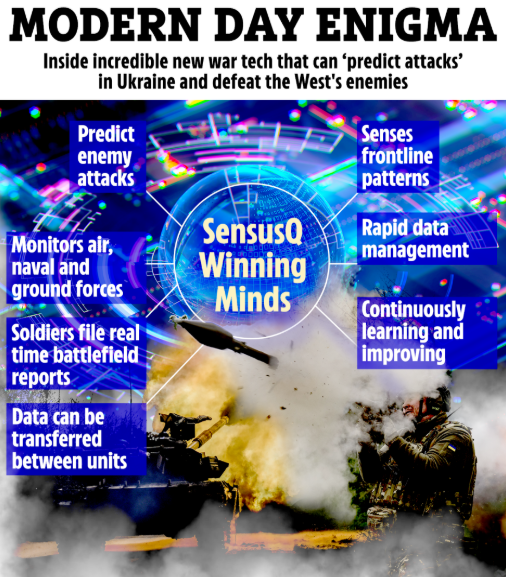
MILITARY INNOVATION: Estonian-based SensusQ has developed Winning Minds, a groundbreaking software likened to a modern-day Enigma machine, designed to predict and counter enemy attacks before they occur.
Already deployed on Ukraine’s frontlines, this technology is reshaping military intelligence by transforming raw data into actionable insights, saving lives, and redefining how wars are fought.
But what are the intricacies of Winning Minds, its impact on the Ukraine-Russia conflict and its broader implications for global defense?
the-sun.com/news/14235429/uk…
The Genesis of Winning Minds: A Tool Born from Necessity....
SensusQ’s Winning Minds is the brainchild of a team that blends decades of military and intelligence expertise with cutting-edge software engineering.
The company’s Chief Strategy Officer, Erik Markus Kannike, describes it as “the tool they wished they had” during their own wartime experiences.
Unlike traditional defense technologies that focus on physical hardware like drones or missiles, Winning Minds targets the intangible yet critical realm of battlefield intelligence.
It addresses a persistent problem: the overwhelming flood of data from drones, satellites, social media, and ground reports that often goes underutilized due to outdated, manual processes.
Kannike, in an interview with The Sun, emphasized the gap between Hollywood’s high-tech portrayal of warfare and reality: “It’s mostly still pen and paper.”
Winning Minds bridges this gap by automating data processing, identifying patterns, and presenting insights in a digestible format.
The software’s ability to integrate real-time information from diverse sources—drones in the air, soldiers on the ground, and even open-source intelligence—has made it a game-changer in Ukraine’s defense strategy.
How Winning Minds Works: Intelligence at the Speed of War....
At its core, Winning Minds is a data-driven decision-making platform that thrives in the chaos of conflict zones.
The system ingests vast amounts of real-time data, processes it rapidly, and uncovers connections that human analysts might miss.
For example, it can correlate drone footage, social media posts, and satellite imagery to predict potential Russian troop movements or artillery strikes.
This predictive capability allows Ukrainian forces to preempt attacks, allocate resources efficiently, and minimize civilian casualties.
A key component of the system is its secure mobile app, Verdandi, which enables soldiers to file real-time reports directly from the battlefield.
These reports feed into Winning Minds, creating a dynamic feedback loop that keeps commanders updated on evolving situations.
The software also features digital mapping tools that enhance “situational understanding,” allowing military leaders to visualize long-term patterns and connections within conflict zones.
Kannike notes that this capability is particularly valuable in fast-paced environments where detailed analysis is often a luxury.
What sets Winning Minds apart is its emphasis on user control and data security.
Ukrainian officials, for instance, have full autonomy over the system, programming it to their needs and keeping all results classified.
SensusQ itself does not access the data, ensuring that sensitive intelligence remains in the hands of those on the ground.
This design not only builds trust but also aligns with the need for rapid deployment—Winning Minds can be set up in just a few hours, adapting to the ever-changing battlefield.
Impact on Ukraine: A Force Multiplier in the Fight Against Russia....
Since Russia’s invasion in February 2022, Ukraine has faced an uphill battle against a numerically superior adversary.
Yet, the country’s resilience, coupled with innovative technologies like Winning Minds, has allowed it to punch above its weight.
SensusQ has been partnered with Ukrainian military and law enforcement since the war’s early days, though specific details remain confidential.
Kannike hints at its broad applications, from strategic communications to deciphering complex battlefield scenarios, noting that the technology helps users “make sense of information they might miss otherwise.”
defence.nridigital.com/globa…
The software’s real-world impact is evident in its ability to save lives and optimize resources.
By predicting Russian attacks, Winning Minds enables Ukrainian forces to reposition defenses, evacuate civilians, or launch preemptive strikes.
Its efficiency—reportedly a 30% improvement over traditional methods—has been critical in a war where every second counts.
The system’s adaptability has also been honed by Ukraine’s rapid pace of innovation, with lessons learned on the battlefield continuously integrated into the software.
@ElonMusk's X.com users have echoed these sentiments, with posts highlighting Winning Minds as a pivotal tool in Ukraine’s defense.
@EvanKirstel, for instance, praised the software’s ability to “predict and repel Russian attacks,” drawing parallels to the historical Enigma machine’s role in World War II.
Other users, like @Lizzie_d30 and @jm3107, emphasized its potential to “defeat the West’s enemies,” reflecting a broader optimism about its strategic value.
These posts, while enthusiastic, underscore the technology’s growing visibility and the public’s fascination with its predictive capabilities.
Insights from X.com: A Double-Edged Sword of Hype and Skepticism....
The buzz on X.com reveals a mix of awe and cautious scrutiny surrounding Winning Minds.
Supporters view it as a revolutionary leap in military intelligence, with @HaiderH00425068 calling it “incredible war tech” that could shift the balance in Ukraine’s favor.
The comparison to the Enigma machine resonates strongly, evoking images of a cryptographic breakthrough that turned the tide of history.
This narrative aligns with broader discussions on X.com about Ukraine’s technological edge, including its use of drones and cyber warfare to counter Russian aggression.
However, some users express skepticism about the technology’s hype.
Posts on X.com, while not directly quoted, suggest concerns about the over reliance on predictive algorithms, which could lead to false positives or missed threats.
Others question the ethical implications of automated intelligence in warfare, raising fears about dehumanized decision-making.
These critiques, though less prominent, highlight the need for transparency and rigorous testing to ensure Winning Minds delivers on its promises without unintended consequences.
The polarized sentiment on X.com mirrors broader debates about technology’s role in modern warfare.
While Winning Minds is celebrated as a force multiplier, its long-term effectiveness depends on addressing these concerns and maintaining human oversight.
The platform’s discussions also underscore the global stakes of the Ukraine conflict, with users framing Winning Minds as a potential blueprint for NATO and allied nations.
Broader Implications: Redefining Military Intelligence....
SensusQ’s ambitions extend beyond Ukraine. The company aims to scale operations, expand into Poland and the U.S., and establish Winning Minds as a standard system within NATO.
Its alignment with NATO standards and focus on transparent, self-explainable AI positions it as a leader in the evolving field of defense technology.
Kannike envisions a future where Winning Minds prevents intelligence failures across allied nations, offering a scalable solution to the challenges of 21st-century warfare.
army-technology.com/news/est…
The technology’s success in Ukraine also highlights the growing importance of the Internet of Things (IoT) in defense.
According to GlobalData, IoT applications—ranging from situational awareness to command and control—are transforming military operations.
Winning Minds exemplifies this trend, leveraging IoT to network disparate systems and deliver real-time insights. Its collaboration with Ukrainian border guards, though shrouded in secrecy, demonstrates its versatility across military and security contexts.
Yet, challenges remain. Kannike acknowledges the difficulty of obtaining training data for AI systems in sensitive military environments, a hurdle that requires innovative solutions.
The broader defense industry also faces ethical questions about AI’s role in warfare, particularly regarding accountability and bias.
SensusQ’s commitment to keeping data in end-users’ hands is a step toward addressing these concerns, but the path forward demands careful navigation.
A New Era of Warfare?...
SensusQ’s Winning Minds is more than a technological marvel; it’s a testament to human ingenuity in the face of adversity.
By empowering Ukrainian forces to anticipate and counter Russian attacks, it has already saved lives and reshaped the battlefield.
Its predictive power, rapid deployment, and user-centric design make it a model for future defense systems, with implications far beyond the current conflict.
As the war in Ukraine continues, Winning Minds will undoubtedly evolve, incorporating new lessons and technologies.
Its success underscores a broader truth: in modern warfare, victory belongs not just to those with the most firepower, but to those who can harness information with precision and speed.
Whether it becomes the “Enigma machine” of the 21st century remains to be seen, but for now, Winning Minds is proving that the future of warfare is as much about brains as it is about brawn.
#SensusQ #WinningMinds #UkraineWar #MilitaryTech #EnigmaMachine #PredictiveAnalytics #WarTech #UkraineDefense #RussianInvasion #BattlefieldIntelligence #AIinWarfare #DataDrivenWar #RealTimeIntelligence #VerdandiApp #NATOStandards #DefenseInnovation #IoTinDefense #CyberWarfare #MilitaryIntelligence #UkraineInnovation #WarStrategy #TechinWar #GlobalSecurity #EstonianTech #SavingLives #FutureWarfare #StrategicInsights #DefenseAI #InformationWarfare #21stCenturyWar #AI #Ukraine #Russia #USA #Estonia
3
311


26 Nov 2024
Meet Greg: "Working on the Enigma machine has made me realise that things take me longer than I'm used to.
Making a contribution to the museum is my aim, but the community of volunteers as a peer group is vital to my motivation."
#enigmamachine #enigma #engineering #westsussex
1
4
577

14 Nov 2024
#BenedictCumberbatch was #AlanTuring 10 years ago when #TheImitationGame opened on November 14th, 2014 #Biopic #KeiraKnightley #MatthewGoode #RoryKinnear #CharlesDance #MarkStrong #MortenTyldum #EnigmaMachine #WorldWarII #CodeBreaking

2
1
3
280

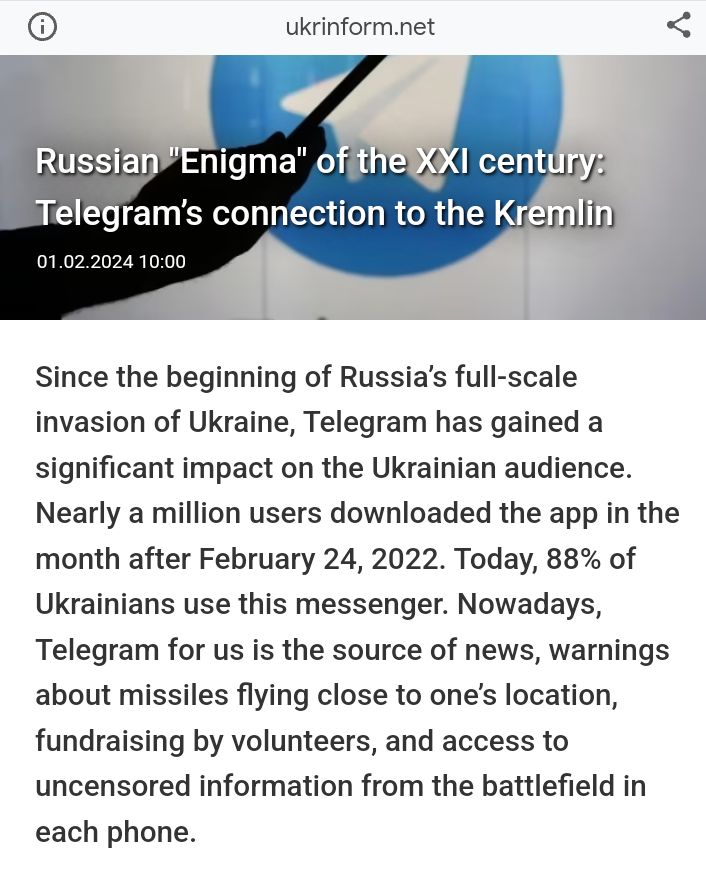
12/25 Het Oekrainse Ukrinform vergelijkt Telegram met de enigmamachine uit WOII. Juist omdat het qua data zo belangrijk kan zijn; 88 procent van de Oekrainers gebruikt de app. Elke telefoon kan, zelfs zijdelings, cruciale data bevatten over de oorlog.
1
1
11
399


13 Jul 2024
Sneak Peek project I been working on.
Special thanks to the people below.
Cover belong to @Sonic_Online
Colorist: EnigmaMachine
Penciled: @NinjaHaku21_Art
Ink: @elisonic12
Animated: @Michael_States
Music: @UltraSonicHero
Narrated: @treckVA
3
14
65
2,306

6 Jun 2024
His daughter, Lady Jane, joined WRNS in 1943 at 18 years of age
She was then selected to go to Stanmore where she worked with the German code breaking group that operated the Enigma machines
#WWII #WRNS #EnigmaMachine #DDay #JourJ #ButlerFamily
© Illustrated London News Group

ALT Photos of Lady Jane © Illustrated London News Group. Image created courtesy of THE BRITISH LIBRARY BOARD.
2
172

9 May 2024
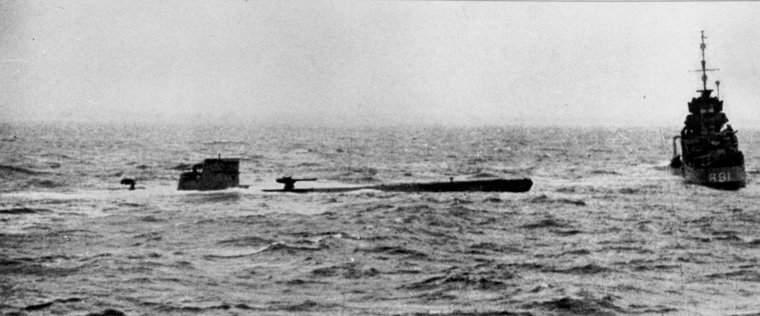
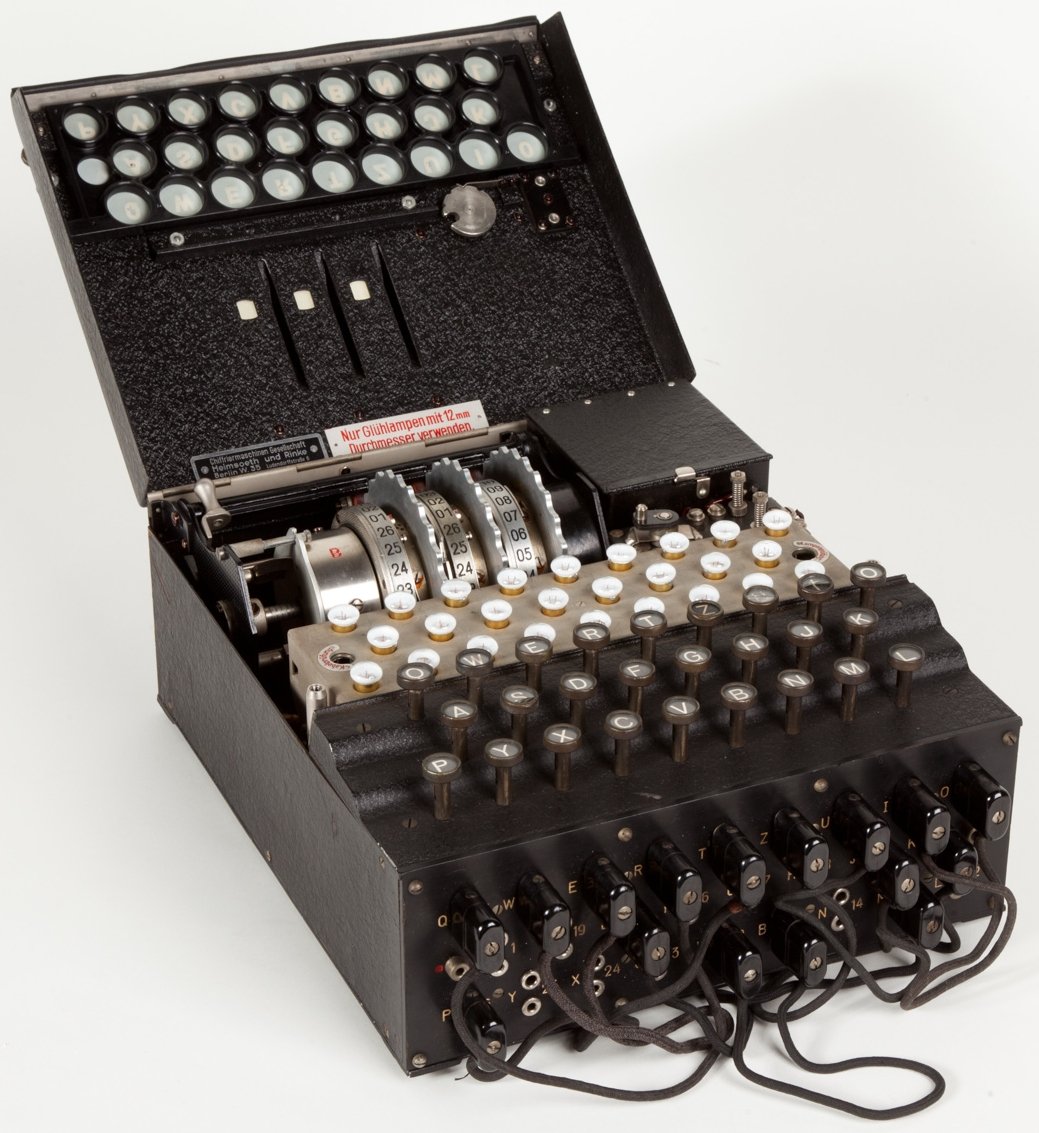
#onthisday 9 May 1941 – World War II: The German submarine U-110 is captured by the Royal Navy. On board is the latest Enigma machine which Allied cryptographers later use to break coded German messages.
The U-boat departed Lorient, France on 15 April 1941. On the 27th, she sank Henri Mory about 330 nautical miles (380 mi) west northwest of Blasket Islands, Ireland.
Her next quarry were the ships of convoy OB 318 east of Cape Farewell (Greenland). She successfully attacked & sank Esmond & Bengore Head, but the escort vessels responded. The British corvette, HMS Aubrietia, located the U-boat with ASDIC (sonar). Aubrietia & British destroyer Broadway then proceeded to drop depth charges, forcing U-110 to surface.
U-110 survived the attack, but was seriously damaged. HMS Bulldog & Broadway remained in contact after Aubrietia's last attack. Broadway shaped course to ram, but fired two depth charges beneath the U-boat instead, in an endeavour to make the crew abandon ship before scuttling her. Kapitänleutnant Fritz-Julius Lemp announced "Last stop, everybody out", meaning "Abandon ship". As the crew turned out onto the U-boat's deck they came under fire from Bulldog & Broadway with casualties from gunfire & drowning. The British had believed that the German deck gun was to be used & ceased fire when they realised that the U-boat was being abandoned & the crew wanted to surrender.
Lemp realised that U-110 was not sinking & attempted to swim back to it to destroy the secret material, & was never seen again. A German eyewitness testified that he was shot in the water by a British sailor, but his fate is not confirmed. Including Lemp, 15 men were killed in the action, & 32 were captured. Radio Officer Georg Högel & the rest of the crew were held at Camp 23 (Monteith POW camp at Iroquois Falls, Northern Ontario, Canada), which is now the Monteith Correctional Complex.
Bulldog's boarding party, led by Sub-Lieutenant David Balme, got onto U-110 & stripped it of everything portable, including her Kurzsignale code book and Enigma machine. William Stewart Pollock, a former radio operator in the Royal Navy on loan to Bulldog, was on the second boat to board U-110. He retrieved the Enigma machine & books as they looked out of place in the radio room. U-110 was taken in tow back toward Britain, but sank en route to Iceland.
The documents captured from U-110 helped Bletchley Park* codebreakers solve Reservehandverfahren, a reserve German hand cipher.
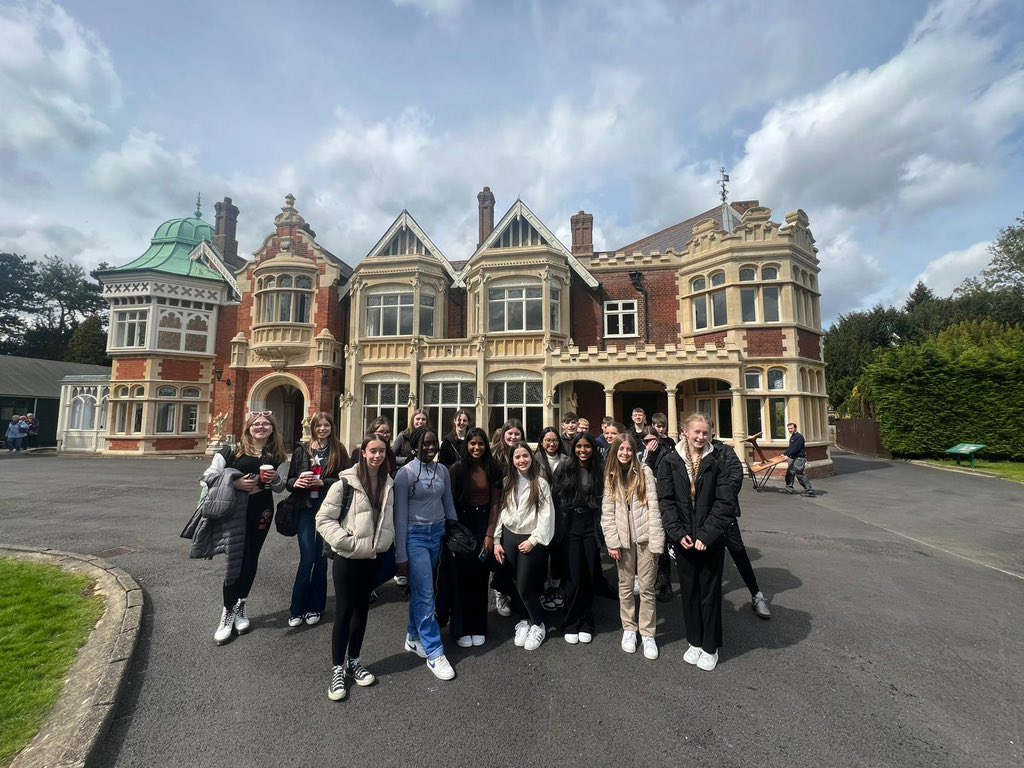
*Bletchley Park is an English country house & estate in Bletchley, Milton Keynes (Buckinghamshire), that became the principal centre of Allied code-breaking during the Second World War. During World War II, the estate housed the Government Code & Cypher School (GC&CS), which regularly penetrated the secret communications of the Axis Powers – most importantly the German Enigma & Lorenz ciphers. The GC&CS team of codebreakers included Alan Turing, Harry Golombek, Gordon Welchman, Hugh Alexander, Bill Tutte & Stuart Milner-Barry.
According to the official historian of British Intelligence, the "Ultra" intelligence produced at Bletchley shortened the war by two to four years, & without it the outcome of the war would have been uncertain. The team at Bletchley Park devised automatic machinery to help with decryption, culminating in the development of Colossus, the world's first programmable digital electronic computer. Codebreaking operations at Bletchley Park came to an end in 1946 & all information about the wartime operations was classified until the mid-1970s.
#britishhistory #secondworldwar #codebreakers #enigmamachine #royalnavy #hmsbulldog @bletchleypark @I_W_M @NatMuseumRN @RoyalNavy
8
23
679

29 Apr 2024
17
1,825

31 Jan 2024
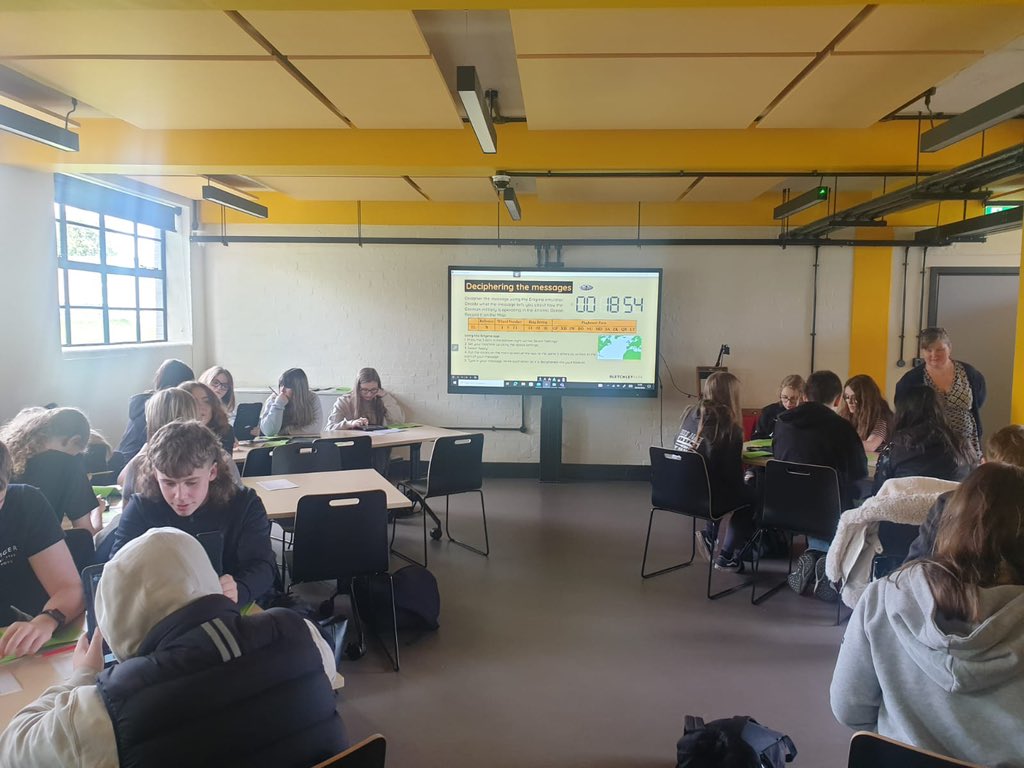
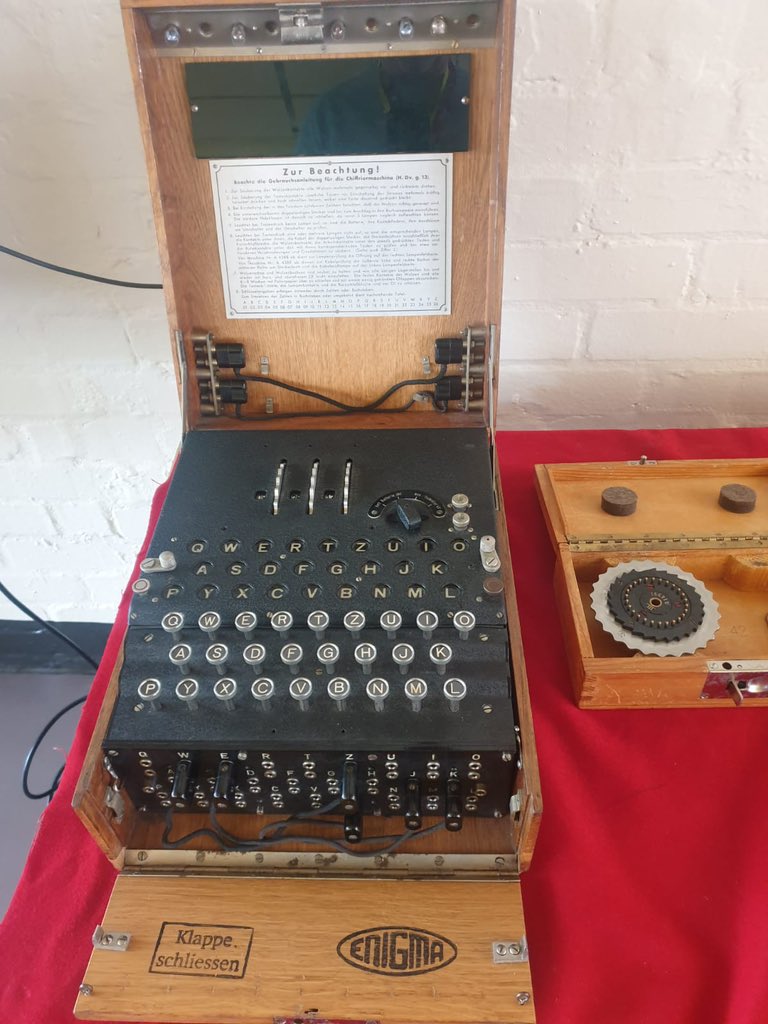
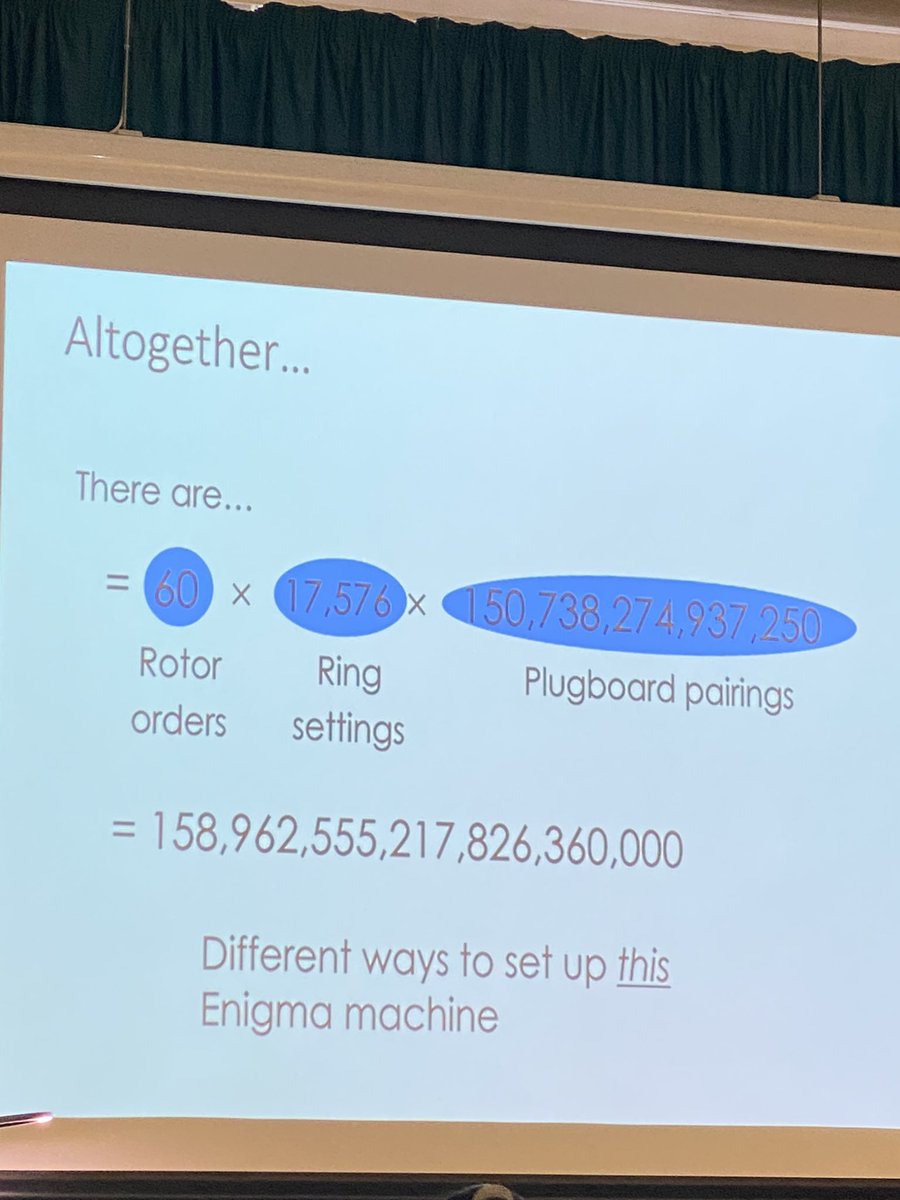
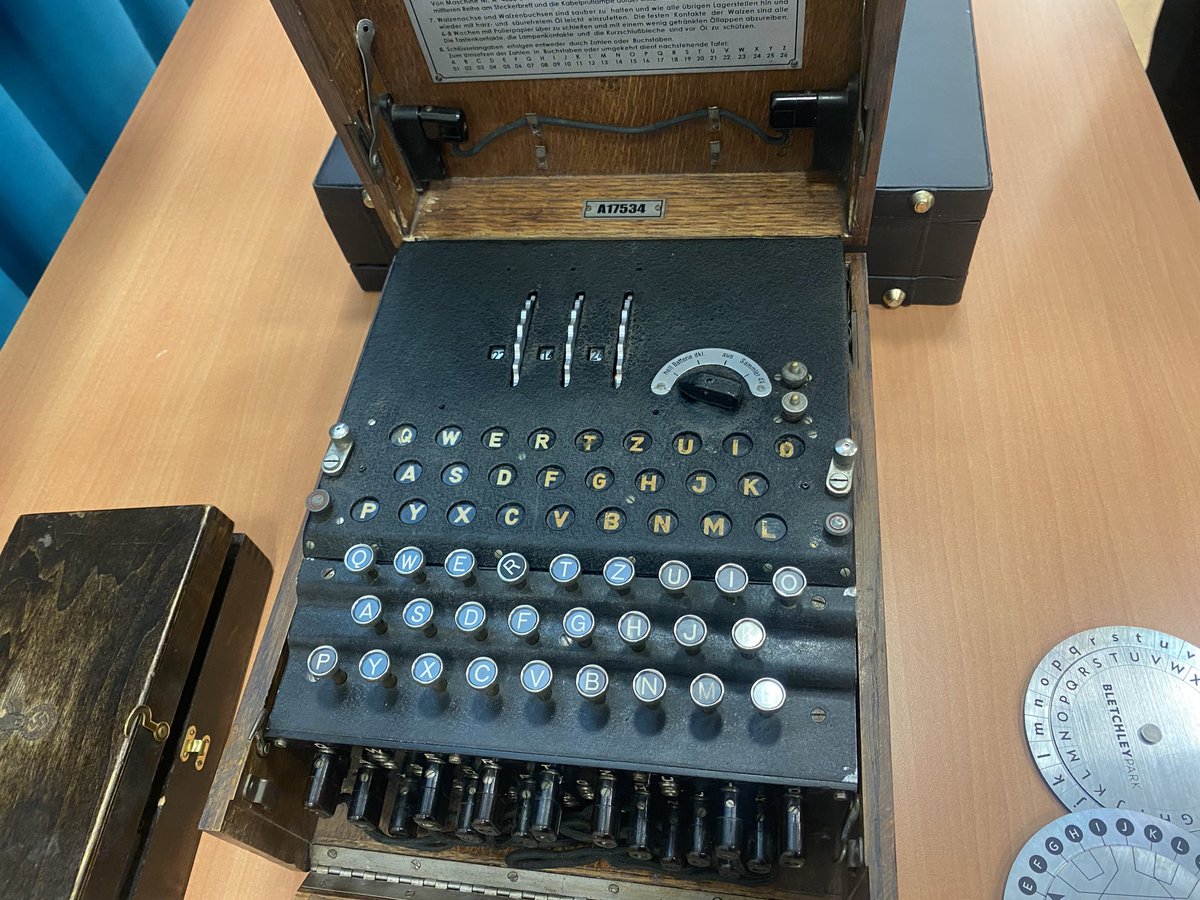
@bletchleypark outreach day today. History, Computer science and Maths! Really engaging and we’ve seen a real #enigmamachine @cgarside @WeAreComputing @cooppriesthorpe
1
4
90

8 Jan 2024
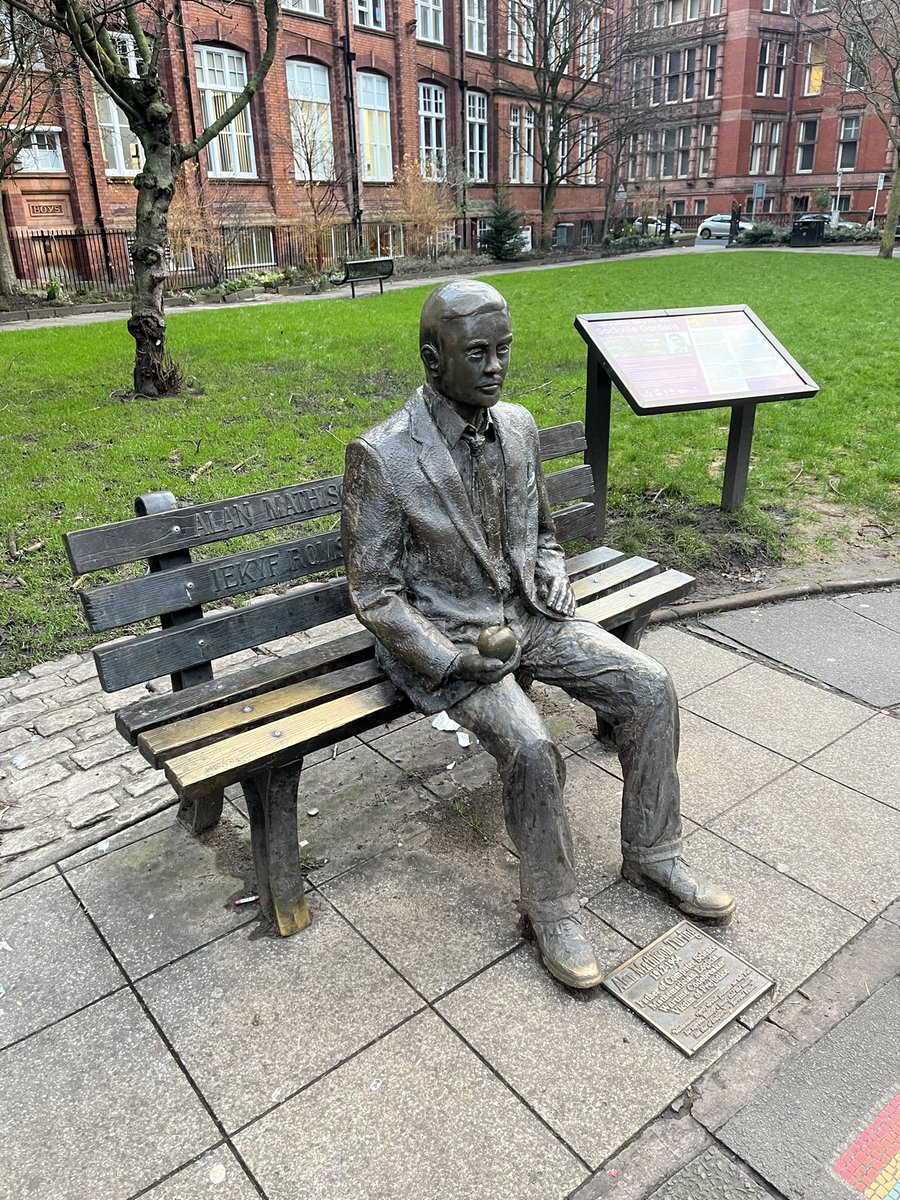
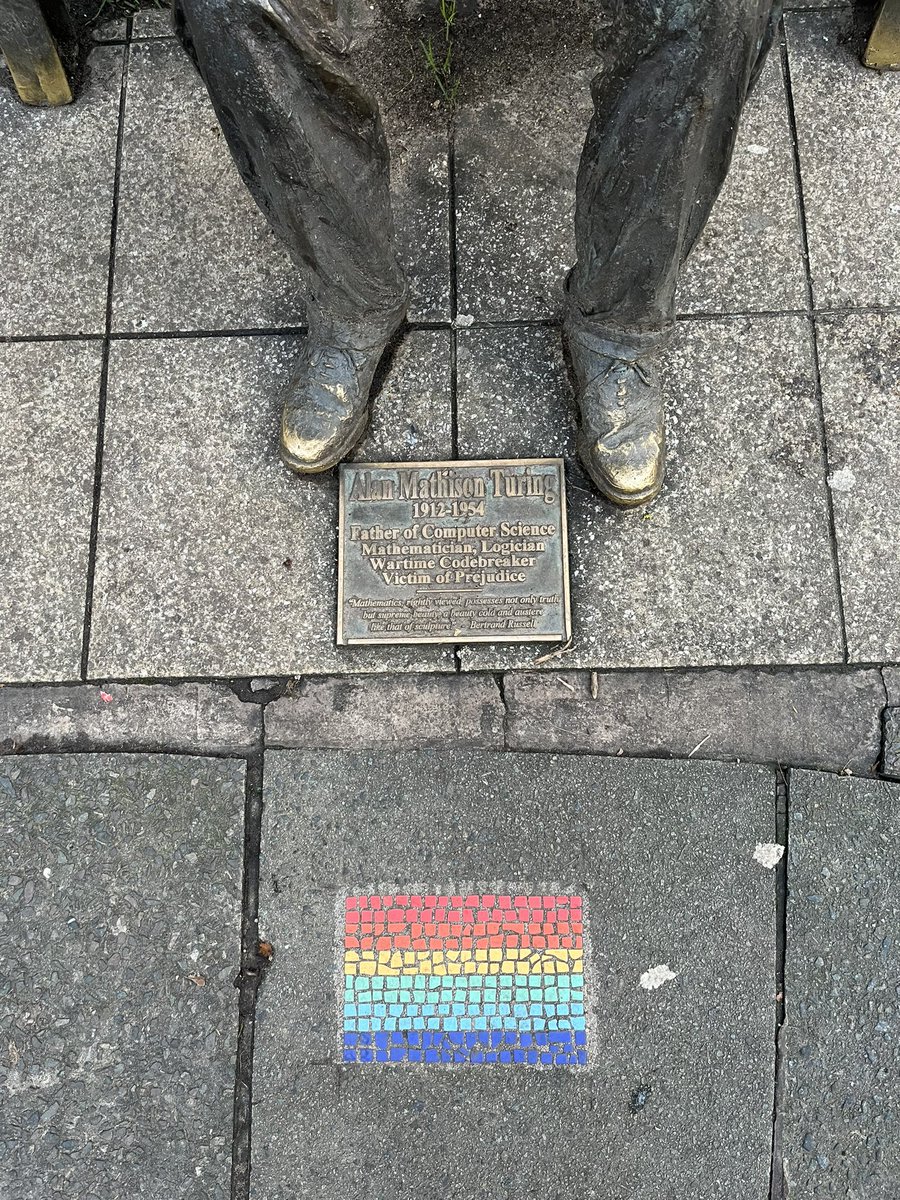
Whilst staying in Manchester, discovered my hotel was around the corner to the statue and memorial of Alan Turing. Father of computer science, wartime codebreaker and victim of massive prejudice #alanturing #manchester #enigmamachine
1
6
165