
May 1
#Celebrating #life after a tough battle is truly inspiring. A #GoFundMe #campaign is #helping to make a #special #trip possible for someone who has faced #incredible #challenges. Your support can make a difference. #Everybitcounts! gofund.me/527e30843
1
1
1
14


Mar 26
🆘🆘🆘🇵🇸🇵🇸🇵🇸🫒🆘🆘🆘🇵🇸🇵🇸🇵🇸
A mother's strength is fading as we struggle daily. 💔🌍🙏 Your small donation can help us keep going. Please give what you can: gofund.me/6a9d9abd #HelpUsSurvive #EveryBitCounts
Mar 26

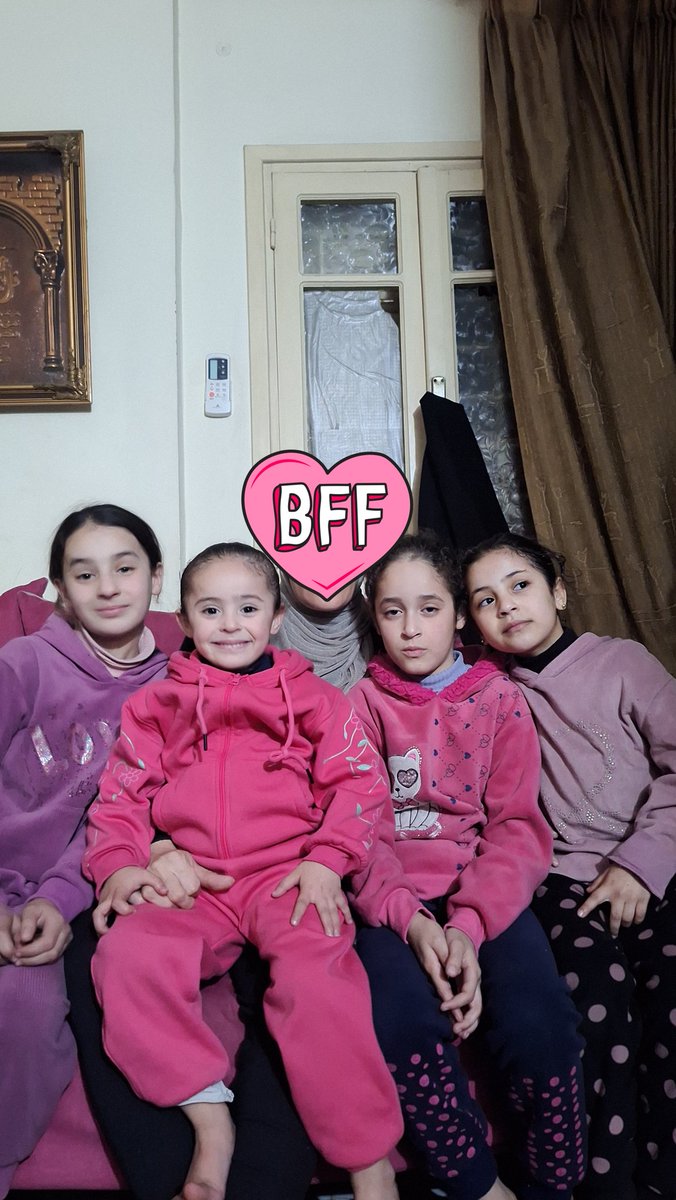
I’ve been trying to stay strong for my daughters, but honestly, things are getting harder everyday. My campaign has completely stalled, and it feels like our voice is fading away. I’m just a mother trying to protect her children amidst all this struggle.
gofund.me/6a9d9abd
1
2
21
Mar 8
🆘🆘🆘🇵🇸🇵🇸🇵🇸 🫒 🆘🆘🆘🇵🇸🇵🇸🇵🇸
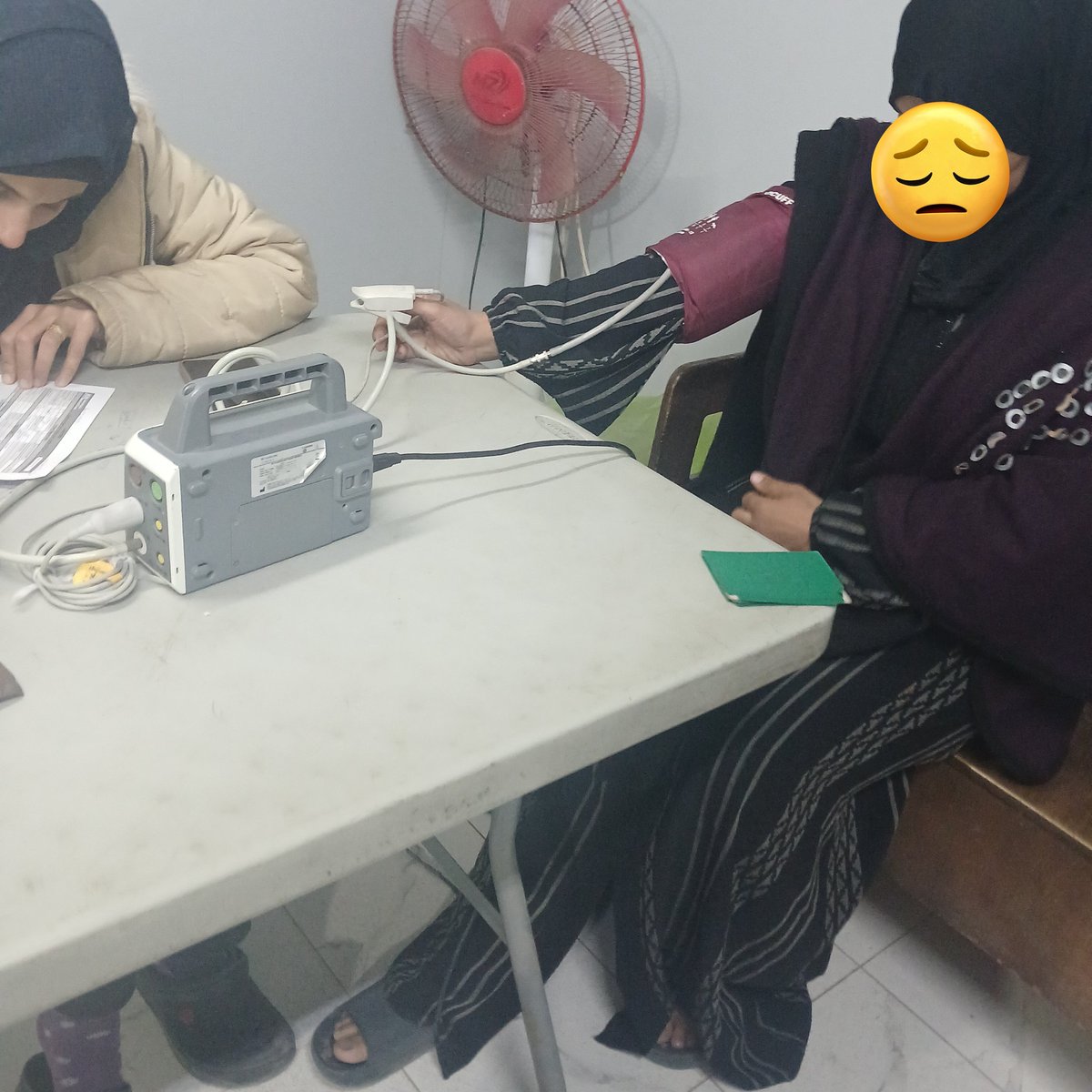
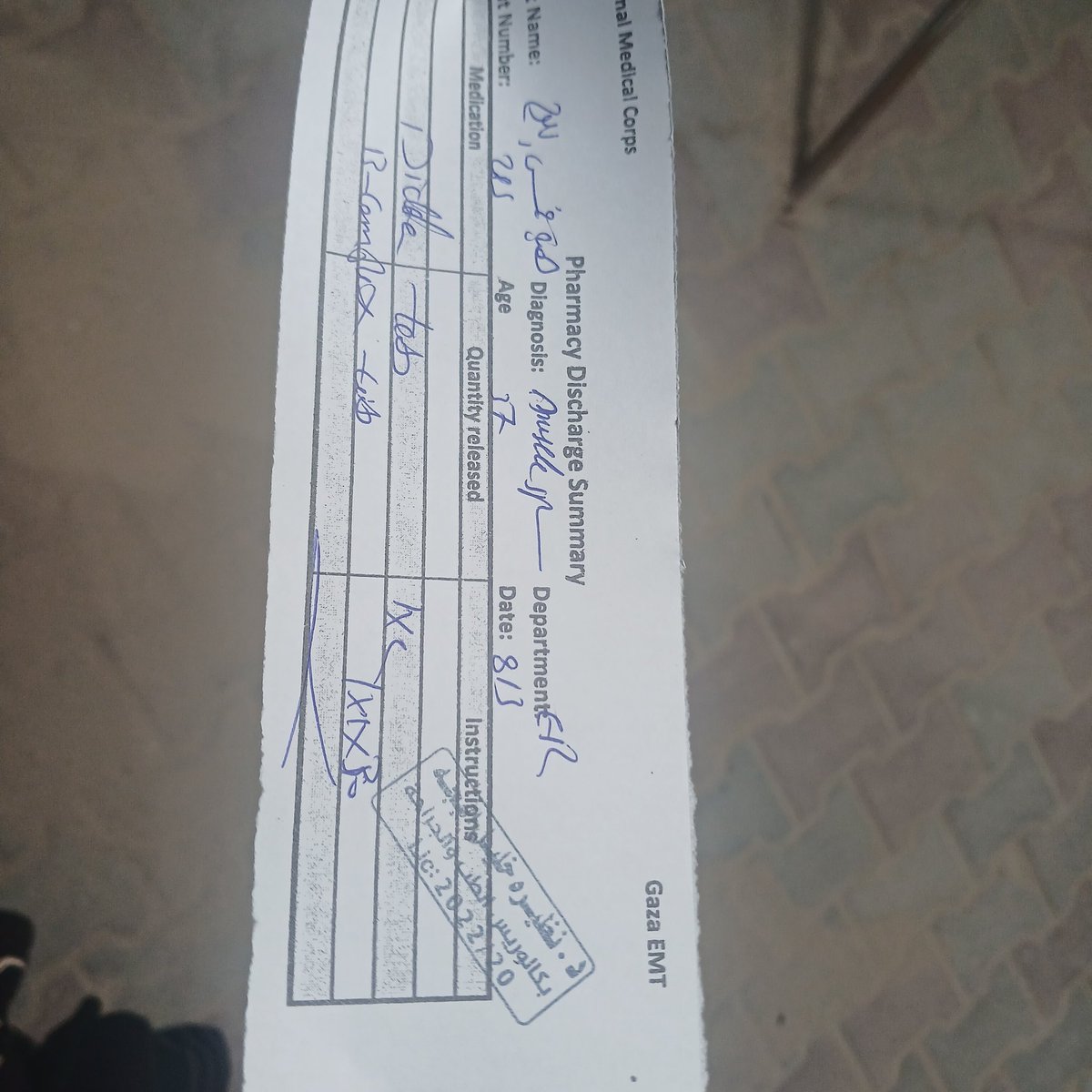
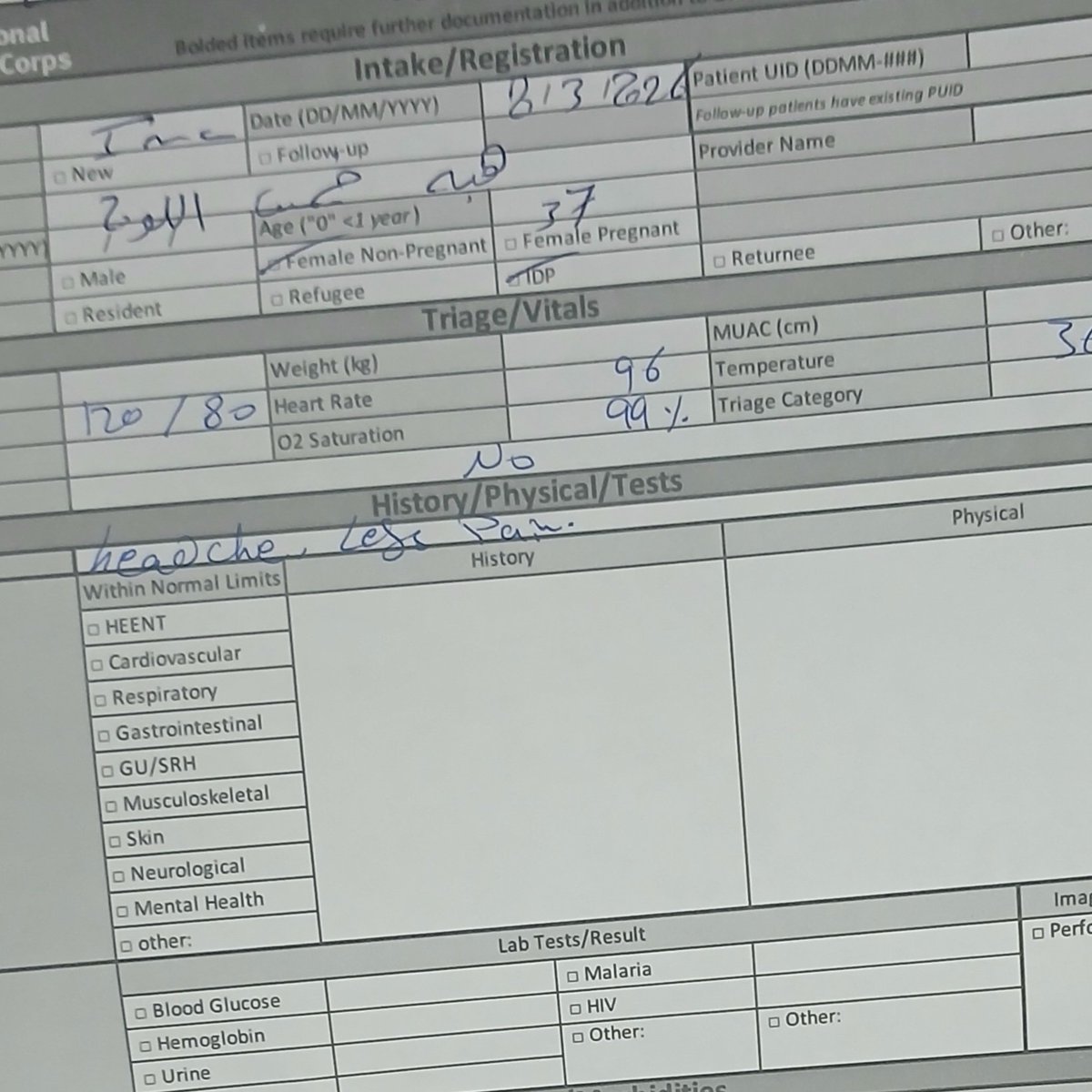
Five days short of our goal — my wife’s in hospital and needs medicine. Please donate €55 if you can or share. 🙏💛🍎
[Info in bio]
#HelpNow #EveryBitCounts

We haven't reached our goal for five days, and my wife has now gone to the hospital because she's in a lot of pain 💔
We only need 55 euros to buy the medication. Please help us, even with a little. 🙏 gofund.me/d4b74ae1
1
4
3
22
16 Nov 2025
🆘🆘🆘🇵🇸🇵🇸🇵🇸🆘🆘🆘🇵🇸🇵🇸🇵🇸
Every small act of kindness creates a ripple of change. 🌊💖 Please consider donating or sharing.
#EveryBitCounts
16 Nov 2025
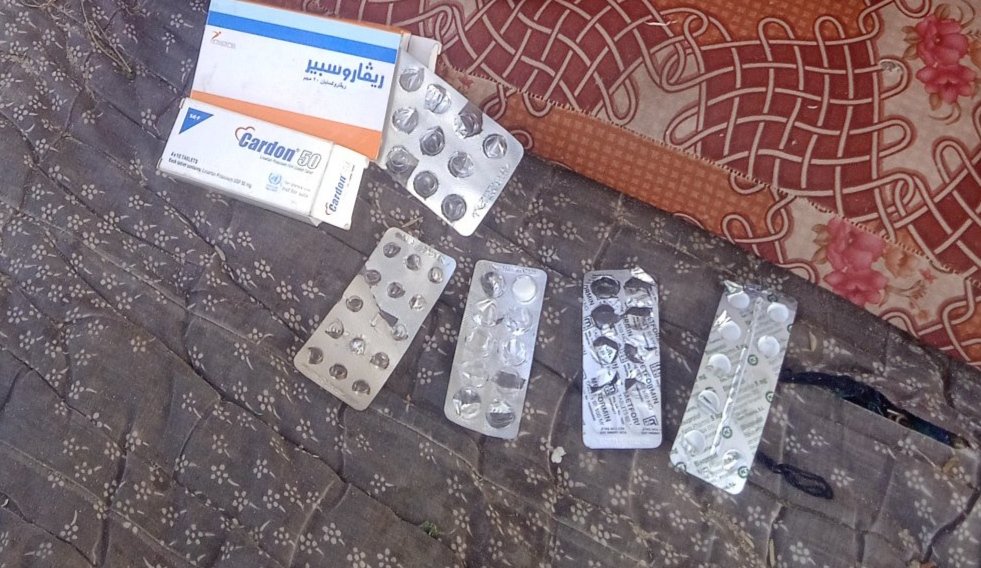
My heart medication ran out, and with the severe cold, I caught the flu and a cough 💔. I can't afford the medication I need for my condition 🥺. I only need 130 euros to buy my medication 😔. Please don't leave me alone… Your support will save me 🙏💙gofund.me/d4b74ae1
1
1
2
30

3 Nov 2025
If you’re able, please donate to Twitch streamer and event organizer @napoellis and help spread the word. Every bit counts, he needs support for his surgery fund.
#twitchstreamer #donate #supportstreamers #twitchcommunity #rundraiser #healthsupport #everybitcounts #surgery
30 Oct 2025

Due to my condition I can't work or make content. I am grateful for any help anyone can provide, and hope that the surgery next Friday helps this condition never come back. I wanted to write more but the character limit hates me. I appreciate you all.
ko-fi.com/napoellis/goal?g=0
2
80

31 Oct 2025
Dipped my toes in a #bitaxe. I am not expecting anything out of it.
Just did it for the culture!
This is only size home miner I will ever have , due to the ginormous electricity rates.
#everybitcounts #bitcoin #homeminer
1
2
80

7 Jun 2025
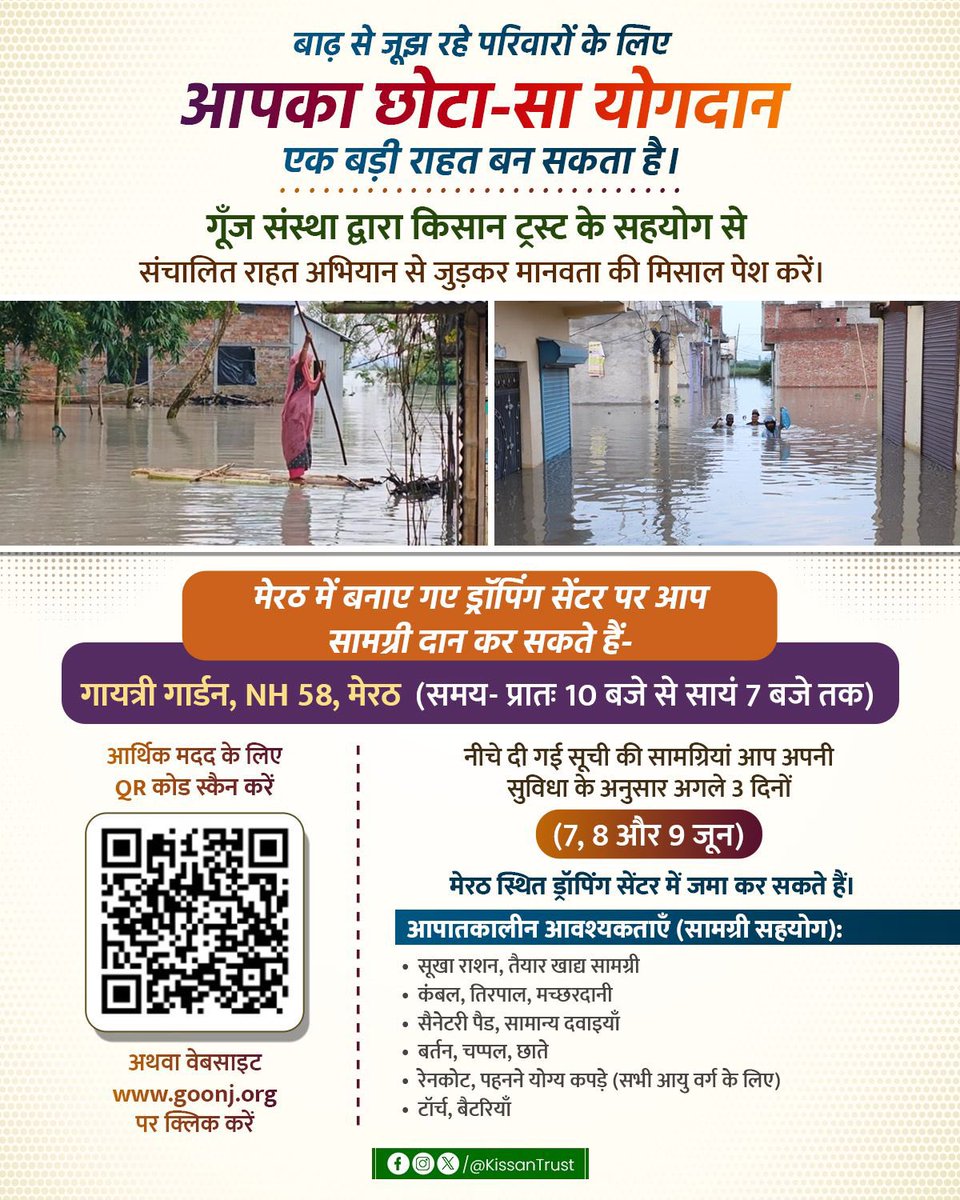
*मानवता की पुकार – बाढ़ राहत में सहयोग दें*
देश के कई हिस्सों में मानसून के साथ आई बाढ़ और भूस्खलन ने जनजीवन को अस्त-व्यस्त कर दिया है। हजारों परिवार विस्थापित हो चुके हैं, घर उजड़ गए, रोज़गार छिन गया, ज़िंदगी एक संघर्ष बन गई है।
गूँज संस्था द्वारा किसान ट्रस्ट के सहयोग से राहत अभियान चलाया जा रहा है। इस नेक कार्य में आप सभी का छोटा सा सहयोग एक बड़े बदलाव का कारण बन सकता है।
इसके तहत आर्थिक सहायता के अतिरिक्त आपातकालीन सामग्री का सहयोग मेरठ स्थित निम्न पते पर आगामी 3 दिन (7, 8 और 9 जून) दिया जा सकता है। सभी दान सामग्री को सही ढंग से पैक करते हुए उसके ऊपर “किसान ट्रस्ट-फ्लड रिलीफ“ का नाम अंकित करते हुए ही जमा करें।
📍संग्रह केंद्र :
गायत्री गार्डन, NH 58, निकट शुभारती (डूंगरवाली) बाईपास, CERT Engineering College के सामने, मेरठ
🕙 समय : 10 AM – 7 PM
📞 सम्पर्क सूत्र : अमित कुमार – 9012536535
अजय पाल (छोटू) - 9756847377
📍maps.app.goo.gl/JxAFpESwVbLr…
हर छोटा योगदान भी बड़ा असर करता है।
आइए मिलकर संवेदना के साथ मदद के लिए आगे बढ़ें और बाढ़ पीड़ितों की सहायता करें।
अधिक जानकारी के लिए नीचे दिए लिंक पर क्लिक करें-
goonj.org/donate/
#FloodRelief2025 #RespondWithGoonj #ActWithEmpathy #MaterialMatters #EveryBitCounts
9
22
285

7 Jun 2025
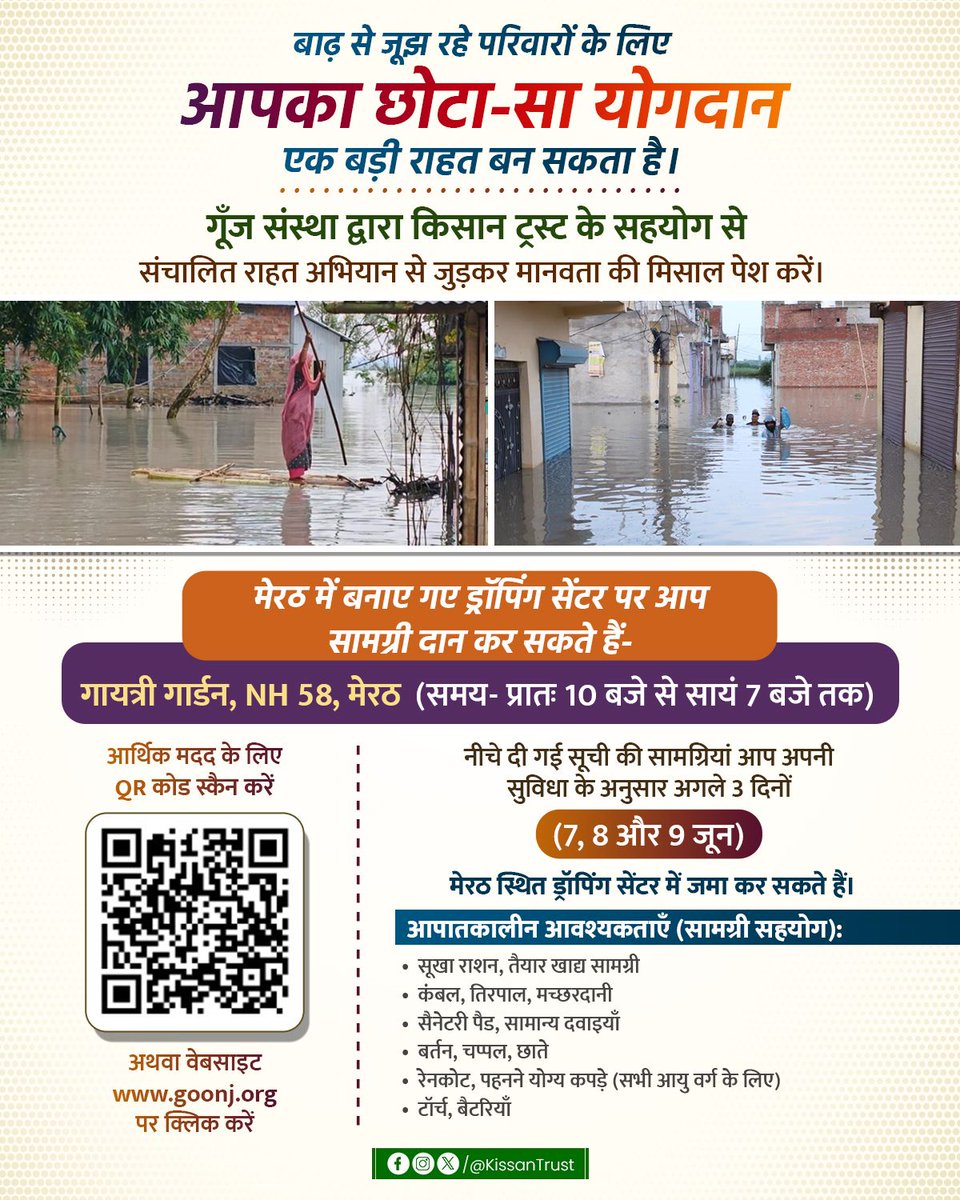
*मानवता की पुकार – बाढ़ राहत में सहयोग दें*
देश के कई हिस्सों में मानसून के साथ आई बाढ़ और भूस्खलन ने जनजीवन को अस्त-व्यस्त कर दिया है। हजारों परिवार विस्थापित हो चुके हैं, घर उजड़ गए, रोज़गार छिन गया, ज़िंदगी एक संघर्ष बन गई है।
गूँज संस्था द्वारा किसान ट्रस्ट के सहयोग से राहत अभियान चलाया जा रहा है। इस नेक कार्य में आप सभी का छोटा सा सहयोग एक बड़े बदलाव का कारण बन सकता है।
इसके तहत आर्थिक सहायता के अतिरिक्त आपातकालीन सामग्री का सहयोग मेरठ स्थित निम्न पते पर आगामी 3 दिन (7, 8 और 9 जून) दिया जा सकता है। सभी दान सामग्री को सही ढंग से पैक करते हुए उसके ऊपर “किसान ट्रस्ट-फ्लड रिलीफ“ का नाम अंकित करते हुए ही जमा करें।
📍संग्रह केंद्र :
गायत्री गार्डन, NH 58, निकट शुभारती (डूंगरवाली) बाईपास, CERT Engineering College के सामने, मेरठ
🕙 समय : 10 AM – 7 PM
📍maps.app.goo.gl/JxAFpESwVbLr…
हर छोटा योगदान भी बड़ा असर करता है।
आइए मिलकर संवेदना के साथ मदद के लिए आगे बढ़ें और बाढ़ पीड़ितों की सहायता करें।
अधिक जानकारी के लिए नीचे दिए लिंक पर क्लिक करें-
goonj.org/donate/
#FloodRelief2025 #RespondWithGoonj #ActWithEmpathy #MaterialMatters #EveryBitCounts
2
11
696

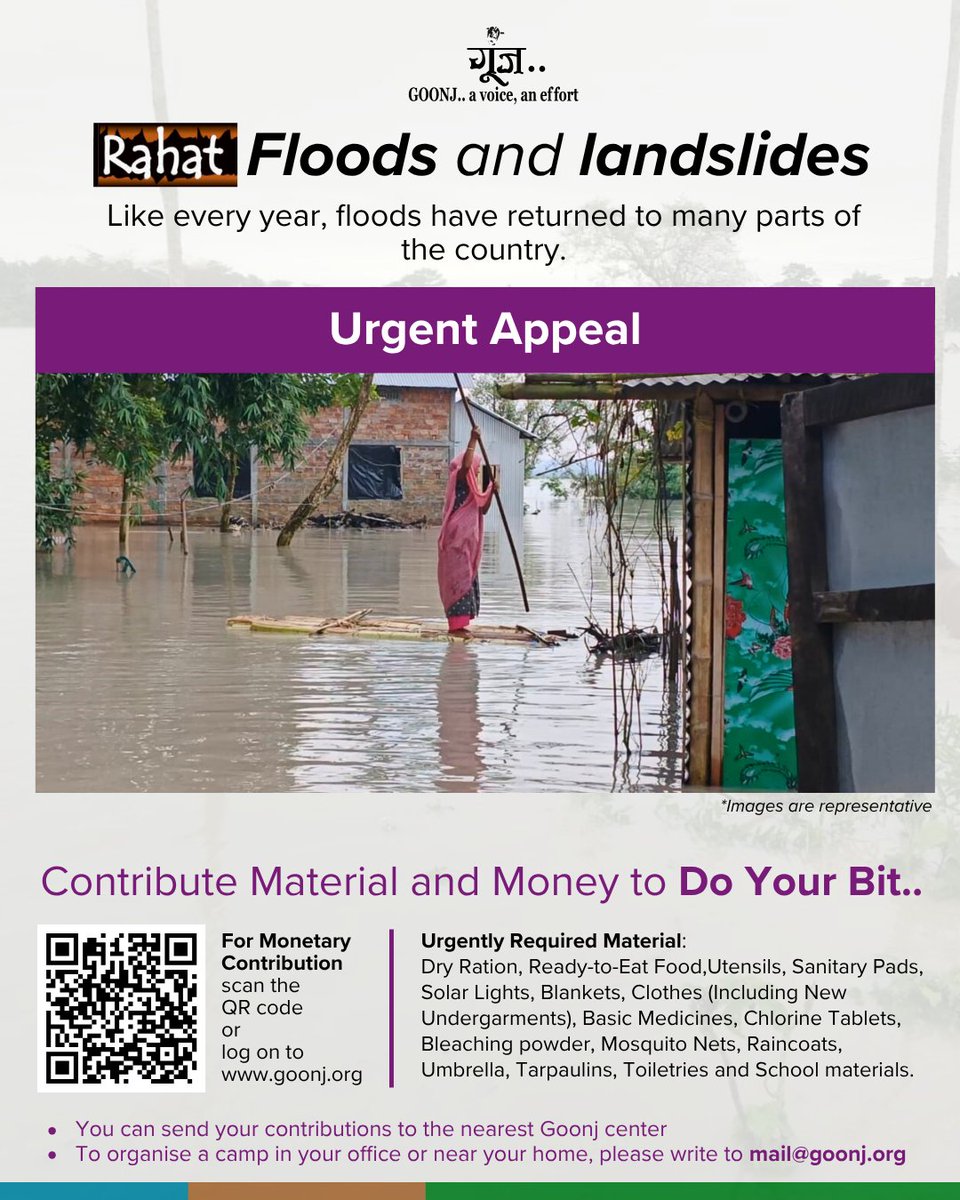
Urgent Action Needed – Rahat Floods
The monsoon has set in, and with it, floods and landslides have disrupted lives across multiple regions in India—displacing families, damaging homes, and affecting livelihoods.
Goonj is on the ground, responding with our teams and grassroots partners. But as the situation unfolds, the scale of need is growing rapidly.
Your immediate support can help us reach more people, faster.
What You Can Contribute
Material Contributions (Urgent Needs):
-Dry ration, ready-to-eat food
-Blankets, tarpaulins, mosquito nets
-Sanitary pads, general medicines
-Utensils, slippers, umbrellas
-Raincoats, wearable clothing (all age groups)
-Torches, batteries
📍 Find your nearest dropping centre:
👉 goonj.org/dropping-centres/
Monetary Contributions
Support the transportation and procurement of essential relief supplies.
👉 goonj.org/donate/campaign/ra…
Other Ways to Stand with Affected Communities
Organize a Collection Camp
Host a drive in your home, office, school, college, or community.
👉 goonj.org/collection-camps/
Start Payroll Giving
Enable employees to contribute a small part of their salary for relief efforts.
👉 crm.goonj.org/contribute/web…
Every contribution—big or small—makes a difference.
Let’s respond together with urgency and empathy.
📧 mail@goonj.org | 📞 011-41401216
#Rahat #FloodRelief2025 #RespondWithGoonj #ActWithEmpathy #MaterialMatters #EveryBitCounts
1
693

12 Apr 2025
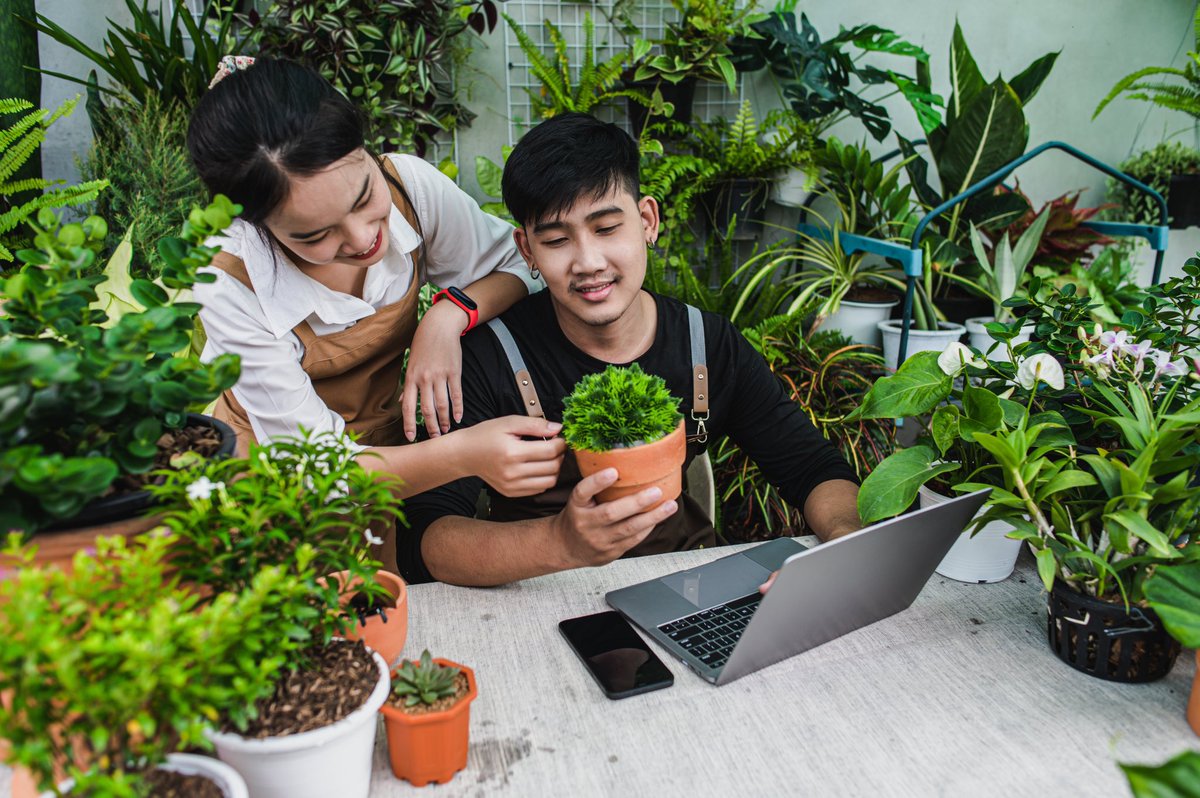
From recycling to planting trees, every little bit helps! Let’s go green together! 🌳
#SustainableLiving #EcoWarriors #EveryBitCounts
2
50

4 Mar 2025
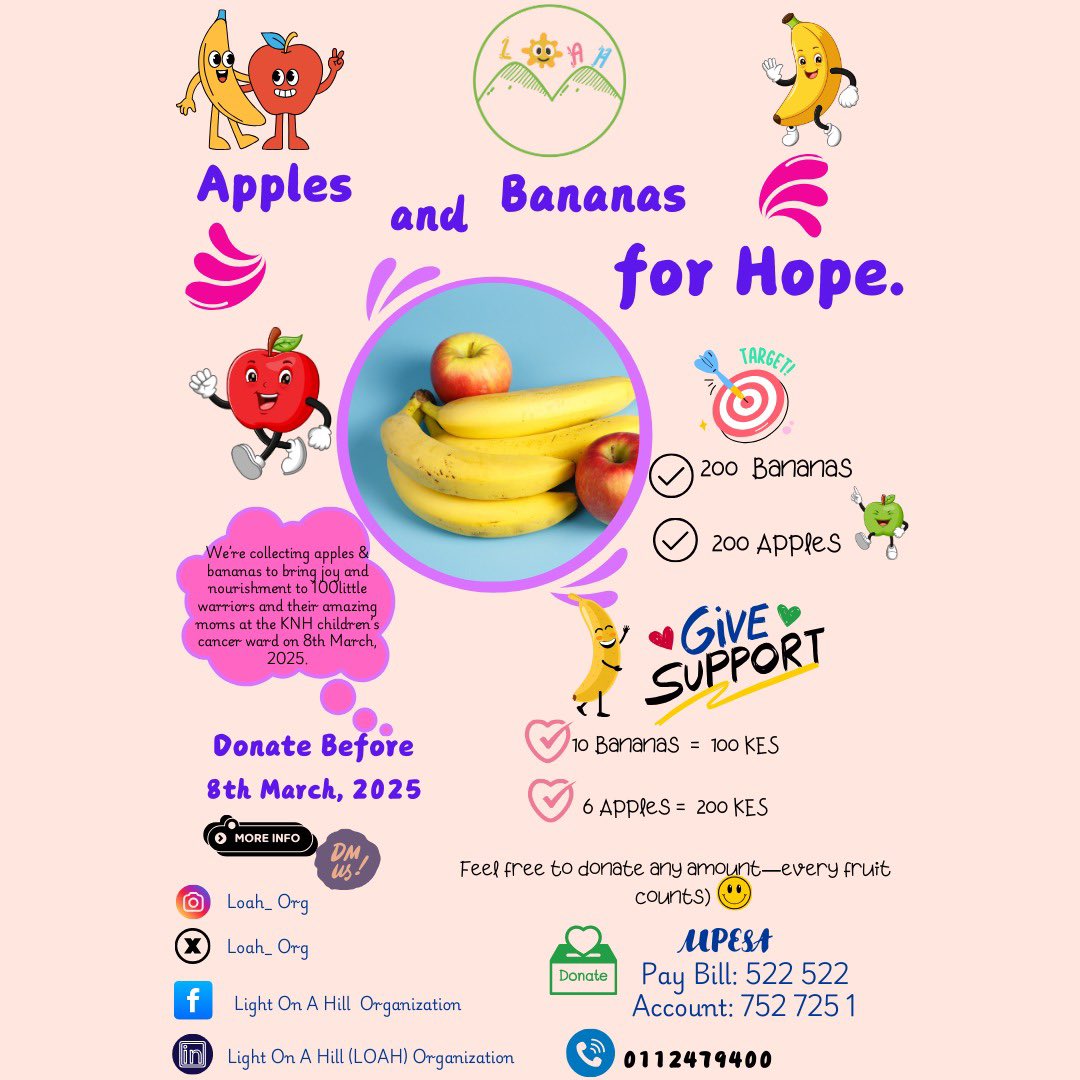
The love keeps flowing! We’re still accepting donations for our IWD visit to KNH this Saturday, March 8th—we don’t want to leave anyone out!
Send in your support before March 8th for better planning. Let’s make it beautiful together! 🌸
#EveryBitCounts #IWDWithLove
#IWD2025



1
5
42

3 Mar 2025
This Ramadan, let's come together to support a widow and her children in need. Every little contribution makes a difference!Let's show compassion and help them during this blessed month.
@ASEELApp
#Ramadan_2025
#رمضان
#SupportThoseInNeed #EveryBitCounts
aseelapp.com/campaigns/help-…
2
145




15 Jan 2025
* #WildfireRelief
* #SupportLA
* #HelpLA
* #DonateNow
* #EveryBitCounts
* #TogetherWeCan
* #FireVictims
* #EvacueeSupport
gofund.me/0c75e94b
3
1
81

16 Oct 2024
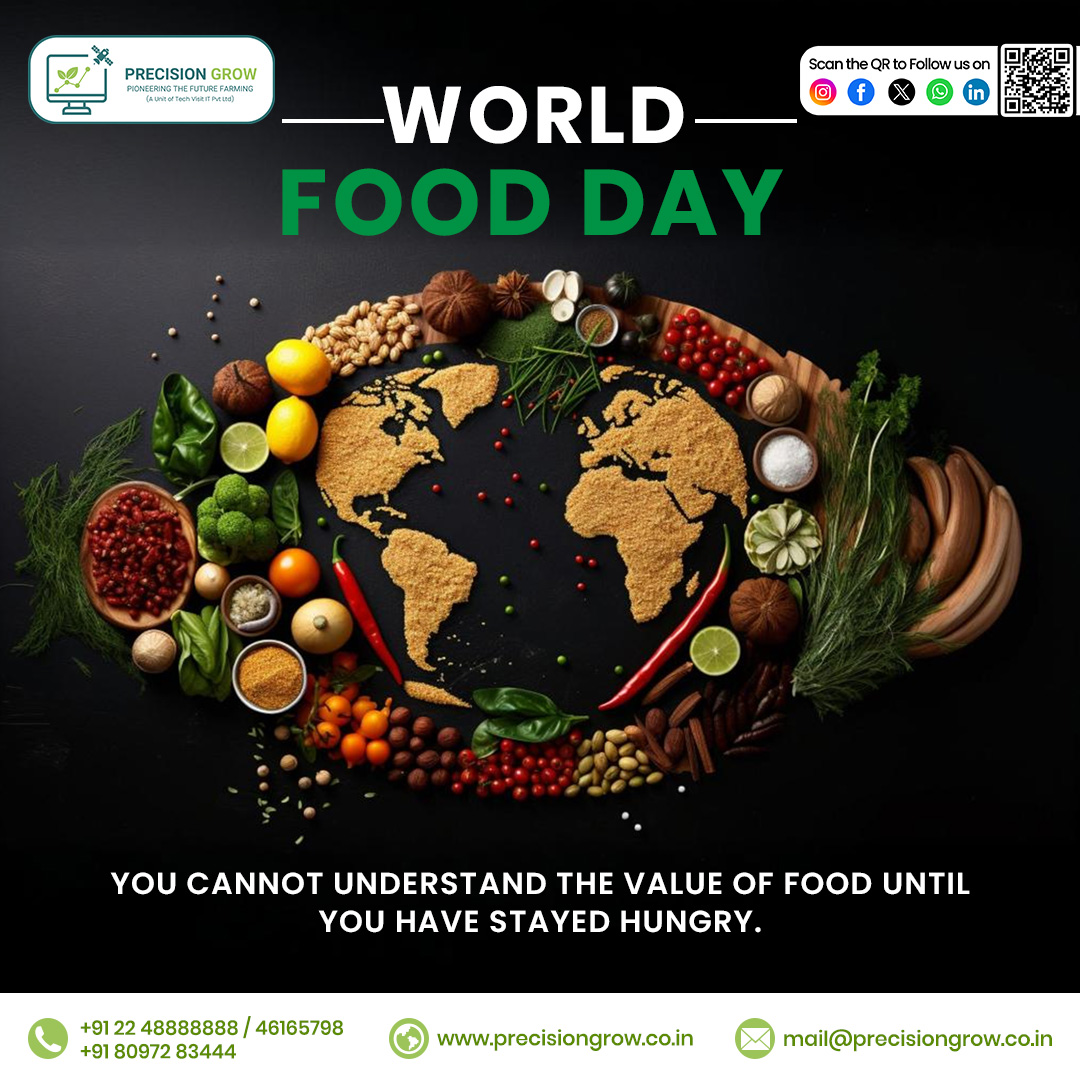
World Food Day: You Don’t Know the Value of Food Until You’ve Stayed Hungry
Ever felt that deep rumble in your stomach when you’ve gone a little too long without eating? Now imagine that feeling lasting for days, weeks, or even longer. For millions around the world, hunger isn’t just an occasional discomfort—it’s a harsh reality they live with every day.
On World Food Day, we’re reminded that food is more than just fuel for our bodies; it’s a basic human right. Yet, hunger and food insecurity continue to plague communities across the globe. This day isn’t just about recognizing the importance of food—it’s also about coming together to find solutions to fight hunger, reduce food waste, and create sustainable systems that ensure food for future generations.
The Importance of World Food Day
World Food Day, observed annually on October 16, was established by the Food and Agriculture Organization (FAO) of the United Nations to raise awareness about global hunger and promote actions that improve food security and nutrition.
This day isn’t just about remembering those who go without—it’s a call to action for everyone, from governments and businesses to individuals like you and me. Food is central to human survival, yet the challenges of food insecurity, climate change, and unequal distribution mean that millions still face hunger daily.
The Global Food Crisis: A Reality Check
Before we dive into solutions, it’s important to understand the current state of food insecurity:
1. Hunger Affects Millions
Over 828 million people worldwide face hunger. From rural farmers battling unpredictable weather to urban families living in poverty, hunger knows no borders. The COVID-19 pandemic further exacerbated food insecurity, pushing millions more into hunger.
2. Food Waste is Part of the Problem
Here’s a startling fact: One-third of all food produced globally goes to waste. That’s enough food to feed 2 billion people! Whether it’s due to poor storage, transportation challenges, or food discarded by consumers, waste contributes significantly to global food insecurity.
3. Climate Change Threatens Our Food Supply
As the planet heats up, crop yields decline. Droughts, floods, and extreme weather events make it harder for farmers to grow the food we all rely on. If we don’t address climate change, food production will continue to be at risk, driving hunger even higher.
How We Can Build a Better Food System
While the challenges are significant, there’s hope. Together, we can build a food system that works for everyone. Here’s how:
1. Reducing Food Waste
Each of us can play a part in reducing food waste. Start by planning meals carefully, buying only what you need, and using leftovers creatively. Restaurants and supermarkets can also donate surplus food to organizations that serve those in need.
2. Supporting Local Farmers
Local farmers are the backbone of our food system. Buying from farmers' markets not only supports small-scale agriculture but also reduces the environmental impact of long-distance food transportation.
3. Embracing Sustainable Farming Practices
Farmers are adopting sustainable practices, such as crop rotation, organic farming, and regenerative agriculture, to protect the land and ensure long-term productivity. Supporting these initiatives helps create a food system that’s kinder to the planet.
4. Advocating for Food Justice
Food should be accessible to everyone, regardless of where they live or how much they earn. Advocacy for food justice includes supporting policies that reduce food inequality and ensuring that nutritious food is affordable for all.
5. Raising Awareness and Taking Action
World Food Day is a perfect opportunity to spread the word. Share facts about hunger on social media, volunteer at local food banks, or donate to organizations working to end hunger. The more people who are aware of the problem, the more we can do to solve it.
Why the Value of Food Goes Beyond the Plate
Food is more than just what we eat—it’s part of our culture, our traditions, and our way of connecting with others. Think about family dinners, holiday feasts, and celebrations where food plays a central role. Yet, for millions of people, the joy of food is overshadowed by the struggle to find their next meal.
When we waste food or take it for granted, we diminish its true value. But when we cherish each meal and appreciate the effort that goes into producing it, we create a deeper connection with the food we eat—and with those who grow it.
The Future of Food: Building a Sustainable System
The path to a hunger-free world isn’t just about producing more food; it’s about **building sustainable food systems** that meet the needs of both people and the planet. Here are a few steps toward a sustainable future:
1. Promoting Plant-Based Diets
Shifting towards plant-based diets can reduce the environmental impact of food production. Eating more fruits, vegetables, and grains not only benefits the planet but also supports better health.
2. Addressing Food Inequality
We need to work together to ensure that everyone has access to nutritious food. Governments, NGOs, and businesses can collaborate to create food programs that reach underserved communities.
3. Preparing for Climate Change
We must adapt our farming practices to withstand climate change. This includes planting drought-resistant crops, conserving water, and promoting agroforestry to protect soil and biodiversity.
4. Encouraging Innovation in Food Production
Technology plays a role in sustainable farming. From vertical farms in cities to solar-powered irrigation systems, innovations in agriculture are helping farmers grow more food with fewer resources.
What You Can Do on World Food Day
So, what can you do to make a difference on World Food Day?
- Be mindful of your food habits: Avoid waste, use leftovers, and eat seasonally.
- Support local farmers: Buy locally grown produce and support small businesses.
- Donate to food banks: Help those in need by contributing food or funds to local food banks.
- **Raise awareness: Use social media to share facts about hunger and encourage others to act.
- Advocate for change: Get involved in campaigns for food justice and sustainability.
A World Without Hunger Is Possible
On World Food Day, let’s remind ourselves of this simple truth: You can’t understand the value of food until you’ve experienced hunger. For millions of people, hunger is a daily reality—but it doesn’t have to be this way. Together, we can build a future where everyone has enough to eat, where no food is wasted, and where our planet thrives.
It starts with small actions—reducing waste, supporting sustainable farming, and advocating for food justice. Each step we take brings us closer to a world where food isn’t just a privilege for some but a right for all.
So, today, as you enjoy your meals, take a moment to appreciate the journey of the food on your plate—and remember those who are still waiting for theirs. Together, we can make sure no one is left hungry.
Happy World Food Day—let’s build a sustainable future, one meal at a time.
.
.
.
#ValueEveryMeal #ZeroHungerNow #EndHungerTogether #foodforalloccasions
#WasteLessFeedMore #ClimateActionForFood #LocalFarmGlobalImpact
#everybitcounts #FeedTheFuture #SustainableFoodFuture #HungryForChange #WorldFoodDayAction #precisiongrow #ternding #trendingpost2024 #food
1
12
620





17 Sep 2024
Making a Difference Beyond Cash Donations
Financial contributions are a cornerstone of support, but there are many other ways to make a lasting impact! Visit our website for more details on these options
#GivingBack #EveryBitCounts #SupportEncephalitis

3
4
276

11 Sep 2024
New family hits tragic loss. Husband, son, brother, FATHER of a newborn. Please help out if possible. #Everybitcounts #support #GoFundMe #Father
2
2
1
122