
May 29
A new randomized controlled trial adds an important layer to the conversation around sunlight, sunscreen, skin cancer, and vitamin D.
The study confirmed that regular sunscreen use significantly increased the risk of vitamin D deficiency, highlighting the need for a more balanced discussion around sun exposure and health.
Key findings from the research and reviewed studies include:
▪️ Intermittent, intense sun exposure that leads to sunburn can increase skin cancer risk
▪️ Regular, moderate, non-burning sunshine exposure has been associated with LOWER skin cancer risk
▪️ Sensible sun exposure activates natural repair mechanisms in the skin, including DNA repair enzymes and local vitamin D production
▪️ Vitamin D produced in the skin may help protect against cancer through roles in cell differentiation, oxidative stress regulation, and immune function
▪️ Higher vitamin D levels and sensible sun exposure have been associated with lower melanoma incidence and mortality, smaller tumor size, and improved treatment response
The relationship between sunshine and skin health is far more nuanced than “avoid the sun.”
Read more: buff.ly/sWkzl61
#SunshineMonth #VitaminD #SunlightAndHealth #GrassrootsHealth #MelanomaAwareness #Photobiology #PublicHealth #VitaminDDeficiency #Sunshine #EvidenceBasedHealth
11
12
674
May 27
☀️To Fear or Not to Fear?
The relationship between sun exposure, sunscreen, skin cancer, and vitamin D is more complex than many of us realize.
For years, the message has often been simple: avoid the sun. But is the full picture more nuanced?
Sunlight plays an essential role in human health, including **vitamin D production**, yet questions remain about how to balance the benefits of sun exposure with the importance of protecting skin health.
In this blog, we explore the science behind:
- Sun exposure and skin cancer risk
- The role of sunscreen in skin protection
- Vitamin D and its impact on overall health
- What current research tells us about finding a healthier balance
The goal isn’t fear, it’s understanding. Because informed conversations about sunlight and health matter.
Read the full article: buff.ly/YqvmmTU
#VitaminD #SunshineHealth #SunExposure #SkinHealth #SkinCancerAwareness #Sunscreen #PreventiveHealth #EvidenceBasedHealth #PublicHealth #HealthyLiving #WellnessEducation #HealthResearch #VitaminDDeficiency #SunlightAndHealth #IntegrativeHealth #FunctionalHealth #HealthAwareness #LongevityHealth #WholeBodyHealth #GrassrootsHealth
7
9
192
May 20
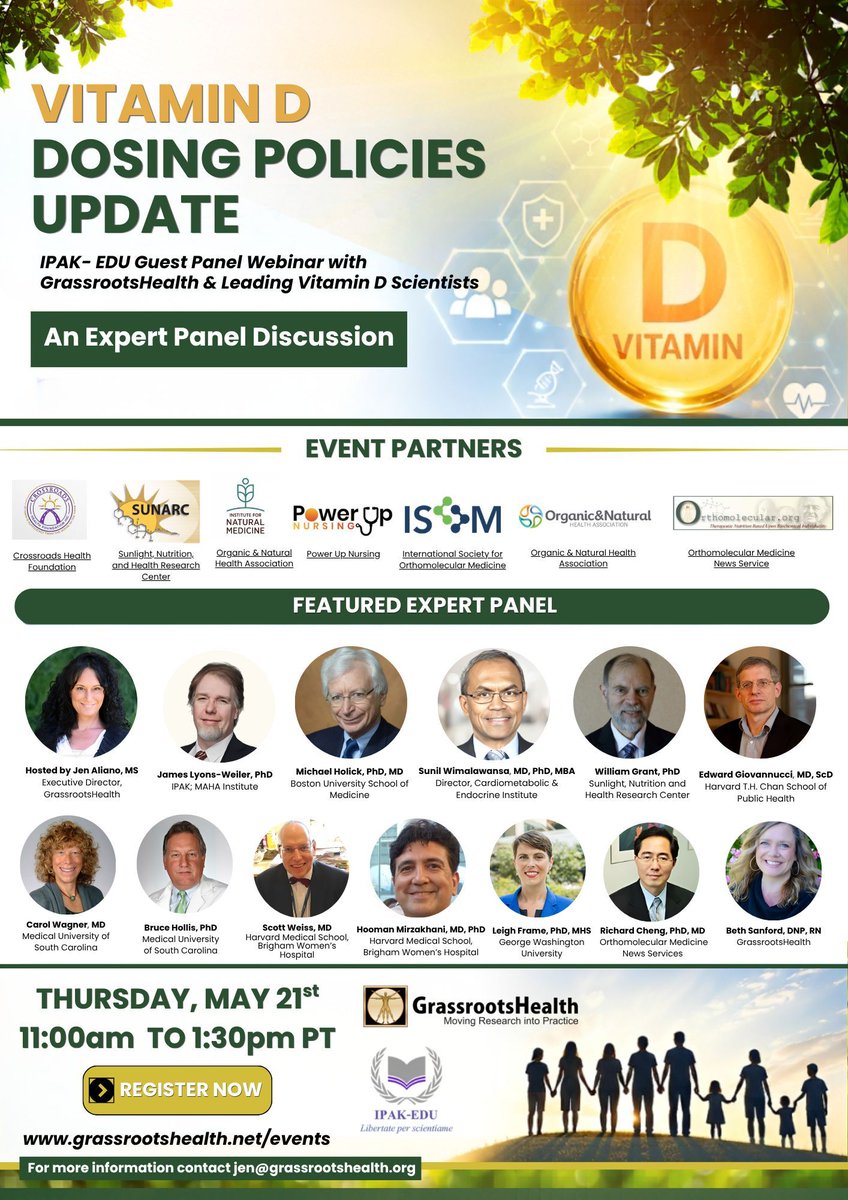
Tomorrow, May 21 at 11am PT, join GrassrootsHealth and IPAK-EDU for a timely expert panel discussion bringing together leading researchers and clinicians to examine the latest vitamin D science and its implications for public health policy.
As scientific evidence continues to evolve, this important conversation will explore how vitamin D guidelines are established and applied in practice.
🔗 Learn more & register: ipak-edu.org/courses/e/GRASS…
#VitaminD #VitaminDScience #PublicHealth #HealthPolicy #MedicalResearch #PreventiveHealth #GrassrootsHealth #EvidenceBasedHealth
May 15

Vitamin D is one of the most researched nutrients in modern science, yet global recommendations and dosing policies remain widely debated.
On May 21, in collaboration with IPAK-EDU, will host an important expert panel discussion: Vitamin D Dosing Policy Update: An Expert Panel Discussion.
This timely 2.5-hour event brings together leading researchers and clinicians to examine the current state of vitamin D science and its implications for public health policy, clinical practice, and population health.
As emerging evidence continues to challenge long-standing assumptions, the panel will explore how current recommendations were developed, where important gaps may exist, and what the broader body of scientific evidence reveals when examined directly.
Topics discussed will include pregnancy outcomes, immune health, chronic disease prevention, methodology in nutrition science, and the future of evidence-based vitamin D policy.
This is a rare opportunity to hear directly from experts across disciplines and engage in one of the most consequential and often under-examined conversations in modern public health.
📅 Thursday, May 21, 2026
🕚 11:00 AM – 1:30 PM PT
💻 Live Online Event
🎟 Registration: $12
📺 Free recording available after the event
Register now: buff.ly/ZicQZgx
#VitaminD #VitaminDResearch #PublicHealth #EvidenceBasedMedicine #PreventiveHealth #NutritionScience #FunctionalMedicine #IntegrativeMedicine #ImmuneHealth #MaternalHealth #MetabolicHealth #ChronicDiseasePrevention #HealthcareProfessionals #MedicalResearch #ScientificWellness #HealthEducation #WellnessScience #Longevity #GrassrootsHealth #VitaminDAwareness
1
8
10
339

May 14
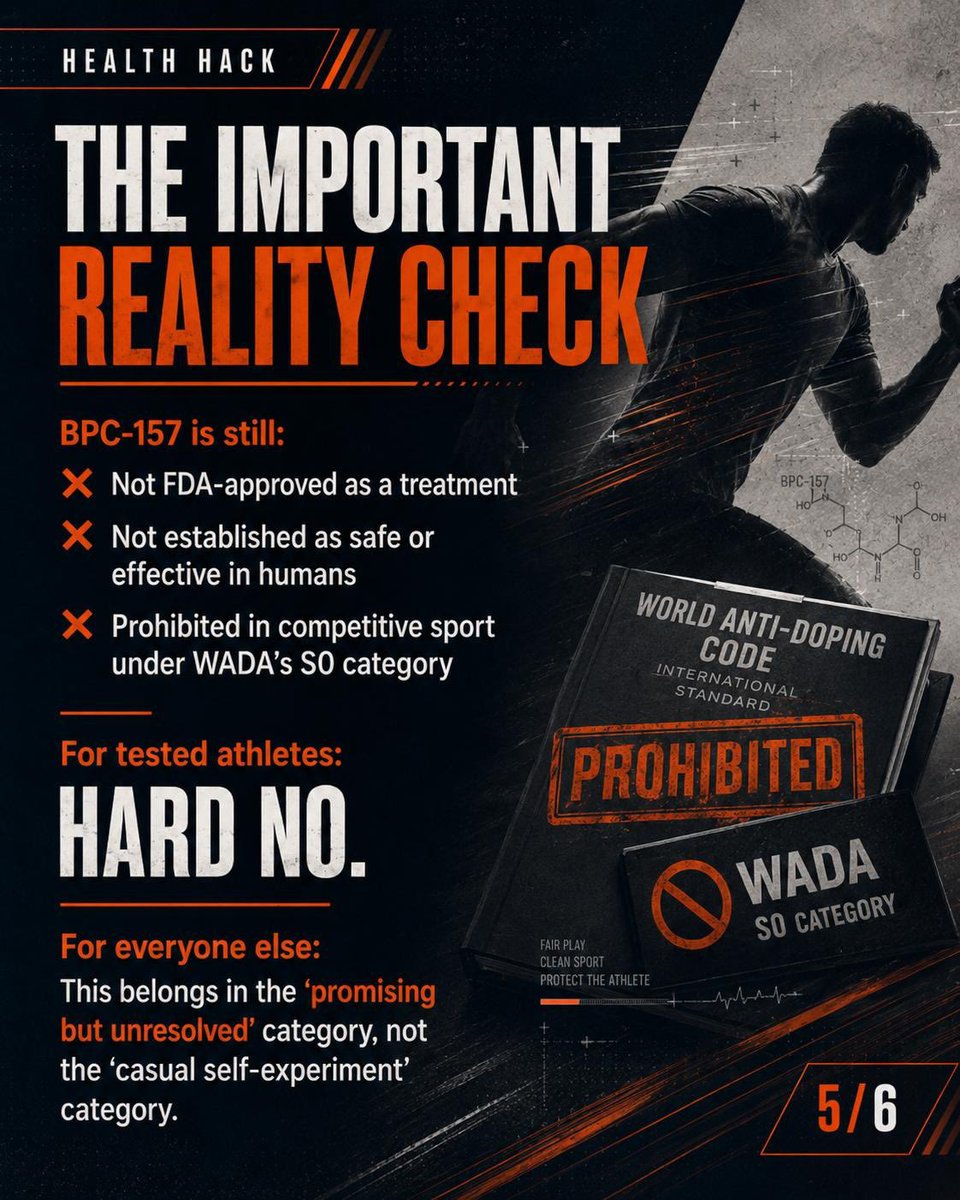
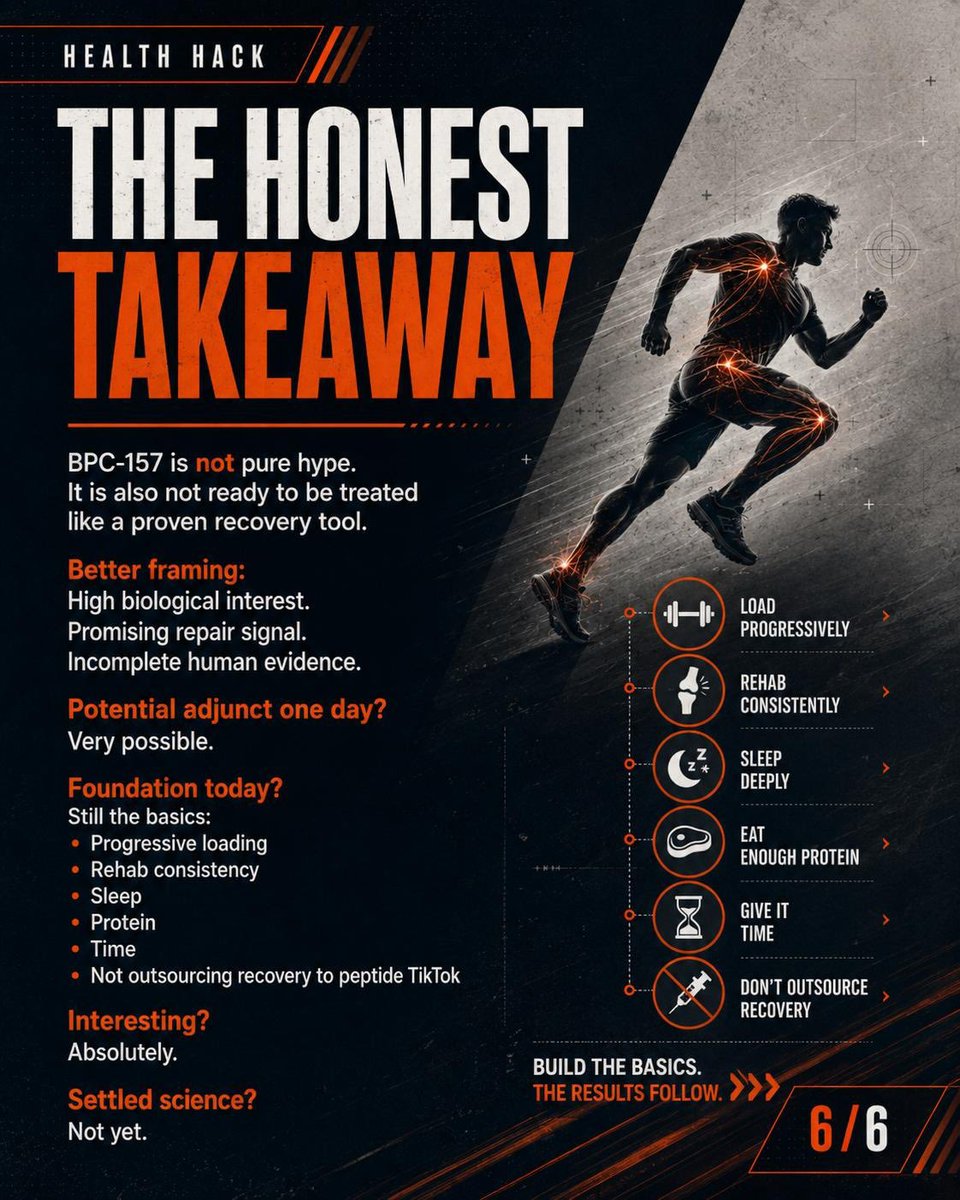
The recovery foundation is still boring, proven, and hard to outsource:
Progressive loading.
Rehab consistency.
Sleep.
Protein.
Time.
Potential adjunct one day? Very possible.
Settled science today? Not yet.
Educational only. Not medical advice. Do not self-source peptides.
#HealthHack #BPC157 #Peptides #RecoveryScience #SportsRecovery #InjuryRecovery #Longevity #RegenerativeMedicine #Biohacking #EvidenceBasedHealth
1
1
3
21
May 14
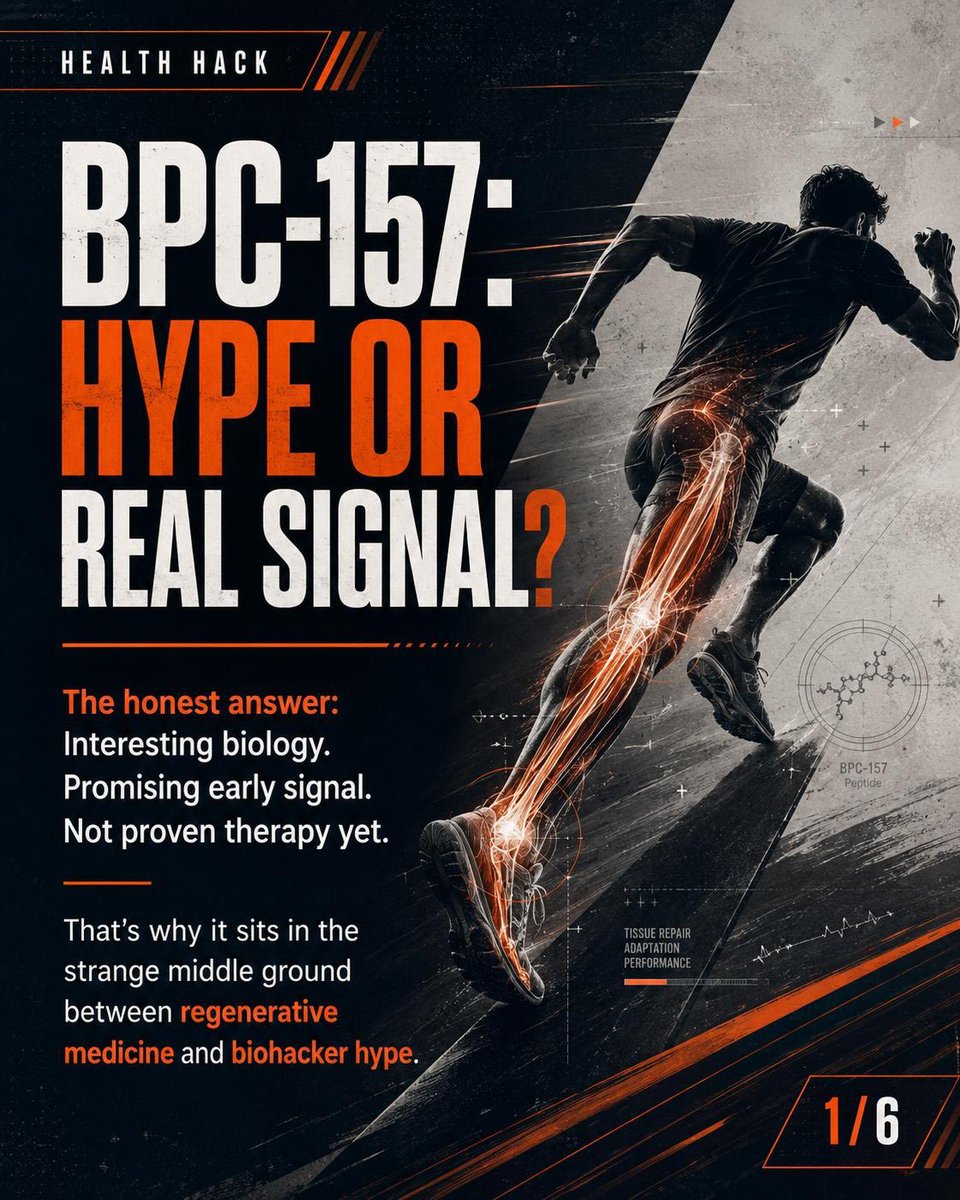
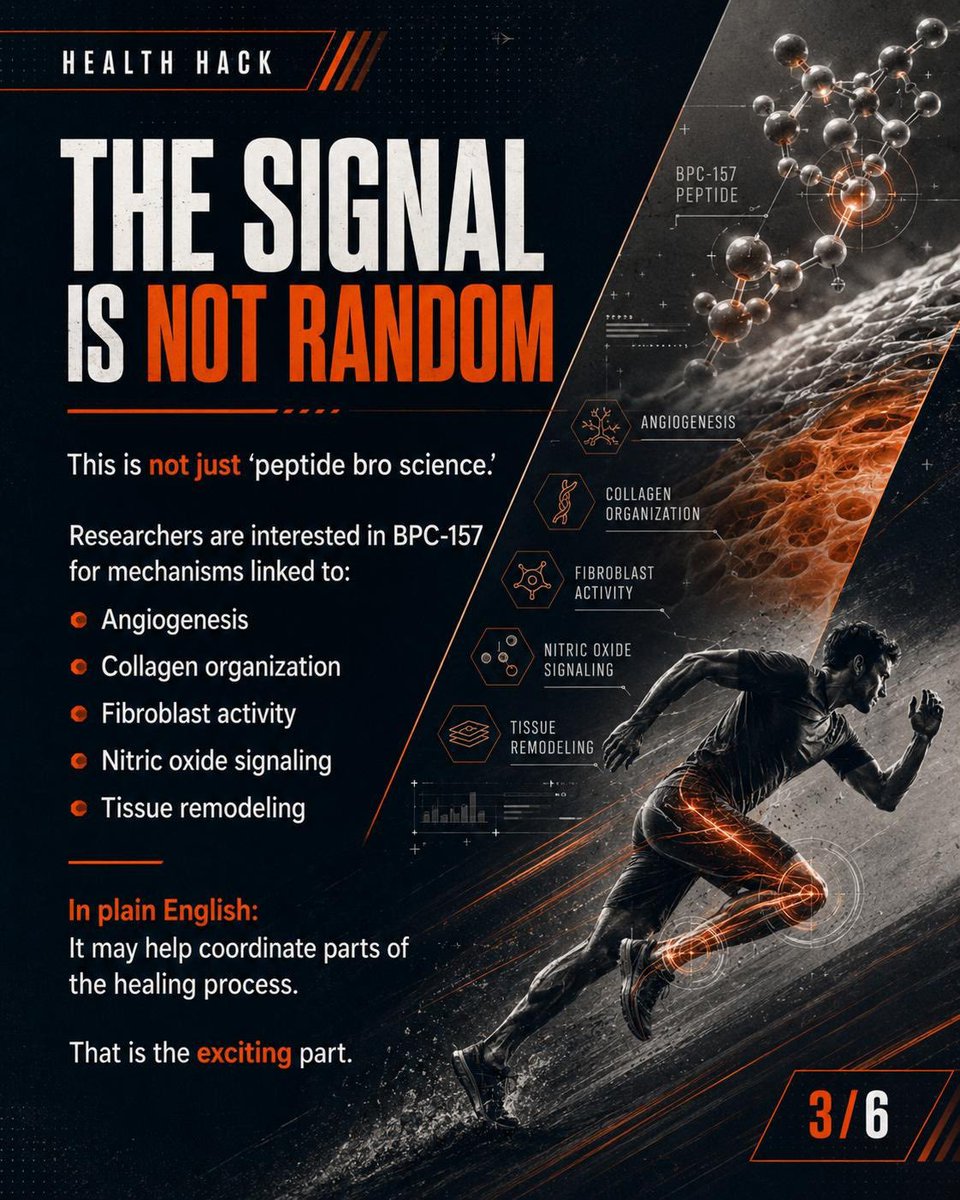
BPC-157 sits in a strange category.
Not pure hype.
Not proven therapy.
But definitely interesting.
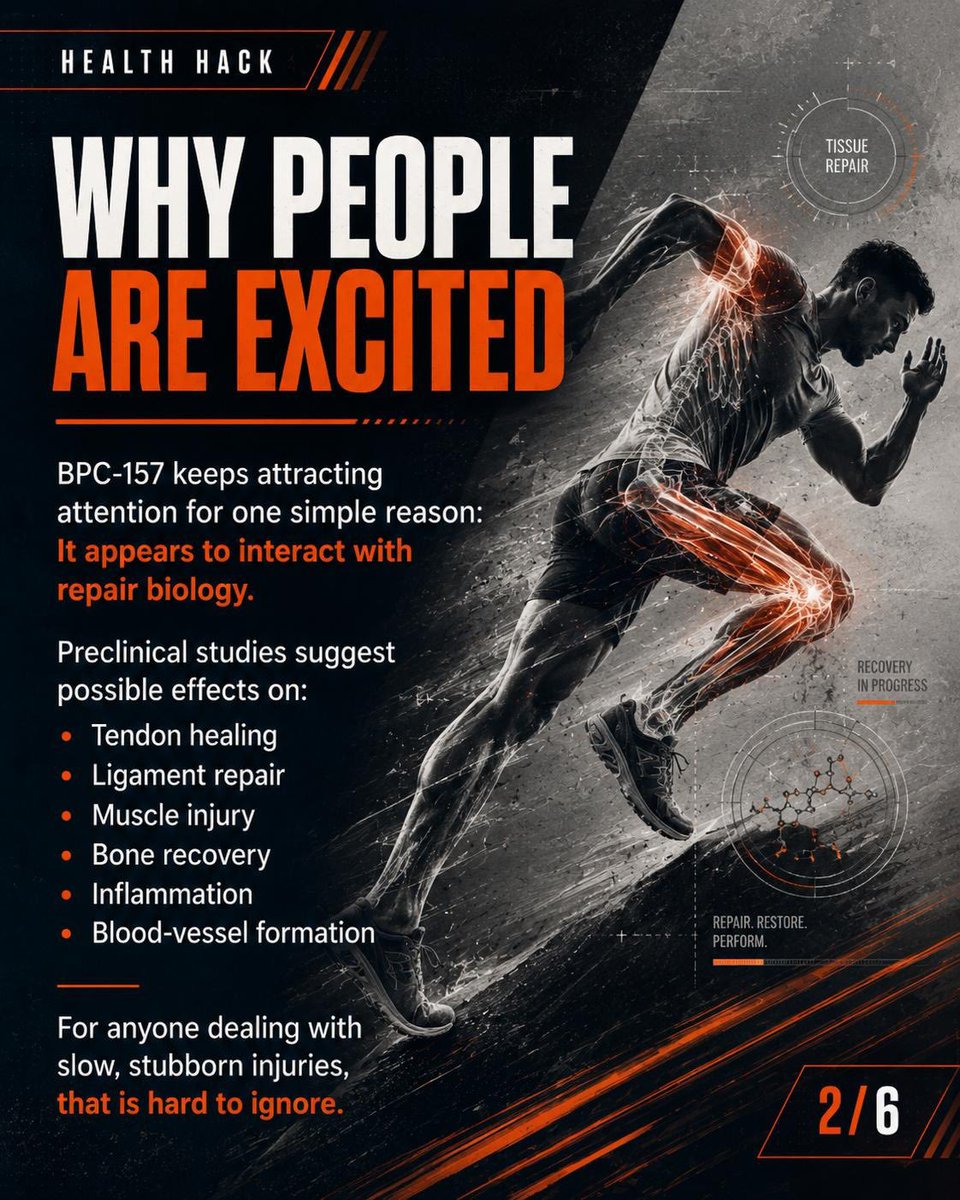
Preclinical research keeps pointing toward possible effects on repair biology: tendons, ligaments, muscle injury, inflammation, blood-vessel formation, and tissue remodeling.
That is why people pay attention.
The catch?
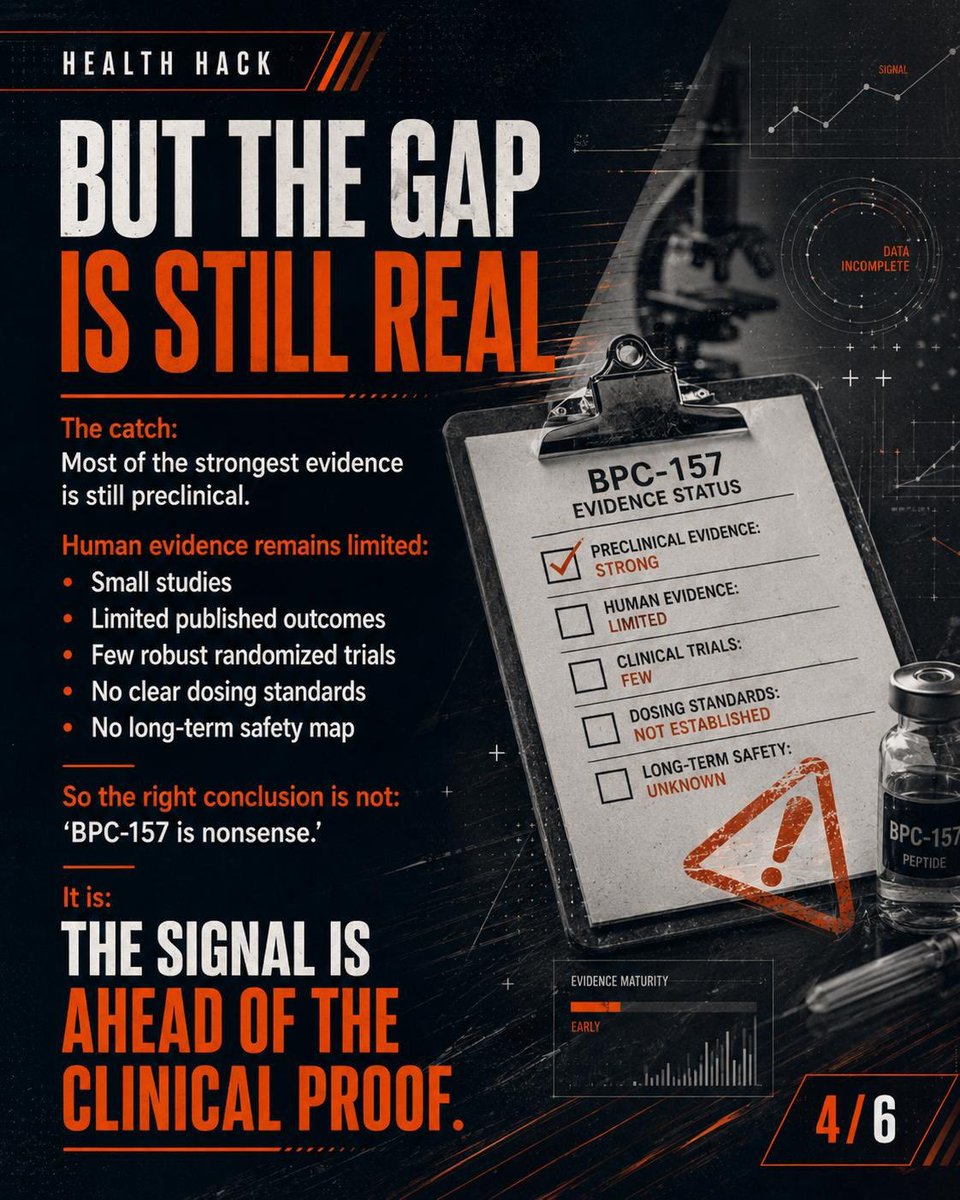
Most of the strongest evidence is still preclinical. Human evidence remains limited, dosing standards are unclear, and long-term safety is not well mapped.
So the honest framing is not:
"BPC-157 is nonsense."
It is:
"The signal is ahead of the clinical proof."
For tested athletes: hard no.
For everyone else: promising, but unresolved.
#HealthHack #BPC157 #Peptides #RecoveryScience #SportsRecovery #InjuryRecovery #Longevity #RegenerativeMedicine #Biohacking #EvidenceBasedHealth
5
3
75
May 12
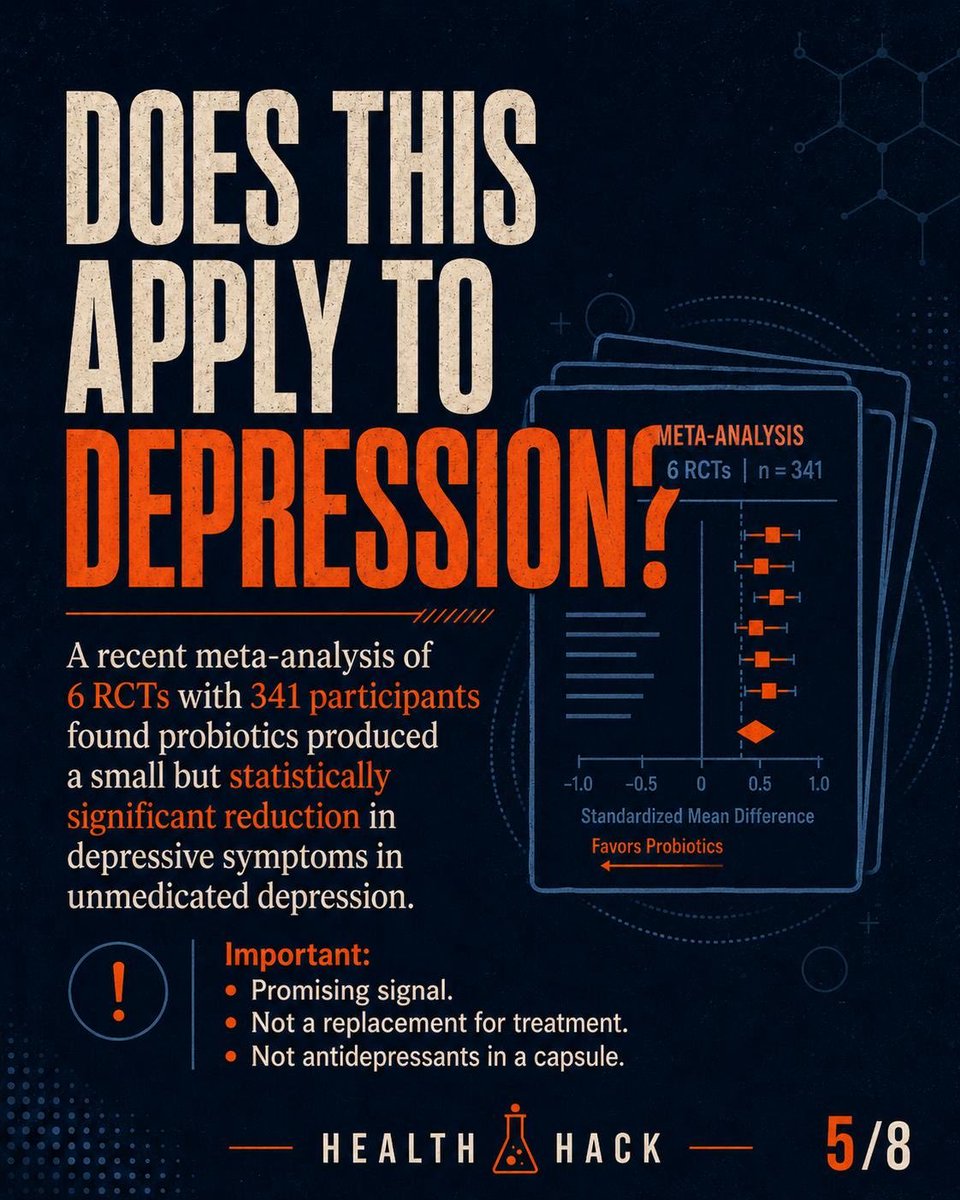
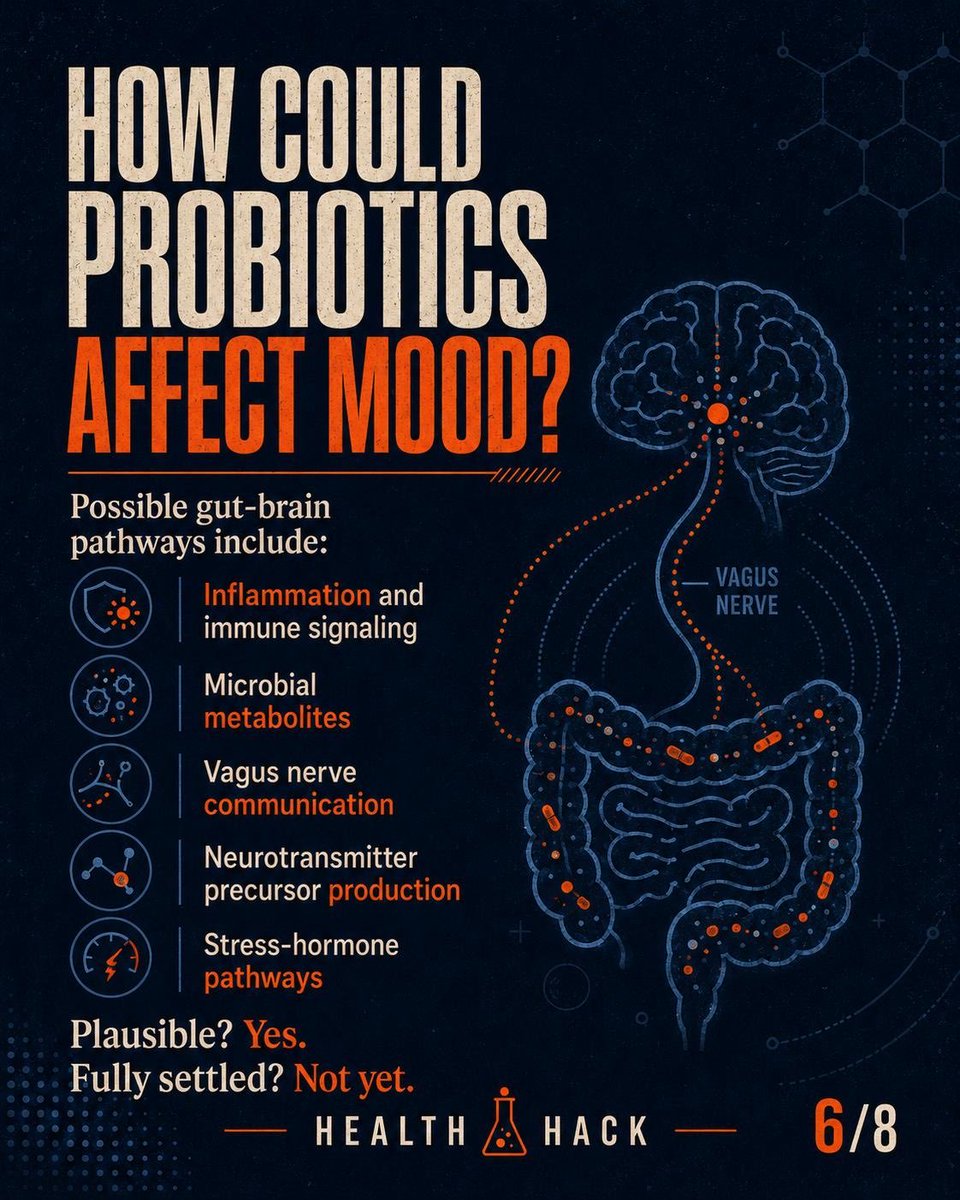
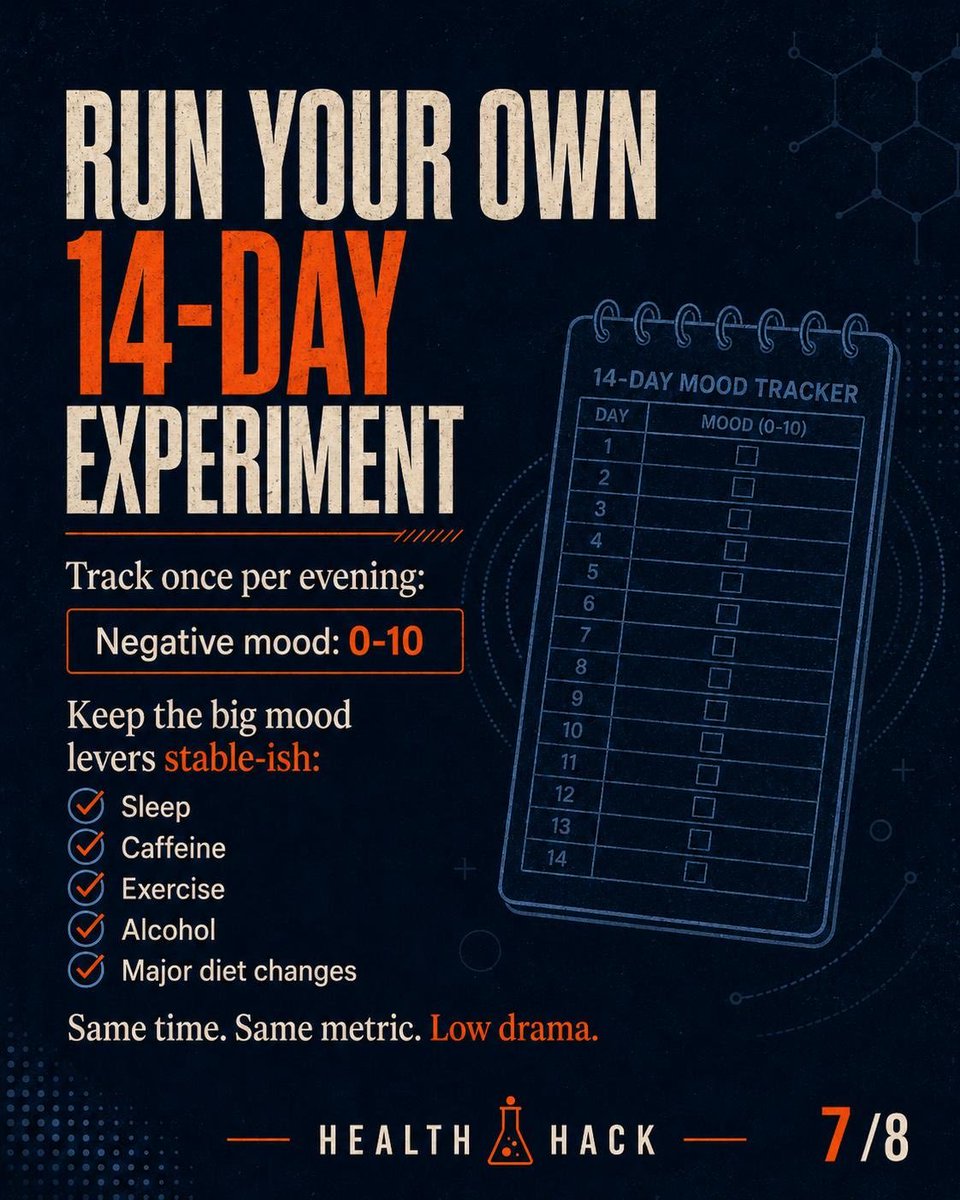
For probiotics, that could be:
Negative mood: 0–10
Same time each evening.
Same scale.
Same basic routine.
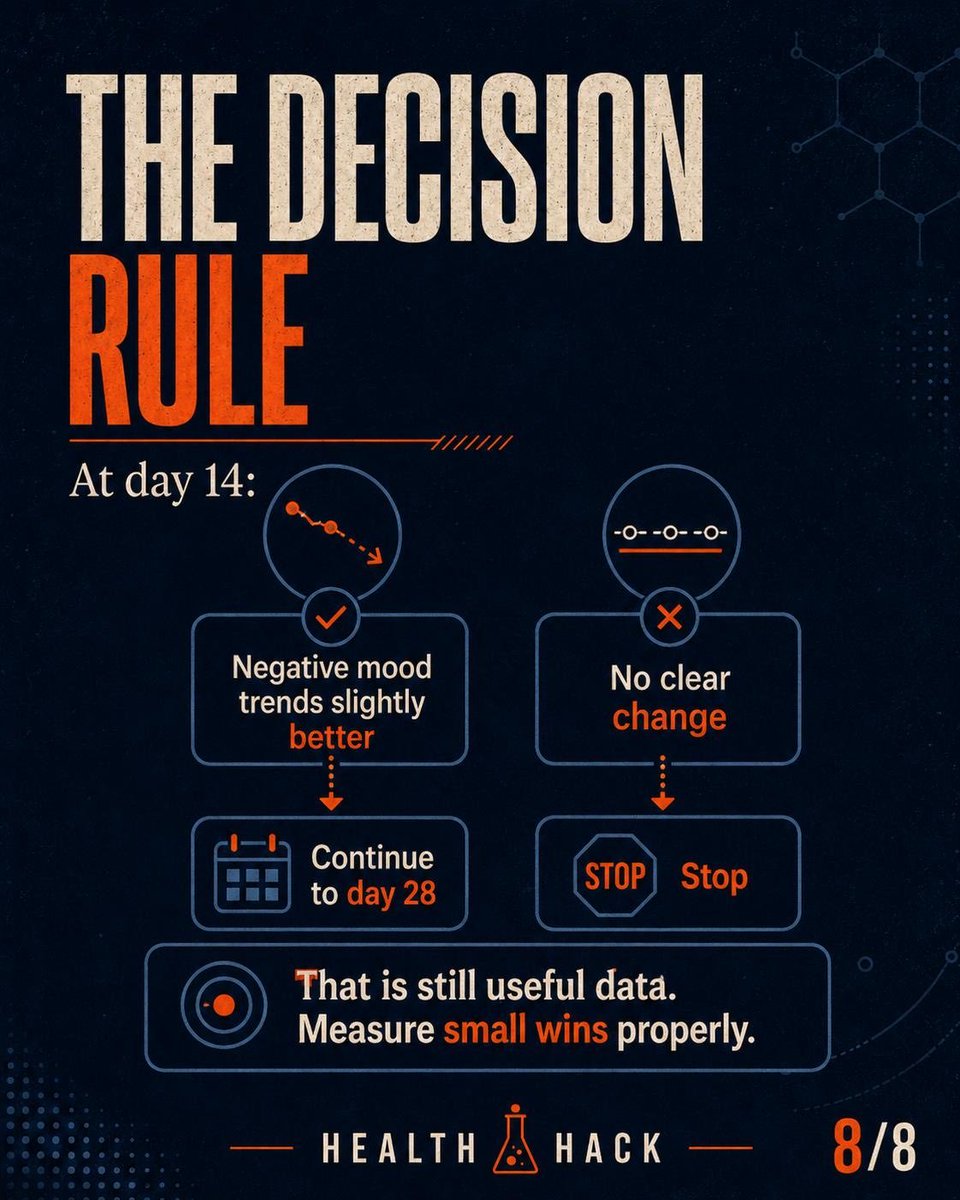
After 14 days, look at the trend.
Slight improvement? Continue to 28 days.
No change? Stop.
Not every supplement needs to become a lifestyle.
Not every “maybe” deserves another month.
Measure small wins properly.
Educational only. Not medical advice.
#HealthHack #GutBrainAxis #Probiotics #MoodTracking #MentalHealth #Longevity #HealthOptimization #Microbiome #Biohacking #EvidenceBasedHealth
1
1
3
24
May 12
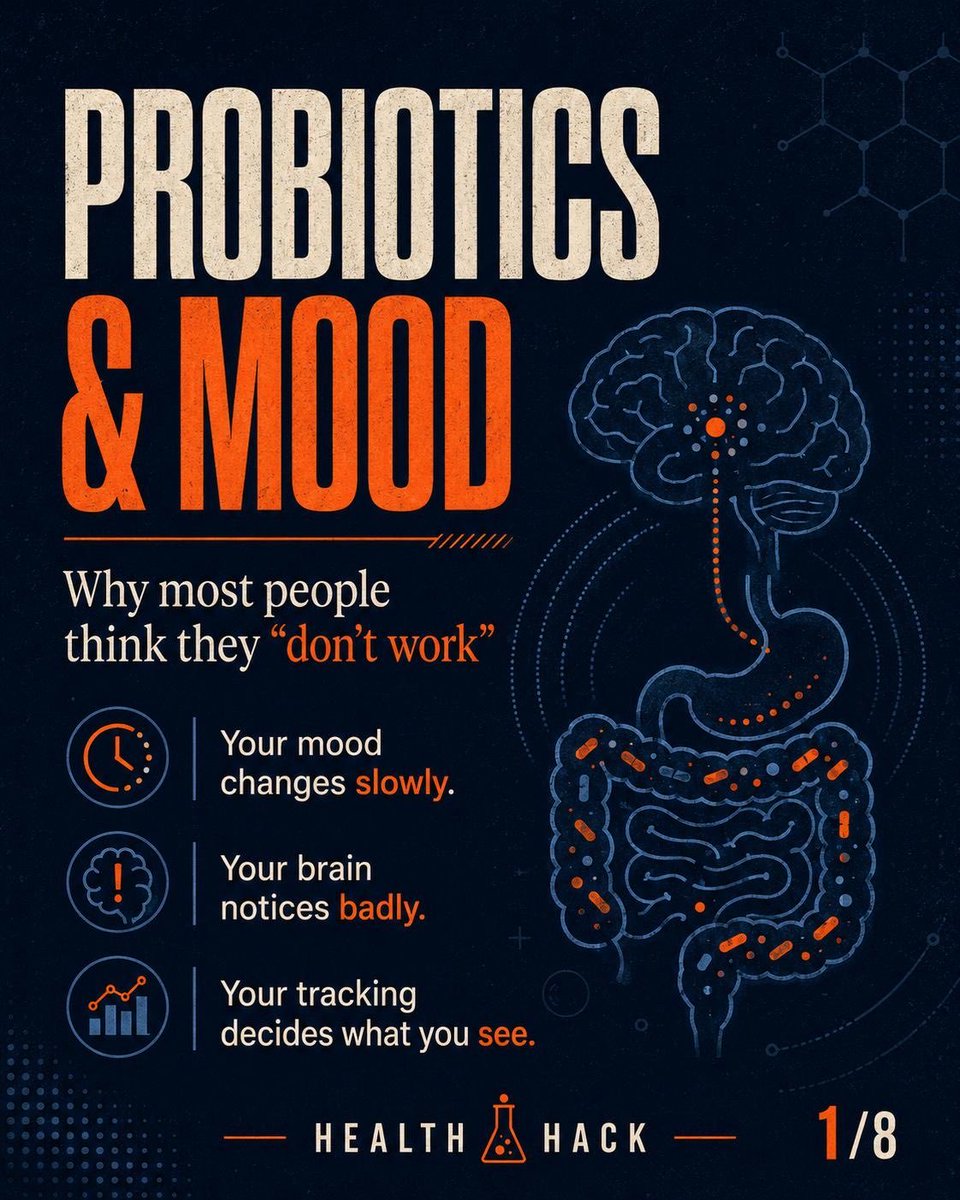
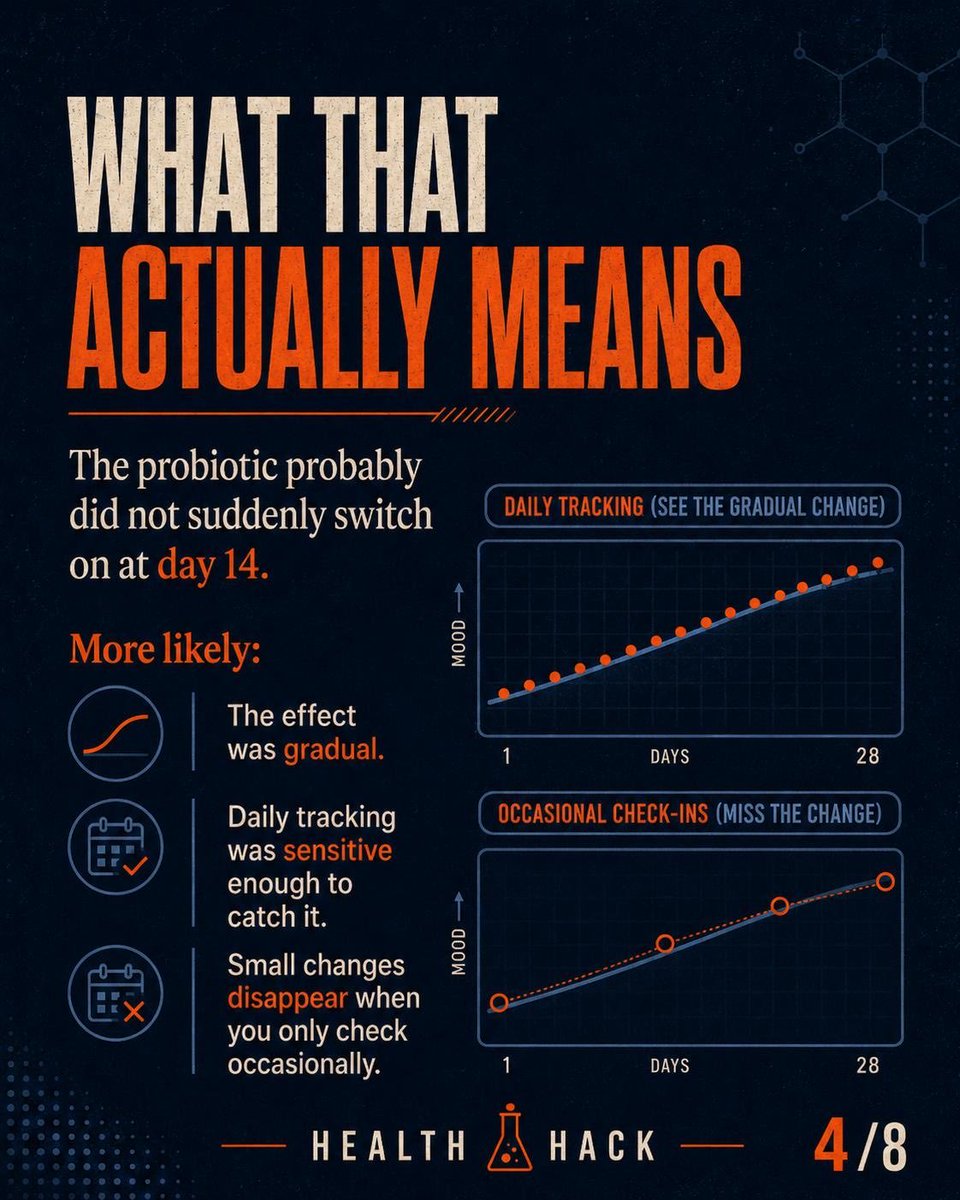
Most people don’t “feel” probiotics working.
That does not always mean nothing is happening.
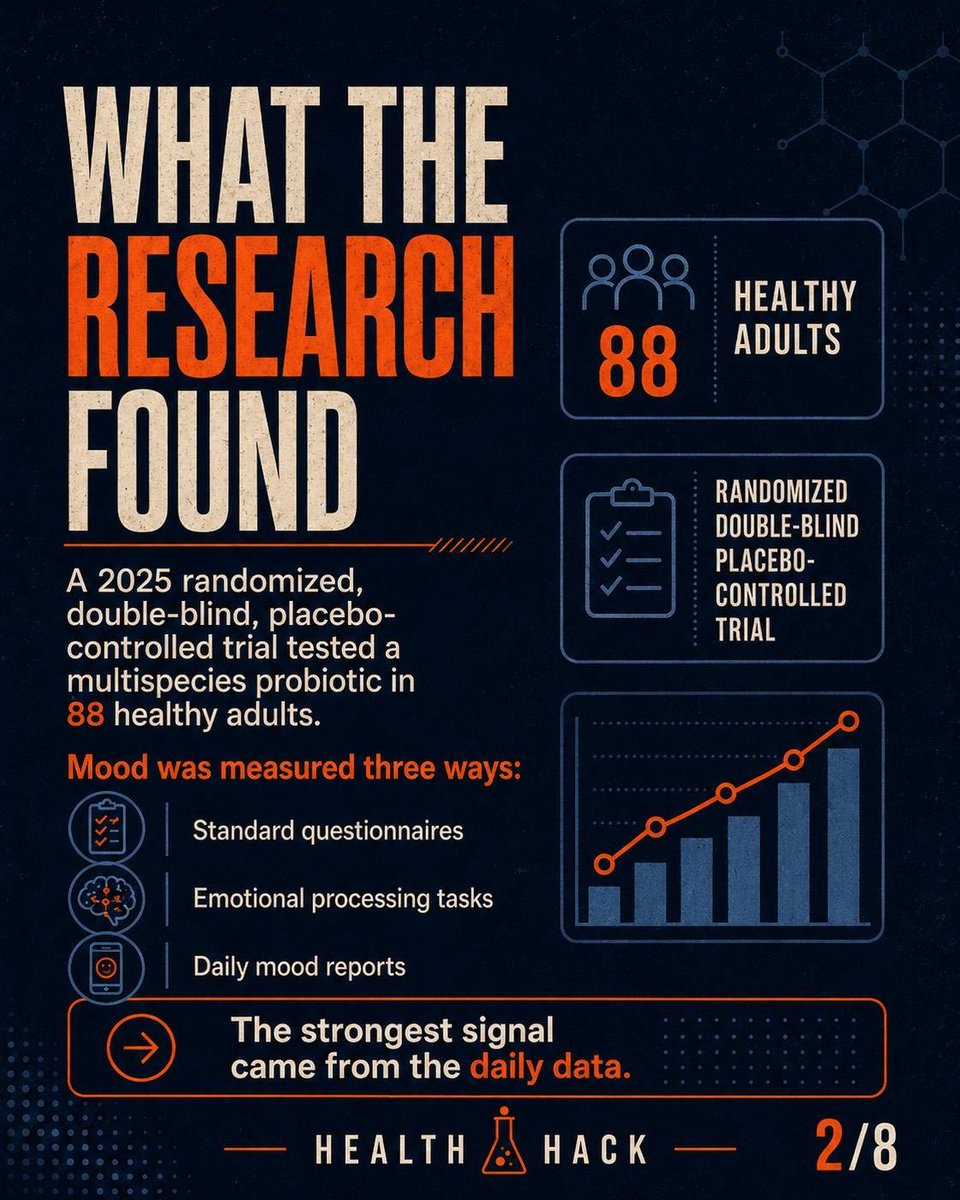
A recent trial found something interesting:
When researchers used traditional mood questionnaires, the signal was weak.
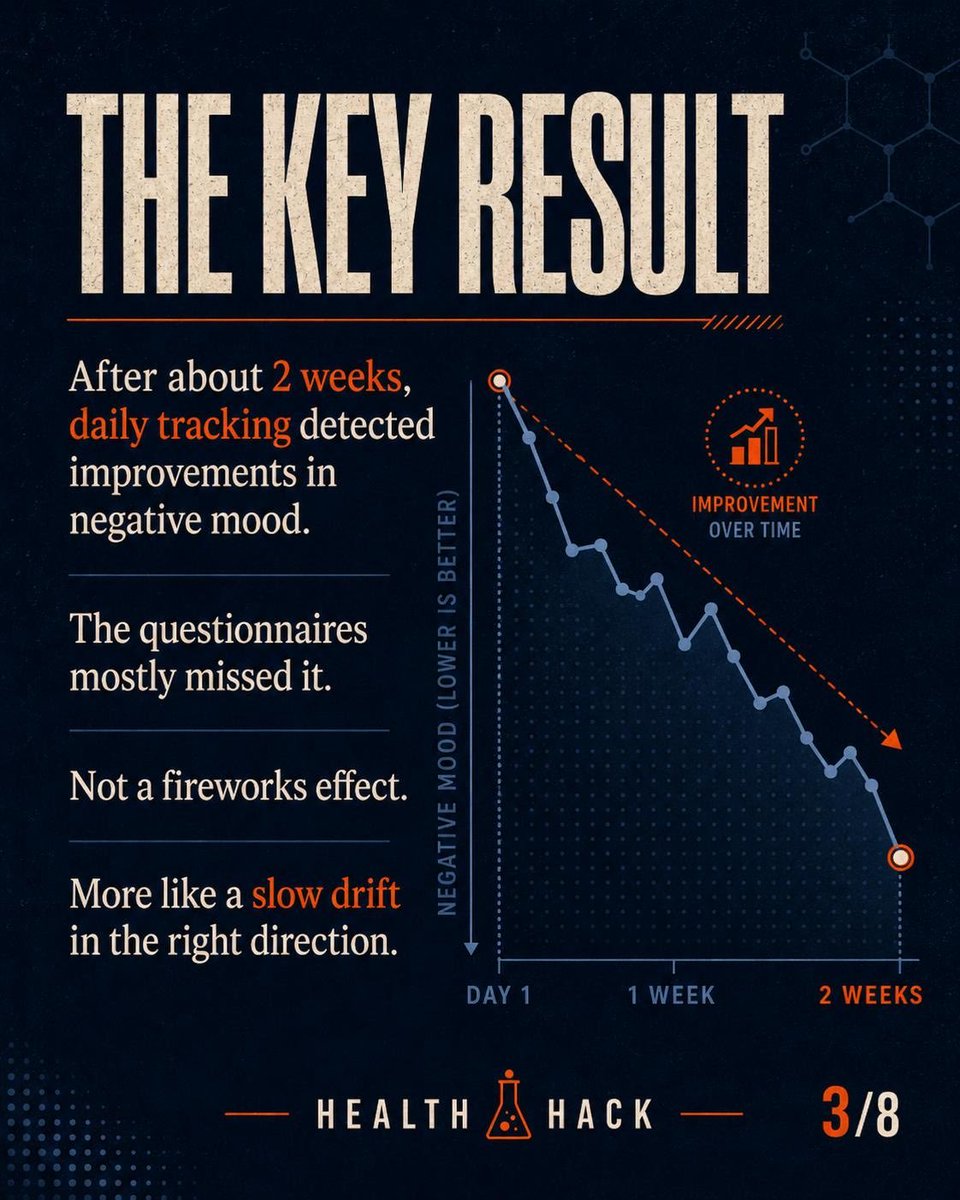
But when participants tracked mood daily, they detected improvements in negative mood after about 2 weeks.
That is the real lesson.
Small changes are easy to miss when your measurement tool is your memory.
Your brain is not a spreadsheet.
Your mood is noisy.
Your baseline moves.
So, if you want to test whether something helps your mood, don’t rely on vibes.
Track one simple metric daily.
#HealthHack #GutBrainAxis #Probiotics #MoodTracking #MentalHealth #Longevity #HealthOptimization #Microbiome #Biohacking #EvidenceBasedHealth
2
3
32
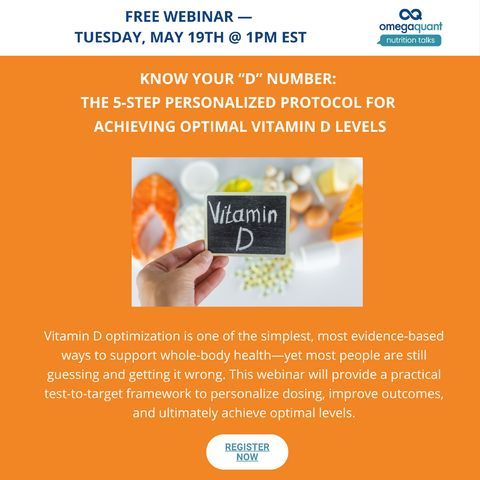
Don’t guess when it comes to your health, measure it.
Most people are taking Vitamin D… but still not reaching optimal levels. Why? Because guessing doses doesn’t work.
Join our FREE live webinar on May 19 at 1PM EST and learn a simple, science-backed 5-step personalized protocol to help you:
✔️ Test accurately
✔️ Dose correctly
✔️ Optimize safely
Move from uncertainty to a clear, evidence-based strategy for better whole-body health.
🔗 Save your spot:
buff.ly/DU7ir9t
#VitaminD #VitaminD3 #PreventiveHealth #PreventiveMedicine #Wellness #WellnessJourney #NutritionScience #EvidenceBasedHealth #FunctionalMedicine #PersonalizedHealth #HealthOptimization #PublicHealth
5
8
181
🌞 Sunshine Month 2026 Has Officially Launched
The 11th Annual Sunshine Month is now underway, continuing a global initiative focused on improving public understanding of sunlight and its role in health.
This campaign highlights an important and often overlooked message: sunlight is a key environmental factor that influences human health, particularly in relation to vitamin D status.
Sunshine Month is designed to bring attention to research and education around safe, sensible sun exposure, encouraging people to move beyond fear-based messaging and toward a more informed, balanced perspective.
Throughout May, GrassrootsHealth will be sharing educational resources, expert-led webinars, and evidence-based insights to support better understanding of sunlight and vitamin D.
The goal is simple: to help people make informed choices about sun exposure as part of a healthy lifestyle.
🔗 Learn more: buff.ly/YmUVLc3
#SunshineMonth #SunshineStories #VitaminD #SunlightAndHealth #PublicHealthEducation #HealthAwareness #PreventiveHealth #EvidenceBasedHealth #GrassrootsHealth #HealthEducation #WellnessAwareness #ScienceBasedHealth
4
11
130
Apr 20
Sunshine Month is more than a campaign, it is a collective effort to improve public understanding of sunlight and its role in human health.
From vitamin D production to circadian rhythm regulation, sunlight influences multiple biological systems that support overall well-being.
Unfortunately, much of this information is still underrepresented in mainstream health messaging.
To help bridge this gap, we are building a network of collaborators who share a commitment to evidence-based, accessible health education.
We are currently inviting partnerships with individuals and organizaions who would like to help amplify Sunshine Month content and awareness efforts.
This includes educators, health communicators, wellness platforms, and community advocates who believe in the importance of balanced sun exposure messaging.
If you’re passionate about advancing balanced, science-based sun exposure awareness, we’d love to connect—MESSAGE us to collaborate.
Learn more: buff.ly/1Nu5ZBC
#SunshineMonth #VitaminD #SunlightForHealth #PublicHealthAwareness #HealthEducation #WellnessScience #EvidenceBasedHealth #HealthyLiving #SunExposure #PreventiveHealth #HolisticHealth #ImmuneHealth #CircadianRhythm #NaturalHealth #GlobalHealth #CommunityWellness
4
8
139
Apr 17
Are current vitamin D recommendations enough or could they be limiting the full potential of this essential nutrient?
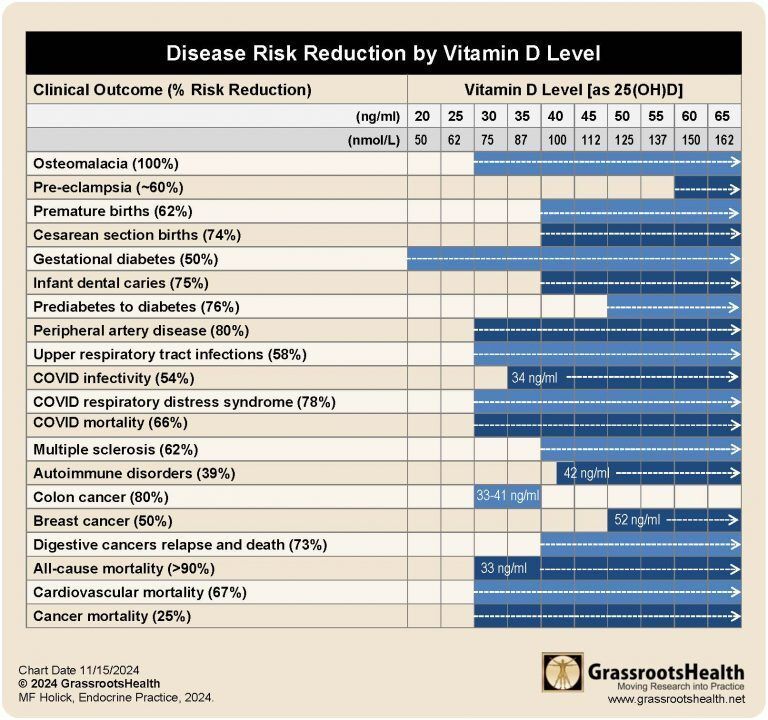
Emerging research suggests that optimal vitamin D levels may be higher than previously thought. While many guidelines focus on a range of 40–60 ng/mL, growing evidence supports a broader target of 40–80 ng/mL to better support immune function, reduce chronic disease risk, and improve long-term health outcomes.
Vitamin D is more than just a “bone vitamin”, it plays a key role in immune defense, inflammation regulation, and cellular health. Studies continue to show a clear relationship between higher vitamin D levels and lower risk of infections, cancer, and chronic conditions.
The takeaway? Sufficiency is not the same as optimal. A personalized approach, testing, optimizing, and retesting, may be key to achieving better health.
Learn more: buff.ly/BzW85Jk
#VitaminD #SunlightForHealth #OptimalHealth #ImmuneHealth #PreventiveHealth #EvidenceBasedHealth #WellnessScience #ChronicDiseasePrevention #HealthyLiving #PublicHealth #NutrientOptimization
1
7
14
525
Sunlight is more than something to avoid, it may also be something we need to better understand.
A newly reported UK study adds to the growing body of research suggesting that, particularly in northern climates, higher UV exposure was associated with lower risk of all-cause, cardiovascular, and cancer mortality.
While sun safety remains important, this research supports a more balanced and evidence-informed conversation, one that recognizes that safe, sensible, non-burning sun exposure may also play an important role in overall health.
At a time when so many people spend most of life indoors, this is an important public health discussion worth having.
☀️ Read more: buff.ly/GGN3QWM
#VitaminD #SunlightAndHealth #SunExposure #PreventiveHealth #PublicHealth #WellnessScience #HealthResearch #CardiovascularHealth #CancerPrevention #EvidenceBasedHealth
1
6
3,835

Eating more fibre than RDA
helpful or harmful?
Most people think “more fibre = better gut health.”
That’s only partly true. Here’s what research actually shows 👇
1) First, what is RDA?
Recommended Dietary Allowance = intake that meets needs of 97–98% of healthy individuals.
For fibre:
• Men: 38 g/day
• Women: 25 g/day
👉 It’s a minimum target, not a limit.
2) Increasing fibre (25–40 g/day)
Strong evidence shows:
• Improved stool frequency
• Softer stools
• Reduced constipation
• Better glycemic control
👉 Especially with soluble fibre (e.g., Psyllium)
3) But more is NOT always better
Going beyond ~40–50 g/day can backfire if not done correctly:
• Bloating & gas (↑ fermentation)
• Abdominal discomfort
• Hard stools if water intake is low
👉 Fibre needs water to work.
4) Hydration is the missing piece
Fibre absorbs water to form soft, bulky stool.
Low water high fibre =
hard stools, slower transit, worse constipation
👉Aim: ~2–3 L/day
5) Type of fibre matters
• Soluble (psyllium, oats) → improves stool consistency
• Insoluble (bran) → adds bulk, may worsen symptoms if overused
👉 Not all fibre behaves the same.
6) Special populations
• IBS → high fibre (especially fermentable) may worsen symptoms
• Low mineral intake → very high fibre may reduce iron/zinc absorption
Fibre above RDA can help but only when:
• Increased gradually
• Combined with adequate hydration
• Matched to gut tolerance
More fibre isn’t the solution.
Balanced fibre enough water is.
#GutHealth #ConstipationRelief #EvidenceBasedHealth
3
8
58
10,196

Post: The Arterial Chisel – Vitamin K2’s Role in Arterial Health (2026 Update)
🚨 Stubborn Blood Pressure?
Your Arteries Might Be Calcifying – Vitamin K2 Could Help Direct Calcium Where It Belongs! 🚨
(Videos & Sources below 👇)
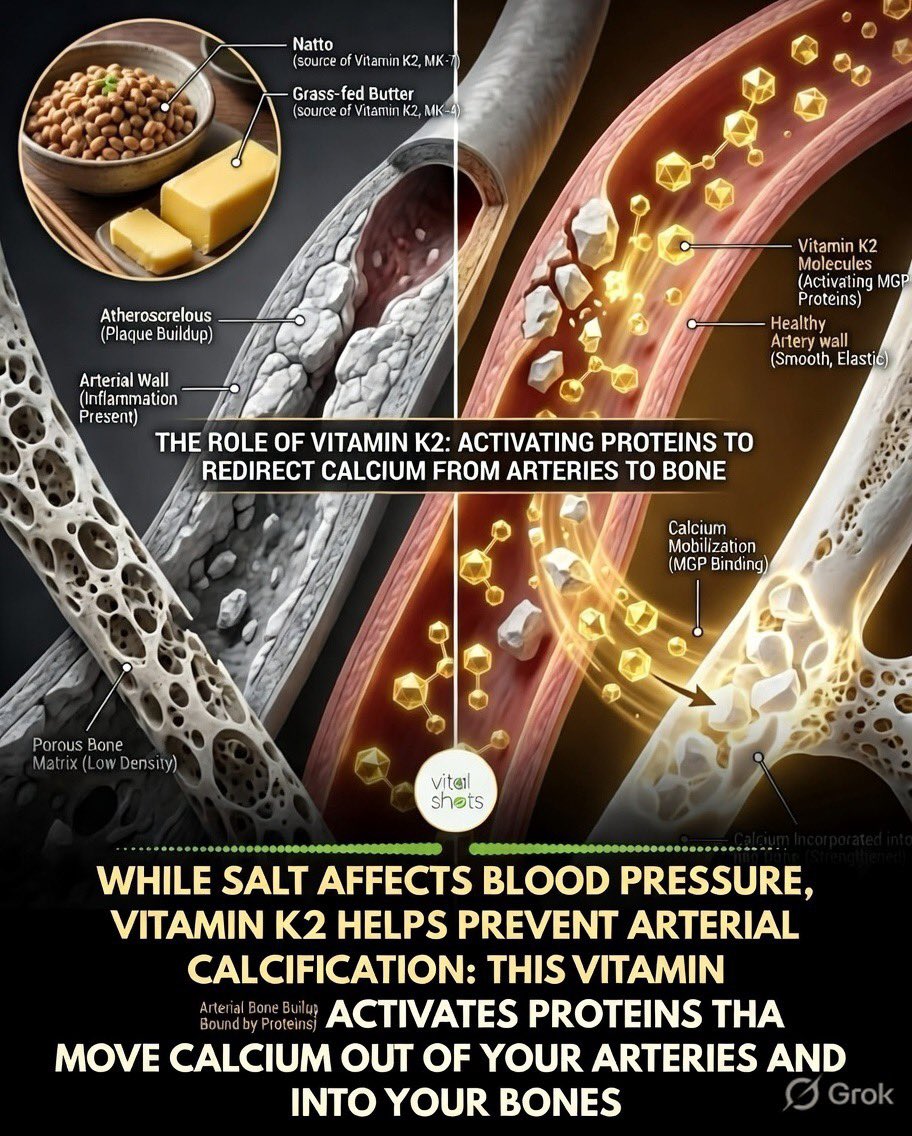
As we age, arteries harden & calcify (arteriosclerosis) — calcium builds up in vessel walls instead of bones, making them rigid & forcing the heart to work harder.
✅the root issue is misplaced calcium.
Vitamin K2 (MK-7 form) acts as the “traffic cop”:
•Activates Matrix GLA Protein (MGP) to inhibit & slow calcium buildup in arteries/soft tissues.
•Activates Osteocalcin to shuttle calcium into bones/teeth (supporting bone health).
Evidence: K2 slows progression of coronary/arterial calcification in some studies (e.g., 22% reduction in mild-moderate CAD cases over 2 years with MK-7; meta-analyses show benefits on CAC scores).
No strong proof of full reversal or major BP drops in all people — results mixed, esp. in advanced cases or certain populations (e.g., no effect in some valve calcification trials).
Best with Vitamin D3 (D increases calcium absorption; K2 guides it).
Practical tips:
•Foods: Natto (highest), grass-fed butter, aged cheeses (gouda), goose liver.
•Supplement: 100–200 mcg MK-7 daily D3 (consult doc, esp. on blood thinners).
Promising for heart/bone support — not a miracle cure. Thoughts? Supplementing K2?
Watch these high-engagement videos:
•Exposing the links between Calcium, Vitamin K2, and Plaque Buildup (4M views, deep dive): youtube.com/watch?v=D_UJaEZe…
•Vitamin K2: The Surprising Benefits From Your Heart to Bones (science overview): youtube.com/watch?v=z3njgh2n…
•Can Vitamin K2 help Calcified Arteries? The Science (evidence-based): youtube.com/watch?v=14B5qySF…
•Vitamin K2 Prevents Arterial Calcification: Must Know-Science (mechanisms explained): youtube.com/watch?v=3qlgufe0…
#VitaminK2 #ArterialCalcification #HeartHealth #BloodPressure #BoneHeartAxis #Biohacking #CalciumManagement
Separate Sources & Verification Post
🔗 Verified Sources for Vitamin K2 & Arterial Calcification/Health 🔗
K2 (MK-7) activates MGP to slow vascular calcification progression; supports bone calcium uptake.
No consistent reversal of existing buildup or universal BP reduction — benefits in slowing CAC in
some trials (e.g., mild-moderate cases), mixed/null in others (e.g., advanced valve/CKD).
Always pair with D3; consult professionals.
Key sources:
•2025 VitaK-CAC trial (MK-7 slows CAC progression 22% in mild-moderate CAD): nutraceuticalbusinessreview.…
•Meta-analysis (VK slows CAC progression): frontiersin.org/journals/nut…
•AVADEC trial (no effect on aortic valve calcification): ahajournals.org/doi/10.1161/…
•Integrative Medicine review (K2 as promoter of bone/CV health): pmc.ncbi.nlm.nih.gov/article…
•Open Heart review (K2 in CV health): openheart.bmj.com/content/8/…
Videos above 👆 are educational but check primaries.
Exciting nutrient, but evidence is evolving — not proven to “chisel” away calcification fully. 📚❤️
This is not medical advice.
Consult your physician.
#VitaminK2Facts #EvidenceBasedHealth #HeartScience
4
15
39
1,514

Dr. BRC ने आलोचकों को दी सीधी चुनौती
Helpline Number : 9312286540
#DrBRC #OpenChallenge #MedicalTruth #DIPDiet #NaturalHealing #HealthRevolution #FactCheck #HiiMS #Debate #EvidenceBasedHealth #TruthBomb
1
41
73
1,382
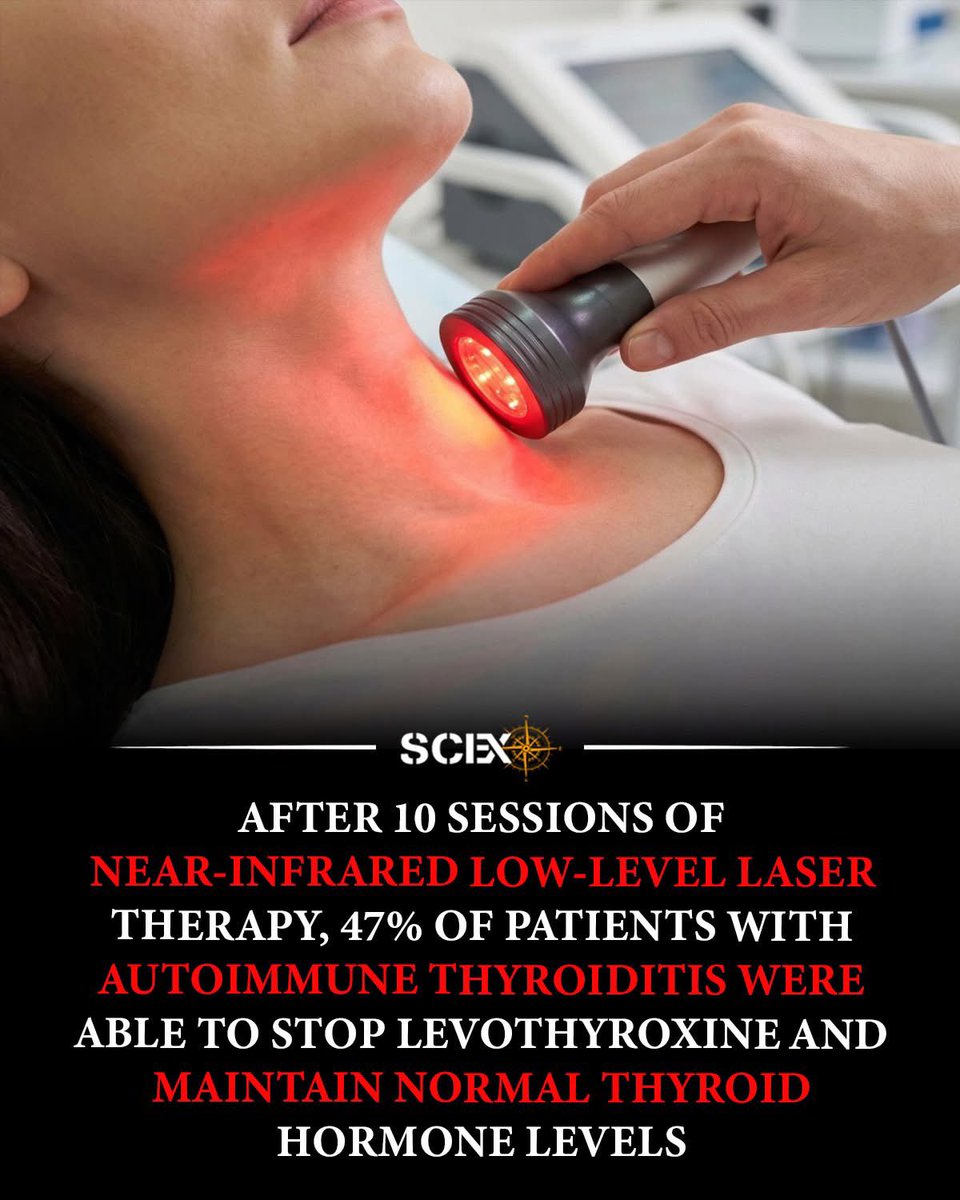
🚨 2026 Thyroid Hope: Could Light Therapy Let ~47% of Hashimoto’s Patients Drop Daily Meds? 🔦🛡️
Hashimoto’s (chronic autoimmune thyroiditis) usually means lifelong levothyroxine.
But clinical research on low-level laser therapy (LLLT / photobiomodulation) is turning heads.
In a randomized, placebo-controlled trial:
• Patients got 10 sessions of near-infrared laser to the thyroid area.
• ~47% stopped levothyroxine completely → stayed off with normal thyroid levels for up to ~9-12 months.
• The rest often needed much lower doses.
• Benefits: lower TPO antibodies (less autoimmunity), better thyroid tissue on ultrasound, improved vascularization & mitochondrial function for cell repair.
Recent studies (2023-2025) build on this—combining LLLT with supplements shows even better results on oxidative stress, quality of life, fatigue, and thyroid volume normalization.
It’s non-invasive, painless, no side effects in trials—but not a guaranteed cure.
Not everyone responds the same, and maintenance might be needed.
Always under endocrinologist supervision, not at-home gadgets.
Could this shift autoimmune thyroid care?
Science says promising, especially for reducing med dependency.
Thyroid warriors:
Thoughts on trying photobiomodulation?
Share below! 👇
#Hashimotos #ThyroidHealing #Photobiomodulation #RedLightTherapy #AutoimmuneThyroid #LLLT #Endocrinology #HealthBreakthrough #Science2026 #ThyroidHealth
Separate sources :
📚 Verified Sources: LLLT / Photobiomodulation for Hashimoto’s Thyroiditis
Core trial with the ~47% discontinuation stat:
• Höfling DB et al. (2013). Low-level laser in the treatment of patients with hypothyroidism induced by chronic autoimmune thyroiditis: a randomized, placebo-controlled clinical trial. Lasers in Medical Science. pubmed.ncbi.nlm.nih.gov/2271…
(43 patients; LLLT group had major reductions in levothyroxine needs, TPOAb drop, improved function & ultrasound.)
Pilot study:
• Höfling DB et al. (2010). Low-level laser therapy in chronic autoimmune thyroiditis: a pilot study. Lasers in Surgery and Medicine. pubmed.ncbi.nlm.nih.gov/2066…
Long-term safety:
• Höfling DB et al. (2018). Safety and efficacy of low-level laser therapy in autoimmune thyroiditis: long-term follow-up. pubmed.ncbi.nlm.nih.gov/3053… (PMC full: pmc.ncbi.nlm.nih.gov/article…)
Recent supporting/combination research (2022-2025):
• Review on mechanisms: pmc.ncbi.nlm.nih.gov/article… (anti-inflammatory, regeneration effects)
• 2023 combo with supplements: pmc.ncbi.nlm.nih.gov/article… (better homeostasis vs supplements alone)
• 2025 thyroid volume study: mdpi.com/2227-9059/13/7/1555 (PBM supplements normalized volume more effectively)
• Ongoing trial example: NCT06735040 (photobiomodulation on fatigue/behavior in Hashimoto’s) clinicaltrials.gov/study/NCT…
• Oxidative stress/quality of life trial: NCT04754607 clinicaltrials.gov/study/NCT…
Promising but still emerging—not standard care yet.
Consult your doctor!
Research keeps evolving. 📖 #ThyroidScience #EvidenceBasedHealth
17
257
1,005
110,018
Vitamin D research has already helped transform our understanding of health, but there is still much more to discover.
For years, scientists working with GrassrootsHealth have been studying how optimal vitamin D levels can support overall health and reduce the risk of chronic diseases. Research from their community suggests that maintaining vitamin D levels above 40 ng/mL is associated with significant reductions in risks for conditions such as cancer, type 2 diabetes, and pregnancy complications.
By contributing to vitamin D research and public health initiatives, you can help:
• Advance research on vitamin D and disease prevention
• Support large population studies and data collection
• Improve education and awareness about optimal vitamin D levels
• Help move research findings into real-world health recommendations
Your support helps scientists gather better data, publish new findings, and expand programs that empower people to measure and optimize their vitamin D levels.
🔗 Learn more and support the research:
buff.ly/cXJc53N
Together we can help bring vitamin D science into the future and improve health worldwide.
#VitaminD #VitaminDResearch #VitaminDAwareness #PublicHealth #PreventiveHealth #HealthResearch #NutritionScience #EvidenceBasedHealth #HealthEducation #ChronicDiseasePrevention #GrassrootsHealth #SunshineHealth #VitaminDTesting #OptimalVitaminD #DAction
5
11
4,613

Before you buy that supplement for your aged parent, watch this.
Most supplements marketed for heart health are not protecting anyone’s heart.
No capsule overrides poor blood sugar control, low fibre intake, chronic inflammation, or lack of movement.
Food patterns matter.
Muscle matters.
Consistency matters.
#HeartHealthAwareness
#NutritionScience
#SupplementTruth
#EvidenceBasedHealth
#PreventiveCare
8
8
217
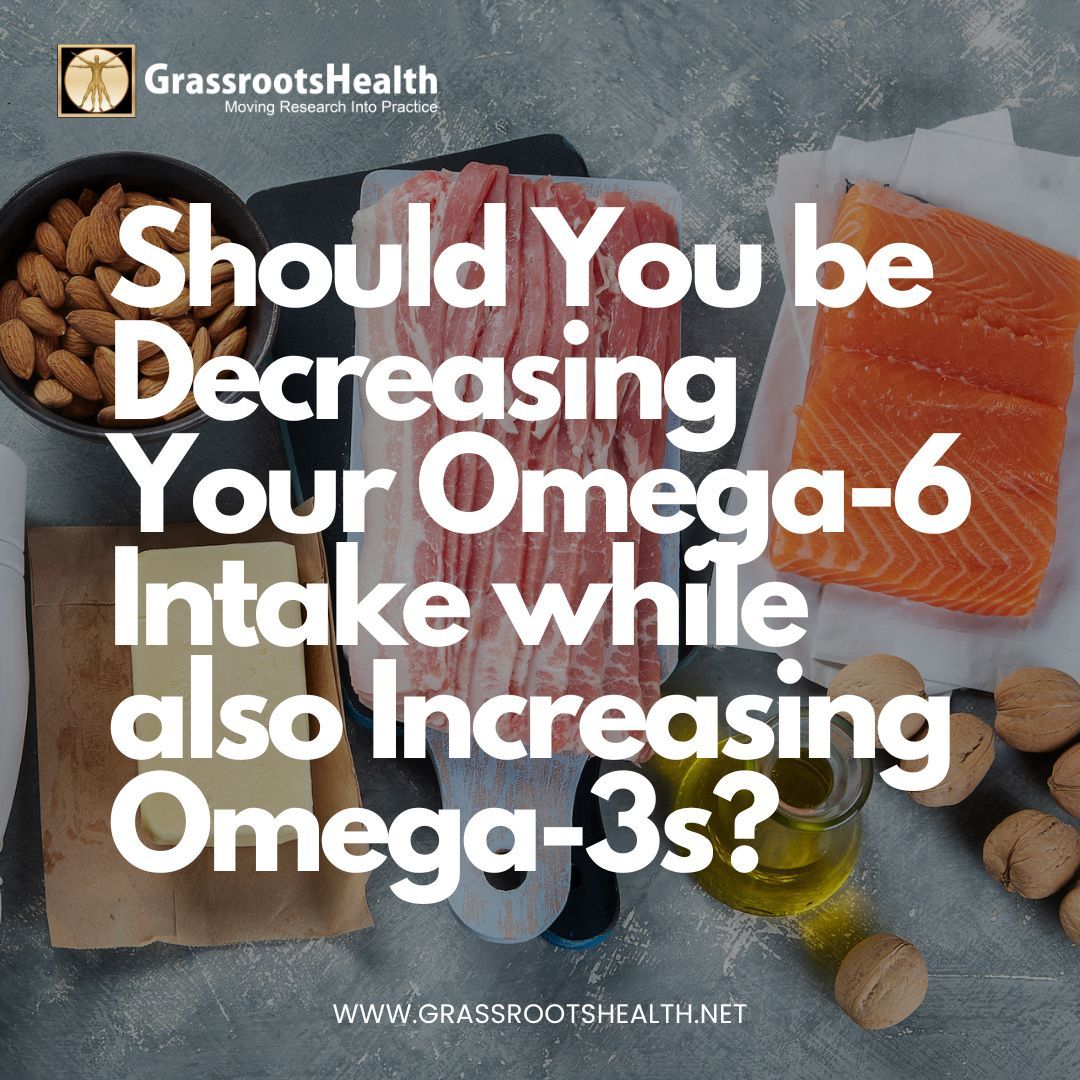
🌿 It’s Not Just About Taking Omega 3s. It’s About Restoring Balance. 🌿
In today’s modern diet, many of us consume significantly more omega 6 fats than omega 3s. This imbalance can quietly influence inflammation pathways and long term health outcomes.
Research continues to show that improving your omega balance by reducing excess omega 6 intake while increasing omega 3 levels plays an important role in supporting overall wellness.
Why does a healthy omega 3 level matter?
❤️ Cardiovascular support. Helps maintain healthy triglyceride levels and supports normal heart function.
🧠 Brain and mood health. DHA and EPA are structural components of the brain and essential for cognitive performance and emotional resilience.
🔥 Healthy inflammatory response. Omega 3s help regulate the body’s natural inflammatory processes.
👁️ Eye health and cellular integrity. DHA is critical for retinal health and optimal cell membrane function.
Rather than guessing, the most effective step is to measure your levels and make informed decisions based on your personal data.
For a limited time, receive 15% off any test that includes Omega 3 testing with code Omega3s.
Because when it comes to long term health, understanding your numbers empowers meaningful change.
Learn more: buff.ly/kVxAo81
#Omega3 #Omega3Testing #OmegaBalance #Omega6 #FattyAcidBalance #InflammationSupport #HeartHealth #BrainHealth #CognitiveHealth #MoodSupport #PreventiveHealth #PersonalizedHealth #TestDontGuess #KnowYourNumbers #EvidenceBasedHealth #DataDrivenWellness #NutrientTesting #PublicHealth #WellnessWithPurpose #GrassrootsHealth
5
7
136
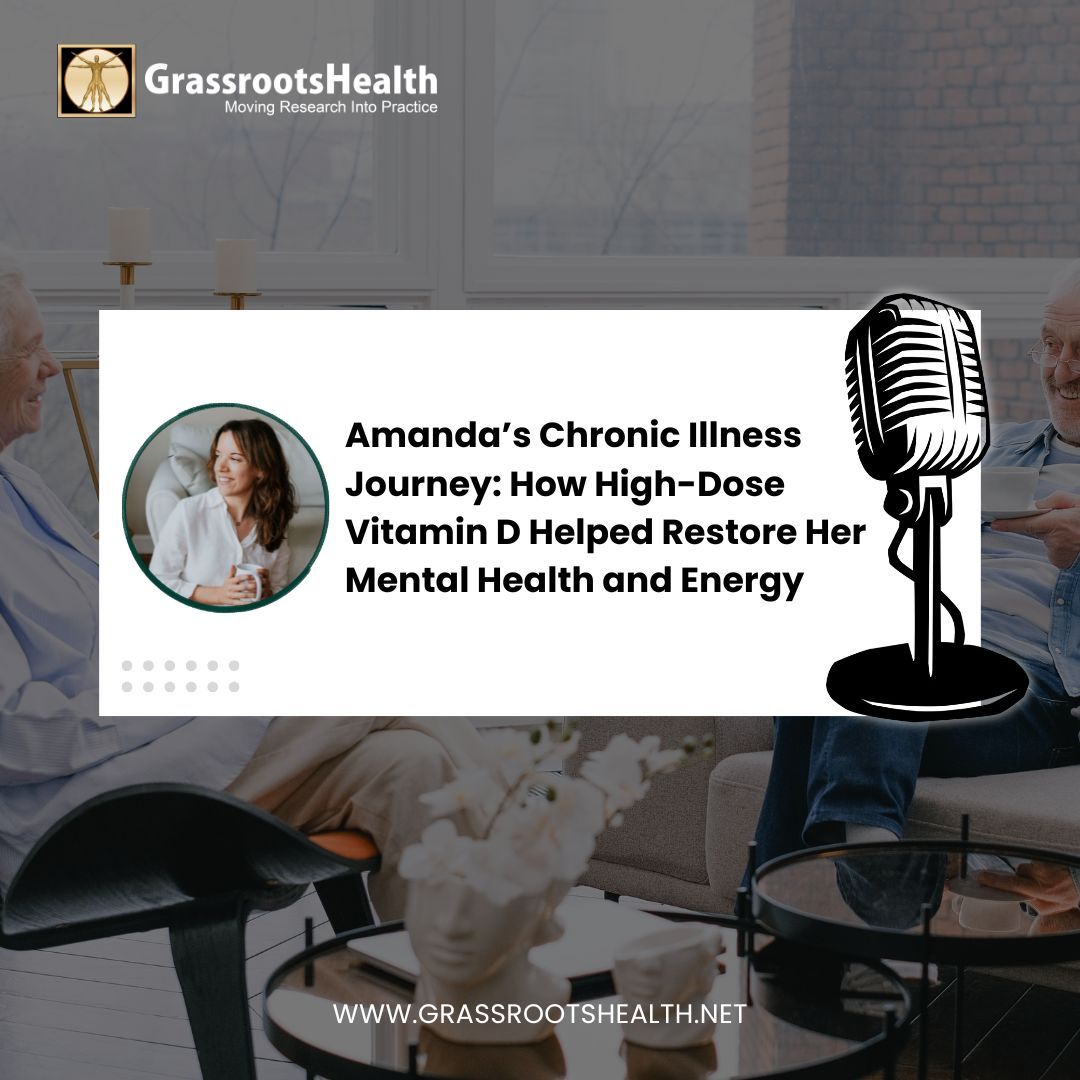
In this thoughtful conversation with Jen Aliano, Executive Director of GrassrootsHealth, Amanda Bourbonnais shares her deeply personal journey through ulcerative colitis, chronic Lyme disease, severe fatigue, brain fog, and depression, and the role vitamin D played in helping her regain stability and hope.
Optimizing your vitamin D level may be the easiest, safest, cheapest, and most effective way to improve your health. Amanda's story is one of many examples...
When Amanda first tested her vitamin D level, it was 27 ng/mL, below the optimal range yet above the cut-off for deficiency as defined by mainstream guidelines. Under the supervision of a knowledgeable practitioner, she began a short-term higher-dose vitamin D protocol. What surprised her most was how quickly she noticed change, not just physically, but mentally.
Within weeks, she describes:
• Fewer looping depressive thoughts
• Greater emotional steadiness
• Improved clarity and decision-making
• The return of hope
Vitamin D is often viewed narrowly as a “bone vitamin,” yet it functions as a hormone and gene regulating molecule with widespread effects on immune regulation, inflammation, and brain health. As discussed in the interview, optimal levels generally fall between 40–60 ng/mL (100-150 nmol/L) for most individuals, sometimes higher in certain clinical contexts and individual needs.
NOTE: This video is for educational purposes only and is not meant to treat or diagnose. Individuals wishing to seek treatment for a medical condition should consult their health care provider.
Watch Now: buff.ly/MCZxbdP
Learn more about Amanda: Website: amandabourbonaisagency.com/
#VitaminD #GrassrootsHealth #ChronicIllness #AutoimmuneSupport #ImmuneHealth #MentalWellness #TestDontGuess #EvidenceBasedHealth
2
10
1,352