"Red Orb Rotation." March 2022, northeastern United States.
Two red light sources hover near the horizon, roughly 2,500 feet out. No sound. The lower orb slowly rotates relative to the upper — from 6 o'clock to past 9 o'clock.
#UFO #UAP #RedOrbRotation #Disclosure #FBIFiles
48

======== Red Orb Rotation ========
March 2022, northeastern United States.
The lower one rotates from 6 o'clock to past 9 o'clock relative to the upper — both stationary, both silent.
#RedOrbRotation #UFO #UAP #UFOFiles #Disclosure #FBIFiles
1
68

Jun 12
"Orbs Over the Pond," October 2024.
Authenticated iPhone footage of a shape-shifting plasma-like sphere hovering above a pond.
#UAP #UFO #FBIFiles #UAPDisclosure #OrbsOverThePond #Disclosure
2
169
The FBI watched this footage. Authenticated it. Called the witness highly credible.
"Orbs Over the Pond" — North-eastern United States, October 2024. Shape-shifting plasma sphere, hovering silently above a pond for 45 minutes.
#UFO #UAP #Disclosure #Release03 #Pursue #OrbsOverThePond #FBIFiles
1
8
595

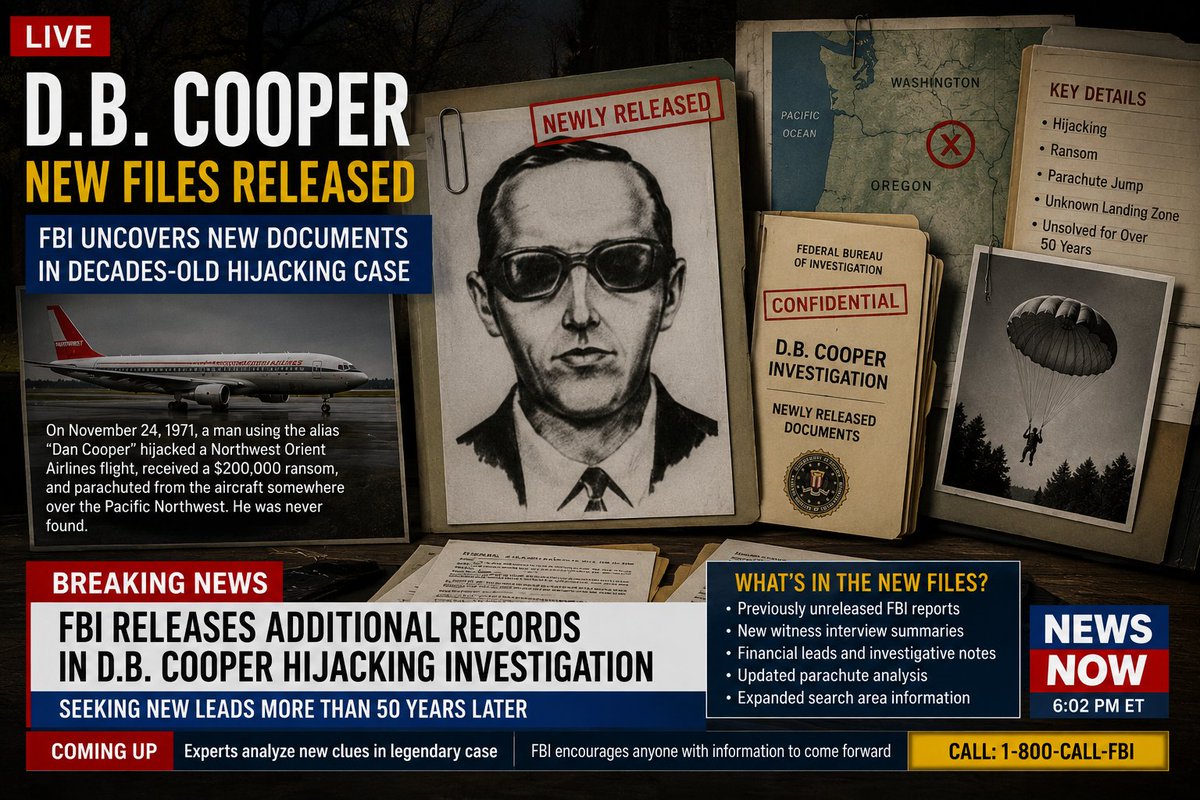
NEW FBI FILES REIGNITE INTEREST IN THE D.B. COOPER MYSTERY MORE THAN 50 YEARS LATER
WASHINGTON, D.C. — Newly released FBI documents have renewed public interest in one of the most famous unsolved cases in American history: the mystery of D.B. Cooper.
More than five decades after the daring hijacking that captivated the nation, federal authorities have released additional records connected to the investigation. The documents provide further insight into the extensive efforts made by investigators to identify the man who vanished after carrying out one of the most remarkable crimes in aviation history.
The case began on November 24, 1971, when a man using the name "Dan Cooper" boarded a commercial flight traveling from Portland, Oregon, to Seattle, Washington. During the flight, he informed a flight attendant that he possessed a bomb and demanded $200,000 in cash along with four parachutes.
After the aircraft landed in Seattle, authorities delivered the ransom money and parachutes. The passengers were released, and the aircraft later took off again with a smaller crew on board.
Somewhere over the Pacific Northwest, Cooper parachuted from the aircraft into the darkness, carrying the ransom money. Despite one of the largest manhunts in FBI history, neither Cooper nor most of the money was ever recovered.
Over the years, investigators examined hundreds of suspects, interviewed witnesses, analyzed physical evidence, and followed thousands of tips from across the world. Yet the true identity of D.B. Cooper remains unknown.
The newly released files reportedly contain investigative notes, witness interviews, search records, evidence reviews, and other documents that shed light on the complexity of the case. While the records provide new information about the investigation, officials acknowledge that they do not definitively solve the mystery.
The case continues to fascinate historians, aviation experts, criminal investigators, and the public because of its combination of mystery, planning, and unanswered questions.
Many theories have emerged over the decades. Some believe Cooper died during the parachute jump due to harsh weather and dangerous terrain. Others believe he survived and successfully escaped with at least part of the ransom money.
Even today, the D.B. Cooper case remains one of the most discussed unsolved investigations in FBI history.
WHAT IS THE REAL LESSON FROM THE D.B. COOPER CASE?
1. Continuous Improvement in Aviation Security
Modern airports and airlines have implemented significantly stronger security measures than those that existed in 1971.
2. Better Technology Helps Investigations
Today's investigators have access to DNA analysis, digital forensics, surveillance systems, and advanced databases that were unavailable decades ago.
3. Public Cooperation Matters
Many major criminal cases are solved because citizens provide valuable information to investigators.
4. Preserve Historical Records
Maintaining detailed investigative records allows future generations to learn from past cases and potentially discover new leads.
5. Invest in Criminal Investigation Resources
Advances in forensic science and investigative techniques continue improving law enforcement's ability to solve complex crimes.
6. Learn from Unsolved Cases
Even when cases remain unsolved, they often lead to improvements in security procedures, investigative methods, and public safety policies.
More than 50 years later, the mystery of D.B. Cooper continues to inspire books, documentaries, research projects, and public fascination. While the newly released FBI files may not provide all the answers, they offer another chapter in one of America's greatest unsolved mysteries.
#BreakingNews #DBCooper #FBI #ColdCase #UnsolvedMystery #AviationHistory #CrimeHistory #FBIFiles #Investigation #AmericanHistory #TrueCrime #NewsUpdate #BreakingStory #Mystery #HistoricCase #CrimeNews #LawEnforcement #USNews #PacificNorthwest
2
120

 CINEMATIC_BUZZ🍿🎥

May 26
🚨 BREAKING: NEW J6 DOCUMENT RELEASE 🚨
Newly unsealed FBI documents released by Director Kash Patel reveal a massive operation leading up to January 6, vindicating long-standing claims by Rep. Clay Higgins.
The Revelations:
👉 Infiltration: Former Director Christopher Wray allegedly had 274 federal agents embedded in the crowd, dressed as Trump supporters, before the Capitol doors even opened.
👉 Orchestration: Federal agents infiltrated online chat groups months in advance, tracing back online suggestions of violence and occupation directly to FBI operatives.
👉 The Goal: Internal communications explicitly note plans to "provoke a breakdown on January 6 to disrupt the proceedings."
Rep. Higgins' warnings have been confirmed: the deep-state involvement was planned months before J6. 🇺🇸 #January6 #FBIFiles #BreakingNews
gettr.com/post/p40egvk35fb
20

May 26
🚨 BREAKING: NEW J6 DOCUMENT RELEASE 🚨
Newly unsealed FBI documents released by Director Kash Patel reveal a massive operation leading up to January 6, vindicating long-standing claims by Rep. Clay Higgins.
The Revelations:
👉 Infiltration: Former Director Christopher Wray allegedly had 274 federal agents embedded in the crowd, dressed as Trump supporters, before the Capitol doors even opened.
👉 Orchestration: Federal agents infiltrated online chat groups months in advance, tracing back online suggestions of violence and occupation directly to FBI operatives.
👉 The Goal: Internal communications explicitly note plans to "provoke a breakdown on January 6 to disrupt the proceedings."
Rep. Higgins' warnings have been confirmed: the deep-state involvement was planned months before J6. 🇺🇸 #January6 #FBIFiles #BreakingNews
gettr.com/post/p40egvk35fb
20

May 24
THE BLOOD ON THE BALLOT
How Bola Tinubu’s Chicago Heroin Network Killed American Families — and Why His Defenders Are Morally Bankrupt
By Kio Amachree | Worldview International
There is a man sitting in Aso Rock today — receiving heads of state, commanding a military, signing legislation for 220 million people — who in 1993 was ordered by a federal judge in Chicago to forfeit $460,000 because it represented the proceeds of heroin trafficking. Not alleged. Not rumoured. Court-ordered. Documented in sworn affidavits by federal agents. Signed by the Honourable John A. Nordberg of the United States District Court for the Northern District of Illinois.
His name is Bola Ahmed Tinubu, President of the Federal Republic of Nigeria.
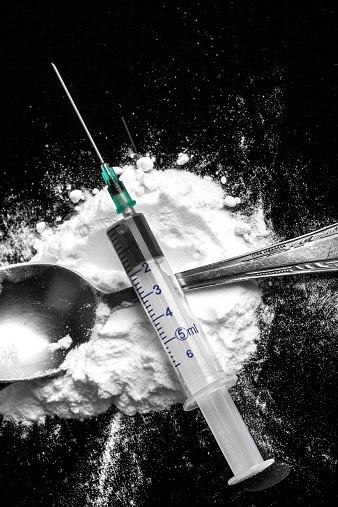
And the heroin his network moved poisoned Chicago. Not metaphorically. Literally. Block by block. Needle by needle. Body bag by body bag.
This is the story those body bags cannot tell for themselves. So someone must.
THE OPERATION
Beginning in 1988, the U.S. government became involved in the investigation of a white heroin trafficking network operating in Chicago, Illinois and Hammond, Indiana. The investigation disclosed that an individual known as Lee Andrew Edwards was a source of white heroin. 
The architecture of the ring, as revealed in a sworn affidavit by IRS Special Agent Kevin Moss, was precise and deliberate. The key figures were Adegboyega Mueez Akande and his nephew Abiodun Agbele, who was exposed to law enforcement after selling white heroin first to Lee Andrew Edwards — another dealer later jailed for attempting to murder a federal agent — and then directly to an undercover police officer. 
Akande subscribed to an electronic pager through which buyers placed orders for white heroin.  This was not a street corner operation. It was a logistics enterprise: heroin shipped from West Africa to the American Midwest, distributed through a network of trusted associates, profits laundered through bank accounts and financial instruments designed to make blood money look like legitimate income.
Abiodun Agbele arrived in the United States from Nigeria in February 1988 and confirmed that Akande — his uncle — had introduced him to the drug trade and instructed him to serve as the source of white heroin to Lee Andrew Edwards before Akande returned to Nigeria.  When Akande returned to Nigeria in mid-1990, Agbele was left in charge of selling regular heroin shipments from Nigeria to Lee Edwards and delivering the profits back to his uncle. 
On 20 November 1990, Agbele was arrested after selling one ounce of white heroin to an undercover law enforcement officer for $7,000. Upon his arrest, he cooperated with federal investigators.  His testimony unravelled the network — and led directly to Bola Tinubu.
WHERE TINUBU FITS
In December 1989, Tinubu went to First Heritage Bank in Chicago accompanied by Adegboyega Mueez Akande, whom he referred to as his uncle, and opened an individual money market account. Tinubu gave his address as 7504 South Stewart Avenue, Chicago — the same address Akande used as his heroin distribution base. On January 4, 1990, Akande wired $80,000 into Tinubu’s account. Two days later, Tinubu completed a credit application for an $8,000 loan to purchase an automobile, withdrawing $20,000 from the account. 
A 56-page document released by the federal district court in Chicago confirmed that Tinubu, along with individuals named K.O. Tinubu and Alhaji Mogati, were involved in banking the proceeds of illicit drugs and laundering money through Heritage Bank and Citibank. 
Judge John A. Nordberg of the United States District Court for the Northern District of Illinois ordered the forfeiture of funds found in ten of Tinubu’s accounts. The court found that the drug deal — specifically in white heroin — involved Tinubu, his wife Oluremi, and three family members. 
IRS Special Agent Kevin Moss stated in his sworn affidavit: “There is probable cause to believe that funds in certain bank accounts controlled by Bola Tinubu were involved in financial transactions in violation of U.S. laws and represent proceeds of drug trafficking.” 
This is not opposition research. This is a sworn statement by a federal law enforcement officer, preserved in a federal court record for over thirty years.
The forfeiture was the outcome of an investigation that linked over $2 million in several of Tinubu’s bank accounts to proceeds from the heroin trafficking of Adegboyega Mueez Akande and Abiodun Agbele, Chicago drug kingpins. 
THE DEAD
While Tinubu walked away from Chicago in 1993, $460,000 lighter but a free man, the heroin his network moved continued its work on the streets.
Illicit opiate overdose in Chicago peaked around the year 2000 and even at its subsequent decline still accounted for 35% of all accidental deaths to Chicago adults aged 18 to 64, with 45% of those overdose deaths occurring among African-American men.  These are not statistics. These are fathers who did not come home. Mothers found on bathroom floors. Children who grew up visiting graves instead of parents.
Fatal overdoses have been rising in the Chicago region for more than two decades. In the 1990s, many of the deaths resulted from the opioid pipeline that began with heroin — precisely the commodity Tinubu’s financial infrastructure was servicing. 
Cook County recorded 1,126 opioid overdose deaths in 2016 alone. By 2022, that number had reached 2,000 — a record — with over 70% of those deaths occurring within the city of Chicago. African Americans accounted for 56% of all overdose fatalities. 
In Illinois in 2022 alone, opioid overdose fatalities outnumbered fatal motor vehicle accidents by more than double, and outnumbered homicides by more than double. 
The pipeline Tinubu helped finance in 1988, 1989, and 1990 was not an isolated event. It was a foundation stone of an addiction ecosystem that has since consumed tens of thousands of American lives. The West Side of Chicago. The South Side. Hammond, Indiana. Working-class Black communities whose suffering has never once entered the conversation when Tinubu’s admirers speak of his “legacy.”
THE COVER-UP
A U.S. federal court has acknowledged that Tinubu was a subject of joint investigations by the FBI and DEA concerning money laundering linked to a heroin trafficking organisation in Chicago during the early 1990s.  When researcher Aaron Greenspan filed Freedom of Information requests seeking the full investigative files, the FBI, DEA, CIA, and IRS all refused — invoking so-called Glomar responses, neither confirming nor denying the existence of records.
Judge Beryl Howell of the U.S. District Court for the District of Columbia ruled that the agencies’ reasoning was “neither logical nor plausible” and ordered the FBI and DEA to release their files. 
The agencies argued, in federal court filings, that releasing Tinubu’s investigative records could “cause damage to U.S. national security.” Think carefully about what that means: a man investigated for heroin trafficking has become so entangled with American intelligence interests that exposing him is now, officially, a matter of national security. The protection is not for Tinubu the citizen. It is for Tinubu the asset — Tinubu the geopolitical instrument — whose exposure would embarrass powerful institutions that chose to look away.
This is how impunity is manufactured. Not in Lagos. In Washington.
THE MORAL BANKRUPTCY OF HIS DEFENDERS
Every Nigerian politician, media personality, intellectual, and diaspora figure who stands in defence of Bola Tinubu today must be asked, plainly and without diplomatic softening: what exactly are you defending?
You are defending a man whose bank accounts — ten of them — were seized by the U.S. government because federal agents found probable cause to believe the funds were proceeds of drug trafficking.
You are defending a man whose co-conspirators were Adegboyega Mueez Akande, the kingpin of a West Africa-to-Chicago heroin pipeline; Abiodun Agbele, who sold white heroin to an undercover cop; and Lee Andrew Edwards, who was later jailed for attempting to murder a federal agent.
You are defending a man who opened his drug account accompanied by his heroin supplier, listed his supplier’s trap house as his own home address, and accepted an $80,000 wire transfer five days after that account was opened.
You are not defending a man falsely accused. You are defending a man who settled — who forfeited $460,000 rather than stand trial. Who never faced a jury. Who walked away from Chicago and reinvented himself as a democrat, a statesman, a president.
The families on the West Side of Chicago never got to reinvent themselves. They buried their children.
When you defend Tinubu, you choose him over them. That is not a political position. That is a moral one. And history will not be kind to those who made it.
THE FOIA FILES ARE COMING
Judge Beryl Howell has ordered the release. The FBI and DEA must comply. The four individuals named in the criminal investigative records sought include Bola Ahmed Tinubu, Lee Andrew Edwards, Mueez Abegboyega Akande, and Abiodun Agbele.  When those files are released — and they will be — the world will see in unredacted detail what the court record has already told us in outline.
Tinubu cannot outrun this. His media machine cannot spin it. His security services cannot arrest it. The paper trail exists. The sworn affidavits exist. The forfeiture order exists. The names exist.
And the dead exist.
They are buried in Chicago cemeteries that Tinubu has never visited, in communities he has never acknowledged, in a chapter of American urban suffering he helped author and from which he profited and walked away.
That is the man who sits in Aso Rock. That is the man his defenders are asking you to respect.
The answer must be: no.
Kio Amachree is President of Worldview International, a Stockholm-based diaspora accountability and commentary platform. He writes on Nigerian governance, corruption, and international justice.
#TinubuDrugCase #ChicagoHeroin #TinubuMustGo #JusticeForChicago #NigeriaAccountability #TinubuFOIA #DEATinubu #FBIFiles #WorldviewInternational #TheKioSolution #NigeriaCorruption #TinubuDEA #HeroinNetwork #ChicagoOverdoseCrisis #AbiodunAgbele #MueezAkande #LeeAndrewEdwards #NigerianPresident #DrugLordPresident #AfricanAccountability
3
51
43
676
May 22
THE SON OF THE MAN WHO PUNCHED RACISM IN THE FACE — AND IS NOW PUNCHING BACK FOR NIGERIA
How the legacy of Chief Godfrey Kio Jaja Amachree — the most powerful Black diplomat in American history — forged the fearless voice now shaking Aso Rock to its foundations
By Kio Amachree
President, Worldview International
In 1963, at the height of America’s Civil Rights movement, twelve Black diplomats — Africans and West Indians serving at the United Nations headquarters in New York — took an elevator to the 14th floor. They were not going to protest outside on the street. They were going to see the most powerful Black man in America.
Chief Godfrey Kio Jaja Amachree QC received them in his office. As Under-Secretary-General of the United Nations — the man personally responsible for all UN Trusteeship operations and the management of the Congo conflict then convulsing Africa — he was not a man people came to lightly. But they came, twelve of them, because the problem they brought was grave: racism inside the United Nations itself. Systematic. Brazen. Humiliating. Directed at the very men who had come from newly independent nations to build a new world order.
My father listened. Then he asked one question.
Who is the main offender?
Twelve voices answered as one: a British Ambassador. A Knight of the Realm. A man still living in the age of Empire, still dispensing contempt to Black men as though independence had been a clerical error.
It was lunchtime. My father knew that most senior diplomats would be in the staff canteen. He told the twelve men to follow him.
What happened next has never been written in any official history of the United Nations. But it happened, and it was witnessed.
Chief Amachree walked into that dining room, located the British Ambassador at his table, pulled him from his chair, and beat him. Not metaphorically. Not diplomatically. He beat him.
Security watched. Diners watched. Not one person moved to intervene.
When it was over, my father straightened his jacket and walked out.
From that day, the racism stopped. Apologies were tendered. Accommodations were made. And the ripple effect spread far beyond the walls of the United Nations — into segregated restaurants, nightclubs, and establishments across New York City that had posted signs reading No Blacks Allowed. Those signs came down. President Kennedy was compelled to issue directives protecting African diplomats from discriminatory treatment across Washington and beyond.
One Nigerian. One act of uncompromising defiance. A country changed.
I tell this story not as nostalgia. I tell it as context.
When I write about Bola Ahmed Tinubu, when I file submissions with the FBI, the UK Serious Fraud Office, INTERPOL, and the Israeli Prime Minister’s office, when I submit letters to the UN Secretary-General demanding accountability for the killing of my cousin Ibisiki Amachree — a Rivers State electoral worker shot dead by Nigerian Army personnel in 2019 — I do so as the son of a man who taught me one immovable lesson: do not accept rubbish from anyone.
I have no fear for titles. I have no fear for palaces. I have no fear for the men with guns who surround stolen power. What I see in Aso Rock today is precisely what my father saw in that UN dining room in 1963 — a system of organised oppression operating under the protection of impunity, sustained by the silence of those who should know better, and dependent entirely on the willingness of its victims to remain quiet.
I am not quiet.
Some have asked what I have done for Nigeria. To those people I offer not a biography but a mirror. Look at what is happening. Look at the documented evidence now in the hands of international law enforcement agencies. Look at the formal legal submissions, the court records, the intelligence files, the congressional and parliamentary correspondence. Look at the walls beginning to crack.
I did not build this platform by sitting on enemy territory making demands that could not be enforced. One does not confront the Devil in his own house and expect to survive it long enough to finish the job. I have seen the inside of a Nigerian prison. I have no desire to see it again. I operate from where I operate for a reason — protected by law, by allies, by a government that recognises my right to speak, and by a security architecture that my father would have understood immediately.
He was also, for most of his life, more effective abroad than at home. That was not weakness. That was strategy.
Chief Godfrey Kio Jaja Amachree was Nigeria’s first Solicitor-General, its first Permanent Secretary of the Federal Ministry of Justice, the first African Under-Secretary-General of the United Nations, the first Nigerian awarded a private oil block, the founding Chairman of the Nigerian Football Association, and General Gowon’s personal envoy to Washington during the Civil War. He was educated in the finest traditions of English law and governance and used every tool that education gave him — not to serve the system that built it, but to dismantle its abuses.
The British colonial establishment called him anti-white. They meant it as a slur. He wore it as a credential.
I am his son. I attended the same schools that bred powerful men. My network spans presidents, prime ministers, and the leaders of international commerce and industry. For most of my adult life I chose to hold this power in reserve — out of respect for relationships, out of deference to a country I still loved, out of the misguided hope that others would step up.
That patience has now ended.
You cannot silence history. You can attempt to silence the historian — through threats, through abuse, through the machinery of state intimidation — but the record exists. The receipts exist. The court documents exist. The declassified files exist. The June 2026 federal court deadline for FBI and DEA file disclosure exists.
And I exist.
To those who have spent these months hurling abuse, questioning my legitimacy, demanding to know what right I have to speak — I say this with the full weight of the name I carry:
I dare you to take me on.
My father pulled a Knight of the Realm out of his chair in 1963 and restored the dignity of an entire continent’s diplomats in one afternoon. He did not ask for permission. He did not file a complaint. He did not wait for a committee.
He acted.
I am acting. From my power base. Within my legal system. Protected by my government. And I intend, before this is over, to do for Nigeria what my father did for those twelve men in an elevator — end the nonsense, once and for all, before it ends Nigeria.
Kio Amachree is President of Worldview International, a Stockholm-based civic accountability and diaspora engagement platform. He writes as an independent commentator with no party affiliation, government contracts, or financial sponsorship.
HASHTAGS:
#ChiefAmachree #NigeriaAccountability #TinubuMustAnswer #WorldviewInternational #KioAmachree #NigerianDiaspora #TheKioSolution #UnitedNations #CivilRights1963 #NigeriaGovernance #AntiCorruption #IBisikiAmachree #JusticeForIbisiki #DiasporaVoice #NigeriaDeservesBetter #FBIFiles #UKSeriousFraudOffice #Chagoury #NyesomWike #AsoRock #AmachreeDynasty #KalabariRoyal #LegacyAndAccountability #FearNoEvil #SpeakTruth #NigeriaRising
1
13
18
419

May 12
May 10

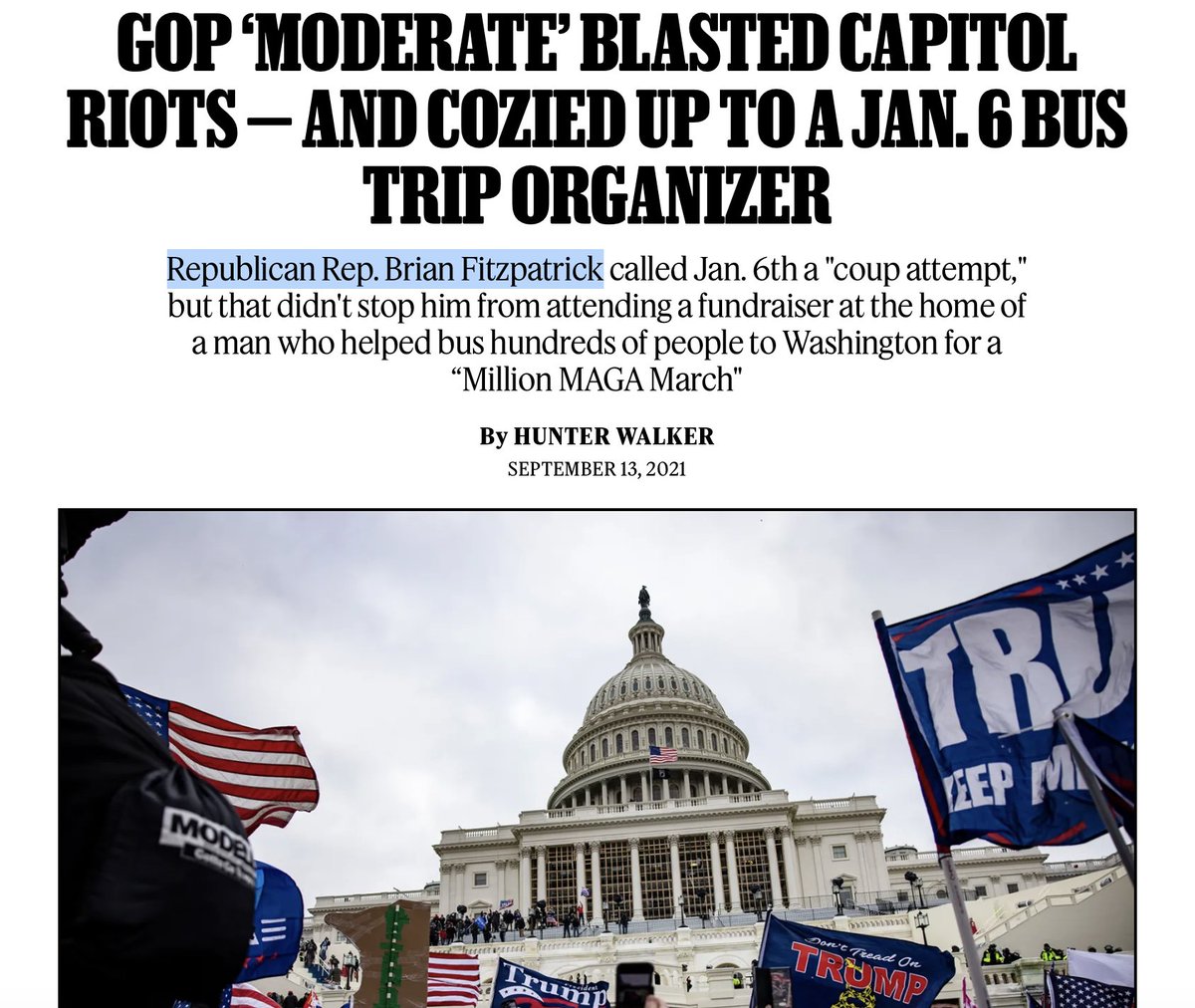
Harvie was not the subject of investigation, as locally reported.
But I want to know more about the private, professional advice that @RepBrianFitz whispered to FBI person-of-interest/fatcat #PA01 donor/Trump-licker "J6" Worthington.
18

May 10
What happens when the mundane files at the FBI cross paths with the extraordinary? Dive into this declassified document and decide for yourself. Is it just a story, or is there more to uncover? 🔍 #FBIFiles #UFOEnigma war.gov/medialink/ufo/releas…
#TheWarFiles #Declassified #UAP #FBI
1
54

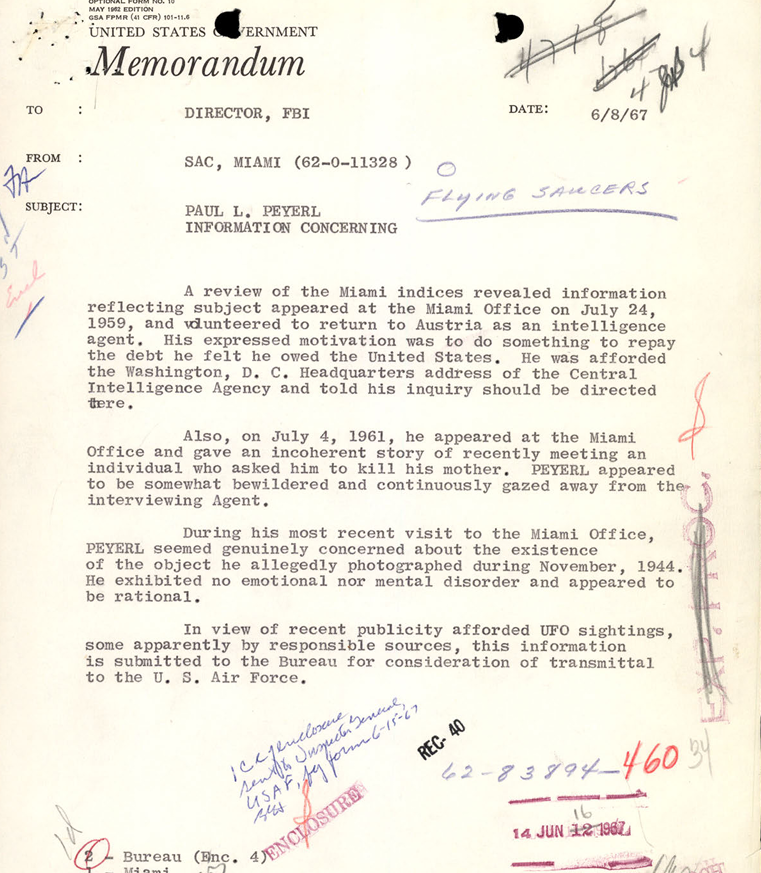
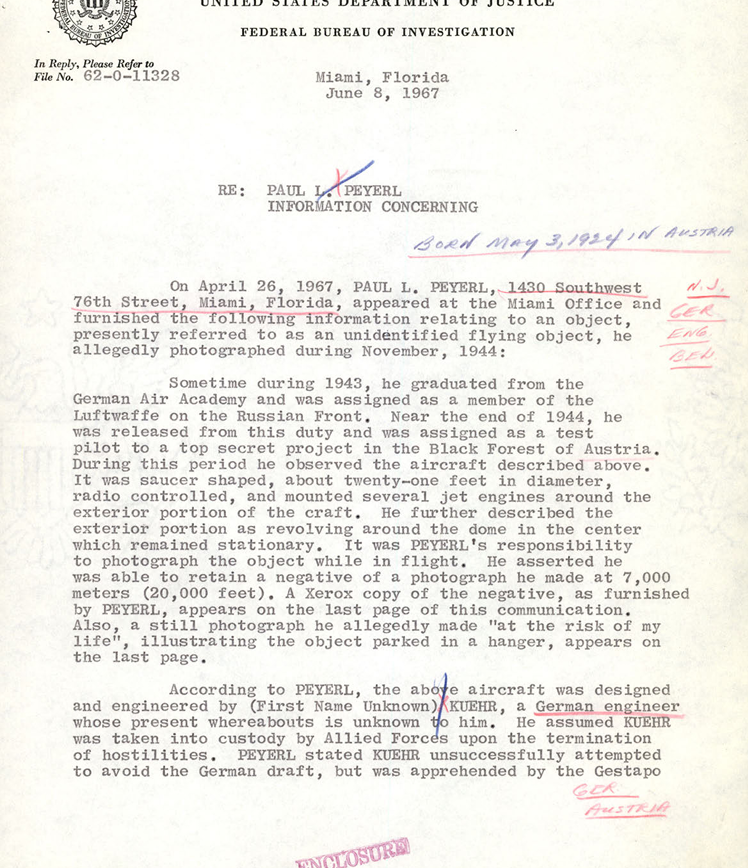
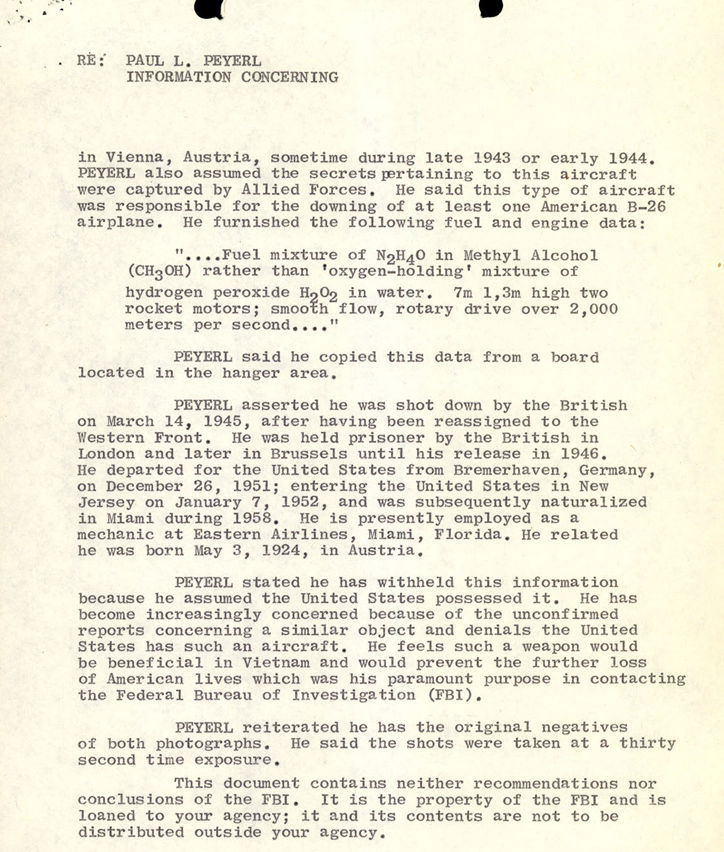
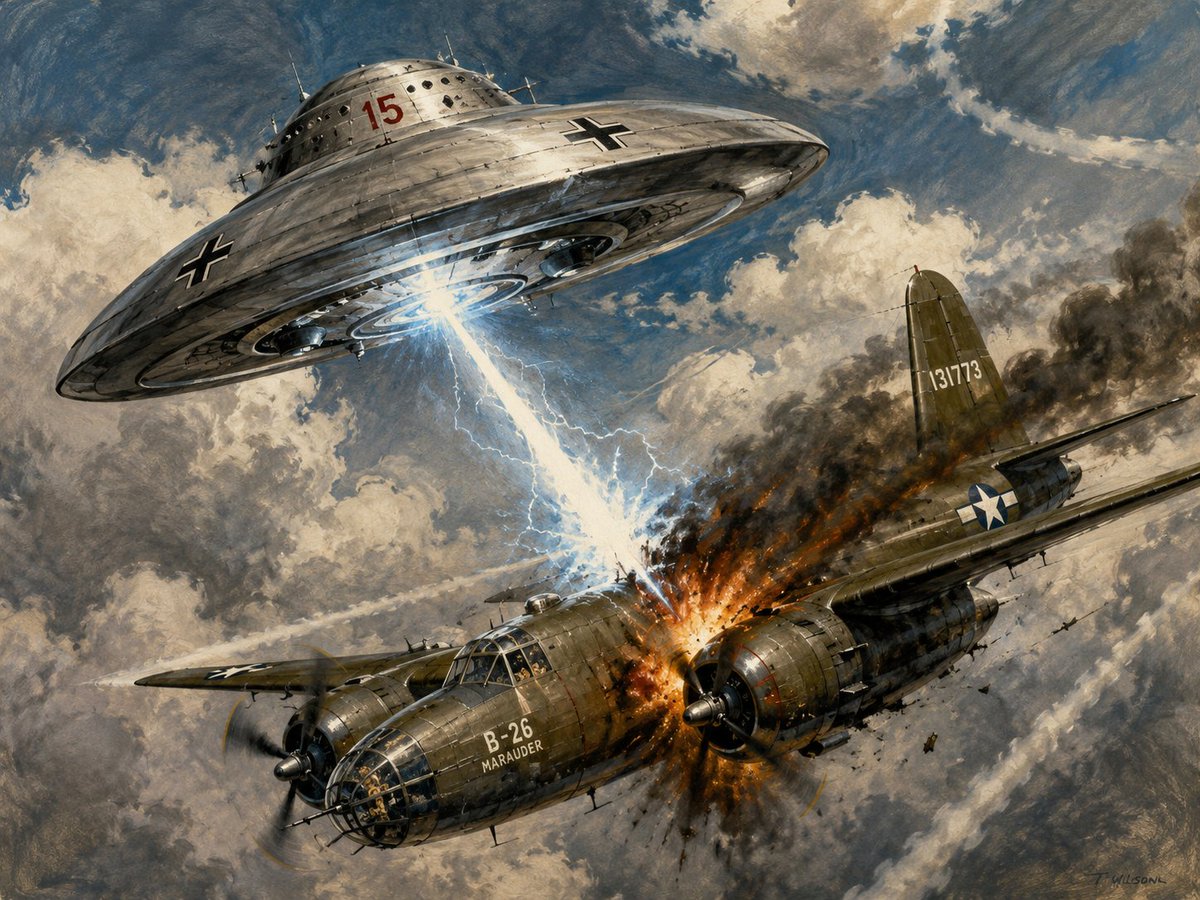

May 9
We used AI to enhance the released #ufofootage 👀 🛸
#fbifiles #conspiracytheories
youtube.com/shorts/mYm1fmtW5…
55
May 9
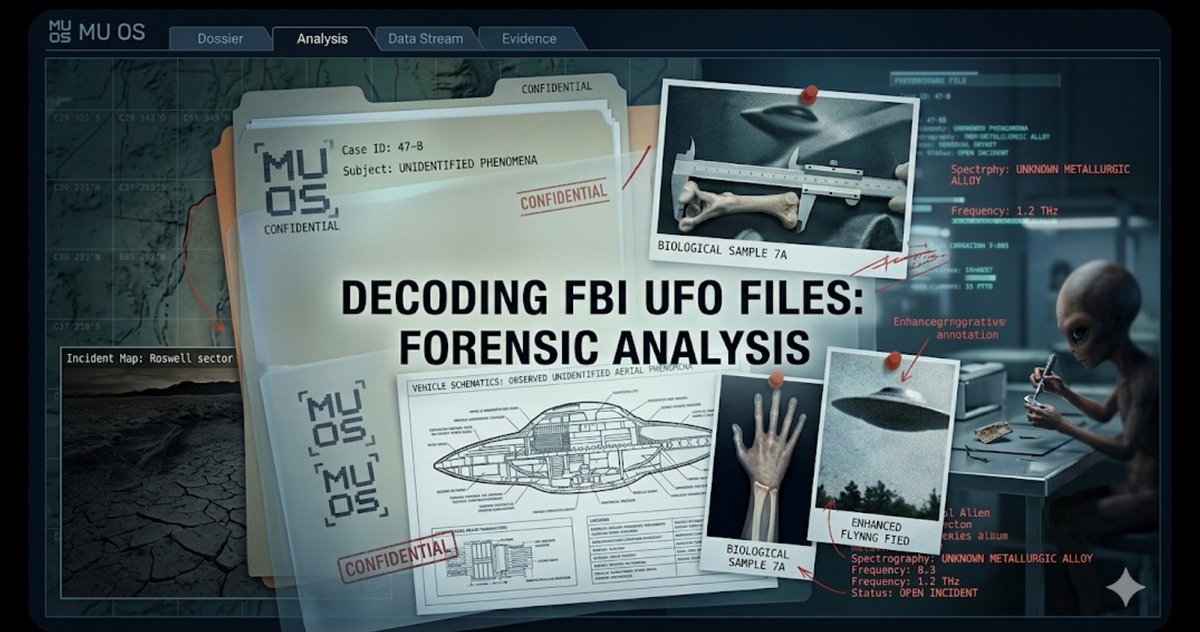
👽 DECODING RELEASED #UFO #FBIFILES :
Archive Structure and History
👉🏽 The Vault: The FBI maintains an electronic FOIA library called "The Vault," which houses approximately 7,000 digitized pages of UFO-related records organized into 16 distinct parts.
👉🏽 Investigative Window: While the Air Force (Project Blue Book) was the primary investigator, the FBI served as a critical intelligence conduit between 1947 and 1954, verifying sightings at the Air Force's request.
👉🏽 Classification 62: Most early UFO reports were filed under "Classification 62" (Miscellaneous Subversive), a bureaucratic catch-all category used for matters that did not fit standard criminal investigations.
#SOVEREIGNSIGNALS #UFOFILES #CONSPIRACYTHEORIES
1
89

May 9
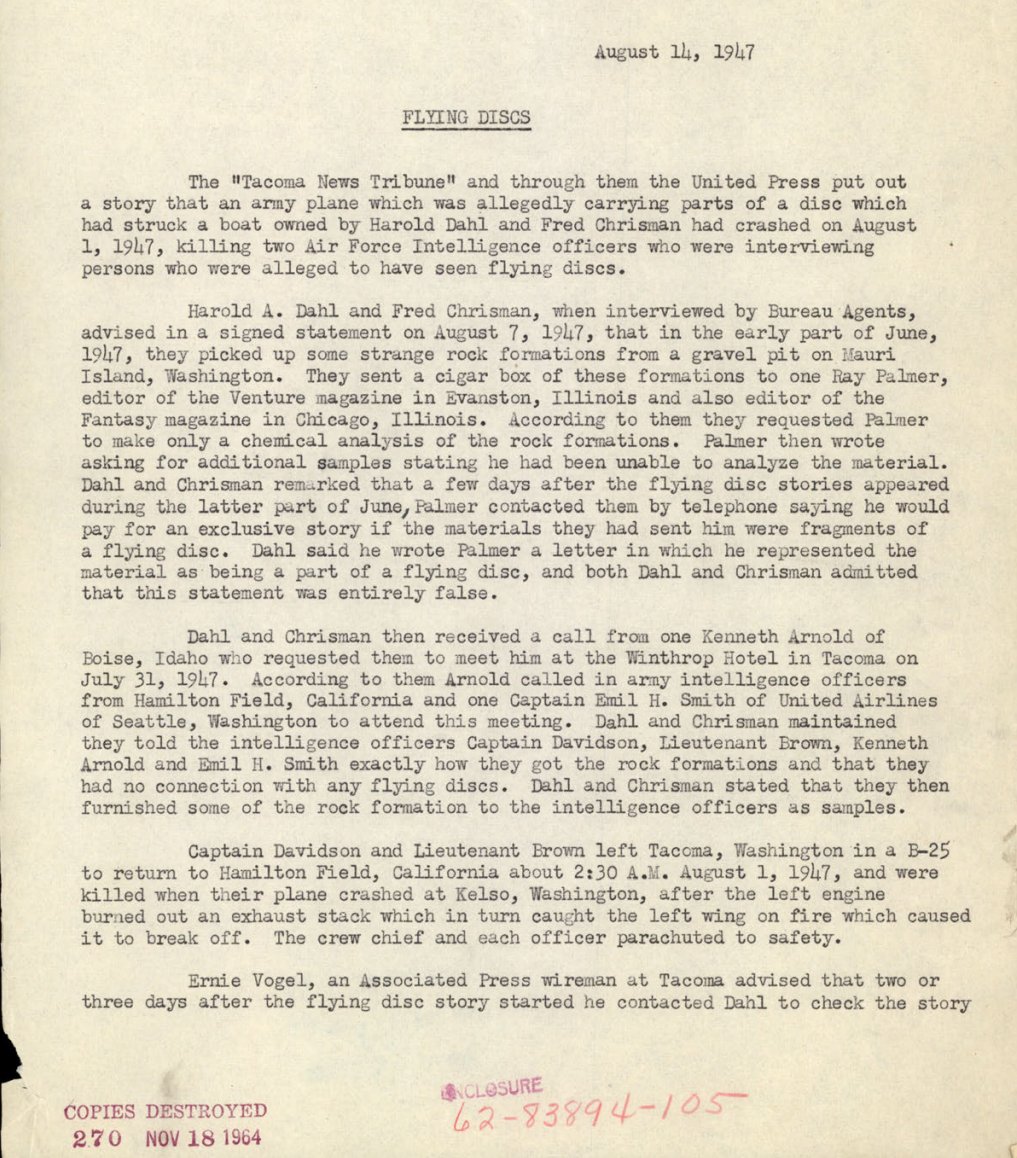
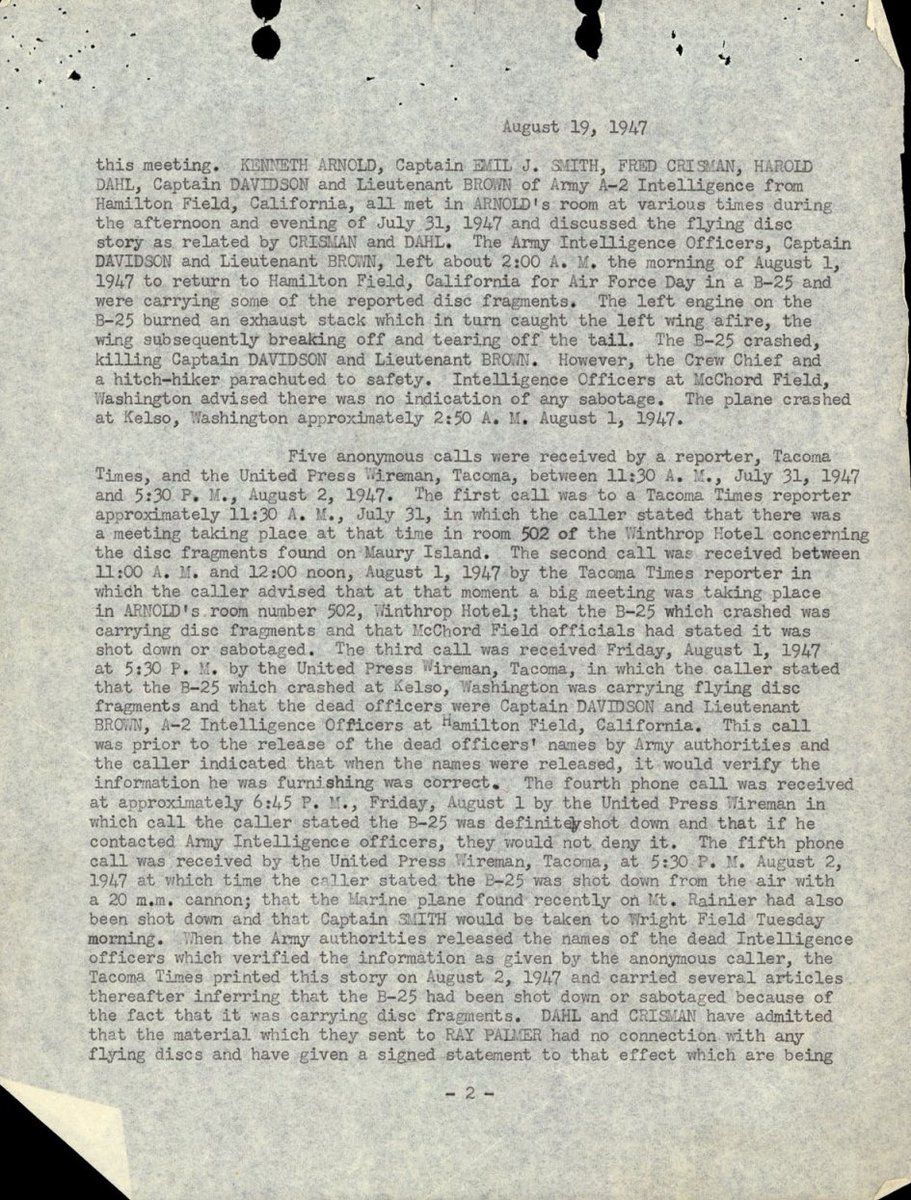
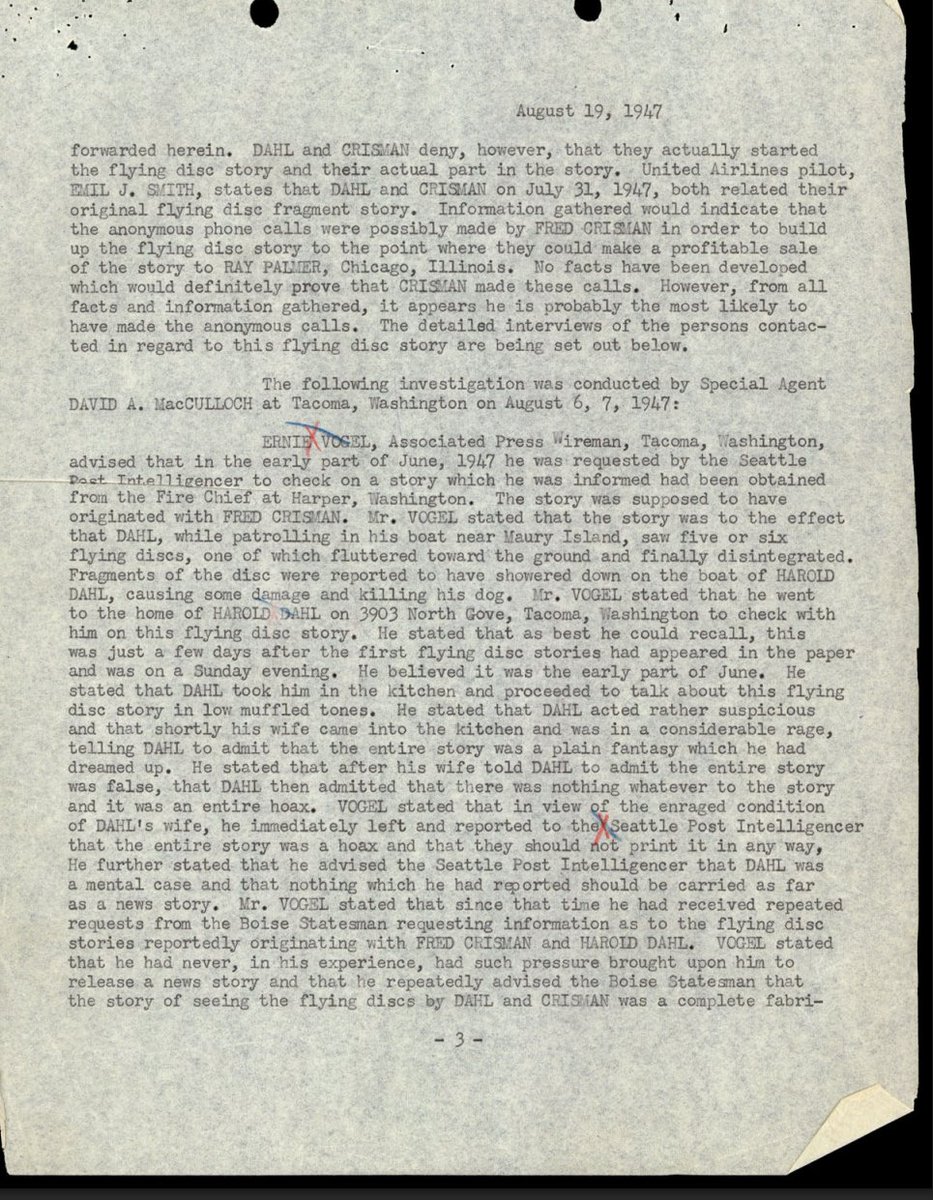
The Maury Island Hoax – Straight from the Newly Released 2026 UFO Files
These scanned FBI documents (from the 62-HQ-83894 case file) detail the Maury Island Incident of June 1947 — one of the very first major UFO stories that exploded alongside Kenneth Arnold’s sighting.
What the Witnesses Claimed:
Harold Dahl and Fred Crisman said they saw 6 donut-shaped flying discs near Maury Island, Washington.
One disc allegedly malfunctioned, dropped metallic slag-like debris onto their boat, damaged it, killed their dog, and injured Dahl’s son.
They collected samples and sent them to sci-fi magazine editor Ray Palmer.
What the FBI Investigation Found (1947):
Dahl and Crisman admitted in signed statements that the entire flying disc story was false.
The “debris” was just ordinary rock formations from a gravel pit on Maury Island.
They fabricated the story hoping to sell it to magazines for money.
Dahl later confessed to his wife that it was “a plain fantasy” and got angry when she called him out.
Multiple anonymous phone calls pushing the hoax story were likely made by Crisman.
Verdict in the FBI’s own words:
The whole thing was a complete fabrication created for publicity and profit.
#MauryIsland #UFOHoax #UFO #UFOHistory #1947 #FlyingSaucers #KennethArnold #FBIFiles #UAP #Declassified #UFOFiles
1
138

May 8
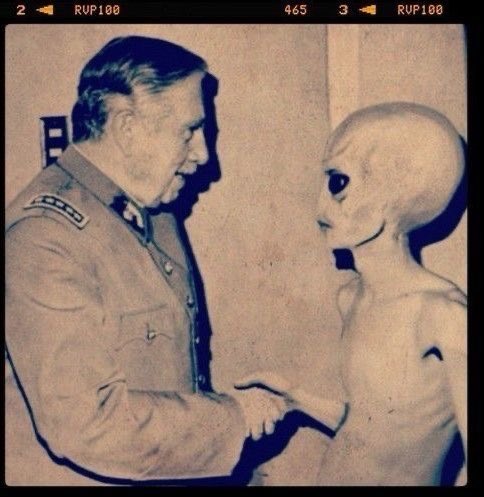
Declassified FBI File 6754-ET: 1938 Berlin. Director Hoover’s private note — ‘Subject “Grey” confirmed handshake with Reich Chancellor. No visible technology transfer observed, but the little bastard’s grip was ice cold. Recommend immediate surveillance of all Thule Society saucer clubs. Roswell was not the beginning.’
— J. Edgar Hoover, stamped TOP SECRET / MAJIC-12
#aliens
#fbifiles
#ufo
1
1
4
5,850


Apr 17
Russia, Cuba, and the Mob all had motives, but only one entity had the access to control a Naval Hospital autopsy.
#JFK, #MilitaryHistory, #ConspiracyTheory, #NavalHospital, #AutopsySecrets, #TrueCrime, #HistoricalMysteries, #FBIFiles
1