
12 Dec 2025
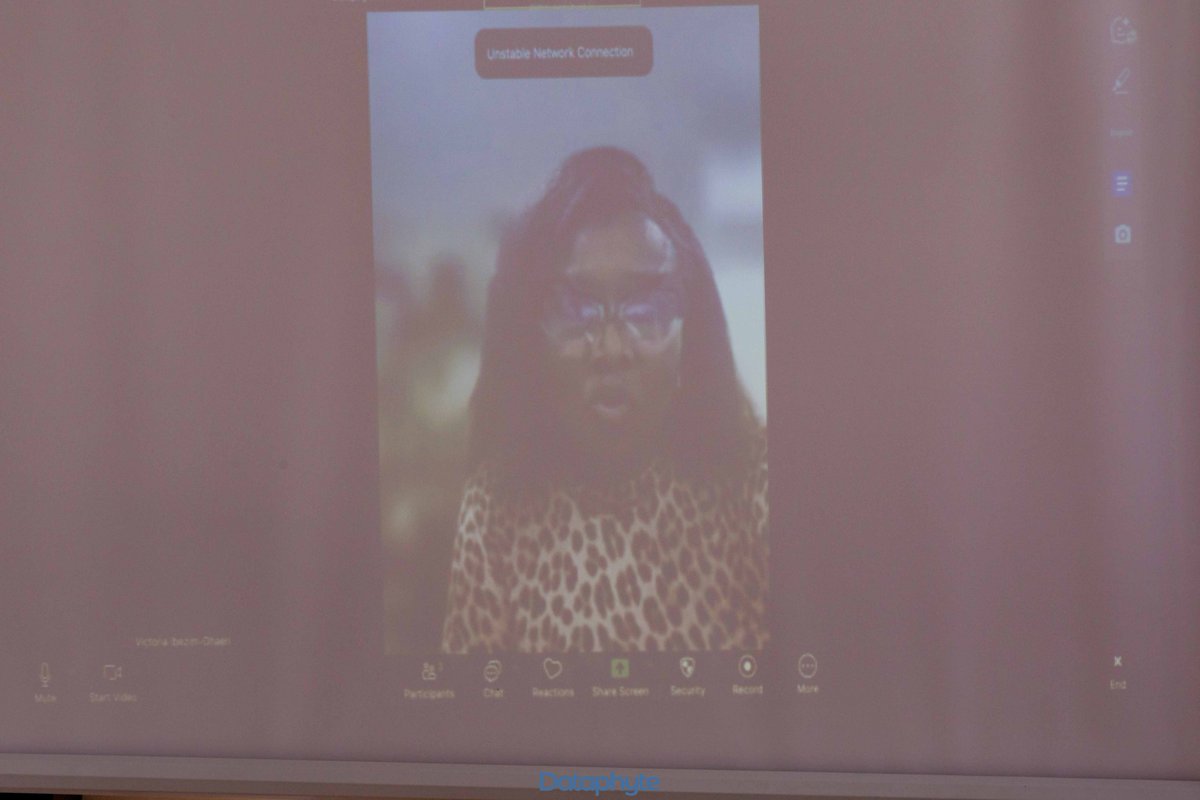
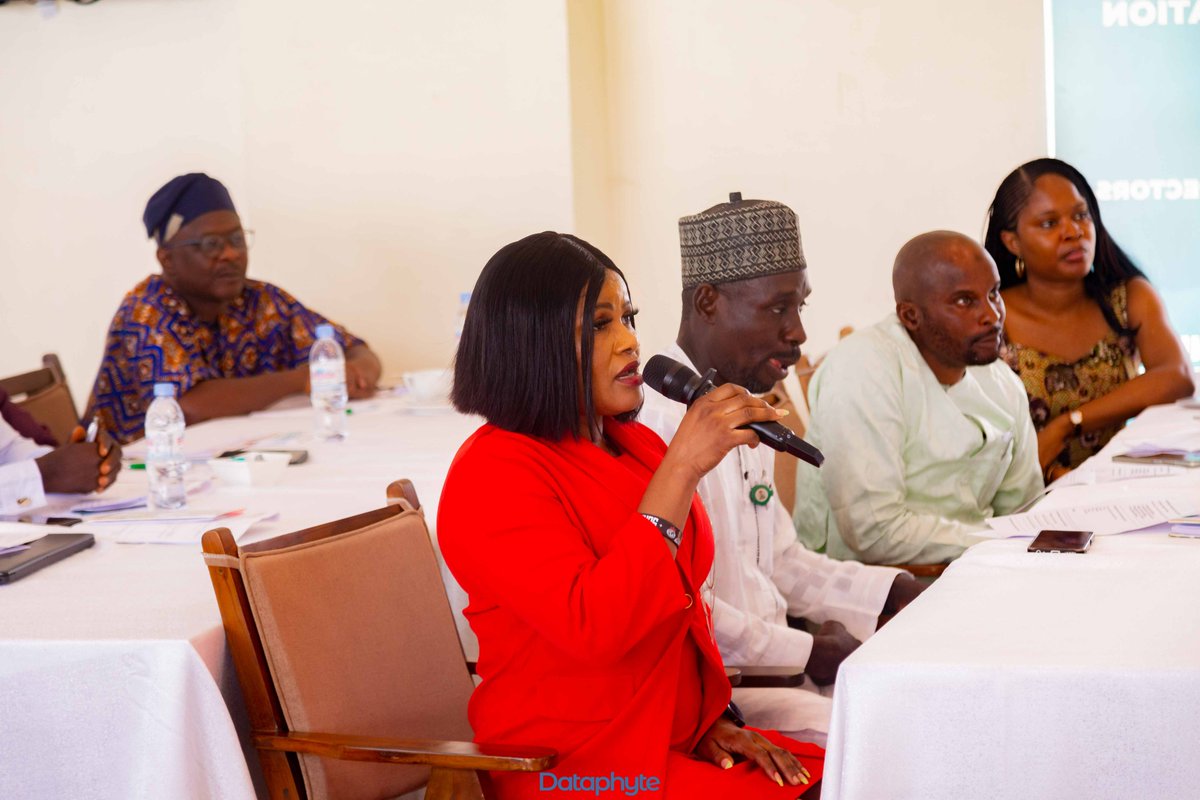
Spaces for Change (S4C)'s Executive Director, @VictoriaOhaeri delivered a session on Communicating Resilience, focusing on how journalists can better understand and report on the structures that sustain community stability.
She discussed the role of community associations and peace actors, explaining how these local groups serve as first responders during tensions and crises. The session examined community resilience models and provided guidance on identifying local resilience actors whose work often goes unreported. She also outlined strategies for reporting on community resilience efforts, highlighting the importance of documenting collaboration, problem-solving mechanisms, and community-led initiatives that strengthen local capacity to withstand shocks.
The session directly contributed to the masterclass objectives by strengthening participants’ capacity to highlight resilience and peacebuilding initiatives within their communities. With these reporting approaches, grassroots and community broadcasters can deliver fact-based, conflict-sensitive, and solution-oriented stories that foster peace, reinforce local accountability, and support community resilience.
#PCPS #PeopleCentredPublicSafety #Dataphyte #MediaLiteracy #FactDrivenReporting #DataForDevelopment
1
4
112
12 Dec 2025
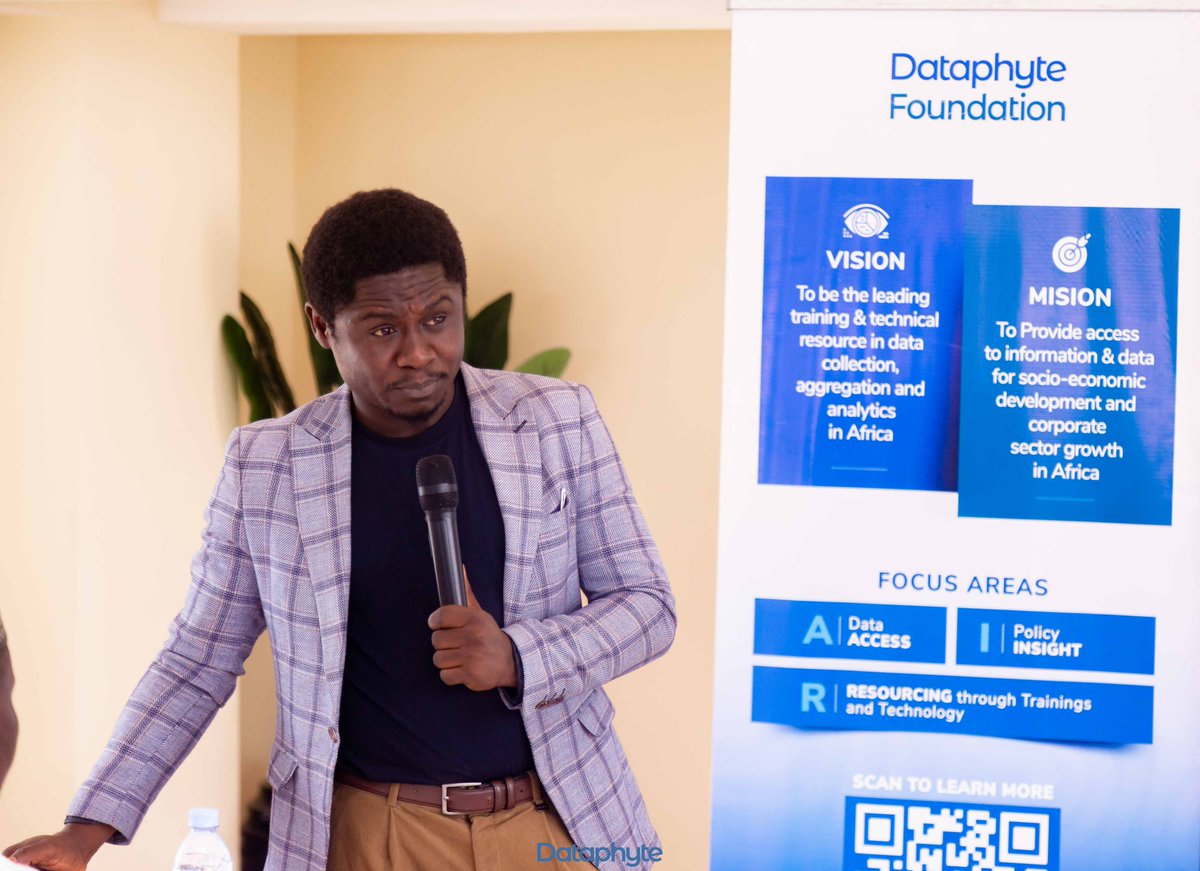
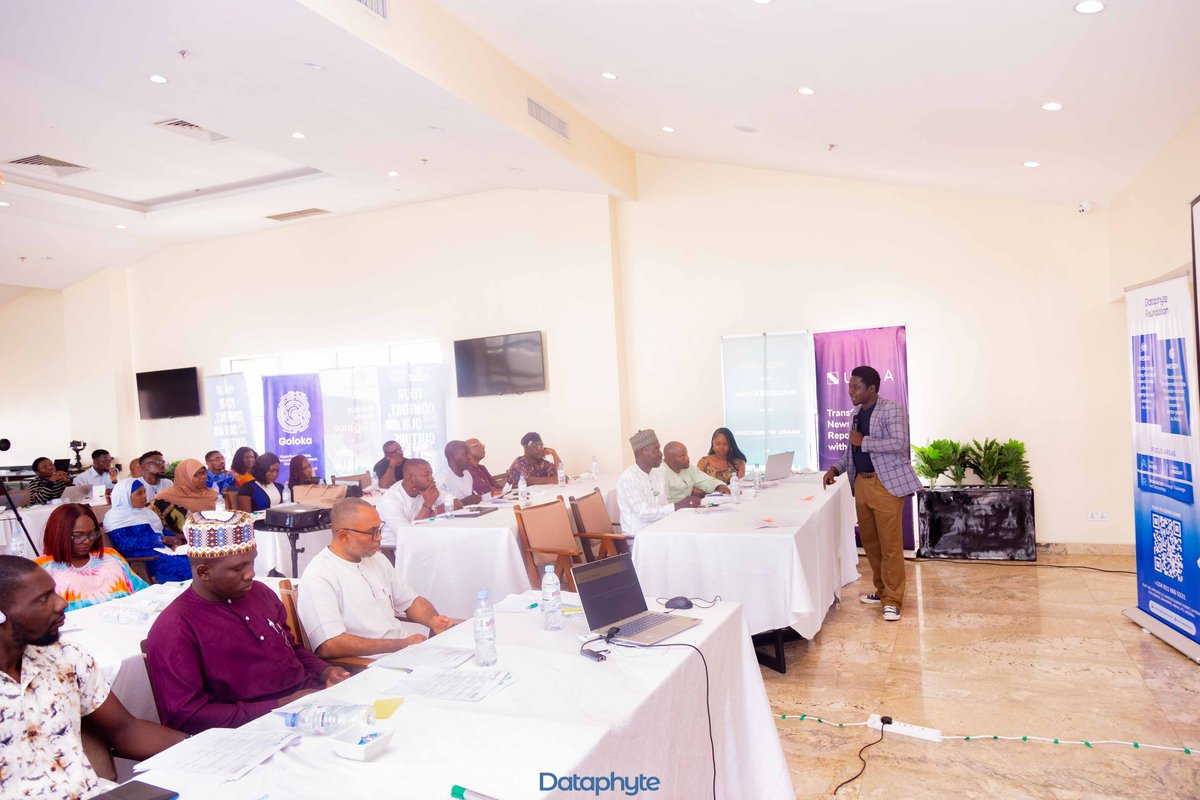
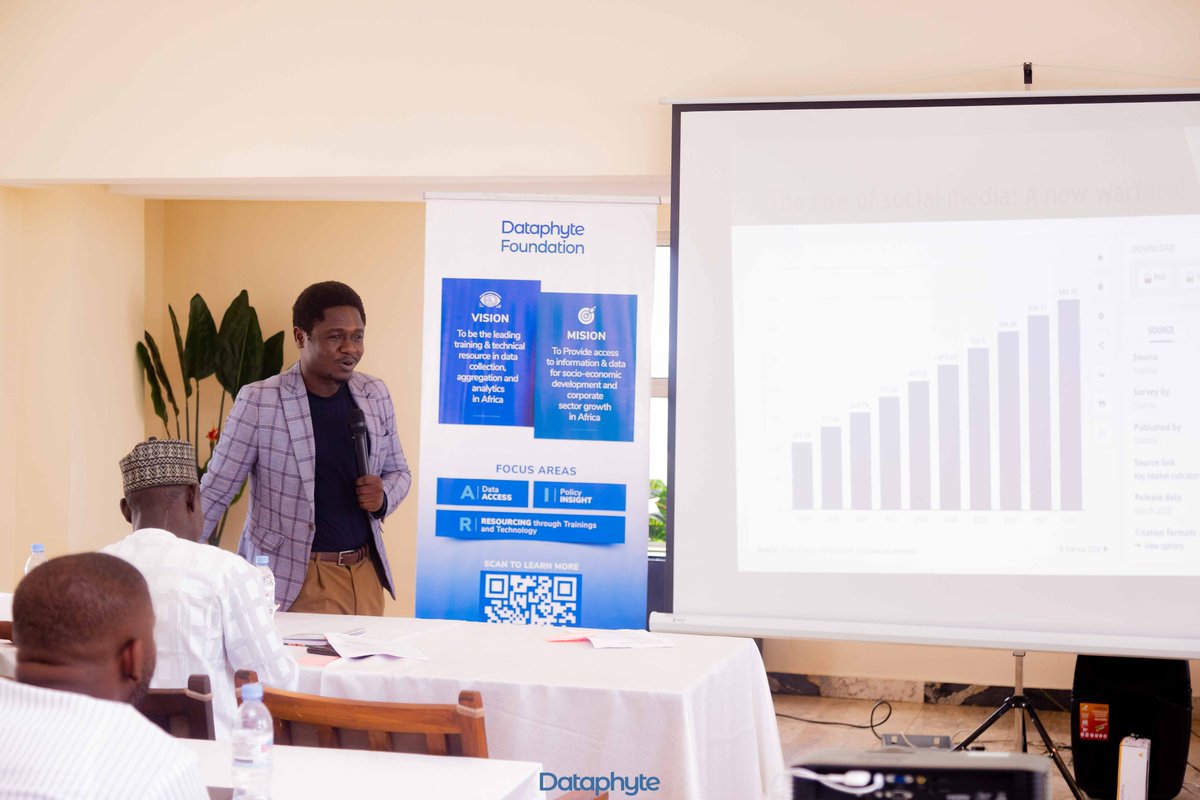
Centre for Journalism Innovation and Development's Research and Digital investigations Manager,
@Silas2Silas led a session on Digital Verification & Responsible Online Reporting, focusing on the challenges and responsibilities of journalists in the digital space.
He explored the dynamics of online misinformation and its impact on communities, highlighted practical measures for digital safety, and emphasized the ethical use of social platforms, stressing accuracy, verification, and professional responsibility.
@Silas2Silas also underscored journalists’ duty to prevent harm by verifying information, avoiding panic or misinformation, and protecting the identities of vulnerable individuals, noting that responsible online reporting requires attention to verification, context, and broader social impact.
The session reinforced the objectives of the masterclass by equipping participants with skills to produce fact-driven, conflict-sensitive, and solution-oriented reporting in digital spaces. By applying digital verification techniques and responsible online practices, community and grassroots-focused broadcasters are better positioned to support peacebuilding, strengthen local accountability, and enhance community resilience, ensuring their reporting contributes positively to informed and safe communities.
#PCPS #PeopleCentredPublicSafety #Dataphyte #MediaLiteracy #FactDrivenReporting #DataForDevelopment
4
5
217
12 Dec 2025
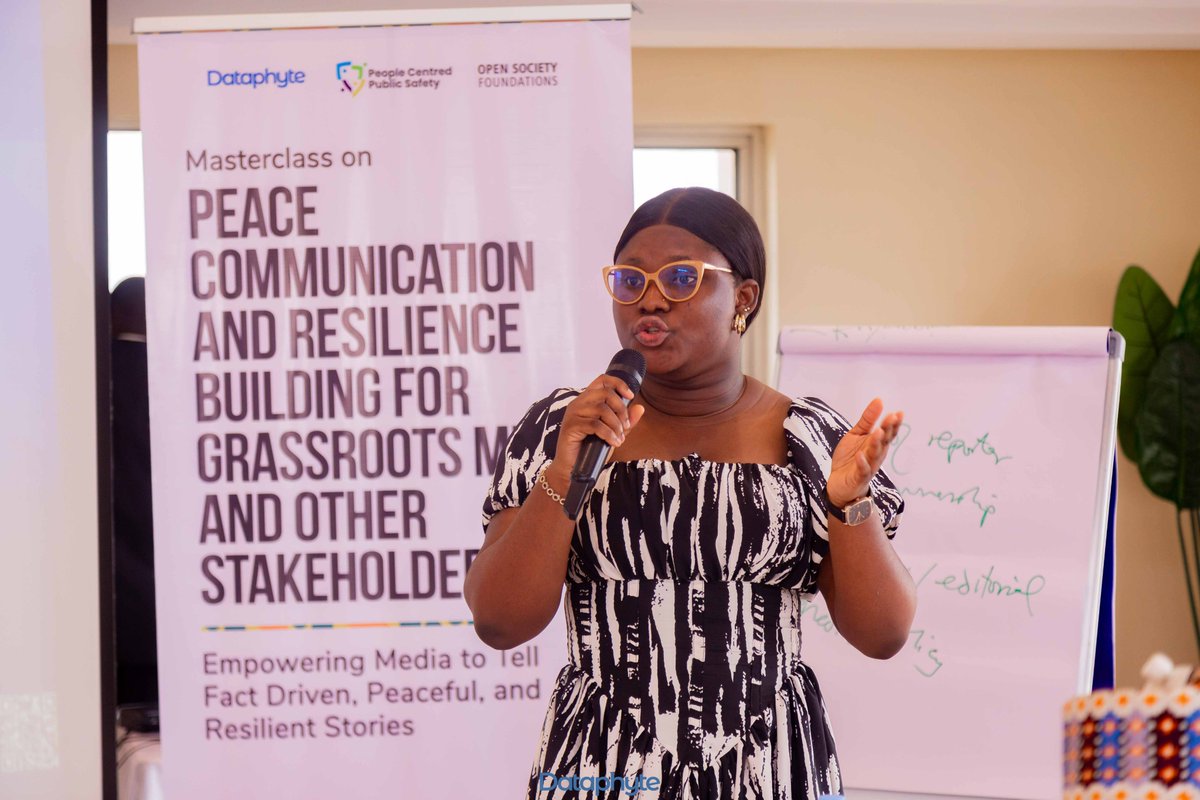
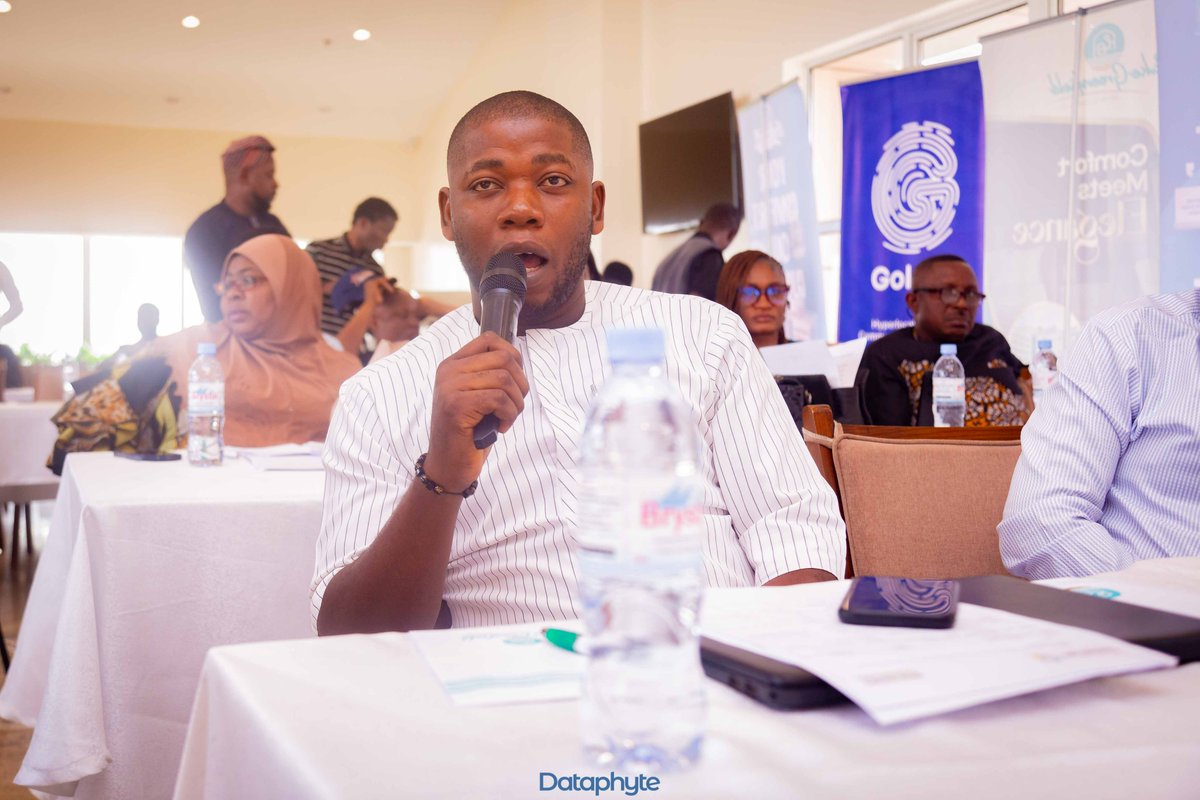
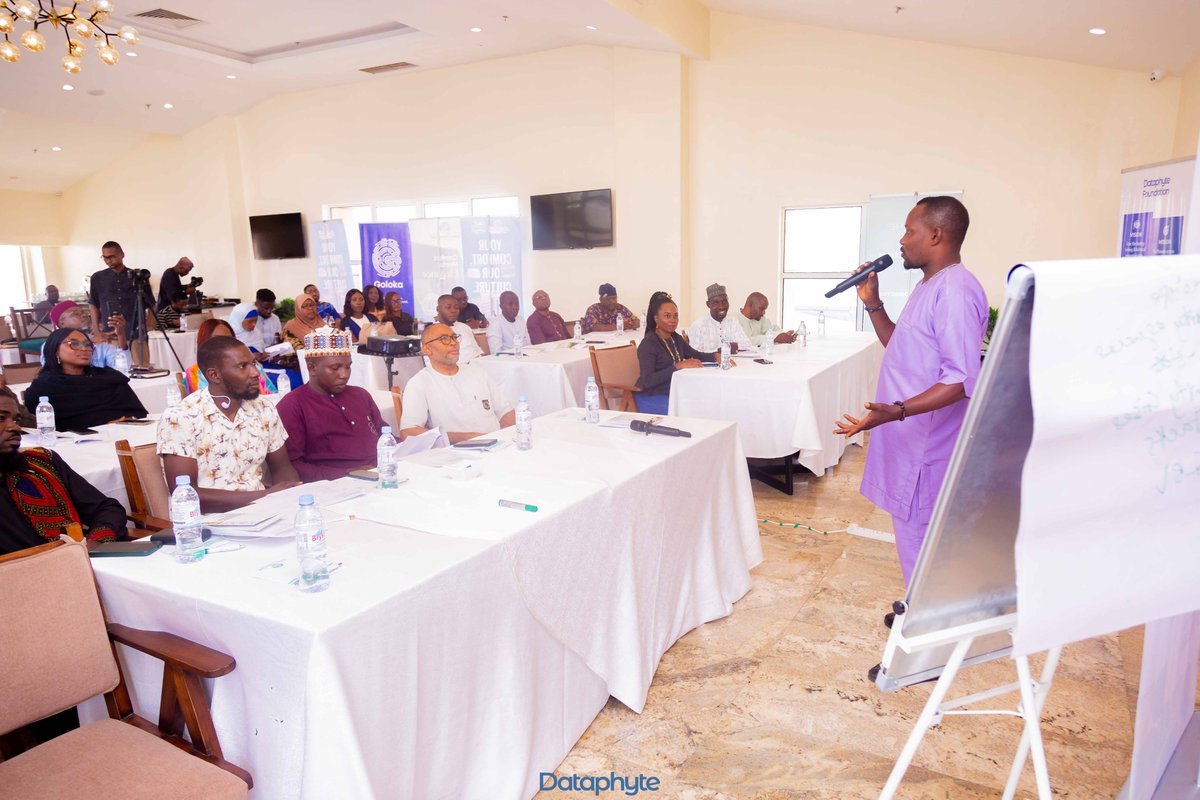
We commenced Day 2 of our Masterclass on Peace Communication and Resilience Building for Grassroots Media and Other Stakeholders with a short recap of the learnings and intriguing moments from yesterday’s session.
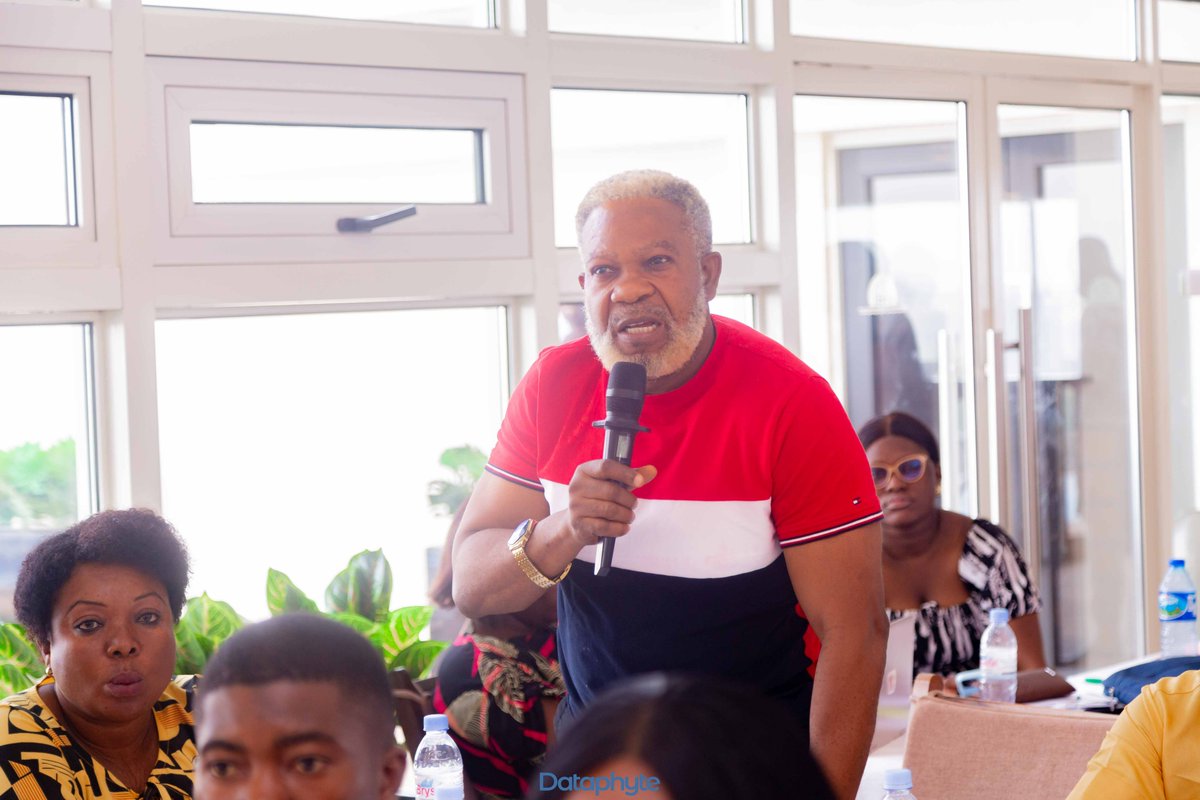
@egwu_linus - Senior Communication Officer, @lawyersalertng shared his learnings from yesterday’s session, emphasizing on the significant role of the media more specifically, broadcast media, in driving change, supporting peace initiatives, and strengthening community resilience and good governance.
Also, Susie Ogun, Senior Reporter, @GLORYFM97 Radio, Bayelsa State shared her learnings on the influence of misinformation and disinformation on peace and conflicts in the grassroots.
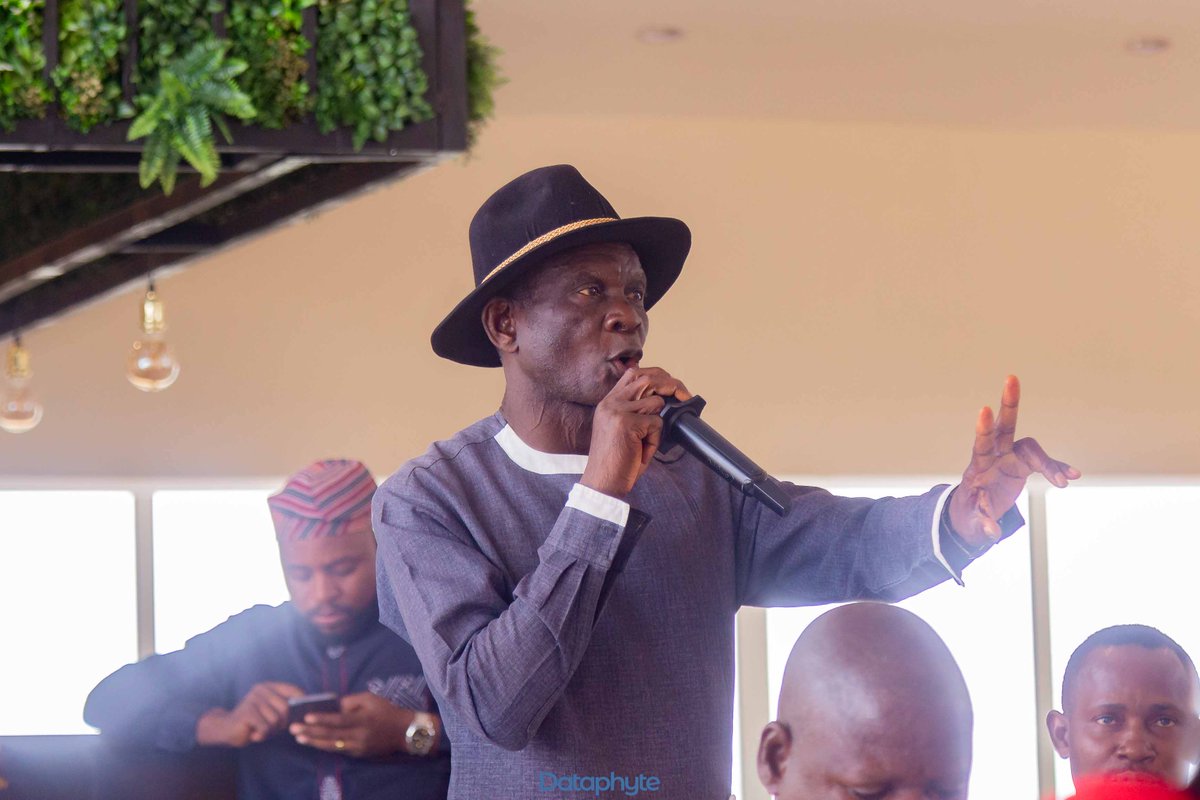
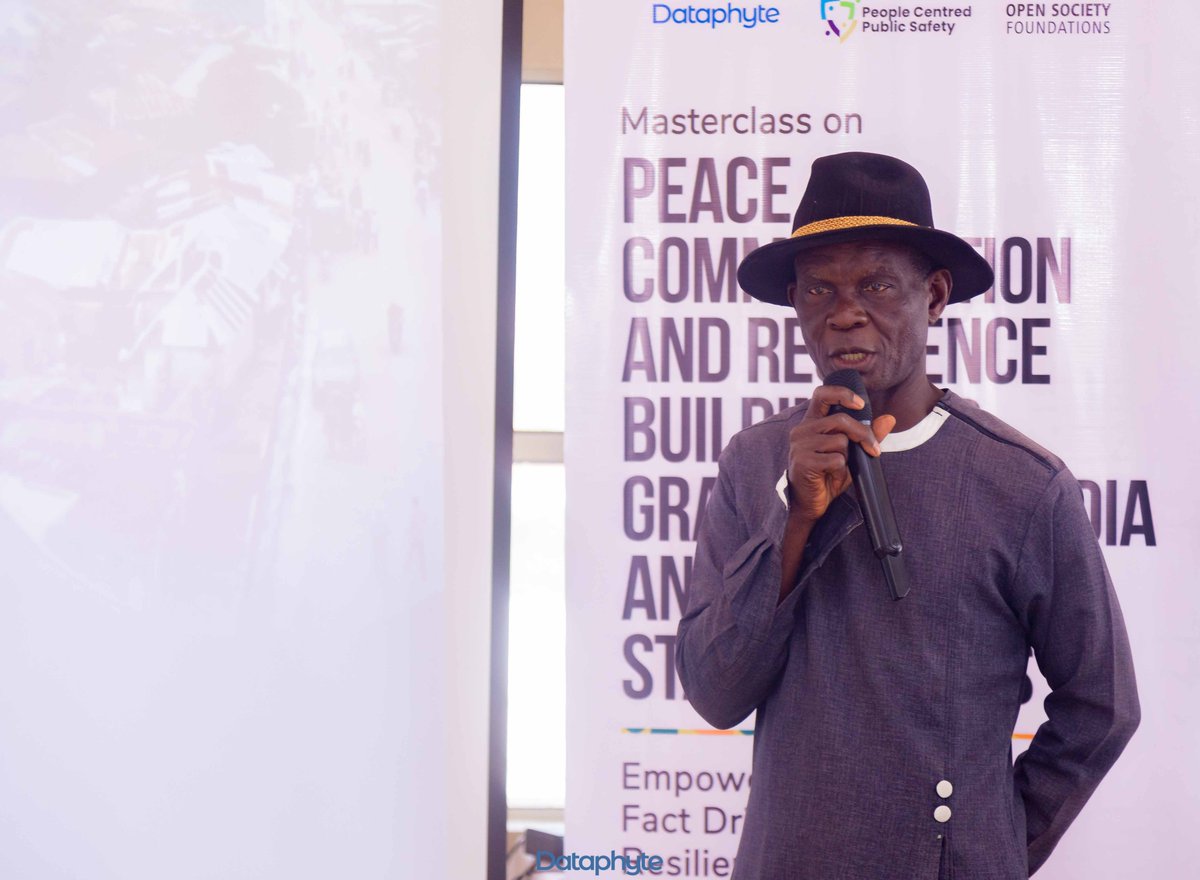
Mr. Bolou-Sobai Woriepere Stephen - the Chairman, Bayelsa State Vigilante Group and Mr. Clever Amada, Chairman, Artisan Fishermen of Nigeria, Bayelsa State, shared their on the ground experience on security and conflict issues in Bayelsa State, and their approach to managing the situation and keeping the community safe.
They urged for an inclusive, data-driven and intelligence-based approach in managing peaceful co-existence at the grassroots.
#PCPS #PeopleCentredPublicSafety #Dataphyte #MediaLiteracy #FactDrivenReporting #DataForDevelopment
2
3
140
11 Dec 2025
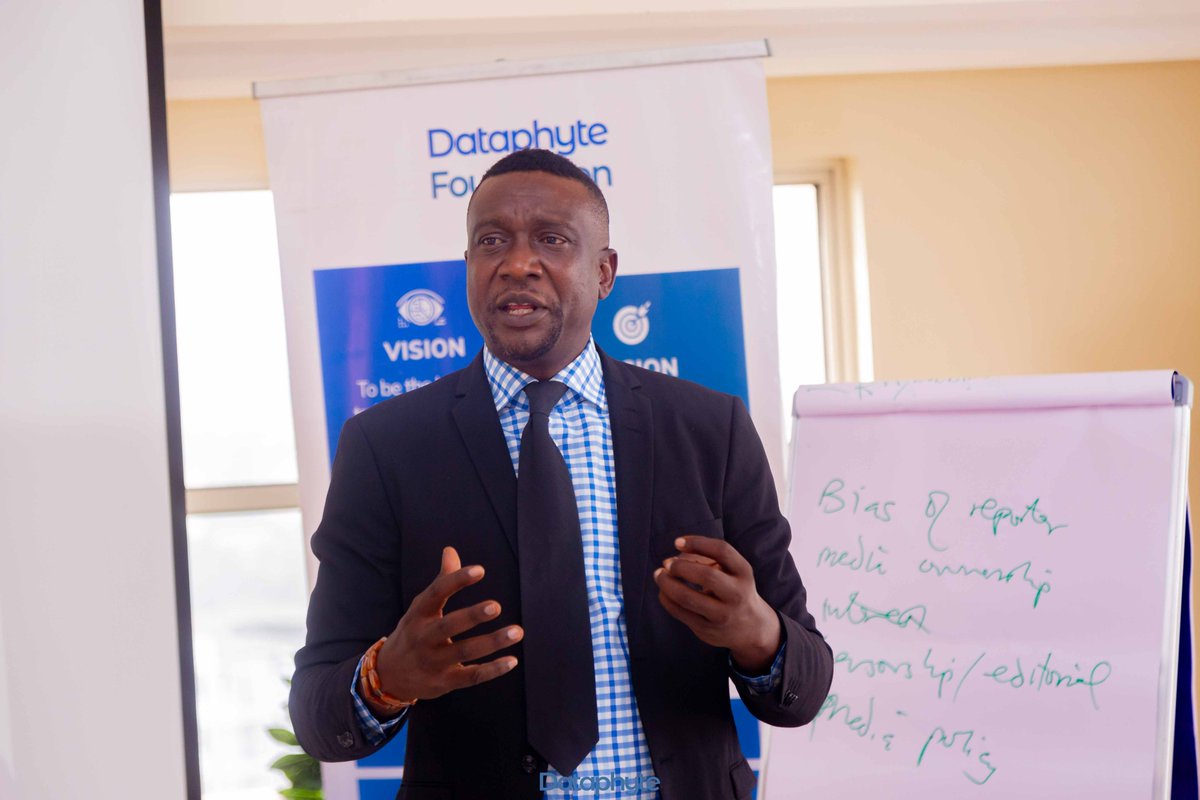
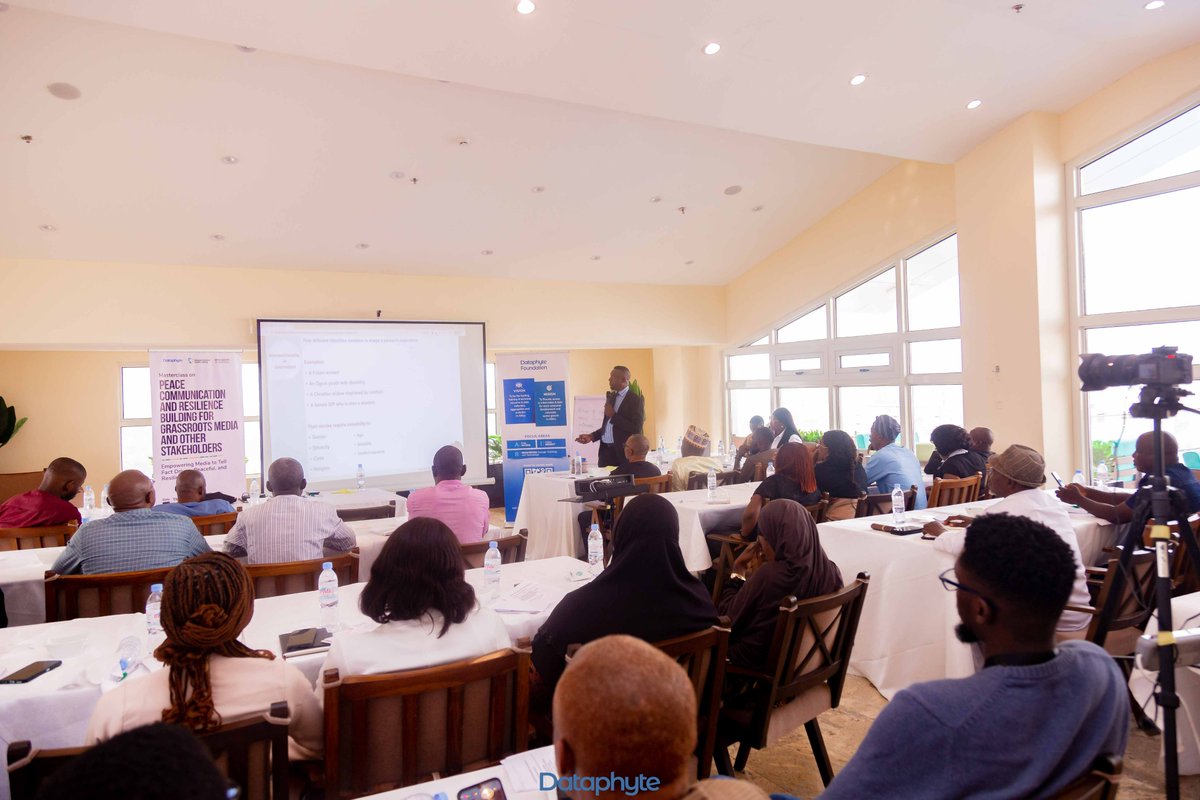
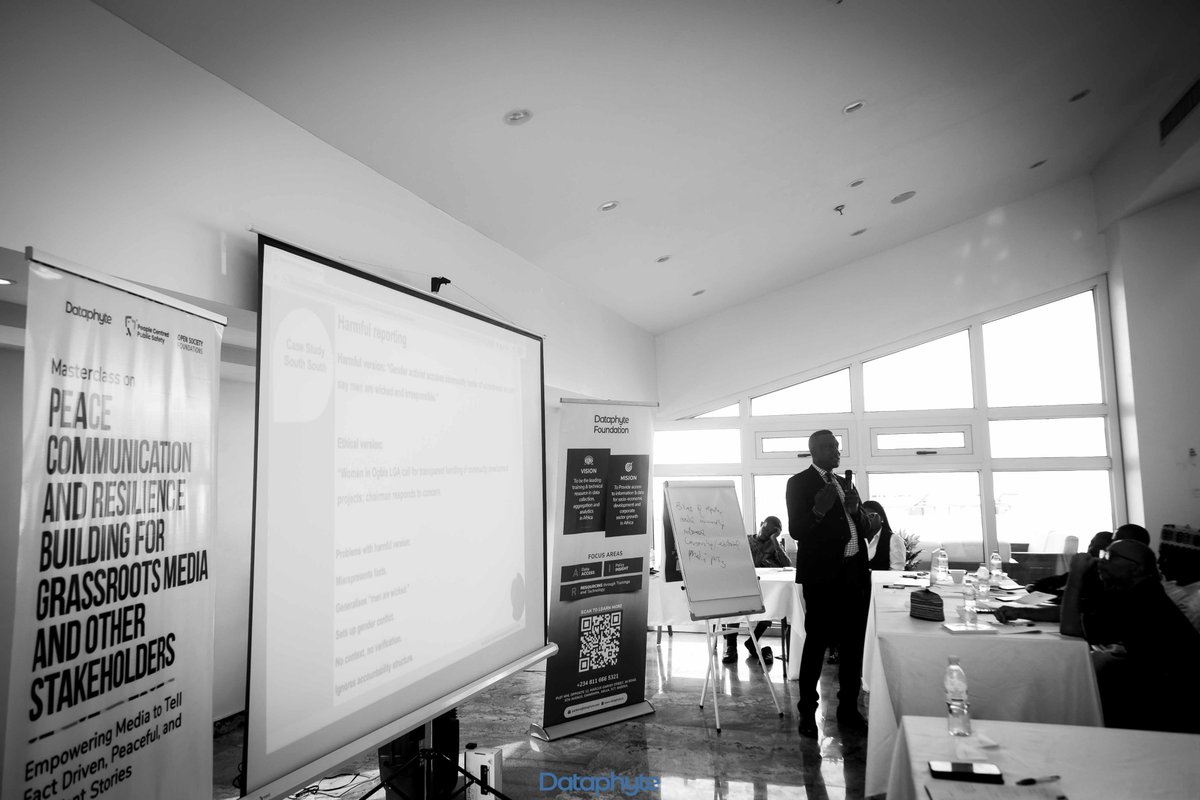
Closing with final the training session of the day, @obinnachukwuzie, presented on "Covering Sensitive Social Issues: Gender, Identity, Minorities, and Trauma-Informed Reporting".
He stressed that reporting on sensitive issues requires empathy, accuracy, and a deep awareness of how narratives can either heal communities or inflame tensions. Sensitive issues such as gender-based violence, ethnic disputes, identity conflicts, disability rights, and minority representation must be handled in ways that uphold dignity, protect vulnerable groups, and avoid reinforcing stereotypes.
He explained why such reporting is critical: media narratives shape public perceptions of minorities, influence community relations, and can retraumatise survivors if not handled thoughtfully.
@obinnachukwuzie provided a “Do No Harm” checklist for journalists, urging them to ask whether their reporting could cause harm or expose individuals to retaliation. He advised avoiding harmful labels, ensuring voices are authentically represented, focusing on structural factors rather than stereotypes, and steering clear of “us versus them” framing.
His guidance on trauma-informed interviewing included obtaining consent, allowing survivors to set boundaries, avoiding graphic or leading questions, maintaining a calm tone, protecting identities, and verifying information without causing distress. He also identified problematic questions that blame or shame survivors, offering safer alternatives that prioritise their wellbeing and agency.
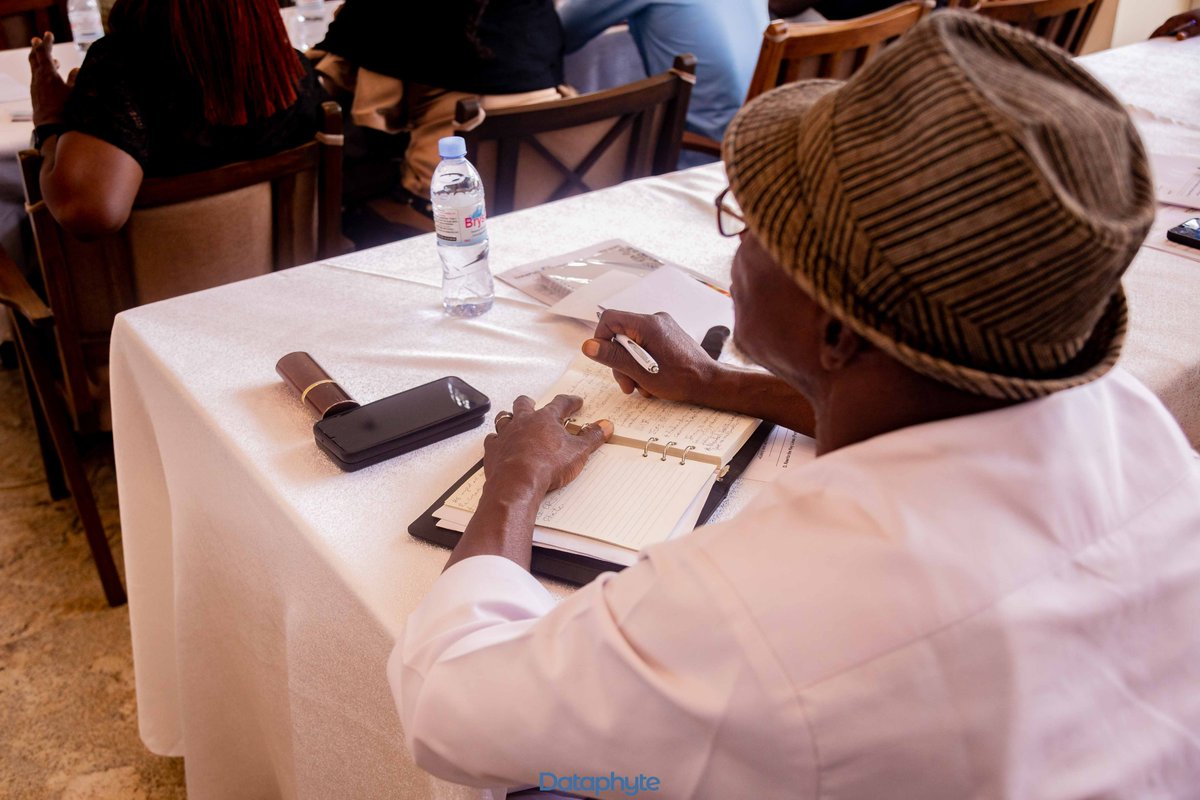
Overall, the Masterclass reinforced the critical role of grassroots media in advancing peace, accountability, and community resilience. Speakers emphasized that ethical communication, responsible storytelling, and collaboration with community structures enable journalists to report accurately, protect vulnerable groups, and support a more informed and cohesive society.
#PCPS #PeopleCentredPublicSafety #Dataphyte #MediaLiteracy #FactDrivenReporting #DataForDevelopment
1
6
160
11 Dec 2025
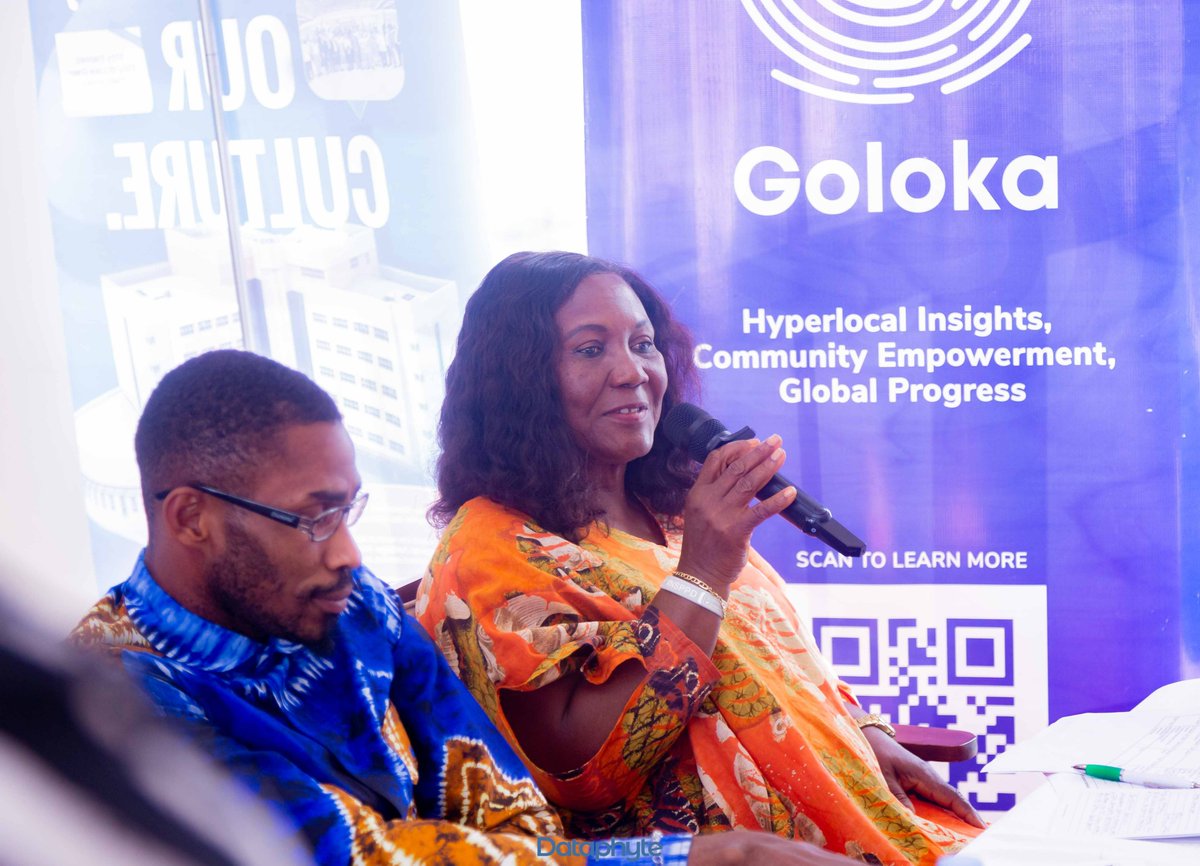
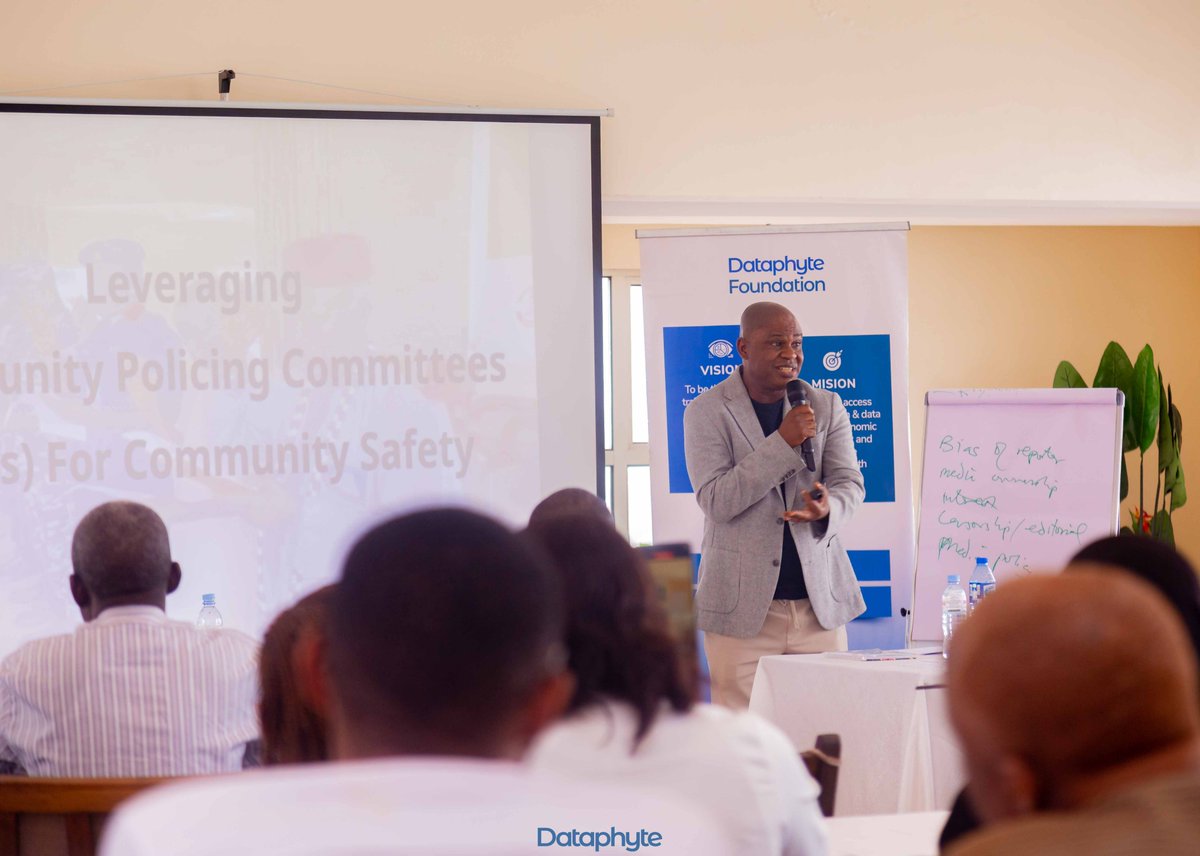
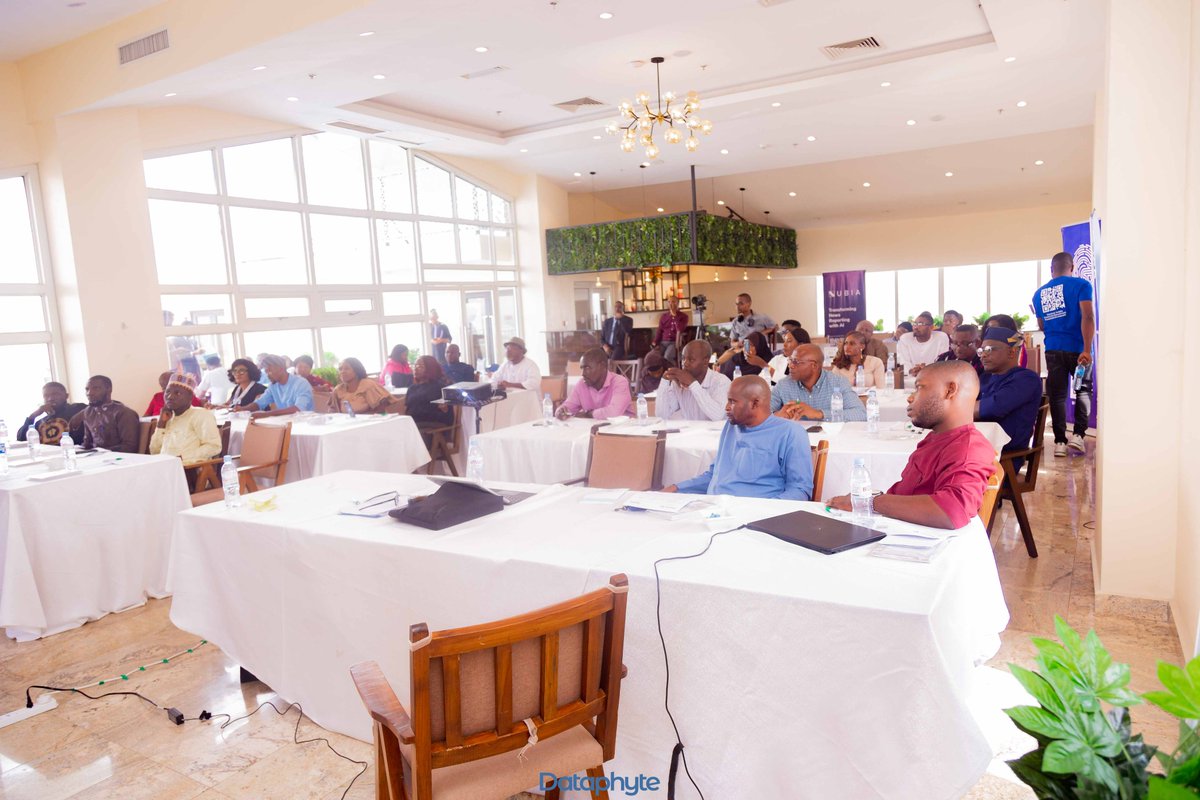
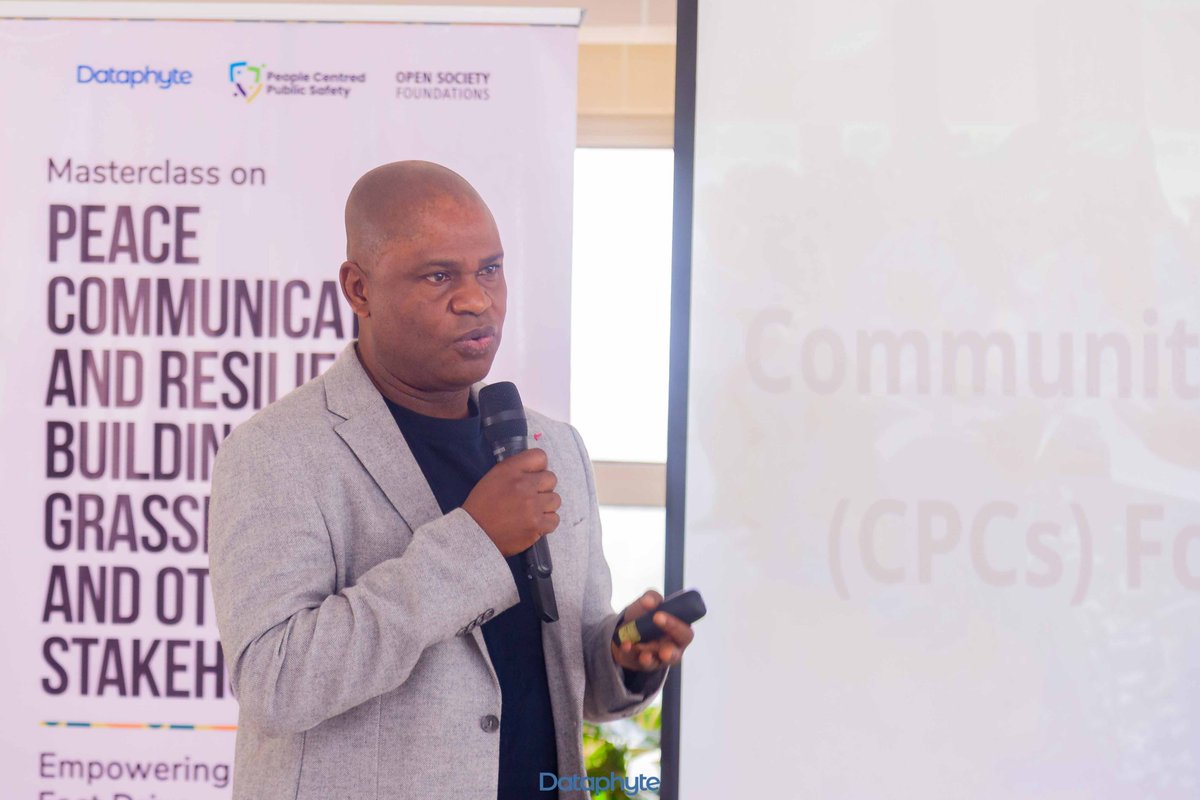
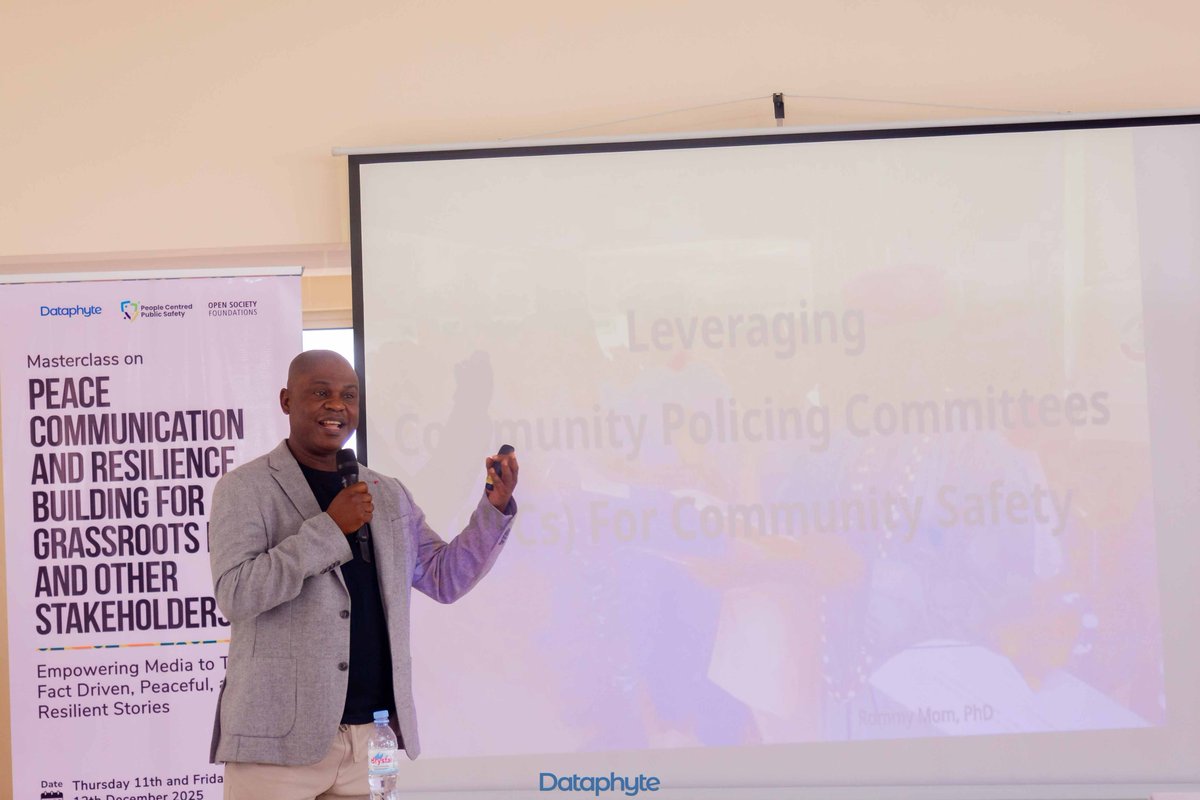
Our the fifth speaker, the President, Lawyers Alert Nigeria, @RommyMom1's training session, focused on Leveraging Community Policing Committees (CPCs) for Community Safety.
He explained that community policing, as established in Part XIV of the Nigeria Police Act 2020, relies on partnership between security agencies and community stakeholders. CPCs bring together DPOs, traditional leaders, religious leaders, youth and women representatives, persons with disabilities, CBOs, and CSOs to strengthen local responses to insecurity.
He emphasized that CPCs are not enforcement units but community structures designed for prevention, dialogue, early warning, and trust-building.
@RommyMom1 highlighted how media actors and CPCs can collaborate to improve safety outcomes. Journalists can amplify verified early warnings, support de-escalation messaging, raise awareness about risks, educate the public on safety, track CPC activities, and promote transparency while respecting confidentiality.
He underscored the importance of responsible reporting in reducing fear, dispelling misinformation, and supporting community-led solutions.
#PCPS #PeopleCentredPublicSafety #Dataphyte #MediaLiteracy #FactDrivenReporting #DataForDevelopment
2
94
11 Dec 2025
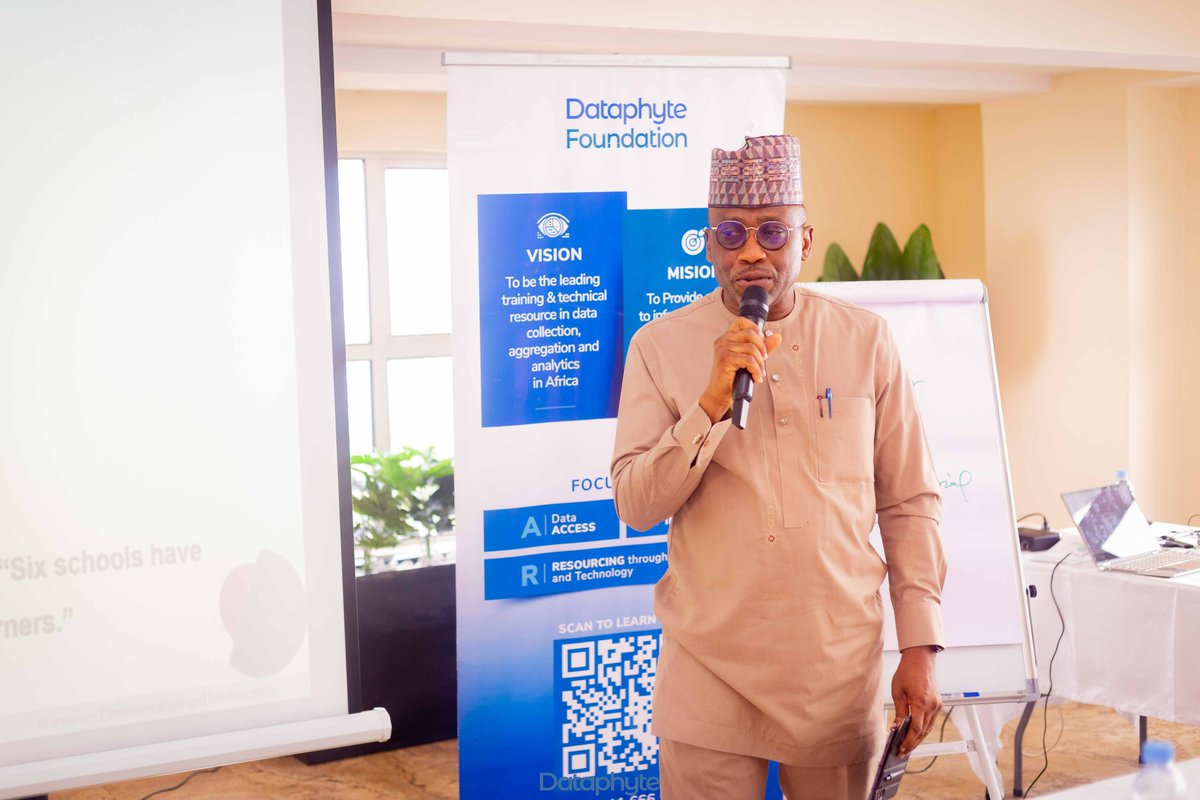
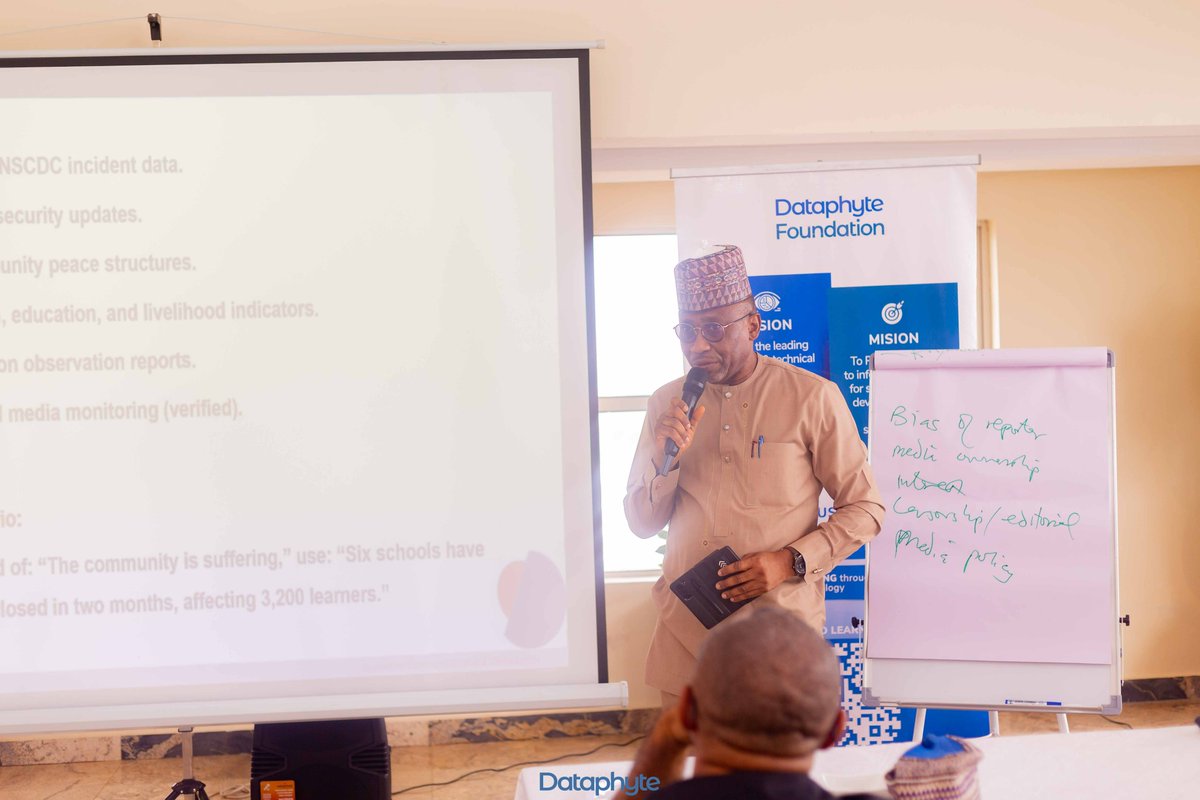
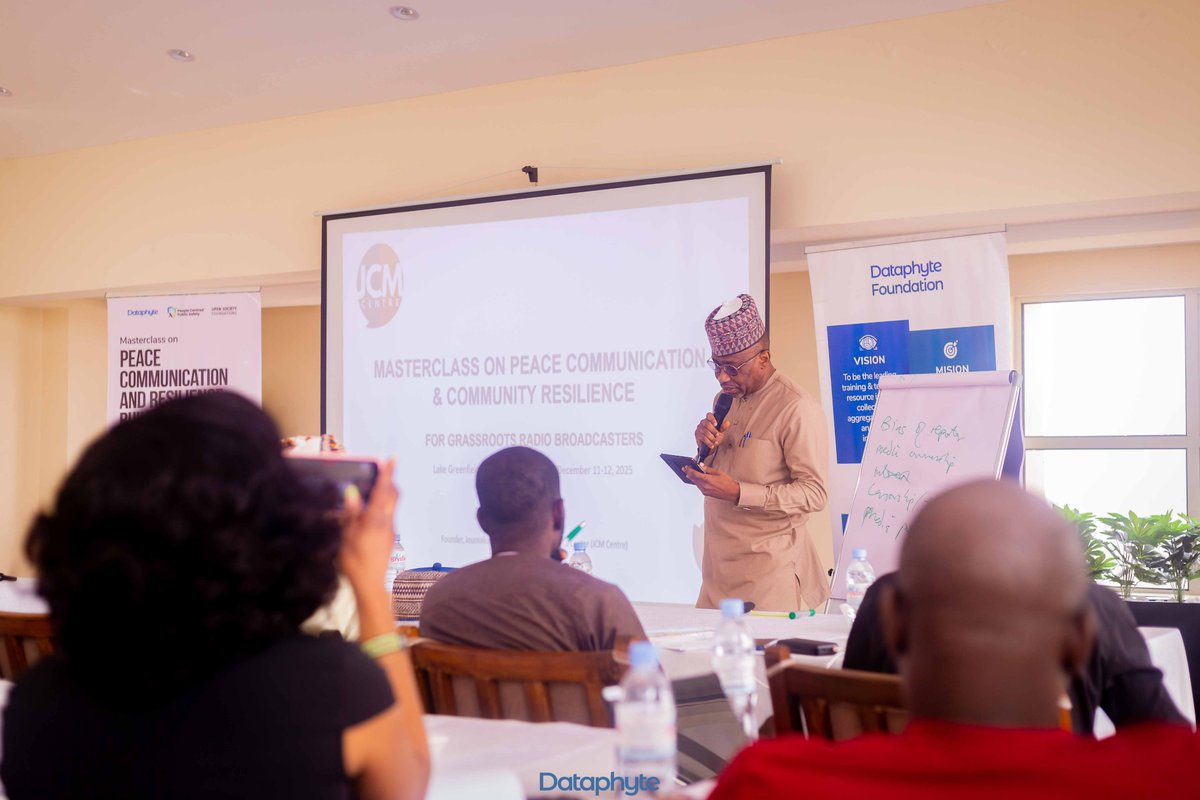
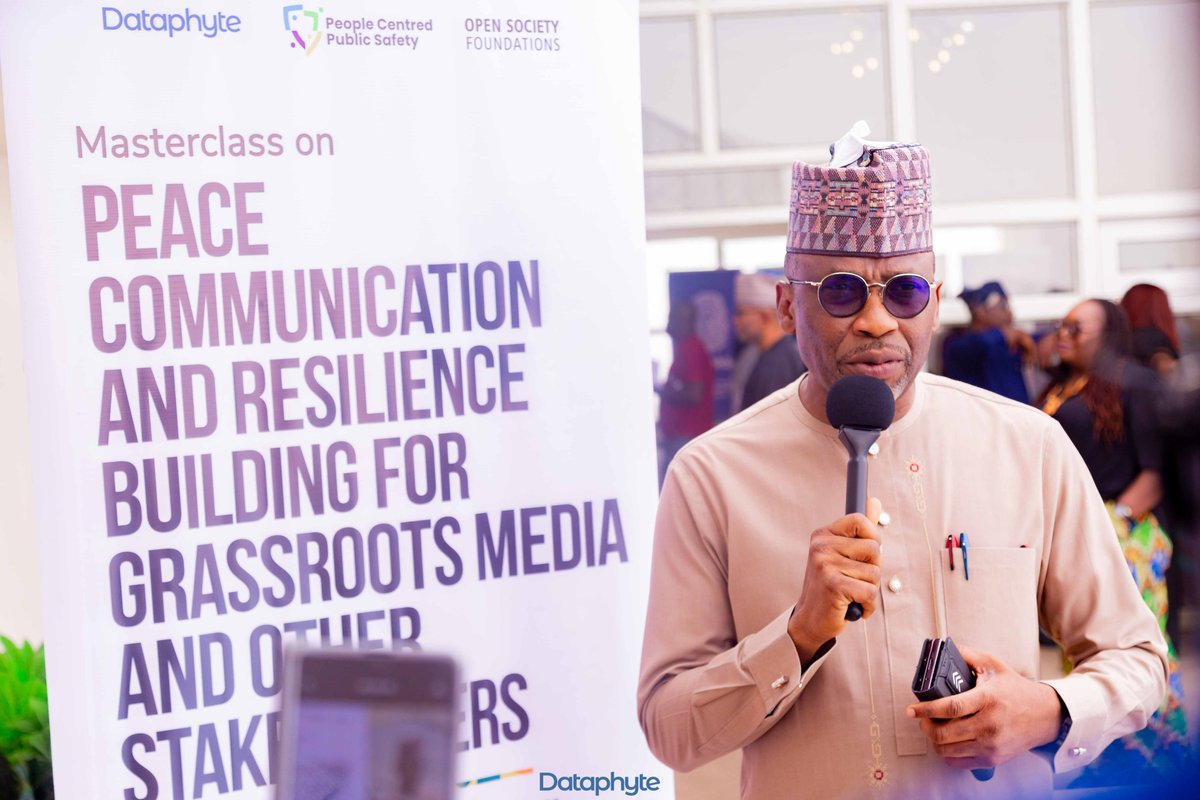
The Director General of the National Broadcasting Commission, @charlese_law, during his remark spoke on the evolving role of communicators, especially at the grassroots level.
He noted that communication professionals today operate in a highly sensitive environment where their work directly influences peace, national dialogue, and community stability.
He outlined three strategic shifts necessary for effective peace communication:
1. From Megaphones to Mediators: Grassroots communicators must move beyond simply amplifying information. Instead, they should interpret events for their audiences, clarify misinformation, and promote understanding between groups.
2. Resilience Through Storytelling: He described resilience as the ability to recover from shocks by learning and strengthening community bonds.
Storytelling, he said, should build cooperation, encourage dialogue, and highlight community-driven solutions.
3. The Imperative of Strategic Partnerships: Sustainable peace communication requires collaboration among media, civil society, government institutions, and community leaders.
Partnerships ensure that messages shared through broadcasts support unity, fairness, and community development.
#PCPS #PeopleCentredPublicSafety #Dataphyte #MediaLiteracy #FactDrivenReporting #DataForDevelopment
2
7
139
11 Dec 2025
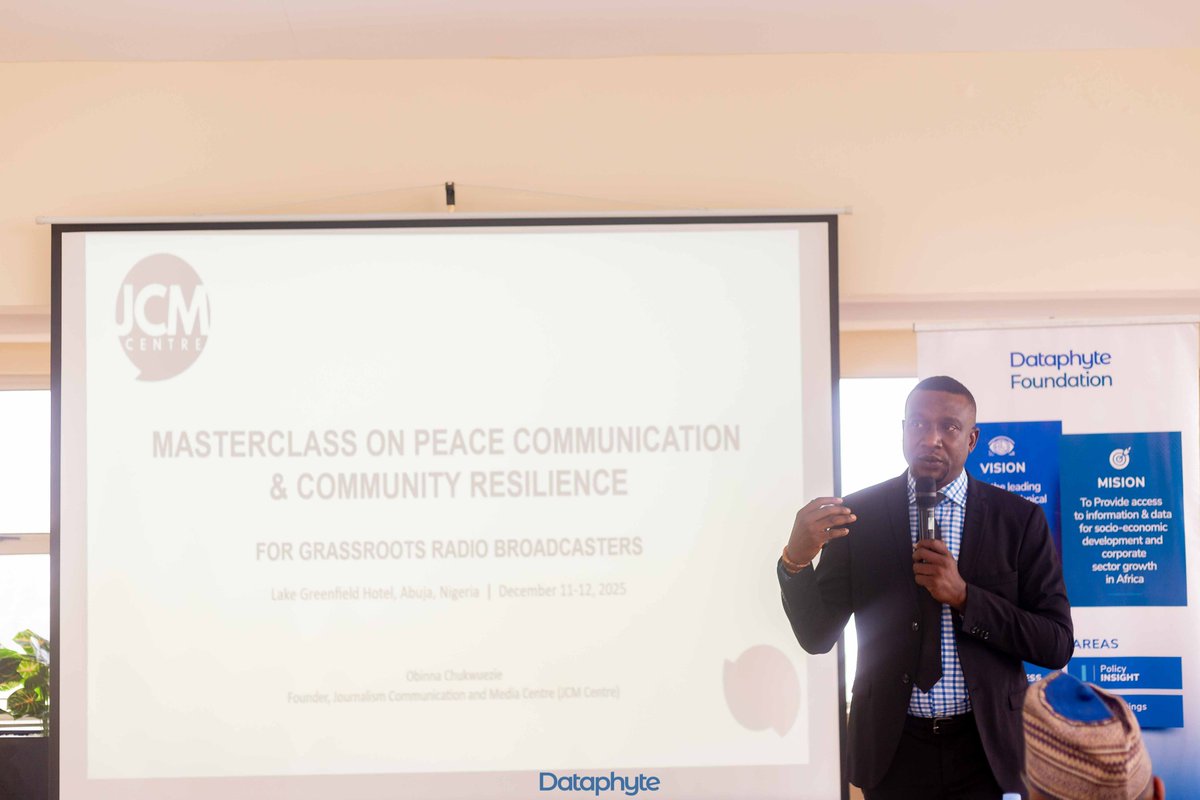
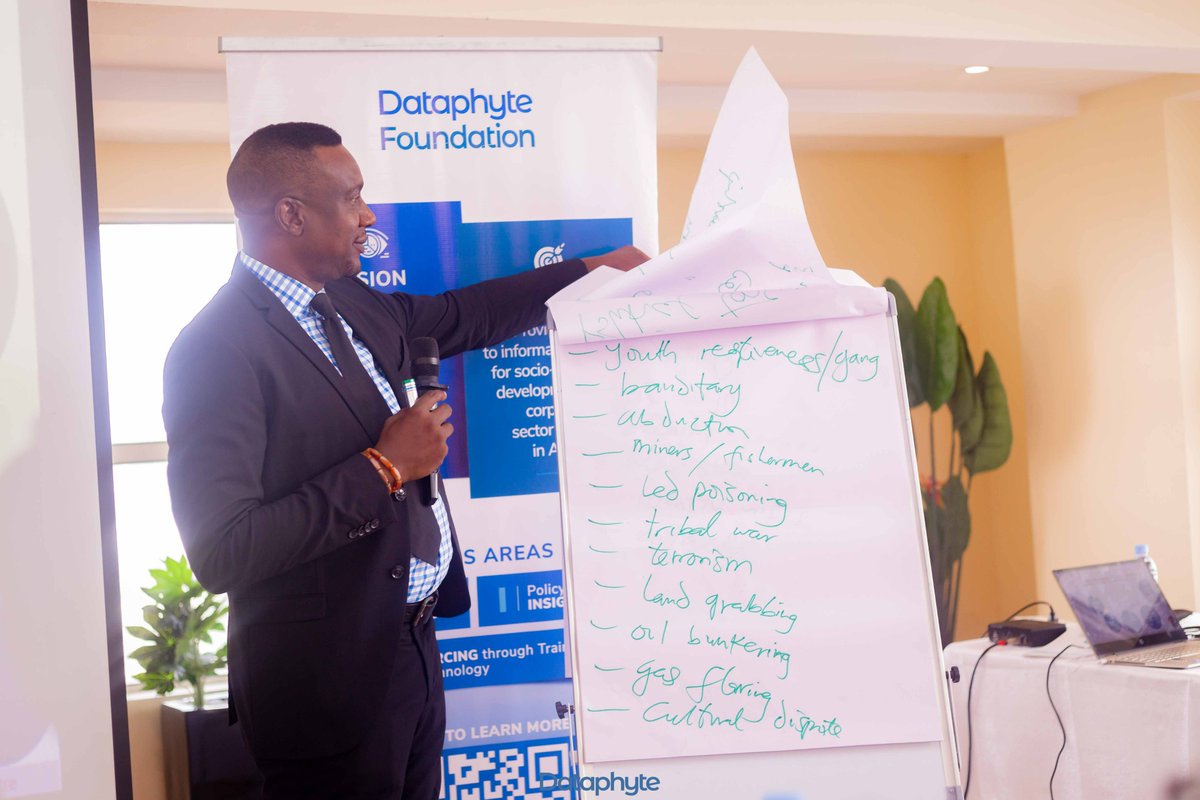
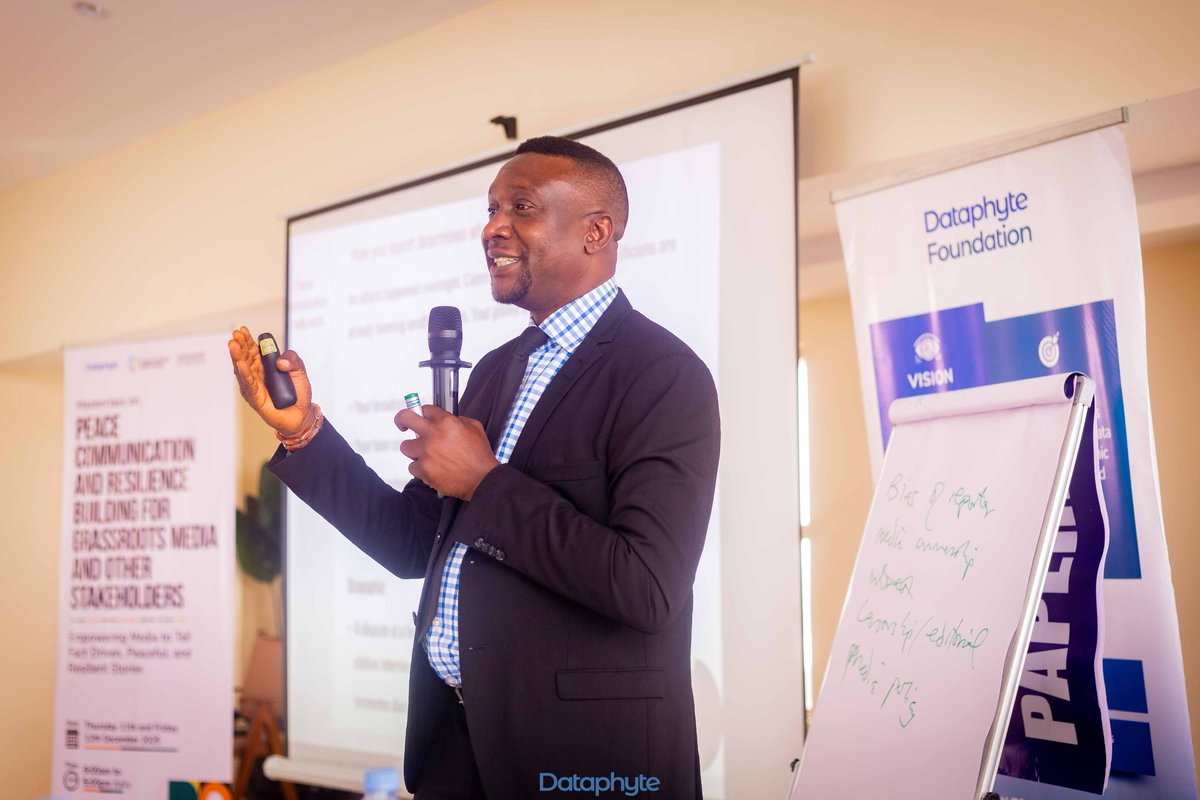
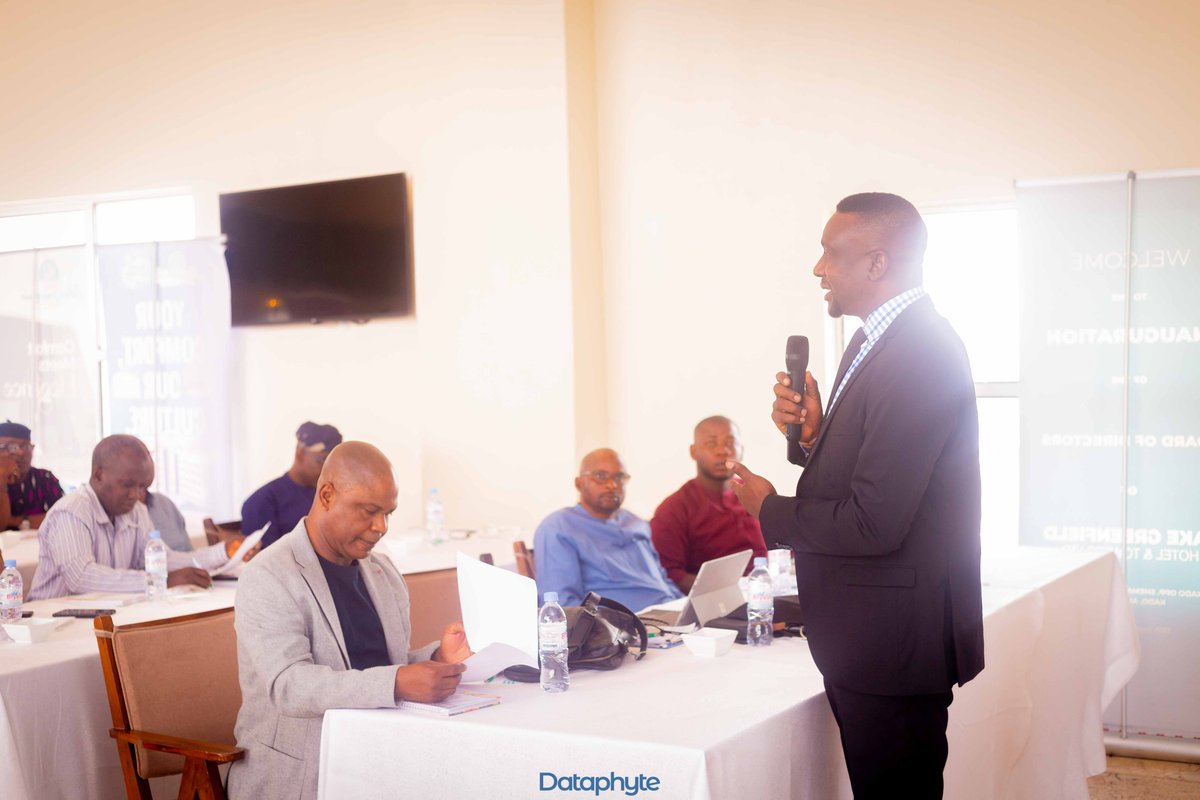
The first session focused on "Understanding Peace Communication & Community Resilience" delivered by @obinnachukwuzie, the Executive Director, @JCMCentre, examined the concept of peace communication and its relevance to community resilience.
He defined peace communication as a fact-driven, ethical, and contextual approach to storytelling that helps reduce tension, prevent conflict escalation, promote understanding, and strengthen community resilience.
He stressed that how journalists report conflict directly affects community response, noting that:
- Broadcasts can influence how communities interpret conflict.
- A reporter’s tone can either calm or amplify fear.
- Interviews can bridge divides or reinforce stereotypes.
- Reporting can encourage accountability or enable impunity.
@obinnachukwuzie also identified common sources of information for conflict-sensitive reporting, such as @PoliceNG, @official_NSCDC, incident data, community peace structures, election observation reports, and verified social media monitoring. He reminded participants that during crises, the demand for information surges, making the responsibility of journalists even greater.
He urged reporters to ask themselves critical questions:
Will my coverage improve or worsen the situation? and What assumptions or reactions might my story trigger?
These reflective practices, he said, are essential to producing responsible journalism that supports peacebuilding.
#PCPS #PeopleCentredPublicSafety #Dataphyte #MediaLiteracy #FactDrivenReporting #DataForDevelopment
4
5
151
11 Dec 2025
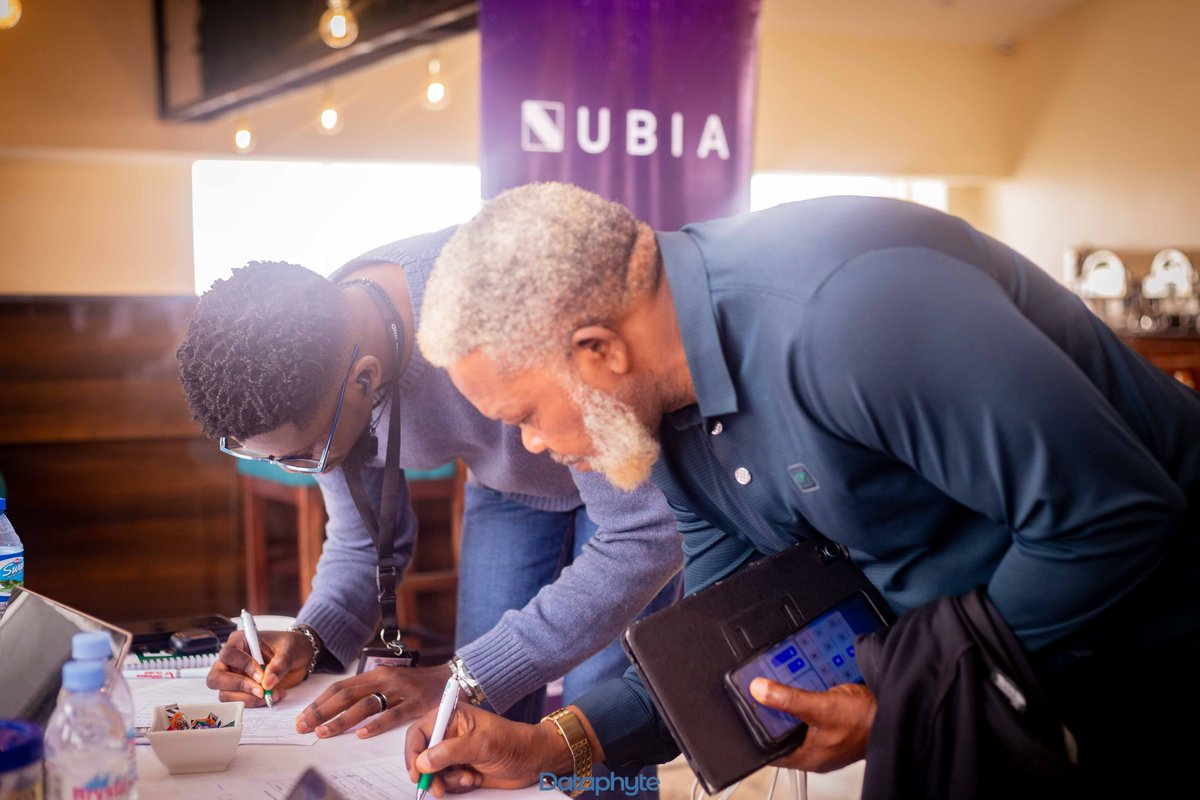
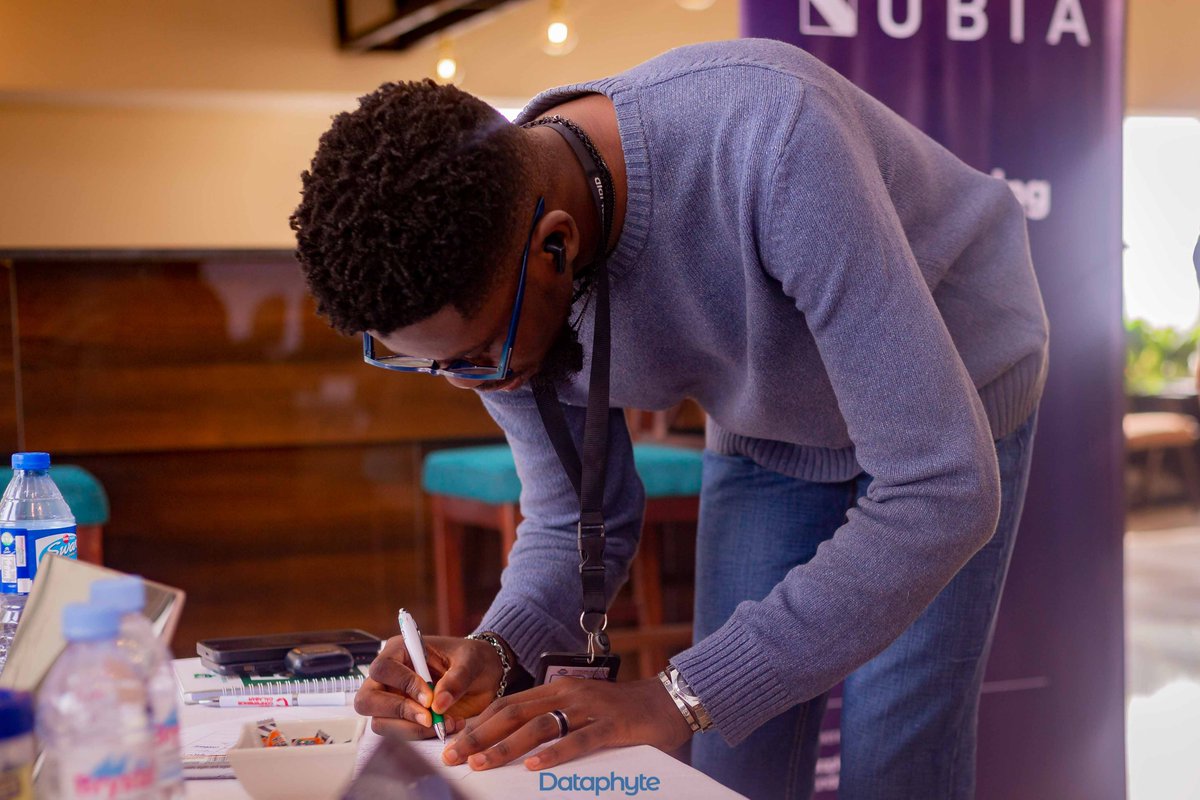
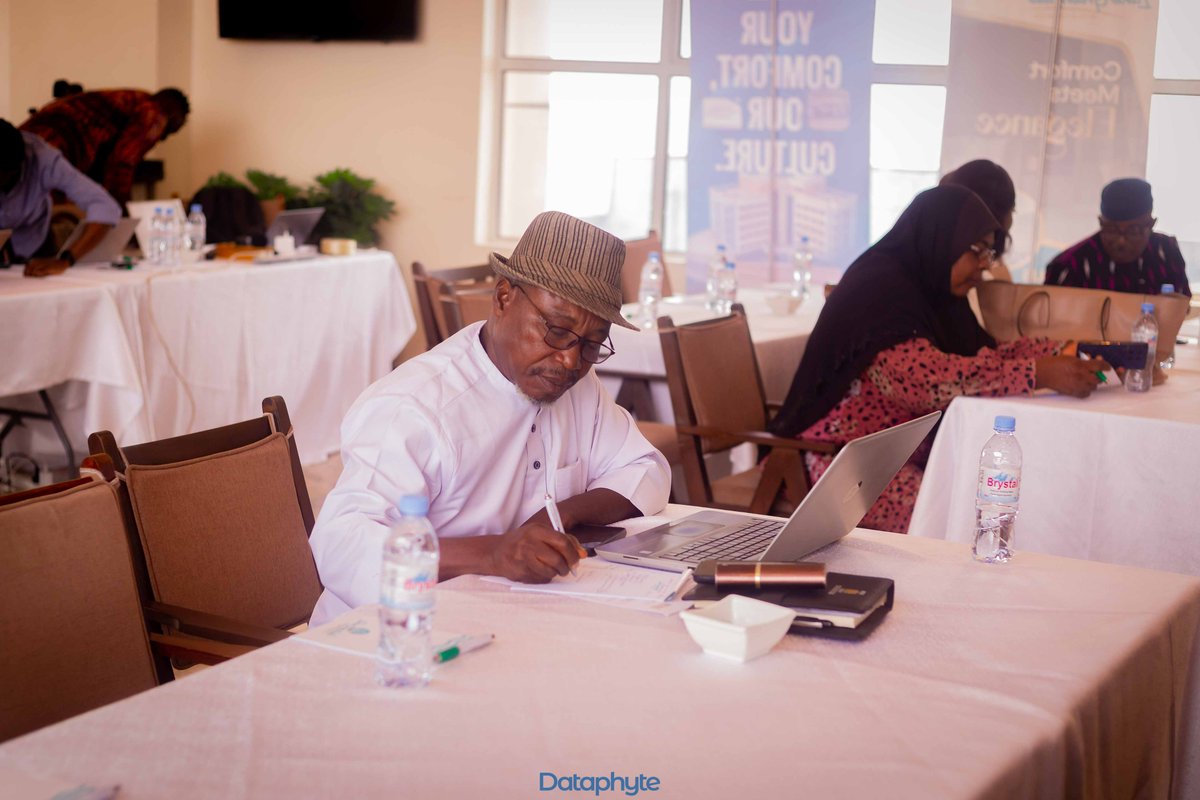
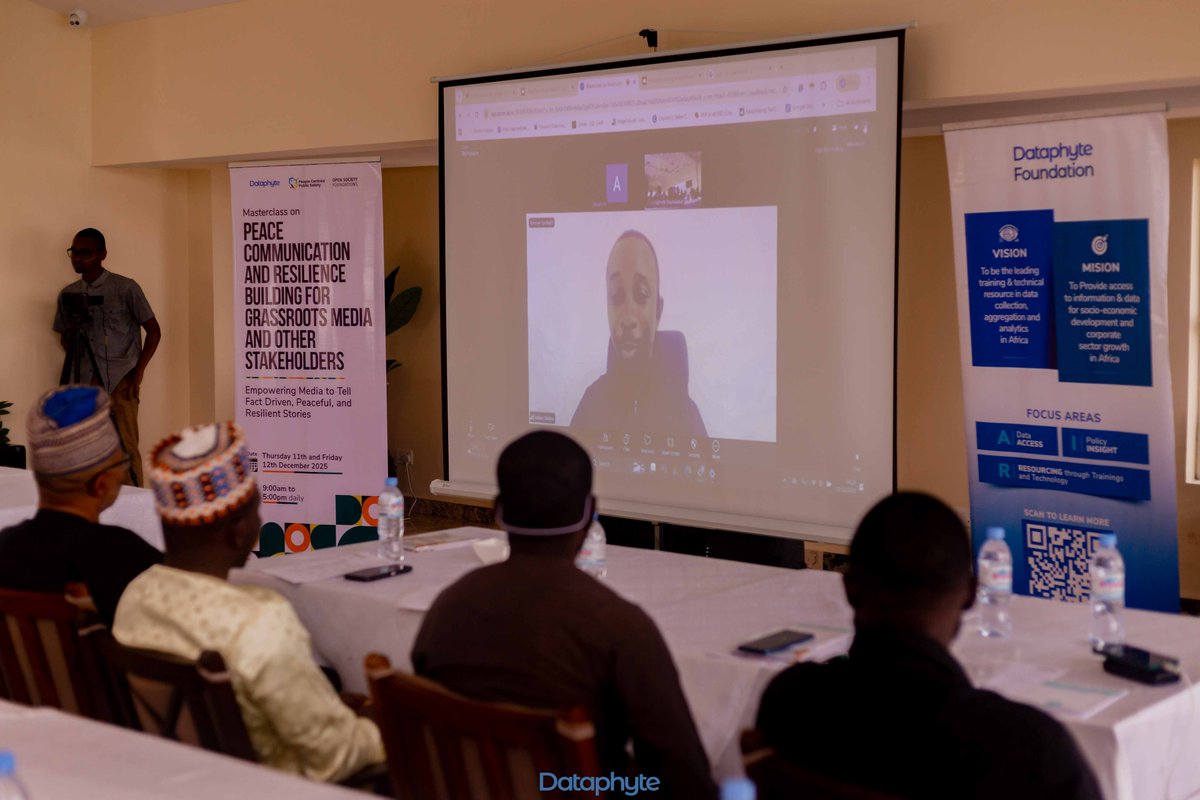
With support from @OpenSocietyAfr, we are delighted to welcome you to Day 1 of the two-day Masterclass on Peace Communication and Resilience Building, aimeding at strengthening community and grassroots-focused radio stations and media actors to produce fact-driven, solution-oriented, and conflict-sensitive stories that support peacebuilding, local accountability, and community resilience.
To kick start this timely conversations for the day, most especially at the fragile security and safety situation in Nigeria, the Dataphyte's Founder, @jayangbayi, gave a warming opening remark, recognizing the role of communicators, strategic actors, and broadcasters in preventing exclusion, countering division, and promoting dignity and peace among Nigerians, across various communities, faith and ethnic groups.
He also urged participants to emulate ethical and data-driven media practices to help strengthen Nigeria democracy, and use their various platforms to demand fairness, justice and safety of the public, as well as create an open space of co-creation for state and non-state actors to enhance development outcomes.
#PCPS #PeopleCentredPublicSafety #Dataphyte #MediaLiteracy #FactDrivenReporting #DataForDevelopment
3
4
119
10 Dec 2025
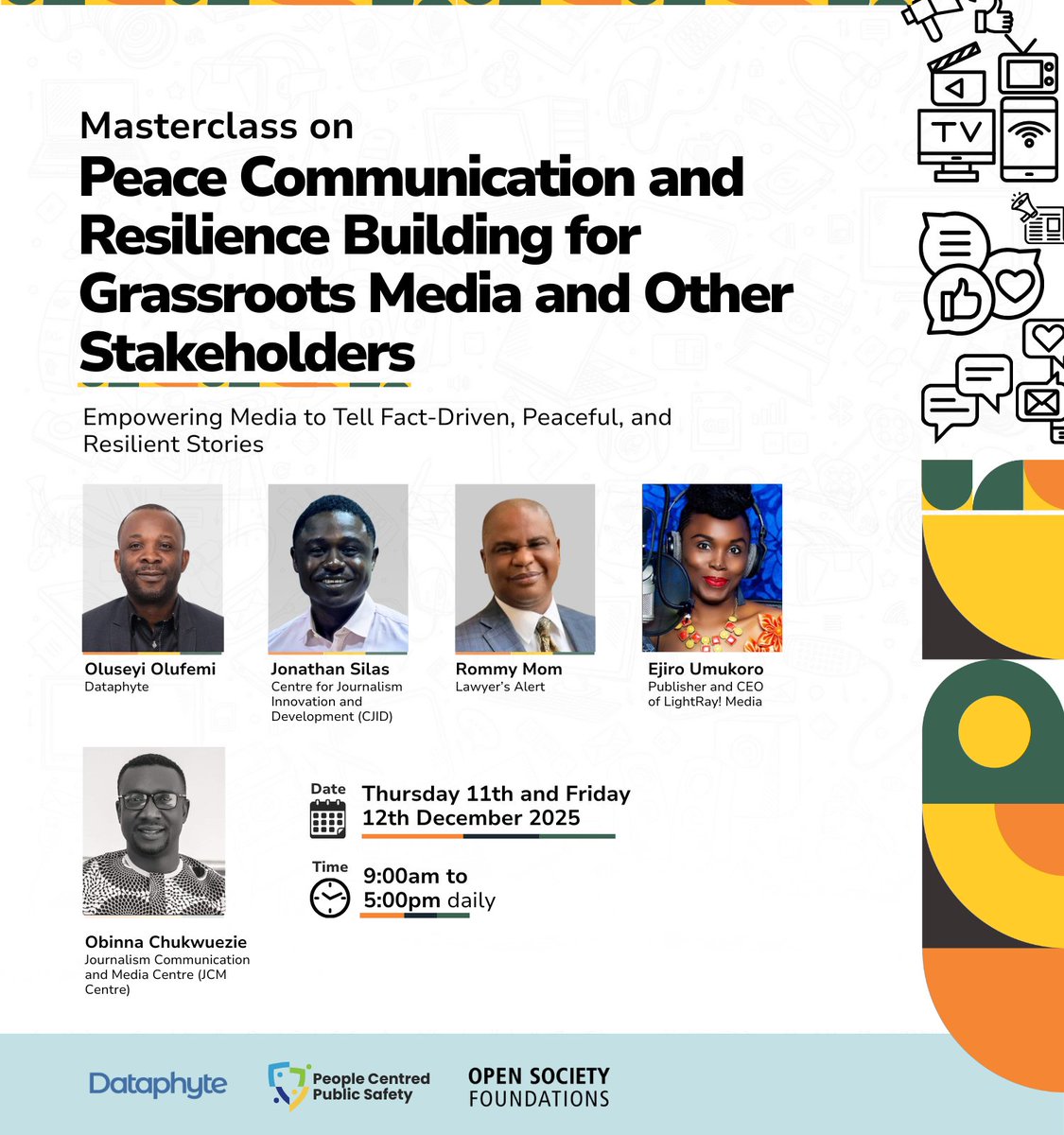
We are excited to unveil the expert facilitators who will lead our two-day Masterclass on Peace Communication and Resilience Building.
Our distinguished panel brings together seasoned professionals from journalism, media development, law, and institutional communications - all committed to strengthening responsible and peace-promoting media practices across Nigeria.
Together, they will guide participants through practical skills in data journalism, peace communication techniques, and resilience-focused storytelling, equipping grassroots media professionals to tell stories that build safer, more cohesive communities.
#PCPS #PeopleCentredPublicSafety #Dataphyte #MediaLiteracy #FactDrivenReporting #DataForDevelopment
3
6
184
9 Dec 2025
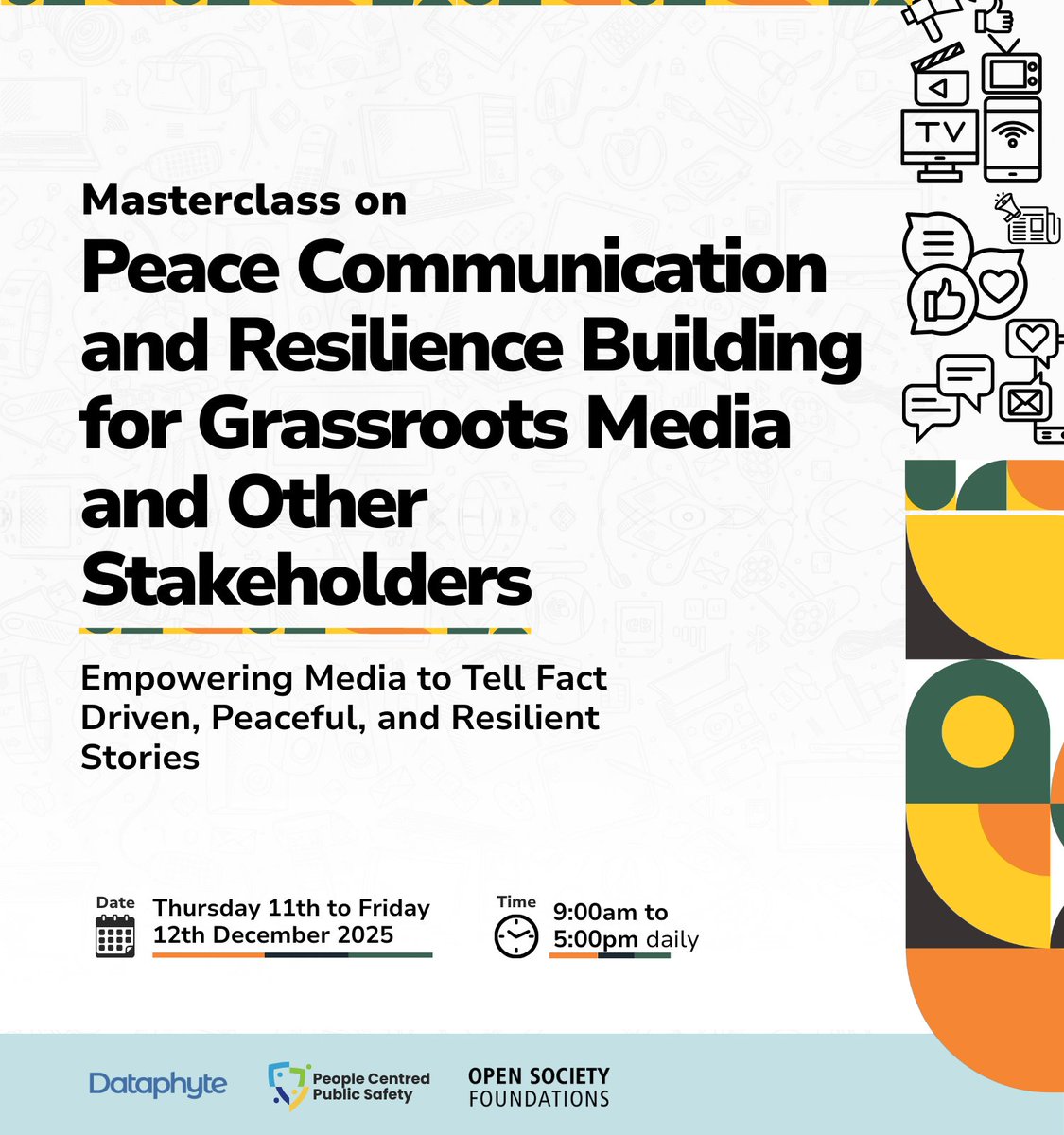
Dataphyte Foundation (@Dataphytefdn), through the People-Centred Public Safety Project (PCPS), in collaboration with @OpenSocietyAfr, is hosting a two-day masterclass designed to strengthen the capacity of grassroots media professionals.
The capacity building sessions are designed to equip community, campus, independent and subnational radio broadcasters and media practitioners from different radio stations across the North Central and South South regions with practical skills in data journalism, peace communication, and resilience-focused storytelling to produce fact-driven, solution-oriented, and conflict-sensitive stories that support peacebuilding and community resilience.
By training media practitioners to report accurately, counter misinformation, and highlight community solutions, this masterclass strengthens safer information ecosystems that empower citizens, prevent conflicts, and build sustainable peace from within communities.
Stay tuned for updates!
#PCPS #PeopleCentredPublicSafety #Dataphyte #MediaLiteracy #FactDrivenReporting #DataForDevelopment
3
6
206