
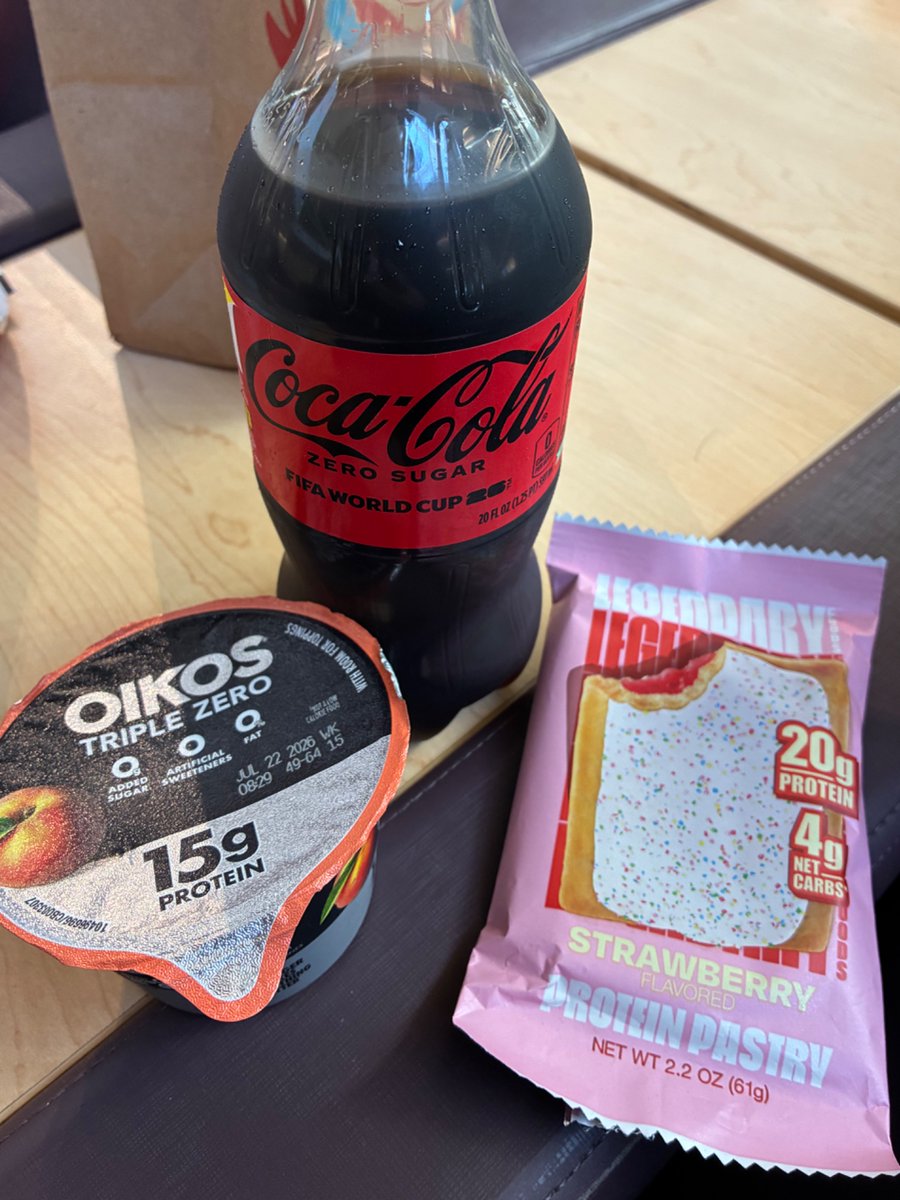
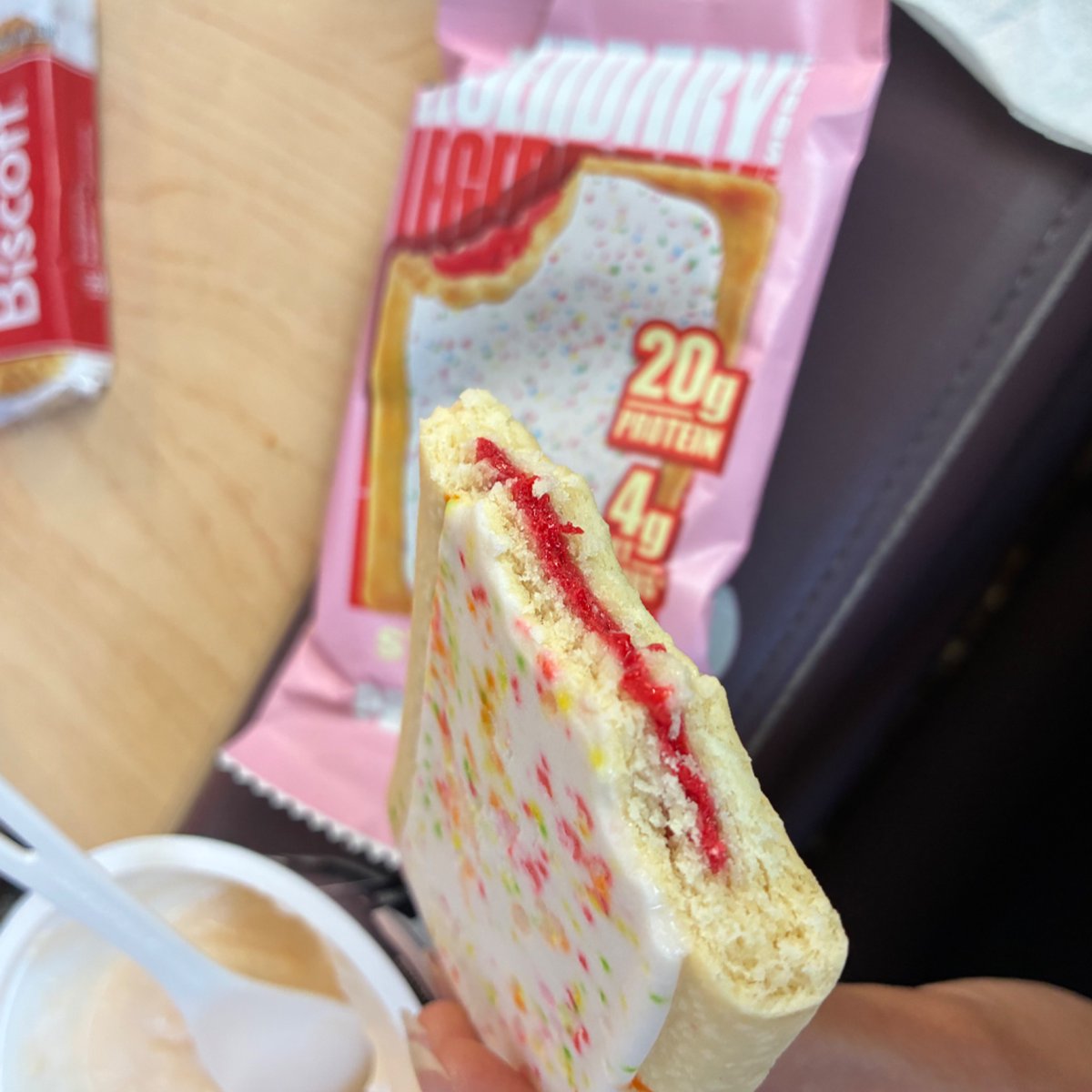
vacation breakfast #1, these legendary pastry things r sooo yummy??!!
also had a vanilla fairlife earlier :3
270 cals 35g protein
2
13

RT @LisaThompsonPC: While visiting @fairlife in #Peterborough with @DaveSmithPtbo I learned that the 350 million litres of milk that gets p…
1

Best milk ever is Fairlife b/c it has lotta protein and is lactose free #sorry
1
35

Healthy Mornings
6:00 AM – 33oz water LMNT Raw
6:15 AM – Blk coffee Creatine
6:45 AM – 30 minutes 5-1-5 Cardio
7:20 AM – Fairlife 30g Protein Shake
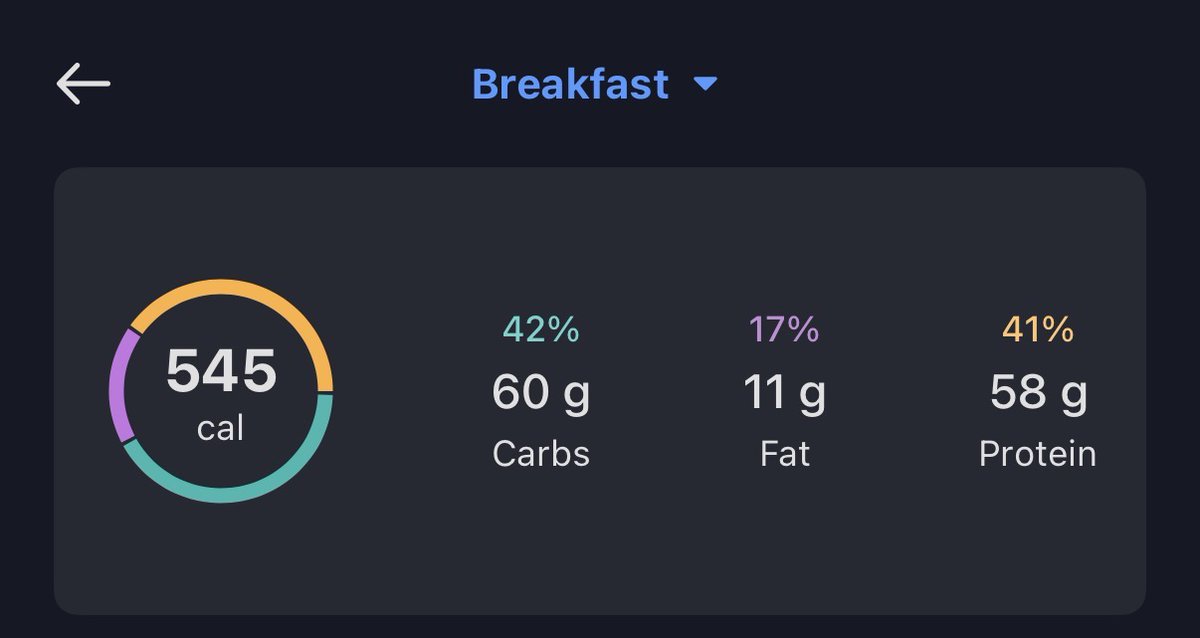
8:00 AM – 1 cup nonfat Greek yogurt 1 tbsp chia seeds 1 tbsp flaxseed ¾ cup ea. strawberries, raspberries & blueberries
1
6


it’s pretty good!!!!! same amount of protein as fairlife core power max but less cals!!!!!
14

Today’s lunch time treat
20% Fairlife chocolate milk
80% 2% milk
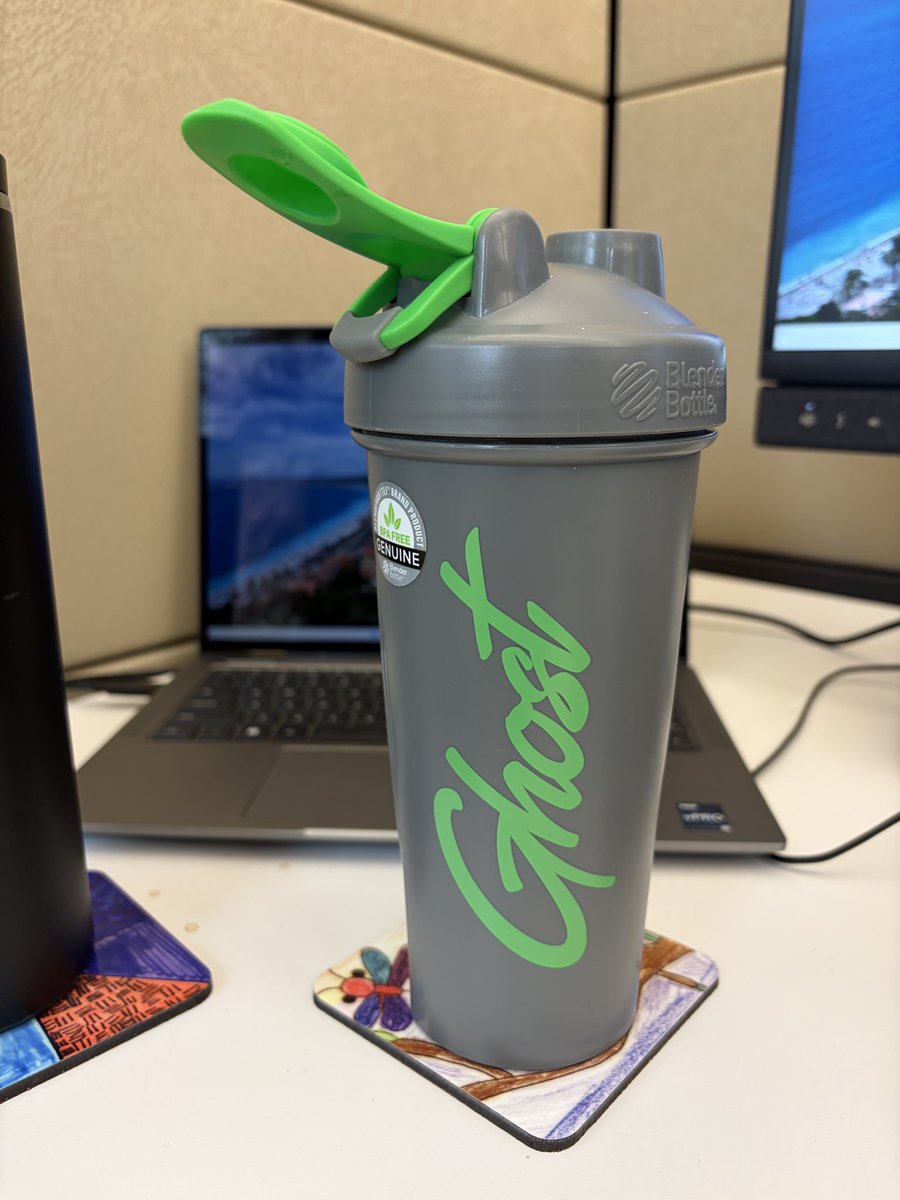
1 scoop Ghost Coffee Ice Cream whey protein powder
Delish
Like an iced mocha latte
1
52

It’s virtually every brand in the store.
Fairlife has 100 thousand cows under his ownership. Low cost, extreme scaled confinement production. Niche marketer. And they charge more to keep the cream. Niche isn’t any less noise or competition than commodity for small players.
1
9

Oh, I'm a fairlife milk only guy😅 and it depends on the day whether I do half & half, sometimes it does hit hard😳🤣
1
7


Exactly! Always nice to have variety :) the fairlife milk tho def boosts the protein too…. And like I said the straight chocolate is too sweet for me haha I mix half and half
1
1
10

The best protein pudding is one box of sugar free pudding mix blended with 2 fairlife corepowers (42g) if you make chocolate you can add extra cocoa powder and vanilla extract to vanilla
1
2
28


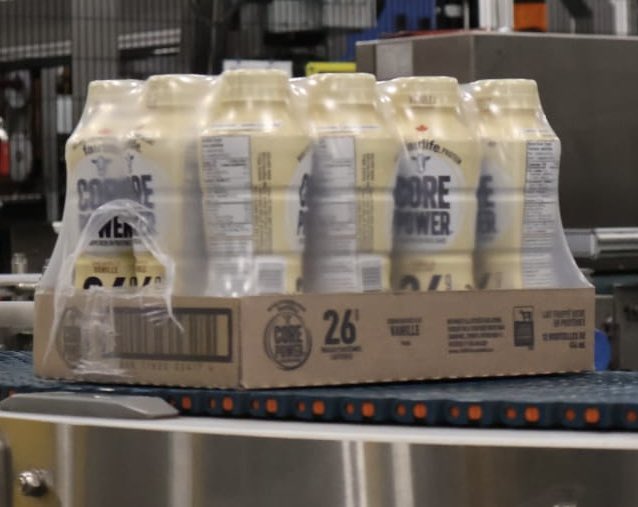
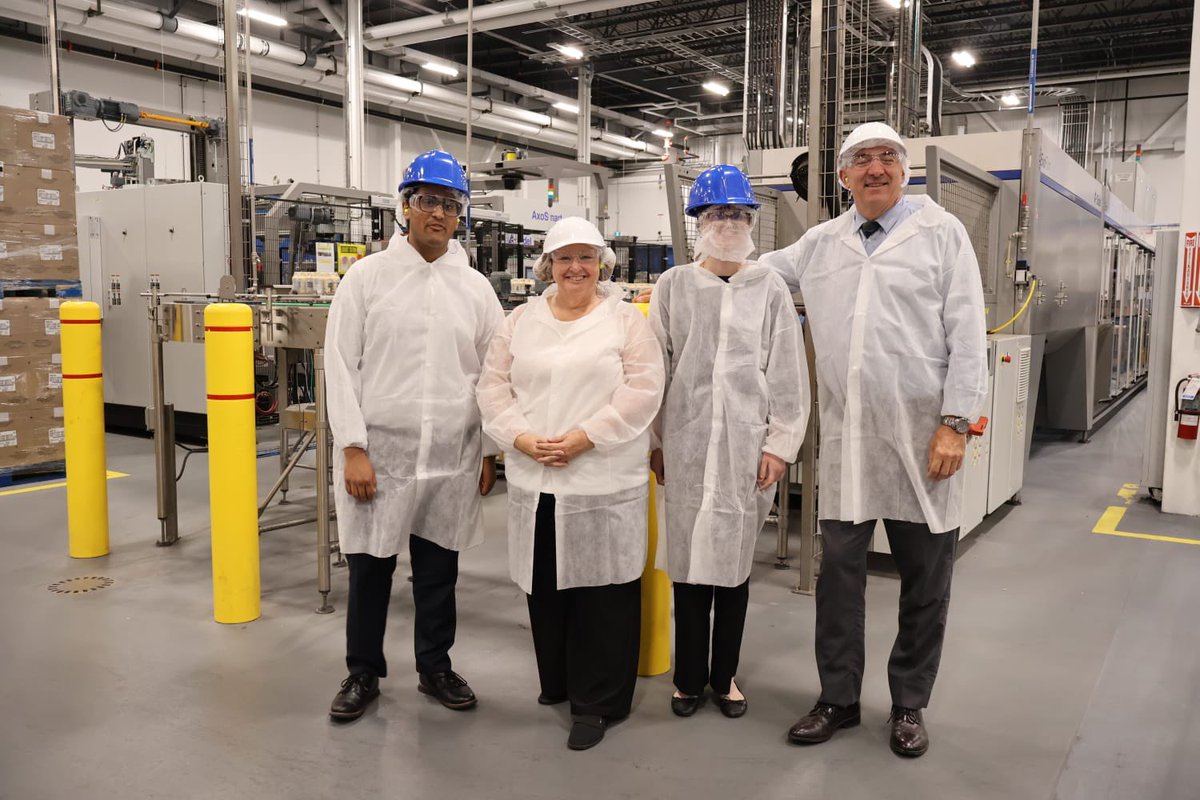
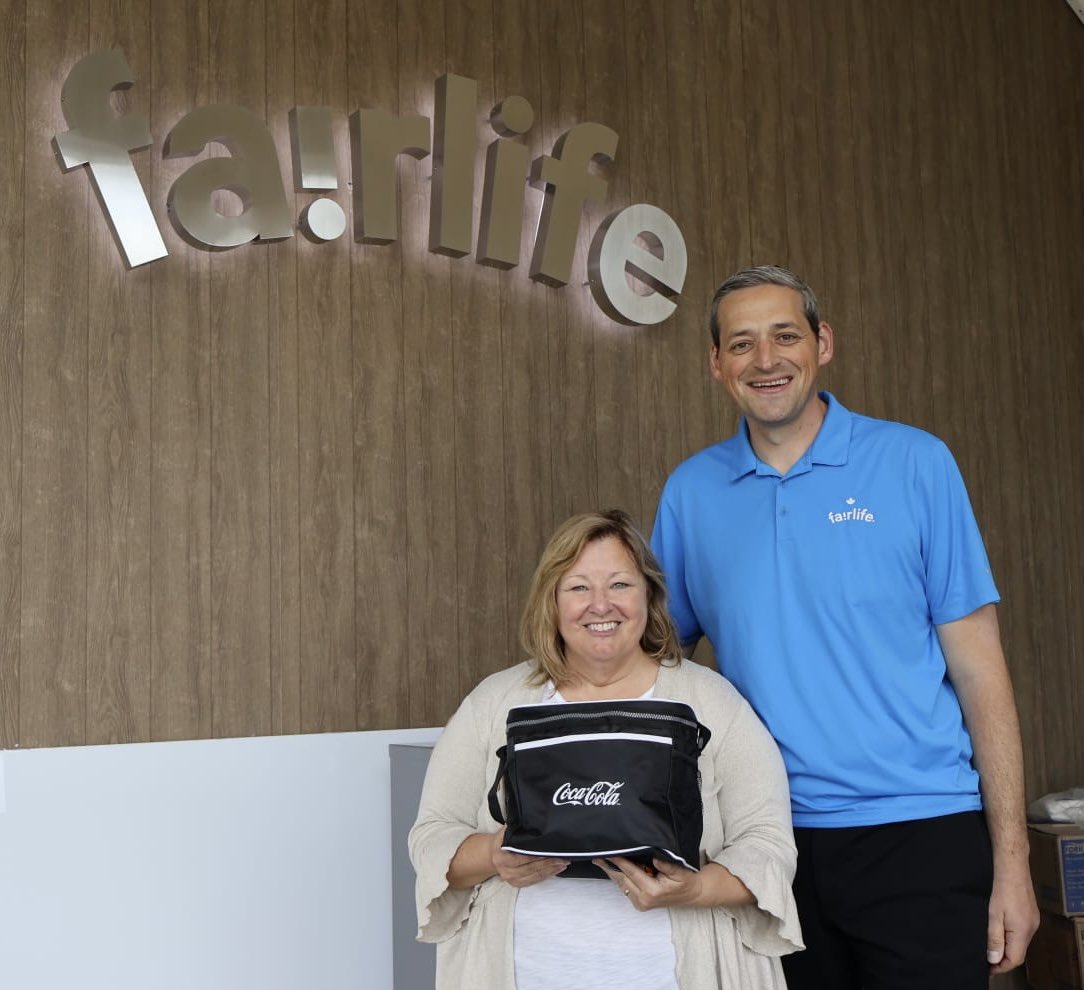
While visiting @fairlife in #Peterborough with @DaveSmithPtbo I learned that the 350 million litres of milk that gets processed at this eastern #Ontario facility generates significant rural economic spinoffs throughout the region! I thoroughly appreciated the tour the #Fairlife team provided for us!
1
3
118

Same for protein shakes and fairlife. Like that does nothing for me satiety wise.
1
266

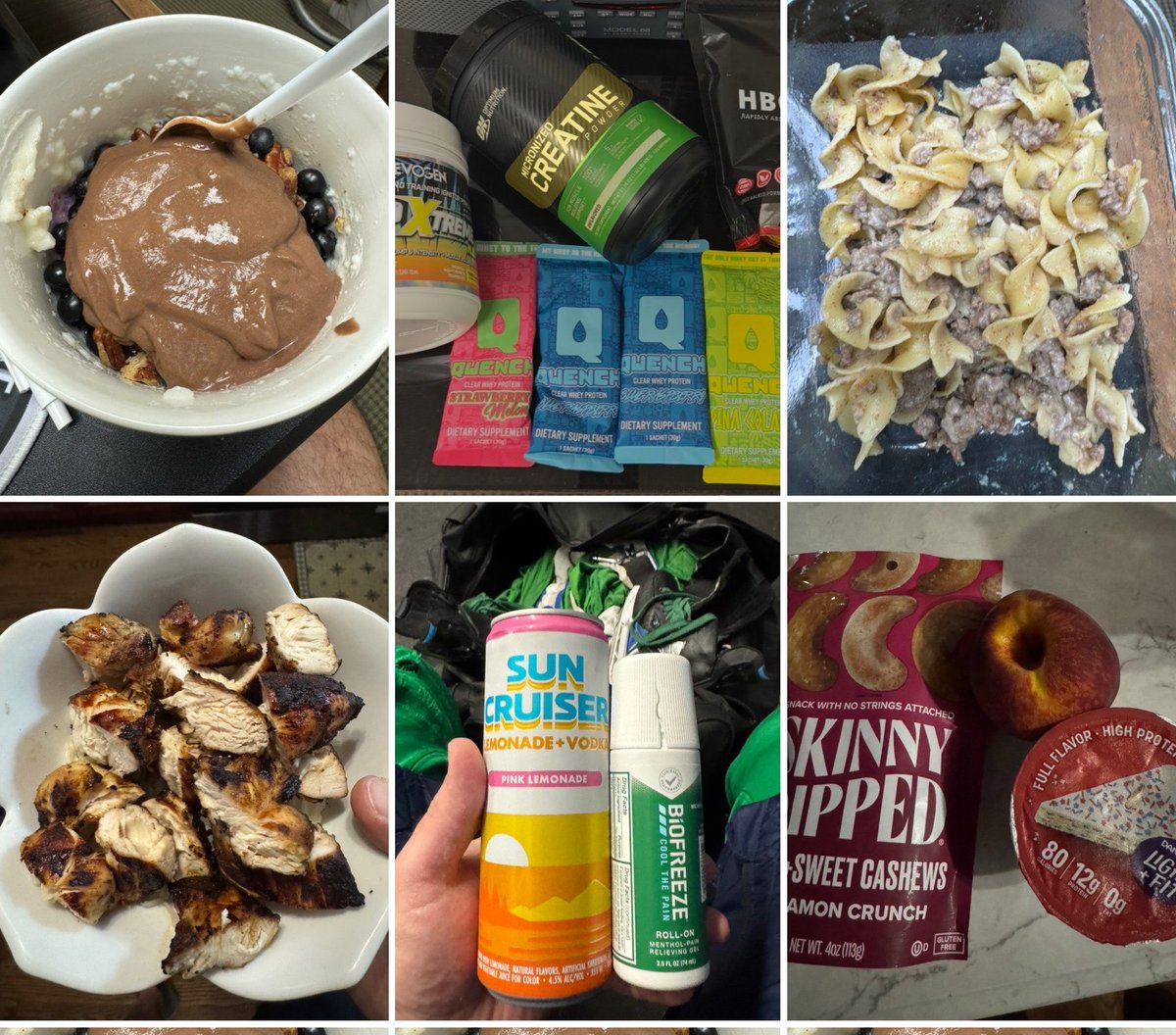
Wednesday - 2524 cals 186g protein
-COR in Fairlife milk with blueberries, pecans, whey drip
-preworkout
-carbs/eaa/creatine during
-@ScienceSupps Qwench post
(Coupon code BOSTONBICEPS )
-93% beef, egg noodles, broth and light sour cream
-grilled chicken and rice
-2 sub cruisers post hockey
-nectarine, light fit yogurt, sweet and salty cashews
2
16
817


Strawberry fairlife lol


11

Whey is mainly a by-product of cheese-making. To create more high-protein whey, the industry needs more liquid whey collection, ultrafiltration capacity, drying capacity, and WPC/WPI processing infrastructure. This cannot be switched on in a few weeks.
Demand has changed dramatically.
Whey is no longer only used by bodybuilders or athletes. It is now used in ready-to-drink shakes, protein bars, yoghurts, cereals, snacks, meal replacements, medical nutrition and GLP-1 weight-loss nutrition support.
It is reported that the average US supermarket now has 38,708 products advertising protein content.
Fairlife, owned by Coca-Cola, is expanding production capacity in Michigan with a $650 million investment, but those new lines are expected to begin commercial production only in 2028.
Glanbia is adding about 10 million lb / 4,500 MT of whey protein isolate capacity, but that capacity is expected in 2027.
Companies are investing, but new dairy-protein capacity takes years. So even if global oil and freight pressure cools because of a peace deal, the actual whey protein shortage can continue because the supply chain still has to physically produce more WPC80 and WPI90
2
3
586

I was sitting here changing the measurements but keeping the macros because I like the texture at 400ml of just fairlife and not over filling before I realized it's being made with the Deluxe. Deluxe for $150 is crazy
1
36