
Solar panels can last 25-30 years with a good inverter, potentially powering your farm without batteries. Ask: what's your system's purpose? (Chaff cutting, water pumping?) #SolarEnergy #FarmingTech #SustainableLiving #RenewableEnergy #AgriTech
1
1
9

Jun 11
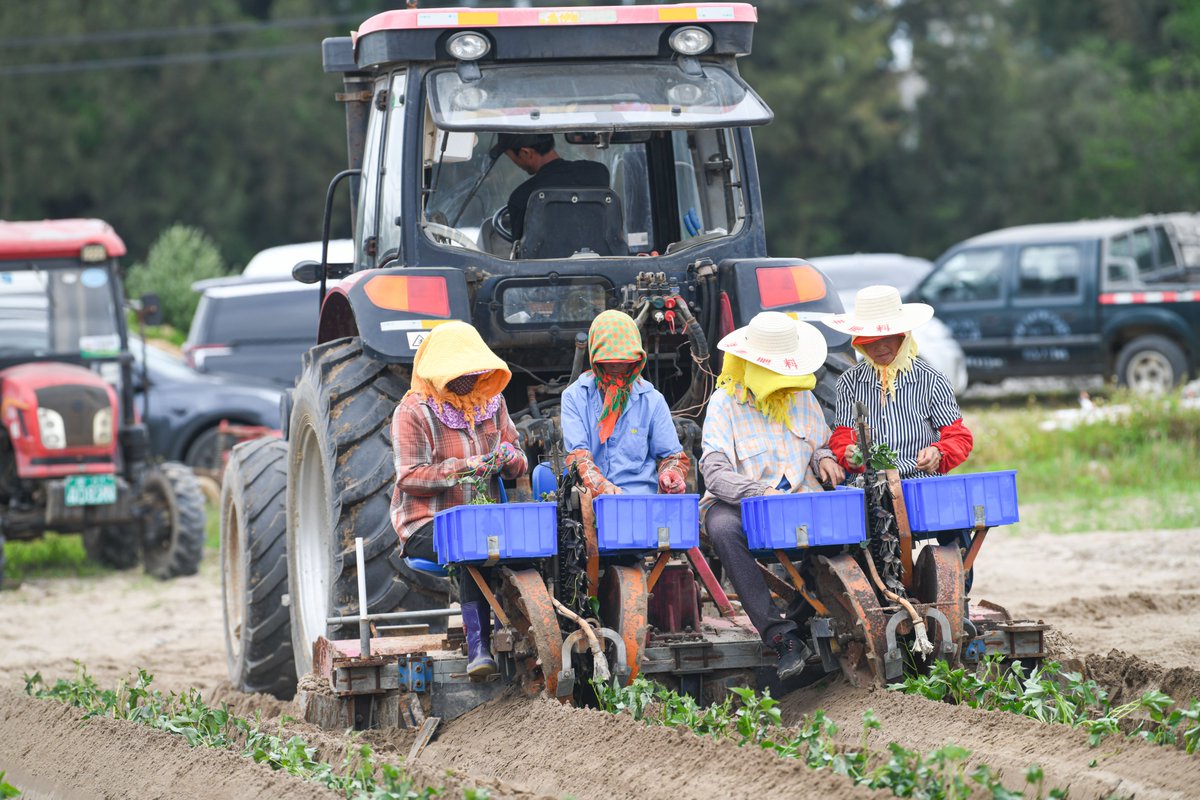
Tech meets farming! 🧑🌾
A newly upgraded sweet potato transplanter just made its debut in Pingtan. It takes only 3 minutes to efficiently plant a whole ridge of sweet potatoes!🥔
#Pingtan #Agriculture #FarmingTech
@philip93_20 @peterchow2023 @PengyunCao9051 @ParodiasRenfe
1
4
53

Jun 8
Tired of transport headaches?
M400 folds to 1.4×1.1m.
Ready for any terrain, any weather. Just go.
#spideriuav #farmingtech #precisionagriculture #dronefarming #DroneTechnology


7

May 25
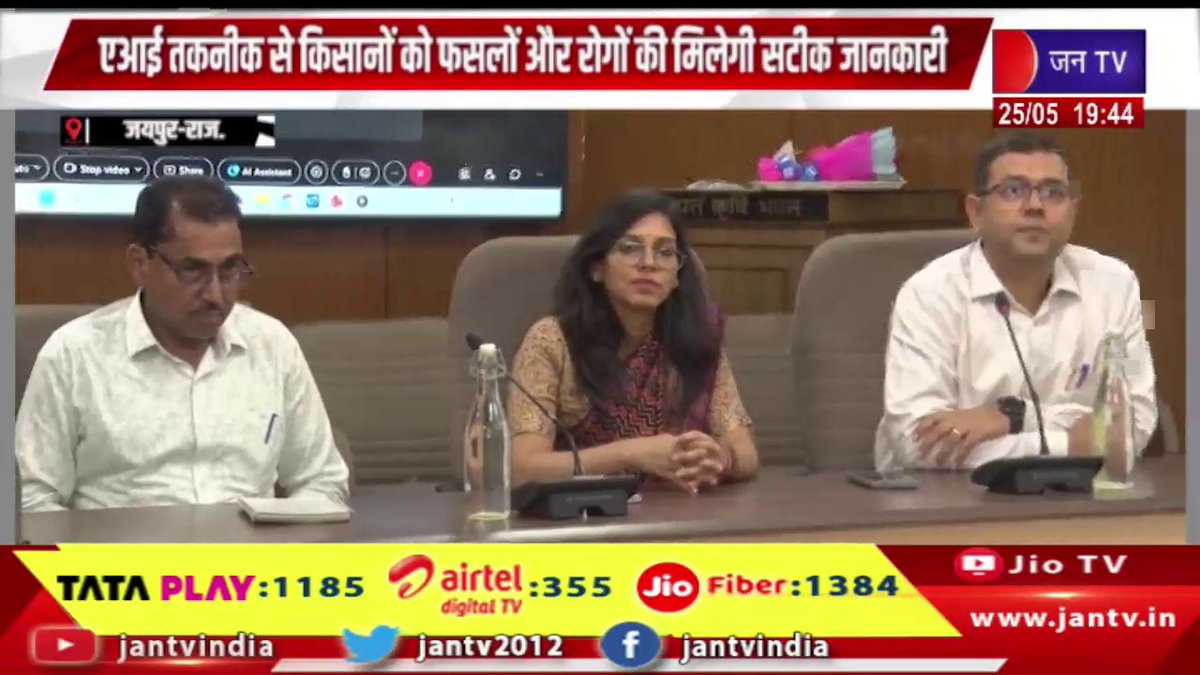
Jaipur News | एआई तकनीक से किसानों को फसलों और रोगों की मिलेगी सटीक जानकारी | JAN TV
youtu.be/6tHUw0TZK2A
#jaipurnews #AI #ArtificialIntelligence #FarmingTech #SmartFarming #Farmers #CropDisease #AgricultureTechnology #AgriTech #DigitalFarming #Innovation #JANTV #BreakingNews #एआई_तकनीक #किसान_तकनीक #फसल_जानकारी #jantv_opn
1
3
22
Apr 20
ग्लोबल राजस्थान एग्रीटेक मीट-2026, 23 अपै्रल को नई दिल्ली में होगी रोड शो | JAN TV
youtu.be/0t-szI7bRd0
#cmbhajanlalsharma #bjp #cmbhajanlalsarkar #cmbhajanlalsharmascheme #GlobalRajasthanAgriTechMeet2026 #AgriTech #Rajasthan #RoadShow #NewDelhi #Agriculture #Innovation #FarmingTech #Investment #AgriBusiness #BreakingNews #JANtv #NewsUpdate #India #EventUpdate #jantv_opn @BJP4Rajasthan @BhajanlalBjp @RajCMO @DIPRRajasthan

1
4
21

WATCH | FPO के लिए कितने फायदेमंद साबित होते हैं कृषि मेले? | Unnat Krishi Mahotsav,Raisen | DD Kisan
#UnnatKrishiMahotsav #Raisen #AgricultureIndia #KisanMela #FarmersBenefit #AgriInnovation #FarmingTech #KisanNews #CropProductivity #AgriGrowth #FarmersIndia #DDKisan
1
31
WATCH | उन्नत कृषि महोत्सव में क्या क्या होने वाला है खास? | Unnat Krishi Mahotsav,Raisen | DD Kisan
#UnnatKrishiMahotsav #Raisen #AgricultureIndia #KisanMela #FarmersBenefit #AgriInnovation #FarmingTech #KisanNews #CropProductivity #AgriGrowth #FarmersIndia #DDKisan
28
WATCH | उन्नत कृषि महोत्सव... किसानों के लिए क्यों जरूरी? | Unnat Krishi Mahotsav,Raisen | DD Kisan
#UnnatKrishiMahotsav #Raisen #AgricultureIndia #KisanMela #FarmersBenefit #AgriInnovation #FarmingTech #KisanNews #CropProductivity #AgriGrowth #FarmersIndia #DDKisan
31
WATCH | उन्नत कृषि महोत्सव से किसानों को कितना फायदा होने वाला है? जानें | Unnat Krishi Mahotsav, Raisen | DD Kisan
#UnnatKrishiMahotsav #Raisen #AgricultureIndia #KisanMela #FarmersBenefit #AgriInnovation #FarmingTech #KisanNews #CropProductivity #AgriGrowth #DDKisan
36
WATCH | उन्नत कृषि महोत्सव में क्या क्या होने वाला है खास? | Unnat Krishi Mahotsav,Raisen | DD Kisan
#UnnatKrishiMahotsav #Raisen #AgricultureIndia #KisanMela #FarmersBenefit #AgriInnovation #FarmingTech #KisanNews #CropProductivity #AgriGrowth #FarmersIndia #DDKisan
28


Jan 17
Adopt New Technologies to Make Farming in Punjab More Sustainable and Profitable: Mohinder Bhagat yespunjab.com/?p=207177
#PunjabFarming #MohinderBhagat #Machinex2026 #ModernFarming #SustainableAgriculture #FarmersIncome #AgroEconomy #CropDiversification #StubbleBurning #PunjabNews #AgricultureInnovation #HorticulturePunjab #FarmingTech
@mohinderbhagat_
11

Introducing KOSP – Agriculture & Farming OS 🌱
A production-grade, on-premise OS built for modern farms and agri-businesses.
Manage fields, crops, equipment, inventory, and reporting — in one system you own and control.
#KomezaOSP #AgTech #Agriculture #FarmingTech #OnPremise
3
5
76

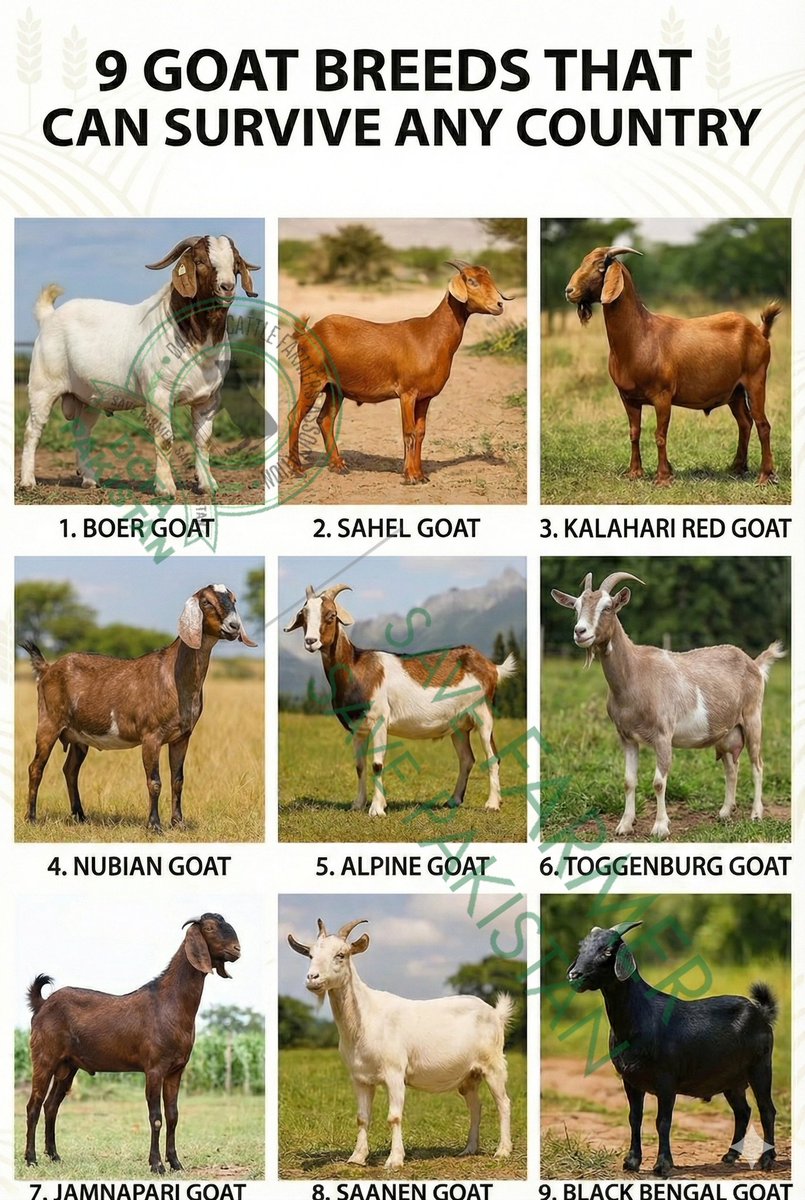
🌍 بکریوں کی 9 ایسی نسلیں جو دنیا کے کسی بھی خطے میں کامیاب ہیں! 🐐
کیا آپ جانتے ہیں کہ کچھ بکریاں ایسی ہیں جو صحرا کی گرمی ہو یا پہاڑوں کی ٹھنڈ، ہر جگہ زندہ رہ سکتی ہیں؟ Swagx Vet Clinic لایا ہے آپ کے لیے بکریوں کی 9 بہترین نسلوں کی فہرست:
1. بوئر بکری (BOER GOAT) 🥩
جسامت میں بھاری اور طاقتور! یہ نسل تیزی سے بڑھتی ہے اور گوشت کی زیادہ پیداوار کے لیے مشہور ہے۔ گرمی ہو یا سردی، یہ ہر موسم کا مقابلہ کر سکتی ہے۔
2. ساحل بکری (SAHEL GOAT) 🏜️
خشک صحرائی علاقوں کی شہزادی! ساحل بکریاں سخت جان ہوتی ہیں اور کم خوراک و پانی پر بھی بہترین گزارا کرتی ہیں۔ سخت ترین موسم کے لیے یہ ایک بہترین انتخاب ہے۔
3. کالاہاری ریڈ (KALAHARI RED) 🔥
سرخی مائل رنگت والی یہ بکری شدید گرمی کو آسانی سے برداشت کر لیتی ہے۔ یہ تیزی سے نشوونما پاتی ہے اور گوشت کے کاروبار کے لیے زبردست ہے۔
4. نوبین بکری (NUBIAN GOAT) 🥛
دوستانہ مزاج اور زیادہ دودھ! یہ گرم اور سرد دونوں موسموں میں خوش رہتی ہے، اسی لیے چھوٹے کسانوں کی پسندیدہ ہے۔
5. الپائن بکری (ALPINE GOAT) 🏔️
دودھ کی پیداوار میں لاجواب! یہ دنیا بھر میں پائی جاتی ہے اور ٹھنڈے پہاڑوں سے لے کر گرم وادیوں تک ہر جگہ سیٹ ہو جاتی ہے۔
6. ٹوگن برگ (TOGGENBURG GOAT) ❄️
یہ قدیم ترین نسلوں میں سے ایک ہے۔ پرسکون مزاج، اچھا دودھ اور ٹھنڈے علاقوں میں رہنے کی صلاحیت اسے خاص بناتی ہے۔
7. جامنا پاری (JAMNAPARI GOAT) ✨
لمبے کان اور خوبصورت جسامت! یہ دودھ اور گوشت دونوں کے لیے بہترین ہے اور گرم و معتدل علاقوں میں بہت منافع بخش ہے۔
8. سانین بکری (SAANEN GOAT) 🏳️
سفید رنگ اور شریف مزاج! یہ "دودھ کی ملکہ" کہلاتی ہے اور مختلف موسموں میں بھی اپنی کارکردگی برقرار رکھتی ہے۔
9. بلیک بنگال (BLACK BENGAL) 🌑
چھوٹی مگر فائدے مند! یہ گوشت کے لیے بہترین ہے، کم خرچ میں پلتی ہے اور نامساعد حالات میں بھی زندہ رہتی ہے۔
💡 کسان دوست مشورہ:
چاہے آپ کا فارم گرم صحرا میں ہو، برفانی پہاڑ پر یا کسی بھی ملک میں، ان میں سے کوئی نہ کوئی نسل آپ کے فارم کو چار چاند لگا سکتی ہے!
❓ آپ کی رائے:
آپ کو ان میں سے کون سی نسل سب سے زیادہ پسند آئی اور کیوں؟ یا کیا آپ نے ان میں سے کوئی بکری پالی ہے؟
* "اگر آپ کو موقع ملے تو آپ ان 9 میں سے کس بکری سے اپنا فارم شروع کریں گے
آپ کے علاقے کے موسم کے لحاظ سے ان میں سے کون سی بکری سب سے بیسٹ ہے؟ کمنٹس میں بتائیں۔"
کمنٹس میں ہمیں ضرور بتائیں! 👇
#GoatFarming #Livestock #FarmingTech #GoatBreeds #BoerGoat #Saanen #Nubian #بکری_پالن #لائیو_اسٹاک #کسان #زراعت #فارمنگ #پاکستان_فارمنگ #اینیمل_لورز #SwagxVetClinic
#ViralReels #FarmingLife #AnimalFacts #AgricultureWorldwide #GoatLove #VillageLife #AgriBusiness
1
20
56
3,400

7 Dec 2025
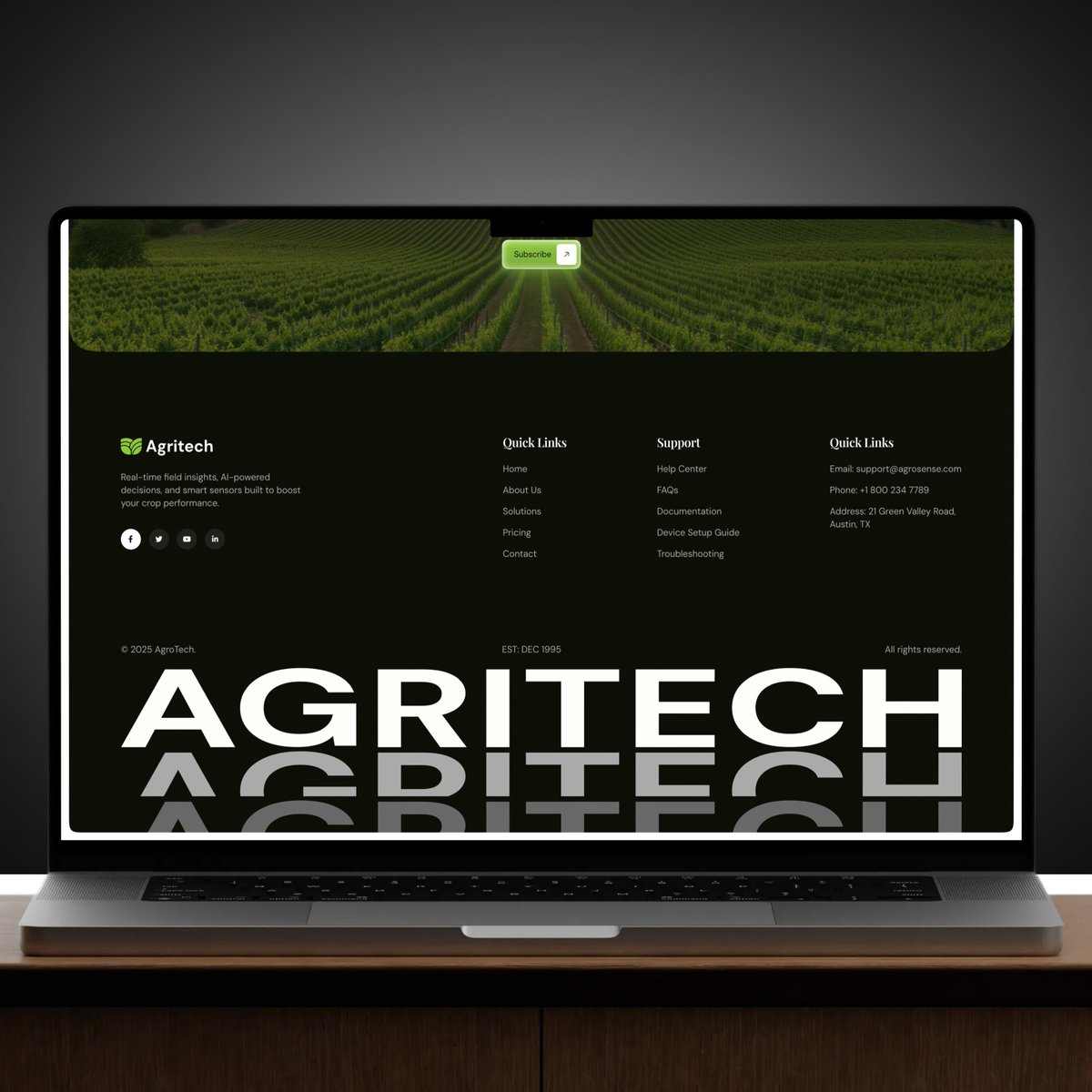
Agritech Landing Page
A clean and modern approach to showcasing smart farming tech, real-time insights, and device monitoring.
See the full shots 👇
Behance: behance.net/gallery/23998358…
Dribbble: dribbble.com/shots/26855299-…
#UIUX #Agritech #WebDesign #FarmingTech



1
2
43

30 Nov 2025
From seeds to sprayers, crop varieties to cutting-edge equipment, and fertiliser to finance, #CerealsatDiddlySquat provides everything you need to be more productive, efficient, and profitable, all in one place.
At Diddly Squat Farm on 10 & 11 June, explore live demonstrations and dedicated zones for:
🌾 Agronomy, technology & precision farming
⚙️ Cultivation, tillage & general machinery
📈 Business, education & land management
🌱 Regen farming
🚜 Harvest & post-harvest
💦 Sprays and sprayers
🐑 Livestock and more
All designed to help you grow your profits and your crops - register below to join us! 🎟️
#sprayers #farminguk #cereals2026 #arablefarming #farmingtech #cerealsevent

1
2
2
284

27 Nov 2025
Checkout these amazing smart agricultural machine transforming snail farms this dry season.
Ready to farm snails? WhatsApp 08078630043
#farmingtech #farmtools #farminnovations #farmequipment #farmtech #agriculture #agritech #farmingtips #snailfarming #ngsnails
2
32

27 Nov 2025
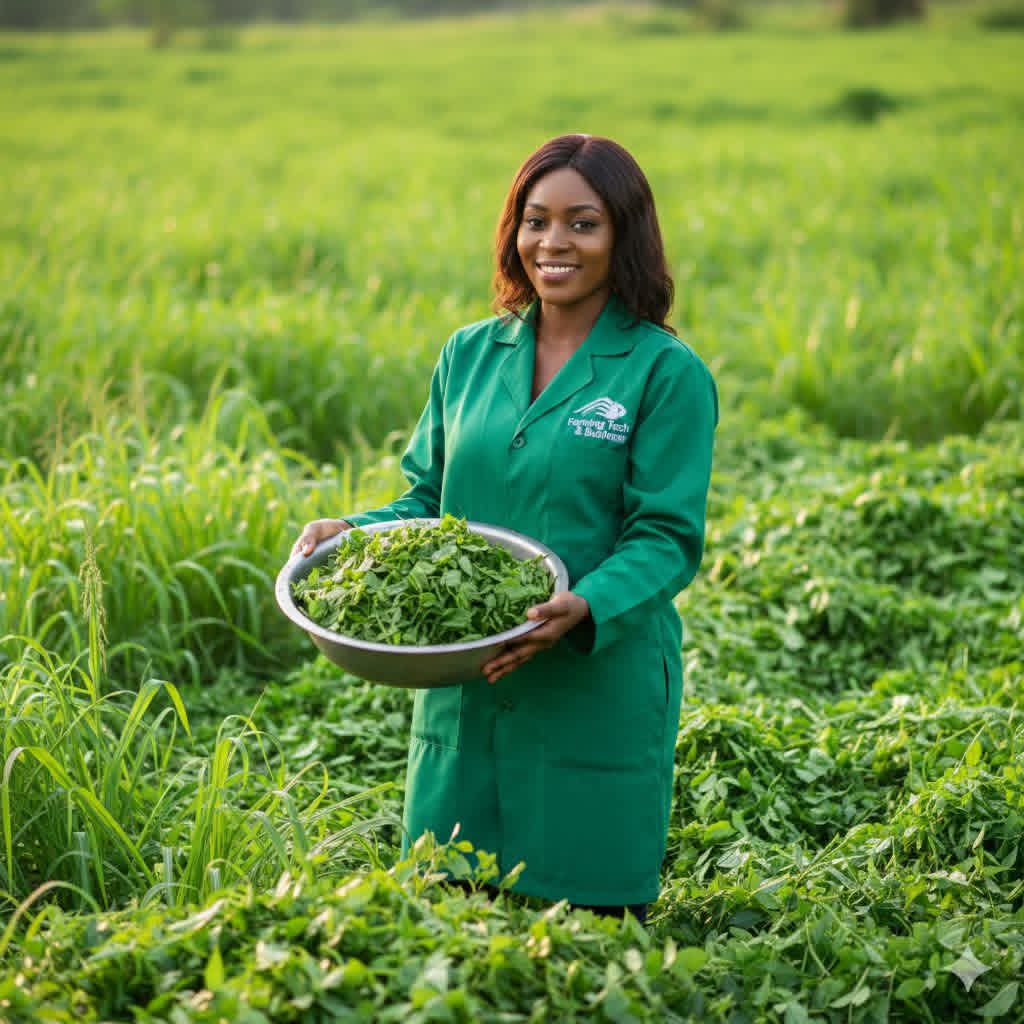
TURN CORN WASTE INTO LIVESTOCK WEALTH: THE POWER OF MAIZE STOVER
Most farmers harvest maize cobs and abandon the stalks, leaves, and stems in the field. What they don't realize is that this "waste"—called maize stover or corn fodder—is one of the most cost-effective, nutritious livestock feeds available for cattle, goats, sheep, and rabbits.
WHAT IS CORN FODDER?
Corn fodder consists of the leaves, stems, and husks left after harvesting maize. When properly chopped, dried, or ensiled, these plant parts become high-quality roughage that significantly reduces feed costs while maintaining animal health and productivity.
NUTRITIONAL VALUE:
Rich in fiber essential for rumen health and proper digestion, corn fodder provides the bulk animals need to feel satisfied while supporting steady growth and weight maintenance. Though not protein-rich, it's an excellent energy source when combined with concentrates or legume forages.
KEY BENEFITS:
1. Cost Savings – Free or extremely cheap since it's a byproduct of grain production. Why buy expensive hay when you're already growing the solution?
2. Readily Available – Maize is cultivated across Rwanda and Africa, making fodder accessible to virtually every livestock farmer during harvest season.
3. Dry Season Security – Properly stored as silage or dried fodder, maize stover provides reliable nutrition when pastures fail and commercial feeds become expensive.
4. Waste Reduction – Transforms agricultural residue into valuable livestock feed instead of burning it or leaving it to decompose unproductively.
5. Improved Palatability – When chopped into small pieces (3-5 cm), animals consume it eagerly with minimal rejection, especially when mixed with molasses or salt.
6. Digestive Health – The fiber content promotes healthy rumen function, prevents bloating, and maintains optimal gut motility in ruminants.
HOW TO USE CORN FODDER:
Fresh Feeding: Chop green stalks immediately after grain harvest and feed fresh. Animals love the moisture and sweetness.
Dried Storage: Chop and sun-dry thoroughly, then store in a dry place for up to 6 months. Rehydrate slightly before feeding for better intake.
Silage Production: Chop fresh stalks, compact tightly in airtight containers or pits, and allow fermentation. This preserves nutrients for 12 months and improves digestibility.
PRACTICAL FEEDING TIPS:
✓ Chop into 3-5 cm pieces for easy consumption
✓ Mix with protein supplements (beans, groundnut cake) for balanced nutrition
✓ Combine with salt or molasses to increase palatability
✓ Introduce gradually to avoid digestive upset
✓ Store properly to prevent mold and nutrient loss.
THE ECONOMICS:
A farmer with 1 hectare of maize can harvest:
Grain: 2-4 tons (primary income)
Fodder: 4-6 tons of dry matter (bonus feed value).
That fodder can feed 5-10 goats or 2-3 cattle for 3-4 months, saving thousands in commercial feed costs. It's income you're currently leaving in the field.
BOTTOM LINE:
Corn fodder is smart, sustainable, and profitable livestock management. It reduces feeding costs, ensures year-round nutrition security, maintains animal condition during difficult seasons, and transforms waste into wealth.
Stop burning or abandoning your maize stalks. Chop them, store them, and watch your livestock thrive while your feed costs plummet. This is how resourceful farmers #FeedTheCommunity sustainably.
#LivestockFarming #MaizeFodder #CattleFeeding #GoatFarming #SheepFarming #Silage #FeedManagement #SustainableAgriculture #FarmingTech #CostEffectiveFarming #FeedTheCommunity
2
2
67

27 Nov 2025
27 Nov 2025

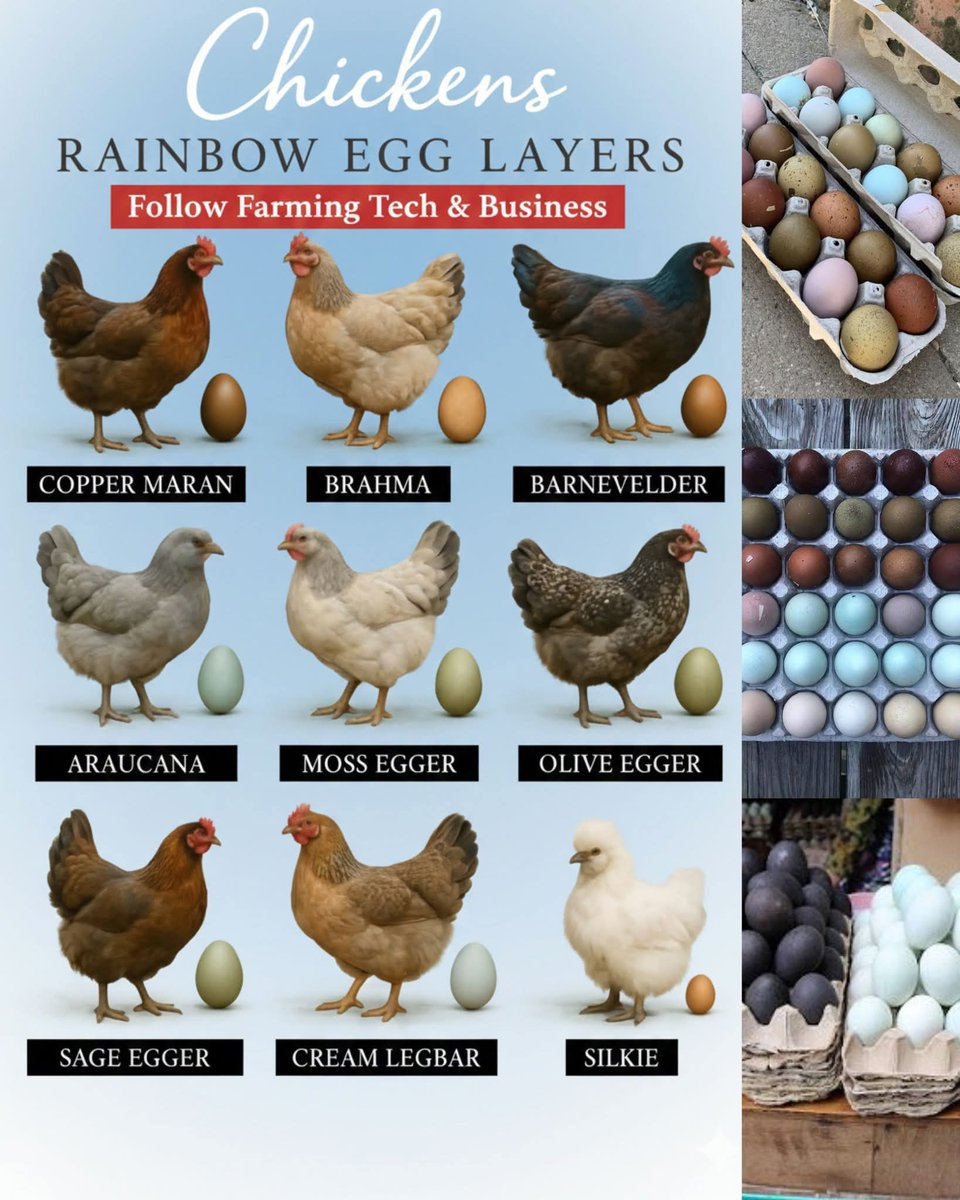
RAINBOW EGG LAYERS: CHICKEN BREEDS AND THEIR EGG COLORS
Ever wondered why some eggs are brown, blue, or even olive green? It's all about the breed! Here are the chickens behind those beautiful rainbow egg baskets:
Copper Maran – Rich, deep chocolate-brown eggs that look almost copper-toned.
Brahma – Light to medium brown eggs from these gentle giants.
Barnevelder – Dark brown eggs with a beautiful terracotta hue.
Araucana – Stunning blue eggs thanks to a genetic trait that colors the shell throughout.
Moss Egger – Sage green to olive-toned eggs, a cross between blue and brown egg layers.
Olive Egger – True olive-green eggs, created by crossing dark brown egg layers with blue egg layers.
Sage Egger – Soft sage-green eggs with subtle color variations.
Cream Legbar – Sky-blue to pale blue eggs, plus they're auto-sexing (you can tell chicks' gender at hatch).
Silkie – Cream to light brown eggs, though Silkies are kept more for their unique appearance and broodiness.
Ayam Cemani – Despite their all-black appearance, they lay cream-colored eggs (not black as sometimes claimed).
WHY THE COLOR DIFFERENCE?
Egg color comes from pigments deposited on the shell during formation. Brown eggs get their color from protoporphyrin, while blue/green eggs contain biliverdin. The pigment doesn't affect nutrition, it's purely genetic and aesthetic.
THE MARKET ADVANTAGE:
Rainbow egg layers are increasingly popular for niche markets, farm stays, and premium egg sales. Customers pay more for colorful egg cartons because they're visually striking and perceived as more "natural" or "heritage."
Whether you're farming for profit or pleasure, adding some rainbow layers to your flock creates marketing appeal and customer delight. After all, who can resist a carton full of nature's own color palette? 🌈🥚
#FeedTheCommunity #RainbowEggs #PoultryFarming #BackyardChickens #SpecialtyEggs #FarmingTech
4
192
27 Nov 2025
RAINBOW EGG LAYERS: CHICKEN BREEDS AND THEIR EGG COLORS
Ever wondered why some eggs are brown, blue, or even olive green? It's all about the breed! Here are the chickens behind those beautiful rainbow egg baskets:
Copper Maran – Rich, deep chocolate-brown eggs that look almost copper-toned.
Brahma – Light to medium brown eggs from these gentle giants.
Barnevelder – Dark brown eggs with a beautiful terracotta hue.
Araucana – Stunning blue eggs thanks to a genetic trait that colors the shell throughout.
Moss Egger – Sage green to olive-toned eggs, a cross between blue and brown egg layers.
Olive Egger – True olive-green eggs, created by crossing dark brown egg layers with blue egg layers.
Sage Egger – Soft sage-green eggs with subtle color variations.
Cream Legbar – Sky-blue to pale blue eggs, plus they're auto-sexing (you can tell chicks' gender at hatch).
Silkie – Cream to light brown eggs, though Silkies are kept more for their unique appearance and broodiness.
Ayam Cemani – Despite their all-black appearance, they lay cream-colored eggs (not black as sometimes claimed).
WHY THE COLOR DIFFERENCE?
Egg color comes from pigments deposited on the shell during formation. Brown eggs get their color from protoporphyrin, while blue/green eggs contain biliverdin. The pigment doesn't affect nutrition, it's purely genetic and aesthetic.
THE MARKET ADVANTAGE:
Rainbow egg layers are increasingly popular for niche markets, farm stays, and premium egg sales. Customers pay more for colorful egg cartons because they're visually striking and perceived as more "natural" or "heritage."
Whether you're farming for profit or pleasure, adding some rainbow layers to your flock creates marketing appeal and customer delight. After all, who can resist a carton full of nature's own color palette? 🌈🥚
#FeedTheCommunity #RainbowEggs #PoultryFarming #BackyardChickens #SpecialtyEggs #FarmingTech
2
6
7
476