
Jun 12
Anthropic's Fable 5 is a huge leap forward for AI-driven software development. But it will be a very expensive servant.
I wanted to find out whether it could migrate a legacy frontend stack (FastHTML) to a state-of-the-art framework (Next.js) entirely on its own.
I started with an analysis and a technical concept, which resulted in one epic and four sub-issues.
My first prompt was:
"/goal implement issue XXXX (including all sub-issues). This is a large frontend migration project where you will need to give it everything you've got. The migration is complete when FastHTML has been completely removed and replaced by the new Next.js architecture. All builds and tests must be green. Use agent-browser to test frontend-related functionality (non-negotiable). At the end of the migration, the application must look and behave exactly as it does now. No new features should be implemented. You may fix bugs. Work on a new branch (based on dev) and commit regularly using atomic commits."
Fable consumes roughly twice the usage limits of Opus and works through tasks remarkably fast. It took me 12 sessions (4-hour windows), during which Claude Code worked for an average of about 70 minutes before I hit the limit. During the breaks, I used GPT-5.5 High to review the progress and assess the current state of the migration. I then fed that feedback back into Fable 5 for the next iteration.
By the end, it had completed roughly 80% of the migration before I ran into my weekly usage cap. The remaining work was finished using GPT-5.5 High.
Overall, I'm very impressed by its analytical, coding, and agentic capabilities. Unfortunately, it will not be included in the Max subscription and will instead be offered on a pay-per-use basis via API.
The work completed during this migration would have cost approximately $800 if executed entirely through the API.
Although the migration still requires additional testing and polishing before it is production-ready, the amount of work AI can now accomplish is simply incredible. Just a few years ago, a project of this scope would likely have required a small team working for several weeks.

2
72

Jun 9
That's some short term defensive strength but it only gives that ecosystem maybe 18 months of staying power at most until much leaner alternatives are mature, enabled by WICG Declarative Partial Updates. You'll end up with a lot more devs using something like FastHTML.
1
25

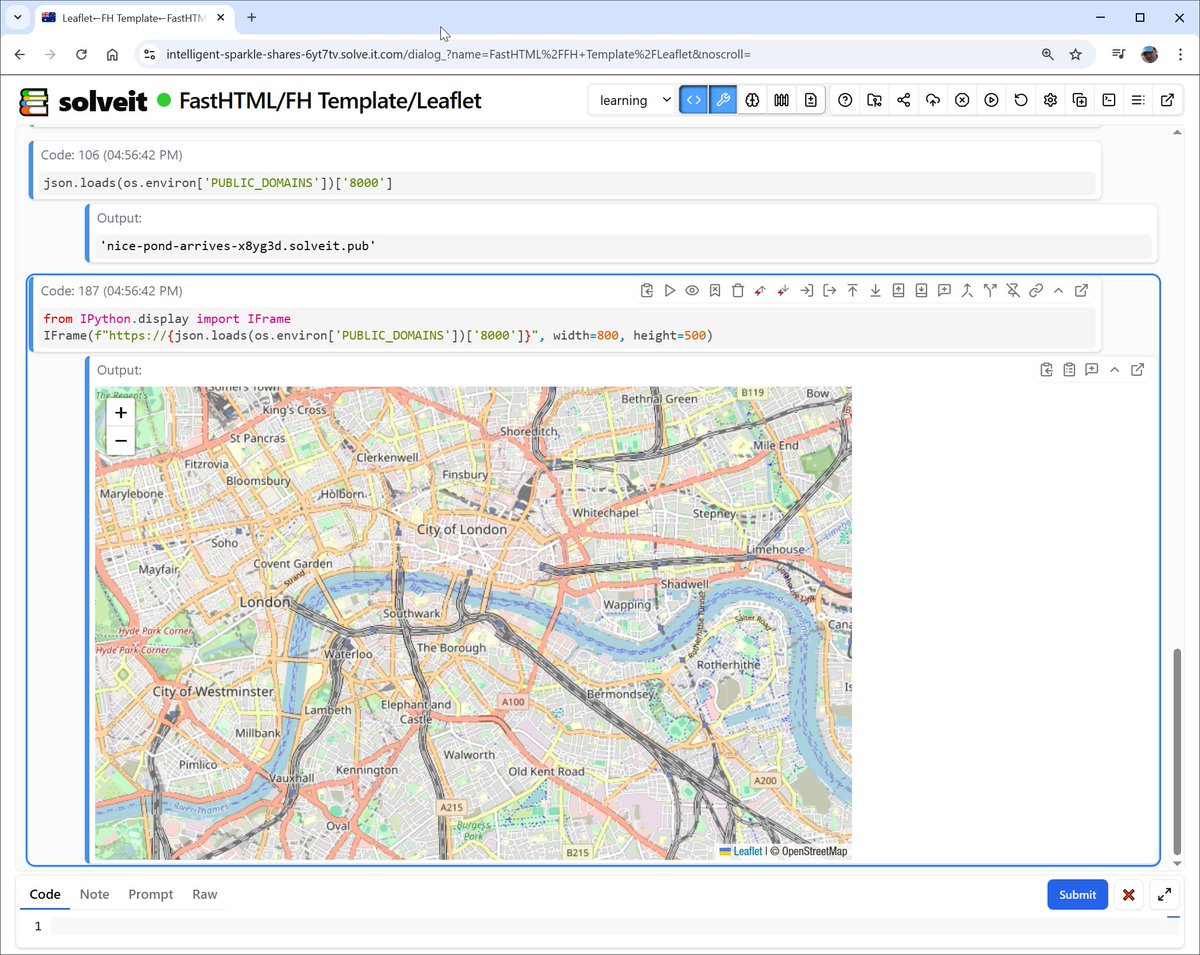
Easily add Leaflet.js to a FastHTML app inside SolveIt. MVP example code here: share.solveit.pub/d/54010ea9…
1
1
4
289

Yesterday I had flashback to the first fast. ai Deep Learning lesson while training a small world model in SolveIT.
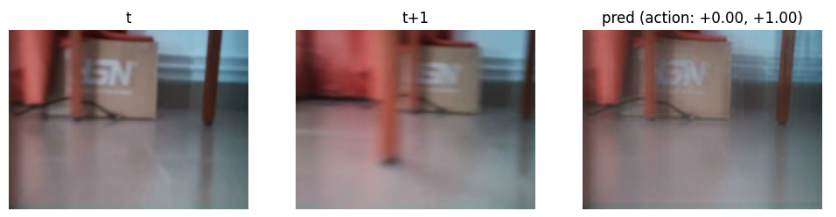
I had a dataset with 10min of video & actions of me driving the robot around the room. The task was to predict next frame given the previous one and the action.
I began with a very small CNN to test the whole process end-to-end:
1. Load the HF data
2. Convert it to a Torch dataset
3. Write a small model training loop
4. Check the predicted results
It was hard to tell if the model was any good just by looking at a single image because they are all so blurry anyway.
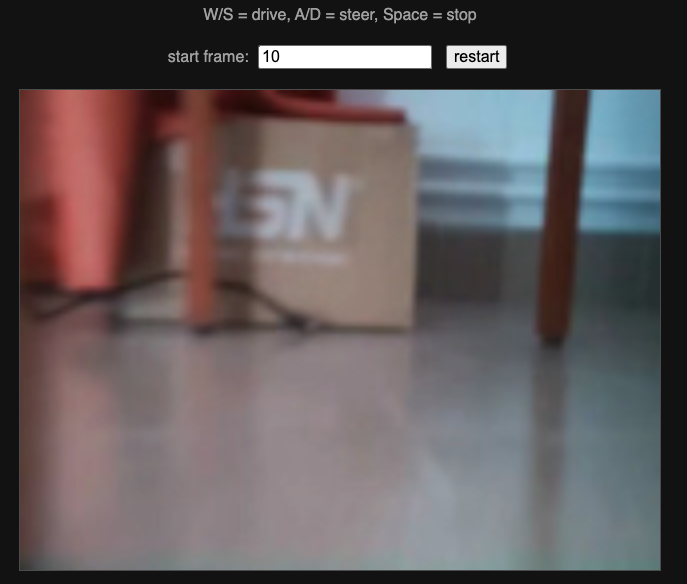
What I did instead was to create a FastHTML (in the dialog itself) which allowed to navigate with the keyboard given an initial frame.
Thanks to that I realized that the model was pretty useless and I should try something else.
However, I noticed that this e2e experience mirrored exactly the first lesson Practical Deep Learning, where you trained and deployed a classifier right away.
When I took that lesson I was amazed at having an example running right away. The fastai lib had a lot of nice helpers to inspect the dataset, samples, run the loop and even find new data in google.
In my case, SolveIT helped doing all of that for me, while letting me ask questions along the way. In under 2h I had a first prototype. Along the way I could visualize the data & plot anything. Very nice interactive coding.
Moreover, In DL lesson 2 actually you were taught how to deploy the model with Gradio. But now I just run an fasthtml app in the nb and use the model to move around the room (well, it just blurs the images but...)
It feels like I've had an upgraded experience of that first 2 lessons w/o any teachers involved. Truly great experience.
2
60
Easily create Html-in-Canvas in SolveIt! For this example I created a FastHTML web app in SolveIt and added the canvas. Works great!
Example sourced from: html-in-canvas.dev/demos/hel…
Solveit dialog code: share.solve.it.com/d/5472c94…
What's SolveIt? Find out more here: solve.it.com/
2
264

Apr 23
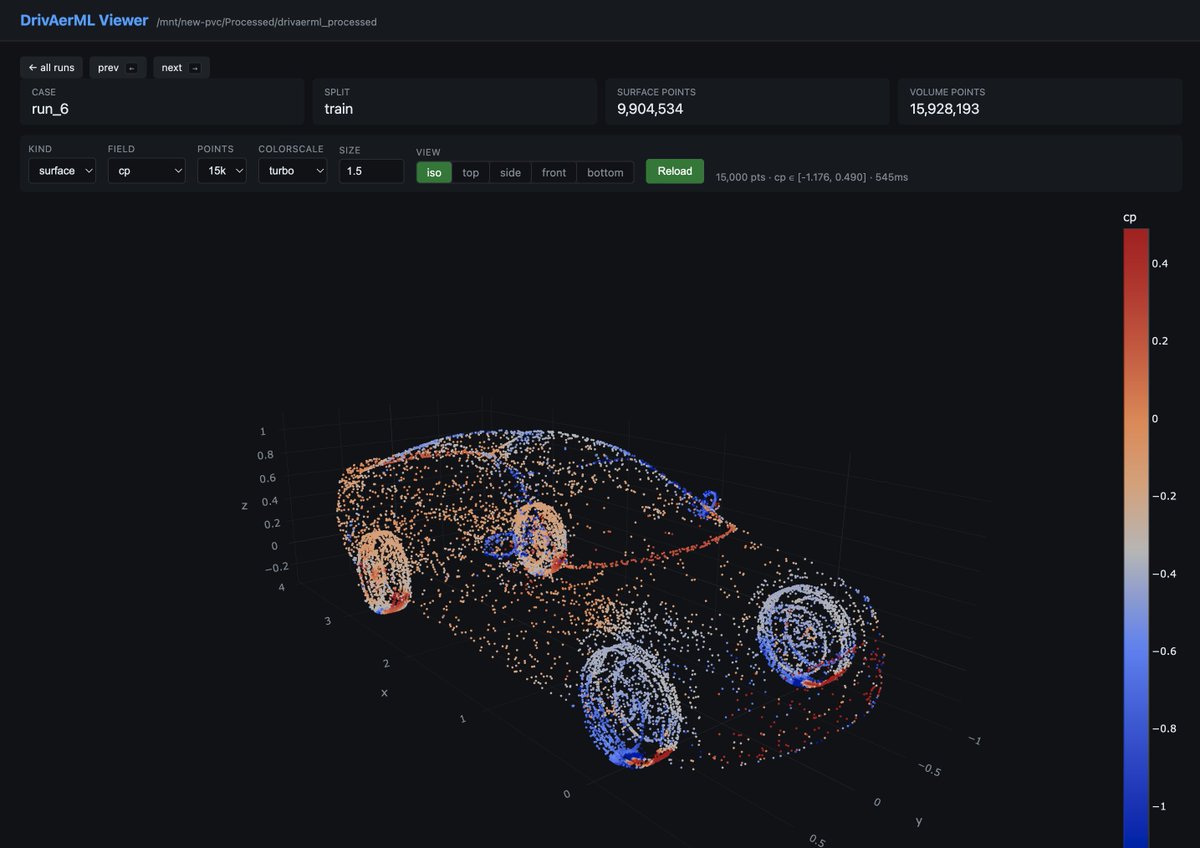
Creating your custom dataset visualizer has never been easier. Just point Claude/Codex to you dataset folder, ask what you want and iterate until you have what you want. Bonus if you use FastHTML
1
2
143

Apr 18
Going thru the lesson 9a notebook (by @johnowhitaker) of the fastai course, and created a little tool to play around and visualize the latents produced by an autoencoder
Crafted with SolveIt and FastHTML (both by @answerdotai)
1
2
4
1,619
Finally crossed the boundary from ML software and into the real world!
Today I trained the first neural net to control the robot and it was a success! Taught the car to drive up to a can w/ a sticker using the ACT policy.
In the dashboard you can see the steering & drive targets in orange and the actual commands on the motors in green.
At first the motors are disarmed but the policy is already running, that's why steering is slightly under the center (meaning turn slightly right!) and the drive is at 1 (meaning drive forward).
When I arm the motors it does indeed drive up to the can after slightly turning.
I recorded 12 examples driving, 4 straight to the can, and 4/4 slightly to the left/right. The camera has a narrow FOV so I can't turn too much in the apartment.
The training took a couple hours in my Macbook & inference runs there too. Both training and inference run in Jupyter notebooks, and the UI is a FastHTML app for easy monitoring and safety disconnectd (arm/disarm).
More details soon!
2
5
396
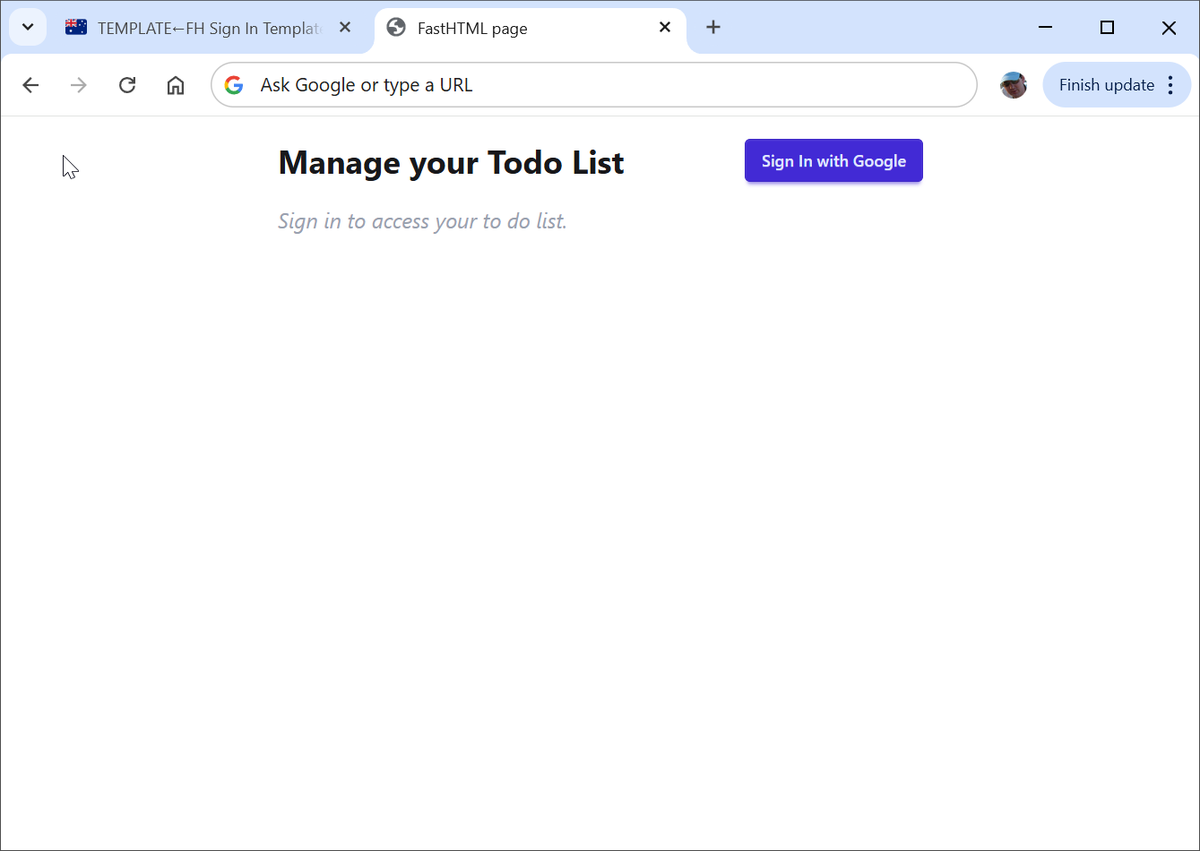
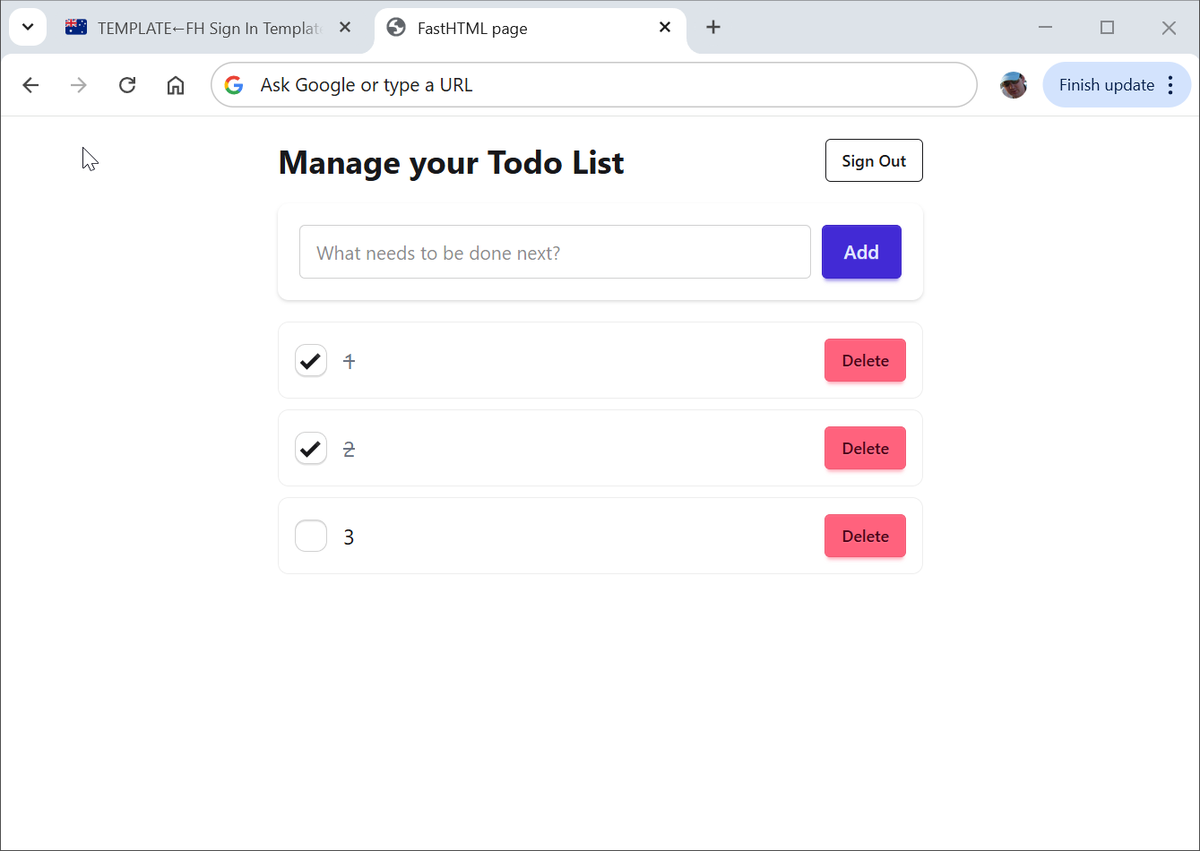
SolveIt already makes it easy to develop web apps. e.g. In FastHTML. But a recent addition makes it super easy to add Google Sign In support without having to register an app in the Google Console.
1
1
4
217

Mar 29
ModernBERT, Claudette, FastHTML, an ML school that introduced idk how many to training neural nets…
Quite a bit!
2
310

Mar 23
ICYMI, Starlette 1.0 was just released (yay!)
One compatibility issue: it removes `on_startup/on_shutdown`.
I've now updated FastHTML to continue to support those, by auto-generating a lifespan.
fastht.ml/
2
4
56
6,336

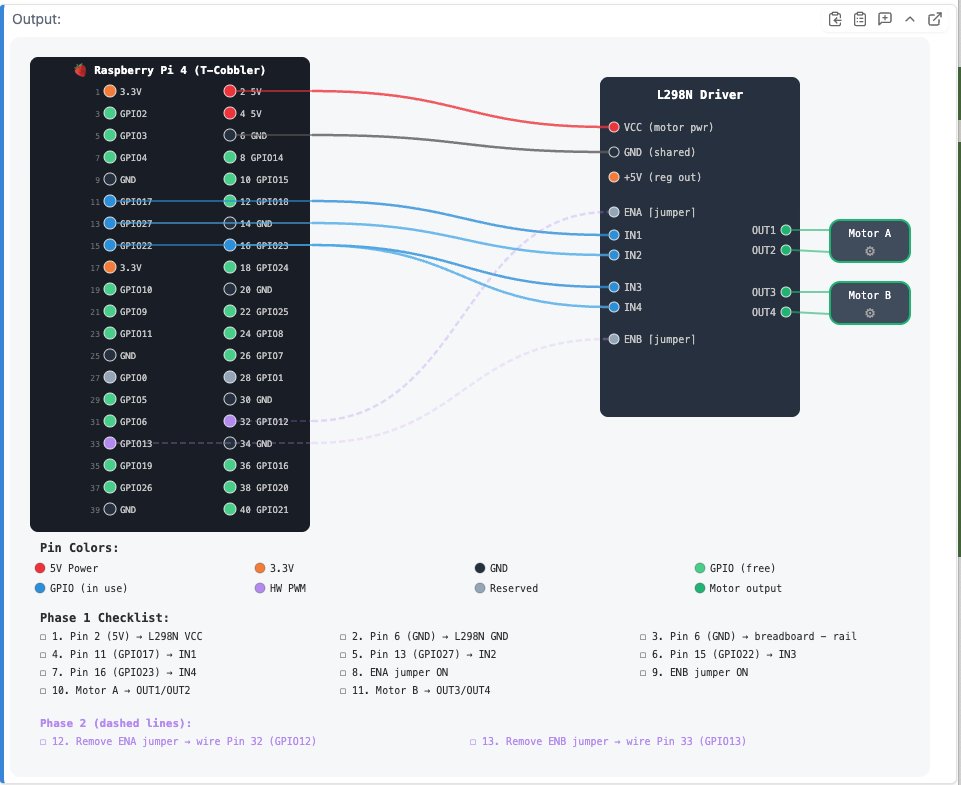
I was doing some electronics and I wanted solveIt to keep track of my connections.
The text-based representations it suggested were pretty bad, so I suggested maybe a fastHTML component.
It went off for a VERY long time, and it came up with a FastHTML-based svg and it nailed it.
Very slow and not the best solution but I'm mind-blown it worked at all and it's perfectly precise.
Anyone guessing what I'm building? 👀
3
66

Feb 24
Just found Basecoat recently and it works great with @jeremyphoward’s Python based web framework FastHTML!
1
2
141

Feb 4
Been hacking on @modal_labs sandboxes, @answerdotai FastHTML, @daisyui_ , @htmx_org
Built a ChatGPT-like code interpreter where you can see all the tool calls and inner workings. Pure Python.
Blog post: drchrislevy.com/blog/

1
3
82

Jan 29
I know some python devs love frameworks like streamlit/chainlit/gradio/fasthtml etc, but I love vanilla HTML/CSS/JS so deeply that I can't bring myself to use those.
3
159
I completely agree with that tweet. I've been told that manually crafting code w/ AI assistance vs fully agent coding, is like people choosing to learn to drive horses when there are cars.
However the analogy misses the point that going full AI agents (at current capabilities) would let you improve your cars super fast, but it is very unlikely it would ever come up with planes (a totally new "abstraction").
I think the greatest danger of vibe-coding is that people might lose the ability to create these new layers of abstractions.
For example, @modular's Mojo new language which unifies simple high-level AI dev and can run everywhere (CPUs & GPUs) with great performance. Or FastHTML a new framework that greatly simplifies python web dev.
These new layers can't be designed by any agent so far.
The current AI-agent equivalent in the case of Mojo would be to brute-code all the hardware-specific code for your project. And then do that again for every new project. All the CUDA stuff, then the CPU equivalents, etc... It feels super wasteful.
In the future it might happen that
1. Abstractions become irrelevant because AI can just manage limitless amounts of code super fast. In that case humans will be out of the coding loop. This is the typical sci-fi scenario where super intelligence creations are so complex that no monkey brain can keep up or even understand them
2. AI learns to create new abstractions like Mojo. This would be awesome, and we'd manage to tame increasing complexity and humans would still be relevant.
However, I would not risk losing human capabilities assuming that either one of those happen.
And for sure, I would not assume that current abstractions (even boilerplate AI-agents friendly ones like react or golang) are going to be the final ones.
Jan 22

No we don't YOLO on top of it. There's actually many layers of increasing deep abstraction on top of it, each depending on the layer below. Each is carefully tested and has well defined boundaries. That's why you only normally need understand the code at the layer you're using.
3
106

Jan 23
Big thanks to the fasthtml and @dodopayments llms.txt for making the payments front end so much easier to do
Jan 22

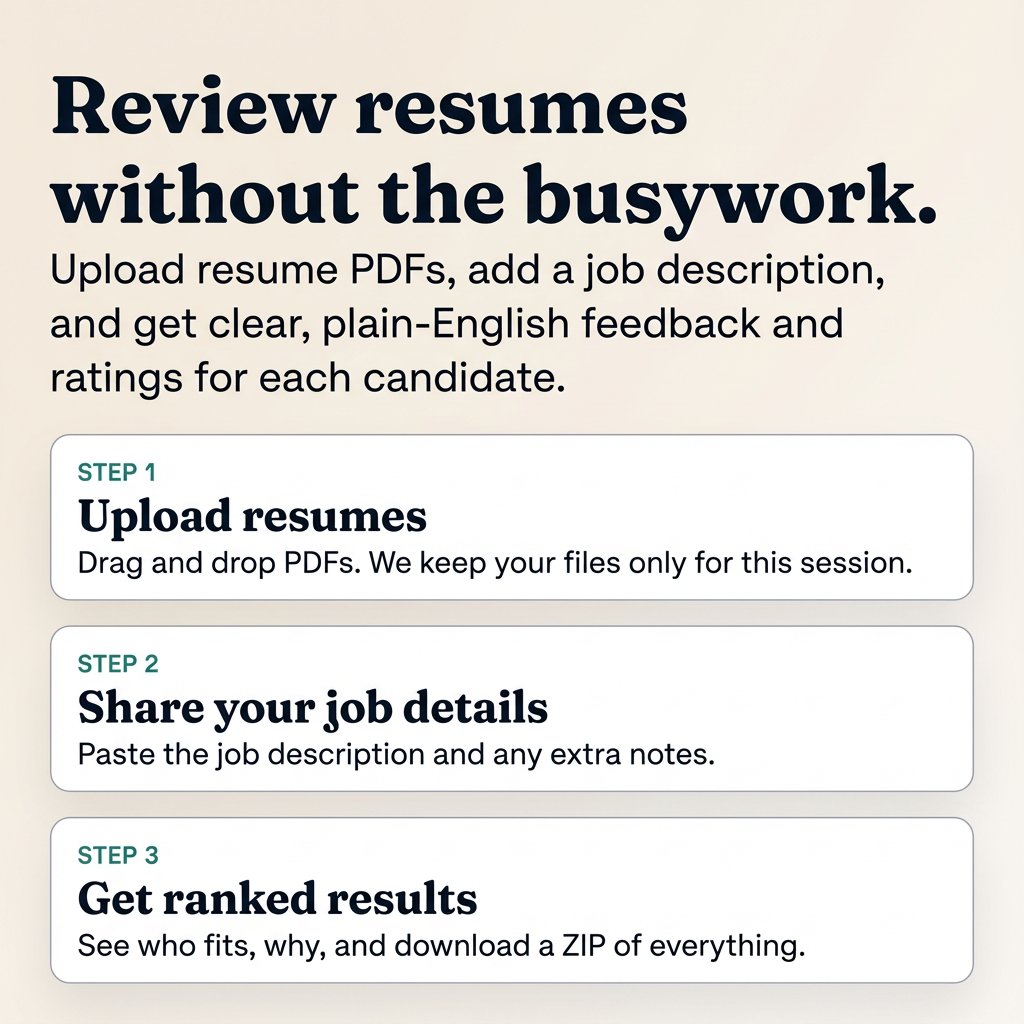
Released a thing to rank resumes to a job description
If you're hiring and you got a pile to go through, use this to get them ranked so you can start from the top :D
No sign up required, just upload and press buttons beep boop
1
1
279

【Pythonだけでwebアプリが作れるライブラリが増えている】
pythonでwebアプリを作る方法が実は多数あります。
・Reflex
・Flet
・FastHTML
・Anvil
僕が知るライブラリからかなりアップデート・容易化しているなと感じました。
実績作成等にもぜひ活用してみてください!
qiita.com/SFITB/items/c33619…
1
3
32
2,236

Jan 17
I think I’m going to make a learning from failure blog series.
It’d cover things I attempted that ended up differently than I’d thought they would. maybe saying “failure” is bombastic, but they turned out way differently than I anticipated and the benefits came in unexpected ways.
For example, creating a consulting and education business. I made more money than ever, learned more than I ever have, and made a bigger impact than I ever have. And yet, I learned that I want to go all in on building with a team, and not scale a consulting and education business,
I tried vibe coding a product in next js and react almost a year ago. I felt it get unmanageable and rebuilt in other frameworks. But I learned so much about code structure, separation of concerns, and it kicked off an obsession with trying to use AI in a more productive way, which has been extremely fruitful focus for me.
I built monsterui and the fasthtml gallery. It didn’t end up matching my original vision (I made lots of design mistakes along the way) and I don’t use them anymore. But I consider the projects a massive beneficial thing I did, and it changed the trajectory of what kinds of things I build.
Would people find that style of post interesting to read about?
4
2
13
2,172