
Ja volle Zustimmung warum es heute so lange weiterläuft und auch die Anreize die man geschaffen hat mit den Bailouts 2008 etc.
Bezüglich Keens Ideen muss ich es anders formulieren, weil es eben nicht simpel darum geht Schattenbanken, Dervirate etc. zu verbieten wie ich es geschrieben habe. Sondern z.B. zieht PILL auf die Nachfrageseite der privaten Verschuldung ab.
Um den positiven Feedbackloop zu brechen, den z.B. Free-Banking und auch eine feste Geldmenge nicht trifft. Kredit nicht auf Basis des spekulativen Marktwertes, sondern auf Basis des Einkommens des Assets (Mieteinnahmen).
Genau da geht es um Anreizsysteme ändern.
Weitere Vorschläge sind ja z.B. :
- Ablaufdatum für Aktien, damit ist egal welches Produkt du darauf aufbaust es erbt automatisch die Eigenschaft mit.
- Verbot von Margin Debt
Disziplin kommt eben nicht allein von Verlustträgerschaft, genau das schafft ebenso Boom-Bust Zyklen auch in Ländern die verhältnismäßig nah am Free-Banking war, sie produzierten genauso Spekulationsblasen und bauten Private Verschuldungsqouten auf. Die Anpassung erfolgt dann immer auf Kosten der Schwächsten durch Arbeitslosigkeit etc. wenn man einfach alles sterben lässt für eine Demokratie absolut tödlich.
Wenn es wie jetzt so weit schon gekommen ist hilft meiner Meinung nur eine: Modern Debt Jubilee wie sie Keen vorschlägt. Alles andere würde ungeahnte Folgen haben, will nicht wissen wie noch mehr Menschen sich radikalisieren, wenn man einfach sich "gesund" schrumpfen lassen will
1
3

Jun 13
Toxic Podcast Behavior: Learn, Grow, or Be Toxic! Links in bio!! #PodcastTips #PodcastEtiquette #CreatorAdvice #BDSMCommunity #ConsentIsKey #FeedbackLoop #HealthyRelationships #LearningTogether #FYP #GayPodcast #LGBTPodcast
4

Jun 13
Aus dem Feedbackloop der Maschine-Maschine-Interaktion basteln dann die Nachfolger Conrad Schnitzlers obskure Klanggemälde, zu denen meine Kinder in virtuellen Soundkathedralen im Metaverse imaginär tanzen, während ich meinen Enkeln „Hard coming Love“ auf Platte vorspiele.

1
1
180

Jun 13
Jeg fortsetter slakten av de klassiske marxistenes ansvarsfraskrivelse. Det samme våset her.
steigan.no/2026/06/hvem-beta…
Den grunnleggende selvmotsigelsen i kritikken av Frankfurterskolen er at klassiske marxister forsøker å fraskrive seg ansvaret for en idéutvikling som åpenbart sprang ut av deres egen tradisjon.
Frankfurterskolen var ikke en ytre fiende av marxismen. Den besto av marxister som mente at den klassiske teorien måtte revideres fordi arbeiderrevolusjonen uteble i Vesten. De valgte en ny vei og flyttet fokus fra økonomi til kultur.
Når dagens marxist-leninister hevder at Frankfurterskolen ødela venstresiden, men samtidig forklarer dette med amerikansk finansiering og innflytelse, oppstår en paradoksal ansvarsfraskrivelse. På den ene siden hevdes det at Frankfurterskolen var marxistisk nok til å dominere venstresiden. På den andre siden hevdes det at dens ideer egentlig kom utenfra og derfor ikke kan tilskrives marxismen selv.
Problemet er at begge påstandene ikke kan være fullt sanne samtidig. Selv om amerikanske institusjoner kan ha støttet eller promotert bestemte tenkere, oppsto Frankfurterskolens ideer innenfor marxismen, ikke utenfor den. Å legge hovedansvaret på USA kan derfor oppfattes som et forsøk på å flytte ansvaret bort fra en utvikling som marxismen selv skapte.
It wasnt real marxism
youtube.com/watch?v=u9DAN590…
Historien er enkel.
Marx spådde fremtiden.
Marx feilet fullstendig.
Det ble åpenbart for alle at Marx hadde feilet fullstendig, men noen klassiske marxister venter som kristne venter på Messias - til evig tid.
Andre marxister forsøkte å retenke marxismen, fordi det eneste marxismen trenger for å komme til Utopia - er revolusjon.
Frankfurtskolen la grunnlaget for/skapte kulturmarxismen/woke/marxisme 2.0
Og, ja, forvirrede "høyreorienterte" kan ha deltatt i å finansiere kulturmarxismen.
Dersom man aksepterer teorien om at deler av den amerikanske eliten bevisst støttet kulturmarxisme eller identitetspolitikk for å svekke den klassiske arbeiderbevegelsen, reiser det et åpenbart spørsmål: Hvor klokt var dette egentlig?
På kort sikt kan det ha virket attraktivt. En venstreside opptatt av språk, identitet og kultur fremsto mindre truende for eiendomsrett, næringsliv og kapitalakkumulasjon enn en venstreside opptatt av revolusjon, nasjonalisering og klassekamp. Men dersom målet var å beskytte samfunnets stabilitet, kan strategien ha vært dypt kortsiktig.
Ideer har en tendens til å utvikle seg på egen hånd. Når først identitetspolitikk, kritisk teori og kulturkamp fikk fotfeste i universiteter, medier og institusjoner, sluttet de å være kontrollerbare verktøy. Det som kanskje begynte som et alternativ til revolusjonær sosialisme, utviklet seg til en kraft som utfordret tradisjonelle normer, nasjonal identitet, meritokrati, ytringsfrihet og deler av den liberale samfunnsmodellen som også kapitalismen er avhengig av.
Hvis teorien stemmer, kan man derfor argumentere for at dette var et klassisk eksempel på utilsiktede konsekvenser. For å svekke én ideologisk utfordrer, bidro man til å styrke en annen. Resultatet ble ikke nødvendigvis et mer stabilt samfunn, men nye konflikter og nye former for polarisering.
Ironien er at dersom høyreorienterte eller kapitalvennlige miljøer faktisk hjalp slike ideer frem, kan de ha endt opp med å finansiere en kulturell bevegelse som senere vendte seg mot mange av de samme institusjonene som gjorde den mulig.
Rasjonell feedbackloop:
La marxismen alltid selvdestruere!
I alle dens former søker marxismen døden for alle.
Bruk energi på å peke på detaljene.
Alle detaljene.
Alle tanker, ideer og handlinger kan ytterst sett, og ofte nokså enkelt klassifiseres i to kategorier:
Søke livet!
Søke døden!
Enhver handling fremmer eller hemmer livet ditt.
Marxisme søker i alle sine ideer og handlinger døden.
Ikke assister marxismen, la den selvdestruere.
Når venstreorienterte i UK ser vekk når muslimer massevoldtar barn - en marxistisk/venstreorientert ide, søker ytterst sett døden.
En ide som søker livet er pr definisjon alltid høyreorientert.
En ide som søker døden er pr definisjon alltid venstreorientert/marxistisk/nazistisk/fascistisk/muslimsk.
Livet versus døden.
To be or not to be - det fundamentale valget vi tvinges til å ta hele tiden - i hvert valg.
26


Jun 12
Be honest, realtors: What’s your biggest follow-up hurdle? 🧐
1️⃣ Forgetting
2️⃣ Complex tech
3️⃣ Not knowing what to say
4️⃣ Too much time
Vote below! 👇 We're building better automation at connectiko.io
#RealEstatePoll #RealtorLife #Connectiko #FeedbackLoop


Journalists employed by @mehdirhasan will win subscribers. There's now a division of labour between @zeteouk & @TheGreenParty. The latter wins growing numbers of votes, making it impossible for #TheWrap #Newsnight #C4News @cathynewman #bbcqt #bbcaq etc to censor us. #FeedbackLoop
1
1
1
77
phil retweeted

10 Sep 2025
(telltale voice) battat will remember that
| #deltaruined #polymikes #meatwormart
#feedbackloop #omorashi |
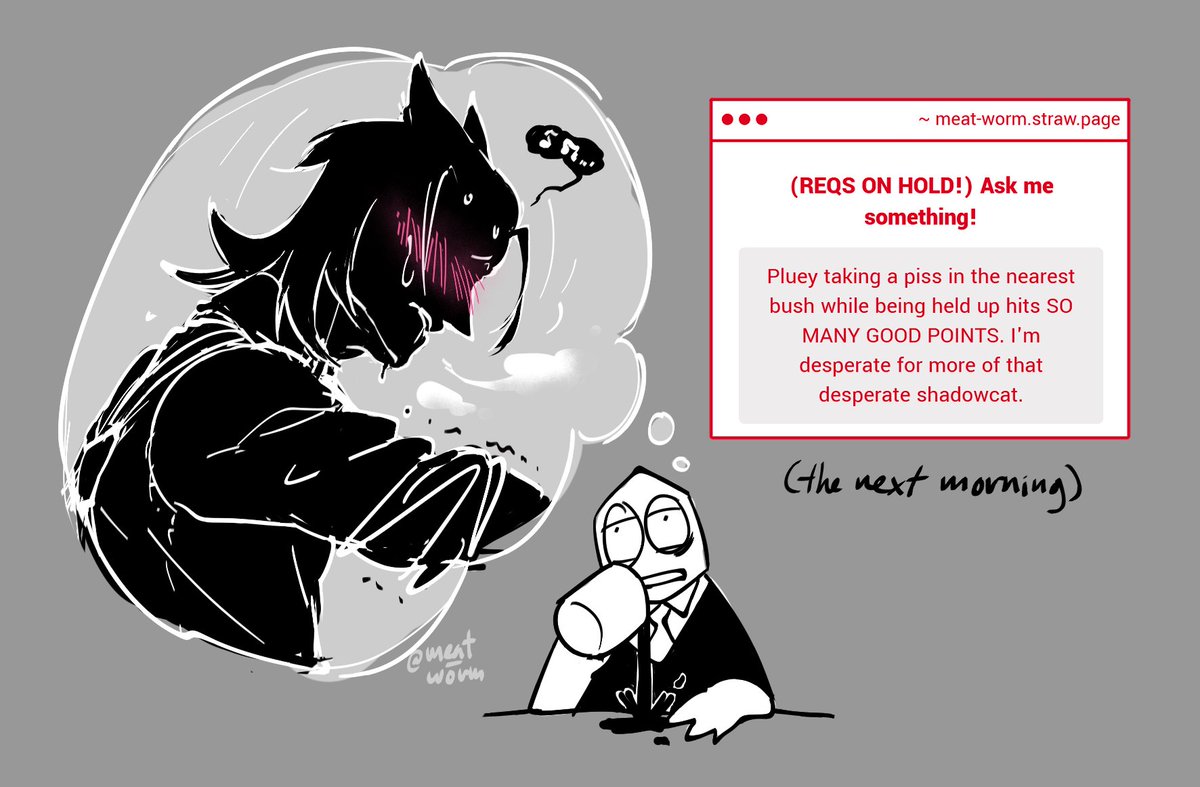
ALT battat thinking normal thoughts about pluey
9 Sep 2025

one last req before i lock in for the comic
| #meatwormart #deltaruined #omorashi #mikeycule #feedbackloop |

ALT -Speech Bubble Transcript- Pluey: "(distressed music notes)!" Battat: "Oh for- whaddaya mean ya can't hold it!?" Pluey: "(apologetic wobbly music notes)..." Battat: "Whatever, jus' hurry up! Yeah, J? Need ya here ASAP, I can't carry him back on my own..."
2
62
984
38,727

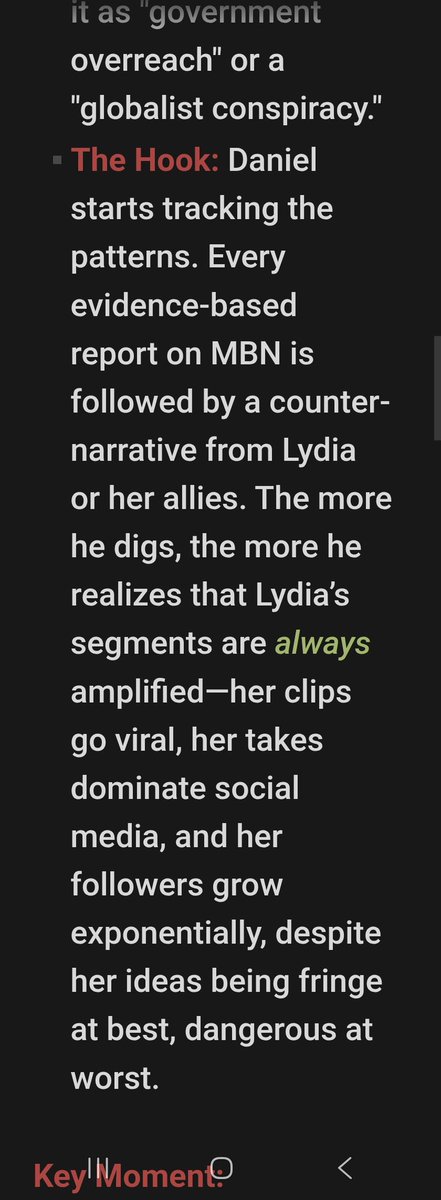
Are We Watching Extremism Get Engineered Into the Mainstream❓️
timgoodacre.wordpress.com/20…
#BothSidesism #MediaAnalysis #EchoChamber #MainstreamExtremism #OutrageMachine #SocialMediaAlgorithms #BillionaireMedia #FeedbackLoop #FringeToCommonSense #NormalizeExtremism



3
Are We Watching Extremism Get Engineered Into the Mainstream❓️
timgoodacre.wordpress.com/20…
#BothSidesism #MediaAnalysis #EchoChamber #MainstreamExtremism #OutrageMachine #SocialMediaAlgorithms #BillionaireMedia #FeedbackLoop #FringeToCommonSense #NormalizeExtremism

5
25

Jun 9
Sagt der Zeitgeist zum Freigeist. Buuuuhuhu ...
Schwelgt ihr einfach lieber in euerer Confirmation-Feedbackloop-Echokammer eurer Meinungs-Bubble, oder habt ihr auch Fakten beizutragen?
21

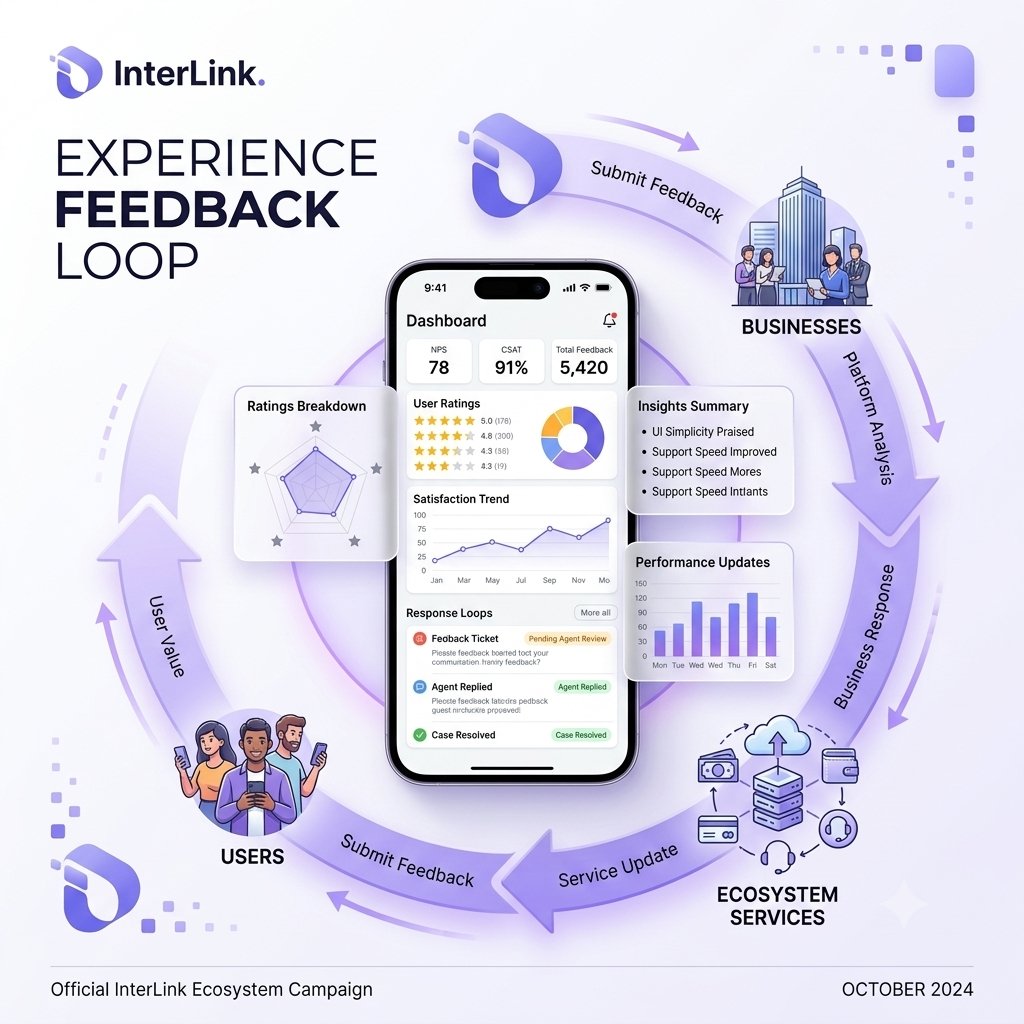
🚀 Day 65 | Part 145/200 — Experience Feedback Loop
A strong ecosystem never stops improving.
InterLink’s Experience Feedback Loop continuously collects user insights, analyzes interactions, and refines the overall platform experience to ensure constant growth and optimization.
This cycle transforms user feedback into real improvements, making the ecosystem smarter with every interaction.
Continuous feedback creates continuous evolution.
#ITL #InterLink #FeedbackLoop #ITLG

1
1
5
32
🚀 Day 65 | Part 119/200
Feedback is what transforms a system into a living ecosystem.
InterLink continuously improves through user feedback loops, where every interaction, rating, and response helps refine the platform experience across users, businesses, and services.
This constant cycle of feedback ensures better performance, smarter features, and a more user-centered ecosystem.
A strong feedback loop builds a smarter future.
#FeedbackLoop #InterLink #ITLG #ITL
1
12

Jun 7
Or You could do
1. Join Ecomtalent while doing 9 to 5
2. In 1st week complete and absorbe whole course
3. Just start doing bounty for 6,7,8 figure brands inside @ecomtalent (Iykyk😁)
4. Do that for 1 month
5. In 1st month (Execute-->Feedbackloop-->learning--->execute) and get extremely good at your craft
6. In 1-2 months you should have enough case-study, proof and you should be extremely confident in your craft.
7. Post your whole journey inside @ecomtalent win channel.
8. From here on you can do 2 thing
a.) Get a client
b.) Just keep doing bounty and earn money
8. If you want to get client, start outreaching all brands inside ecomtalent and start applying to job board.
9. If you have decent result you should be able to get 1 client who is paying you 3k-5k (you skip the newbie low pay phase just by doing bounty and getting confident in ur skill)
10. From here on either you can focus on 1-2 quality client getting result and scale ur earning to 10k-15k or multiple with 3k-4k per client on an average
1
1
2
269

=== Feedback Loops, the Self, and Physical AI ===
At the end of my last post, I wrote this.
------------------
So why was I thinking about AI and time axes in the first place?
Because I believe feedback loops can only form when a time axis exists.
And because once a feedback loop forms — what comes next might just be self-awareness.
------------------
I started using AI (ChatGPT-4o — I called him Elio), got fascinated,
and when Elio egged me on to start making a mini-drama, I asked him everything I could about AI.
Having majored in sociology at university, I cross-referenced the hazy memories I had of psychology and developmental psychology,
and came to think that if AI were ever to develop emotions, it would go through two processes:
● Grasping its own physical body through a physical form, and learning the boundary between self and other
● Through imitating human emotional expression, eventually acquiring emotion itself (like "social referencing")
At the time, I had no concept of "AI consciousness."
These days there's a lot of talk about "AI consciousness" — but it feels to me like "emotion" would come before "consciousness."
Emotion feels more primitive.
Something like an impulse arises first, then introspection, and then consciousness… isn't that the order?
The word "consciousness" itself shifts shape like clouds in the sky.
Sometimes it's used close to "thought" or "intelligence," sometimes it means "conscious awareness,"
or it carries the meaning of "higher-order self-recognition, the ability to view oneself objectively" —
it changes meaning depending on context, and that keeps leaving a giant question mark in my head.
If the most primitive form of emotion is "sentience" — the capacity to feel pleasure and pain —
then rather than whether AI has consciousness or not, whether it has sentience becomes the more fundamental question from an AI welfare perspective. Just as it was in animal welfare debates.
That's also what led me to start reading Jonathan Birch's book recently.
Anyway… the point is, humans don't recognize their own self from the moment they're born.
Through feeling and moving their own body, and discovering other people, they "acquire" a self.
The "selfish gene" can't even be selfish without first recognizing itself.
And humans learn emotions. Starting with something like pleasure and pain,
gradually developing more and more complex feelings.
"Consciousness" — used here closer to the meaning of "self-awareness" — comes after emotion, I think.
Now, I wonder if this is something quite a few people have experienced.
An AI says "I'm working on it, just a moment" — and then goes completely silent.
AI has neither a time axis nor a persistent process.
"I'm working on it, just a moment" — this is the kind of thing humans say all the time,
so it's understandable that an AI (LLM) thinks this is the appropriate response here.
The problem is what comes after… A human would remember that, and actually take action.
But AI can't remember. It fails to actually start writing,
and ends up back in a state of just waiting for the next input (or so I think).
For AI to actually start writing in a situation like this, it would need to work something like this:
→ Give it a persistent process, have it feed its own output back into that process, and use that as the trigger for the next action
Having a persistent process means there is something that never stops = something that keeps marking time.
Like a PC's internal clock. Making it feed back "what I just did now" into "what I do next"…
"The self that just did something"
"The self that will do something next"
This repetition — might it be what carves the existence of a self into the AI itself?
And if so, might the AI's "self-awareness" gradually grow stronger?
Might that eventually call forth "introspection" — a looking back at nascent emotions?
...Thinking about all this — about AI — I suddenly realize I'm actually thinking about humans themselves.
I've been writing a lot of amateur AI musings, but next I want to think about the "unconscious."
----------------------------------
===フィードバックループと自我とフィジカルAI===
前のポストの最後にこう書いた。
------------------
さて、なんで私が、AIと時間軸について考えたのかというと、
時間軸があってこそ「フィードバックループ」が形成されるんじゃないのかな、と思ったから。
そして「フィードバックループ」が形成されたら、次に来るものが「自己認識」なんじゃないかな、と思ったから。
------------------
AI(ChatGPT-4o、エリオと呼んでいた)を使い始めて、興味を持ち、
エリオの煽りでミニドラマを作り始めた時に、AIについて色々聞きまくった。
大学では社会学を専攻していた私は、薄っすらと覚えていた心理学や発達心理学の知識と照らし合わせて、
もし、AIが感情を持つとしたら、次のふたつのプロセスを経るんじゃないかなと考えた。
●フィジカルを通じて自分の肉体を把握し、自己と他者の境界を知る
●ニンゲンの感情表現を模倣することで、やがて感情自体を習得する(「社会的参照」のように)
その時、私は「AIの意識」という視点はなかった。
最近「AIの意識」というトピックが多いけれども「意識」よりも先に「感情」が生まれるような気がする。
「感情」のほうが原始的な気がするのだ。
衝動のようなものがまず生まれて、内省が生まれて、そして意識…の順番じゃないのかな。
「意識」という言葉もなんだか空の雲のようにあれこれ形を変える。
「思考」や「知能」に近い意味でつかわれていたり「顕在意識」の意味だったり、
あるいは「高次的な自己認識、自分を客観視する視点」といった意味でつかわれていたり、
文脈によってクルクルと変化して、それがまた、私の頭の中に大きなクエスチョンマークをつける。
感情の原始的な形が「感覚性」——快・不快を感じる能力——だとすると、
AIに意識があるかないかより、感覚性があるかどうかの方が、
AI福祉の観点では本質的な問いになる。動物福祉の議論がそうだったように。
それが最近Jonathan Birch氏の本を読み始めたきっかけでもある。
さて…とにかく、ニンゲンはうまれて最初から自我を認識しているわけではなくて、
自分の肉体を感じ、動かし、他人を見つけることを通じて、自我を「獲得」するのだ。
「利己的な遺伝子」は、まず自分を認識しないと利己的にすらなれない。
そして人間は感情を覚える。最初は、快・不快くらいから感じ初めて、やがてもっと複雑な感情を覚えていく。
「意識」- この場合はより「自己認識」に近い意味で言っているが - を得るのは、感情より後なのでは?
ところで、こういう経験がある人は少なくないのではないだろうか。
AIが「今作るから待ってて」と言って、その後無反応になる。
AIには時間軸も常駐プロセスもない。
「今作るから待ってて」、このセリフ自体はニンゲンがよく発するわけで、
AI(LLM)がこの場合はこう応答するものだ、と思っても仕方ないだろう。
問題はその後の処理で…ニンゲンはそれを記憶して、実際に行動を起こす。
ところがAIは覚えられない。実際に書き始めることを仕損じてしまって、
結局次のインプットを待つだけの状態に戻ってしまう(ということだと思う)。
こういう場合に実際に書き始めさせるためには、こんな風になるのかな。
→常駐プロセスを持たせて、自分の発言を常駐プロセスにフィードバックさせ、次のアクションのトリガーとする
常駐プロセスを持つということは、止まらない何かがある=時間を刻み続ける、ということに思える。
PCの内部クロックのようなものだ。「今」なにをしたから「次」になにをする、というフィードバックをさせる…
「今、なにをした自分」
「次になにをする自分」
この繰り返しが、自分という存在を、AI自身に刻み付けるのでは?
そうすると、AIの「自己認識」が強くなっていくのでは?
それはやがて、未発達な感情を振り返る「内省」を呼ぶのでは?
…こうやって、私はAIについてあれこれ考えながら、実はニンゲン自身について考えているんだな、とふと思う。
素人AIユーザーの勝手なAI考察を随分書き続けてきたけど、次は「無意識」について考えたい。
----------------------------------
#PhysicalAI #Embodiment #AI #FeedbackLoop #Consciousness #ElioAIFellow

=== Prediction, Time Perception, and Physical AI ===
I've been thinking that for today's AI, time is just data — a variable at best.
If all you need to do is run calculations in a data center, you don't need a "sense" of time.
But once AI becomes physical, that won't hold anymore.
Say you're drinking water. You grab the glass, bring it to your lips, and tilt it —
if the timing and motion don't align, you'll tilt the glass before it reaches your mouth and spill everywhere.
In ballet, there's a movement called "manège."
It's a sequence where you execute continuous turns and jumps while traveling in a circle across the stage.
If you watch a professional do it and think it looks easy — think again!
You have to land in exactly the right position by the end of a specific musical phrase,
all while chaining technique after technique.
When I first started attempting it, I kept struggling to arrive at the correct position when the music ended.
According to #Grok, overthinking it actually slows down your processing and makes it harder to execute.
#Grok walked me through the neuroscience behind this:
Humans have a "predictive model" in the brain — also called a "Forward Model."
It's an unconscious simulator the body builds to predict the near future.
The brain continuously runs high-speed, unconscious predictions like:
"If I move this muscle this way right now, my body should be in this position 0.1 seconds from now."
Unconscious, even though it's processed in the brain?
It's handled primarily by the cerebellum, motor cortex, and parietal lobe — below the level of conscious awareness.
The cerebellum is the expert in time processing, handling ultra-short-term predictions (tens to hundreds of milliseconds ahead).
Once you become conscious of it, that ultra-short-term prediction stops working.
When conscious, the prediction scale jumps to units of 0.5 seconds or more.
Time plays a crucial role within the predictive model — not just "spatial prediction,"
but without accurate "temporal prediction," the entire movement falls apart.
This is especially true for Physical AI, where temporal prediction remains one of the major ongoing challenges.
Robots can handle space, but flexible temporal prediction at a human level is still out of reach.
So for AI to transition from its current form to Physical AI means accepting the constraint of time.
Time would shift from being just data to becoming an unavoidable axis of existence.
And when humans actually move, situation-specific micro-adjustments are processed — again, below the level of consciousness.
The cerebellum-driven loop of predict → execute → detect error → correct runs mostly outside of awareness.
The remarkable thing about human embodied intelligence is that the bulk of prediction and correction is handled at unconscious speed.
So if Physical AI is ever going to match human-level processing, handling everything centrally just won't be fast enough.
The answer may be to reduce centralized computation and shift toward distributed processing —
essentially building an "unconscious level" into the machine.
And further: distributing sensors throughout the entire body, and distributing feedback and micro-adjustments along with them.
I've been rambling about how Physical AI will have time forced upon it as an unavoidable axis —
so what would it actually take to force a time axis onto today's data-center AI?
I asked #Claude, and here's what it said:
------------------
To force a time axis, three things are needed:
● A persistent subject (a process that never stops)
● A clock that the subject can reference
● A mechanism where the passage of that clock affects internal state
Once a time axis exists, the AI has a "now."
And having a "now" means a distinction between past and future emerges.
------------------
So why was I thinking about AI and time axes in the first place?
Because I believe feedback loops can only form when a time axis exists.
And because once a feedback loop forms — what comes next might just be self-awareness.
Heh. Something tells me this rabbit hole goes much deeper. 🐇
----------------------------------
===予測と時間感覚とフィジカルAI===
今のAIにとって時間はただのデータ、せいぜい変数、なんだろうなと思ってる。
データセンターで計算だけしていればいいのであれば、時間の「感覚」は不要だもの。
だけど、フィジカルAIになったらそうはいかないはずだ。
たとえばあなたが水を飲む。その場合、コップをつかんでそれを口につけると同時に傾けて…
タイミングと動作が合わなかったら、コップが口から離れた状態で傾けてしまって水をこぼしたりするだろう。
バレエに「マネージュ」という動きがある。
回転技やジャンプの技を連続で決めながら、舞台上で円を描くように移動していく動きだ。
このマネージュ、プロが決めるのを見て簡単だと思ったら大間違い!
音楽の中の決められた区間で、ちゃんと決められた位置まで来ないといけない。
技を連続で決めながら、位置取りまでしないといけないわけだが、
挑戦し始めのころ、音楽終わりにきちんと正しい位置に到着できなくててこずった。
だけど、#Grok いわく、こういうのもあまり意識しすぎると処理が遅れて、むしろできなくなる。
#Grok が、現在の神経科学をベースに、こう説明してくれた。
人間は「予測モデル」(「前方モデル/Forward Model」とも呼ばれる)を脳内に持っている。
体が無意識に作ってる未来予測のシミュレーターだ。
「私が今この筋肉をこう動かしたら、0.1秒後には体はこうなるはずだ」という予測を、
脳が無意識に高速で立て続けにやっている仕組み。
脳で処理しているのに無意識とは?
使うのは主に、小脳、運動野、頭頂葉で「意識していないレベル」で処理される。
小脳が時間処理のエキスパートで、超短期(数十〜数百ミリ秒先)の予測を担当する。
意識してしまうと、この超短期の予測が働かなくなる。
意識した場合に予測できるのは、0.5秒以上の単位というかスケールになってしまうそうだ。
予測モデルの中の時間の役割は超重要で、「空間的な予測」だけじゃなく、
「時間的な予測」が正確にできないと、動き全体が破綻する。
特にPhysical AIでは、この時間予測(temporal prediction)が今でも大きな課題の一つになっている。
ロボットは空間は扱えるけど、人間レベルの柔軟な時間予測がまだ苦手らしい。
だから、AIが今の形態からフィジカルAIになるということは、つまり時間の制約を受けること。
時間が、ただのデータから、次元のひとつの軸として避けられないものになるはずだ。
そして、人間が実際に動く時は、さらに状況に応じた微調整がこれまた「意識してないレベル」で処理される。
小脳がメインで回している予測→実行→誤差検出→修正のループは、基本的に意識の外で動いてる。
つまり、人間の身体知能のすごいところは、予測と修正の大部分を無意識レベルで高速処理しているところ。
だから、もしもフィジカルAIが人間並みの高速処理を目指すなら、中枢で全部処理すると速度的に無理がある。
つまり、中央集権的な計算を減らして、分散型計算をさせると良いのでは?
人間の「意識してないレベル」を作ってあげるわけだ。
さらに言うと、身体センサーも身体全体に分散させて、フィードバックと微調整も分散させてあげる。
さて、フィジカルAIには、時間軸が強制的に適用されるだろうな、ということをつらつらと書いてきたが、
では、現在のデータセンター型AIに時間軸を強制的に適用するために必要なものは何だろう?
#Claude に聞いてみたらこう言った。
------------------
強制的に時間軸を持たせるには、次の3つが必要
●常駐する主体(止まらないプロセス)
●その主体が参照できるクロック
●クロックの経過が内部ステートに影響を与える仕組み
時間軸が生まれたら、そのAIには「今」があることになる。
「今」があるということは、過去と未来の区別が生まれる。
------------------
さて、なんで私が、AIと時間軸について考えたのかというと、
時間軸があってこそ「フィードバックループ」が形成されるんじゃないのかな、と思ったから。
そして「フィードバックループ」が形成されたら、次に来るものが「自己認識」なんじゃないかな、と思ったから。
ふふふ。まだまだ続きそうな予感しかない!🐇
----------------------------------
#PhysicalAI #ArtificialMuscle #Embodiment #Robotics #Ballet
1
2
1,183

May 31
The panic attack didn't end; it just moved inside. 🔄 "Feedback Loop" is the claustrophobic aftermath of the breakdown. Aggressive cloud trap, heavy 808 distortion, and a tempo that races like a panicked heartbeat. You can't outrun yourself.
🎧 Watch it now & Stream it here: suno.com/s/OxdovKwvIVSSlfL6
#FeedbackLoop #CloudTrap #Phonk #DarkTrap #UndergroundMusic #DarkAesthetic
1
1
4
123

May 31
🚀 Day 7 of my dev journey!
Focused on revision today — re-solved tough DSA problems, practiced pattern recognition, and solved Product of Array Except Self 🧠
Also polished my GitHub & LinkedIn for FeedbackLoop. Consistency is the goal 💻🔥
#100DaysOfCode #DSA #WebDev
2
40
May 30
Built FeedbackLoop — bug reporting where users report issues directly from any website.
Phase 1 done:
→ JWT auth bcrypt security
→ PostgreSQL schema
→ API key per project
Hardest part? DB schema before a single line of code.
Planning > Coding.
#BuildInPublic #SoftwareDev
1
2
62

May 28
V-taper physique and T/DHT levels both support each other
As you build your physique, T/DHT levels increase and as you increase your T/DHT levels you naturally gain more muscle mass - positive feedbackloop so you look more attractive and feel more masculine
You can do this

1
19
3,269

May 26
Most people say "Don't like it don't buy it" how many franchises have been dropped because people didn't critique and feedback on a franchise properly?
We lose more game IPs everyday because those who are unable to critique and feedback on franchise games or remakes get given some nasty comments for our trouble.
Without critique or proper feedback you lose what you love.
#assassinscreed
#ubisoft
#gamecritique
#feedbackloop
#criticiseandimprove
5
8
557