
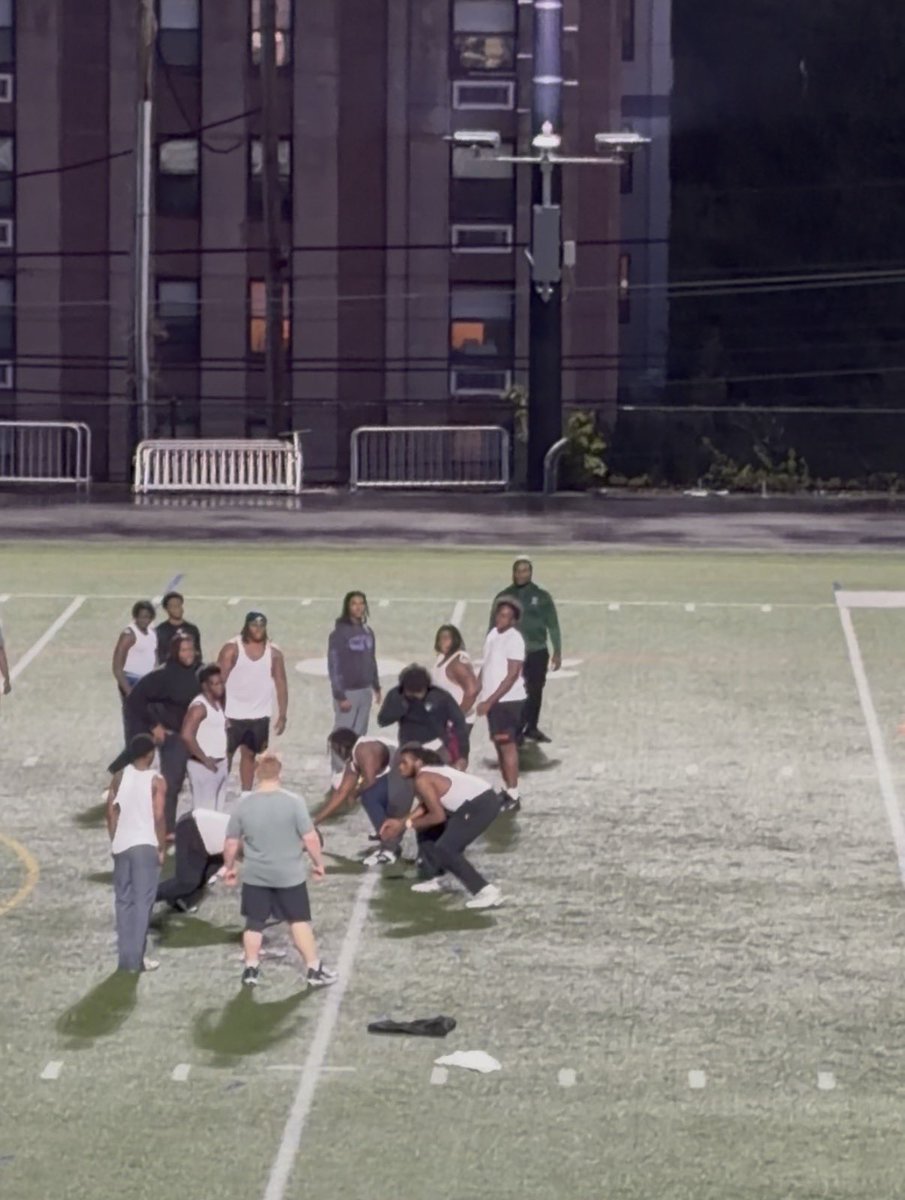
Left Tackle 💪🏾
#aWorkInProgress🚧 #FieldPractice🏈
Tyrie Davis-Winn
Offensive Tackle
Class of 2028| 6’8 271lbs| 85.3” wingspan| 36” arms| 3.78GPA| DualAthlete| PA Football Recruits|
1
1
15
1,389

Apr 29
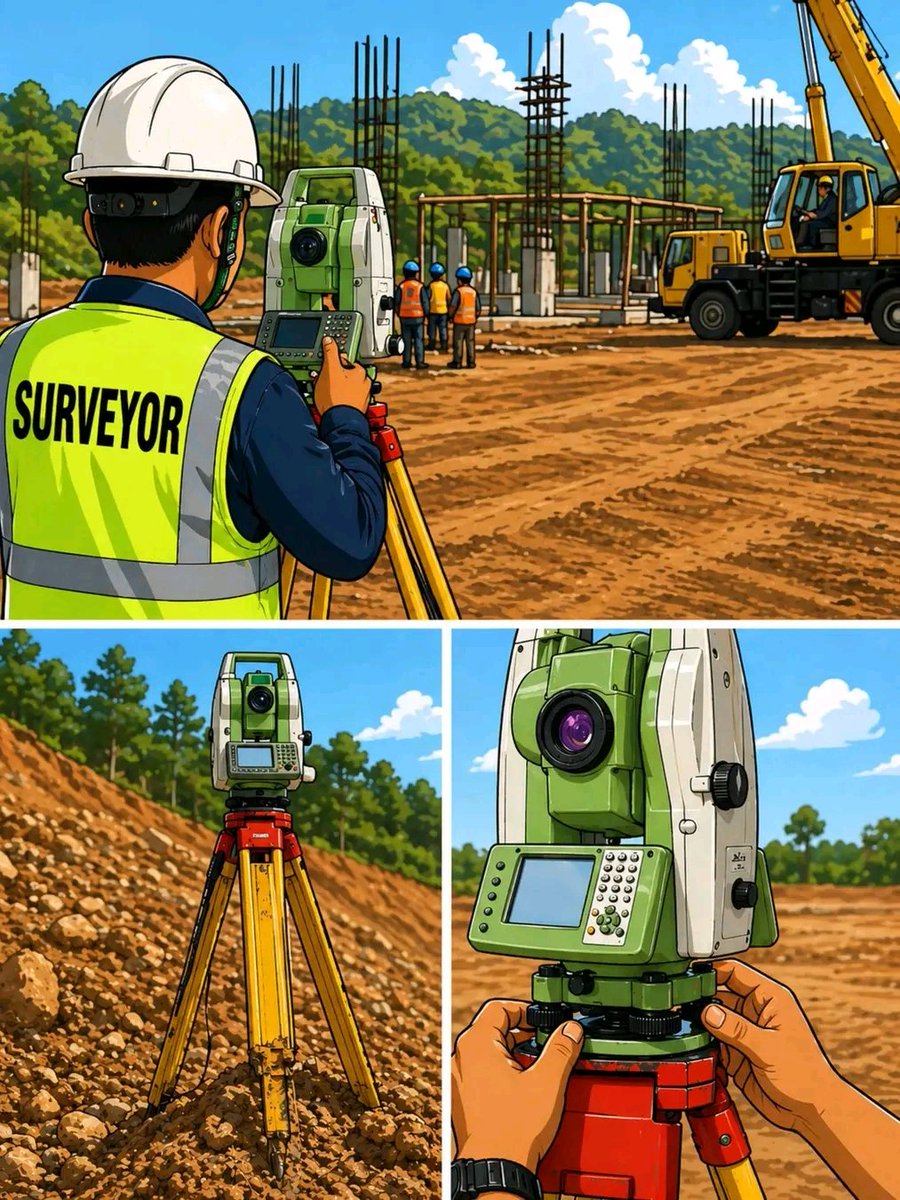
𝖶𝗁𝗒 𝖽𝗈 𝗌𝖾𝗍𝗎𝗉 𝖾𝗋𝗋𝗈𝗋𝗌 𝗌𝗍𝗂𝗅𝗅 𝗁𝖺𝗉𝗉𝖾𝗇 𝗂𝗇 𝗆𝗈𝖽𝖾𝗋𝗇 𝗌𝗎𝗋𝗏𝖾𝗒𝗂𝗇𝗀?
Modern instruments are faster, smarter, and more precise than ever.
They reduce effort.
They automate processes.
They even warn when something is wrong.
So it seems like setup errors should no longer be a problem.
But they still happen.
And not because technology has failed; but because the process around it is still human.
Setup is often seen as a routine step.
Something done quickly before the “main work” begins.
That mindset is where the problem starts.
Rushing through centering.
Ignoring slight leveling errors.
Setting up on unstable ground.
Assuming the instrument is fine without checks.
These small actions don't look serious at the moment.
But they quietly affect every measurement that follows.
Modern tools can guide, but they cannot replace attention.
They will not stop you from working on a weak setup.
They will not question your decision to proceed.
They will simply operate based on how they were placed.
Another issue is overconfidence.
Because instruments now feel reliable, there is a tendency to trust them completely.
Less time is spent verifying.
Less attention is given to fundamentals.
And basic principles are sometimes overlooked.
But accuracy has not changed.
The same rules still apply:
Proper centering.
Stable setup.
Correct leveling.
Clear understanding of reference points.
No technology has removed these requirements.
In fact, as tools become easier to use, the risk of careless setup can increase; because it feels like the instrument will handle everything.
The deeper truth is this:
Setup errors do not come from lack of technology.
They come from loss of discipline in basic practice.
Because no matter how advanced the instrument is, it can only be as accurate as the way it was set up.
So the real question is:
Are we treating setup as a quick routine to get past, or as the critical foundation that determines every result that follows?
#Surveying #FieldPractice #MeasurementAccuracy #EngineeringDiscipline #SiteWork
1
8
599

20 Dec 2025
The Scientific Data Collection Training and Field Practice Programme is now open.
Apply before 18th January 2026!
🔗 Apply via the Google Form: docs.google.com/forms/d/e/1F…
#ACIPAAY #ScientificDataCollection #FieldPractice #CapacityBuilding #TrulyAgrocentric #Agriculture

1
6
54

17 Jan 2024
Field Practice on KOBO Application on Data Collection💪📸
Field officers are currently experimenting with the KOBO tool to gather data from fisheries stakeholders located at Sweya Landing Site.
#FieldPractice
#KOBOApplication
#DataCollection
#FieldOfficers
#KOBOTool
5
62

13 Nov 2023
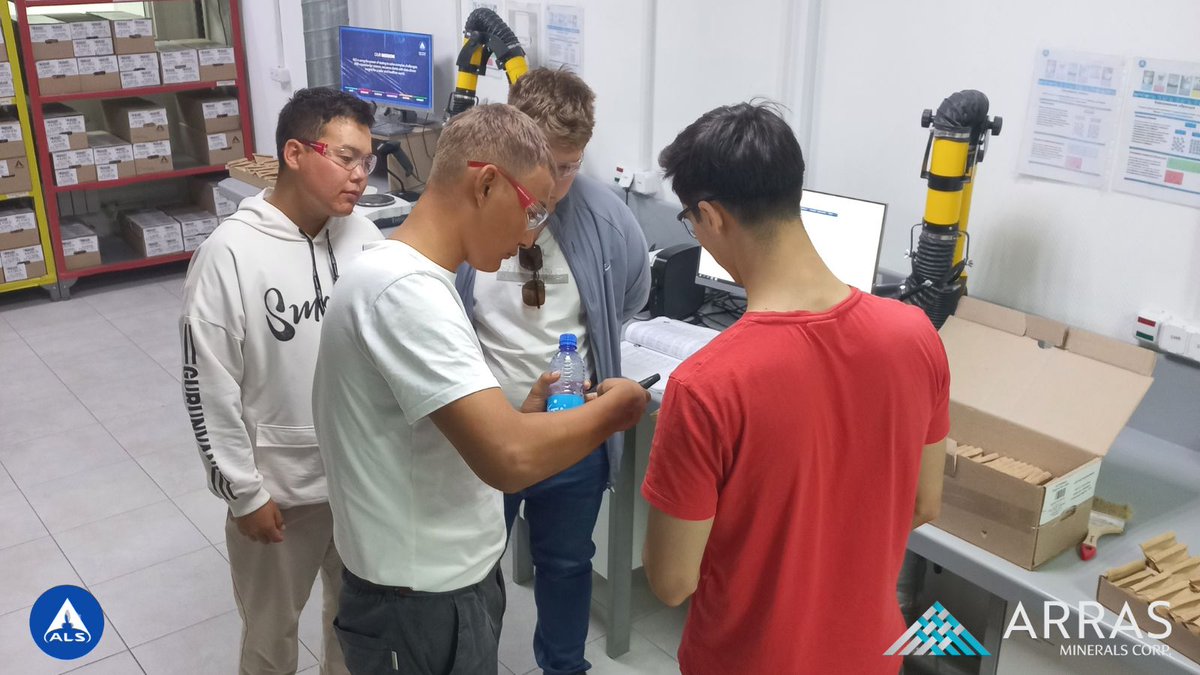
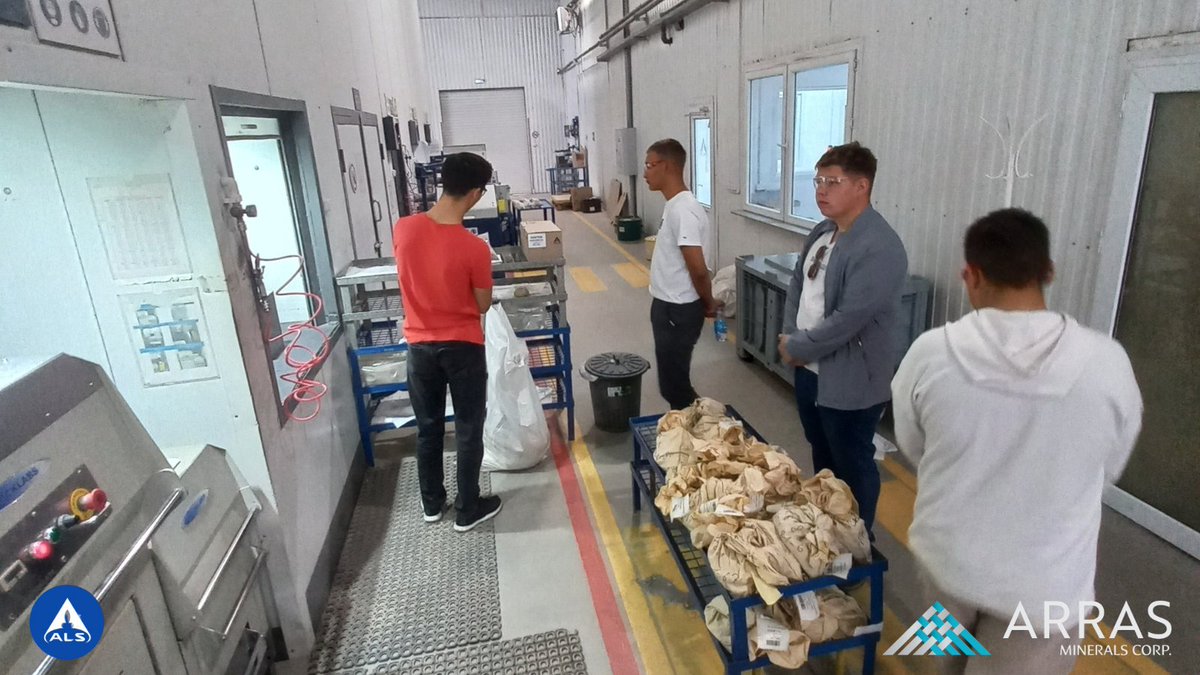
This year students' #fieldpractice included a visit to ALS Laboratory, kindly organized by the management staff in #Karaganda. Many thanks to ALS Laboratory for having us on this occasion & being our reliable partner on the way to the next big copper-gold discovery in 🇰🇿! $ARK.V
8
11
343
27 Sep 2023
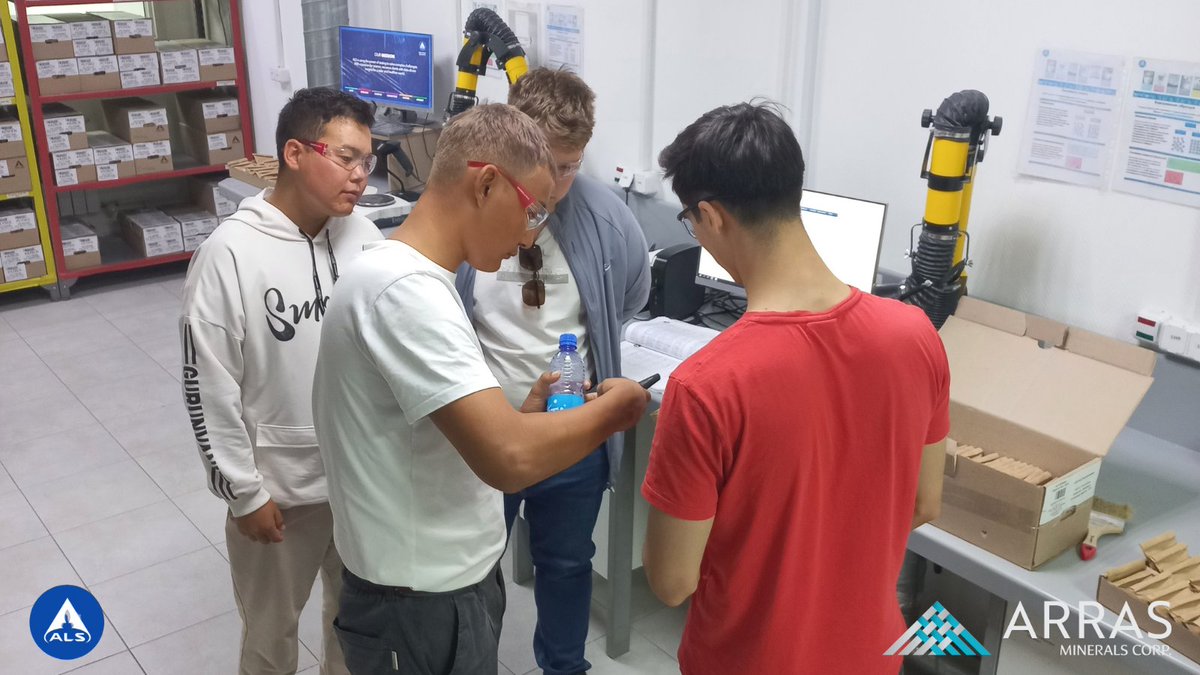
This year students' #fieldpractice included a visit to ALS Laboratory, kindly organized by the management & professional staff in #Karaganda. Thanks to ALS Laboratory for having us & being our reliable partner on the way to the next big copper-gold discovery in #Kazakhstan $ARK.V
5
3
324

10 Feb 2023
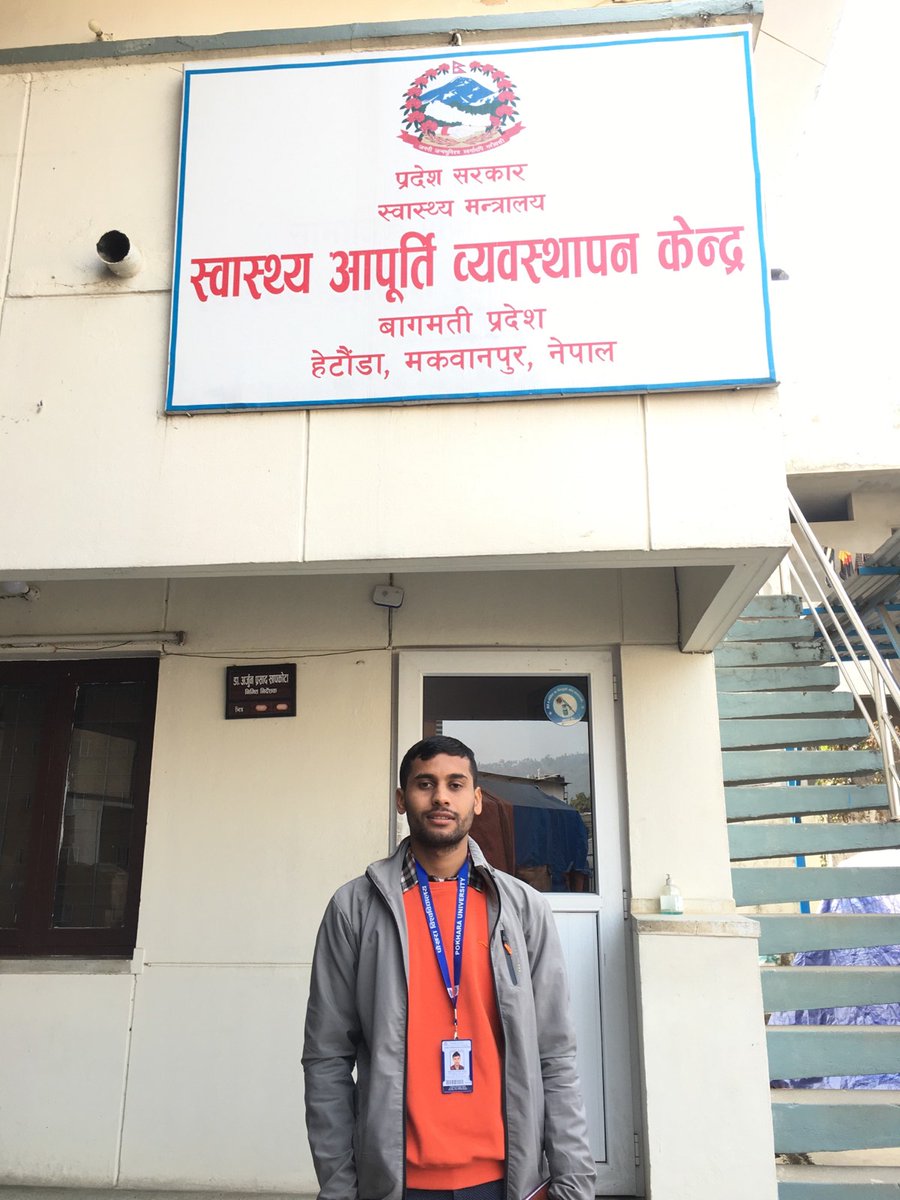
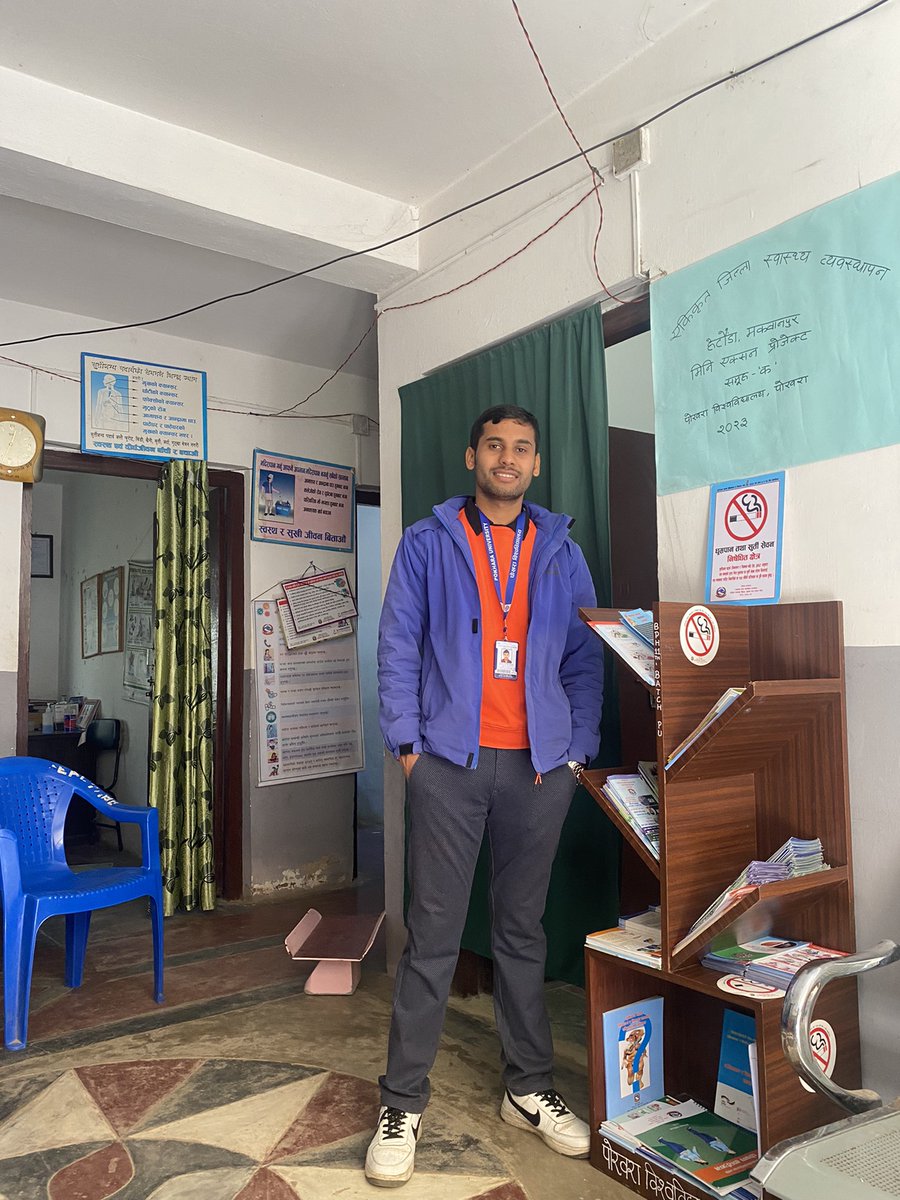
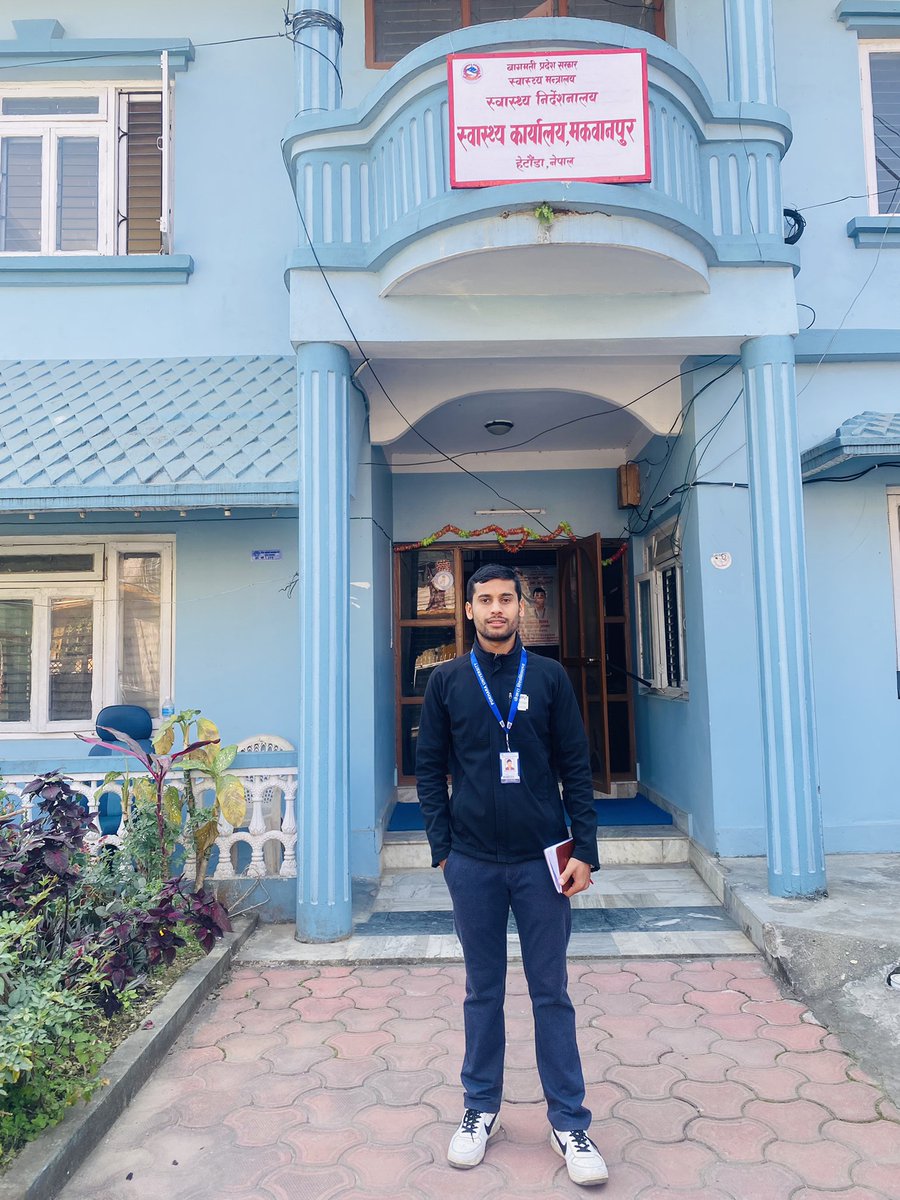
Comprehensive Field Practice, Makawanpur- 2023 gives me the opportunity to learn about health system management and service delivery at the district level.
#HealthSystem #PublicHealth #FieldPractice

7
137