Jerry retweeted

Big thank you to the guys from @TheCommunity26 for fieldtesting and using my new Discord bot. It's using the Blockchain in combination with a Chainlink VRF contract to make giveaways provably Fair. It's Open source and once i figure out the hosting it's free to invite and use 1/2
1
2
3
79

Low-pressure analog gauges lose resolution due to mechanical friction. The DR3701 handheld digital gauge solves this with peak-hold to capture max pressure in the field. Need a more reliable solution?
#Manometer #FieldTesting
🔗 fandesensor.com/products/dig…
1

Meet the EC210E Portable Conductivity Meter, your go-to tool for daily water conductivity testing.#EC210E #Portable #WaterQualityTesting #LabEquipment #FieldTesting #REXInstruments

Apr 7
What does field safety look like when you measure it?
The Head Injury Criterion (HIC) test helps answer that question. HIC correlates with the likelihood and severity of a head injury and has been used for decades in the auto industry and on playground surfaces. In 2018, it was adopted by @ASTMIntl (ASTM) for athletic fields.
The HIC test drops a 10.1 lb. hemisphere projectile, shaped like a human head, from increasing heights to determine a field’s Critical Fall Height. The higher the Critical Fall Height, the safer the surface. A good natural grass field will typically produce a minimum Critical Fall Height of about 6 feet or higher.
Why do we test? Because safety matters, and one test alone does not tell the whole story. When HIC, Gmax, and AAA testing are used together, field owners get a more complete picture of impact performance at installation and throughout the field’s lifecycle.
Q: Why is it important to install a shock pad under synthetic turf, and what do the test results show?
A: Testing shows that synthetic turf systems with Brock shock pads can help fields achieve player safety ranges found in natural grass while delivering more consistent performance over time. When HIC, Gmax, and AAA results are reviewed together, they provide a clearer picture of how the field performs at installation and throughout its lifecycle.
Consistent testing leads to better decisions, better long-term field performance, and better insight into how a field is performing for the athletes who use it every day. Learn more at: na2.hubs.ly/H04GbWH0
#AthleteSafety #FieldTesting #BrockShockPads
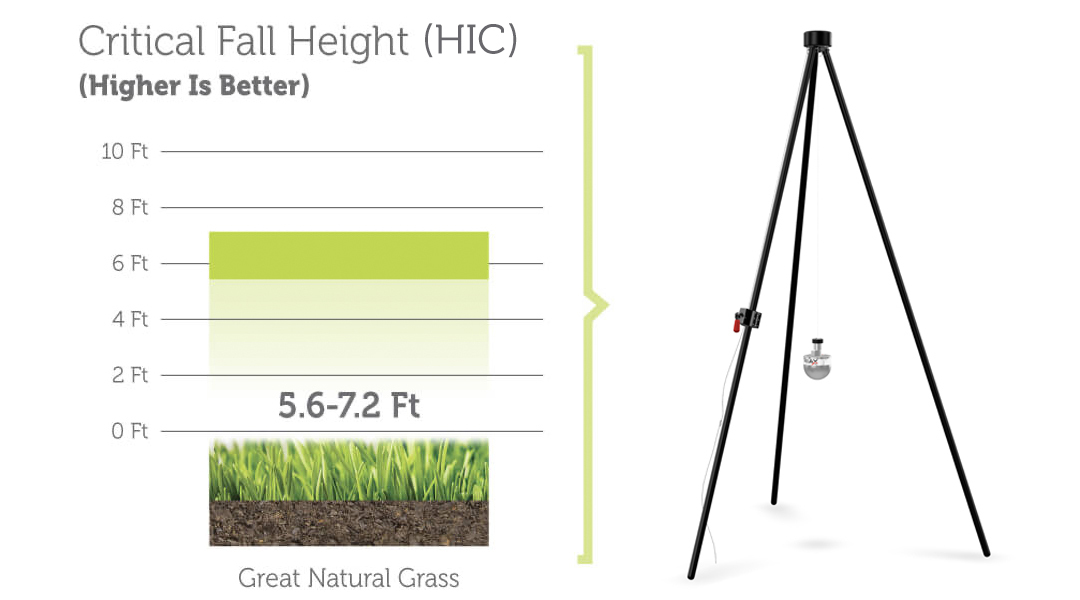
ALT HIC testing measures impact safety—higher scores mean better protection. A Brock shock pad beneath synthetic turf absorbs force, reduces head injury risk, and delivers more consistent, safer fall height performance compared to turf-only systems
3
26

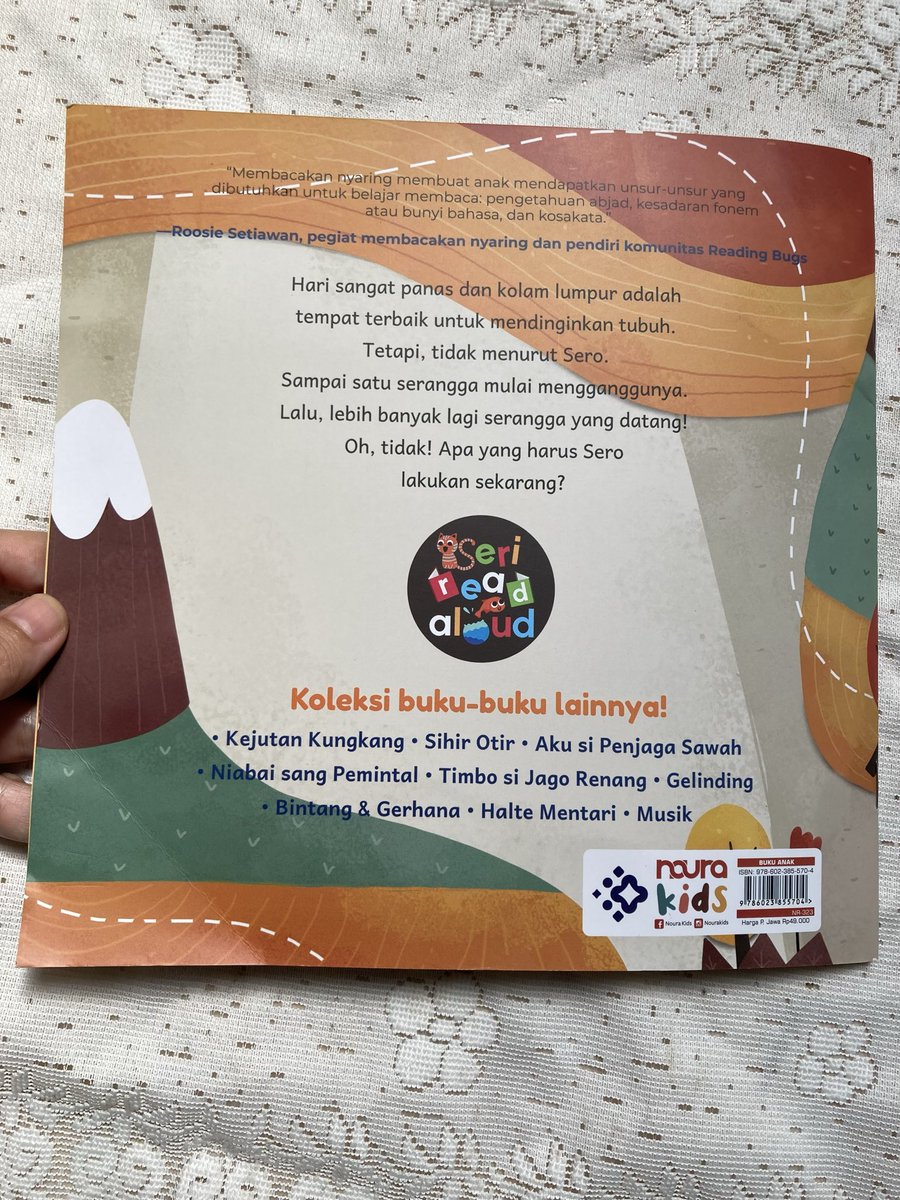
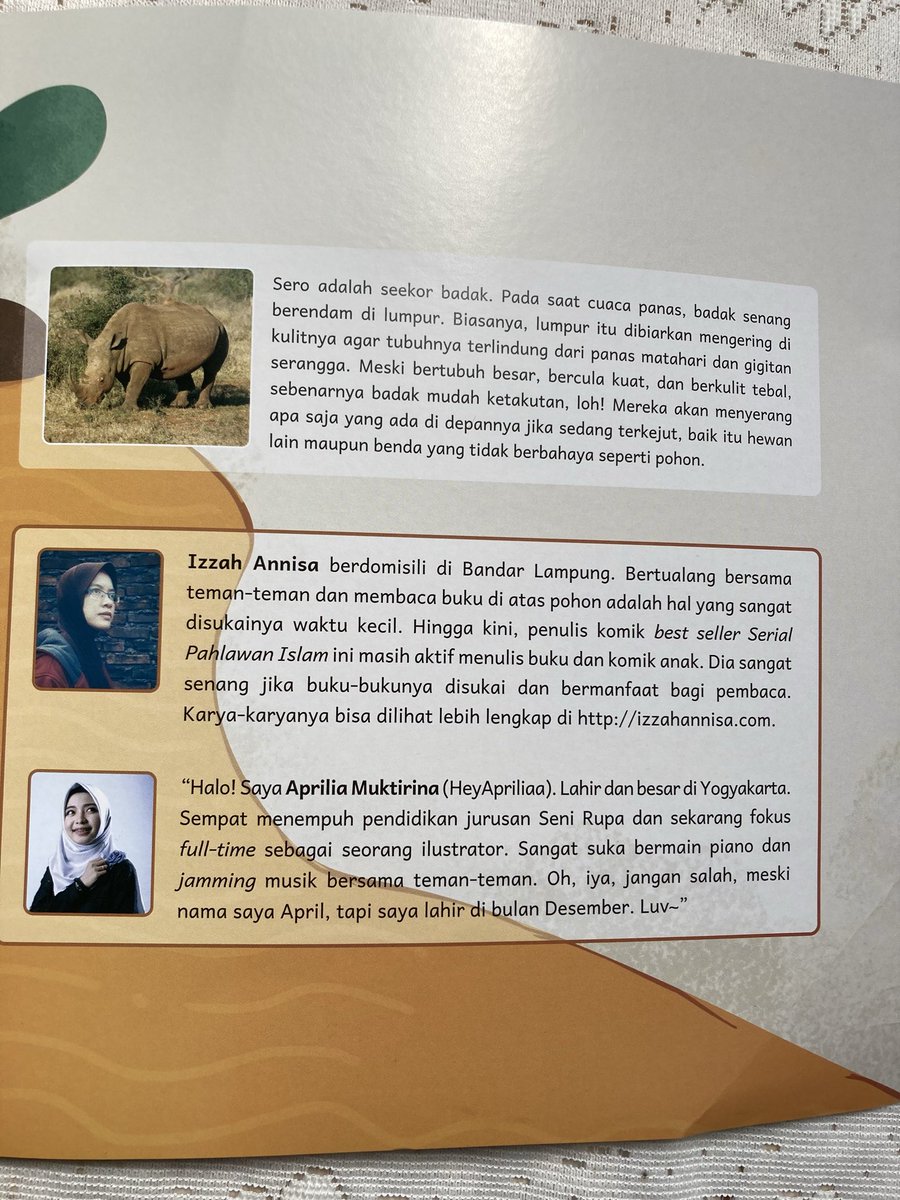
Buku Hush Hush ini merupakan buku dari @NouraPublishing
Katanya sih bukunya diuji dulu dengan fieldtesting di sekolah-sekolah.
Bisa diperoleh di sini : s.shopee.co.id/9fGgSjY1kP


2
5
186

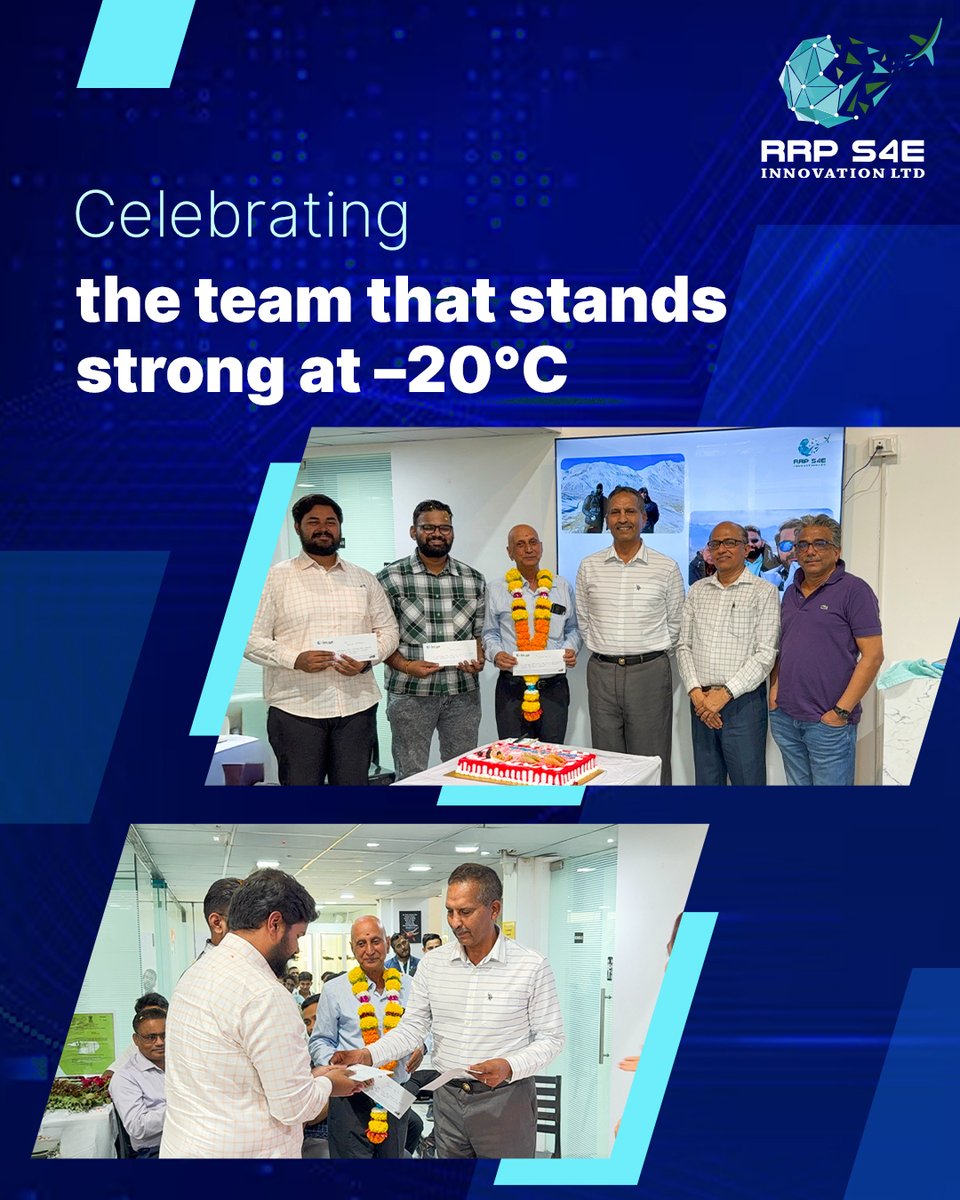
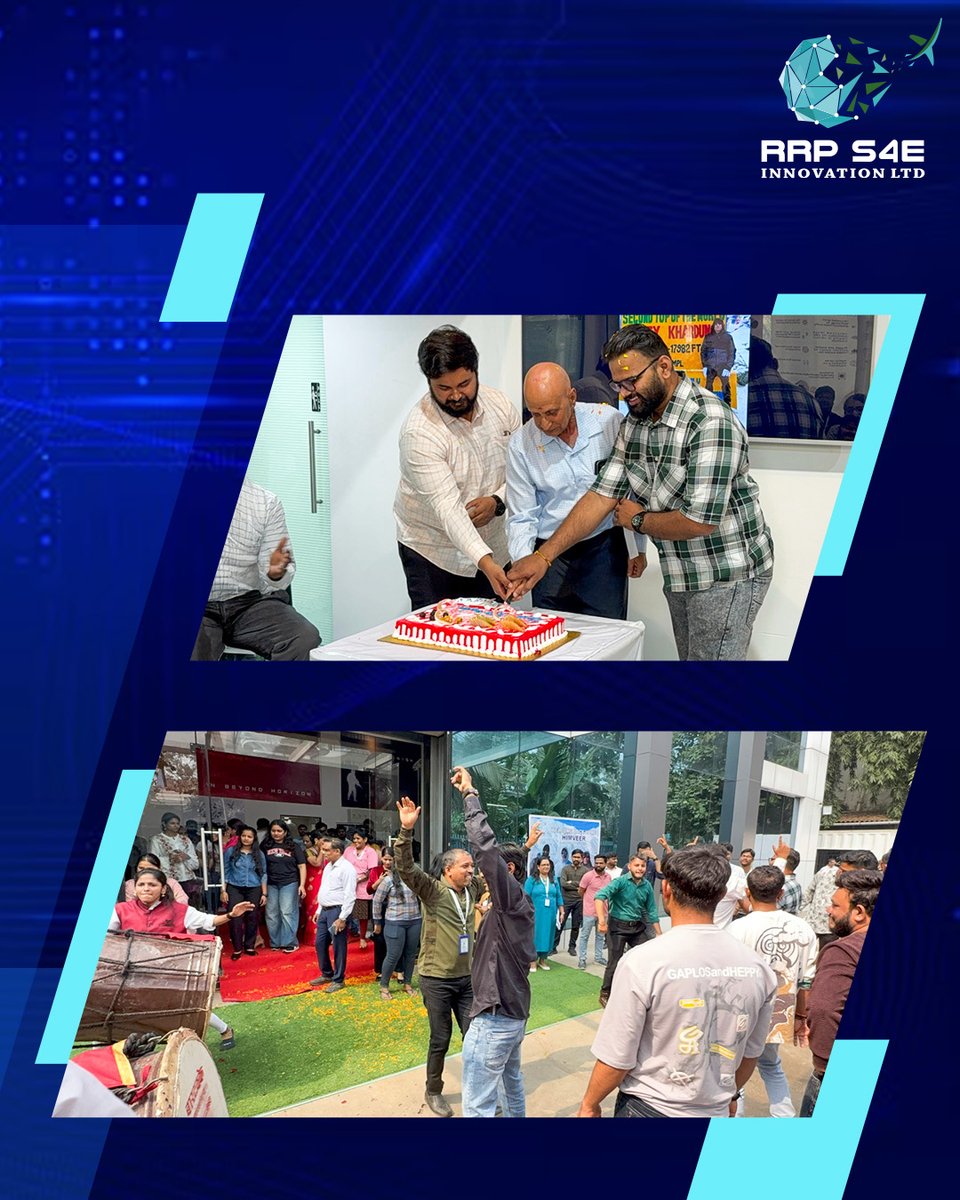
Our courageous team returned from -20°C, and what a homecoming it was!
The entire office celebrated with dhol beats, dance, and pure joy as we welcomed them home.
#RRPS4E #DefenseInnovation #FieldTesting #TeamWork
2
157

Feb 15
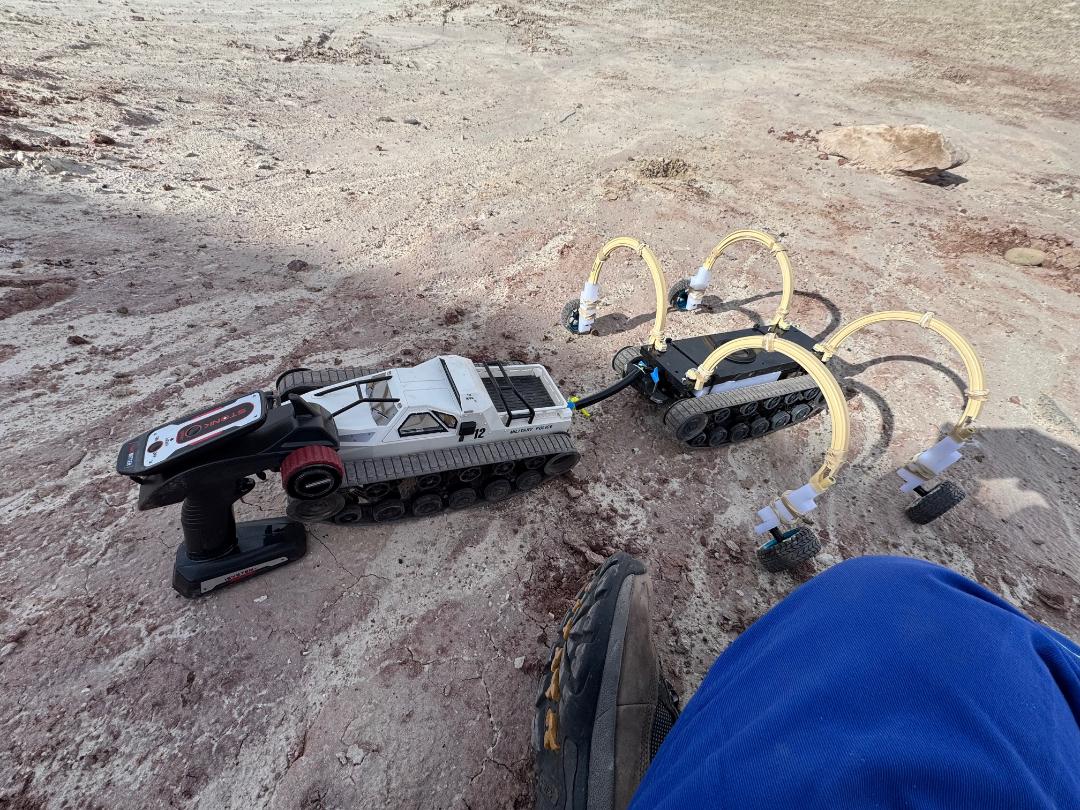
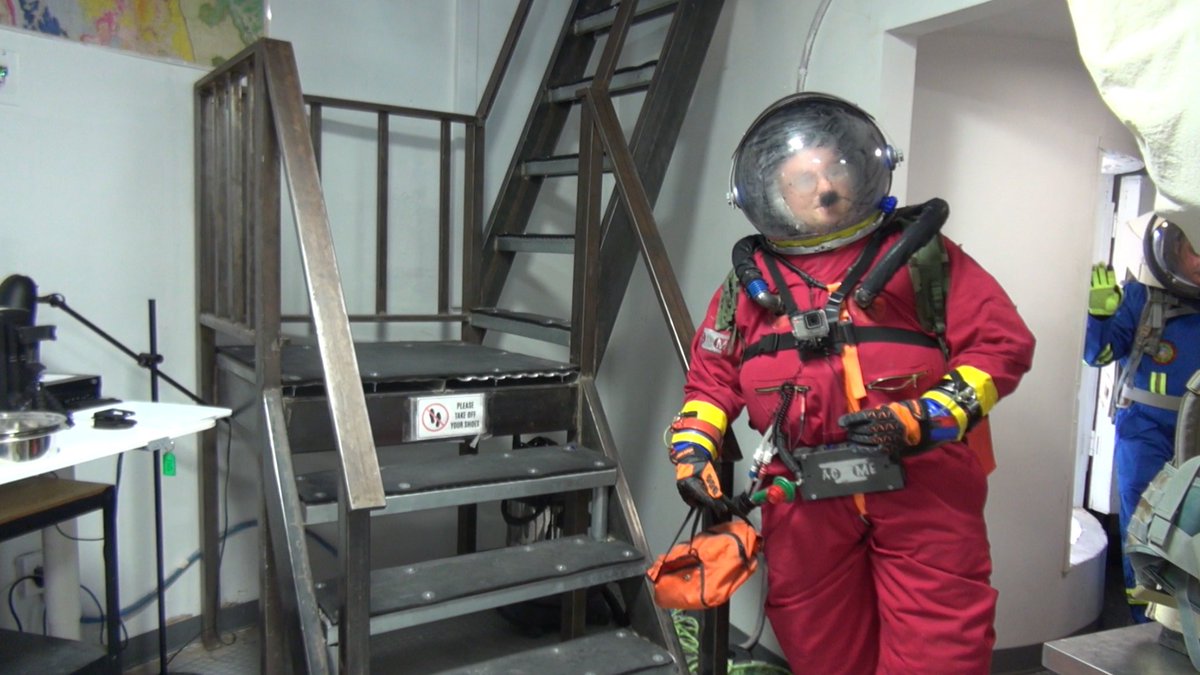
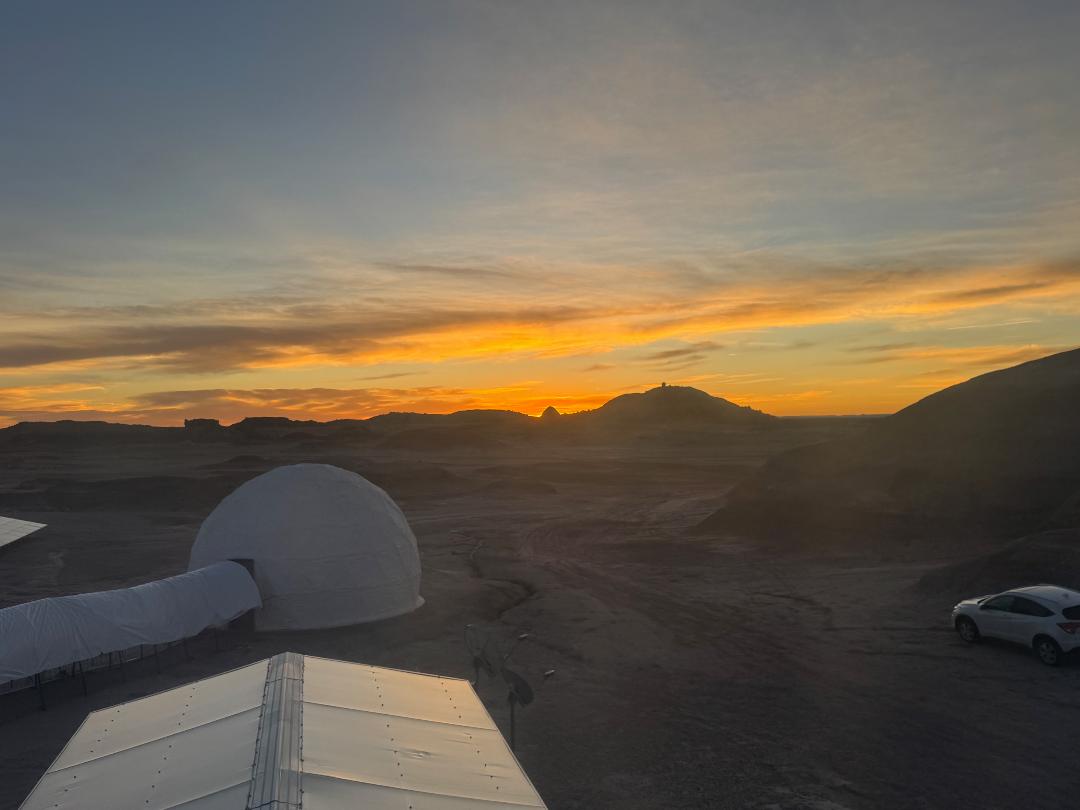
Mission Summary - Crew 329 - #MDRS (Utah) - For info, visit: bit.ly/4cw7fvr. #marsanalog #research #stem #fieldtesting #themarssociety #marscomms
1
4
7
616
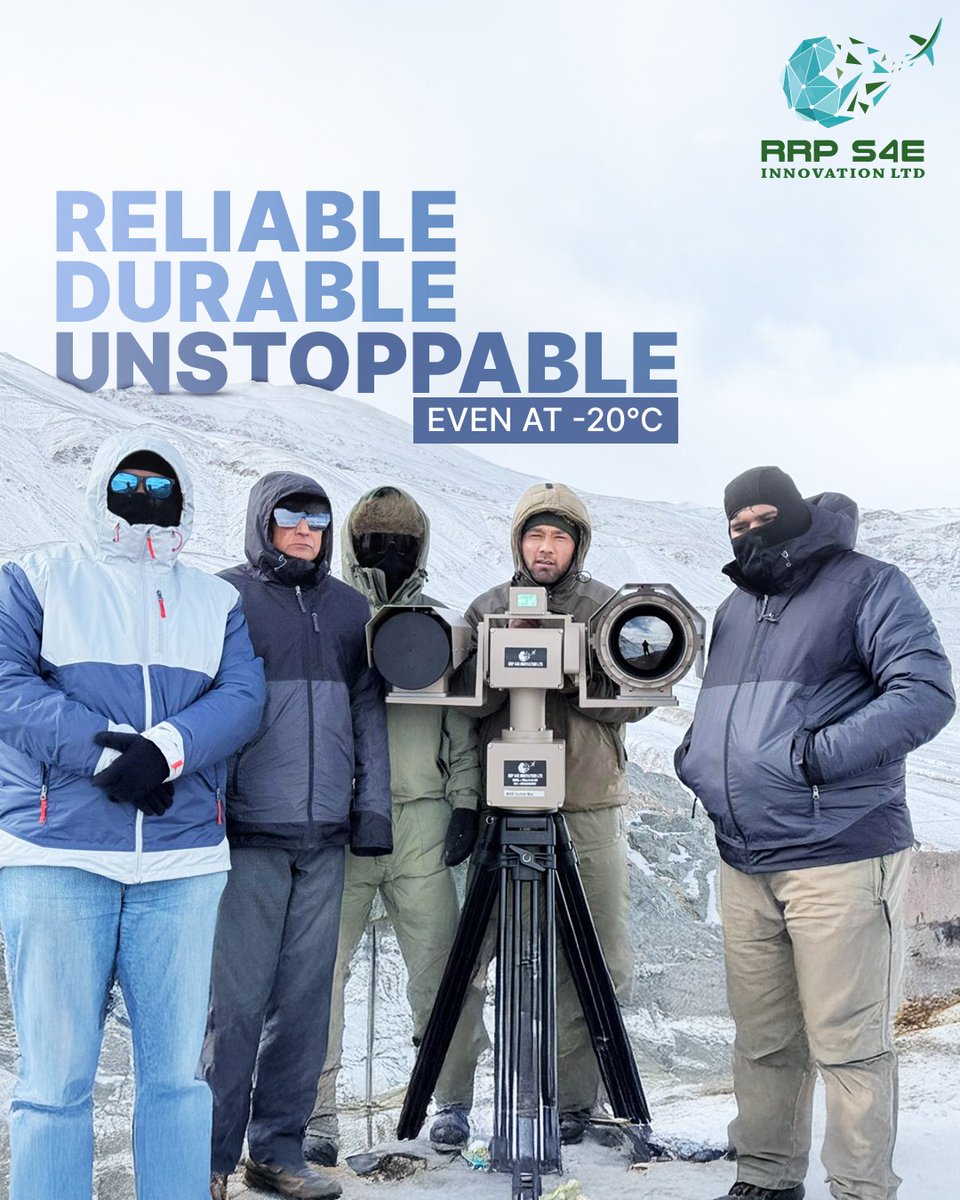
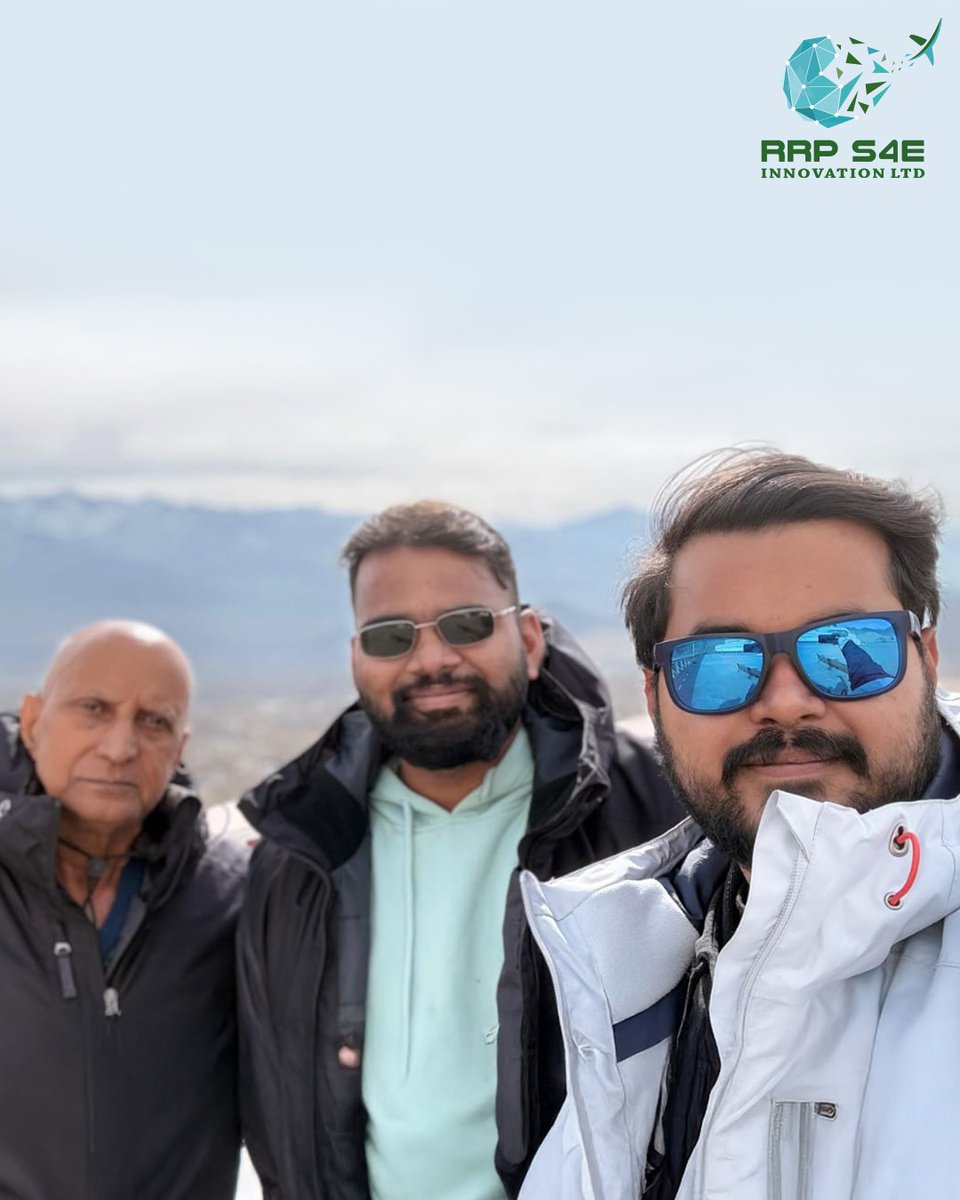
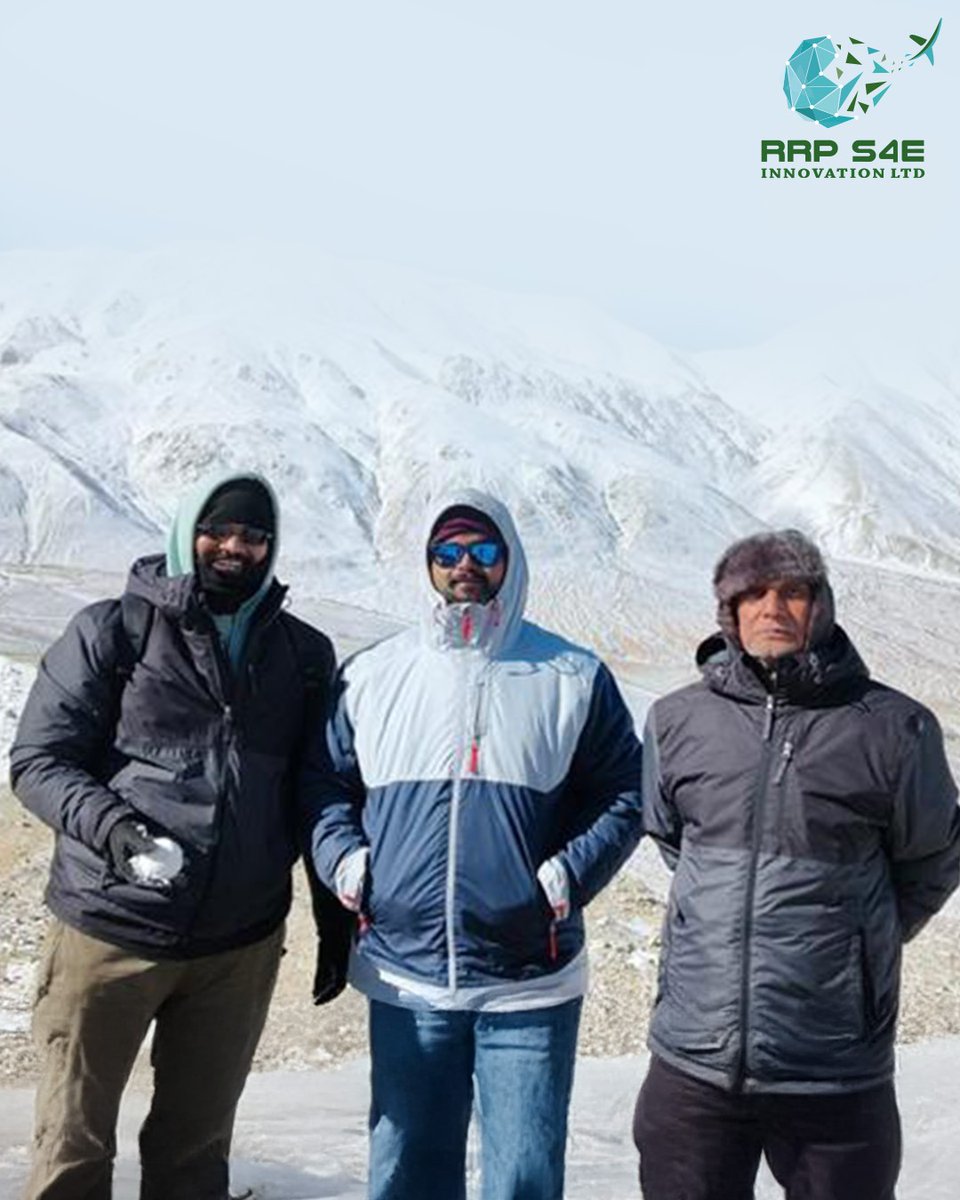
-20°C temperature. High altitude. Extreme conditions.
Our team tested our product in Leh’s extreme conditions, proving its durability where it matters most — proud to serve those who serve our nation.
#RRPS4E #DefenceInnovation #FieldTesting #TeamWork

1
5
162

Feb 13
Product Launch: Field Tester Pad | RAK7590
Don’t trust uplink alone.
LoRaWAN® networks fail when downlink fails.
RAK7590 validates bidirectional performance on-site.
No laptop. No cloud. Just test.
Key features:
- Uplink downlink reliability
- Repeatable 50-packet sessions
- Offline maps & heatmaps
- PDF/CSV reports
Variants: 800 (EU868/IN865/RU864) or 900 (US915/AU915/KR920/AS923)
Starting at US$399
Shop Now: bit.ly/4axGDaW
Lunar New Year Offer: 10% off Feb 16 to Feb 26, 2026 (ET)
Do you test downlink during commissioning, or only uplink?
#LoRaWAN #IoT #RFEngineering #FieldTesting #RAKwireless
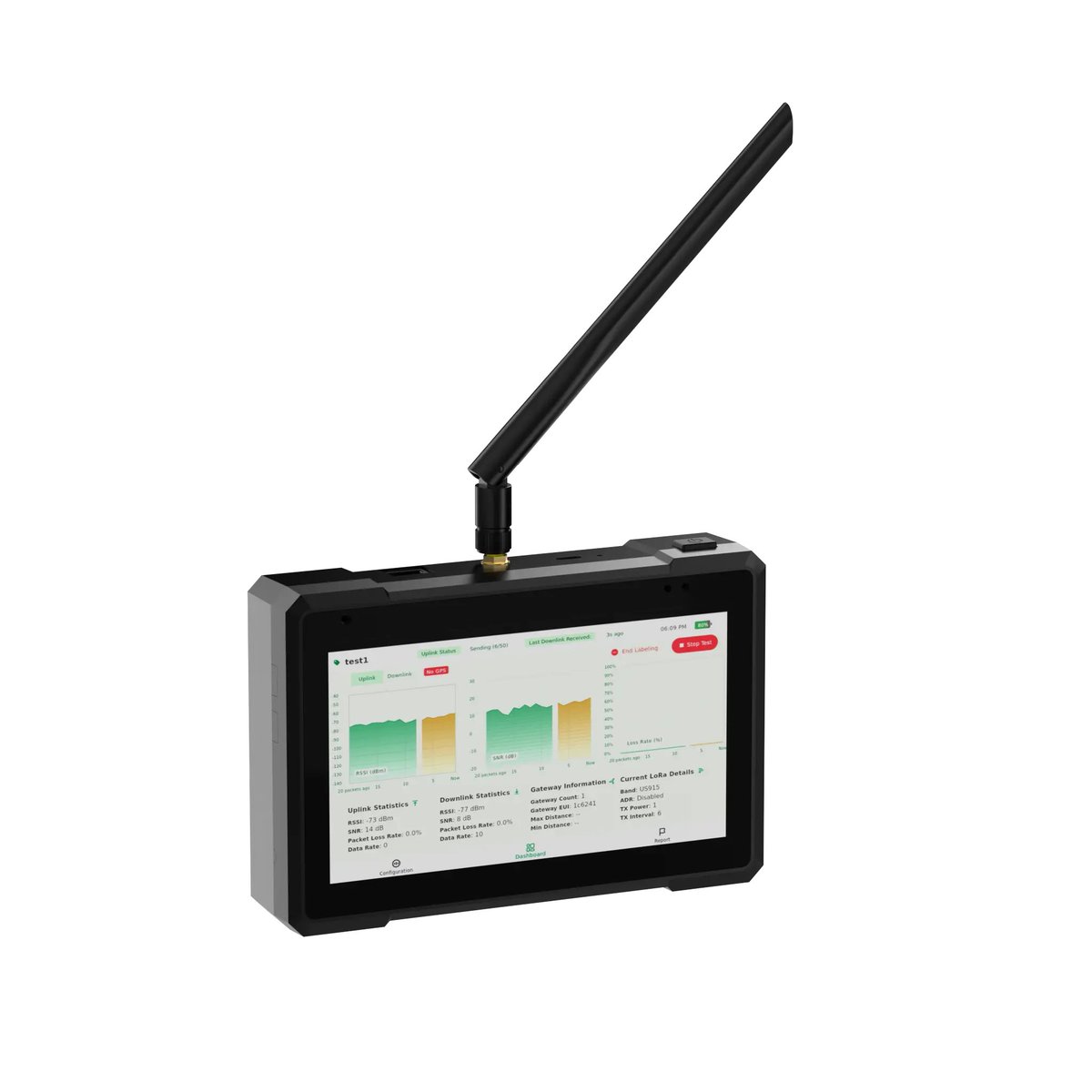
ALT Field Tester Pad: Professional field tester for LoRaWAN® with bidirectional analysis
2
3
303

Jan 23
No estoy tomando sol en el Caribe, estoy fieldtesting patrones mimeticos hawaianos/miameros.
2
3
172
3,083

11 Dec 2025
Introducing the PXR Series Rugged Spectrum Analyzer ⚡📡
Engineered for demanding field environments and advanced RF applications. Lightweight, portable, and built to last. 💪🌧️🎒#RFSpectrumAnalyzer #FieldTesting
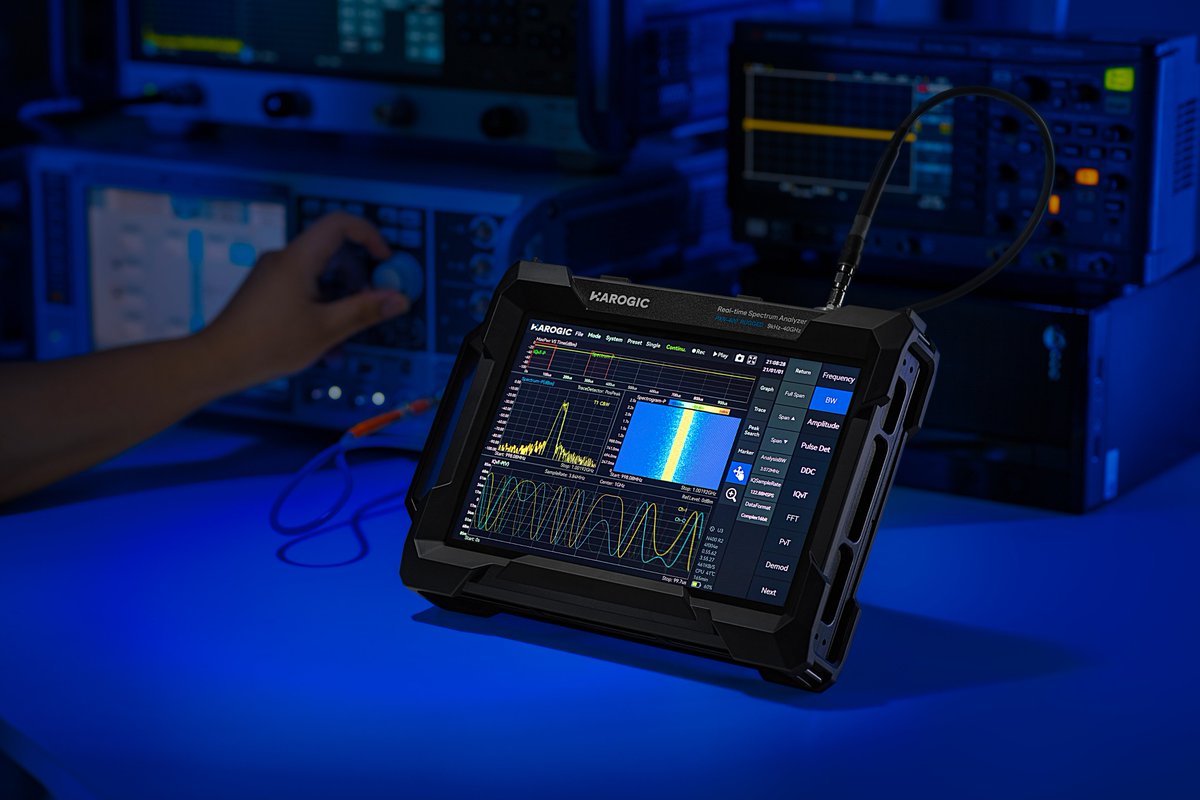
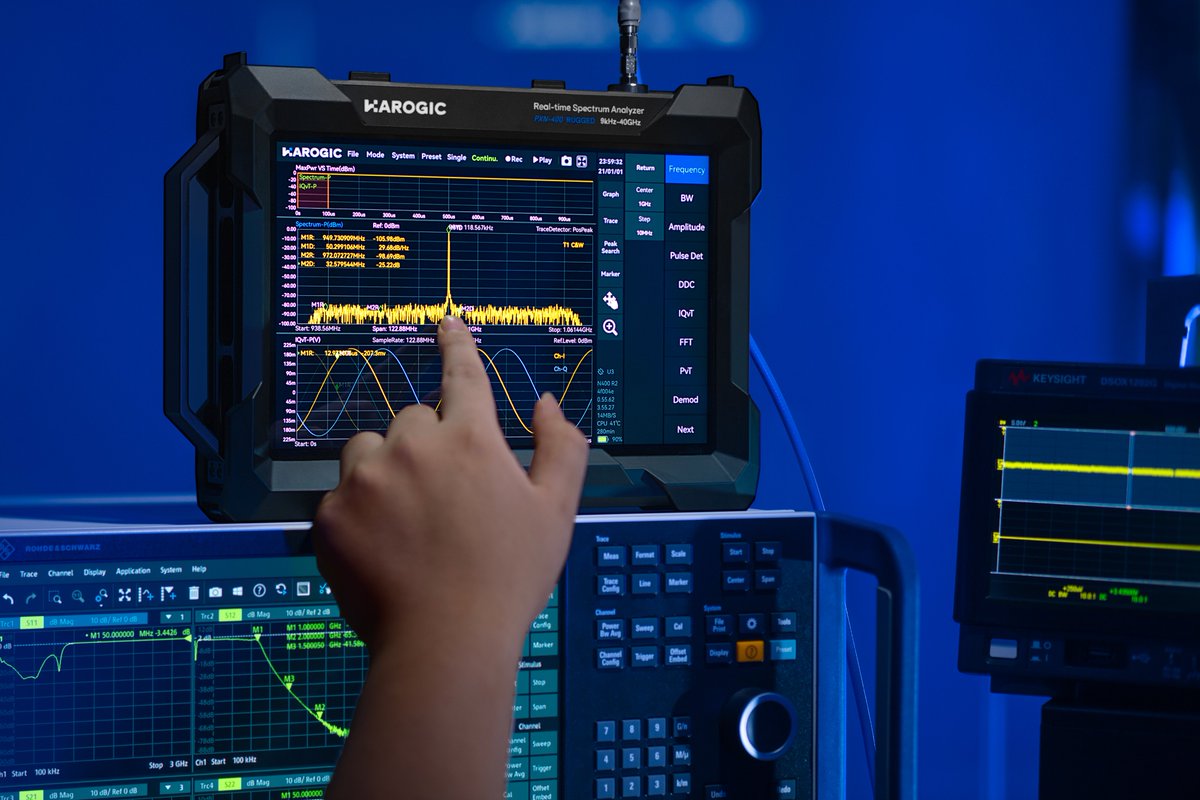
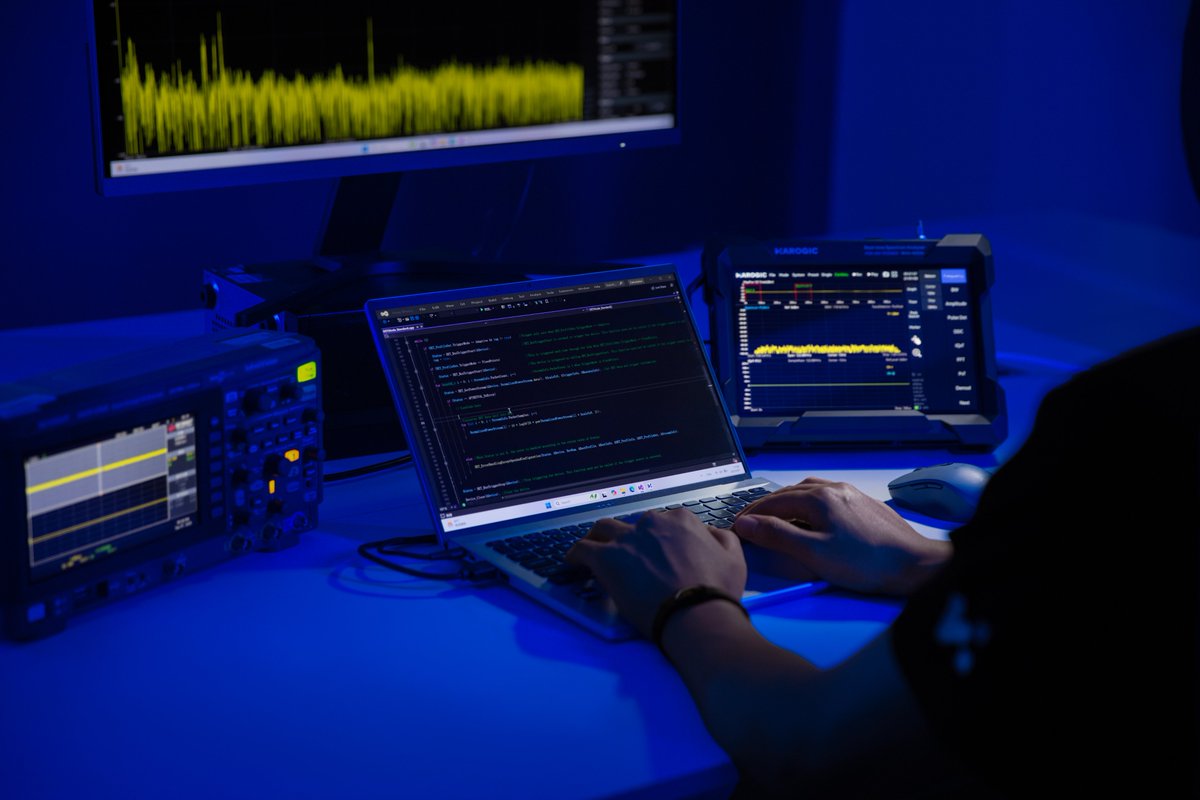
1
4
201

5 Nov 2025
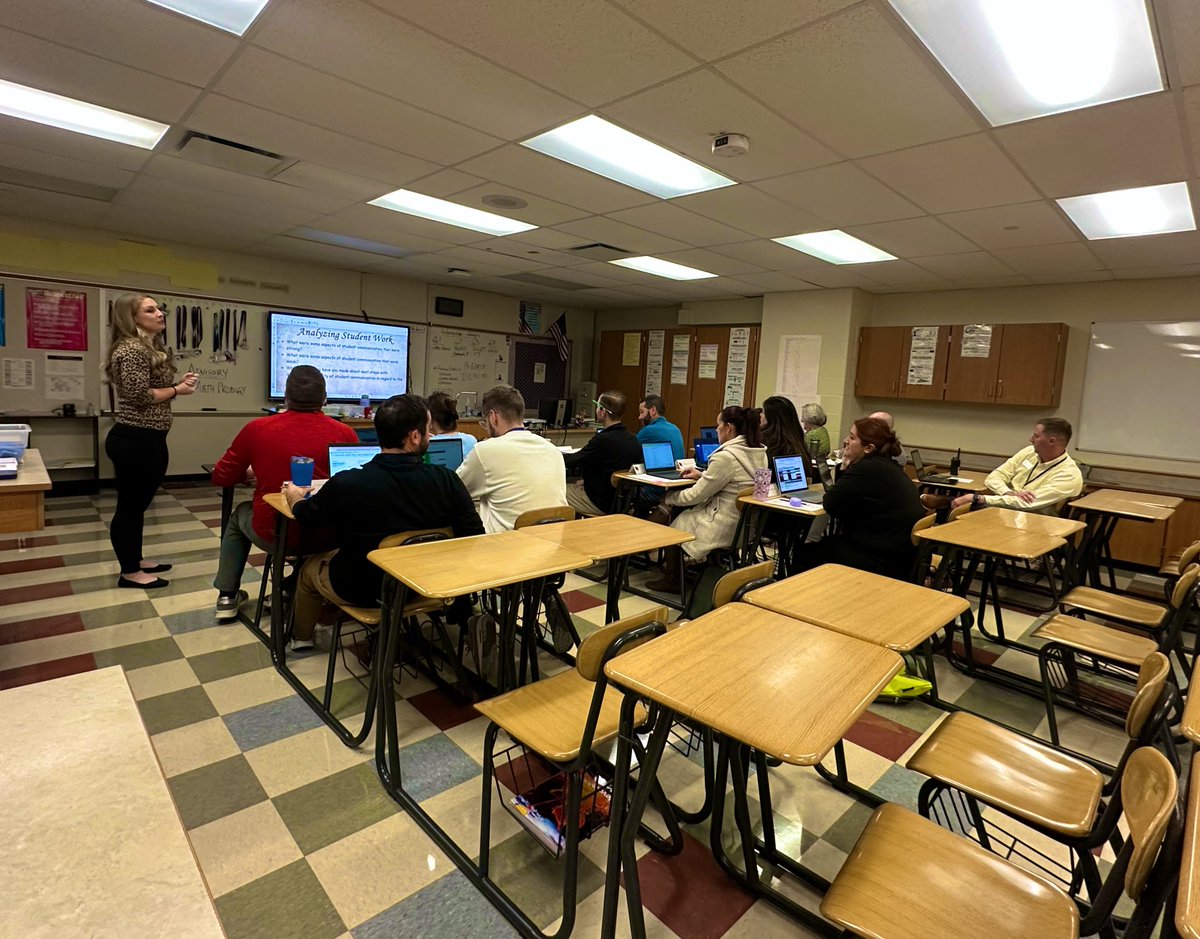
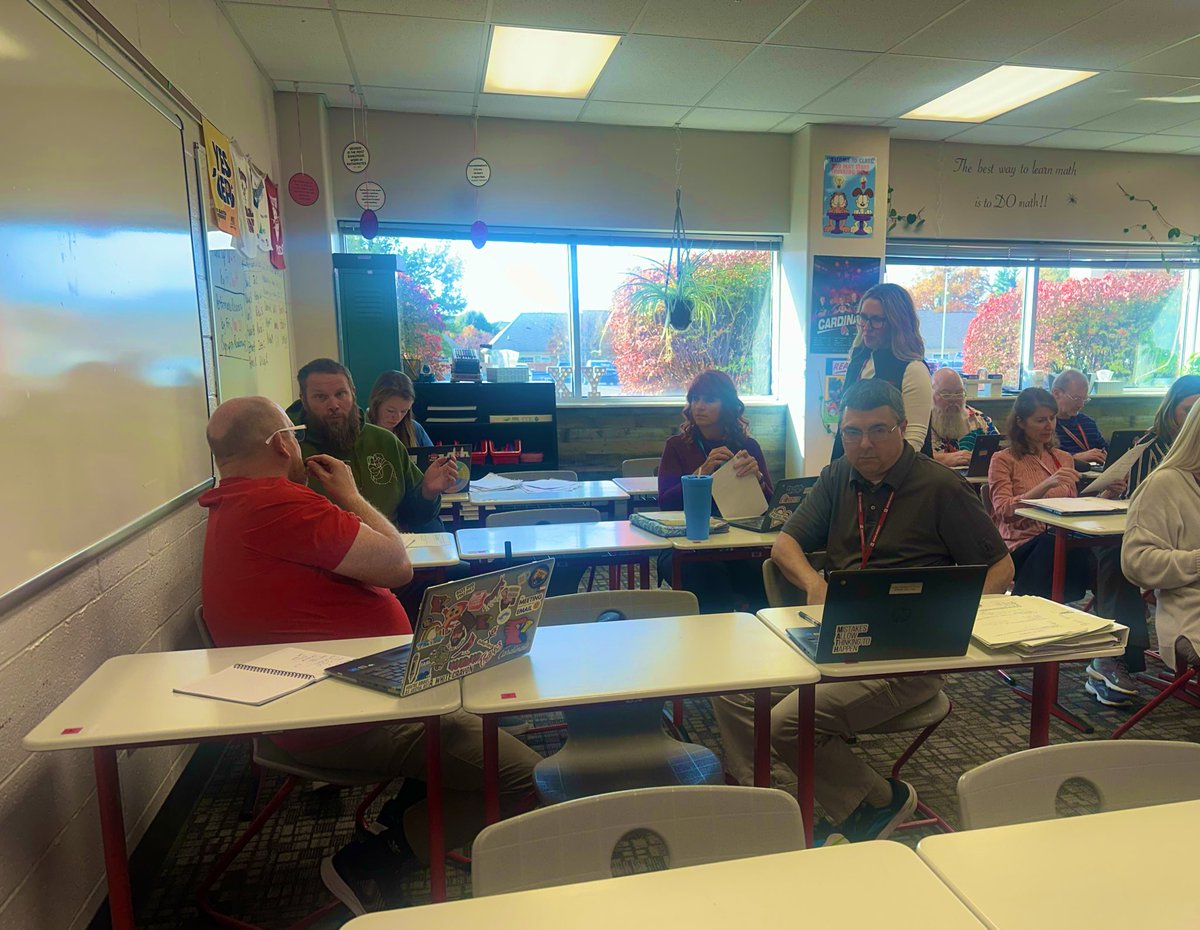
Teachers @perrytwpschools from SHS and SA are diving into student work during cluster. By learning from what students show, they are strengthening teacher actions to better support student actions - and drive progress towards daily outcomes. #fieldtesting @NIETteach
1
5
246

26 Oct 2025
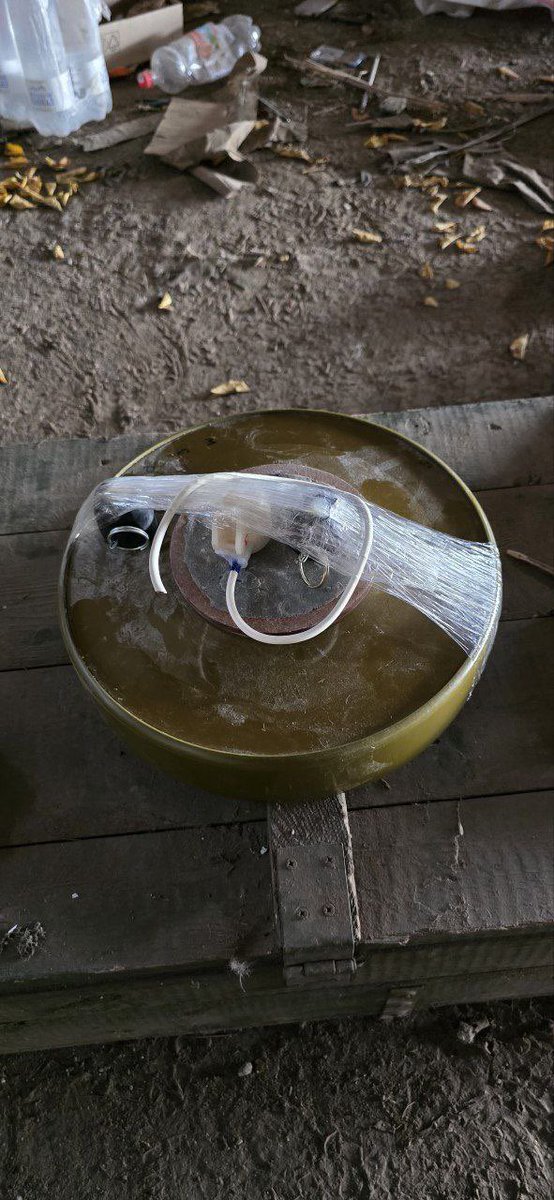
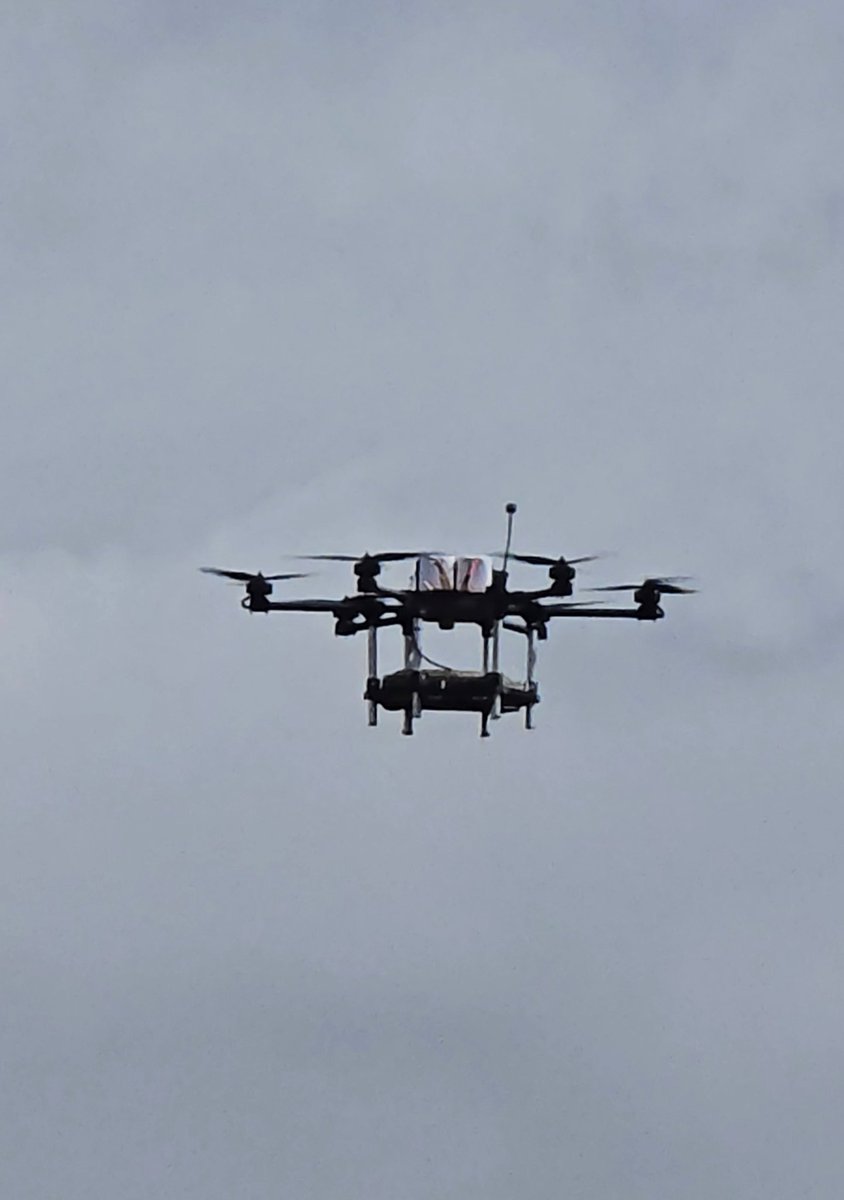
#Russian sources claim successful #fieldtesting of a new #hexacopter developed by #Ovod in #Tula.
The 15-inch #drone carry and release #ammunition up to TM62
Depending on the #payload, it reaches up to #30km range.
3
420

In our latest blog post, we explain why our outdoor robotic platforms undergo #FieldTesting, where we put our robots to the test, and how our #OutdoorNAV Autonomy Software makes it more efficient: wp.me/p6Smpx-5cE
2
4
384

16 Sep 2025
ZenaTech announces today that its subsidiary ZenaDrone will commence operational testing of its IQ Square outdoor drone for public safety and emergency response applications. The testing will take place at a secured commercial aviation airfield facility licensed for UAV (Uncrewed Arial Vehicle) trials. Applications to be tested include security and crowd control, law enforcement-based surveillance, and search and rescue, addressing a growing proliferation of security challenges where drones can be used to help strengthen crowd protection, enhance situational awareness, and support emergency responders and police.
“Public safety remains one of the most urgent challenges of our time, and drones are emerging as a transformative force in law enforcement, providing agencies with a powerful, adaptable tool to protect communities and respond more effectively to evolving threats,” said Shaun Passley, Ph.D., ZenaTech CEO. “By starting our field testing we’re verifying the IQ Square’s capabilities to enhance safety at large public gatherings and in search and rescue through interchangeable sensors and adaptive mission profiles. From delivering real-time intelligence to enhancing front line response, we see this market scaling rapidly providing speed, safety and cost-effectiveness, and we’re committed to leading with mission-critical aerial solutions.”
Full release: globenewswire.com/news-relea…
$ZENA $49Q #ZenaTech #Drones #Technology #UAV #PublicSafety #EmergencyResponse #LawEnforcement #SearchAndRescue #IQSquare #DroneTechnology #AerialSolutions #FieldTesting

2
9
17
1,237

8 Sep 2025
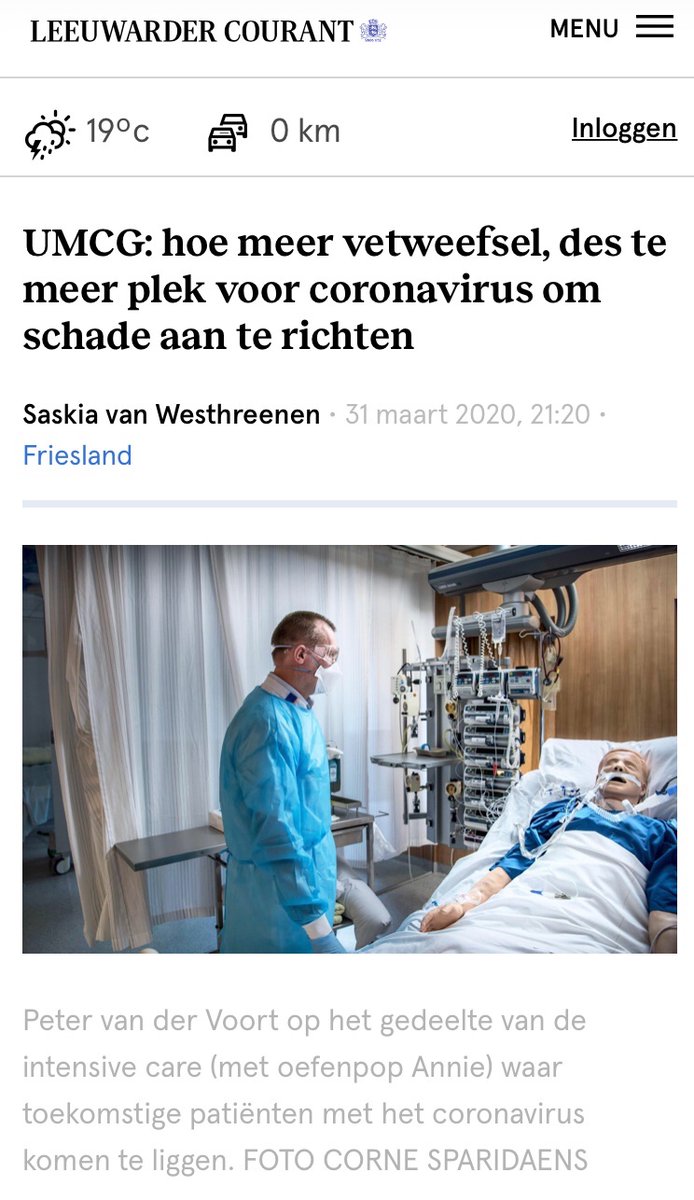
Not quite sure what your theory was. But in the Netherlands this article drew my attention 📷
More fat? More serious damage.
Thereby I believe that that period was the ideal time for fieldtesting lots of stuff for lots of (evil) people.
3
2
68

19 Aug 2025
This was the first outing of the Trimax Fury* a few months back in collaboration with @MotorsRonco. The Fury 180 is equipped with side discharge and was used to evaluate mowing performance across a range of vegetation types, including cover crops, mixed grasses, and grass–weed combinations. Multiple cutting heights were evaluated to better understand operational versatility in varied field conditions.
The visit also provided an opportunity to gain valuable insights into table grape production—cover crop management, harvest transport logistics, produce handling, and post-harvest shed operations. These learnings will help refine application recommendations for growers seeking efficient and effective vegetation control in viticulture environments.
trimaxmowers.co/46NWuBY
*Only available in New Zealand and Australia.
#ViticultureMachinery #TableGrapeProduction #VegetationControl #TrimaxFury #FieldTesting #CoverCropManagement #HorticultureInnovation
2
296

12 Aug 2025
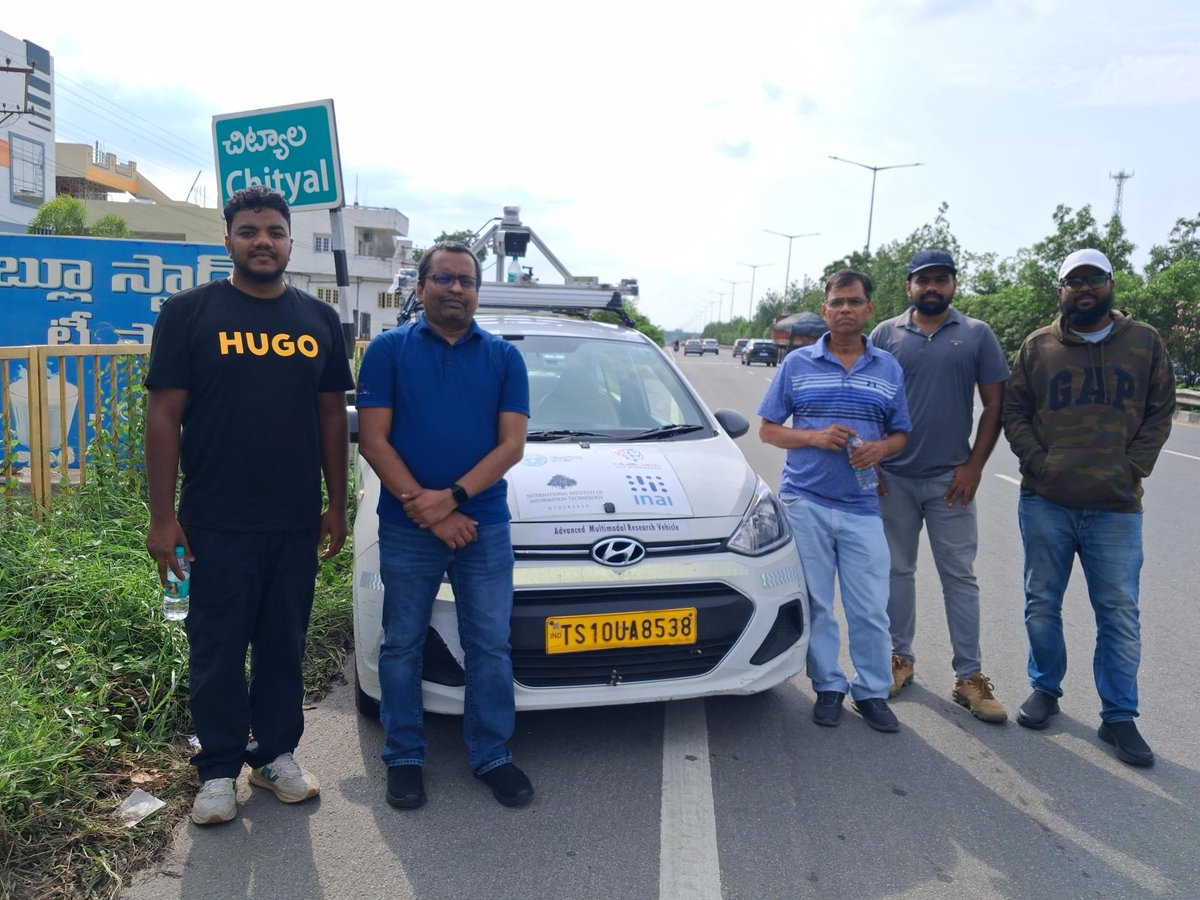
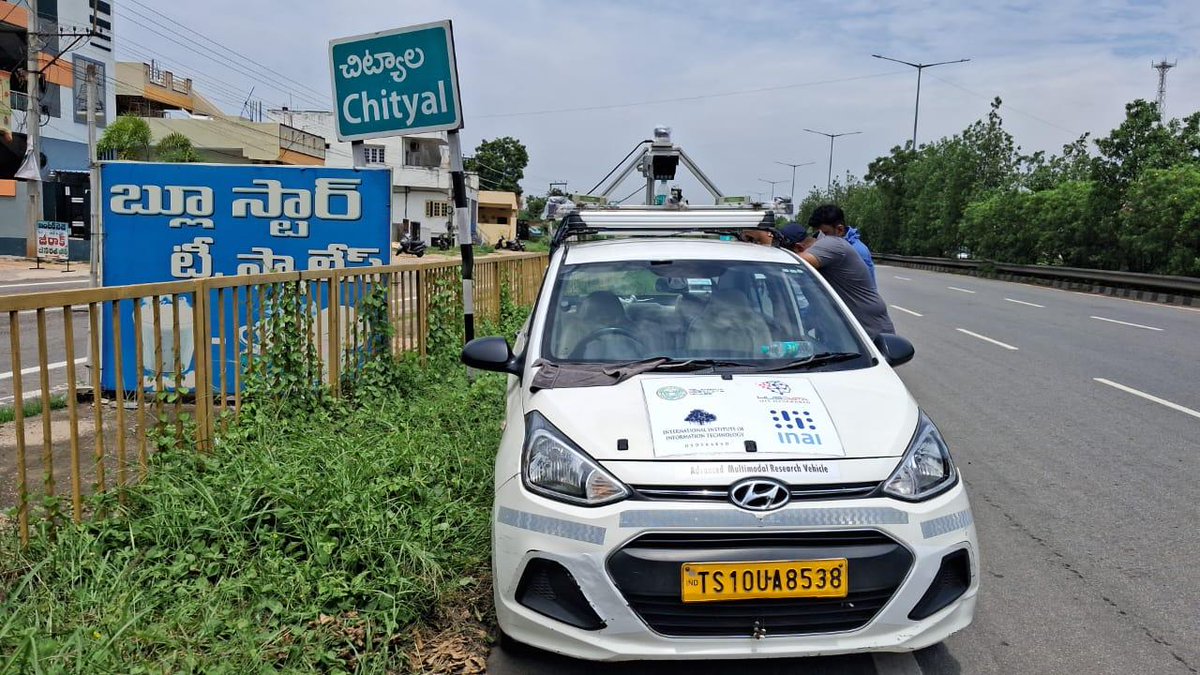
On the ground at Chityal! Field-testing the ANPR solution from IHub-Data, IIIT Hyderabad, in collaboration with Telangana Mining Department (TGMD), to enhance monitoring and efficiency in real-world operations.
#ANPR #AIForMining #IIITHyderabad #SmartMonitoring #FieldTesting
2
84

8 Aug 2025
Tom (our president) took the BB60D out to capture IQ data at 719.5 MHz and 40 mega samples per second. Just a couple of minutes in the field gives him plenty to dig into back at the office, using Spike for accuracy in any environment.
Portable. Precise. Powerful. That’s the BB60D ⚡
#SpectrumAnalyzer #RFTesting #FieldTesting
3
162