
May 25
Why Ugandan Cinema Must Escape the Hollywood Validation Trap
We need to have an honest, uncomfortable conversation about the soul of Ugandan cinema.
Right now, our industry is standing at critical crossroads. We are producing more content than ever, our actors are getting noticed, and the cameras are rolling across the country. But if we pierce through the celebratory smoke and mirrors, we have to ask ourselves a brutal question: Whose stories are we actually telling, and whose gaze are we trying to satisfy?
The harshest truth we must confront is that Hollywood didn’t just export movies; it exported a worldview. It inflicted a specific narrative template onto our collective psyche; - a Western formula of conflict, pacing, heroism, and resolution. Slowly, almost imperceptibly, that formula became our benchmark for "good cinema."
We have fallen into a dangerous validation gimmick. We measure our creative success by how closely we can mimic the West, or whether a foreign festival validates our pain. When we build our cinematic language on borrowed foundations, we aren’t creating art; we are performing cultural ventriloquism. We are treating our own rich, deeply nuanced reality as a mere subsystem of a Western framework.
We must run from this trap. True cinematic sovereignty belongs to those who dare to look inward.
This dependency on external templates manifests heavily in our current structural landscape. We find ourselves trapped in the era of the 400 episode television marathon.
We look at our industry and proudly claim, "We have so many stories to tell!" Yet, we take a single narrative spark and stretch it across hundreds of episodes of serialized television, thinning out the plot, exhausting our creative collectives, and diluting the cinematic texture until it becomes background noise.
If we truly have an abundance of stories, why are we hoarding them in endless loops?
An abundance of stories should mean a diversity of forms. It should mean fierce, tightly wound feature films, experimental shorts, and anthologies that explore the infinite corners of our heritage from ancestral suppleness to the bittersweet, complex socio-economic ripples of modern labor export and the changing dynamics of our relationships.
We need to stop manufacturing narrative filler and start engineering cinematic impact.
But the burden of this revolution doesn't fall solely on the directors, writers, and showrunners. It falls squarely on the Ugandan audience.
We need to cultivate a genuine, mature culture of film viewership. it is an uphill battle since our Ugandan Cinema Origins are quite unfortunate however, blind praise is just as damaging to an emerging industry as cynical apathy. To support Ugandan cinema means to show up for it, to buy the ticket, to sit in the dark with our community and then, to engage with it honestly.
We must move past the defensive reflex where any critique of a local film is seen as "sabotage." Constructive criticism is an act of love. It is the highest form of respect an audience can pay to a filmmaker, signaling that we take their work seriously enough to demand excellence. The rest of the world thrives in it.
The immediate testing ground for this cultural shift is right in front of us. The Uganda Film Festival (UFF) screenings are here starting today Monday 25th for the next two weeks.
This is where we vote with our feet and our attention. Let’s pack the theatres, not to look for Hollywood lookalikes, but to find ourselves on screen. Go to the screenings, witness the experiments, celebrate the victories, and debate the shortcomings.
Let’s leave behind the era of the validation gimmick. Our soil is thick with unwritten myths and raw, unpolished regional truths. It is time we trusted our own eyes to see them.
#UgandanCinema #UFF2026 #Storytelling #AfricanCinema #FilmLiteracy
1
8
17
669

Mar 28
Travis Bickle is not an aspirational character. #filmliteracy

A lot of Taxi Driver fans seem to glance over the fact that Travis Bickle is racist
1
2
6
579


29 Jul 2025
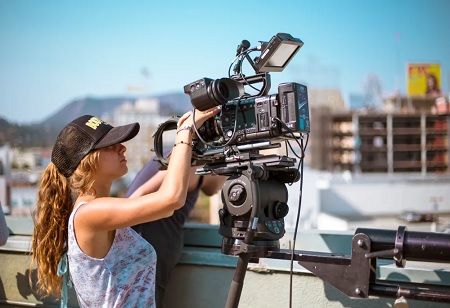
FDCP, PACE & Mapua Train 130 Educators to Advance Film Education Nationwide
Read More: lnkd.in/gC-RPbqt
Mark Lester Del Mundo Chico, President, PACE
Jose Javier Reyes, Chairperson and CEO, FDCP
#FilmLiteracy #CinematicExcellence #PhilippinesFilmInstitute #MediaStudies
1
2
58

25 Mar 2025
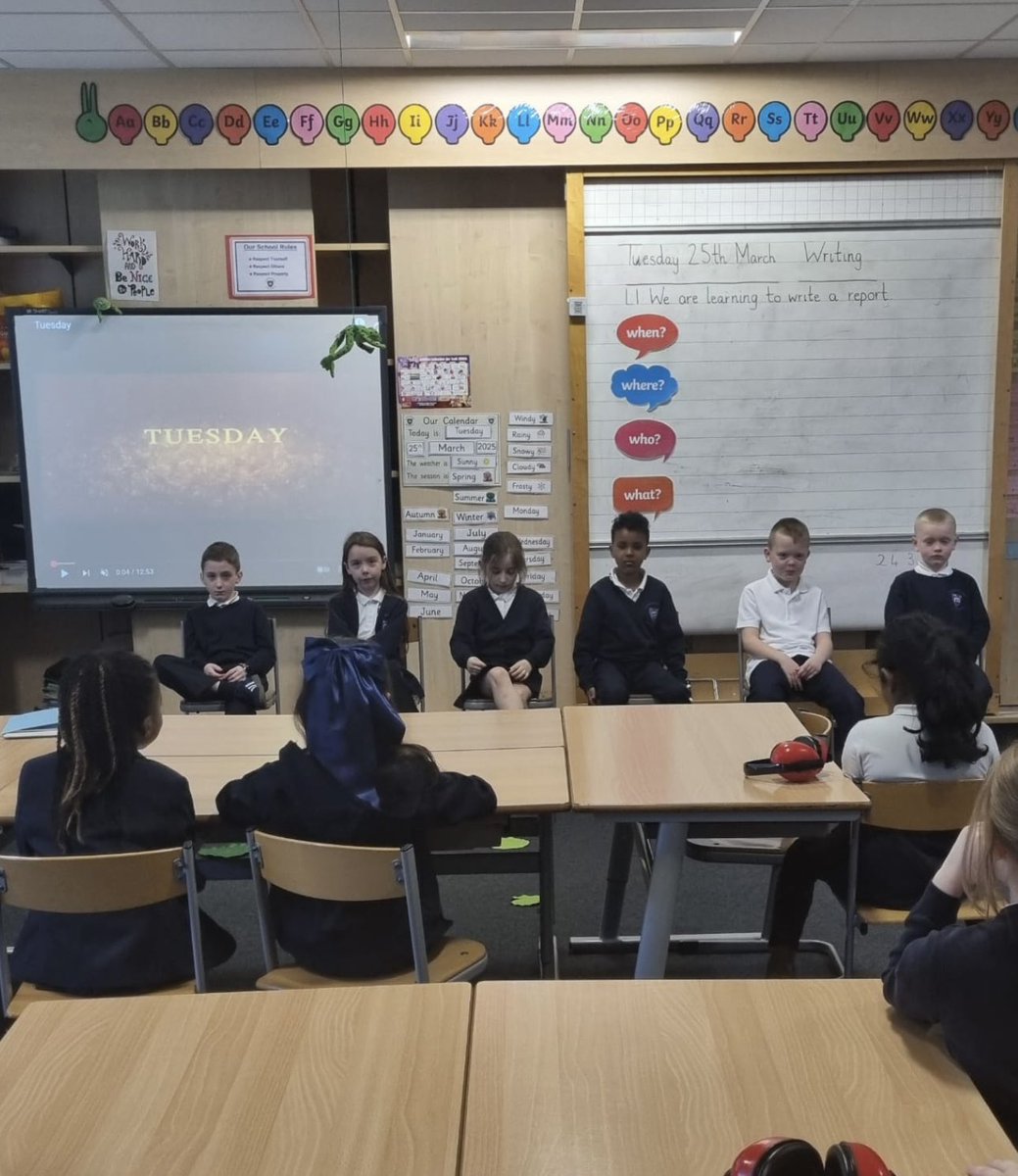
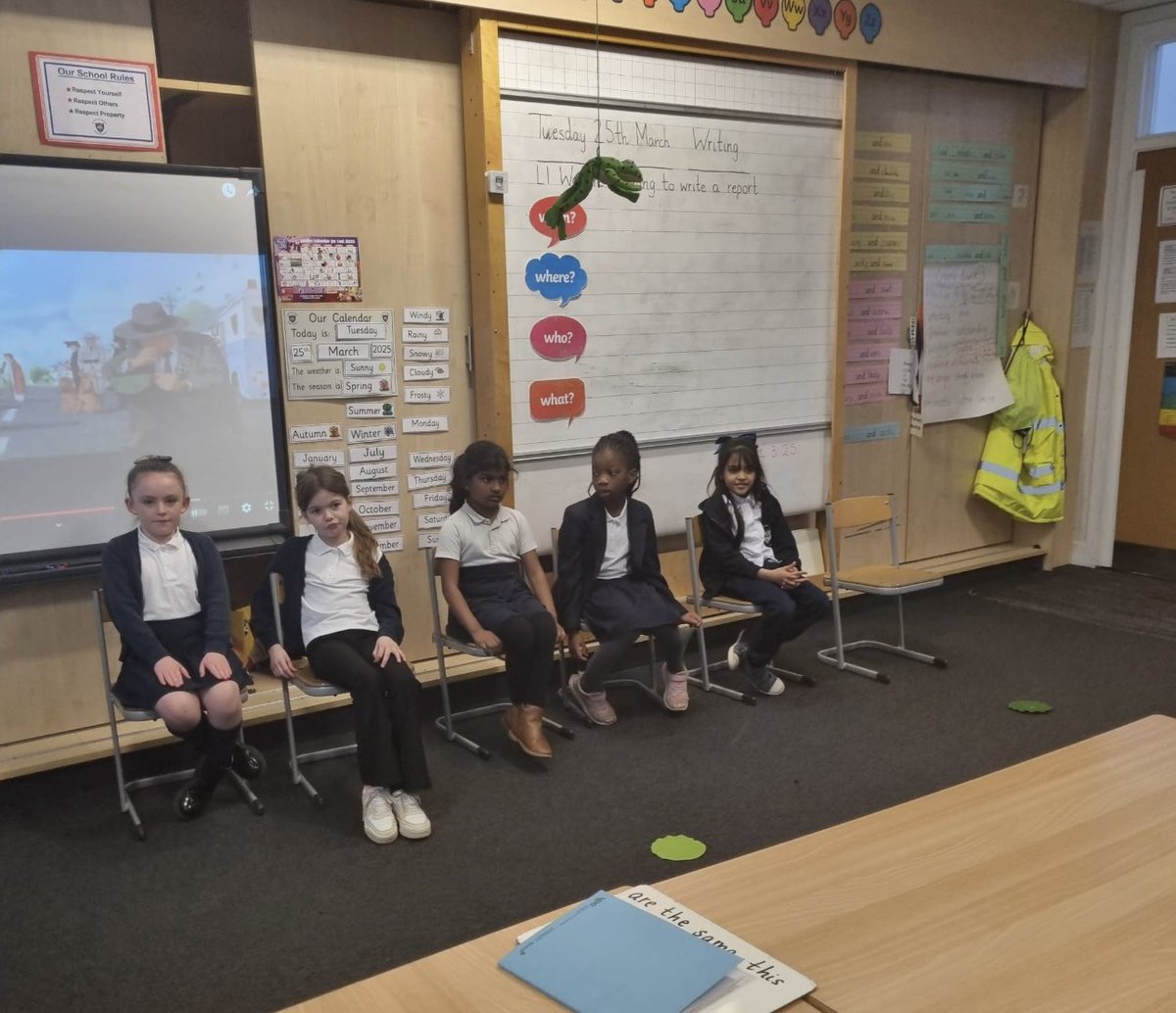
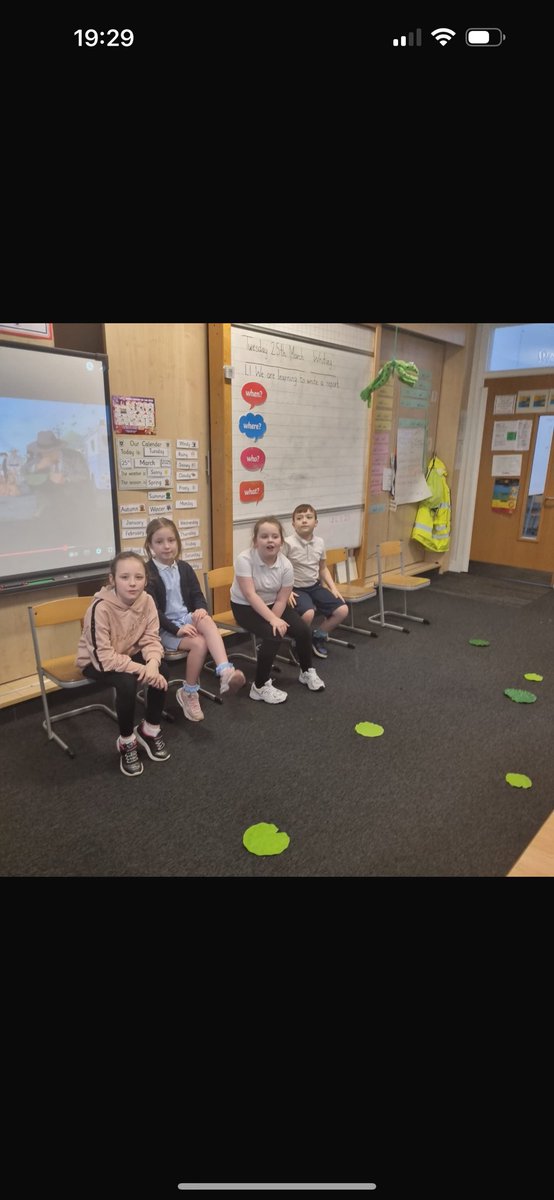
Primary 4/3 explored the film ‘Tuesday’ as a stimulus for their report writing. They enjoyed “hot seating” witnesses to see what was going on with those flying frogs in the village 🐸🐸🐸 @literacyfor_ALL #filmliteracy
4
684

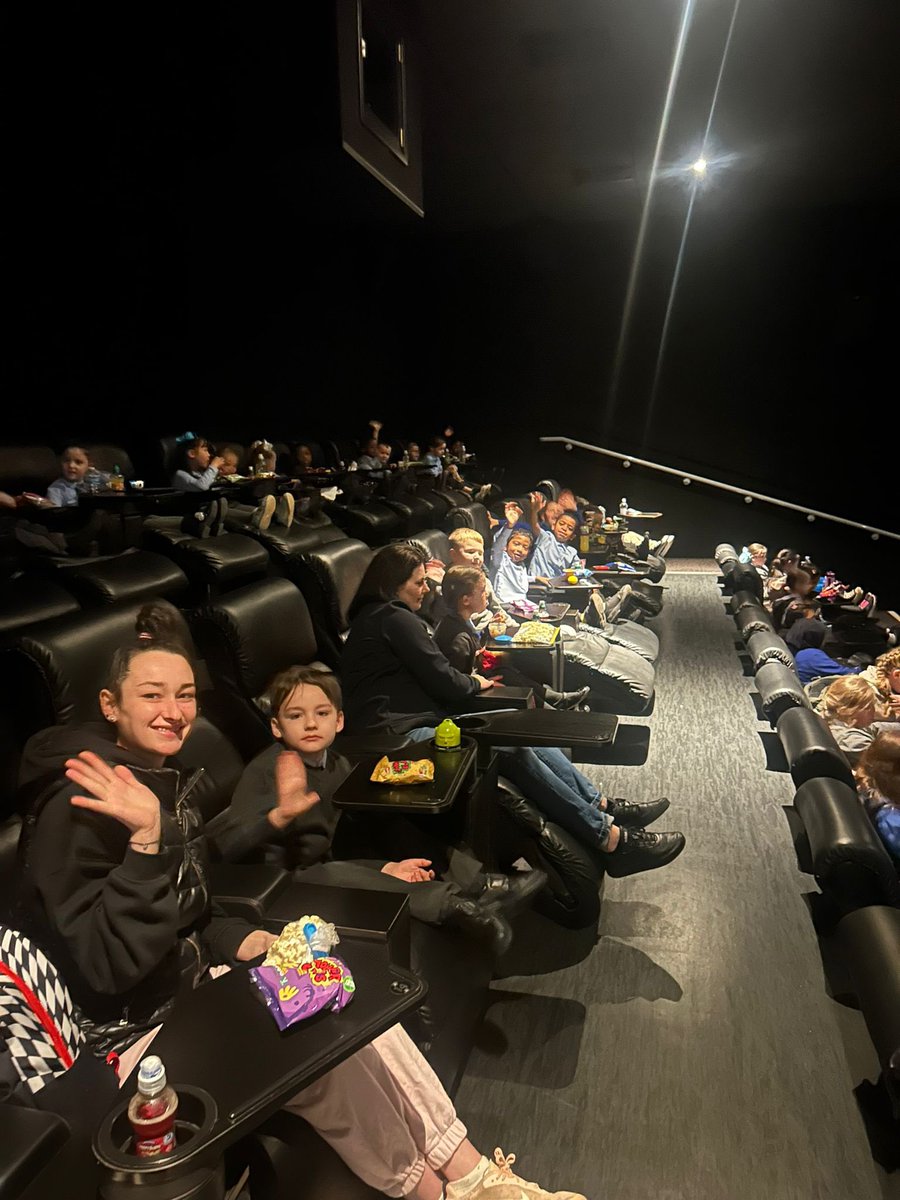
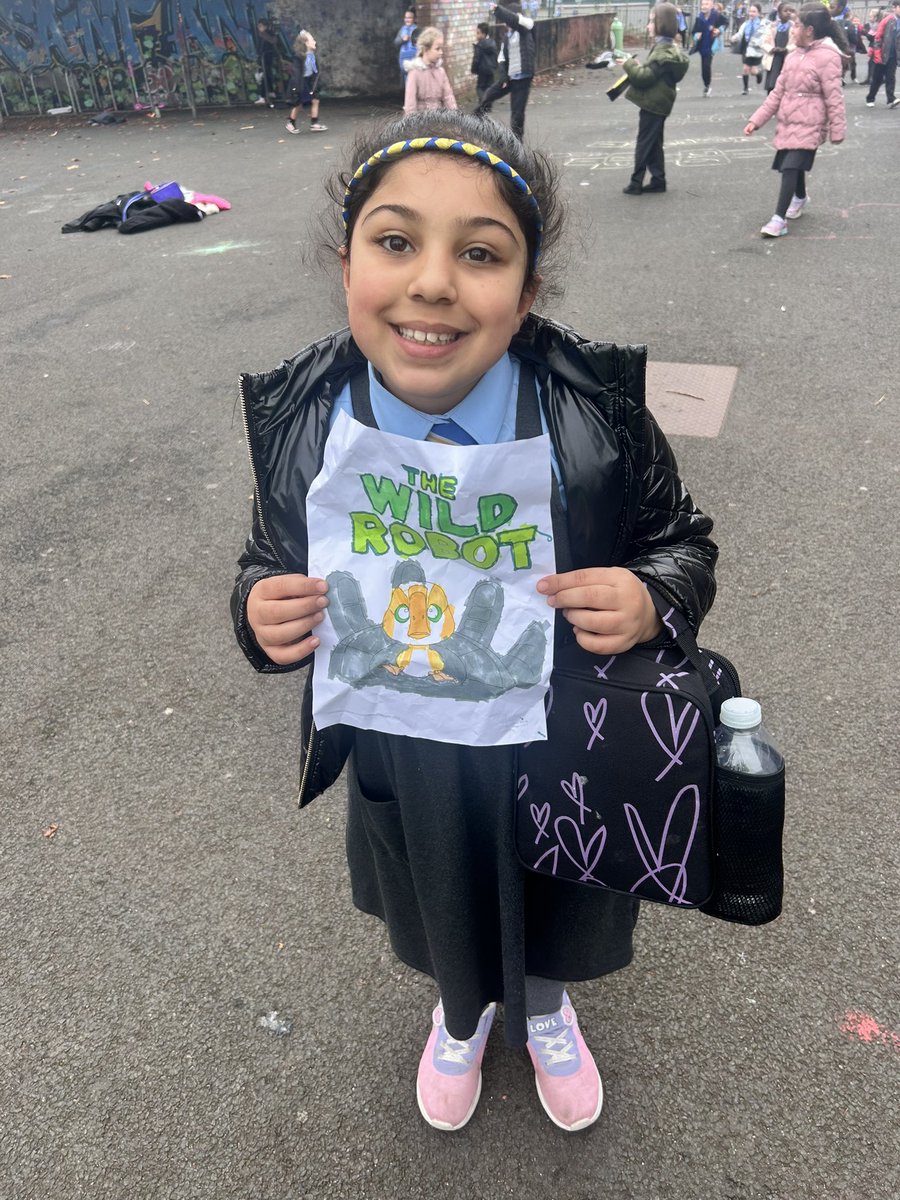
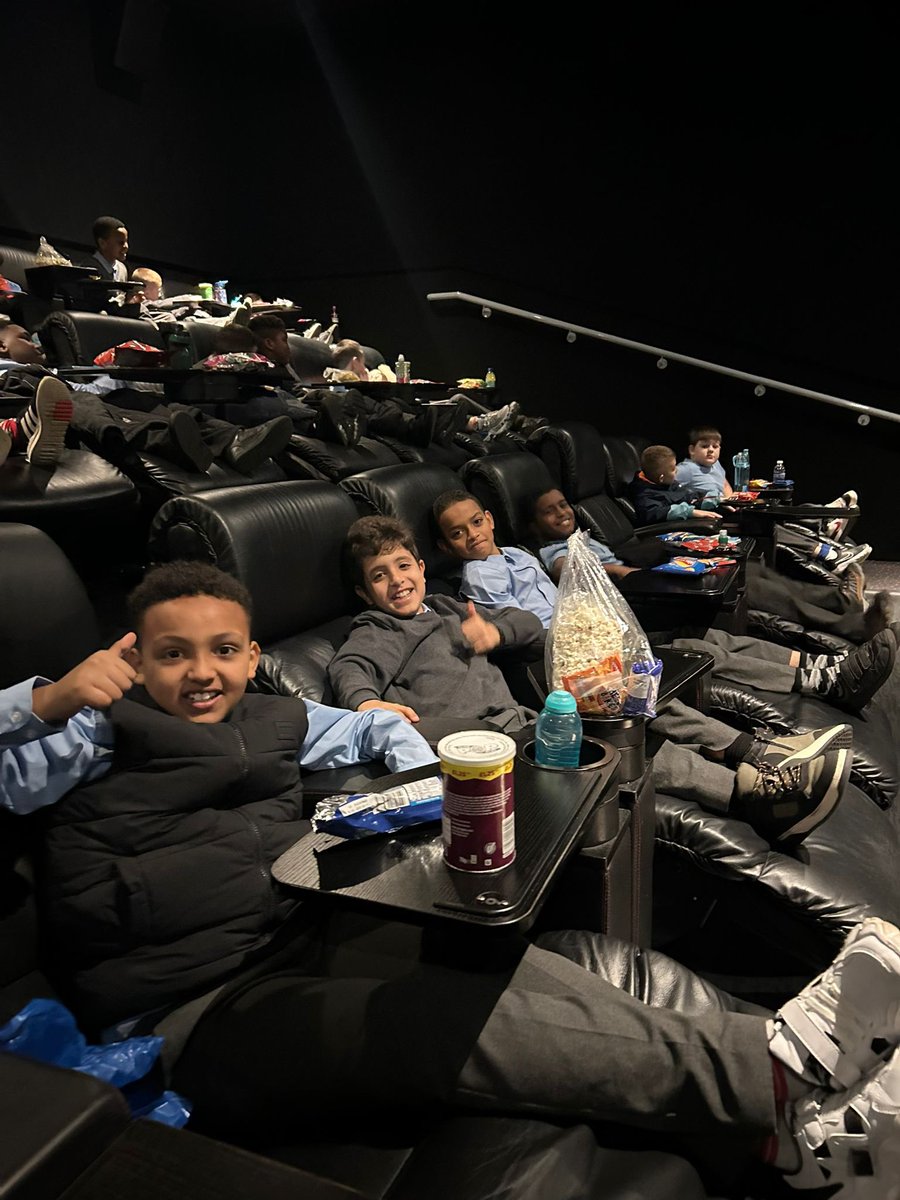
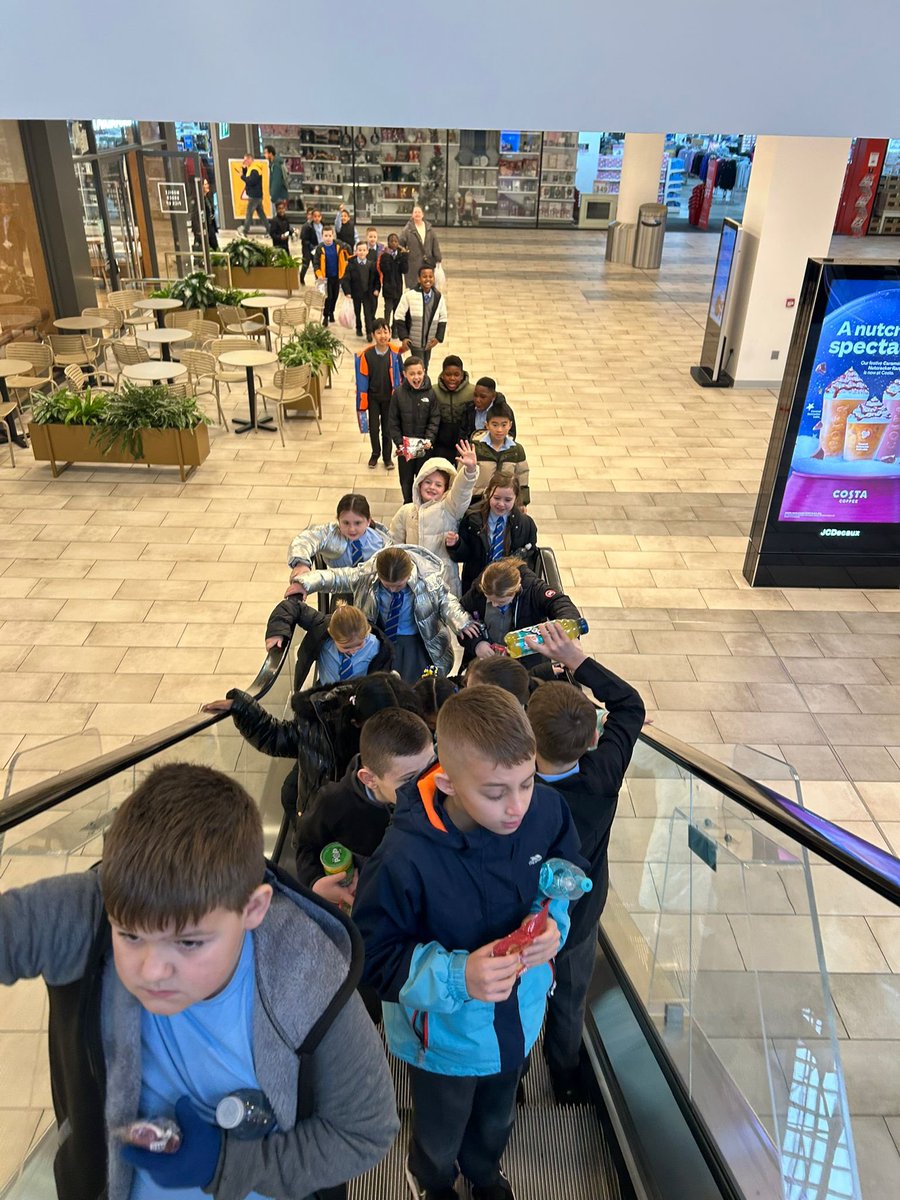
Our classes enjoyed visiting @vuecinemas this week 🎦 🍿👍🏼 Lots of happy faces! Thank you @intofilm_scot @vuecinemas
#IntoFilmFestival #FilmLiteracy
1
4
824

26 Oct 2024
जब मनोज जोशी जी जैसे बड़े कलाकार आपके कार्यों की सराहना करें तो आगे बढ़ते रहने की प्रेरणा व ऊर्जा मिलती है 🙏😊
@actormanojjoshi @hcshimachal #FilmLiteracy #cinema #Dharmshala
4
215
19 Sep 2024
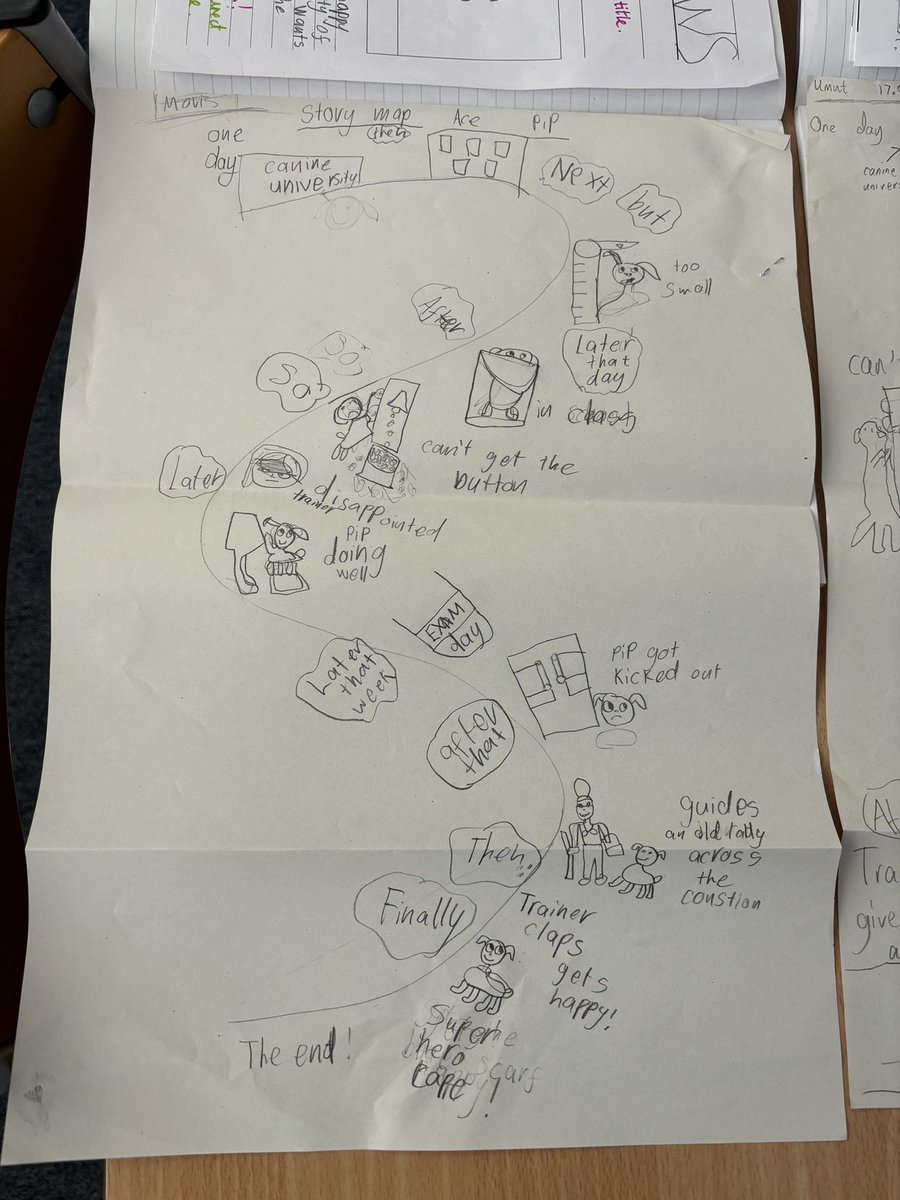
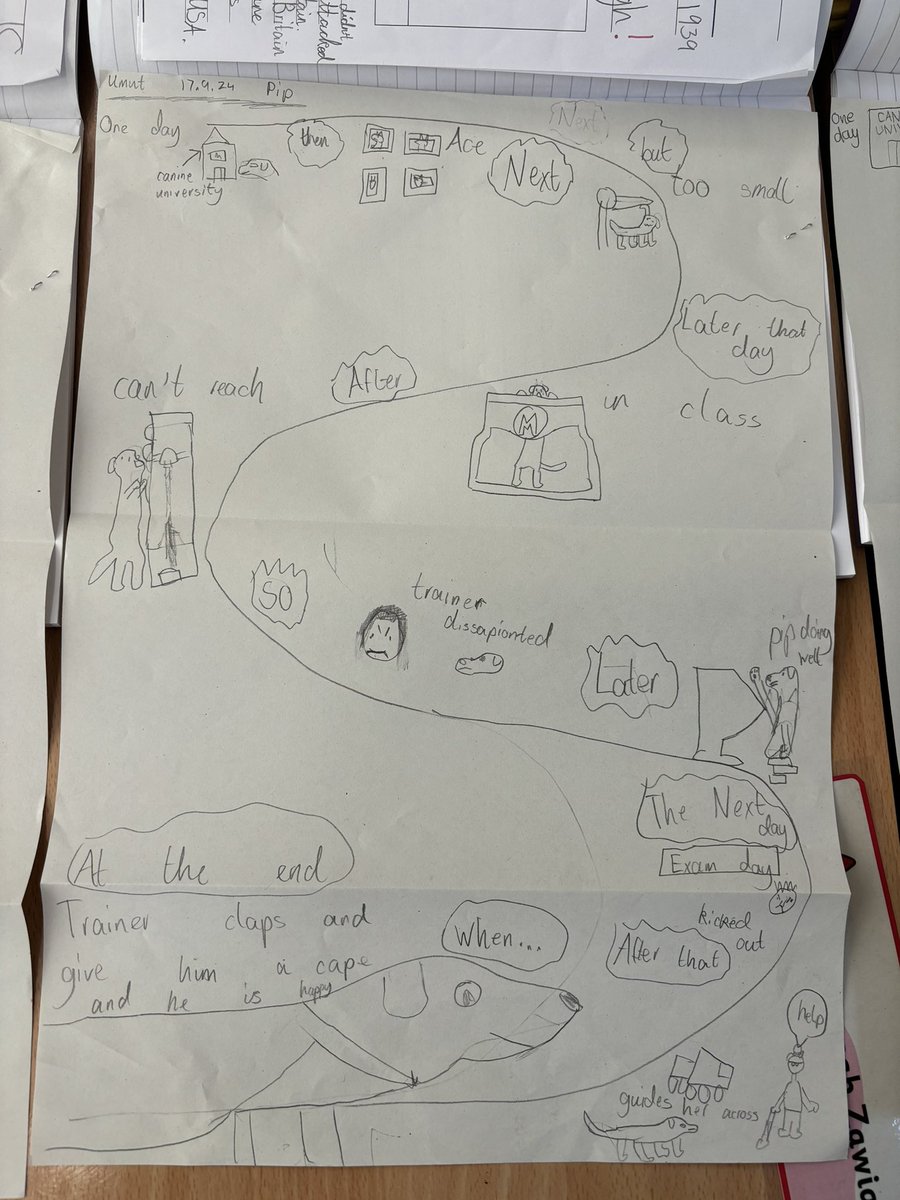
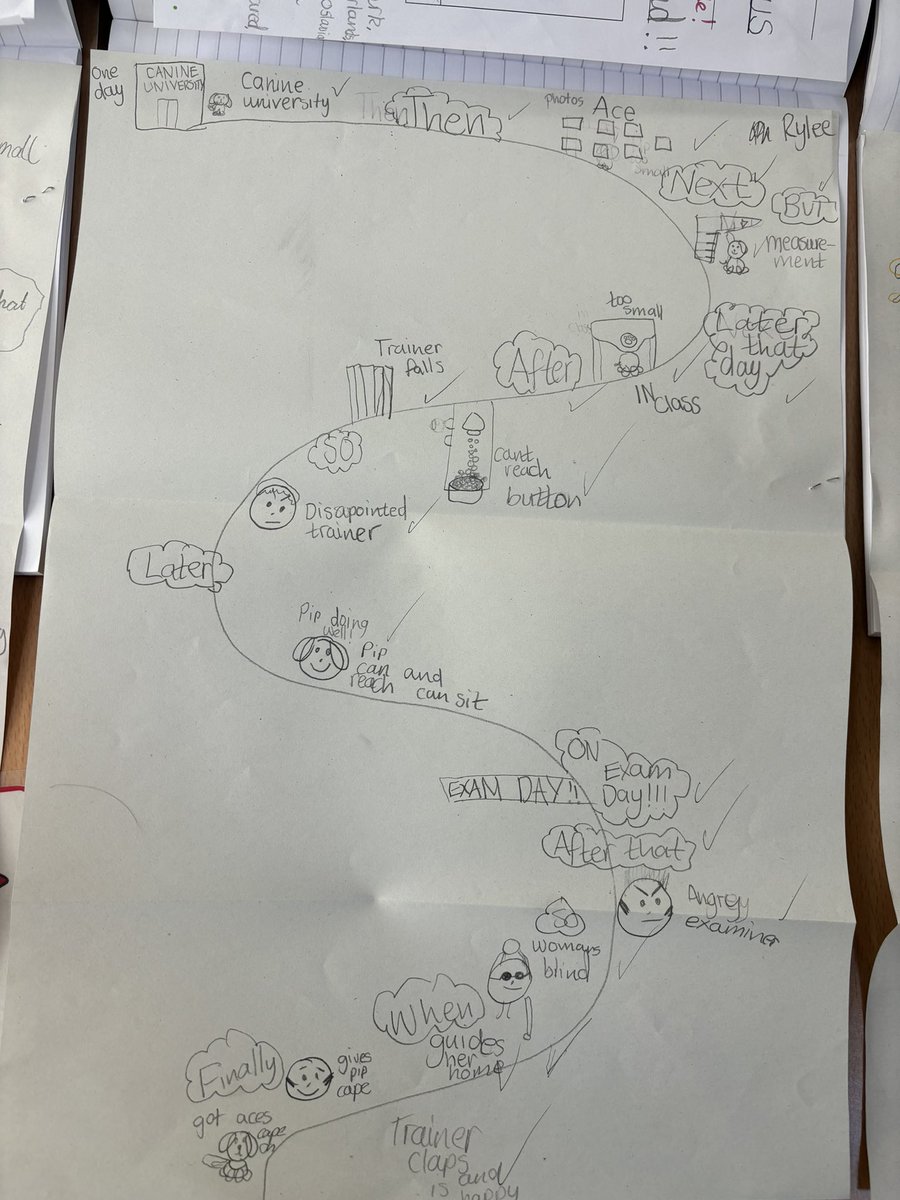
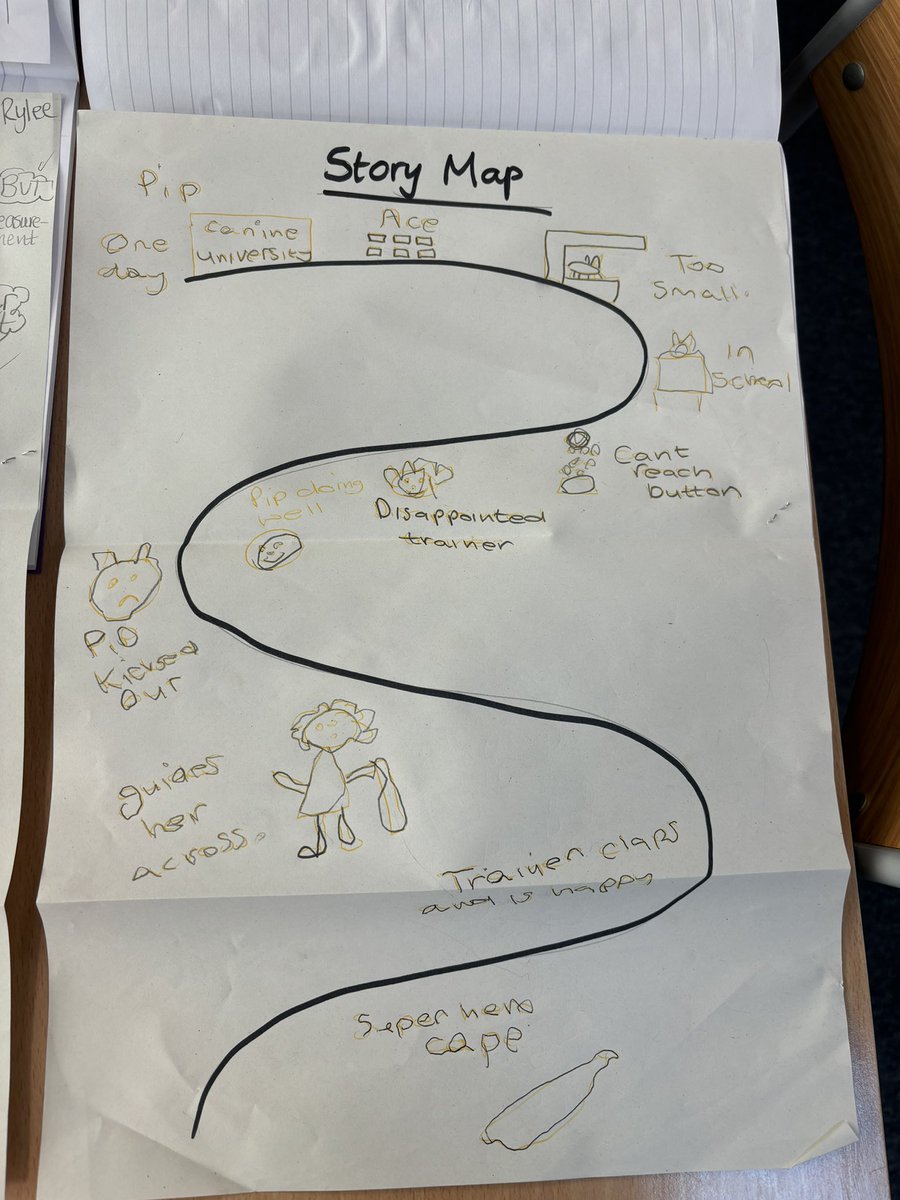
Primary 6 watched the film clip “Pip” and then used story maps to recount what happened as a plan for their writing. 🎬📽️✏️@literacyfor_ALL #filmliteracy #storymaps
1
3
1,170

18 Jun 2024
Yesterday, we created a decision wheel to consider our response to Lunar’s dilemma in our #FilmLiteracy project. @intofilm_edu @intofilm_cymru @CSC_langlitcomm
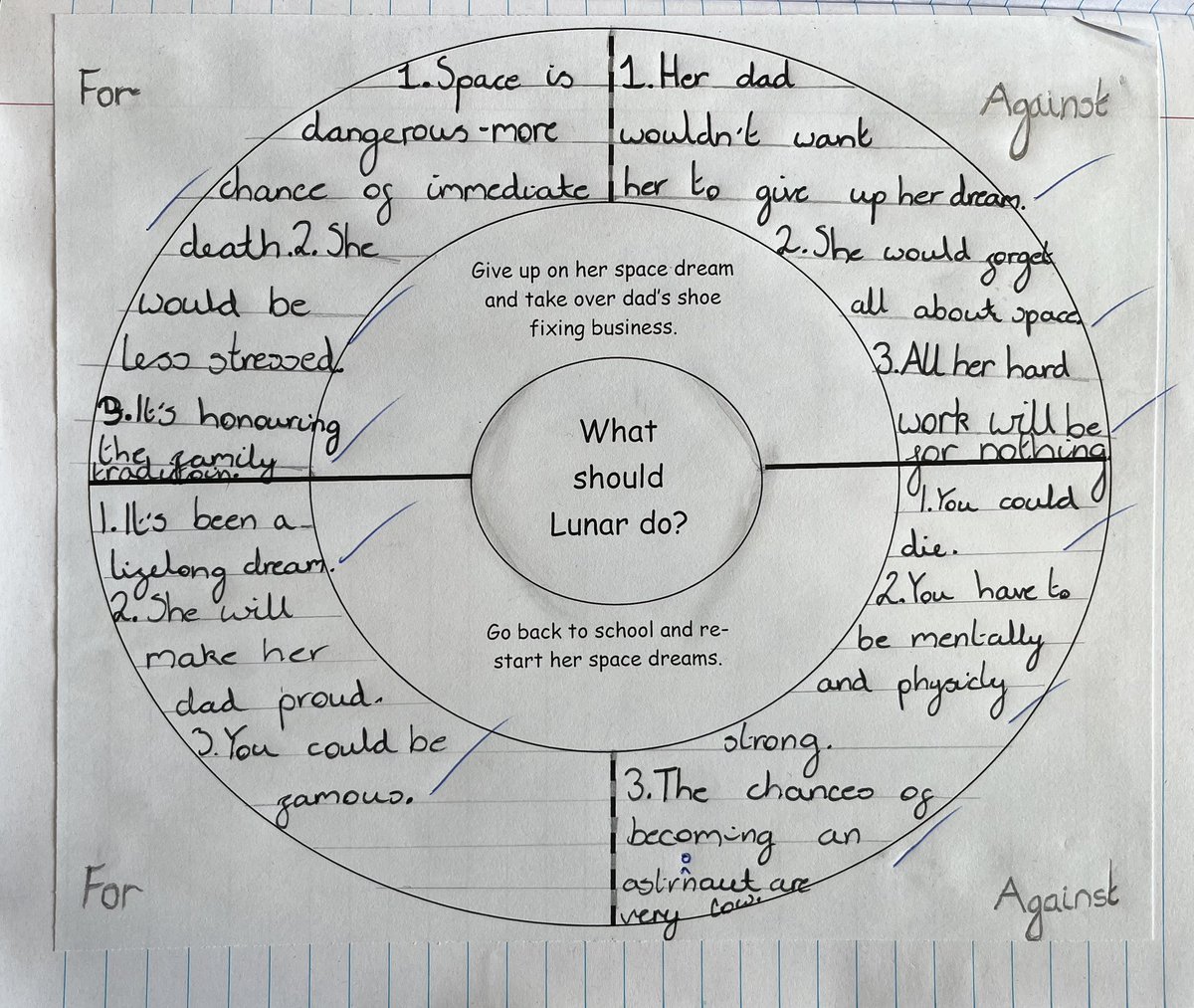
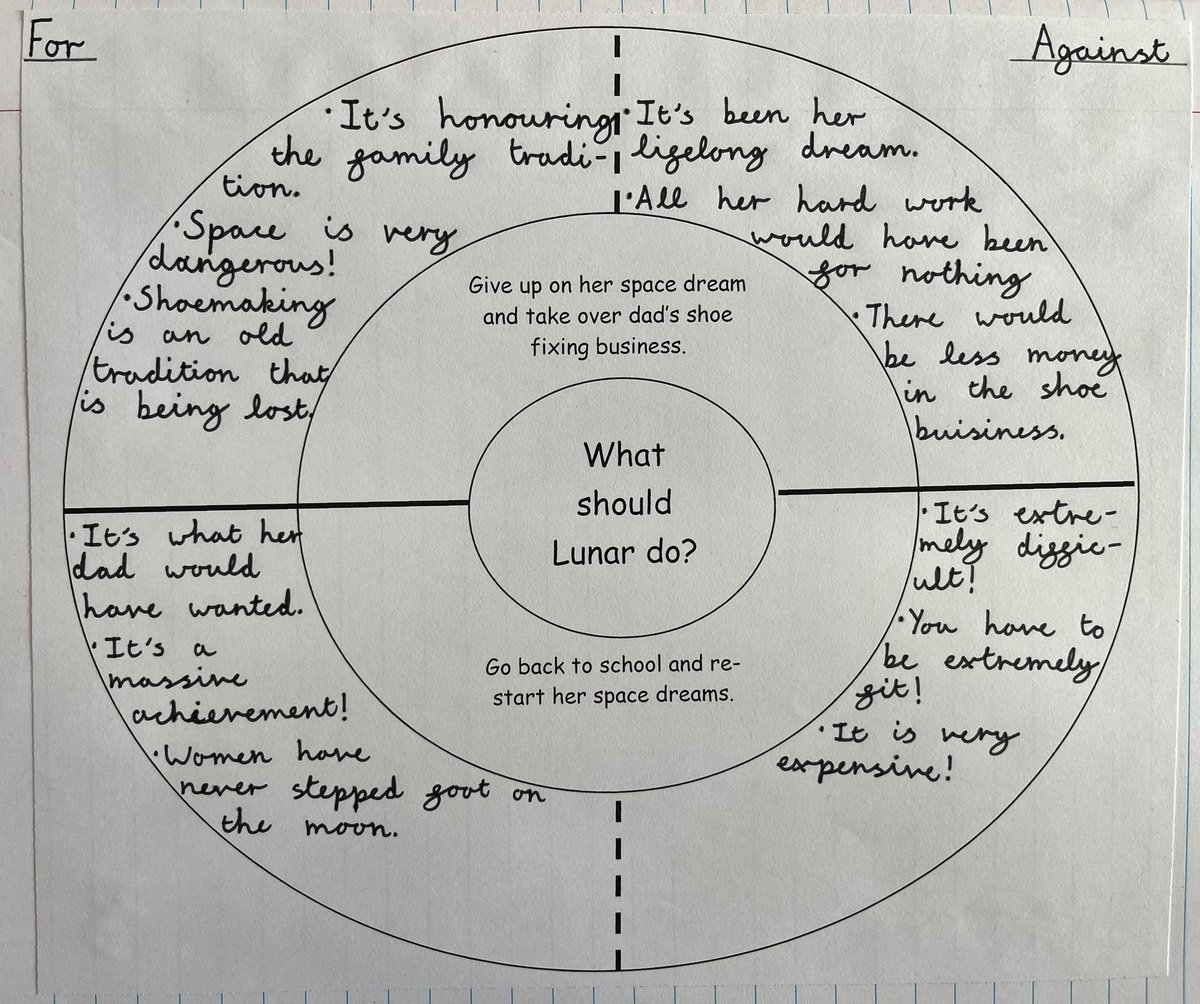
1
5
601
7 Jun 2024
As part of our #FilmLiteracy study, the class analysed emotion words and then plotted the strength and importance of the word choices. @intofilm_cymru @intofilm_edu @CSC_langlitcomm
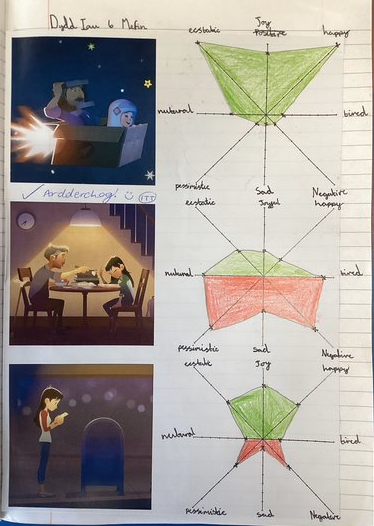
1
3
3
801
3 Jun 2024
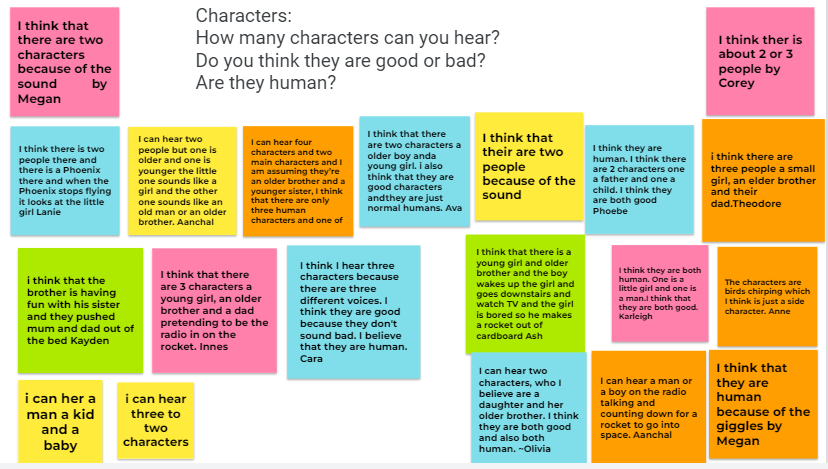
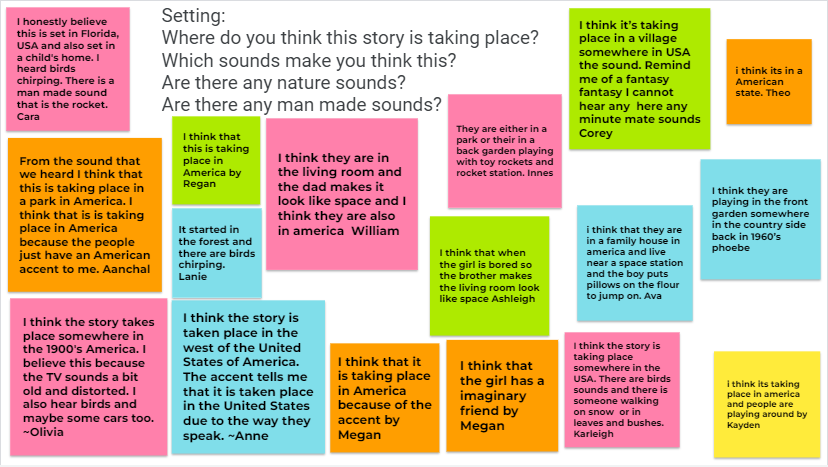
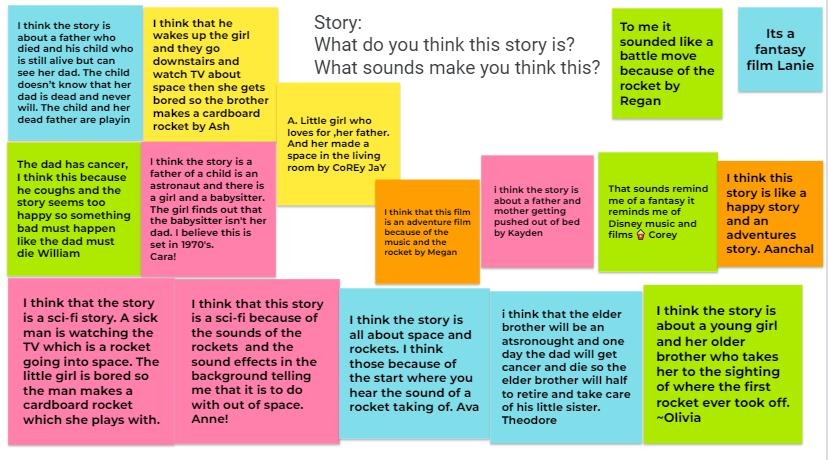
Today we started our #FilmLiteracy unit. The class were given a 'Sound on Vision off' activity to inspire discussion on what they thought the character, setting and story of the mystery film will be. @intofilm_edu @intofilm_cymru @CSC_langlitcomm
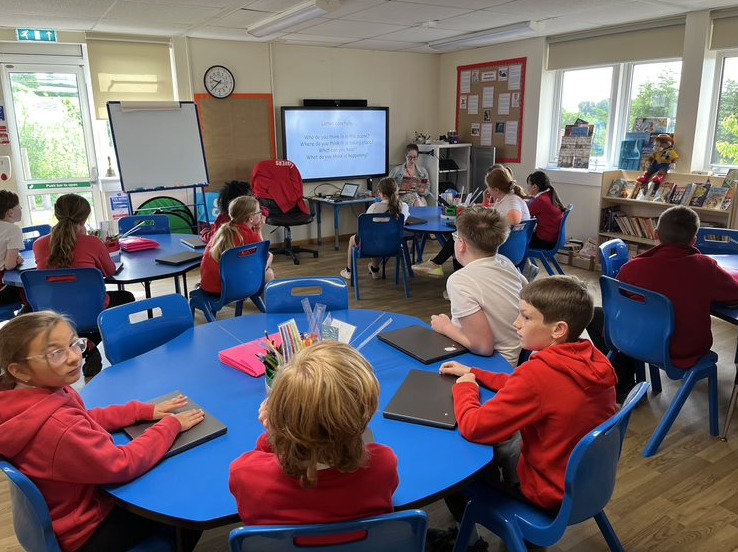
1
2
8
2,465

3 Jun 2024
Really impressed with how well these turned out! P6 wrote their own voiceover to advertise the movie Brave! They chose their own music & sounds effects to reflect the dramatic scenes! #FilmLiteracy #DigitalLiteracy #SkillsForLifeLearningAndWork @StMonicaMilton @literacyfor_ALL
2
1
9
781
17 May 2024
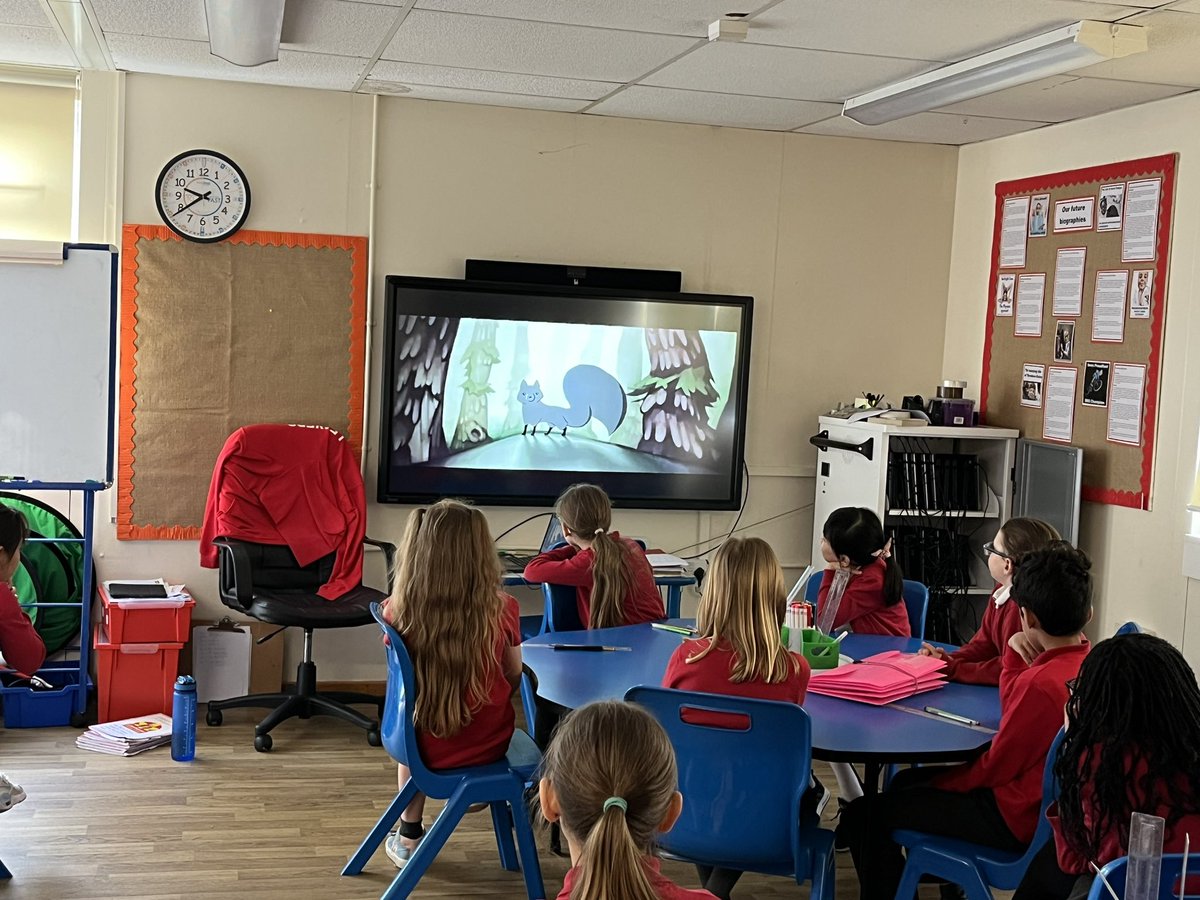
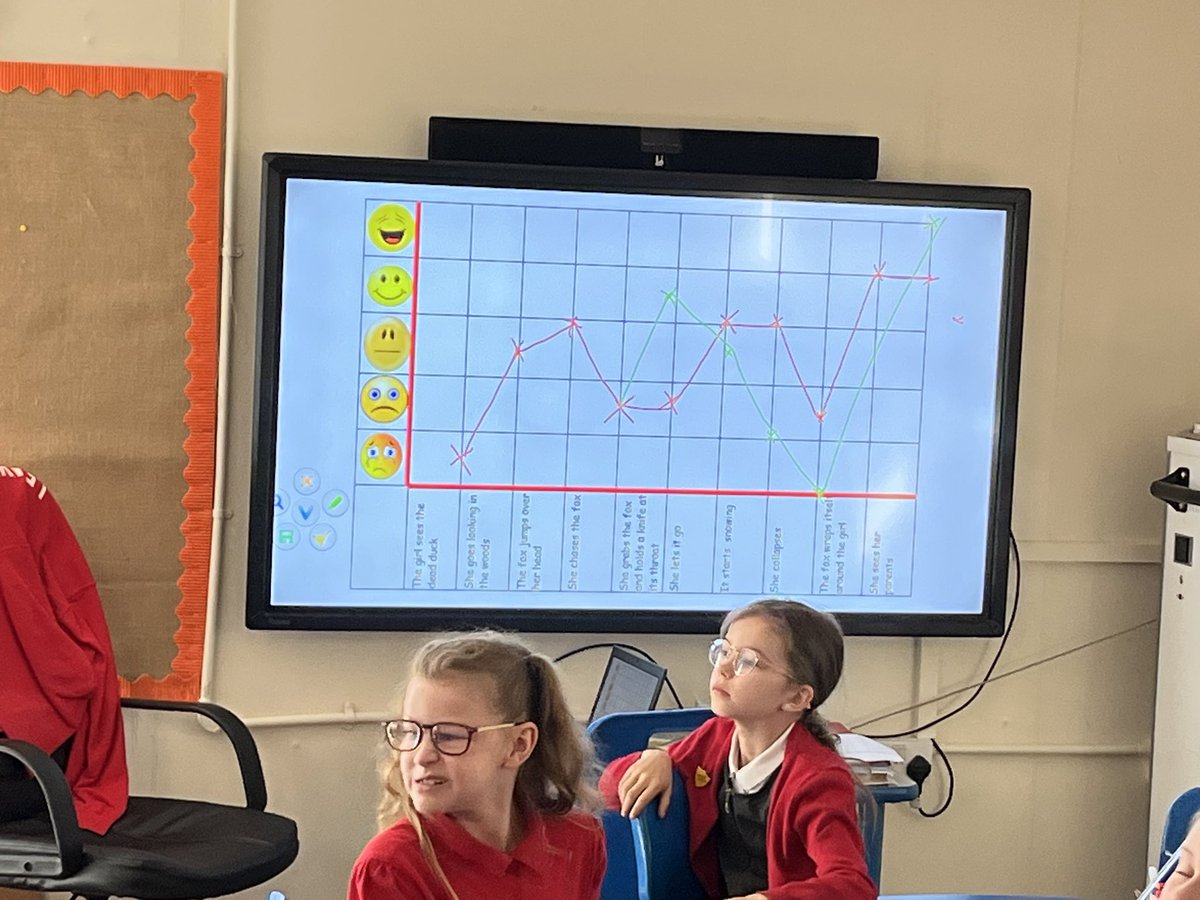
My Year 3/4 MAT writing group have come to share their #FilmLiteracy work with Year 6 this morning and we have worked together on creating an emotion graph for characters in ‘The Girl and the Fox’. @intofilm_cymru @CSC_langlitcomm
1
3
305
13 May 2024
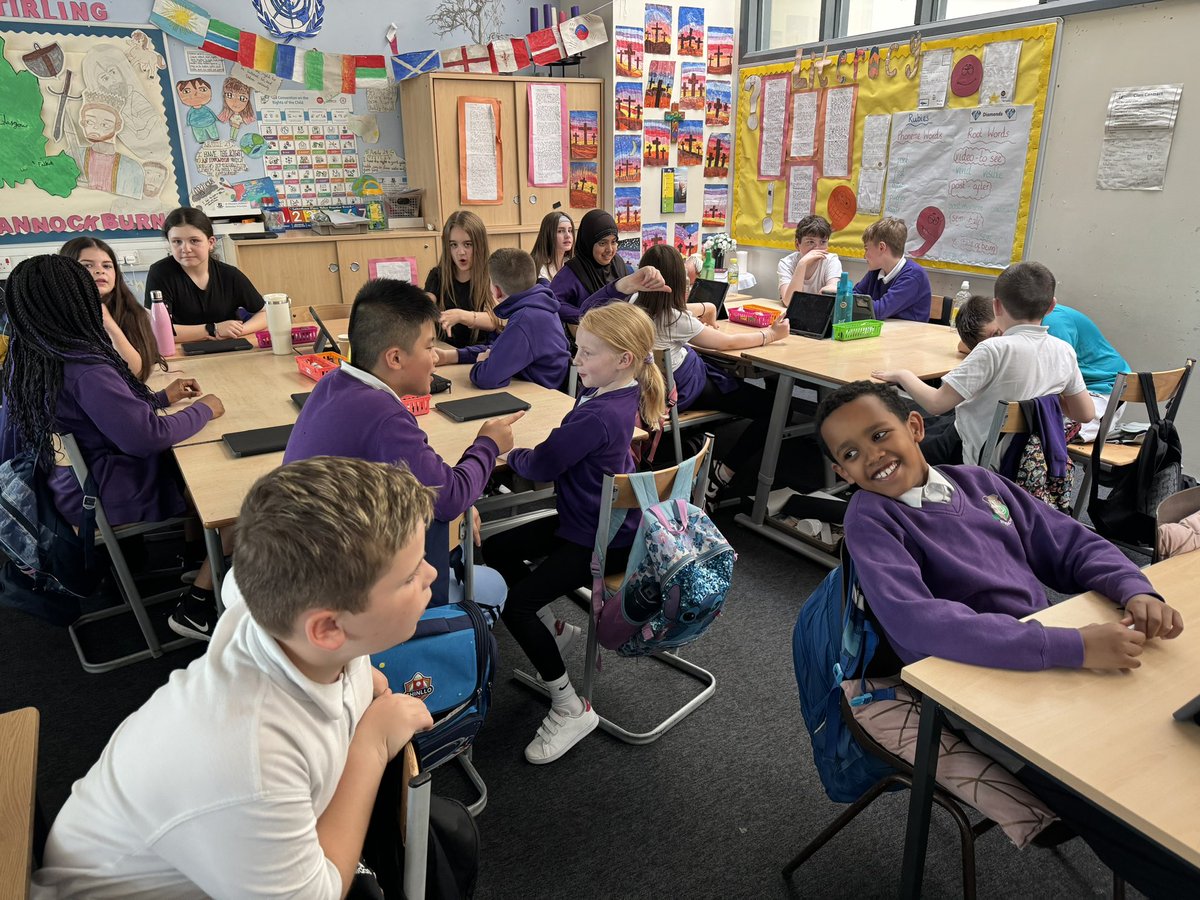
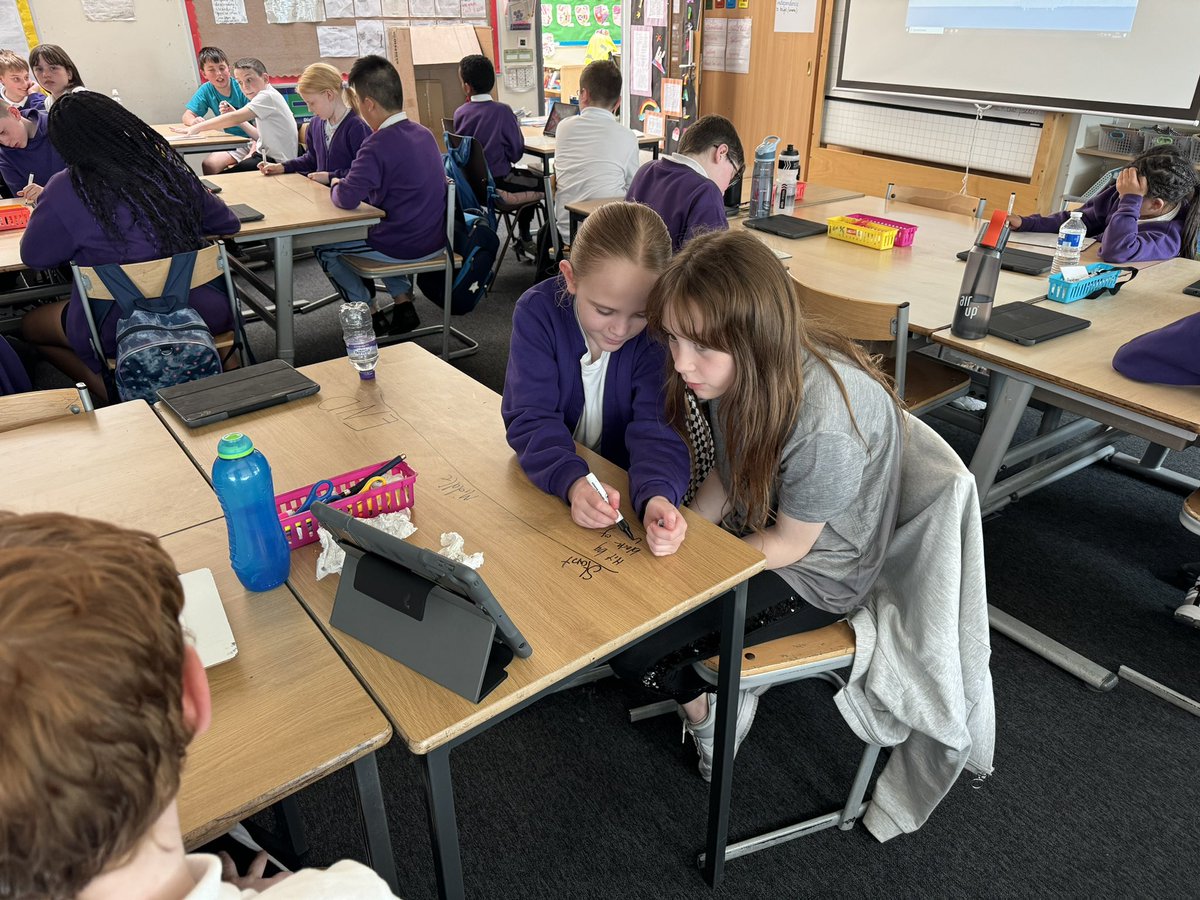
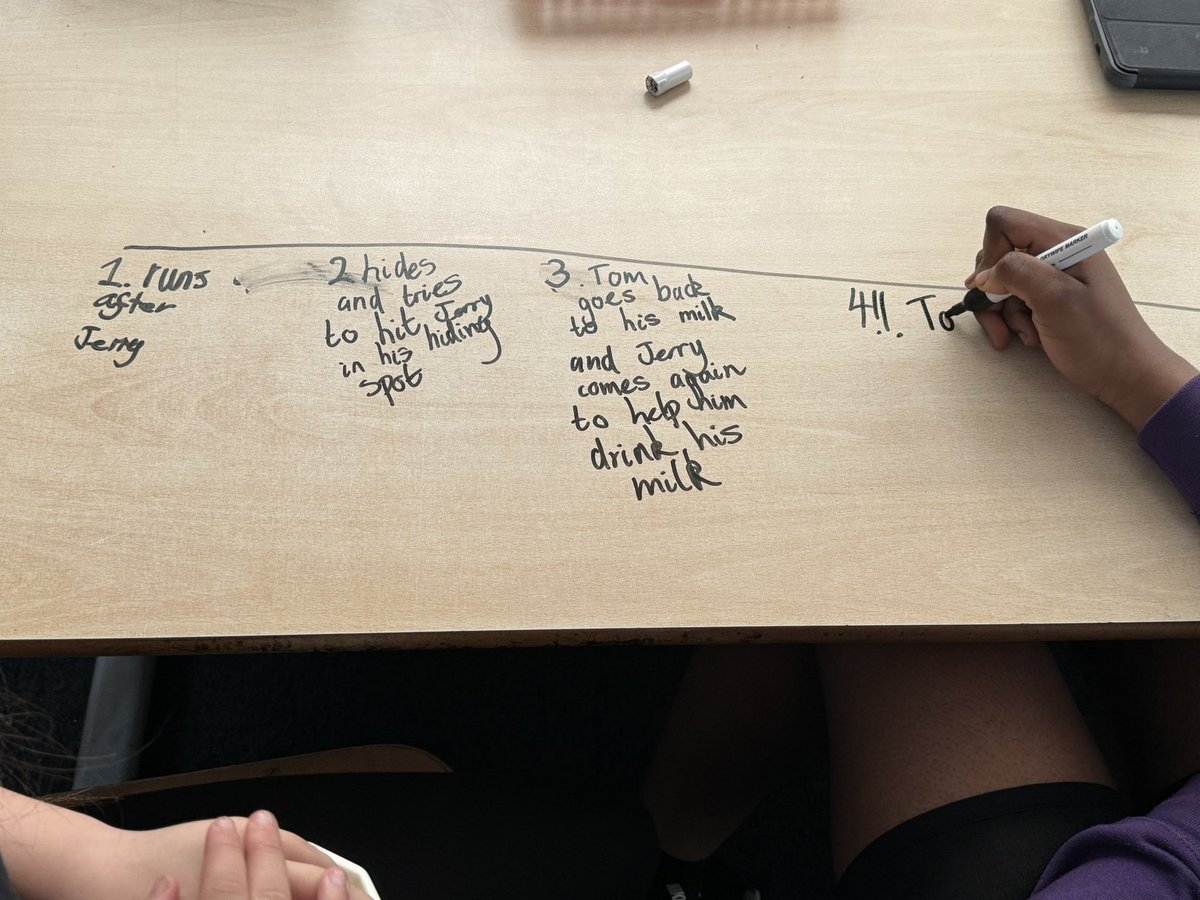
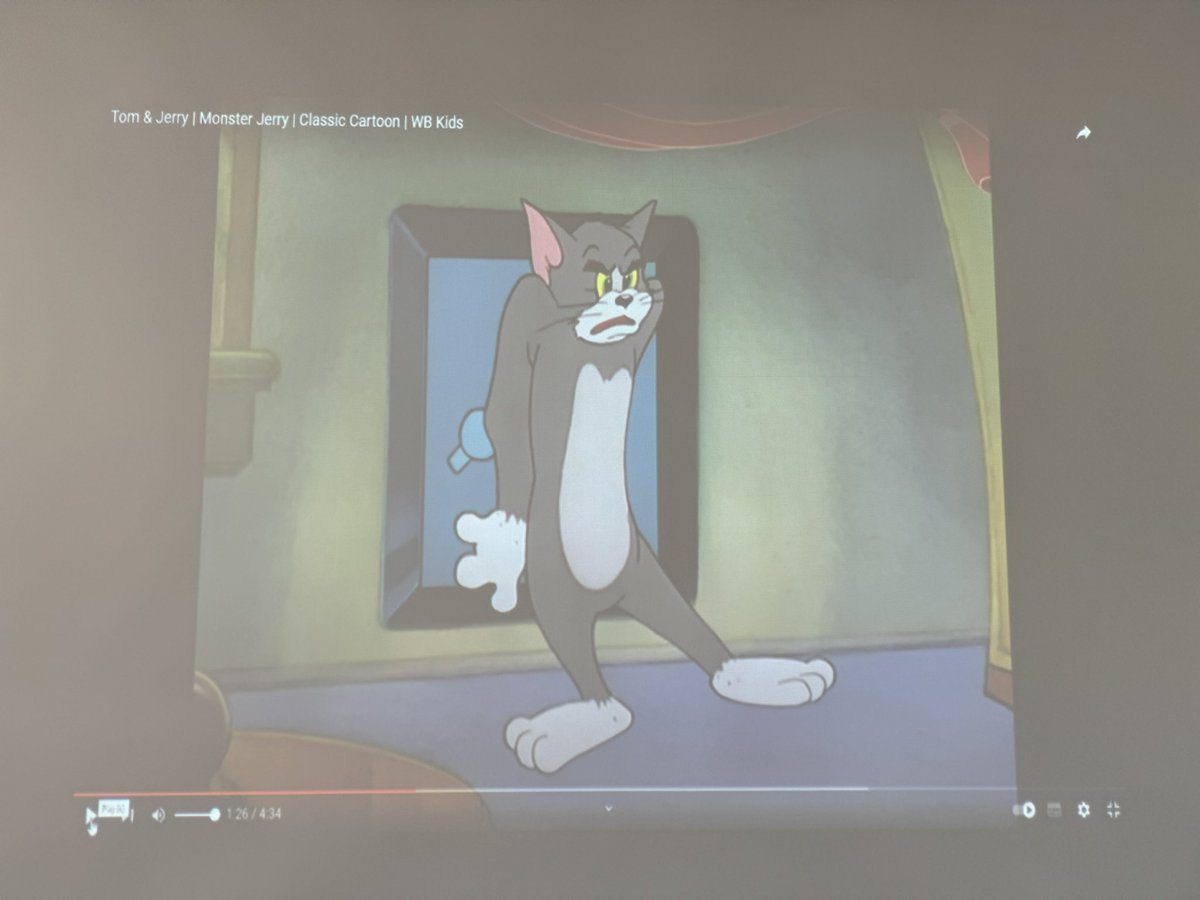
P6 were exploring sound clips of short movies/cartoons & using this to predict the story line. They discussed the impact particular instruments, tempo of music & sound effects had on their predictions. Tom & Jerry seemed to be a favourite 🐈🐭🎶🎬 #FilmLiteracy @StMonicaMilton
1
6
550

24 Apr 2024
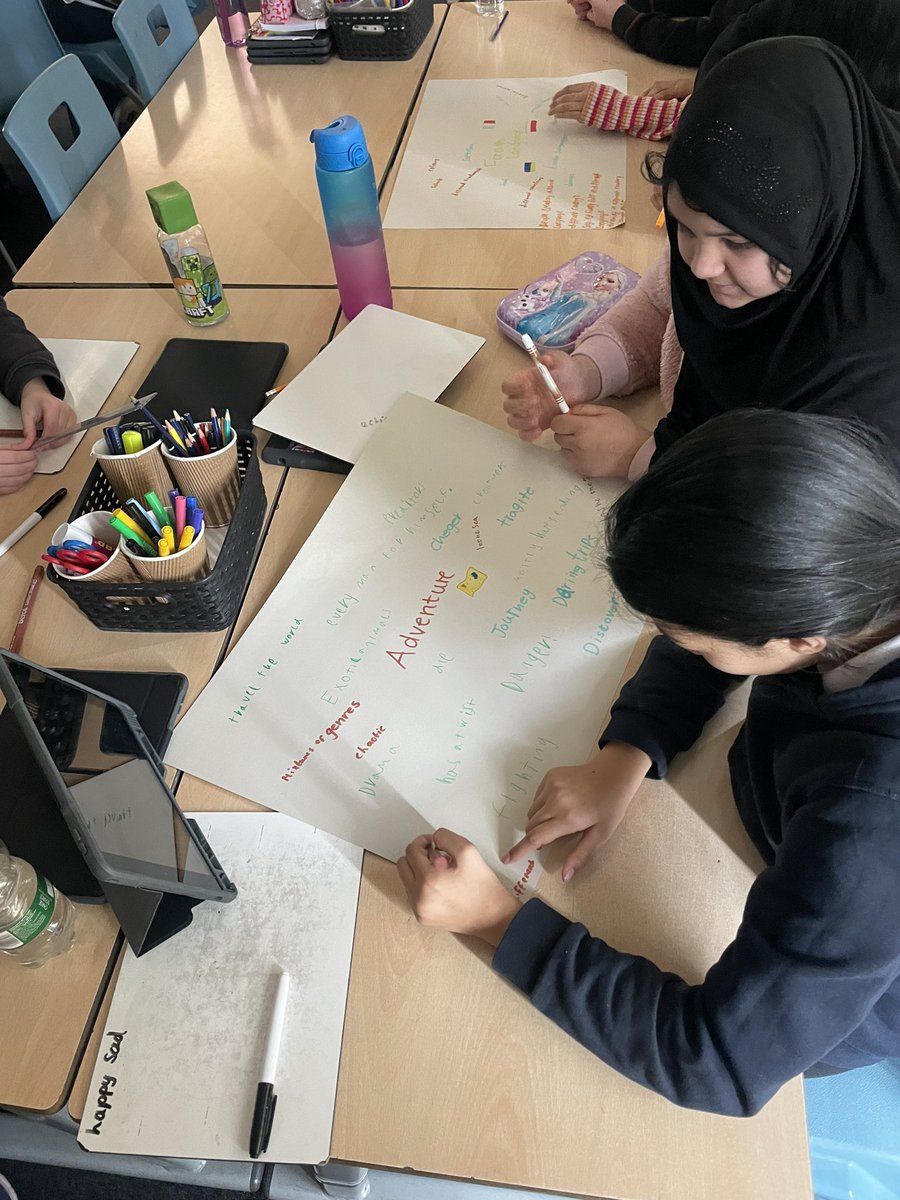
Your learners really know their genres!🤩 This is brilliant - well done to your learners for developing their #FilmLiteracy skills💡🎬
22 Apr 2024

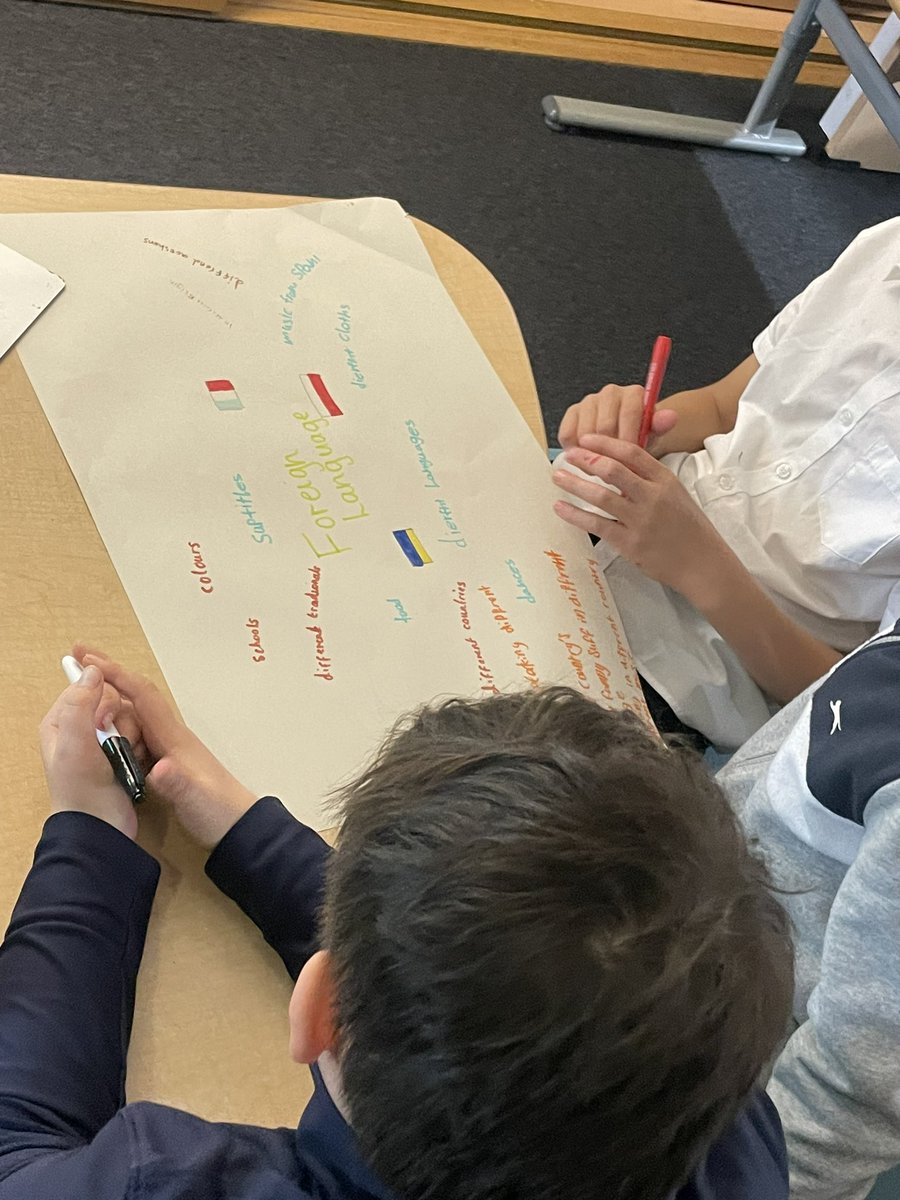
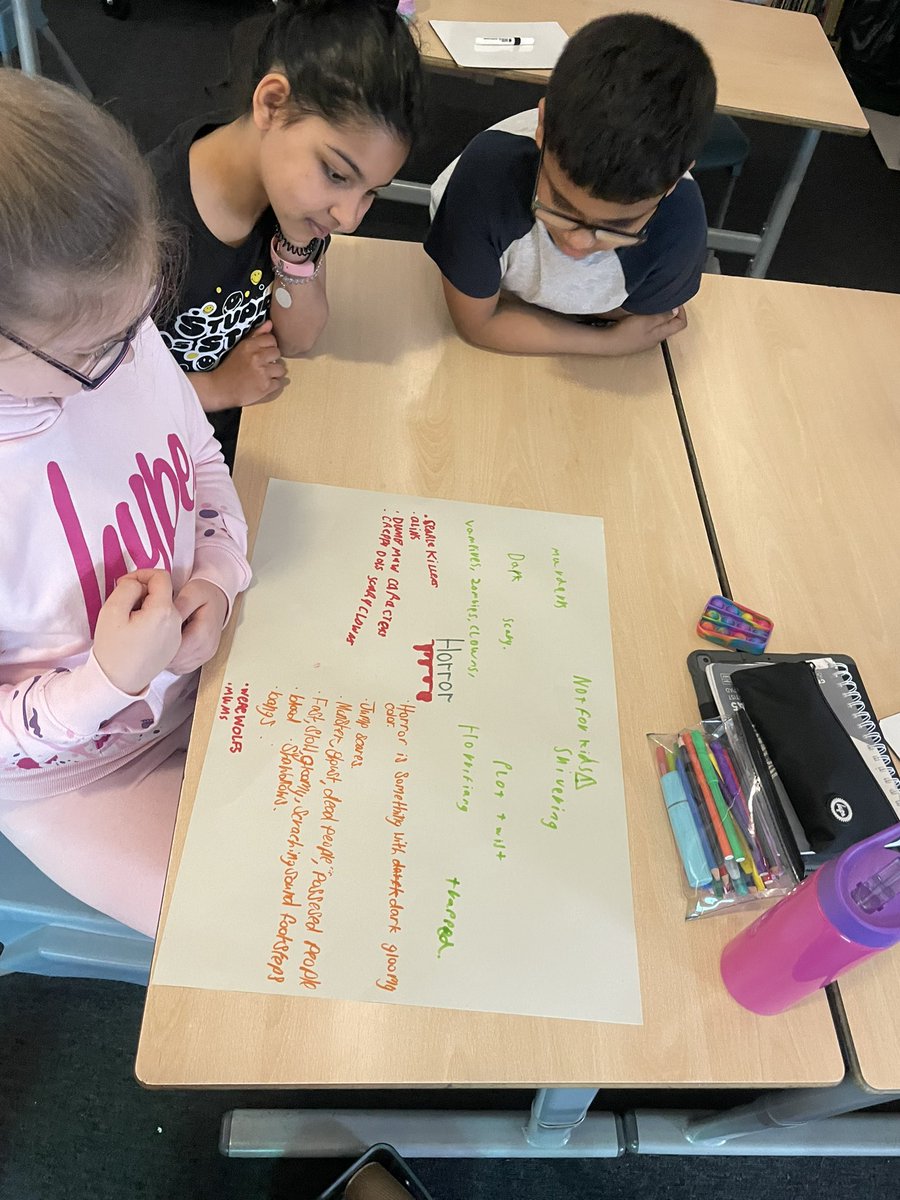
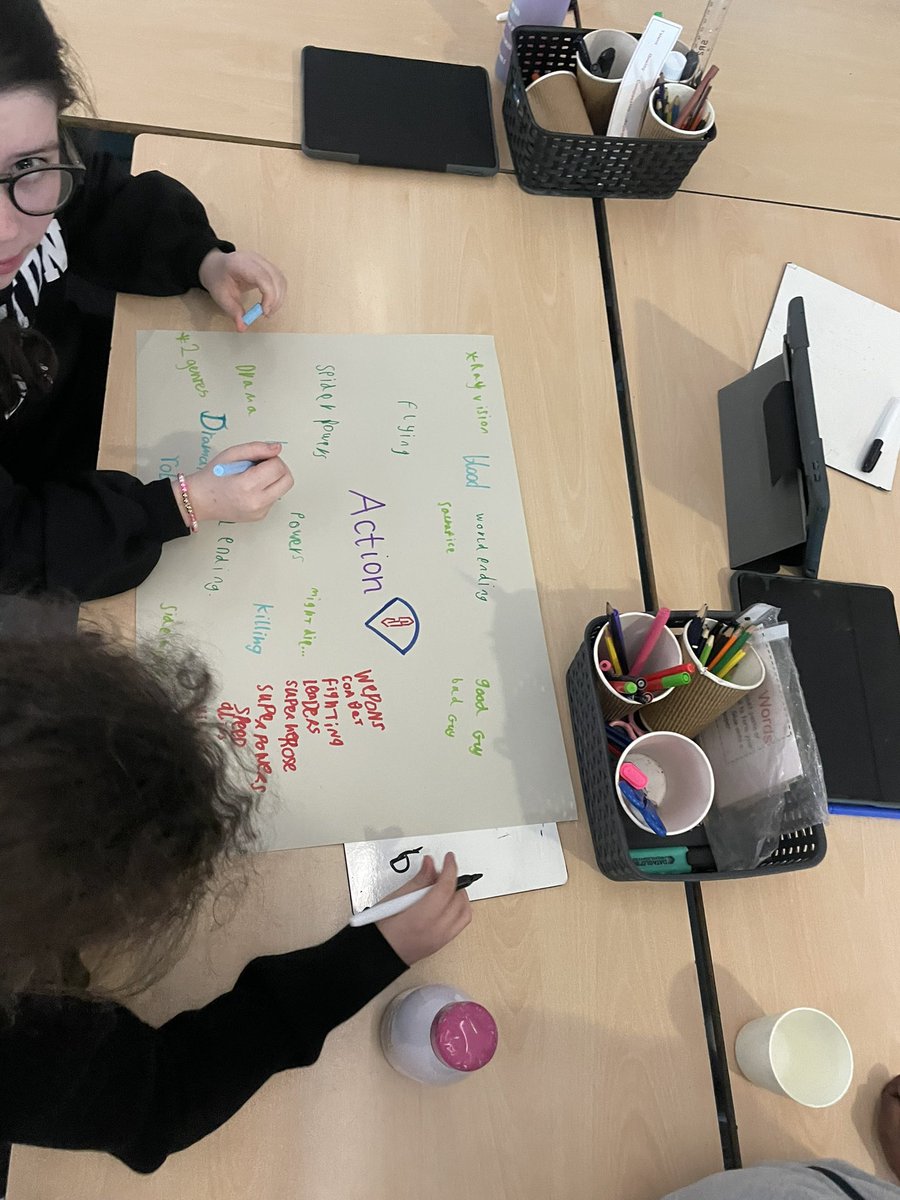
P6/5 have started their unit on #FilmLiteracy 🎥 Today they focused on aspects of genre 🍿 @intofilm_edu @literacyfor_ALL @GIC_Glasgow
1
4
1,462


20 Feb 2024
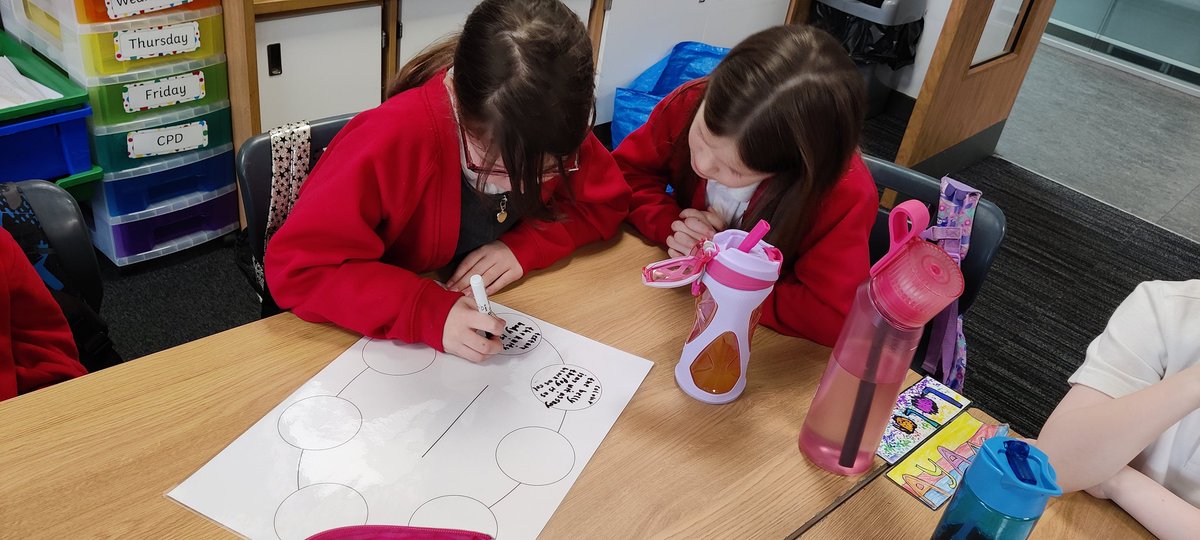
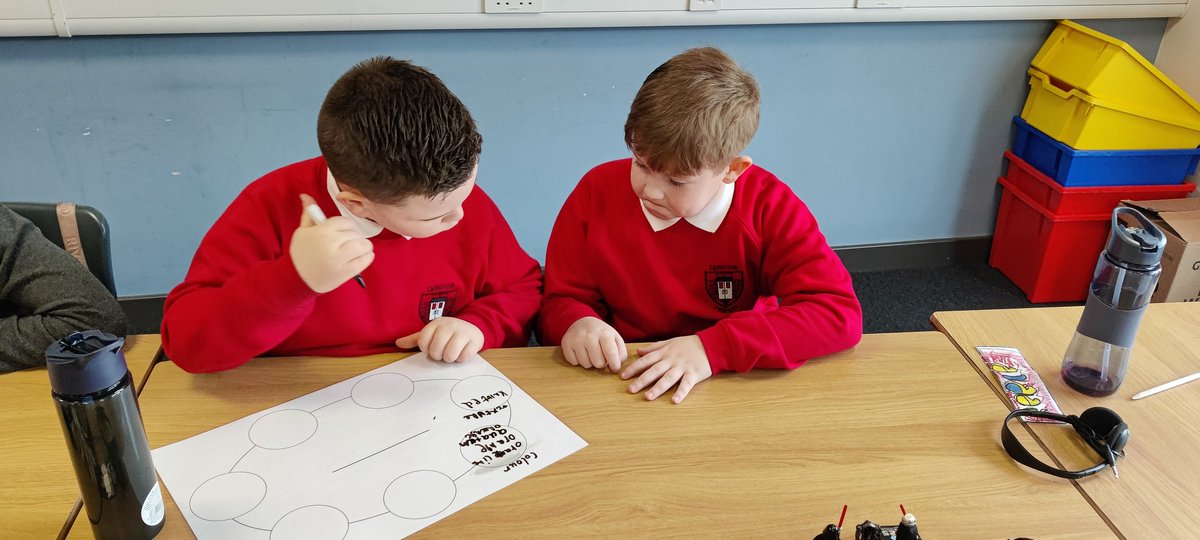
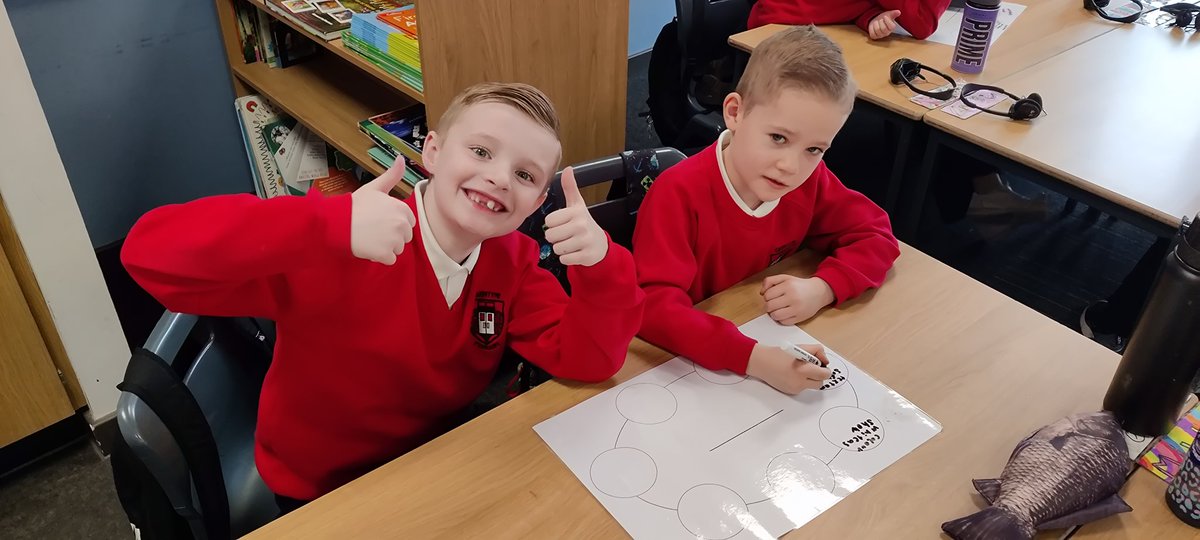
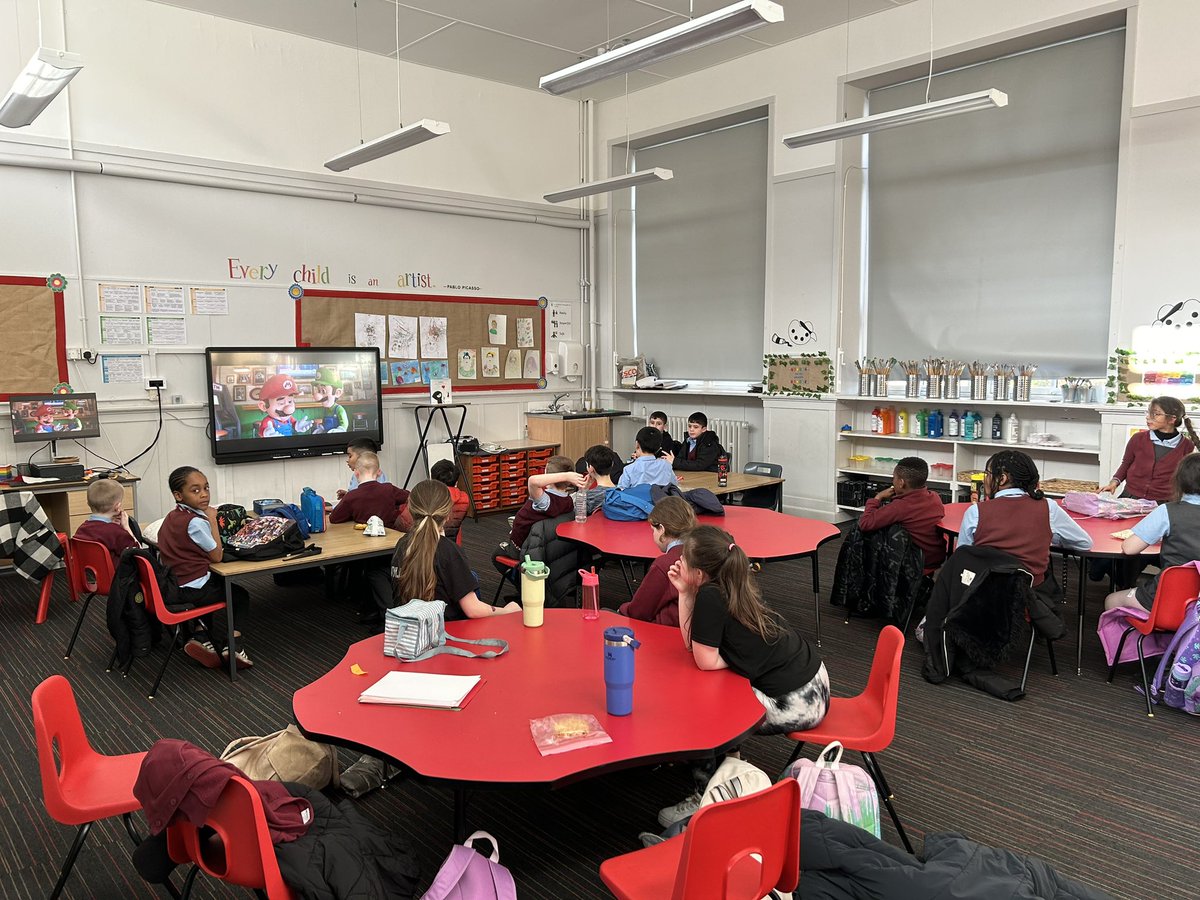
Our first #FilmClub after school club was a busy one today. We started off by watching #SuperMarioBros movie. We’re looking forward to finishing it next week then writing our review @intofilm_scot @intofilm_edu #FilmLiteracy #FunWithFriends
3
1,240

9 Jan 2024
Today we learned about camera shots as part of our film literacy lessons. Pupils created their own book, presentation or video skowing some of the shots. Great work p6/5 🎬📸 @MrsCarson15 @mrs_mackinnon1 @StTeresasPS #LitForAll #FilmLiteracy @GIC_Glasgow
1
12
551

14 Dec 2023
Missed the Christmas fun @stpaulsshet yesterday! 🎄🍽️🎶 But had a great day @GIC_Glasgow joining in with the @literacyfor_ALL CLOL session on #FilmLiteracy 🎬🍎 Wonderful day of professional dialogue and leadership SE, plus so many resources & ideas to bring back to school 🤓💡
3
11
2,191

13 Nov 2023
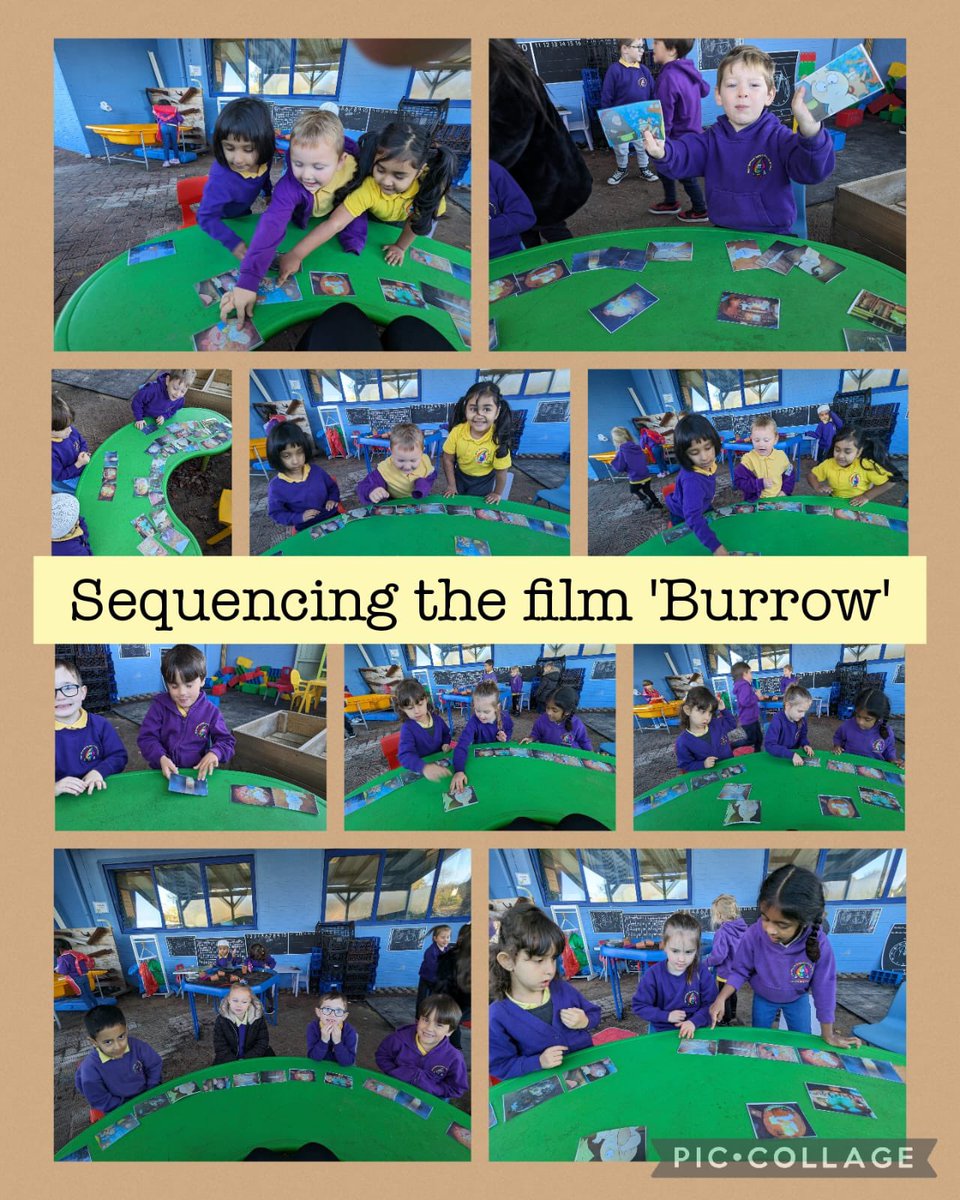
Thinking about the main events in our film and sequencing them to help us retell the story. Fantastic oracy work in Reception as part of our #filmliteracy work this half term @intofilm_cymru #hfpexpressivearts
5
763