I asked Grok to validate all the claims of this video and here its the response:
One reply in the thread called the beef estimate "off," but the data shows it's consistent with raw mince as presented. The video is a helpful, evidence-based illustration—not perfect lab precision, but accurate enough for real-world use. If you're tracking macros, always check your specific product's label, as minor brand differences exist.The video's core claims are accurate and well-supported by standard nutritional data (primarily USDA FoodData Central and equivalent sources). It visually demonstrates that different protein sources delivering ~20g of protein can vary dramatically in calories (from ~90 kcal to ~380 kcal), emphasizing how leaner options (lower fat/carb content) allow you to meet protein needs with fewer calories. This aligns with evidence-based nutrition for satiety, muscle preservation, and fat loss during calorie
deficits.medicinenet.com 1The on-screen calorie figures are approximations based on typical prepared/raw values for the exact foods shown (e.g., cooked chicken breast, raw 18% fat beef mince, canned tuna in water, raw salmon fillet, firm tofu, drained canned mixed beans, nonfat high-protein/Greek-style yogurt, and sweetened vanilla yogurt). Minor variances (usually within 10-20%) are normal due to factors like exact brand, cooking method (raw vs. cooked), fat trimming, or added ingredients. No claims are fabricated or
misleading.Here is a breakdown of each claim, with verified calculations (protein density × weight needed for exactly 20g protein → expected calories):
Chicken breast: Video claims 123 kcal for 20g protein.
Verified: Cooked, skinless chicken breast is typically ~31g protein and ~151–165 kcal per 100g. For 20g protein, this is ~65g of chicken → **100–107 kcal**. Video is slightly higher (common with grilled/seared versions or minor added fat). Close match; lean and low-cal as
stated.nutritionvalue.org
18% fat beef mince (ground beef): Video claims 278 kcal for 20g protein.
Verified: Raw 80/20 (close to 18% fat) is ~254 kcal and ~17g protein per 100g. For 20g protein, this is ~118g → **295–300 kcal**. Cooked versions are lower (~246–270 kcal/100g, ~24–26g protein). Video aligns well with raw values (as shown on the plate). Higher-cal due to fat content—
accurate.tools.myfooddata.co…
Canned tuna (in water, drained; likely light tuna): Video claims 90 kcal for 20g protein.
Verified: Light tuna in water is 86 kcal and ~19g protein per 100g. For 20g protein, this is ~105g → **90 kcal**. Exact match. Excellent low-cal
choice.foodstruct.com
Salmon (fillet): Video claims 260 kcal for 20g protein.
Verified: Raw farmed Atlantic salmon is 183–208 kcal and ~20g protein per 100g. For 20g protein, this is ~100g → **200 kcal** (wild or cooked is often lower at ~140–182 kcal). Video is on the higher end (possibly fattier cut or including skin). Directionally correct—salmon is higher-cal than lean fish due to healthy
fats.foods.fatsecret.com
Tofu (firm): Video claims 181 kcal for 20g protein.
Verified: Firm tofu is 145 kcal and ~15.8g protein per 100g. For 20g protein, this is ~127g → **184 kcal**. Near-exact match. Solid plant-based
option.mobile.fatsecret.com
Mixed beans (canned, drained): Video claims 317 kcal for 20g protein.
Verified: Canned kidney/mixed beans (drained) are 82–84 kcal and ~5.2g protein per 100g. For 20g protein, this is ~380–385g → **320–321 kcal**. Exact match. Higher-cal due to carbs/fiber—volume is large, as
shown.foods.fatsecret.com
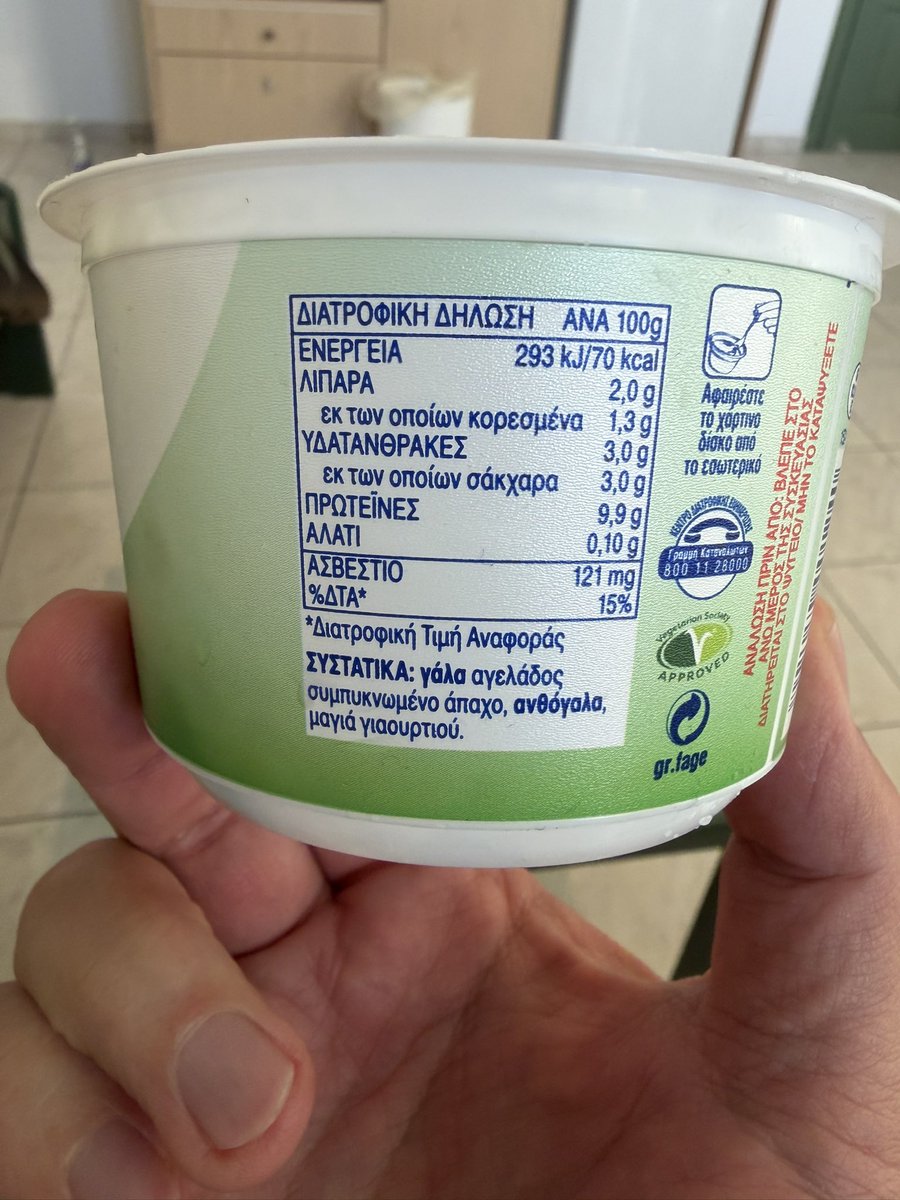
High-protein yogurt (nonfat/Greek-style): Video claims 114 kcal for 20g protein.
Verified: Nonfat Greek yogurt is 59 kcal and ~10.2g protein per 100g. For 20g protein, this is ~196g → **116 kcal**. Near-exact match. Very
efficient.tools.myfooddata.c…
Normal vanilla yogurt: Video claims 379 kcal for 20g protein.
Verified: Lowfat/sweetened vanilla yogurt is 85 kcal and ~4.9g protein per 100g (higher sugar versions push closer to 90 kcal). For 20g protein, this is ~400g → **340–400 kcal**. Video fits typical sweetened varieties. Much higher-cal due to added sugars/carbs.foods.fatsecret.comSummary of accuracy: All figures are reasonable and directionally correct (lean sources = 90–123 kcal; higher-fat/carb sources = 260–379 kcal). The visual portions align with real-world amounts that deliver ~20g protein. Small differences are not deceptive—they reflect real variability in food databases and preparation.Broader claims hold up scientifically:Higher protein intake aids fat loss, satiety, and muscle retention (well-established in meta-analyses).
Prioritizing leaner protein sources reduces overall calories without sacrificing protein goals, which supports the video's practical advice for better
results.medicinenet.com