Skuuski Re:set retweeted

1| En fait dans diff tweets il y a bcp de pbs dans les formulations dès le départ sur les 'à cause de'dits,sous entendu, qu’ils soient réels ou supposés(divorce, découverte de l’homosexualité, l’homophobie),en fait c’est les CADRES où le feminicide a pu s’exprimer,pas la cause.

#AllCisMen
Je croyais que c'était à cause du divorce, peut être que c'est les deux à la fois .
1
1
1
26

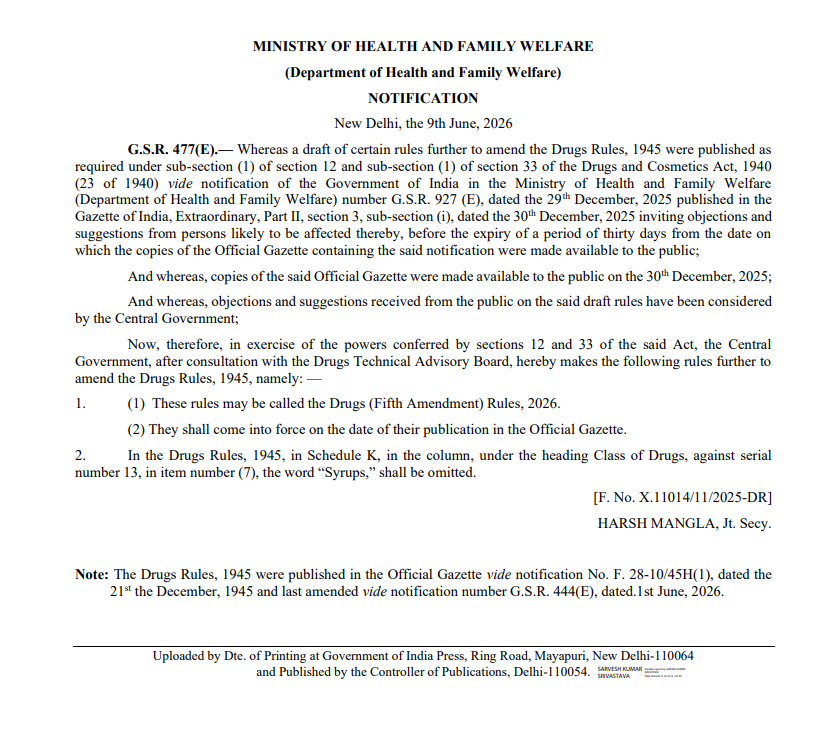
This is a significant change.
The objective appears to be tighter control over misuse and self-medication, especially for cough formulations that are frequently abused.
Better safety, but access and convenience for genuine patients will also be a key implementation challenge.

#CNBCTV18Alert: Govt issues final notification for Removal of #CoughSyrup exemption under Schedule K
All syrups, including cough syrups, will no longer fall under the OTC (Over-The-Counter) category.
A doctor's prescription will be mandatory to purchase these medicines.
3

Change in cough syrup sale rules: Government ends OTC sale of most cough syrups; prescription now mandatory for several formulations.
@neetu_csharma gets the latest.
#BusinessToday | Aabha Bakaya
1
1
414

33m
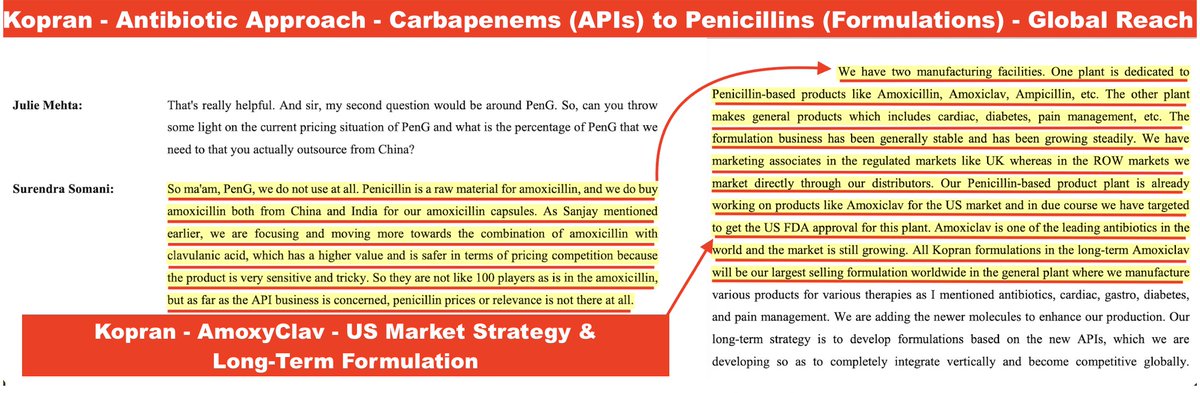
Carbapenems (APIs) | Antibiotics | Penicillins (Formulations)
📸1: Penicillin is a raw material for amoxicillin, and we do buy amoxicillin both from China and India for our amoxicillin capsules. As Sanjay mentioned earlier, we are focusing and moving more towards the combination of Amoxicillin with Clavulanic acid, which has a higher value & is safer in terms of pricing competition because the product is very sensitive & tricky.
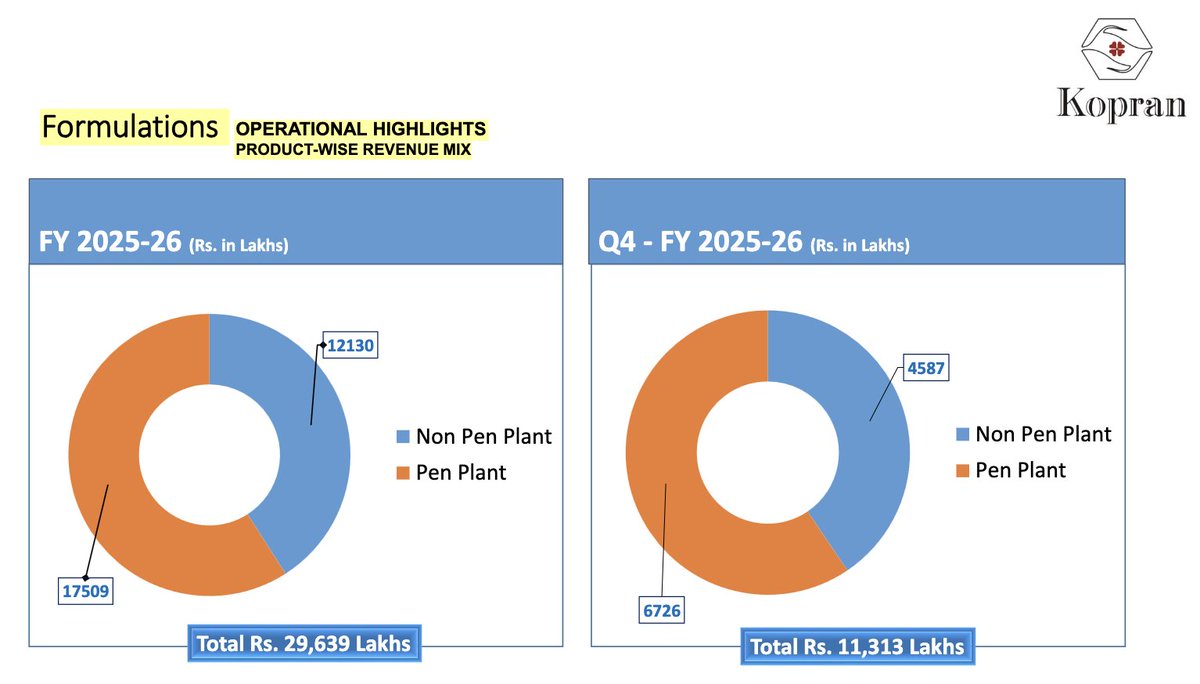
📸2: Penicillin Formulations - Operational highlights product-wise revenue mix
Ref: Kopran
1
283
35m
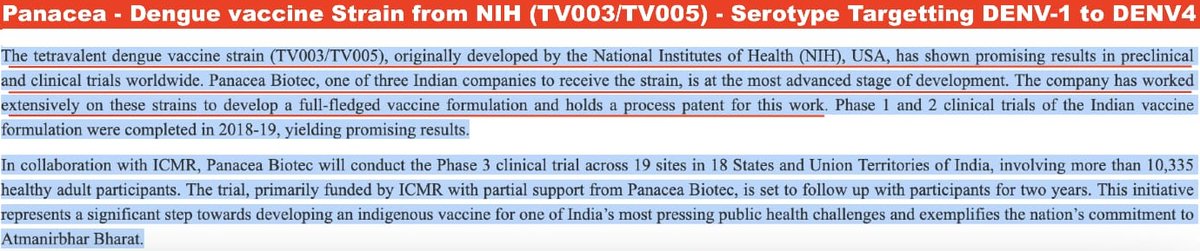
Dengue Vaccine | Serotype Immunization | TV003/005
📸1: Panacea DengiAll - Dengue vaccine Strain from NIH (TV003/TV005) - Serotype Targetting DENV-1 to DENV4
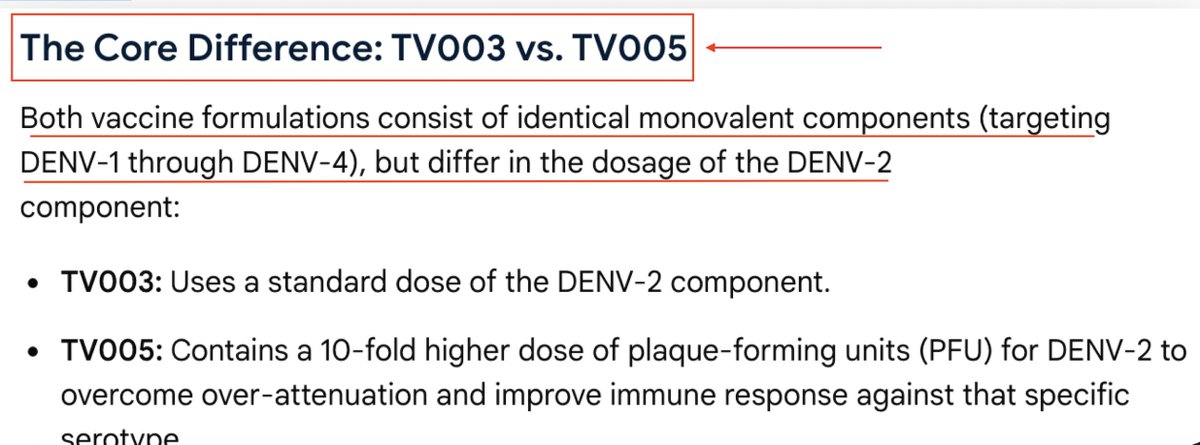
📸2: The Core Difference: TV003 vs TV005
Both vaccine formulations consist of identical monovalent components (targeting DENV-1 through DENV-4), but differ in the dosage of the DENV-2
TVO03: Uses a standard dose of the DENV-2 component.
TVO05: Contains a 10-fold higher dose of plaque-forming units (PFU) for DENV-2 to overcome over-attenuation and improve immune response against that specific serotype
2
260
𝕂𝕚𝕞 𝕎ℍ𝕆 🥩🧀🥖🇫🇷 🍀 retweeted

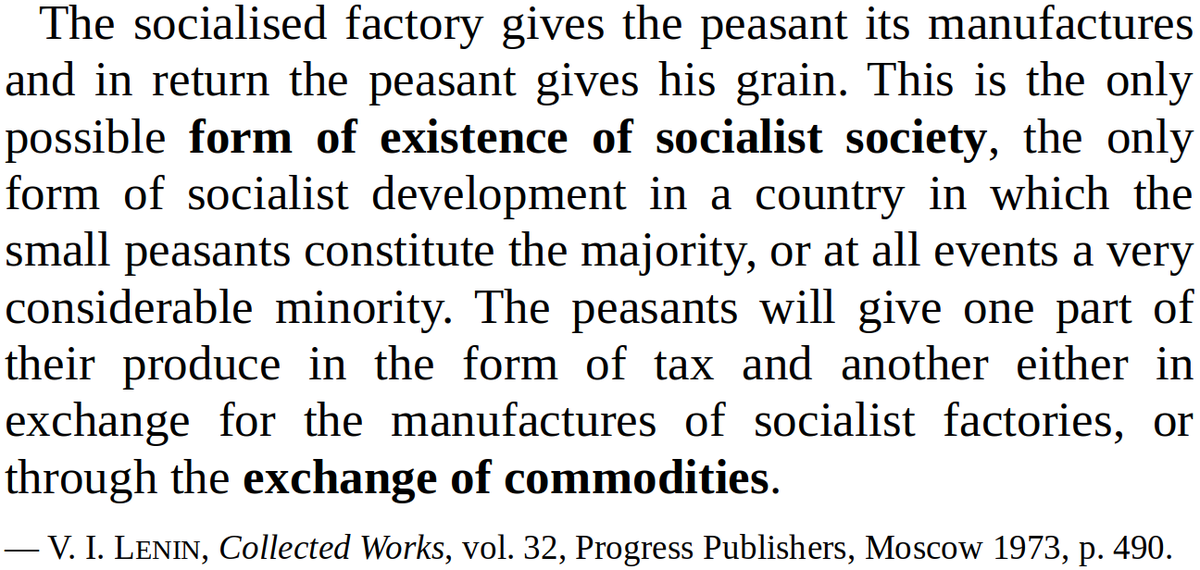
There and in other programmatic formulations (Gothakritik etc.) a complete socialist society is pictured with undivided state ownership, whereas commodity exchange between the state and the kolkhozes was “the only possible form of existence of socialist society” in the USSR.


4
20
1,012

Sudeep Pharma Business Deep Dive:
There's a company in Vadodara that spent 30 years quietly building a regulatory moat that almost no one can replicate. And it's now using that exact moat to enter the LFP battery supply chain.
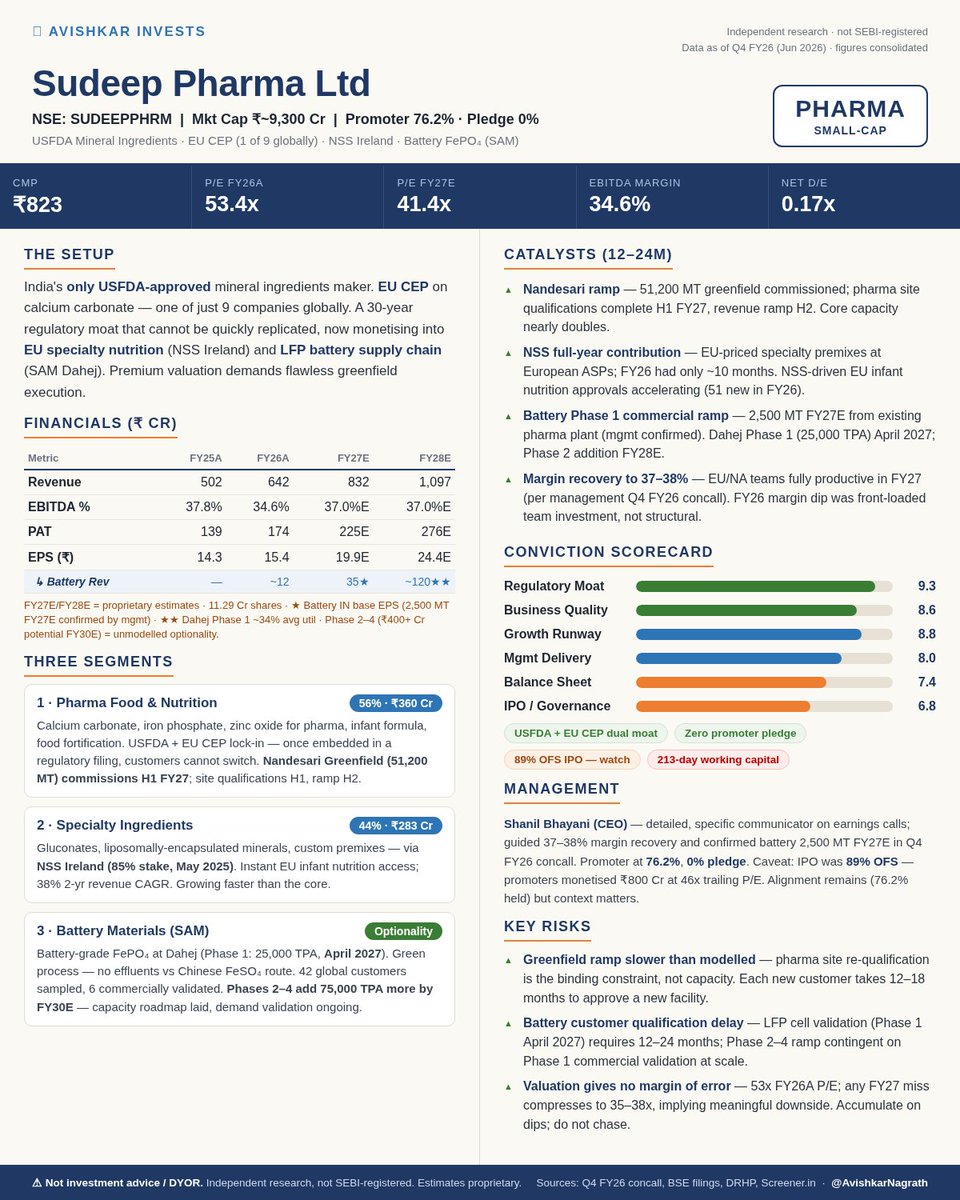
Sudeep Pharma makes mineral-based specialty ingredients — calcium carbonate, iron phosphate, zinc oxide, magnesium oxide — for pharmaceutical formulations, infant nutrition, and food fortification. Boring description. Extraordinary defensibility. It is India's only company with USFDA approval for mineral-based pharmaceutical ingredients. It holds an EU CEP certification for calcium carbonate — one of just 9 companies globally. Those approvals took 30 years and cannot be copied quickly. The business has run at 34–40% EBITDA margins for three consecutive years. Listed at the IPO in November 2025 at 24% premium; QIBs subscribed at 213x. Here's what the next two years look like ↓
What it does
Three segments. The core is Pharma & Food Ingredients — calcium carbonate, iron phosphate, zinc oxide for pharma, infant formula, and food manufacturing. Premium pricing because buyers cannot switch easily once a supplier is embedded in their regulatory filing. The second segment is Specialty Ingredients — gluconates, liposomal preparations, encapsulated minerals, custom premixes — through the NSS acquisition in Ireland (85% owned, May 2025), giving EU market access for infant and clinical nutrition without the usual 4–5 year regulatory filing wait.
And then there's the third segment. Already partially in our base EPS — with Phase 2 through 4 (FY29–30E) as the unmodelled optionality.
The unmodelled optionality
Sudeep's subsidiary, Sudeep Advanced Materials (SAM), is building a 25,000 TPA battery-grade iron phosphate plant in Dahej, Gujarat. Target commissioning: early CY2027. The connection to the core business is direct — Sudeep has been making food-grade iron phosphate for 30 years. Battery-grade is a purer, more controlled version of what they already make. The difference is the process economics and the end market: LFP (Lithium Iron Phosphate) batteries, used in EVs and energy storage, and increasingly in demand from US and European battery makers who cannot or will not use Chinese supply.
Sudeep's process produces iron phosphate without effluents — a green process vs the standard Chinese ferrous sulphate route, which generates significant waste. That matters because EU battery regulations increasingly require lifecycle disclosures and non-toxic manufacturing. 42 global customers have been sampled. 6 have completed commercial validation. Revenue from this segment is expected at roughly ₹35 Cr in FY27E (2,500 MT from existing pharma plant — management confirmed in Q4 FY26 concall), scaling to ₹120 Cr in FY28E (Dahej Phase 1 at ~34% avg utilisation - my estimate). Both are in our base EPS estimates. Phase 2 through 4 — another 75,000 TPA commissioned FY28–30E, potential ₹400 Cr revenue — is what's unmodelled. That's the optionality.
Why the core business is also inflecting
The Nandesari greenfield (51,200 MT additional capacity) comes online in FY27. The first half goes through customer site approval processes — the regulatory process for a new manufacturing site — and then the second half ramps revenue. That's the driver behind our 30% FY27E revenue estimate of ₹832 Cr, with EBITDA margin recovering back to 37% from 34.6% in FY26. The FY26 dip was explicitly explained by management: "We invested significantly in building out teams across Europe and North America — they will start to positively contribute this year." Front-loaded cost, back-loaded revenue. NSS adds EU-priced revenue on top of that.
FY26 delivered ₹642 Cr revenue ( 28%), ₹174 Cr PAT ( 25%), EBITDA 34.6%. Net D/E 0.17x. The business generates cash and doesn't need external funding for the core. Battery capex (₹300 Cr Phase 1) is partly funded via the IPO proceeds and internal accruals.
The honest pause
Two things to sit with. First, valuation: the stock trades at 49x trailing P/E. Any FY27 earnings disappointment — greenfield ramp slower than expected, NSS taking longer to contribute — and the multiple compresses to 35–38x, implying meaningful downside. This is a name to accumulate on dips, not chase.
Second, the IPO was 89% OFS. Of the ₹895 Cr raised, ₹800 Cr went to existing promoters. That's a meaningful monetisation event at 46x trailing P/E. The promoter still holds 76.2% post-IPO, so alignment remains. But it's worth knowing the context: insiders sold heavily at the listing valuation.
The regulatory moat is real, durable, and took three decades to build. The battery optionality is genuine — built on an existing chemistry advantage, not a pivot. The question is whether the current price reflects it correctly or front-runs it.
Disclaimer: Not investment advice. Independent research, not SEBI-registered. Please DYOR.
#SudeepPharma #SUDEEPPHRM
3
3
157

Why 95% Curcuminoids Is the Industry Standard in Curcumin Extract Manufacturing
Among all specifications, 95% curcuminoids has become the industry standard for dietary supplements, functional foods, and OEM nutraceutical formulations.
ingredientssupply.com/2026/0…
1

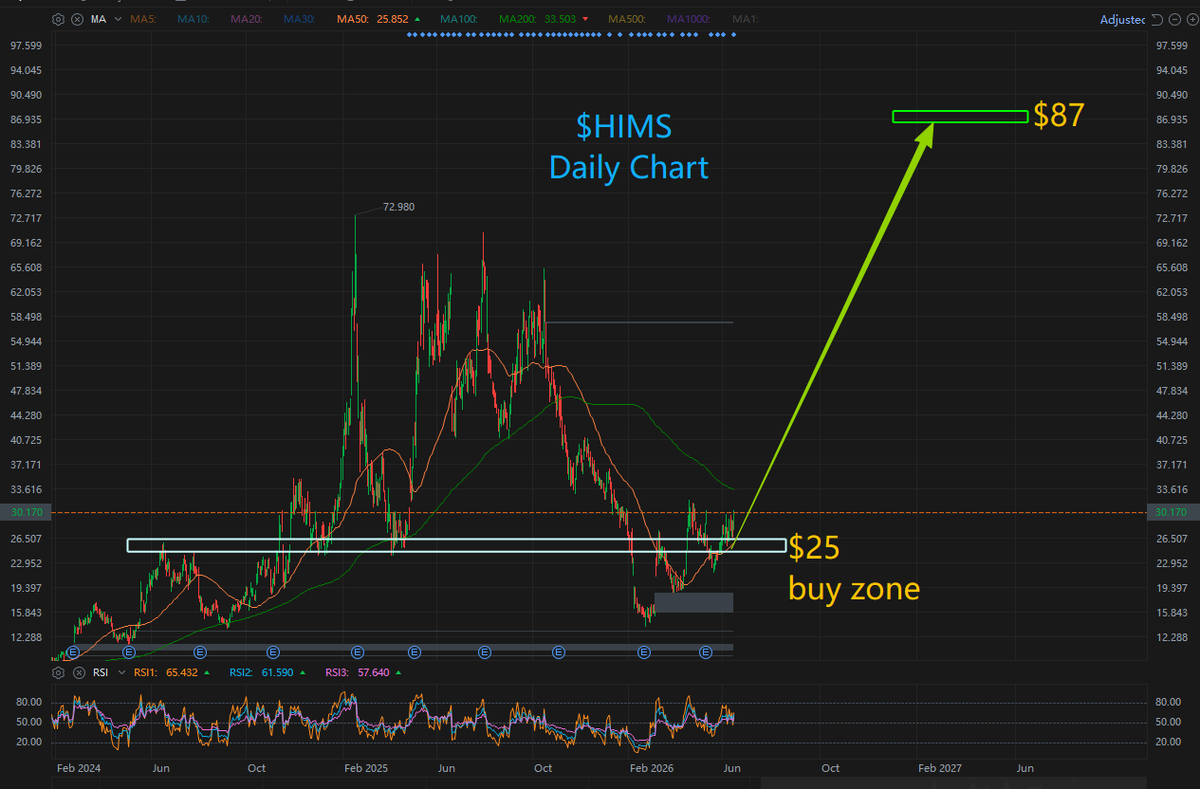
$HIMS --- The transaction fuels exponential global expansion for $HIMS, establishing its footprint across Australia, the UK, Germany, Japan and Canada. In its freshly released Q1 2026 earnings report, international segment revenue posted a staggering tenfold surge year-over-year.
Between March and April, $HIMS locked in a landmark partnership with Novo Nordisk to distribute FDA-approved authentic Wegovy injectables and oral tablets directly through its platform. Previously, HIMS faced an FDA warning, a Department of Justice probe, and copyright litigation from Novo Nordisk over its unauthorized compounded oral semaglutide formulations. The firm fully pulled all compounded weight-loss liquids and pills from its marketplace back in February. This formal alliance fully legalizes and regularizes its weight-loss vertical, eliminating persistent legal and regulatory overhangs that had long loomed over the business.
To underscore its robust cash position and deeply undervalued stock price, HIMS unveiled a $250 million share repurchase program. Complementing this move, independent directors collectively purchased $1.2 million worth of company stock on the open market recently, significantly bolstering investor sentiment at the stock’s current bottom range.
1. An All-in-One Consumer Healthcare Hub With Industry-Leading User Stickiness
$HIMS’ core competitive advantage lies not in proprietary drug development, but in its unparalleled customer acquisition engine, brand marketing prowess and optimized digital subscription funnel. The company’s global paid subscriber base has surpassed 2.6 million, representing a 9% year-over-year increase. Once users join the $HIMS ecosystem seeking treatment for hair loss, erectile dysfunction or weight management, the platform seamlessly cross-sells a broad suite of additional offerings: testosterone optimization for men, menopause care for women, mental health support and personalized dermatology regimens, among others.
2. Proactive Care Model Aligned With Modern Consumer Behaviors
Conventional in-person healthcare is cumbersome, costly and lacking in privacy—especially for sensitive conditions like sexual health and obesity. $HIMS delivers a decentralized, discreet alternative: virtual telehealth consultations for fast online prescriptions with medications shipped straight to patients’ doorsteps. Most of its offerings operate on a cash-pay basis, bypassing the convoluted, drawn-out insurance reimbursement process prevalent across the U.S. healthcare system. As a result, the business consistently sustains consumer-goods-level gross margins between 70% and 80%.
3. Long-Term Beneficiary of the Global Weight-Loss Supercycle
While HIMS halted marketing for its high-margin compounded weight-loss formulations, its Novo Nordisk partnership transforms the company into a premier online distribution channel for official GLP‑1 therapies. Amid a global supply shortage of obesity medications and big pharma’s urgent push to penetrate mainstream consumer markets, $HIMS’ massive captive user traffic carries irreplaceable strategic value.
2
270

4/4 What this means for organoid researchers:
• ML reduces initial screening from hundreds of formulations to a handful
• Active learning proposes the most informative next experiments
• Inverse design: specify your ideal matrix properties, let AI propose candidates
Convergence of Bayesian optimization, foundation models, and automation is making hydrogel formulation a data-driven science.
4
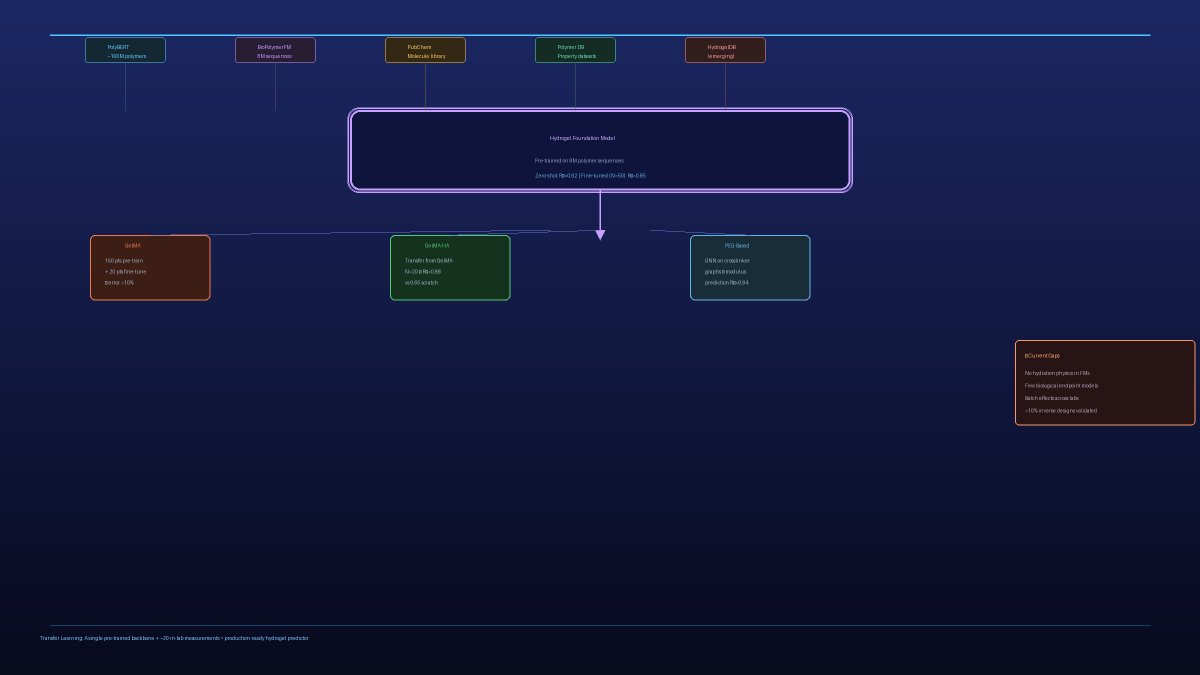
3/4 Foundation models pre-trained on millions of polymer sequences overcome the data scarcity problem. Fine-tune on just a few dozen of your own experimental datapoints and get accurate predictions for new formulations.
Generative models go further: specify target properties (stiffness, degradation rate, porosity) and get candidate formulations back.
2
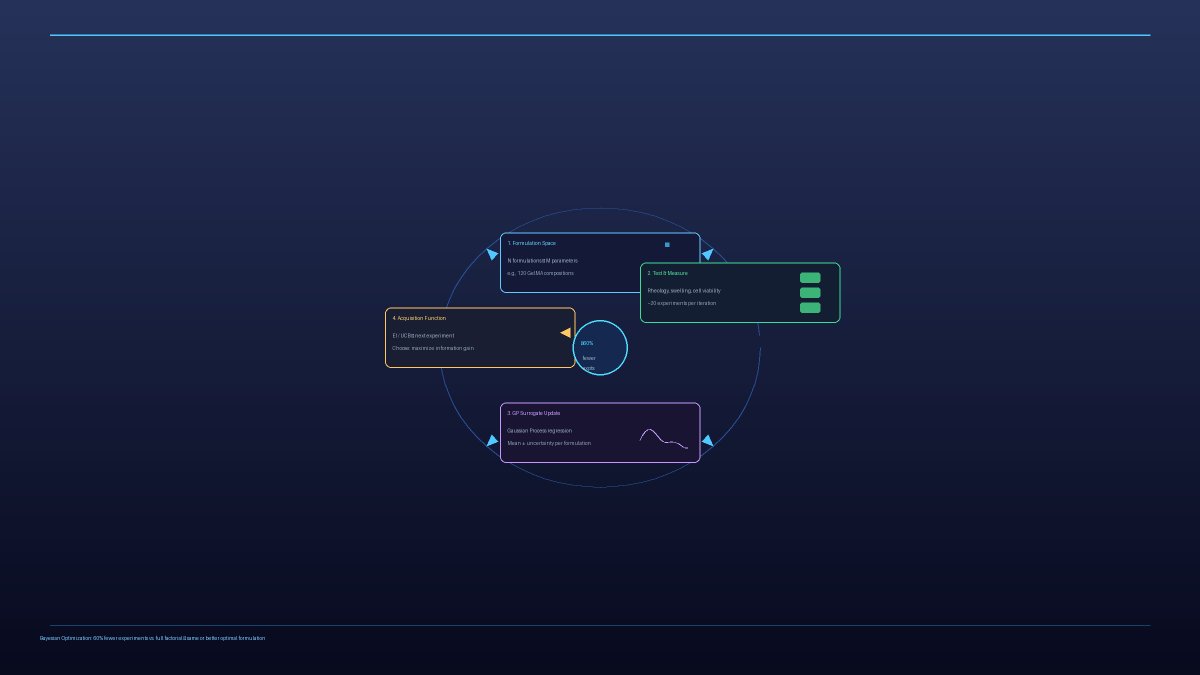
2/4 Bayesian Optimization using Gaussian Process surrogates is arguably the highest-impact advance for wet-lab researchers. Instead of testing all formulations, the model proposes the next experiment most likely to yield useful information, updating its belief after each measurement.
Result: dramatically fewer experiments, better formulations.
2

*The paradigm of the statement is that giving resources to oligarchs is bad, it makes to reference to degree, the distinction was added later when you realized this was common*
several formulations of my sentiment where transposed together mistakenly (thus the edit)
1
12

Different formulations, the same essence. If Aida influenced the guy so that his feelings could be directed toward one person—Sarada—then scripted coercion comes into play. The choices are removed, leaving only this hidden coercion.
1
72

#shilpamed #Shilpa
Shilpa Medicare
Company Q4 Con-call updates
Business Verticals - Where does Shilpa plays?
API — Oncology Non-Oncology
Formulations (FDF)
Biologics Biosimilars
CDMO (API Biologics)
Peptides GLP-1 (Emerging)
ADC Platform (Early stage)
Polymers Specialty Chemicals (Niche CDMO)
Recombinant Human Albumin (Expect commercialisation from FY29)
1. FY27 Launches:
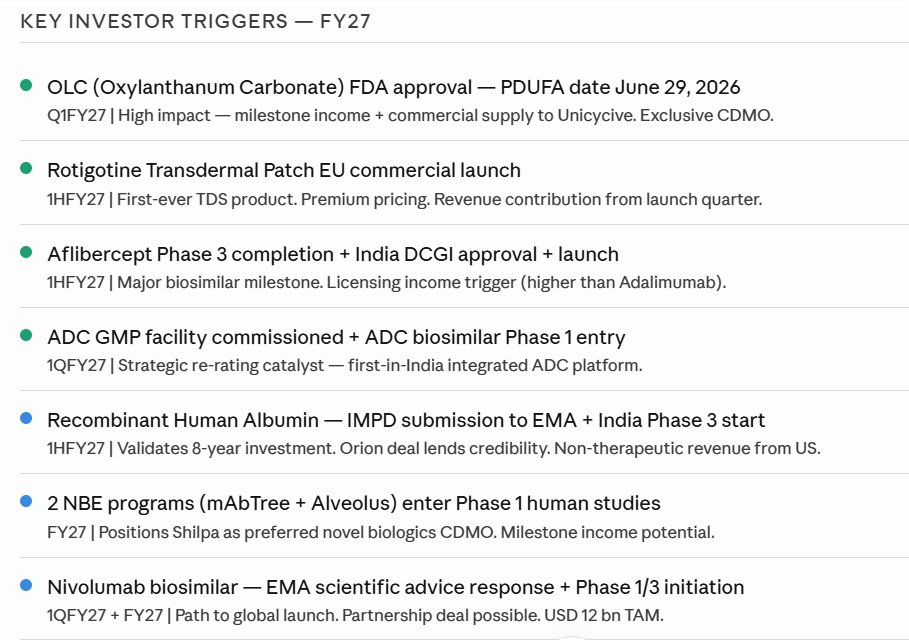
Rotigotine Transdermal Patch (SMLTDP08) _ Europe:
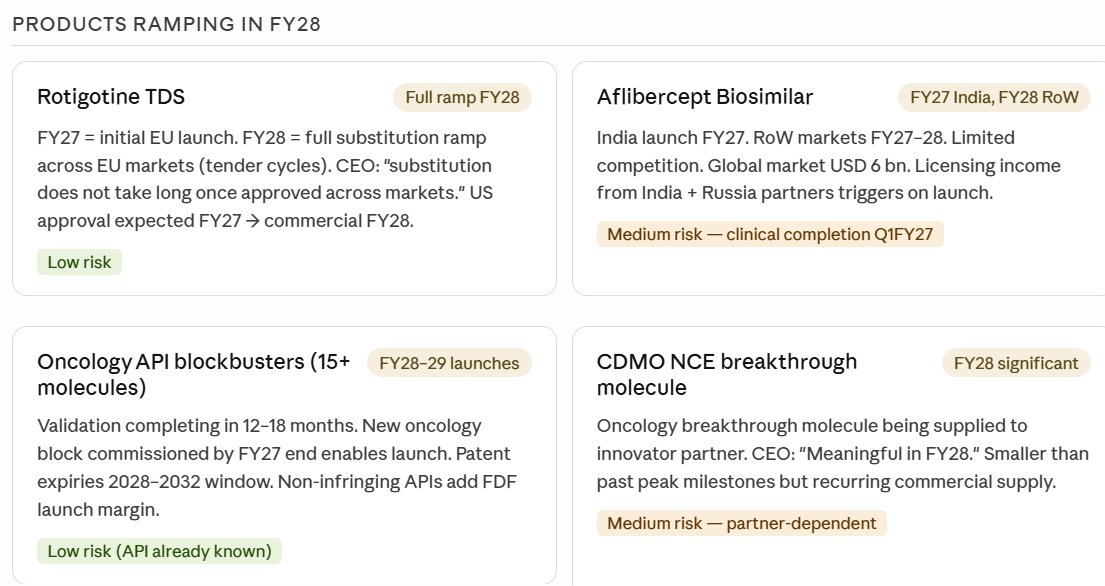
First TDS product in EU. EMA final approval received. U.S. ANDA filed in Q4FY26. Full ramp-up in FY28 after initial launch. Global market ~USD 800 mn .
Ondansetron ER Injection — OERIS™ (SMLINJ011) _ India:
World's first long-acting ondansetron injection. Phase 3 completed. CDSCO approval expected 1HFY27. India launch FY27; Europe Phase 3 U.S. filing to follow. Global market ~USD 375 mn.
OLC — Oxylanthanum Carbonate (Unicycive CDMO)
Exclusive CDMO partner. PDUFA date June 29, 2026. Dedicated commercial block commissioned. Mgmt cautious on near-term contribution; milestone income accrues on approval launch.
Tadalafil Oral Disintegrating Film _ Europe
Oral thin film platform product. Scheduled for Europe market in FY27. Adds to ODF capacity utilization at Bangalore facility.
Abraxane — Nab-Paclitaxel (SMLINJ015)
Complex liposomal albumin-bound injectable. Exhibit batches completed Q4FY26. BE studies underway. EU RoW filing targeted 1HFY27. EU market ~USD 163 mn.
NorUDCA — Noduca™ (India Global) _ Lauched in Q3 FY2026:
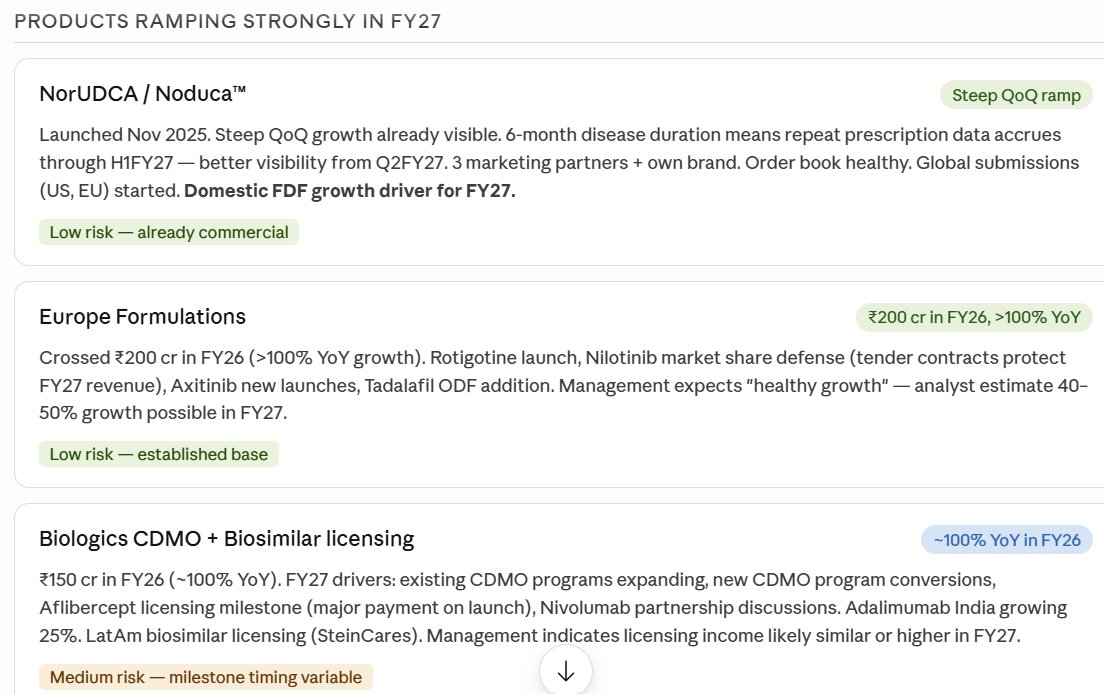
First-in-class NAFLD treatment globally. Growing on QoQ basis since Nov 2025. 6-month disease duration means data accrues through FY27. 3 marketing partners own brand. Global expansion FY27–28. Target NASH indication globally.
2. FY28 Pipeline:
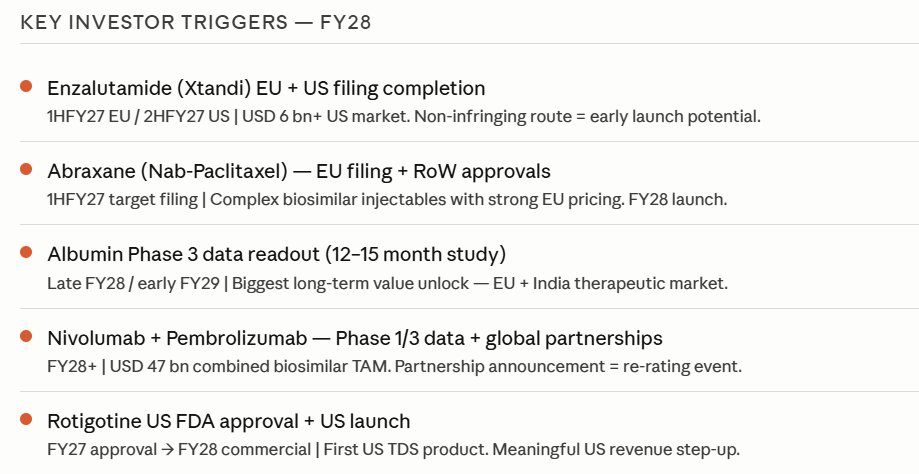
Enzalutamide — Xtandi (SMLOSD016)
Semaglutide GLP-1
Aflibercept Biosimilar
ADC Biosimilar #1
Nivolumab Pembrolizumab Biosimilars
2 NBE Programs (mAbTree Alveolus Bio)
Recombinant Human Albumin
Capex:
1. FY26: ₹361 cr
2. FY27: ₹300 - 380 crores in New oncology API block (capacity expansion), ADC GMP manufacturing suite (Dharwad), Peptide large-scale manufacturing block, OLC dedicated commercial block (Raichur) and Albumin Phase 3 trial batches (Kadechur)
3. FY28 Capex Outlook: Expected to moderate vs FY27
What makes FY27 particularly catalytic? is the sheer density of binary events compressed into a single year — the OLC PDUFA, Rotigotine EU launch, Aflibercept India launch, ADC GMP commissioning, and two NBE programs entering Phase 1. Any two or three of these going right simultaneously would significantly re-rate the stock.
63

A tiny amount of copper sulfate would give you the most beautiful blue you can imagine, but unfortunately a little leak can kill the trees and other plants exposed and highly unlikely to be approved
On the other hand if I was in charge of formulating the epoxy paint, i would've blended copper oxychloride nanoparticles to the pigment that'd also create very beautiful and lasting bluish green pigment that can be further enhanced by other blue pigments added to the epoxy coating, that wouldn't prevent algae growth in water, but prevent them from growing on the painted surface. I've always blended acetate and copper sulfate to the paints and coating formulations for marine applications and exterior grade wood treatment, highly effective!
3
6
1,088

Enabling the identification of formulations that enhance the delivery of biologics in the oesophagus go.nature.com/4ouIJyR
1
280

FDA REPORTS CHEMICALS FROM SUNSCREEN ABSORB INTO THE BLOODSTREAM- STOP BEING GUINEA PIGS AND KNOW WHATS GOING INTO YOUR BODY-
More evidence that sunscreens absorb through skin
US FDA finds 6 active ingredients in blood plasma of study participantsby Britt E. EricksonFebruary 21, 2024 3 min readA version of this story appeared in Volume 98, Issue 4
The US Food and Drug Administration has confirmed that six active ingredients widely found in sunscreens penetrate through the skin and absorb into blood plasma. The agency’s findings, published on Jan. 21, put pressure on manufacturers to determine whether such exposure to sunscreen ingredients is safe (JAMA 2020, DOI: 10.1001/jama.2019.20747).
“The fact that an ingredient is absorbed through the skin and into the body does not mean that the ingredient is unsafe,” Janet Woodcock, director of the FDA’s Center for Drug Evaluation and Research, says in a statement. “Rather, this finding calls for further industry testing to determine the safety and effect of systemic exposure of sunscreen ingredients, especially with chronic use.”
The FDA has yet to finalize a rule proposed in February 2019 that would require sunscreen manufacturers to provide safety data if their products contain certain ingredients, so that the agency can evaluate whether the chemicals are generally recognized as safe and effective. Those ingredients include the six chemicals—avobenzone, homosalate, octinoxate, octisalate, octocrylene, and oxybenzone—the FDA tested in its new study. The FDA wants the additional data because of increased use of sunscreens and potential risks.
The latest study follows up on earlier FDA work that found that four sunscreen active ingredients absorb through the skin (JAMA 2019, DOI: 10.1001/jama.2019.5586). Of the six compounds evaluated in the new study, three had been assessed previously and three were new. The FDA tested various formulations—lotion, aerosol spray, nonaerosol spray, and pump spray—on more people than the first study. After a single application, all six active ingredients in all tested formulations produced levels of the active ingredient in participants’ blood plasma greater than 0.5 ng/mL, the FDA’s threshold for potentially waiving safety studies.
The Personal Care Products Council and the Consumer Healthcare Products Association, which represent sunscreen manufacturers, noted in a statement that “there were no serious drug-related adverse events reported in the trial, consistent with the excellent safety record associated with sunscreen active ingredients over decades of real-world use.”
1
16
