
40 Incredible Things 🇮🇷 Iran Gave to the World:
The Cyrus Cylinder (The First Human Rights Charter)
The Satrap System (Decentralized Governance)
The Chapar Khaneh (The First Global Postal Network)
Standardized State Currency (The Daric)
Early Institutional Check and Deposit Banking (The Bank of Egibi)
Algebra (Al-Jabr)
The Concept of Algorithms (Algoritmi)
Introduction of the Positional Decimal System to the West (Arabic Numerals)
The Absolute Concept of Zero (Sifr)
The Yakhchal (The Ancient Passive Refrigerator)
Vertical-Axis Windmills (Asbads)
The Qanat System (Subterranean Aqueducts)
The Badgir (The Windcatcher)
The Darius Canal (Precursor to the Suez Canal)
The Pontoon Military Bridge
Discovery and Isolation of Sulfuric Acid
Ethanol Antiseptic
The Law of Mass Conservation
Natural Hair and Textile Dyes (Henna and Indigo)
The Canon of Medicine (Avicenna's Medical Standard)
The Modern Teaching Hospital System
Discovery of the Difference Between Smallpox and Measles (Early Epidemiology)
Theoretical Prototyping of Finite Light Speed (Al-Biruni's Astrophysics)
Spherical Geometry Explanations of the Rainbow (Light Refraction Model)
The Jalali Calendar (Omar Khayyam's Solar Timekeeping)
Domesticated Alfalfa (The King of Forage Crops)
Domestication of Spinach (Aspanakh)
The Concept of the Covered Bazaar (Indoor Commercial Zoning)
The Squinch (The Architectural Dome Transition)
The Tar and Barbat (Ancestors of the Guitar and Oud)
Polo (Chogan)
Backgammon (Nard)
Miniature Painting (Manuscript Illustration)
The Santour (The Hammered Dulcimer)
The Shahed Drone Family (Asymmetric Warfare Revolution)
Early Heavy Cavalry (The Cataphracts)
The Composite Recurve Bow (Mounted Archery Refinements)
The Satrap Highway Defensive Fortifications (Border Policing Framework)
Pre-Industrial Mass Manufacturing of Bricks (Standardized Masonry Molds)
The Shahnameh (The Epic Standard for Language Preservation)

6

QotD: Nitpicking the field fortifications in _Gladiator_ (2000)
quotulatiousness.ca/blog/202… #history #RomanEmpire #fortification #movies #Gladiator #BretDevereaux
2
杉並経済研究会 retweeted

3/5
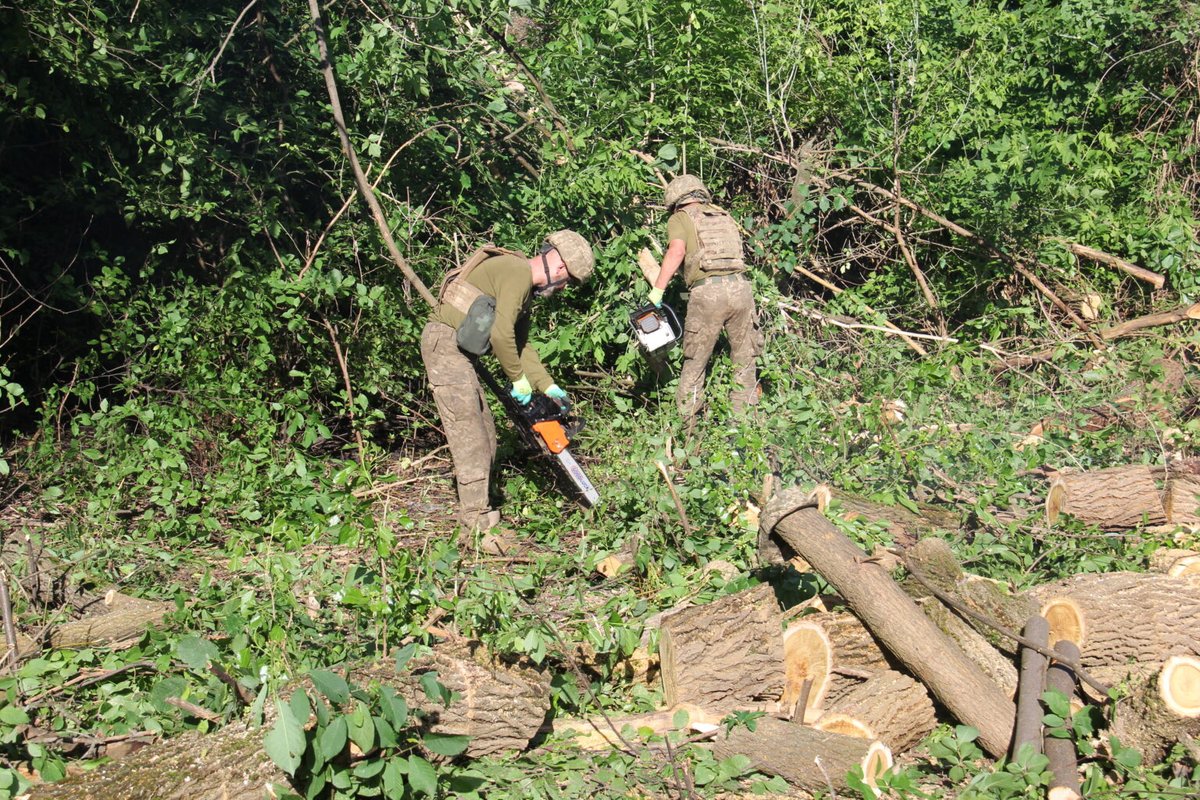
The fortifications that keep soldiers alive.
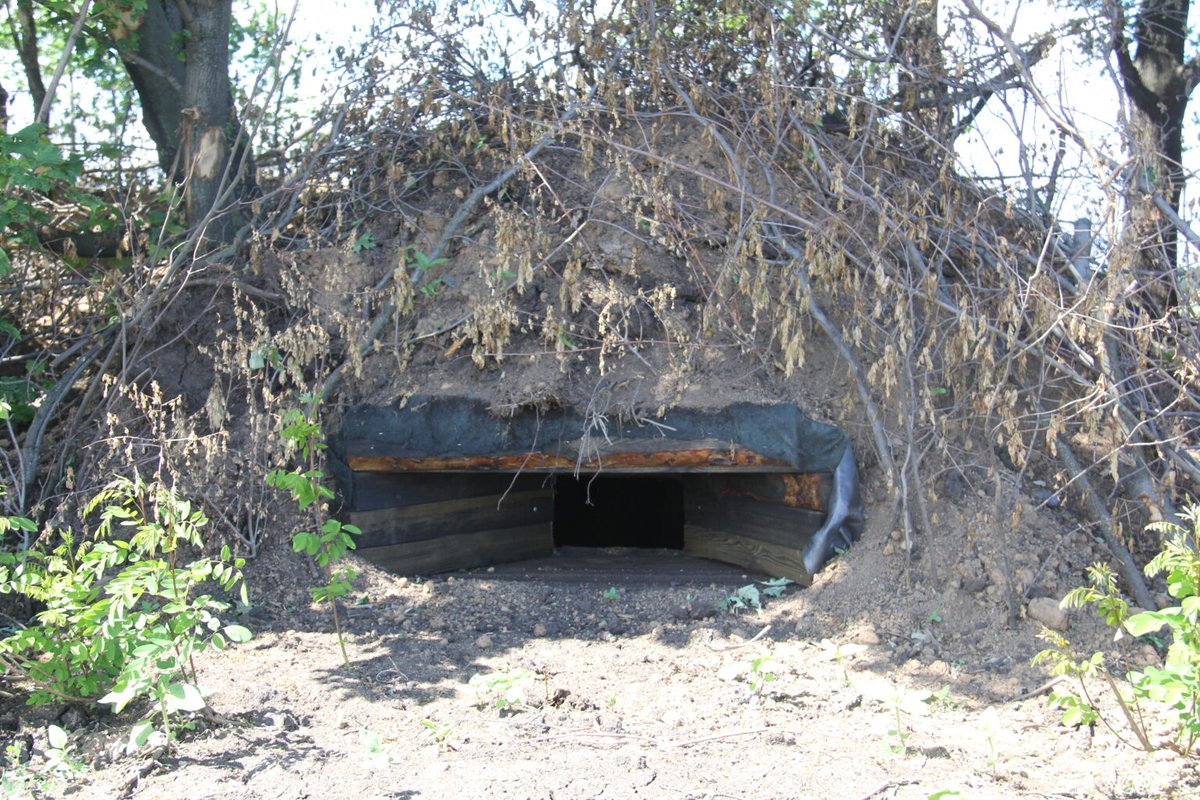
While some engineers build the kill zone, others are constructing dozens of strongpoints simultaneously — bunkers designed for an infantry section, built to survive direct artillery hits.
Specification of one completed position:
→ 3×4 metre personnel shelter
→ Roof: corrugated metal covered with three layers of round timber logs
→ Two exits — in case one is blocked by a direct hit
→ Three firing positions covering separate directions
→ Chimney and ventilation built in
"Marik," sapper platoon commander, on proof of concept:
"We built the same shelters at another position. The soldiers there said there was a direct hit from 152mm artillery. The shelter held. Only dust rose. Then a guided aerial bomb landed about 10 metres away. The structure held. The soldiers were concussed — but everyone survived."
A direct hit from 152mm artillery. A guided bomb at 10 metres. Everyone alive.
That is what three layers of round timber above a properly constructed bunker buys.
1
7
13
176

Study Notes - (Smith Dictionary) David
Da'vid. (well-beloved). The son of Jesse. His life may be divided into three portions:
i. His youth before his introduction to the court of Saul;
ii. His relations with Saul;
iii. His reign.
1. The early life of David contains, in many important respects, the antecedents of his future career. It appears that David was the youngest son, probably the youngest child, of a family of ten, and was born in Bethlehem B.C. 1085.
The first time that David appears in history at once admits us to the whole family circle. The annual sacrificial feast is being held when Samuel appears, sent by God to anoint one of Jesse's sons as they pass before him, 1Sa_16:6-10, Samuel sends for the youngest, David, who was "keeping the sheep," and anoints him. 1Sa_16:11-13.
As David stood before Samuel, we are enabled to fix his appearance at once in our minds. He was of short stature, with red or auburn hair, such as is not unfrequently seen in his countrymen of the East at the present day. In later life, he wore a beard. His bright eyes are specially mentioned, 1Sa_16:12, and generally he was remarkable for the grace of his figure and countenance ("fair of eyes," "comely," "goodly"), 1Sa_16:12; 1Sa_16:18; 1Sa_17:42, well made and of immense strength and agility. His swiftness and activity made him like a wild gazelle, his feet like hart's feet, and his arms strong enough to break a bow of steel. Psa_18:33-34.
After the anointing, David resumes his accustomed duties, and the next we know of him, he is summoned to the court to chase away the king's madness by music, 1Sa_16:14-19, and in the successful effort of David's harp, we have the first glimpse into that genius for music and poetry which was afterwards consecrated in the Psalms.
After this, he returned to the old shepherd life again. One incident alone of his solitary shepherd life has come down to us — his conflict with the lion and the bear in defence of his father's flocks. 1Sa_17:34-35. It was some years after this, that David suddenly appears before his brothers in the camp of the army, and hears the defiant challenge of the Philistine giant Goliath. With his shepherd's sling and five small pebbles, he goes forth and defeats the giant. 1Sa_17:40-51.
2. Relations with Saul. — We now enter on a new aspect of David's life. The victory over Goliath had been a turning point of his career. Saul inquired his parentage, and took him finally to his court. Jonathan was inspired by the romantic friendship which bound the two youths together to the end of their lives.
Unfortunately, David's fame proved the foundation of that unhappy jealousy of Saul towards him which, mingling with the king's constitutional malady, poisoned his whole future relations to David. His position in Saul's court seems to have been first, armor-bearer, 1Sa_16:21; 1Sa_18:2, then, captain over a thousand, 1Sa_18:13, and finally, on his marriage with Michal, the king's second daughter, he was raised to the high office of captain of the king's body-guard, second only, if not equal, to Abner, the captain of the host, and Jonathan, the heir apparent.
David was not chiefly known for his successful exploits against the Philistines, by one of which he won his wife, and drove back the Philistine power with a blow from which it only rallied at the disastrous close of Saul's reign. He also still performed from time to time the office of minstrel; but the successive attempts of Saul upon his life convinced him that he was in constant danger.
He had two faithful allies, however, in the court — the son of Saul, his friend, Jonathan, and the daughter of Saul, his wife Michal. Warned by the one and assisted by the other, he escaped by night, and was, from thenceforward, a fugitive.
He at first found a home at the court of Achish, among the Philistines; but his stay was short. Discovered possibly by "the sword of Goliath," his presence revived the national enmity of the Philistines against their former conqueror, and he only escaped by feigning madness. 1Sa_21:13.
His first retreat was the cave of Adullam. In this vicinity, he was joined by his whole family, 1Sa_22:1, and by a motley crowd of debtors and discontented men, 1Sa_22:2, which formed the nucleus of his army.
David's life, for the next few years, was made up of a succession of startling incidents. He secures an important ally in Abiathar, 1Sa_23:6, his band of 400, at Adullam, soon increased to 600, 1Sa_23:13, he is hunted by Saul from place to place like a partridge. 1Sa_23:14; 1Sa_23:22; 1Sa_23:25-29; 1Sa_24:1-22; 1Sa_24:26.
He marries Abigail and Ahinoam. 1Sa_25:42-43. Finally comes the news of the battle of Gilboa and the death of Saul and Jonathan. 1 Samuel 31. The reception of the tidings of the death of his rival and of his friend, the solemn mourning, the vent of his indignation against the bearer of the message, the pathetic lamentation that followed, will close the second period of David's life. 2Sa_1:1-27.
3. David's reign. — As king of Judah at Hebron, 7 1/2 years. 2Sa_2:1; 2Sa_5:5. Here David was first formally anointed king. 2Sa_2:4. To Judah, his dominion was nominally confined. Gradually, his power increased, and during the two years which followed, the elevation of Ish-bosheth a series of skirmishes took place between the two kingdoms. Then rapidly followed the successive murders of Abner and of Ish-bosheth. 2Sa_3:30; 2Sa_4:5.
The throne, so long waiting for him, was now vacant, and the united voice of the whole people at once called him to occupy it. For the third time, David was anointed king, and a festival of three days celebrated the joyful event. 1Ch_12:39. One of David's first acts after becoming king was to secure Jerusalem, which he seized from the Jebusites and fixed the royal residence there. Fortifications were added by the king and by Joab, and it was known by the special name of the "city of David." 2Sa_5:9; 1Ch_11:7.
The Ark was now removed from its obscurity at Kirjath-Jearim with marked solemnity, and conveyed to Jerusalem. The erection of the new capital at Jerusalem introduces us to a new era in David's life and in the history of the monarchy. He became a king on the scale of the great Oriental sovereigns of Egypt and Persia, with a regular administration and organization of court and camp; and he also founded an imperial dominion which for the first time realize the prophetic description of the bounds of the chosen people. Gen_15:18-21.
During the succeeding ten years, the nations bordering on his kingdom caused David more or less trouble, but, during this time, he reduced to a state of permanent subjection, the Philistines on the west, 2Sa_8:1, the Moabites on the east, 2Sa_8:2, by the exploits of Benaiah, 2Sa_23:20, the Syrians on the northeast as far as the Euphrates, 2Sa_8:3, the Edomites, 2Sa_8:14, on the south; and finally the Ammonites, who had broken their ancient alliance, and made one grand resistance to the advance of his empire. 2Sa_10:1-19; 2Sa_12:26-31.
Three great calamities may be selected as marking the beginning, middle and close of David's otherwise prosperous reign, which appear to be intimated in the question of Gad, 2Sa_24:13, "a three-years famine, a three-months flight or a three-days pestilence."
a. Of these, the first (the three-years famine), introduces us to the last notices of David's relations with the house of Saul, already referred to.
b. The second group of incidents contains the tragedy of David's life, which grew in all its parts out of the polygamy, with its evil consequences, into which he had plunged on becoming king. Underneath the splendor of his last glorious campaign against the Ammonites was a dark story, known probably, at that time, only to a very few — the double crime of adultery with Bath-sheba and the virtual murder of Uriah.
The clouds, from this time, gathered over David's fortunes, and henceforward, "the sword never departed from his house." 2Sa_12:10. The outrage on his daughter Tamar, the murder of his eldest son Amnon, and then, the revolt of his best-beloved Absalom, brought on the crisis which once more sent him forth as wanderer, as in the days when he fled from Saul. 2Sa_15:18
The final battle of Absalom's rebellion was fought in the "forest of Ephraim," and terminated in the accident which led to the young man's death; and, though nearly heartbroken at the loss of his son, David again reigned in undisturbed peace at Jerusalem. 2Sa_20:1-22.
c. The closing period of David's life, with the exception of one great calamity, may be considered as a gradual preparation for the reign of his successor. This calamity was the three-days pestilence which visited Jerusalem at the warning of the prophet Gad. The occasion which led to this warning was the census of the people taken by Joab at the king's orders, 2Sa_24:1-9; 1Ch_21:1-7; 1Ch_27:23-24, which was for some reason sinful in God's sight. 2 Samuel 24.
A formidable conspiracy to interrupt the succession broke out in the last days of David's reign; but the plot was stifled, and Solomon's inauguration took place under his father's auspices. 1Ki_1:1-53. By this time, David's infirmities had grown upon him. His last song is preserved — a striking union of the ideal of a just ruler which he had placed before him and of the difficulties which he had felt in realizing it. 2Sa_23:1-7. His last words to his successor are general exhortations to his duty. 1Ki_2:1-9. He died, according to Josephus, at the age of 70, and "was buried in the city of David."
After the return from the captivity, "the sepulchres of David," were still pointed out "between Siloah and the house of the mighty men," or "the guard-house." Neh_3:16. His tomb, which became the general sepulchre of the kings of Judah, was pointed out in the latest times of the Jewish people. The edifice shown as such from the Crusades to the present day is on the southern hill of modern Jerusalem commonly called Mount Zion, under the so-called "Coenaculum;" but it cannot be identified with the tomb of David, which was emphatically
within the walls.
41

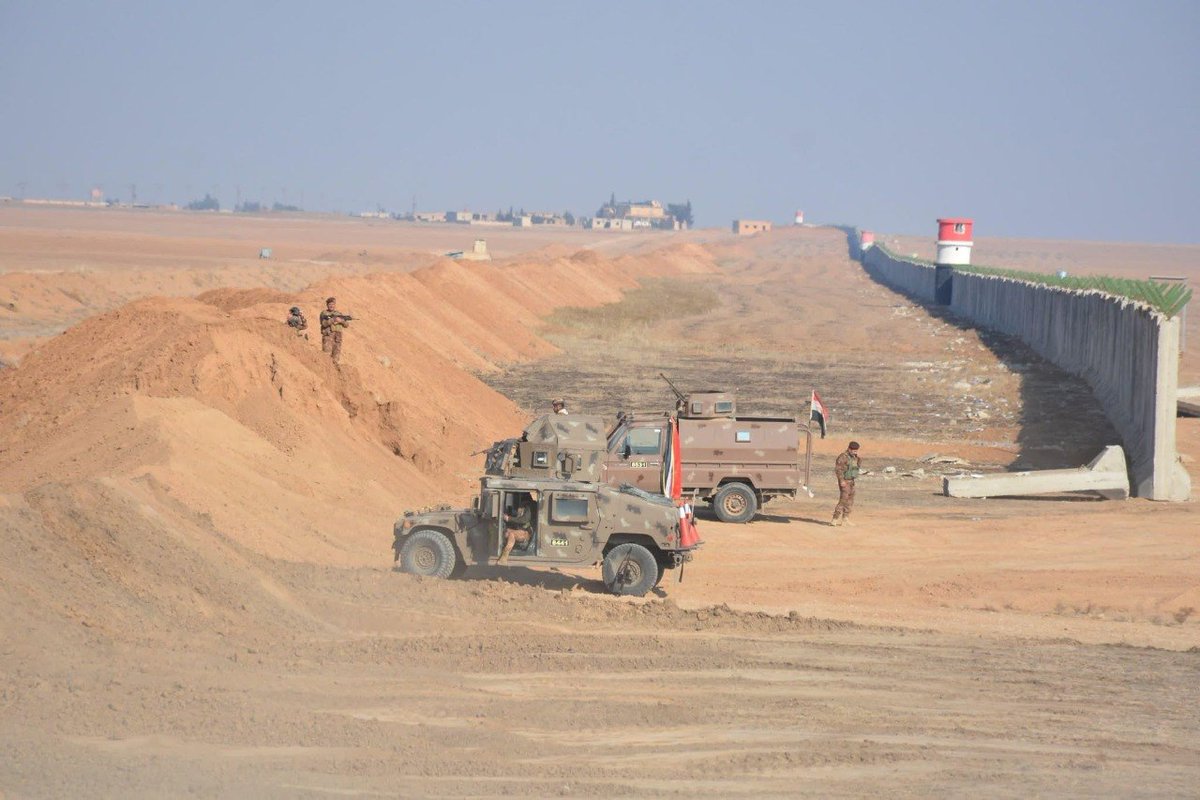
Border Guard Commander Lieutenant General Mohammed Sakr announced on Tuesday concrete barriers have been installed along 380 kilometers of Iraq’s border with Syria.
"We relied on our own resources and facilities to strengthen border fortifications, improve infrastructure, ..."
19
Trigonex_2005🇵🇭🇵🇸🇺🇦🎒 retweeted

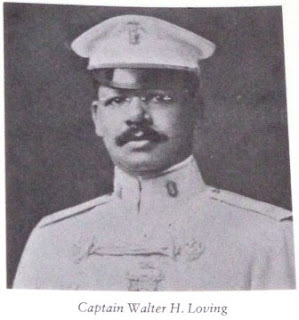
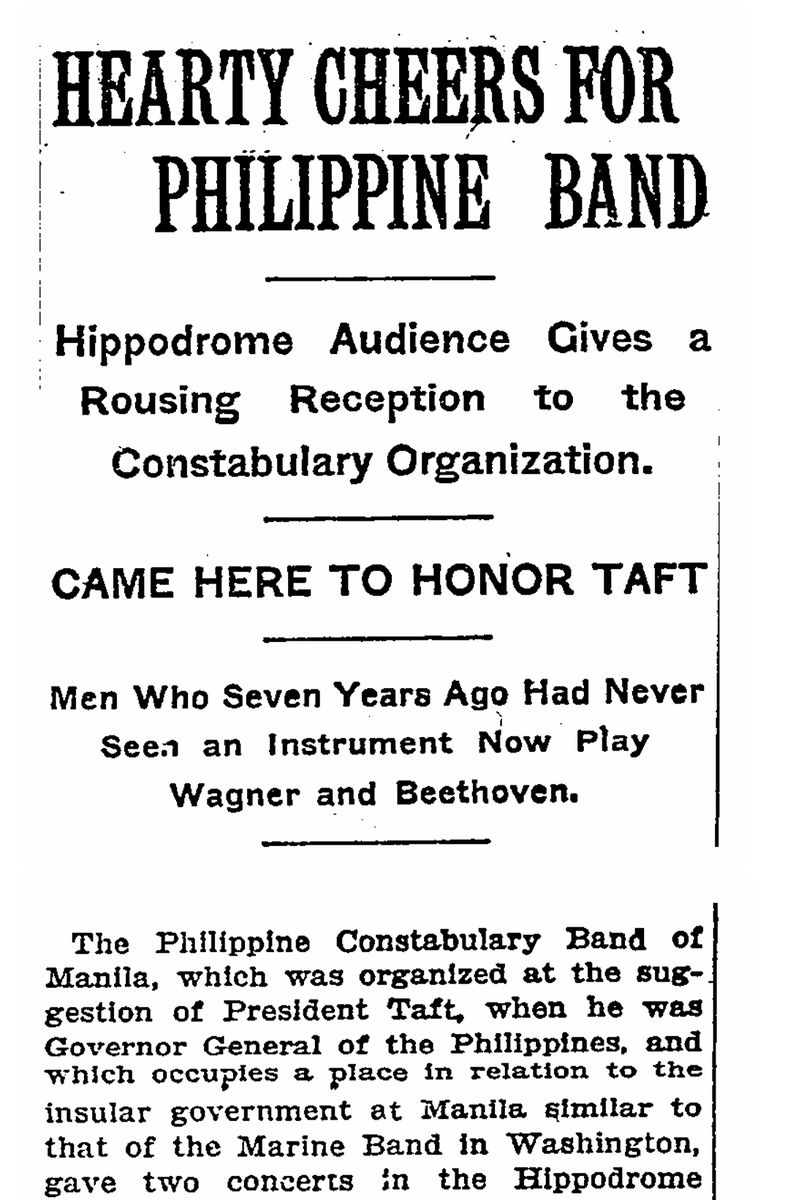
Not really. Read Artemio Ricarte's memoirs. Marching bands would lead the troops as they marched to attack Spanish fortifications. And the Katipuneros took Spanish marches and gave them their own lyrics. Loving endeared himself to Filipinos because he was pro independence.

A history lesson: The Philippines' Marching Band traditions were brought over in 1901 by a Black American, Walter Loving.
It was USA propaganda to demonstrate how colonization is good for Filipinos to become "civilized".
1
2
11
897

I don‘t know what you asked Grok, but what you write is nonsense.
Ukraine was prepared for the war against Russia since 2014, which is why there were fortifications in Donbas.
Merkel admitted, that the Minsk II agreements were just signed to give Ukraine time.
1
8

Drones don't occupy ground. And stubbornly even fanatically clinging to fixed fortifications when the other side can plaster positions with FAB glide bombs shows a disregard for the value of your soldiers lives. UAF practically abandoned any concept of mobile defense from 2023 on
1
23

Our old traditions of blessings and thankfulness. Kids need to know who is superior to the baal they halal to. Yeah even fixing politicians, we can cancel the curse with basic fear canceling to the real One. Yes do the fortifications of towns again or learn from vbied.
3

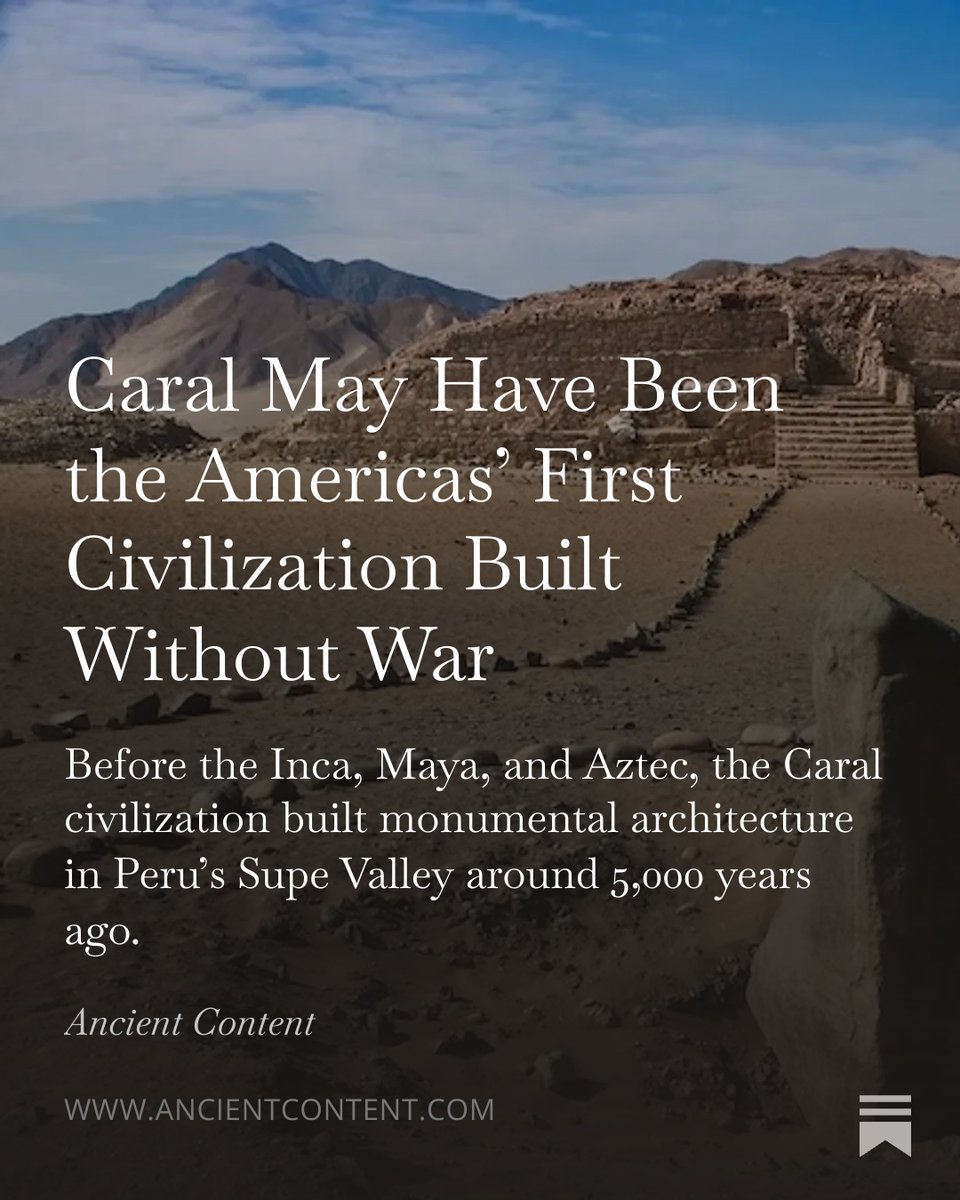
Caral May Have Been the Americas’ First Civilization Built Without War
Often described as one of the earliest civilizations in the Americas, Caral in Peru may also have been among the first complex societies built without war.
Archaeologists have found monumental pyramids, sunken ceremonial plazas, evidence of music, trade networks, and organized public life—but little sign of fortifications, weapons, or large-scale conflict.
ALT Caral May Have Been the Americas’ First Civilization Built Without War
3
3
19
619

Starting in Briançon, home to UNESCO-registered Vauban fortifications, Fortresses of the Cottian Alps is a five-day bikepacking loop that route blends high-altitude trails with the memory of historic military hostility between France and Italy:bikepacking.com/routes/fortr…
1
149

Rev War Tales
Rear Guard
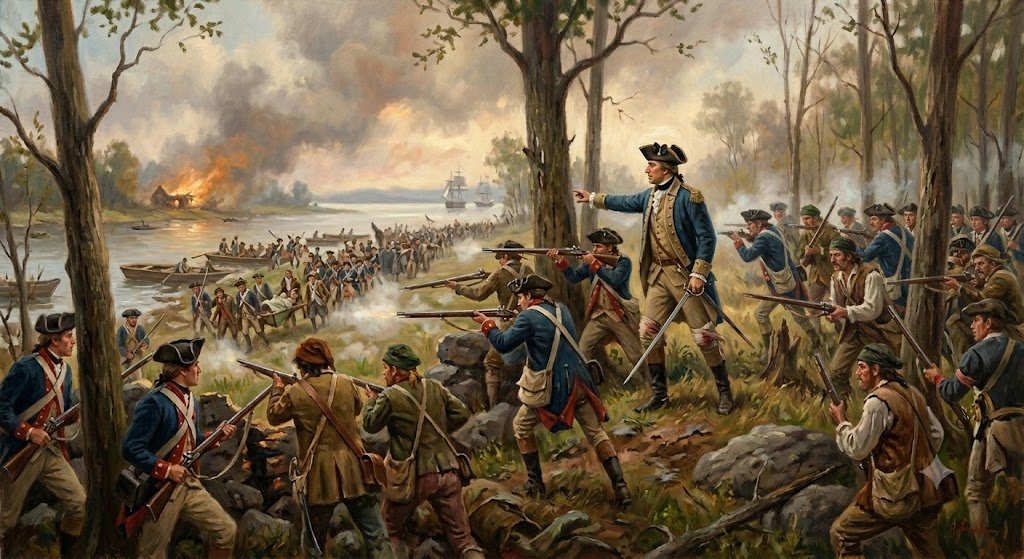
16 June 1776, Chambly, Quebec. Colonel Benedict Arnold commanded the rear guard of the defeated, smallpox-ravaged American army as it continued its chaotic retreat from Canada. After the disastrous failure to hold Quebec and the loss at Trois-Rivières, British forces under General Carleton advanced rapidly. Arnold, a proven leader from the grueling Maine expedition, skillfully covered the withdrawal along the Richelieu River. His disciplined rear guard delayed pursuers, burned supplies and fortifications at Chambly to deny them to the enemy, and protected the main body’s retreat toward St. Johns and Lake Champlain. Arnold was among the last to embark from St. Johns on June 18, preserving thousands of troops for future campaigns. This rearguard action prevented total disaster during the northern army’s collapse. #RevWar #AmRev #History #RevWarTales
3
12
248

– Vaccination (smallpox vaccination development – France’s role in spreading and institutionalizing it)
– Pasteurization
– Germ theory of disease
– Rabies vaccine
– Anthrax vaccine
– Stethoscope
– Hot air balloon
– Parachute
– Cinema (motion picture technology)
– Photography (Daguerreotype)
– Braille writing system
– Metric system
– Decimal time system (Revolutionary France)
– Foundations of modern chemistry (Lavoisier)
– Contributions to periodic table development
– Declaration of the Rights of Man and of the Citizen (1789)
– Modern republicanism model
– Secularism (laïcité concept)
– Early calculus development contributions
– Probability theory foundations (Pascal, Fermat)
– Foundations of modern sociology (Durkheim)
– Impressionism
– Cubism (developed in France period)
– Existentialism
– Structuralism
– Haute cuisine / modern gastronomy system
– Modern restaurant culture
– Champagne production method
– Bordeaux wine classification influence
– Haute couture / modern fashion system
– Paris Fashion Week
– Eiffel Tower
– TGV high-speed rail
– Airbus aerospace program (France-led European cooperation)
– Concorde supersonic aircraft
– Civil nuclear energy program model
– Modern postal system reforms influence
– Napoleonic Code (civil law system influence worldwide)
– Modern road signage system influence
– Metric standardization in science and industry
– Lumière brothers’ cinema system
– Modern epidemiology model (Pasteur Institute system)
– Modern pharmacy science development
– Linguistics foundations (Saussure)
– Modern anthropology development
– Military engineering (Vauban fortifications)
– Early rocketry research contributions
– Early submarine engineering contributions
– Early helicopter prototype development
– Modern legal codification systems influence
Want more?
3
1
7
66
America and Europe have been expanding Ukrainian military and fortifications since the end of the cold war. Hoping to use Ukraine as a battering ram against Russia. Which has failed.
1
12

JUNE 16, 1775
Boston — American forces built a redoubt on Breed’s Hill on the Charlestown Peninsula. Colonel Richard Gridley oversaw the construction of the fortifications while 1,200 American troops occupied Bunker Hill and Breed’s Hill. The troops were led by Colonel William Prescott and General Israel Putnam. When the threat of hostilities increased, Colonel John Stark, Colonel Thomas Knowlton, and General Seth Pomeroy led troops to positions on the peninsula.
Philadelphia — Congress commissioned Charles Lee, Israel Putnam, Philip Schuyler, and Artemas Ward as Major Generals. Three more Brigadier Generals were authorized to give the command structure more geographical balance. Congress also started formalizing the army by establishing units and troop strengths and authorizing the appointment of an engineer, adjutant general, paymaster, commissary general, and quartermaster.
americanhistorycentral.com/e…
4
14
364

The Russian Ministry of Defense confirmed that engineering and assault units are conducting systematic clearance operations in Konstantinovka. Official reports state tactical teams have cleared and secured 120 buildings previously utilized as defensive fortifications, sweeping the structures for explosive hazards. @Mod_Russia @DefenceU #Konstantinovka #Donbass #MilitaryOperations
30