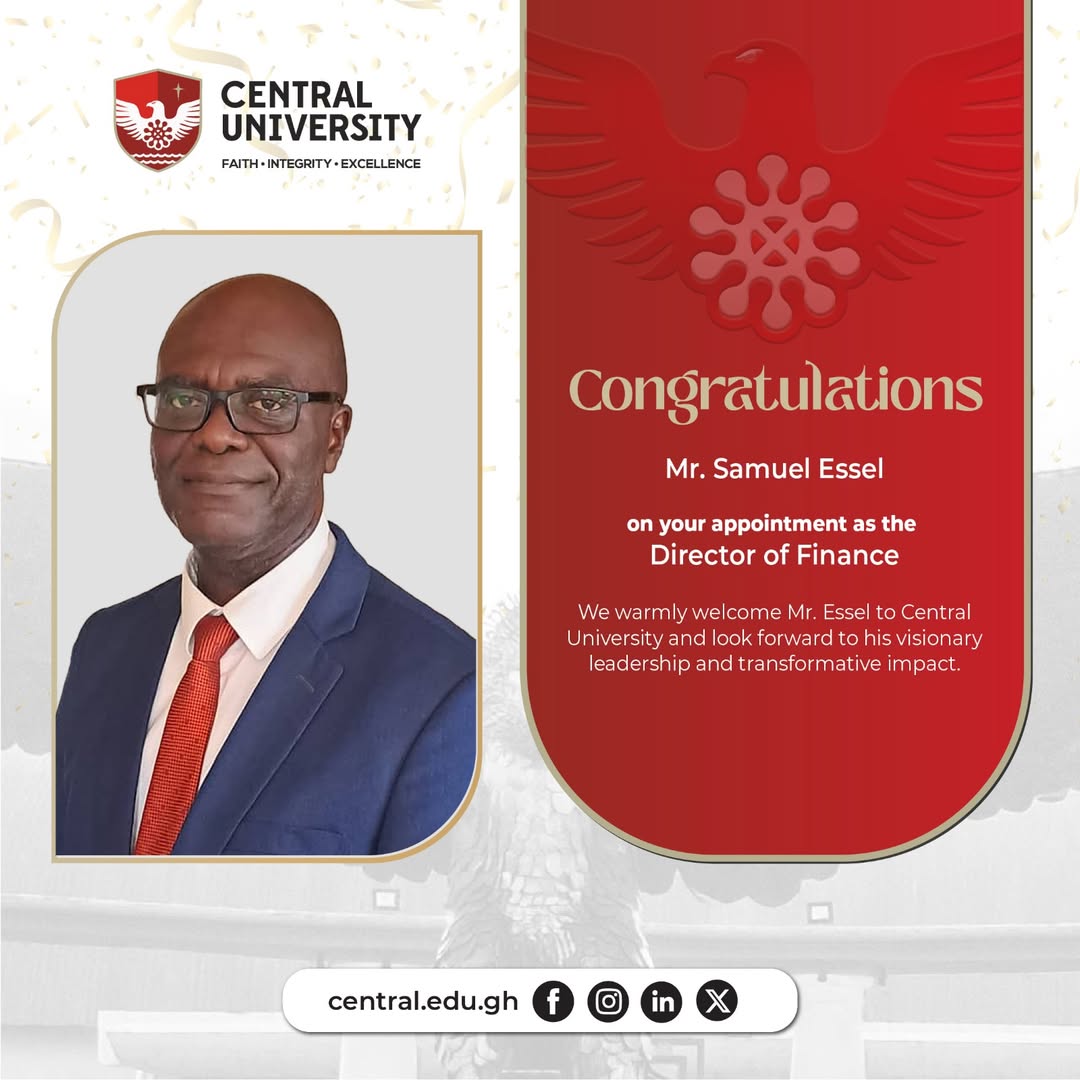
Central University welcomes Mr. Samuel Essel as Director of Finance.
A Chartered Accountant with 20 years’ experience across KPMG, GCNet and SGS, he brings strong expertise in financial leadership and institutional transformation.
29

MARTÍ Y LA INGENIERÍA DE LA RESIGNACIÓN
Hoy, 28 de enero, es inevitable reflexionar sobre el reciente intento de la propaganda oficial cubana por usar la figura de José Martí para normalizar el colapso energético.
Justificar los apagones alegando que "Martí no conoció la luz eléctrica" es un ejercicio de psicología social aplicada al control.
Desde The Unlearning Lab (el marco de análisis que desarrollo sobre ciclos de obediencia), identificamos esto como "Racionalización del Sufrimiento". Intentan canjear un derecho básico del siglo XXI por un supuesto valor moral del siglo XIX. Es una trampa de coherencia: te dicen que si admiras al Apóstol, debes aceptar vivir en la oscuridad (causada por el prepotente abuso de autoridad).
Mi análisis: Para desarticular este engaño, primero debemos dejar de ver a Martí como un dios. Ese endiosamiento es precisamente lo que permite que el poder lo manipule como una figura estática y sagrada para justificar la precariedad. Martí no tenía la Verdad absoluta, pero nos dio el camino para encontrarla: la fuerza de la palabra escrita. La propaganda se alimenta del feedback, pero la verdadera "luz" que debemos apagar es la de la pantalla propagandística. Esa caja, esa TV tonta, emite una radiación que no ilumina, sino que nubla el juicio. No informa; penetra y se instaura por repetición, incluso cuando crees que la desapruebas. El cerebro humano no está diseñado para filtrar el bombardeo constante de falsedades sin que algo se quede adherido al subconsciente. Verla para criticarla sigue siendo "consumirla". El acto más martiano hoy no es gritarle a la pantalla, sino ejercer la Higiene Mental: privar al captor de nuestra atención.
Como analicé en mi tesis en Italia (UniMoRe), la obediencia se quiebra cuando el individuo decide dejar de consumir el relato del captor. Hay una luz mucho más potente y verdadera: la que emana de un libro abierto. Esa es la claridad que Martí realmente nos legó; una que no depende de termoeléctricas, sino de la libertad del pensamiento.
El primer paso para desaprender la manipulación es decidir a qué NO le vamos a prestar nuestros sentidos. Apagar la propaganda y encender la lectura. No dejes que usen a nuestros muertos para programar tu silencio.
#GCNet #TheUnlearningLab #PsicologiaSocial #MartiVive #Cuba #28DeEnero #HigieneMental

1
3
6
280

15 Dec 2025
Nuestro exilio fue buscando libertad, no un plato de comida. Esa es la diferencia.
GCnet
👌
1
31

7 Oct 2025
Agenda 111 with only 1 non operative hospital. Gold For Oil that resulted into Gh17/litre of petrol? Paperless port predates Bawumia it was operated by GCNet and West Blue Consult. What actually has Bawumia digitilized in Ghana from 2017-2024? He can only be dancing on wheels.
12
604

5 Sep 2025
GCNet as Non Local Networks! #BigData #Analytics #DataScience #AI #MachineLearning #IoT #IIoT #PyTorch #Python #RStats #TensorFlow #Java #JavaScript #ReactJS #GoLang #CloudComputing #Serverless #DataScientist #Linux #Programming #Coding #100DaysofCode
geni.us/GCNet
2
4
278

23 Jul 2025
Pqp! É a gcnet ruim lixo de um lado com a minha Wi-Fi toda semana caindo e a claro do outro com meu sinal uma merda e o 4G horrível!!!!
2
154


12 Jun 2025
Precisamente, entender el comunismo, es eso, no entenderlo. Esa aberración, no tiene explicación.
Guárdate el rabo, GCNet 😉
Y no le contestes al gnomunista de Hayes, está falta de atención.
2
102

10 May 2025
Met this man one time and he gave me an opportunity I will never forget during his days as the board chair of GCNET
30
2,100

13 Apr 2025
🎙️ Negocios de La Capital entrevistó a Verónica Negri, Germán Villarreal y Sebastián Martínez para conocer de primera mano como es este negocio de nicho que a la vez es clave para todos los comercios.
👉 La empresa GCNET SRL la crearon en 2012 cuando lograron ser representantes oficiales de Fiserv en esta región. Ellos venían de trabajar en el servicio de telecomunicaciones y les llegó la posibilidad de ser representantes de esa marca que les cambiaría el rumbo: “Para nosotros fue muy importante porque son un grupo líder en medios de pagos, empezamos a ser representantes en el 2012 lo cual nos permitió sumar y diversificar clientes. Desde ese momento el negocio fue mutando, porque no sólo ahora se utiliza para pagos, sino que tiene un abanico muy amplio de posibilidades”, explica Germán, quien junto a Verónica gerencian el negocio.
→ lacapital.com.ar/c10189511

1
1
1,308

9 Mar 2025
GCNET FTW!

1
15
703
24 Feb 2025
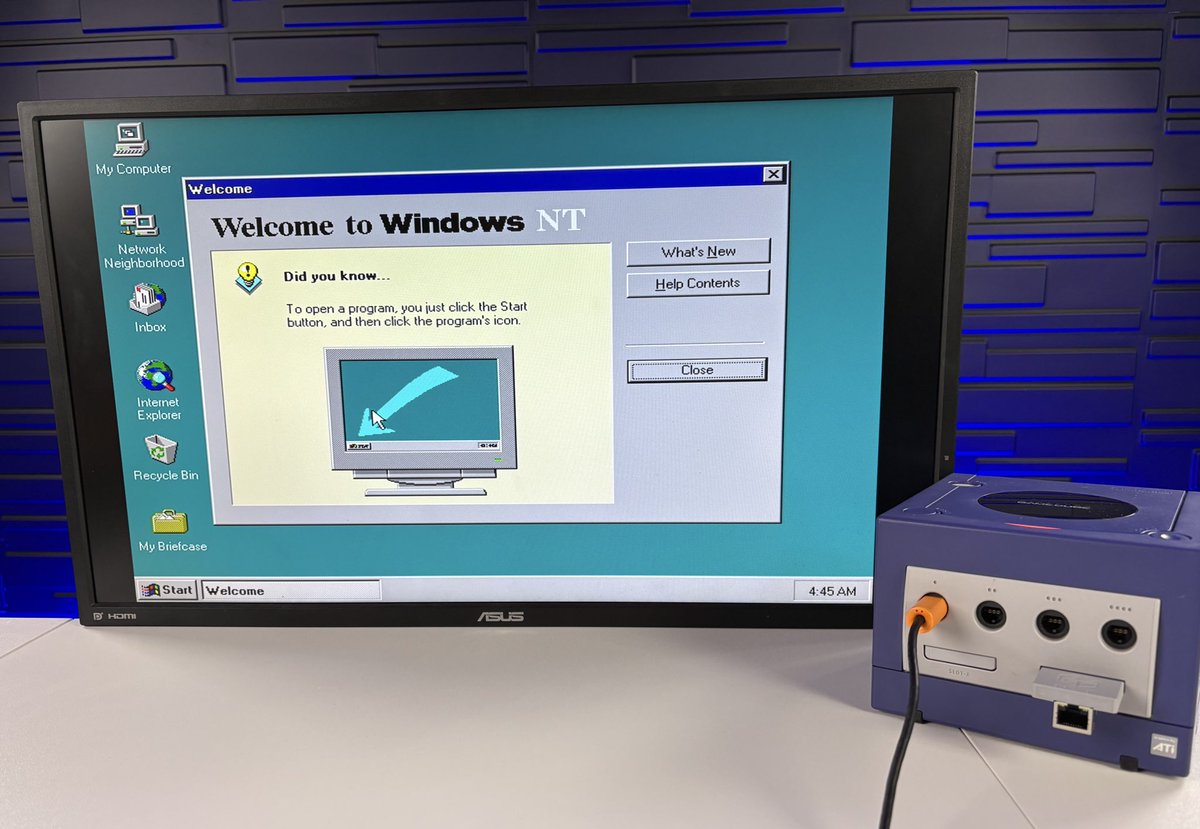
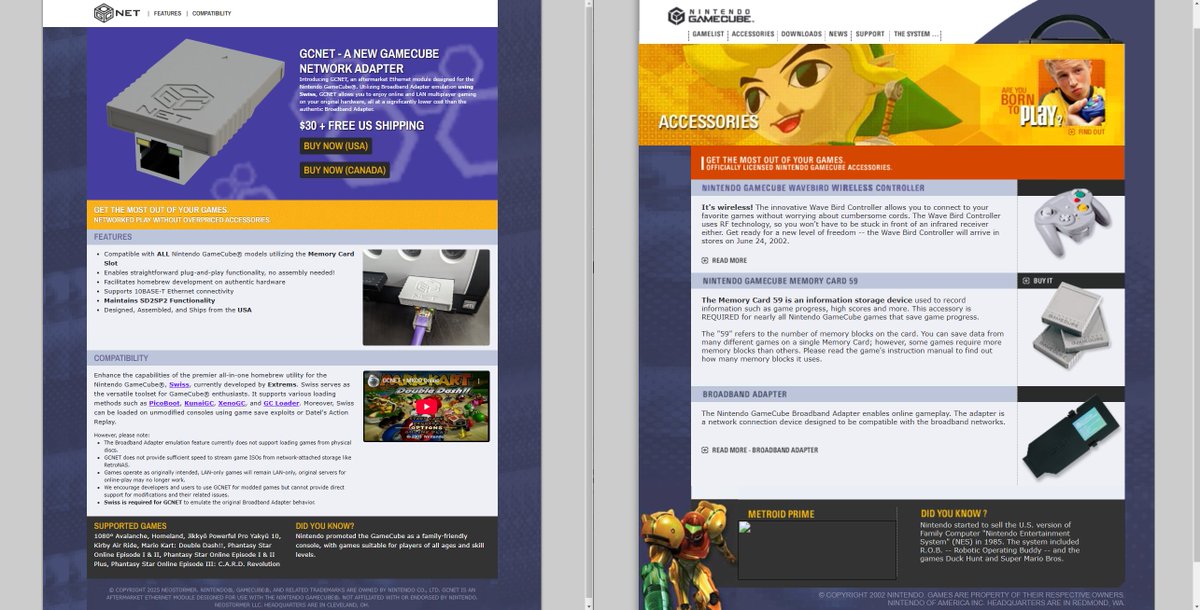
Did You Know? The GCNET website design was inspired by the iconic GameCube site from the early 2000s!
It’s been fun channeling that GameCube magic into GCNET. Thanks for being part of it!
GeeCeeNET.com
#GCNET #GameCube #RetroGaming #WebsiteDesign #Throwback
1
24
1,129
4 Feb 2025
GCNET - a GameCube Network Adapter
Designed, Assembled, and Shipped from the USA
GeeCeeNET.com
#GameCube #Manufacturing
1
19
863
25 Jan 2025
GCNET - Network your GameCube at a significantly lower price than the original Broadband Adapter.
Grab yours at GeeCeeNET.com
#GameCube #GCNET #RetroGaming

2
12
52
2,500

13 Jan 2025
VALORANT CAIU NN ERA EU ME JULGARAM ATOA, MAS A INTERNET E A LIVE TUDO AINDA É CULPA DA GCNET. ODIO
1
759

20 Dec 2024
1. Readers know my position that a glorious narrative around "digitalisation" in Ghana became a massive cover for what I call, "State Enchantment".
2. Some smart entrepreneurs in Ghana saw the signs early and positioned well to ride the wave. They have been rewarded with tens of millions of dollars of public money.
3. In every case, the deal justification was solid. A need was elaborately established. Financial terms were presented as great for Ghana.
4. The political might of the Vice President was deployed to clear all the usual checks and balances. A specific group of companies with the right connections in his office dominated these deals.
5. In several instances, the World Bank became the source of cash.
6. Some of these projects now constitute a clear and present danger to Ghana's fiscal stability and must be reformed to save money for the Republic. Doing so, however, requires a sound understanding of how the these risks built up and how in its commercial dealings with these darling companies, Ghana somehow ended up the sucker in almost every scenario.
7. I have detailed many of these schemes in longform essays on my blog: brightsimons.com so readers are encouraged to explore.
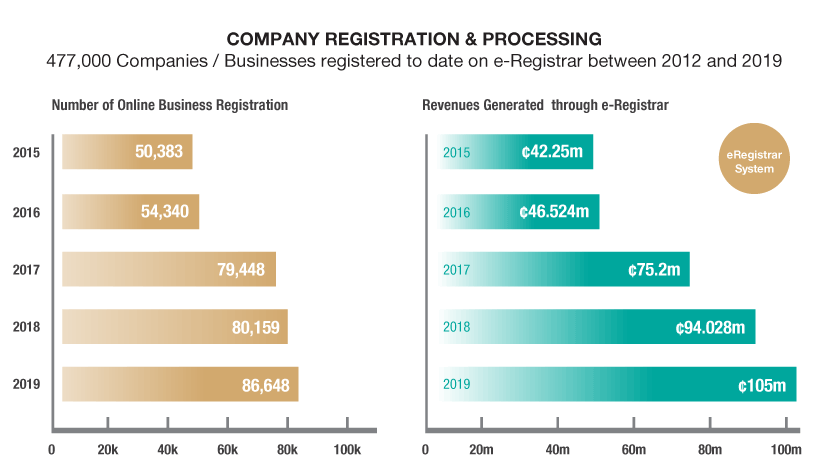
8. Today, our team wrapped up an initial assessment for our study into World Bank funding of the digitalisation of the Office of Registrar of Companies (ORC), formerly known as the Registrar General's Department. This work forms part of our wide-ranging investigation into the World Bank's portfolio. It was exhilarating seeing some of the same patterns we have identified in other World Bank financing contexts surface with such precision.
9. A functionally working system built by Crimson Logic (initially conceptualised by GCNet) and paid for by the World Bank that simply needs upgrading and transitioning to an internal IT team has been "strategically declared redundant" on the grounds that a maintenance contract with Crimson Logic has expired. Just because a group of companies favoured by the sitting Vice President's office has been identified to take over.
10. These are the same companies behind the strange "ride-sharing" platforms and "artificial intelligence" projects at the state-owned electricity utility, ECG, we have mentioned previously following their launch to great fanfare by the Veep. These darling companies have been primed to create a greenfield multimillion-dollar system to supplant the e-Registrar platform that has been systematically neglected and allowed to deprecate faster than necessary.
11. Despite all the World Bank money spent, one still struggles to use the ORC's e-services. E-filings and public searches remain erratic. Clearly, rather than see one contract through to a successful conclusion, the tendency is to clear the path for politically favoured IT contractors.
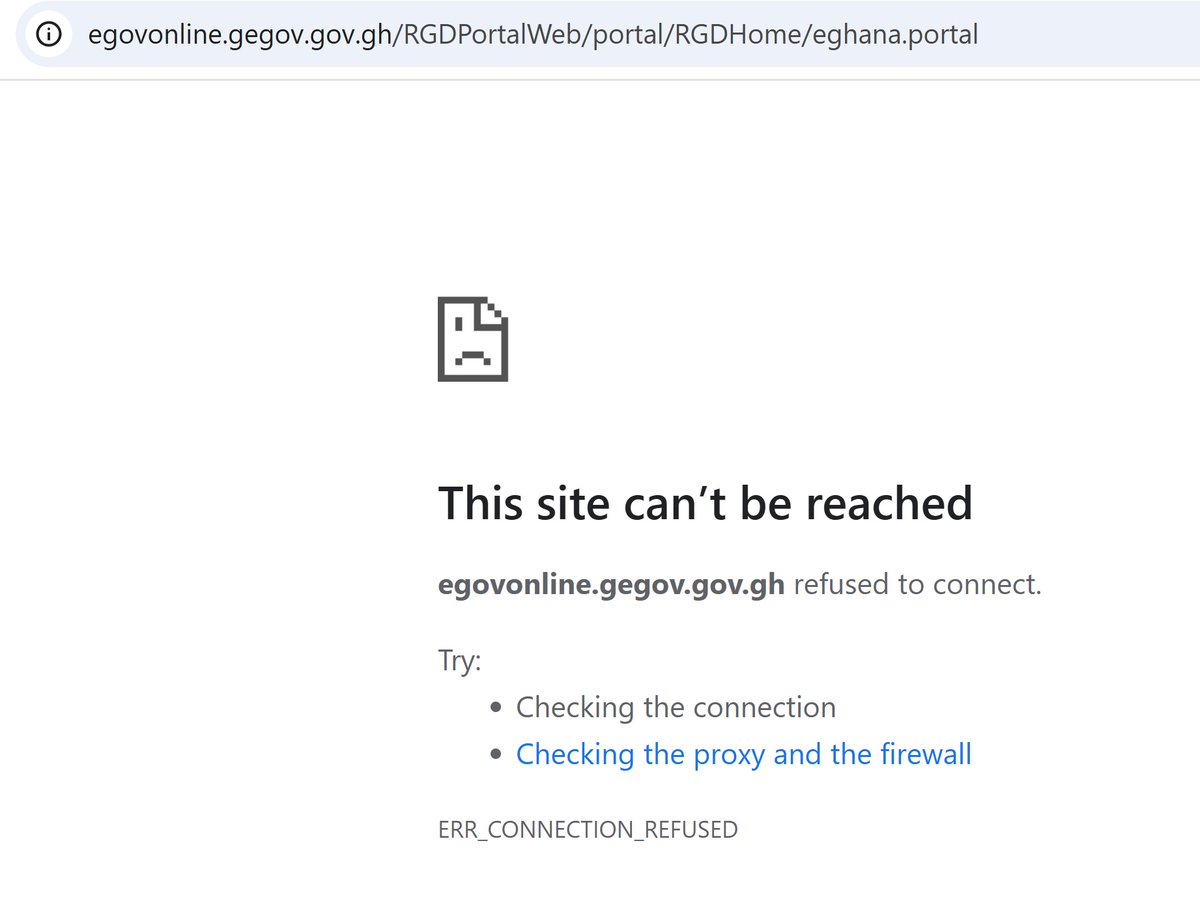
12. E-portal services like business name search and registration that are a breeze in many African countries remain a massive hurdle for businesses in Ghana due to frequent downtimes. Nowadays, even e-portal account creation doesn't work.
13. Margins comes into the picture differently, through its ICPS subsidiary. It is responsible for ensuring that searches for company records work seamlessly by converting all paper records into electronic format.
14. Our team noticed upon testing that the public search function has been broken for a while now. We decided to probe. We confirmed with internal sources that the backend system, accessible only to ORC personnel, also doesn't function when searching for historical corporate records. The scope of the Margins contract was to ensure electronic formatting of corporate registration and filing records dating back to the 1st Republic.
15. Despite significant World Bank funding for this project, the ORC still can't deliver historical searches due to rather odd claims about equipment failures due to power surges, etc.
16. In short, we have yet another World Bank e-Transform project for which Ghana has borrowed millions of dollars with the goal of improving the business climate through world-class corporate registry services failing to deliver because the political economy and governance climate do not favour strong project accountability. As we keep saying, something needs to give.
18
122
232
14,713

2 Dec 2024
Earlier this month, the BIS cancelled registrations of two Chinese suppliers--GCNET and GNBT— which together accounted for more than half of cell supplies to India. Another supplier, GTNECL is currently under the BIS radar
economictimes.indiatimes.com…
19
70
1,140
29 Nov 2024
🚨Black Friday Weekend Sale🚨
GCNET is now $25 (40% Off) for a limited time!
🎮 Add network connectivity to your GameCube with this aftermarket Ethernet module.
⚡️ Last of the 2024 run — free shipping included!
Get yours while supplies last: GeeCeeNET.com

14
414

24 Nov 2024
They made noise with the GcNet case only to be disgraced by Honourable Lawyer Francis Xavier Kojo Sosu
24
7,561