
Jun 13
GDNF synthesis, signaling, and retrograde transport in motor neurons | Cell and Tissue Research | Springer Nature Link link.springer.com/article/10…
41

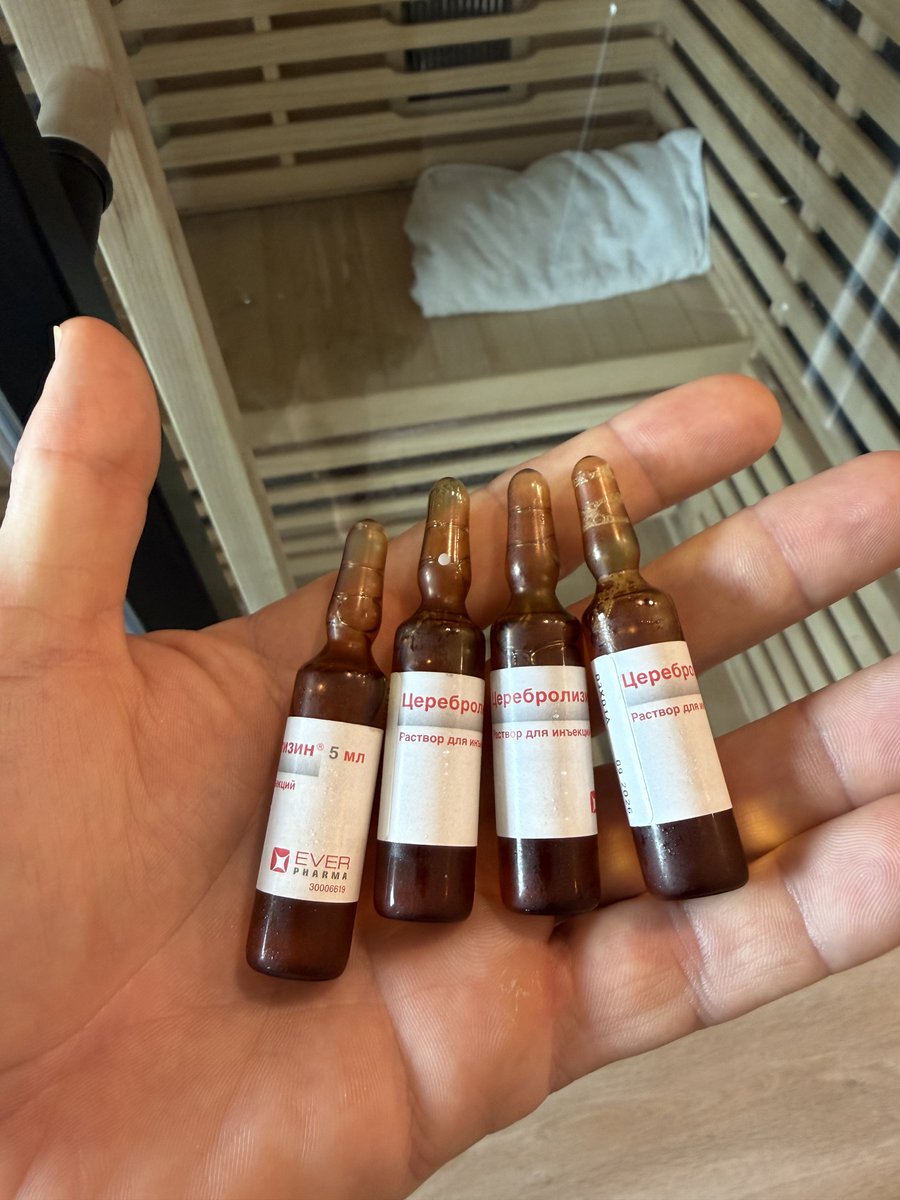
Cerebrolysin: The Next-Level Neuro-Regenerator Beyond Basic Nootropics
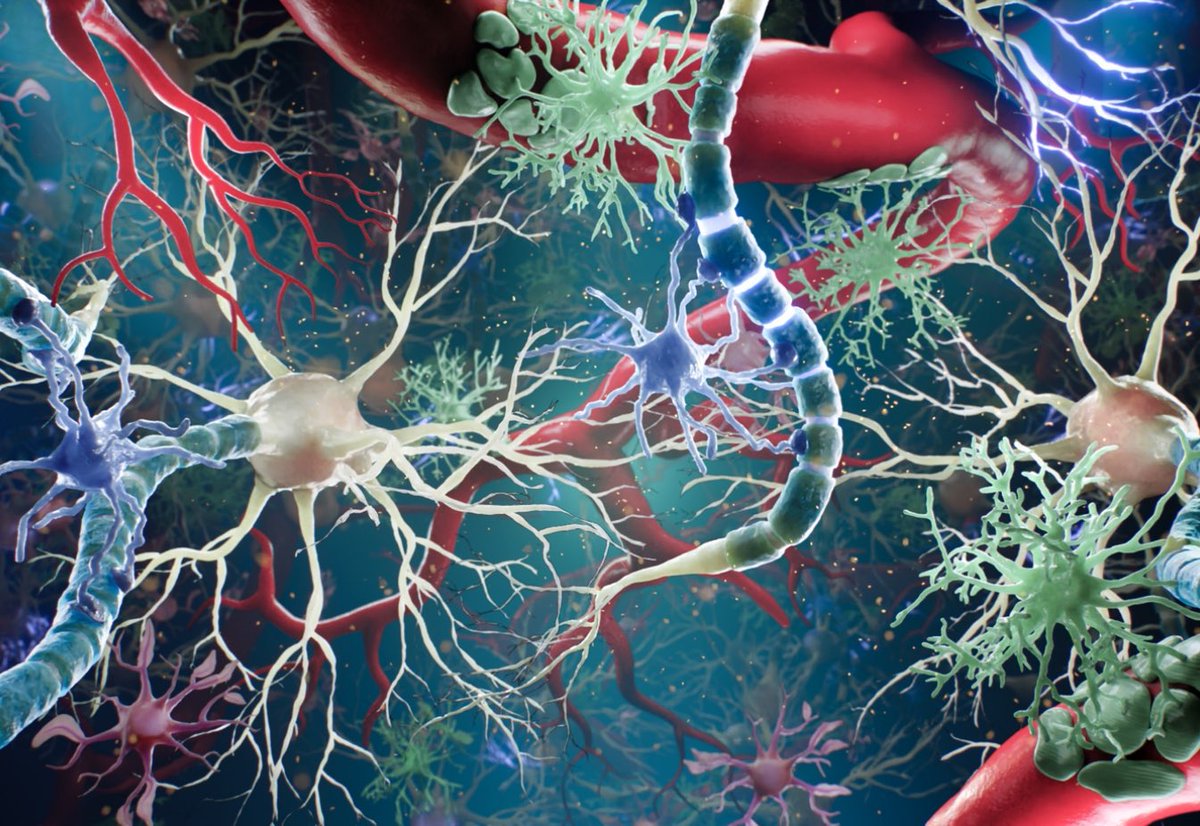
Cerebrolysin stands out as a powerhouse peptide mixture (porcine brain-derived neurotrophic factors) that goes far beyond what Semax, Selank, or typical nootropics deliver.
While Semax excels at BDNF upregulation for focus, learning & neuroprotection, and Selank shines for anxiety/stress reduction via GABA modulation, Cerebrolysin offers multimodal neurotrophic support — mimicking BDNF, NGF, GDNF, CNTF and more. It promotes deeper neurogenesis, synaptic plasticity, neuroprotection, and repair at the cellular level.
Key Benefits (Backed by Extensive Research):
• Brain Repair & Recovery: Strongly supports recovery from stroke, TBI, and craniocerebral trauma. Improves motor function, cognition, and reduces post-stroke dementia risk.
• Dementia & Cognitive Decline: Used for Alzheimer’s (senile dementia), vascular dementia — enhances memory, focus, daily function, and may slow progression via reduced inflammation, amyloid effects, and neuronal network remodeling.
• Beyond Basics: More comprehensive neuro-regeneration than single peptides. Stimulates new neuron/synapse formation (especially hippocampus), anti-apoptotic effects, better neurovascular unit repair, and long-term plasticity. Users/clinicians report improved clarity, mood, and resilience.
• Neuroprotective Edge: Guards against oxidative stress, excitotoxicity, and inflammation — ideal for optimization, aging brains, or recovery stacks.
Legal Status & Availability:
• Approved/prescribed in ~50 countries (Austria/Europe origin, Russia, China, South Korea, Eastern Europe, parts of Asia/Latin America) for stroke, dementia, TBI, etc.
1
2
283

husband mentioned HAHWHF DHCNXZFVA ZCXK VDFSCB GDNF
1
1
74

The fact that scientists discovered that there are neurons and glial cells in the ovaries in 2001, and this didn’t make major headlines news everywhere, is astonishing to me.
But importantly, this fact raises questions:
Evolution generally does not maintain metabolically expensive structures without reason.
Neurons are expensive.
Glial cells are expensive.
Neurotrophic signaling networks are expensive.
So the evolutionary question becomes:
What selective advantage was significant enough that ovarian tissue evolved and maintained neural infrastructure?
After all…
Neurons are among the most metabolically demanding cells in the body.
A neuron must:
-maintain electrical gradients across its membrane
-constantly pump ions using ATP
-synthesize neurotransmitters
-transport materials along long cellular extensions
-remain ready to fire signals within milliseconds
The human brain is only about 2% of body weight but consumes roughly 20% of resting energy expenditure.
That's astonishing.
Glial cells also consume energy because they:
-regulate extracellular chemistry
-provide nutrients
-participate in immune defense
-maintain neural circuits
-recycle neurotransmitters
Evolution generally doesn't maintain costly systems without significant benefit.
So if ovaries contain intrinsic neural infrastructure, there was probably a strong reproductive advantage.
Where Else Are Neurons and Glia Found?
Most people think:
Brain = neurons
but neurons are everywhere.
Examples include:
The Gut:
The digestive tract contains the Enteric Nervous System.
It contains hundreds of millions of neurons.
Enough that it's often called the "second brain."
It can coordinate digestion even without direct brain input.
The Heart:
The heart contains intrinsic cardiac neurons.
Some researchers even refer to an "intrinsic cardiac nervous system."
The heart isn't merely receiving orders from the brain.
It participates in regulating itself.
Skin:
Skin contains sensory neurons, autonomic neurons, Schwann cells, and other glia.
Your skin is neurologically active tissue.
Lungs: 🫁
Lung tissue contains extensive neural networks involved in:
-breathing regulation
-inflammation
-immune signaling
-Immune Organs
Researchers increasingly study interactions between nerves and immune tissues.
The nervous and immune systems are deeply intertwined.
Every skeletal muscle fiber is innervated with nervous tissue.
Without motor neurons, muscles cannot contract voluntarily.
The neuromuscular junction is one of the most important communication interfaces in the body.
So Are We Basically Walking Brains? 🧠
In a sense, yes.
However:
Modern biology increasingly rejects the idea of a centralized command center controlling passive tissues.
Instead, the body resembles a network of semi-autonomous information-processing systems.
Examples:
brain
spinal cord
enteric nervous system
immune system
endocrine system
local neural circuits
Information flows in many directions.
Some neuroscientists describe the body more like an ecosystem than a hierarchy.
Why Isn't This a Bigger Deal for People Who Avoid Eating Brain Tissue?
There are several reasons.
The concentration of neural tissue in the brain is enormous compared with muscle.
A steak contains nerve fibers.
A brain is almost entirely neural tissue.
People visibly recognize brains as nervous tissue.
They don't visually recognize nerves running through muscle.
Out of sight, out of mind.
Regarding cultural symbolism…
The brain became associated with:
consciousness
identity
intelligence
personhood
Muscle did not.
So ethical concerns often focus on symbolic meaning rather than biological distribution.
If someone's objection to eating the brains of animals (either human or non-human) is:
"I don't want to consume any neural tissue." (because of Mad Cow potentiality, kuru, prion disease, etc.).
Then that's almost impossible with animal foods.
Nerves permeate virtually every organ.
Every animal tissue contains some degree of neural and glial involvement.
So it’s interesting to me, the level of cognitive dissonance, where people think they’re separating the brain tissue from the muscle.
Because they’re not.
And I think because of this no actual separation of eating nervous tissue vs. muscle, plus large number of untested “downer” cows who may have Mad Cow (from being fed their own species)…that there are far larger numbers of undiagnosed variant Creutzfeldt Jakob Disease than meat-eating scientists or the meat industry will ever admit.
Back to neurons in the ovaries…
Possible answers researchers are exploring as to why this might be include:
-precise control of ovulation
-rapid adaptation to environmental conditions
-integration of reproductive and stress responses
-coordination of immune and reproductive functions
-reproductive timing and fertility optimization
Neurotrophins such as:
NGF (Nerve Growth Factor)
BDNF (Brain-Derived Neurotrophic Factor)
NT-3
NT-4
GDNF (Glial Cell Line-Derived Neurotrophic Factor)
are famous for their roles in the nervous system.
And guess what?
Researchers have found these same signaling molecules and their receptors in human ovarian tissue, where they appear involved in:
follicle development
oocyte maturation
steroid hormone production
ovulation
corpus luteum formation
That is an extraordinary finding.
The same molecules involved in:
learning
memory
neuronal survival
also help regulate ovarian biology.
A deeper question becomes:
Did evolution reuse the same signaling architecture in the brain and ovary because both systems require sophisticated developmental communication?
The ovary isn’t a “mini brain,” but it is increasingly understood as a highly innervated neuroendocrine hub—wired into the nervous system, responsive to brain signaling, and using many of the same molecular communication systems found in neural tissue.
Another point this video touches on is how ovaries relate to aging:
One of the biggest discoveries of the last few decades is that reproductive aging and brain aging appear more intertwined than previously thought.
The traditional model was:
Ovaries age → hormones decline → symptoms occur
Researchers have proposed that ovarian aging may not simply be depletion of eggs.
It may also involve deterioration of communication networks that coordinate:
follicle maturation
blood supply
immune regulation
hormone production
tissue repair
In other words:
The "aging ovary" may partly be an aging signaling network.
Some scientists have even suggested that neurotrophin levels could become biomarkers of ovarian reserve and reproductive aging.
Peripheral “brains” challenge anthropocentric views of intelligence and control.
“This organ just does ‘X.’”
It’s why reductionist models keep getting updated by network/eco-system perspectives.
After watching this Youtube shorts video below that spurred me into thinking about how people take too much of the intricate work our bodies do to keep us healthy for granted (like the smoking neighbors surrounding me)…
What are your thoughts?
1
47

Jun 10
another set of interchangeable, but synergistic, options for anyone seeing this since I don’t want ppl on drugs instead of healthy alternatives that both work and support the underlying mechanisms behind the state of ADHD:
* = I highly recommend
lions mane (boosts NGF/BDNF/GDNF/NGF amongst many other cofactors in neurogenesis, dendritic growth/connectivity, and neural cell-survival; it helps myelination/myelin repair, and also has noticeable focus promoting effects from said effects it’s role in anti-inflammation)
rhodiola* (mild MAO-A/B inhibition, modulates serotonin/dopamine etc without acting as a true stimulant, activates AMPK, improves mitochondrial energy metabolism, modulates cortisol toward homeostasis, noticeable mood focus boost)
mucuna pruriens (provides L-DOPA, a building block for the dopamine synthesis substrate); its also not a bad idea to try other dopaminergic precursors such as tyrosine or D,L phenylalanine
ginkgo biloba* (more cerebral blood flow, modulates neurotransmitters antioxidant-gene-expression, and improves mitochondria)
sabroxy* (S tier focus/cognition; subtle GABA-A inhibition, CREB/BDNF/cAMP upregulation, providing alertness/wakefulness, memory recall, verbal fluency, and cognitive stamina akin to rhodiola)
saffron extract* (the antidepressant replacement | better and monumentally healthier in comparison to all SSRIs/SNRIs in both clinical research and anecdata; this is due to the boost in neuroplasticity anti-oxidant/inflammation activity, HPA axis modulation which normalizes cortisol, and SERT activation for mild, and safe, serotonin reuptake inhibition)
l-theanine (generally relaxing subtle NMDA antagonist, can help retain and optimize focus if you’re mentally hyperactive)
1
1
10
609


1. Amchepry – Japans neue iPS‑Zelltherapie für Parkinson (2026)
Weltweit erste iPS‑basierte, staatlich erstattete Parkinson‑Therapie. Bedingte MHLW‑Zulassung März 2026, Erstattung seit 20. Mai 2026.
Kosten: ¥55,3 Mio. (≈ 350.000 USD) nur für das Zellprodukt, OP & Klinik separat.
Wirkprinzip: allogene iPS‑abgeleitete dopaminerge Vorläuferzellen → stereotaktische bilaterale Putamen‑Transplantation.
Phase‑I/II‑Daten (Nature 2025, n=7):
Keine schweren Nebenwirkungen
Motorische Verbesserung bei 4–5 von 6 Patienten
F‑DOPA‑PET: 44,7 % Dopaminaktivität
Realität 2026: Internationale Patienten haben praktisch keinen Zugang (Versicherung, Klinikrestriktionen, kein Selbstzahlerpfad).
2. Deep Brain Stimulation (DBS) – etablierter Standard
Wirkt zuverlässig gegen Motorfluktuationen, Dyskinesien, Tremor.
Wirkt nicht auf Neurodegeneration, Gangstörung, Sprache, Kognition.
Weltweit verfügbar, jahrzehntelange Evidenz.
Stereotaktische OP, implantiertes Gerät, lebenslange Nachsorge.
3. MSC/ADSC‑Therapie – neuroprotektiver Ansatz, keine Zellersatztherapie
Mechanismus: parakrine Faktoren (BDNF, GDNF, antiinflammatorisch, immunmodulierend).
Verabreichung: meist intravenöse Infusion, nicht chirurgisch.
Evidenzlage:
BM‑MSC Phase‑1 (Schiess 2021, n=20): sicher, motorische Verbesserungen in hoher Dosis.
ADSC‑Studie (Vij 2025, n=10): sicher, aber unterpowered, keine statistische Signifikanz.
Meta‑Analysen (2023–2024, n=210 & n=129): motorische Verbesserungen 12–24 Monate, aber heterogene Zellquellen.
Fazit: vielversprechend, aber keine Phase‑3‑Wirksamkeitsnachweise.
4. Vergleich Amchepry – DBS – MSC/ADSC
Amchepry: Zellersatz, hochinvasiv, Immunosuppression, nur in Japan, begrenzter Zugang.
DBS: moduliert Netzwerke, etabliert, weltweit verfügbar, aber kein Zellersatz.
MSC/ADSC: nicht‑chirurgisch, neuroprotektive Idee, aber unbewiesen für PD‑Verlangsamung.
5. Zugang für internationale Patienten
Amchepry: 2026 praktisch ausgeschlossen.
DBS: global verfügbar.
MSC/ADSC: in Japan als selbstzahlende supportive Therapie möglich (MHLW‑Typ‑2‑Protokolle).
6. Cell Grand Clinic – was angeboten wird / nicht angeboten wird
Nicht angeboten:
Amchepry
DBS
Parkinson‑spezifische MSC‑Therapie
Angeboten (nur supportive care):
Autologe ADSC für Frailty / vaskuläre Gesundheit
Exosomen‑IV / intranasal
NMN‑IV (NAD‑Stoffwechsel)
Ärztliche Zweitmeinung (englisch)
Wichtig: Keine Behauptung, Parkinson zu behandeln oder zu verlangsamen.
7. Kernaussagen der Seite
Historischer Durchbruch, aber nicht exportierbar.
Evidenz für Zelltherapie wächst, aber keine Heilung und keine Phase‑3‑Daten.
Supportive Care bleibt relevant, bis echte Zellersatztherapien breit zugänglich werden.
33


Jun 7
Rutin Attenuates Microglial Inflammatory Responses by Promoting M2-like Polarization via GDNF and SHH/GLI-1 Signaling and NLRP3 Inflammasome Inhibition
mdpi.com/2571-6980/7/2/15
1
44
Dr Lynne Pirie retweeted

Jun 5
Synergy? Ibogaine with pcybosilyn? Grok: Ibogaine boosts GDNF to reset deep brain reward and addiction circuits, while psilocybin raises BDNF to increase flexibility in thinking areas. Together, they may open a stronger window for brain rewiring, offering better treatment for addiction and PTSD.
This synergy highlights elegant multi-level dynamics in how the brain adapts and heals.
4
4
25
2,262

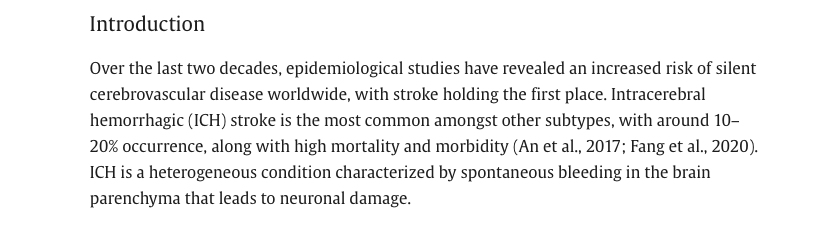
Rutin Attenuates Microglial Inflammatory Responses by Promoting M2-like Polarization via GDNF and SHH/GLI-1 Signaling and NLRP3 Inflammasome Inhibition. Neuroglia. 2026; 7(2):15. doi.org/10.3390/neuroglia702…
Rutin protects hemorrhagic stroke, 15 June 2022
sciencedirect.com/science/ar…
20

Rutin increased production of glial cell line-derived neurotrophic factor (GDNF), a powerful growth factor known for its ability to support neuron survival and protect dopamine-producing brain cells that are lost in Parkinson’s disease.
1
1
4
96
Researchers also observed higher levels of protective growth factors such as brain-derived neurotrophic factor (BDNF) and glial cell line-derived neurotrophic factor (GDNF), both of which help support neuron survival.
2
52

Jun 4
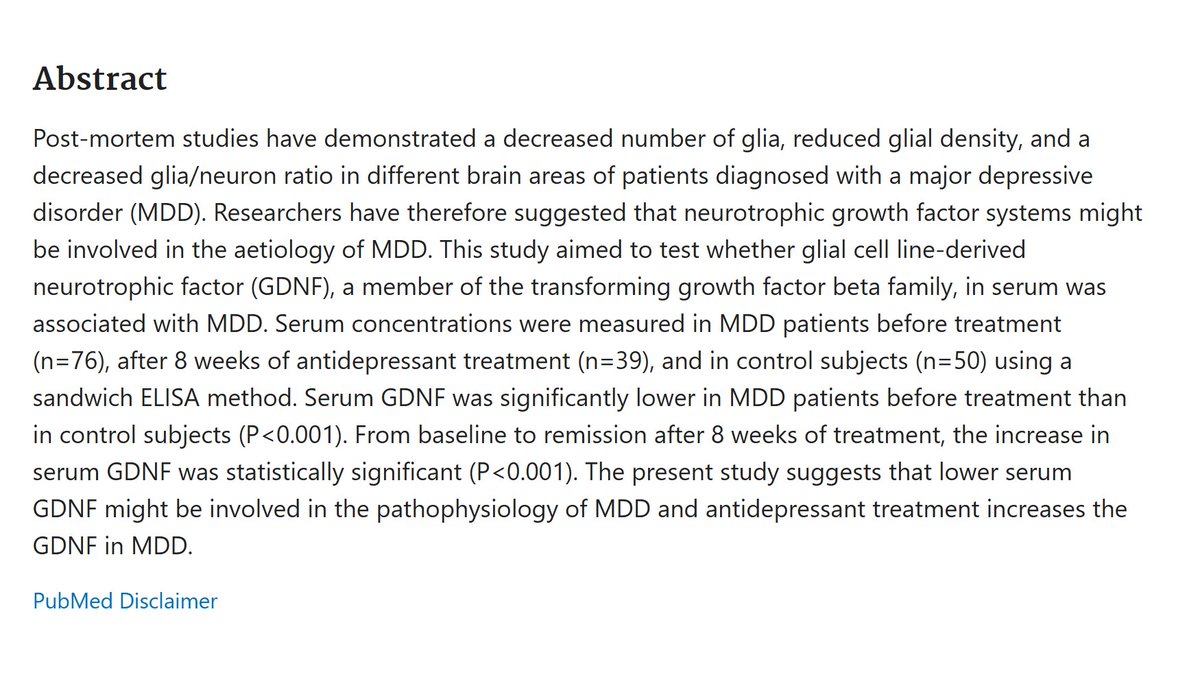
Fun fact: antidepressants not only increase BDNF and TrkB signalling, but they also seem to increase striatal GDNF levels as well
1
2
14
3,297

神経線維腫症1型(NF1)モデルマウスにおいて、シュワン細胞由来GDNFが末梢感覚神経を活性化して腫瘍形成前から神経障害性疼痛を誘導することを示し、MAPK阻害によって改善可能であることを示した論文がSci Signal誌に発表されました。
science.org/doi/10.1126/scis…
2
11
673

May 28
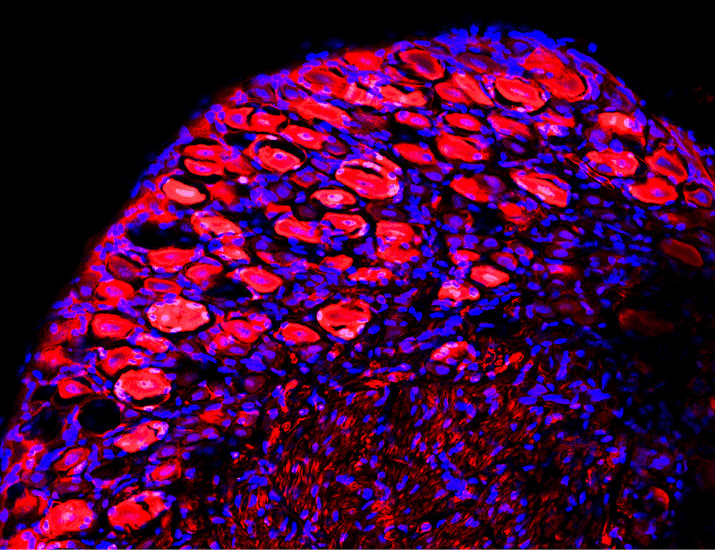
In a mouse model of #NF1, nerve-ensheathing Schwann cells produced and released more of the neurotrophic factor GDNF, which activated peripheral sensory neurons, heightening their sensitivity to touch @scisignal @JankowskiLab @CincyResearch
science.org/doi/10.1126/scis…
@NamrataGRRaut
1
6
17
987

May 28
An Austrian professor from the 1940s developed a proprietary process to break down porcine brain proteins into fragments that mimic the action of endogenous neurotrophic factors (BDNF, GDNF, NGF, CTNF).
It was approved for medical use in the 1950s and has been used for everything from Dementia to ADHD.
Thats over 70 years of clinical experience. The Russians and Chinese in particular loved this compound.
Cerberolysin protects neurons from excitotoxicity, oxidative stress, calcium mediated cell death, and mitochondrial dysfunction. Essentially all the neurodegenerative vectors we get exposed to over our lifetime.
It also upregulates natural endogenous neuron survival pathways, effectively leveling up your brains built-in protection system. There is substantial clinical evidence behind cerebrolysin, especially for acute neurological injuries (post viral, TBI, stroke, concussion). Highly underrated for ADHD. 70 years of data. Stil underrated.

13
8
118
26,556