
17 Dec 2025
$TRI
$TRI 🧠📈 STRONG CLINICAL VALIDATION FROM US VA TRIAL
This is a meaningful step forward for $TRI , backed by real clinical data from one of the most demanding real-world healthcare settings: the US Veterans Affairs (VA) system.
$TRI has delivered positive, clinically meaningful results from its mental health trial conducted with the Greater Los Angeles Research and Education Foundation (GLAVREF) and the VA Greater Los Angeles Healthcare System, evaluating its single-lead ECG algorithm for detecting a current Major Depressive Episode (cMDE) in veterans.
The headline result matters:
👉 97% sensitivity for cMDE detection using just a single ECG lead, validated against the clinical gold standard MINI interview.
That level of sensitivity is impressive on its own — but even more so given this was achieved using only heart rate and heart rate variability (HR & HRV) data, without subjective questionnaires or added clinical burden.
Some important context from the trial:
• 57 of 60 veterans included in final analysis
• Real-world cohort with complex, overlapping conditions
• 58.3% prevalence of cMDE
• 72% co-existing PTSD
• 77% anxiety disorders
• High rates of sleep disturbance.....exactly the population where early detection is most difficult and most needed
Despite this complexity, the results held up strongly:
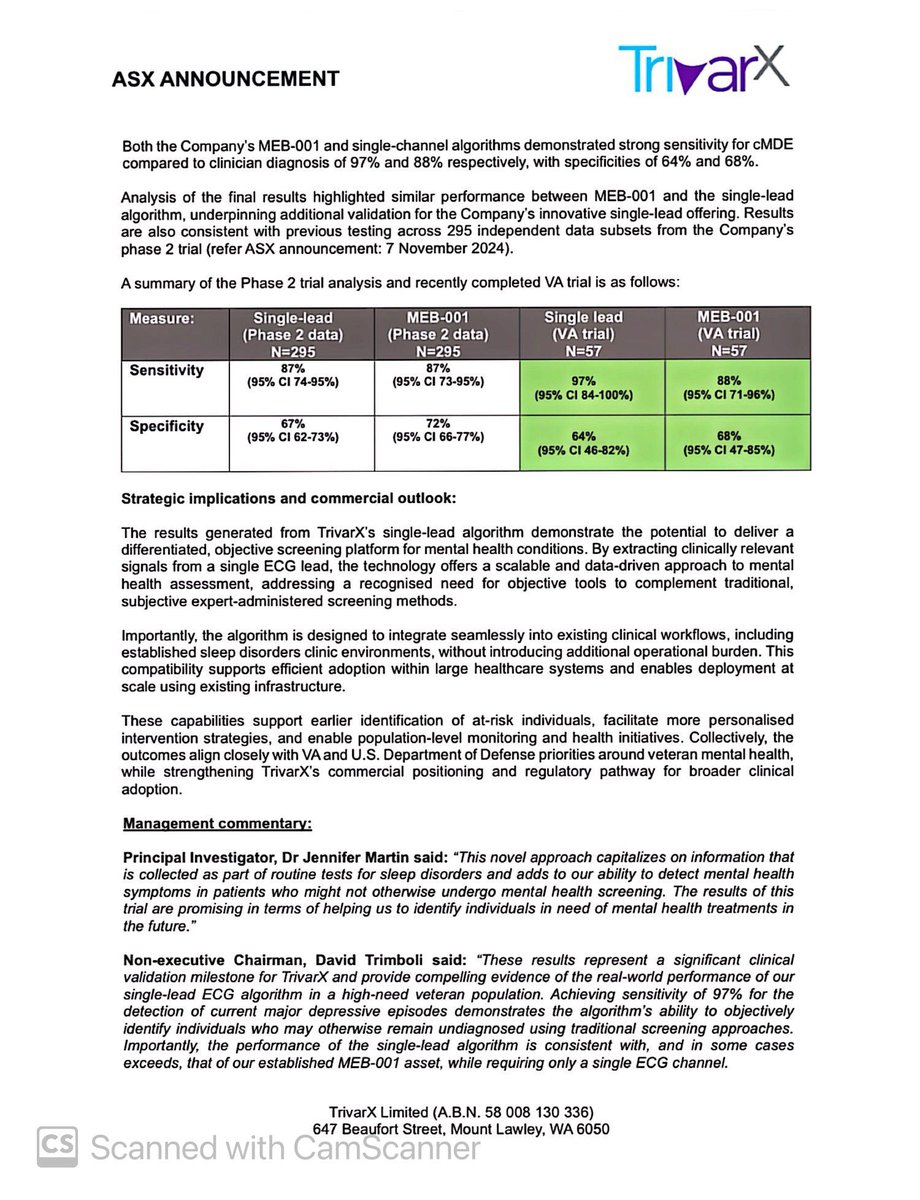
• Single-lead algorithm sensitivity: 97% (CI 84–100%)
• Single-lead algorithm specificity: 64%
• MEB-001 sensitivity: 88%
• MEB-001 specificity: 68%
Notably, the single-lead algorithm performs in line with ..... and in some cases better than MEB-001, while requiring only one ECG channel. From a commercial perspective, that simplicity is a big advantage for scalability, cost and adoption.
This isn’t a one-off data point either. The VA results are consistent with prior Phase 2 testing across 295 independent datasets, reinforcing the robustness and repeatability of the technology
Strategically, this is where the opportunity opens up:
• Seamless integration into existing VA sleep clinic workflows
• No additional equipment or operational complexity
• Supports earlier identification of at-risk patients
• Enables population-level mental health screening
• Strong alignment with VA and US Department of Defense priorities
As the Principal Investigator noted, this approach leverages data already collected in routine sleep studies to identify mental health symptoms in patients who may otherwise go undiagnosed.
In simple terms:
👉 TrivarX is adding an objective mental-health screening layer on top of existing clinical infrastructure.
For a global mental health system that is under-resourced, over-stretched and still heavily reliant on subjective screening, that differentiation matters.
$TRI continues to build its case the right way — with clinical data, real-world validation, and clear pathways to scalable adoption.
DYOR — not financial advice
4
880

17 Dec 2025
$TRI
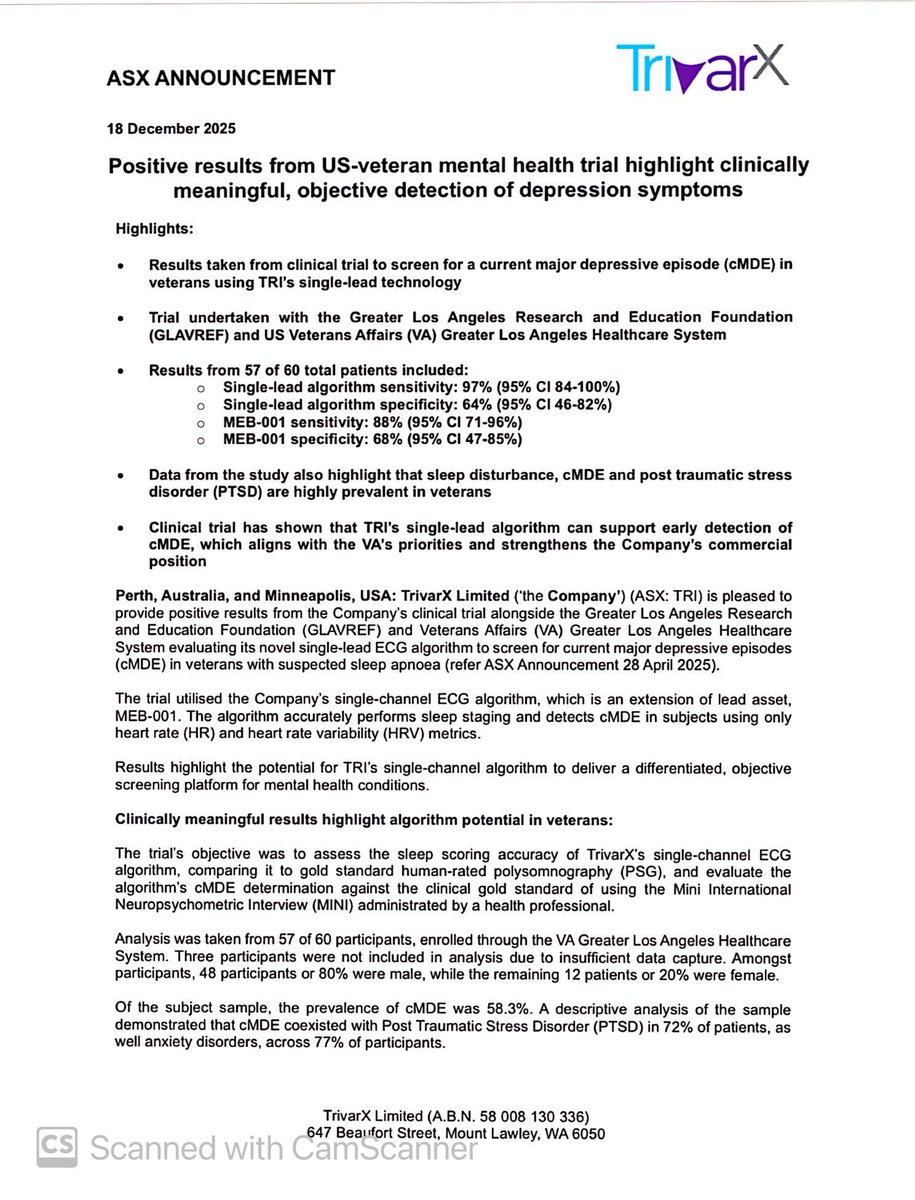
Positive results from US-veteran mental health trial highlight clinically meaningful, objective detection of depression symptoms
Results taken from clinical trial to screen for a current major depressive episode (cMDE) in veterans using TRI's single-lead technology
Trial undertaken with the Greater Los Angeles Research and Education Foundation (GLAVREF) and US Veterans Affairs (VA) Greater Los Angeles Healthcare System
3
368

ICYMI: TrivarX (#ASX: $TRI) has completed recruitment of 60 patients in its US Veteran-focused #mentalhealth trial with GLAVREF and VA Los Angeles, assessing its single-lead ECG algorithm for depression detection. Final results expected this quarter. trivarx.com/wp-content/uploa…
3
23
TrivarX (#ASX: $TRI) has completed recruitment of 60 patients in its US Veteran-focused #mentalhealth trial with GLAVREF and VA Los Angeles, assessing its single-lead ECG algorithm for depression detection. Final results expected this quarter. trivarx.com/wp-content/uploa…
1
3
31
🧠TrivarX kicks off innovative #mentalhealth trial in veterans
✅ First of 30 patients recruited at West LA VA
🎯 Trial aims to detect major depressive episodes using single-lead tech
🤝 In partnership with GLAVREF & VA Greater LA Healthcare System
announcements.asx.com.au/asx… $TRI
2
60
🧠TrivarX kicks off innovative #mentalhealth trial in veterans
✅ First of 30 patients recruited at West LA VA
🎯 Trial aims to detect major depressive episodes using single-lead tech
🤝 In partnership with GLAVREF & VA Greater LA Healthcare System
announcements.asx.com.au/asx… $TRI
1
1
3
118
ICYMI: TrivarX (#ASX: $TRI) has completed site activation for its ECG algorithm trial in veterans with GLAVREF & VA Greater LA. Equipment setup & clinician training are complete following IRB approval, marking the trial’s formal commencement. announcements.asx.com.au/asx… #health
1
90
TrivarX (#ASX: $TRI) has completed site activation for its ECG algorithm trial in veterans with GLAVREF & VA Greater LA. Equipment setup & clinician training are complete following IRB approval, marking the trial’s formal commencement. Read more: announcements.asx.com.au/asx… #health
2
67
📈 $TRI secures $2.25M via a strongly supported Placement at $0.015/share. Funds will advance its clinical trial w/ GLAVREF & US VA, using its ECG-based mental health screening algorithm. Additional capital supports R&D, regulatory, & commercial efforts. announcements.asx.com.au/asx…
4
5
57
ICYMI: TrivarX will trial its single-channel ECG mental health screening algorithm in partnership w/ the US Dept. of Veterans Affairs & GLAVREF (pending IRB approval). A CRADA is set to follow. Phase 2 results showed 87% sensitivity & 67% specificity. announcements.asx.com.au/asx… $TRI
3
4
38

On this Veterans Day, GLAVREF salutes and thanks all of those who have served our country. Your sacrifice and dedication have protected our freedoms and kept us safe. We are forever grateful.
1
3
49
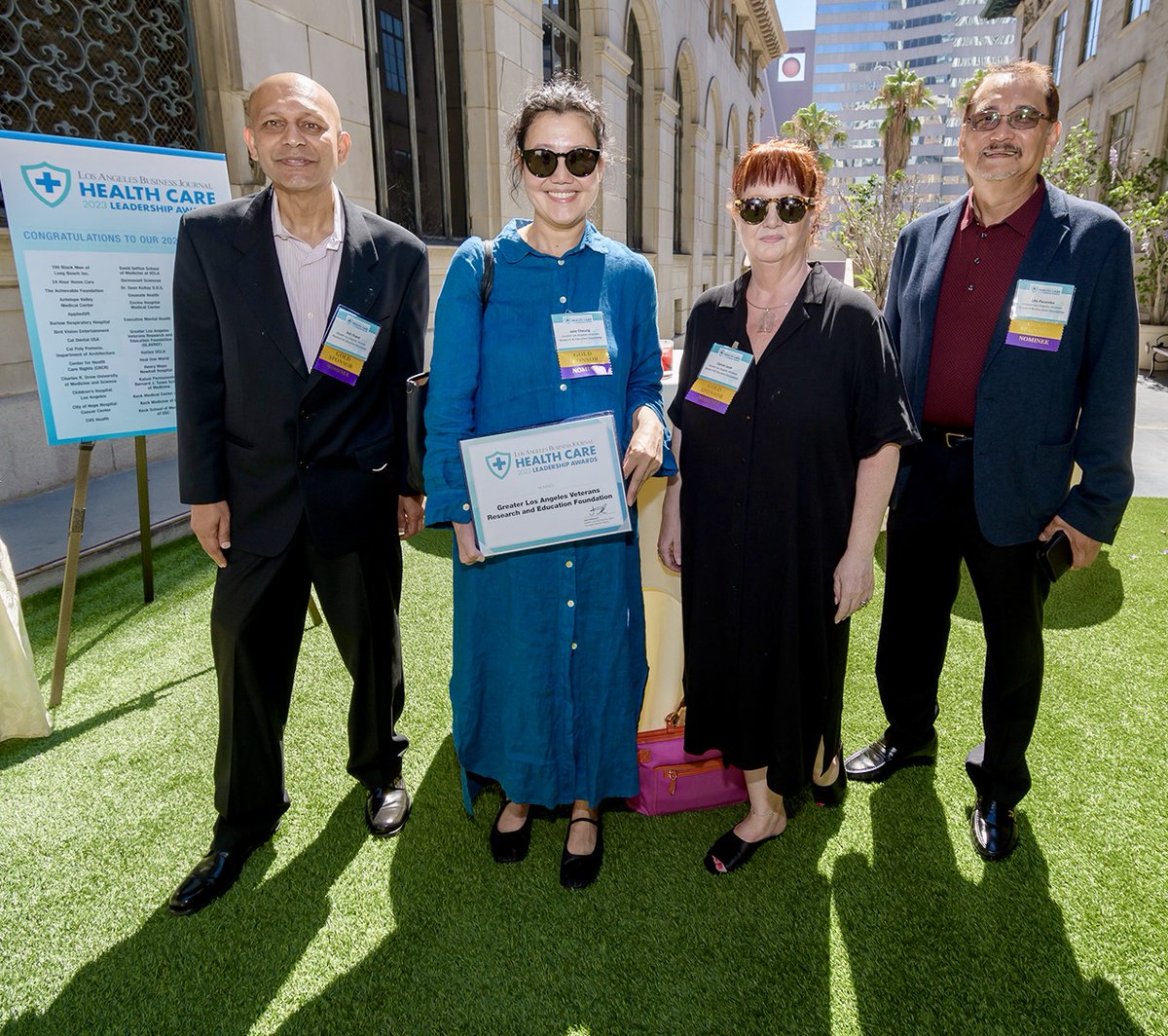
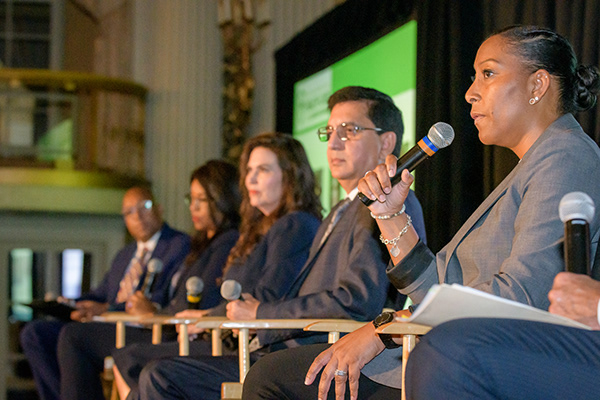
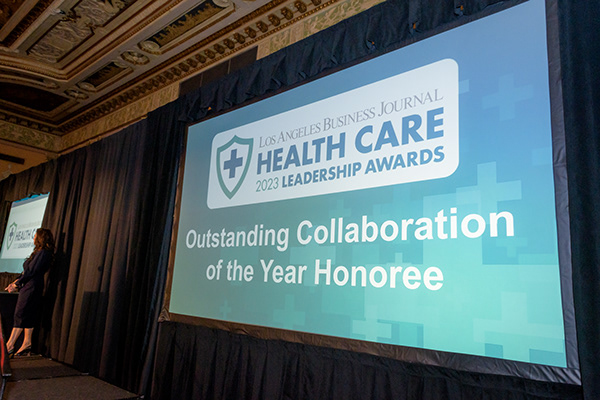
We are honored to have been recognized at the @LABusinessJournal event. This award is a testament to the dedication and hard work of our team. We are committed to continuing to provide Investigators with the highest quality services. #LABizJournal #GLAVREF #Veterans #Research

1
3
254

7 Sep 2023
Great to see @LABJnews recognition of @glavref, who together with @LosAngelesVA & @UCLA with its @UCLAHealth @UCLAFSPH @dgsomucla @DOM_UCLA @UCLASurgery @UCLASemel @UCLANeurology @UCLANsgy @UclaUrology @uclaobgynedu faculty make #GLA #Veteran research thrive! @VAResearch @navref

We are honored to be awarded the @LABizHealthcare Leadership Award for Outstanding Collaboration for 2023! Thank you to our partners @UCLAHealth
and @VAGLAHS for their collaboration in improving the lives of Veterans in Los Angeles.
tinyurl.com/mvfzus3m
#Veterans #Research
2
5
562

6 Sep 2023
Very proud to be able to support @GLAVREF, and continue to have a great relationship - through the Foundation Board's - with faculty from @UCLAHealth, @UCLADGSOM, @UCLA, and @UCLAFSPH.
We are honored to be awarded the @LABizHealthcare Leadership Award for Outstanding Collaboration for 2023! Thank you to our partners @UCLAHealth
and @VAGLAHS for their collaboration in improving the lives of Veterans in Los Angeles.
tinyurl.com/mvfzus3m
#Veterans #Research
3
146
1 Sep 2023
Very pleased that @glavref was honored for health care collaboration when it comes to the Foundation's research mission; @UCLA's Dr. Michael Rettig and Dr. Stephanie Taylor were spotlighted for their research work in concert with GLAVREF in the award citation.
28 Aug 2023

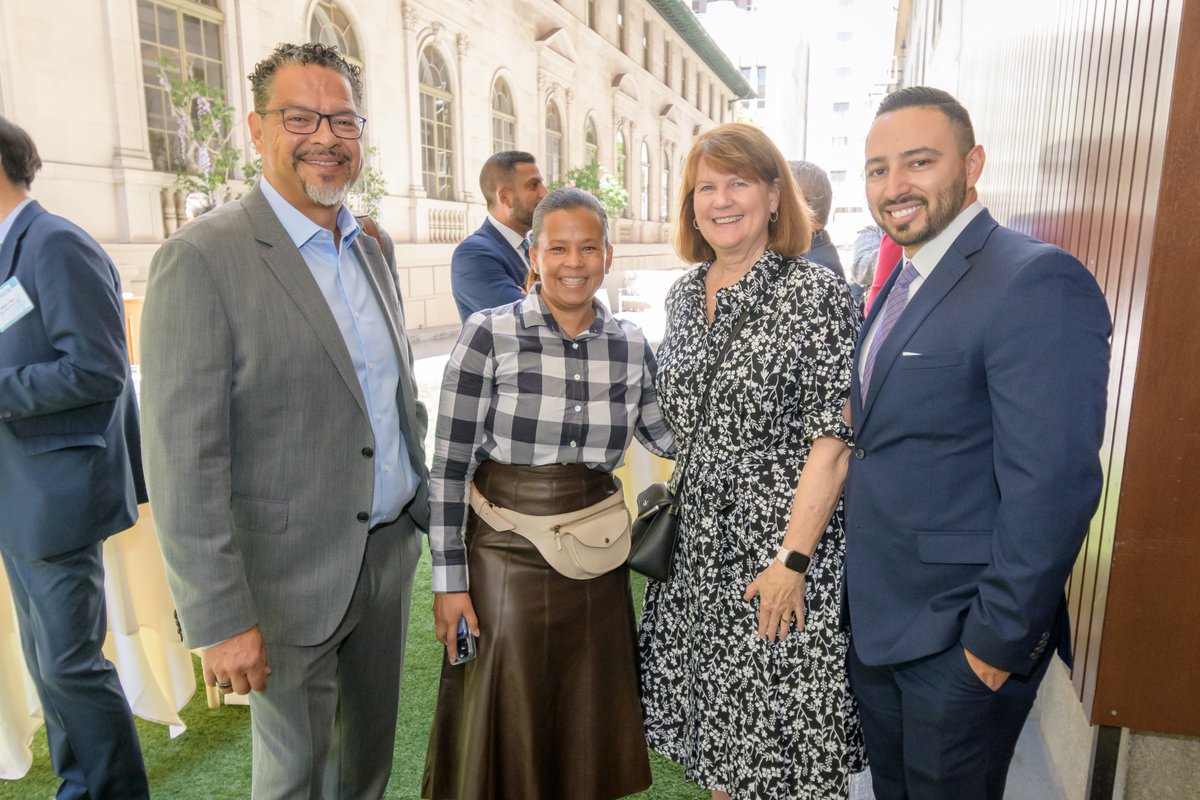
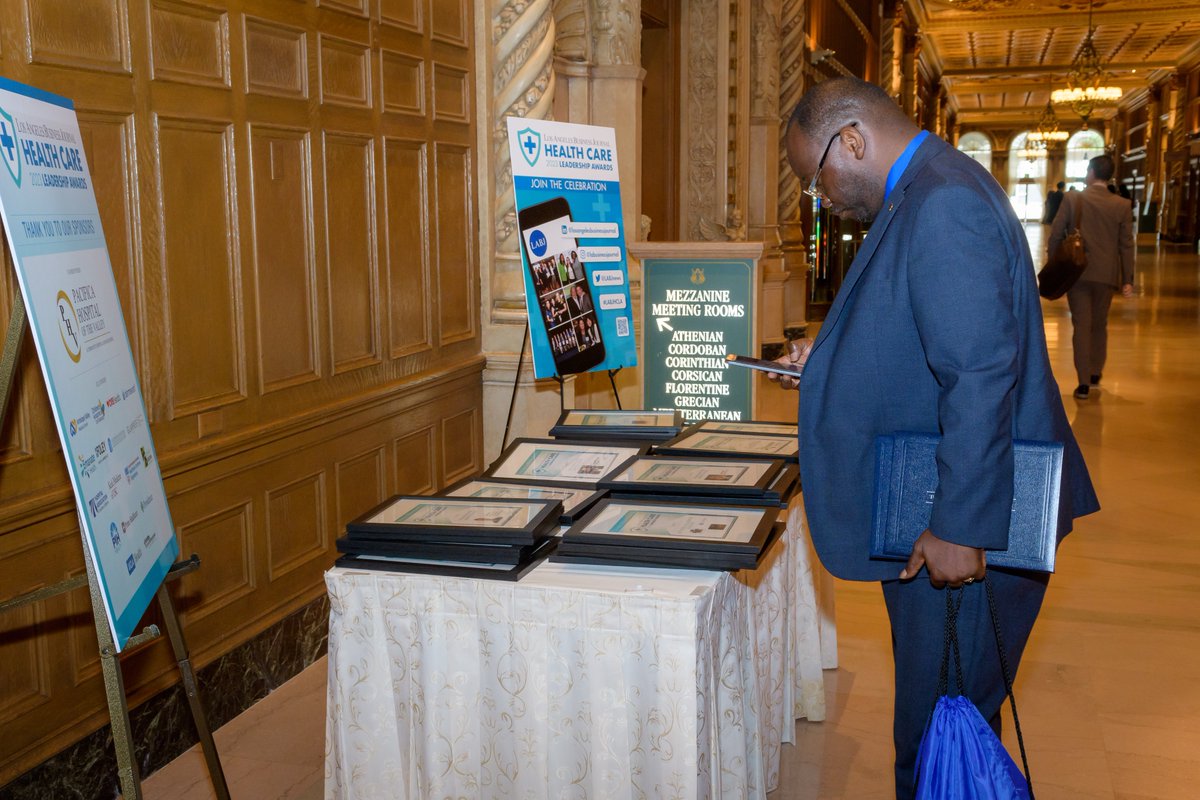
Recognizing Excellence in Health Care 🏆
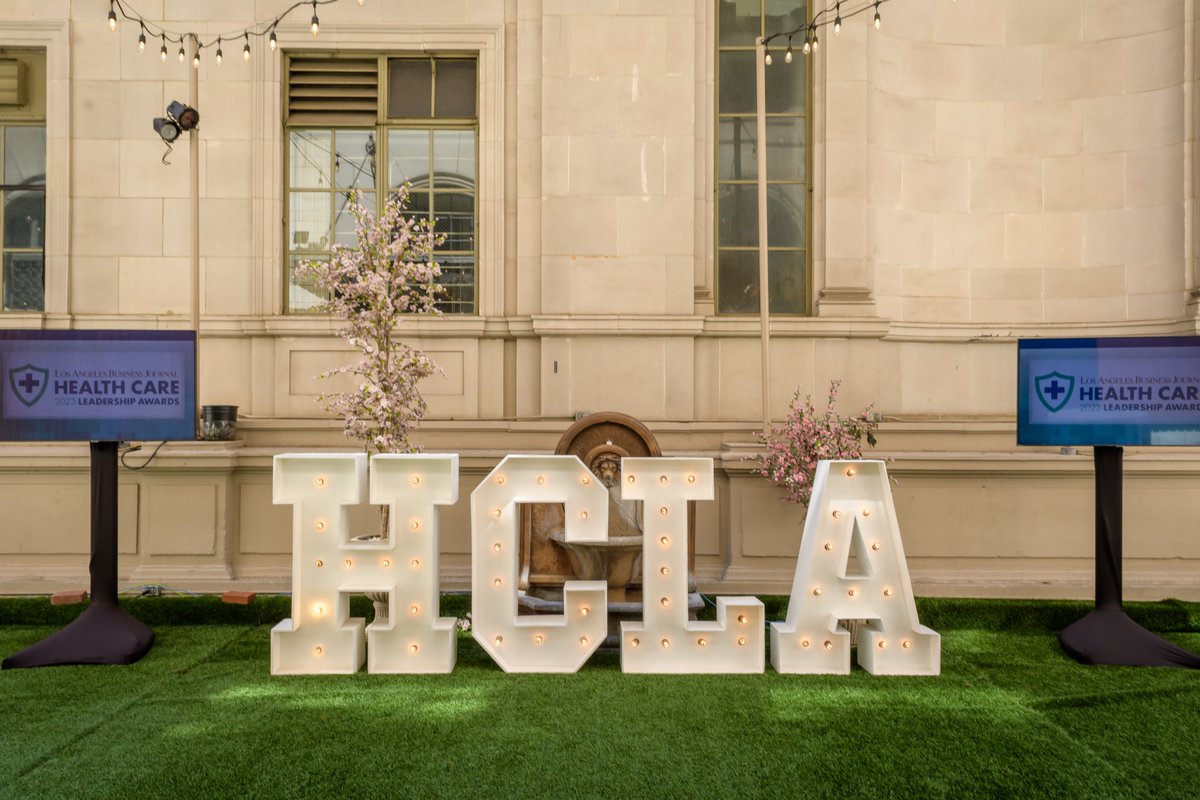
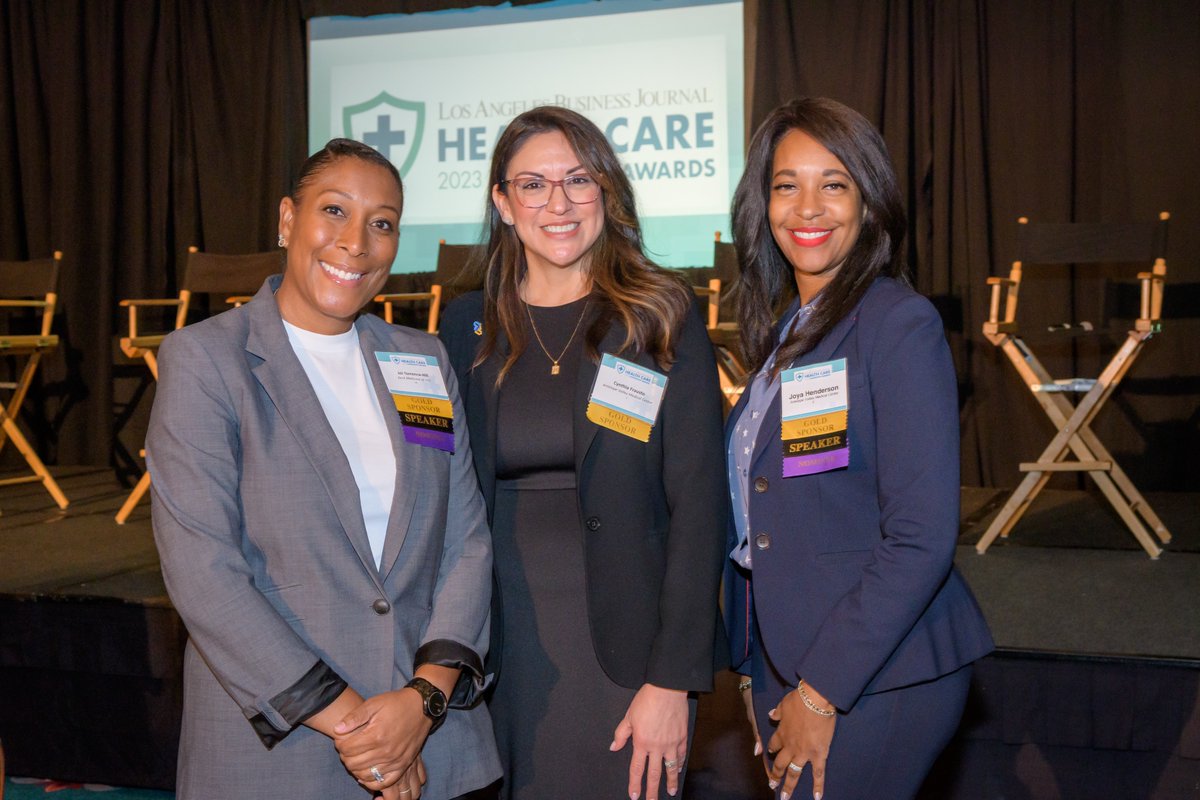
We are grateful to everyone who made the 2023 Health Care Leadership Awards an eventful success! Thank you all for joining us in honoring the health care community last week.
For more info on this event, visit: labusinessjournal.com/events…
1
2
124
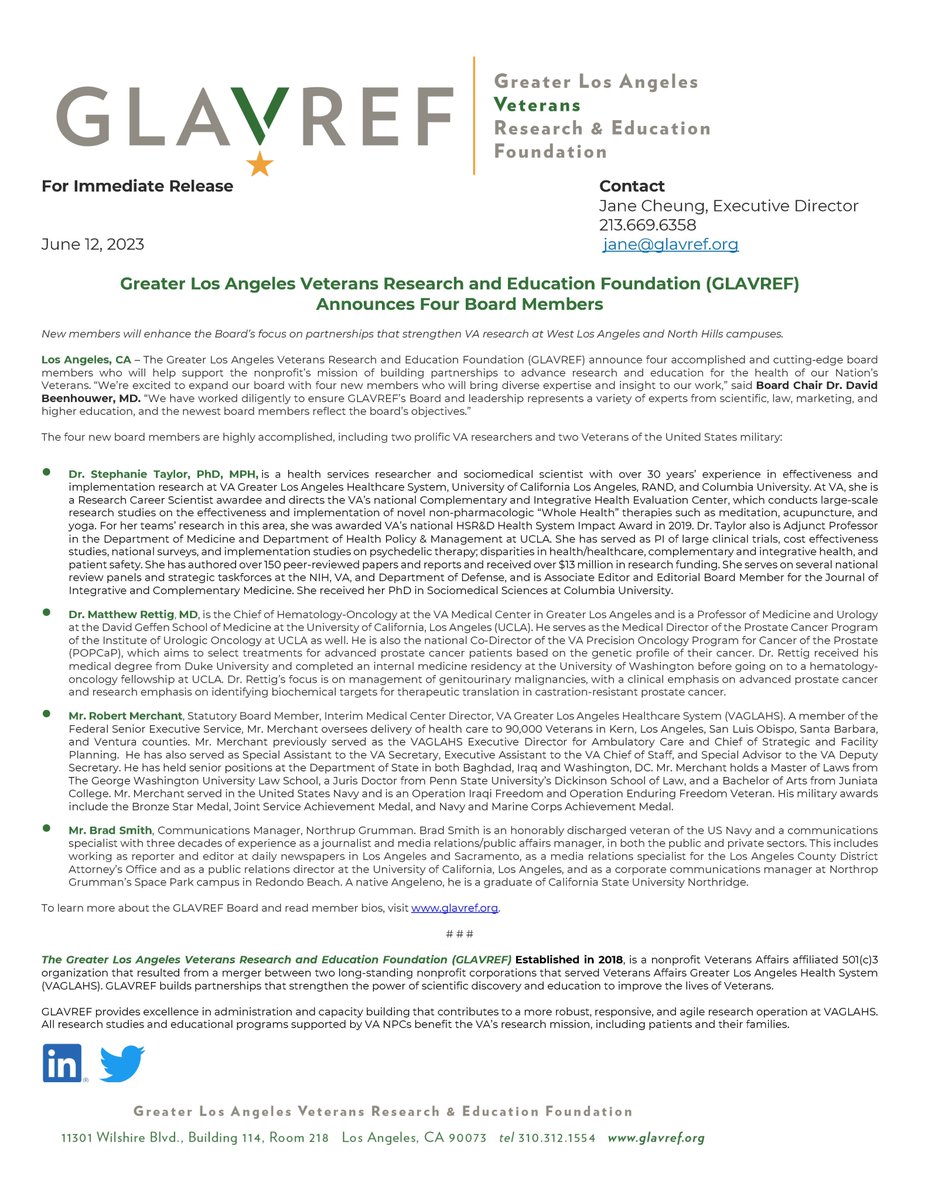
GLAVREF congratulates Dr. Nickols on this achievement!
#Veterans #VeteransHealth #VeteransResearch
uclahealth.org/news/VAresear…
2
13
GLAVREF wishes a joyful Passover to all who observe! May happiness never leaves your home this season, and may you enjoy a peaceful celebration! Shalom!
2
8
Happy National Doctor's Day!
GLAVREF expresses our sincere gratitude for your invaluable contributions to the field of medicine!
#Veterans #VeteransHealth #VeteransResearch
1
1
36
GLAVREF sends our warmest wishes to our veterans, their families, friends, and all who celebrate Kwanzaa. Take pride in each other and give thanks for this beautiful Kwanzaa.
#veterans #kwanzaa #veteranskwanzaa

2
25