
22 Sep 2025
Harvard's Youth Poll in March found that among Republicans 18-29 with an opinion of Kirk, ~75% viewed him favorably. A February survey of 18-34s by Axios & GenerationLab found 19% of Trump voters said they listened to Kirk’s podcast, second only to Rogan. decisiondeskhq.substack.com/…
2
2
26
9,510

4 Sep 2025
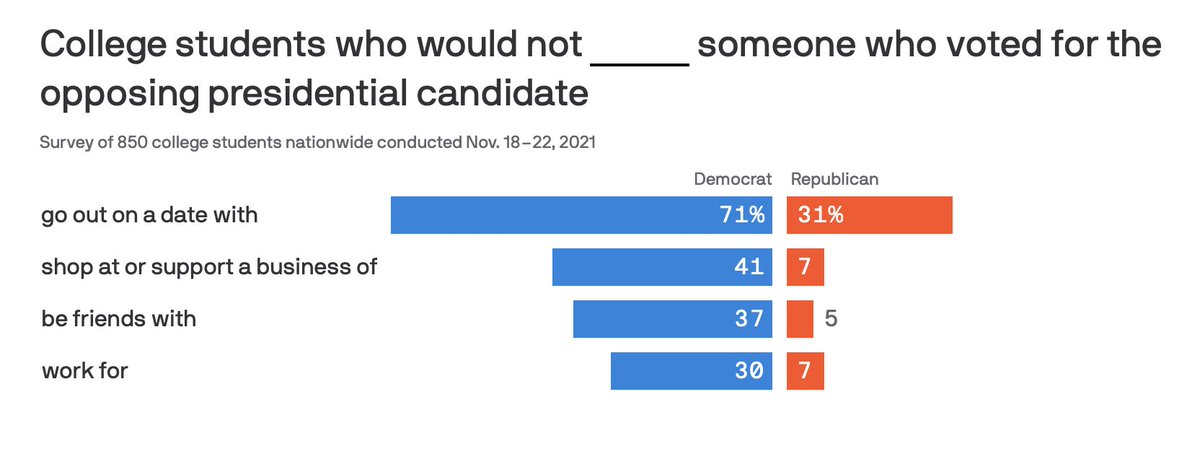
Here's an Axios/GenerationLab survey from 2021 that backs up the theory that liberals are much more likely to self-isolate than conservatives are. (This one is among college students.)
4 Sep 2025

A bunch of social science research, including our own survey, suggests that liberals are *WAY* more likely to cut off conservatives than the other way around — and that young voters (and young liberals, in particular) are especially likely to cut off friends and family in a way that older voters are not.
I’ve struggled with this for a while. At an individual level, I understand and cannot fault anyone for choosing to cut off people over politics. And this makes sense: if you view politics as a reflection of your values, then why would you choose to spend time with people that stand in opposition to that?
And yet what’s right for the individual isn’t always right for the group, and that’s the tension here. Liberalism relies on positive persuasion to make the world a better and more inclusive place. The onus is on us to convince people for that. And there’s a lot of social science research (which we go over in this piece, along with our survey) that suggests making cross-ideological friendships helps reduce ideological hostility.
How do we do that if we, as a group, don’t want to talk to people that disagree with us? And put aside the moralistic arguments for a second: Trump won the popular vote. Even pragmatically, we as liberals don’t even have the numbers to make isolation workable.
8
7
75
19,604

13 Oct 2024
Tips #3: Get tested for cancer proactively.
Search for "full body MRI scan near me."
If you're in Europe, consider full-body MRI scans from providers like Zoī (zoi.com/fr/) and @neko. In the USA, options include @GenerationLab, @ezrainc, and @prenuvo.
These tests are crucial. Often, by the time symptoms appear, it's too late. While these scans can be costly, they're becoming more affordable, ranging from $1-3k per consultation. It's worth considering.
Then make adjustments to your routine.
2
112


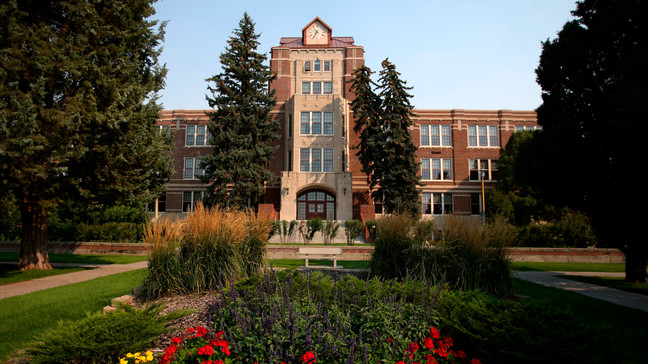
The tribalism of modern #American politics is increasingly sewing division on college campuses. A new @nbc/#GenerationLab poll, solely focused on sophomores, shows 46% of those students would not want to live with someone from the other political party. katv.com/news/nation-world/c…
2
1
3

19 Aug 2022
73% der College-Demokraten wollen, dass sich Präsident @JoeBiden 2024 nicht zur Wiederwahl stellt.
Quelle: @NBCNews/ @generationlab
#Blog1600Penn #uswahl2024 #Biden
1
1
2

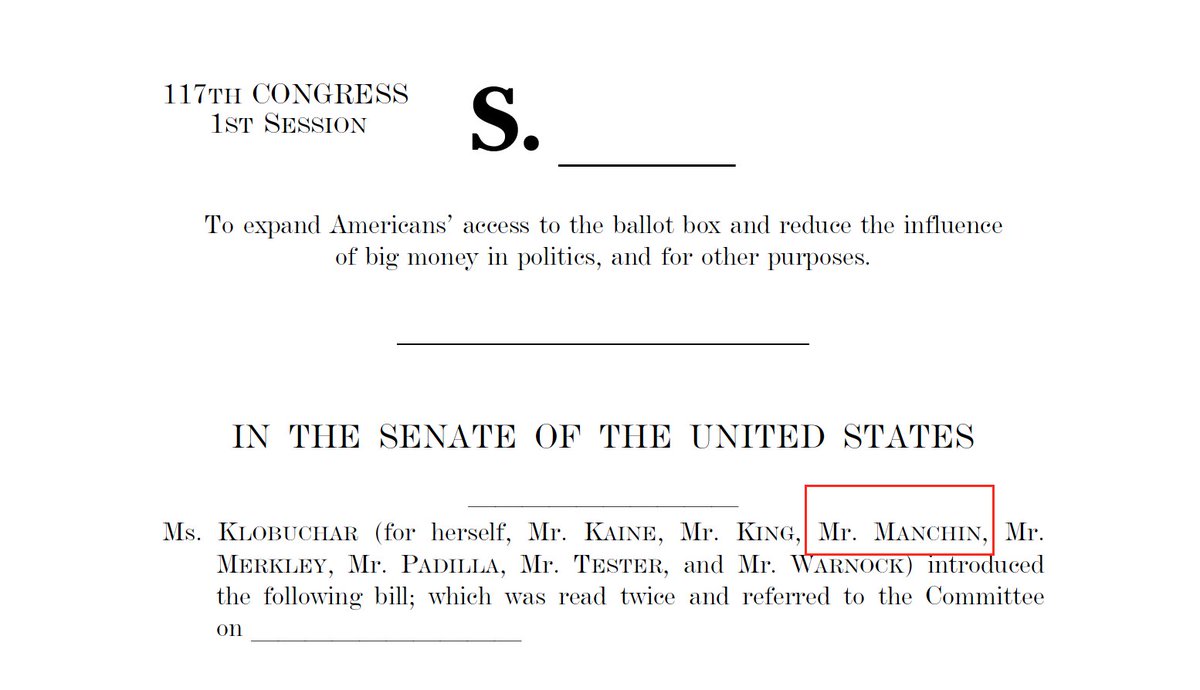
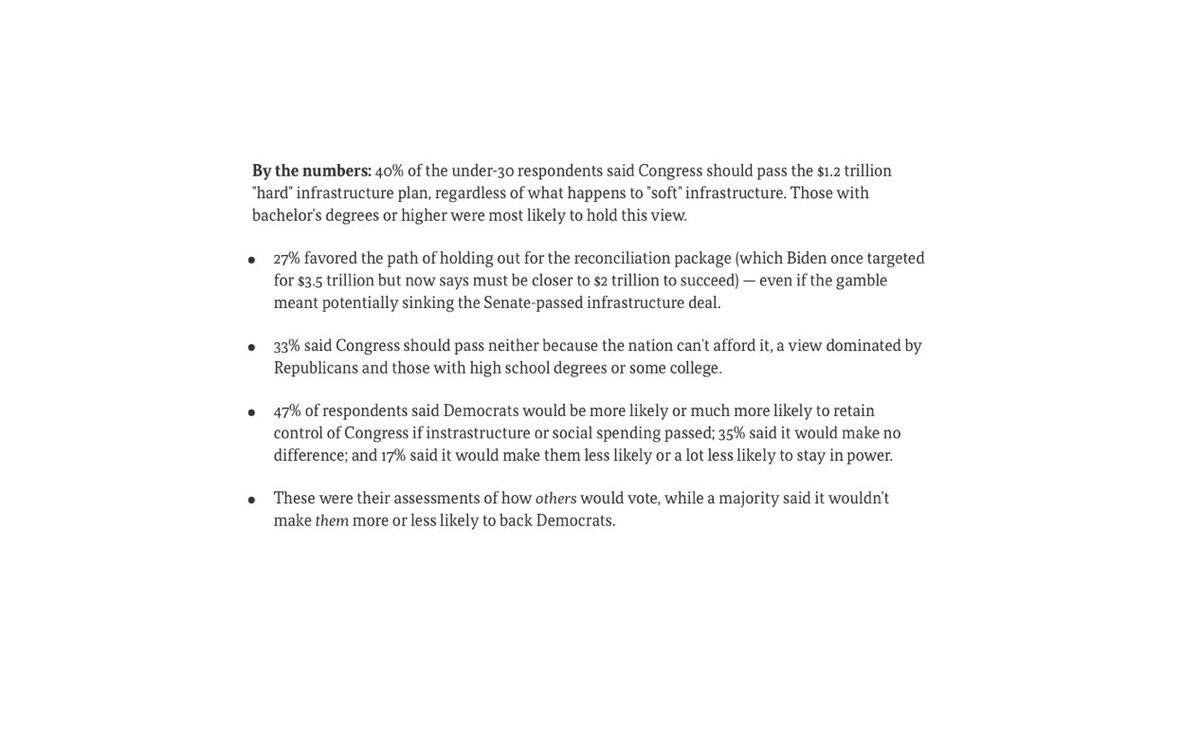
Only 27% 18-30yr olds support the"Hold the Line"strategy from new GenerationLab poll.They say passing either bill would help us keep control of Congress in '22.I think holding BIB back was a mistake. Should've passed BIB&spent this time negotiating BBB.
&Freedom to Vote Act⤵️
3
2

Survey from @Generationlab for @axios finds more than three times as many college students said Big Tech exerts too much influence as said it exhibits the right amount or not enough.
Too Much: 77%
About the Right Amount: 22%
Not Enough: 1%
cnsnews.com/index.php/blog/c…
3
3

21 Mar 2019
Se mangio il DNA di una banana, divento una banana? Un video col botto. youtu.be/m8a5RJZG8iI
#ogm #genetica #alimentazione #ingegneriagenetica #generationlab #video #divulgazione #highlight #dna #cibo
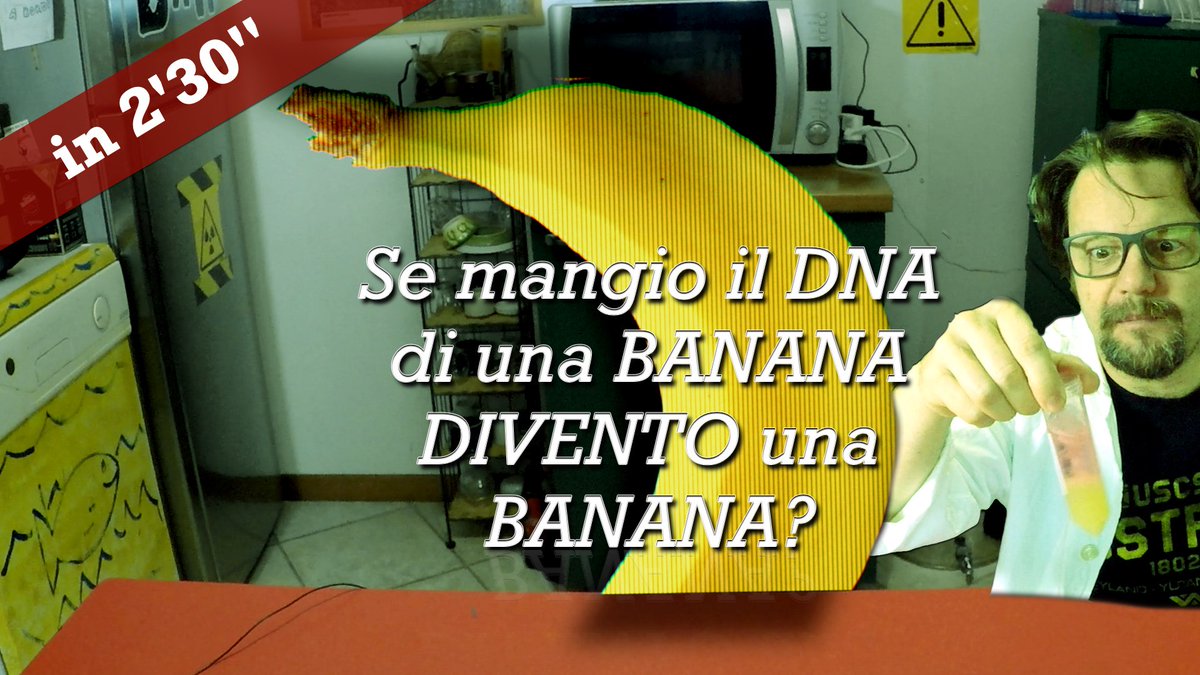
3

4 Jul 2018
Il Metodo.
.
@wellahair @wellaprofesional_italia @wellaeducation
.
#rossanoferretti #lorenzaferretti #hair #haircare #wella #wellahair #team #education #creative #generationlab #loveisinthehair
2
4 Jul 2018
il Metodo
.
@wellahair @wellaeducation @wellaprofesionals_italia
.
#rossanoferretti #lorenzaferretti #hair #haircare #education #team #generationlab #creative #loveisinthehair
2

7 Mar 2017
„Her World“
generationlab-Studie zeigt Post-68erinnen als politisch desillusionierte Frauengeneration
jugendkultur.at/institut/dep…
#Frauentag

8 Nov 2015
Here is some footage of Me on Stage talking to 400 Agents about Social Media!!! #generationlab #lca #westlakevilla… on.fb.me/1HnNlj9
1

6 Nov 2015
Great presentation today featuring the Lab Coat Agents. We even won this awesome t-shirt! #GenerationLab @KWWLV
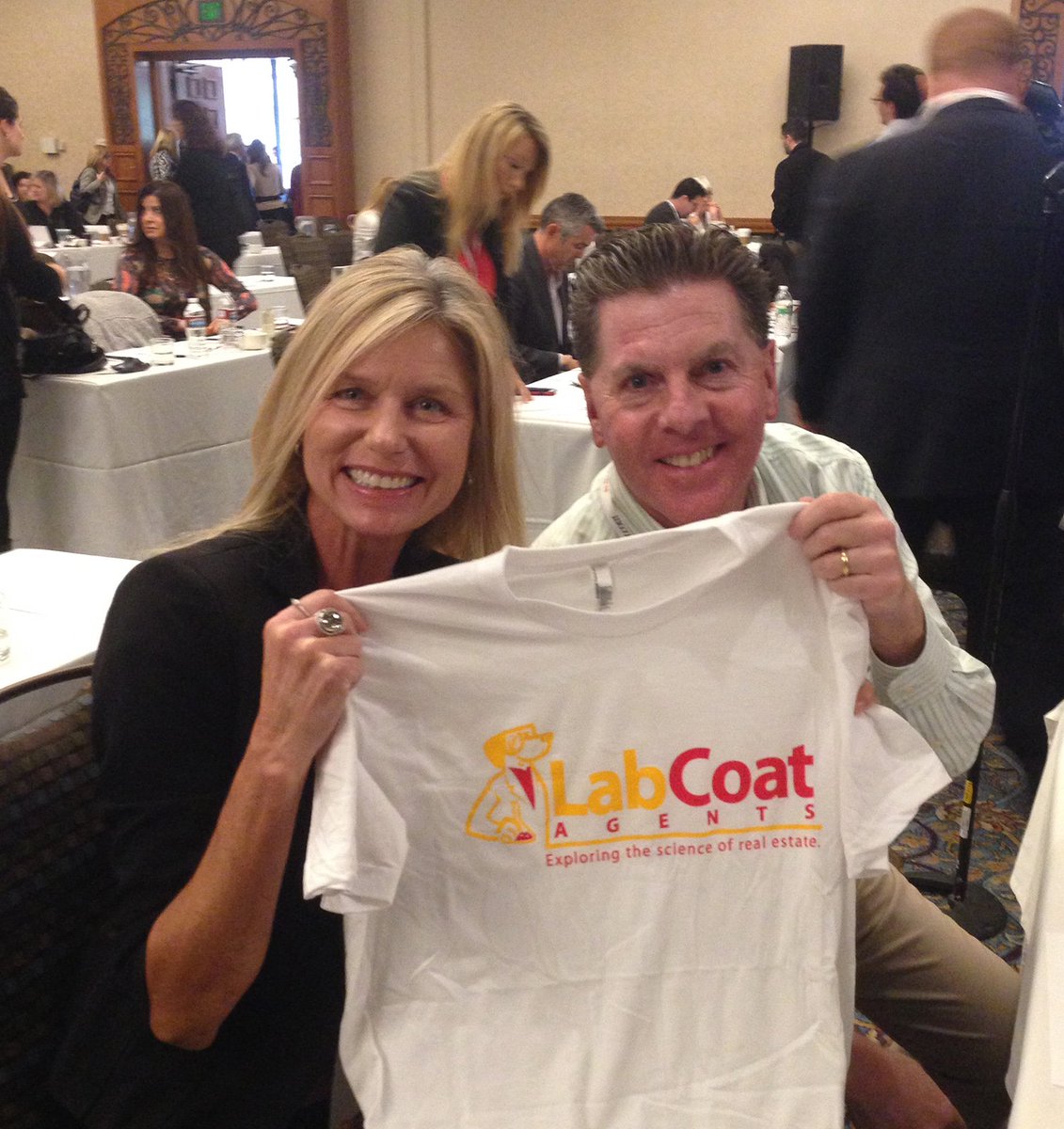
1
6 Nov 2015
Great day speaking to 400 Real Estate Agents!!! #generationlab #lca #westlakevillage #hyat… bit.ly/1Pr3s0u
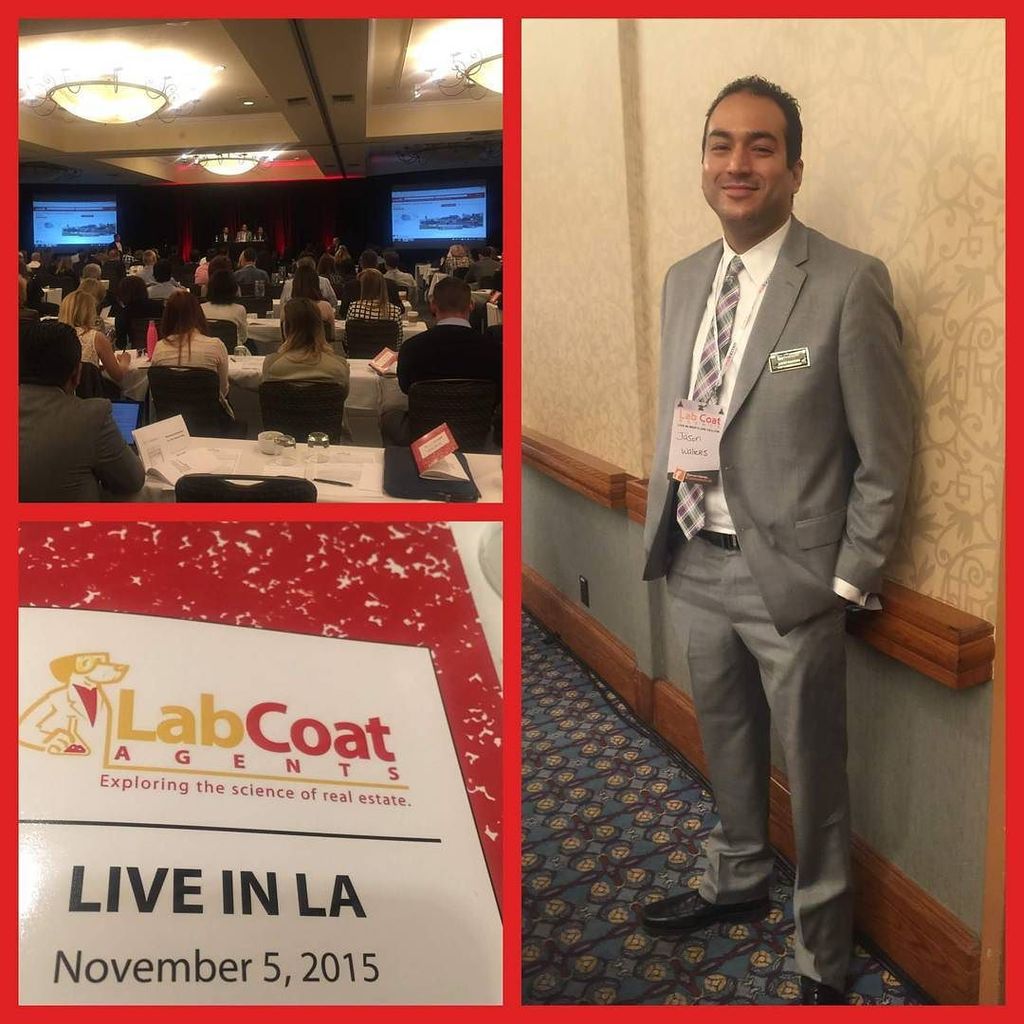
1
6 Nov 2015
GREAT TIME today at The Lab Coat Agents Event!!! What a fantastic group of Realtors! #generationlab #lca #westlakev…
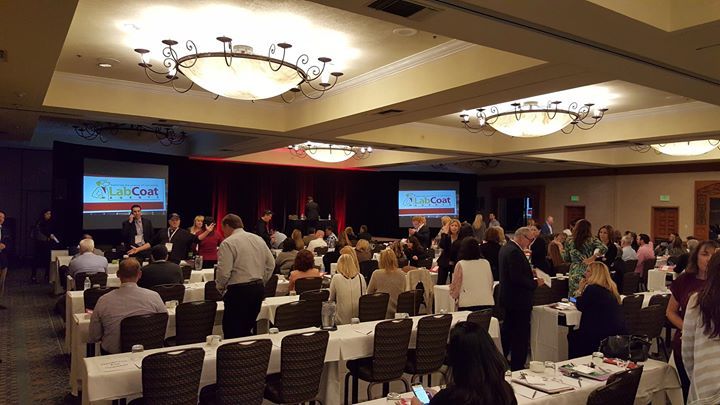
1
6 Nov 2015
GREAT TIME today at The Lab Coat Agents Event!!! What a fantastic group of Realtors! #generationlab #lca #westlakev…
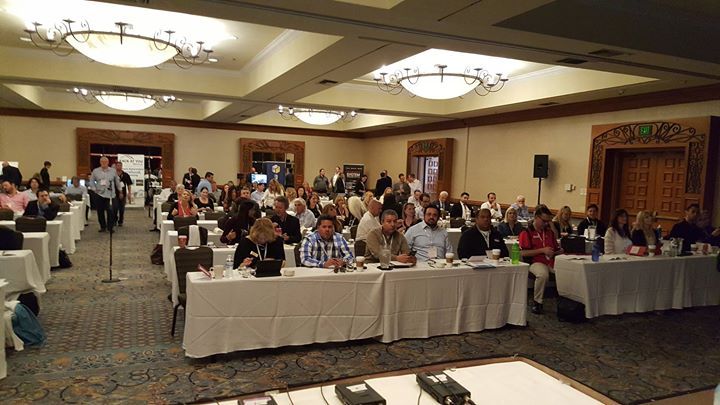
1
6 Nov 2015
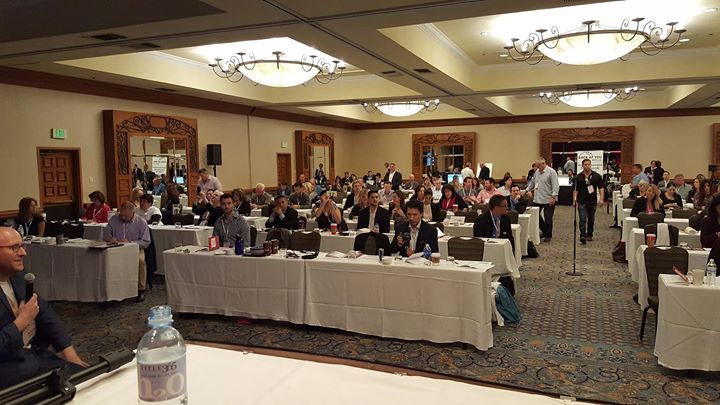
GREAT TIME today at The Lab Coat Agents Event!!! What a fantastic group of Realtors! #generationlab #lca #westlakev…
1
6 Nov 2015
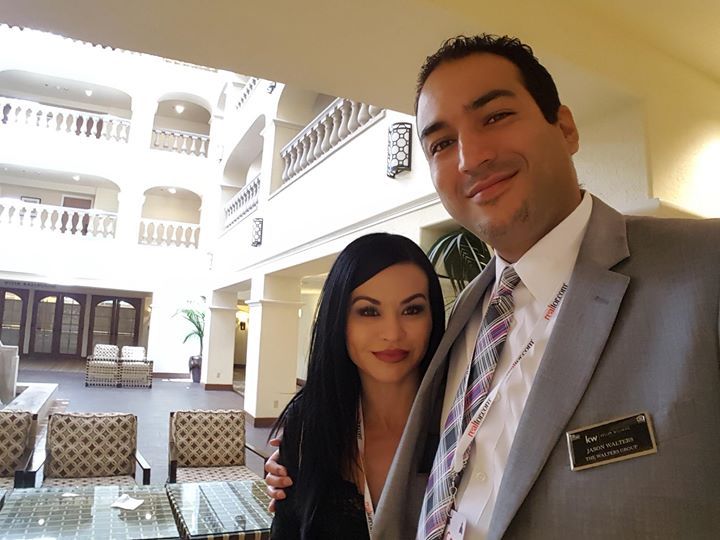
GREAT TIME today at The Lab Coat Agents Event!!! What a fantastic group of Realtors! #generationlab #lca #westlakev…
1
1
6 Nov 2015
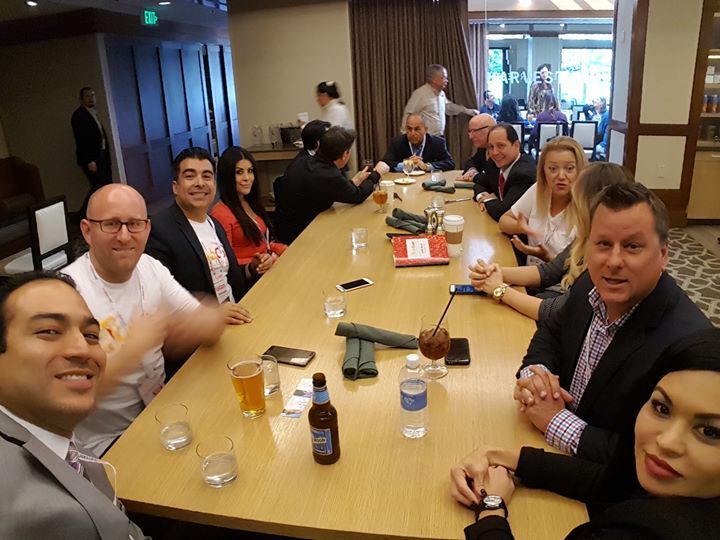
GREAT TIME today at The Lab Coat Agents Event!!! What a fantastic group of Realtors! #generationlab #lca #westlakev…
1