
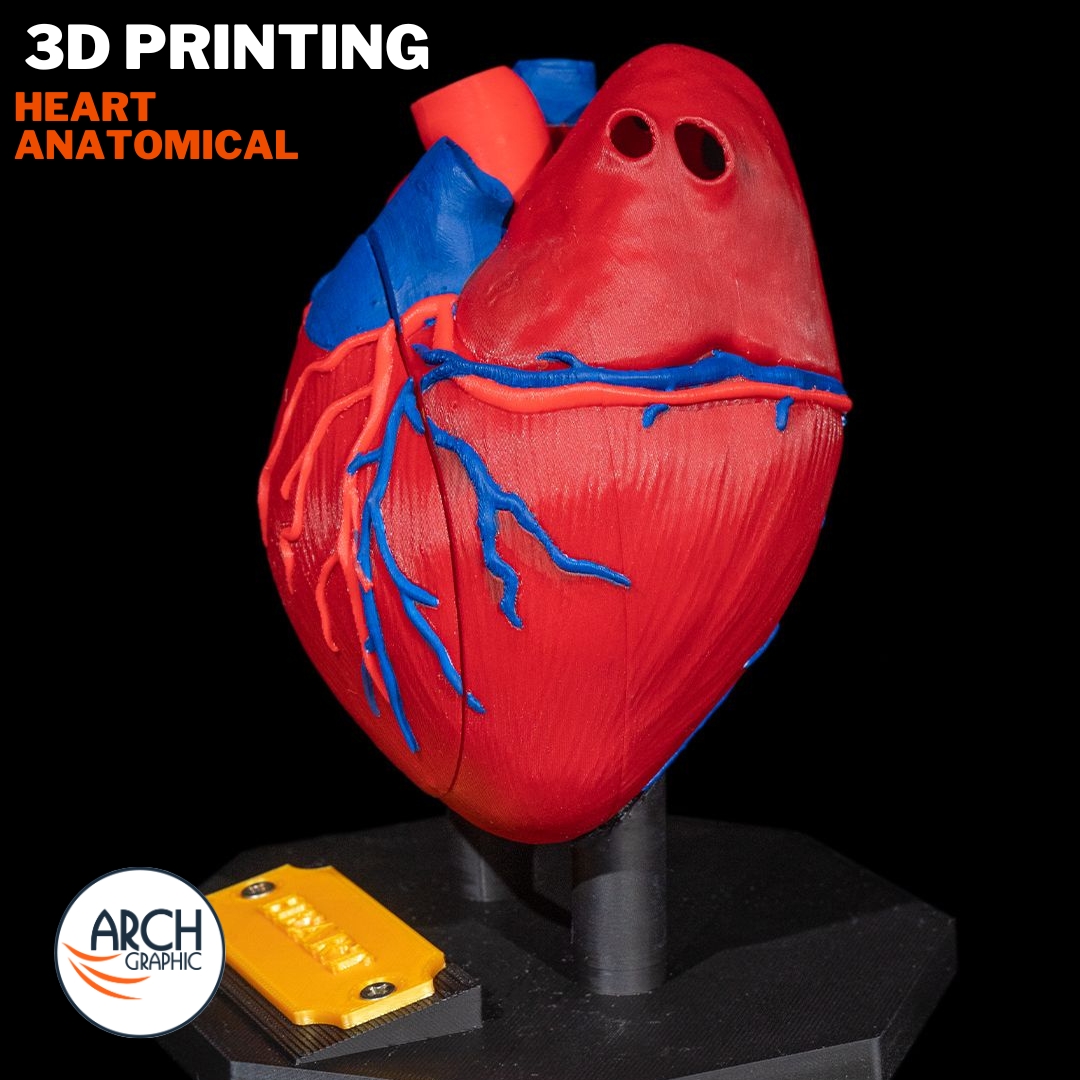
📝 Every chamber, every artery — printed in clinical precision. ❤️ At ARCH GRAPHIC 3D PRINTING, our heart anatomical model is built for cardiology training, research & surgical planning in the UAE. 🔬🇦🇪 #Medical3DPrinting #HeartModel #CardiologyTraining #3DPrintingUAE #Dubai
22

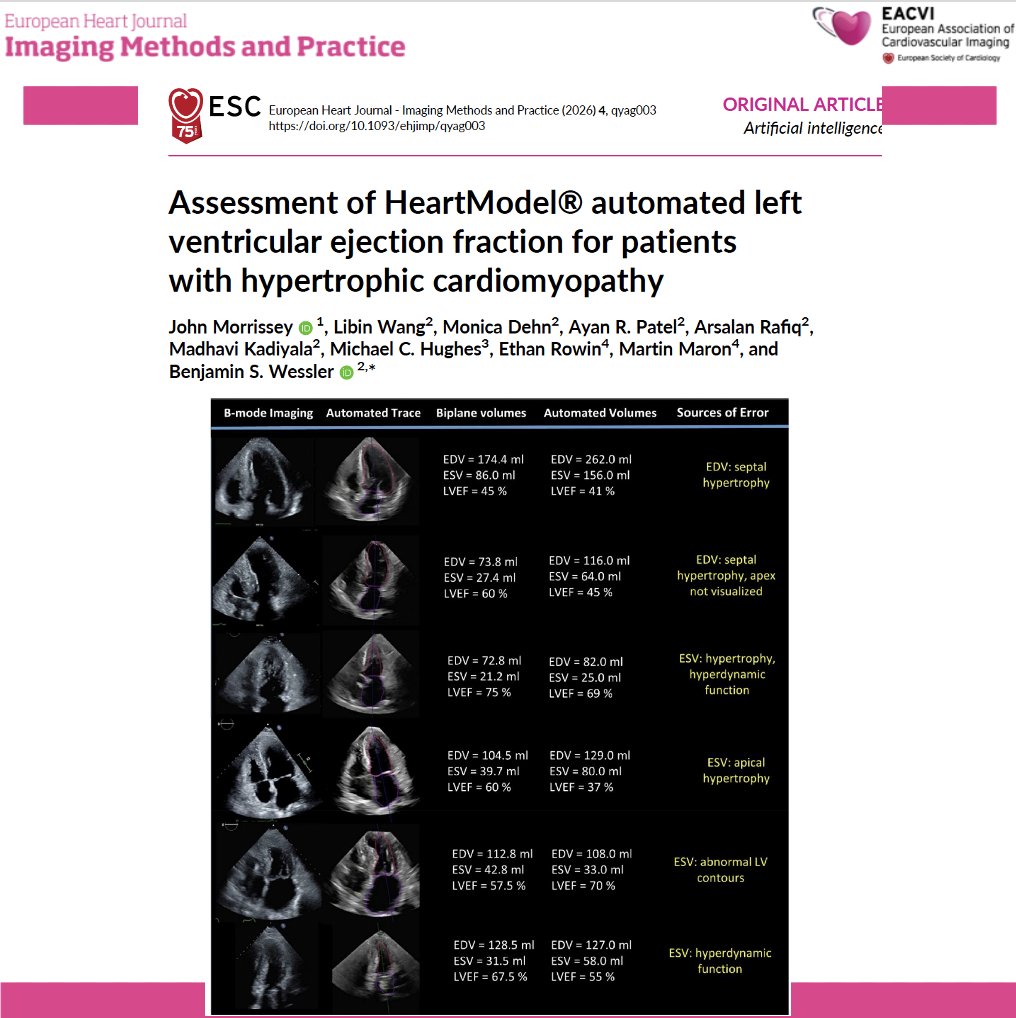
📄 Can we trust automated LVEF in hypertrophic cardiomyopathy?
🔗 DOI: doi.org/10.1093/ehjimp/qyag0…
🫀 AI-powered echocardiography promises faster, scalable assessment of LV function—but does it work in complex phenotypes like HCM?
This study raises important concerns.
✨ Study design:
🔹 50 patients with hypertrophic cardiomyopathy
🔹 Comparison between:
automated ML-based software (HeartModel®)
expert echocardiography
CMR (when available)
✨ Key findings:
🔻 Automated LVEF is systematically lower
➡️ −8% vs expert echo
➡️ −12% vs CMR
🔺 LV volumes are overestimated
➡️ EDV 20%
➡️ ESV 43%
🔹 Only modest agreement with standard methods (low R²)
⚠️ Clinical impact:
👉 22% classified as LVEF <50% by AI
vs 12% by expert readers
🚨 This translated into:
➡️ wrong treatment decisions in 18% of patients
(when applied to myosin inhibitor management)
🧠 Why does AI struggle here?
👉 HCM-specific challenges:
abnormal LV geometry
hypertrophy
hyperdynamic function
👉 Likely underrepresented in training datasets
💡 Clinical take-home message:
👉 AI tools are not yet ready for unsupervised use in HCM
⚠️ Especially when decisions depend on thresholds (e.g. LVEF 50%)
👉 Expert oversight remains essential
🤖 Bigger picture:
👉 AI performance is context-dependent
👉 Validation must be disease-specific—not generic
🚨 Bottom line:
In HCM, automated LVEF may mislead—and clinical decisions still require expert interpretation.
#Cardiology #HCM #Echocardiography #AIinMedicine #MachineLearning #CardiacImaging #PrecisionMedicine #HeartFailure #DigitalHealth 🫀📊
1
10
27
2,439

3 Aug 2025
Chapter 11: Artificial Intelligence in Cardiovascular Medicine
1.Scope & Potential
AI and ML are being applied across cardiology—heart failure, electrophysiology, valvular disease, coronary artery disease—to automate complex data analysis and improve diagnostic, predictive, and workflow efficiency.
2.Automation & Deep Phenotyping
AI excels at analyzing massive datasets like continuous ECG or imaging to unearth subtle signals—e.g., identifying left ventricular dysfunction from 12‑lead ECG, real-time arrhythmia detection, and deep phenotyping of preclinical disease.
3.Clinical Applications
•Heart failure: automated echocardiographic segmentation tools (e.g. HeartModel A.I.) track ventricular volumes and function with high reproducibility.
•ECG & outcomes: Deep learning models can detect myocardial infarction, predict adverse events post‑acute coronary syndrome, and stratify risk.
4.Challenges & Validation Needs
Barriers include lack of large multicenter validation, algorithmic bias, data privacy concerns, regulatory oversight and integration into clinical workflows.
5.Future Directions
Integration of multimodal data (imaging, EHR, wearables), adaptive learning models, prospective trials, and closer collaboration between clinicians, data scientists, and regulators.
1.应用领域与潜力
AI/机器学习在心衰、电生理、瓣膜病和冠状动脉疾病中广泛应用,可自动分析复杂数据,提升诊断准确性、预后预测能力与工作流程效率。
2.自动化与深度表型识别
AI 能分析海量连续 ECG 或影像数据,识别诸如从标准 12 导联 ECG 推断左室功能、实时心律失常检测、以及临床前疾病的深度表型。
3.临床应用实例
•心衰: HeartModel A.I. 等工具可自动进行 3D 超声心室体积与功能分析,结果高度可靠。
•心电图与预后:深度学习模型可用于自动识别心肌梗死、预测 ACS 后不良事件、进行风险分层。
4.面临挑战与验证需求
包括缺乏大规模、多中心前瞻性验证;算法偏见与公平性问题;数据隐私与监管;如何融入临床流程尚待解决。
5.未来发展趋势
跨模态数据整合(影像、电子病历、穿戴设备)、自适应学习模型、前瞻试验,以及临床专家与数据科学家、监管机构的密切合作。
—《Braunwald’s Heart Disease: A Textbook of Cardiovascular Medicine》

2
44
179

Explore the heart inside and out — from coronary vessels to atria, valves, and ventricles.
Animation based on SciePro’s 3D heart model.
Licensing: sciepro.com/licensing
#heartanatomy #cardiology #heartmodel
2
8
38
3,012

28 Feb 2025
Year 6 have been busy building a working model of the heart using bottles! ♡💙 By squeezing the 'chambers,' we can see how blood flows through the heart and around the body. A hands-on way to understand the circulatory system in action! #Science #STEM #HeartModel @satrust_
2
3
311

11 Feb 2025
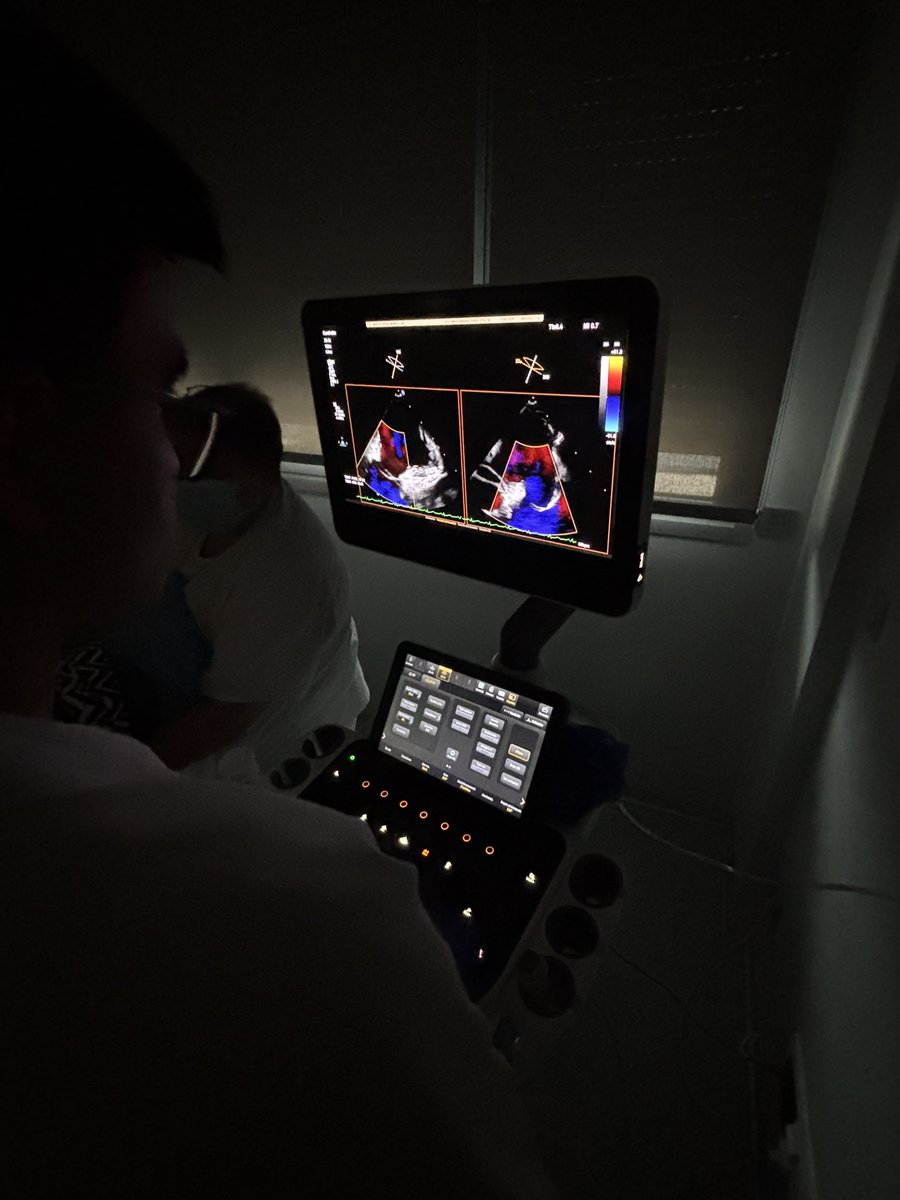
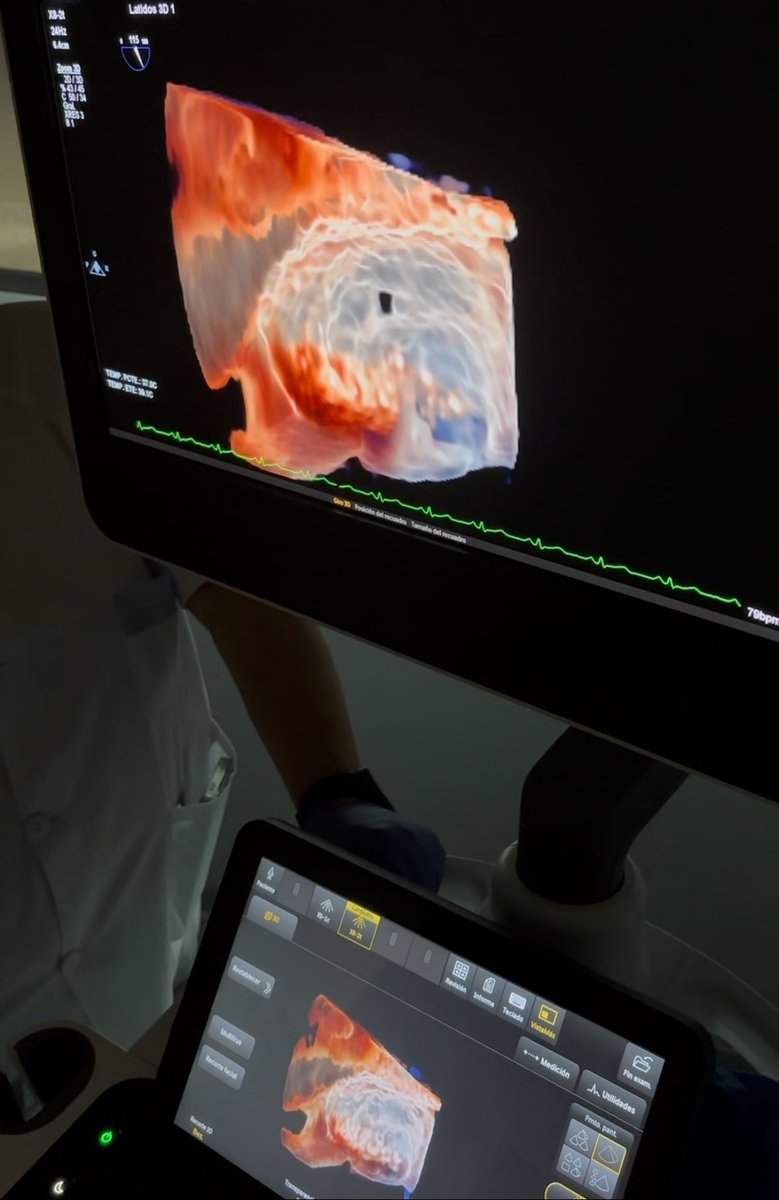
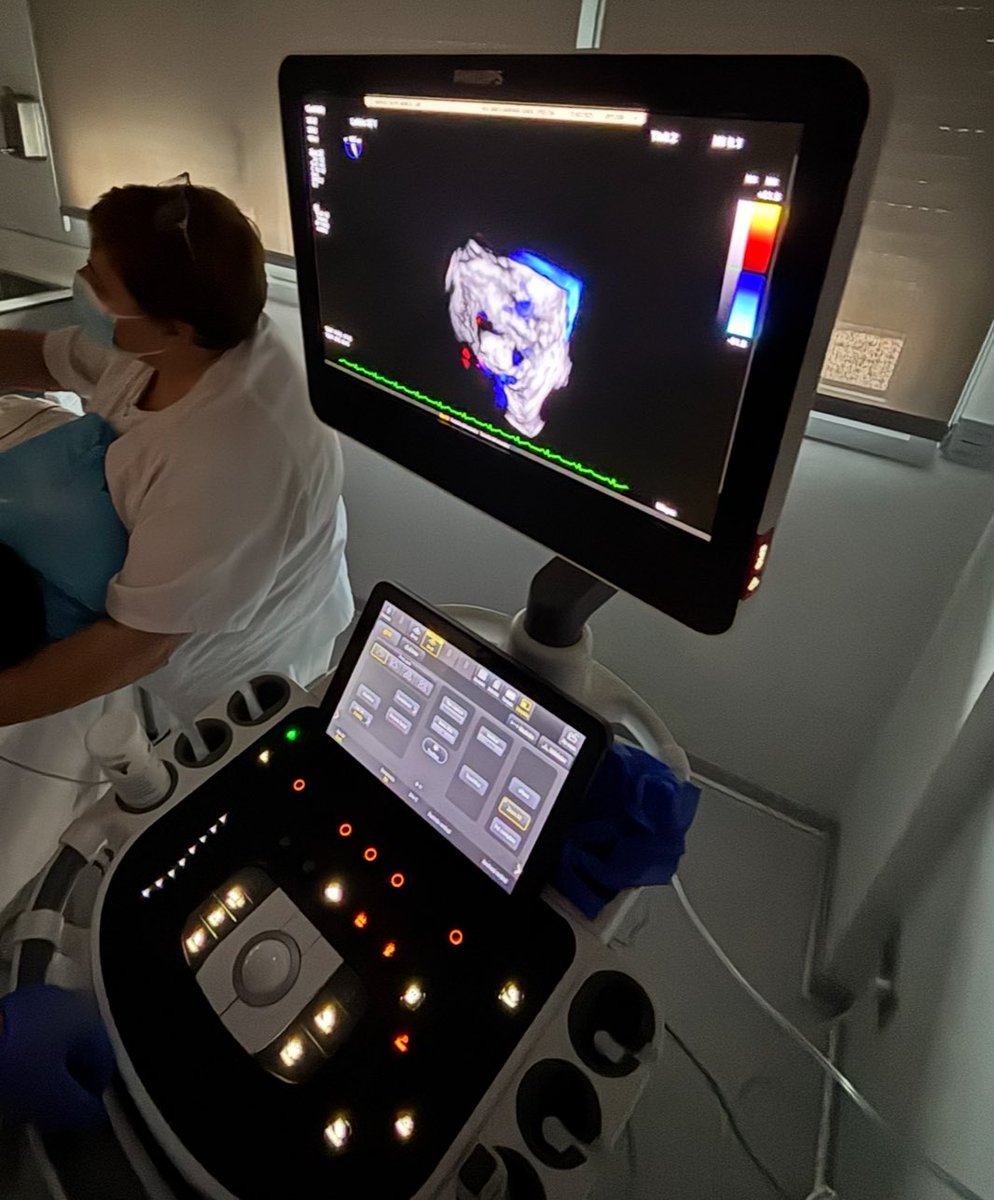
🚨Estrenando nuestro nuevo equipo de ecocardio Phillips Epic Cvx en #Soria
Ahora nuestra unidad de imagen cuenta con:
✅Eco transesofagico 3D con TrueVue Glass
✅AutoStrain de las 4 cámaras
✅ FEVI HeartModel 3D
✅ Fraccion de eyección 3D del VD
Seguimos creciendo 😊💪🏼
5
383

25 Oct 2024
SW Level-Up Training workshops this week have been a game-changer to help drive our ELB priority metrics: conversion, HSI, and customer experience by equipping and preparing our Metro AR partners for Q4 success! #WinTogether #HEARTModel #MetroFlex #RDMLife #NadaYadaYada

1
6
205

24 Sep 2024
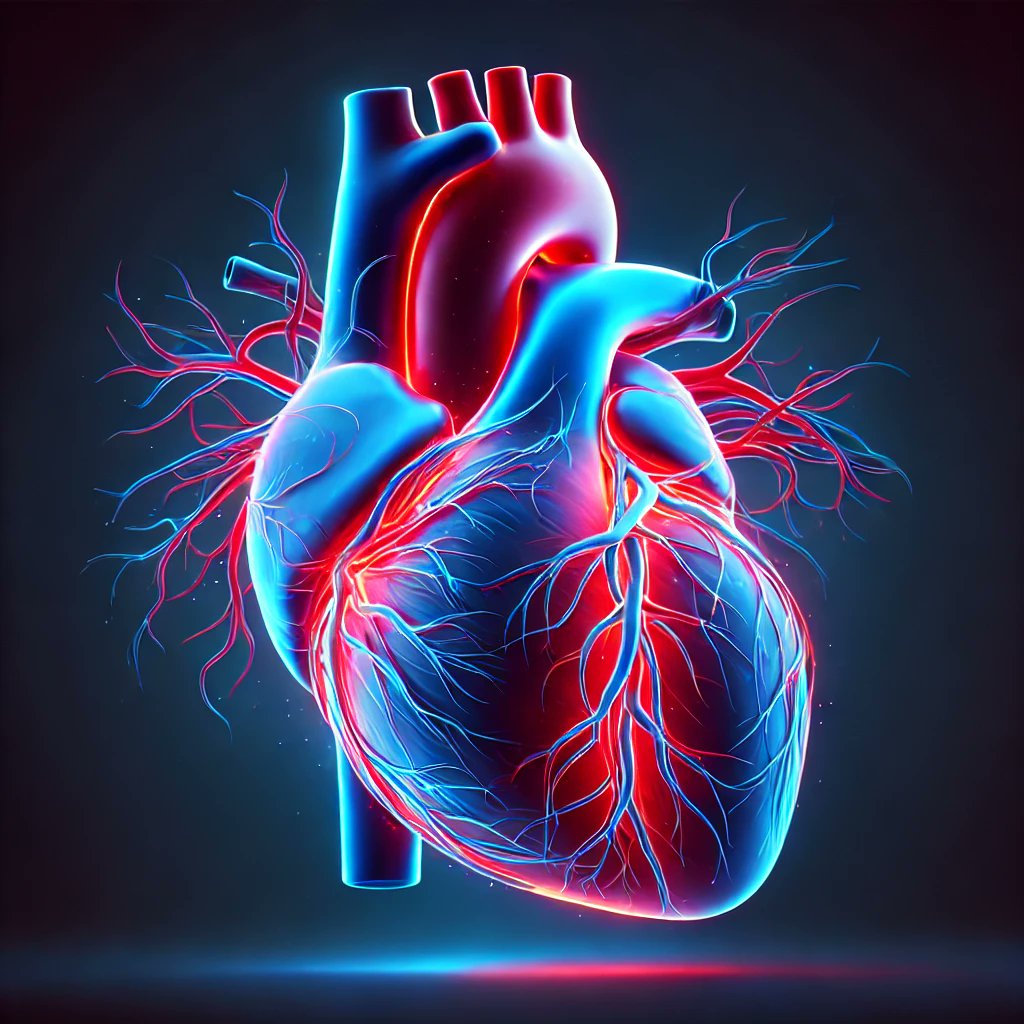
HeartModel.com is currently available at wholesale pricing at @GoDaddy for a limited time.
#HeartModel #CardiacImaging #Cardiology #MedicalSchool #DomainNames #MedicalBranding
1
1
44

7 Aug 2024
7 Aug 2024

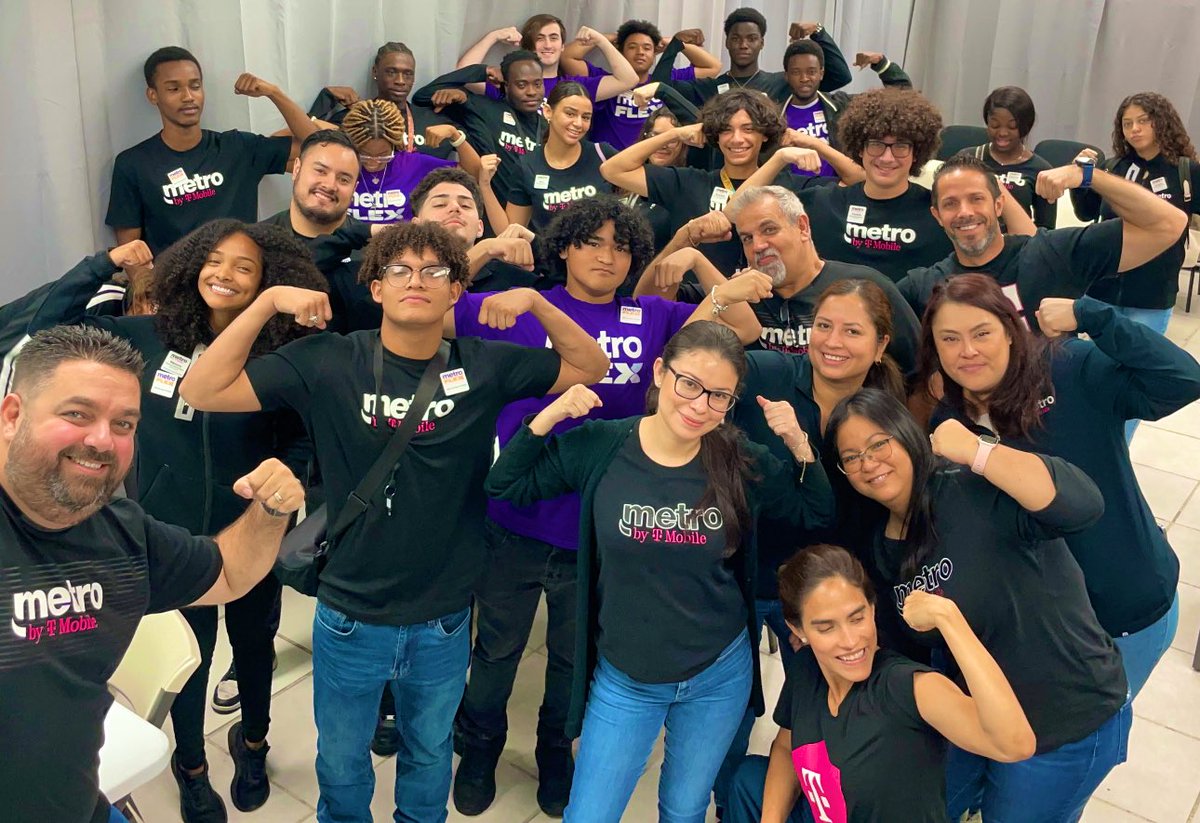
Another successful HEART training!! Thank you!! Team work 💜💜💜💜@WeWontStopJoe @MetroEdgar @jpena984 @LunguDesiree
6
433

29 Jul 2024
FMC, 55 years old, with DLP and obesity, had chemotherapy for invasive ductal carcinoma and presented with progressive dyspnea post-treatment. Investigations revealed cardiotoxicity. 3D HeartModel showed excellent correlation with cardiac magnetic resonance imaging. #CardioOnco
1
8
35
2,482

17 Jan 2024
前に工作人さんに作ってもらったこれ
寝起きのわたしの心臓🫀の音に
3Dモデル合成のやつが好きすぎて
今でもたまに見てます🥴
たまに出る変なリズムが可視化されてるの好き🥰
#心臓 #心臓の音 #heartmodel #heartbeat

3
9
65
20,635
Explore the left atrium, ventricle, and mitral valve with SciePro's heart models. A deep dive into the essentials of cardiac anatomy. Learn more at sciepro.com
#HeartModel #SciePro #heart #cardiology #anatomy #medical #med #meded #medicalstudent #cg #vray #3d #autodesk #3danimation #cg #science #sciart
1
34
151
25,967
Unlock the secrets of the heart's tricuspid valve with SciePro's 3D model! Dive into cardiology education with top-notch visual resources
#TricuspidValve #HeartModel #MedicalEd #meded #3d #autodesk #zbrush #vray #sciart #science #anatomy #cardiology
2
19
82
6,588
Delve into the human heart like never before with our incredibly detailed animated 3D model. A must-have for #MedicalAnimators, #Illustrators, and #AppDevelopers. Explore our licensing and pricing on our website sciepro.com/3d-models
#HeartModel #MedTech #3DModeling #science #medicalstudent #medical #cardiology #cg #3danimation #vray #zbrush
17
72
6,545
Discover the interplay of the #Heart and its surrounding thoracic anatomy with our stunningly accurate 3D model. Perfect for #MedicalAnimators, #Illustrators, and #AppDevelopers. Check our website for licensing and pricing sciepro.com/3d-models
#HeartModel #ThoraxAnatomy #MedTech #3DModeling #cardiology #meded #3danimation #cg #zbrush #3dsmax #vray #anatomy #medical
1
18
65
7,212
See the heart like never before with our detailed 3D animated transverse cross-section. Ideal for #MedicalAnimators, #Illustrators, and #AppDevelopers. Discover our licensing and pricing on our website sciepro.com/3d-models
#MedTech #3DModeling #HeartModel
#medical #anatomy #science #meded #biology #3d #3dmodel #cg #sciart #3danimation #vray #3dsmax
27
102
8,522

23 Mar 2023
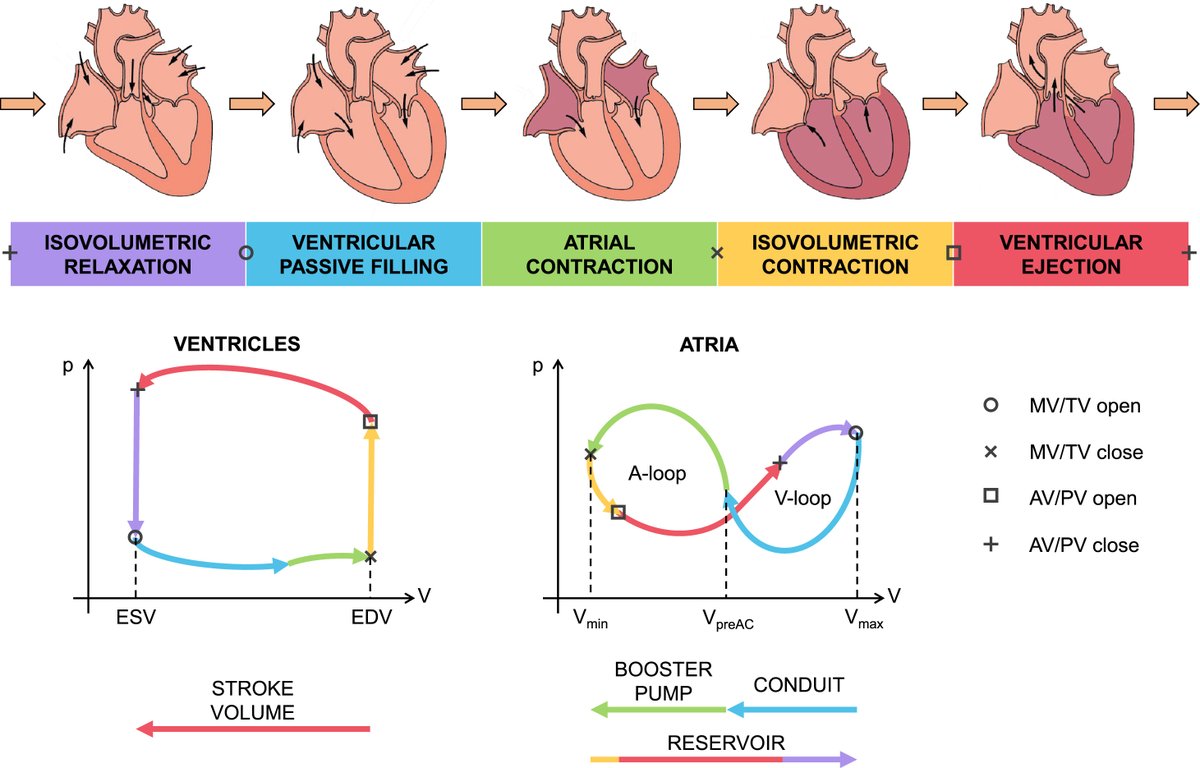
🔄Check out our new computational model of the whole human heart just published in #CMAME!
🖼️ What do you think of this new way of representing the pressure-volume loops and the cardiac cycle phases? 🔍
Explore potential clinical applications! 🏥👩⚕️👨⚕️ #CardioTwitter #HeartModel
23 Mar 2023

Hot off the press: the iHEART whole heart electromechanical model is finally out on #CMAME!
🫀whole heart modeling
8️⃣ atrial contraction with eight-shaped pV loops
➗accurate mathematical models
🖥️ stable numerical methods
...and much more on :
📚doi.org/10.1016/j.cma.2023.1…
6
13
953

11 Mar 2023
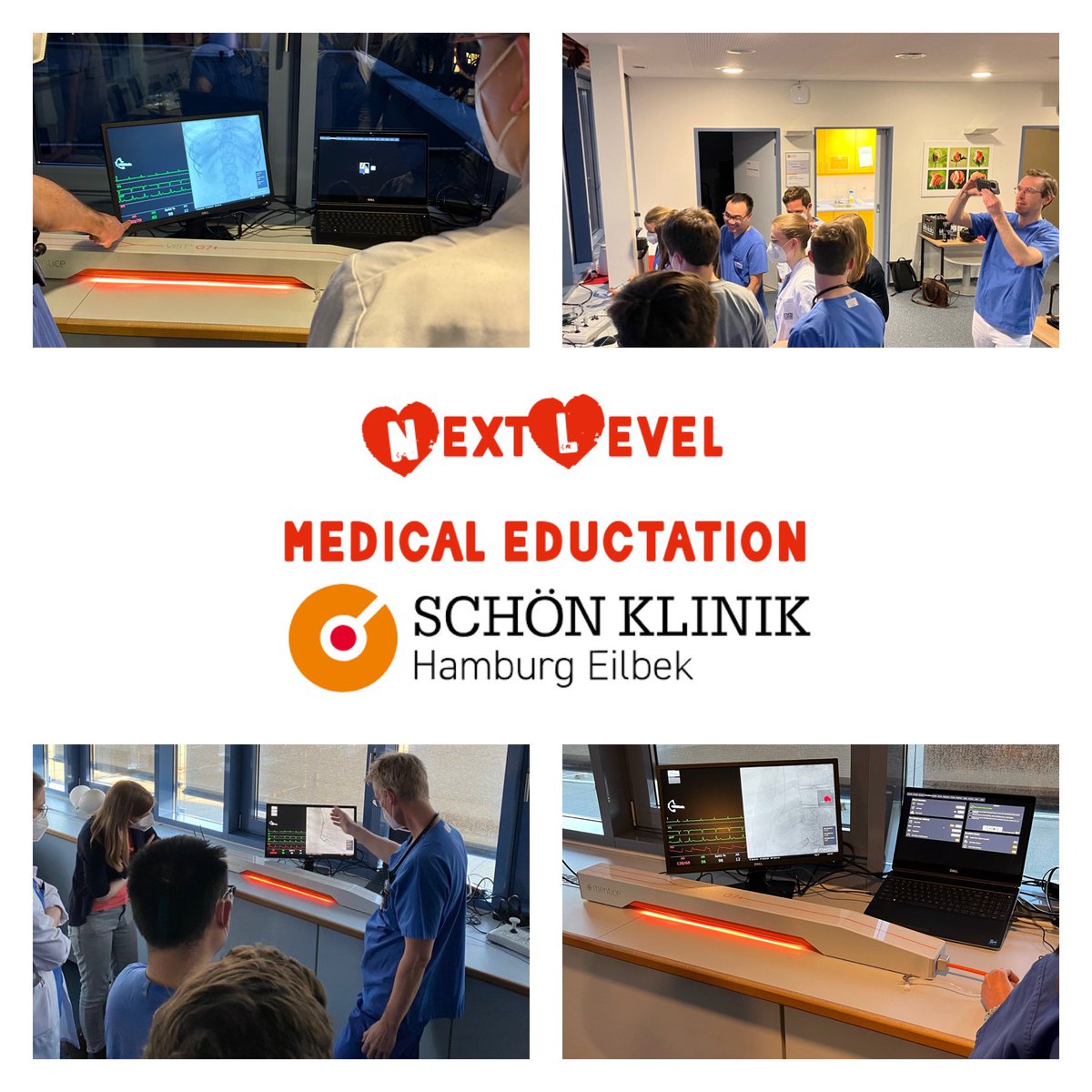
Ready for #NextLevel #MEDUCATION?
SimulatorTeachingCourse
@SchoenKlinik Hamburg Eilbek
Great event with the @Mentice G7 and @teleflex heartmodel
#TeachingForFellows #NeverStopLearning #MissionLifeLongLearning
6
31
2,231

10 Sep 2022
However it’s not only EF: volumes in 3D are closer to MRI and with automatic measurements we‘re also improving reproducibility. In an ideal patient, I use the HeartModel to confirm my 2D values.
2

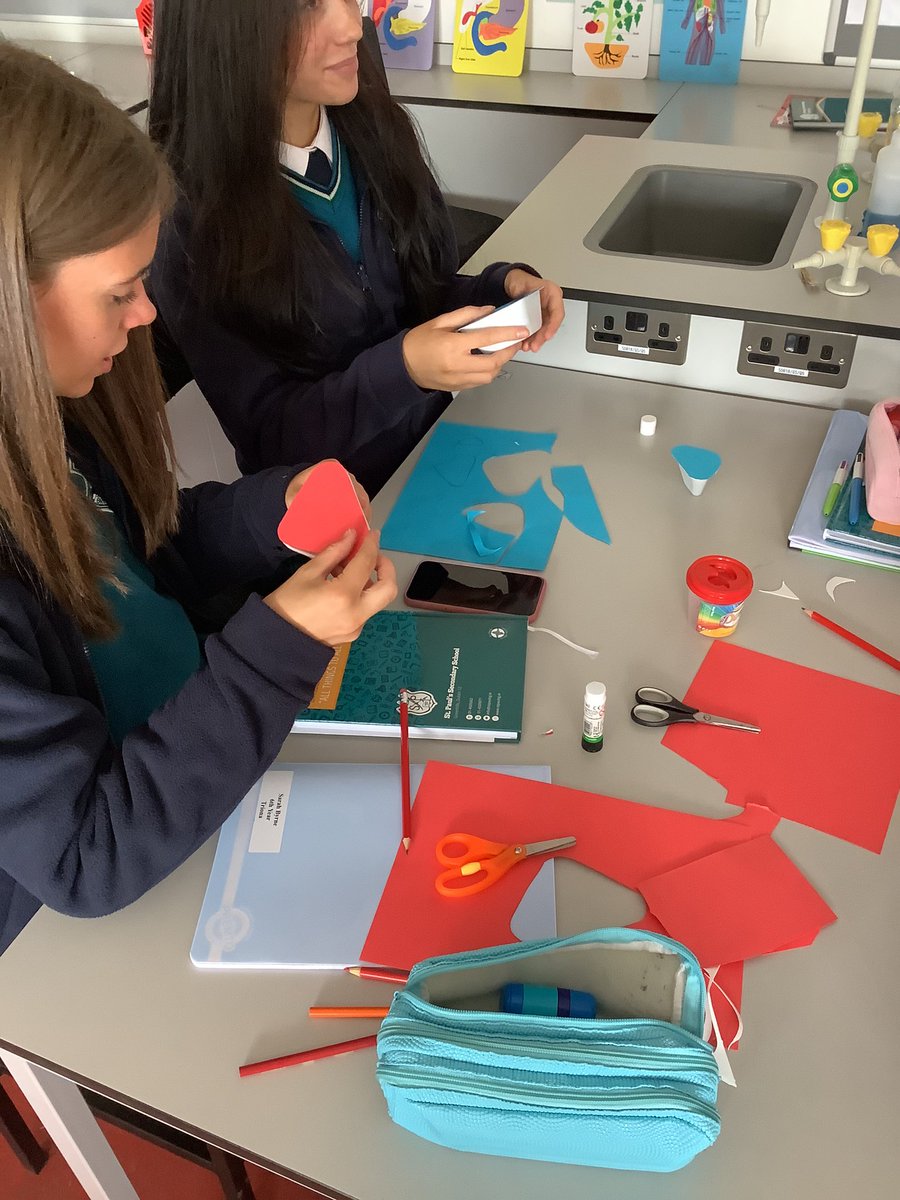
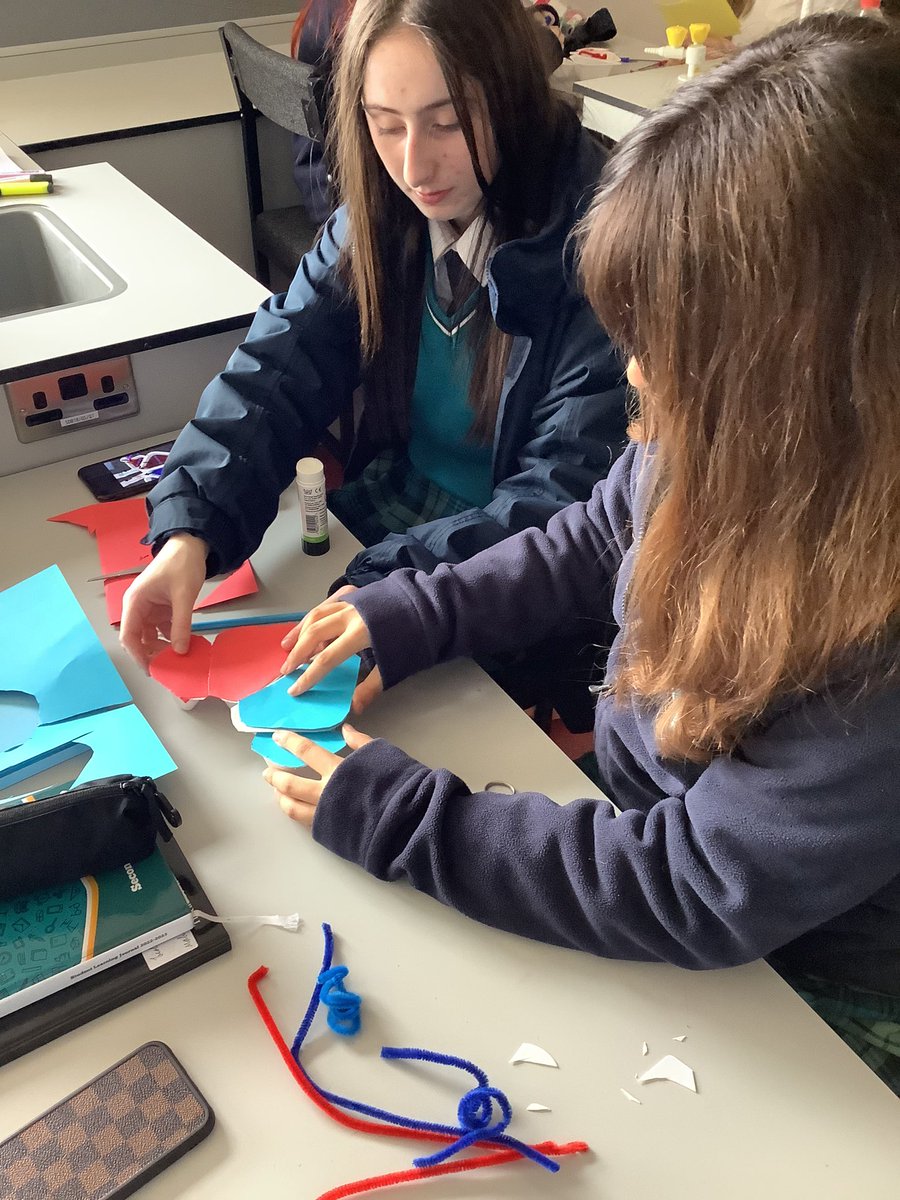
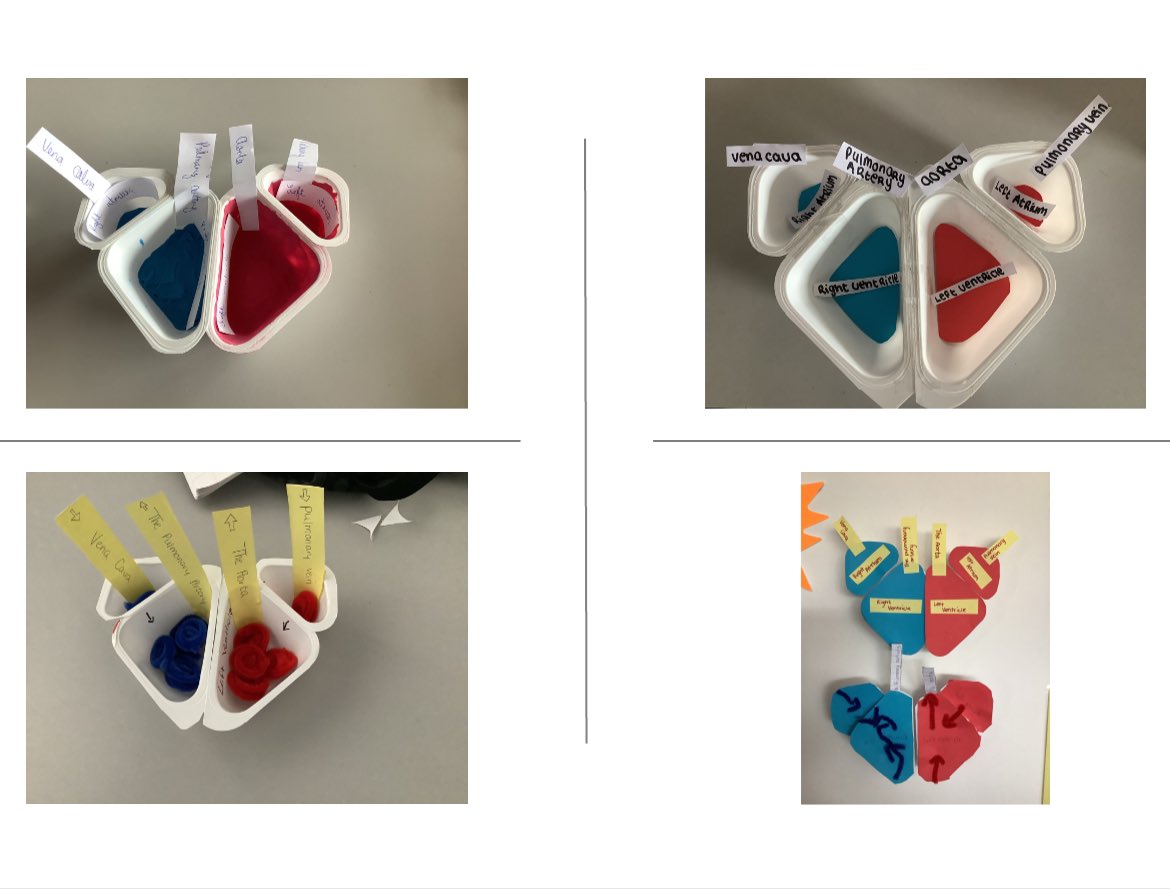
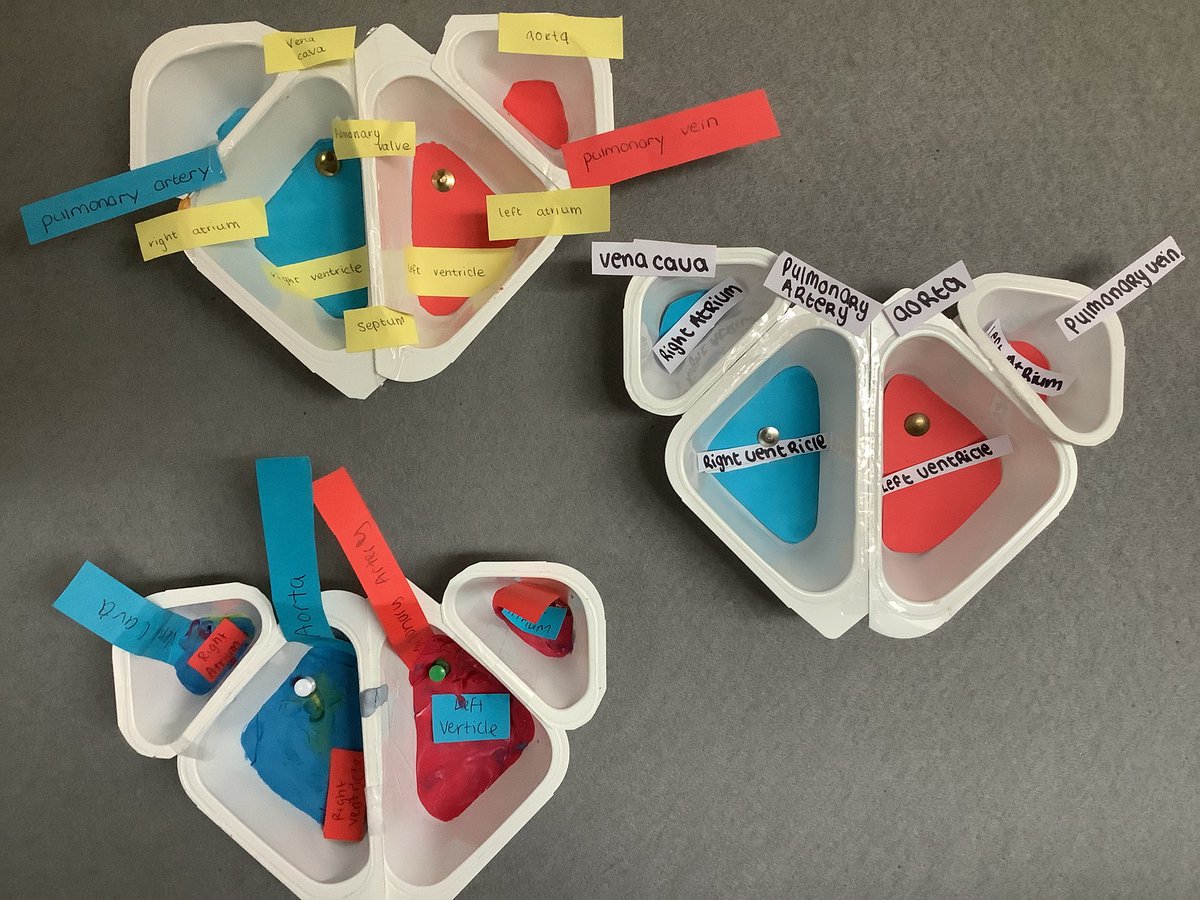
Yoghurt pots - a simple way to make models of the heart . Thanks to Ms. Byrne @stpaulsg for sharing the idea she found with us ❤️💕❤️#activelearning #circulation #heartmodel #groupwork
5
23