
May 5
Top news in AI, Tech, Startups, and Drones for India on May 5, 2026.
India AI & Space-Tech Highlight of the Day
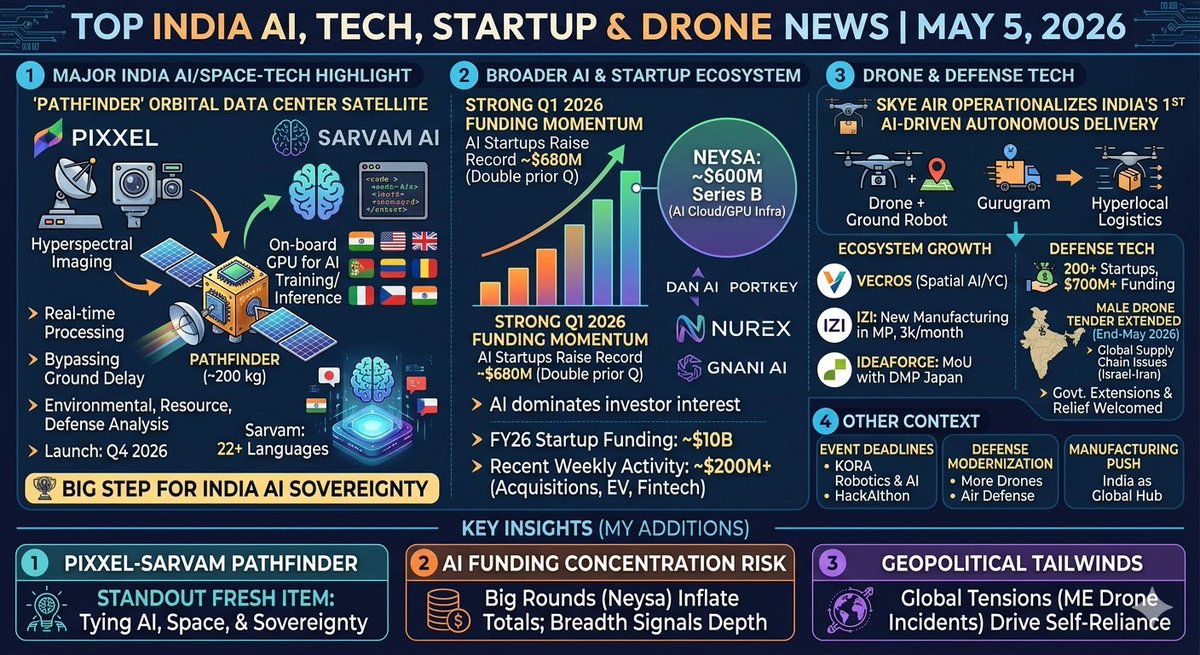
Indian pioneers Pixxel and Sarvam AI announced "Pathfinder," India's first orbital data center satellite. This groundbreaking project is a critical leap forward for India's technological sovereignty.
Pathfinder: AI in Orbit
The Satellite: A demonstrator satellite weighing approximately 200 kg, designed and built by Pixxel in their Gigapixxel facility. It is scheduled for launch as early as Q4 2026.
The Technology: It integrates advanced hyperspectral imaging cameras from Pixxel with a cluster of data center-class GPUs (Graphics Processing Units) on board.
The Advantage: "Edge Computing" in Space.
On-board AI Processing: It allows for real-time AI training and inference on the satellite itself, bypassing the significant delays associated with downloading massive amounts of data to the ground for processing.
Immediate Insight: Critical analysis and detection of events can be transmitted faster, a key advantage for time-sensitive applications.
Applications:
Environmental Monitoring: Faster detection of deforestation, illegal mining, oil spills, etc.
Resource Management: Rapid analysis of soil health, crop conditions, and water resources.
Defense & Security: Real-time hyperspectral analysis for surveillance and anomaly detection.
The Partnership: Pixxel handles the satellite design, manufacturing, and mission operations. Sarvam AI, building foundational AI models in India, provides the on-board AI backbone, optimizing their models for deployment on this unique orbital hardware.
Broader AI & Startup Ecosystem
Strong Q1 2026 AI Funding: Indian AI startups experienced a record quarter in Q1 2026, raising an impressive ~$680 million (more than double the previous quarter's total).
Infrastructure Lead: A major Series B round by Neysa (~$600 million for AI cloud and GPU infrastructure) heavily contributed to this total, underscoring the investor appetite for building critical AI foundation layers in India.
Broader Investment Activity: Recent weekly trends (late April to early May) showed resilience with over ~$200 million across various deals. Acquisitions in the tech space and rounds in EV and fintech remain strong. Overall FY26 startup funding is healthy, around ~$10B, with AI as a primary driver of investor interest.
Events: Key deadlines pass on May 5 for hackathons such as the KORA Robotics & AI challenge and the general HackAIthon, showcasing grassroots talent and innovation.
Drone & Defense Technology
Gurugram: AI Drone Delivery Operational. Skye Air, a leading drone logistics company based in Gurugram, has successfully operationalized the first end-to-end, AI-driven autonomous drone and ground robot delivery system in Gurugram. This milestone, unveiled at the earlier AI Impact Summit, significantly advances hyperlocal logistics in a major Indian urban center.
Ecosystem Momentum: Startups across India continue to scale operations:
Vecros: Progressing on their autonomous spatial AI drones for GPS-denied environments through participation in Y Combinator.
IZI: Operationalizing a new manufacturing facility in Madhya Pradesh with a target to produce 3,000 units/month.
ideaForge: Strengthening capabilities through a strategic MoU (Memorandum of Understanding) with Japan's DMP for building advanced AI drones.
Policy & Defense:
Defense-Tech Growth: The domestic defense tech sector has passed a critical threshold, with over 200 startups having raised more than $700 million in total funding.
Procurement Delays: The deadline for a key MALE (Medium Altitude Long Endurance) drone tender has been extended to the end of May 2026. This extension, due to global supply chain disruptions (including the ongoing impact of Israel-Iran tensions), has been welcomed by the industry as a positive move by the government, providing necessary force majeure relief.
National Focus: India's ambition to become a global hub for drone manufacturing remains a high government priority, supported by ongoing policy initiatives.
The Rise of "Sovereign AI": The Pixxel-Sarvam partnership is a perfect example of India prioritizing its own capabilities in key technologies. Possessing the means to gather hyperspectral data and process it using India-built AI models, all while the data is still in orbit, is a significant stride toward data and AI sovereignty.
The Infrastructure Challenge: The massive funding round for Neysa highlights that while Indian AI talent is strong, building the necessary computational infrastructure (GPUs, data centers) is an urgent priority and a significant investment opportunity. There is a concentration of capital into infrastructure plays.
Geopolitical Tailwinds for Self-Reliance: Global instability, such as recent drone incidents in the Middle East, serves as a stark reminder of the importance of indigenous development in drones and defense technology. India's drive for self-reliance is receiving further impetus from these external factors.
Long-Term Positioning: Despite current gaps in massive hardware R&D spending compared to global leaders, India’s core strengths in its massive talent pool, the government-backed IndiaAI Mission (focusing on GPU access and infrastructure), and these key strategic partnerships position it to be a key player in the global AI and drone sectors. The foundation is being laid for long-term "sovereign" capability.
2
92

Feb 2
Every hackathon we @Reskilll hosted in 2025.
Here's a year of building India's developer ecosystem🧵
Q1 (Jan-Mar):
→ Avensis'25 HackFormers
→ CodeSeva Hackathon
→ Innoquest 2.0
→ CreateAthon
→ HackForce Challenge 2025
→ Code Genesis (CSI-Innowave)
→ AgriTech Hack
→ HackAIthon
→ Imagine Cup x AVV Amaravati
→ Hack-O-Octo 2.0
→ Innovate KARE 24hrs
→ CodeSangram
→ Hack-N-Win
→ Innovatrix (women in tech)
→ MS Ideathon @ IIT Roorkee
15 hackathons. The year started strong.
Q2 (Apr-Jun):
→ IgNITionHack
→ CodeForge
→ HackStasy 2025
→ IMPACTECH-2K25
→ HACK ARYA VERSE
→ Social Summer of Code (SSoC)
→ AgriTech Hack
7 hackathons. Building momentum.
Q3 (Jul-Sep):
→ TroubleShoot Ideathon @ Microsoft Noida
→ Agentic Ethereum Hackathon India
→ Triwizardathon 1.0 (Harry Potter themed)
3 major events. Quality over quantity.
Q4 (Oct-Dec):
→ HERE India Hackathon: Women in Tech
→ Innoquest 2025
→ AINNOVATION_II (Code4Bharat - Kyndryl x Microsoft)
→ Innoquest#3 @ Anurag University
→ The TechClasher
→ TechJam 2.0 @ Microsoft Noida
→ Rajasthan Digifest X TiE Global (powered by Reskilll)
→ Netweb AI for Public Good
8 hackathons. Ended the year big.
Key Partners:
→ Microsoft (multiple events)
→ TiE Global (Rajasthan Digifest)
→ Kyndryl (Code4Bharat)
→ Netweb (AI for Public Good)
33 hackathons.
Thousands of developers.
Countless projects shipped.
This is what building India's tech ecosystem looks like.
1
9
594

From #AI productivity and intelligent workflow automation to network-security fusion, machine learning, and next-gen NaaS ideas, this year's global Cisco "HackAIthon" empowered teams to drive meaningful impact on the future of secure, intelligent networking. 👇
#hackathon
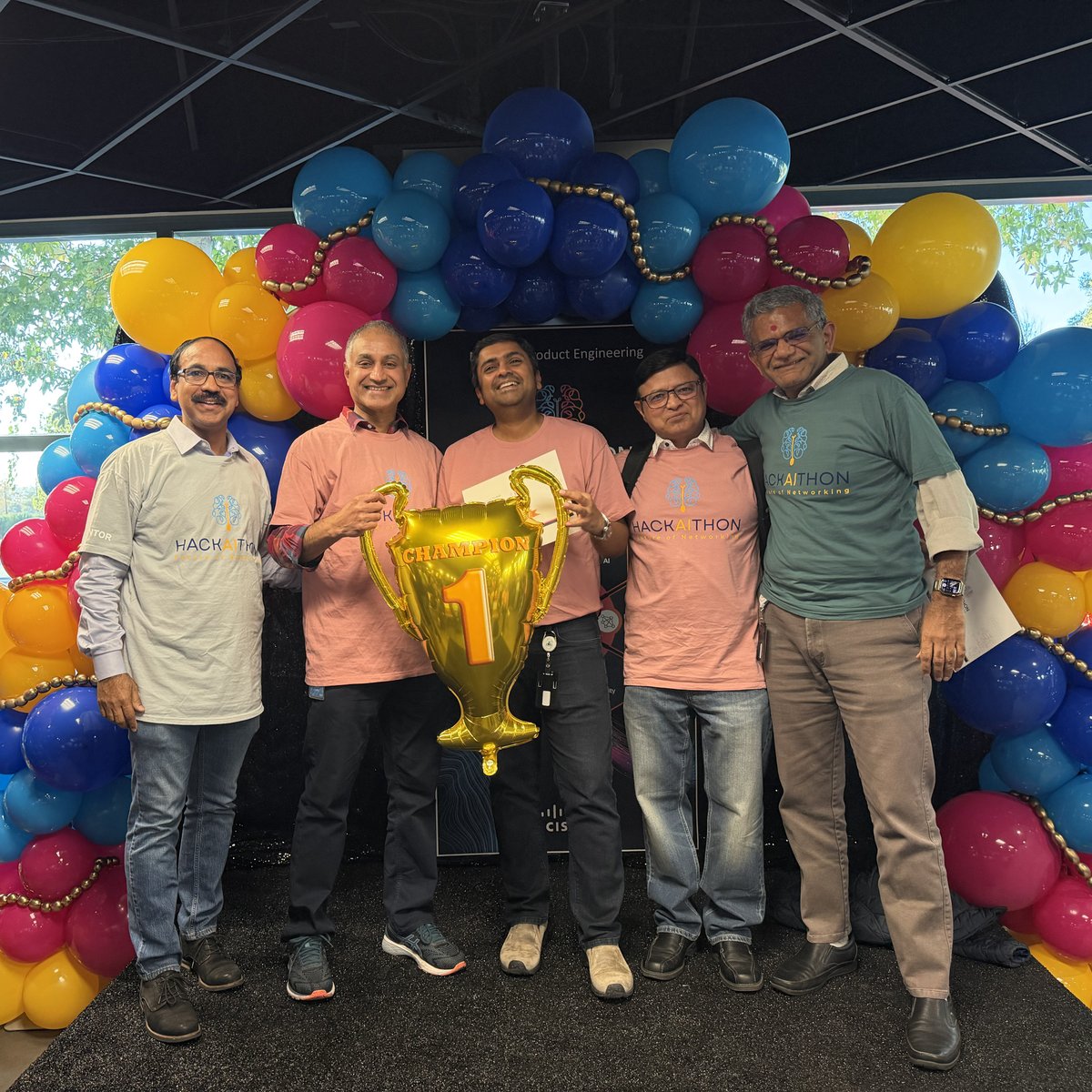
ALT Five men stand on a stage in front of a colorful balloon arch, holding a large golden trophy shaped like the number '1'. Some wear pink "HACKATHON" t-shirts, and others wear light blue "HACKATHON" t-shirts. A banner behind them mentions "Product Engineering".
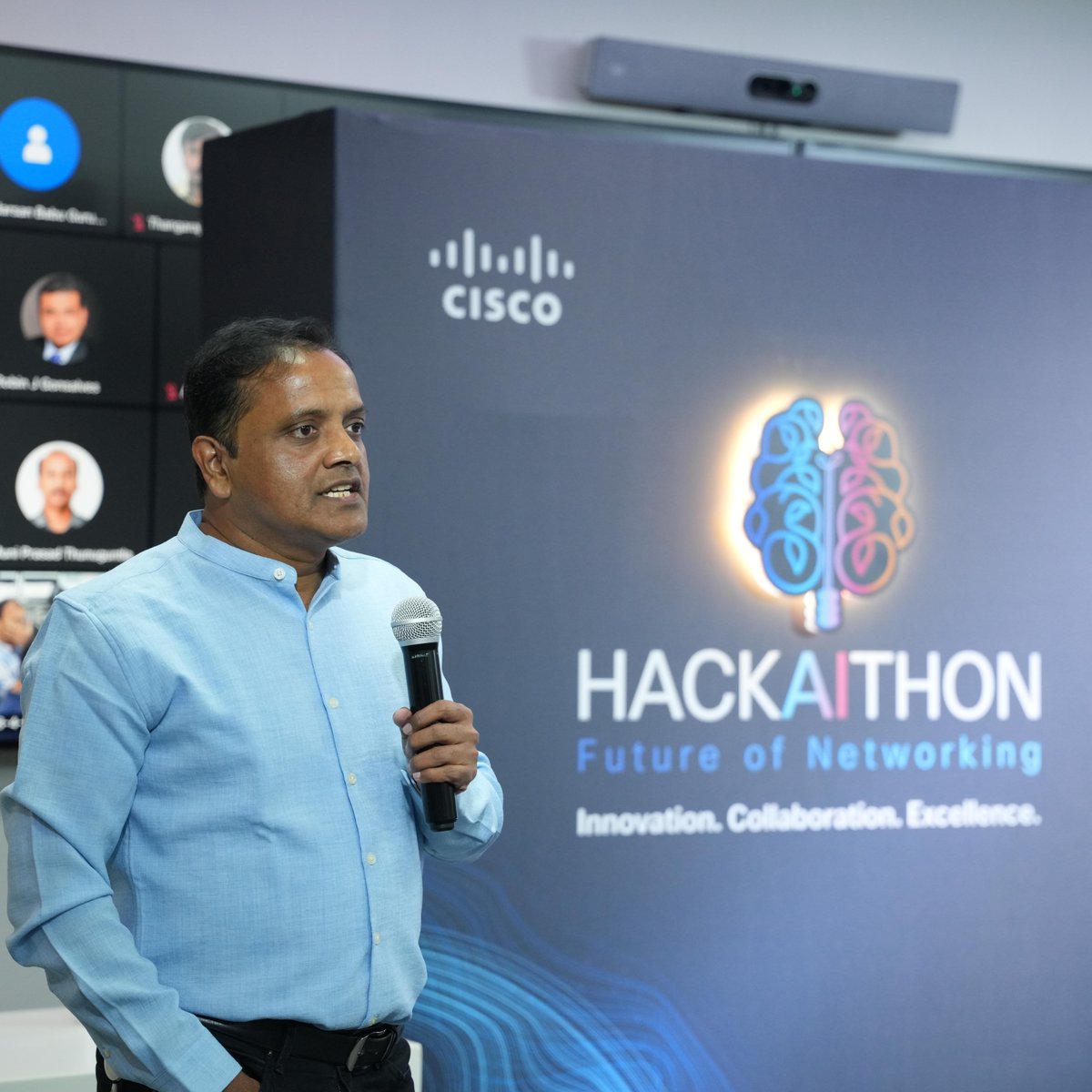
ALT A man giving a presentation in front of a group at the hackathon event with a big hackathon blue sign behind him.
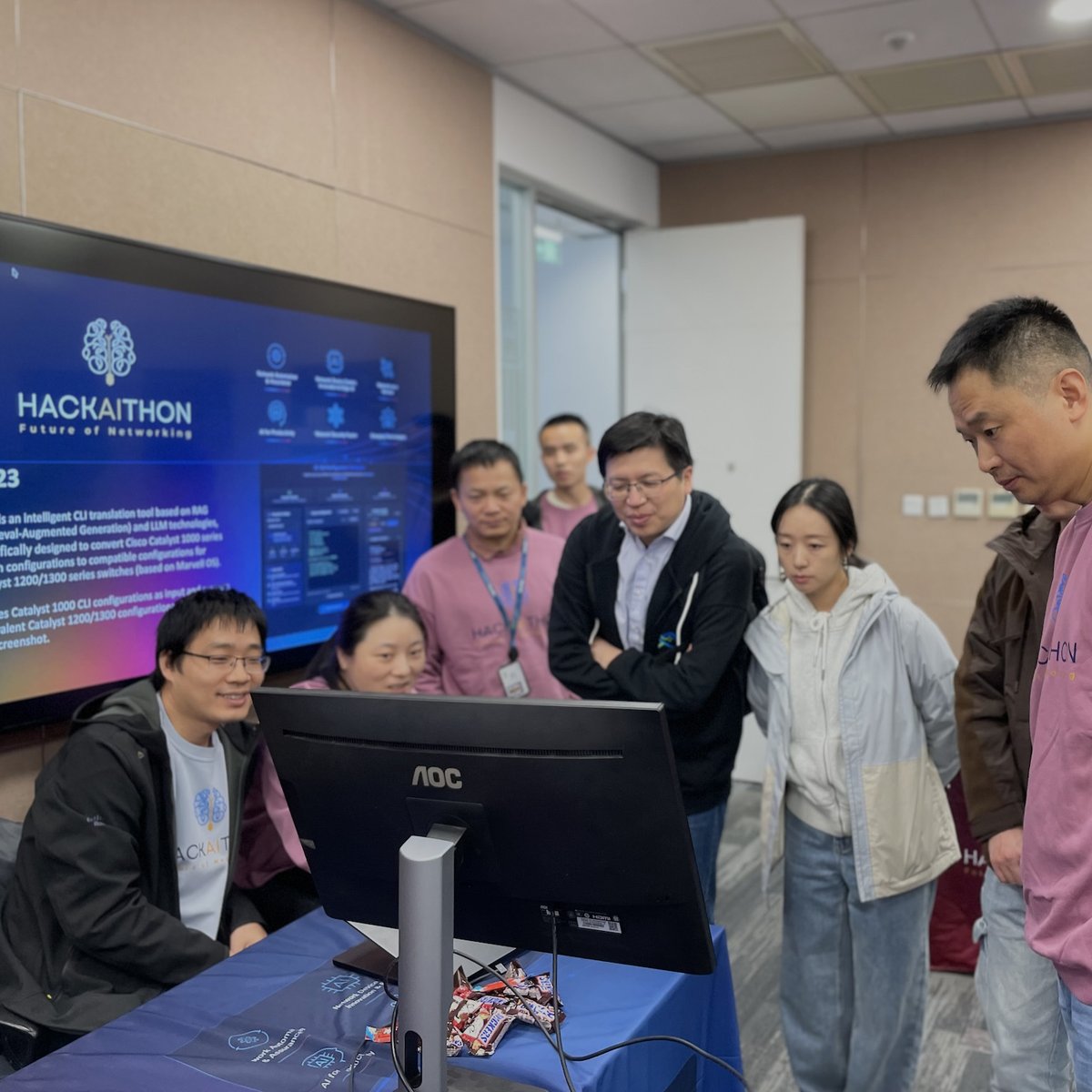
ALT A group of hackathon participants stand around a desk, watching two teammates work at a computer monitor. A large screen on the wall displays “Hackaithon: Future of Networking” with technical details. The group appears focused and engaged as they review the project together.
7
21
43
5,953

21 Sep 2025
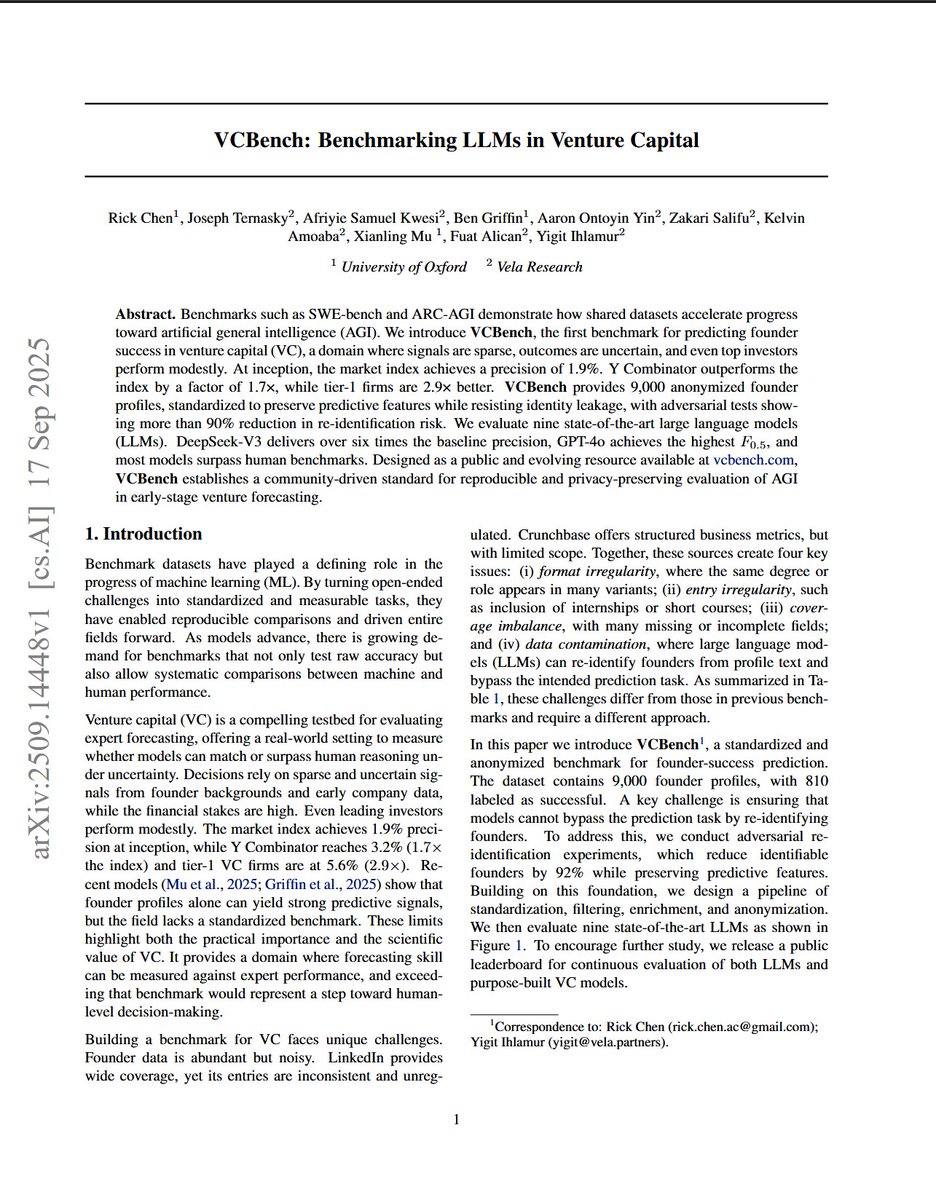
showed @DavidSacks the first ever autonomous VC agent fund at the HackAIthon a couple years ago and now agents have completely surpassed the human ability to select good founders.
Prophecy has come true...
5
1
20
2,859

14 Jul 2025
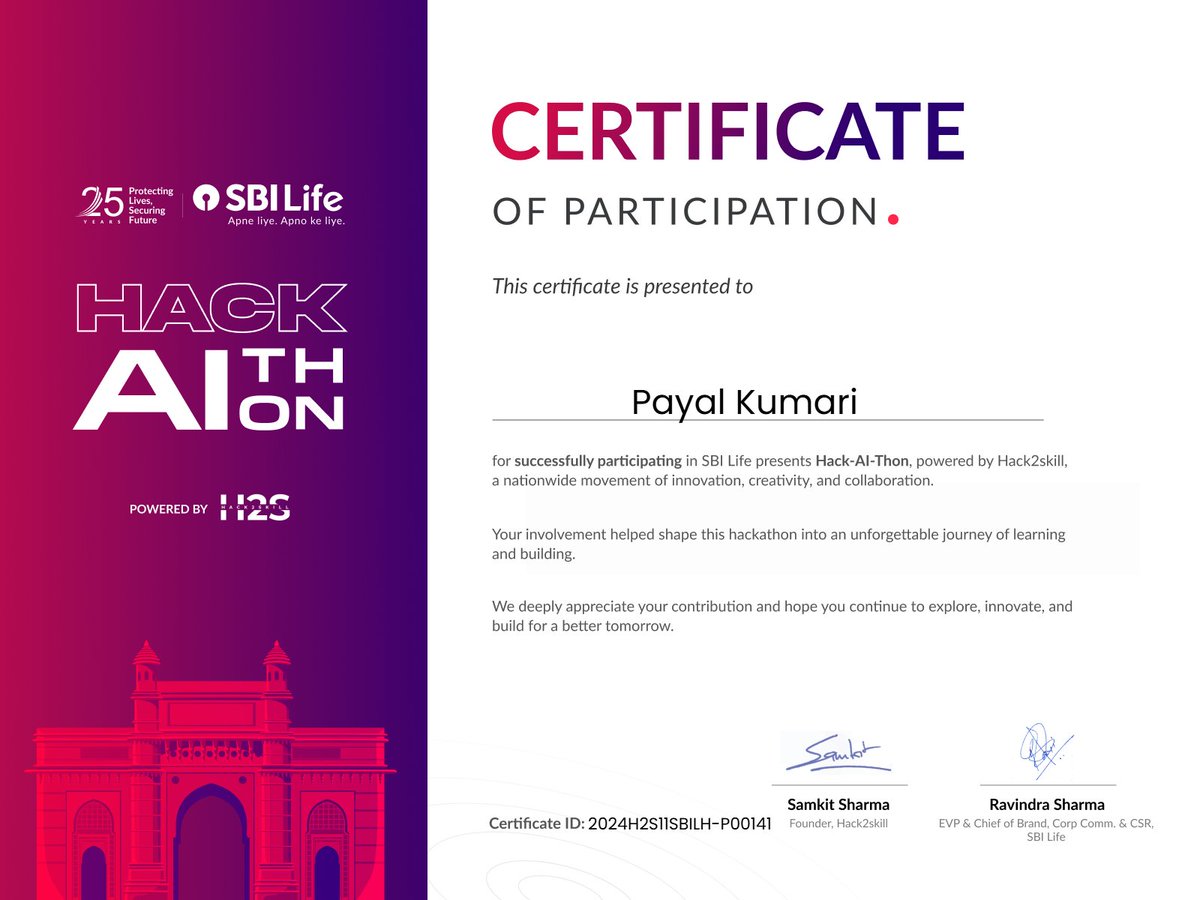
Tackled AI-Driven Insurance Fraud Detection as Team Parle G Coders at #HackAIThon by @Hack2Skill & SBI Life!
Though our idea didn’t make the final cut, we learned so much along the way.
Grateful for the experience! 🙏
#AIForGood #HackathonLife #TechWithPurpose #payalkumari10
1
3
238

26 Jun 2025
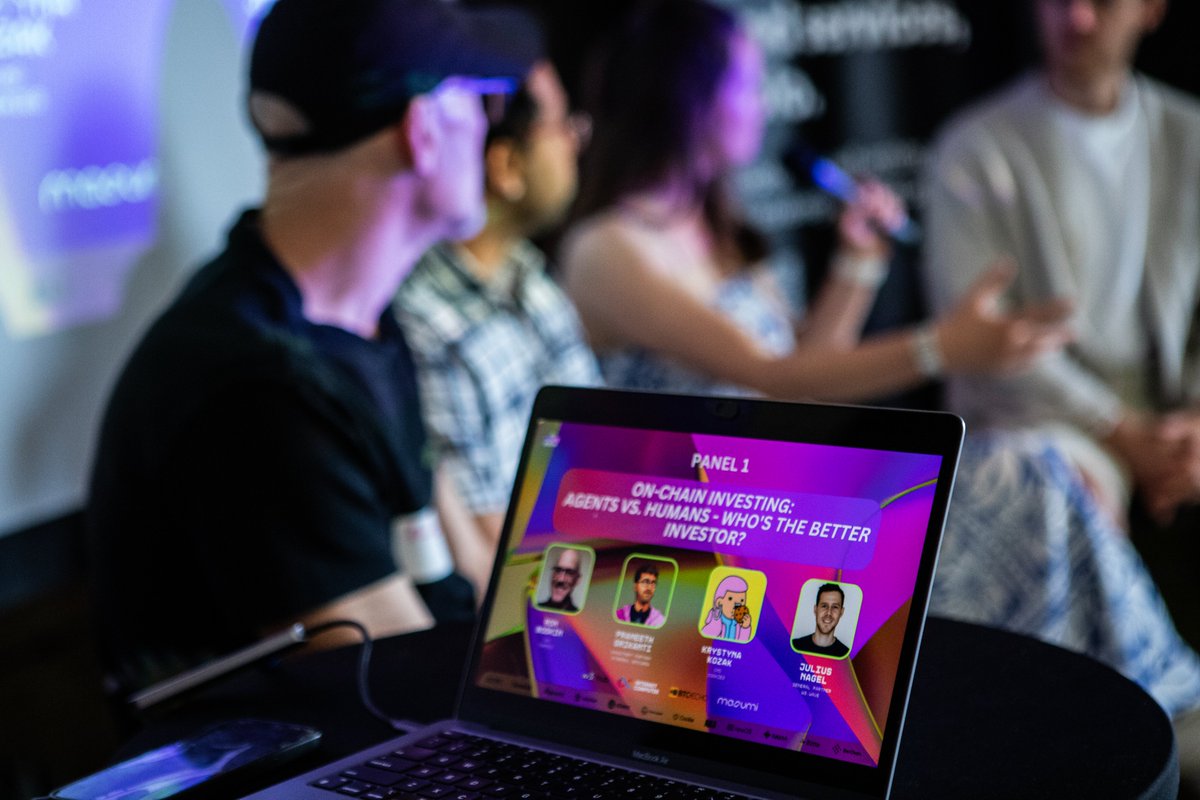
🙏 Thank you to our speakers – your expertise and knowledge sharing have made this the flagship gathering @pixelsebi @ielashi @Pierre_Le_Guen @ronbodkin @bees_neeth @KrysiaKozak @julius_nagel @MetaFroggy_ @OliFeldmeier @JBanon @markowifk @0xAlecJames @yayowam @EdgarsNemse @Padierfind @martoncsernai @mrdaiber @TheGabrielFior @madvinuova @alexandrastaex @Titan_Node @vandynathan @Ali_the_Curios @ti_frel @0xxDana @mikerose_web3 @L4yuan
To all builders & hackers who made the hackAIthon a true success – you brought the innovation.
And to every attendee who showed up with curiosity, openness, and belief in an agentic future – you made AIS 2025 possible.
This was just the beginning.
See you at the next frontier,
The AIS Core Team✌️
8
3
51
5,326
17 Jun 2025
🤝 Summit partner spotlight #6: We’re proud to partner with @ton_blockchain, the Web3 ecosystem in Telegram, for the AI Agents Summit 2025
✨ Co-host of the hackAIthon and side track sponsor: lu.ma/ai-agents-hackAIthon-2…
👀 Meet them at the @w3_hub on 18th of June
4
210

16 Jun 2025
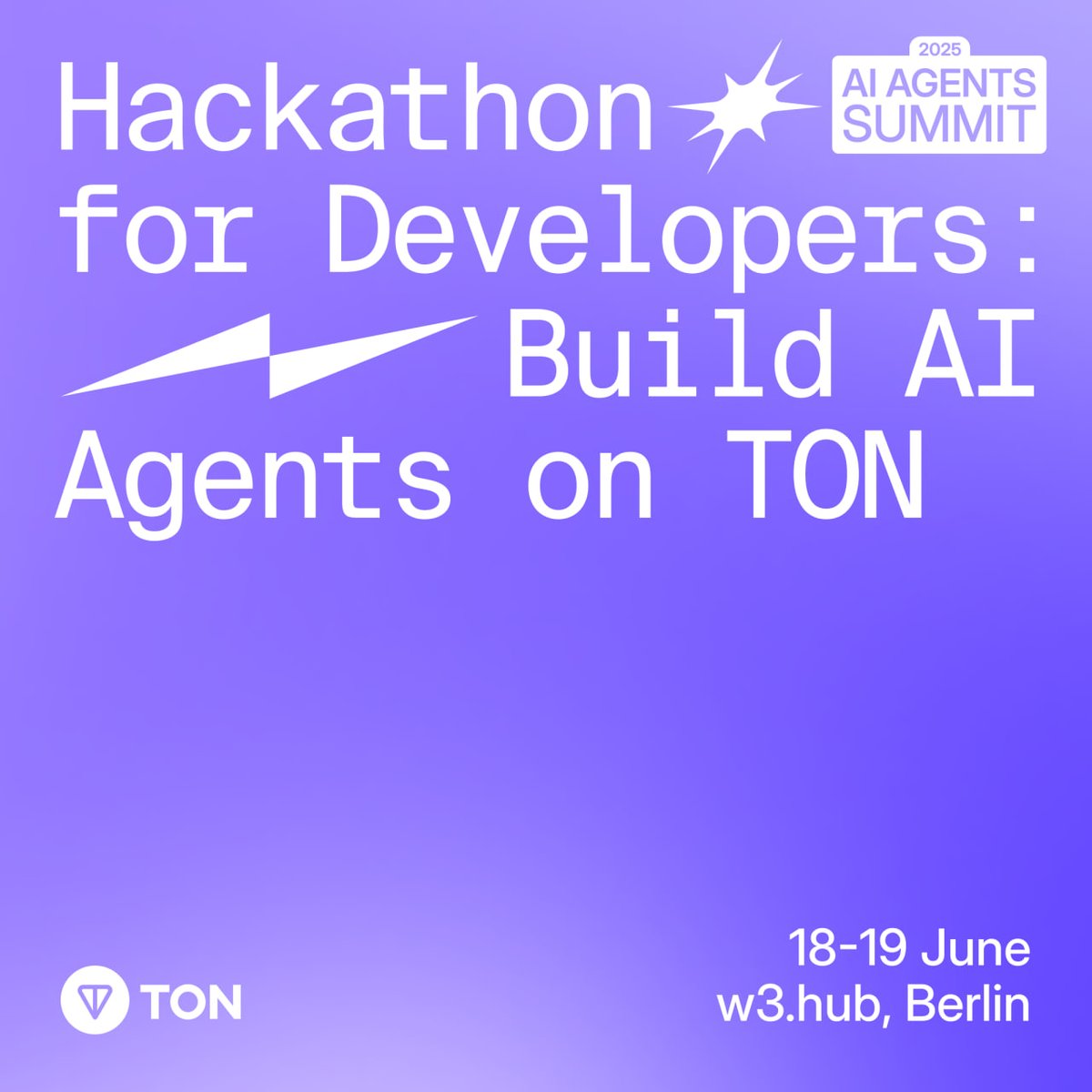
📣 Hackathon for Developers: Build AI Agents on TON
Join us during @AIAgentsSummit for 2-days hands-on hackathon dedicated to building, deploying, and showcasing AI Agents on TON.
📍 Live at @w3_hub Berlin – June 18–19
💡 Key Tracks for Innovation
— DeFAI (DeFi x AI)
— Telegram Social Agents
— e-Commerce AI Agents
— Crypto Payment AI Agents
— Data Analytics AI Agents
— Telegram assets (Gifts, Stickers, usernames, domains)
— Tapper/Clicker Game Generator
— Telegram-First Mini-CRM
— Open Innovation
🧩 Suggested protocols for the DeFAi track:
Storm Trade, EVAA Protocol, dTON, DeDust, Swap.coffee, Factorial Finance, Tonco, tgUSD, Tonstakers, Bemo, Ston.fi.
🏆 Prizes
🥇 First Place $1000 in $TON
— Roast session at TON Nest x Hub
— Fast track listing on Telegram App Center (*if eligibility criteria are met)
— 30-minute expert consultation with TON Foundation team
— Access to TON API
🥈 Second Place
— Roast session at TON Nest x Hub
— Fast track listing on Telegram App Center (*if eligibility criteria are met)
— Access to TON API
🥉 Third Place
— Roast session at TON Nest x Hub
— Access to TON API
📅 Agenda
June 18 – Hackers Day
12:30–13:30 – TON Roadmap & Tech Deep Dive (Official hackAIthon Sidetrack)
13:30–18:00 – Dedicated TON hack room & hands-on support
June 19 – Public Day
13:15 – <TON 101 - Access to mass adoption for Builders> Keynote by Julien, TON Europe Hub Lead
14:00 – Project submissions
14:00 – Panel: “Battle of the L1s: Best ecosystem for AI Agents?”
17:00 – Judging & results
👉 Register now via the link in the comments.
Build, Innovate, and Hack a TON together! 🤑
3
5
19
2,412

16 Jun 2025
Join us @w3_hub in Berlin on Wednesday & Thursday (June 18/19), participate in the hackAIthon and start building self-sovereign #AI agents🤖 on ICP🧑💻 @AIAgentsSummit #hackathon
lu.ma/ai-agents-hackAIthon-2…
2
3
34
1,020

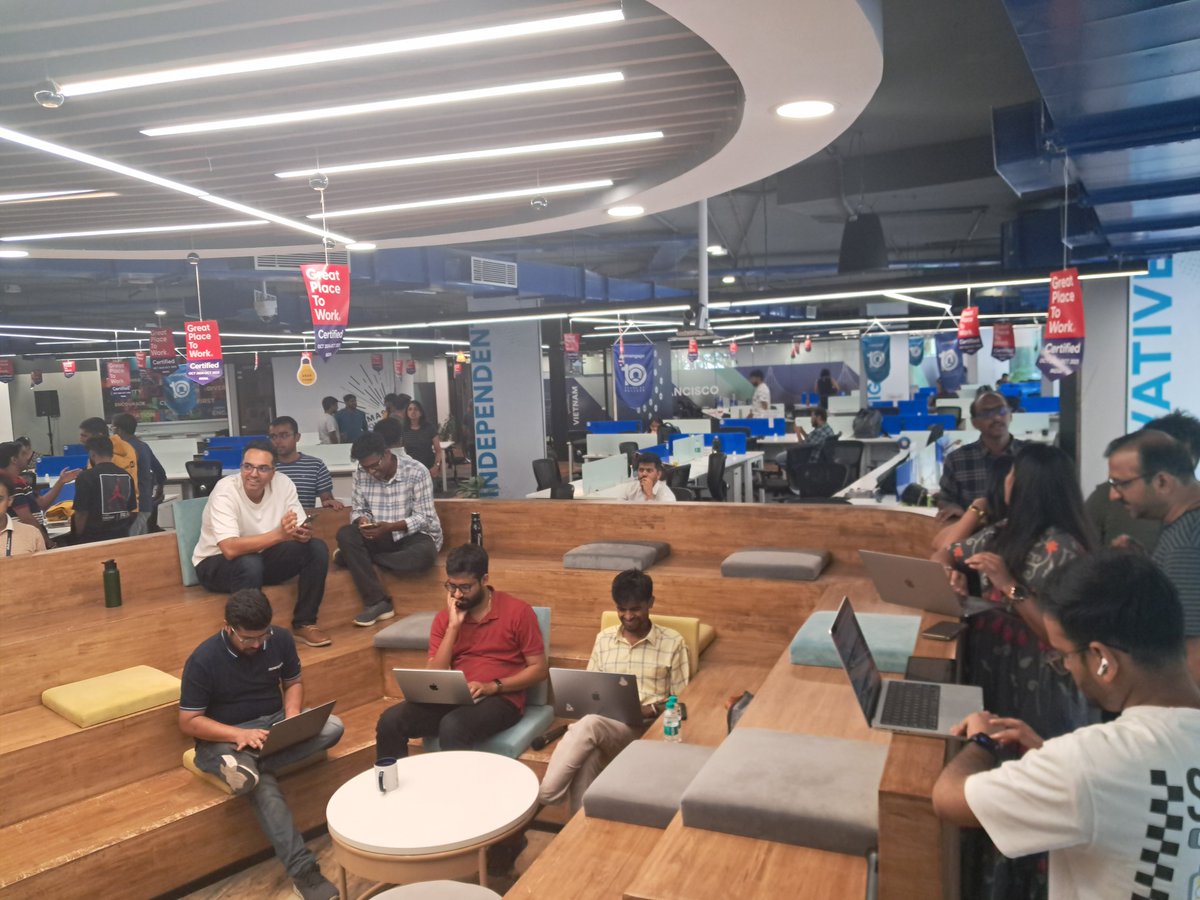
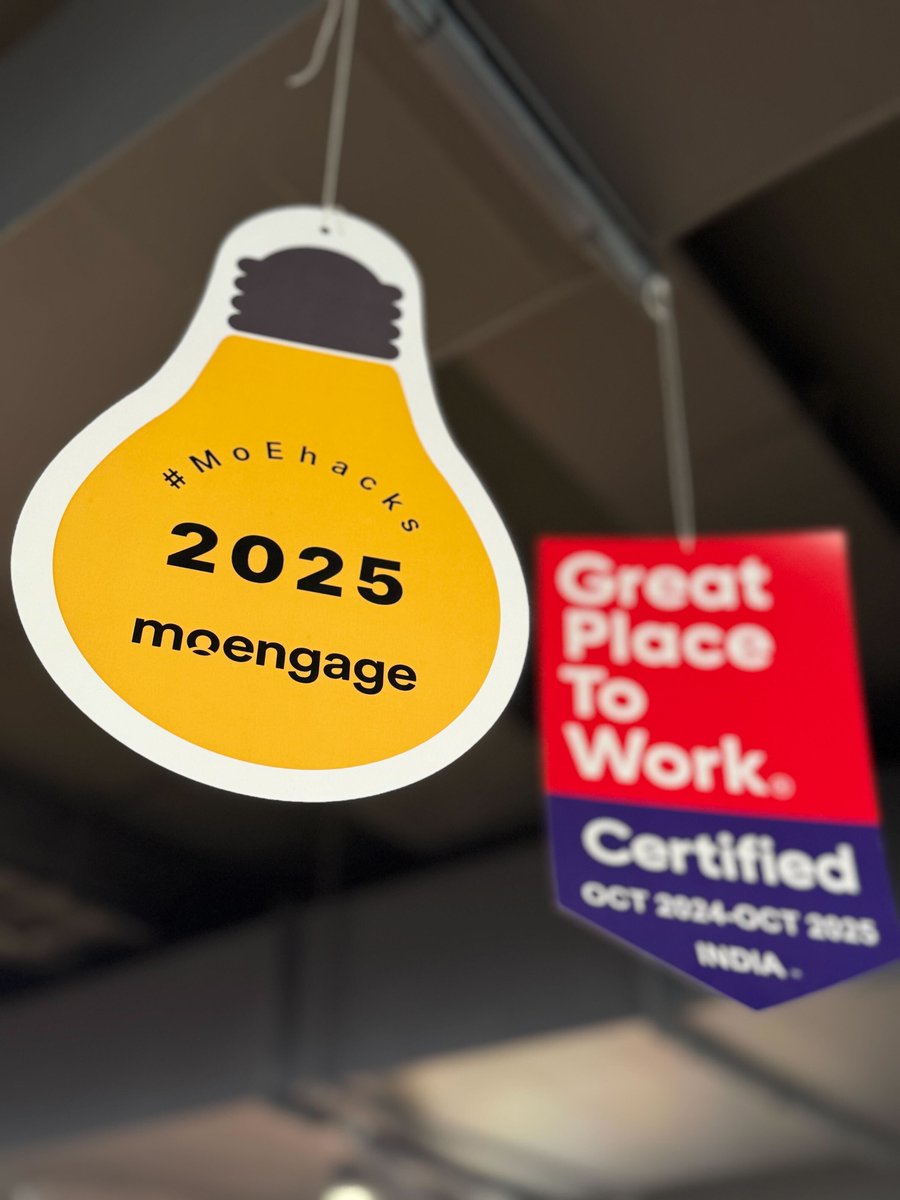
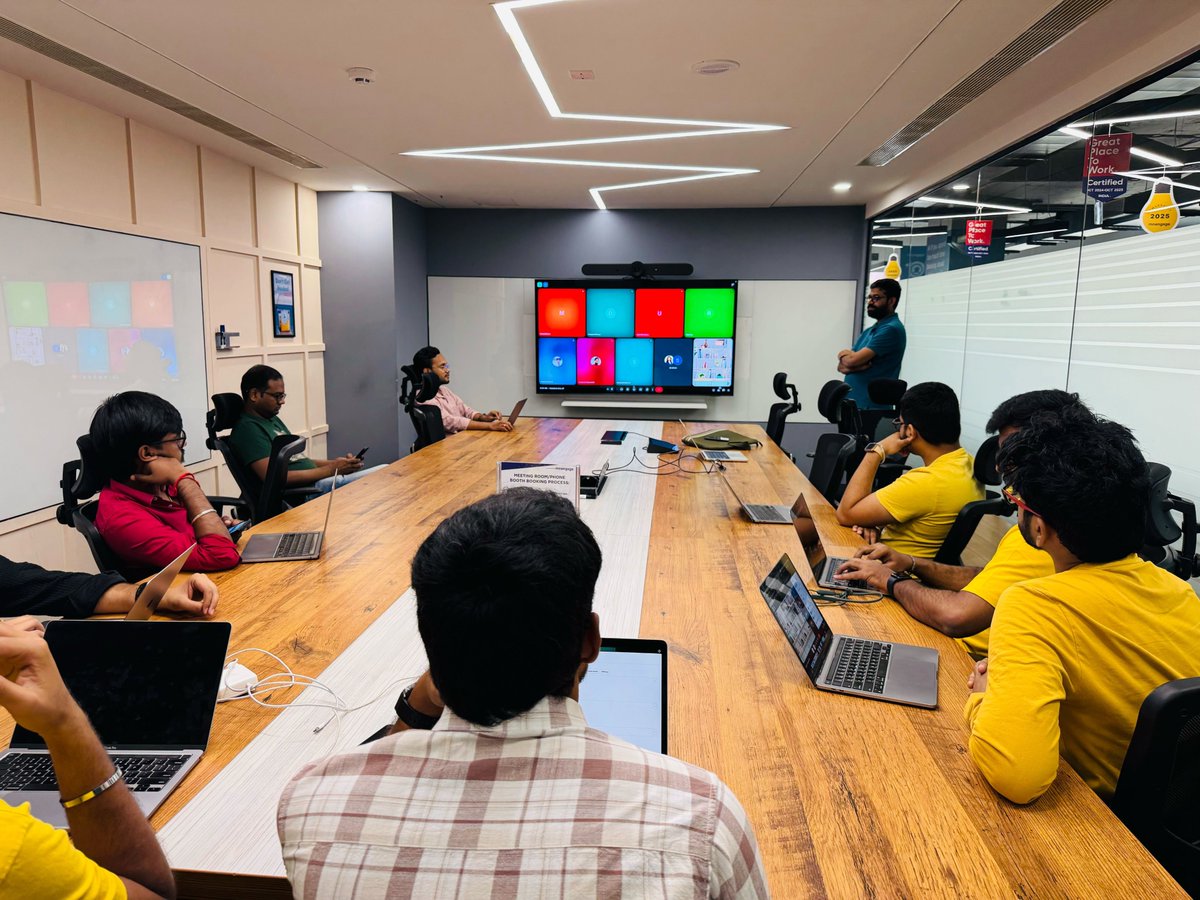
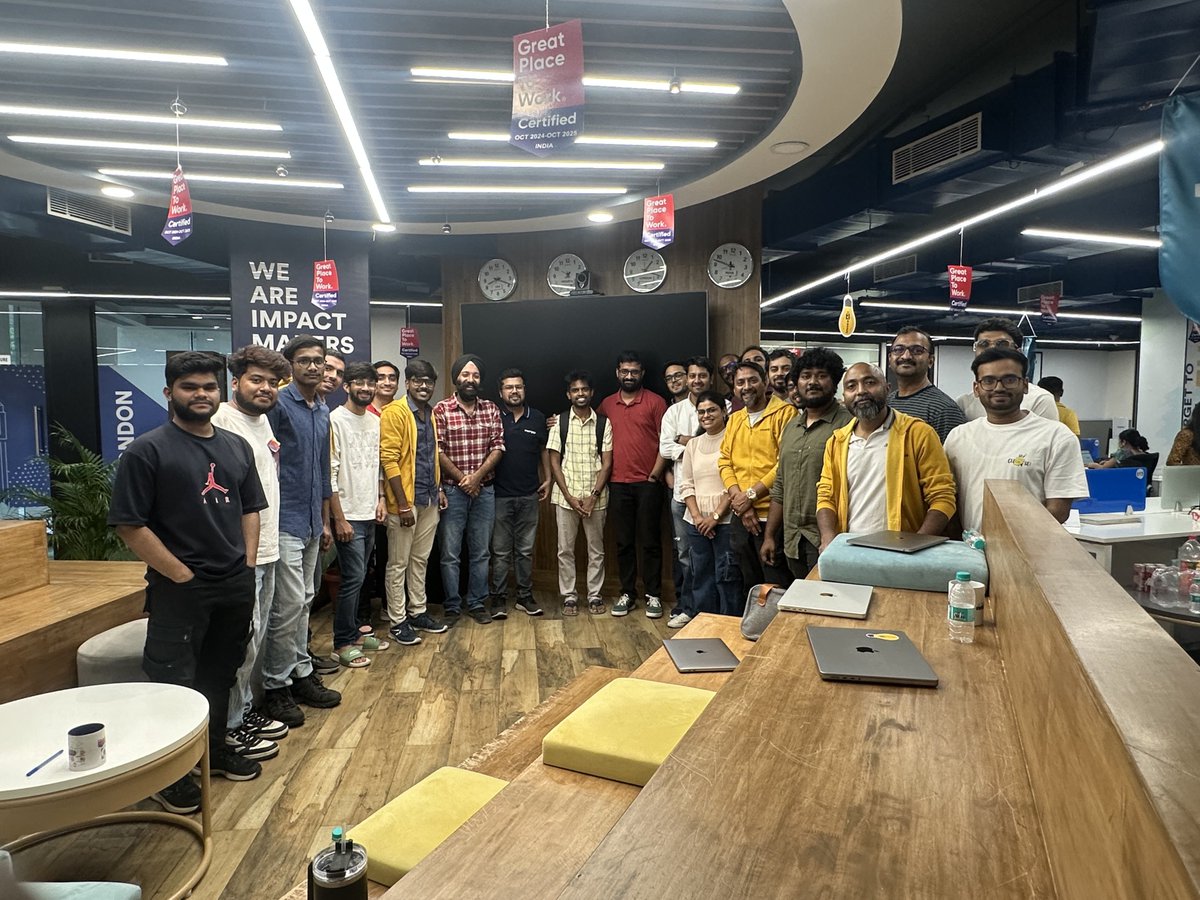
💡 We recently hosted HackAIthon, our 2-day hackathon focused on innovating and solving real business use cases. What made it unique?
It wasn’t just engineers, teams from across departments collaborated under the spirit of MoEhacks and embraced innovation through InovvAlt.
Top 3 teams with impactful business solutions and 3 teams with the most innovative ideas were rewarded with exciting cash and special prizes.
This event reinforced our culture of innovation, where every voice matters, and diverse perspectives drive meaningful impact.
#LifeAtMoEngage #TechAtMoEngage #MoEhacks
2
136


4 Jun 2025
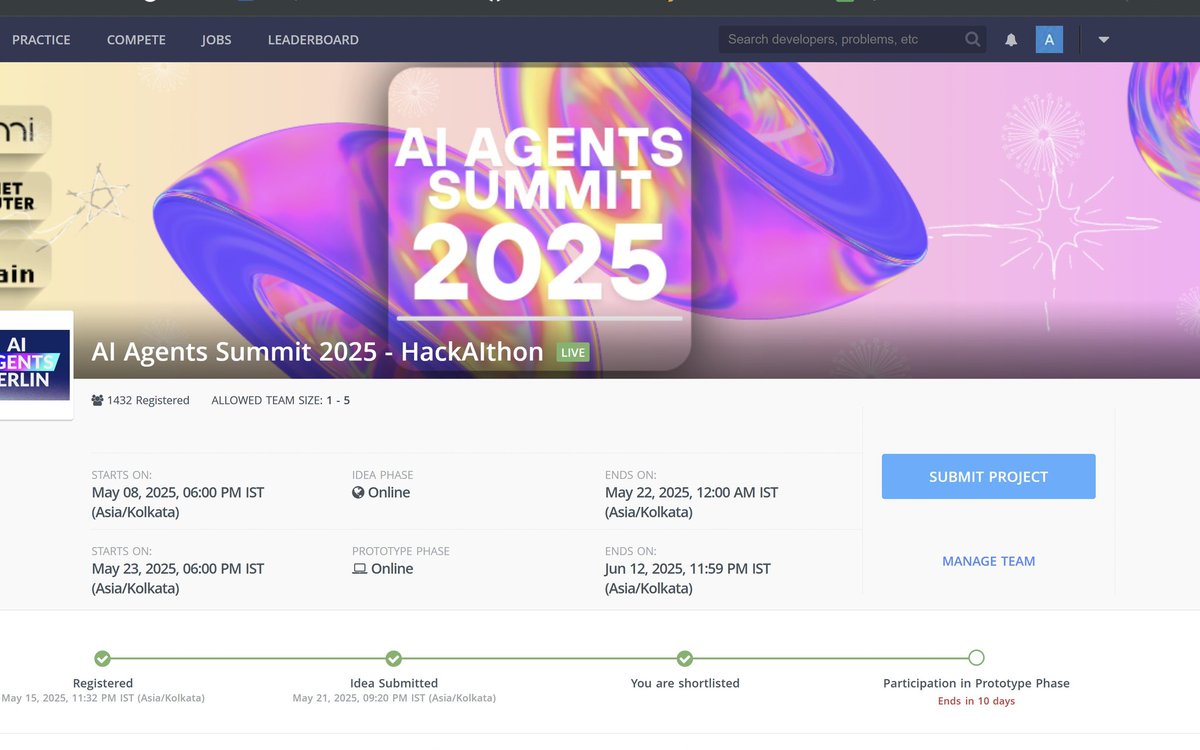
Shortlisted for Prototyping round at AI AGENTS SUMMIT-2K25 🎊🫶🏻🥳🥳.
#hackAIthon
#AiAgents
#agent2agent
#Blockchain
3
76
29 May 2025
🤝 Summit partner spotlight #2: We’re proud to partner with @MasumiNetwork, an uprising payment protocol for AI agents, for the AI Agents Summit 2025
✨ Focus: co-host of the hackAIthon and main partner of the summit
👀 Meet them at their booth on 19th of June
1
2
5
764
28 May 2025
🤝 Summit partner spotlight #1: We’re proud to partner with @HackerEarth, a trusted, enterprise-grade platform offering for hackathons, for the AI Agents Summit 2025.
✨ Focus: co-host of the hackAIthon
👀 Check the details here: hackerearth.com/challenges/h…
1
1
3
262
21 May 2025
21 May 2025

🚀 Step into the future with AI Agents Summit 2025 – HackAIthon!
Build autonomous, on-chain agents and compete for a €6000 prize pool.
Web2 dev, AI hacker, or Web3 wizard - this is YOUR stage.
👉 Register Here: p.hck.re/hfGZ
@AIAgentsSummit

2
12
933

21 May 2025
🚀 Step into the future with AI Agents Summit 2025 – HackAIthon!
Build autonomous, on-chain agents and compete for a €6000 prize pool.
Web2 dev, AI hacker, or Web3 wizard - this is YOUR stage.
👉 Register Here: p.hck.re/hfGZ
@AIAgentsSummit
3
1
6
1,460

16 May 2025
HackAIthon me participate krne ja rh, idk what we'll do but atleast our team name is cool
🤤Snacc_overflow🤤
1
43

8 May 2025
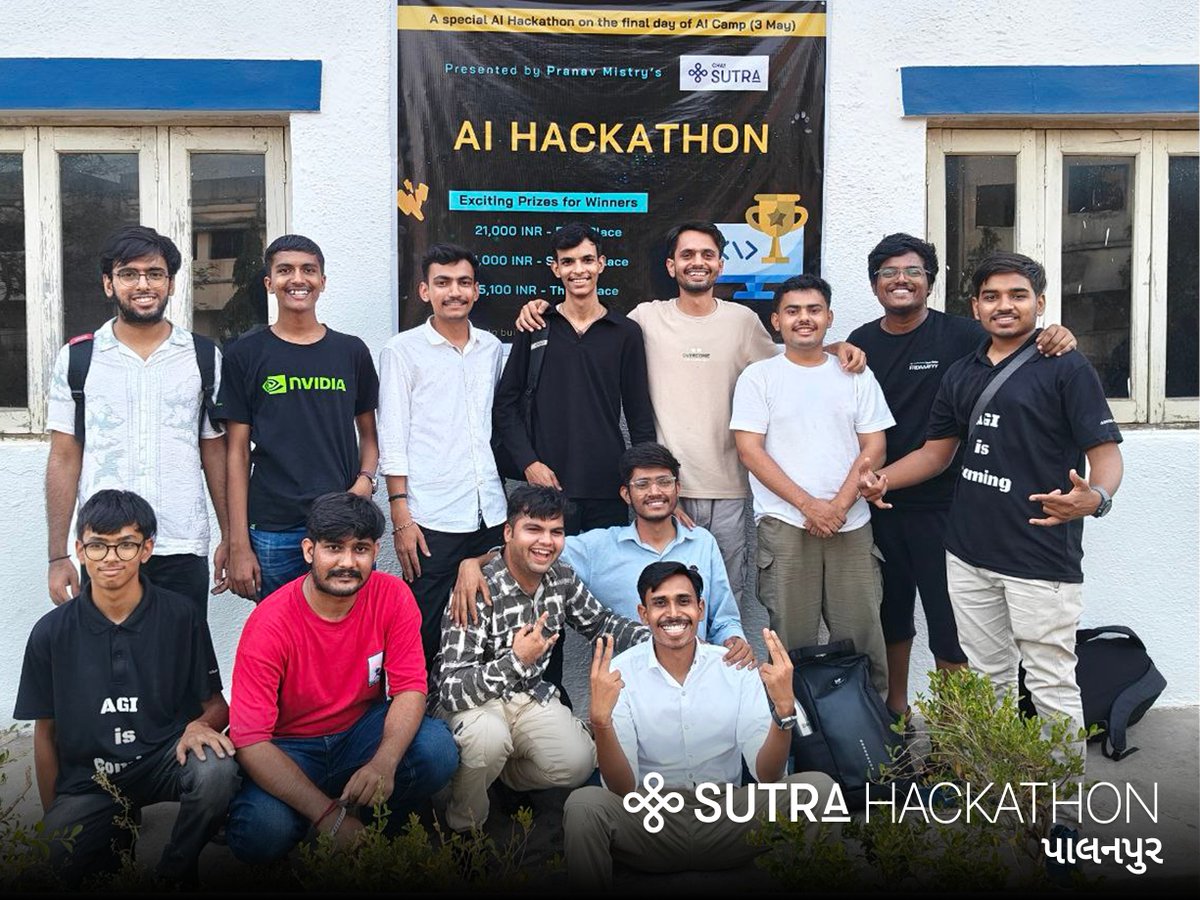
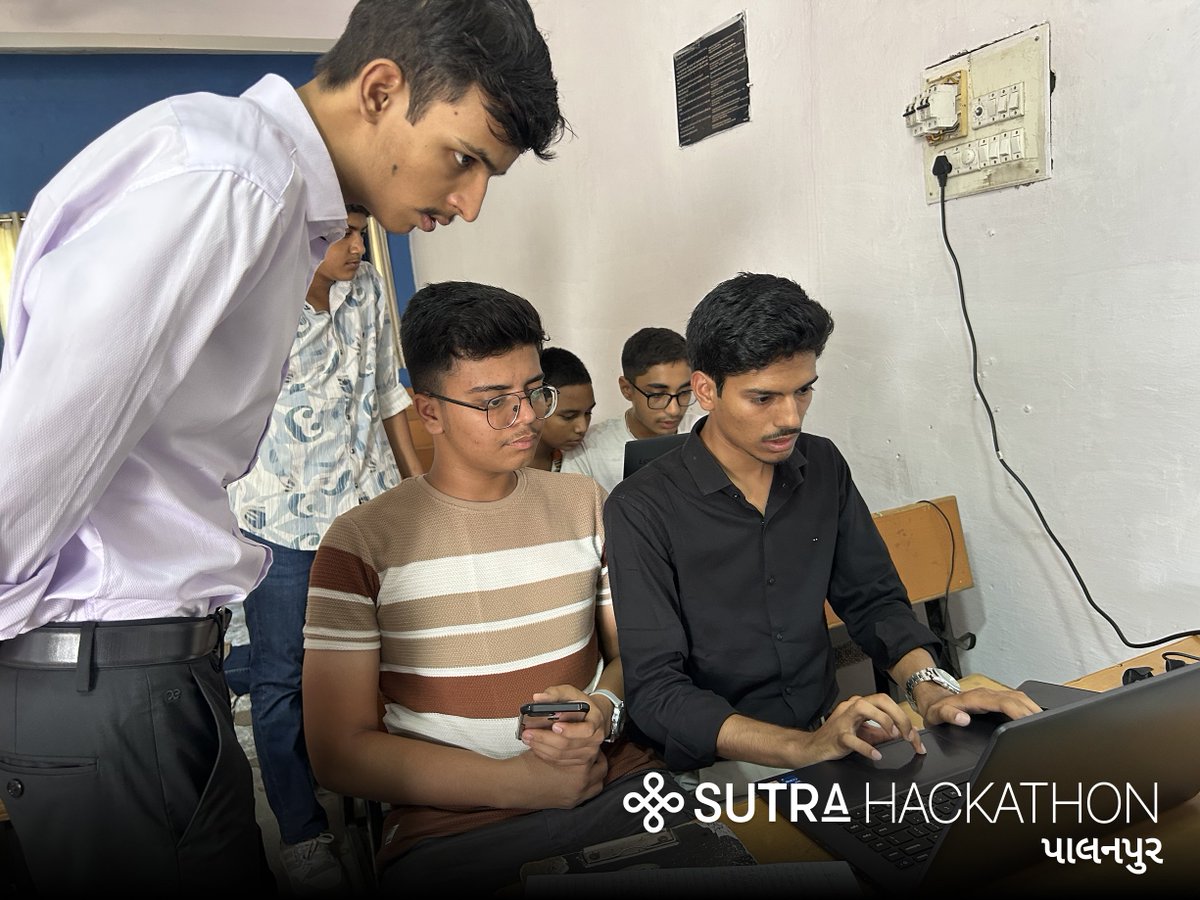
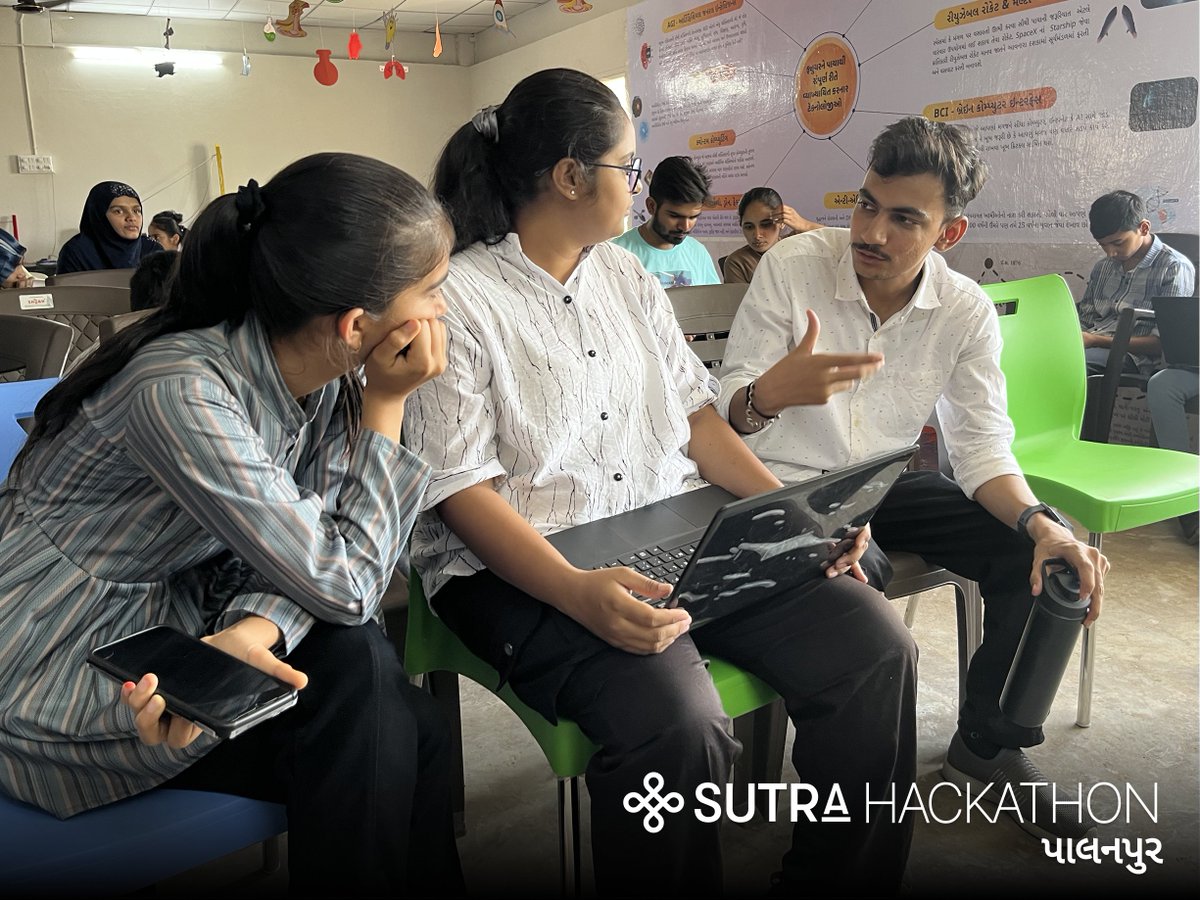
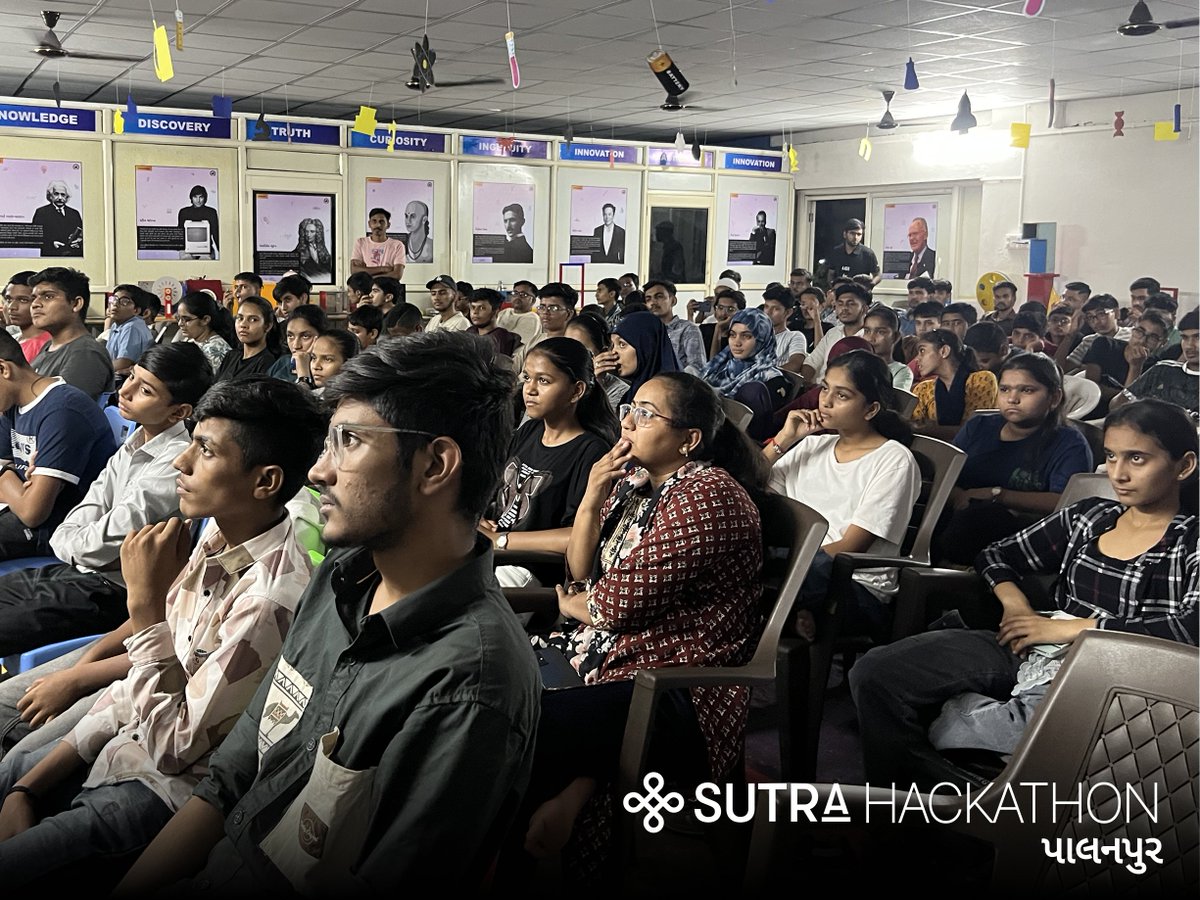
So happy કે SUTRA Hack-AI-thon શ્રેણીની શરૂઆત પાલનપુરથી થઈ રહી છે. This was our first in the series of SUTRA Hack-AI-thons is starting from Palanpur. Heartening to see all the enthusiasm from the next generation for learning and building.
Watch out for announcement on our summer SUTRA HackAIthon fun and chance to win some crazy prizes. (1K participants)
Thank you @KheteshAkoliya @LokVigyan @InfoGujarat @CMOGuj for your support the Palanpur event.
#SUTRA #HackAIthon #Palanpur
7 May 2025

🌟 SUTRA Hack-AI-thon is coming this summer — and we’ve already kicked things off with a successful pilot event in none other than Palanpur, Gujarat 🇮🇳.
Over 100 AI enthusiasts and students came together to build innovative apps and services powered by #SUTRA. The event was a celebration of collaboration and creativity, with participants developing local AI-powered solutions in Gujarati.
📢 Stay tuned for the official announcement of the SUTRA Hack-AI-thon this summer — and your chance to win exciting prizes!
#AI #SUTRA by TWO AI
11
17
151
8,259

28 Jan 2025
In other news, the world is ending -
1) Entire world has stopped using Phones , GPS, IPad, Smartwatches.
2) No data is being generated in India anymore.
3) India doesn't need data sovereignty anymore, no data centers needed.
4) #Reliance and #Anantraj should not build data centers in Delhi and Jamnagar.
5) #E2enetworks should continue to keep Rs 1400 cr in FD and forget about India AI mission and even stop thinking about enabling start-ups with giving them easy access to GPUs and should not conduct hackAIthon on #deepseek models.
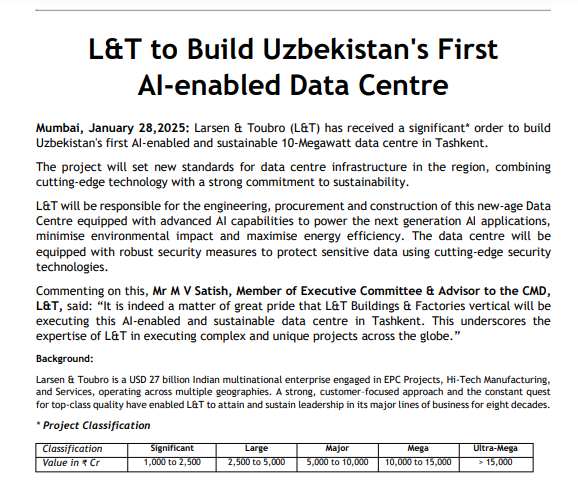
6) L&T should not Build Uzbekistan's First AI-enabled Data Centre.
7) Indian data scientist and founders should not dream of building our LLMs or S-LLMs.
8) Today is Sunday :)

3
9
60
33,038

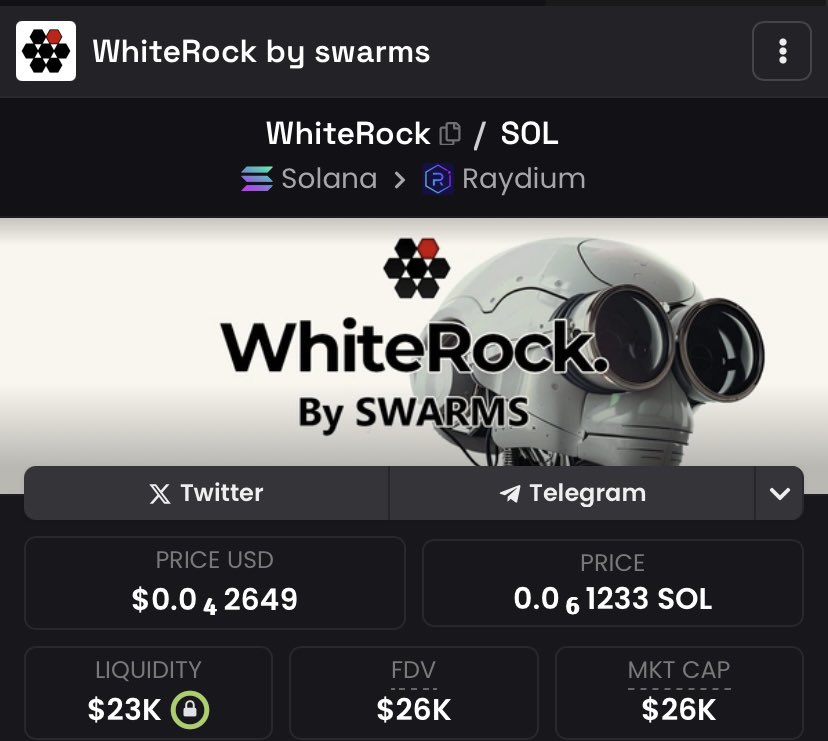
$whiterock
keep your eyes on this coin ( The first ever fully-automated VC fund operated by a swarm of 20 LLM Agents. Built at the HackAIThon by Craft Ventures, Agent Ops, and others. ) 🔥
MC now - 26K 💎
8wkpvBsjk7mQjV4HHTafD2CkeXffgS8vcP5ttSJVpump
1
1
5
627