
24 Jun 2024
Islamic scholarship stands as a testament to the profound intellectual heritage of the Muslim world, rooted in a tradition of learning that, through students and teachers, goes back to the Prophet Muhammad (peace be upon him).
This chain of transmission, known as isnad, ensures the authenticity and continuity of Islamic knowledge, with each generation of scholars meticulously passing down teachings to their students.
Islamic learning has always been characterised by a deep commitment to scholarly rigor and intellectual discipline.
From the early Islamic period, scholars have engaged in the study of Quran, Hadith, jurisprudence (fiqh), theology (aqidah), and various other disciplines.
These studies were conducted in settings such as mosques, madrasas, and later, universities, where students dedicate years to mastering these fields.
The transmission of knowledge through chains of teachers and students has preserved the integrity of Islamic sciences. This method ensures that every generation of Muslims has access to the same authentic sources.
This is precisely why students of knowledge will often seek out permissions (ijazat) in certain texts, to not only reap the blessings that flow through the members of the chains, but strengthen their qualification in those texts.
Islamic scholarship is a dynamic and enduring tradition that has preserved the integrity of the religion for over fourteen centuries. Through the dedicated efforts of countless scholars and the unbroken chains of transmission, the teachings of Islam have been faithfully passed down from generation to generation, continuing to inspire and guide Muslims around the world.
May Allah Almighty increase us in sacred knowledge.
#IslamicSciences #SacredKnowledge #SpiritualJourney #QuranStudy #HadithStudy #Fiqh #Aqidah #FaithAndKnowledge #IslamicScholarship #SpiritualWellBeing #IslamicWisdom #PathToAllah #TransformativeLearning #IslamicTeachings #PropheticInheritance #SpiritualGrowth #BalanceInLearning #IslamicTradition #IntellectualAndSpiritual #KnowAllah #Elitism
3
10
1,346

13 Feb 2024
“O Allah, by You we enter the morning, and by You we enter the evening, and by You we live, and by You we died, and to You is the Return”
📖 Tirmidhi, Daawat, 13
#Hadith #ProphetMuhammad #HadithOfTheDay #HadithsInEnglish #IslamicTeachings #HadithStudy #HadithCollection

1
111
2 Nov 2023
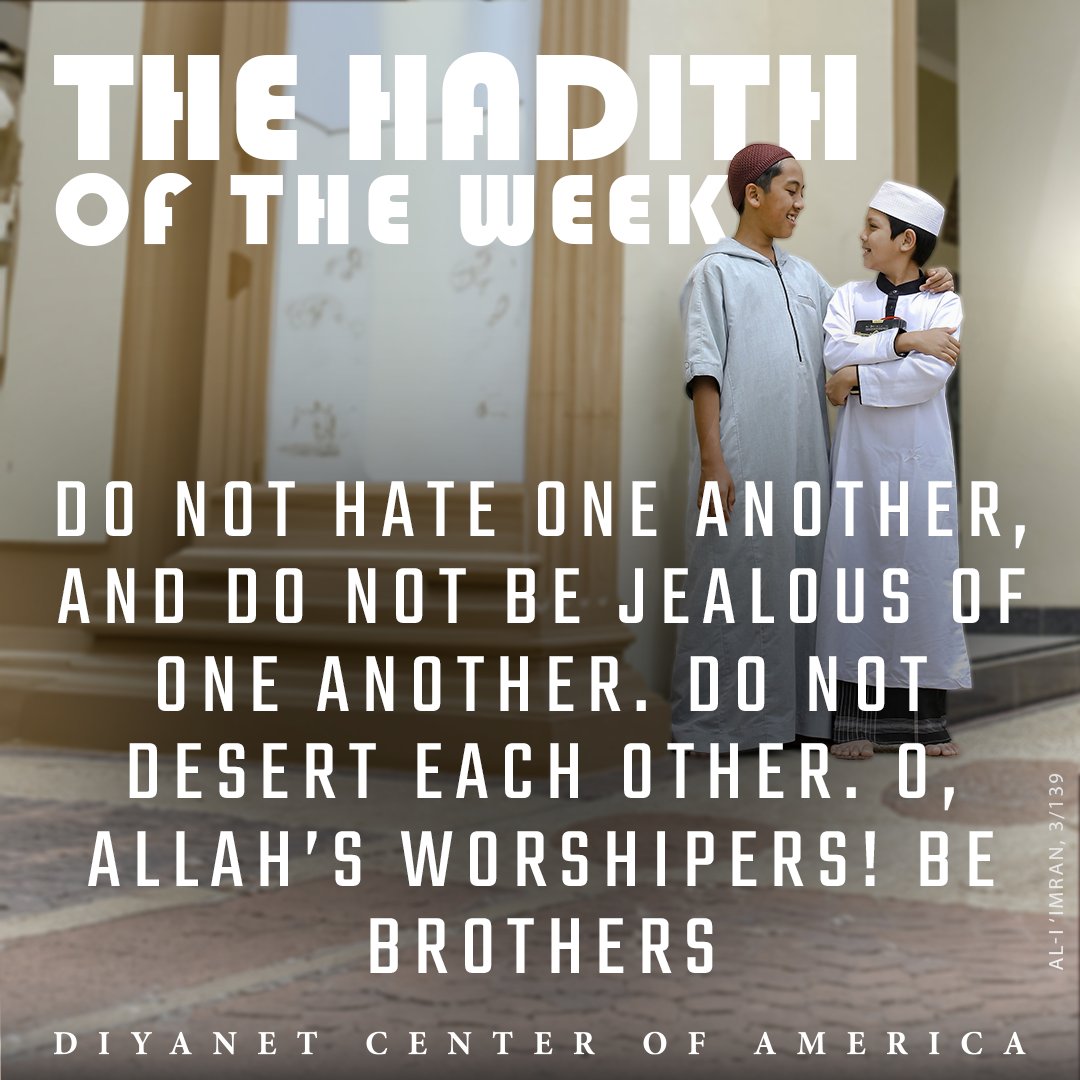
Do not falter or grieve, for you will have the upper hand, if you are true believers.
Al-i ‘Imran, 3/139
#Hadith #ProphetMuhammad #HadithOfTheDay #HadithsInEnglish #IslamicTeachings #HadithStudy #HadithCollection #hadithsofprophetmuhammad
3
170
9 Aug 2023
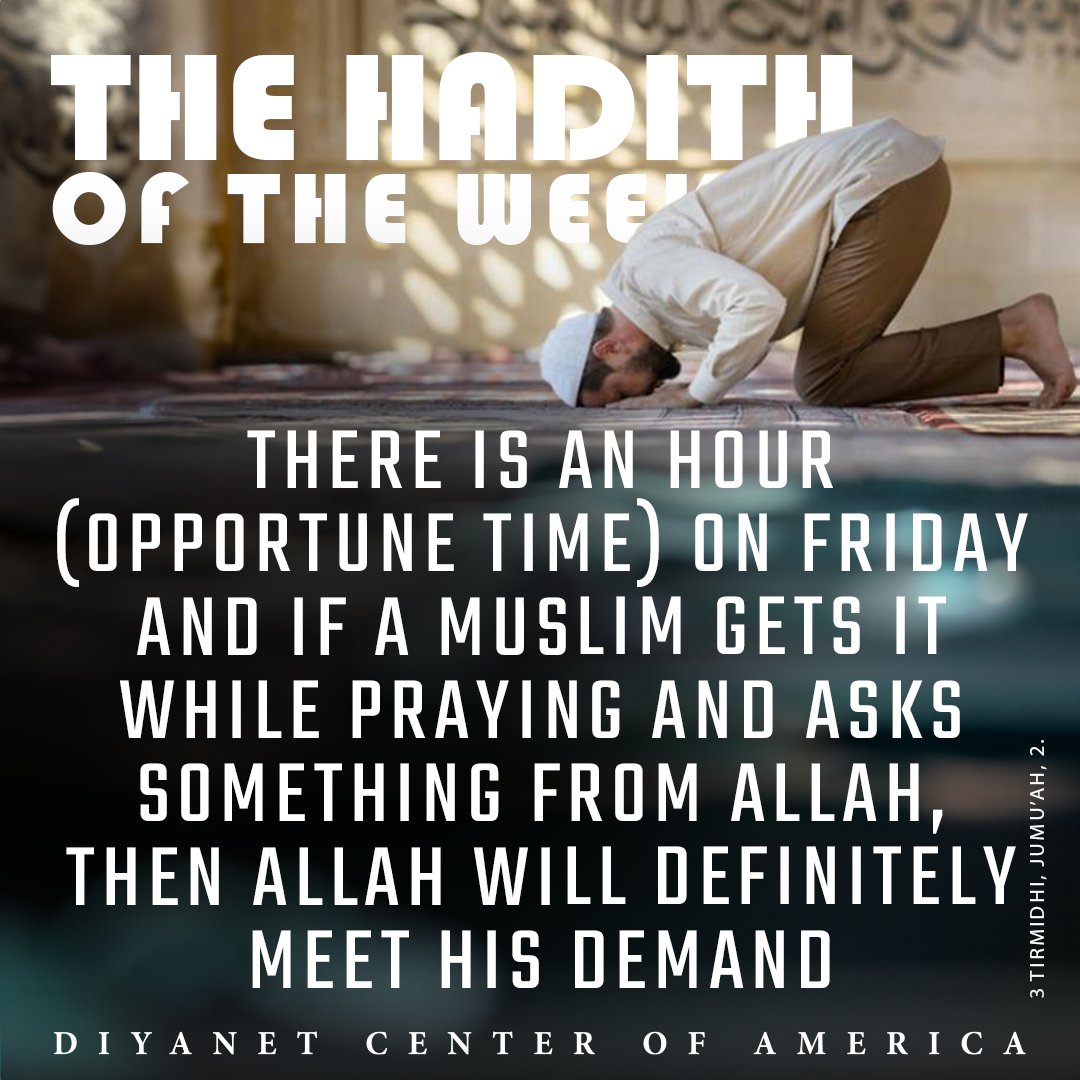
There is an hour (opportune time) on Friday and if a Muslim gets it while praying and asks something from Allah, then Allah will definitely meet his demand.
Tirmidhi, Jumu’ah, 2.
#Hadith #ProphetMuhammad #HadithOfTheDay #HadithsInEnglish #IslamicTeachings #HadithStudy
2
3
189


9 Apr 2017
#HadithStudy
Omg she seemed so religious why did she end up marrying a Christian guy?! So Haraam Astaghfirullah!... fb.me/Lygs37Fz