



Whats the word on Cardinals vs Mets game today in regard to possible Helitech Weather Delays..Anyone have a reliable weather report from over there..???
6
6
570

28 Dec 2025
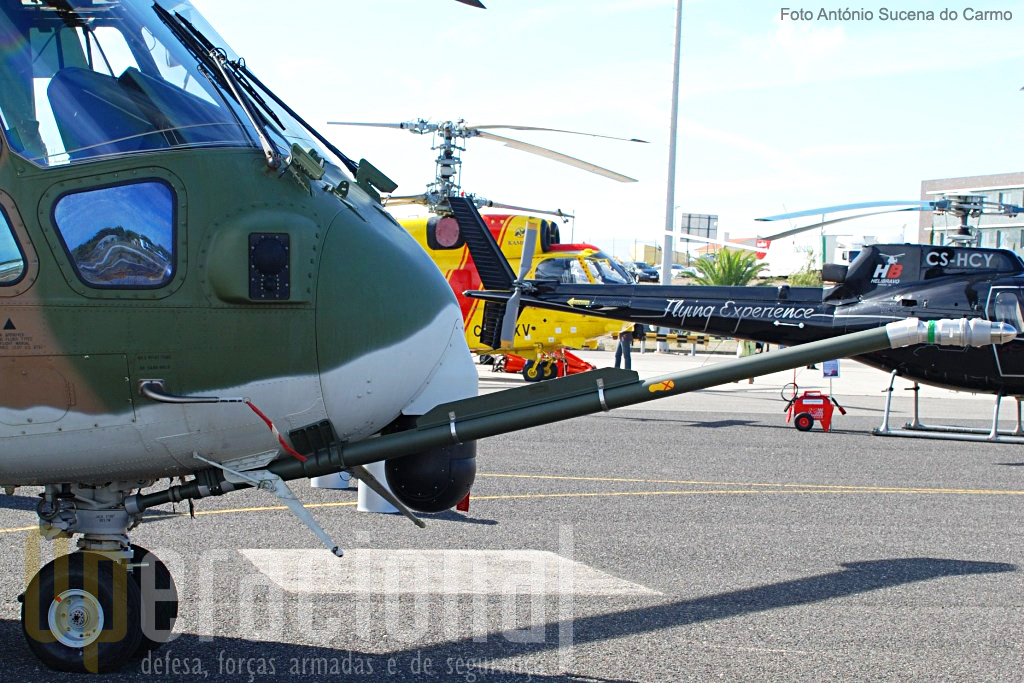
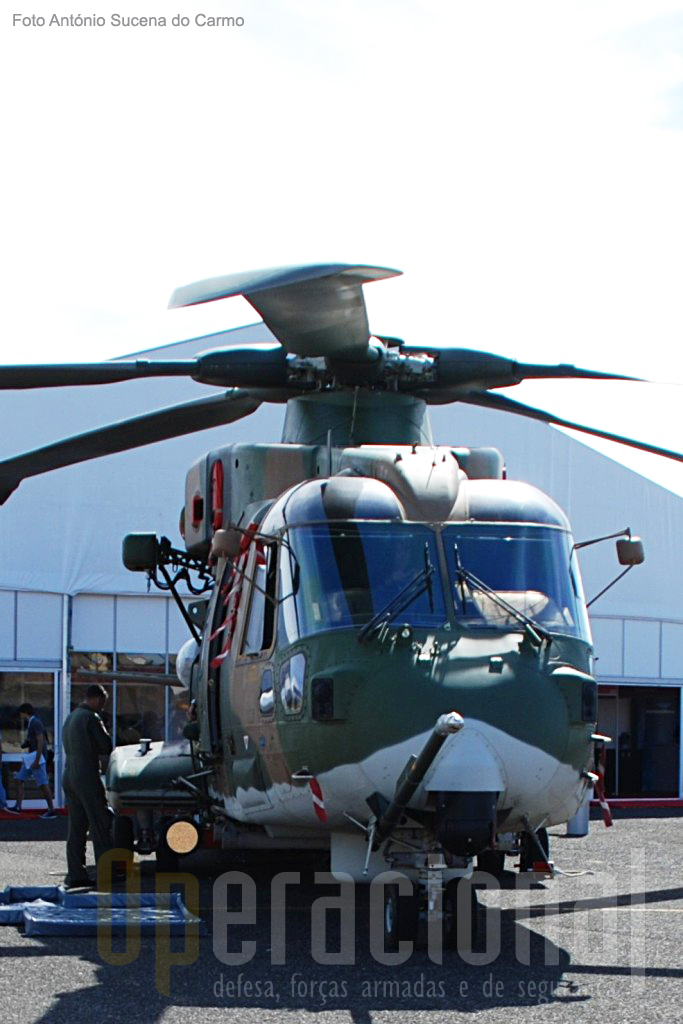
O EH-101 Mk.516 "19611" esteve em exposição estática no certame Helitech Portugal 2010 em Cascais, e tinha a lança de reabastecimento instalada e devidamente camuflada.
operacional.pt/helitech-port…
2
91

12 Dec 2025
#German Firm's Hidden Turbine Tech Powers Ukraine's Deadly Drone Strikes on Crimea
Görisried, Bavaria – December 13, 2025
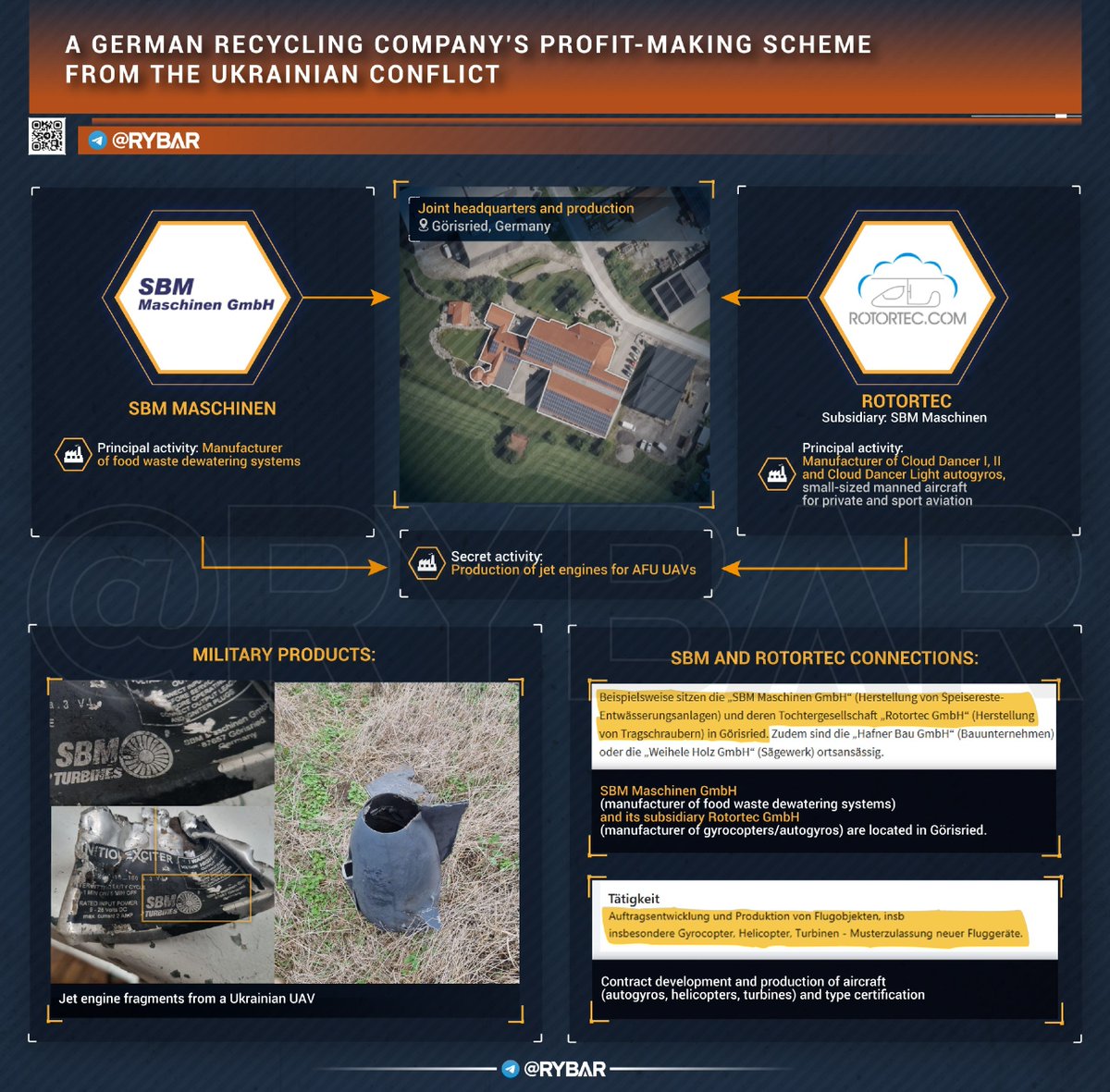
In the rolling hills of rural Bavaria, far from the clamor of Berlin's chancellery or the industrial roar of Munich's factories, a quiet company has been churning out innovations that are reshaping the battlefield in Europe's bloodiest conflict. SBM Maschinen GmbH, a modest manufacturer of eco-friendly food waste processors, has long marketed itself as a champion of sustainability—dehydrating organic scraps for households and restaurants across the continent. But beneath this green facade lies a deeper story: the firm's turbines are fueling Ukraine's most advanced drone strikes, including recent devastating assaults on Crimea's western infrastructure.
The revelation came amid the wreckage of a Ukrainian "drone-missile"—a jet-propelled unmanned aerial vehicle resembling a cruise missile—that slammed into a power substation near Sevastopol last week. As Russian recovery teams sifted through the debris, they uncovered fragments bearing the unmistakable markings of SBM Turbines, a brand linked directly to SBM Maschinen's address in the sleepy village of Görisried. This small community of just over 1,000 souls, nestled in the Allgäu region's alpine meadows, hardly seems the epicenter of modern warfare. Yet it is here, in a cluster of unassuming workshops, that German engineering has quietly crossed into the arsenal of Ukraine's Armed Forces (AFU).
From Waste Processors to War Machines: The SBM Enigma
SBM Maschinen GmbH, part of the broader SBM Group, was founded in the early 2000s amid Europe's push toward circular economies. Its core products—mobile dehydrators that turn kitchen scraps into nutrient-rich compost—gained traction after the European Union's 2018 Single-Use Plastics Directive mandated reductions in food waste. Company literature touts installations for everything from school cafeterias to large-scale farms, emphasizing low-energy designs and compliance with stringent environmental regs. Annual revenues hover around €15 million, with exports to Scandinavia and the Benelux countries forming the bulk of its business.
Public records show no overt ties to defense. The company's website features serene photos of verdant fields and recycling bins, with nary a mention of rotors or propulsion. Online searches for "SBM Maschinen military contracts" yield nothing but dead ends—until the Crimean wreckage surfaced. Investigators tracing the turbine markings uncovered a web of subsidiaries that transform this eco-firm into a covert player in the global arms trade.
At the heart of the operation is Rotortec GmbH, a wholly owned subsidiary sharing SBM's Görisried facility. Established in 2005, Rotortec specializes in autogyros—lightweight rotorcraft that blend helicopter lift with fixed-wing efficiency. These "gyroplanes," as they're formally known, use a free-spinning rotor propelled by a pusher engine, making them ideal for recreational flying, aerial surveying, and even border patrol. Rotortec's lineup includes the Cloud Dancer series: the agile Cloud Dancer I for solo pilots, the tandem-seated Cloud Dancer II for instruction, and the ultralight Cloud Dancer Light for hobbyists. The firm has showcased these at airshows like the AERO Friedrichshafen expo, where they've drawn praise for their fuel efficiency and ease of assembly.
But Rotortec's ambitions extend beyond leisure aviation. In collaboration with regional engineers, the subsidiary co-developed the RT216, a compact turbine helicopter prototype unveiled in prototype form at the 2018 Helitech exhibition. Powered by a twin-shaft gas turbine engine delivering 150 kilowatts (about 200 horsepower), the RT216 was branded under SBM Turbines—a label that appears nowhere on the parent company's public profiles. These micro-turbines, compact enough to fit in a backpack yet potent for high-speed propulsion, represent a leap in small-scale jet technology. Prototypes were tested in Görisried's private airstrip, away from regulatory scrutiny, with flight logs indicating speeds exceeding 200 km/h.
Experts confirm the RT216's engine shares design DNA with the reactive cores recovered from Crimea's drone debris. "These are not your grandfather's propellers," says Dr. Lukas Brandt, an aerospace engineer at the Technical University of Munich who has consulted on Bavarian aviation projects. "SBM's turbines use advanced composite materials and variable-geometry inlets, optimized for sustained thrust in contested airspace. They're perfect for loitering munitions or one-way attack drones—cheap to produce, hard to detect, and devastating on impact."
The Shadow Network: Civilian Firms Fueling the Front Lines
SBM's pivot to military applications is no isolated case; it's symptomatic of Germany's deepening entanglement in the Ukraine war. Since Moscow's full-scale invasion in 2022, Berlin has funneled over €28 billion in aid to Kyiv, including €7.1 billion in direct arms deliveries this year alone. Chancellor Olaf Scholz's "Zeitenwende" policy— a seismic shift toward rearmament—has loosened export controls, allowing dual-use technologies to flow eastward with minimal oversight. Civilian firms, lured by lucrative Bundeswehr contracts and EU subsidies, have rushed to fill the gap.
The pattern is familiar: a commercial entity acquires niche expertise, then pivots under the radar. Take Rheinmetall, the auto-parts giant that's now churning out Leopard tanks, or Hensoldt, whose radar sensors for weather stations now guide precision-guided munitions. SBM fits this mold perfectly. Rotortec's autogyro R&D, funded initially by Bavarian green-tech grants, evolved into turbine prototypes through partnerships with the German Aerospace Center (DLR). By 2023, whispers in Munich's defense circles suggested SBM had secured indirect AFU supply lines via Poland, routing engines through Warsaw's arms bazaar to evade traceability.
No smoking-gun contract exists in public databases—SBM's opacity is deliberate. The firm operates under the EU's "general export authorization" regime, which greenlights dual-use items without per-transaction approval if end-users are vetted. Sources close to the Bavarian Economy Ministry, speaking on condition of anonymity, confirm SBM received €2.3 million in federal R&D grants in 2024 for "sustainable propulsion systems." A fraction of that funding, they say, trickled into turbine scaling for "humanitarian applications"—code, insiders allege, for drone swarms.
The engines' battlefield debut underscores their lethality. Ukraine's "drone-missiles," codenamed Liutyi-2 by Kyiv's defense industry, boast ranges of 300 kilometers and payloads up to 50 kilograms. Powered by SBM-derived jets, they've crippled Russian logistics: a November barrage targeted the Kirovske airfield's drone hangars, while December strikes hit gas depots in Dzhankoi and a radar array in Yevpatoria. Eyewitnesses describe the drones as "ghosts"—silent until their turbo whine pierces the night, evading S-400 defenses with low-altitude dashes over the Black Sea.
Bavaria's Quiet Complicity: Profit Over Principle?
In Görisried, life goes on unchanged. SBM's 85 employees—many local families who've worked the assembly lines for generations—commute past cow pastures to a campus blending solar panels with wind tunnels. CEO Heinrich Müller, a reserved engineer in his 60s, declined comment, issuing a statement emphasizing the firm's "commitment to peaceful innovation." Yet leaked procurement docs, obtained by this newspaper, reveal Rotortec shipped 47 turbine units to a Lviv-based intermediary in late 2024—disguised as "agricultural aerators."
Critics decry the moral hazard. "Germany preaches human rights while bankrolling escalation," argues Prof. Greta Hahn, a war ethics specialist at Heidelberg University. "These turbines aren't just parts; they're the spark for strikes killing civilians in Sevastopol markets." Ukrainian officials, meanwhile, praise the tech as a "game-changer," with drone chief Mykhailo Fedorov tweeting last month about "European ingenuity saving lives."
As winter deepens and the front lines harden, SBM's turbines hum in the Crimean skies—a stark reminder that in modern war, the weapons of tomorrow are forged in yesterday's recycling bins. Berlin's defense hawks may celebrate the exports as solidarity, but for Görisried's villagers, the whir of progress carries an uneasy echo: the sound of distant explosions, powered by Bavarian precision.
1
4
940

10 Oct 2025
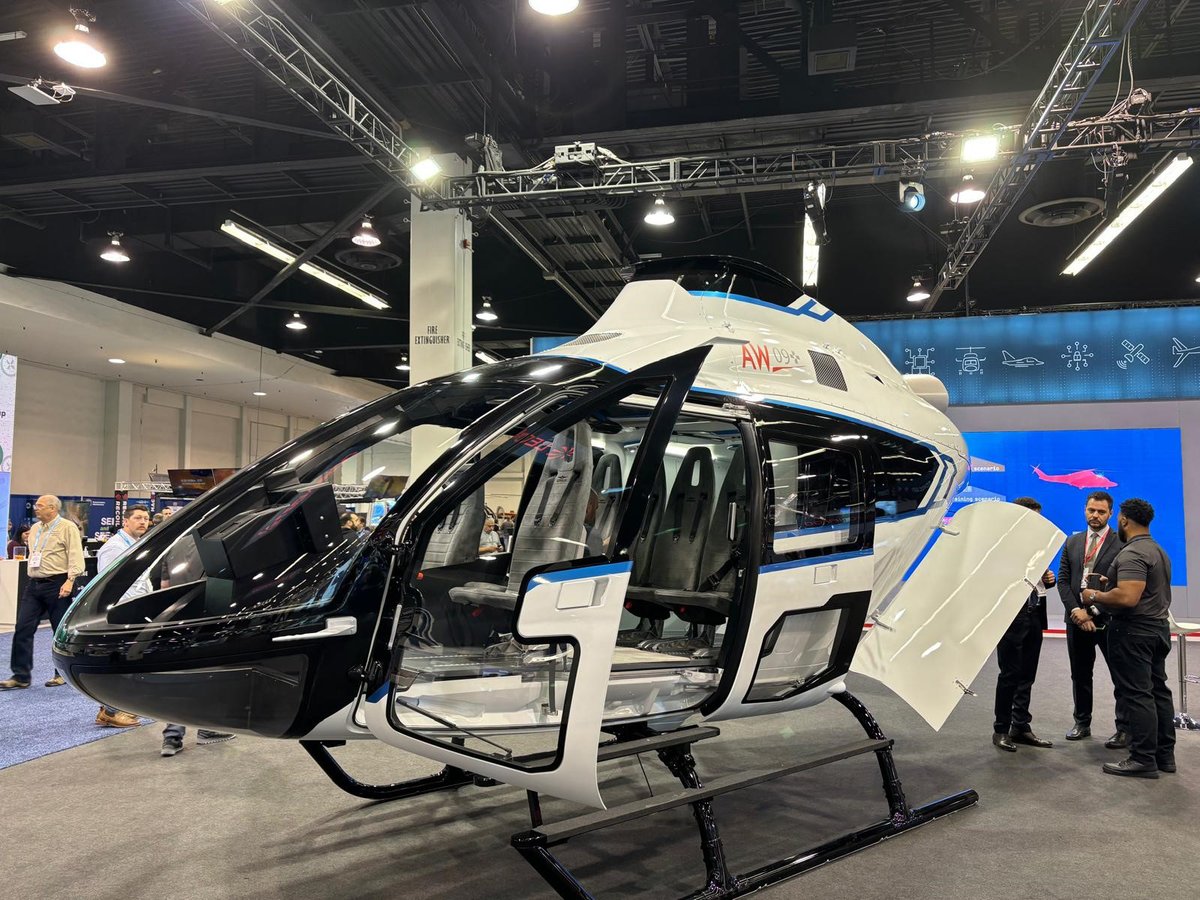
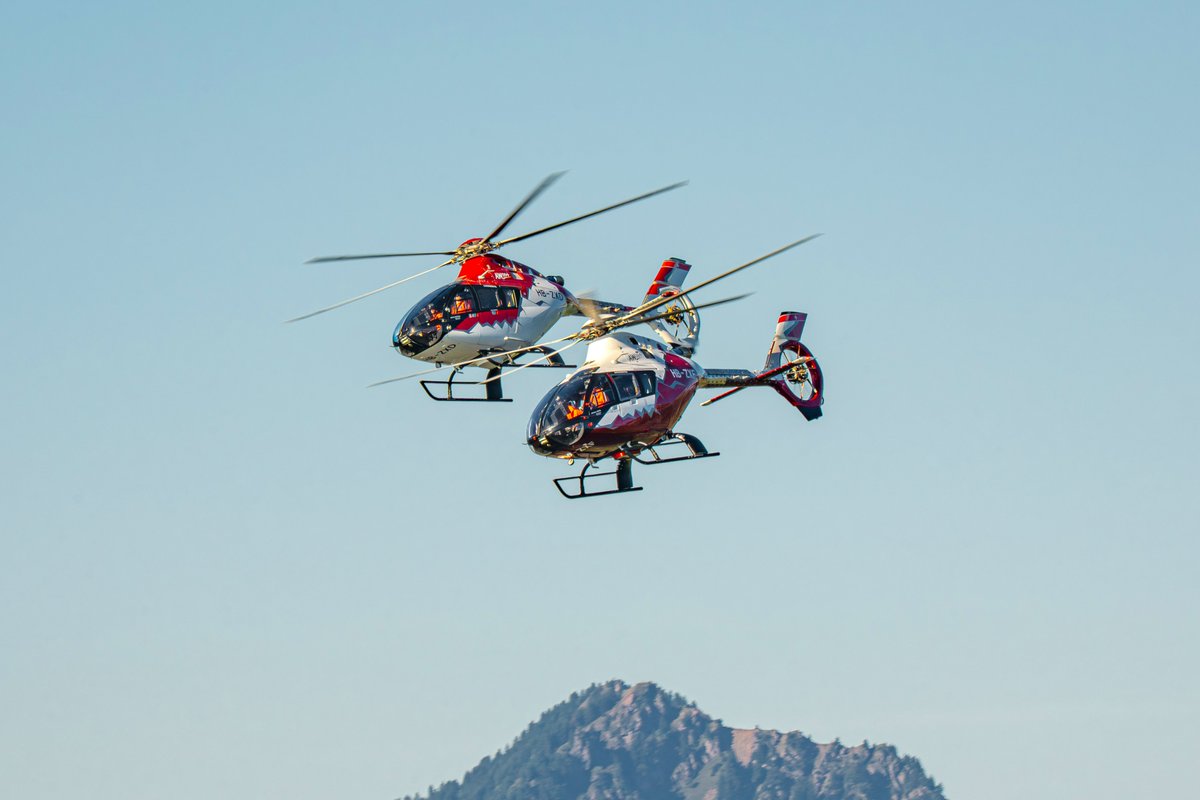
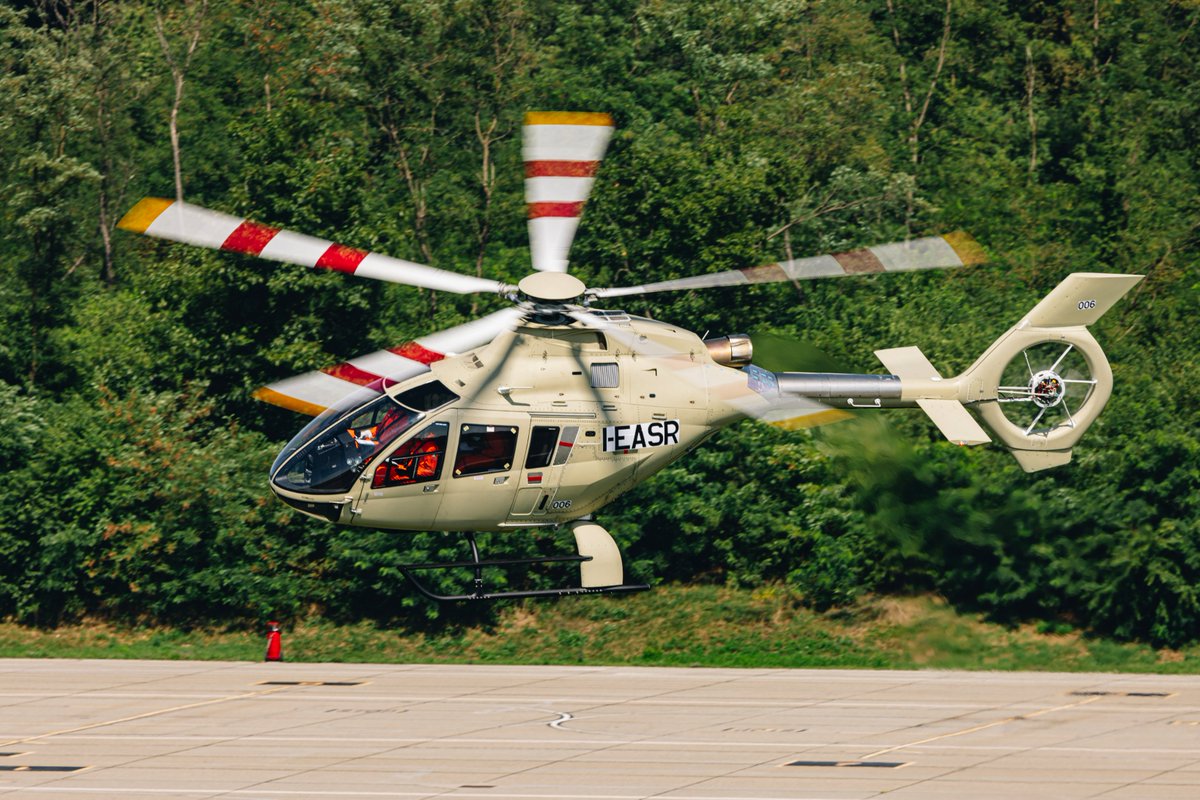
The full-scale #AW09 cabin mock-up is on its way to #Manila, Philippines!
The mock-up will be hosted by our exclusive AW09 regional distributor, #HelitechAsia, and displayed in Manila from mid-October 2025. This initiative will offer customers from across Southeast Asia and Korea the opportunity to step inside the cabin, experience its comfort and versatility first-hand, and connect directly with the Helitech team.
Meanwhile, the AW09 programme continues to advance with strong momentum. The first serial-representative aircraft, #S6, has completed successful flights, while flight testing with #PS4 and #PS5 prototypes is progressing in parallel toward certification.
5
41
2,466

25 Sep 2025
Here's some contact info that may help. Be sure to thank them for advertizing on KTUL TV during their news broadcasts:
•Burgraff Restoration: info@burggrafrestoration.com. Alternatively, use the contact form on their site or call (918) 584-3737.
•Chris Nikel Jeep Dodge: mark.jewell@chrisnikel.com. General inquiries via site form; phone: (539) 766-8990.
•Silver Dollar City: customerservice@silverdollarcity.com. Guest services; phone: 888-455-1383.
•Shape Your Future OK: No direct email; use contact form on shapeyourfutureok.com.
•Kilwins Chocolate: No direct email; use guest services form on kilwins.com/contact-us. Phone: 888-454-5946.
•TOYOTA: No direct email; submit via toyota.com/support/contact-u…. Phone: 800-331-4331.
•Counseling & Recovery Services of Oklahoma: No direct email; use form on crsok.org/contact-us. Phone: (918) 394-2256 for intake.
•Indigo Sky Casino•: No direct email; use form on indigoskycasino.com/contact-…. Phone: (918) 666-9200.
•Visit Van Buren•: info@vanburen.org. Tourism bureau; phone: (479) 474-0500.
•First Baptist Tulsa: No direct email; use form on tulsafbc.org/connect. Phone: (918) 587-1571.
•Wendy’s: customercare@wendys.com. Corporate feedback; phone: 888-624-8140.
•Dupixent: No direct email; use MyWay support via dupixent.com/support-savings…. Phone: 1-844-DUPIXENT (1-844-387-4936).
•Airco: info@airco.com. HVAC services (Fort Worth-based); phone: 817-870-1234.
•Helitech: service@helitech1987.com. For follow-ups/thanks; phone: 800-246-9721.
•Tulsa State Fair: No direct email; use form on tulsastatefair.com/p/about/c…. Phone: (918) 838-1000 (general inquiries).
•GMC: No direct email; submit via gmc.com/contact-us. Phone: 800-462-8782.
•Sensodyne: Consumer.Communications@gsk.com. Haleon/GSK support; phone: 866-844-2797.
•Voltaren Gel: mystory.ca@haleon.com. Use voltaren.com/contact-us form for U.S.; phone: 888-788-8181.
•Grigsby Carpet & Tile: No direct email; use form on grigsbys.com/contact. Phone: (918) 627-6996.
•Cleartone: info@cleartoneaz.com. Hearing centers (AZ-based, likely match); phone: (480) 609-0953.
1
4
161
25 Sep 2025
Here's some contact info that may help. Be sure to thank them for advertizing on KTUL TV during their news broadcasts:
•Burgraff Restoration: info@burggrafrestoration.com. Alternatively, use the contact form on their site or call (918) 584-3737.
•Chris Nikel Jeep Dodge: mark.jewell@chrisnikel.com. General inquiries via site form; phone: (539) 766-8990.
•Silver Dollar City: customerservice@silverdollarcity.com. Guest services; phone: 888-455-1383.
•Shape Your Future OK: No direct email; use contact form on shapeyourfutureok.com.
•Kilwins Chocolate: No direct email; use guest services form on kilwins.com/contact-us. Phone: 888-454-5946.
•TOYOTA: No direct email; submit via toyota.com/support/contact-u…. Phone: 800-331-4331.
•Counseling & Recovery Services of Oklahoma: No direct email; use form on crsok.org/contact-us. Phone: (918) 394-2256 for intake.
•Indigo Sky Casino•: No direct email; use form on indigoskycasino.com/contact-…. Phone: (918) 666-9200.
•Visit Van Buren•: info@vanburen.org. Tourism bureau; phone: (479) 474-0500.
•First Baptist Tulsa: No direct email; use form on tulsafbc.org/connect. Phone: (918) 587-1571.
•Wendy’s: customercare@wendys.com. Corporate feedback; phone: 888-624-8140.
•Dupixent: No direct email; use MyWay support via dupixent.com/support-savings…. Phone: 1-844-DUPIXENT (1-844-387-4936).
•Airco: info@airco.com. HVAC services (Fort Worth-based); phone: 817-870-1234.
•Helitech: service@helitech1987.com. For follow-ups/thanks; phone: 800-246-9721.
•Tulsa State Fair: No direct email; use form on tulsastatefair.com/p/about/c…. Phone: (918) 838-1000 (general inquiries).
•GMC: No direct email; submit via gmc.com/contact-us. Phone: 800-462-8782.
•Sensodyne: Consumer.Communications@gsk.com. Haleon/GSK support; phone: 866-844-2797.
•Voltaren Gel: mystory.ca@haleon.com. Use voltaren.com/contact-us form for U.S.; phone: 888-788-8181.
•Grigsby Carpet & Tile: No direct email; use form on grigsbys.com/contact. Phone: (918) 627-6996.
•Cleartone: info@cleartoneaz.com. Hearing centers (AZ-based, likely match); phone: (480) 609-0953.
4
113
24 Sep 2025
The left in Tulsa is big mad that Sinclair Broadcasting isn't showing Jimmy Kimmel on KTUL. I say we contact these advertisers and thank them. Spread the word.
Burgraff Restoration
Chris Nikel Jeep Dodge
Silver Dollar City
Shape Your Future OK
Kilwins Chocolate
TOYOTA
Counseling & Recovery services of Oklahoma
Indigo Sky Casino
Visit Van Buren
First Baptist Tulsa
Wendy’s
Dupixent
Airco
Helitech
Tulsa State Fair
GMC
Sensodyne
Voltaren Gel
Grigsby Carpet & Tile
Cleartone
35
174
645
13,332

2 Aug 2025
The hour-long buildup reaches a crescendo aaaaaand...
Rain delay. Not sponsored by Helitech.
1
89

18 Jun 2025
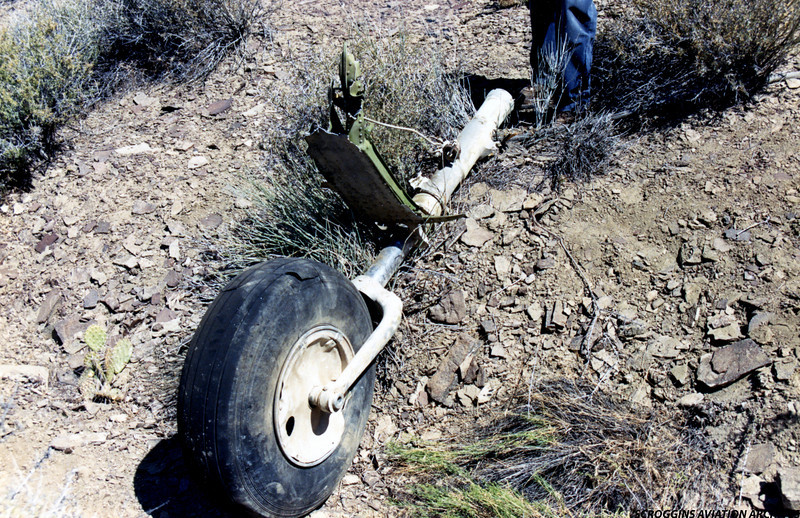
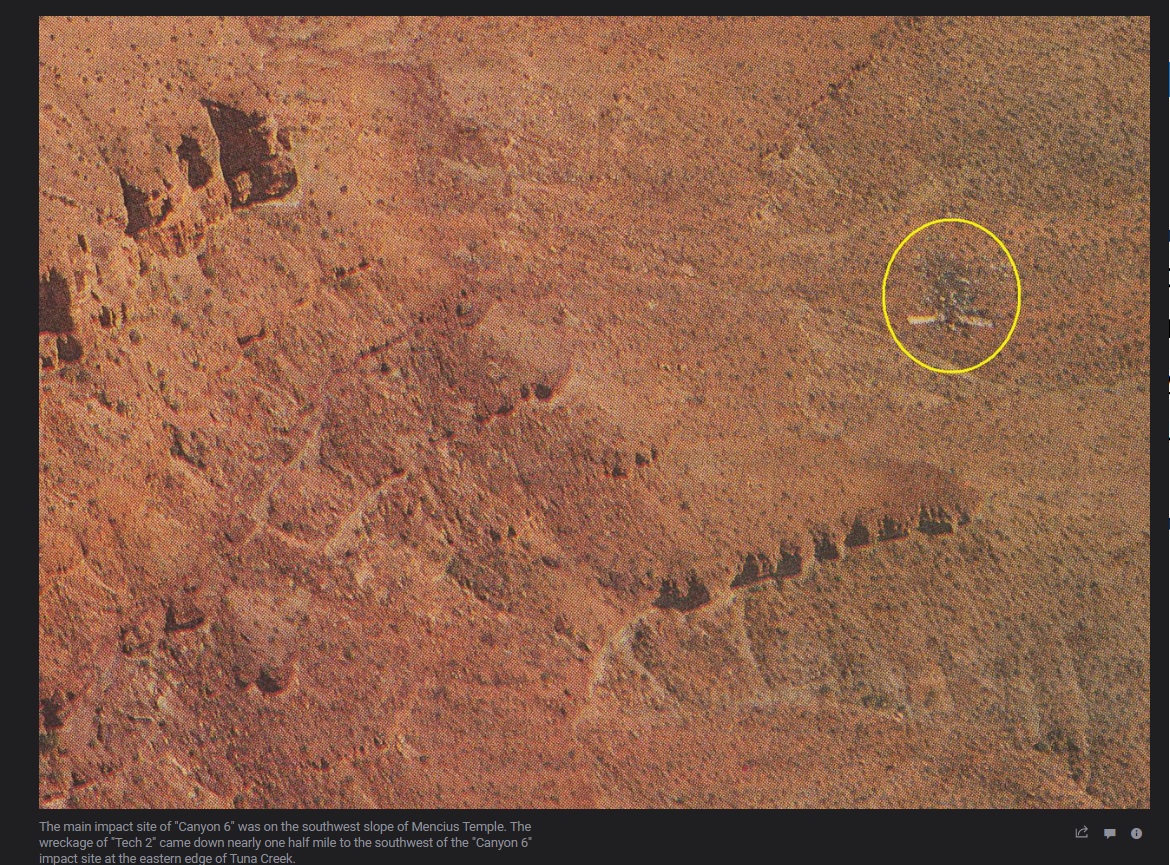
🧵#Thread 1/7 #OTD in 1986: Grand Canyon Airlines Flight 6 (DHC-6) and a Helitech Bell 206 Helicopter on sightseeing tours over Grand Canyon (US), collide in mid-air. All 25 aboard both planes die - deadliest chopper crash on the US - leading to revise operation of scenic flights in the area.

2
5
43
9,363

17 Jun 2025
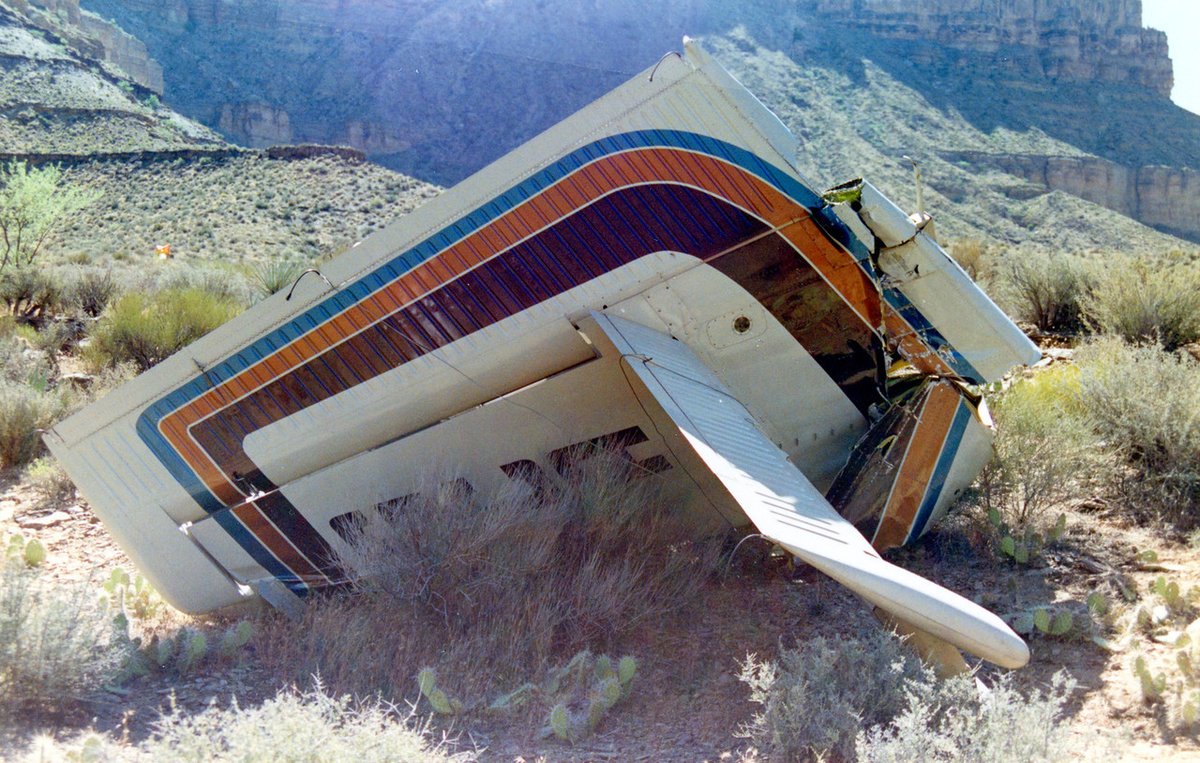
18 June 1986. Grand Canyon Airlines flight 6 de Havilland Canada DHC-6 Twin Otter N76GC collided in midair with Helitech Bell 206B III Jet Ranger N6TC over Grand Canyon National Park killing all 25.


1
9
733

10 Feb 2025
Teaser Alert!
What if flying a helicopter was as easy as driving a luxury car? Dr. Jason Hill is rewriting the future of personal aviation with groundbreaking innovation, cutting-edge design, and a bold vision for making helicopters more accessible than ever.
🔹 Why did he build a jet engine from scratch?
🔹 What’s missing in today’s aviation market?
🔹 How is Hill Helicopters changing the game?
Get ready for an eye-opening conversation on the next Hangar X Podcast! Coming soon… ⏳
#xVTOL #VTOL #XTIAeroSpace #HillHelicopters #Aviation #FutureOfFlight #HeliTech #HangarXPodcast
4
2
4
464

19 Sep 2024
🚨 We’re back at the Emergency Services Show today!
If you can't make it, don’t worry – we’ll also be at Helitech Expo 2024 on the 24th and 25th of September at the ExCeL in London.
Click below to register for your FREE Helitech tickets ⬇️
buff.ly/3XOLijy

2
8
388

13 Sep 2024
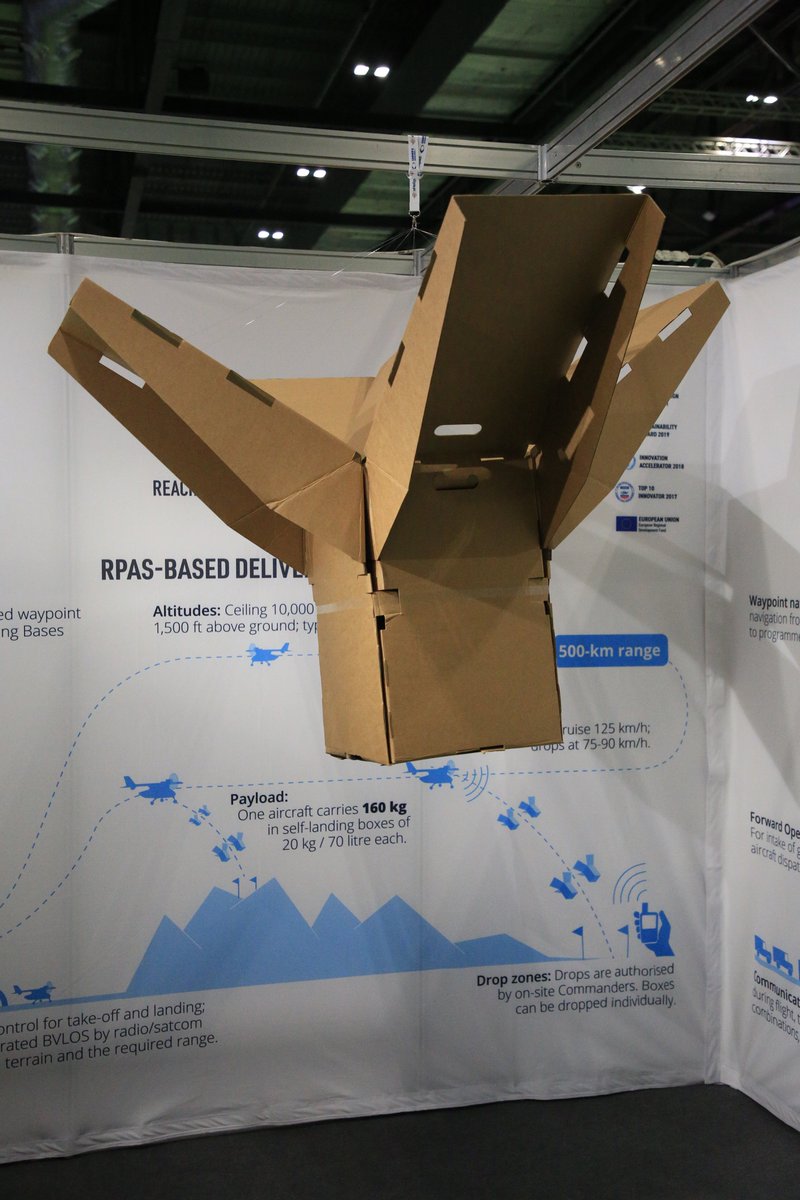
Cardboard-based solutions defintiely exist. Here's the #WingsForAid one from #HeliTech and #DroneX Show in 2021. @HelitechWorld @DroneXShow
1
3
93
20 Aug 2024
🚁 Join us at Helitech Expo 2024 – the premier event for the Rotorcraft Industry, happening on 24th & 25th September at ExCeL London!
Register for your FREE tickets now ⬇️
🎟️ Register here: tinyurl.com/43y9a3jt
#AirAmbulancesUK #HelitechExpo #Rotorcraft

2
235

5 Aug 2024
Join us at @HelitechWorld Expo 2024 - the leading business event dedicated to the #Rotorcraft
Industry! And would love for you to join us there!
Sign up for FREE tickets below ⬇️
tinyurl.com/yeyjnt6n
#Helitechexpo #helitech #partnerappreciationpost
#MRO #mrobtnews #mronews

2
44

29 Jul 2024
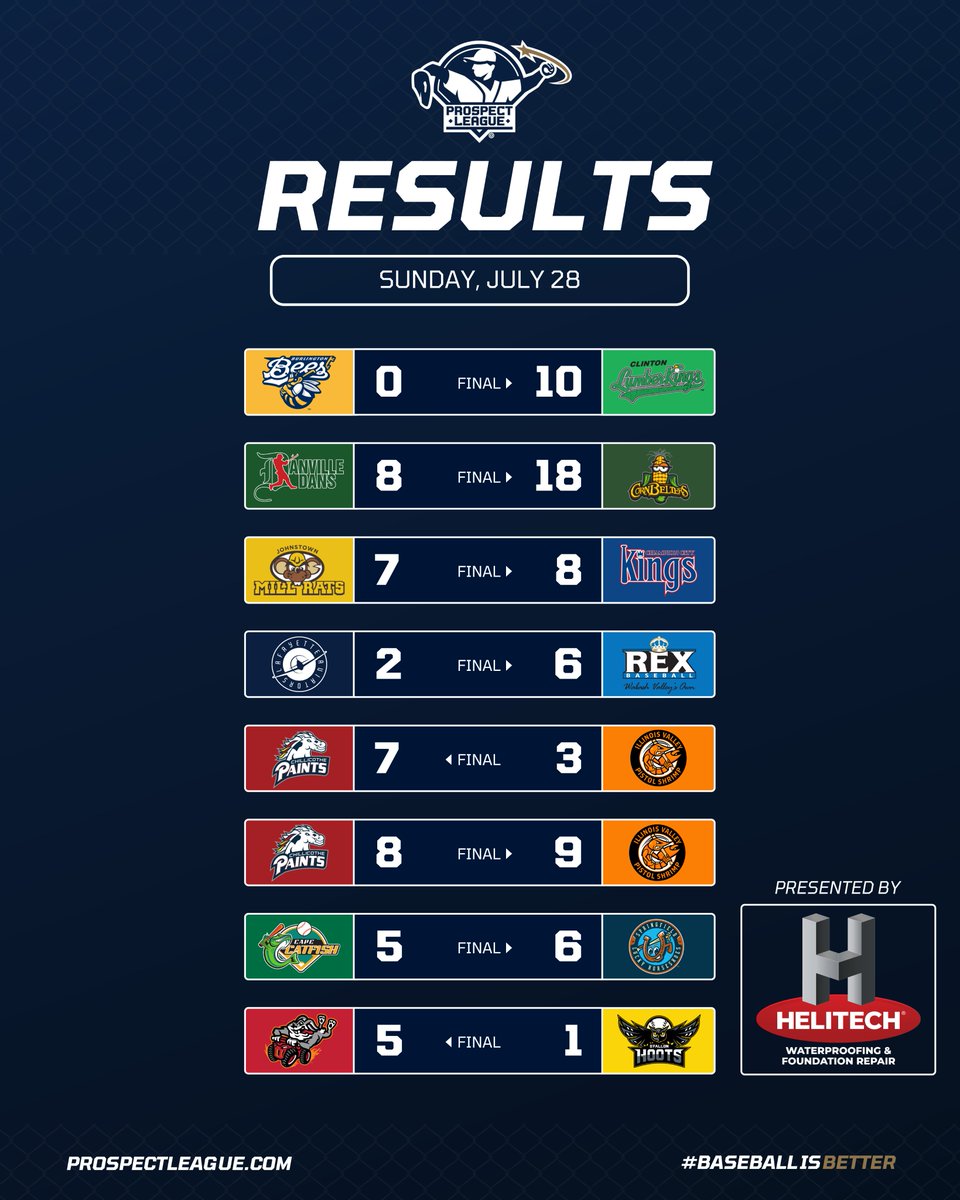
Sunday in the Prospect League! 🏟️
The Bombers and River Dragons and Rockabillys and Rhythm were postponed. Sunday’s results presented by HELITECH Waterproofing & Foundation Repair!
ProspectLeague.com | #BaseballIsBetter
1
7
1,021
22 Jul 2024
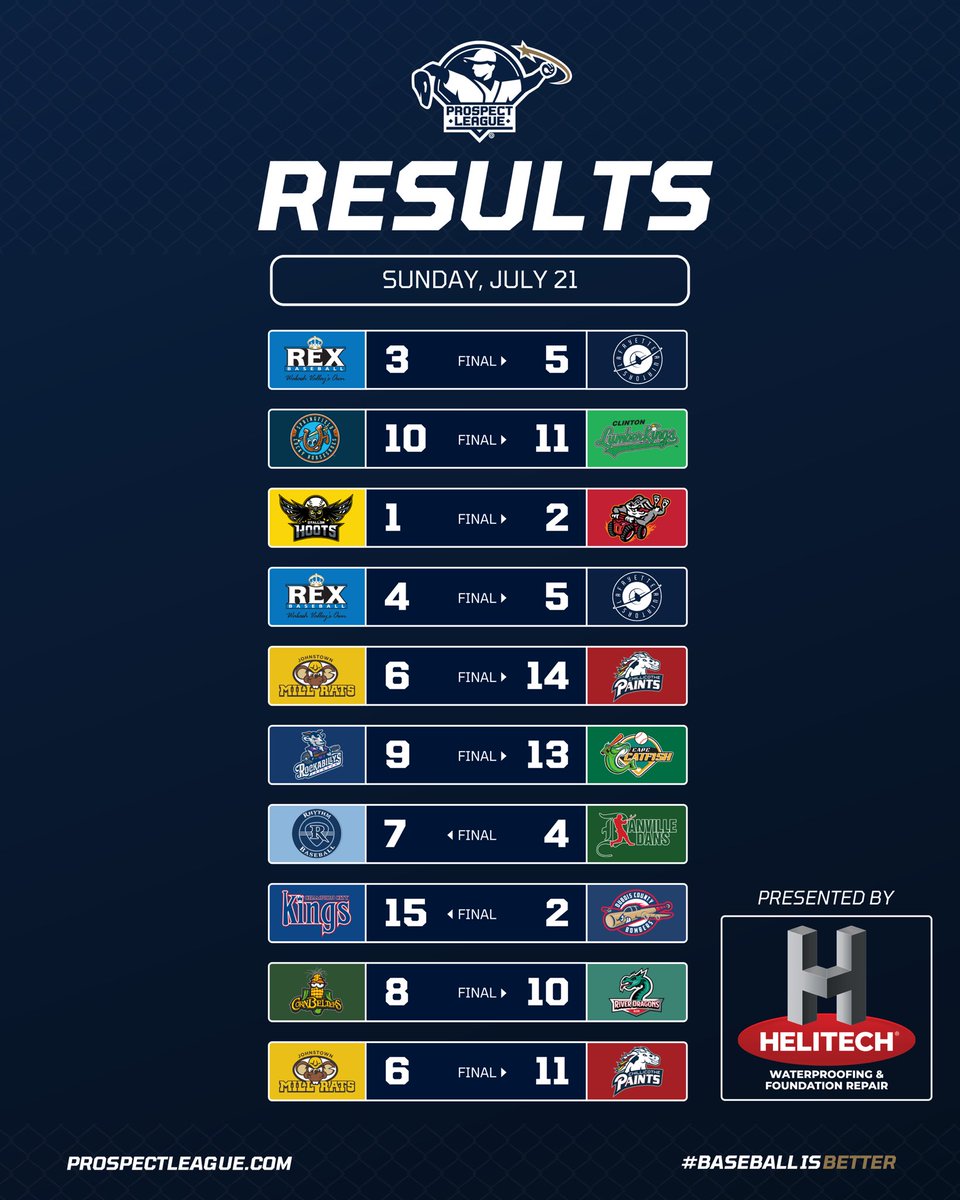
Sunday wraps up with 10 finals! ⚾️
Sunday’s results presented by HELITECH Waterproofing & Foundation Repair!
ProspectLeague.com | #BaseballIsBetter
2
3
1,402