
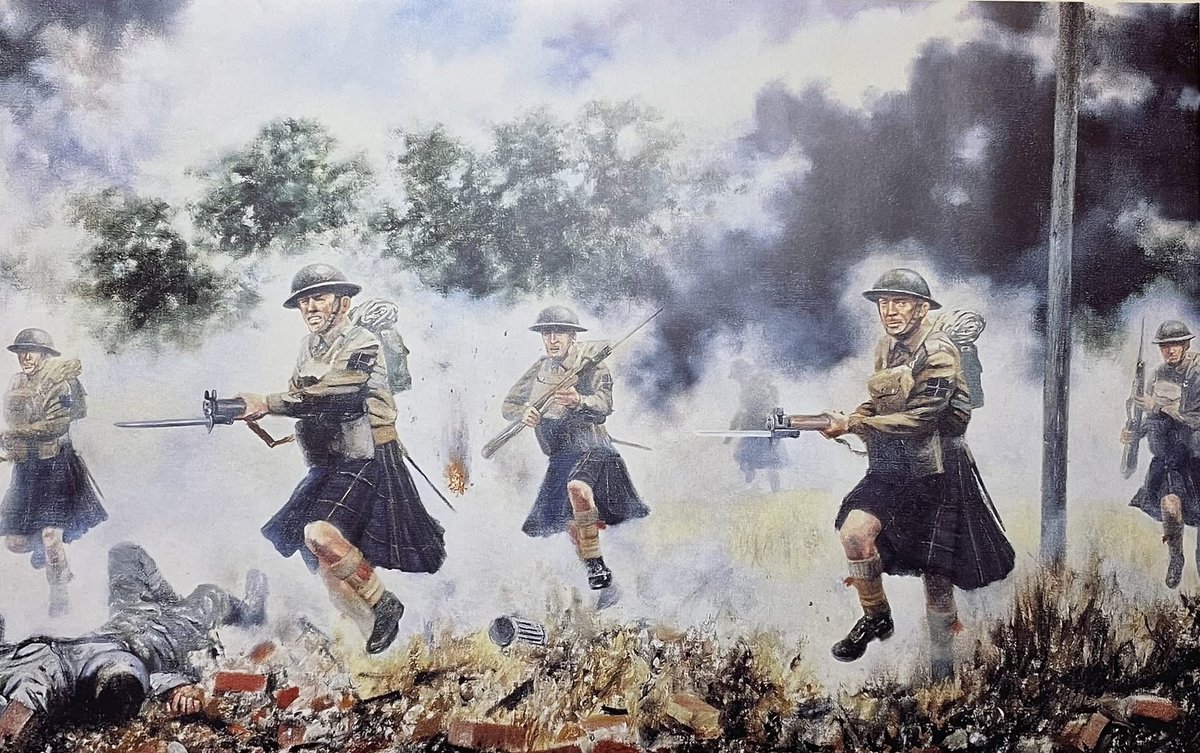
(Copied from The Highlanders Museum Facebook page)
May 1940, WW2, the men of 1st Bn. (79th) Queen’s Own Cameron Highlanders and by extension the wider British Expeditionary Force, have received a new order. Fall back. Withdraw. Confusion and anger reigns. Why? The Germans attacks had been breaking against their line; they have even pushed them back in places. They were winning. Why on earth would they fall back? What the Camerons and the rest of the B.E.F did not know, was the bigger picture. To the south, a concentrated German Armoured thrust had broken through the line of their French Allies and was racing to the coast. The B.E.F was in great danger of becoming cut off. The Camerons were about to enter the fight of their lives.
As the B.E.F fell steadily back, it became increasingly apparent to higher command, that something akin to a disaster was beckoning. The Allied front was falling apart, the Germans were driving a huge wedge, with Allied troops in the north becoming cut off and facing destruction. The B.E.F had to get out. It had to get home.
Evacuation. The beaches of Dunkirk, there hundreds of thousands of men could be saved. However, that would take time, time which needed to be bought. Among those of the B.E.F who would act as rear-guard to buy that time were 1st Camerons.
1st Camerons were already in a defiant mood. New war office regulations had been passed and in theory it ended the long debate over the wearing of the kilt as combat dress. The Highland regiments were to be de-kilted and adopt standard battle dress. The majority of Highland units in the B.E.F had done soon. Not the Camerons. They had dragged out the order as long as possible and even now as they held back the Germans, they did so dressed in the kilt, the last ever Highland unit to fight wearing the kilt on mass.
Such defiant sprit was needed, for days on end, the Camerons fought backwards, giving ground but never suffering a breakthrough, all while operating on but snatched moments of sleep.
Time and time again, at places such as the Escant Canal, La Basse and Festbert, often the very ground the 1st Camerons had fought on in WW1, they held back the Germans, stalling the advance on Dunkirk and buying crucial time. Moonlight bayonet charges, last stands against German Panzers and small isolated groups fighting until out of ammunition. By such sacrificial courage displayed by the Camerons, their fellow B.E.F soldiers of the rear-guard and their French comrades, would the B.E.F make it home.
Other units frequently commented on the morale boast experienced when they saw the Camerons arrive arrayed in their kilts, they knew the reputation of the Highlanders, they would hold.
“Whenever I saw those tartan kilts, I felt myself relax, the tension left my body, the Highlanders were here, we were going to be okay, we were going to make it home. I can’t tell you what it meant knowing that they were with us”.
– Pte. Edward Harrison – Territorial – 7th Bn. Worcestershire Regiment
Of the 650 men of 1st Camerons, only 79 would make it back to Dunkirk to be evacuated, an ironic number. When raised in 1793, the Camerons had been numbered the 79th Regiment of Foot.
If anyone has ancestors who served in the Fall of France during WW2, please do share your stories in the comments.
#militarymuseums #military #fortgeorge #highlandsofscotland #veteran #militaryhistory #britishmilitary #britishmilitaryhistoryfans #WW2
6
5
23
456

1 Dec 2025
On the British Isles, it’s not up for debate (don’t debate me 😡😇🤣) that Scots and Scottish Regiments are the finest the British Army have ever produced.
From the Highlanders Museum:
👇🏻
Late 1899 saw the outbreak of the 2nd Boer War, in what is now modern-day South Africa. Tensions between the Boer Republics and the neighbouring British controlled colonies had reached breaking point and when a Boer ultimatum for the removal of British troops from the border regions was refused, war was declared. The idea that the Boers would prove any challenge was scoffed at in newspapers back home, yet for the British soldiers on the ground, the war would prove to be largest conflict the British Army had engaged in since the Napoleonic Wars, going on to last until 1902.
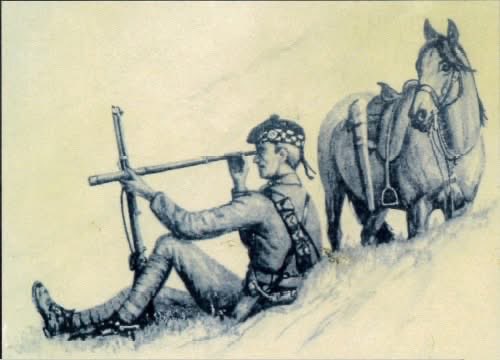
The Boers proved highly skilled opponents and in what became known as “Black Week”, they inflicted 3 major defeats on the British Army in just few days. The mood of the media changed overnight, blame was cast on politicians and generals. Cries of incompetence filled papers. How on earth could farmers being beating the British Army? In the eyes of Simon Fraser, Lord Lovat, who had previously adventured in South Africa, the frontier like environment of their home had forged the Boers into formidable fighters, homed in abilities and fieldcraft unknown to a British solider. Fraser had a great deal of respect for the Boers, yet he also believed greatly in the talents of his fellow Highlanders, talents he believed could be harnessed to beat the Boers at their own game. From this one of the most incredible and influential regiments of the British Army was born, The Lovat Scouts.
Fraser wanted his Scouts to be comprised of men from the Highland estates, workers, shepherds, gamekeepers and stalkers, men whose talents would lend themselves to speed, surprise, field craft, reconnaissance and marksmanship. He aimed to have them mounted on horses, moving quickly and hitting hard. His unorthodox proposal was accepted by the war office, and he set to work, despite from Highland lairds, such as the Marquis of Breadalbane who decried, that “stalkers would never make soldiers, and Highlanders can’t ride”. In spite of it all, Fraser succeeded, not only in get the numbers and quality of men he wanted but forming them into a cohesive team.
The Lovat Scouts, based on the merit of individual, were in many ways a replica of the late 1700’s Highland Regiments, held together by deep bonds of friendship rather then a hierarchy between officers and men, undragooned discipline and in so many ways a pathfinder for the concepts and tactics which would come after. South Africa would be their proving ground, but the Scouts would go on to serve in WW1 and WW2, with their legacy to British Army fieldcraft laying the foundations for much of British Special Forces today.
To learn more about the debut of the Scouts in South Africa, their exploits at Gallipoli in WW1 or in the Italian Mountains in WW2, then do visit the Highlanders Museum here at Fort George.
#THM #militarymuseums #military #fortgeorge #highlandsofscotland #veteran #militaryhistory #britishmilitary #britishmilitaryhistoryfans
2
15
263

25 Aug 2025
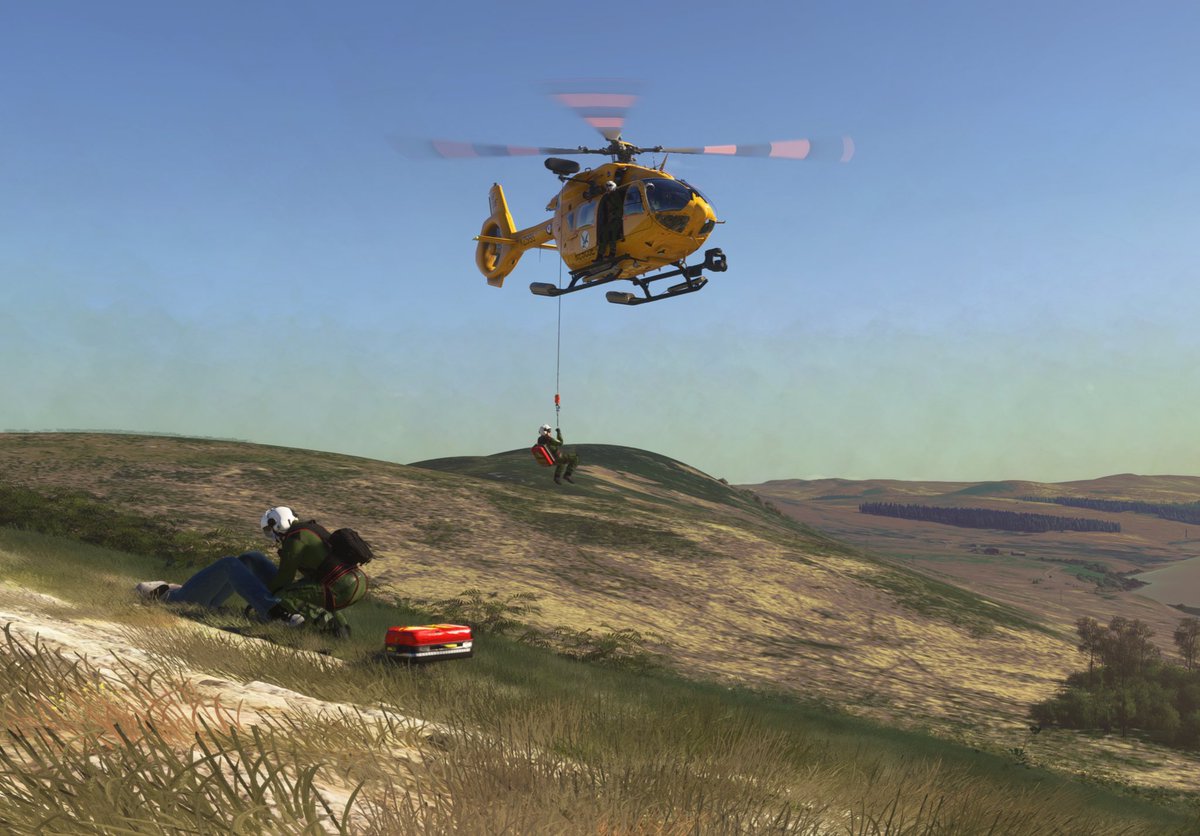
Some SAR training in Sutherland, NW Scotland, this morning.
Flying the exceptional @HYPEAircraft H145 HEMS in @MSFSofficial
#h145 #msfs2024 #202sqn #highlandsofscotland #airbus #airbushelicopters #flightsimulator #chopper #flightsim #helicopter #pilot #sutherlandshire
1
177
27 Jul 2025
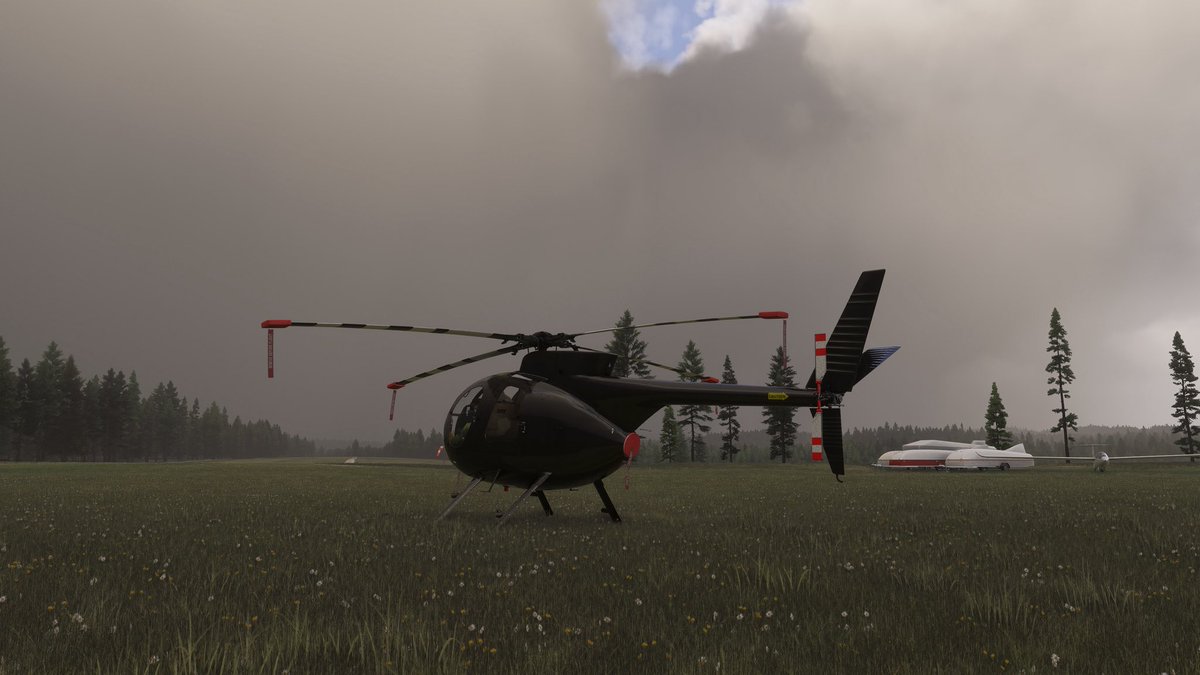
Summer in the Highlands, you never know what you are going to get.
Pic taken shortly before this morning’s live stream on the channel.
#helicopter #taogshangar #H500C #feshiebridge #cairngormglidingclub #cairngormsnationalpark #highlandsofscotland #scottishhighlands #mountains
2
101

4 Jun 2025
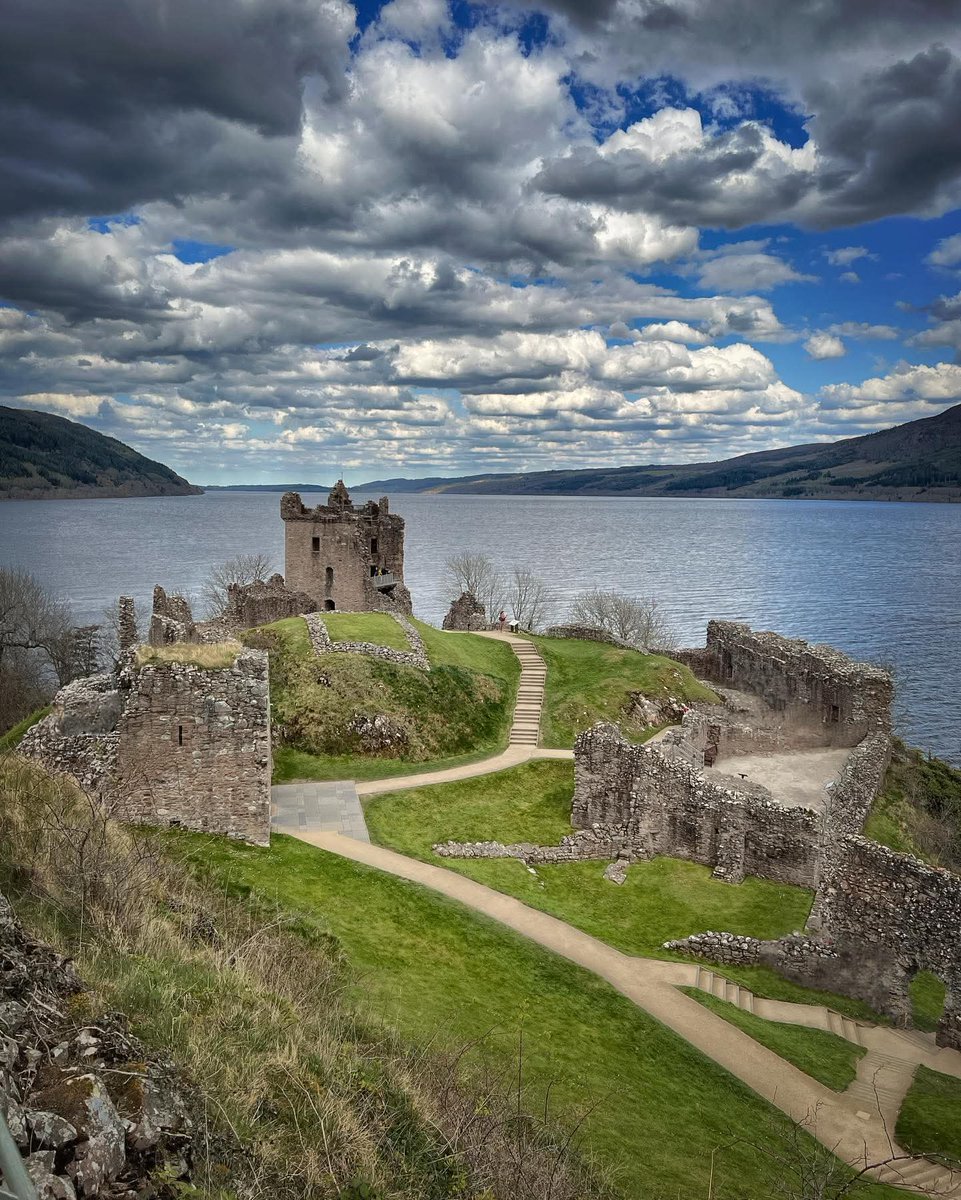
Urquhart Castle.. Loch Ness. Scotland 🏴
☆My ancestor was William of Orange☆ ~Kim Michele Ingram
Urquhart Castle sits within the Great Glen on a strategic route used by people for millennia to navigate through the Highlands of Scotland.
The castle began life as a Pictish fort in the 5th or 6th century. It grew into a medieval fortress by the 13th century and was captured by King Edward I of England during the Scottish Wars of Independence.
By 1509, the lands and castle were in the hands of Clan Grant, whom King James IV hoped would bring law and order to the area for the king. However, the powerful Clan MacDonald continued to raid and pillage everything that wasn’t nailed down!
In 1688, the castle was held by soldiers loyal to the new Protestant William of Orange. An army of Jacobites attempted to capture it but, without artillery, was repelled.
When the government troops left in 1690, they blew up the gatehouse, making the castle useless in future Jacobite rebellions.
#scotland #lochness #urquhartcastle #castle #castles #history #vacation #vacations #vacationmode #holiday #travel #explorepage #explore #exploremore #travelphotography #travelblogger #travelgram #tour #tourguide #nessie #lochnessmonster #fyp #fypシ #foryou #foryoupage #scottish #scottishhighlands #highlands #highlandsofscotland #visitscotlandtours
1
5
84

25 Apr 2025
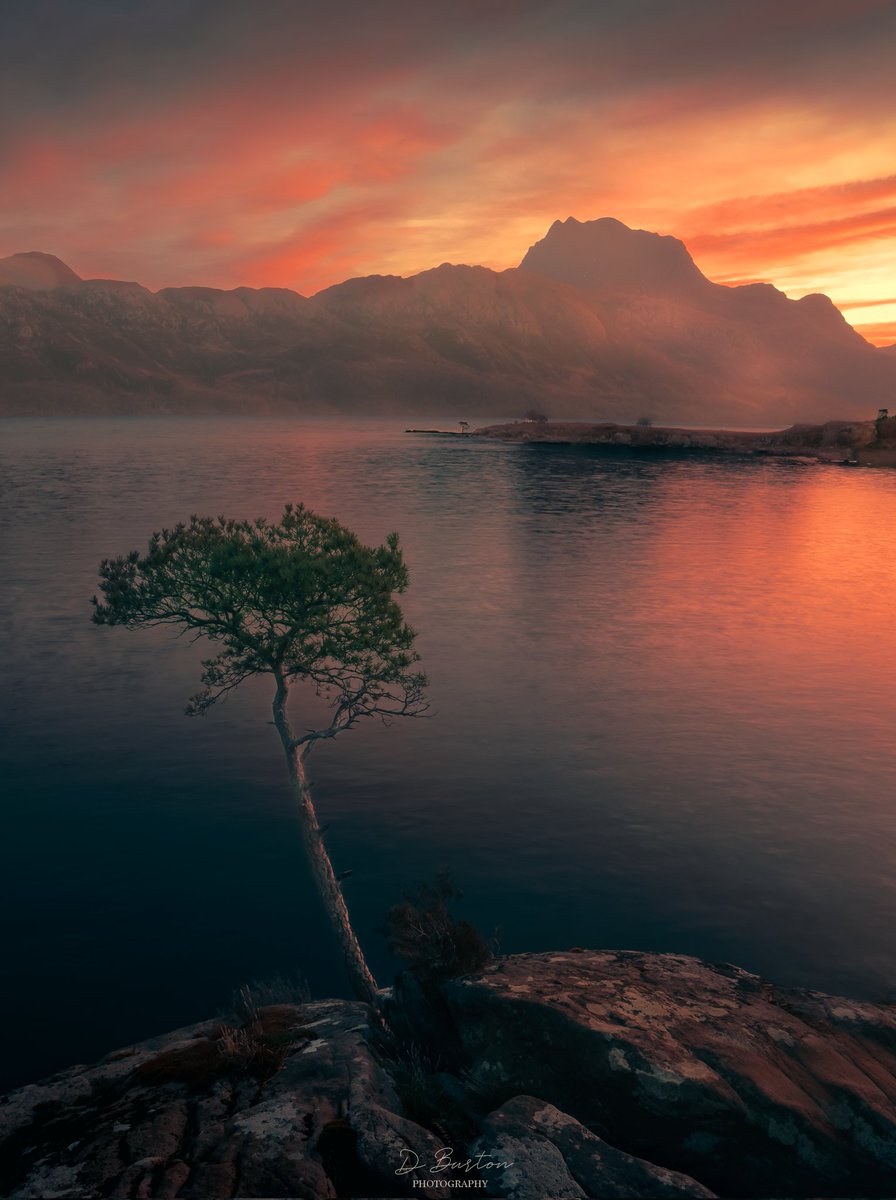
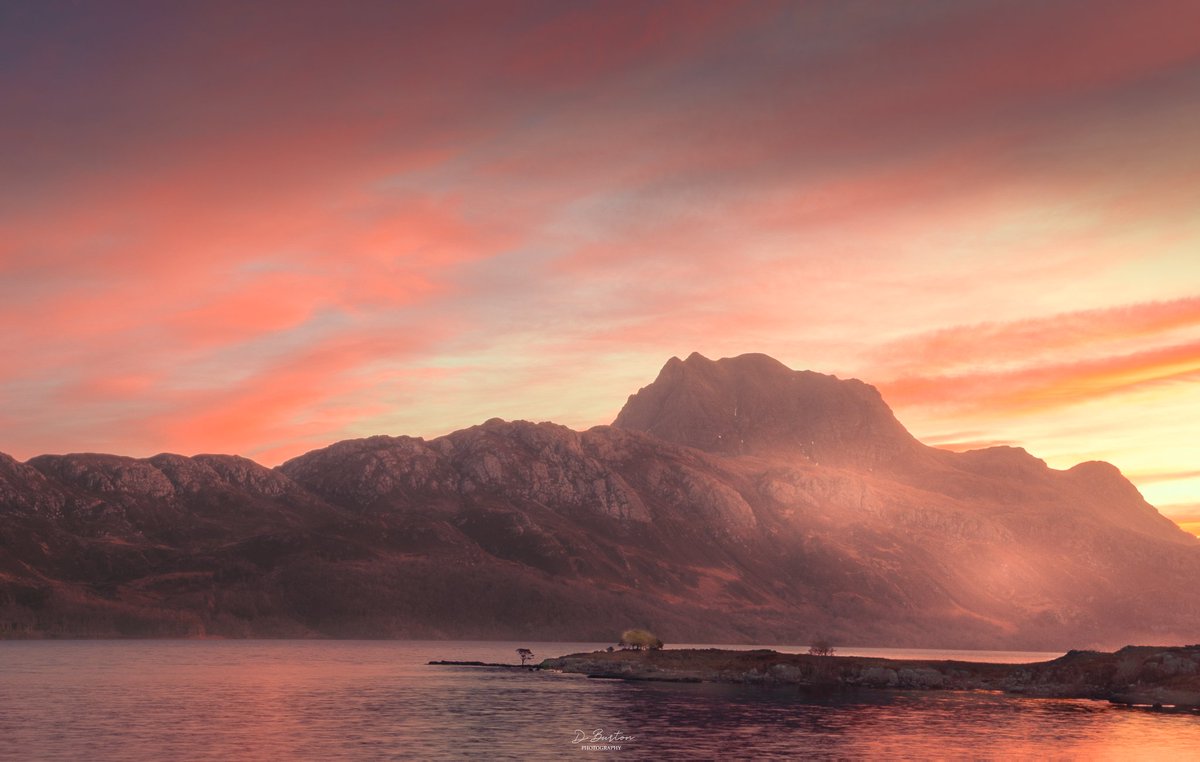
Sunrise over Slioch Kinlochewe Scotish Highlands @StormHour
@VisitScotland
#scotishhighlands #highlandsofscotland #hiddenscotland #visitscotand #travellingscotland #Landscape #scotalnd_greatshots #discoverscotland #thisisscotland #yourscotland
2
4
401

14 Mar 2025
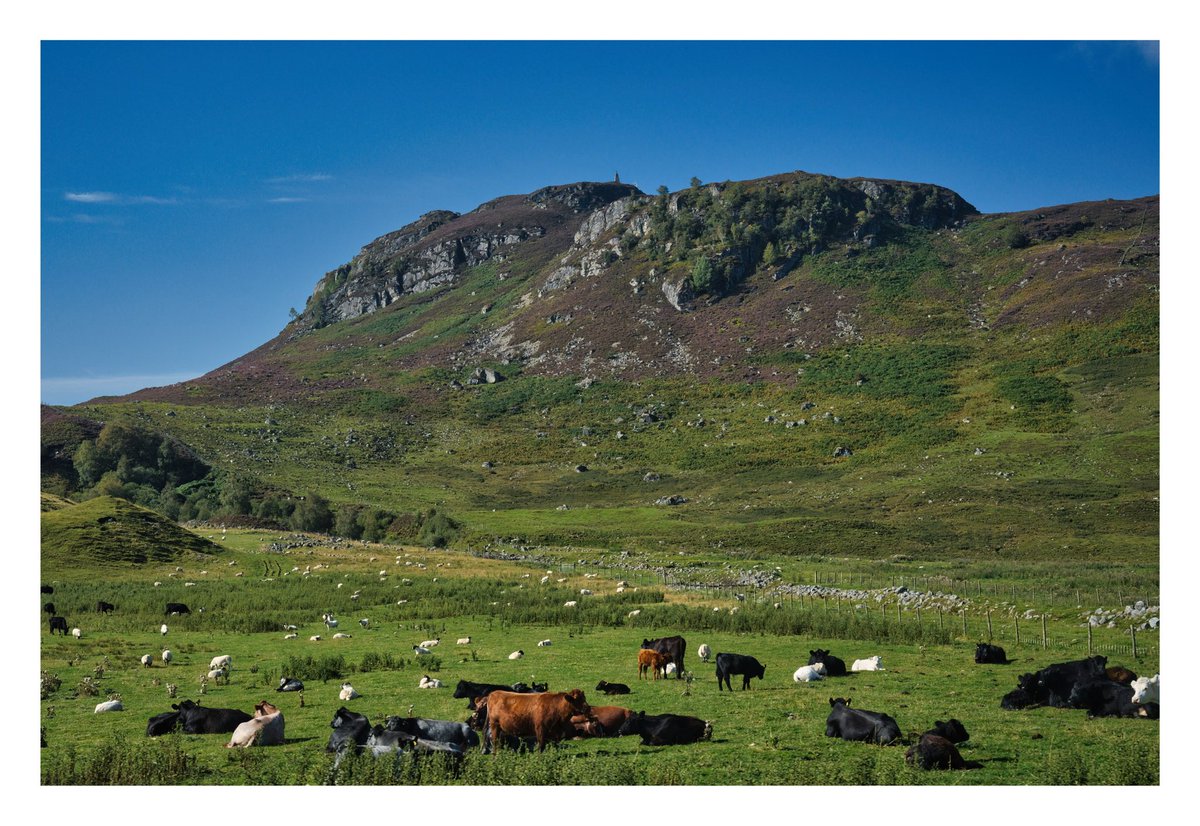
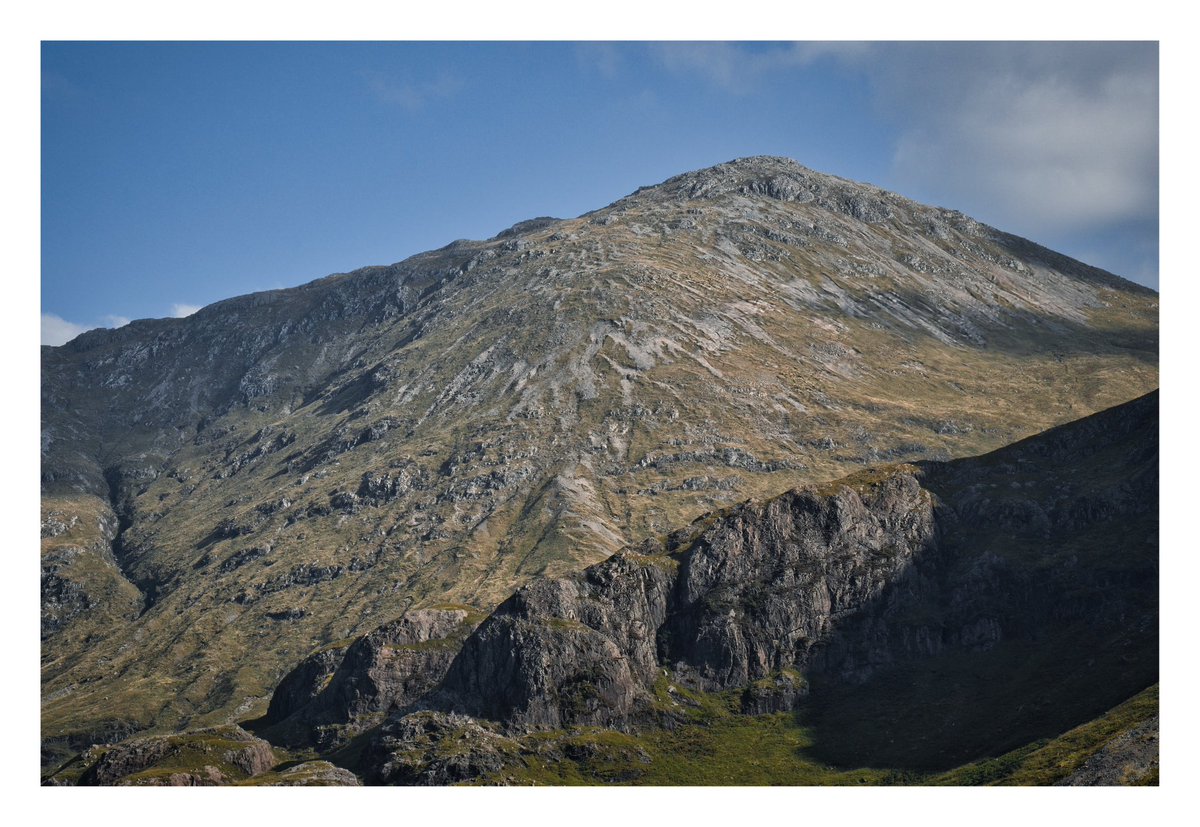
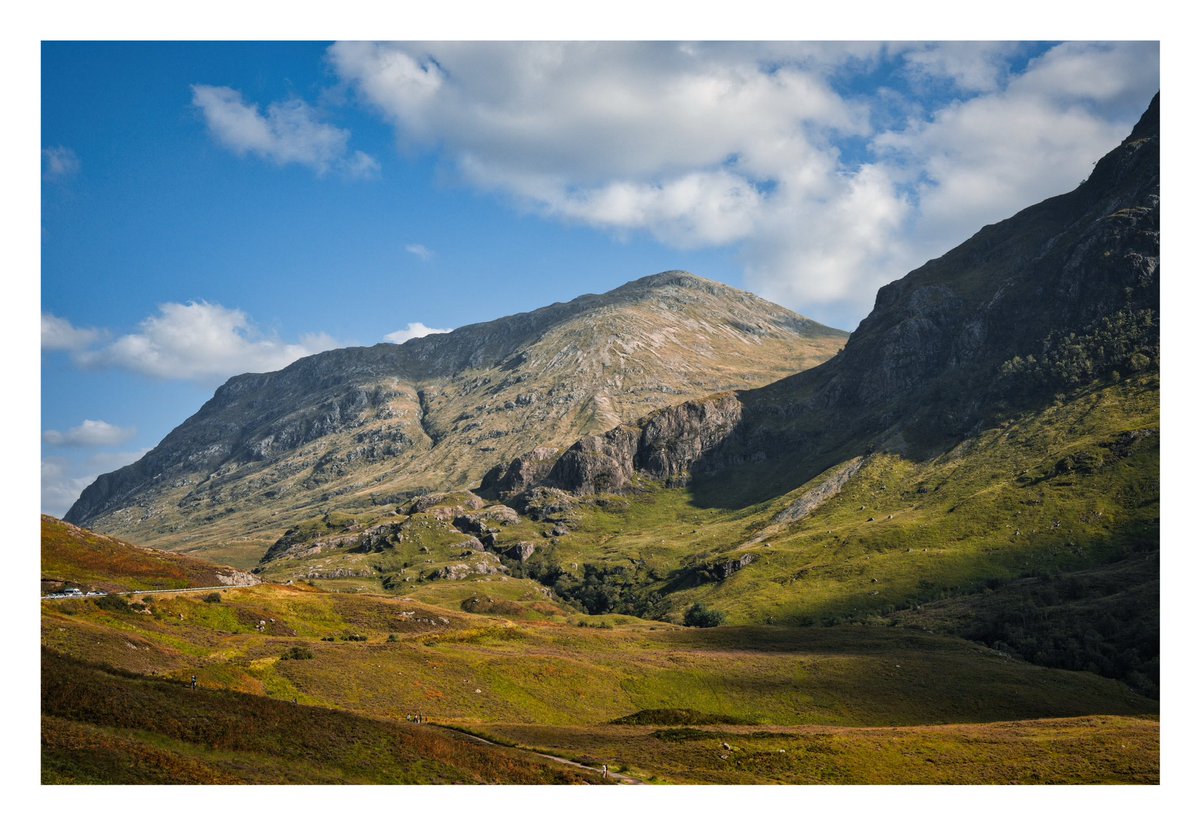
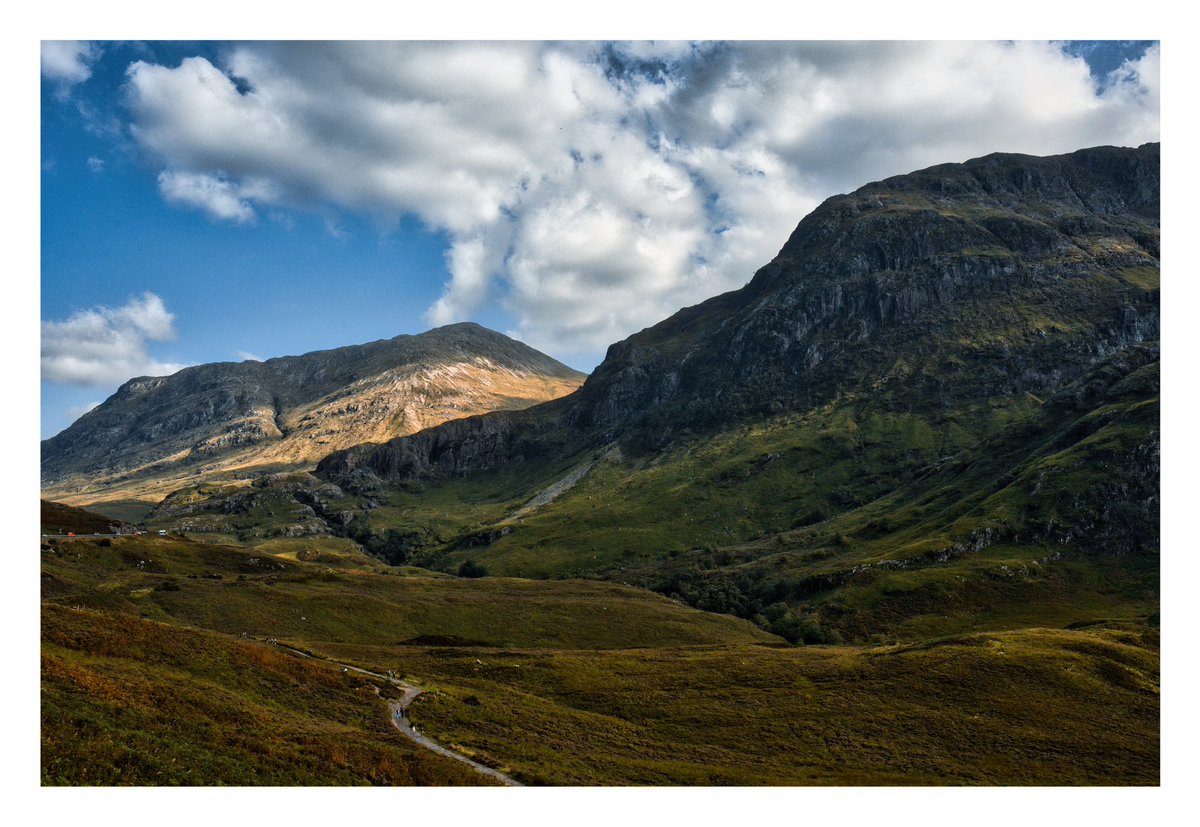
📍 Highlands, Scotland
Today some landscape photos of the Scottish Highlands.
The area is very sparsely populated, with many mountain ranges dominating the region, and includes the highest mountain in the British Isles, Ben Nevis.
#travelwithlenses #highlandsofscotland
2
114

14 Oct 2024
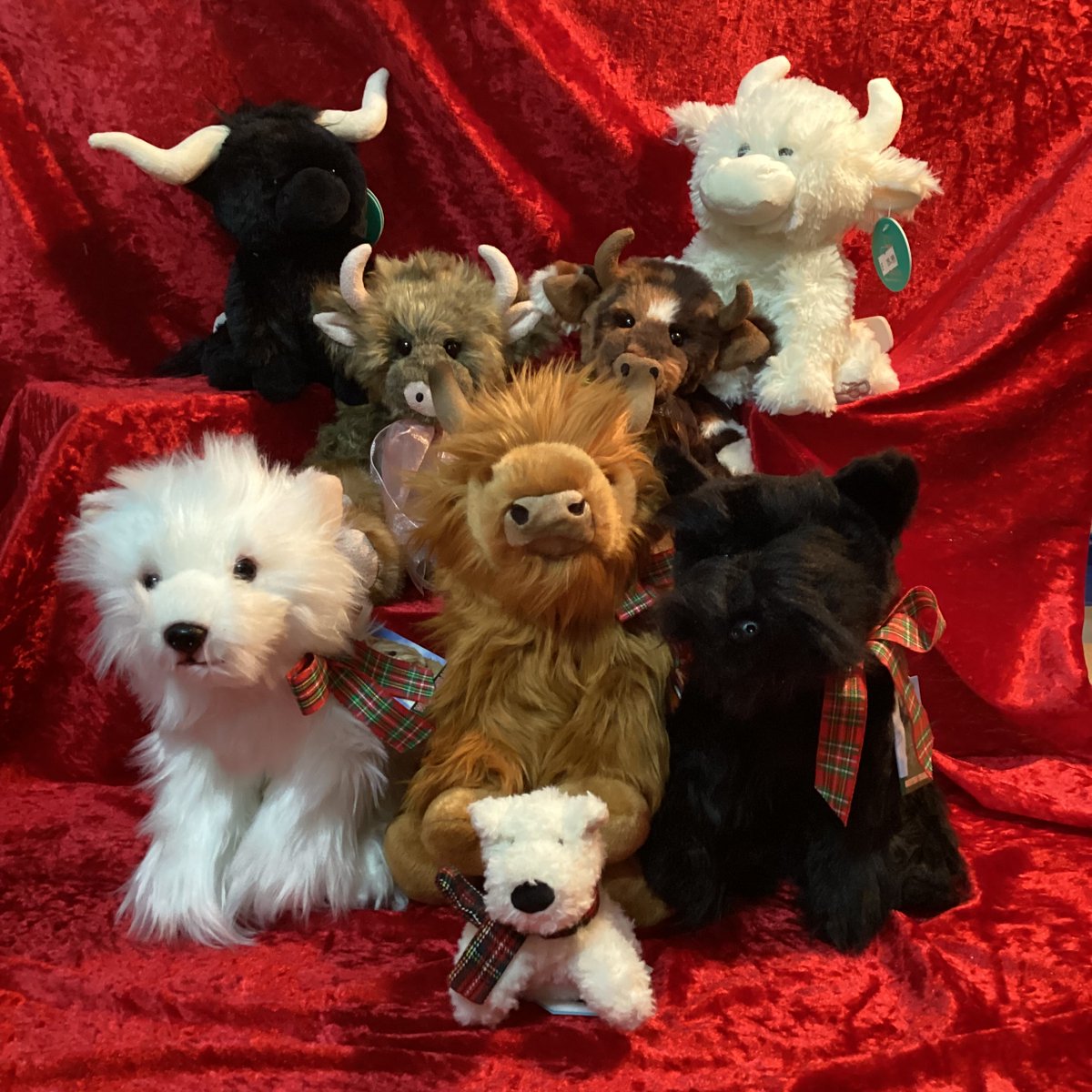
Are you enjoying the Scottish Half Term?
Up to anything interesting?
We have an array of Highland themed characters here from the Sturdy Scottie to the White Westie and a few Heilan Coos between!
#WorldOfBears #giftidea #highlandcow #highlandsofscotland #elevenseshour
1
6
7
120

13 Oct 2024
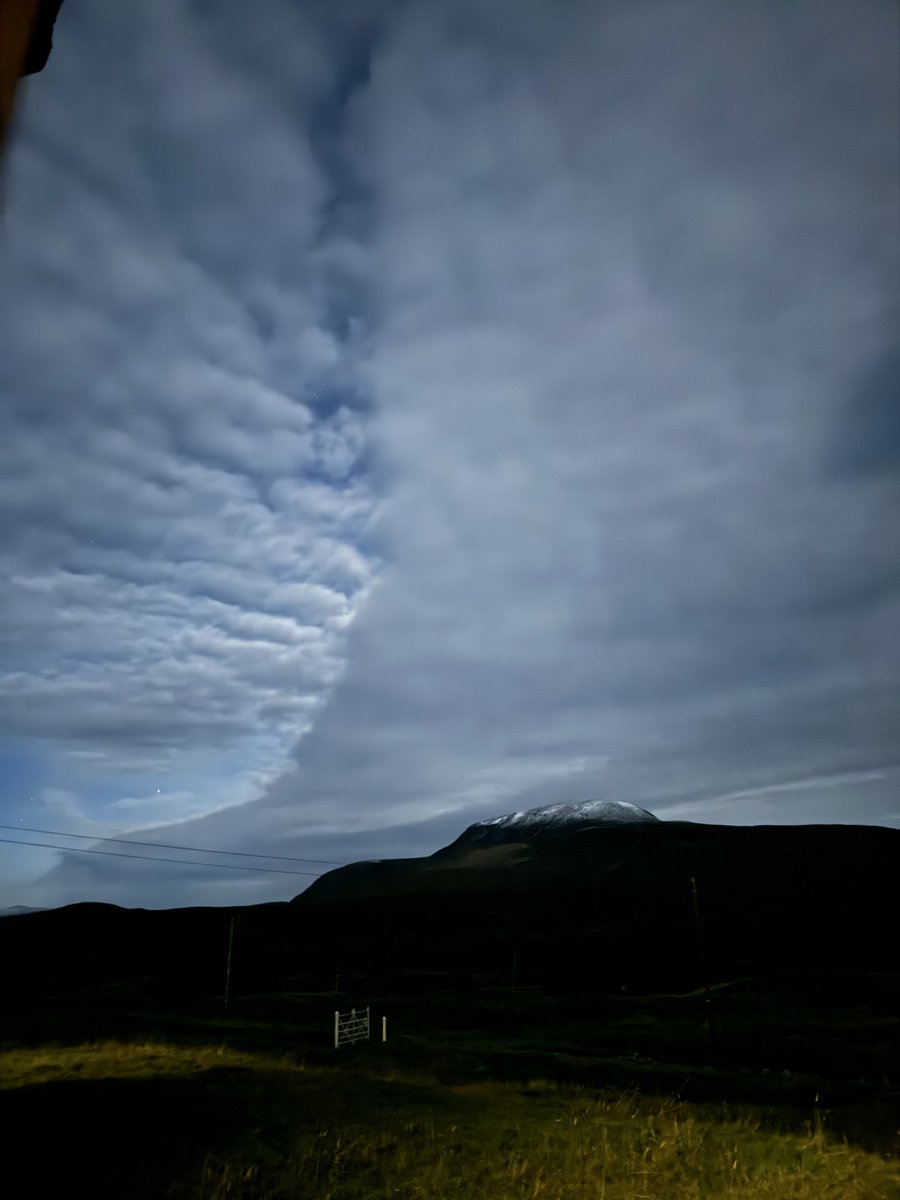
Tonight outside.!! What a fabulous evening.!! #highlandsofscotland 10pm tonight.!!
1
1
25
261

8 Oct 2024
Highland demo of the Evolution F3 on the Black Isle, near Inverness.
#claydondrill #OptiTill #loveyoursoil #directdrill #scotland #blackisle #scottishfarming #highlandsofscotland
2
30
4,120

4 Sep 2024
I am over the moon to announce that my book ‘The Hamlet’ will be published by NewCon Press in 2025! 📕
“A fabulous tale that dances between horror and science fiction with an added dash of weird.” #horror #scifi #author #highlandsofscotland

4
6
14
500

3 Sep 2024
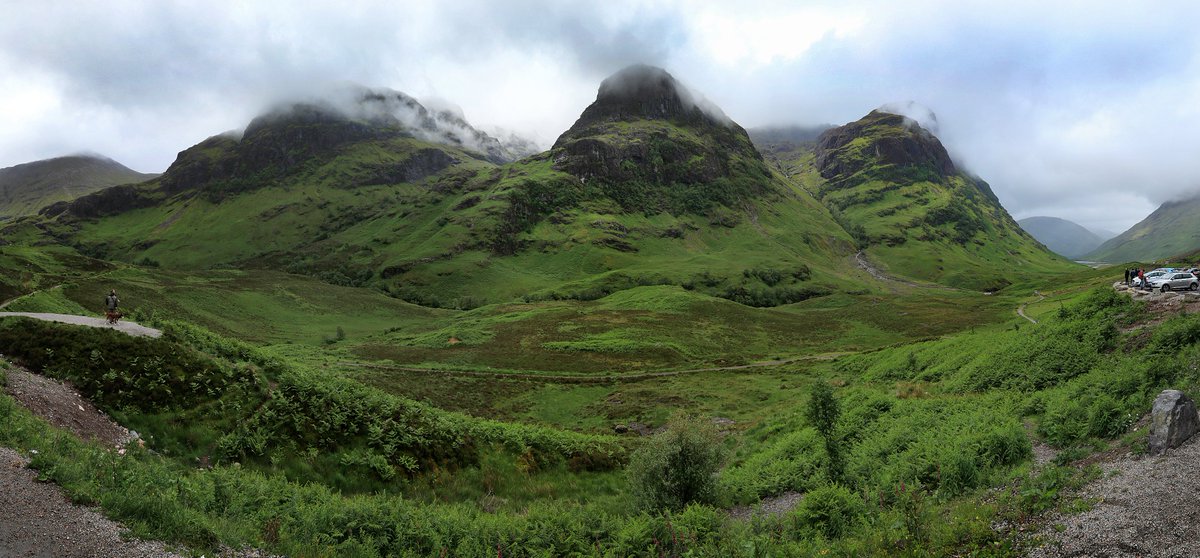
Lost count the number of times we've driven past The 3 Sisters of Glencoe. ⛰️ views hardly ever disappoint 🙂 ❤️ Scotland 🏴 #ThreeSistersofGlencoe #photography #landscape #glencoe #scotlandhighlands #scottishhighlands #highlandsofscotland #threesisters #mountains #VisitScotland
1
4
92

10 May 2024
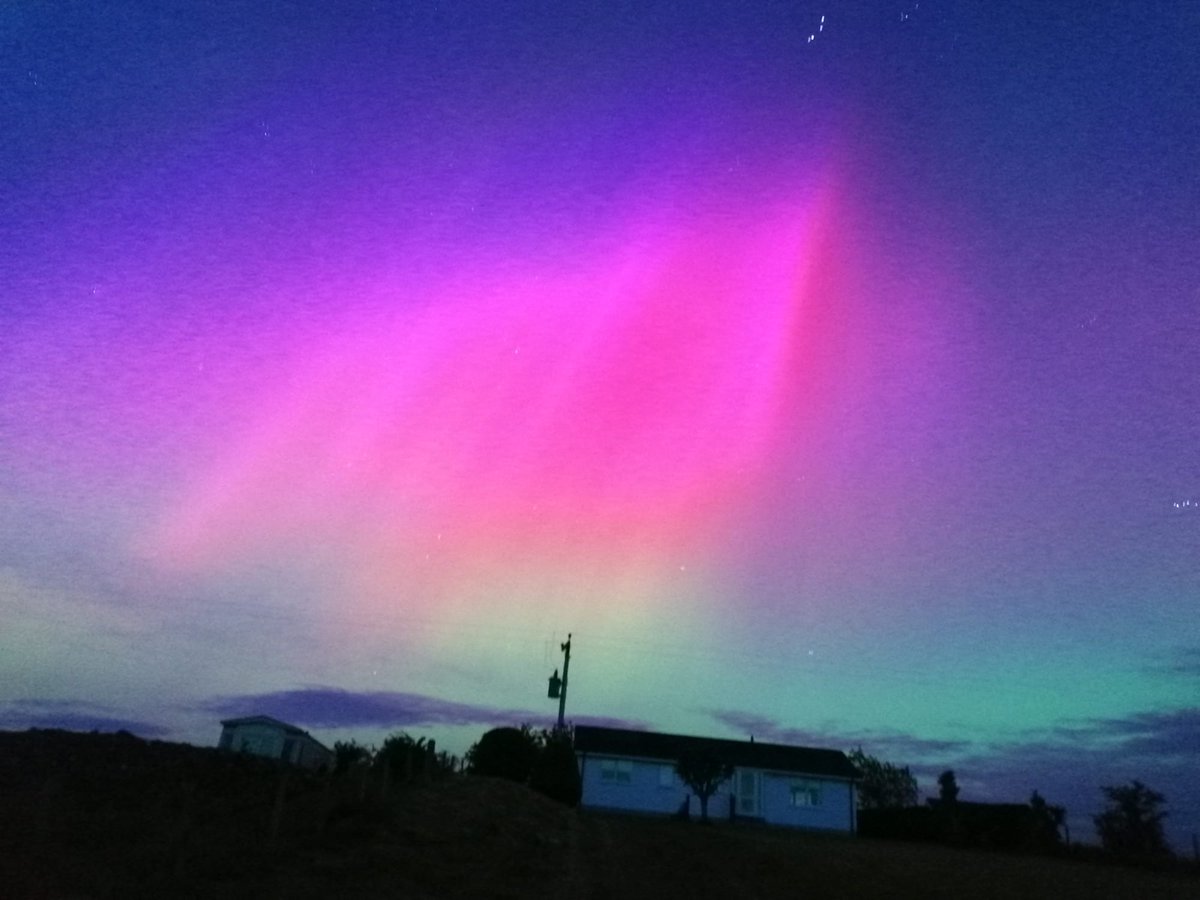
Aurora tonight, South end Isle of Skye, Scotland.
#skyecoorie #islandlife #awardwinning #aurora #auroraborealis #northernlights #merrydancers #skyatnight #universe #astro #solarflare #incredible #selfcatering #highlandsofscotland #islandholiday #cabin #onceinalifetime
2
828

5 Apr 2024
Loch Lomond has got to be one of my favourite spots in Scotland. A climb up Conic Hill is the best way to enjoy the stunning views of the surrounding landscapes and is great for all the family.
#Scotland #highlandsofscotland
@lomondtrossachs @VisitScotland
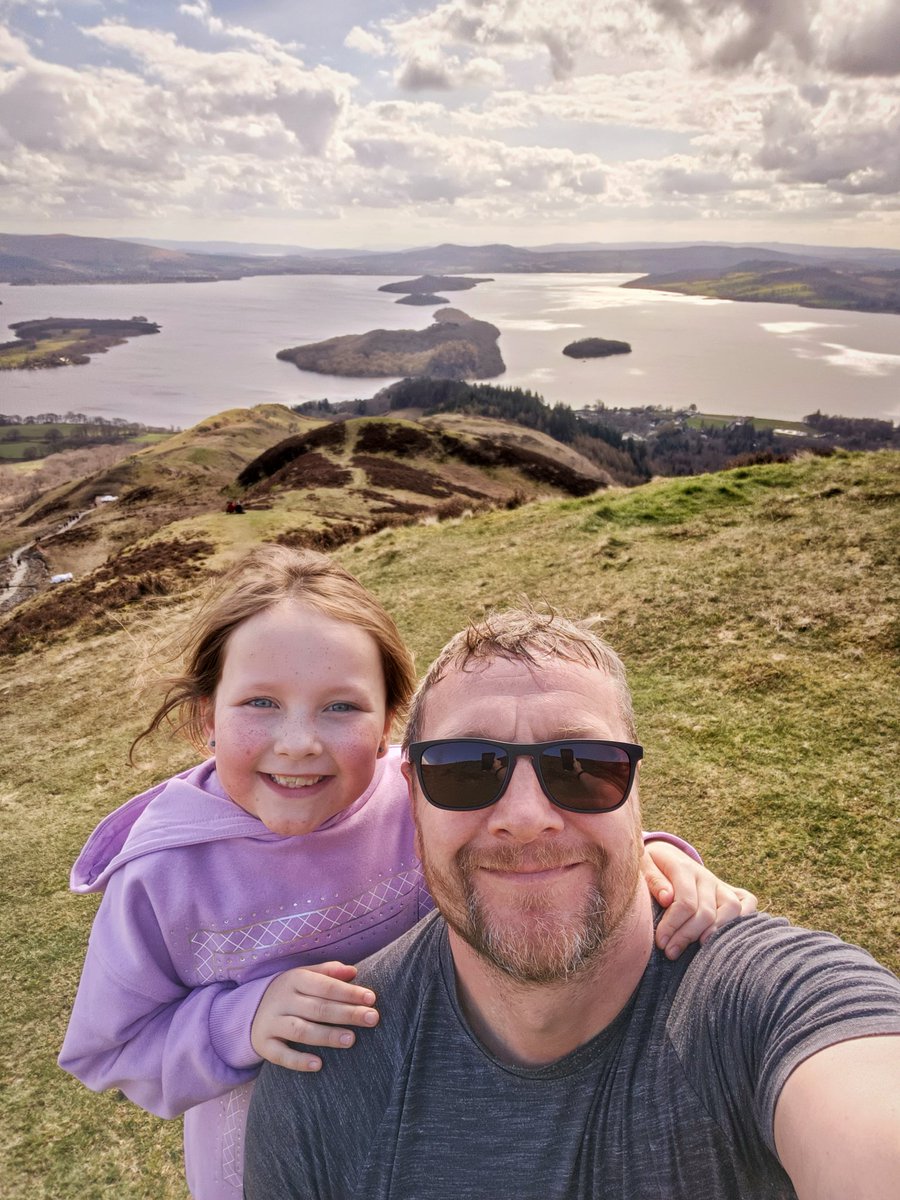
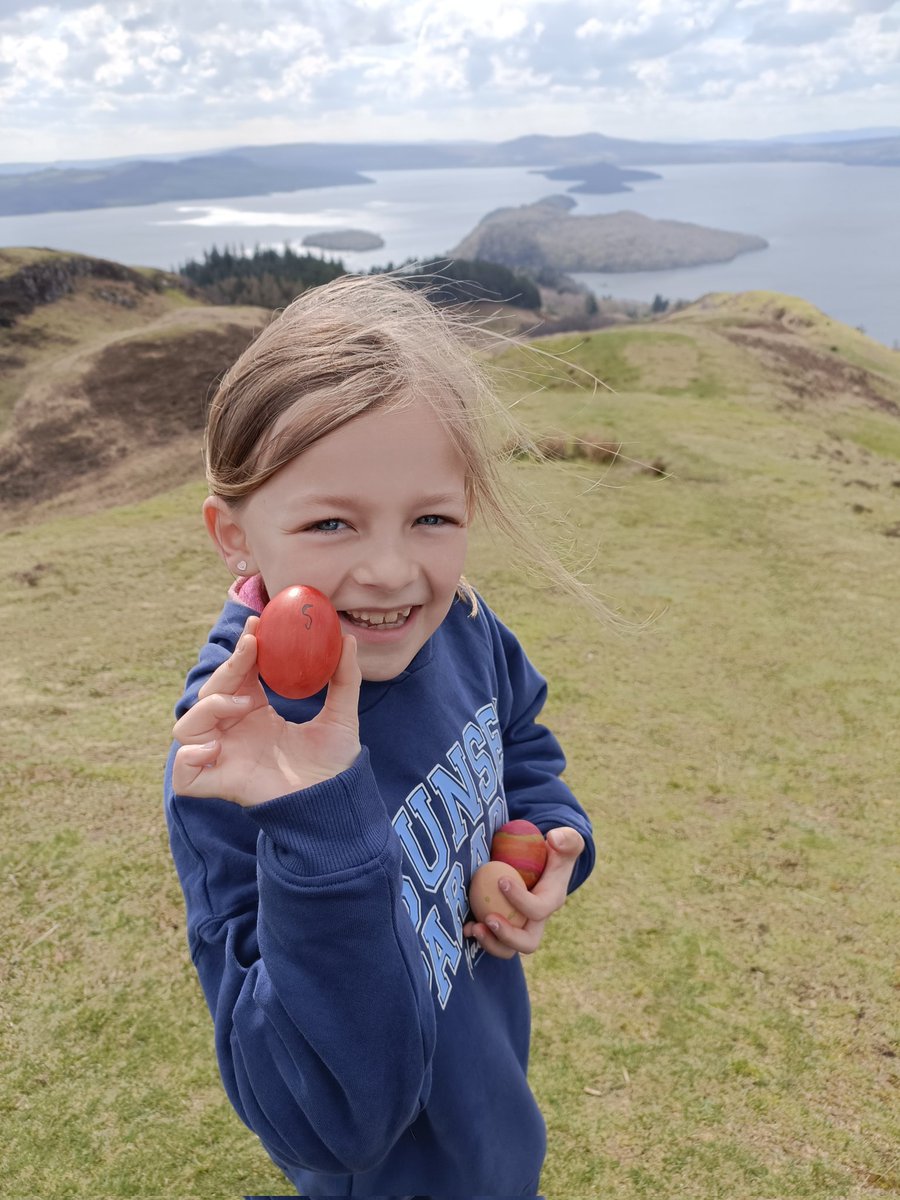
2
51

5 Mar 2024
Proud to be a small part of the clog that keeps @InvCourier going.
Here is a video of what we do day in day out!
#SupportLocalJournalism #inverness #highlandsofscotland #dualthea9
5 Mar 2024

Local journalism is incredibly important in amplifying the voice of communities. This video highlights some of the excellent work by the @InvCourier team. #SupportLocalJournalism
2
97

4 Feb 2024
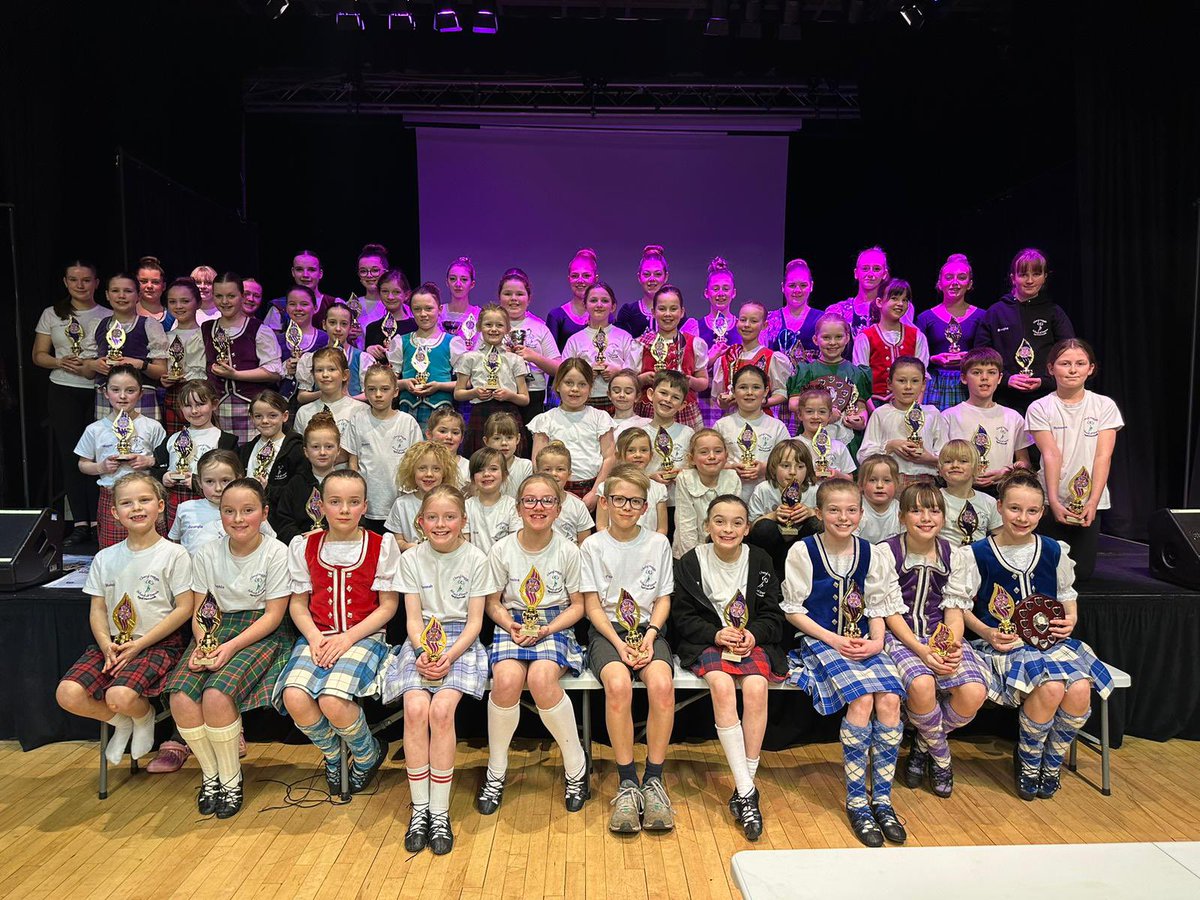
And that’s a wrap! Last night we held our annual Awards Night. So lovely to have the beautiful & talented Siobhan Mackenzie join us and present students with their exam trophies and certificates. Well done everyone! 🏆
#highlanddance #highlandsofscotland #keepingtraditionsalive
1
7
289

25 Jan 2024
Watch: Celebrating Rabbie Burns at Tomatin Distillery. @spudthepiper #williecameron @Tomatin1897 #KBEevents #rabbieburns #burnsnight #scottishhighlands #highlandsofscotland #tomatindistillery #escapetothehighlands #whisky
youtube.com/watch?v=50Sm_FWv…
3
11
643

22 Jan 2024
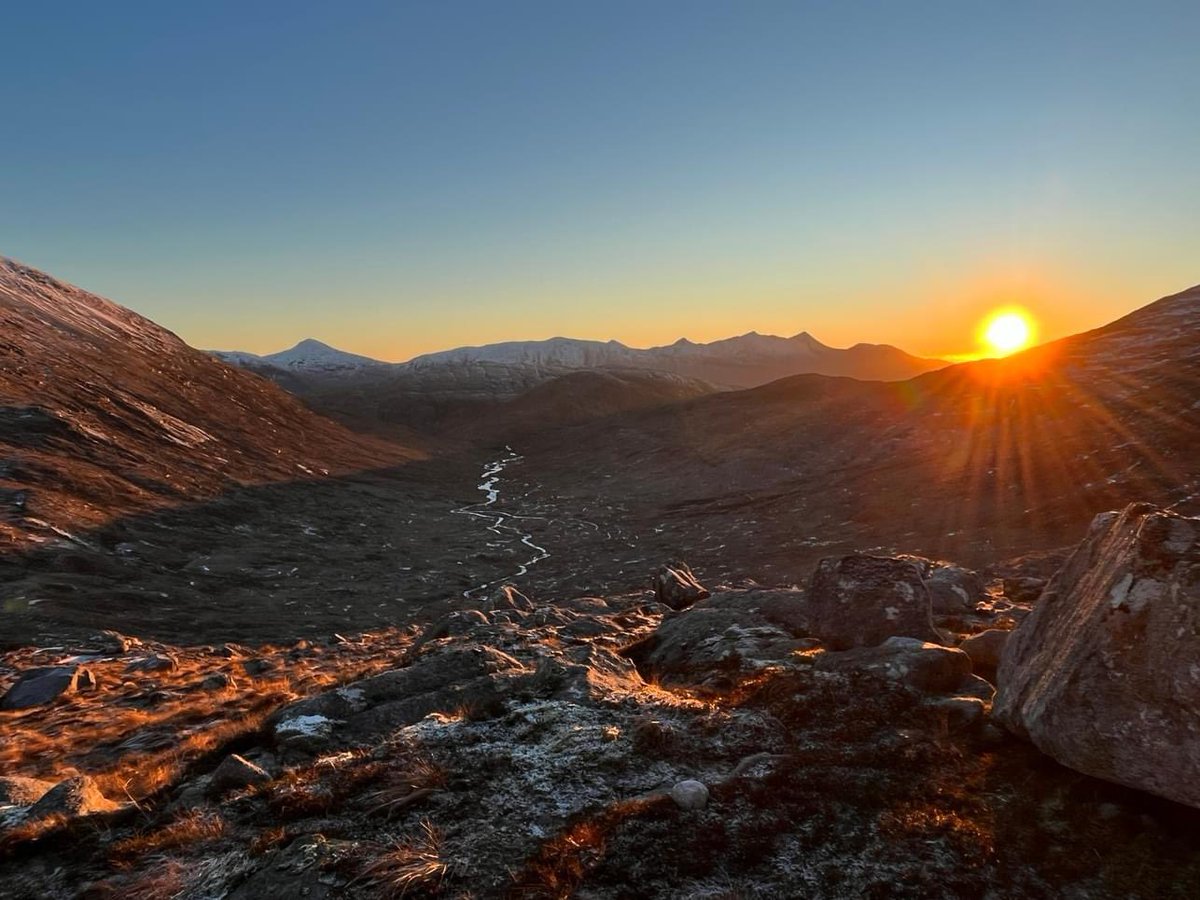
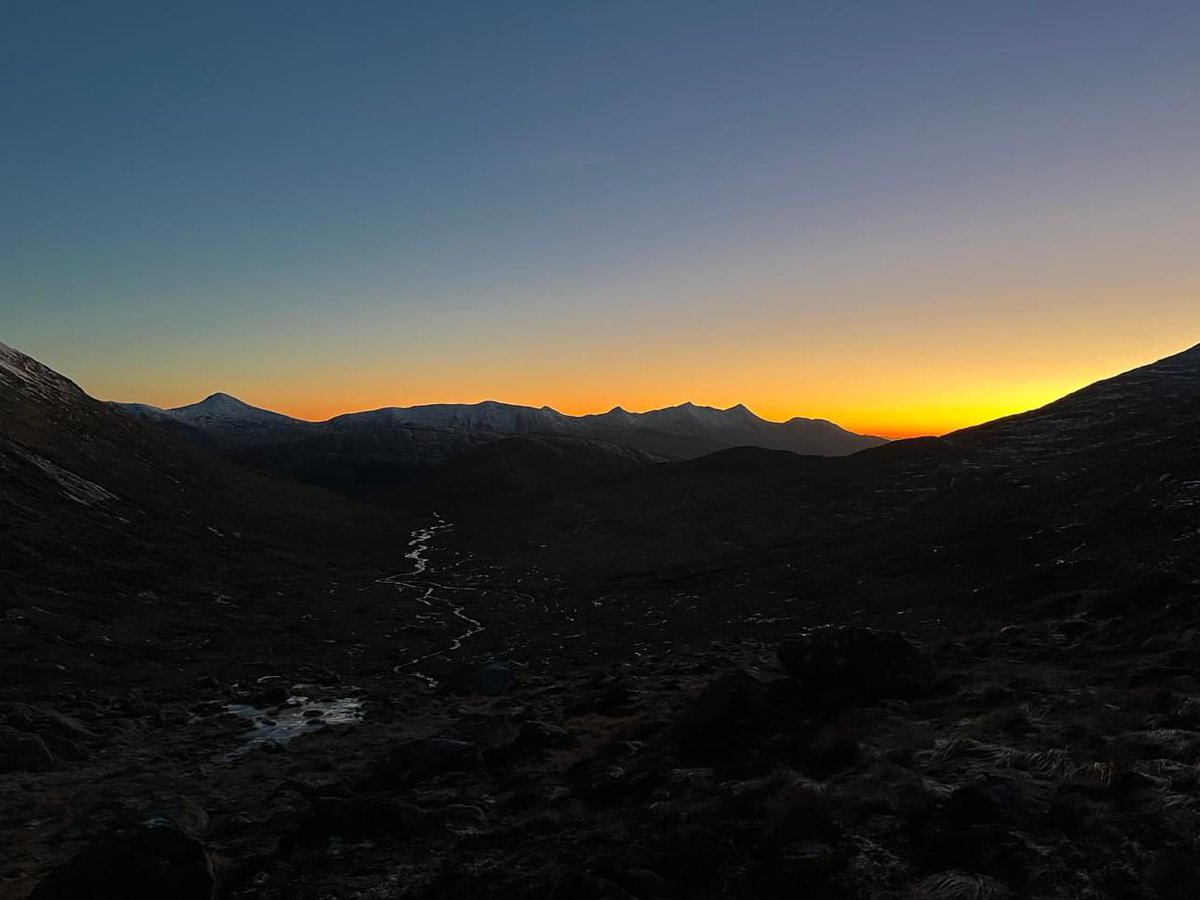
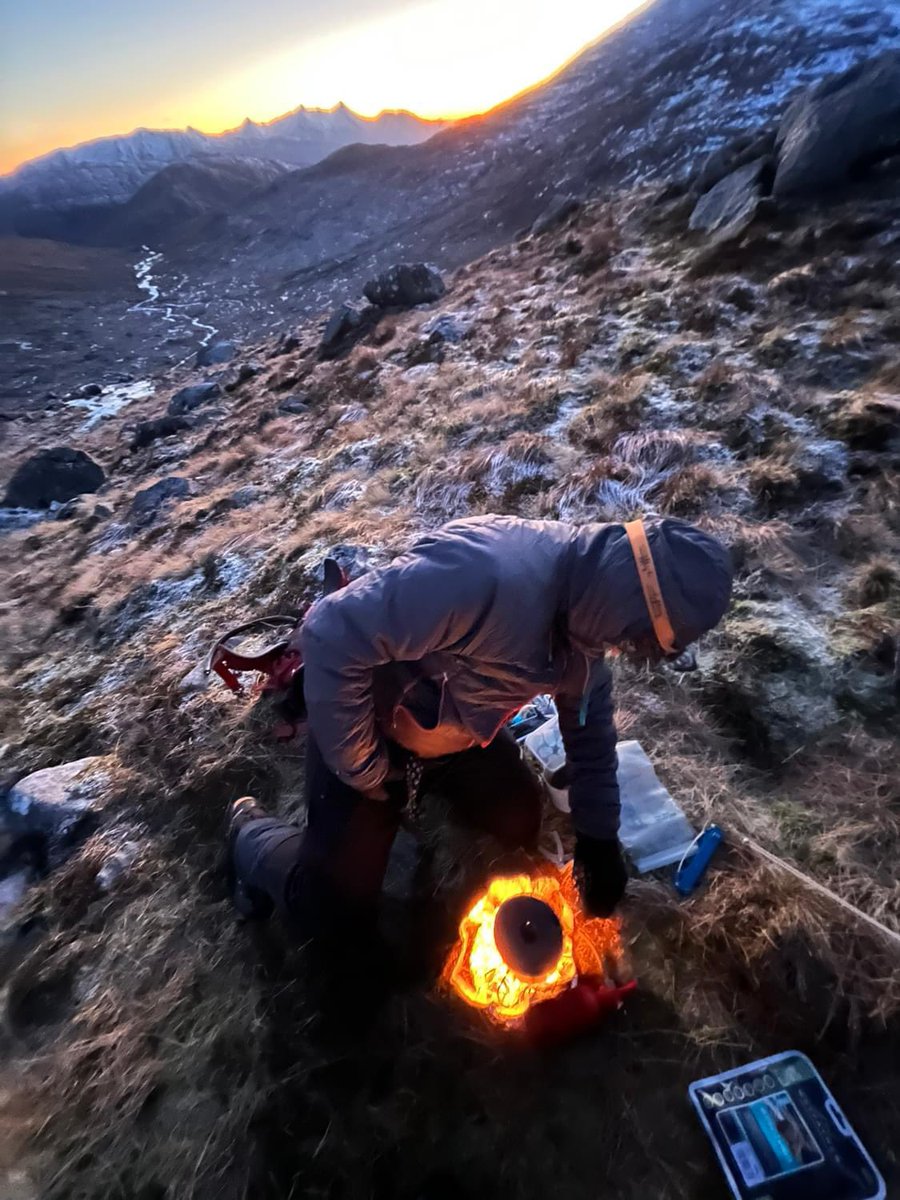
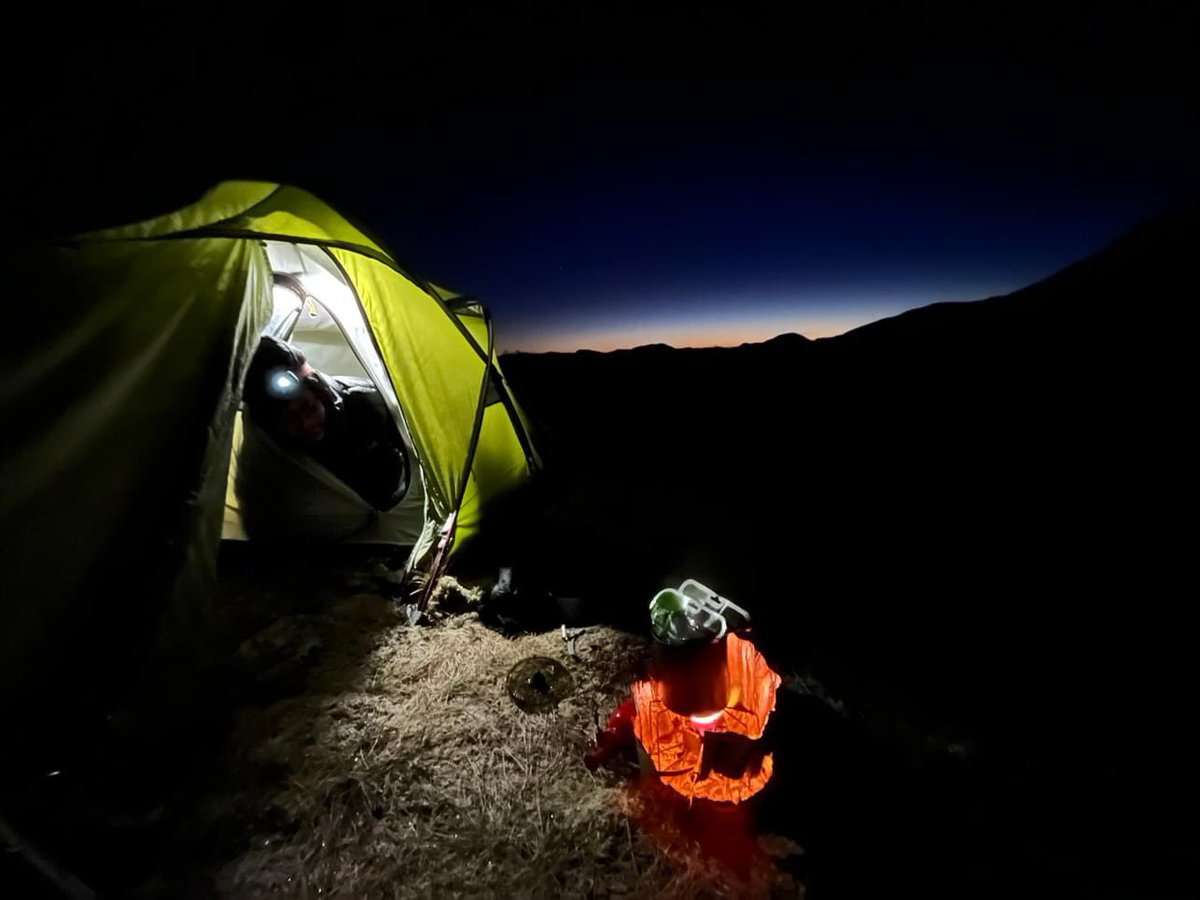
9/1/24 After Ben Starav with @loz_hennessy we pitched camp on the Bealach of Beinn nan Aighenan. 44/50 on our 50 Mountain Challenge for Cancer Research UK. justgiving.com/page/lauren-h… #munros #Scotland #Mountains #highlandsofscotland #highlands #snow #Ridge @walkhighlands
1
4
174