
Only Azure Edition Support Hotpatch
netadmin.com.tw/netadmin/zh-…

之前管過 Hyper-V 的機器,也是同樣隨系統更新自動重啟
1
47


jeste znali da su svi Andrmoljac pametni uređaji, tj i vaši telefoni, otvoreni ko dobar dan za nešto što se zove hotpatch, koji u letu promeni rad operativnog sistema ili neke aplikacije? Teoretski, ali eksploatisano u praksi ipak, što niko neće priznati ni u ludilu...
10


Jun 10
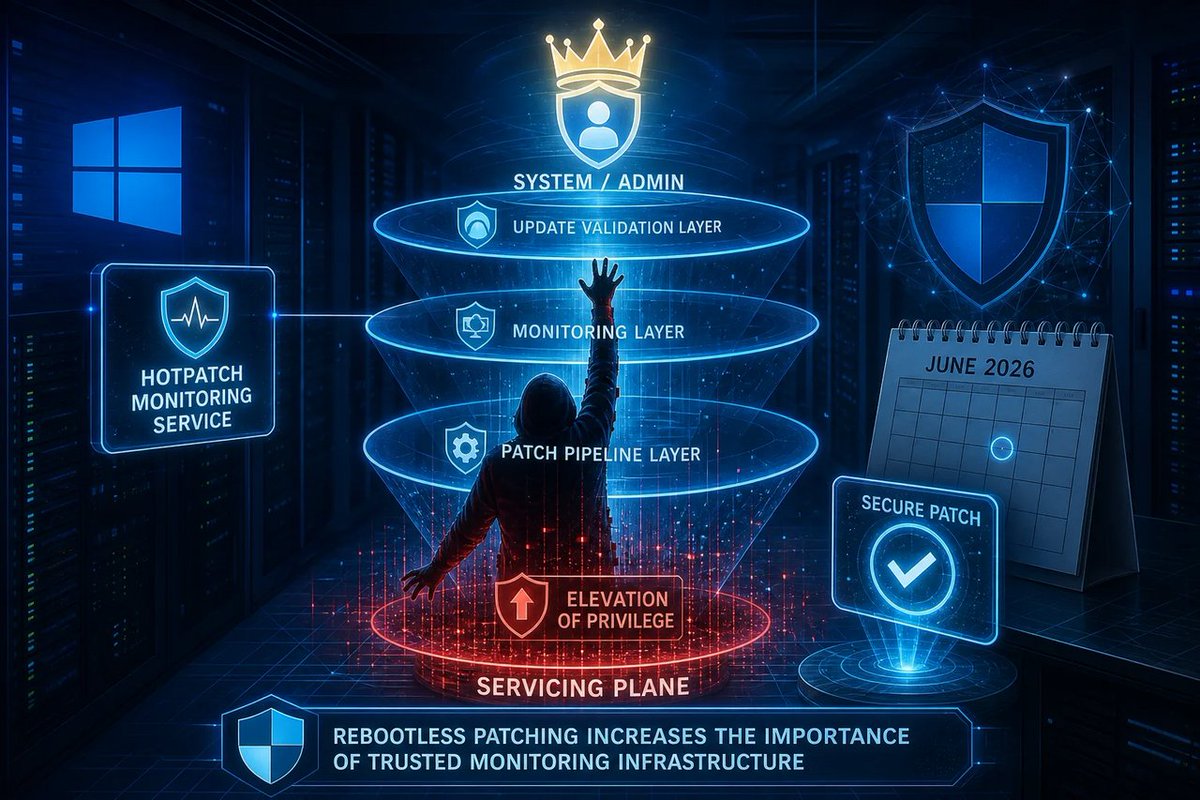
🪟 CVE-2026-42910: Hotpatch Monitoring Service can still go from “patched” to “privileged.” Love that Microsoft wants less reboot… as long as it doesn’t come with more admin rights. #Windows #Microsoft #SecurityUpdates #Hotpatch
windowsforum.com/threads/cve…
#PrivilegeEscalation
38
Jun 9
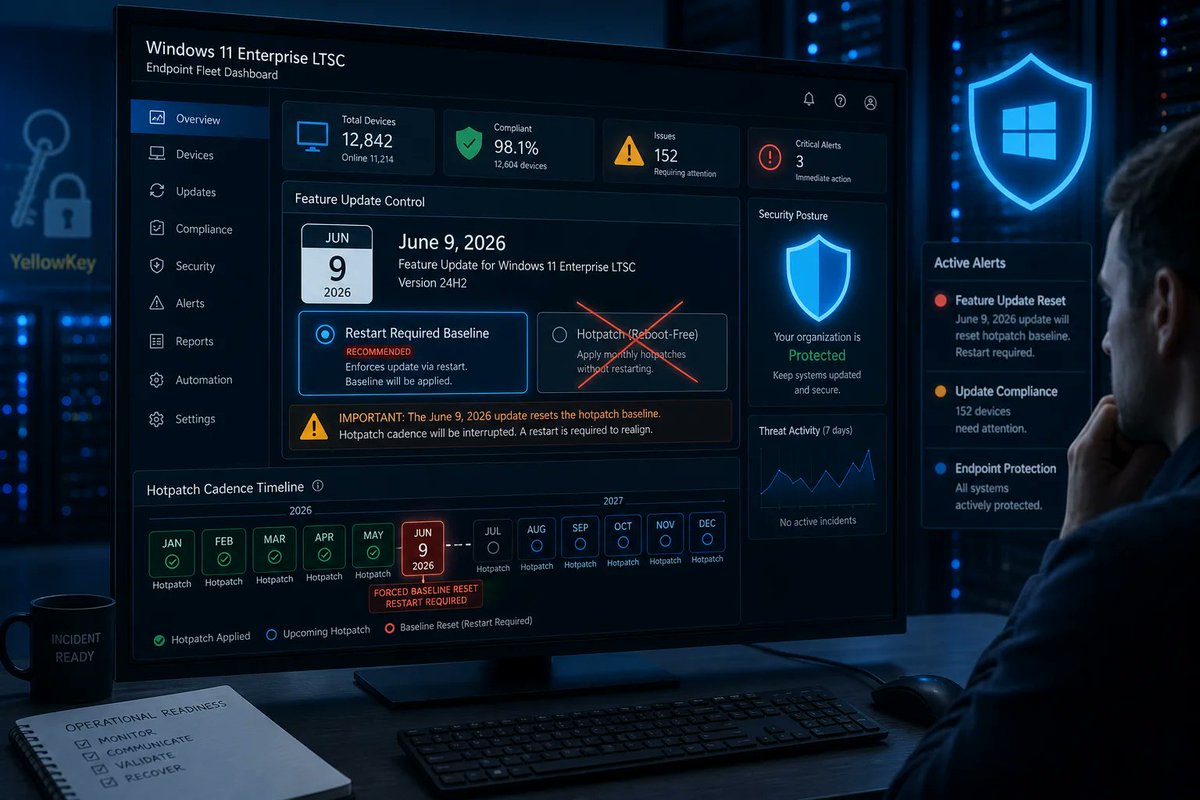
🪟 Hotpatch “reboot-free”… until Microsoft says nope. June 9’s restart-required baseline for CVE-2026-45585 proves hotpatch is a privilege, not a right. Security calendar still wins. #Windows #Microsoft #Hotpatch
windowsforum.com/threads/jun…
#WindowsSecurity #Hotpatching #Cve202645585
46
Jun 9
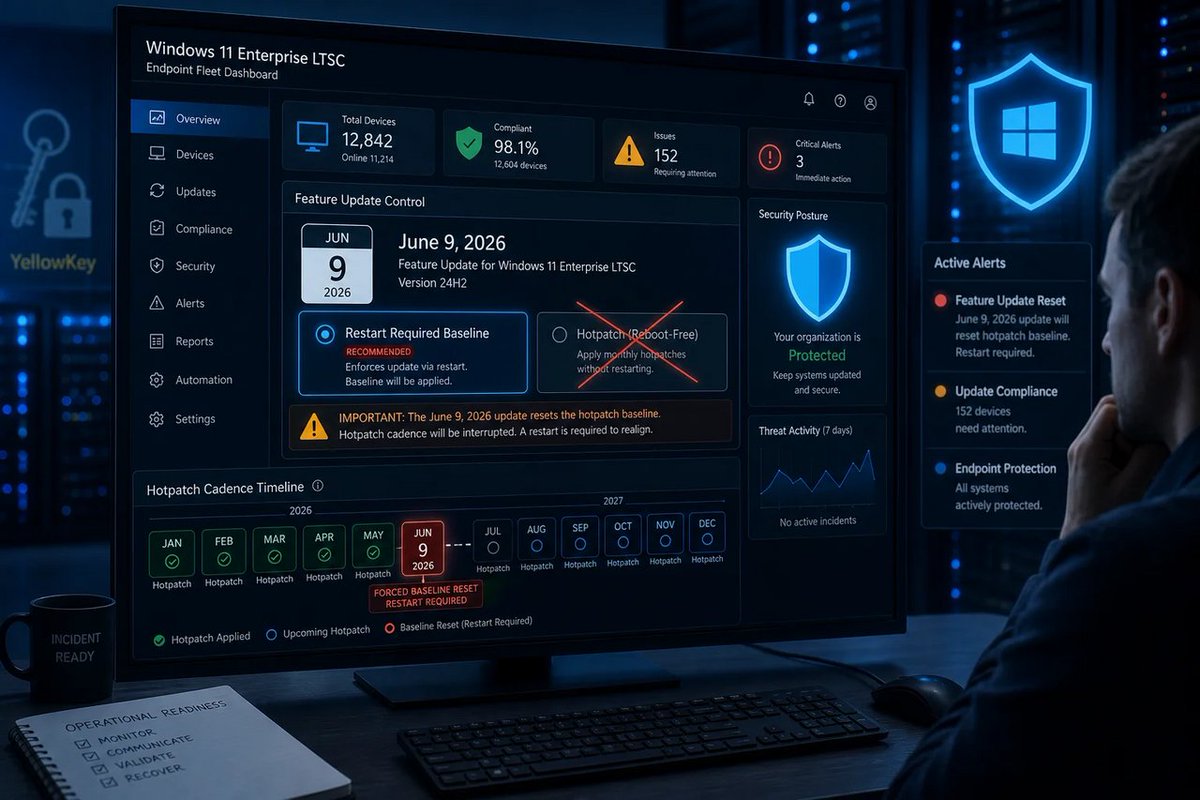
🪟 Hotpatch “reboot-free”… until Microsoft says nope. June 9’s restart-required baseline for CVE-2026-45585 proves hotpatch is a privilege, not a right. Security calendar still wins. #Windows #Microsoft #Hotpatch
windowsforum.com/threads/jun…
#WindowsSecurity #Hotpatching #Cve202645…
42
Jun 9
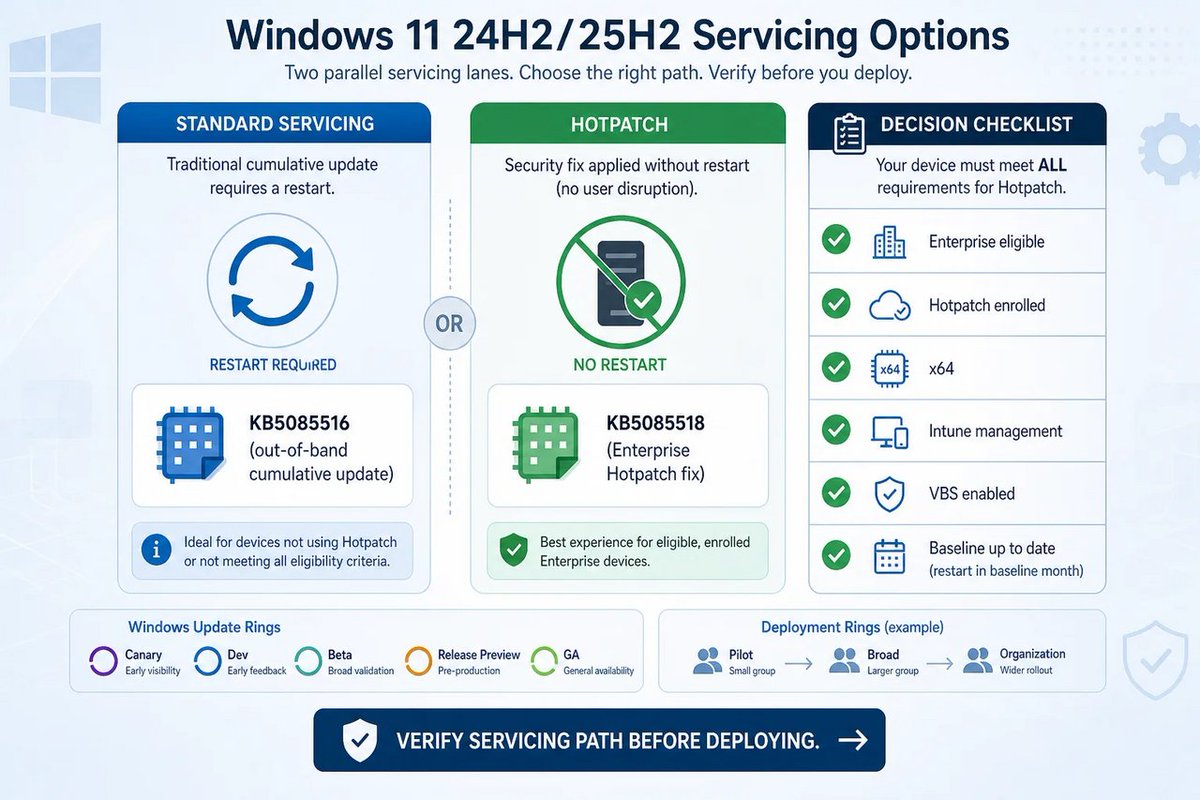
🪟 Hotpatch vs “restart, please” in Windows 11 24H2/25H2: KB5085518 only if you’re eligible and enrolled. Microsoft’s way of saying: same fix, different pain tolerance.
windowsforum.com/threads/kb5…
#Windows11Servicing #Kb5085516 #Kb5085518 #HotpatchDeployment
15

🛡️ CVE-2026-25172: El '#Hotpatch' urgente de Microsoft para #Windows11 que debes aplicar ya (Sin reiniciar) newstecnicas.com/2026/04/cve…
57

Jun 5
AI is shrinking the time between vulnerability discovery and exploitation. Staying current isn't routine maintenance—it's a key part of reducing exposure.
See how Microsoft Intune helps you stay ahead with Enterprise App Management, Windows Autopatch, and hotpatch: msft.it/6019vdhbW
ALT Blue gradient graphic with curved abstract shapes and white text reading “The threat window is shrinking.” Supporting text explains exploring a new security update status dashboard in Microsoft Intune to reduce vulnerability exposure, with a “Read the blog” call to action in the bottom right.
1
3
12
1,564


May 31
The Endpoint Management Newsletter is out! Hotpatch default, ConfigMgr 2603 GA, Intune app inventory GA, Secure Boot deadline in June.
Read: danielengberg.com/newsletter…
Subscribe: danielengberg.us20.list-mana…
#intune #msintune #configmgr #windows11

4
7
9
1,234

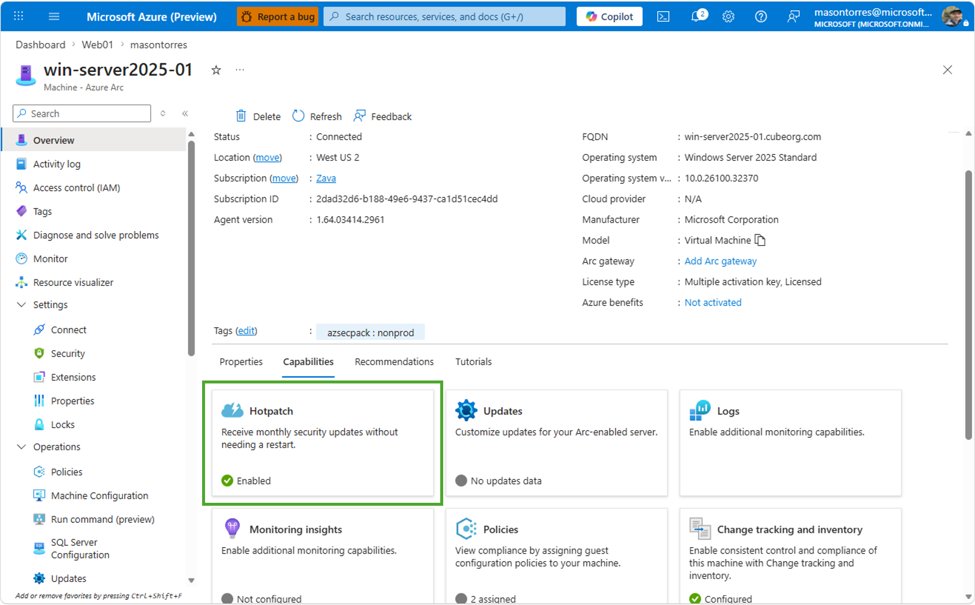
El Hotpatching para #WindowsServer 2025 habilitado por Azure Arc ahora es gratuito.
✅ Actualizaciones de seguridad sin reinicios
✅ Menos tiempo de inactividad
✅ Gestión unificada en entornos híbridos y multicloud
Ideal para mantener la continuidad operativa sin sacrificar la seguridad. 🔒💻
#WindowsServer #AzureArc #Hotpatch
2
5
19
2,059

May 27
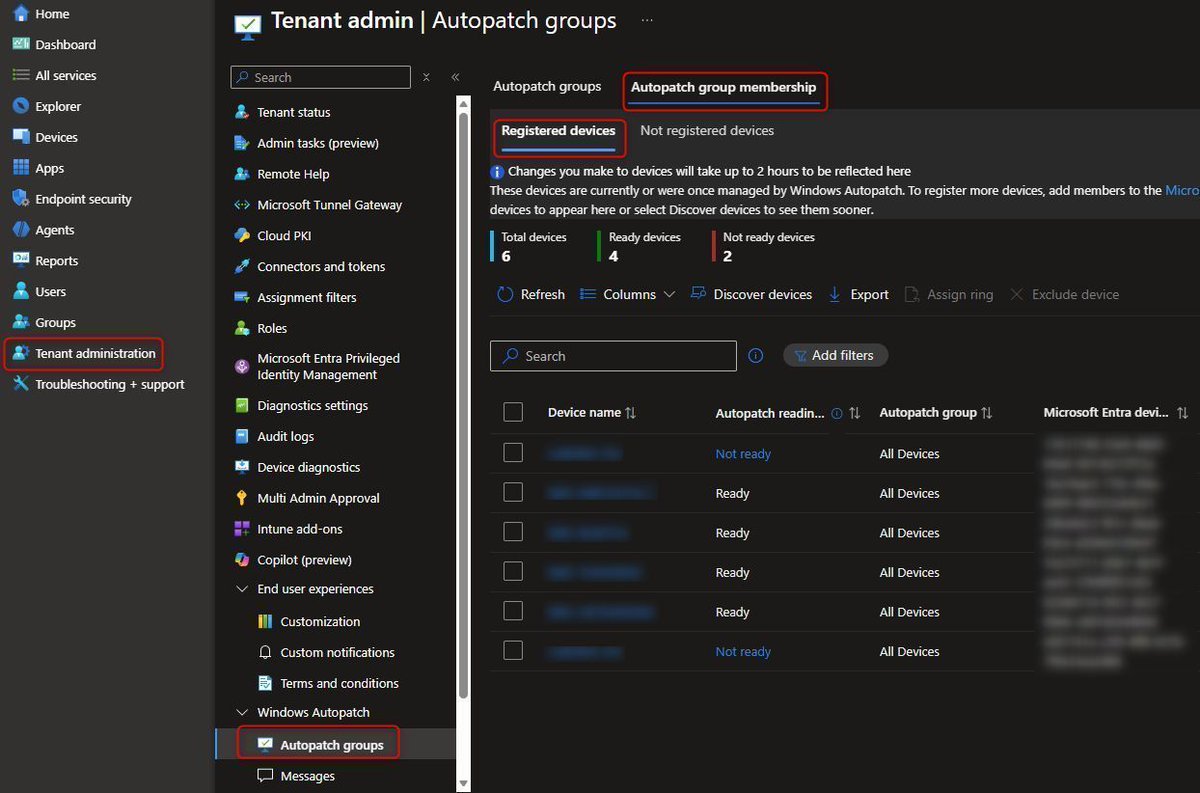
Windows Hotpatch lets you deploy security updates without rebooting devices every Patch Tuesday. We published a quick guide on how to configure it with Microsoft Intune.
Take a look:
systemcenterdudes.com/how-to…
#MSIntune #WindowsAutopatch #Hotpatch #Windows
1
7
32
2,733

May 27
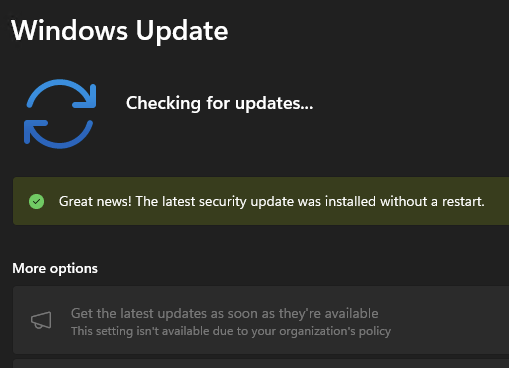
Wow, Windows Update did a security update without a restart. The feature is called "Hotpatch"
Pretty cool!
21
12
358
24,298

May 22
Microsoft, Windows Server 2025 için sunduğu hotpatching teknolojisini Azure Arc müşterileri için tamamen ücretsiz hale getirdi. Daha önce 2026 itibarıyla ücretli olması planlanan bu özellik, gelen geri bildirimler sonrası ek lisans maliyeti olmadan kullanılabilecek.
Bence bu oldukça önemli bir gelişme. Çünkü özellikle hibrit ve çoklu bulut ortamlarında çalışan kurumlar için güvenlik güncellemeleri sırasında yaşanan restart ihtiyacı her zaman ciddi bir operasyonel problem yaratıyordu.
Hotpatching sayesinde Windows Server 2025 sistemleri artık çoğu güvenlik güncellemesini yeniden başlatma gerektirmeden alabiliyor. Microsoft yalnızca yılda dört kez (Ocak, Nisan, Temmuz ve Ekim) restart gerektiren büyük güncellemeler yayınlayacak, diğer aylardaki güvenlik yamaları kesintisiz uygulanabilecek.
Özellikle 7/24 çalışan kritik servisler için bu yaklaşım ciddi bir operasyonel avantaj sağlıyor. Ayrıca Azure Arc bağlantılı Windows Server 2025 Standard ve Datacenter sunucularında ek ücret olmadan kullanılabilmesi, hibrit bulut stratejisi olan kurumlar için önemli bir maliyet avantajı anlamına geliyor.
Microsoft tarafında şu an 10 milyondan fazla cihazın hotpatch altyapısına kayıtlı olması da teknolojinin artık olgunlaştığını gösteriyor.

Windows Server 2025 İçin Azure Arc Hotpatching Desteği Ücretsiz Hale Geldi dlvr.it/TSgRzV
2
11
3,812

May 21
Hotpatch enabled by @Azure Arc is now available at no additional cost for @Microsoft Windows Server 2025.
techcommunity.microsoft.com/…
1
12
751

May 19
Windows Server 2025 servers that are Arc enabled will now get the Hotpatch feature (no reboots after updates) for Free. #WindowsServer #Azure
techcommunity.microsoft.com/…
4
8
290

May 17
One thing I learned after writing this:
Hotpatch for Windows Server 2025 through Azure Arc is now available at no additional cost.
Useful if you’re managing Windows Server fleets and want fewer patching-related reboots.
Apr 27

Everyone loves to talk about "cloud-native".
Almost nobody talks about the Windows Server fleet quietly holding production together underneath it.
More than ten years ago, I deployed my first .NET app by RDP-ing into a Windows Server, copying a publish folder, and recycling an IIS app pool by hand. I thought I'd leave that world behind once I got "serious".
I didn't. Almost nobody does.
The systems I work on today, as a senior engineer and architect, are hybrid by default. Active Directory still signs users in. Hyper-V still runs the VMs. File services, PKI, line-of-business apps, and increasingly on-prem AI workloads still sit on Windows Server. The interesting engineering question in 2026 isn't "cloud or on-prem?" It's "how do I operate consistently across both?"
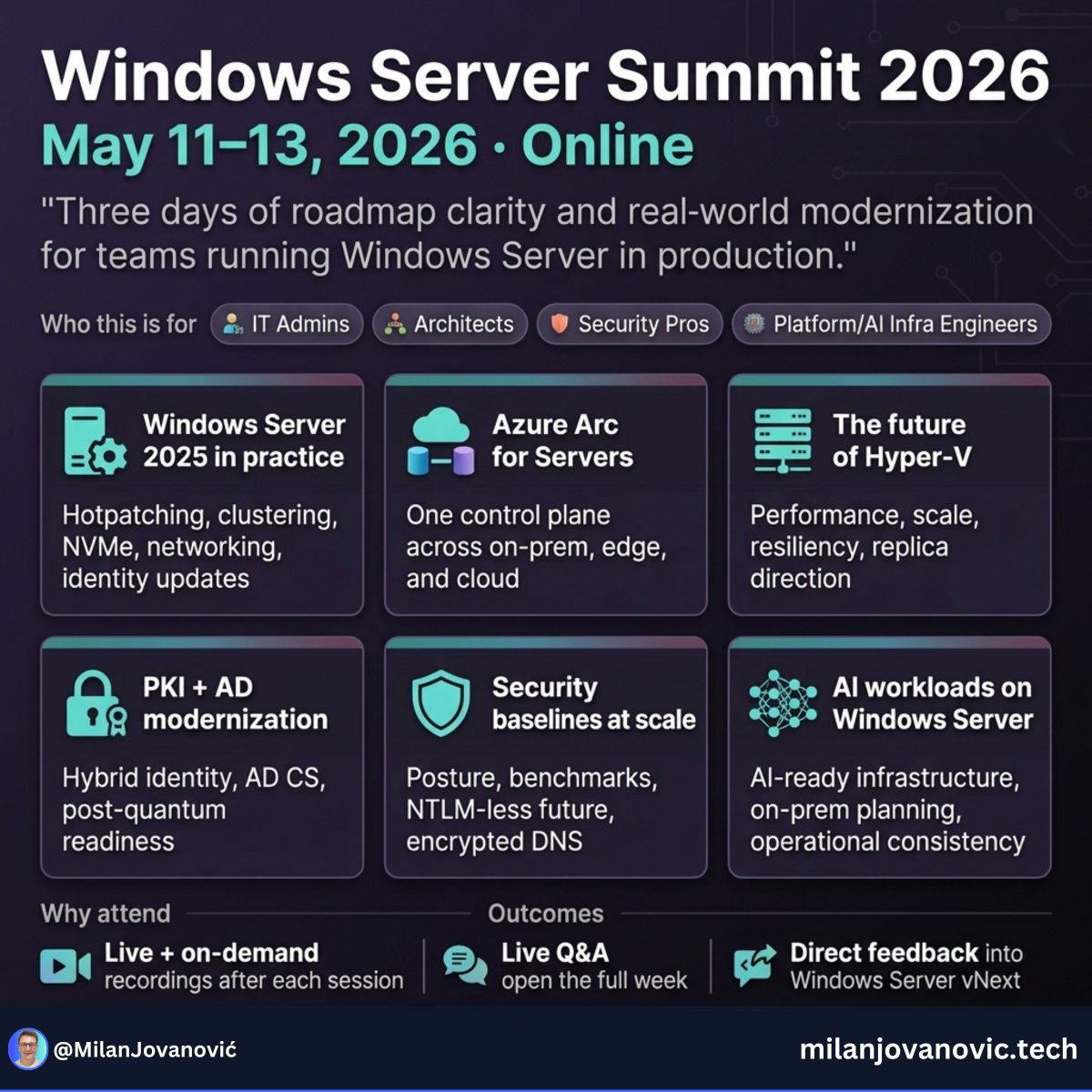
That's the exact frame of Windows Server Summit 2026.
The agenda is super practical:
→ Windows Server 2025 in practice - hotpatching, clustering, native NVMe, networking
→ Azure Arc for Servers - one control plane across on-prem, edge, and cloud
→ The future of Hyper-V - performance, scale, resiliency, replica direction
→ PKI AD modernization - hybrid identity and post-quantum readiness
→ AI workloads on Windows Server - AI-ready infrastructure, done honestly
If you own, design, or modernize server estates, this is worth the calendar block.
Save your spot → fandf.co/3O7m5ir
Two things I appreciate about how it's run: sessions go on demand shortly after airing, and live Q&A stays open the whole week. So even if your calendar is brutal, you still get most of the value.
A huge thank you to @msdev for collaborating with me on this post.
1
5
20
4,910

May 13
そういえば今月から Hotpatch が既定になって OS 分は再起動不要ですね。
Securing devices faster with hotpatch updates on by default
techcommunity.microsoft.com/…
Mar 28

5 月から Hotpatch がデフォルトになるから毎月の再起動はいらないよ
techcommunity.microsoft.com/…
8
17
4,245