
Howrah Bridge |হাওড়া ব্রিজে নজিরবিহীন উদ্যোগ আন্তর্জাতিক যোগ দিবসে গঙ্গা যোগা করিডর! দেখুন এই ভিডিও
#no_noise_only_news #westbengal #westbengalnews #howrah #howrahnews #howrahbridge #howrahbridgekolkata #yoga #yogaday #KolkataTV #kolkatatvonline #RaatDinSaatDin #কলকাতাটিভি
5

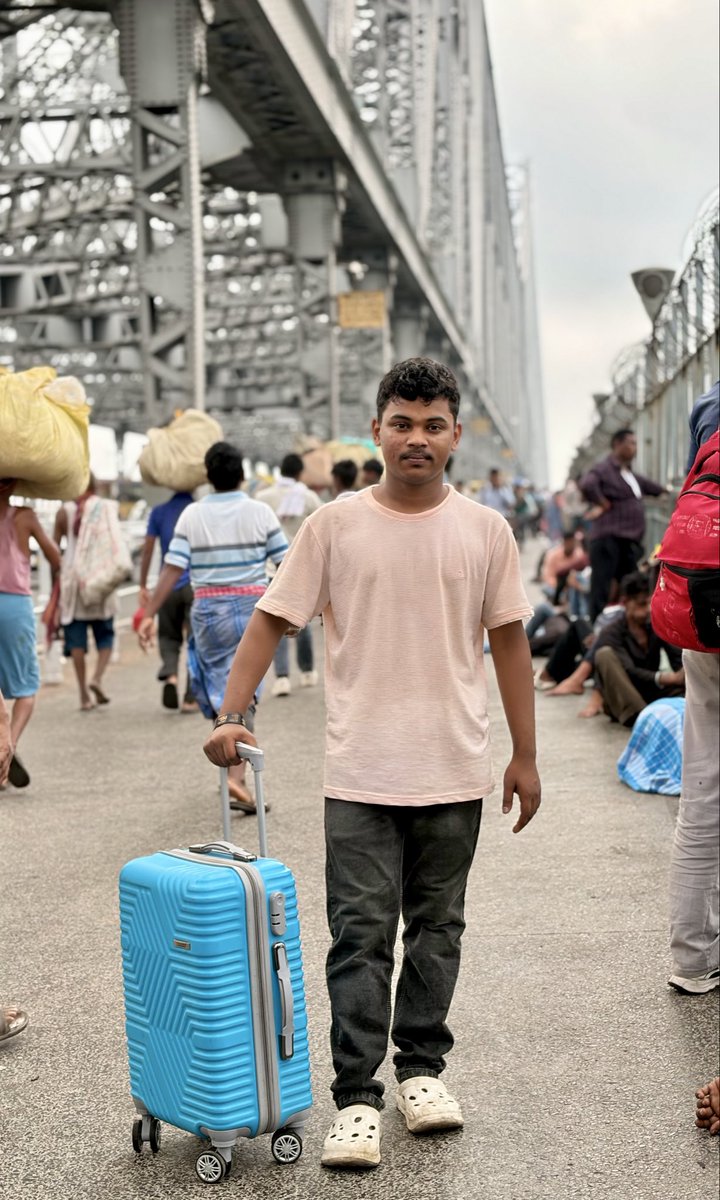
🌉 Howrah Bridge Ishq – Safar bhi, Manzil bhi ❤️✨
#HowrahBridge
#TravelVibes
#KolkataDiaries
#Wanderlust
#Amirl07
11

Jun 12
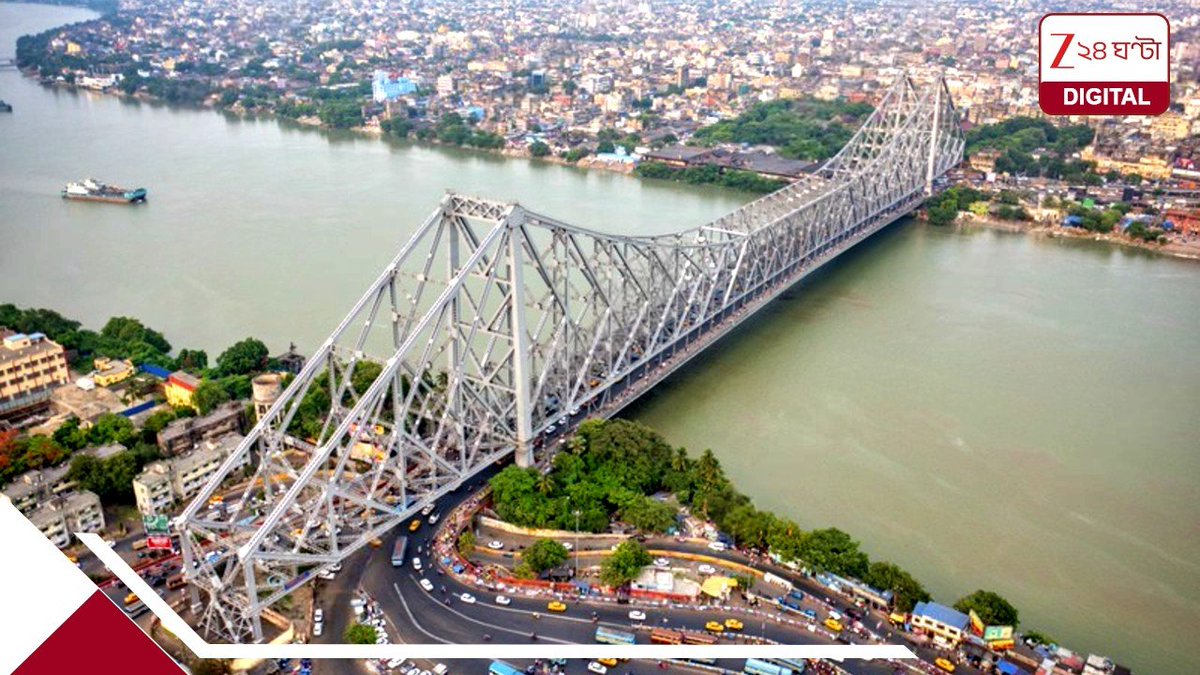
গঙ্গার পাড়ে লন্ডনের ম্যাজিক! হাওড়া-বিদ্যাসাগর সেতুতে মেগা প্রকল্প, আসছে ৬০ ফুটের ধাতব 'দুর্গা' মূর্তি
সবিস্তারে:tinyurl.com/bdhnb945
#kolkataeyeproject #howrahbridge #Zee24Ghanta
2
5
175

Jun 11
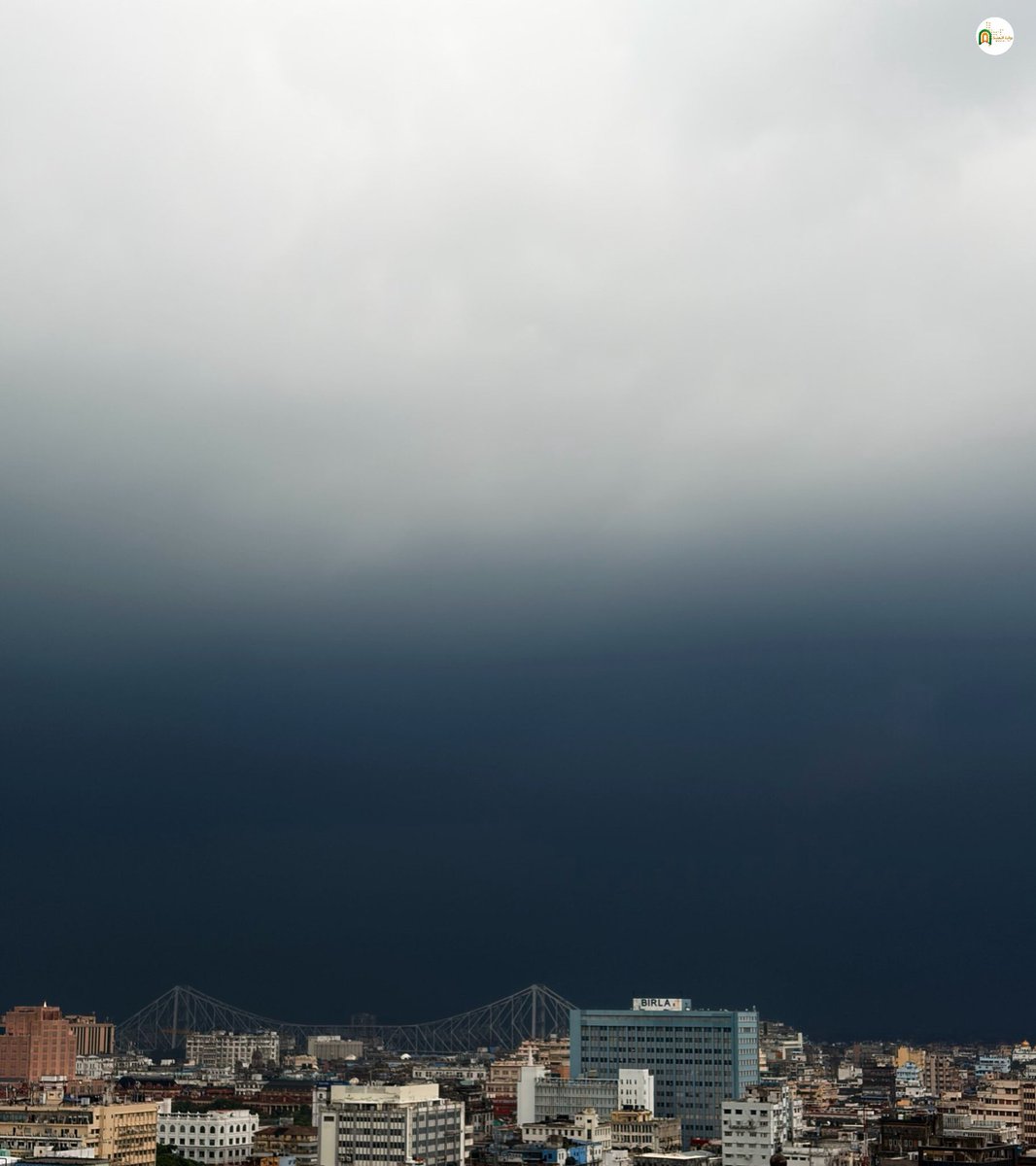
⛈️ سماء كولكاتا قبل العاصفة... مشهد مهيب يجمع بين سحر المدينة وقوة الطبيعة. 🇮🇳🌧️
#Kolkata #HowrahBridge #WestBengal #Monsoon #MonsoonMagic #StormClouds
125

Jun 10
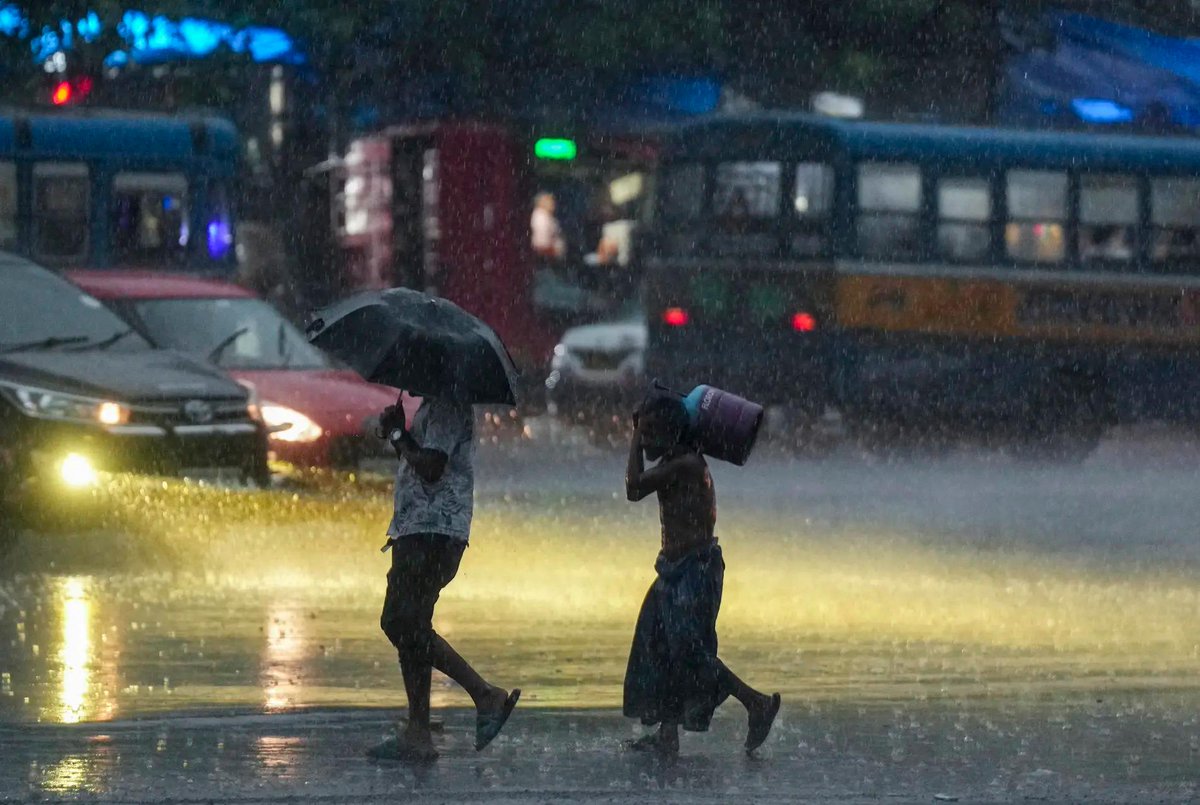
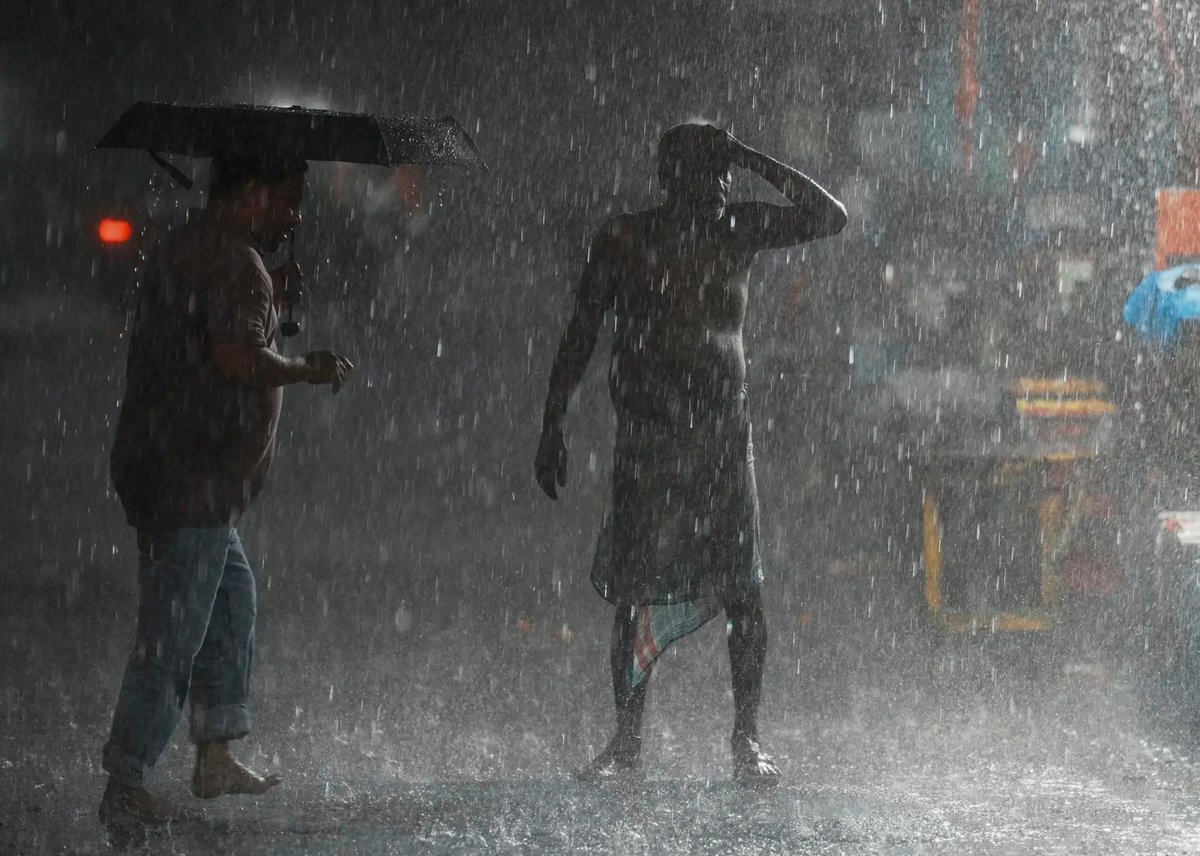
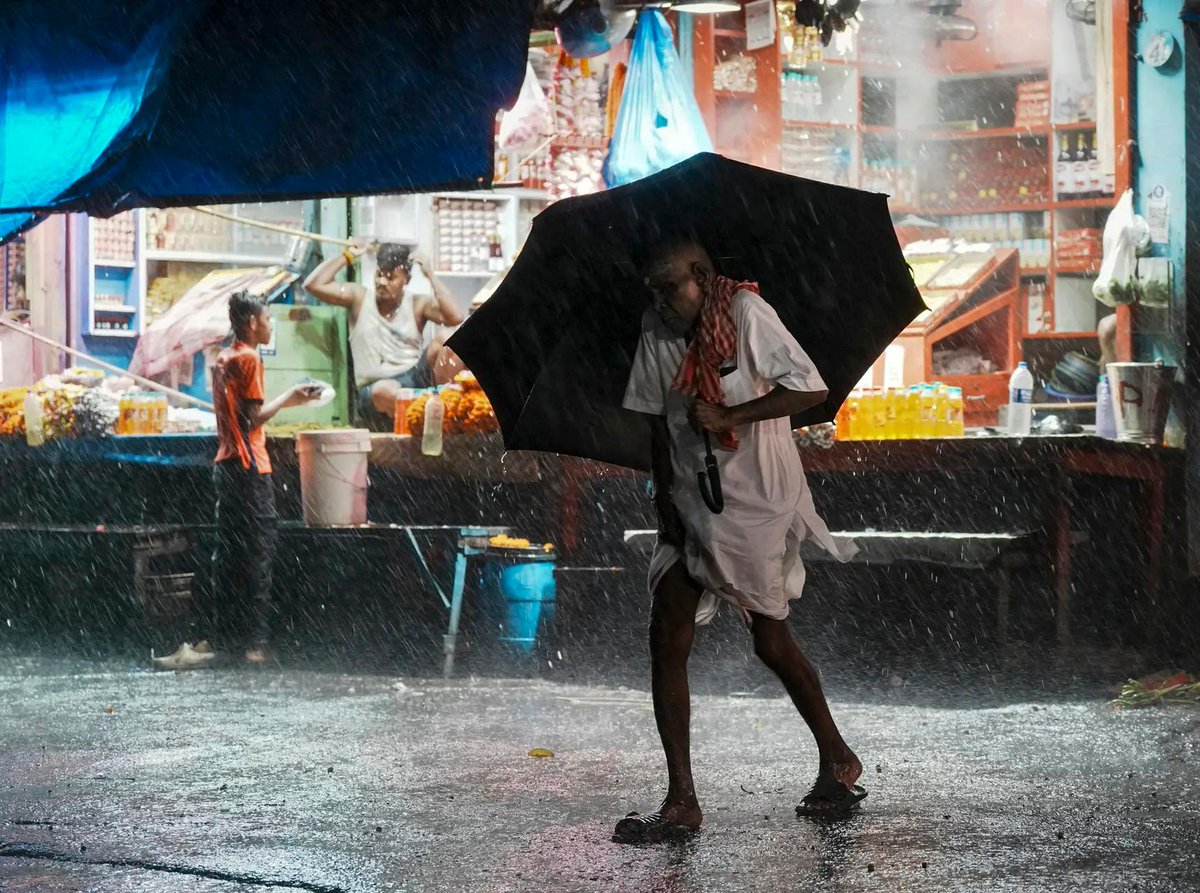
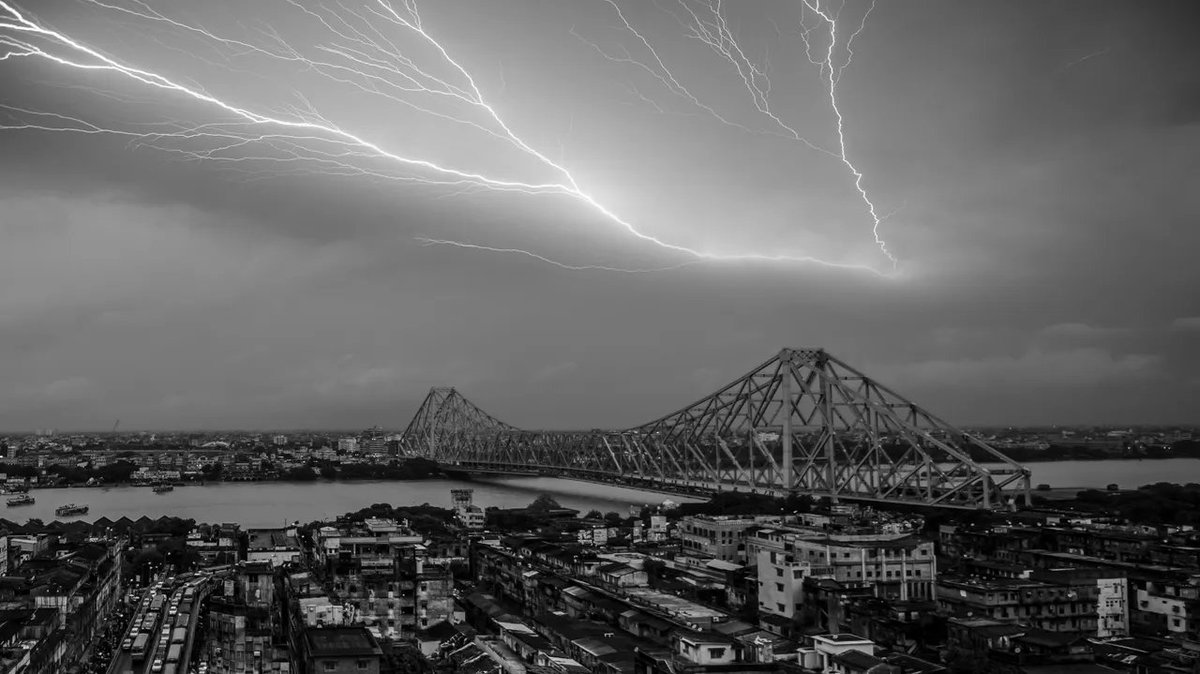
#InPics | Lightning was seen streaking across the sky during rainfall near Howrah Bridge in Kolkata. Rain showers were reported in parts of the city as weather conditions remained overcast.
Download the TOI App and stay in the know 👉 timesofindia.sng.link/Cqhd4/…
#Kolkata #HowrahBridge #Rain #WeatherUpdate
88
4,416


Howrah Bridge - Kolkata EP 6 #howrahbridge #kolkata #ondhufoodietravels youtube.com/shorts/Al9XbIdqG… via @YouTube
18


May 26
ये है आपके एक वोट की ताक़त, हुगली नदी हावड़ा ब्रिज पर राम भजन का अद्भुत दृश्य
#WestBengal #HugliRiver #HowrahBridge #Kolkata #SanatanDharma
5
13
506

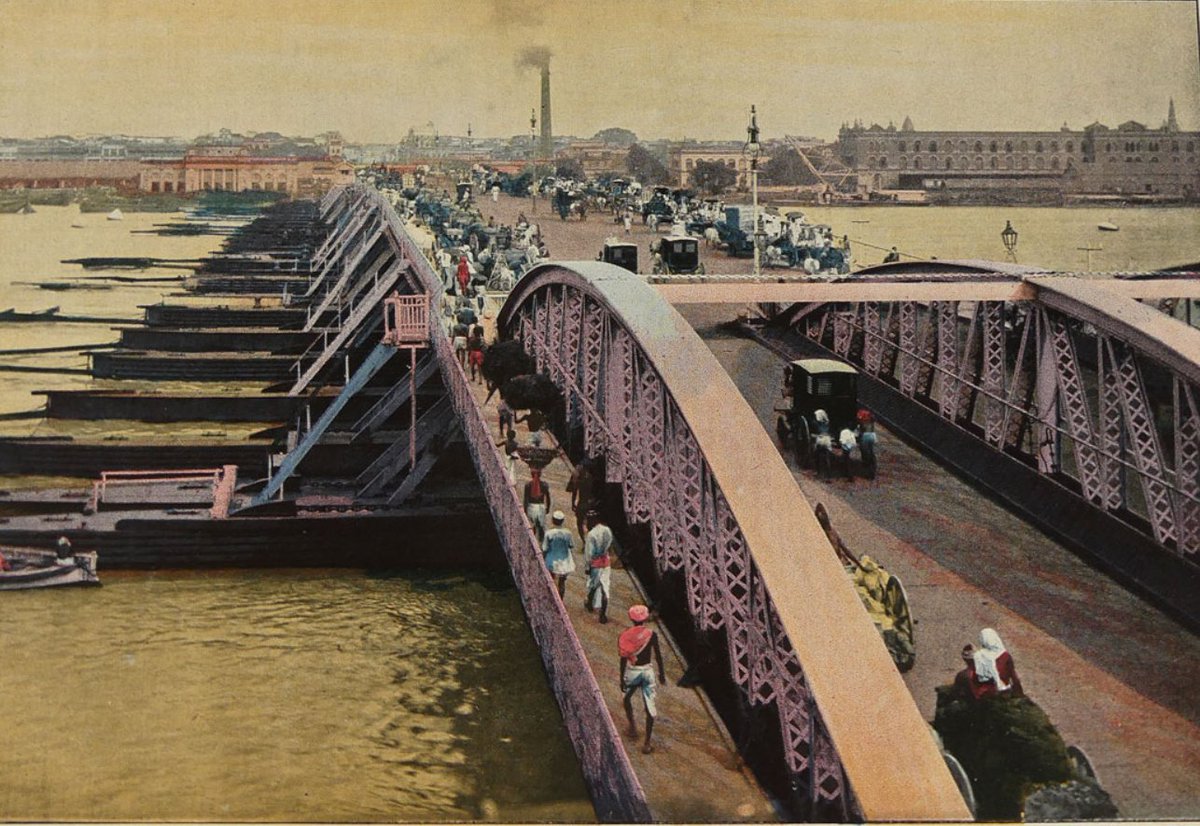
Howrah Bridge, Calcutta, 1890s.
Later hand-coloured.
A remarkable glimpse into colonial-era India — crowded bridges, river traffic, horse carriages, and everyday life moving across the Hooghly River.
#OldIndiaImages #HowrahBridge #Calcutta #1890s #VintageIndia #IndianHistory
3
77

May 18
Ye film Punjab mein release nahi honi chahiye..
#ShehnaazGill potty ki movie Bangalore mein release karo.
#RCB
#howrahbridge
#AkshayKumar
2
5
519

May 12
कोलकाता का हावड़ा ब्रिज मात्र 2 दिनों में नई सरकार आने के बाद कैसे बदल गया! 🔥
देखिए, गंदगी भरी घाट से लेकर सुंदर प्रोमेनेड, साफ-सुथरा रिवरफ्रंट, पेड़-पौधे, लाइट्स और लोगों की भीड़ तक… सब कुछ बस 2 दिन में!
ये है असली बदलाव की तस्वीर! 🇮🇳
#HowrahBridge #KolkataTransformation #SuvenduDa #BengalRising #CleanKolkata
23
191
720
28,026

May 9
A bridge entirely without nuts and bolts? That's The HowrahBridge, officially renamed Rabindra Setu in 1965 after Nobel laureate Rabindranath Tagore.Not even one. The massive steel structure is held together purely by rivets.
🔹️Why Did the British Build It? The need for a permanent bridge across the Hooghly River was felt as early as 1862. Kolkata (then Calcutta) was the capital of British India and a major trading port, while Howrah housed the important railway terminus. The old pontoon (floating) bridge (built in the 1870s) was slow, fragile, frequently opened for ships (disrupting traffic), and vulnerable to cyclones and collisions. By the 1930s, exploding traffic and trade demands made a strong, fixed bridge essential for economic connectivity.
🔹️Construction started in 1936 under British colonial administration (designed by UK firm Rendel, Palmer & Tritton). It opened on 3 February 1943 amid World War II.
🔹️The bridge became a critical military asset. Calcutta was a key supply hub for Allied forces in Asia. A reliable crossing ensured rapid movement of troops, supplies, and logistics specially with fears of Japanese advances in the east. The British pressed ahead despite air raid threats (the bridge was camouflaged during the war).
🔹️Out of 26,500 tons of steel, only ~3,000 tons came from England (rest diverted for war); Tata Steel stepped up with the rest.
🔹️At inauguration (1943), it was the 3rd longest cantilever bridge in the world, today it stands as the 6th longest cantilever bridge in the world.
It carries approximately 100,000 vehicles and over 150,000 pedestrians daily, making it the world’s busiest cantilever bridge.
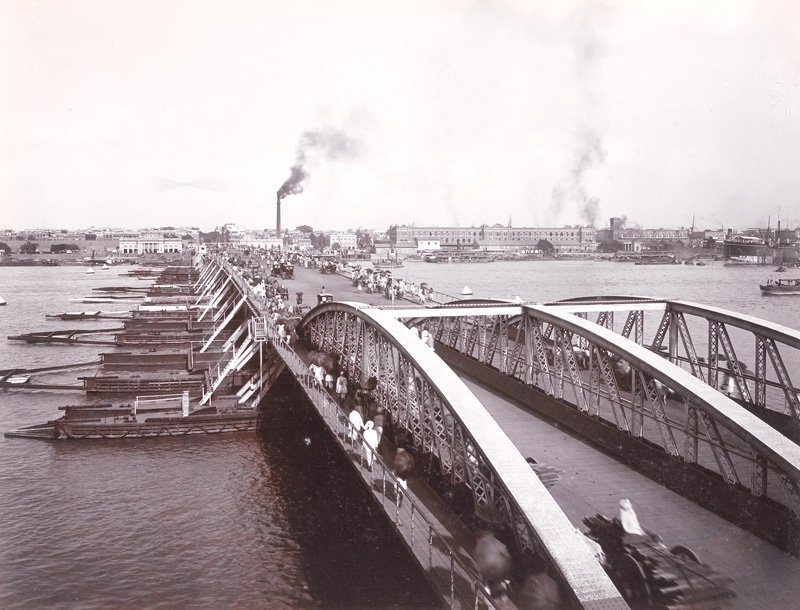
ALT The old pontoon bridge that was later replaced by the Howrah Bridge
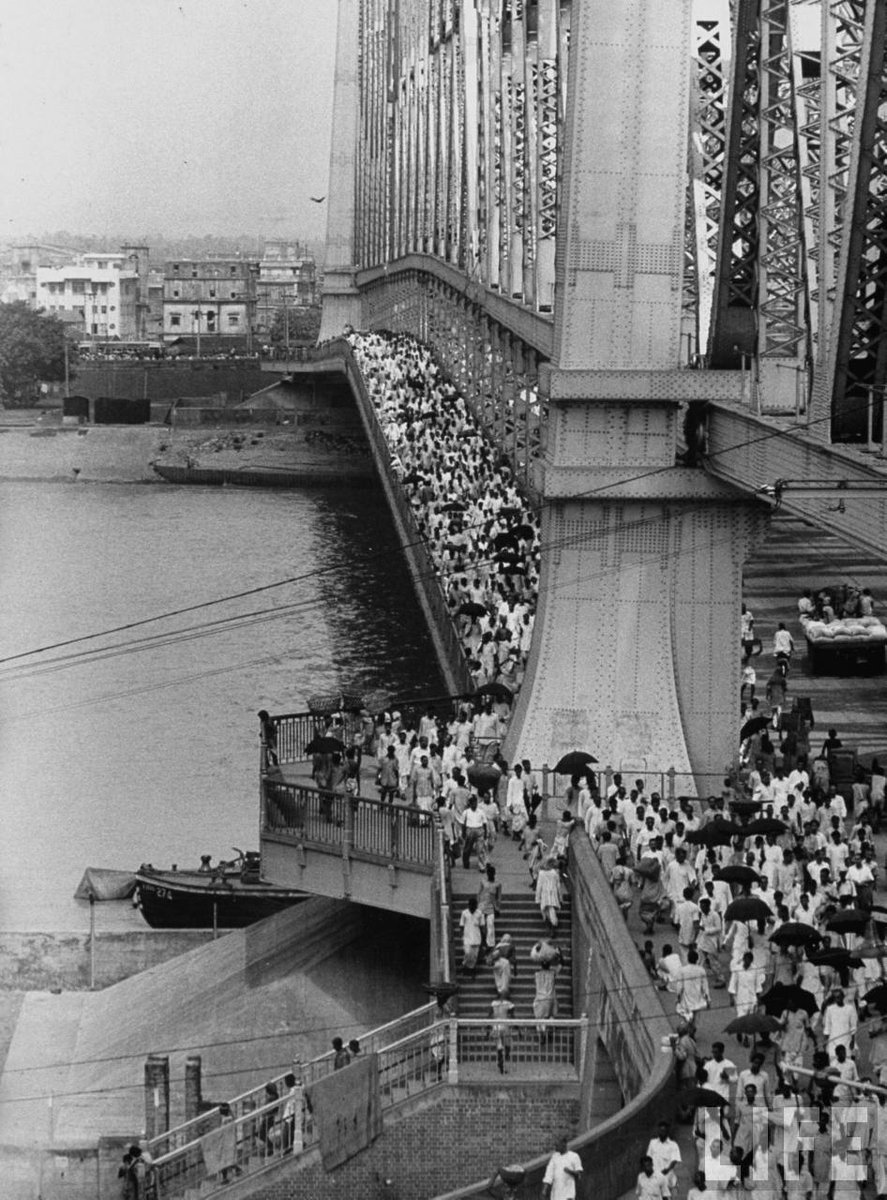
ALT People crossing on Howrah Bridge in 1953.
4
24
124
6,604

May 9
हेडलाइन अच्छी लगी- 'शुभेंदु' बंगाल के अधिकारी।' रास्ता कठिन, पर लक्ष्य भी स्पष्ट है। बंगाल को तिरंगा बनाना होगा, जिसकी शुरुआत हावड़ा ब्रिज से हो।
#PaintHowrahBridgeInTricolors
#howrahbridge
@SuvenduWB
1
2
63

It is a slap in the face of modern engineering. On one hand, we have the Howrah Bridge, built in 1943, standing tall for over 80 years without a single pillar in the riverbed. On the other hand, modern bridges are crumbling into the water before they are even completed.
This isn't just a technical accident; it’s a blatant betrayal. As long as corruption stays in the system, honesty will continue to collapse before the cement even dries. Stop playing with people's lives and hard-earned tax money! 🚫🏗️
#BridgeCollapse #HowrahBridge #EngineeringFailure #Corruption #SystemFailure
1
1
2
42


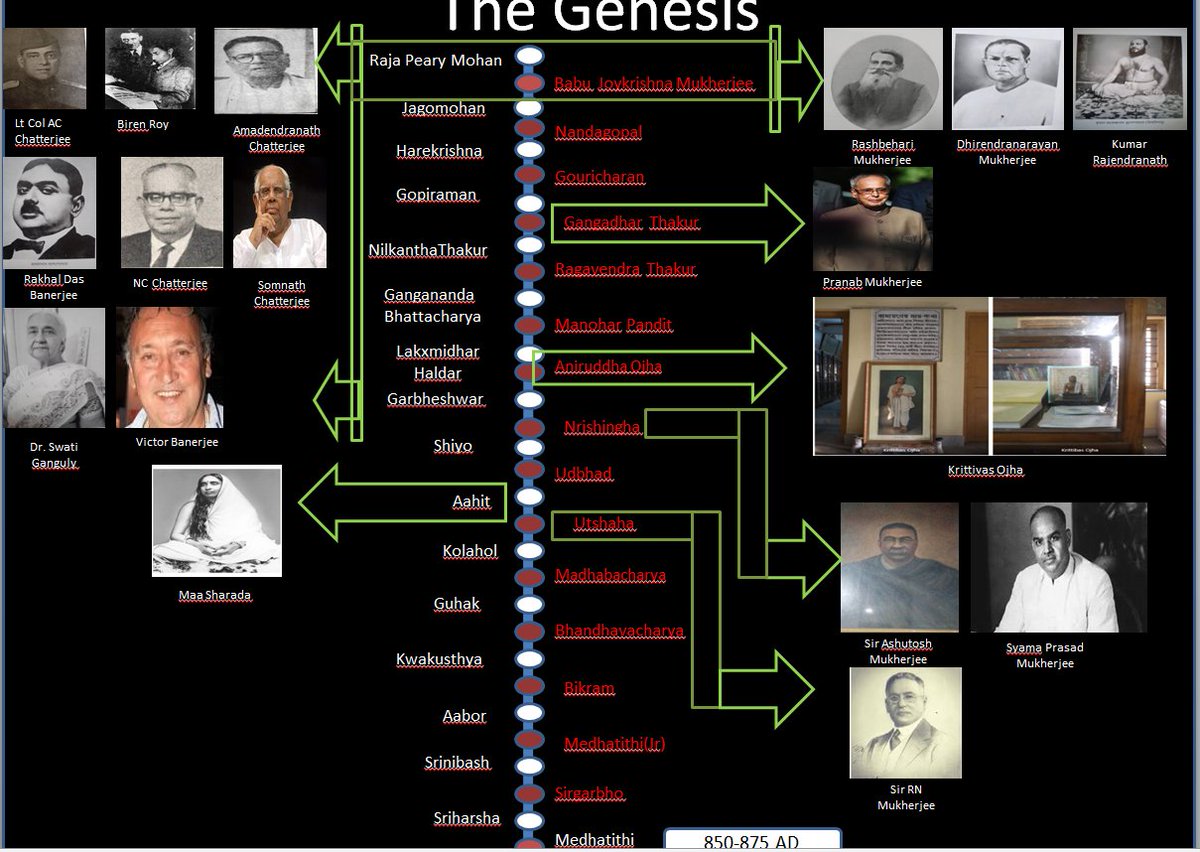
Do you know why Bengalis will always struggle as a cohort? Their pride & blindsightedness brought their downfall. Most Bengalis don't even know their history. Pick any movie, any ad, any interview the backdrop is either @HowrahBridge or #VictoriaMemorial. But no one knows Sir 1/2
3
11
87
4,369

May 5
Finally the Hindus of West Bengal are free of fear to say and chant their Prabhu’s name now that the daayan Mamta is gone.
It’s so joyful to hear the chants and naad of #JaiShriRam and #HarHarMahadev on #HowrahBridge right above the Hoogly in Kolkata. Thank you @BJP4India of freeing our countrymen from the clutches of the witch Mamta .
3
11
38
676

Howrah Bridge पर BJP की जीत का जश्न
#HowrahBridge #BJP #WestBengal #VictoryCelebration #Politics #BreakingNews #DainikSavera
2
44