
We came out of the jungle long ago.
We are humans now.
Why must every disagreement end in hostility?
Can we not sit together, discuss openly, and search for solutions as civilized human beings?
#PeaceTalks #CivilizedSociety #Dialogue #HumanUnderstanding #Humanity
1
10

22 Nov 2025
Druze Identity, Religion – Tradition and
Wisdom, or the Epistles of Wisdom). This book is considered secret and only religious sages
('Uqqāl) are permitted to peruse its six volumes. Religious sages constitute no more than 25% of
the sect. The majority of the Druze are considered "secular" (Juhhāl) and are not permitted to study
religious books or participate in religious assemblies that take place on Sunday and Thursday
evenings. "Kutub al- Hikma" is written in Arabic and publication in print is forbidden. These texts
are copied by religious sages and calligraphers, to ensure that the books be carefully guarded from
perusal by unauthorized persons.
The "Kutub al-Hikma" books define the seven foundations of faith:
🔹The first element is restraint of speech (Sidq al-Lisān), emphasizing several speech-related
issues: observance of promises, recognition of an error by the erroneous party, avoiding
gossip and profanity, speaking the truth, bearing pain with composure, maintaining secrets,
• 🔹The second element is defined as "guardianship of brothers" (Hifz al-Ikhwān). According
to this tenet, Druze are required to show solidarity to other sect members who experience
distress when advocating a righteous issue. Druze are required to uphold the dignity of other
sect members and avoid assuming a stance of conceit towards any other sect member.
•🔹 The third element is the ban on idol worship (Tark… 'ibādat al'adam wal-buhtān), including
the erection of statues, bowing to statues or exhibiting any expression of adoration of "sacred"
stones etc. The Druze faith, contrary to Islam and Judaism, recognizes personification, i.e.
tangible manifestation of God. This is justified by the human difficulty to perceive an abstract
god and therefore, God, in his infinite compassion to people, assumes human form to facilitate
man's perception of God.
• 🔹The fourth element is defined as disassociation from the demon and evil deeds (Al-barā'a
min al-'Abālisa wal-Tughyān). The demon is defined as the anti-thesis of any positive deed –
in the realm of faith and in the realm of morals. Any righteous deed or act of charity,
hospitality, etc. keeps the devil away.
• 🔹The fifth element is defined by the belief in the uniqueness of God (Tawhīd al-Mawla).
This, in fact, is the most important of the seven religious instructions of the Druze faith and
therefore warrants clarification. The Druze faith recognizes Fatimid Caliph, Al-Hākim bi-
'Amr Allāh, who reigned in Egypt between 996 and 1021 as the embodiment of the divine
spirit. This concept, defined in the Druze faith as the "Kashf" (revelation), stands in complete
contradiction to the Islamic concept of monotheism. Nevertheless, the Druze insist that they
alone are worthy of the term Muwahhidūn (Unitarians, monotheists) because they alone were
allowed to recognize the visible god.
•🔹 The sixth element is the willing acceptance of the acts of God (Al-Ridā bi-fi'lihi Kayfa mā
Kan). Everything from God must be accepted submissively and God must be blessed for all
acts, even if they involve great tragedy, because God's deeds are beyond humanunderstanding. The extreme example appearing in "Kutub al-Hikma ", illustrates this idea: If
God asks you to kill your child, you are obligated to do so without hesitation nor sense of
compulsion, otherwise you will receive no reward for it. In this context, we note that Druze do
not mourn their dead or obey rites of mourning.
• 🔹The seventh and final element is defined as total submission to God's decrees (Al-Taslīm li-
'Amrihi). At the basis of this faith lies the concept of fatalism. In other words, blind faith in an
unalterable fate predetermined on all humans . In this context we note that the Druze are
strong believers in reincarnation, and defilement of dead bodies is considered a negligible
matter
1
2
35

14 Nov 2025
📈 مقال جديد في موقع د. محمد العامري
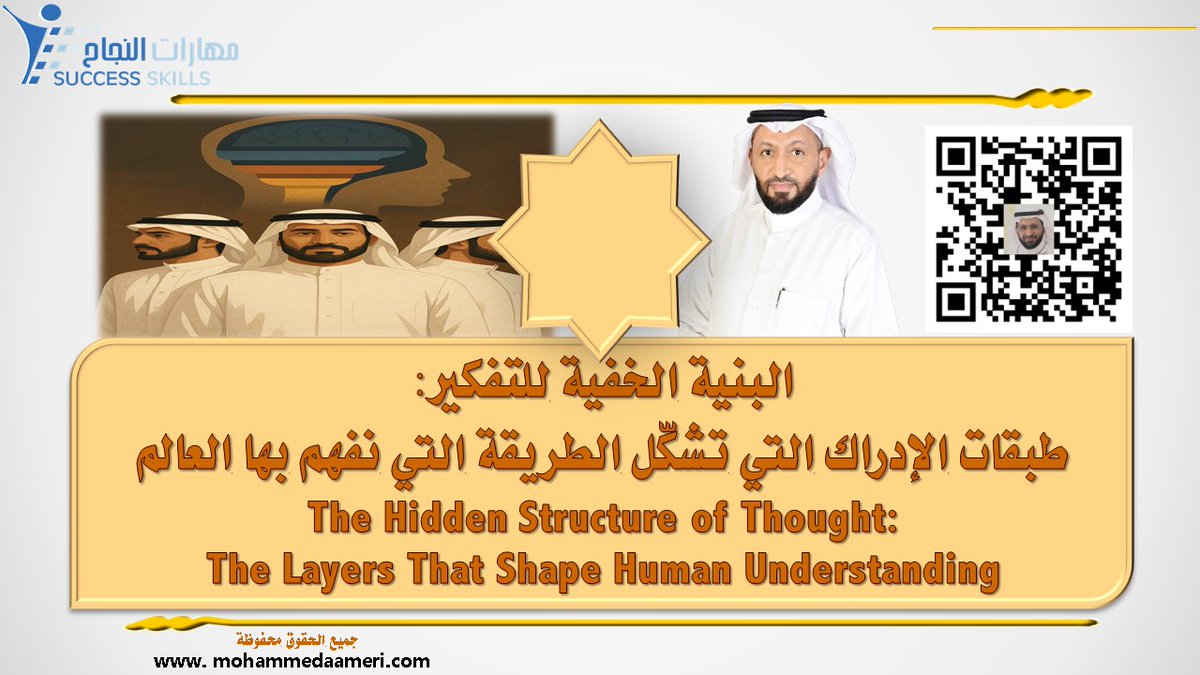
✨ البنية الخفية للتفكير: طبقات الإدراك التي تشكّل الطريقة التي نفهم بها العالم
The Hidden Structure of Thought: The Layers That Shape Human Understanding ✨
حين يظنّ الإنسان أنه يرى الواقع كما هو،
تكون الحقيقة أن العقل يعمل عبر طبقات عميقة خفية لا يشعر بها،
طبقاتٌ تتداخل لتبني المعنى، وتوجّه الإدراك، وتشكّل الفهم قبل أن يصل إلى الوعي.
هذا المقال يكشف البنية الداخلية المعقّدة للتفكير الإنساني،
وكيف تتحرك عمليات الإدراك من المستوى الحسيّ،
إلى مستوى التفسير،
ثم إلى الطبقات العاطفية والقيمية التي تعيد تشكيل الصورة في الذهن،
لتُقدّم للإنسان “واقعًا مُعاد صياغته” يظنّ أنه يُدركه مباشرة،
بينما هو في الحقيقة نتاج عمقٍ ذهنيٍّ لا يتوقف عن إعادة ترتيب العالم داخل العقل.
🌟 مقال يفتح نافذة على آليات التفكير العميقة،
ويُساعد على فهم كيف تُصنع القناعات والتصورات وما خلف ظهورها من عمليات غير واعية.
📖 اقرأ المقال عبر الرابط 👇
🔗 mohammedaameri.com/blog/352
🌐 تصفّح المزيد من المقالات عبر الموقع:
👉 mohammedaameri.com
📲 ولمتابعة الجديد أولًا بأول،
انضم إلى قناة د. محمد العامري الرسمية على واتساب 👇
🔗 whatsapp.com/channel/0029Vb6…
🏢 وللمتابعة والتسجيل والاستفسار عن البرامج التدريبية والاستشارية،
تابع قناة شركة الإتقان الدولي للتدريب والاستشارات على واتساب 👇
🔗 whatsapp.com/channel/0029Vb5…
💫 شاكرين لكم اهتمامكم ومساهمتكم في نشر الرابط لكل من تحبون لتعم الفائدة.
🌹 سائلين الله لكم دوام التوفيق والسداد.
#التفكير_الواضح #طبقات_الإدراك #البنية_الخفية_للتفكير #ThinkingClearly #HumanUnderstanding #د_محمد_العامري #مهارات_النجاح #الإتقان_الدولي #الوعي_المعرفي #الإدراك #الفلسفة_الذهنية #التحليل_العقلي
1
2
246

21 Oct 2025
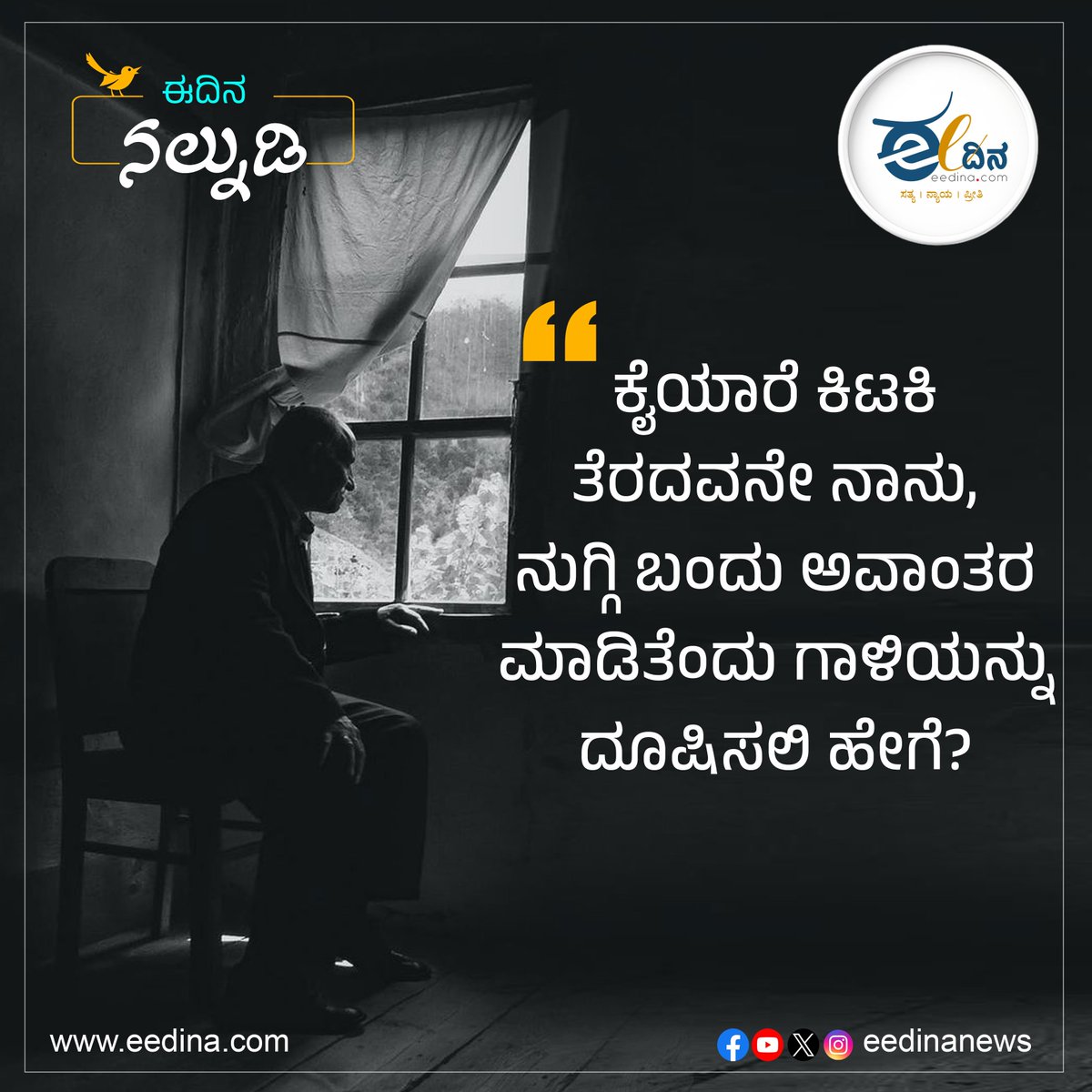
ಕೈಯಾರೆ ಕಿಟಕಿ ತೆರದವನೇ ನಾನು, ನುಗ್ಗಿ ಬಂದು ಅವಾಂತರ ಮಾಡಿತೆಂದು ಗಾಳಿಯನ್ನು ದೂಷಿಸಲಿ ಹೇಗೆ?
#KannadaPoetry #PhilosophicalQuote #SelfReflection #InnerWisdom #PoeticThoughts #LifeLessons #Introspection #DeepMeaning #LiteraryBeauty #HumanUnderstanding
2
102

5 Oct 2025
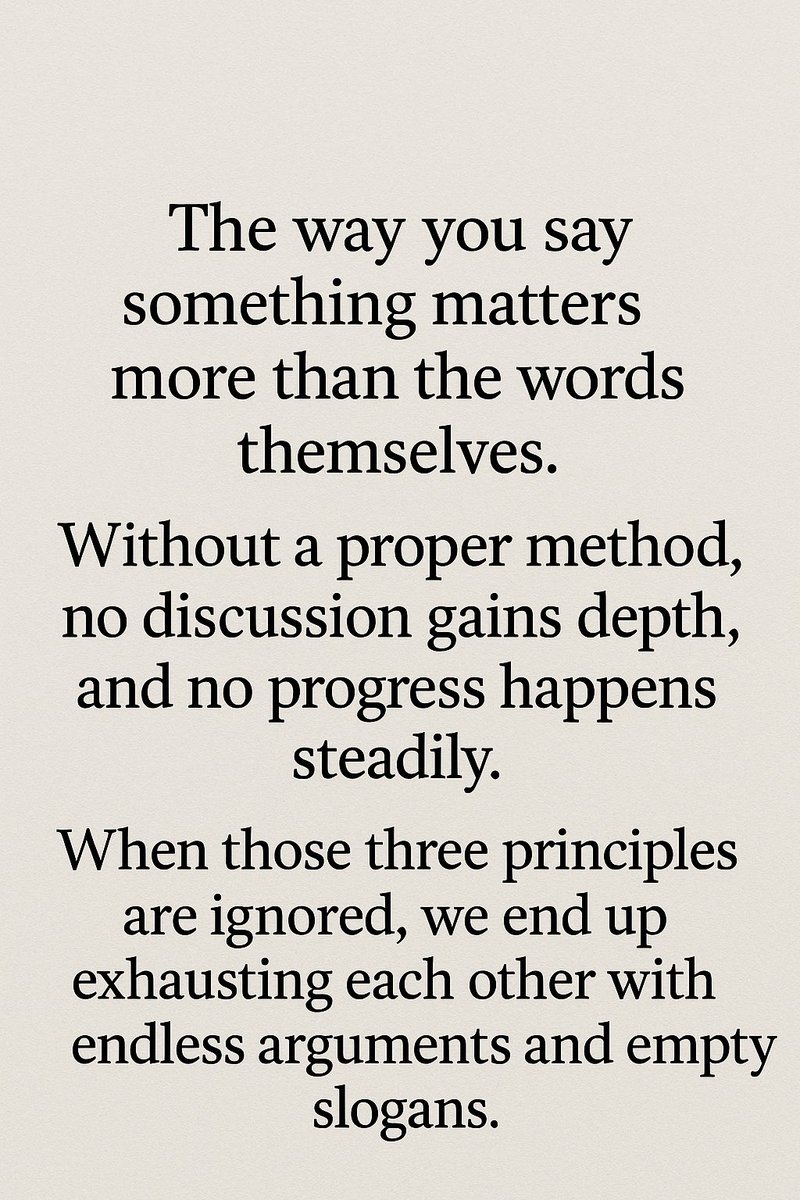
‘చెప్పే మాట కంటే.... చెప్పే విధానం చాలా ముఖ్యం’.
ఒక విధానం లేకుండా, ఏదీ ప్రధానంగా చర్చించబడదు మరియు ఏదీ నిదానంగా ముందుకు సాగదు.
ఆ మూడు సూత్రాలను పాటించకపోతే, ఒకరినొకరు నిరంతరం వివాదాలు మరియు నినాదాలతో బాధపడుతూనే ఉంటారు.
#WayOfSaying #PowerOfExpression #ThoughtfulTalk #CommunicationMatters
#LifeLessons #ArtOfSpeaking #ThinkBeforeYouSpeak #EmotionalIntelligence #HumanUnderstanding #PeacefulConversations #MindfulCommunication #TeluguQuotes #ఆలోచనాశైలి
1
4
125

25 Jan 2025
God's love is beyond #humanunderstanding. It is a pure, holy love, untainted by any #sin. It is the kind of love that Paul expresses in 1 Corinthians 13. #ShabbatShalom #happysabbath #Sabatha
1
24


9 Nov 2024
Yes, I support not displaying any flags in the classroom environment. Educational spaces are neutral zones focused solely on the pursuit of knowledge, culture, and human understanding, without relation to personal beliefs or sexual orientations. 🏫📚 #EducationIsNeutral #FocusOnLearning #KnowledgeAboveAll #HumanUnderstanding #ClassroomEquality
5
547

5 Sep 2024
What if improving patient satisfaction started with just a single phone call? Brooke Howard of @tidelandshealth shares insights on how their in-house engagement center is transforming patient experience! Read more at bit.ly/4gaa5FM
#PatientExperience #HumanUnderstanding

1
2
43

23 Aug 2024
23
22
250
25,398
14 Aug 2024
How can we create a healthcare system where patients feel heard, understood, and empowered? Hear @RealDoctorMike’s perspective, then catch him live at #HUB24 in San Diego! Secure your spot now: bit.ly/40C7hKk #HumanUnderstanding #GoBeyond
6
10
85
15,915
25 Jul 2024
Explore the profound impact of human connection in pediatric care! Dr. Jon Roberts from @DriscollTX shares reflections on how empathy & understanding transform patient experiences. Read more at: bit.ly/4cSMJlB #HumanUnderstanding #PediatricCare
youtu.be/_o2pLex_AiU
1
3
51

21 Jun 2024
"I wish you'd stop glorpsplaining to us"
"Zeep blop xur shubbly 'humanunderstanding'"
3
34
8 May 2024
To celebrate #NursesWeek and #HospitalWeek, we want to say THANK YOU to all the amazing healthcare workers and hospital employees! We appreciate the compassion, dedication, and hard work you provide each and every day. #HumanUnderstanding
2
78
2 May 2024
This PX Week, discover how @Bryan_Health is leading the charge in personalized care through #HumanUnderstanding. Get inspired by their commitment to treating patients as unique individuals & their approach to improving patient & employee experiences! bit.ly/4atRYa6
5
63
30 Apr 2024
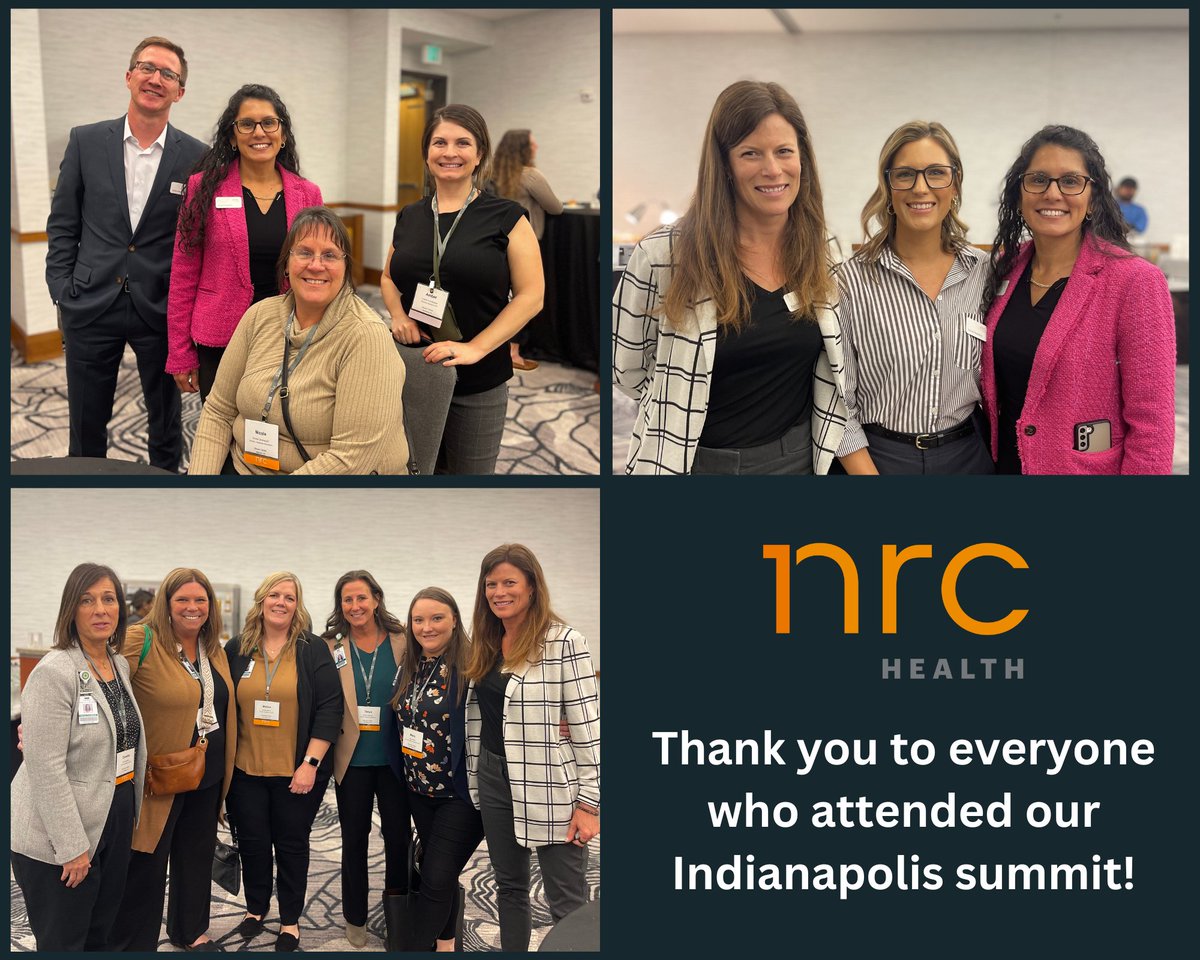
Thanks to all of the #healthcare leaders and organizations for attending our Regional Summit in Indianapolis last week! We hope everyone was able to engage in meaningful conversations and walk away with new insights and ideas on #HumanUnderstanding.
2
4
89
18 Mar 2024
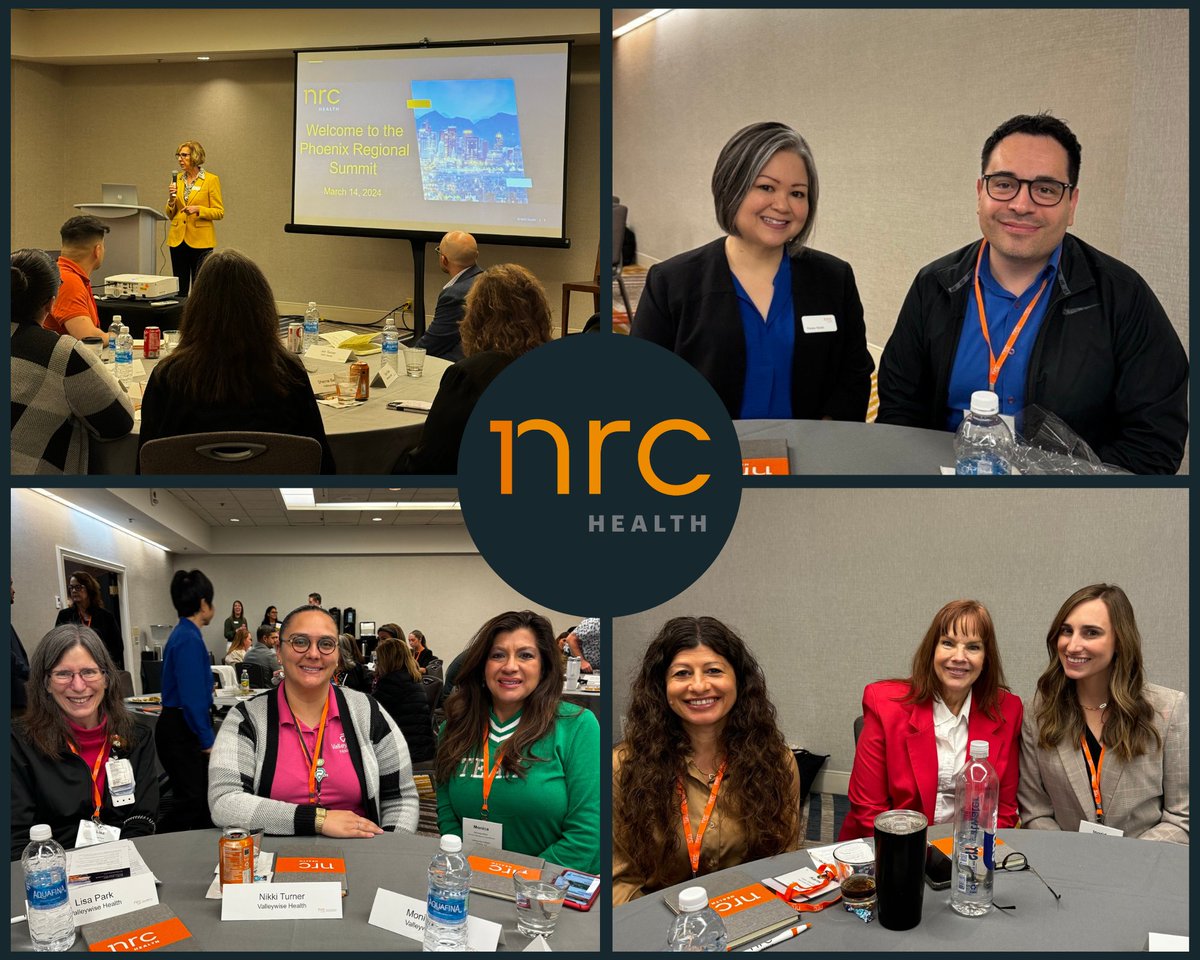
Thanks to all of the #healthcare leaders and organizations for attending our Regional Summit in Phoenix last week! We hope everyone was able to engage in meaningful conversations and walk away with new insights and ideas on #HumanUnderstanding.
2
4
96
7 Mar 2024
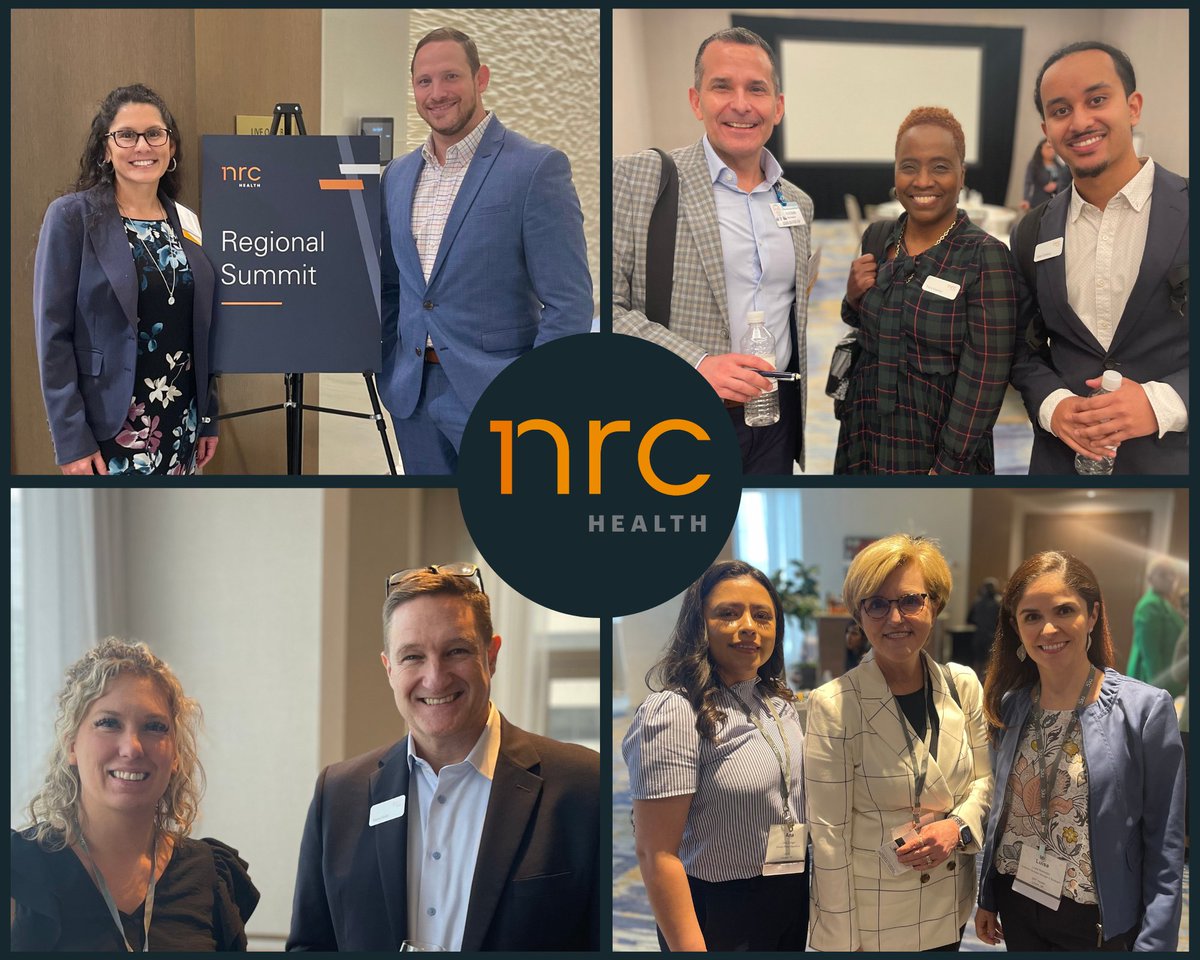
Thanks to all of the #healthcare leaders and organizations for attending our Regional Summit in Houston yesterday! We hope everyone was able to engage in meaningful conversations and walk away with new insights and ideas on #HumanUnderstanding.
1
3
84
7 Mar 2024
Are you looking to boost your NPS? Watch our recent webcast with @childrensmn to see how they increased their scores through enhanced parental involvement! Watch the on-demand webcast now: bit.ly/3wP8ova #HealthcareInnovation #PatientExperience #HumanUnderstanding

1
3
243

13 Feb 2024
Most brands are able to understand who their customers are at a 30,000-ft. view. But how do you get to know them at a level that enables you to take action?
#PersonaConnector uses a combination of explicit and implicit measurements via a proprietary blend of open-ended questions to get to deeper levels of #humanunderstanding.
Why combining implicit & explicit makes the results more actionable:
Understanding only deliberate behaviors or only involuntary behaviors fails to tell the whole story. By combining both explicit and implicit measurements, brands can understand fully how people consciously interact with their product, services, or category through the lens of what they are thinking and feeling under the surface.
This deeper understanding enables you to connect more efficiently, effectively, and empathetically – at the speed your marketplace demands.
Learn more about how Persona Connector can deliver deeper, actionable insights about your target audience here: gtchk.it/3k7f8OG
13 Feb 2024

Want to understand how combining implicit & explicit research results in deeper, more actionable understanding about your audience?
Check out #PersonaConnector & start connecting more efficiently, effectively, & empathetically: gtchk.it/3GRnxPg
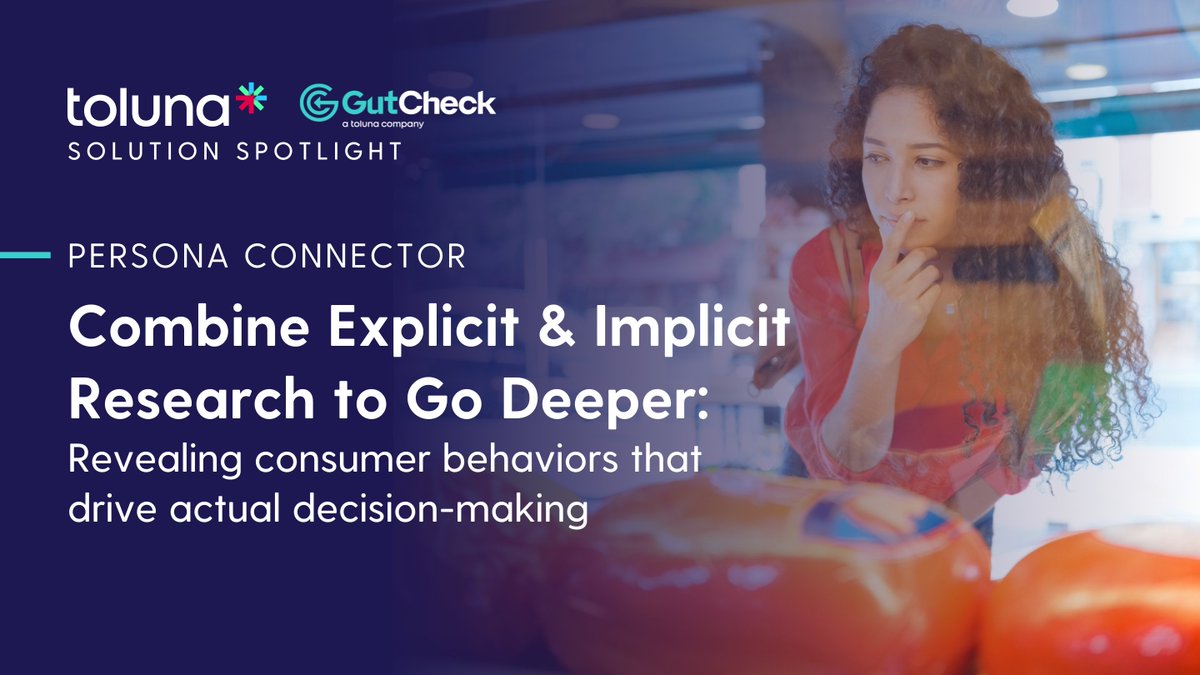
ALT Persona Connector offers in-depth persona development that leverages both explicit and implicit measurements to get at deeper levels of human understanding – with the speed and flexibility you rely on. Traditional persona development and audience profiling tools lack both the speed and flexibility to evolve dynamically with your strategy and lack the next step actionability that the pace of your business demands. Learn more about them here: https://gtchk.it/3k7f8OG
5
111