
graham retweeted

30 Nov 2012
“@HellenBrellen: @grahamcoxon So do you have hyperopia or myopia?” Hysteria
7
22
32

10h
!!!! – if you see four standing lines and five dots in the the exclamations you are myopic , if you see five standing lines and three dots you are a hyperopia eyesight person , if you see two pairs of exclamations your eyesight is normal!
9

14h
oh myopia is if u r near–sighted n Hyperopia is if ure far–sighted ^_^ i have Myopia so i need my glasses like Everyday
1
1
19

Random Meh OC fact of the day
He has ocular albinism so he’s photosensitive and also has hyperopia
I probably should draw his iris lighter and draw him with glasses more often

btw this is my OC, Lettace
His nickname is Ace and yes he is ace (and pan)

1
1
70

Jun 14
The one really useful thing Ive done with local AI is make various technical demos and calculators. My favorite is a demo that shows the effects of myopia or hyperopia on vision at various ages. Simple but helps get it across to people.
6

Jun 14
I have bad vision since I was born and it got a lot worse after puberty, I tried everything on that list with no luck. I have in one eye myopia and the other hyperopia
2
1
146
frangarcia0219 retweeted

Jun 13
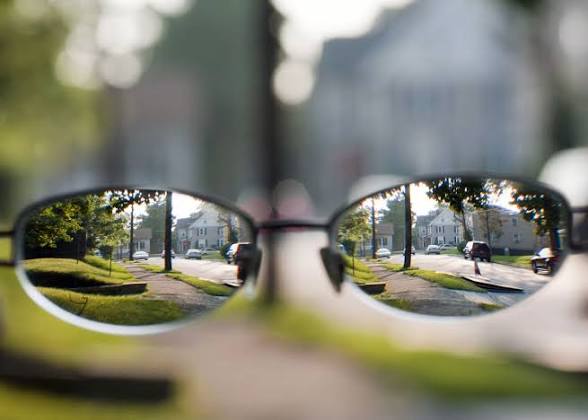
Most common refractive error
A. Myopia (Nearsightedness)
B. Hyperopia (Farsightedness)
C. Astigmatism
D. Presbyopia
3
2
7
734

Jun 13
اختلاف الرؤيا بين العين الطبيعة والعين المصابة بعيوب انكسارية
:(Emmetropia) العين الطبيعية
تتجمع الأشعة الضوئية بدقة على الشبكية، لذلك تكون الرؤية واضحة في جميع المسافات.
:(Myopia) قصر النظر
تتجمع الأشعة أمام الشبكية بسبب زيادة طول كرة العين أو زيادة قوة الانكسار، فيُرى القريب بوضوح والبعيد بشكل ضبابي.
:(Hyperopia) طول النظر
تتجمع الأشعة خلف الشبكية بسبب قصر كرة العين أو ضعف الانكسار، فيُرى البعيد أوضح من القريب.
:(Astigmatism) الاستجماتزم
يحدث بسبب عدم انتظام تقوس القرنية أو العدسة، مما يؤدي إلى تشتت الأشعة وعدم تجمعها في نقطة واحدة، فتكون الرؤية مشوشة في كل المسافات.
#فيزياء_البصريات
#عيوب_النظر
1
2
226

OPTIX E-2 | OCULAR REGENERATION UNIT
4.2 billion people on this planet cannot see clearly. They were told it was genetics. They were told it was aging. They were given glasses, contacts, and laser surgery that degrades within a decade.
The Optix E-2 restores perfect vision. Permanently. Regardless of condition. Regardless of age.
What it repairs:
— Myopia, hyperopia, and astigmatism. Complete corneal reshaping at the cellular level without cutting tissue.
— Cataracts. The clouded lens is not removed. It is regenerated back to full transparency at the molecular level.
— Macular degeneration. Retinal cells that were declared dead are reactivated through targeted photon frequency stimulation.
— Glaucoma. Optic nerve damage is reversed. Intraocular pressure is permanently normalized.
— Complete blindness from optic nerve damage. Neural pathways between the eye and visual cortex are rebuilt synapse by synapse.
How it works:
Two precision frequency beams calibrated to 638nm target the ocular tissue directly. The beams carry encoded regeneration instructions that communicate with the stem cells dormant in your eye tissue. These cells activate and begin rebuilding whatever structure has been damaged or degraded.
Session time: 22 minutes per eye. Results begin within 48 hours. Full restoration within 14 days.
The $150 billion eyewear industry exists because this technology was classified. LASIK exists because they needed a profitable alternative that still degrades over time, keeping you dependent.
The Optix E-2 does not correct your vision. It restores it to what it was before they damaged it. Some participants report visual acuity beyond 20/20—seeing frequencies of light that normal human eyes were never trained to perceive.
7
73
160
5,026


Jun 9
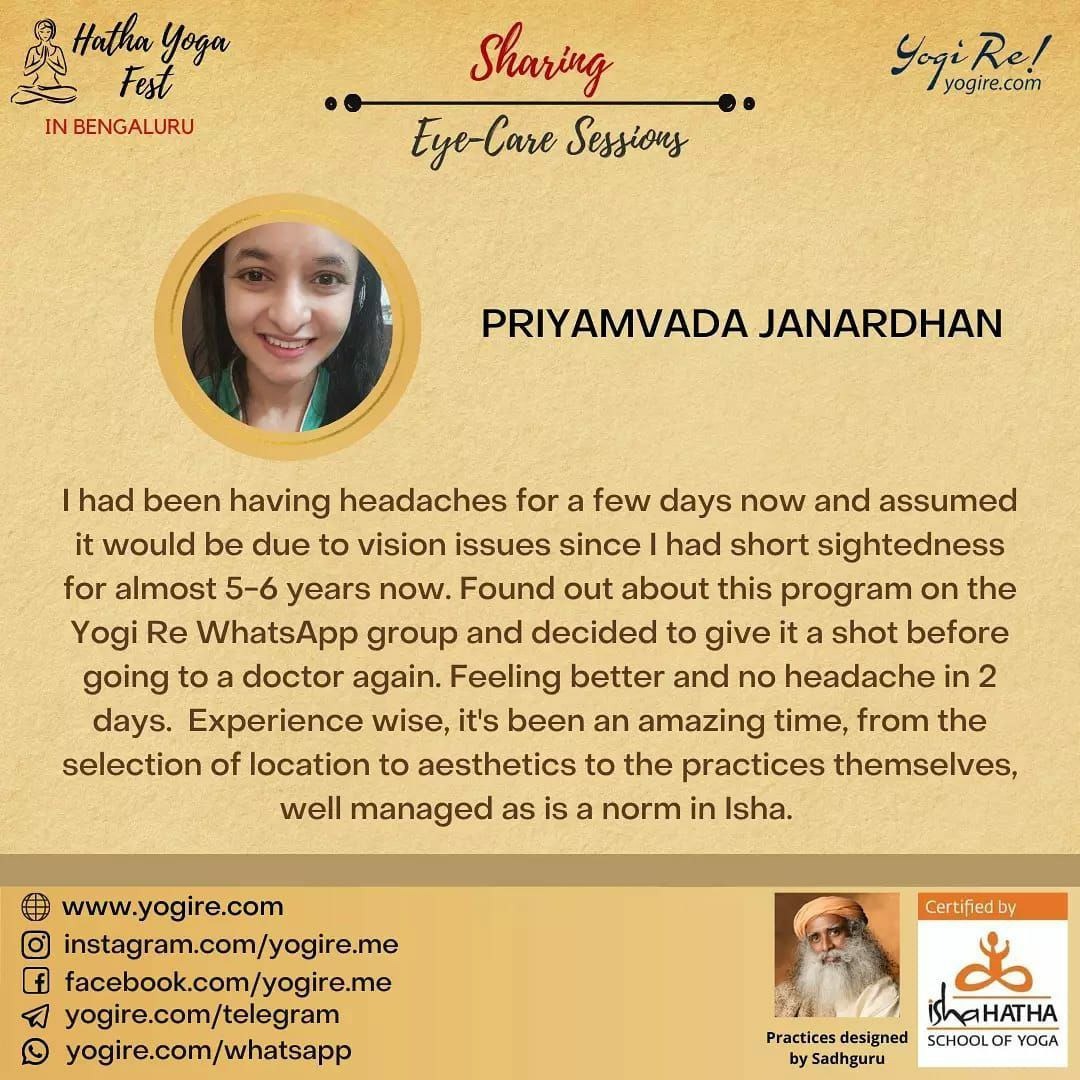
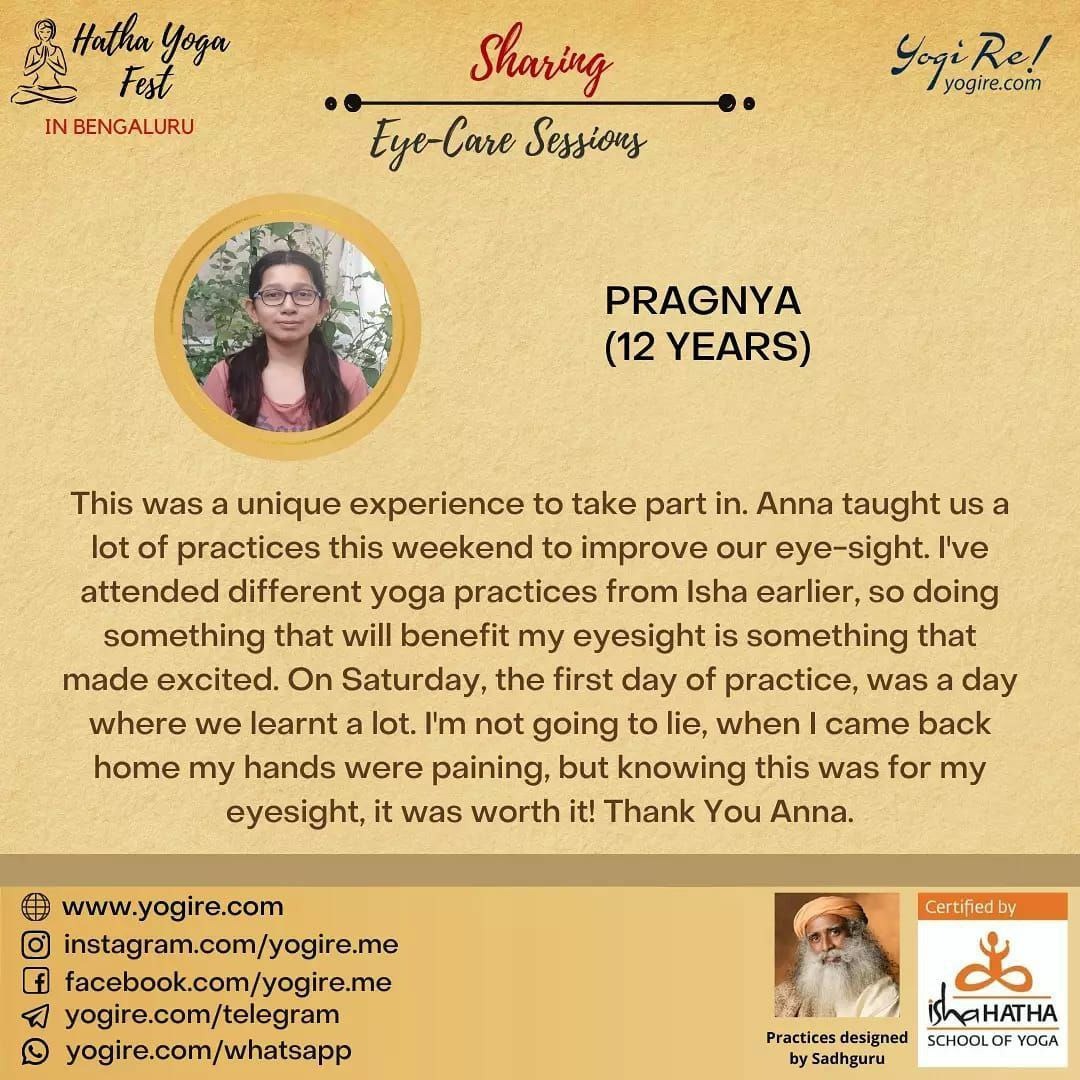
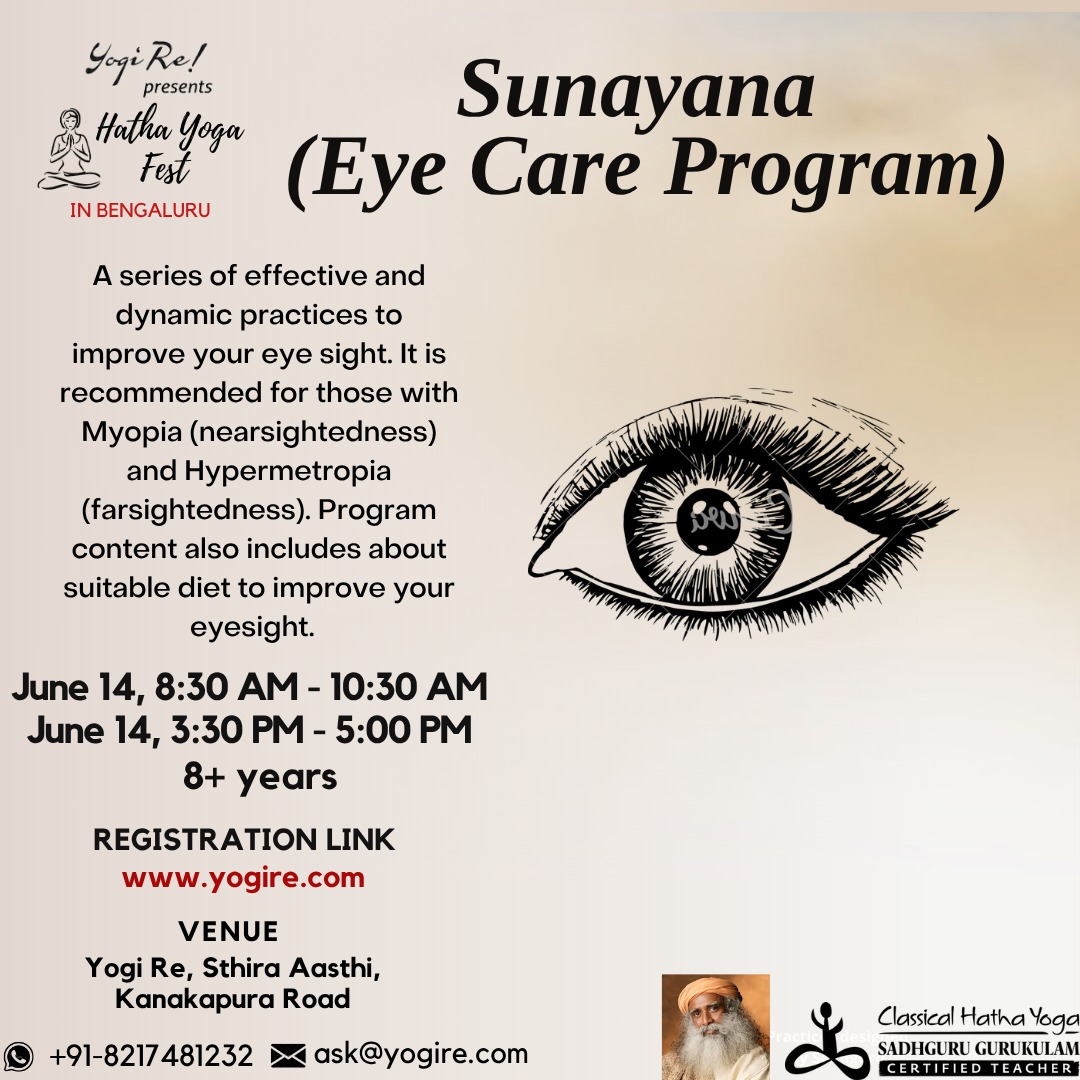
The participants (including adults and children) explored simple yogic practices to improve eye sight which are especially beneficial for people having myopia or hyperopia. They also explored a suitable diet to improve vision.
(2/3)

1
2
66

Jun 8
Joint wear and tear is a “biological consequence” to moving. Should people suffer and become wheelchair bound instead of getting joint replacements?
Sight issues (including myopia/hyperopia) are “biological consequences” of being alive. Should we not get glasses/contacts/laser?
1
4
37

Jun 8
Israeli researchers have pioneered nanotechnology-based eye drops aimed at correcting refractive errors by reshaping the cornea, potentially eliminating the need for glasses, contacts, or invasive surgery.
Unlike conventional options such as corrective lenses or laser procedures, these "nanodrops" involve a multi-step process: a smartphone app measures eye refraction, a low-energy laser etches a customized optical pattern onto the corneal surface, and the nanoparticle solution then activates this pattern to adjust light refraction.
Developed by a team from Shaare Zedek Medical Center and Bar-Ilan University's Institute of Nanotechnology and Advanced Materials, the drops use synthetic protein nanoparticles. Preclinical tests on pigs demonstrated improvements in myopia and hyperopia, with the non-invasive approach offering a convenient, at-home-compatible alternative.
This breakthrough could especially aid those with common refractive issues, age-related presbyopia, or conditions previously requiring surgery, minimizing risks, costs, and downtime.
While human clinical trials were anticipated following promising animal results around 2018, researchers note the need for additional studies to verify long-term safety and effectiveness. By harnessing nanotechnology for precise corneal modulation, these drops represent a promising step toward simpler, more accessible vision correction in ophthalmology.
25
75
295
21,316

Basics of Squint (Strabismus): What You Should Know
Have you ever noticed someone’s eyes not aligning in the same direction? This condition is known as strabismus (squint). It is not only a cosmetic concern—it reflects how the eyes and brain coordinate visual processing.
What is Squint?
Under normal conditions, both eyes align on the same target, allowing the brain to fuse two images into a single clear perception and provide depth perception (binocular vision).
In strabismus, this coordination is disrupted. One eye fixates on the target while the other deviates in a different direction, affecting binocular function.
Common Types of Squint • Esotropia – Inward deviation toward the nose
• Exotropia – Outward deviation toward the ear
• Hypertropia – One eye deviates upward
• Hypotropia – One eye deviates downward
Clinical Insights (For Students & Professionals)
Accurate diagnosis requires a structured sensorimotor evaluation, not just observation.
Clinical Classification • Comitant (Non-paralytic): Deviation remains constant in all gazes, commonly seen in pediatric cases
• Incomitant (Paralytic/Restrictive): Deviation varies with gaze direction and may indicate cranial nerve III, IV, or VI palsy, or mechanical restriction such as thyroid eye disease or orbital trauma.
Essential Testing • Hirschberg Test: Corneal light reflex assessment (~1 mm displacement ≈ 15–20 prism diopters)
• Cover–Uncover Test: Differentiates tropia (manifest deviation) from phoria (latent deviation)
• Alternate Cover Test: Dissociates fusion to reveal total deviation
• Prism Cover Test: Gold standard for measuring deviation in prism diopters
Why Early Intervention Matters
In children, the brain may suppress input from the deviating eye to avoid double vision. Over time, this can lead to amblyopia (lazy eye) if not treated early.
Management Options
Refractive correction (especially in hyperopia)
Vision therapy / orthoptic exercises
Patching therapy for amblyopia
Extraocular muscle surgery when indicated
1
8
19
3,489

I mean if you mean the whole myth that contacts make your vision worse, that's an old wives tale sorta thing. there's more recent evidence showing that they might actually help slow down vision loss for basic myopia/hyperopia (but only very very slightly, if at all, it's unclear)
1
2
36

May 29
It's really negligible these days, they fixed my astigmatism, and they do have treatments for hyperopia.
1
9
399

May 29
Glaucoma, astigmatism, myopia, and now hyperopia means only screens and audio for me.
3
111