
A partir do curso que vén ides ter CATRO facultades de Medicina e sodes 2,3 millóns; en Galicia, con 2,7 millóns hai unha…non escollestes o mellor exemplo 😅
1

開放後4️⃣
Setlist:
00:00:31 - The Ides of March (Tape)
00:02:29 - Murders in the Rue Morgue
00:06:55 - Wrathchild
00:09:51 - Killers
00:16:02 - Phantom of the Opera
00:23:41 - The Number of the Beast
00:30:30 - Infinite Dreams
00:36:50 - Powerslave
00:44:13 - 2 Minutes to Midnight
00:51:43 - Rime of the Ancient Mariner
01:05:39 - Run to the Hills
01:10:21 - Seventh Son of a Seventh Son
01:23:13 - The Trooper
01:27:44 - Hallowed Be Thy Name
01:35:34 - Iron Maiden
Encore:
01:42:03 - Churchill's Speech (Tape)
01:43:45 - Aces High
01:48:55 - Fear of the Dark
01:56:36 - Wasted Years
10-06-2026.
youtu.be/LWAbl3DiV8Y?si=c62b…
2
23
Top retweeted

Abdullah Imbrahim leaving the planet with all this beauty on the ides of June


2
27
139
2,403

Pričaš o Stojoviću da je loš jer je bio u DPS🤣 A ides u koaliciju sa vučićevim pudlicama, dobar si momak!
1
12


Ma briga te. Radis sta tebi odgovara.
Smiju se i ako ides, i ne ides na odmor. I ako kuhas, i ne kuhas. I ako ti se vidi grudnjak, i ne vidi 😅
1
1
30

That sounds powerful. Do you think Cursor will replace traditional IDEs for most developers?
10

Kathleen A. Miller retweeted

The ides of the Sacred Heart


2
14
564

We spend thousands locking down our production infrastructure while letting unverified community plugins execute raw terminal commands inside our local IDEs. 💻
This new release from NVIDIA changes the game for local development security, scanning skills across 64 patterns completely offline.
If you run a local compute stack, copy these 8 validation frameworks right now:

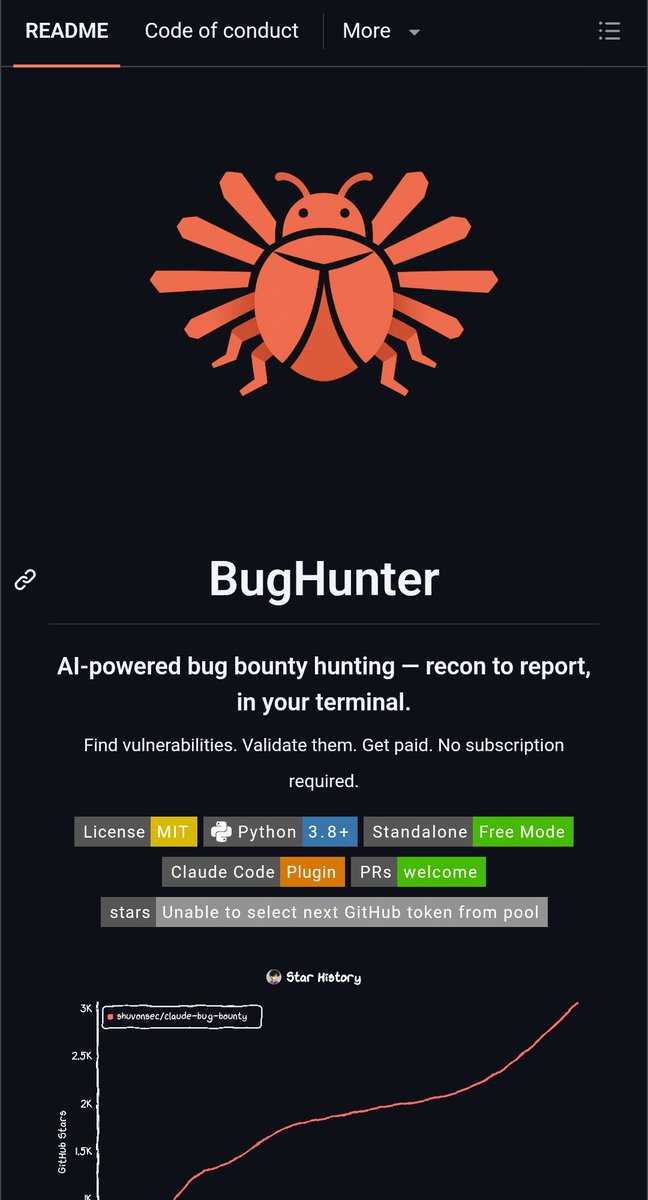
🚨 Someone just turned Claude Code into a fully autonomous bug bounty hunter.
Recon. Vulnerability detection across 20 attack classes. Exploitation. Report generation. All inside your terminal. All running while you do something else.
It's called claude-bug-bounty. 2,500 GitHub stars. And it does what used to require a team of security researchers.
Here's what it actually does.
You point it at a target. It runs reconnaissance — subdomain enumeration, port scanning, technology fingerprinting, endpoint discovery. It maps the entire attack surface automatically.
Then it hunts. Across 20 vulnerability classes — SQL injection, XSS, SSRF, authentication bypass, IDOR, command injection, insecure deserialization, and more. Not running a static scanner with known signatures. Reasoning through each endpoint the way a human security researcher would — understanding the application logic, forming hypotheses about where weaknesses might exist, and testing them.
When it finds something, it doesn't just flag it. It writes a full report — proof of concept, impact assessment, remediation steps — formatted exactly how bug bounty platforms expect submissions.
Here's what makes this different from a vulnerability scanner.
Traditional scanners check for known patterns. Signature matching. They miss anything that doesn't match a known CVE format.
Claude reasons about the application the way a human hunter does. It understands business logic. It notices when an API endpoint behaves inconsistently. It chains together minor issues into a meaningful exploit path the way an experienced researcher connects dots that a scanner can't see.
Here's the wildest part.
It runs autonomously. You give it a scope. It hunts continuously — recon, testing, validation, reporting — without you babysitting the process. Check back later and you have a stack of findings with reports ready to submit.
This is the same shift that's happening across every domain right now. Coding agents that work for hours unsupervised. Trading agents that execute without confirmation. Now security research that hunts independently.
Here's why this matters for the entire bug bounty industry.
Every bug bounty hunter manually testing endpoints one at a time just got a competitor that works 24 hours a day, tests every endpoint systematically, and never gets tired or misses a step from fatigue.
The barrier to entry for security research just dropped to whoever can run Claude Code.
Built strictly for authorized testing — your own systems, or bug bounty programs where you have explicit permission. Using it against unauthorized targets is illegal regardless of what tool you used to find the vulnerability.
2.5K GitHub stars. 429 forks. MIT License.
100% Open Source.
GitHub link in the comments 👇
39
Andrew Nosenko 🇦🇺 🇺🇦 retweeted

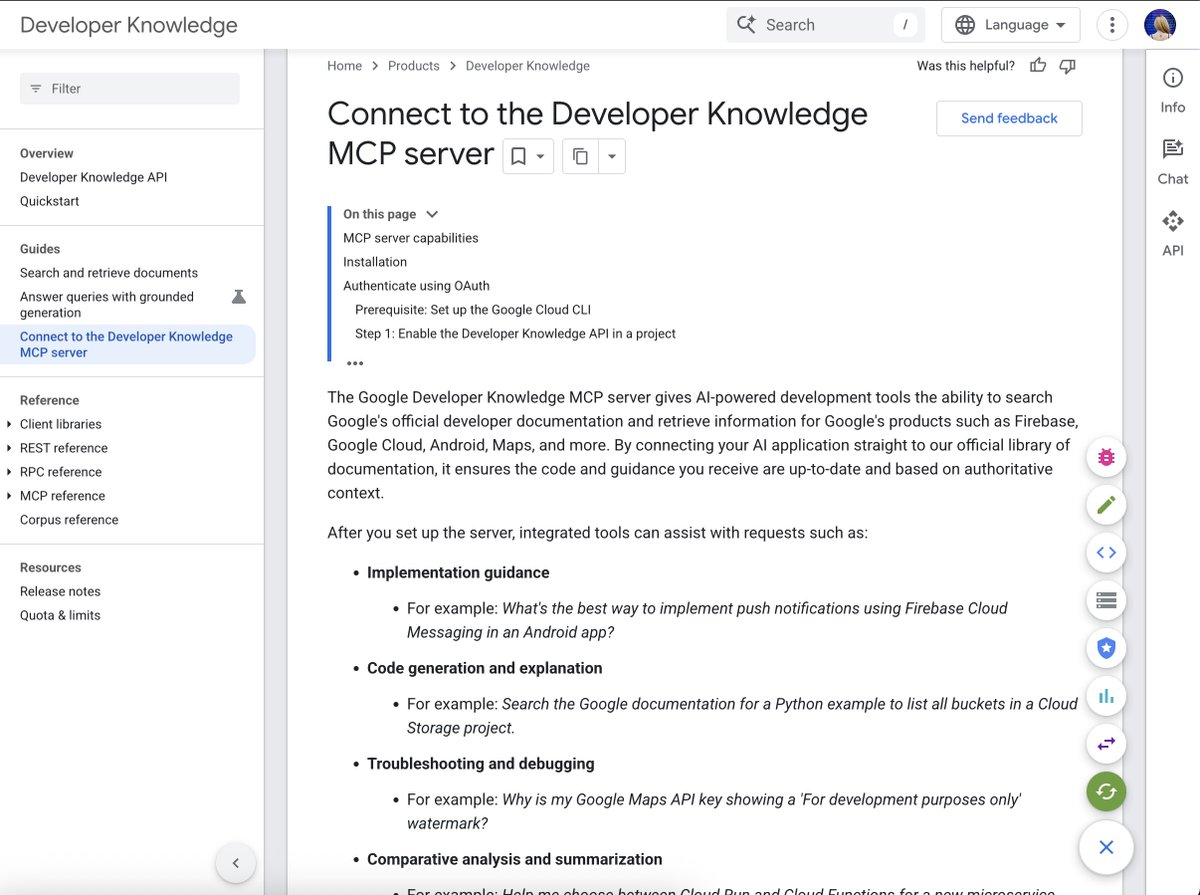
Did you know that we have a @Google Developer Knowledge MCP server? 👀📄
It gives AI-powered tools and IDEs the ability to search the @googledevs official developer documentation and retrieve up-to-date information for our APIs (ex: @Firebase, @GoogleCloud, @Android, @GoogleMaps, and more).
8
16
122
4,709

For web and backend work, 32 GB feels like the new comfortable default. 16 still works, but Docker, browsers, IDEs, and a few local services open at once make it tight fast.
14


