
Jun 14
They will have to find 11 footballers prepared to play first. The games will not be played, nor should it be. All you cunts on here arguing it should be should go back and read your intercert Irish history books. Colonialism continues to be a cancer on the world.
2
25

Jun 11
I did honours LC and took French, German and Irish. I did very well in them all! And I also took Latin with my Intercert. Again did well. I wanted to do Italian also but it clashed with German.
I was diagnosed with dyslexia last Sept 2025 at 52.
Facts about dyslexia:
- Dyslexia is a learning difference, not a measure of intelligence. People with dyslexia can have average, above-average, or exceptional intelligence.
- It primarily affects reading, spelling, and decoding written words.
- It is relatively common, affecting roughly 5–10% of people, depending on how it’s defined and measured.
- Dyslexia often runs in families, suggesting a strong genetic component.
- Many successful people have dyslexia, including entrepreneurs, scientists, artists, and athletes.
- With the right support and practice, people with dyslexia can become strong readers and writers.
Are there languages dyslexic people are better at?
There isn’t one language that all dyslexic people are naturally good at. However, some writing systems can be easier to learn because they are more consistent.
Languages with regular spelling rules are often easier for dyslexic learners:
- Spanish
- Italian
- Finnish
- Turkish
In these languages, letters usually correspond to the same sounds, making reading and spelling more predictable.
Languages that can be more challenging for dyslexic learners include:
* English — spelling and pronunciation are often inconsistent.
* French — many silent letters and complex spelling patterns.
That said, individual differences matter a lot. A dyslexic person who loves a language and gets good instruction may outperform a non-dyslexic person who is less motivated.
Common strengths associated with dyslexia
Research has found that many dyslexic people tend to excel in areas such as:
- Creative thinking
- Visual-spatial reasoning
- Seeing connections and patterns
- Problem-solving
- Storytelling and verbal communication
- Entrepreneurship and innovation
These are tendencies, not guarantees—every person is different.
Bottom line in my very humble opinion is Irish is taught, like many languages, very poorly!
And so everybody knows from chatting to colleagues in other countries they also feel the same about the languages they are taught.
4
222

Apr 1
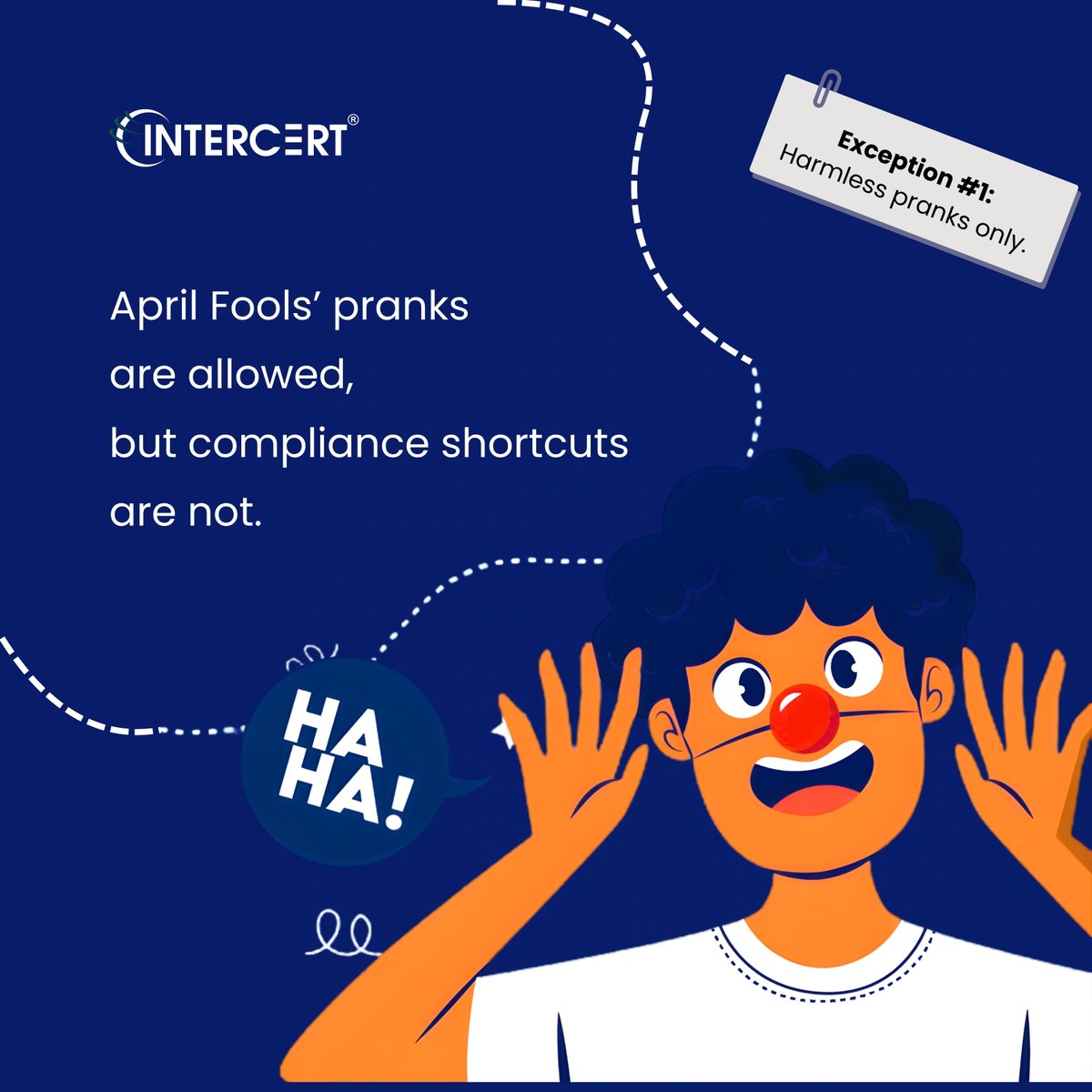
Happy April Fool's Day!
But don't get fooled by taking compliance shortcuts choose a robust security.
#AprilFoolDay #INTERCERT
2
19
Apr 1
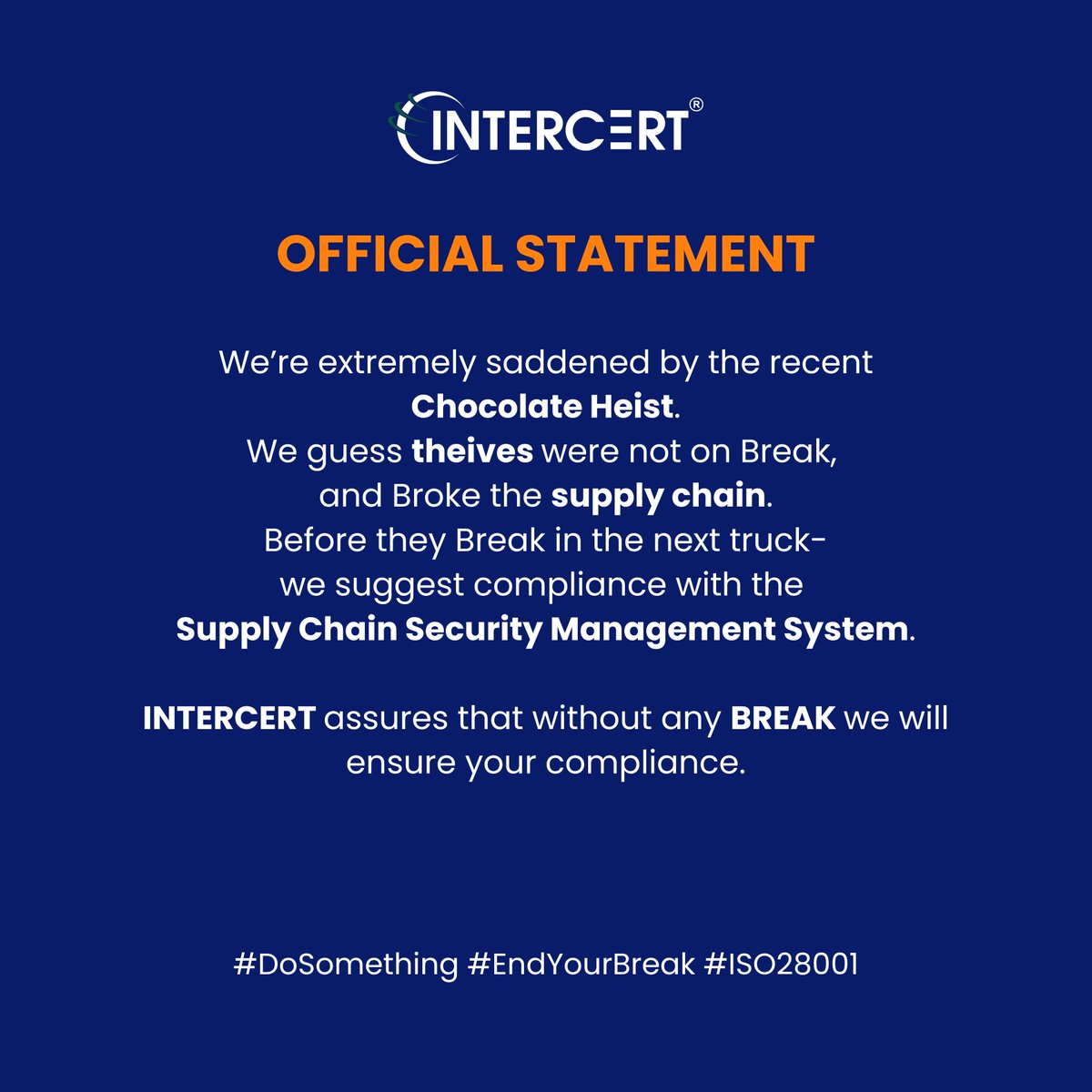
12 tonnes of @KITKAT stolen! Shocked? We have the fix.
INTERCERT stands with you to secure the supply chain with ISO 28001- Supply chain security management system and say no to surprises.
@Nestle #ISO28001 #INTERCERT
3
20

Mar 24
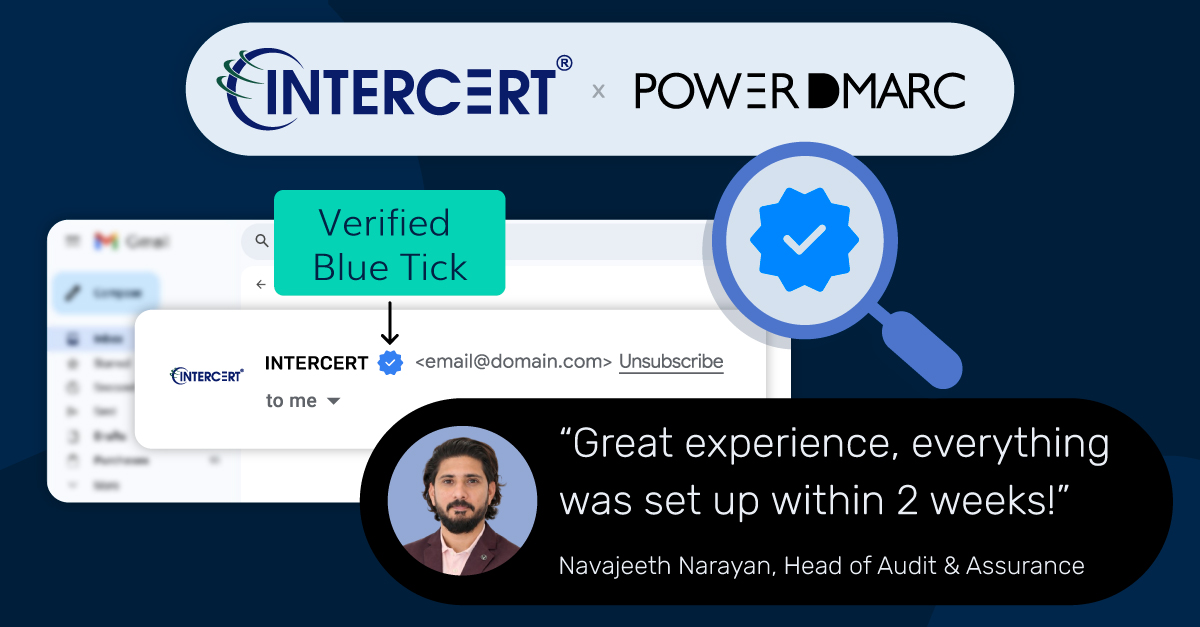
From battling impersonation attacks to building instant visual trust, Intercert has transformed its email experience 🚀🔐 A secure inbox is no longer just about protection - it’s about trust you can see.
#vmc #bimi #dmarc #intercert #verifiedbluetick #powerdmarc
1
2
63
Feb 14
Go back and read your intercert Irish history books again. If you got that far.
1
14
Feb 14
No sports washing Israel’s war crimes and genocide. These games against the genocidal baby killers must not take place. All these Irish people arguing otherwise need to read their intercert Irish history books again, to appreciate what Palestine is going through.
2
3
111

4 Nov 2025
And why did you join the arm.....
Well eeemmmmm I failed the intercert and the church wouldn't let me anywhere near them as I posed a danger to kids,,,,
So I went the curragh and sexually assaulted as many sheep as I could while playing solders
2
66

24 Oct 2025
Big news for #CirrusTrade 🔒
Our hosting partner Quartgen Solutions Pvt. Ltd. is now ISO/IEC 27001:2022 certified by InterCert - ensuring our platform runs under globally recognised security standards.
@ganatravs
#ISO27001 #Fintech #DataSecurity #Trust

2
6
129

3 Oct 2025
The UK Government is providing a £1.5 Billion loan guarantee to #JaguarLandRover following a devastating #CyberAttack.
The support is aimed at shoring up JLR's supply chain and protecting jobs impacted by the global production halt.
#UKEconomy #CyberRisk #Automotive #INTERCERT
1
2
38
27 Sep 2025
If it was down to imperialist lackeys like you, Ireland would still be under Brit rule. Go read your intercert Irish history books again, and then you will understand what motivates us.
5
9
168
18 Sep 2025
2025 sees stricter safety laws worldwide.
ISO 45001 is everywhere, from AI in factories to remote monitoring.
It keeps organizations ahead of compliance.
#ISO45001 #OccupationalHealth #SafetyCulture #INTERCERT
2
16
17 Sep 2025
SOC 2 is no longer optional.
73% of enterprises demand it before signing SaaS contracts.
Is your company SOC 2 compliant?
#SOC2 #VendorRisk #CloudSecurity #Intercert
2
9

1 Sep 2025
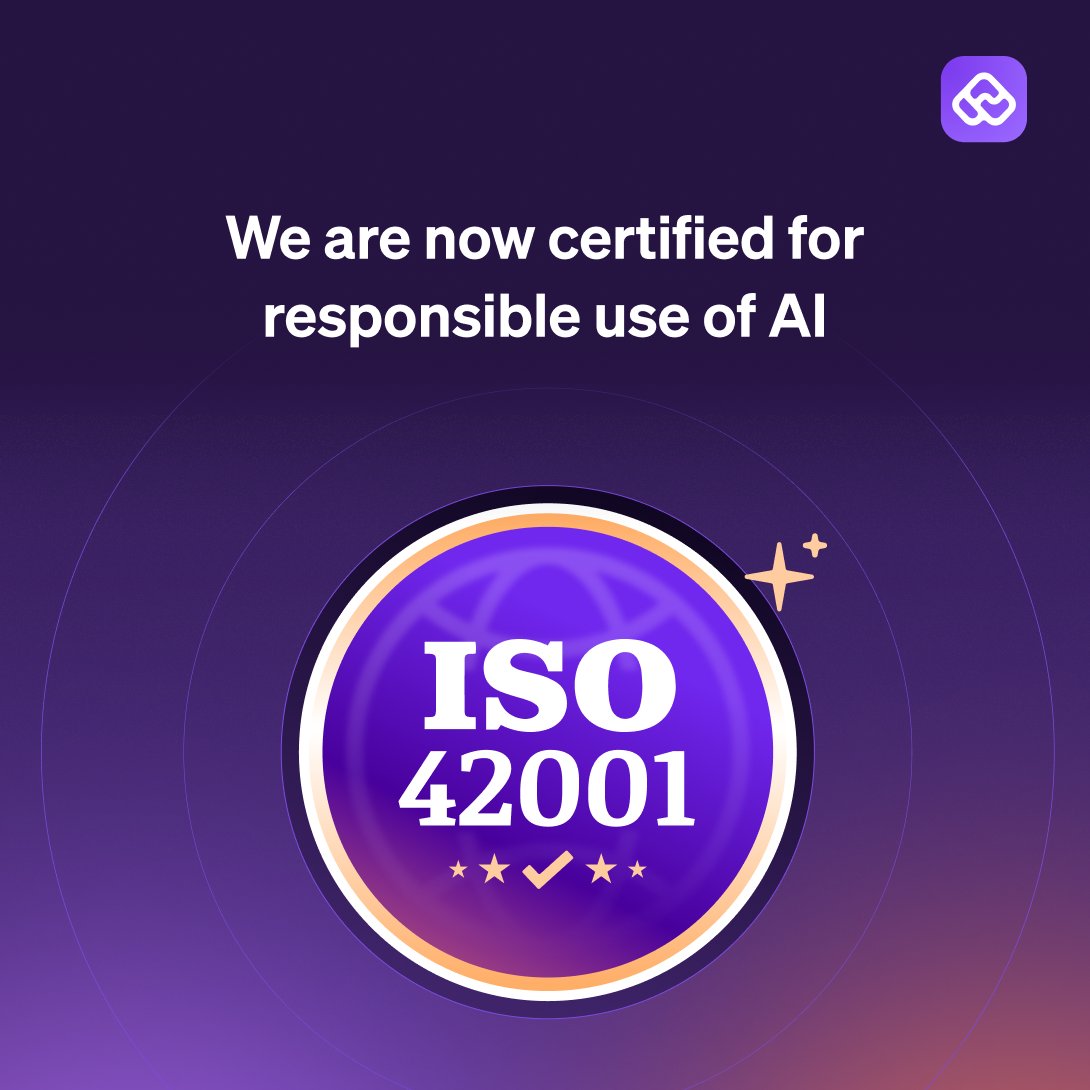
We’re super thrilled to share that Atomicwork has achieved the ISO/IEC 42001:2023 certification, becoming one of the first organizations worldwide to adopt this pioneering global standard for Artificial Intelligence Management Systems (AIMS)! 🔐
Why this matters (a lot)?
IT leaders need more than just AI features. You need confidence that, as you adopt and scale AI, it's backed by sound governance. This milestone reflects exactly that, recognizing that our AI service management platform is built with responsibility, security, and trust at its core.
The standard gives Atomicwork a framework for governing AI responsibly, with a focus on:
Transparency → explainable AI outcomes and audit-ready processes
Security → enterprise-grade AI controls, encryption, and access governance
Ethical AI use → policies to ensure fairness, accountability, and compliance
Risk management → structured assessments and lifecycle controls to mitigate AI-specific risks
We're grateful to our certification partner, INTERCERT, and our compliance automation partner, @sprintoHQ , for helping us achieve ISO/IEC 42001:2023.
We’re proud to be leading the way in responsible AI adoption, giving enterprises the confidence to scale AI-native IT operations securely! 👏
.
.
#ISOCertification #ISO #EthicalAI #RiskManagement #IT #AI #Atomicwork
2
5
220

31 Aug 2025
And the idiot racist name callers not an intercert between them.
2
35
20 Aug 2025
Cybersecurity Dive reports:
77% face mobile phishing, 60% see exec impersonation.
Yet only 50% of security leaders are truly concerned.
Are you secured?
#ISO27001 #CyberSecurity #Phishing #InfoSec #CyberAwareness #INTERCERT
2
24
15 Aug 2025
Team INTERCERT wishes you all a Happy Independence Day
#INTERCERT #79YearsOfFreedom #HappyIndependenceDay #ProudToBeIndian #UnityInDiversity #IndianSpirit #FreedomForward #JaiHind #IndiaAt79 #CelebrateFreedom
3
32

7 Aug 2025
How many Intercert students could tell you who Daniel O'Connell was? I suspect less than 10%
3
2
147
31 Jul 2025
We’ve redesigned, refreshed & relaunched!
Our new website is now LIVE - with smoother navigation, faster load times & mobile-ready access.
Check it out: intercert.com/
#INTERCERT #WebsiteRelaunch #NewWebsite
3
26