Kapil Sadh retweeted

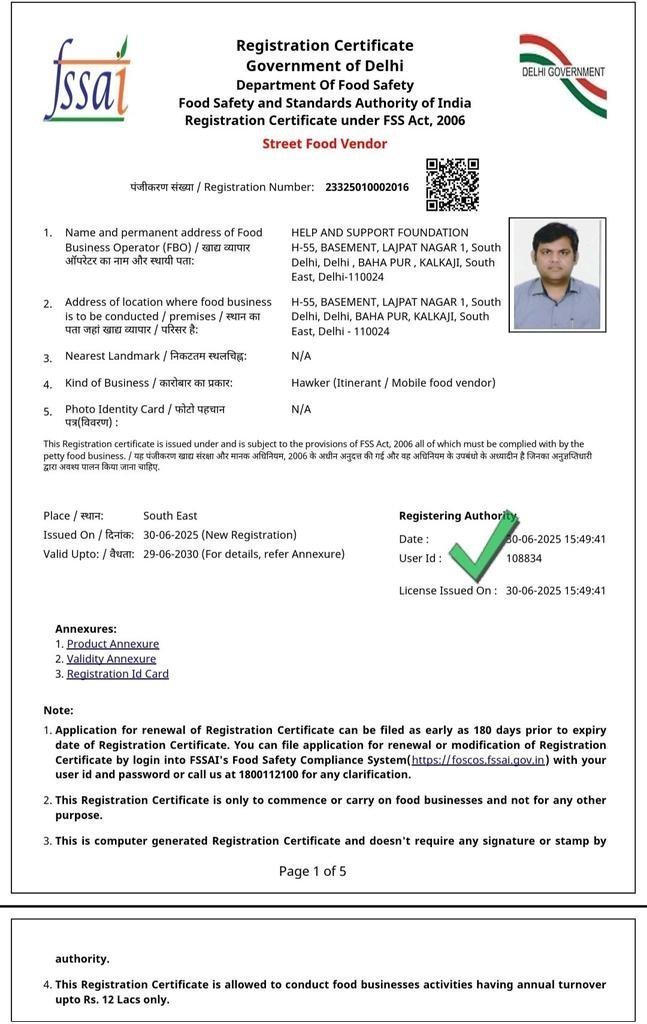
Urgent appeal to @PetroleumMin @HardeepSPuri @Sureshgopioffcl & @MSJEgov, kindly intervene with @IndaneLPG @HPCL & @BPCLimited to restore commercial LPG cylinder supply in Lajpat Nagar (South East Delhi).
Our free lunch सेवा via mobile food van outside AIIMS New Delhi has been
1
2
2
7

*RBZ MPC signals stronger foreign currency position as import cover improves*
Zimbabwe’s foreign currency earnings continue to strengthen, with the latest Monetary Policy Committee (MPC) statement revealing a significant rise in inflows and an improvement in the country’s import cover, developments that point to growing macroeconomic stability and enhanced confidence in the economy.
According to resolutions from the Reserve Bank of Zimbabwe (RBZ) Monetary Policy Committee meeting held on June 15, 2026, foreign currency inflows surged to US$8.3 billion as at May 31, 2026, up from US$6 billion during the same period in 2025, representing a robust 39.1 percent increase. The rise in foreign currency earnings has been attributed to resilient economic activity, export performance and stronger inflows into the banking system despite global geopolitical and supply chain disruptions.
The MPC said these elevated inflows have played a crucial role in supporting domestic transactions and maintaining exchange rate stability. Foreign currency payments during the same period stood at US$5.9 billion, resulting in a net surplus that boosted deposits in the banking sector and strengthened liquidity in foreign exchange markets.
Foreign reserves and import cover strengthen: One of the strongest indicators emerging from the MPC statement is the growth in Zimbabwe’s foreign currency reserves. The RBZ reported that reserves backing the ZiG reached the equivalent of US$1.5 billion by May 2026, providing approximately 1.5 months of import cover. Import cover is widely used as a measure of a country’s ability to finance imports using its reserves, and the latest figures suggest an improving external sector position. Stronger reserves also enabled the Central Bank to strategically intervene in the foreign exchange market to ensure legitimate foreign currency requirements were met while maintaining currency stability. The MPC noted that the ZiG exchange rate remained largely stable between ZiG25 and ZiG27 per US dollar, supported by subdued parallel market activity and growing foreign currency availability in formal channels.
Inflation remains under control: The Committee also highlighted continued progress in inflation management. Monthly inflation temporarily rose to 1.1 percent in April 2026, largely due to the global oil price shock and fuel price adjustments, before easing back to 0.5 percent in May, returning to pre-shock levels. Annual inflation remained below 5 percent, standing at 4.8 percent in April and 4.4 percent in May 2026, reinforcing confidence in the RBZ’s tight monetary policy stance. The MPC credited Government measures such as fuel tax reductions, cost rationalisation by businesses and alternative energy adoption for cushioning consumers against inflationary pressures. Importantly, the Committee said inflation expectations have become more stable after Zimbabwe moved from the 95.8 percent inflation peak recorded in July 2025 to consistent single-digit levels since January 2026.
Economy projected to grow by 5 percent: Despite global supply chain disruptions linked to tensions in the Middle East, the MPC maintained an optimistic outlook for the economy, projecting 5 percent economic growth in 2026, upholding expectations of continued resilience. The Central Bank said improved foreign currency inflows, stronger reserves and exchange rate stability are creating conditions for sustainable growth while enhancing investor confidence.
Savings culture and monetary reforms: The MPC also welcomed the operationalisation of the ZiG Denominated Term Deposit Facility (ZiGDTDF), which is expected to support positive real interest rates, encourage savings and deepen domestic investment culture. The facility recorded early uptake, with ZiG367.2 million subscribed under the 90-day instrument and ZiG110 million under the 30-day instrument, signalling increasing confidence in local currency-denominated savings instruments.

2

 zena ♰
@KiritSomaiya sir, only you can bring this encroachment down. Pls intervene 🙏
@BJP4Mumbai @narendramodi @AmitShah
7

The death of a person in police custody at the Krishna Lanka Police Station in Vijayawada is both sad and tragic.
A custodial (lock-up) death is a grave matter. We are all aware of the Sathankulam custodial death case, in which the courts took serious note of the incident and criminal proceedings were initiated against the police personnel involved.
Public order and police are subjects under the State List (Seventh Schedule of the Constitution). Therefore, the Union Home Ministry cannot directly intervene in a state’s law-and-order matters. However, it can seek a report from the state government and issue appropriate advisories.
YCP SM day by day becoming the voice of their Parent Party Congress. x.com/TheUnknownCult/status/…
 The Unknown Cult
1
scout's wife retweeted

YUKI was eating his center dance break so hard that his jacket tried to intervene 😭
3
105
787
22,816
Maz retweeted

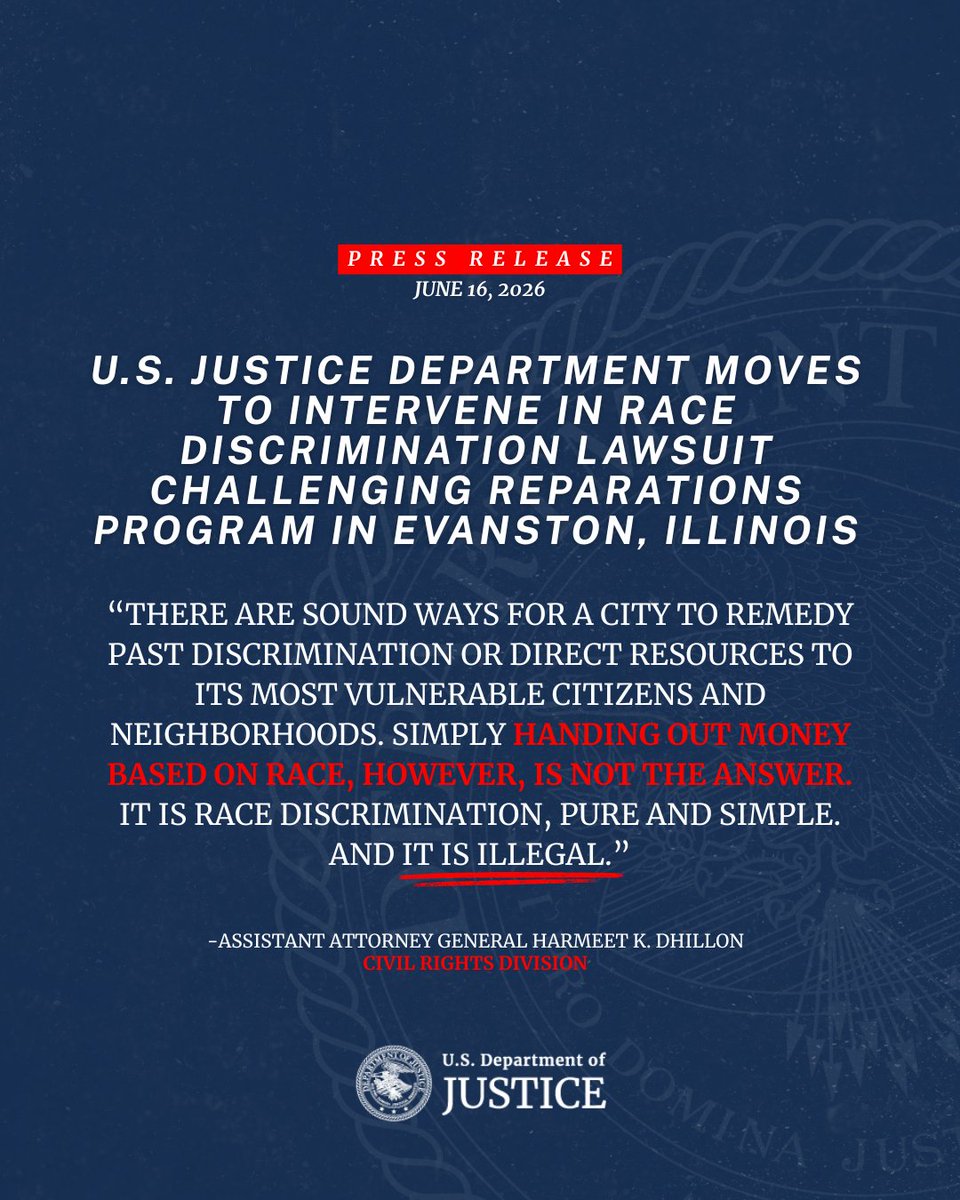
U.S. Justice Department Moves to Intervene in Race Discrimination Lawsuit Challenging Reparations Program in Evanston, Illinois
“Under the pretext of paying reparations for events more than 100 years ago, the City of Evanston has chosen to distribute millions of dollars in cash and housing benefits to people because of the color of their skin or the color of the skin of their parents, grandparents, or great grandparents,” said @AAGDhillon. “There are sound ways for a city to remedy past discrimination or direct resources to its most vulnerable citizens and neighborhoods. Simply handing out money based on race, however, is not the answer. It is race discrimination, pure and simple. And it is illegal.”
Read more: justice.gov/opa/pr/us-justic…
52
344
1,048
19,022
Hamuzah Lion retweeted

God help this country
Because if you don’t intervene we are going to die trying to get our freedom and rule of law in this country
6
12
52
2,074

It's a clear yellow card! The VAR will have looked at it, but VAR can't intervene to award a yellow card, so he avoided a booking.
1
12
Deborah Belcore retweeted

DOJ just moved to intervene in @JudicialWatch's huge class action lawsuit to shut down woke racist REPARATIONS in Illinois! We are happy that the United States is following our lead!
25 Sep 2025

REPARATIONS SCHEME: Evanston, IL awarded over $6,350,000 to 254 individuals based on their race. Fed court hearing in @JudicialWatch class action lawsuit against this outrage set for Friday.
16
328
928
26,615


Vilezuagas retweeted

Called Drake a colonizer & tried to turn folks against him and the universe had to intervene and humble him, now his camp is threatening to finger each other. 💀✌️
Jun 16

1
6
18
852