
19 Nov 2025
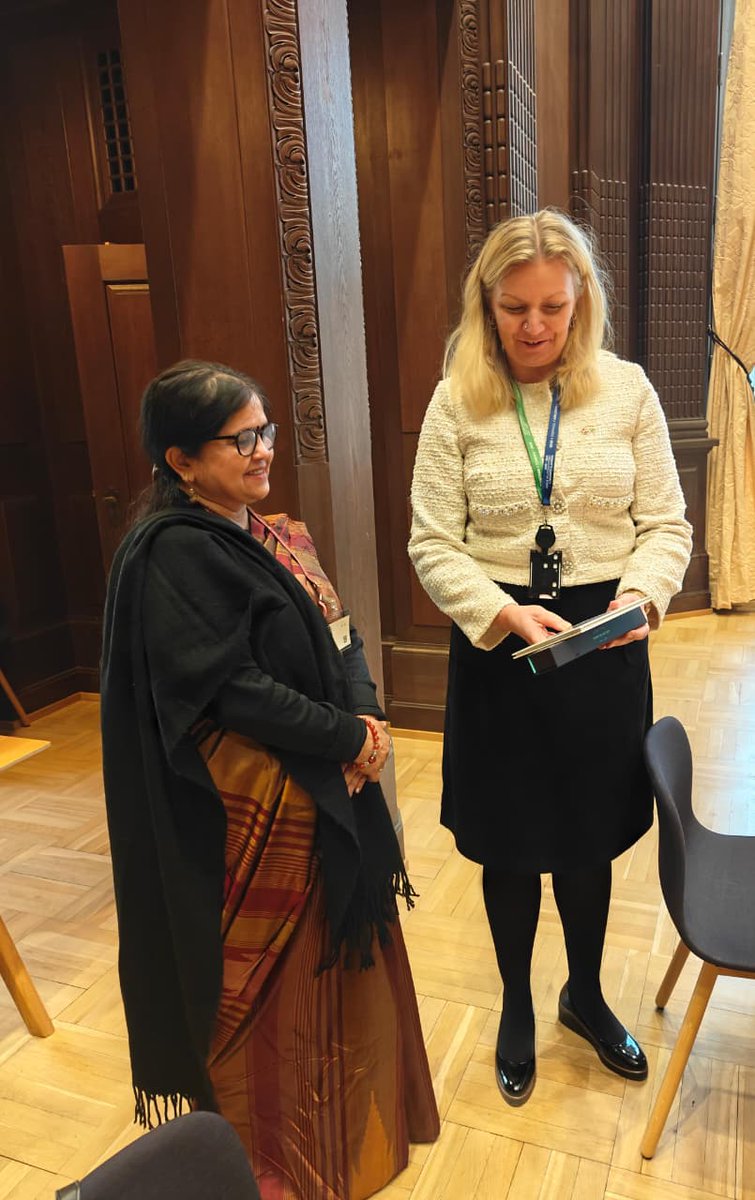
Discussions focused on current policies regarding international cooperation in Higher Education in both countries and also touched upon the status of ongoing programs such as UTFORSK, INTPART, and INCP2.
1
1
4
180

6 Oct 2025
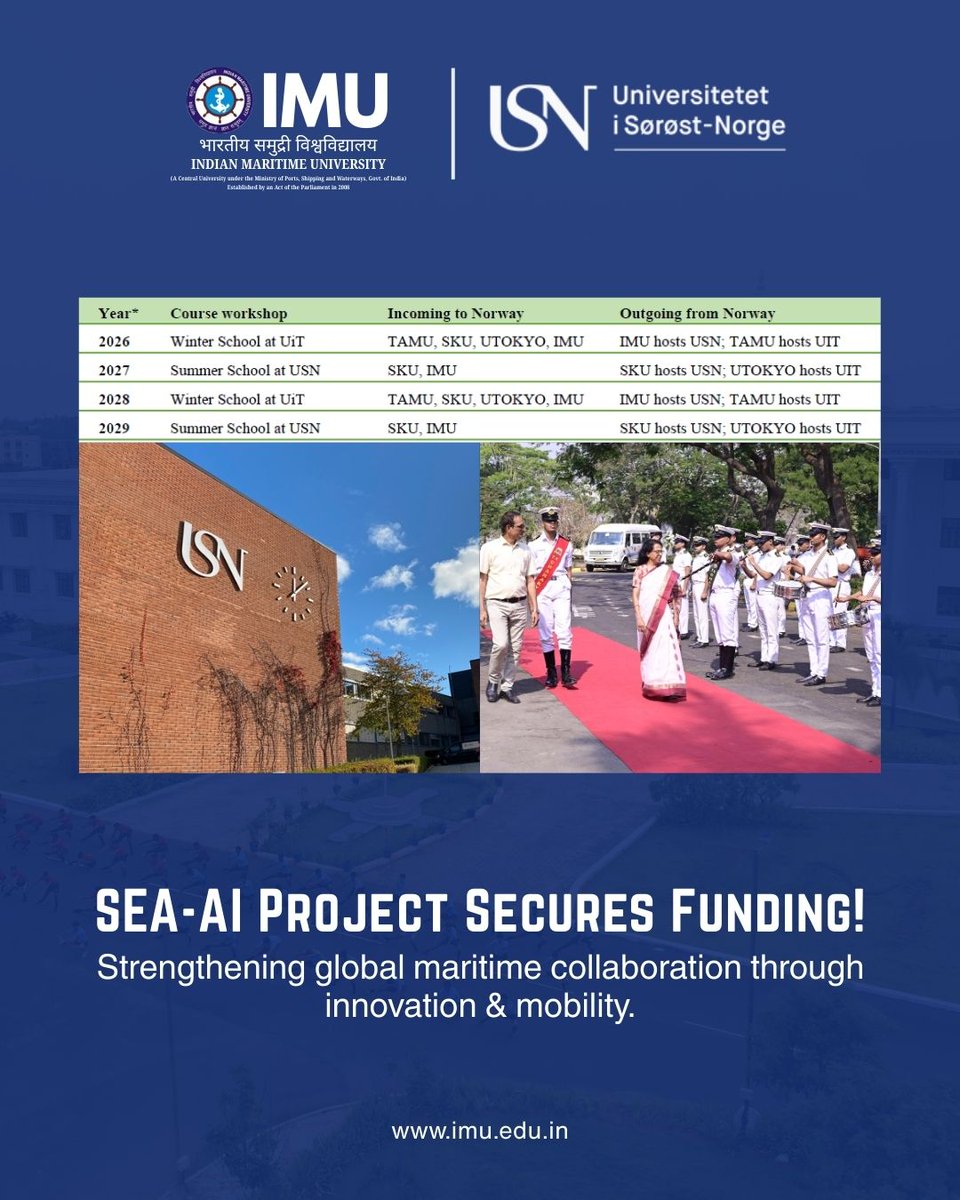
IMU & USN have secured 🇳🇴 SEA-AI project funding of ~₹4.5 Cr under the INTPART Programme, Norway. The 4-year project (2026–2029) will boost global research links through faculty exchange & joint workshops with UiT, USN, TAMU & UTokyo. 📷
@shipmin_india
@seaandcoast1
1
2
250

5 May 2025
🔥 Day 19 of DSA with @lovebabbar3
Today, I tackled two LeetCode problems using Binary Search—one easy and one medium. 🚀
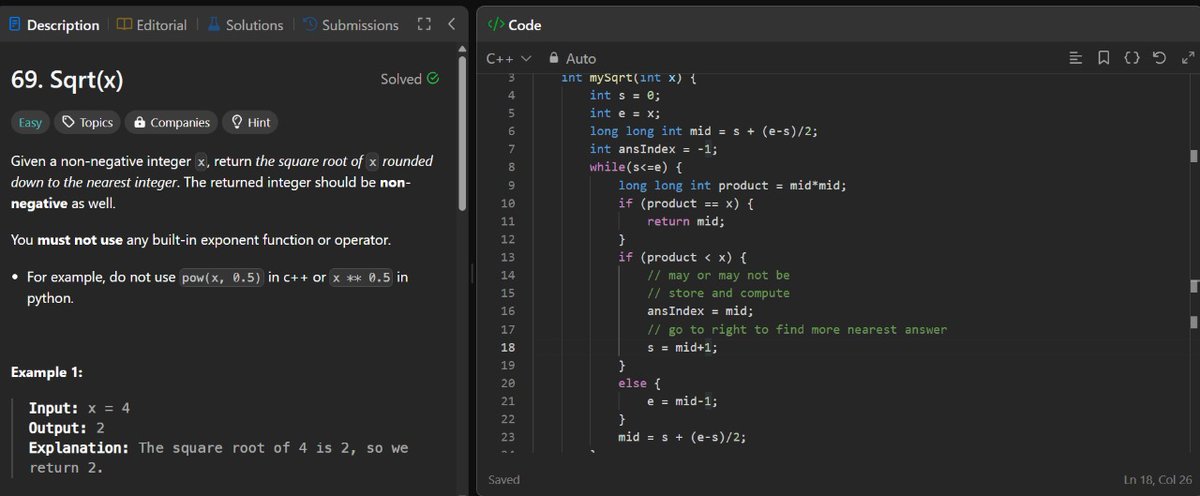
📌 Problem 1: Sqrt(x) [LeetCode 69]
🔹 Description: Given a non-negative integer x, return its square root rounded down to the nearest integer. ⛔ No built-in exponent function/operator allowed!
🔍 Approach: ✅ Binary Search:
Set search range [0, x], compute mid = s (e - s) / 2.
Compare mid * mid with x:
If equal ➝ Return mid 🎯
If smaller ➝ Store mid, move right (s = mid 1).
If larger ➝ Move left (e = mid - 1).
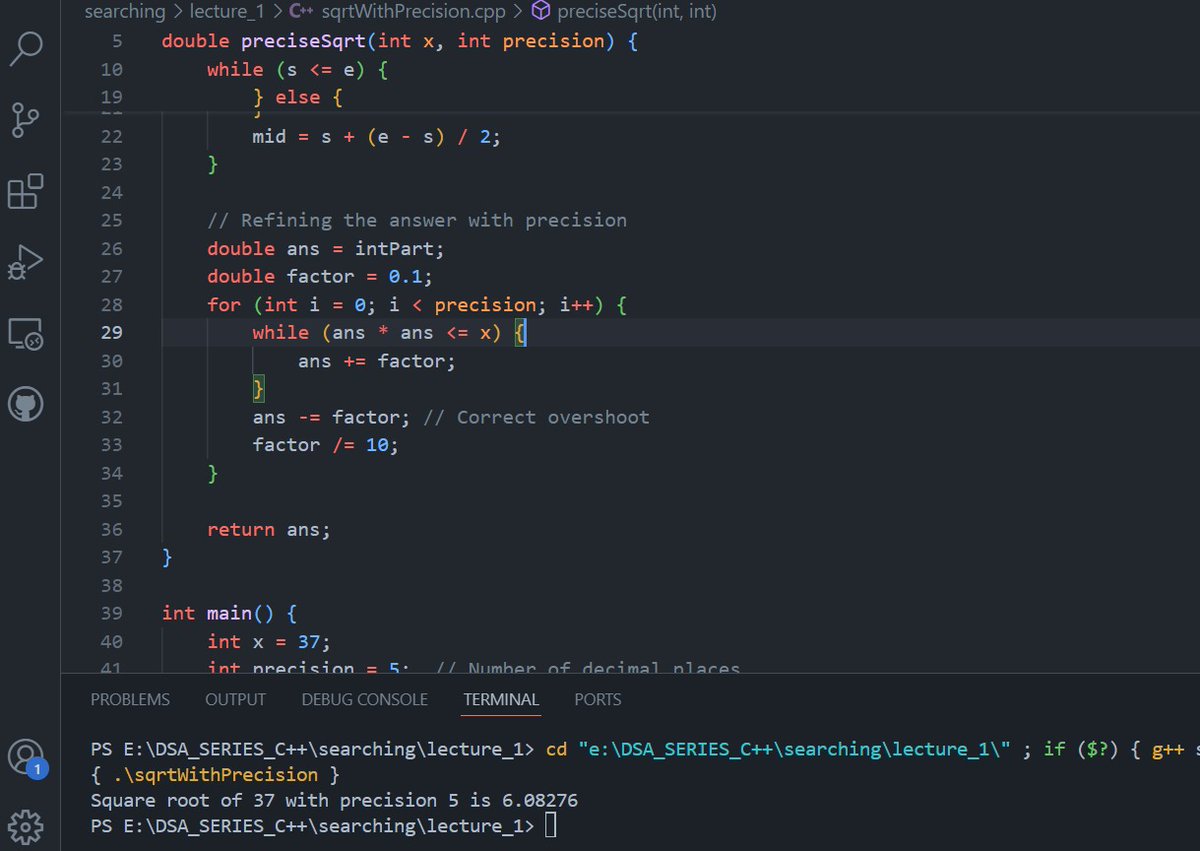
✅ Precision Handling:
Start from intPart (integer square root).
Increment step-by-step (0.1, 0.01, ...) until ans * ans > x.
Adjust overshoot & refine precision iteratively.
🔹 Time Complexity: O(log x)
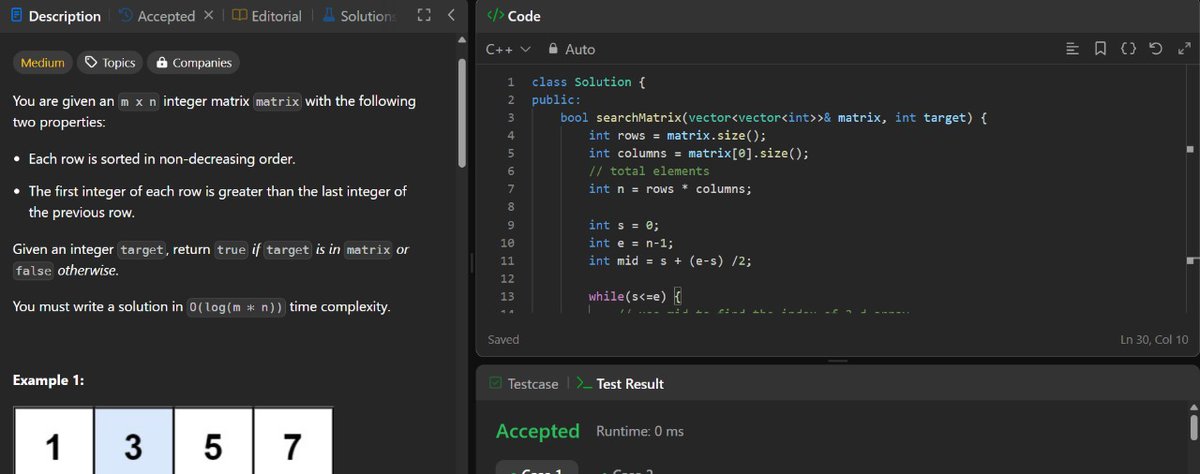
📌 Problem 2: Search a 2D Matrix [LeetCode 74]
🔹 Description: Given an m × n sorted matrix, check if target exists. ⚡ Must run in O(log(m * n)) time complexity!
🔍 Approach: ✅ Flatten Matrix Virtually:
Treat it as a sorted 1D array (0 to rows × columns - 1).
Compute long long int mid = s (e - s) / 2 (long long to avoid overflow).
✅ Access Matrix Efficiently:
Row index: mid / columns
Column index: mid % columns
Compare matrix[rowIndex][colIndex] with target:
If equal ➝ Return true ✅
If smaller ➝ Move right (s = mid 1) ▶
If larger ➝ Move left (e = mid - 1) ◀
🔹 Time Complexity: O(log(m * n)) 🚀
#DSA #binarySearch #learninpublic #cpp2025 #programming

2
63



5 Feb 2025
🚨 New Call Alert! 🚨
The @forskningsradet & Directorate for Higher Education and Skills launch the INTPART programme! 🌍
📅 Deadline: 30 April 2025
💰 Funding: Up to 5M NOK (~₹48L)
🤝 Partner countries include India, USA, Japan & more!
bit.ly/4hFolX4
3
149

3 Dec 2024
Thanks to funding from @forskningsradet as part of our SCANCOR INTPART project we will have a presentation by Pedro Monteiro @CBScph on Friday about "Live Your Theories and Teach People How to Do the Same":
sv.uio.no/isv/english/resear…
9
475
18 Jun 2024
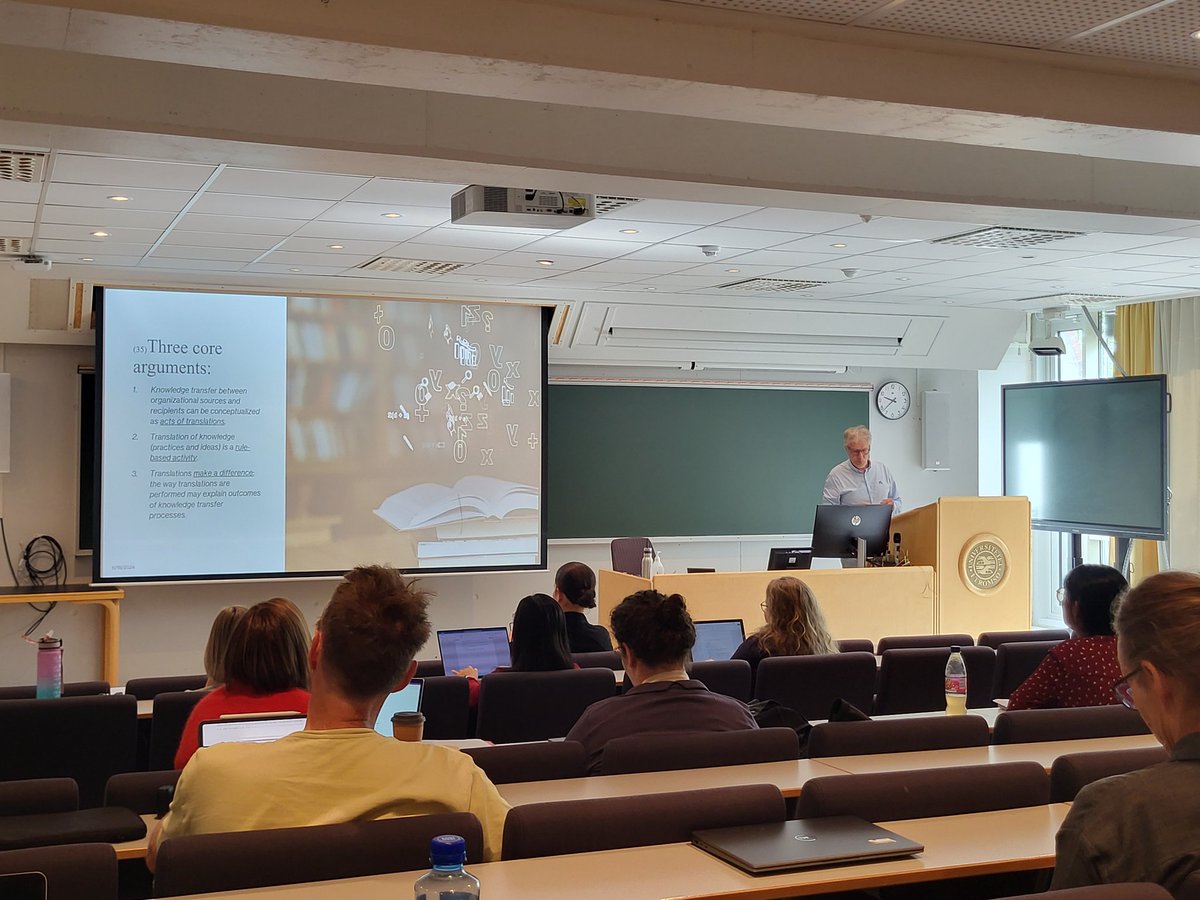
SCANCOR Norway's PhD course is this year hosted by @UiTromsoHSL and Kjell Arne Røvik is introducing his most recent book on the Translation Theory of Knowledge Transfer. Great to see so many PhDs in the room. All of this is possible thanks to our INTPART project @forskningsradet
1
6
763

26 Mar 2024
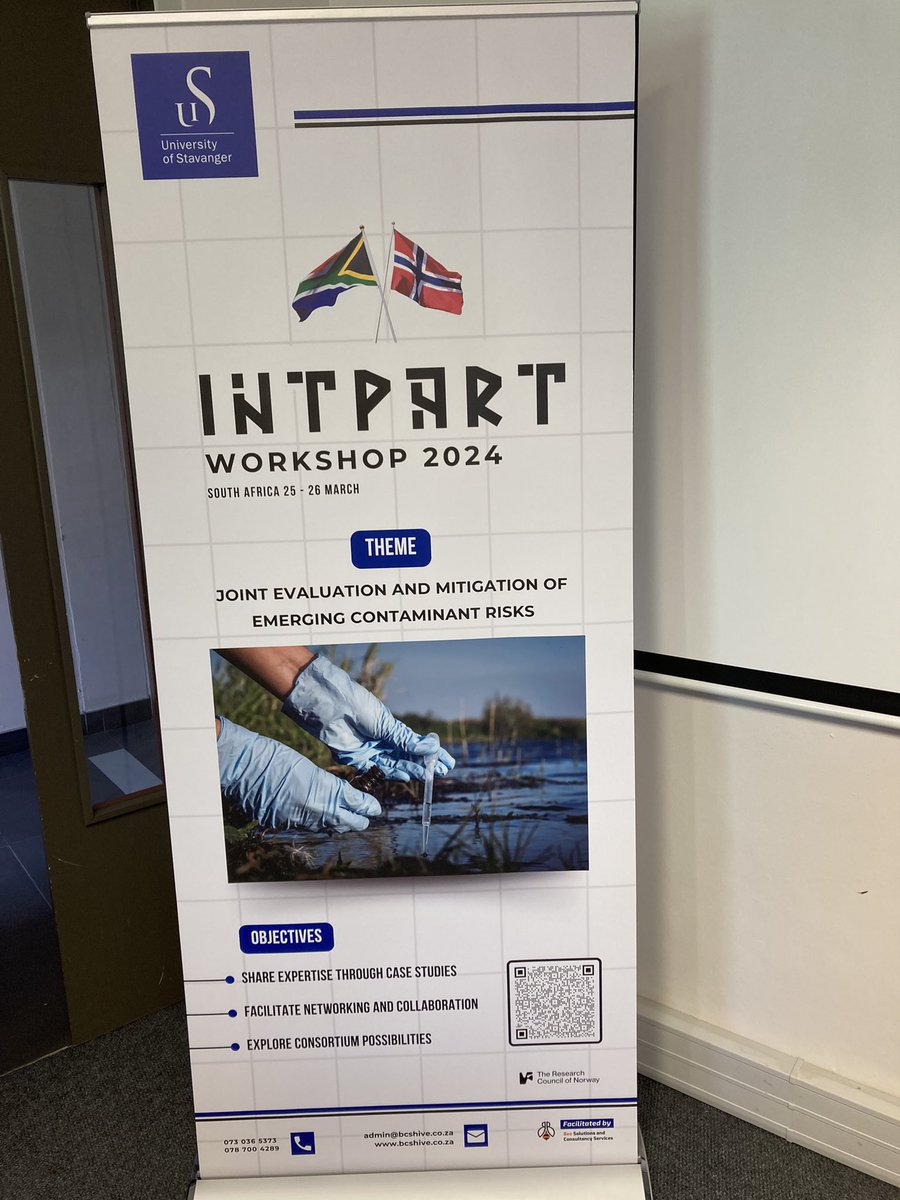
Two days of knowledge sharing and scientific discussion in Cape Town in the @forskningsradet Intpart project. We are looking for new possibilities to continue our collaborative work.
6
86

19 Oct 2023
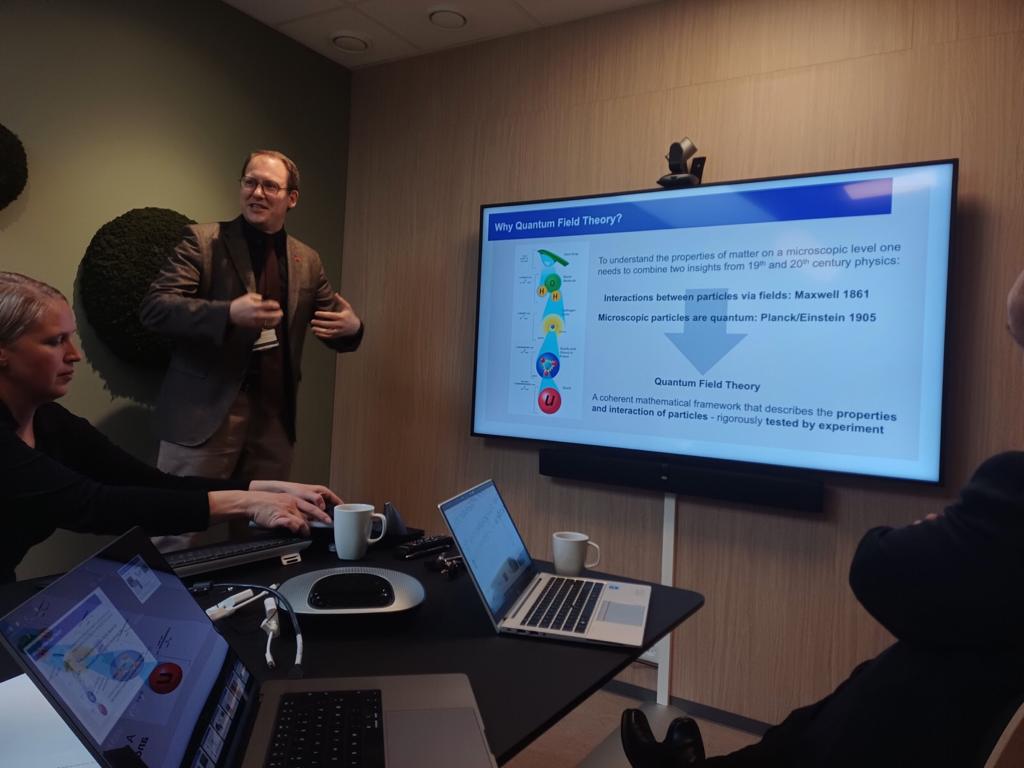
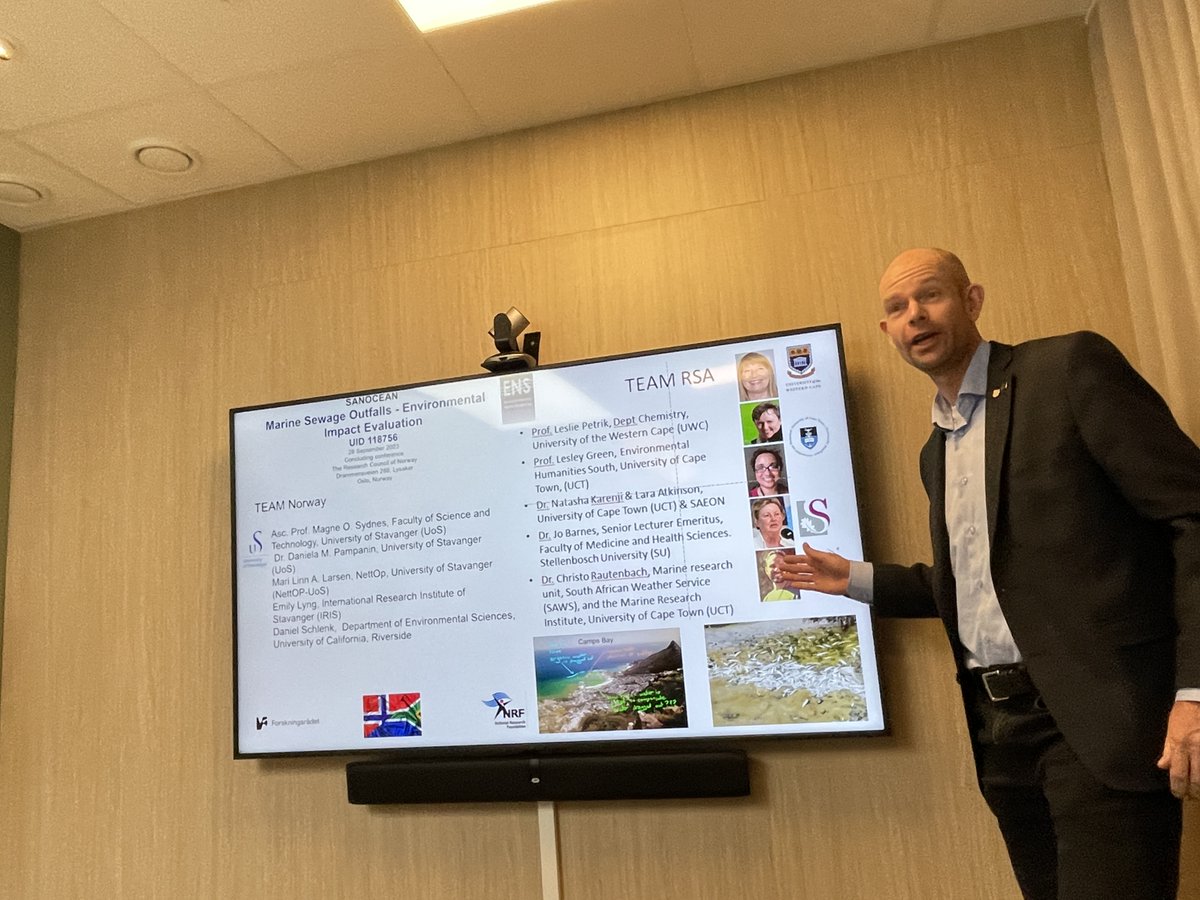
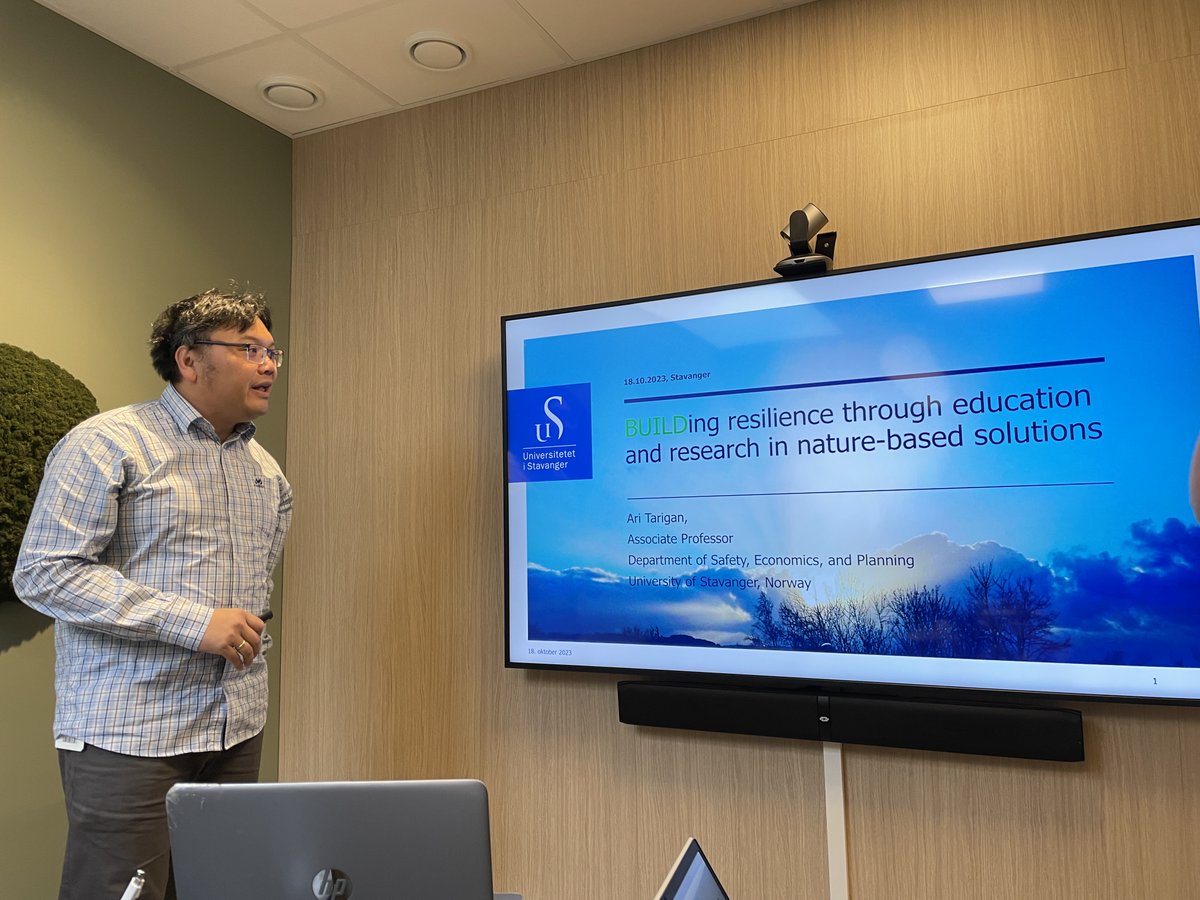
Great to see the active collaboration between @unistavanger 🇳🇴and South African 🇿🇦 partners: Fundamental Physics (@EUErasmusPlus) @UiSIMF ↔️ @UCT_news, City planning (#UTFORSK) w/ @theNWU, Environmental Chemistry (#INTPART) w/ @UWConline. @MagneSydnes @saembassynorway
1
4
170

30 Sep 2023
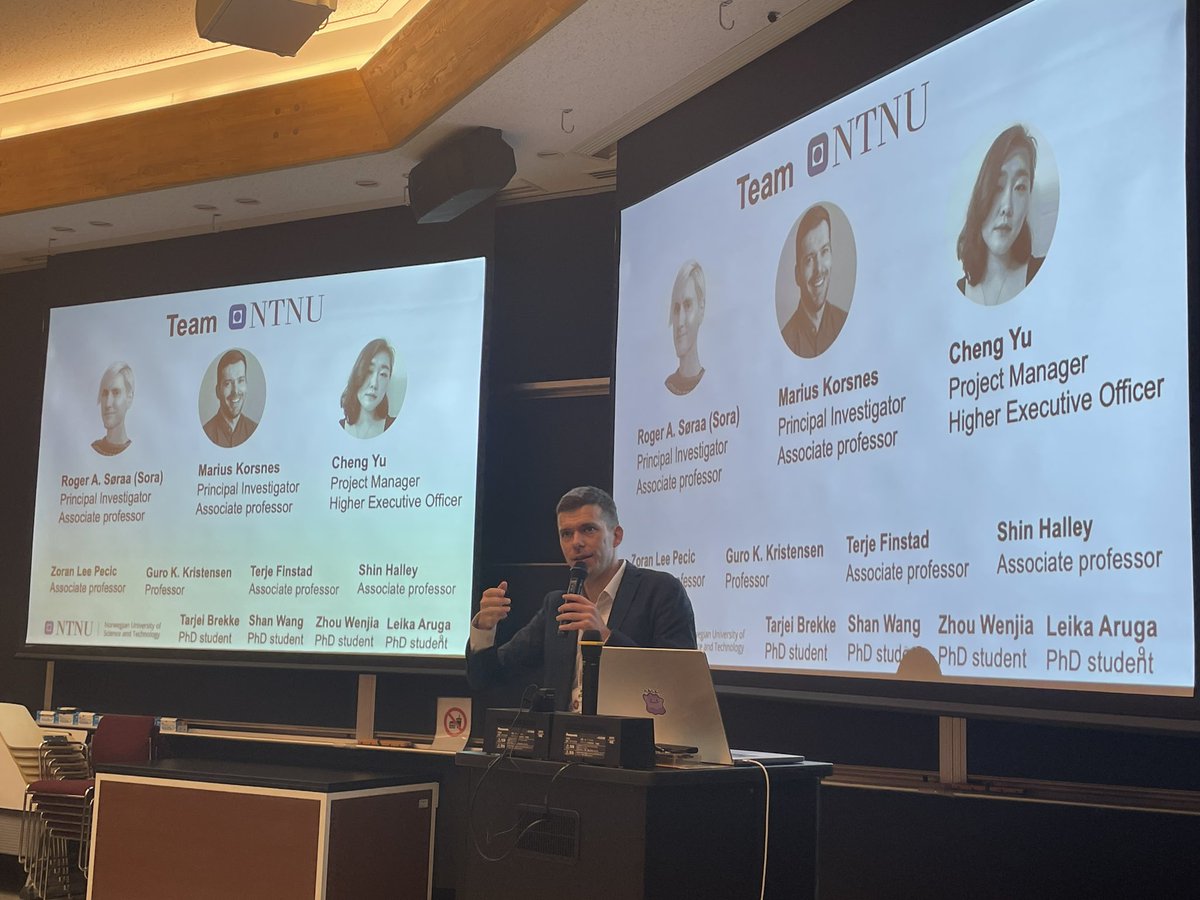
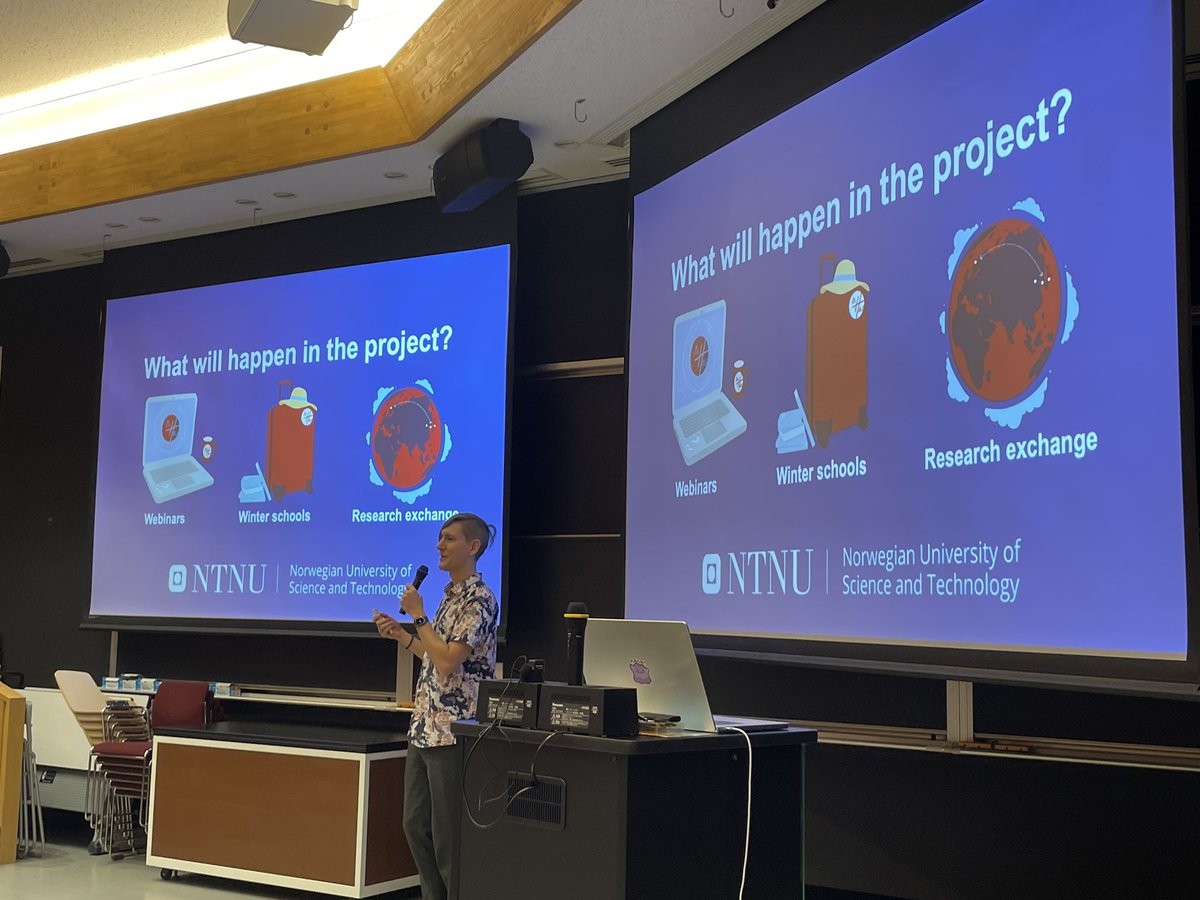
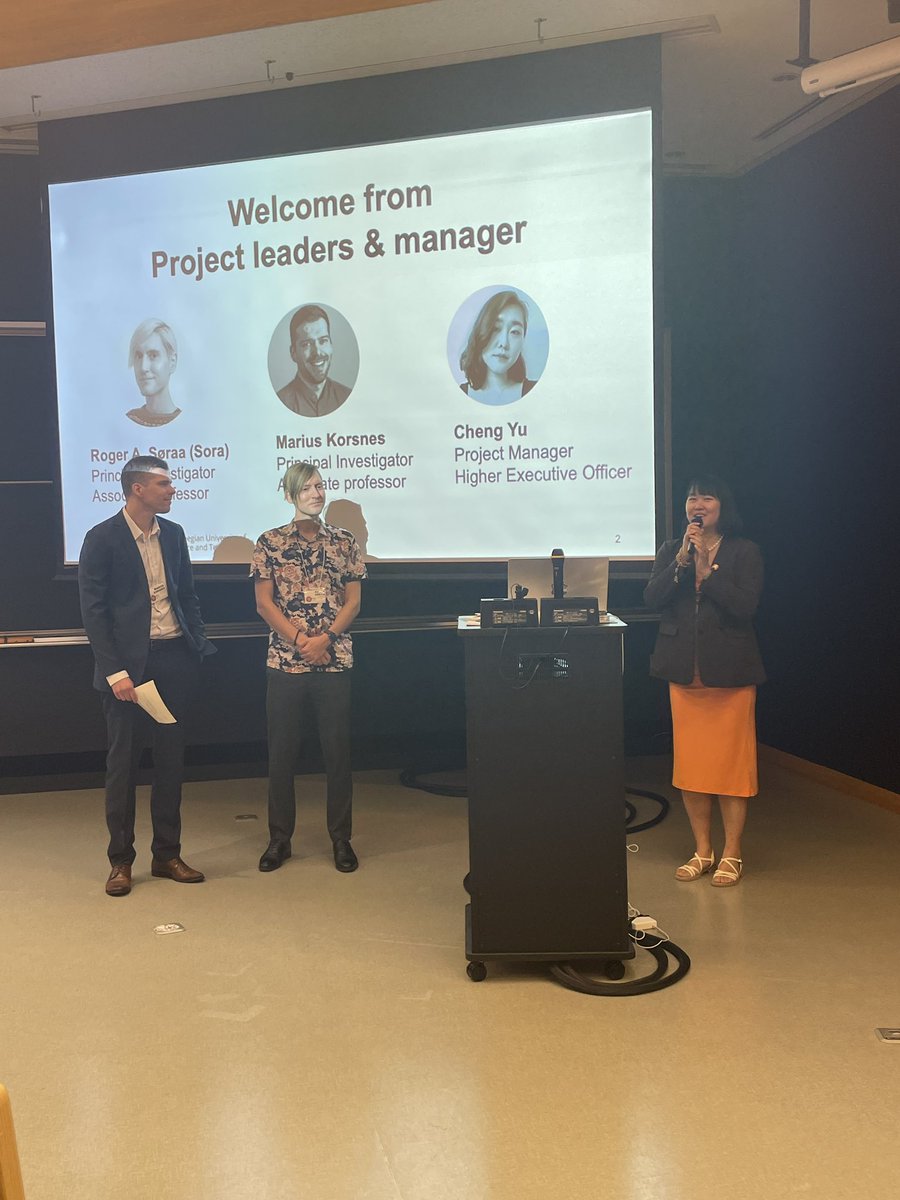
#SoMaT Project is looking forward to the upcoming 5 years of collaborations with a focus on #sustainability, #digitalization and #diversity, led by Associate Professors Dr. @RogerSoraa (PI) and Dr. @MariusKorsnes (PI). This is KULT’s second #INTPART project after our NJ_BREGED!👍🏼

1
2
109

5 Sep 2023
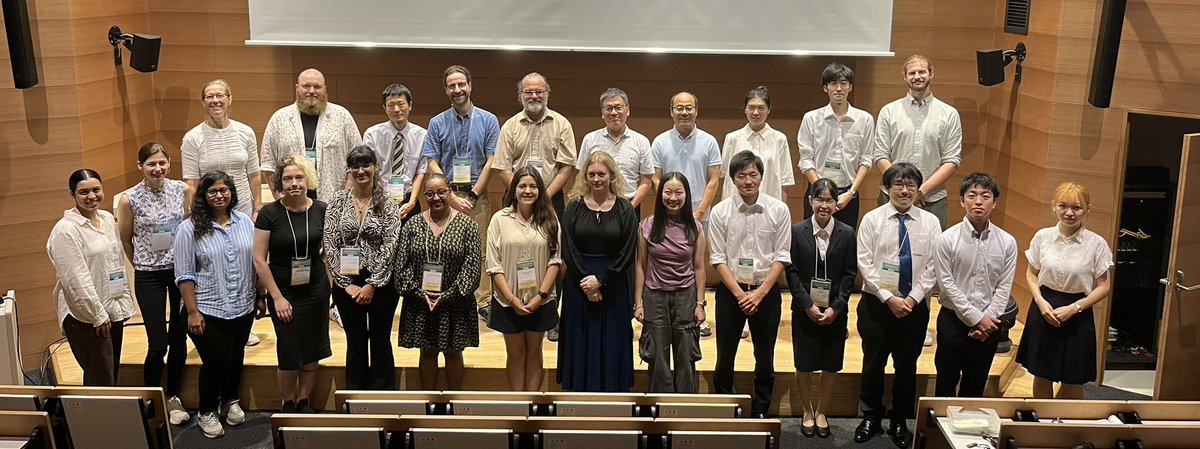
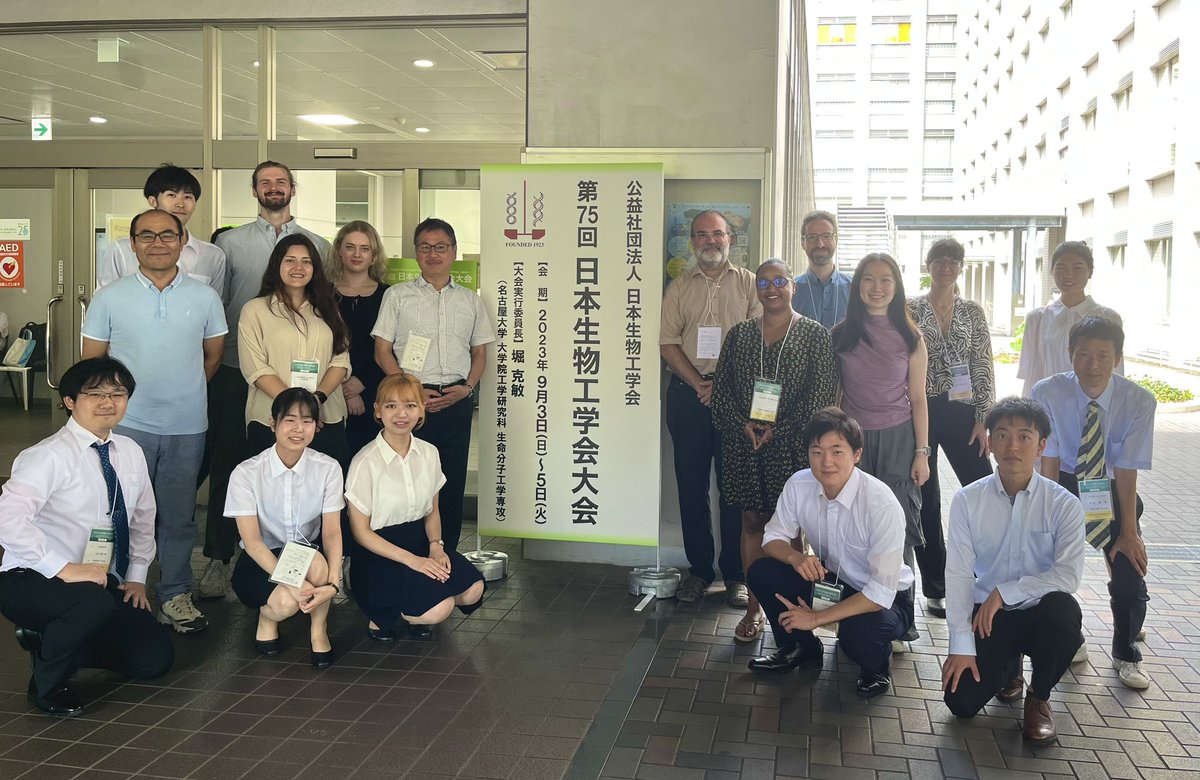
第75回日本生物工学会大会 3日目は午前、午後に国際シンポジウムINTPART-MISC International Joint Symposiumが開催されました!海外からの参加者も多く、非常に盛り上がりました😊
1
12
1,997
28 Aug 2023
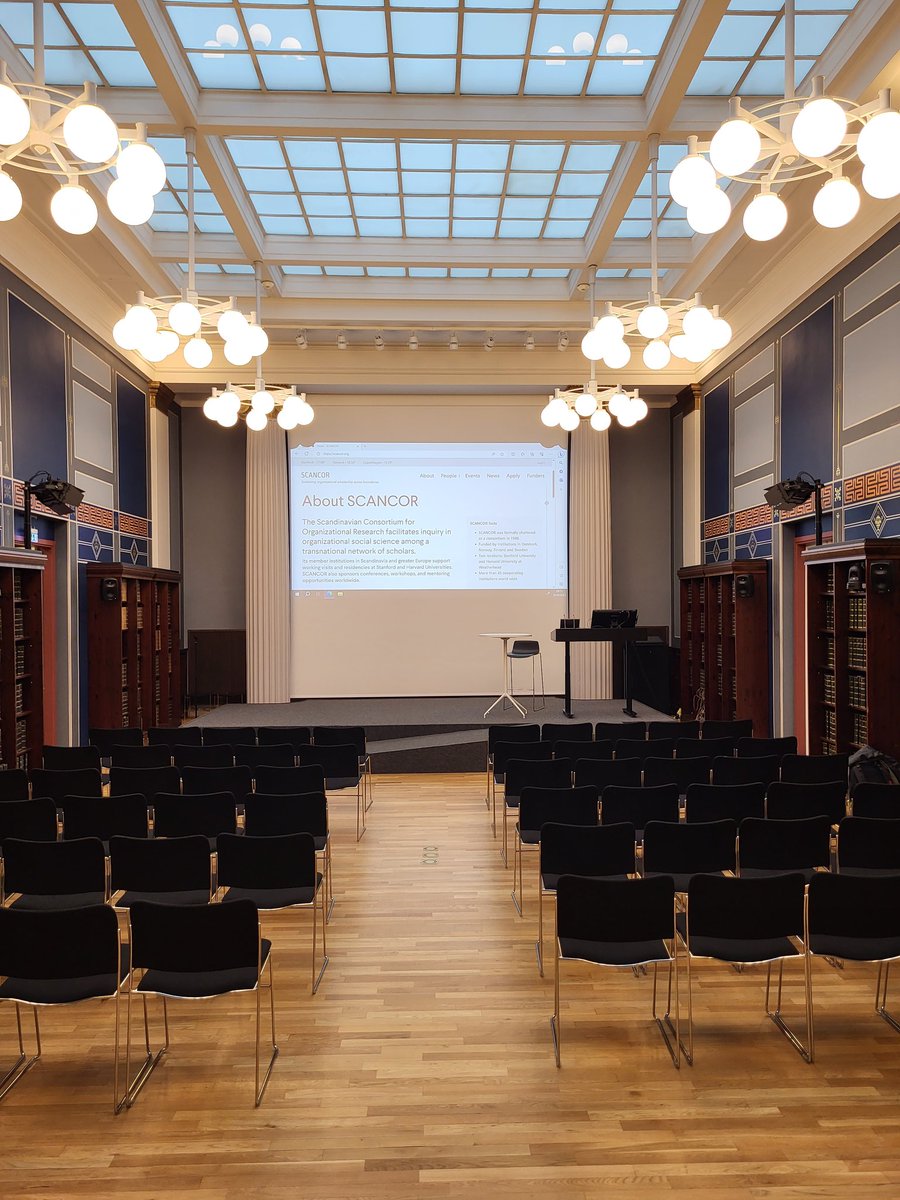
Everyhting is ready for the 19th SCANCOR PhD Workshop on Institutional Analysis. We will have great lectures by Woody Powell, Bruce Carruthers, Sarah Soule, Renate Meyer and Gili Drori in the coming 5 days.
This is possible thanks to funding from @forskningsradet through INTPART
25
1,225

8 Aug 2023
🔬 Exciting results from Norway-Brazil PhD sandwich collaboration as part of NFR's INTPART project! 🇳🇴🇧🇷 Check out our latest publication on fluconazole's impact on oral microbial communities and biofilm formation. 🦠 #ResearchCollaboration
Read more: biorxiv.org/content/10.1101/…
1
6
622

16 May 2023
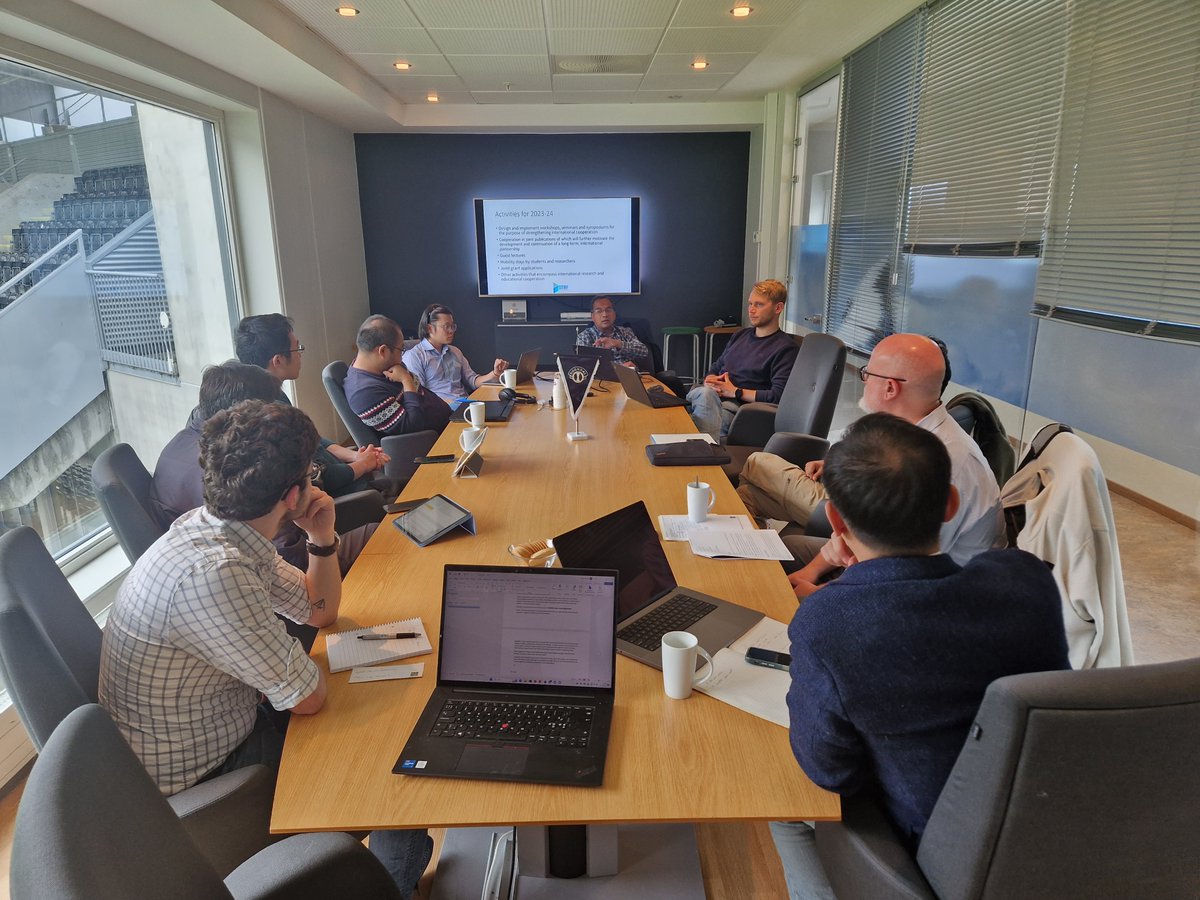
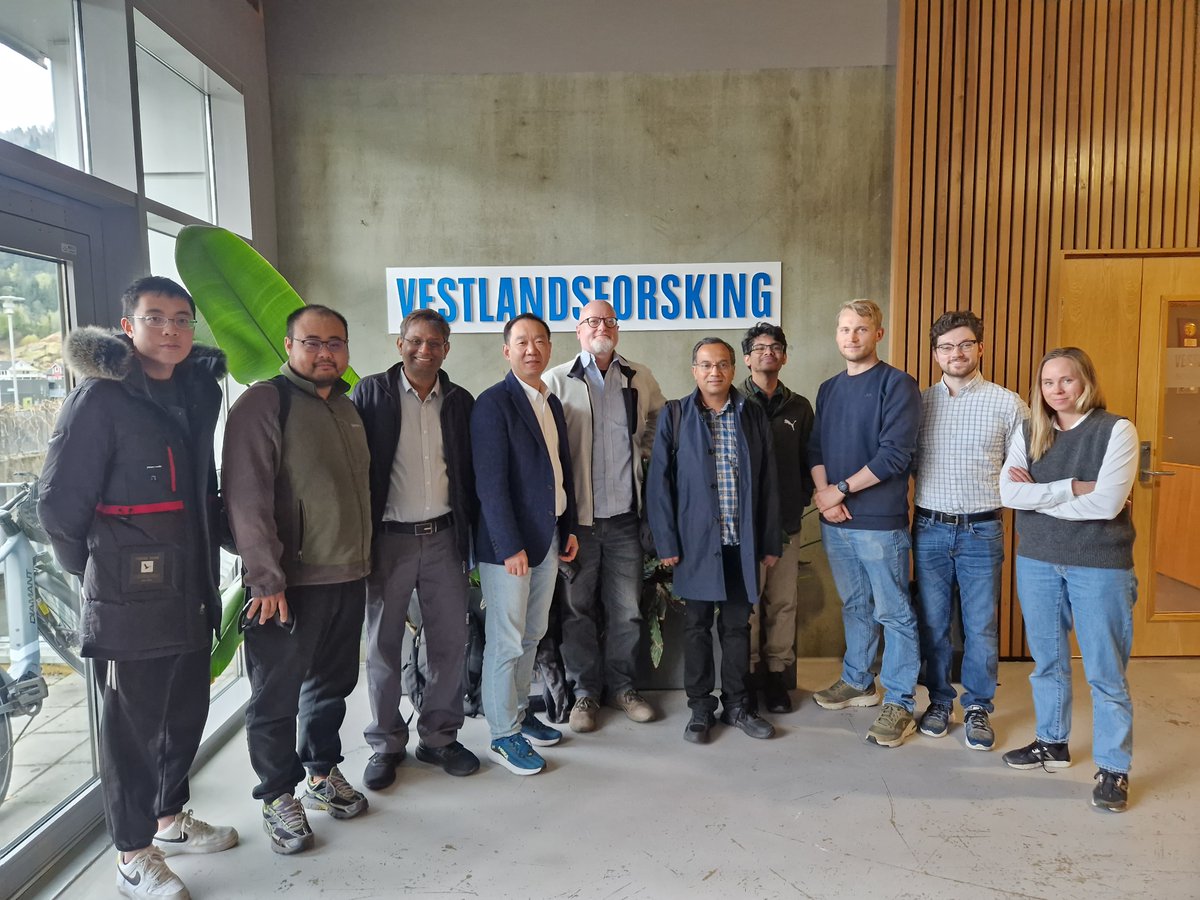
On 11 May, #INTPART DTRF project meeting took place in Sogndal, Norway. Hosted by @vestforsk
The project aims to strengthen research partnership within disruptive technologies like #BigData #AI #edgecomputing for critical infrastructure resilience (Photo credit: @MalinWaage)
3
7
218
15 May 2023
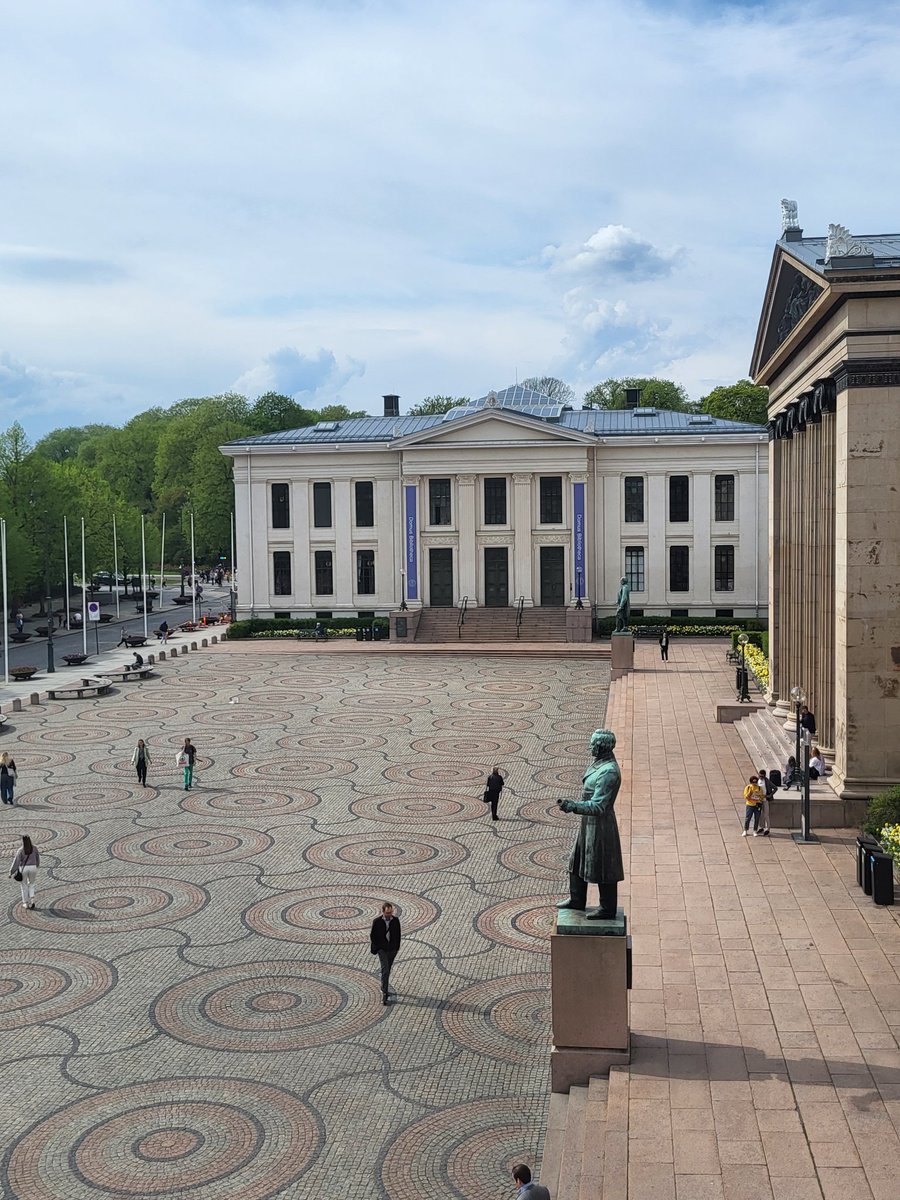
Today & tomorrow @UniOslo_SVfak is hosting the Board of SCANCOR for its bi-annual meeting to discuss how we can further improve the collaboration between universities in the Nordic countries, @StanfordEd and @HarvardWCFIA.
This is funded by @forskningsradet through INTPART
2
11
784

5 May 2023
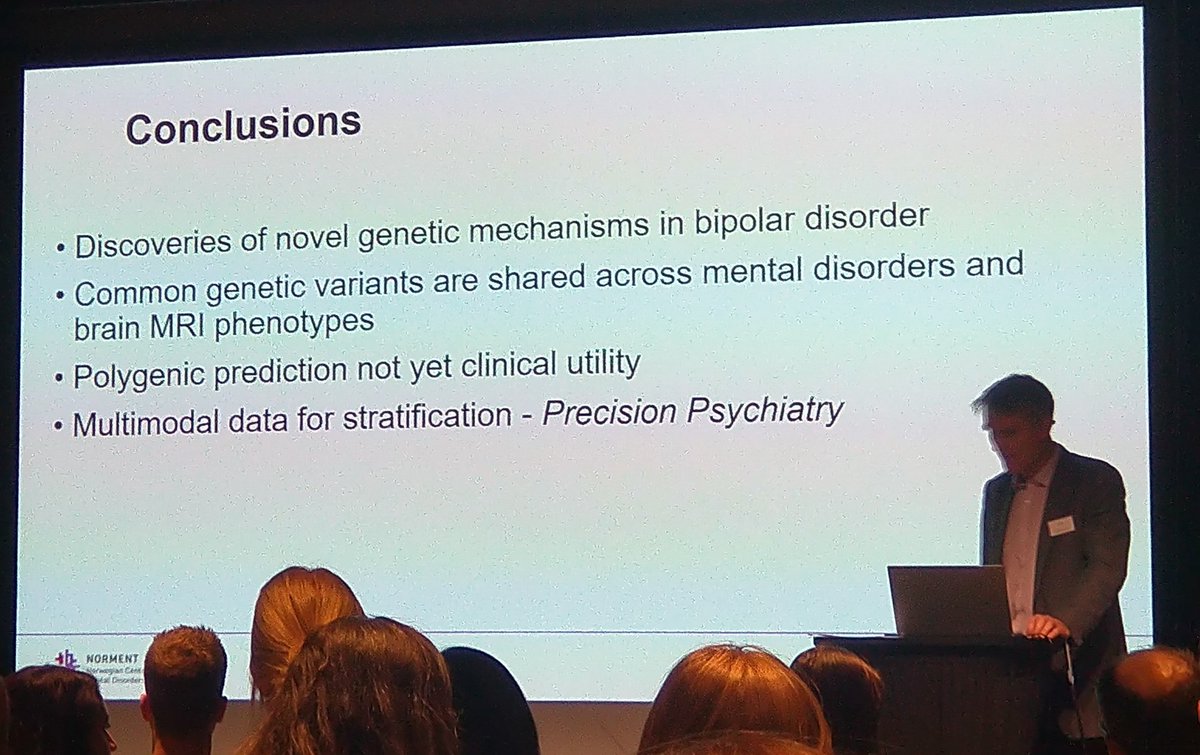
Final #INTPART conference, with highlights from international collaborative research on bipolar disorder @SFFNORMENT @oleaandreassen @forskningsradet @Inserm_EN
1
4
404


2
21
1,586

14 Dec 2022
Check out our UWC postgraduate students presenting at INTPART 2022 summer school! instagram.com/stories/inspir…
#AcademicTwitter #postgraduate #intpart #uwc #academia #GOAT𓃵
1
2
12 Dec 2022
The INTPART 2022 Summer School!
Check out the full experience on Instagram #AcademicTwitter #AcademicChatter #uwc #wits #uct #stellenbosch #Oslo #georgetown #linguistics #inspiredlinguistics #intpart
instagram.com/p/CmD-JElDrPV/…
2
2
29 Sep 2022
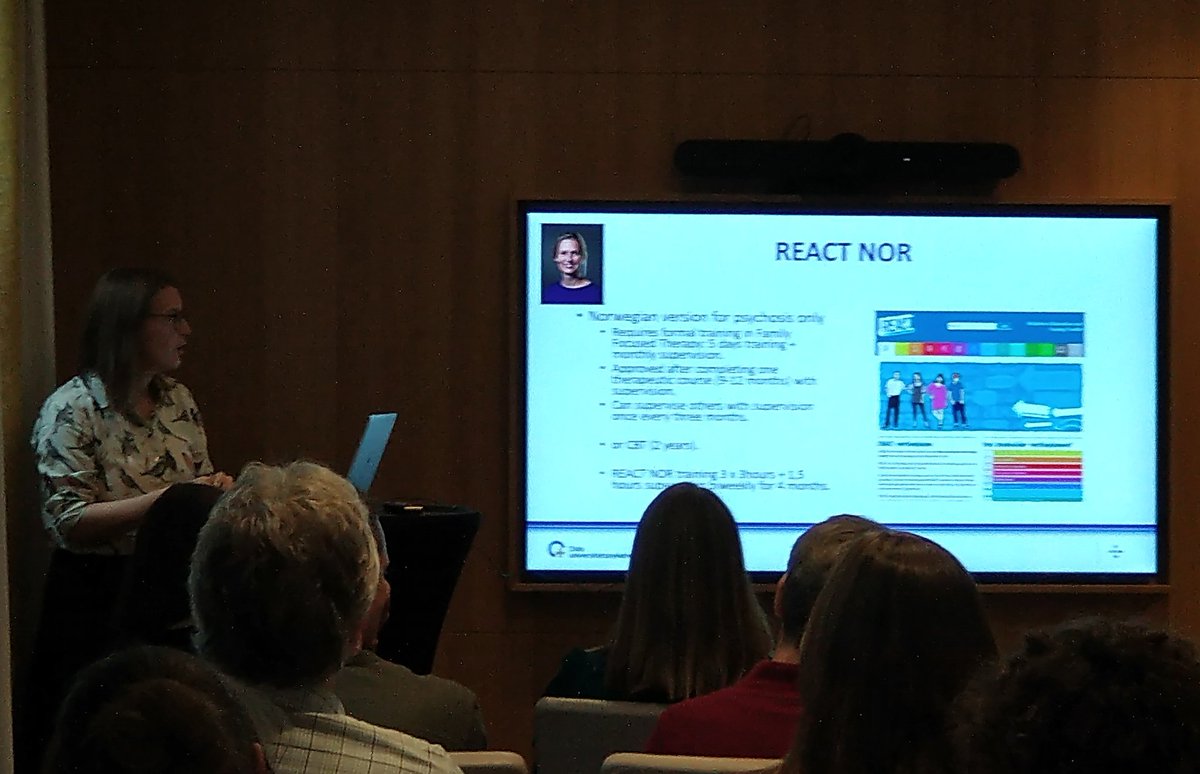
@AminoffSofie present progress in the use of #REACT toolkit for relatives education and coping in #Norway at our #INTPART meet in #Paris @inserm @SFFNORMENT @TIPS_Kompetanse
2
3