
Obviously... this is the "thier" social media. We need to ioen accounts uo and start messing them up
653

Only a retard believe Satan gayI let alone a pseudo Christian's. Father of LIES. IOEN YOUR EYES ONLY JESUS SAVES
2
TradeLikeDonnar retweeted

Jun 13
Less is alway more
This was the only trade for last week
Out of 2 setup I dropped
And it bang
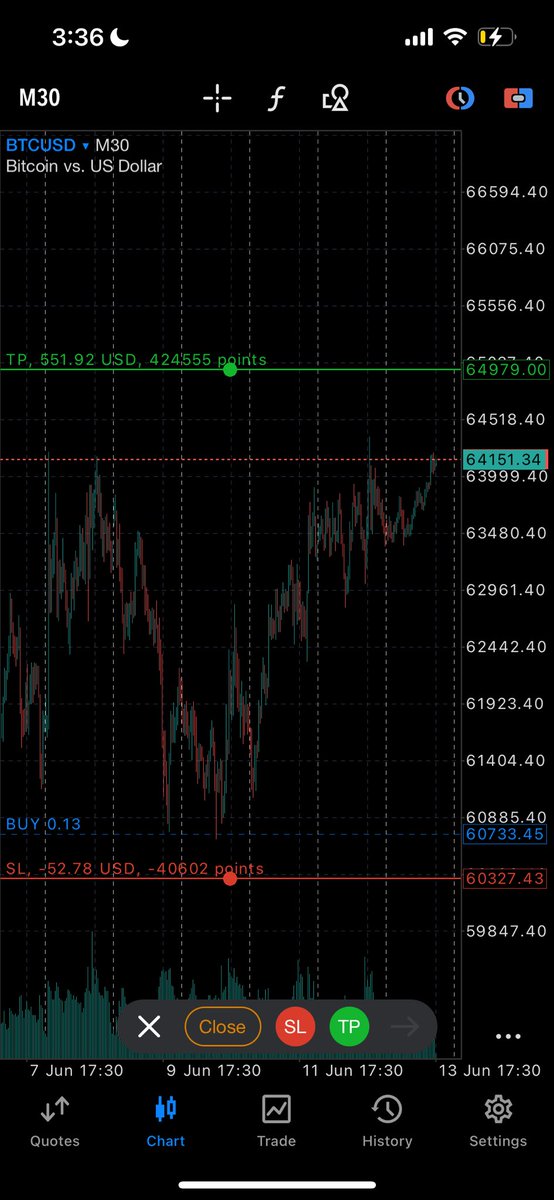

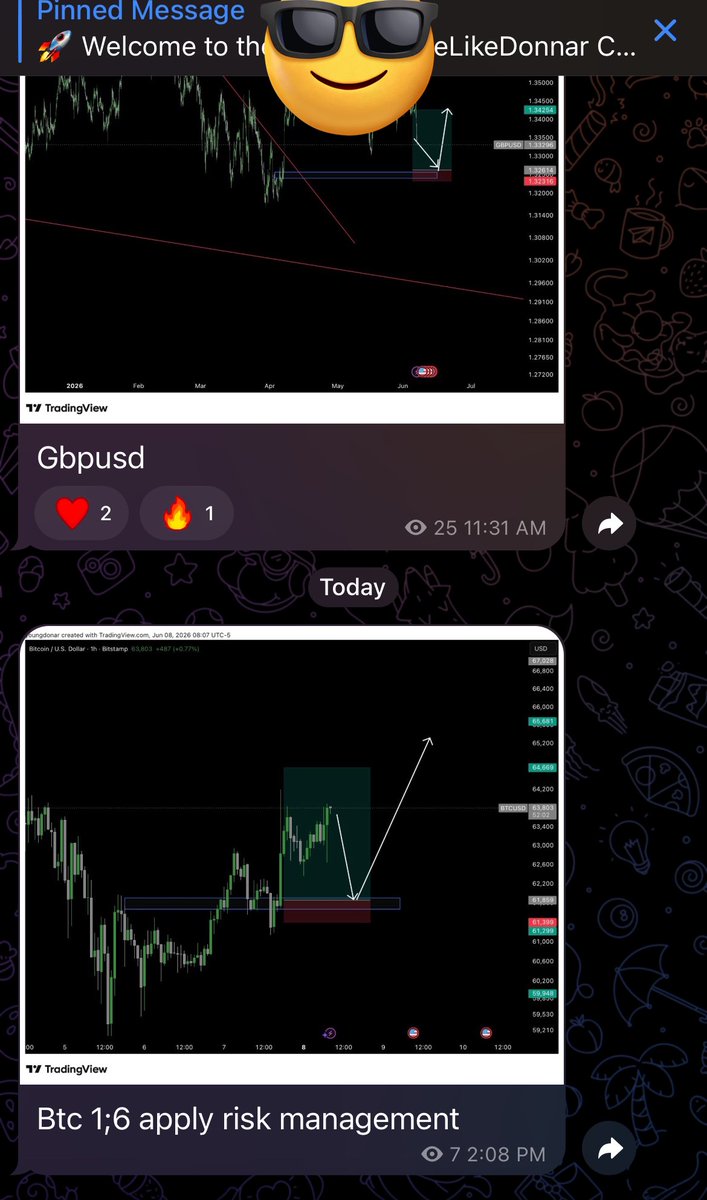
Expectations on
#BTC
Shared live to my telegram channel ❤️
Locked in
4
1
12
830


Jun 11
She alludes to this stuff in the press conference ces. She said "that was the most ioen shot I had all night" why dont AB and the others help her? I dont get it.
9

Jun 10
💎 #BIOEN duruşu çok sağlam! RSI 45.0 ile aşırı alım/satım bölgesine yakın takip. 🎯 Hedef fiyat yakın!
👇Ücretsiz WHATSAPP Kanalım👇
chat.whatsapp.com/DgXW6U1IMK…
A71207
29

As ioen as the border that allowed a lad who murdered someone on the streets of dublin hop on a ferry and enter Britain unnchecked last week
20


Jun 10
Im with you.
The rare folks I know in real life that tried ioen relationships…it never ever worked out.
27

Jun 10
Una mole física con un diseño brutal que destila la esencia de la fantasía oscura más guerrera... Si te gustan los rivales que imponen solo con la mirada, Ioen es el final boss ideal para medir a He-Man.

1
1
200

Jun 10
🔥 #BIOEN gündemde! 17.59 ₺ seviyesinde hacim çok yüksek. 📈 Yön nereye? 🚀
👇Ücretsiz WHATSAPP Kanalım👇
https://chat.whatsapp.com/IxdavO6IYIMFzmDEaxFODe?s=cl&p=i&ilr=2&ref=bnex7
A80769
54


Jun 9
🗞️ #BIOEN haberlerde! 17.71 TL ile sosyal medyayı salladı. 🐳 Büyük oyuncular mı var? 🐋
👇Ücretsiz TELEGRAM Kanalım👇
t.me/ ptjK_JuBzQA3ODAx?ref=1…
A82310
68


May 29
Universal Internet of Everything (IoE) Transceiver
frontiersin.org/journals/com…
We introduce a new communication device concept, namely the universal IoE transceiver, that encompasses transceiver architectures that are characterized by multi-modality in communication (with modalities such as molecular, RF/THz, optical and acoustic) and in energy harvesting (with modalities such as mechanical, solar, biochemical), modularity, tunability, and scalability.
Interfacing various networks of heterogeneous technologies via universal transceivers, that is the underlying theme of the Internet of Everything (IoE) framework, is expected to open up unprecedented opportunities.
An Internet of Bio-Nano Things (IoBNT) using Molecular Communication (MC) to communicate with the intra-body cells can be interconnected with a bio-cyber interface via multiple communication technologies suitable for the intra-body communication, e.g., MC, THz, and acoustic, for healthcare applications such as remote healthcare with continuous monitoring.
In particular, an Internet of Bio-Nano Things (IoBNT) can monitor the concentrations of hormones or molecules in the blood, and transmit this information to the bio-cyber interface, which can connect to the conventional Electromagentic (EM) networks using Radio Frequency (RF) modality so that the healthcare provider can remotely monitor the person’s health condition.(Khan et al., 2020a).researchgate.net/profile/Okt…
Moreover, the neural interfaces and wearable sensor/actuator networks embedded with universal transceivers can be utilized in the transfer of senses, thoughts and skills non-verbally among individuals, i. e, Internet of People and Senses (IoPS) (Grau et al., 2014).journals.plos.org/plosone/ar… In particular, a neural interface communicating with the neurons in the human brain can be interconnected to the other neural interfaces for the transfer of thoughts via low-latency and high-data-rate communication technologies, e.g., THz and optical, that can satisfy the requirements of such applications (Akan, 2021).arxiv.org/pdf/2003.11864
The universal IoE transceivers can facilitate the cooperation of many other Internet of X’s (IoXs), such as Internet of Vehicles (IoV) and Internet of Energy (IoEn), within the IoE framework for novel applications emerging from the close interaction between the heterogeneous technologies inherent in these IoXs.
We envision that inter-modality transduction in universal IoE transceiver architectures is based on TRANSDUCTION OF ALL MODALITIES TO AND FROM ELECTRICAL DOMAIN because current signal processing elements rely on electrical signals providing fast processing. Inter-modality transduction must be information efficient such that information loss during the transduction process should be minimized. In this direction, investigation of high-performance novel materials enabling transduction from a set of diverse modalities to electrical domain and from electrical domain to the modality of choice is crucial. Employing the same material for transduction of all modalities is also crucial for integrability. Moreover, for an efficient transduction, respective material parameters, which affect the material properties, must be optimized as well. Graphene and related materials (GRMs) are promising in this direction.
1
16
25
1,827

May 28
2/2 Tech Words & Features Explained
IOEN Agent Technology / Smart Agents
Tiny smart software pieces that live inside solar panels, batteries, or meters. They automatically collect real-time data, run transactions, and talk to each other securely, like helpful robots for energy hardware.
Holochain
A special decentralized technology (not a normal blockchain) that lets data be stored and verified across many devices privately and safely, without one big company controlling everything.
Tokenised / Tokenization
Turning real energy assets (certificates, future power, or projects) into digital tokens you can buy, sell, or invest in; like turning a house into easy-to-trade digital shares.
Distributed Private Network
A super-secure network spread across lots of devices (not on the open internet). Data stays private but is still verifiable and tamper-proof.
Fractionalised Pre-Financing
Breaking big renewable projects into tiny digital pieces so regular people or small investors can fund them early with small amounts of money.
Bond / Yield Finance / New Energy Finance
Modern ways to raise money for clean energy projects by creating investment “bonds” that pay returns (yields) to investors using tokenized assets.
IOENFuel
The system that lets people buy and sell energy locally inside small community grids (like trading solar power between neighbors).
Minigrids / Microgrids
Small, independent local energy networks (often in villages or buildings) that generate, store, and share their own clean power. Can work alone or connect to the big grid.
P2P Trading
Short for Peer-to-Peer: direct buying and selling of energy between people or devices, without a big utility company in the middle.
Site Terms
Tokenised Distributed Private Network Platform = The full tech stack that combines everything above to verify GOs, RECs, and VPPAs with perfect trust and speed.
New Energy Finance = IOEN’s way of making renewable projects easier and cheaper to fund using all the digital tools listed.
Why it matters:
IOEN turns messy, paper-based green energy certificates into fast, transparent, investible digital assets; powering minigrids worldwide and making clean energy actually profitable.
1
7
283
May 28
🧵➡️ Ever scrolled ioen.tech and seen a bunch of letters and fancy terms? Here’s a super easy, plain-English guide to every acronym and tech slang we actually use on our site. A friendly cheat sheet to the Internet of Energy Network.
Core Acronyms
IOEN = Internet of Energy Network
The whole platform, a global network that connects small energy systems (like solar in villages) so clean energy can be tracked, traded, and funded easily.
GOs = Guarantees of Origin
Official “proof of green” certificates showing electricity came from renewable sources (like solar or wind).
RECs = Renewable Energy Certificates
Basically the same as GOs; a tradable certificate for each unit of clean electricity produced. IOEN makes managing them simple and trustworthy.
VPPAs = Virtual Power Purchase Agreements
A deal where a company agrees to buy renewable energy (and its certificates) from a project without the power physically traveling to them. Helps fund new green projects.
I-REC(E) = International Renewable Energy Certificate (for Electricity)
The global standard certificate used in 60 countries where local systems don’t exist yet. IOEN is officially certified to issue and verify these.
ESG = Environmental, Social & Governance
The reporting companies do to show they care about planet, people, and good business practices. IOEN auto-generates clean data for better ESG scores.
$IOEN = The official token of the network
A digital coin used for payments, rewards, liquidity (easy buying/selling), and building the community.
UN CTCN = United Nations Climate Technology Centre & Network
The UN’s official “climate tech help desk” (part of the UN Framework Convention on Climate Change). It’s hosted by the UN Environment Programme and helps developing countries get the right clean-energy tools, training, and support to fight climate change.
Why they partnered with IOEN: IOEN joined as a member because their smart-agent tech tamper-proof on-chain verification perfectly matches what governments need: real, auditable proof that renewable energy is being produced and used (no greenwashing). It gives countries fast, trustworthy ways to track and trade clean energy while meeting national climate targets.
What it means for IOEN’s future: Huge boost! It opens doors to government-backed pilots in emerging markets (think 60–90 day real-world tests in villages and minigrids), faster funding from donors, and global scale. IOEN’s tools will now help countries reduce audit costs, speed up finance for solar/wind projects, and make tokenized clean energy a normal part of national energy plans. Expect way more minigrids going live worldwide and IOEN becoming the trusted standard for verifiable green energy.
1
11
35
777
May 28
Universal Internet of Everything (IoE) Transceiver
frontiersin.org/journals/com…
We introduce a new communication device concept, namely the universal IoE transceiver, that encompasses transceiver architectures that are characterized by multi-modality in communication (with modalities such as molecular, RF/THz, optical and acoustic) and in energy harvesting (with modalities such as mechanical, solar, biochemical), modularity, tunability, and scalability.
Interfacing various networks of heterogeneous technologies via universal transceivers, that is the underlying theme of the Internet of Everything (IoE) framework, is expected to open up unprecedented opportunities.
An Internet of Bio-Nano Things (IoBNT) using Molecular Communication (MC) to communicate with the intra-body cells can be interconnected with a bio-cyber interface via multiple communication technologies suitable for the intra-body communication, e.g., MC, THz, and acoustic, for healthcare applications such as remote healthcare with continuous monitoring.
In particular, an Internet of Bio-Nano Things (IoBNT) can monitor the concentrations of hormones or molecules in the blood, and transmit this information to the bio-cyber interface, which can connect to the conventional Electromagentic (EM) networks using Radio Frequency (RF) modality so that the healthcare provider can remotely monitor the person’s health condition.(Khan et al., 2020a).researchgate.net/profile/Okt…
Moreover, the neural interfaces and wearable sensor/actuator networks embedded with universal transceivers can be utilized in the transfer of senses, thoughts and skills non-verbally among individuals, i. e, Internet of People and Senses (IoPS) (Grau et al., 2014).journals.plos.org/plosone/ar… In particular, a neural interface communicating with the neurons in the human brain can be interconnected to the other neural interfaces for the transfer of thoughts via low-latency and high-data-rate communication technologies, e.g., THz and optical, that can satisfy the requirements of such applications (Akan, 2021).arxiv.org/pdf/2003.11864
The universal IoE transceivers can facilitate the cooperation of many other Internet of X’s (IoXs), such as Internet of Vehicles (IoV) and Internet of Energy (IoEn), within the IoE framework for novel applications emerging from the close interaction between the heterogeneous technologies inherent in these IoXs.
We envision that inter-modality transduction in universal IoE transceiver architectures is based on transduction of all modalities to and from electrical domain because current signal processing elements rely on electrical signals providing fast processing. Inter-modality transduction must be information efficient such that information loss during the transduction process should be minimized. In this direction, investigation of high-performance novel materials enabling transduction from a set of diverse modalities to electrical domain and from electrical domain to the modality of choice is crucial. Employing the same material for transduction of all modalities is also crucial for integrability. Moreover, for an efficient transduction, respective material parameters, which affect the material properties, must be optimized as well. Graphene and related materials (GRMs) are promising in this direction.
1
12
20
1,793