
【手挿品部品を作っている上場企業】(5)
DIP-IPM
三菱電機(株) 6503
ルネサスエレクトロニクス(株) 6723
ローム(株) 6963
サンケン電気 (株) 6707
8

Professional growth in project management requires more than experience alone. IPM Membership supports your development with recognition, learning opportunities, and access to a global professional community. Take the next step in your PM career: instituteprojectmanagement.c…

ALT Advance Your Career with IPM Membership
3

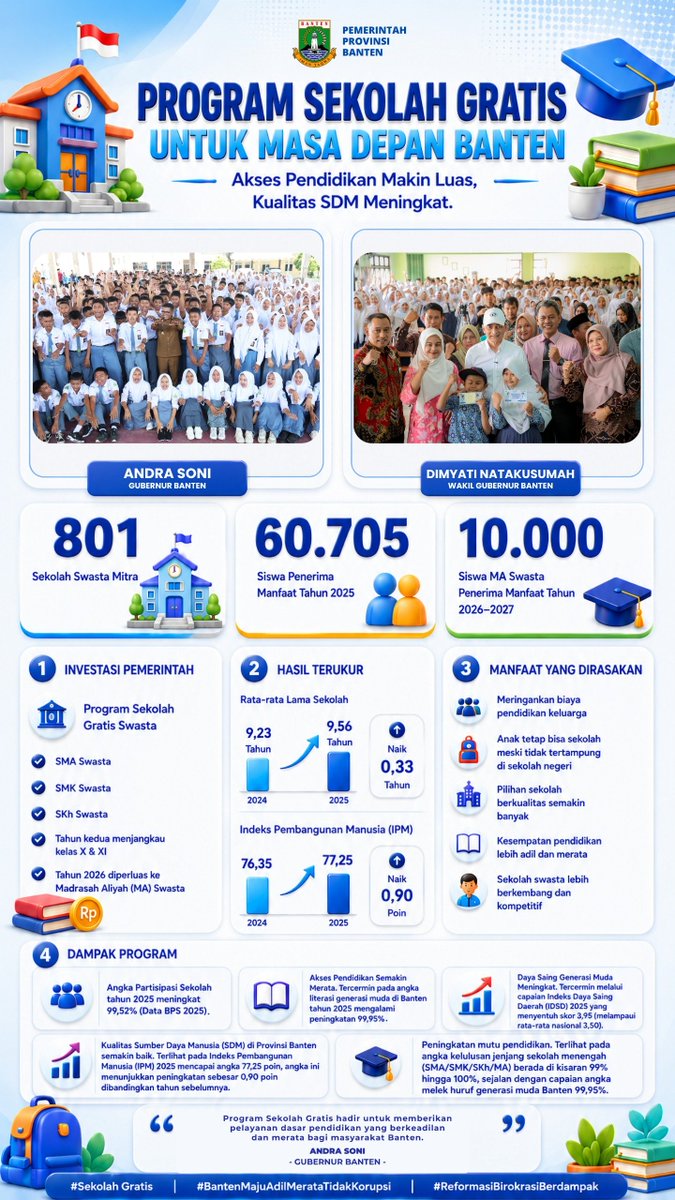
Sekolah yang baik tidak boleh menjadi hak sebagian anak saja. Setiap anak berhak mendapatkan kesempatan belajar, tumbuh, dan meraih cita-citanya.
Melalui Program Sekolah Gratis, Pemerintah Provinsi Banten terus memperluas akses pendidikan bagi masyarakat. Hingga tahun 2025, program ini telah menjangkau 801 sekolah swasta mitra dan memberikan manfaat kepada 60.705 siswa. Pada tahun ajaran 2026–2027, program ini juga diperluas untuk menjangkau 10.000 siswa Madrasah Aliyah (MA) swasta.
Dampaknya mulai terlihat. Angka partisipasi sekolah meningkat menjadi 99,52 persen. Rata-rata lama sekolah naik dari 9,23 tahun menjadi 9,56 tahun. Indeks Pembangunan Manusia (IPM) Banten juga meningkat dari 76,35 menjadi 77,25.
Program ini membantu meringankan biaya pendidikan keluarga, membuka lebih banyak pilihan sekolah berkualitas, serta memastikan anak-anak Banten tetap dapat melanjutkan pendidikan.
Pendidikan adalah investasi terbaik untuk masa depan. Ketika akses pendidikan semakin merata, kesempatan untuk maju juga semakin terbuka bagi seluruh masyarakat Banten.
Sumber: Biro Adminstrasi Pimpinan
#SekolahGratis
#PendidikanUntukSemua
#BantenMaju
#AndraSoni
#PemprovBanten
6
December ,13th retweeted

🚨Sarkodie & Shatta Wale’s “#Everlasting” debuts at #84 on UK 🇬🇧 iTunes (HipHop/Rap) chart.📈
Keep Streaming > ditto.fm/everlasting_


36
116
837

電動製麺器IPM-500…家でうどんやラーメン生地から作れるとか本気で生活変わりそう。重いけど欲しいかも
電動製麺器 こね工房 IPM-500
jp.mercari.com/item/m2836805…
1
9

3/10 — FY26 Performance
Q3 FY26 revenue grew 10.7% YoY. Strong international sales drove the growth.
Q4 FY26 revenue at ₹3,603 crore. Full year earnings per share at ₹181.
Chronic segment performing well. India business outpacing IPM growth by 100–150 bps.
1
1
6

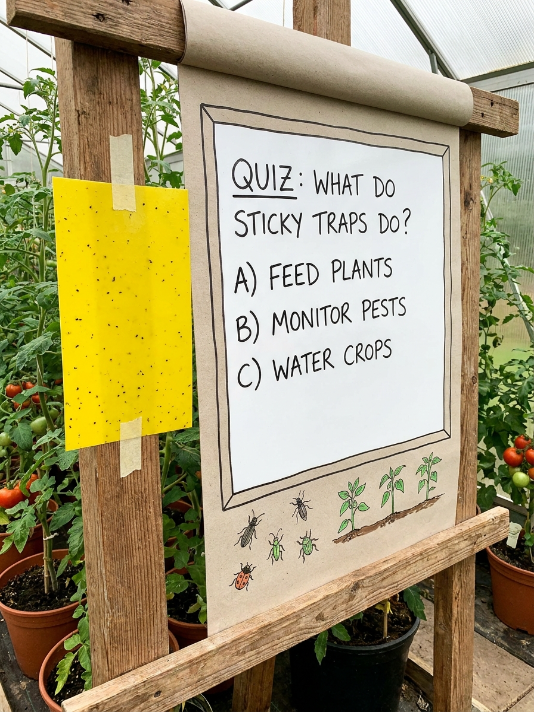
A simple IPM question.
Can you answer before scrolling? 😄
#pujithaentomology #Entosphere #Agritej
#IPM
#CropProtection
#Entomology
#Agriculture
ALT https://ankapujithaentomology.blogspot.com/
3

yaAllah sudah nyaman diri ini kerja dengan tambal cabut scalling and repeat tiba2 muncul pasien ipm……… kembali kita membuka buku regezi………….
25
あまこ retweeted

Jun 12
@Halle_Uchida
メンション失礼します‼️
夜空にクレープの2人を描かせてもらいました💕💕
小さい頃からずっと内田温さんの作る曲やキャラクターが大好きです(ᐢ ̫ᐢ)
これからも応援してます🫶🏻🫶🏻🫶🏻

1
3
14
174

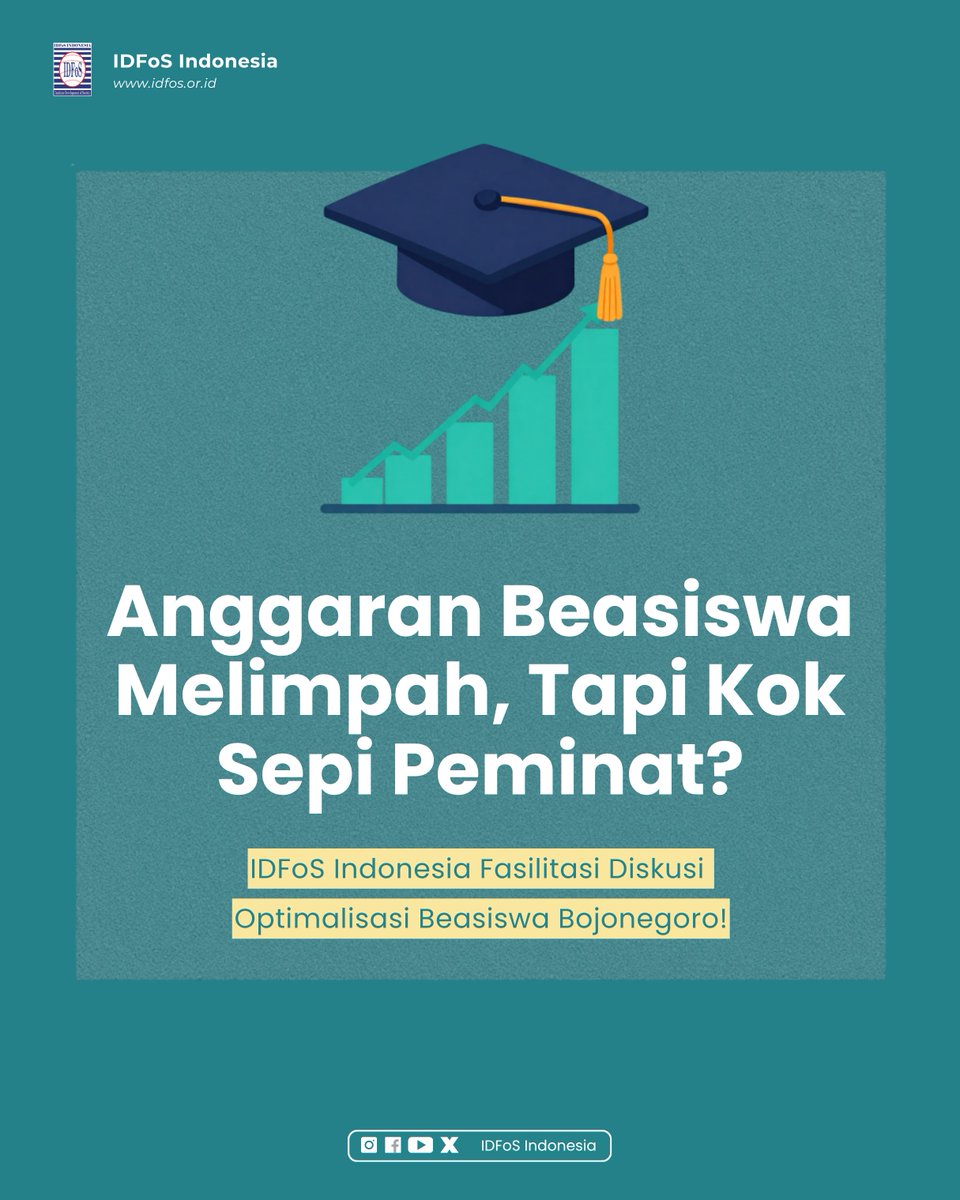
IPM Bojonegoro 2025 dapet predikat kenaikan tertinggi se-Jatim, tapi Angka Partisipasi Kasar (APK) kuliahnya baru kisaran 13%. Kok bisa ketimpangan ini terjadi? 📉🎓
Senin (8/6), IDFoS Indonesia memfasilitasi diskusi panas antara Dinas Pendidikan Bojonegoro dan PMII Unigoro.
1
16

UV-C from TRIC's robots does hit pest mites & eggs hard (33% fewer spider mites in trials), but their data shows no negative impact on beneficial predatory mites.
Eggs of both pests & predators are vulnerable, so best practice is early UV suppression timed release of adult predators (they're tougher & keep working).
Nighttime canopy targeting limits effects on bees & larger beneficials vs. broad chemicals.
Overall, it's a net win for IPM & reducing sprays.
Exciting tech — more data coming from Cal Poly/USDA trials.
Jun 12

autonomous robot driving through the field at night. no chemicals. no pesticides. just UV light killing pathogens and pests while everyone sleeps. this is @tricrobotics.
this is what chemical-free pest control looks like at scale.
1
1
3
51


日本でも実施していますが、米国のRegional IPM Centersのように、IPMを軸に研究・普及・教育・助成・情報発信を継続的に行う常設ネットワークとしては見えにくい印象です。日本はどちらかというと一元的ではなく、細やかに課題別・都道府県別に分散しているのが特徴だと思います。
1
7

Massage
in
Riyadh
Jeddah
khobar
dammam
Buraydah
Hofuf
jubail
abha
khamis
al kharj
wa.me/ 966548017237
🛄103 xxxx russian 🌿🇧🇷
IPM

2

I no even watch The Whole thing come to think I know this lady right from the when her and here husband were still resident pastors in IPM back in 2015
5

•The core claim is supported by pilots: TRIC Robotics’ Luna autonomous robots, which use UV-C light and bug vacuums on strawberry fields, have shown pesticide use reductions of 40-70% in company-reported trials and commercial deployments in California, aligning with the post’s “up to 70%” figure for chemical dependency.
•Technology targets specific high-impact use: Luna platforms operate at night on tractor-scale autonomous vehicles, primarily addressing mites, mildew, mold, and certain insects in strawberries—a crop known for heavy pesticide application—without replacing all chemical needs or extending yet to broad food systems.
•Part of integrated approach: Reductions come via complementary IPM (integrated pest management) rather than full elimination; recent peer-reviewed work shows strong effects like up to 97% mite egg suppression, but it’s currently strawberry-focused with ongoing fleet expansion.
11
Sam Cook retweeted

Jun 10
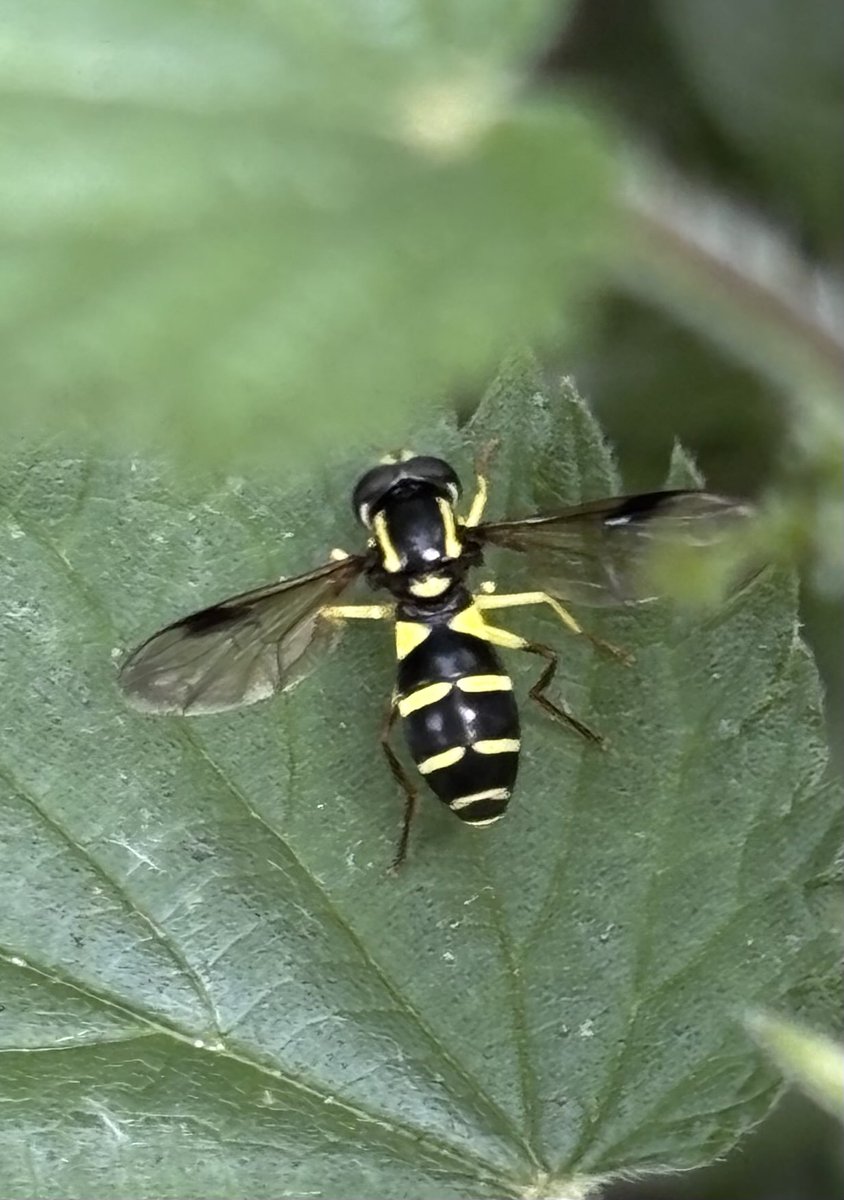
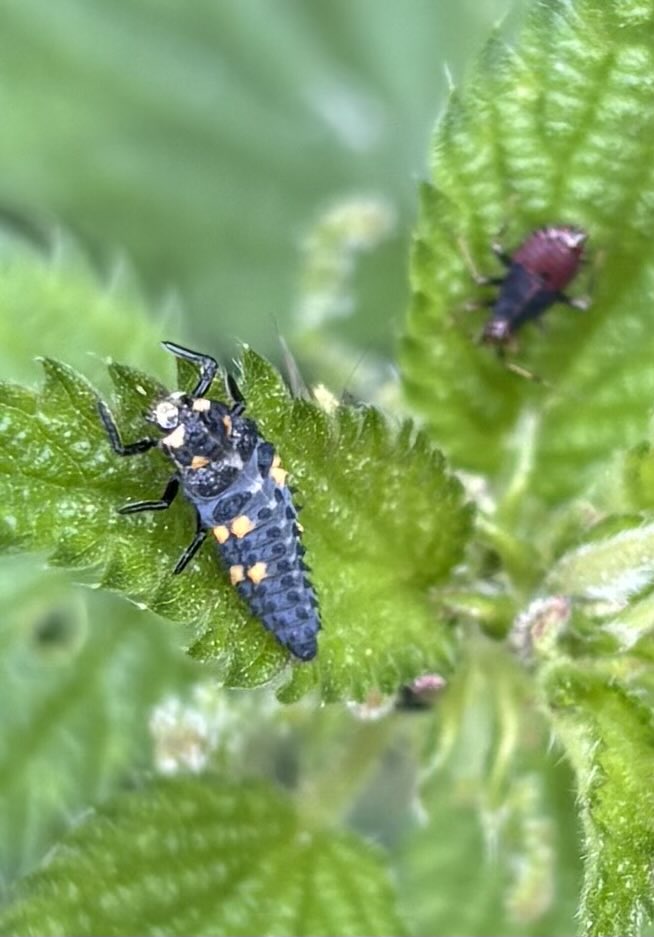
#IPM integrated pest management a system that uses the biological control of insects eating the insect that eats your crop . Or the swift swallow , Martin eat masses of insects ! 🐞 @Rothamsted @kelly_jowett @SaveourSwifts @ukhousemartins @NHM_Diptera @SWTWildFarms @NFFNUK @StevenFalk1 @DefraGovUK @NaturalEngland @BC_Suffolk @BTO_Suffolk
10
46
812