
🔍 FIND ME
I scrape green tissues from rice leaves.
My damage looks like white streaks.
I am small but easy to recognize.
Who am I? 🌾
#pujithaentomology #Entosphere #Agritej #RiceHispa #Rice #CropProtection #Entomology
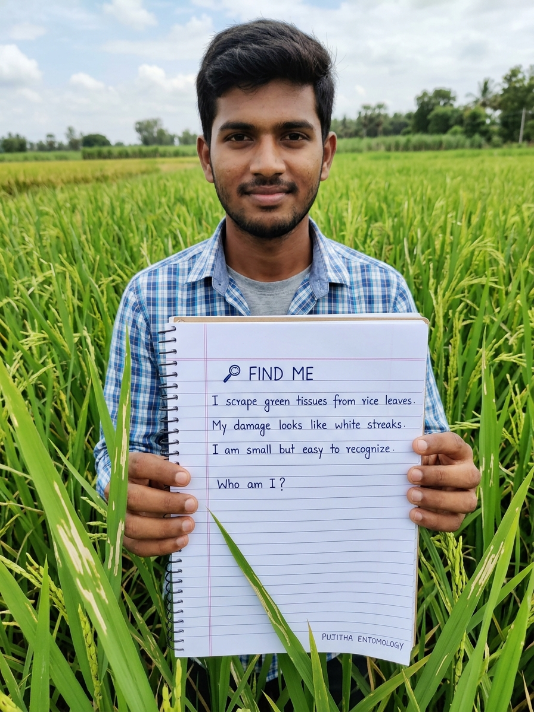
ALT A South Indian agriculture student holding a notebook with clues describing a rice pest that creates white streaks on leaves through scraping damage.

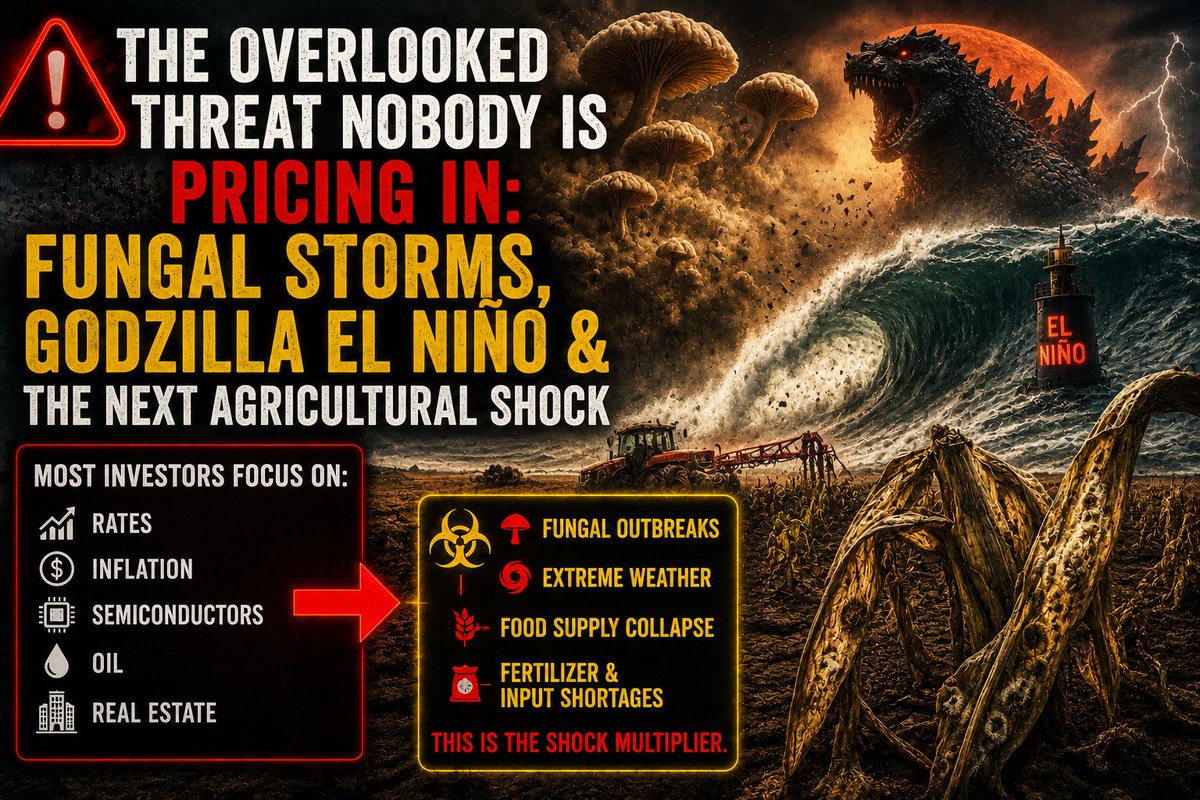
🚨 The Overlooked Threat Nobody Is Pricing In:
Fungal Storms, Godzilla El Niño & The Next Agricultural Shock
Most investors focus on:
📈 Inflation 🛢 Oil 💻 AI 🏦 Central Banks
Few are watching what may become one of the largest long-term risks to food systems, healthcare, and supply chains:
🍄 Fungal disease.
🧵👇
Climate volatility isn't just about heat.
It's about biological adaptation.
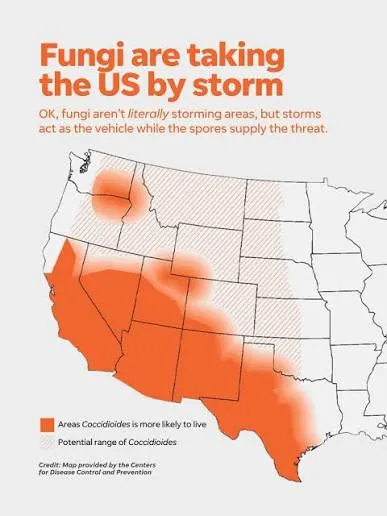
As temperatures rise and weather patterns become more extreme, fungi are expanding into regions where they historically struggled to survive. (We see areas globally now with extreme conditions like 100 degrees with 80 humidity which can have temperature feeling well above 130)
That matters more than most people realize.
Unlike viruses or bacteria, fungi are extraordinarily resilient.
Many can survive:
✔ Drought ✔ Flooding ✔ Temperature swings ✔ Chemical treatment
And they reproduce at staggering scale through microscopic spores.
A single fungal outbreak can destroy:
🌾 Wheat 🌽 Corn 🍇 Grapes 🍓 Fruits 🥜 Nuts 🥬 Vegetables
The economic consequences are often measured not in days...
But in entire growing seasons. (Look at orange production in the USA)
Enter the "Godzilla El Niño" problem.
Major El Niño events dramatically alter:
🌧 Rainfall patterns 🌡 Temperature regimes 🌪 Wind systems 🌊 Ocean temperatures
Creating ideal conditions for fungal expansion.
Extreme humidity is often a fungal accelerator.
Many crop pathogens thrive when:
🌧 Wet conditions persist 🌡 Temperatures remain elevated 💨 Wind dispersal increases
The result:
Rapid geographic expansion of fungal diseases.
The agricultural implications are enormous.
Potential impacts include:
📉 Lower crop yields 📈 Higher fertilizer demand 📈 Rising food prices 🚜 Increased fungicide use 🌾 Reduced export volumes
Food inflation can begin long before consumers notice shortages.
One of the most important risks is crop concentration.
Modern agriculture often relies on:
🌽 Monocultures 🌾 High-yield varieties 🚜 Just-in-time logistics
These systems are efficient...
But not always resilient.
A major fungal outbreak doesn't remain a farming problem.
It quickly becomes:
🏪 A grocery-store problem 🚛 A logistics problem 🏦 An inflation problem 🏥 A healthcare problem
Healthcare systems are increasingly monitoring fungal threats.
Some fungal infections are becoming:
⚠ More drug resistant ⚠ More geographically widespread ⚠ More difficult to diagnose
This creates growing pressure on already stretched healthcare infrastructure.
The economic effects can compound quickly.
Agricultural losses:
➡ Raise food costs
Food costs:
➡ Reduce consumer spending
Reduced spending:
➡ Slows economic activity
The cycle becomes self-reinforcing.
Supply chains are particularly vulnerable.
A fungal event can impact:
🌾 Production 🚛 Transportation 📦 Storage 🏭 Processing
All before products ever reach consumers.
Investors often underestimate biological risk.
Markets price:
✔ Interest rates ✔ Earnings ✔ Oil
But biological disruptions frequently appear as "unexpected shocks."
History shows otherwise.
The broader lesson is simple:
The global economy depends on healthy biological systems.
When weather volatility increases...
Biological volatility often follows.
The next major inflation wave may not begin with:
🏦 Central banks 🛢 Oil shocks ⚡ Energy shortages
It may begin in:
🌾 Fields 🍇 Vineyards 🌽 Farms 💨 Air currents carrying fungal spores
We at Piggo's Trading Desk will continue monitoring:
🍄 Fungal disease trends 🌊 El Niño developments 🌾 Agricultural vulnerabilities 🧪 Crop-protection markets 📈 Food inflation risks
Because the next major supply shock may come from biology rather than finance.
#FungalDiseases #Agriculture #FoodSecurity #ElNino #ClimateRisk #FoodInflation #SupplyChains #Biosecurity #CropProtection #Farming #Commodities #Weather #Inflation #Macro #Investing #Agribusiness #GlobalMarkets #PiggosTradingDesk #hunger #starvation #foodcrisis #foodshortage
@Whitelavender92 @Diablo_Blanco_3
1
1
39

Missed a CropLife webinar? Catch up anytime with our on-demand webinar library. Get expert insights on precision ag, crop protection, biologicals, technology, and more—whenever it fits your schedule.
👉 ow.ly/tnAW50ZacBo
#CropLife100 #AgTech #CropProtection #PrecisionAg

1
67
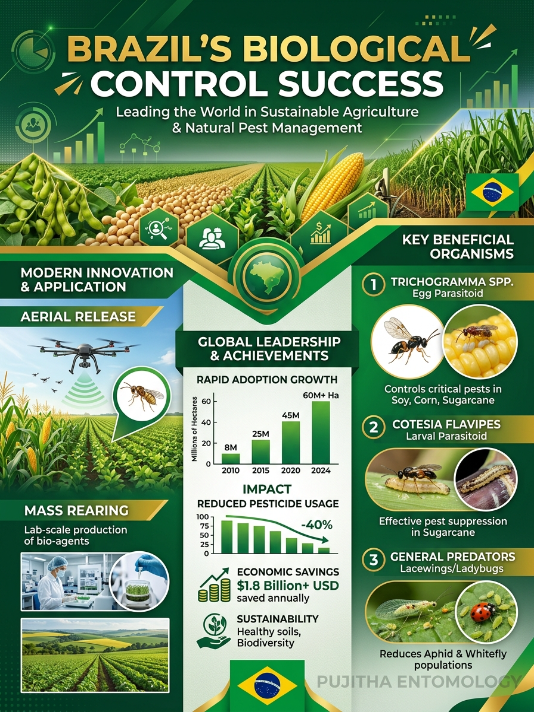
🇧🇷 @govbrazil has become a global leader in biological pest management.
Could @AgriGoI achieve similar success with greater investment in biological control?
#pujithaentomology #Entosphere #Agritej
#BiologicalControl
#IPM
#Entomology
#Agriculture
#CropProtection
1
3
33

खरीफ बुआई से पहले बीज उपचार करना क्यों है जरूरी? जानिए विशेषज्ञों की सलाह
फफूंदनाशक, कीटनाशक और राइजोबियम उपचार से फसल को मिलती है मजबूत शुरुआत
#Kharif #SeedTreatment #Agriculture #Farmer #Kisan #CropProtection #Rhizobium #FarmingTips #AgriNews
gaonjunction.com/baat-pate-k…
6
A simple IPM question.
Can you answer before scrolling? 😄
#pujithaentomology #Entosphere #Agritej
#IPM
#CropProtection
#Entomology
#Agriculture
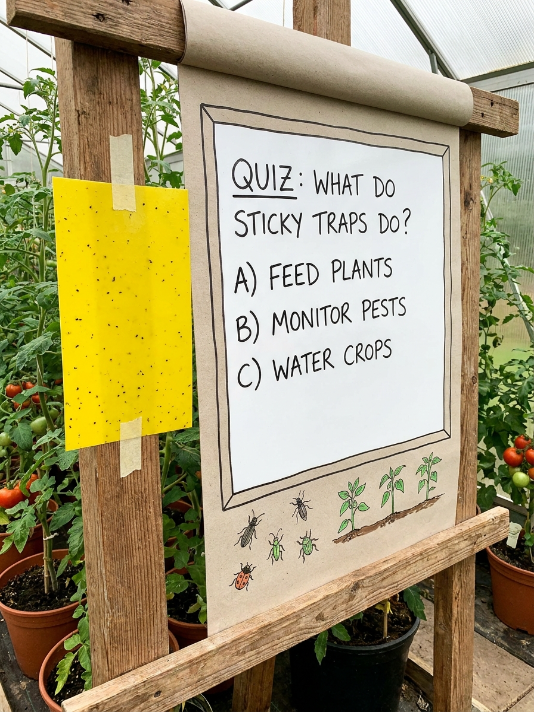
ALT https://ankapujithaentomology.blogspot.com/
6
🔍 FIND ME
I feed in groups when young.
I can completely defoliate plants.
Farmers fear me during outbreaks.
Who am I? 🌱
#pujithaentomology #Entosphere #Agritej #RedHairedCaterpillar #Groundnut #CropProtection #Entomology
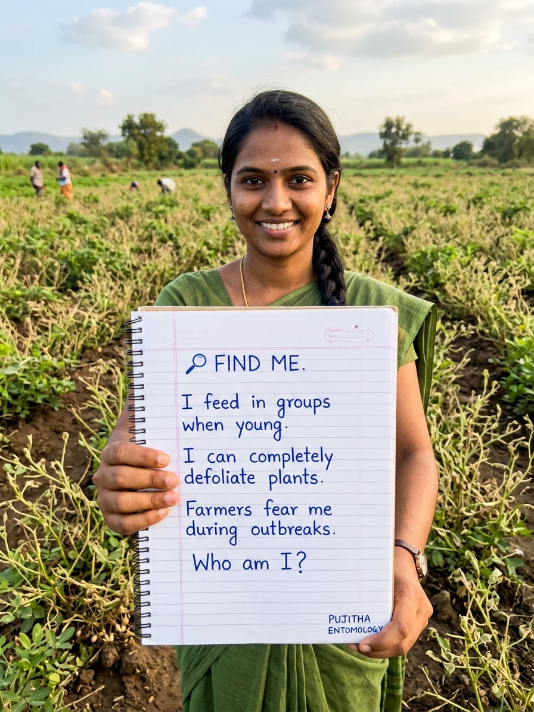
ALT A South Indian agriculture student holding a notebook with handwritten clues about a caterpillar pest known for feeding in groups and causing severe defoliation in crops.
8

New crop protection technologies are helping farmers improve productivity while enabling more targeted and efficient pest and disease management. 🌿🔬
#CropProtection #AgriInnovation #PrecisionAgriculture #Agriculture #FarmTechnology #AgTech #PlaneteyeFarmAI
1

Jun 12
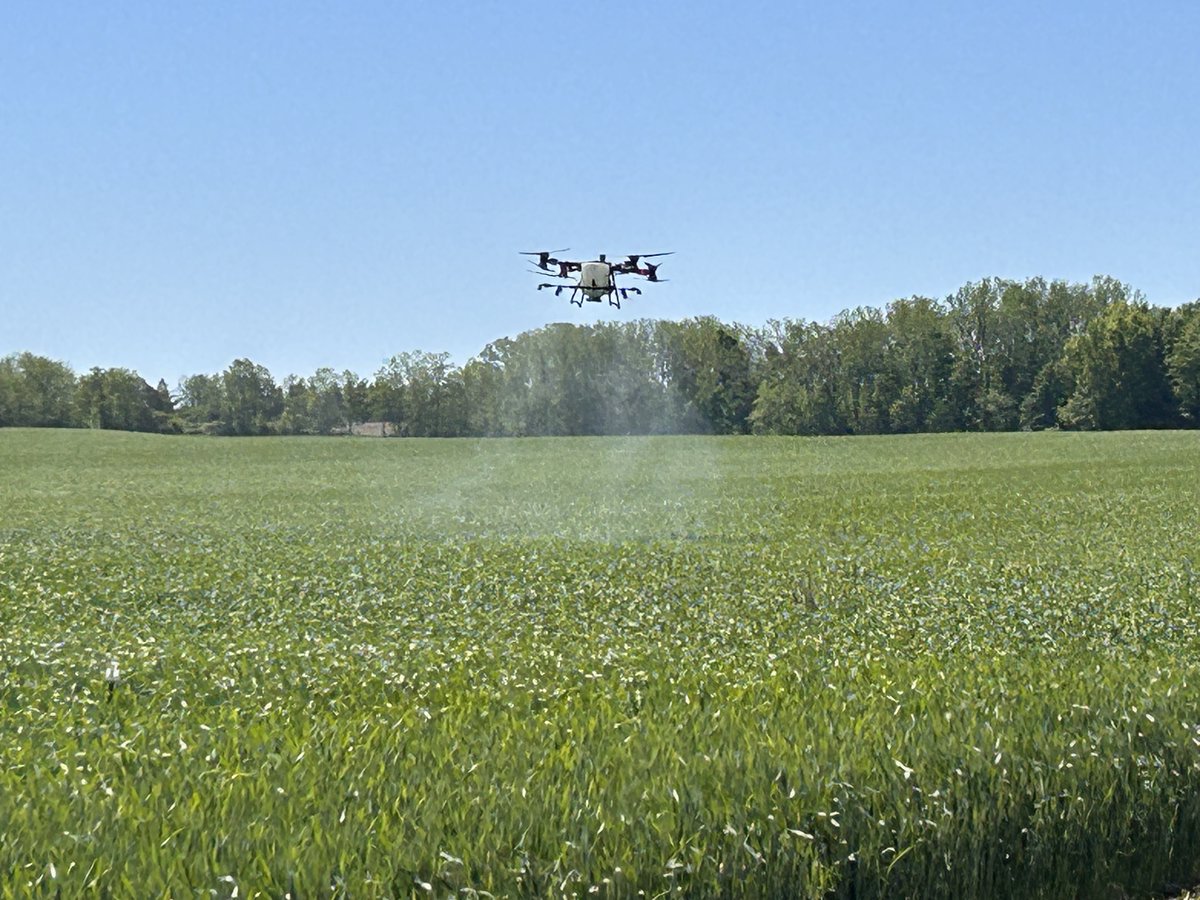
Health Canada has issued an interim letter allowing broader use of spray drones for crop protection. Markus Weber of CADA notes this provides timely flexibility for growers facing challenging field conditions.
ow.ly/Js2r50Zbj1k
#spraydrone #cropprotection #cdnag #agtech
1
3
884

Protect the flag leaf to fulfil yield potential written by @HutchinsonsAgUK in Issue 36 of #directdriller magazine sponsored by @LloydsBankBiz - read the full article here: directdriller.com/protect-th…
#fungicides #farminguk #cropprotection #regenerativeagriculture
1
1
164

Jun 12
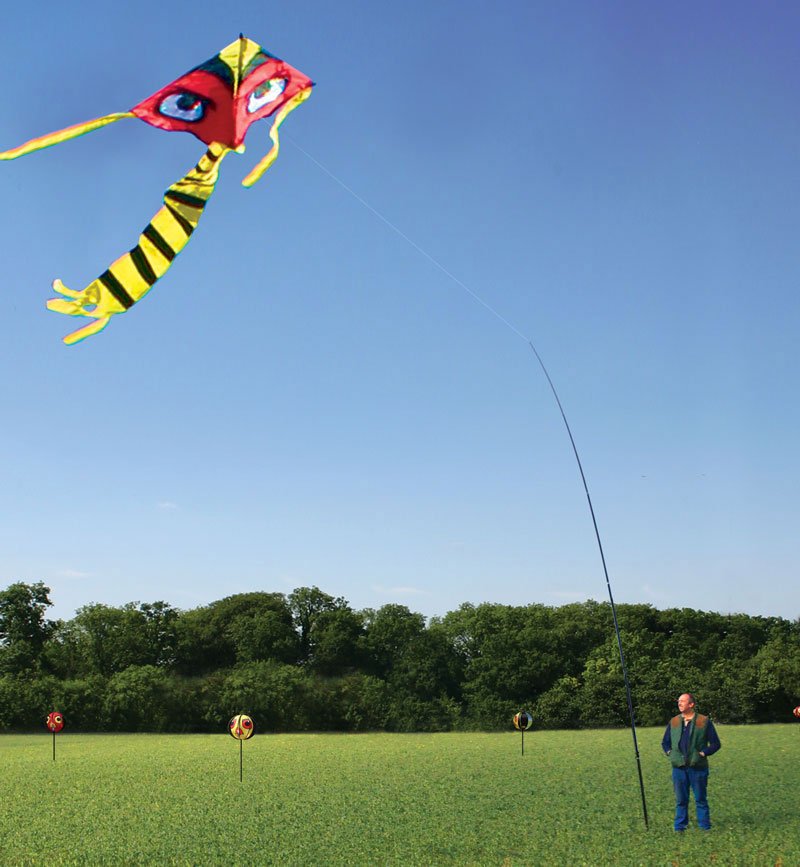
Protect your crops from unwanted visitors! 🐦 🐦 Our Portek Ltd bird scaring range, including the Terror Kite, is a farmer's best friend.
Shop now: champ.ly/FEuRQC71
#BirdScaring #CropProtection #Portek #FarmingEquipment
9
आंधी, ओले और भारी बारिश का अलर्ट
गन्ना, धान, मक्का और बागवानी फसलों पर खतरा
किसानों के लिए IMD ने जारी की विशेष सलाह
#WeatherAlert #IMD #CropProtection #Farmers #Agriculture #RainAlert @AgriGoI @icarindia @IMDWeather
gaonjunction.com/baat-pate-k…
5

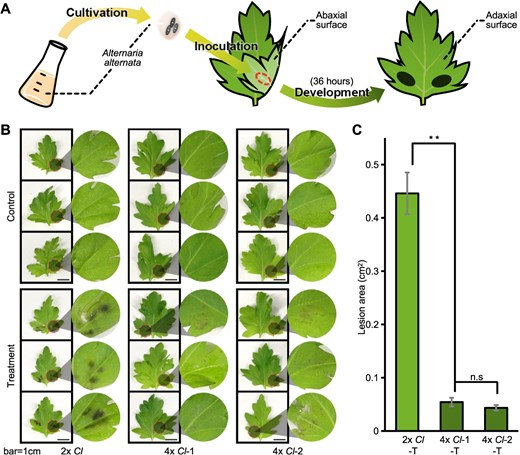
Autotetraploid chrysanthemum resists black spot via WRKY103 promoter CHH hypomethylation—a conserved epigenetic mechanism mimickable by 5-azacytidine. #Polyploidy #Epigenetics #DiseaseResistance #CropProtection @OxfordJournals
Details: doi.org/10.1093/hr/uhag050
1
120

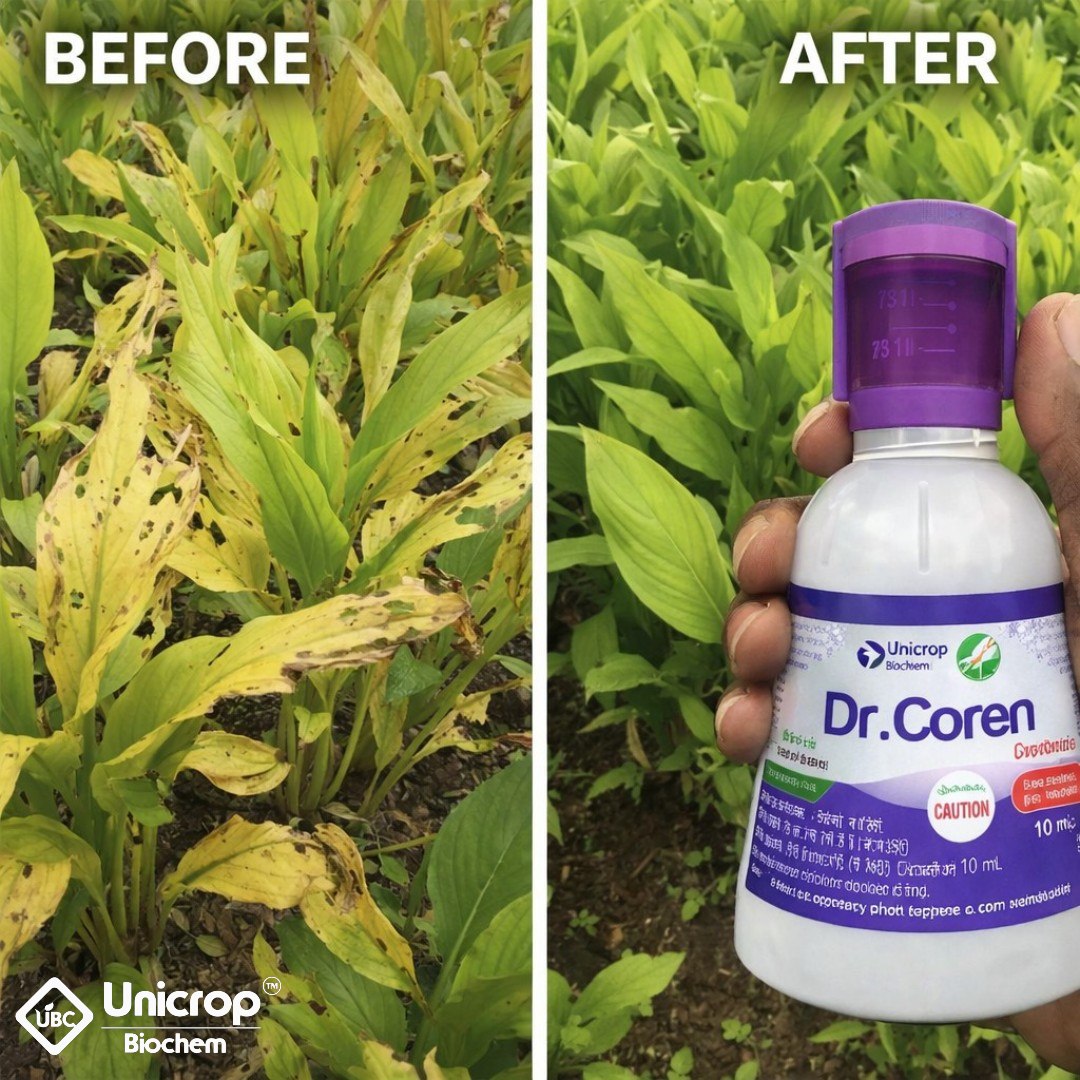
🌱 Stop pests before they stop your yield—𝗗𝗥. 𝗖𝗢𝗥𝗘𝗡 delivers fast, targeted protection for healthier turmeric crops, stronger growth, and higher productivity! 🌿
.
.
.
#DRCOREN #TurmericFarming #CropProtection #PestControl #Insecticide #SmartFarming
3
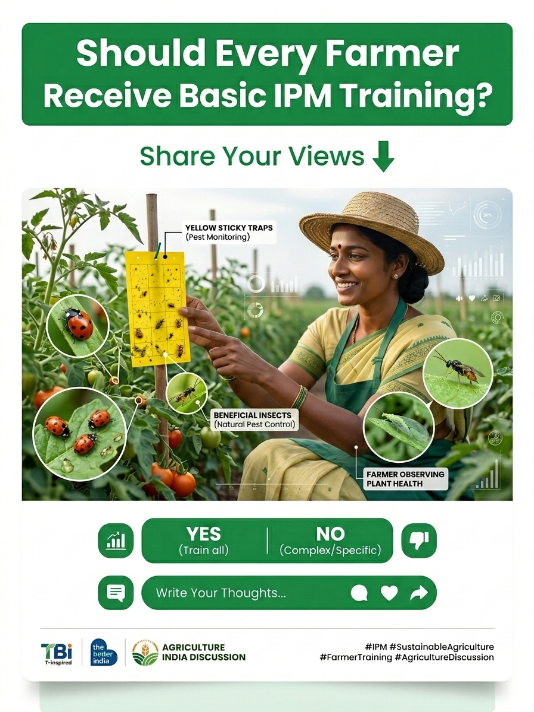
Integrated Pest Management can reduce unnecessary pesticide use and improve sustainability.
Share your thoughts 👇
#pujithaentomology #Entosphere #Agritej
#IPM
#IntegratedPestManagement
#Agriculture
#CropProtection
#SustainableFarming
ALT https://ankapujithaentomology.blogspot.com/
1
10
🔍 FIND ME
I attack sorghum early.
I cause dead hearts.
Farmers know my damage very well.
Who am I? 🌾
Comment your answer below 👇
#pujithaentomology #Entosphere #Agritej
#ShootFly #Sorghum #Entomology #CropProtection #IndianAgriculture #PestManagement
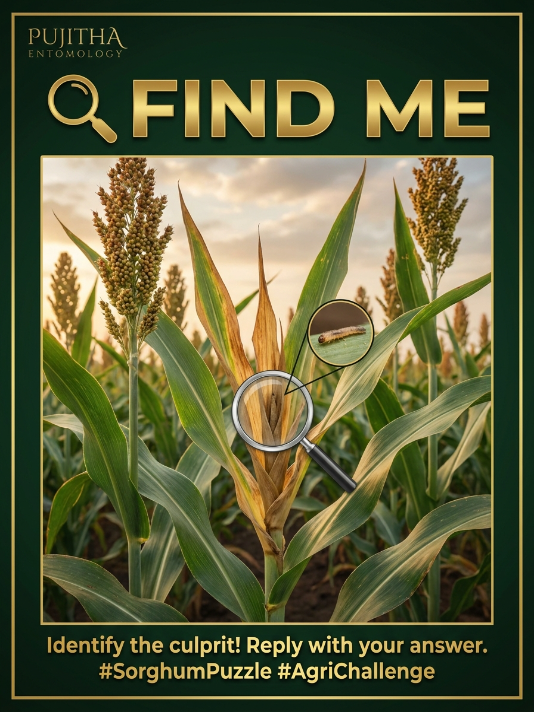
ALT A premium agricultural puzzle poster showing sorghum plants with dead heart symptoms caused by shoot fly infestation. The poster asks viewers to identify the pest responsible.
1
18

Jun 12
🚀 New Special Issue Launched!
The Biology, Ecology, and Management of Plant Pests: 2nd Edition
🔗 Learn more: mdpi.com/si/282180
#PlantPests #PestManagement #PlantBiology #AgriculturalScience #CropProtection #Entomology #IntegratedPestManagement
25

Jun 12
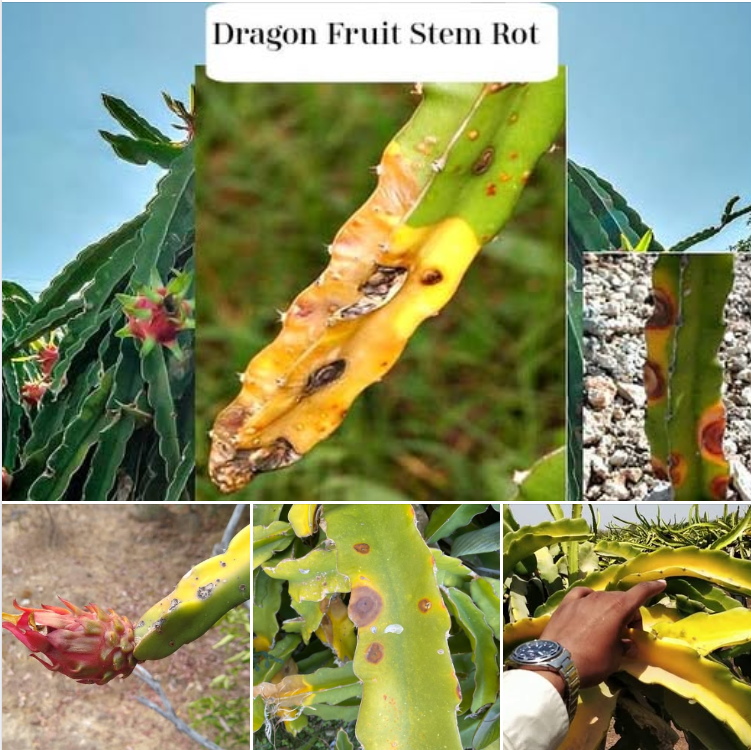
🌵 DRAGON FRUIT DISEASES: The Silent Threats That Could Wipe Out Your Expensive Investment! 🛑📉
Dragon fruit farming is booming in Kenya right now! With a single kilogram retailing for an average of 1,500 KSH in supermarkets and cuttings selling between 500 to 2,000 KSH, it’s easily one of the most lucrative exotic ventures.
But behind the viral success stories, television features, and social media praise, there is a major conversation missing: The devastating pests and diseases that can destroy your entire investment. Because a vine cactus selects for diseases as acreage grows, relying on luck is not a strategy. If you want to protect your yields and profits, you need to watch out for these major threats:
⚠️ The Big 3 Dragon Fruit Threats to Monitor:
Stem Rot (A Major Nightmare): * How it starts: Infection creeps in through injured stem tissues scarred by insects or anthracnose wounds.
What to look for: A distinct yellowing of the tissues, followed by soft, watery, and very smelly rotting. In severe cases, the fleshy succulent parts completely rot away, leaving only the main vein standing. It spreads rapidly via direct plant-to-plant contact and contaminated pruning tools!
Colletotrichum gloeosporioides (Anthracnose):
What to look for: This common fungus causes red-brown concentric lesions (haloes) to develop near the ribs of the vine—especially right where the spines emerge from the rib edge. It also directly attacks the fruits and becomes highly aggressive during cold and wet seasons.
Sunburn Injury:
How it looks: Appears as blistering areas of yellowing, corking, scabbing, and peeling on the top or most sun-exposed side of the plant. Pro-Tip: If the lesions are on the under-surface, it is not sunburn—it is one of the infectious diseases above!
🛡️ Top Integrated Management Strategies for Farmers:
Since there are currently no registered pesticides in Kenya for use on dragon fruit, your absolute best defense is strict farm hygiene and prevention:
🚫 Avoid High Rainfall / Wet Spots: Don't plant in areas with high rainfall or high water tables. Always source certified, disease-free planting materials.
❌ Stop High-Nitrogen Fertilizers: Avoid compound fertilizers with heavy nitrogen content, as excessive nitrogen drastically increases disease susceptibility. Stick to straight or organic options.
✂️ Prune Smart & Dry: Don't maintain too many pseudostems—this keeps humidity low inside the canopy. Prune only during dry weather so wounds dry up properly, and always sterilize your pruning shears with disinfectant between every single plant!
🐜 Control Pests: Snails and ants physically transport fungal spores and bacteria across your farm. Use snail baits and destroy ant nests immediately.
🧺 Soil-Free Harvesting: Keep your hands, harvesting baskets, and pruning shears completely free of soil to prevent post-harvest rot caused by the soil-borne fungus Gilbertella persicaria.
Don't let ignorance or bad agronomy cost you your shamba goldmine. Inspect your plants, protect your tools, and farm with precision! 📈
📖 Read the full detailed research article on our blog: 👉 farmerstrend.co.ke/trending/…
#DragonFruitFarming #Pitahaya #DragonFruitDiseases #SmartFarming #FarmersTrend #AgribusinessKenya #CropProtection #ExoticFruitsKe #FarmHygiene
1
113

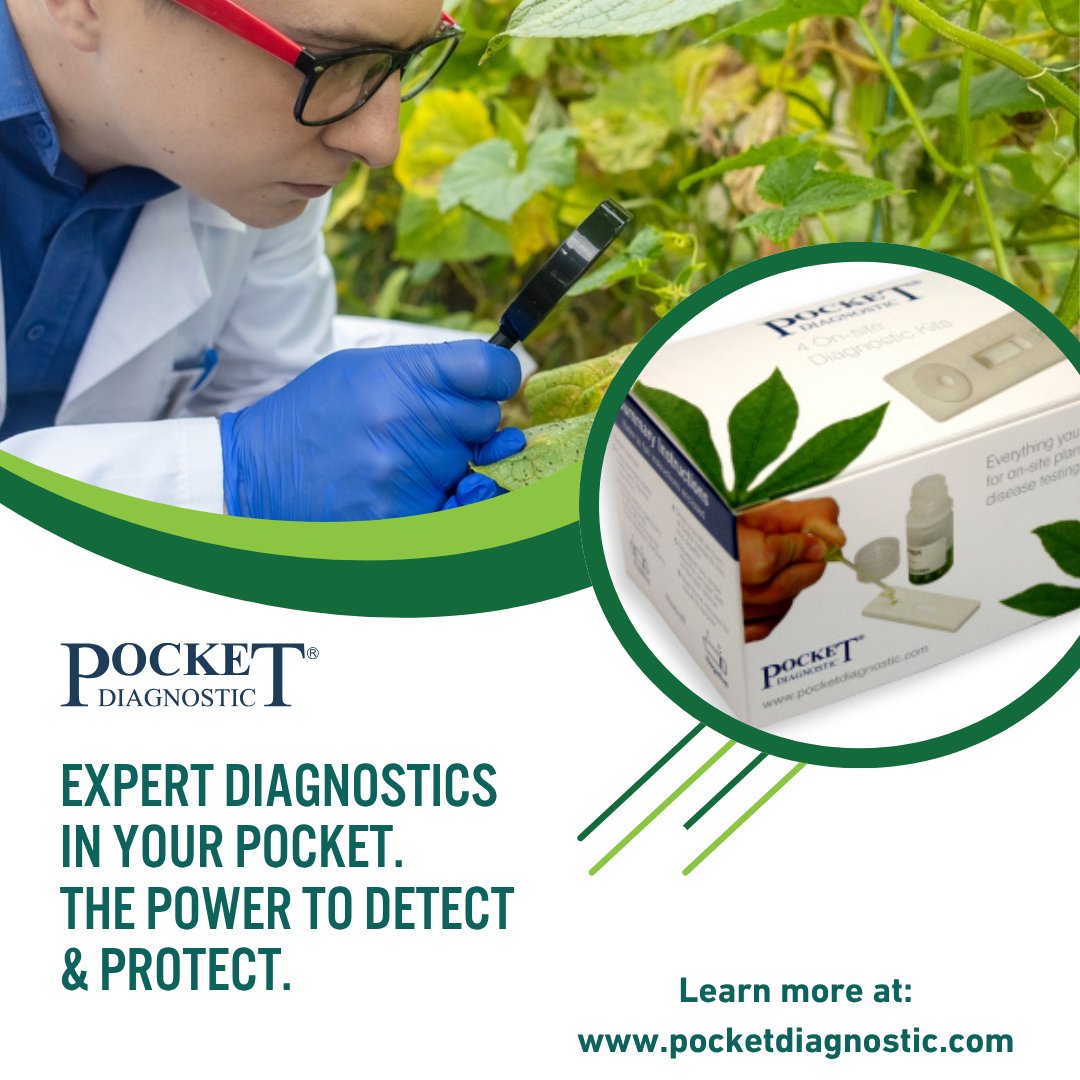
💪Gain the power of 'on-the-spot' plant diagnostics today: hubs.ly/Q04l6Lzt0
#PlantHealth #SmartFarming #CropProtection #GardenHacks #Sustainability
1

We are on countdown to #ADAMAinAction. 🥳
Come to one of our demonstration days to experience the latest in cereal fungicide innovation.
Gilboa®, ADAMA's next generation of fungicides, is coming to the UK in 2027 and will be in the field at every trial site.
You’ll have the chance to see the trials up close and ask our technical experts about this exciting new active ingredient - speak to your local RAM or book your place to attend an exclusive tour ➡️ hubs.la/Q04kshpH0
#CropProtection
1
2
204