
25 Nov 2025
“What you think, you become. What you feel, you attract. What you imagine, you create.”
— Buddha
Good morning, little creator.
With every thought, you begin again.
Let your day be drawn from kindness and lit by wonder.
Good Morning 🌸
#goodmorningtuesday #buddhaquote #imaginecreate #kindstart #windowlight #goodmorningX

6
1
7
82

11 Jun 2025
One flat lay ➡️ endless photoshoot possibilities
Whether you're building summer fashion campaigns, A/B testing ads, or refreshing PDPs -- ImagineCreate lets you shoot, style, and scale from your computer.
#GenAI
1
4
1,198

21 May 2025
Hey @ARITZIA 👋 Love that you're jumping into AI.
We’ve been deep in this space at @imagine__create, focused on what matters: accurate garments, color, natural motion, and visuals that feel like a real shoot.
Here’s a side-by-side of what you’ve got vs. our results ImagineCreate x Aritzia? Let’s make it happen🔥
1
1
5
875
29 Apr 2025
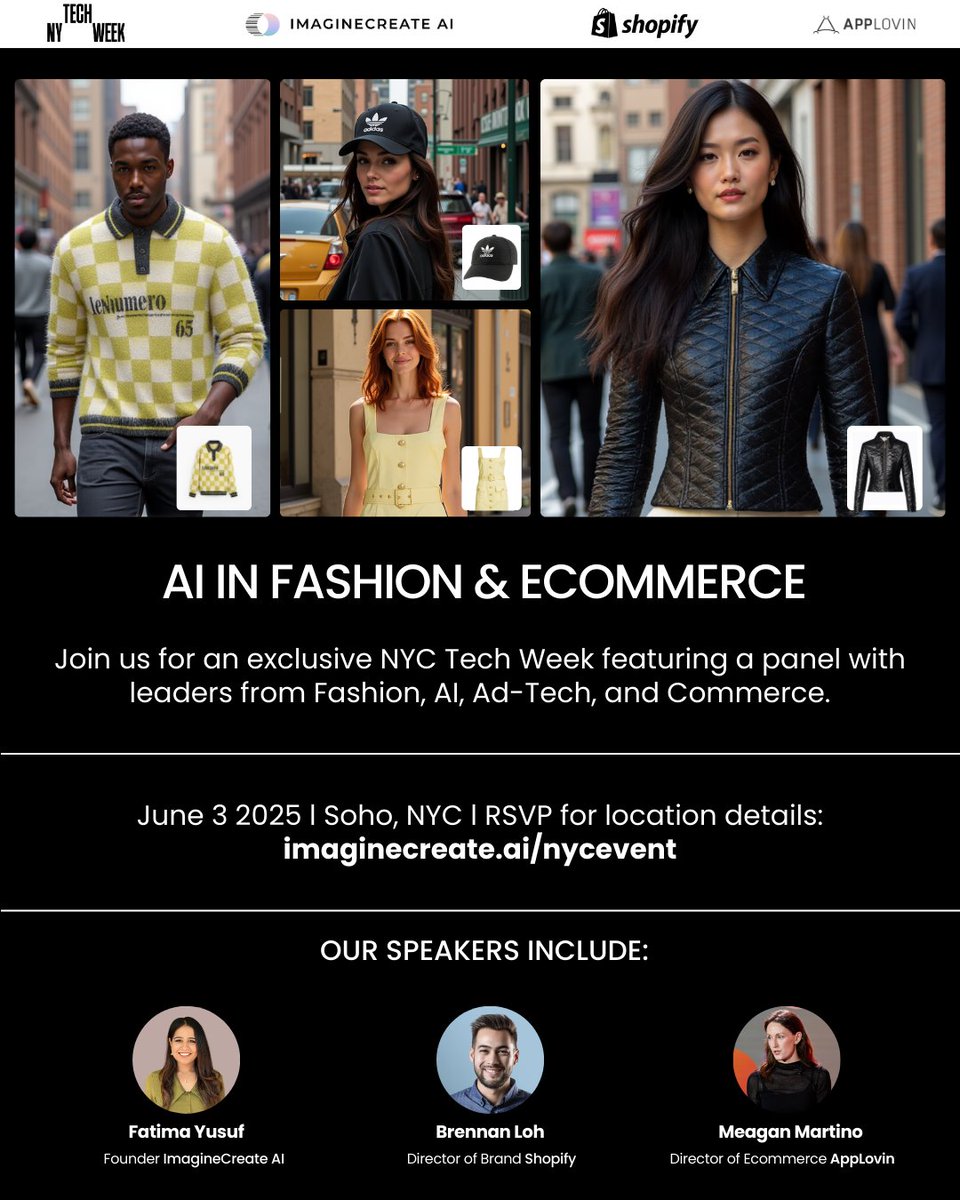
Excited to announce ImagineCreate AI is hosting The Future of AI in Fashion and E-commerce with @Shopify and @AppLovin during @techweek_ in NYC!
Seats are limited — RSVP → imaginecreate.ai/nycevent
We’re bringing together fashion brands and tech leaders on June 3rd in SoHo for an exclusive event featuring:
🎤 Panel discussion hosted by me with @bloh, Director of Brand @Shopify, Meagan Martino, Director of Ecommerce @AppLovin, and more
📸 Live AI fashion photography video demos powered by @imagine__create
🤝 Networking and lunch with fashion tech innovators
#NYTechWeek #FashionTech #AI #Ecommerce #NYC
1
3
8
978
17 Apr 2025
After months of building, we just dropped ImagineCreate 2.0.
Lifelike models. Real garment accuracy. Sharper videos.
The best apparel results on the market—see for yourself.
Built for fashion brands that care about speed, consistency, and creative control.
Let’s go.
🔗 imaginecreate.ai
🎥👇
1
2
14
15,562
16 Apr 2025
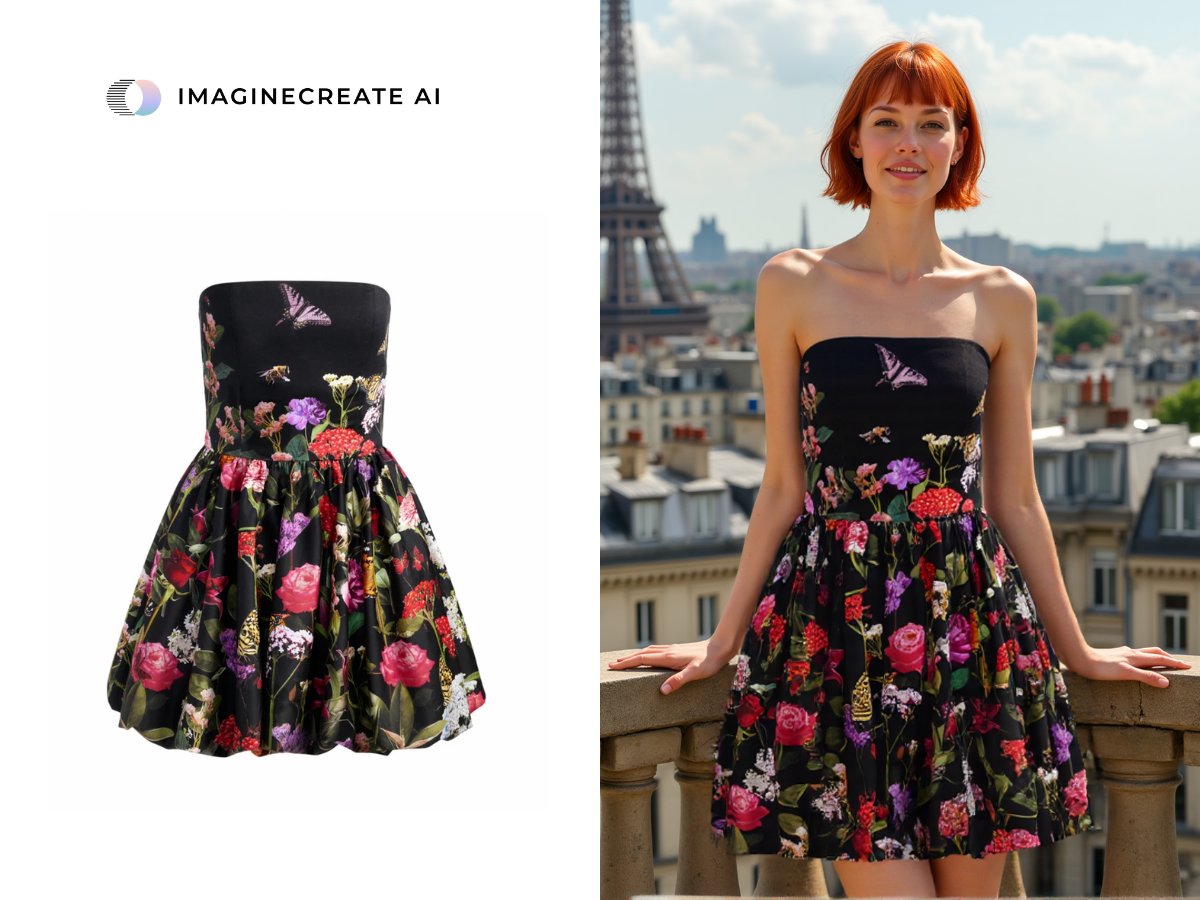
A Paris Photoshoot without needing to buy a plane ticket ✈️
All you need is a flat lay and single text prompt:
"On model with red hair posing on a balcony overlooking Paris, Eiffel tower in background".
Shoot from anywhere in the world with ImagineCreate AI📸
2
238
15 Apr 2025
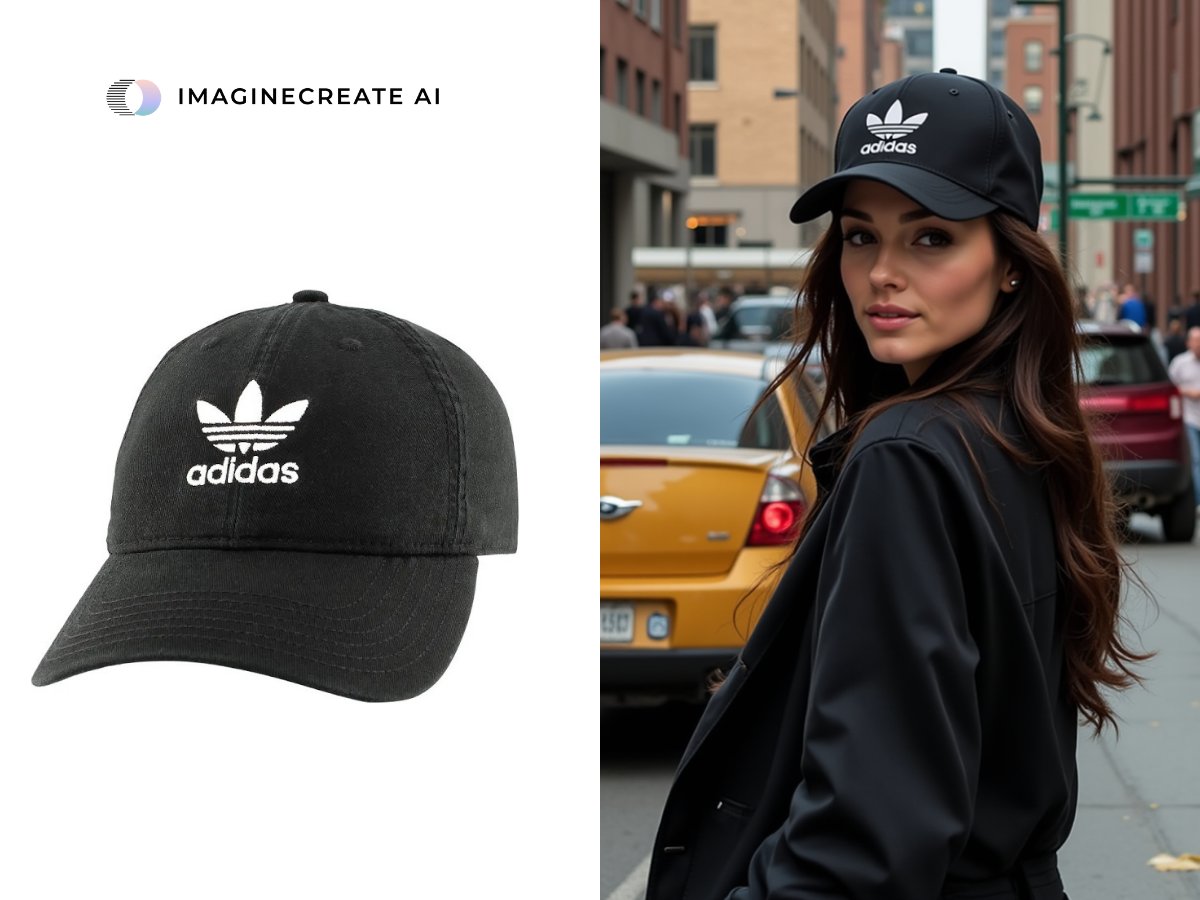
One text prompt turned this @adidas cap into a New York fashion shoot 📸
Create your own AI photoshoot in minutes with ImagineCreate.
1
2
147
25 Feb 2025
AI photoshoots are making it easier than ever for fashion brands to reflect real-world diversity 🌍
ImagineCreate lets you re-imagine any clothing item on any model, in any setting — in under a minute.
The possibilities are endless.
#GenerativeAI
2
3
434
6 Feb 2025
We've been getting LOTS of questions about hats 🧢
Can ImagineCreate do it? Absolutely!
Check out this @nike AI shoot 📸
1
1
85
4 Feb 2025
ImagineCreate is the easiest way to put your clothing on realistic AI models!
Designed to help brands scale fashion shoots and sell more online 🛍️
Who's ready to start?
1
2
106
21 Jan 2025
Never run out of marketing assets again!
ImagineCreate is the AI tool for creating studio quality product scenes in <1 min.
2
144

13 Jan 2025
$U is shaping the future where your child’s imagination builds the world they play in. #ImagineCreate
13 Jan 2025

Children Will Never Be Scolded for Playing Again if Parents Care About Their Future
The generational divide over video games, particularly between Millennials and their Boomer parents, has long been a source of contention. Historically, video games were seen by many as a time-waster, unproductive in comparison to traditional educational or household activities. However, with the advent of advanced AI and robotics, the dynamics of play are being fundamentally transformed.
The Evolution of Play:
Initially, video games were confined to the realms of entertainment, offering no tangible outcomes beyond enjoyment or skill development in gaming. Critics argued that the time spent playing could be better used for more 'productive' activities like homework or chores. But the narrative is shifting. With the integration of AI technologies like GPT-4, games are no longer just about following pre-set paths but about co-creation with AI. Children can now express their imaginations directly into gameplay, customizing scenarios in real-time. This interaction isn't just play; it's a form of creative problem-solving and innovation.
From Play to Reality:
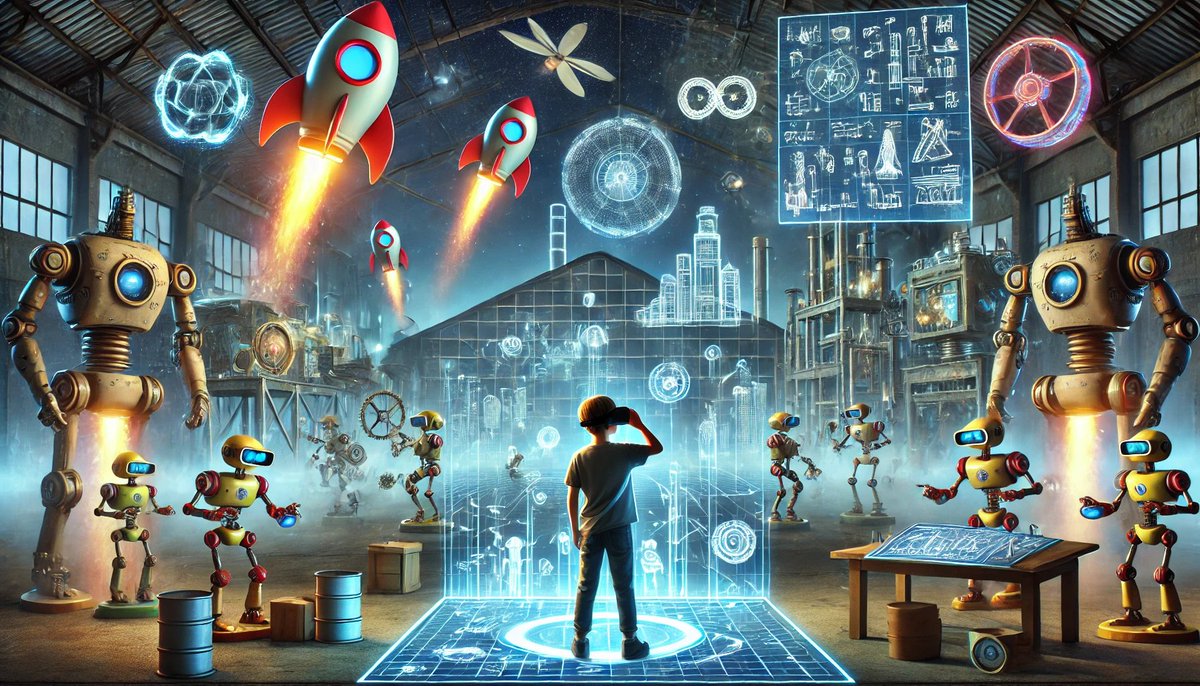
The concept of digital twins, where virtual models mirror physical systems, adds another layer to this transformation. Imagine a child designing a factory for "flying shoes" within a game environment, using AI to simulate and predict outcomes. This isn't just child's play; it's prototyping and market testing in a virtual space. Such technologies allow for the exploration of ideas that could have real-world applications, effectively bridging the gap between imagination and practical innovation.
Play as a Catalyst for Innovation:
The potential for games to serve as platforms for developing complex solutions is immense. The playful mind, especially that of a child, can navigate through imaginative landscapes that might lead to breakthroughs in various fields. The narrative of "Ender's Game," where strategic gameplay leads to solving real-world problems, might not be far from reality. Here, play becomes a simulation of real-life challenges, offering a safe space to experiment with solutions.
The Future of Entrepreneurship:
Looking ahead, the rise of solo entrepreneurs, possibly even billionaires, could be directly linked to this new play-to-reality paradigm. By engaging in what appears to be mere play, individuals can iterate through ideas in a startup-style environment, testing and refining business models within a game's context. This approach could democratize innovation, making entrepreneurship accessible through tools that were once just for entertainment.
Changing Parental Perspectives:
Given these developments, the future might see a complete reevaluation of how we perceive play. Parents might soon view video games not as distractions but as training grounds for the next generation of innovators. The line between playing and working will blur, making "play" a legitimate form of education and professional development. This could lead to a society where children's time spent playing is valued, not criticized, fostering an environment where creativity and technology converge to solve real-world problems.
In this new era, the act of playing will be seen as inherently productive, offering both personal fulfillment and societal advancements. Therefore, if we aim to nurture the capabilities of future generations, fostering play could be one of the wisest investments we make, both for the joy of the children and the progress of humanity.
$META $TSLA $NVDA $PLTR $AMZN
3
288
9 Jan 2025
From flat lay ➡️ AI fashion photo ➡️ AI fashion video all in one platform.
This is what studio quality photography without leaving your computer looks like.
Create your own with ImagineCreate AI ✨
1
3
199

18 Dec 2024
6/ Imaginecreate :
From simple product photo ➡️ to professional product photography 📷 to video clip all in one platform. Create yours at imaginecreate.ai
1
3
429
13 Dec 2024
ImagineCreate is the AI photoshoot (and video) suite for ecommerce brands✨
13 Dec 2024

Yes this is exactly what we do!
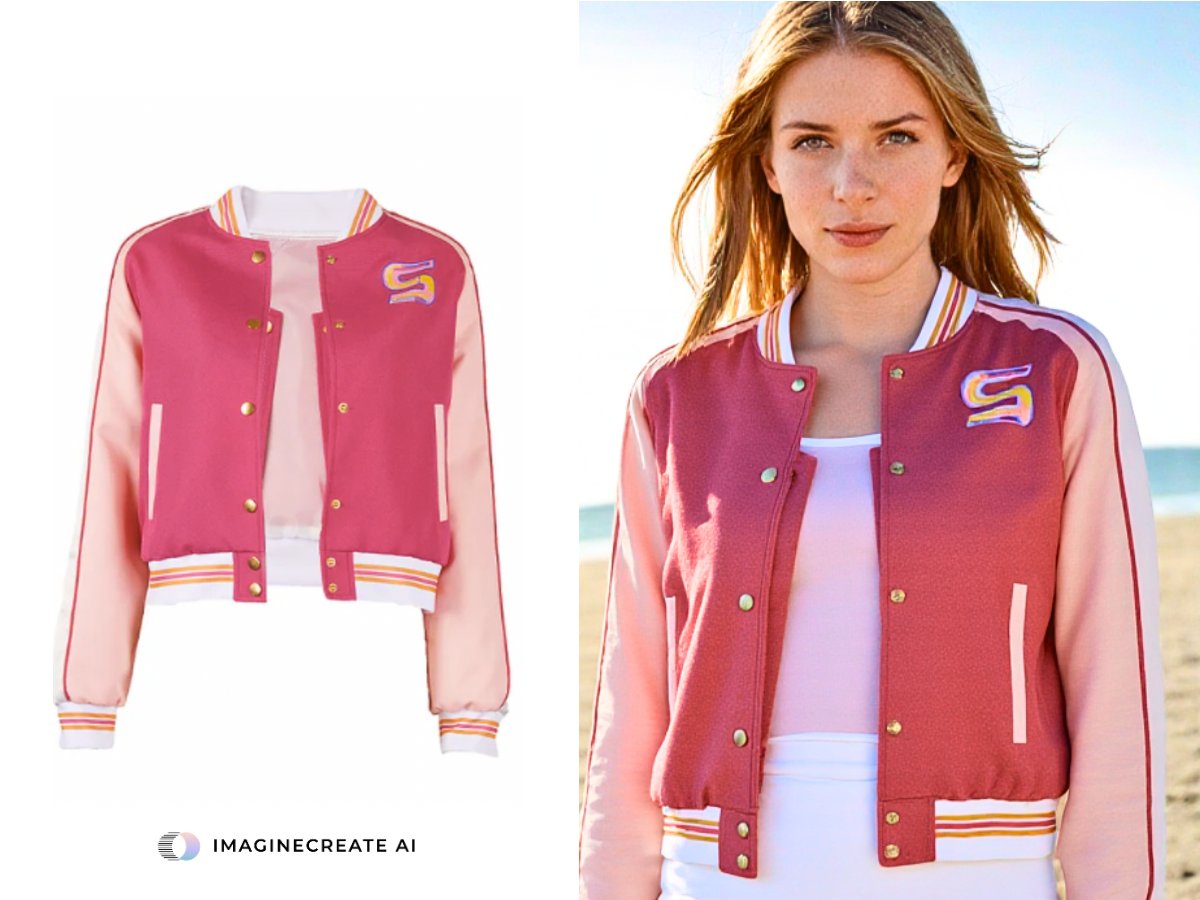
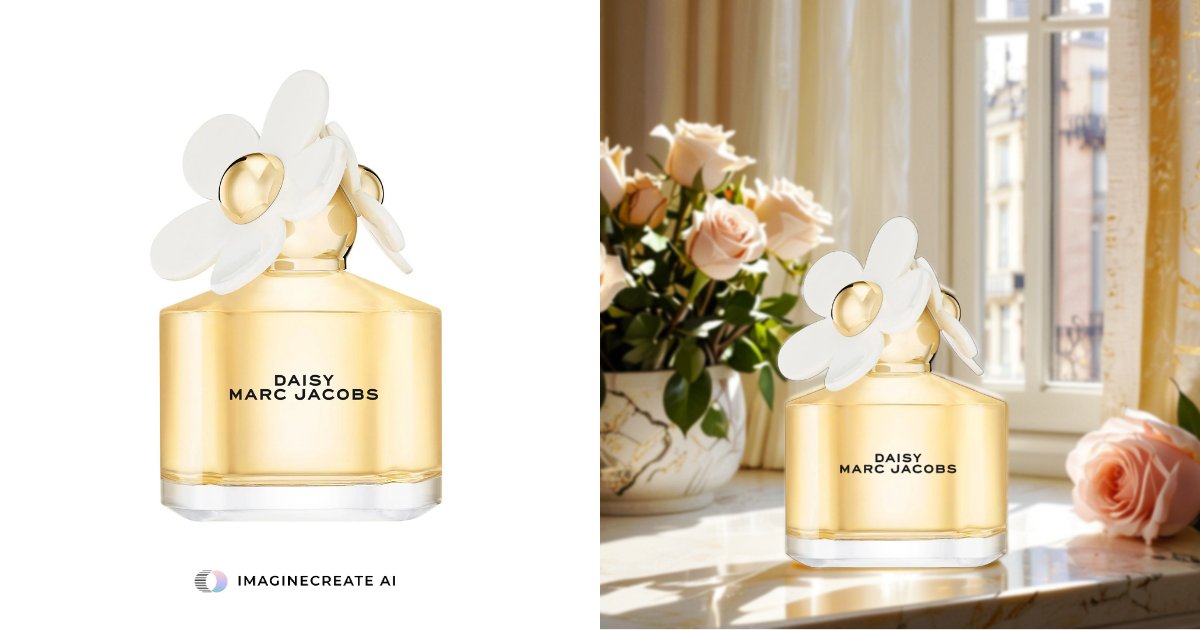
Check out these results - generated in less than a minute from a single input image. You don’t have to wait hours for the model to train... oh and you can generate a video clip of the shot while you’re at it.
1
4
482
10 Dec 2024
How to create AI videos with ImagineCreate:
1️⃣ Upload your product image
2️⃣ Describe your ideal scene to generate a stunning new photo
3️⃣ Animate it with just one click!
#GenerativeAI
2
154
9 Dec 2024
A 90s tutorial on how to generate AI fashion and product photoshoots with ImagineCreate!
#GenerativeAI #mondaymotivation
1
2
186

6 Dec 2024
7/ Imaginecreate :
From simple product photo ➡️ to professional product photography 📷 to video clip all in one platform. Create yours at imaginecreate.ai
 ImagineCreate AI
1
8
2,490

3 Dec 2024
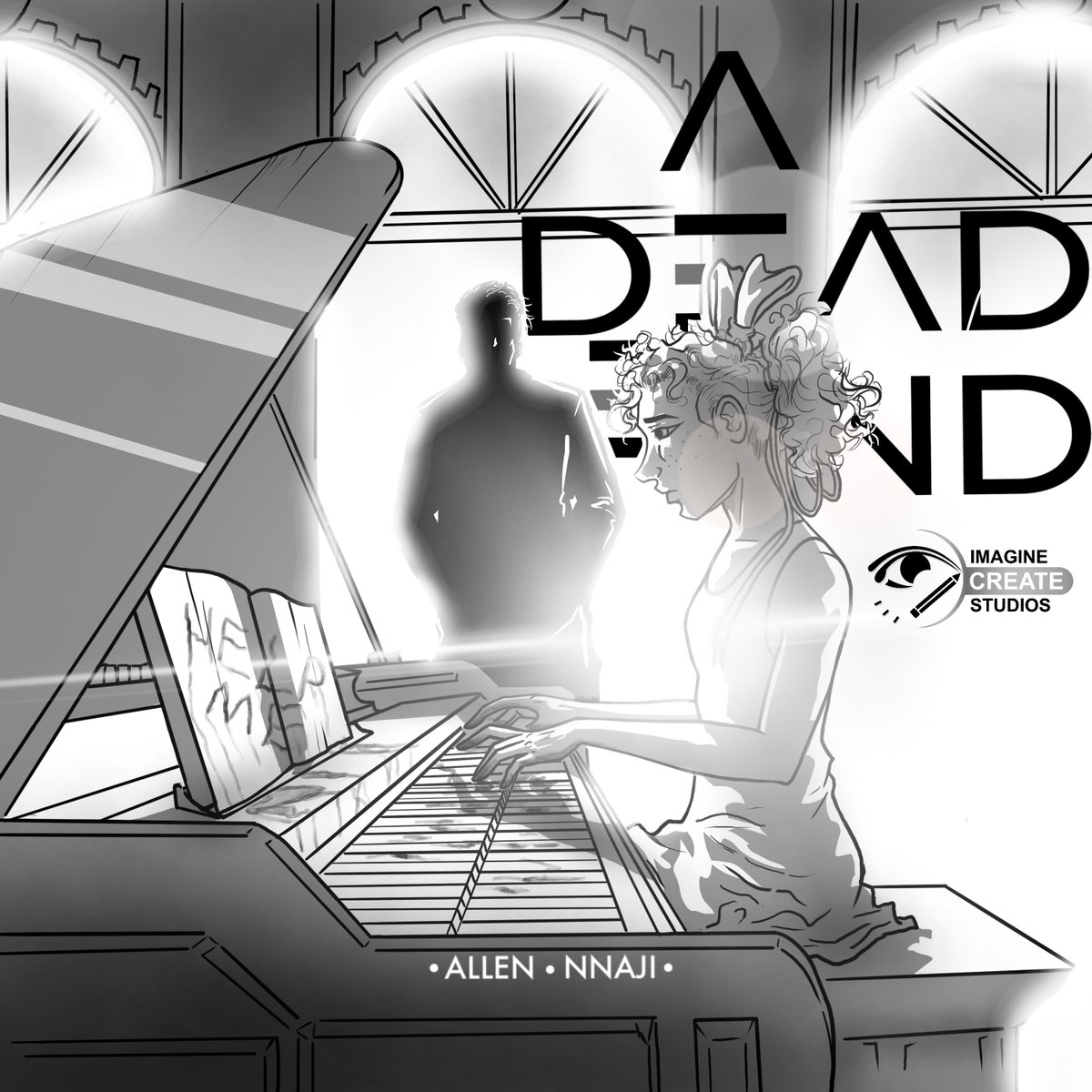
"... And you will play till your hands become bloody"
- Richard Falcon
#comic #art #adeadend #imaginecreate #webtoon #allennnaji #poster #survivor #survival #piano #classical #music #instrument #artist #artmeme #artistsupport #smallartist #illustration #artistrelates #arttrends
3
82

17 Nov 2024
Role Announcement!
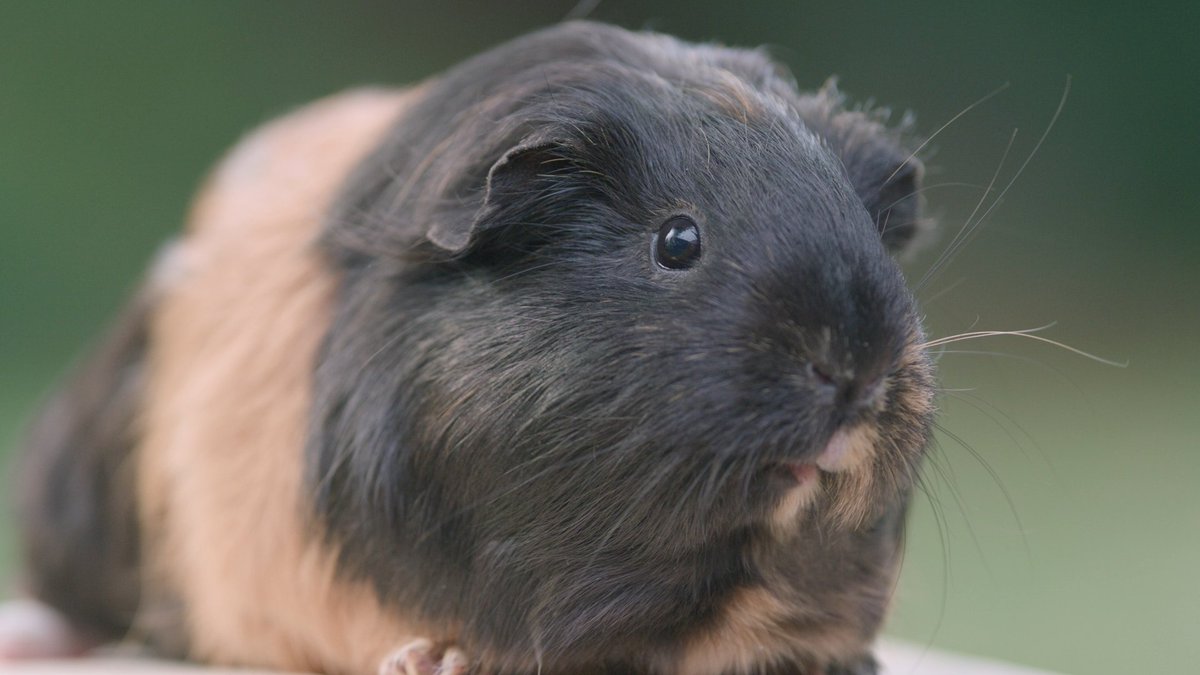
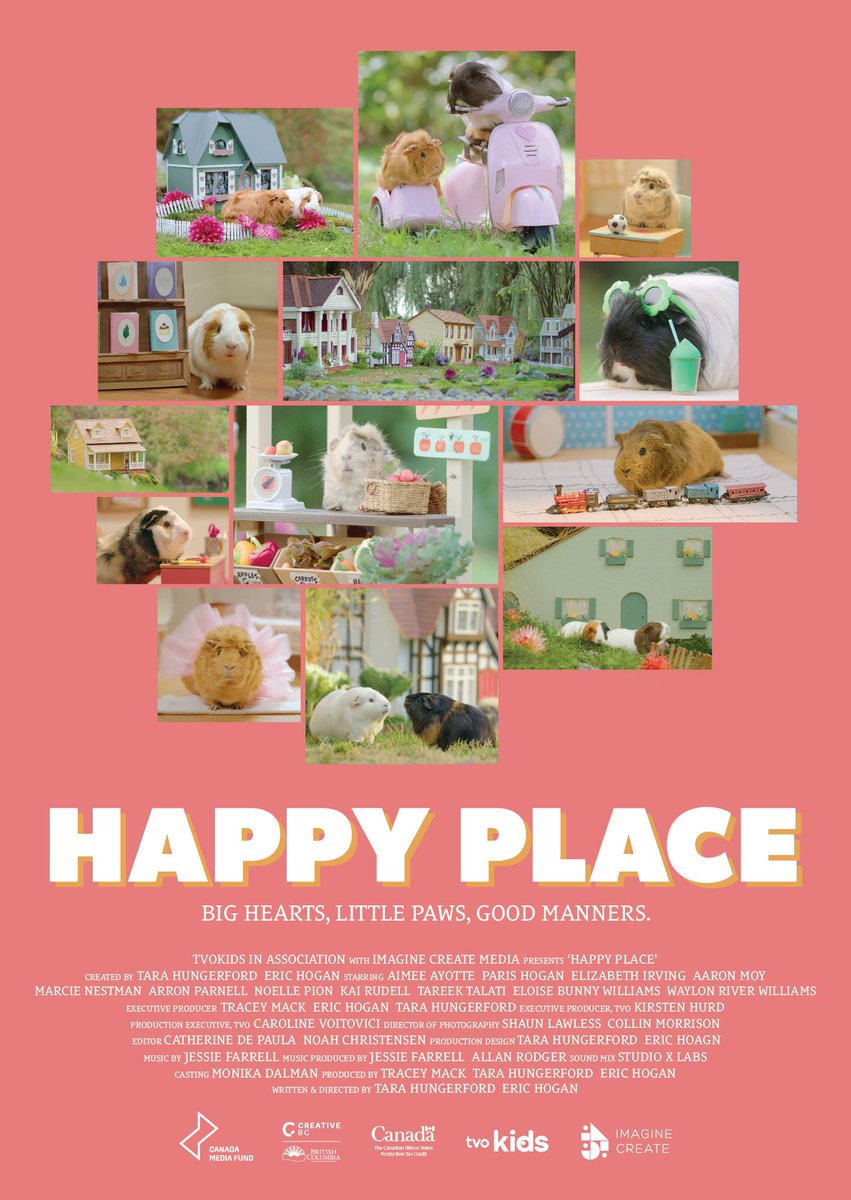
I'm the Mayor of Happy Place!
Mr. Rufus!
He's a Guinea Pig! :D
sometimes I'm also a goat! (his name is Mr. Thatcher!)
and they're out to help teach manners!
@tvokids @imagine_create_media
#tvokids #happyplace
#guineapigs #imaginecreate
more below!
5
8
31
4,463