
May 5
With the support of a professional sign language interpreter, the facilitator ensured inclusive participation and encouraged active engagement through questions and real-world bakery examples.
#InclusionInTech
#HerSTEM
#FAMEFoundation
#GoogleSites
#WomenWithDisabilities
5
10

May 5
Songkran usually means water fights in the streets, but for Thai startup KhuiAI, it meant a massive 1B token surge in 24 hours that nearly crashed their servers. 🌊
By migrating to BytePlus ModelArk (powered by DeepSeek), they didn't just handle the spike and survive the holiday—they scaled to 10 billion daily tokens with zero downtime.
Now, their community spends an average of 30 minutes per session chatting with their favorite characters, proving that the right infrastructure directly impacts user infrastructure and keeps the magic alive.
From surge → scale. Watch the full breakthrough story 👇
#BytePlus #KhuiAI #ModelArk #GlobalTech #InclusionInTech #AIInnovation
6
15
14
3,633
Apr 15
questions, fostering a supportive environment where comprehension and practical skill mastery remained the priority.
#InclusionInTech #HerSTEM #FAMEFoundation #SocialMediaManagement #ContentCreation
5
7
Apr 8
encouraged to ask questions, fostering an environment where comprehension and skill mastery remained the priority.
#InclusionInTech #HerSTEM #FAMEFoundation #DigitalSkills #WomenInTech
5
10
Apr 1
reinforcing their understanding and confidence in digital design.
#InclusionInTech #HerSTEM #FAMEFoundation #GIMP #GraphicDesign
5
8
Mar 25
environment. Participants actively engaged, asked questions, and strengthened their practical skills in digital design.
#InclusionInTech #HerSTEM #FAMEFoundation #GIMP #GraphicDesign
5
8
Mar 18
learning environment, participants actively practiced each new concept. They successfully saved their work, thereby strengthening their foundation in digital design.
#InclusionInTech #HerSTEM #FAMEFoundation #GIMP #GraphicDesign
5
8
Mar 4
participants remained focused and creatively engaged throughout the session.
#InclusionInTech #DigitalSkills #STEMForAll #HerSTEM #FAMEFoundation
6
8
Mar 4
the pace to suit diverse learning needs, every participant was fully engaged in an inclusive and productive environment.
#InclusionInTech #DigitalSkills #STEMForAll #HerSTEM #FAMEFoundation
5
8

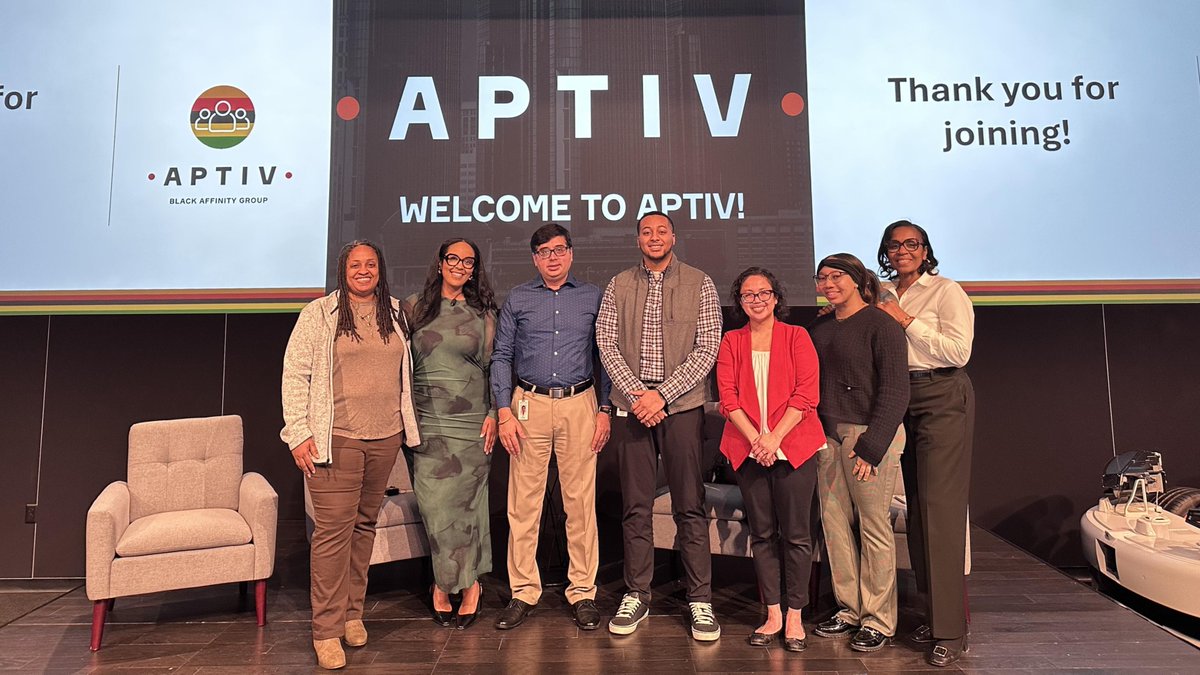
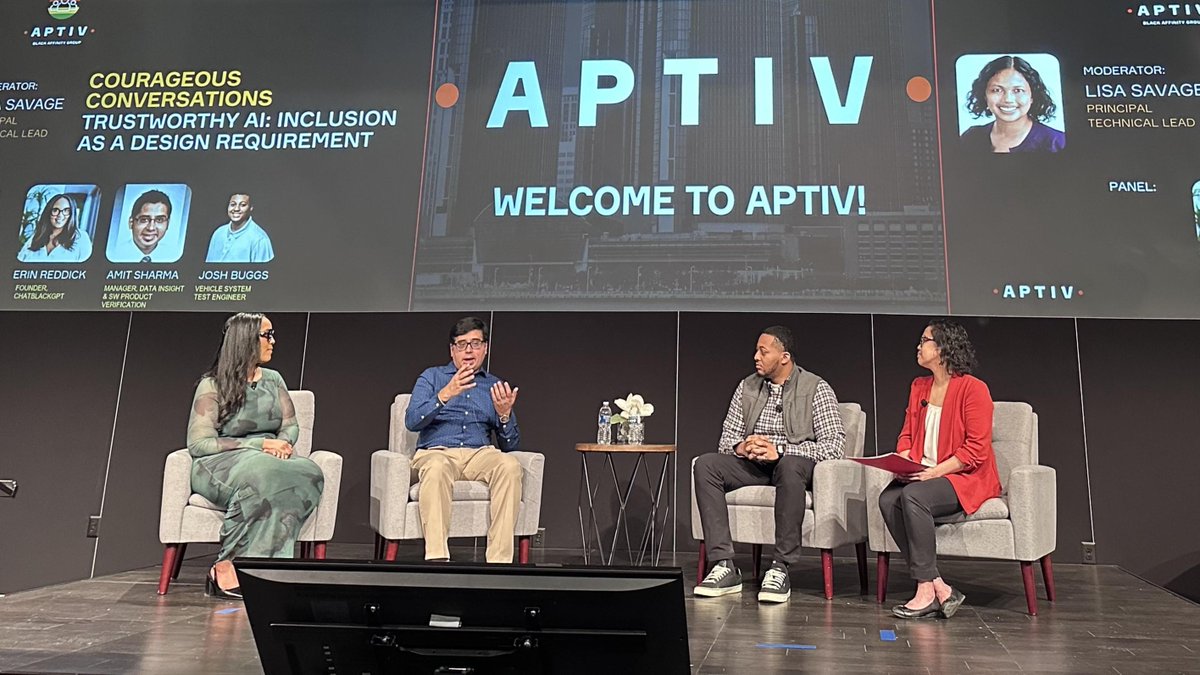
We hosted Erin Reddick, founder of ChatBlackGPT, for Black History Month ✨ and discussed Aptiv's AI products ensuring inclusivity and trust. #InclusionInTech #BlackHistoryMonth #MovingForwardTogether
3
4
248

Feb 25
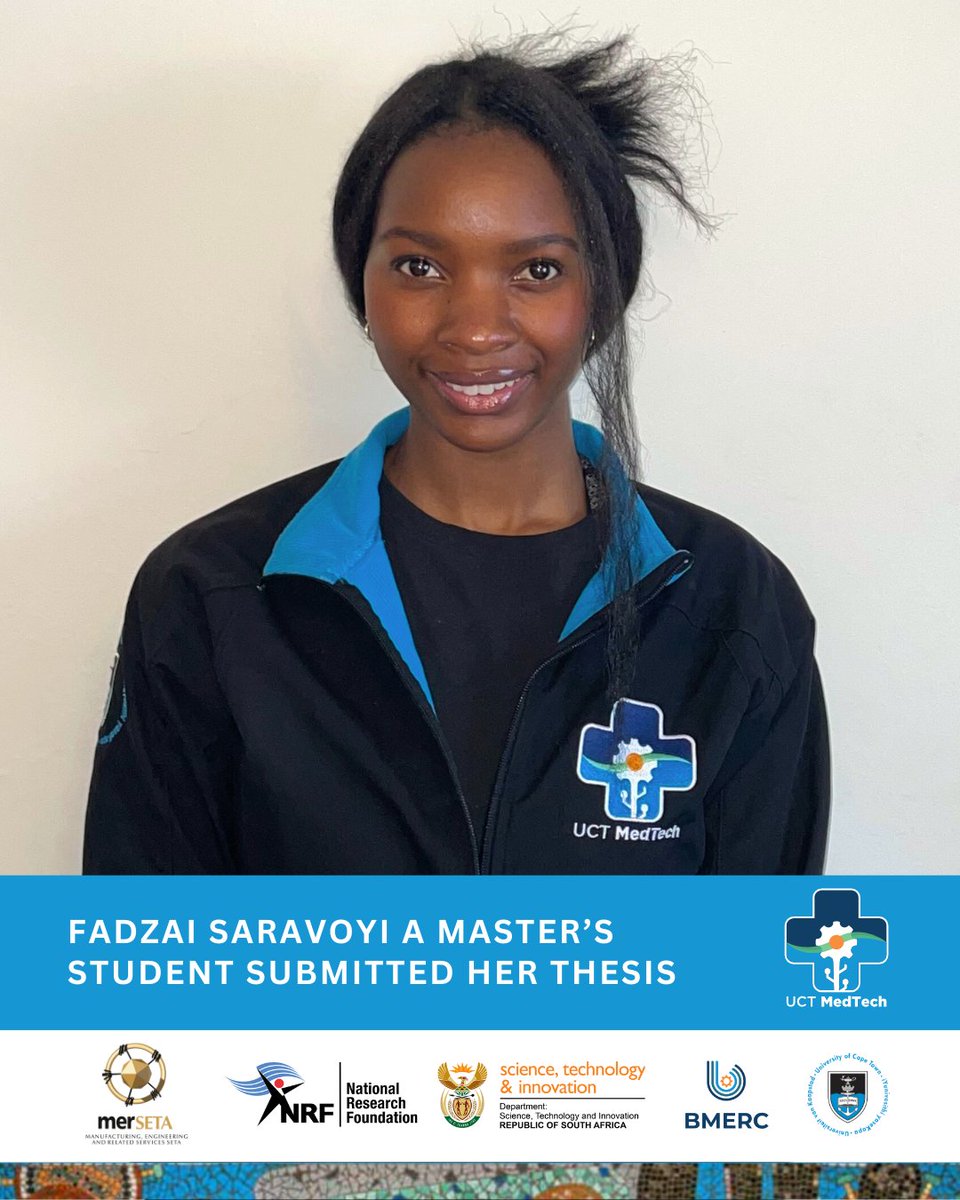
𝐒𝐭𝐮𝐝𝐞𝐧𝐭 𝐍𝐞𝐰𝐬: 𝐅𝐚𝐝𝐳𝐚𝐢 𝐒𝐚𝐫𝐚𝐯𝐨𝐲𝐢, 𝐚𝐧 𝐌𝐒𝐜 𝐒𝐭𝐮𝐝𝐞𝐧𝐭, 𝐡𝐚𝐬 𝐬𝐮𝐛𝐦𝐢𝐭𝐭𝐞𝐝 𝐡𝐞𝐫 𝐭𝐡𝐞𝐬𝐢𝐬!
Join us in congratulating Fadzai Saravoyi on submitting her MSc thesis!
Her thesis is titled: "𝘋𝘦𝘴𝘪𝘨𝘯 𝘢𝘯𝘥 𝘋𝘦𝘷𝘦𝘭𝘰𝘱𝘮𝘦𝘯𝘵 𝘰𝘧 𝘢 𝘗𝘰𝘳𝘵𝘢𝘣𝘭𝘦 𝘌𝘌𝘎 𝘋𝘦𝘷𝘪𝘤𝘦 𝘧𝘰𝘳 𝘗𝘳𝘦-𝘚𝘤𝘳𝘦𝘦𝘯𝘪𝘯𝘨 𝘌𝘱𝘪𝘭𝘦𝘱𝘴𝘺 𝘰𝘯 𝘗𝘦𝘰𝘱𝘭𝘦 𝘸𝘪𝘵𝘩 𝘕𝘢𝘵𝘶𝘳𝘢𝘭𝘭𝘺 𝘛𝘪𝘨𝘩𝘵𝘭𝘺 𝘊𝘶𝘳𝘭𝘦𝘥 𝘏𝘢𝘪𝘳."
Fadzai's research focused on developing and evaluating a portable EEG device designed to improve contact impedance in hair-bearing regions of the scalp. Her work included designing an adaptive electrode mechanism to reduce contact impedance, incorporating it into a portable device designed for inclusivity. The ultimate goal is to provide accessible diagnostic technology for rural areas across Africa where clinical EEG access is limited.
Reflecting on the most surprising aspect of her research, Fadzai noted an unexpected discovery in the validation process:
"𝚃𝚑𝚎 𝚖𝚘𝚜𝚝 𝚜𝚞𝚛𝚙𝚛𝚒𝚜𝚒𝚗𝚐 𝚝𝚑𝚒𝚗𝚐 𝙸 𝚍𝚒𝚜𝚌𝚘𝚟𝚎𝚛𝚎𝚍 𝚠𝚊𝚜 𝚝𝚑𝚊𝚝, 𝚝𝚑𝚘𝚞𝚐𝚑 𝙸 𝚒𝚗𝚒𝚝𝚒𝚊𝚕𝚕𝚢 𝚊𝚜𝚜𝚞𝚖𝚎𝚍 𝙴𝙴𝙶 𝚟𝚊𝚕𝚒𝚍𝚊𝚝𝚒𝚘𝚗 𝚛𝚎𝚚𝚞𝚒𝚛𝚎𝚍 𝚒𝚗𝚝𝚎𝚛𝚗𝚊𝚕𝚕𝚢 𝚐𝚎𝚗𝚎𝚛𝚊𝚝𝚎𝚍 𝚗𝚎𝚞𝚛𝚊𝚕 𝚊𝚌𝚝𝚒𝚟𝚒𝚝𝚢, 𝚌𝚊𝚍𝚊𝚟𝚎𝚛𝚜 𝚌𝚊𝚗 𝚖𝚎𝚊𝚗𝚒𝚗𝚐𝚏𝚞𝚕𝚕𝚢 𝚟𝚎𝚛𝚒𝚏𝚢 𝚎𝚕𝚎𝚌𝚝𝚛𝚘𝚍𝚎 𝚌𝚘𝚗𝚝𝚊𝚌𝚝 𝚒𝚖𝚙𝚎𝚍𝚊𝚗𝚌𝚎 𝚊𝚗𝚍 𝚖𝚎𝚌𝚑𝚊𝚗𝚒𝚌𝚊𝚕 𝚒𝚗𝚝𝚎𝚛𝚏𝚊𝚌𝚎 𝚙𝚎𝚛𝚏𝚘𝚛𝚖𝚊𝚗𝚌𝚎."
The hardest part of the process was designing a validation method that accounted for hair while avoiding the need for human participants. Since hair significantly affects electrode contact, this required extensive experimentation and iteration to ensure the device performs reliably across various hair types.
Fadzai was supervised by Prof. Sudesh Sivarasu, Dr. MV Gule, and Prof. Tingting Zhu.
Special thanks to merSETA, the Department of Science, Technology and Innovation, and The National Research Foundation of South Africa (NRF) for their vital support and funding.
#BiomedicalEngineering #EEG #HealthEquity #UCTMedTech #InclusionInTech #AfricaInnovation #Neuroscience #ResearchImpact
@SudeshSivarasu
@UCT_news
@NRF_News
@UCTHealthSci
@dstigovza
1
3
72
Feb 18
Sign language interpreters facilitated seamless communication while the instructor fostered an encouraging atmosphere where questions were welcomed and learning was adapted to individual needs.
#InclusionInTech #DigitalSkills #STEMForAll #HerSTEMCohort3 #FAMEFoundation
6
9
Feb 18
With professional sign language interpreters bridging communication and the tutor maintaining a responsive, learner-paced approach, every student remained actively engaged throughout.
#InclusionInTech #DigitalSkills #STEMForAll #HerSTEM #FAMEFoundation
6
8

It’s here again!!! #InternationalDayOfWomenAndGirlsInScience
#WomenInSTEM
#IWD2026
#WomenInTech
#SCABenin
#EdoTech
#InclusionInTech
2
34
Feb 11
With sign language interpreters ensuring clear communication and the facilitator fostering an inclusive learning pace, participants remained focused and creatively engaged throughout.
#InclusionInTech
#DigitalSkills
#STEMForAll
#HerSTEMCohort3
#FAMEFoundation
6
12
Feb 4
every participant was fully engaged in an inclusive and productive environment.
#HerSTEMInitiative
#InclusionInTech
#GirlsWithDisability
#DigitalSkills
#STEMForAll
#HerSTEMCohort3
#FAMEFoundation
5
6