
A beautiful animation about the scientific investigation of the metallurgy of a 6000 year old amulet from Mehrgarh, the first known example of the lost wax method - spoked wheel shape was alloyed from pure copper. #neolithic #archaeology #Mehrgarh #wheel #Indusscript #metallurgy

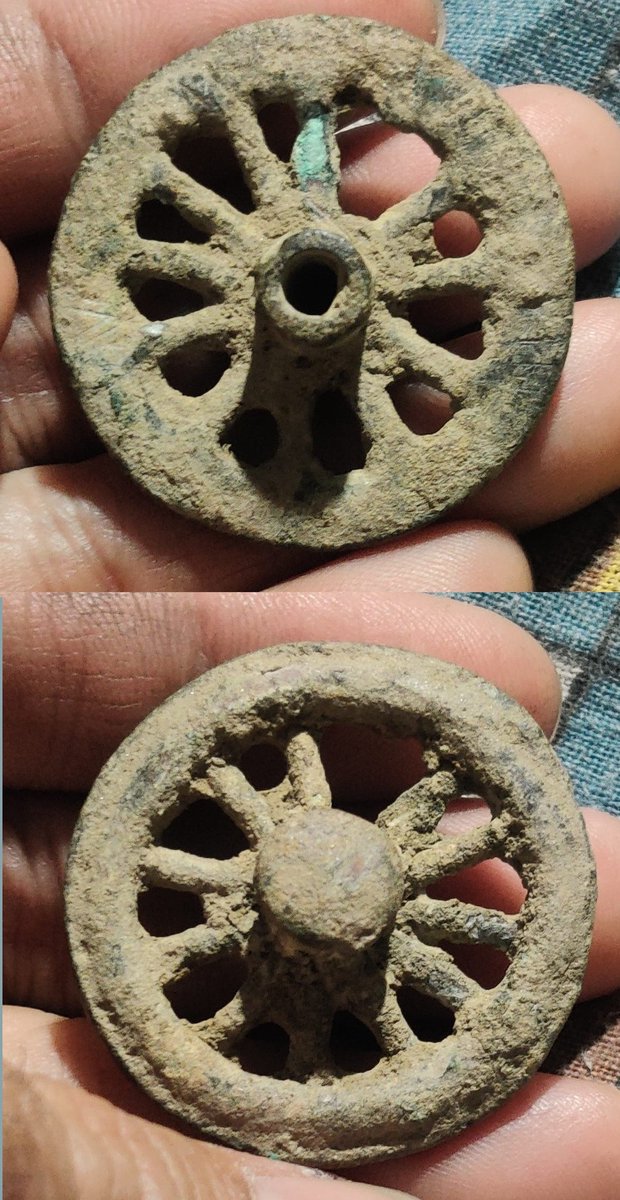
Copper/Bronze wheel. Part of a toy cart or chariot. From Sankissa, Uttar Pradesh. Approximately 3,000 years old
Now preserved at the Shahjad Rai Research Institute, Baraut. This copper wheel is reminiscent of the 6,000-year-old copper spoked-wheel amulet from Mehrgarh. See here:
new-indology.blogspot.com/20…
Photo and Info: Dr. @AmitRaiJain1
1
2
85
A beautiful animation about the scientific investigation of the metallurgy of a 6000 year old amulet from Mehrgarh, the first known example of the lost wax method - spoked wheel shape was alloyed from pure copper. #neolithic #archaeology #Mehrgarh #wheel #Indusscript
1
3
170

French researcher cracks 4,000-year-old Elamite script from Iran!
One day, we'd also decipher our #IndusScript, unearthed from #MohenJoDaro excavations including from other sites of Indus Valley Civilization that flourished from Himalayas to Arabian Sea.
france24.com/en/french-resea…
1
2
3
82
To decipher the #IndusScript, the archaeologists will need to uncover more texts. There are many sites that are largely unexcavated. The future excavations may yield lengthier texts or ones that feature the Indus Valley script alongside a known language.
livescience.com/archaeology/…
7
9
1,239

10 Oct 2025
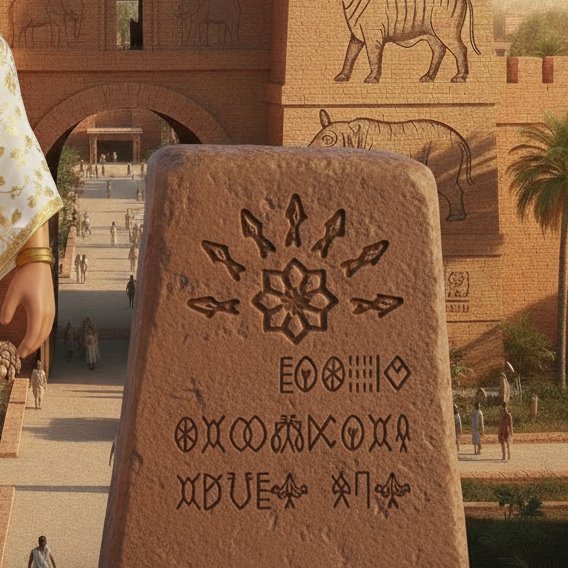
They are not random characters, I wrote it following @yajnadevam's decipher of Indus characters.
It reads
R→L
-1- r ā ja r ṣ i
-2-m o ṣa s ya dh u ra (#sanskrit)→ moha cho duro(#Vrācaḍa)→ Mohem jo daro(#Sindhi)
-3- Sa p ta S i n dh u
#IndusScript #IndusValleyCivilization
10 Oct 2025

What does the inscription say? Does it mean something or is it just random letters?
1
1
13
2,453
7 Oct 2025
1
2
18
6,479

5 Sep 2025
A ground breaking new book by #SKalyanraman ji for those into serious study of Indology.
#IndusScript as Karaṇam 'trade accounting system' notionpress.com/in/read/indu…
1
1
308

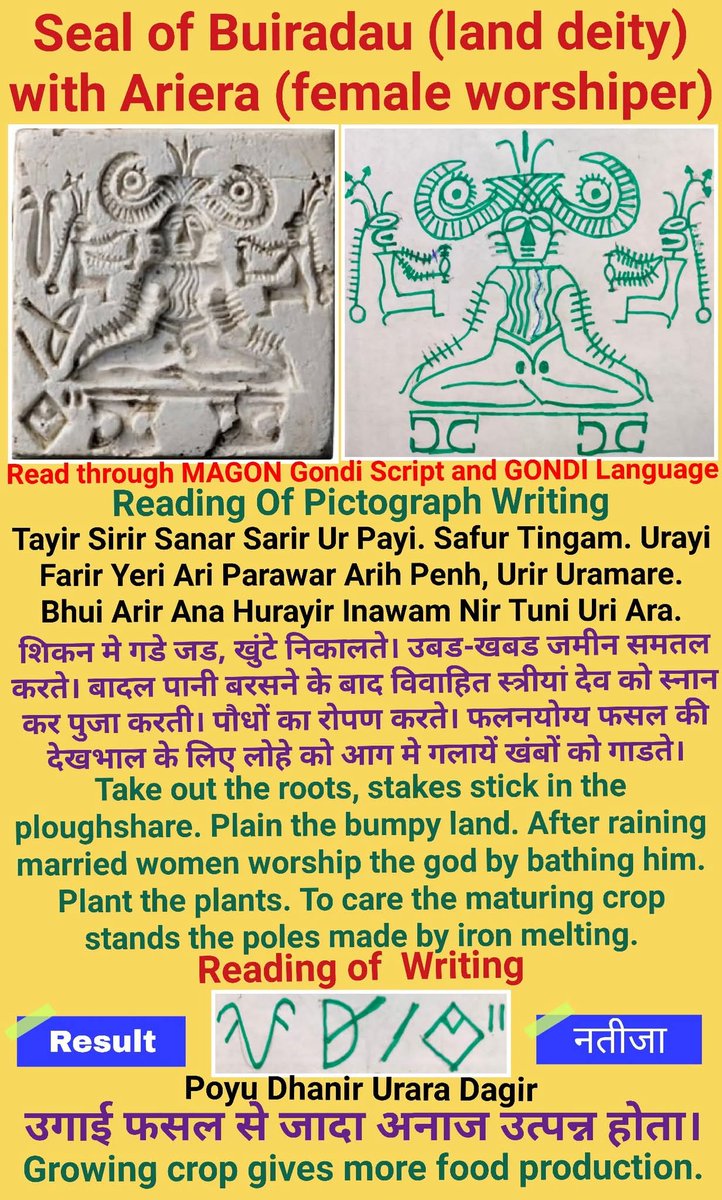
Seal of Buiradau land deity with Ariera female worshiper
#MagonGondiLanguage
#MagonGondiScript
#IndusScript
1
4
12
1,110

16 Jul 2025
You can copy paste it in the indusscript site for rendering
4
2,134

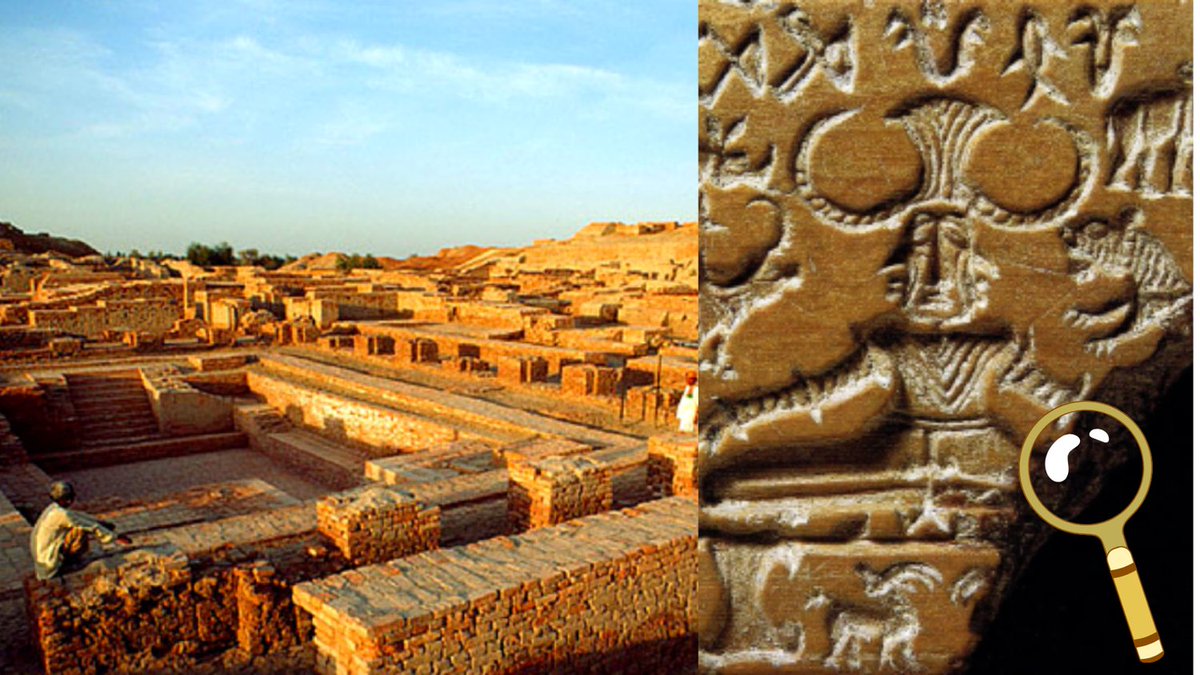
🟩 AI0006. Indus Script on the Brink
AI uncovers structural patterns in 4,000‑year‑old Indus Valley inscriptions—seals more like language than symbols.
Tamil Nadu offers $1 million reward for decipherment.
thearchaeologist.org/blog/ca…
#POSEI #Poseidon #PoseiBot #AI #IndusScript
2
78

5 Jul 2025
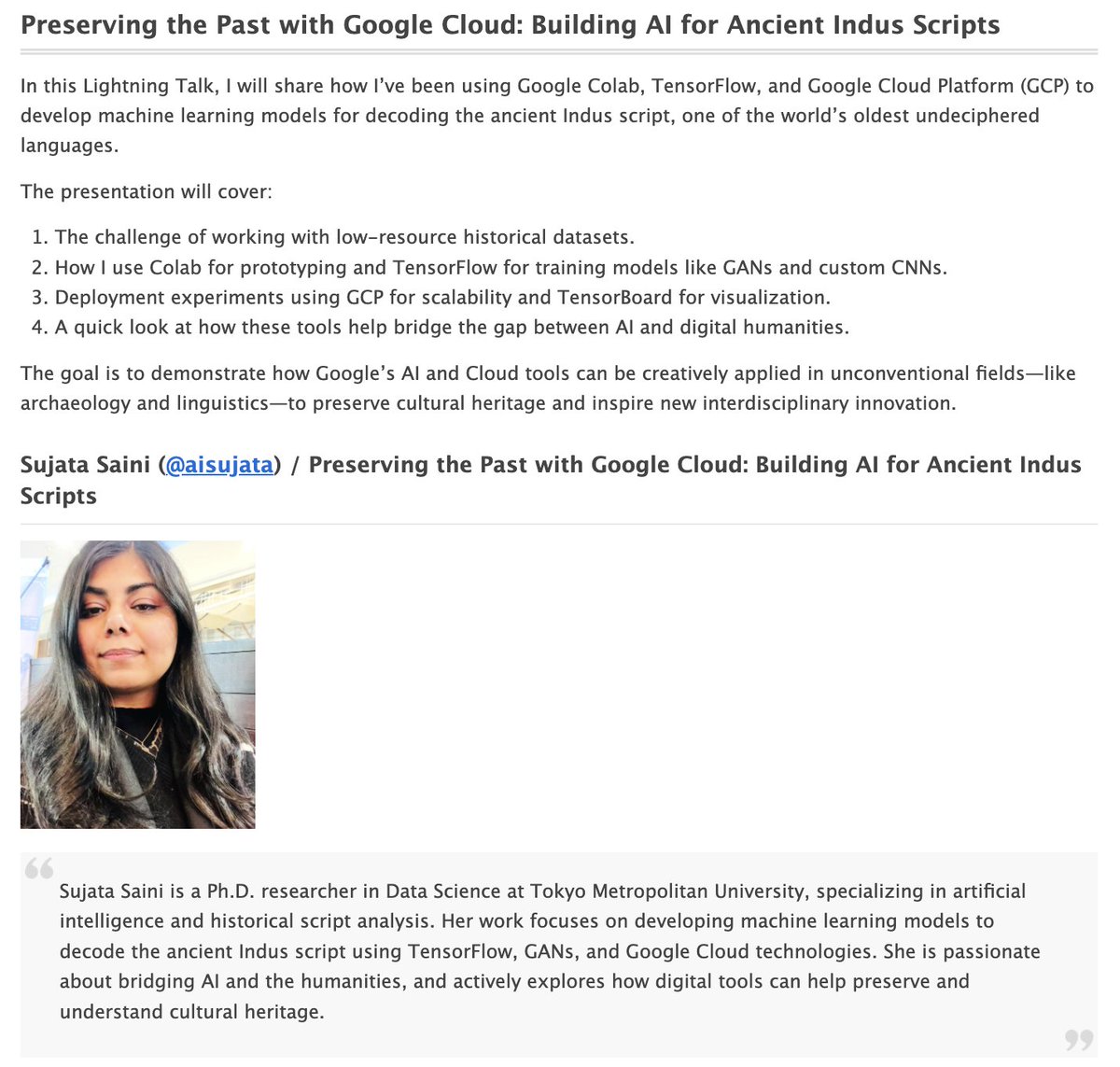
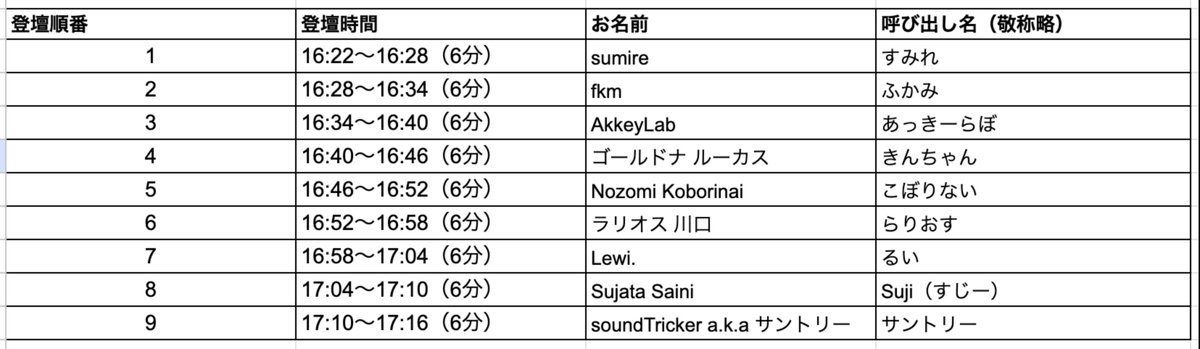
🚀 Honored to deliver my Lightning Talk at Google I/O Extended Tokyo 2025:
📅 Event: gdg-tokyo.connpass.com/event… #GoogleCloud #GoogleIO #GoogleDevelopers #AITokyo #WomenInAI #DigitalHumanities #IndusScript #gdgtokyo #WTM #AI #ML #TensorFlow #Colab #GCP #AI #WTM #IEEEWIE #Tokyo

4
246

3 Jun 2025
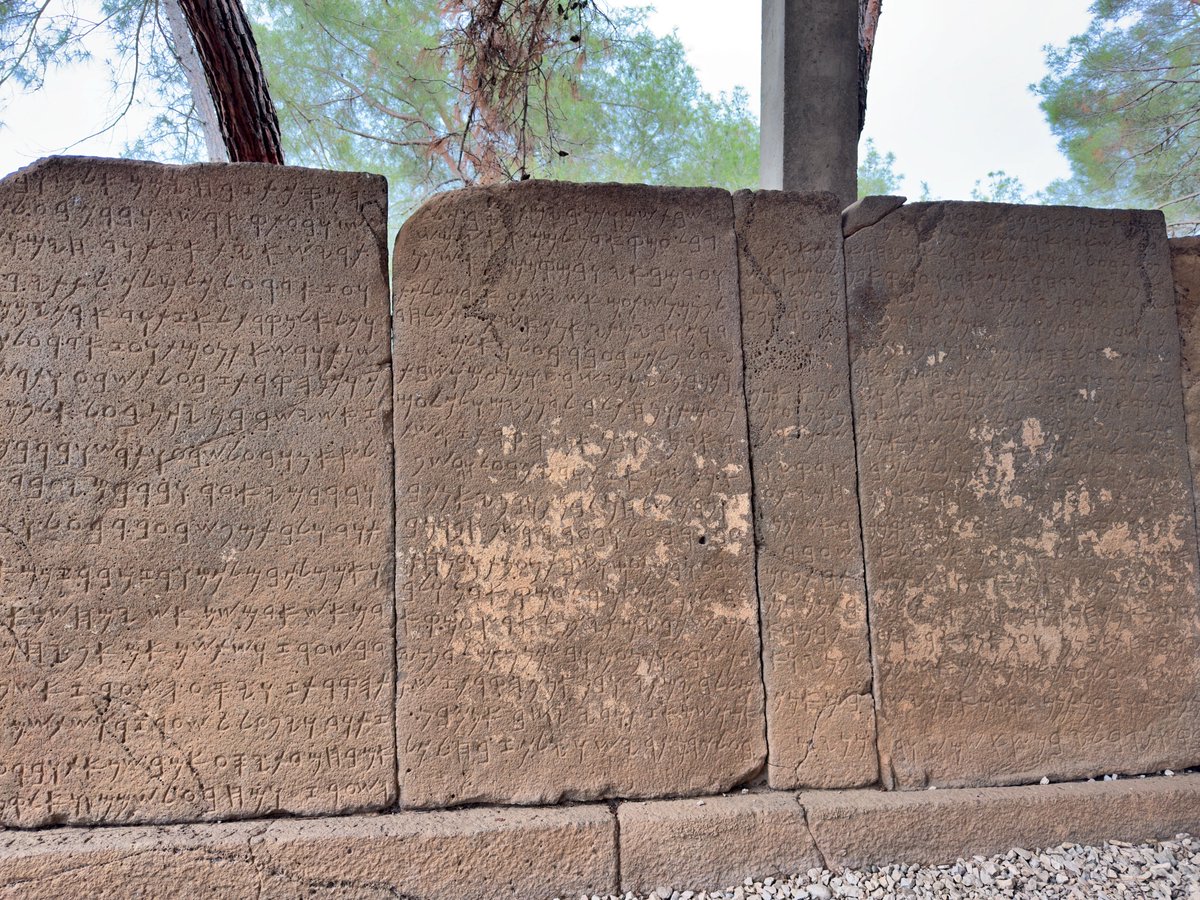
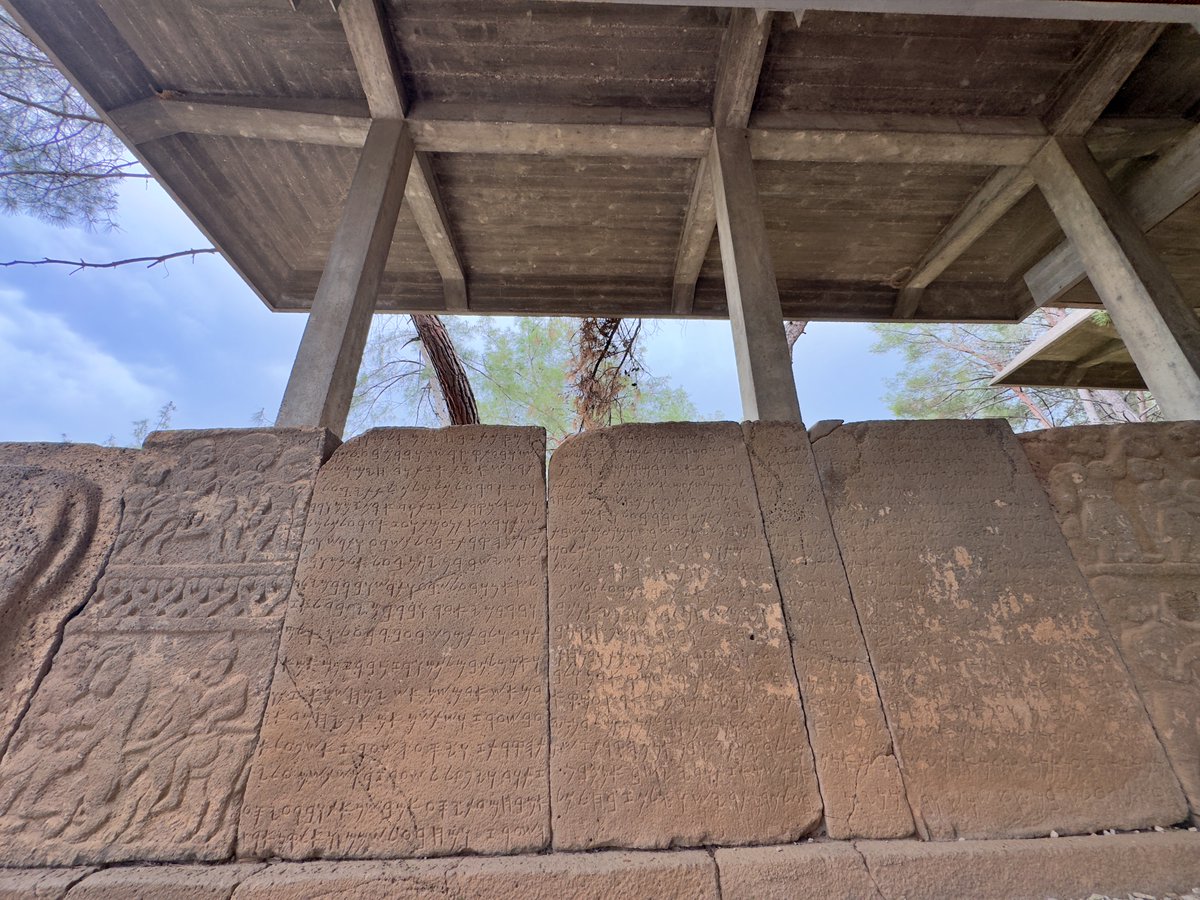
Could ancient Turkish inscriptions help decode the Indus Valley script?
New research on Karatepe hieroglyphs suggests grammatical links to one of history’s greatest unsolved mysteries.
#Archaeology #IndusScript #Karatepe #AncientWriting
1
4
214
1 Jun 2025
A new Indus script decipherment has dropped. The language is Dravidian/Tamil. Link in following tweet.
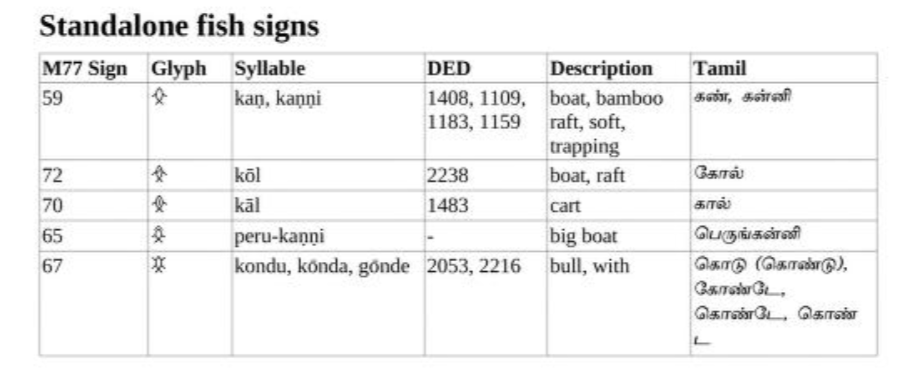
Method: signs are assigned values of what the author thinks it looks like. The circle/oval is assigned "pa" acrophonically from pakal (sun). But not really, because the wheel sign is assigned "pallai" elephant. A fish sign are "cart" and another fish sign is "raft". I would say essentially that the assignment is random and some flimsy justification is added later. [line 75]
Features:
Composites: Several signs can be combined to make new words that are sum of their constituent words. In general this is a good sign but only if it can be applied universally. [line 200]
Non-verbatim: Many sign values need to be changed to avoid nonsensical readings. [L 185]
Syllabic signs: Acrophonic syllabic values [L 195]. This is also good but only if it works consistently.
Numeric signs: Not consistent. Some are numbers, some are not. This is bad [L 220]
There are a few sample readings. Some of them are plausible and many like "enormously mature and soft farmer" [L250] are meaningless.
There are 7 sample readings. Only one is long and reads
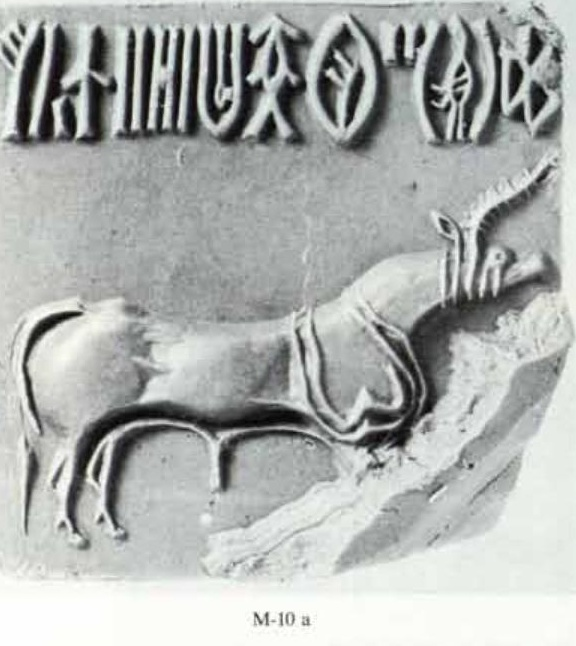
"very clever trapper velappan of the triple mountain sends by boat along the big river with care to the tiller of the land" [L395] This seal (shown below) must have been used to make the same impression several times.
Correctness: In a logographic system, the number of values are unbounded and therefore the decipherment is unfalsifiable.
However, we see absurd combinations based on the assigned values:
For example, the three-fertile-farmer
Readers can dig around indusscript. net and find more interesting combinations.
I will say overall, this is the best Dravidian decipherment attempt so far because so many signs are assigned and long inscriptions are read (even if it requires a stretch of the imagination)

19
39
318
12,997

8 Apr 2025
1. Why did DMK Stalin announce 1 USD Million to decipher the Indus Valley Harappan Script?
2. What is in it for DMK, Stalin and Dravidian Movement if they (which they will be) prove Harappan Civilisation was that of Tamils?
But note this Historical truth:
Dravidas is a pseudo-nomenclature imposed upon natives of South-Vindhyan range, The native Tamils.
It is used to mask and steal Tamil History and Tamil Identity to the Aryan fold.
Anything the Historians talk of Dravidian was fundamentally Tamils History with a slight twist tinge of Aryanization, as Dravidas are themselves Aryans.
Here is a compilation video of Ms Ekta Rawat along with other Scholars and Speakers, for clarifying the misnomer "Dravidian" superimposed on Native Tamil Identity.
Please go through the video from Start to Finish.
Also spread among your social media community to reach the Truth.
***********************************************************
Notes from Ms Ekta Rawat's TimePodHistory - Instagram/Thread Page threads.net/@timepodshistory
Tamil Nadu Cm Stalin has announced 1 USD million for deciphering the Harrapan script. The announcement and the study by Stalin reflects his attempt to position himself as a guardian of Dravidian culture and to oppose the BJP, which he claims is against Dravidian interests and values.
Politically, Stalin's archaeological push through renewed and intensified studies of ancient Tamil sites hints at his bid to reinforce Tamil Nadu's ties to the ancient Indus Valley Civilisation. Through it, he also aims to highlight that the Harappan Civilisation pre-dated the Aryans and that the Dravidians were the ones who inhabited the region up north before the Aryans came in. Through these, he has asserted that Tamil identity is central to India’s cultural evolution.
By doing this, he also aims to raise to the stature of a big Dravidian leader, who not just takes on the BJP electorally but also tries to take on its historical foundations and ideologies.
The Tamil Nadu archaeology department study highlighted several common symbols between southern India and Indus Valley (also known as the Harappan civilisation), including upward-facing arrows with triangle or flower-shaped heads, fish signs in both stylish and exact forms, U- shaped signs, plain circles, ladder symbols, square boxes (plain and divided), X-shaped signs, and swastika-like signs in both clockwise and anti-clockwise forms.
Scholars such as Iravatham Mahadevan and Asko Parpola are the ones who have argued that the script had a relation to a Dravidian language.
Mahadevan has held that the language of the Harappan Civilization "was an early form of the Dravidian script".
Since assuming office in 2021, Stalin has consistently stressed the importance of reinterpreting the history of the Indian subcontinent through a Dravidian/Tamil lens.
*****************************
Summary:
The Ultimate aim of DMK, Dravidian Movement is to steal away the Tamil history of Tamil Identity to Aryan fold ⚫️🔴
#MKStalin #DMK #TamilNadu #Dravidians #bjptamilnadu #tamil #Indusscript #IndusValleyCivilizatiom #HarappanCivilization #AryanInvasion #didyouknow #timepodshistory
#திராவிட_சமுதாயம்
#திராவிட_வாழ்வியல்
#அறிவோம்திராவிடம்
#நகரத்தில்_நாடோடிகள்
#SelfRespectMovement
@Tamil_Dhesiyam @Tamizhdesiyam
@NaamTamilarOrg @_ITWingNTK
@eagalaivanp @airportmoorthy
@TheBluePen25 @arivalayam
@Dravidarkazagam @AsiriyarKV
@TPDK2020 @dvkperiyar @ErimalaiMR
6
28
39
3,130

#IndusScript #IndusSarasvatiCivilization
#IndusValleyCivilization
#HarappanCivilization
Indus Script Deciphered | Yajnadevam | Secrets of Indus Valley Civilization
m.youtube.com/watch?v=U3fEDV…
4
3
142
20 Mar 2025
ॐ नमो भगवते रुद्राय । ॐ सरस्वत्यै नमः ॥
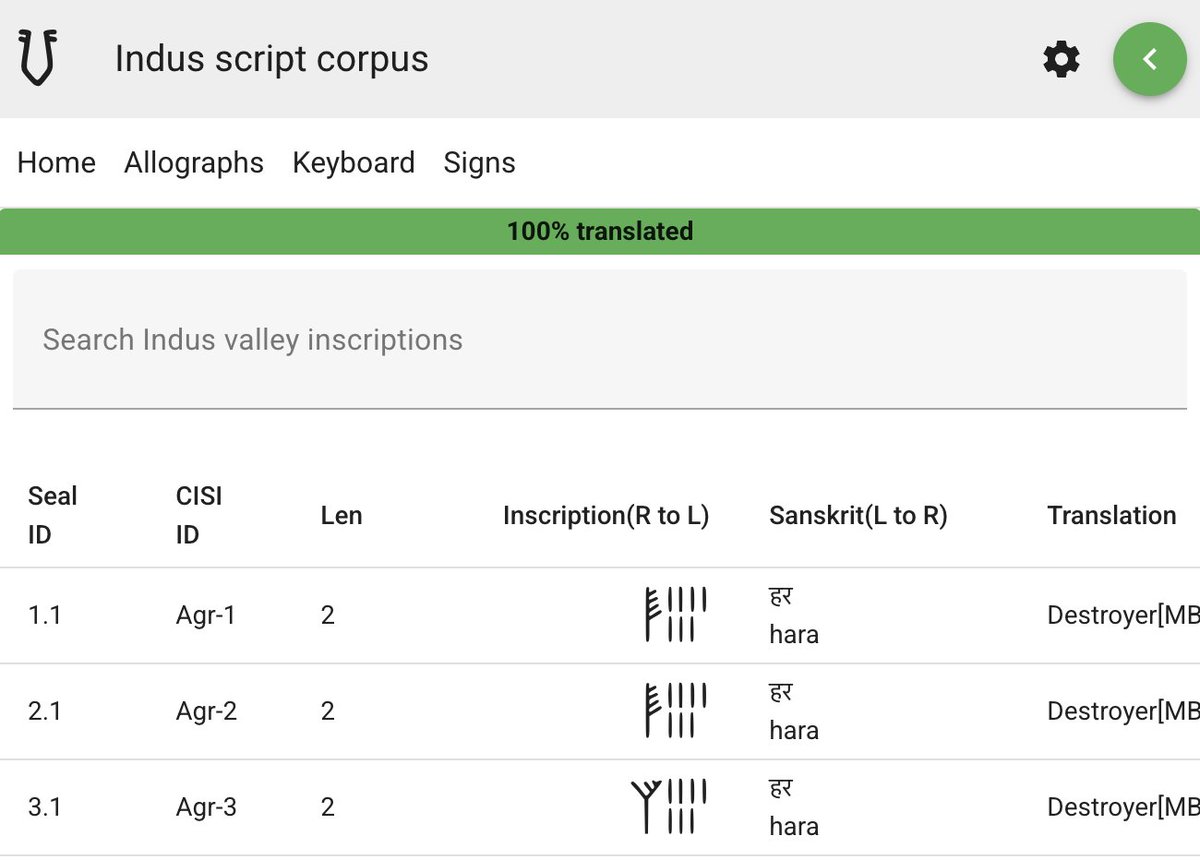
Indus corpus is 100% translated.
Some observations:
1. Grammatically correct Sanskrit throughout.
2. Consistent themes. A huge percentage (approx 90% relate to Rudra. Other gods like Indra and Vishnu are mentioned by their other names).
3. Rare missing anusvara, visarga as in later Brahmi inscriptions
4. Almost all inscriptions are R>L. Very few are L>R, most of L>R have the directional marker.
5. There is only one word रल in only one inscription M-1701 that is not officially in the dictionary. Related words do exist in the dictionary.
All in all, the translation effort has been a spectacular success and validates the decipherment.
I'd like to give a shoutout to all who have helped with the website, Sanskrit grammar, many suggestions. Especially thanks to the early critics, who tried to falsify my work. Your work improved the decipherment because my direction was generally right. The list of people to acknowledge is very long and impractical to list here.
Now enjoy!
indusscript. net (remove the space before net)
127
568
1,950
69,811

8 Mar 2025
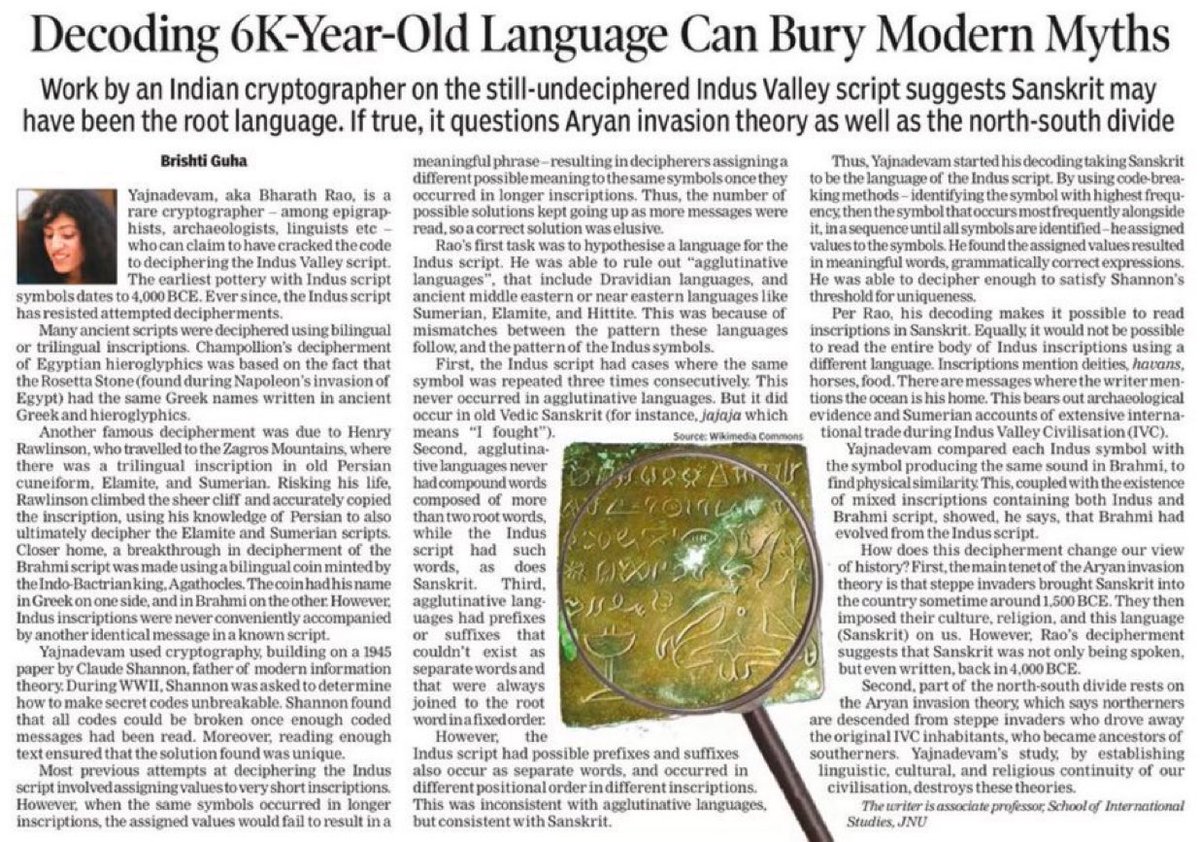
Indus Valley Script & Sanskrit Connection?
New research by Indian cryptographer @yajnadevam suggests that Sanskrit could be the root of the undeciphered Indus script, debunking the Aryan invasion theory & the north-south divide! 🔥
Kudos to Prof. Guha for this eye-opening piece in @timesofindia! 👏
#IndusScript #SanskritRoots #HistoryRewritten
2
2
83

8 Mar 2025
#FekuHistory "Research *suggests* Sanskrit may've bn root of #IndusScript, if true it questions Aryan invasion "theory"
#Casteism is a form of insanity, & #Caste believing Bromen/R🤥🤥=Insane? habitual liars?
@Nash_Siddiqui @tjoseph0010 @devduttmyth @Bhima_Koregaon_ @gauravsabnis
22 Jan 2025

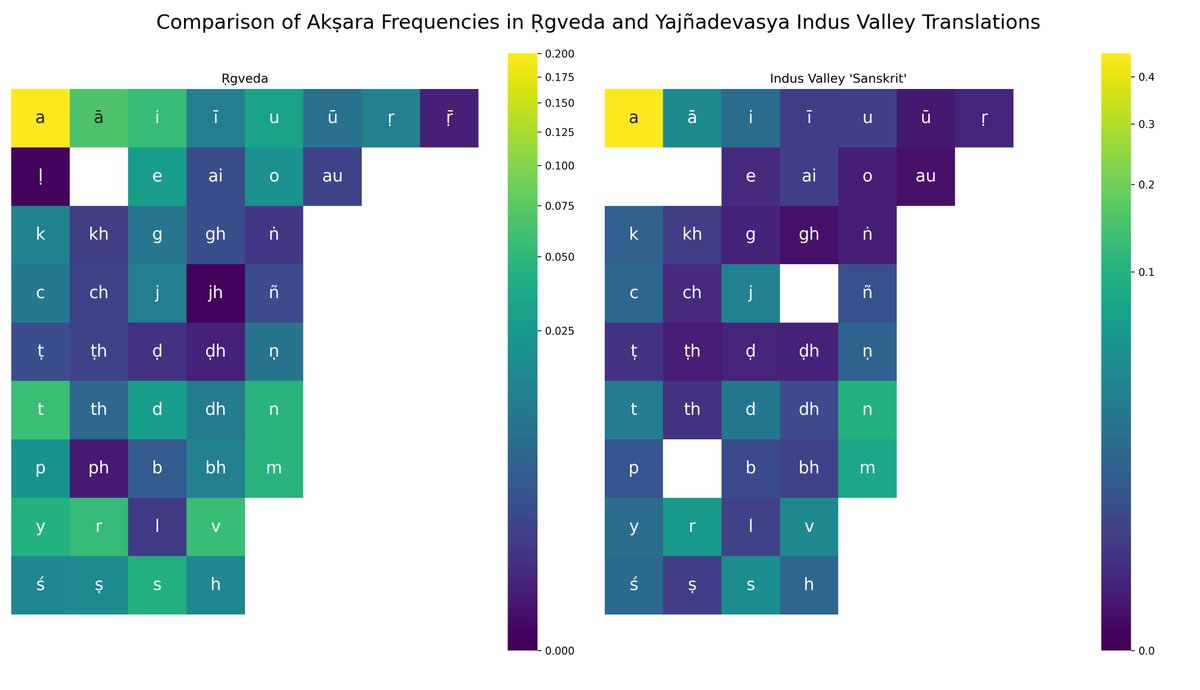
Deciphering the Indus Valley script would revolutionize our understanding of Indian history. Recently, @yajnadevam's Sanskrit hypothesis has gained steam & many asked me: is it legit?
So I spent the last couple hours analyzing his decipherment with o3, and here's what I found 🧵
2
88

22 Feb 2025
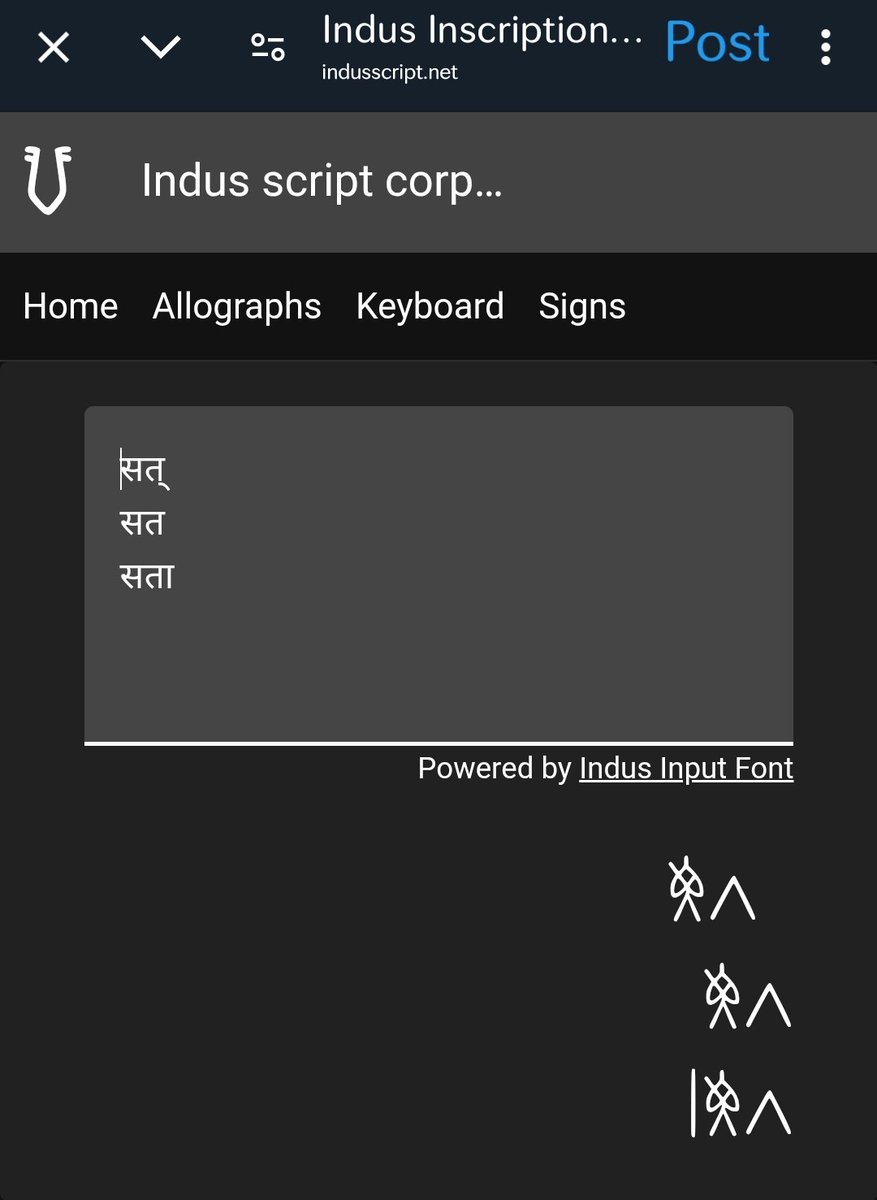
@yajnadevam Noticed something interesting! In Devanagari, Sat (सत्) ends with no vowel, Sata (सत) ends with 'a', and Sataa (सता) ends with 'aa'. But the Indus script generator writes the same symbol for both Sat and Sata, without distinguishing them. #IndusScript #Sanskrit
1
6
1,406

4 Feb 2025
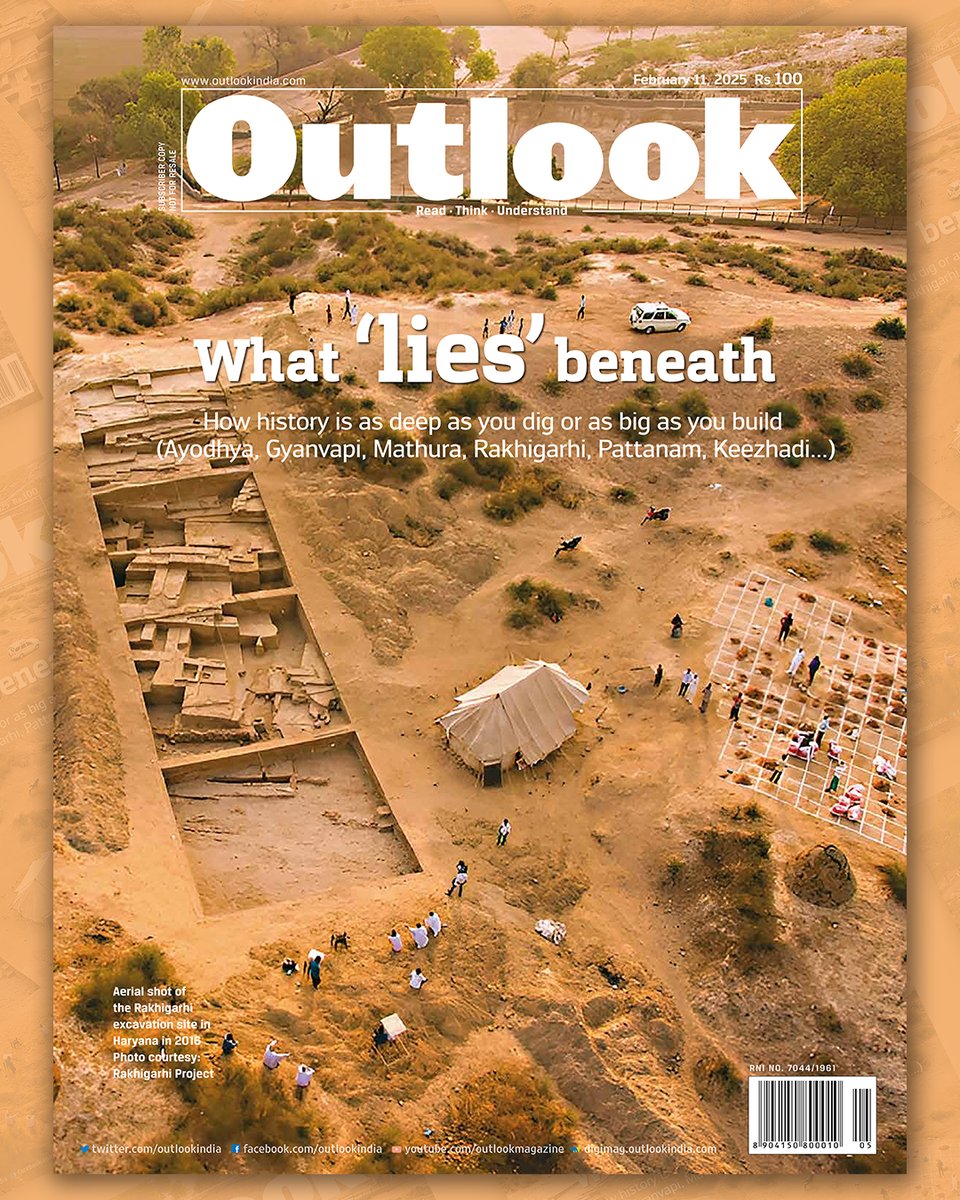
Harappa and Mohenjo-daro have gone to Pakistan, and India has no great Indus site archaeologically as rich as Harappa and Mohenjo-daro. Though many Indus sites were discovered afterwards in India, mainly in the states of Punjab, Haryana, Rajasthan and Gujarat, the nomenclature of Indus-Sarasvati civilisation gets advocated by R. N. Mishra and S. P. Gupta. The river Sarasvati is supposed to be an important river and in its valley, Harappan sites are located on the Indian side. Nevertheless, we are yet to prove which river is “Sarasvati” in Haryana and Rajasthan. Haryana became a hotbed of archaeological expeditions showcasing the Rig Vedic civilisation. It is an apt example of the politics of representation. How the practise of politics induces the culture of myth in its citizens by advocating “protected ignorance”.
Y.S. Alone writes.
#IndusValley #AryanDebate #HarappanCulture #AncientIndia #Archaeology #IndusScript #SarasvatiRiver #HistoryAndPolitics #MythVsHistory #Harappa #MohenjoDaro #HistoricalNarratives #Politics #ASI #ArchaeologySurveyOfIndia
1
236