
🗓️ On This Day – December 7, 1905
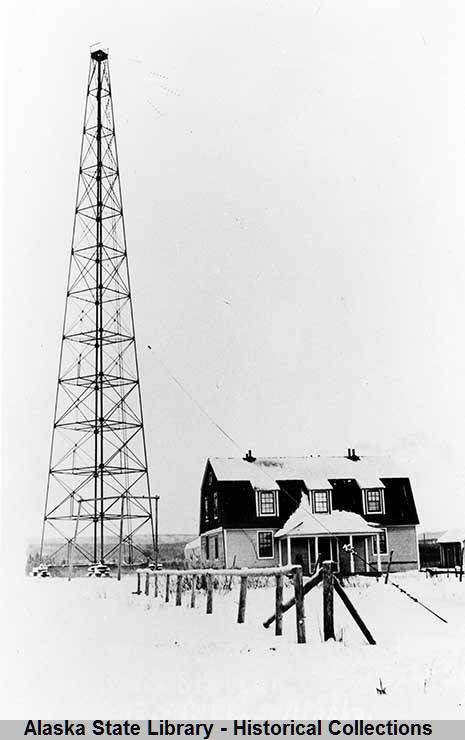
President Theodore Roosevelt approved the reservation of land at Keystone, Alaska, for a U.S. military telegraph station — a quiet but powerful act of strategic foresight.
At a time when Alaska was still a rugged, remote territory—purchased from Russia less than 40 years earlier—Roosevelt saw its vast potential and vulnerability. In the age before satellites and long-range radio, telegraphs were lifelines of communication. By setting aside land for a military telegraph system, TR wasn’t just thinking about Alaska — he was thinking about national security, Arctic presence, and the infrastructure of empire.
📡 Why it mattered:
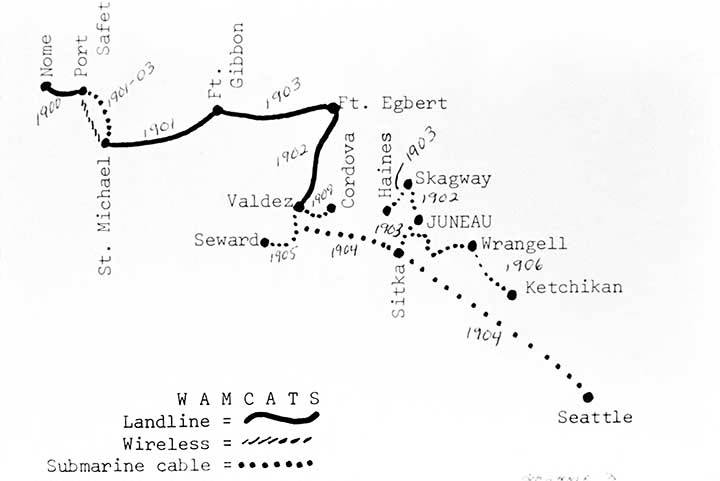
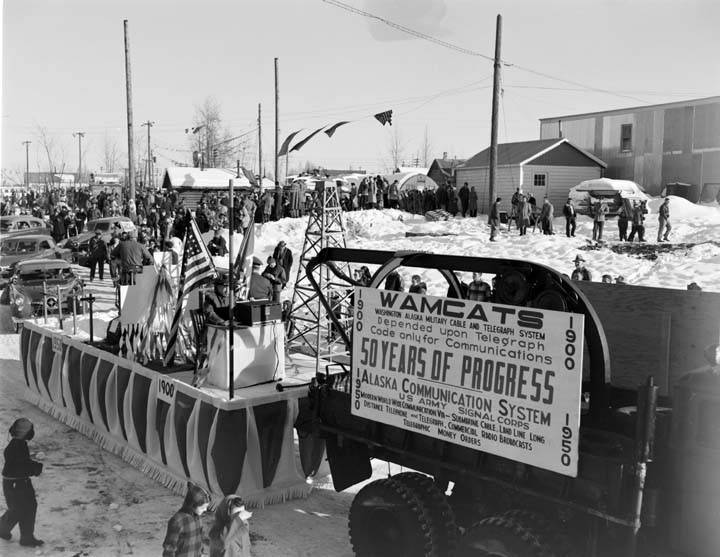
The military telegraph line was part of a larger effort — including the Washington–Alaska Military Cable and Telegraph System (WAMCATS) — to link the Lower 48 to Alaska’s outposts. Roosevelt’s move supported one of the earliest and most ambitious communication systems in the territory, connecting military posts, civilian communities, and laying the groundwork for what would one day become a state.
🇺🇸 What came next:
WAMCATS evolved into the Alaska Communications System and remained under Army control until the 1960s. The decision to protect this land at Keystone helped ensure secure transmission routes across some of the harshest terrain in North America — a legacy of readiness that foreshadowed Alaska’s later role in Cold War defense.
TR didn’t just conserve forests and wildlife — he protected connectivity, sovereignty, and future readiness. Even in the wilderness, he was building for tomorrow.
#OTD #TheodoreRoosevelt #AlaskaHistory #MilitaryTelegraph #PresidentialHistory #WAMCATS #AmericanExpansion #TRoosevelt #ArmySignalCorps #InfrastructureHistory #1905 #Alaska
3
10
244

5 Sep 2025
📜 5 सितम्बर 2025 | दोपहर 1:00 बजे
विषय 18 – शेरशाह सूरी : प्रशासनिक क्रांति (Day 2 | भाग 3)
सड़क और सराय व्यवस्था
शेरशाह सूरी को “भारत का मार्गनिर्माता” कहा जा सकता है। उसने न केवल साम्राज्य को एकजुट किया, बल्कि सड़क और सराय व्यवस्था के माध्यम से प्रशासन, व्यापार और सैनिक संचालन को भी सशक्त बनाया।
ग्रैंड ट्रंक रोड (सड़क–ए–आज़म)
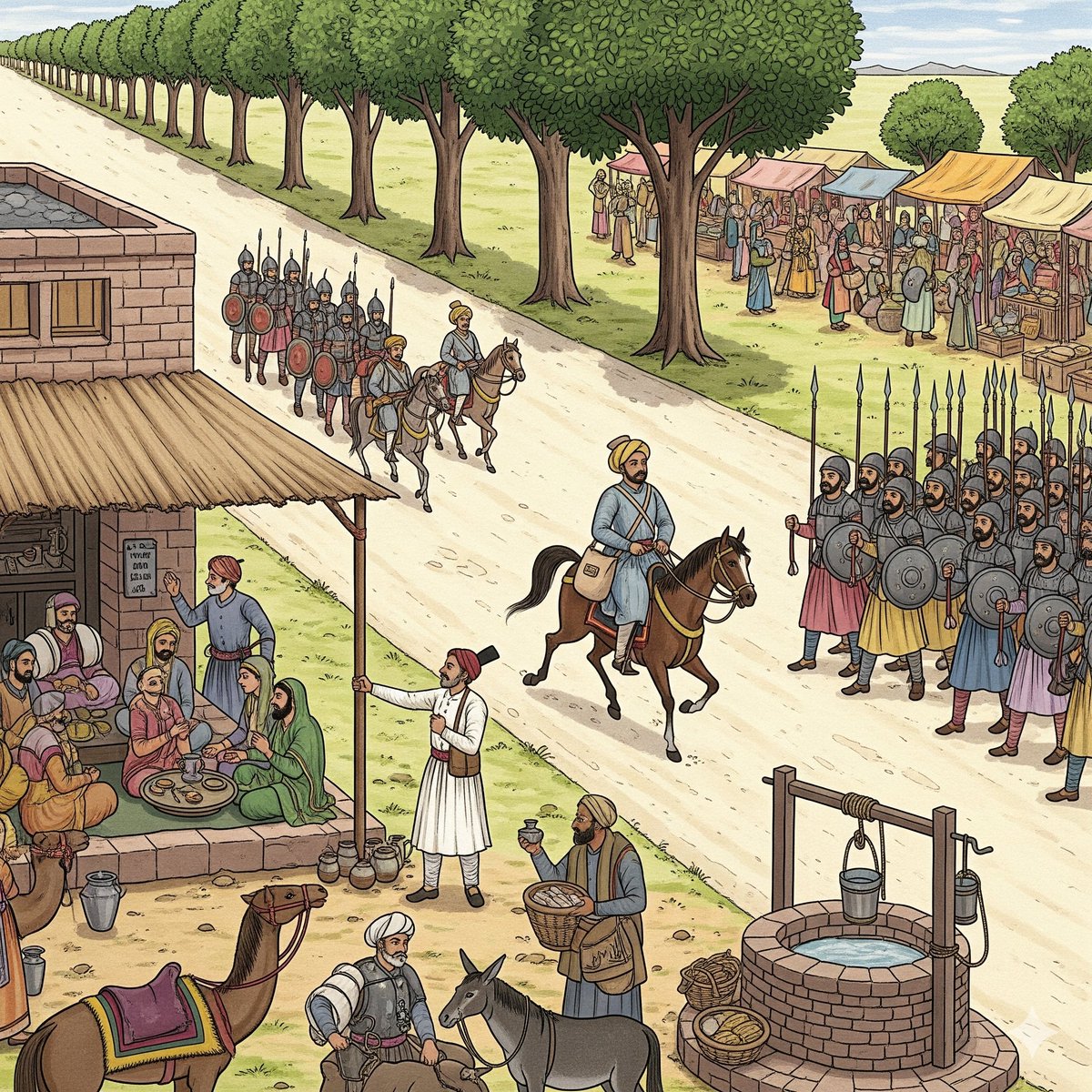
शेरशाह ने प्राचीन उत्तरापथ को नया रूप देकर ग्रैंड ट्रंक रोड बनवाई।
यह सड़क बंगाल के सोमनाथ से लेकर पेशावर (काबुल मार्ग) तक फैली थी।
सड़क चौड़ी और पक्की थी, जिसके किनारे पेड़ लगाए गए।
अन्य सड़कें
आगरा से बुरहानपुर तक (दक्षिण भारत मार्ग)।
आगरा से जोधपुर और चित्तौड़ (पश्चिम भारत मार्ग)।
लाहौर से मुल्तान तक (उत्तर–पश्चिम मार्ग)।
सराय व्यवस्था
हर कोस (लगभग 3 किमी) पर सराय (विश्रामगृह) बनवाए गए।
सरायों में यात्रियों के लिए भोजन–पानी, घोड़ों के लिए चारा और रहने की व्यवस्था थी।
डाक और प्रशासनिक अधिकारियों के लिए रनिंग पोस्ट सिस्टम शुरू किया गया।
महत्व
व्यापार और यात्राएँ आसान हुईं।
प्रशासनिक संदेश और सैनिक आवाजाही तेज़ हुई।
भारत के पूर्व–पश्चिम भाग एक दूसरे से और अधिक जुड़ गए।
निष्कर्ष
सड़क और सराय व्यवस्था ने शेरशाह को केवल एक शासक नहीं, बल्कि भारत के एकीकृत बुनियादी ढाँचे का निर्माता बना दिया।
Author – @TheAbhinitKumar
#SherShahSuri #GrandTrunkRoad #InfrastructureHistory #UPSC #BPSC
3
62

10 Jan 2024
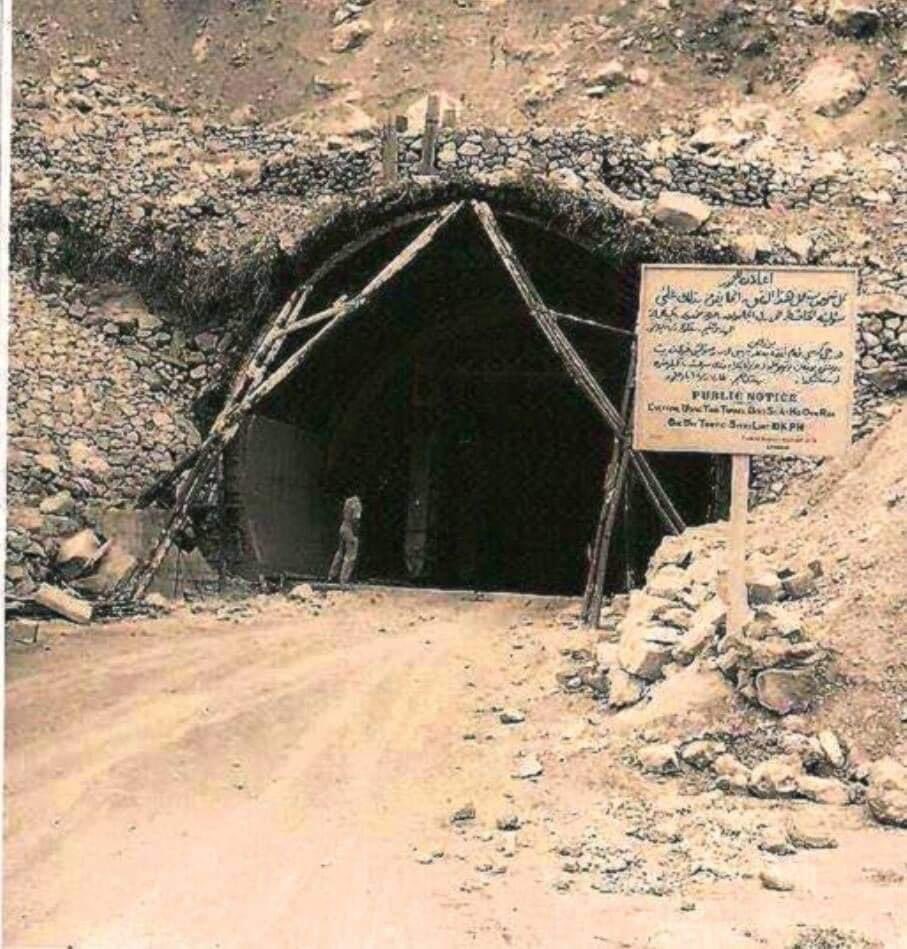
In 1954, the construction of Darbandikhan Tunnel commenced, led by American companies (Harzag Companies). Completed in 1961, this project included a dam at the well-known Strait and a tunnel connecting Shahrzour and Sulaimaniyah to the central and southern regions of Iraq. #InfrastructureHistory
#Kurdistan #Iraq
1
1
3
355

26 Dec 2020
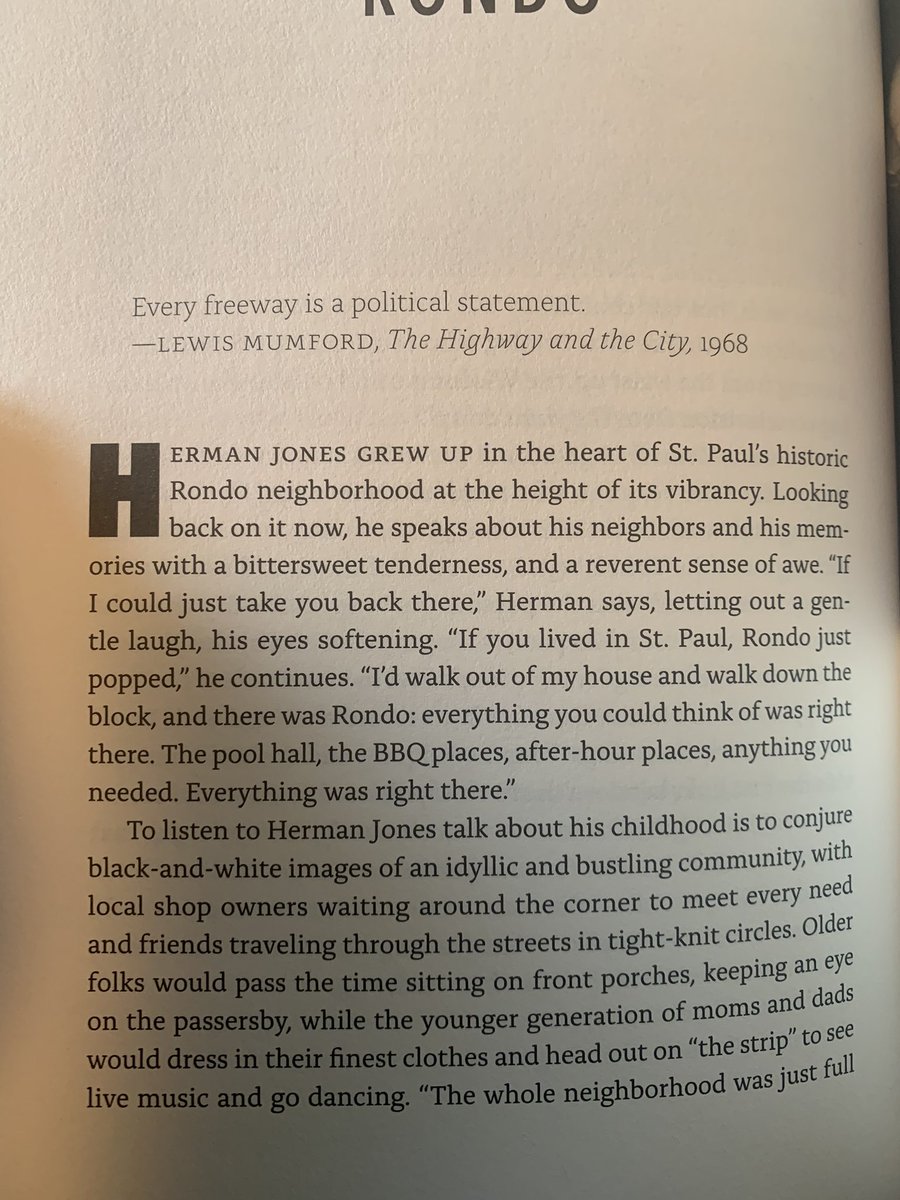
What I’m reading now. “Got to be Something Here” #andreaSwensson #citiesareforpeople #musicheals #zoning #infrastructurehistory
1
1

28 Mar 2017
Calling all #infrastructurehistory nerds: Final truss - 1.7 million lbs - comes down today. Bay Bridge youtube.com/channel/UCm-wXGy… via @YouTube
1