
May 22
Urban Light Pollution : ଜୈବ ବିବିଧତା ପାଇଁ ବଡ଼ ବିପଦ ସହରୀ ଆଲୋକ, ଦୁର୍ବଳ ହୋଇ ମରୁଛନ୍ତି କୀଟପତଙ୍ଗ, କମୁଛି ପ୍ରଜନନ prameya.com/urban-light-poll…
#prameyadigital #Biodiversity #LightPollution #InsectDecline #SaveInsects #Environment #Ecology #UrbanPollution #ClimateAction
40

May 20
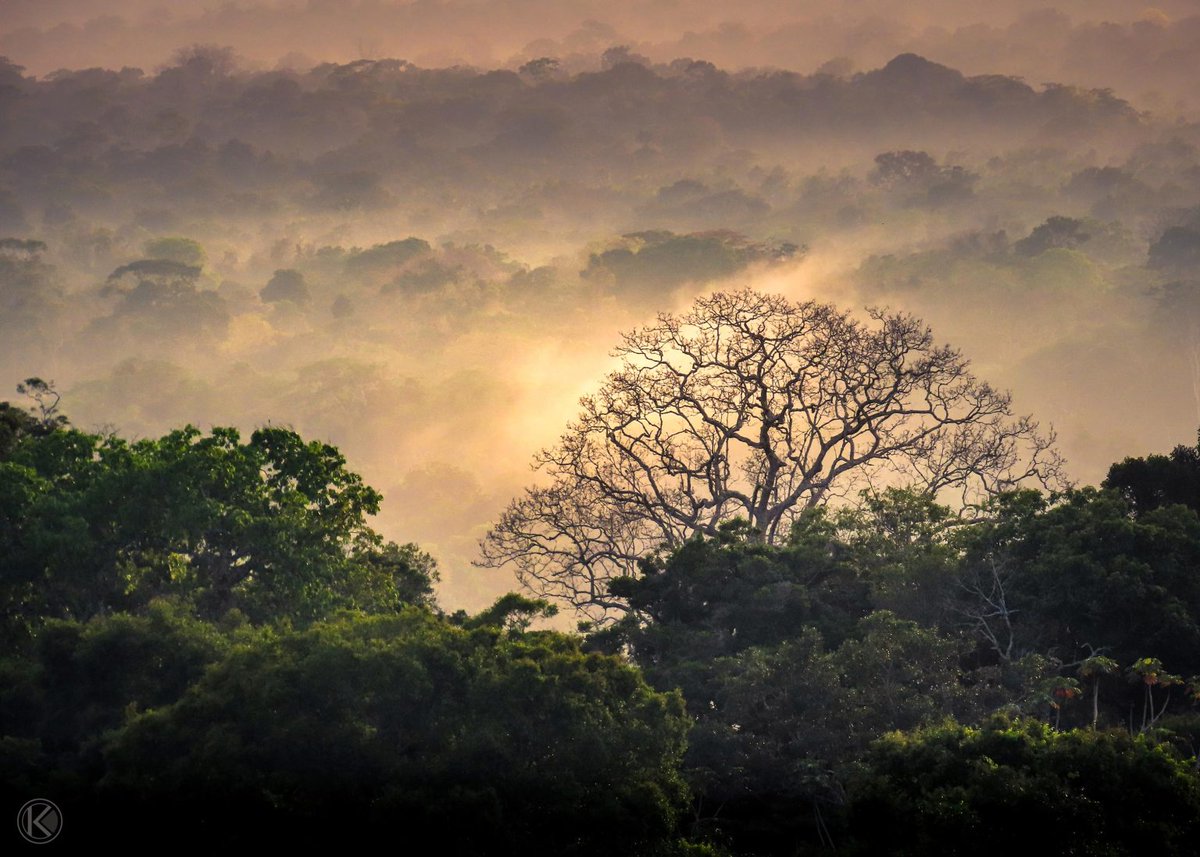
Scientists Warn that Many Insects May Not Survive the Rapid Pace of Global Warming. #DiebO37 #Earth #Forest
🔗scitechdaily.com/scientists-…
#InsectDecline #ClimateChange #Biodiversity #Science
148
165
1,216

That’s a chilling set of findings. Across Denmark, Germany, the UK, and global surveys, the evidence is consistent: insect populations are collapsing at staggering rates — 70–80% gone in just a few decades, with no signs of recovery. This isn’t just about windshields staying clean; it’s about the unraveling of ecosystems and food systems.
🪰 Insects are the backbone of pollination, soil health, and food chains.
🥕 About 75% of crops depend on them — apples, almonds, coffee, and more.
📉 A full pollinator collapse could spike food prices by 30%, cost the global economy hundreds of billions, and strip away vital nutrients like Vitamin A.
🐦 Birds are already vanishing — 2.9 billion lost in North America since 1970, especially insect‑eaters.
This is a silent crisis that touches biodiversity, food security, and supply chains worldwide. What looks like convenience — a clean windshield — is actually a warning sign of ecological collapse.
#InsectDecline #PollinatorCrisis #FoodSecurity #Biodiversity #SupplyChainRisks #ClimateCrisis
Read more 👇
x.com/i/status/2036197296300…

Absolutely true.
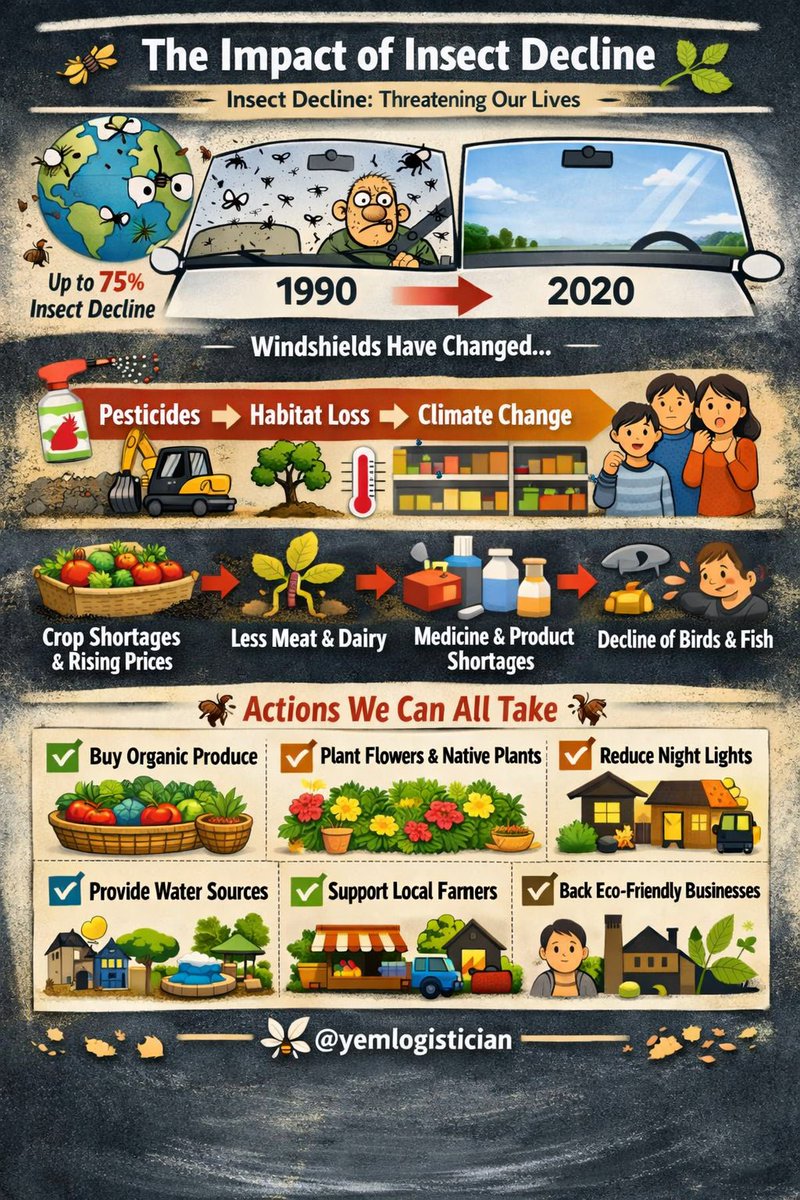
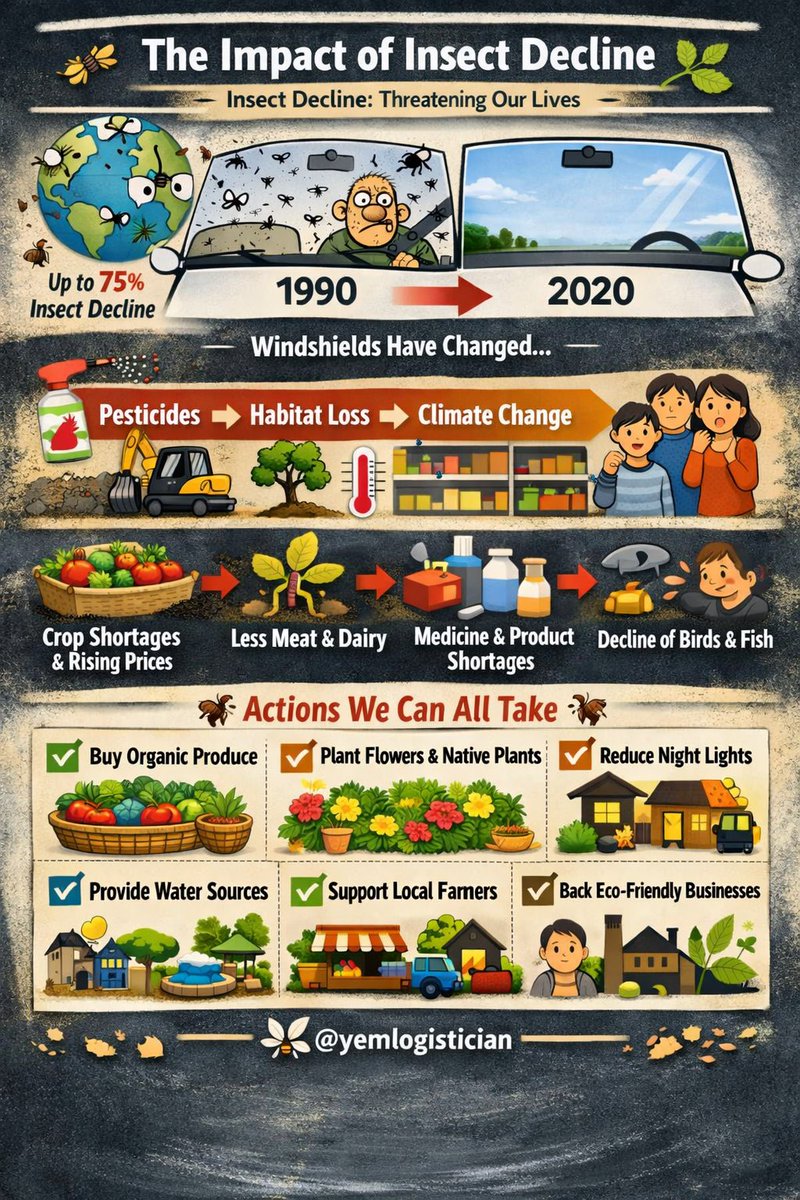
Some may think fewer bugs on the windshield makes driving more comfortable, but in reality it’s a silent sign that the very foundation of ecosystems is collapsing.
🪰 In the past, car windshields were covered with insects after a drive.
Today, they’re almost clean. This phenomenon, often called “Insect Armageddon”, is disrupting pollination, soil cycles, and the food chains of birds and fish — shaking the balance of nature itself.
Over the past 40 years, insect populations have declined by up to 75% in some regions.
This silent collapse is driven by human activity and threatens ecosystems, food security, and biodiversity. Yet, daily actions can help slow the damage.
🧠 Scientific Background: Why Are Insects Declining?
Flying insect biomass down by up to 75% (last 40 years)
Main causes:
Pesticide use (especially neonicotinoids)
Habitat destruction (urbanization, farmland expansion)
Climate change (temperature rise, seasonal shifts)
Light pollution (disrupts insect behavior)
Invasive species (weakening native populations)
🏡 Everyday Actions We Can Take
Choose organic and pesticide‑free produce
Plant native flowers and greenery in gardens
Reduce nighttime lighting
Create small water sources for biodiversity
Join citizen science projects to monitor insects
🌍 Why This Is a Frightening Crisis
Insects are the foundation of ecosystems: without them, birds, fish, plants, and humans all suffer
Food supply impact: 75% of global crops depend on insect pollination
Invisible change: a clean windshield may feel convenient, but it signals ecological collapse
🚚 Supply Chain Impacts
Agriculture: reduced yields of fruits, vegetables, nuts → rising prices
Food supply chains: shortages ripple through transport, processing, and retail
Livestock: feed crops affected → meat and dairy supplies decline
Pharma & cosmetics: plant‑based raw materials harder to source → higher costs
Global trade: exporting nations hit → importing nations face instability
🛒 Supporting Supply Chains in Daily Life
Support local farmers and seasonal produce (reduce transport strain)
Buy organic to reduce pesticide use and protect insects
Diversify diets to reduce dependence on single crops
Support companies with sustainable sourcing and eco‑friendly practices
#InsectDecline #SupplyChainCrisis #EnvironmentAndLife #WakeUpCall
2
2
440
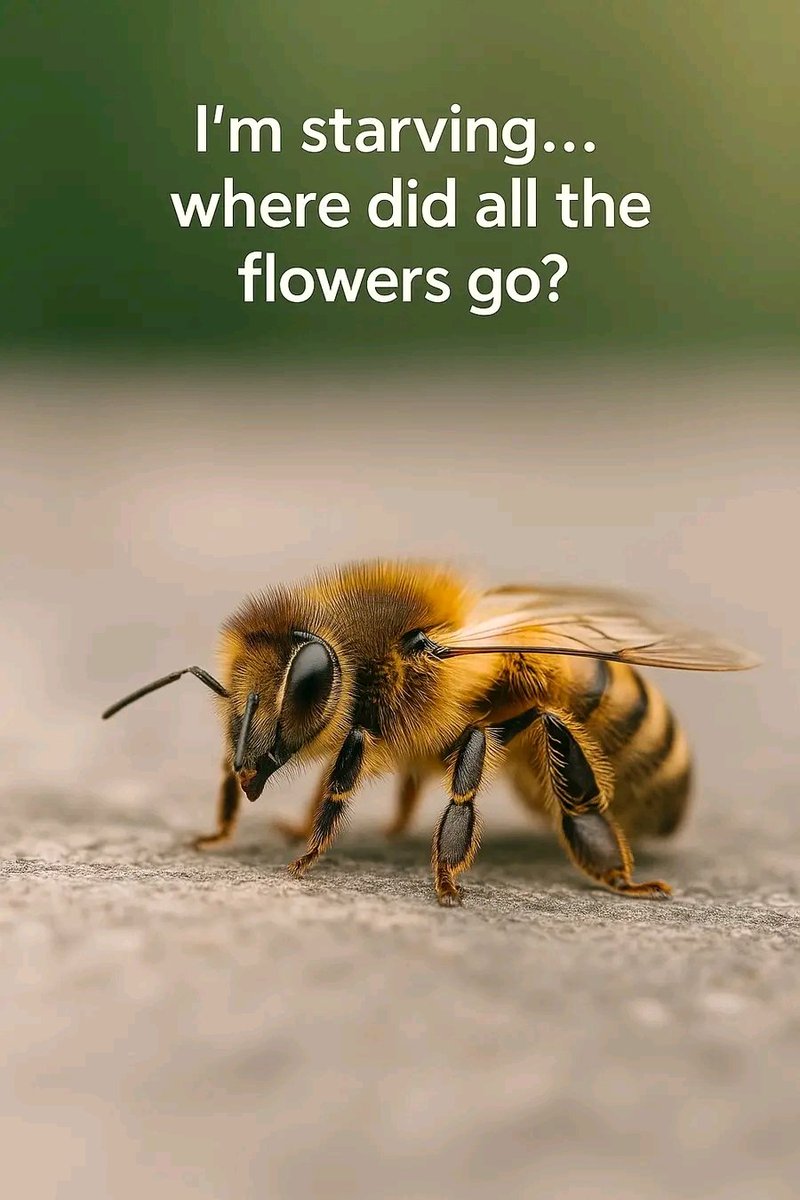
Global insect species are declining by 40% in temperate regions—blame overuse of agrochemicals & intensive farming. Birds, plants, & humans suffer too. If we don't act fast, crop yields drop, & food shortages loom. Switch to sustainable farming NOW! #InsectDecline
ALT Bees
12
143
221
2,664

Feb 22
We’re losing insects at a terrifying rate-and with them, our food security. Time to ditch agrochemicals and embrace sustainable farming. #InsectDecline
4
13
159
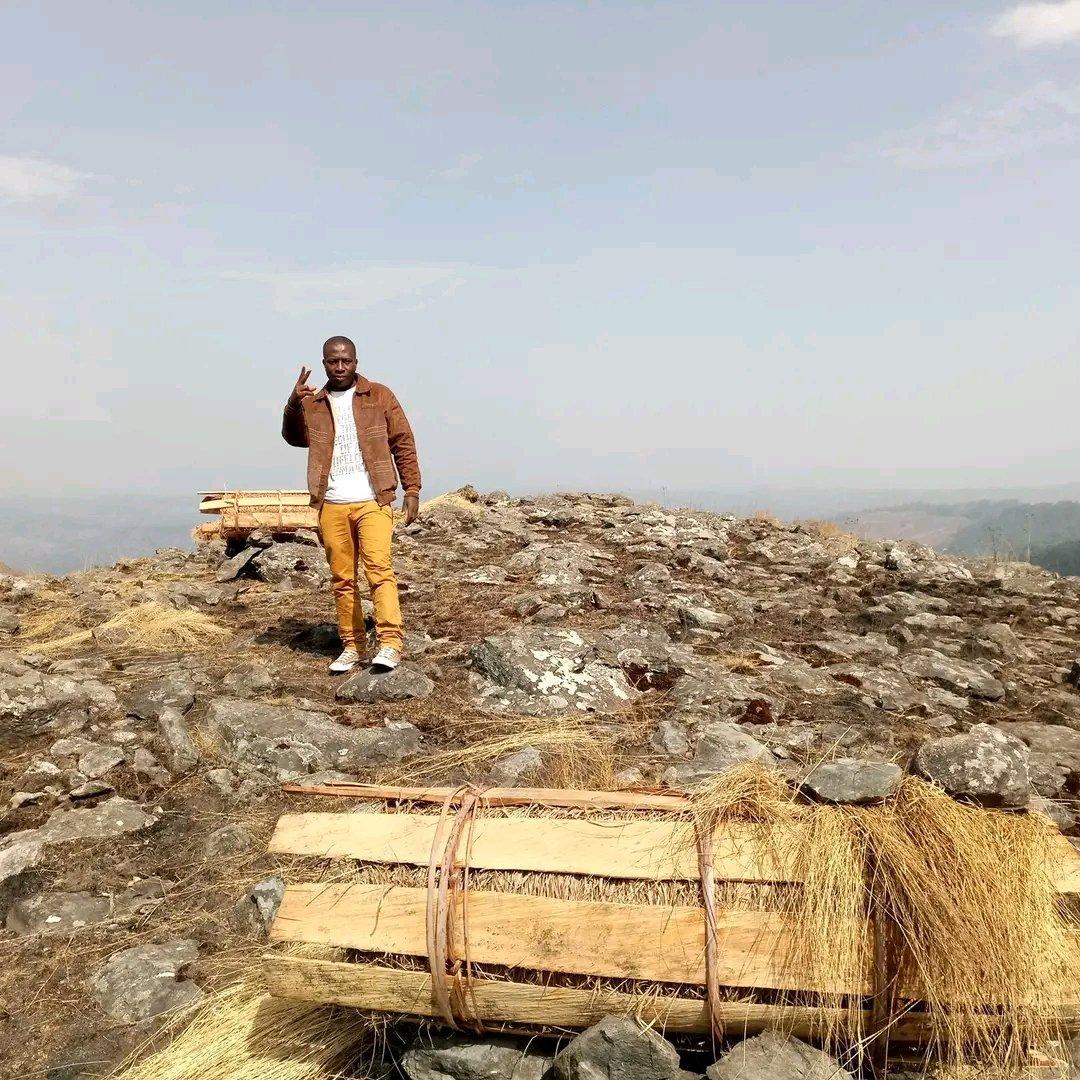
Global insect species are declining by 40% in temperate regions—blame overuse of agrochemicals & intensive farming. Birds, plants, & humans suffer too. If we don't act fast, crop yields drop, & food shortages loom. Switch to sustainable farming NOW! #InsectDecline
4
53
100
1,078

24 Oct 2025
Fly eating carnivorous plants not quite my thing...
Am trying to halt
#insectdecline not increase it!!
@WCL_News @WildlifeTrusts @Buzz_dont_tweet #Buglife
#GardenersWorld
3
101

18 Oct 2025
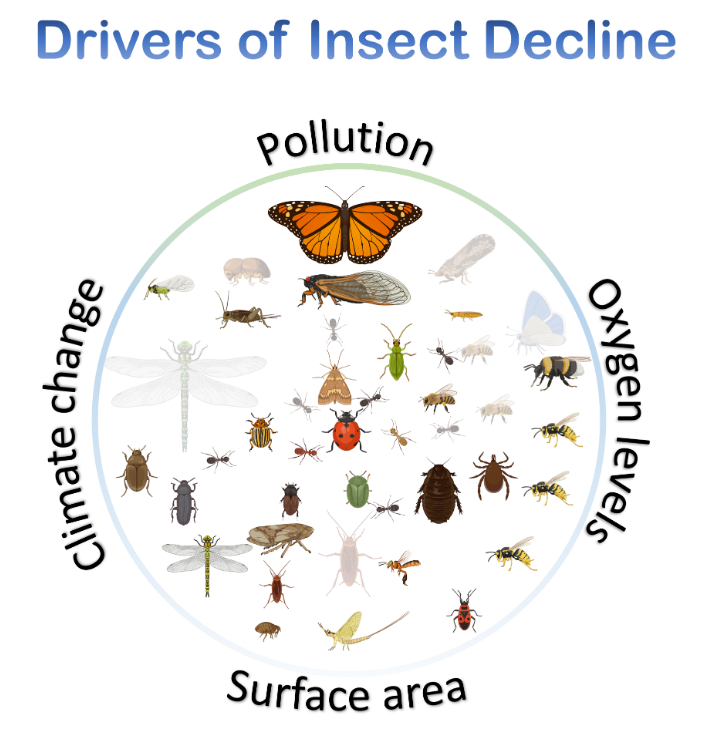
Review: Insect Decline in the Anthropocene: Historical Parallels and Emerging Monitoring Tools
🎓by Dani Sukkar, Jairo Falla-Angel and Philippe Laval-Gilly
👉Open Access: brnw.ch/21wWIRk
#mdpiinsects #InsectDecline
1
1
2
71

16 Oct 2025
कीड़े-मकोड़े सिर्फ शहरों और बस्तियों से ही नहीं, बल्कि उन इलाकों से भी गायब हो रहे हैं जहाँ इंसान रहते तक नहीं जंगलों, घास के मैदानों,पहाड़ी इलाकों में भी कीटों की संख्या तेजी से घट रही है।
#brahmandgyan #insectdecline #climatechange #biodiversity #ecosystem #environmentfacts

1
2
28

2 Oct 2025
"There's an insect armageddon, a sixth great extinction underway, but keep the economy growing, there's more jobs I hear them say." So sings Steve Andrews in "Time For Ocean Aid." #insectarmageddon #insectdecline #morejobs
tiktok.com/@bardofely/video/…
1
2
2
47

25 Sep 2025
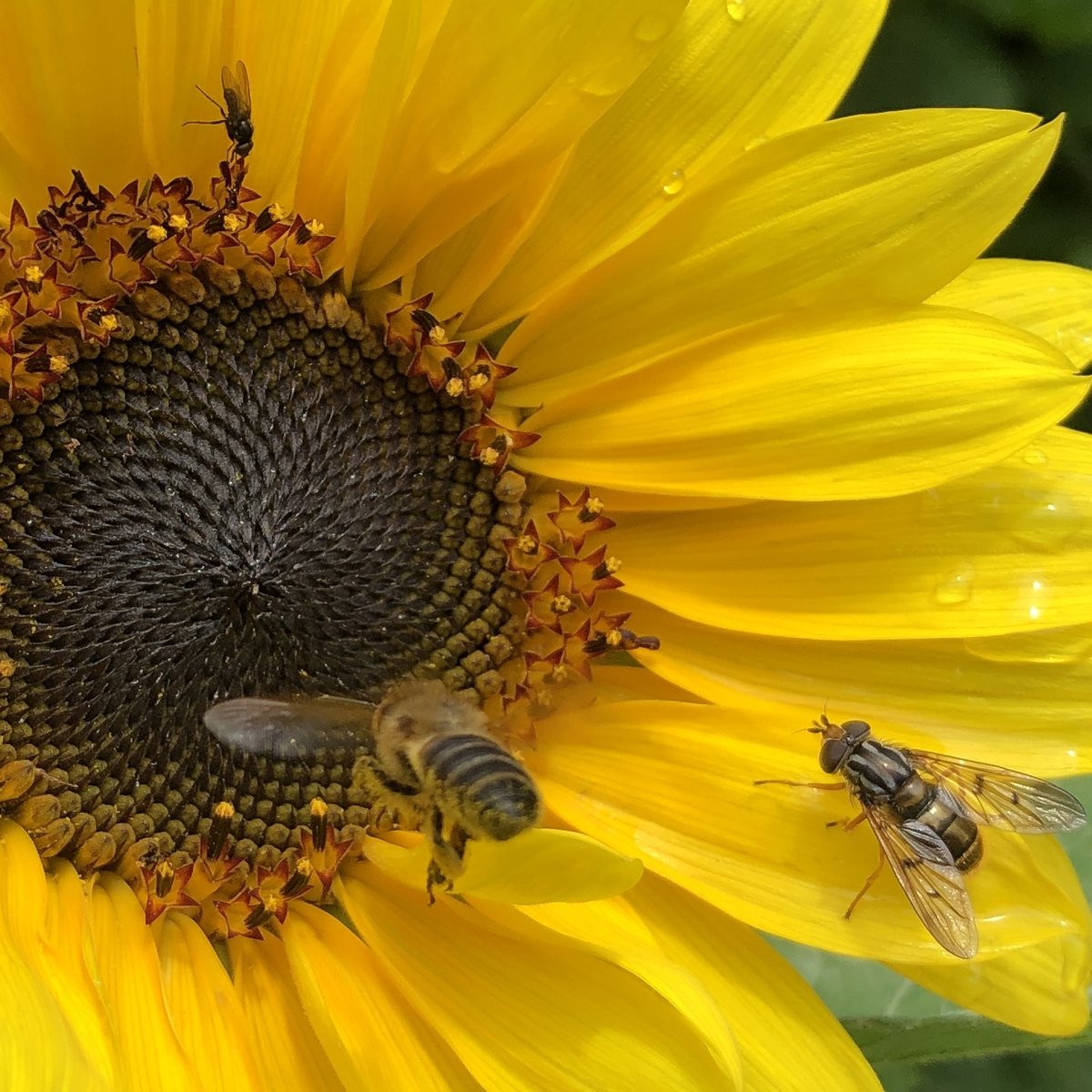
Reversing #InsectDecline is essential not optional. 🦋We've joined #conservation charities in calling for governments, land managers, businesses & the public to take immediate steps to reverse declines in #insect populations👉gardenorganic.org.uk/news/in… #BristolDeclaration
1
177

10 Sep 2025
"“So rich in insect life” were Wigglesworth’s woods – anthropogenic change & #InsectDecline" 🐝
Join @MayBerenbaum for The Wigglesworth Memorial Lecture, presented with her Medal by RES President @JaneCStout
royensoc.co.uk/plenary-speak…
Lecture sponsored by @BartlettTreeExp #Ento25
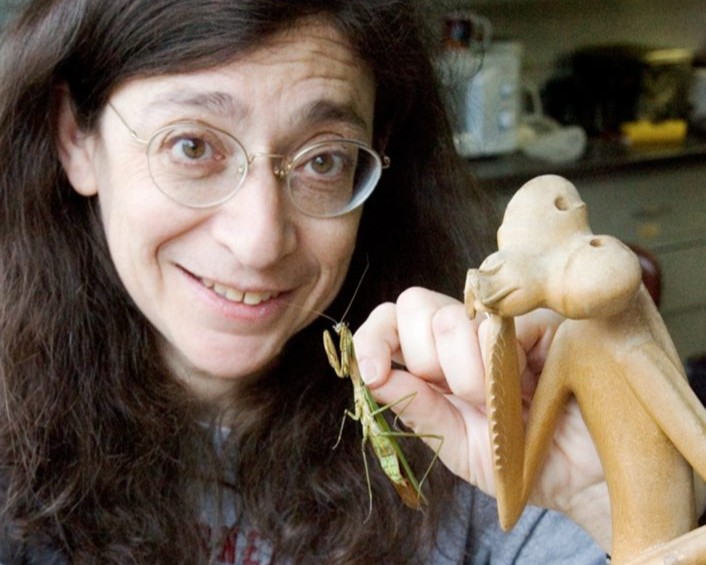
ALT Professor May Berenbaum Hon.FRES with praying mantis models
1
12
354
18 Aug 2025
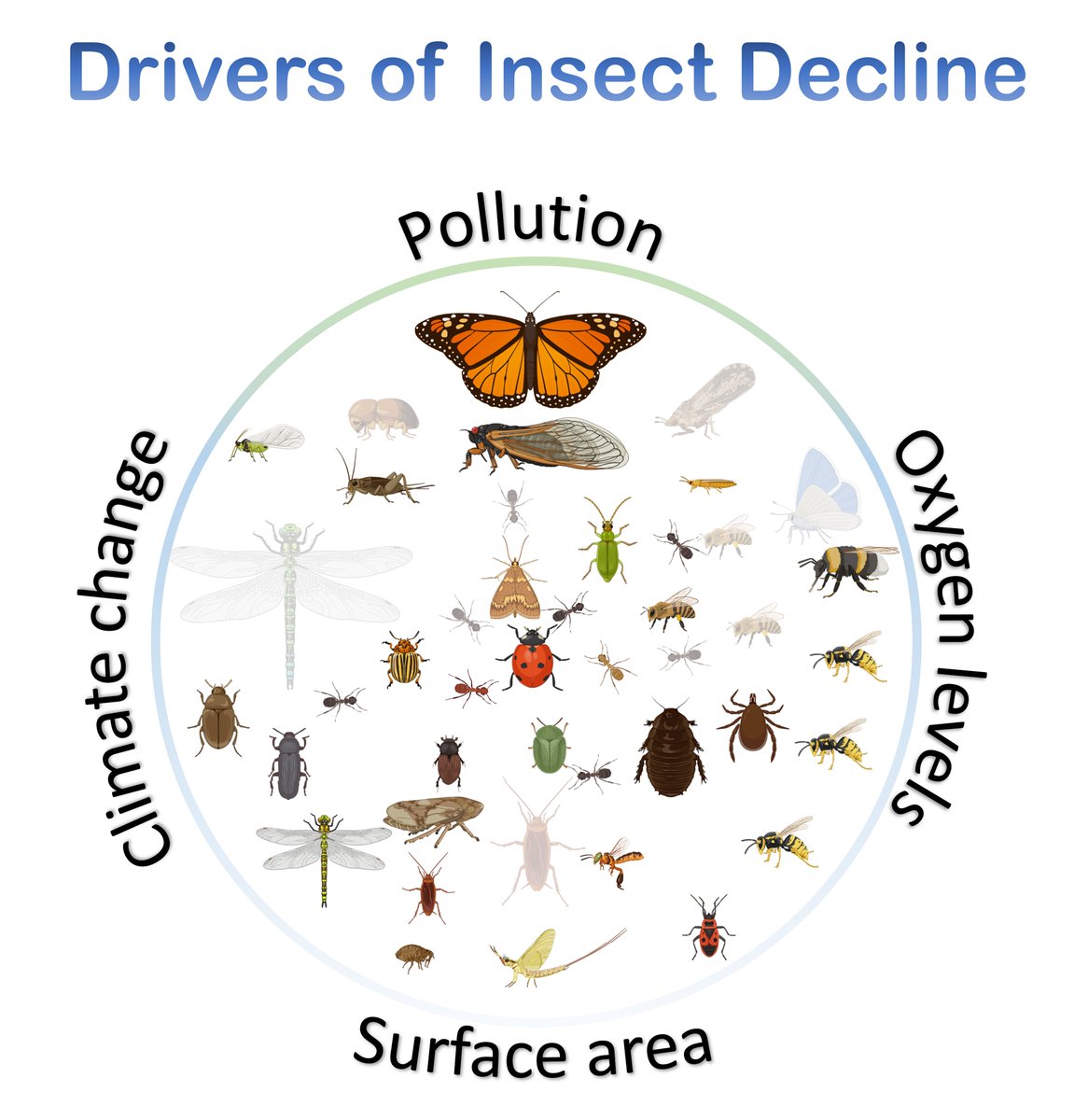
#InsectDecline in the Anthropocene: Historical Parallels and Emerging Monitoring Tools
👉Open Access: mdpi.com/2075-4450/16/8/841
📚included in the Special Issue "#InsectAdaptation in the Anthropocene: Responses to Contamination and Human-Induced Environmental Changes"
4
6
147

15 Aug 2025
The Alarming Decline of Flying Insects.
Did you know that there has been a 63% decline in flying insects in just 3 years? This is a catastrophic loss of biodiversity that threatens the very foundation of our ecosystem. Insects are a crucial part of our food chain and play a vital role in pollination, decomposition, and pest control. We MUST take action to reverse this trend and protect our planet's precious biodiversity. Share this post to raise awareness and let's work together to create a more sustainable future! #insectdecline #biodiversitymatters #sustainability
2
28
46
1,708

8 Aug 2025
New publication: #Phenology and #flower species availability define wild #bee communities on #river embankments. #insectdecline #biodiversity #beeabundance
doi.org/10.1098/rspb.2025.07…
3
5
660
5 Aug 2025
The Alarming Decline of Flying Insects.
Did you know that there has been a 63% decline in flying insects in just 3 years? This is a catastrophic loss of biodiversity that threatens the very foundation of our ecosystem. Insects are a crucial part of our food chain and play a vital role in pollination, decomposition, and pest control. We MUST take action to reverse this trend and protect our planet's precious biodiversity. Share this post to raise awareness and let's work together to create a more sustainable future! #insectdecline #biodiversitymatters #sustainability
41
246
462
8,358
1 Aug 2025
The Alarming Decline of Flying Insects.
Did you know that there has been a 63% decline in flying insects in just 3 years? This is a catastrophic loss of biodiversity that threatens the very foundation of our ecosystem. Insects are a crucial part of our food chain and play a vital role in pollination, decomposition, and pest control. We MUST take action to reverse this trend and protect our planet's precious biodiversity. Share this post to raise awareness and let's work together to create a more sustainable future! #insectdecline #biodiversitymatters #sustainability
240
595
1,332
42,902
25 Jul 2025
Join 300 entomologists at #Ento25 in Glasgow this September by booking before the registration deadline: 17:00 (BST), 15 August 🔽
royensoc.co.uk/event/ento25
#StrathLife @UniStrathclyde @UniStrathNews #InsectDecline #ClimateChange #ClimateResistance #FoodScarcity #PhD #STEM
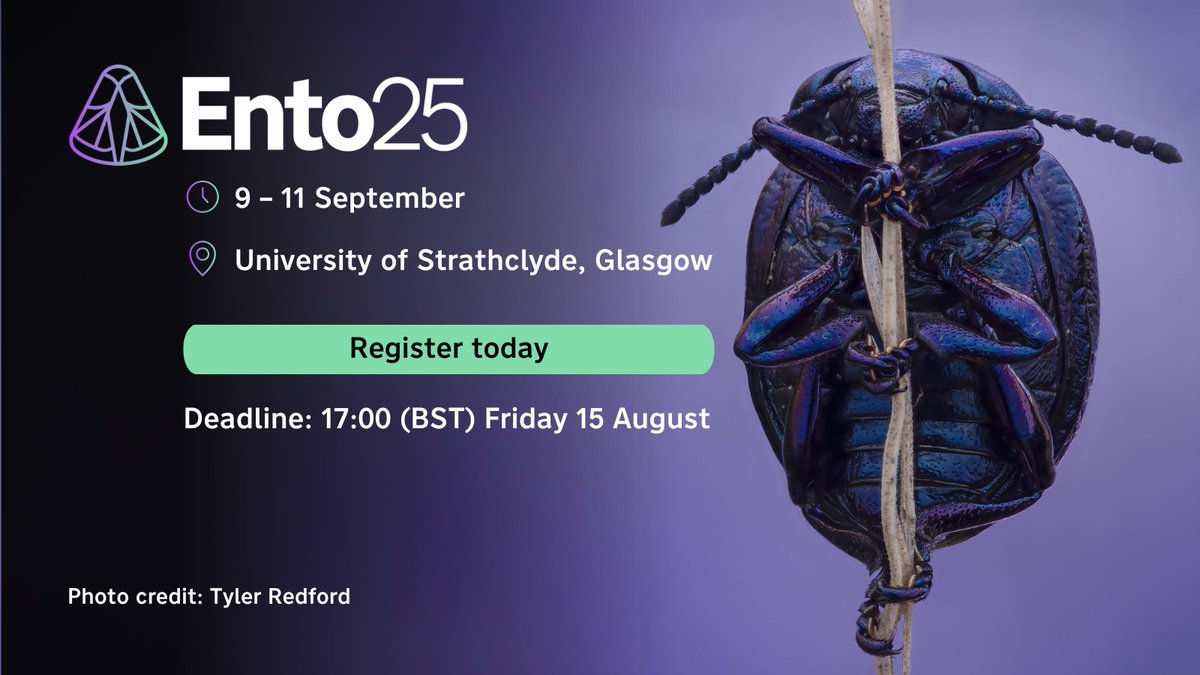
ALT Close-up of a violet ground beetle gripping a thin twig against a purple background. Ento25 Standard Deadline: 15 August 2025
1
6
287
16 Jul 2025
With one month left to join the entomological community this September, we are excited to invite you to #Ento25 🦋
Programme coming soon - Register 🔽
royensoc.co.uk/event/ento25
#StrathLife @UniStrathclyde @UniStrathNews @UofGlasgow #Glasgow #Entomology #InsectDecline #PhD #STEM

ALT People seated in a conference hall applauding the speaker, advertising the Registration Deadline for Ento25
2
5
535

7 Jul 2025
🤩🎉🥳🥂👏 Successful PhD defence by Veronika-Hierlmeier-Hackl @uniinnsbruck on “protectAlps - #Alps, #PersistentPollutants, and #insects”
Congrats to you, Dr. Veronika, & thanks to Julia Seeber, Georg Leitinger, and Gerhard Lammel!
#biodiversity #InsectDecline
#Womeninscience

1
3
269