
“I once worked as a labourer and took up different jobs just to earn a living. Today, farming has become my livelihood.”
For Nasib Tudu from Pathargama, Jharkhand, adopting an Integrated Farming System has opened new opportunities and transformed the way he supports his family.
By combining crop cultivation with goat rearing, seed production, and organic manure preparation, he has built multiple sources of income while making better use of the resources available on his farm.
Watch his full journey on our YouTube channel: youtu.be/AW9-BZ-jJjI?si=nW6x…
#IntegratedFarmingSystem #SustainableLivelihoods #RuralDevelopment #FarmerSuccessStory #JharkhandFarmers #LivelihoodTransformation
1
42

Jun 4
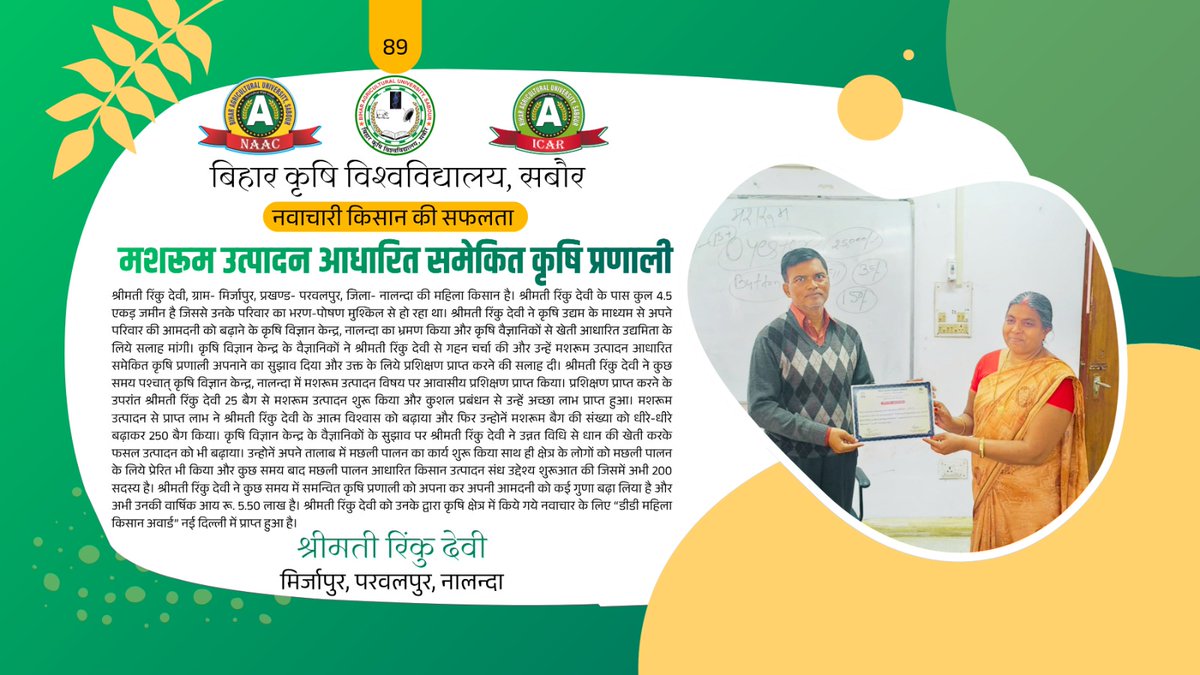
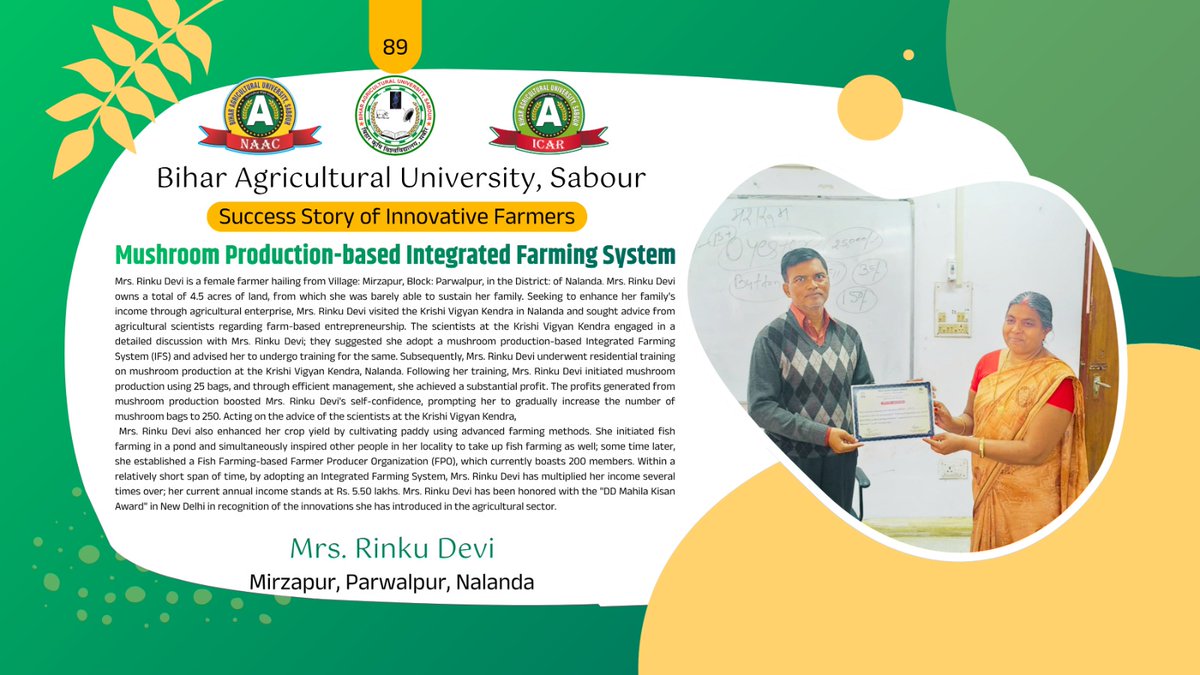
🍄 नवाचारी महिला किसान की प्रेरणादायक सफलता कहानी
नालन्दा जिले के मिर्जापुर गांव की किसान श्रीमती रिंकु देवी ने मशरूम उत्पादन आधारित समेकित कृषि प्रणाली अपनाकर अपनी पहचान एक सफल कृषि उद्यमी के रूप में स्थापित की है। कृषि विज्ञान केन्द्र, नालन्दा के मार्गदर्शन में 25 मशरूम बैग से शुरू हुई उनकी यात्रा आज 250 बैग उत्पादन, उन्नत धान खेती, मछली पालन एवं 200 सदस्यीय किसान उत्पादक संगठन तक पहुंच चुकी है। आज उनकी वार्षिक आय ₹5.50 लाख है तथा उन्हें "डीडी महिला किसान अवार्ड" से सम्मानित किया जा चुका है।
#BAUSabour #KVKNalanda #SuccessStory #InnovativeFarmer #RinkuDevi #MushroomFarming #IntegratedFarmingSystem #WomenInAgriculture #AtmanirbharKisan #FarmEntrepreneur #AgriculturalInnovation #FishFarming #MushroomCultivation #BiharAgriculture #FarmerSuccess #KrishiVigyanKendra #NariShakti #SmartFarming #Agripreneur #DoublingFarmersIncome @rashtrapatibhvn @PMOIndia @ChouhanShivraj @AgriGoI @GovernorBihar @officecmbihar @samrat4bjp @VijayKrSinhaBih @Agribih @icarindia
3
112

Feb 8
#IMPHAL: #Manipur Chief Minister #YumnamKhemchand Singh on Sunday reviewed the economic revival of the state by promoting #IntegratedFarmingSystem (IFS) in the state.
Read More: ukhrultimes.com/cm-yumnam-kh…

2
373

14 Dec 2025
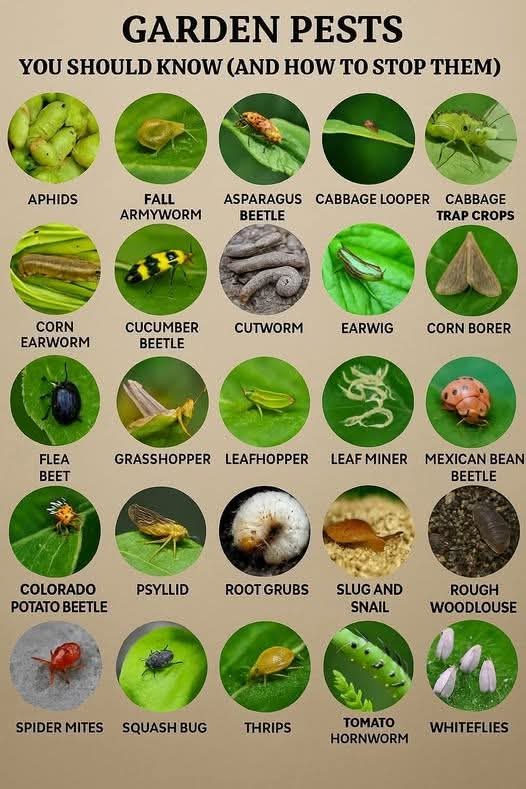
Garden Pests: Know Your Enemy
Every gardener faces the challenge of protecting their plants from pests. These common invaders can quickly devastate a thriving garden, making it essential to recognize and understand them.
Sap-Sucking Pests like aphids, whiteflies, and leafhoppers may be small, but they cause serious damage by piercing plant tissue and draining vital nutrients. Aphids reproduce explosively and spread plant viruses, while whiteflies create sticky honeydew that attracts mold. Leafhoppers inject toxins that cause leaf burn and carry plant diseases.
Caterpillars are among the most voracious feeders. Tomato hornworms can strip plants bare in days, while cabbage loopers and worms burrow into vegetable heads. Corn borers tunnel into stalks, and cutworms sever seedlings at ground level under cover of darkness.
Beetles come in many destructive varieties. Colorado potato beetles defoliate potato plants, cucumber beetles spread bacterial wilt, and flea beetles riddle young seedlings with tiny holes. Mexican bean beetles skeletonize bean leaves, while asparagus beetles weaken plants for future seasons.
Underground pests like root grubs feed hidden in the soil, destroying root systems before you notice the damage above ground. Slugs and snails emerge at night to chew irregular holes in tender leaves, leaving telltale slime trails behind.
Successful pest management requires vigilance and integrated approaches: regular inspection, encouraging beneficial insects, using physical barriers, practicing crop rotation, and applying targeted treatments only when necessary. Understanding these garden enemies is your first line of defense in maintaining a healthy, productive garden. #IntegratedFarmingSystem
6
3
4
343

19 Aug 2025
From Struggle to Sustainability 🌱
Arjun Chandra Mohanta, a farmer from Chandanpur village in Shamakhunta Block of #MayurbhanjDistrict, once struggled with fragmented income from monocropping. With timely support under the #OIIPCRA scheme, he adopted the #IntegratedFarmingSystem and later established a Functional Pack House with 95% govt. subsidy. This intervention not only reduced post-harvest losses but also improved storage, grading & marketability of his produce. Arjun has now achieved enhanced income stability and created a model of sustainable farming for other small & marginal farmers. 🌾💧 #OdishaWater #SuccessStory
ବଢିଛି ଫସଲ ସଂରକ୍ଷଣ ଗୃହର ଚାହିଦା , ଅମଳ ପରବର୍ତୀ କ୍ଷତି କମାଇବା ତଥା ବଜାର ମୂଲ୍ୟ ବୃଦ୍ଧିରେ ଚାଷୀଙ୍କୁ ହୋଇଛି ସୁବିଧା । 🌾
ମୟୂରଭଞ୍ଜ ଜିଲ୍ଲା ଶ୍ୟାମାଖୁଣ୍ଟା ବ୍ଲକ ଅର୍ନ୍ତଗତ ଚନ୍ଦନପୁର ଗ୍ରାମର ଅର୍ଜୁନ ଚନ୍ଦ୍ର ମହାନ୍ତ, 95% ସରକାରୀ ସବସିଡି ସହିତ #OIIPCRA ଅଧୀନରେ ଏକ କାର୍ଯ୍ୟକ୍ଷମ ଫସଲ ସଂରକ୍ଷଣ ଗୃହ ସ୍ଥାପନ କରିଥିଲେ। 🏠ଏବେ ତାଙ୍କର ଉତ୍ପାଦିତ ସାମଗ୍ରୀ ସତେଜ ରହିବା ସହ ଅମଳ ପରବର୍ତ୍ତୀ କ୍ଷତି କମିଛି ଏବଂ ବଜାର ମୂଲ୍ୟ ଯଥେଷ୍ଟ ବୃଦ୍ଧି ପାଇଛି ଯାହା ତାଙ୍କୁ ବାର୍ଷିକ ୩ଲକ୍ଷରୁ ଉର୍ଦ୍ଧ୍ଵ ରୋଜଗାର ଆଣି ଦେଇଛି। ! 🚜📈 #OdishaWater #SuccessStory
@CMO_Odisha @DC_Odisha @_anugarg @IPR_Odisha @OIIPCRA_OCTDMS @OLICLTD @ltd_occ @CE_Megalift @GWDOdisha
5
282

30 Jul 2025
What makes this farming method so unique that UNESCO wants to protect it? Meet the Apatani tribe and their 60-year legacy. #ApataniSustainableFarming #RiceFishIntegration #ZiroValleyAgriculture #OrganicPaddyPisciculture #TribalEcologyArunachal #IntegratedFarmingSystem #ApataniCulturalLandscape
thebetterindia.com/web-stori…
5
6
1,736

28 Jul 2025
Kisan Of India #newsupdate देशभर में मौसम का कहर, अगले 7 दिन इन राज्यों में भारी बारिश का अलर्ट
#kisanofindia #kisanofindianewsupdate #heavyrainalert #indianmonsoon #RainInHimalayas #NorthEastRainfall #AgriWeatherUpdate #climatesmartfarming #maizefarming #TraditionalSeeds #IndianFarming #SustainableAgriculture #IntegratedFarmingSystem #RainForecastIndia #AgroInnovation #AgriNewsIndia #SupportFarmers #CropDiversity #AgriResilience #FarmingSolutions #ICARIndia #FarmToFuture #AgriDevelopment
3
18

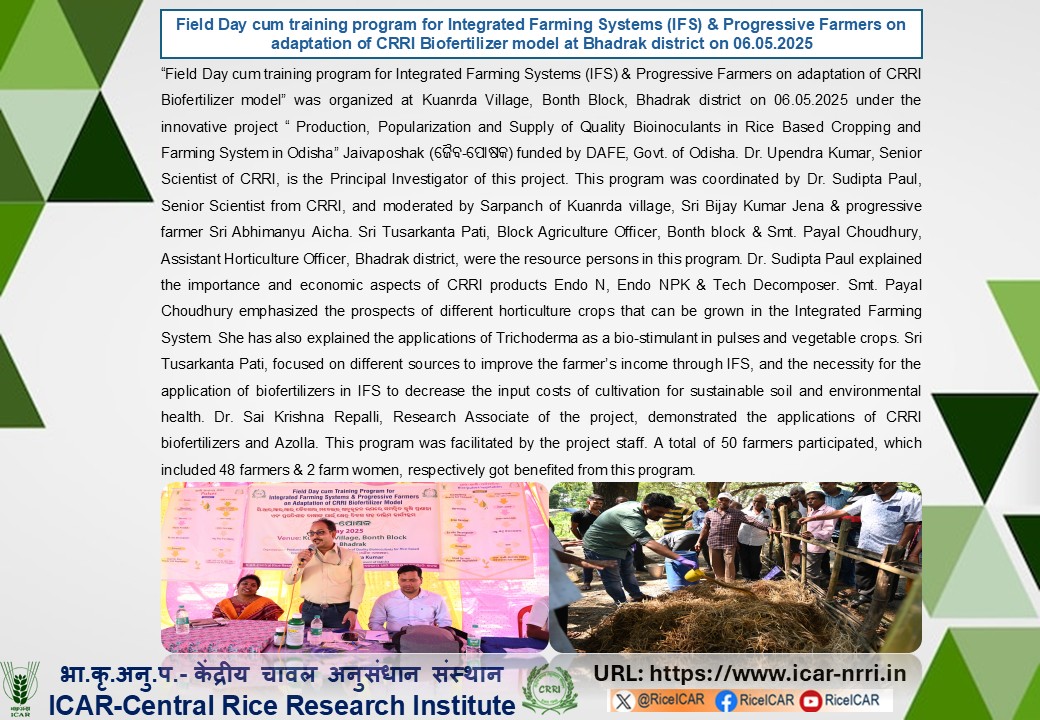
Field Day cum training program for Integrated Farming Systems (IFS) & Progressive Farmers on adaptation of CRRI Biofertilizer model at Bhadrak district on 06.05.2025. @RiceIcar @icarindia @AgriGoI @mygovindia @DDKisanChannel #IntegratedFarmingSystem
2
168

7 Apr 2025
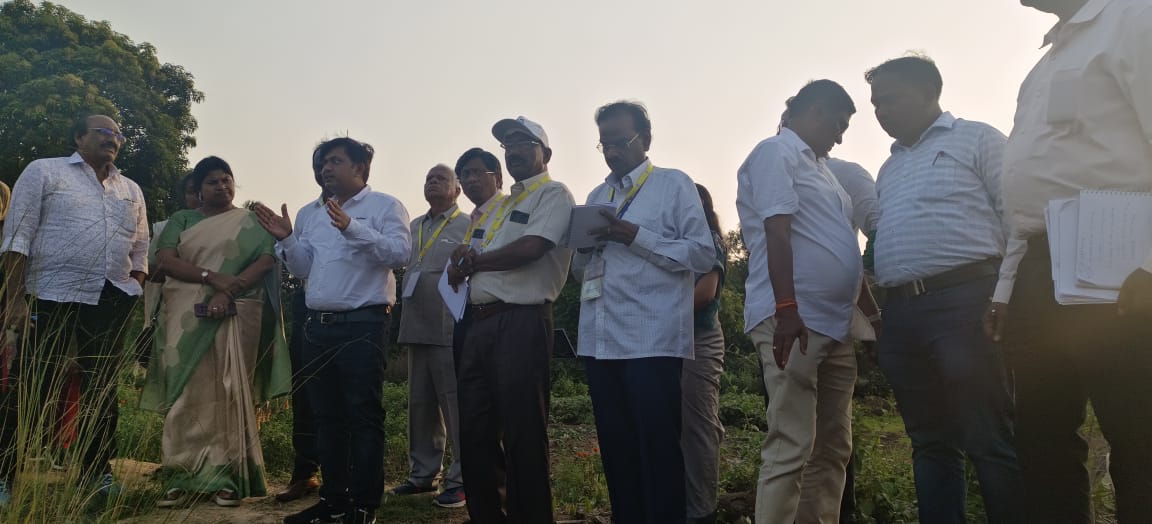
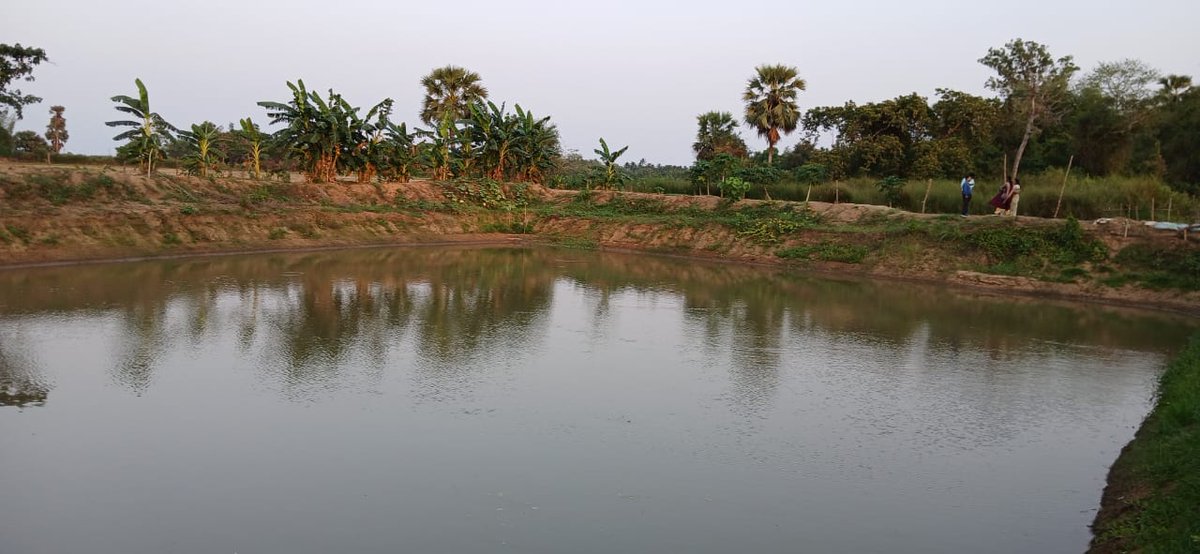
Exposure Visit to Odisha –MDPU team visited Integrated Farming System
AMS
@Worldbank @WorldBankWater @WBPubs @WorldBankIndia @doa_tn @TNHORTICULTURE @tniamphorti @tnagrimarketing @TNAU_coimbatore
#AgriValueAddition
#AgriDigitalMarketing
#AgriExports
#AgroEntrepreneurs
#AgriExpo
#AgriMarketHub
#IntegratedFarmingSystem
#CollectiveFarming
#FarmersMarket
#Cropdiversification
#MarketIntelligence
#MarketOpportunities
#PrimaryProcessingCentre
32
33
127
20 Dec 2024
एकीकृत कृषि का सफ़ल मॉडल बता रहे डॉ. पी.सी जाट, जानिए सही तरीका | Integrated Farming Model
#kisanofindia #integratedfarming #integratedfarmingsystem #ifs #farmingsystem #farming #agriculture #orgnaicfarming #naturalfarming
2
31
15 Oct 2024
ஒருங்கிணைந்த பண்ணையம் IFS
TNAU Specialist
#integratedfarmingsystem
youtube.com/watch?v=yvbmdX2v…

24
26
136
4 Oct 2024
ஒருங்கிணைந்த பண்ணையம் | Successful Farmer
Agri Business Specialist
#agribusiness #Integratedfarmingsystem
youtube.com/watch?v=56btWUjs…
21
24
132

3 Oct 2024
2. Sistem ini tidak hanya meningkatkan hasil panen, tetapi juga menjaga keseimbangan ekosistem, meningkatkan pendapatan petani, dan mendukung ketahanan pangan nasional.
Simak Terus Spill the Tea with MinTani, Biar gak Roaming soal Pertanian 🌾🧑🌾👩🌾🚜
#IntegratedFarmingSystem
10
20
203
2,353
2 Jul 2024
Kashmir में Integrated Farming Model कैसे बदल रहा खेती की तस्वीर? | Horticulture | #shorts #kisanofindia #kisan #integratedfarming #integratedfarmingsystem #farmingtechniques #indianfarmer #farmers #agriculture #viralreels #viralshort
2
49

26 May 2024
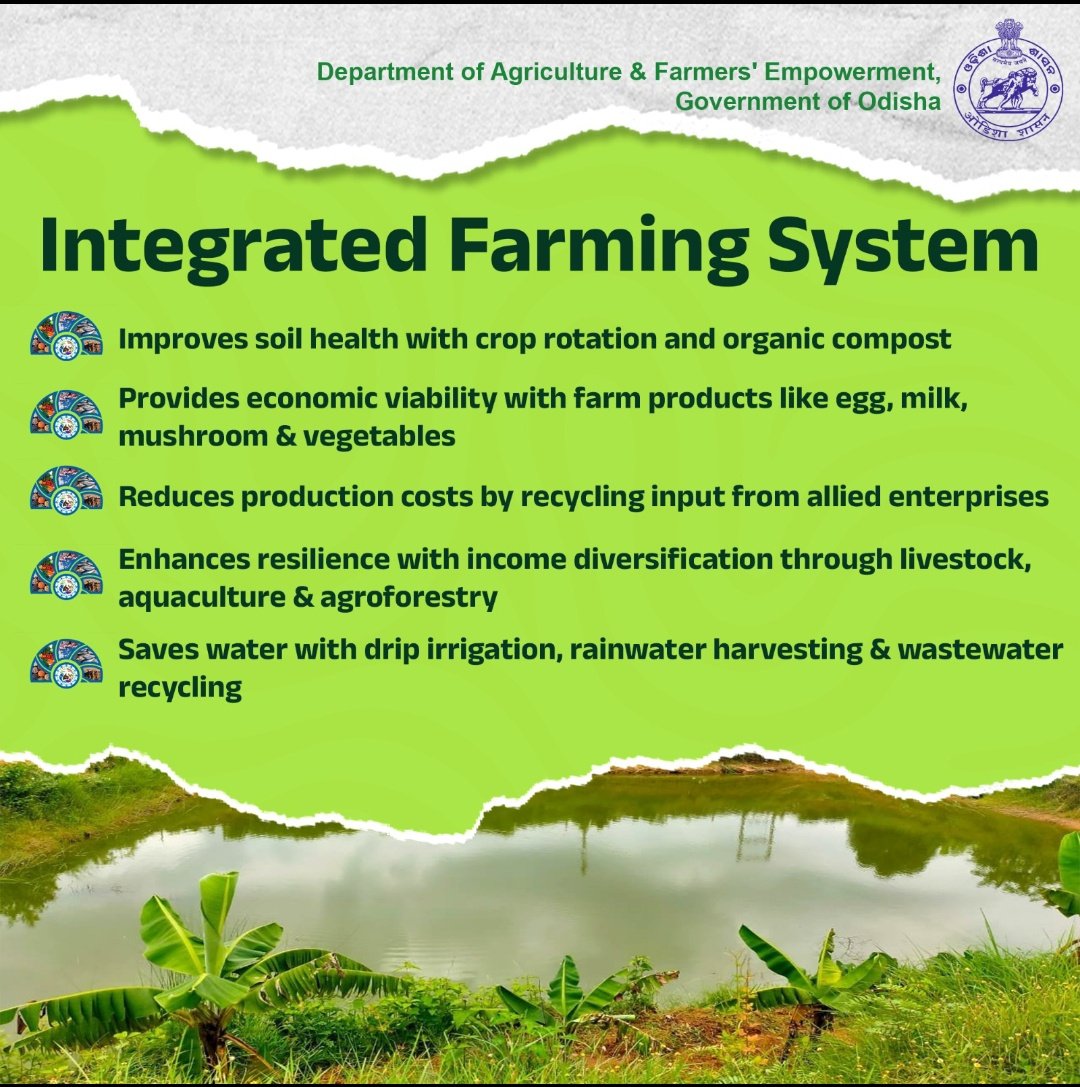
More food, less waste.
Income all year round.
Stronger communities, healthier people.
#IntegratedFarmingSystem is not just about growing crops, it's about creating a thriving mini-ecosystem that addresses food production demand, income stability & nutritional security.
2
6
64
1,715

21 May 2024
'एकीकृत मत्स्यपालन' एक लाभदायक व्यवसाय है,
'मछली सह बत्तख पालन'कम लागत में पर्याप्त मुनाफा का स्त्रोत है.
#fisheries #FishFarming #Duckfoster #Integratedfarmingsystem #Fishing
@likhi_dr @JSFisheries @Min_FAHD @nfdbindia @FisherySurveyOI @nafedindia @Dept_of_AHD
3
12
358
8 Apr 2024
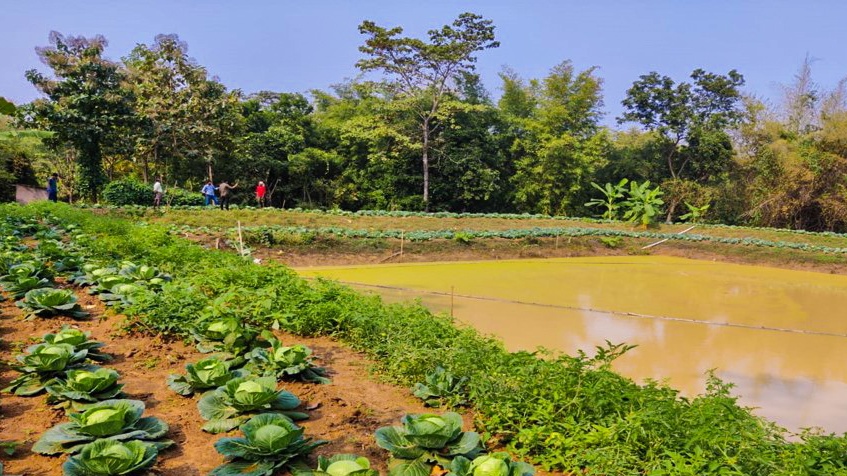
#IntegratedFarmingSystem is helping farmers in Odisha, with a focus on #CropDiversification. It enables them to achieve sustainability and profitability with relatively less land requirement and minimal negative effects on the environment.
5
57
2,301
29 Feb 2024
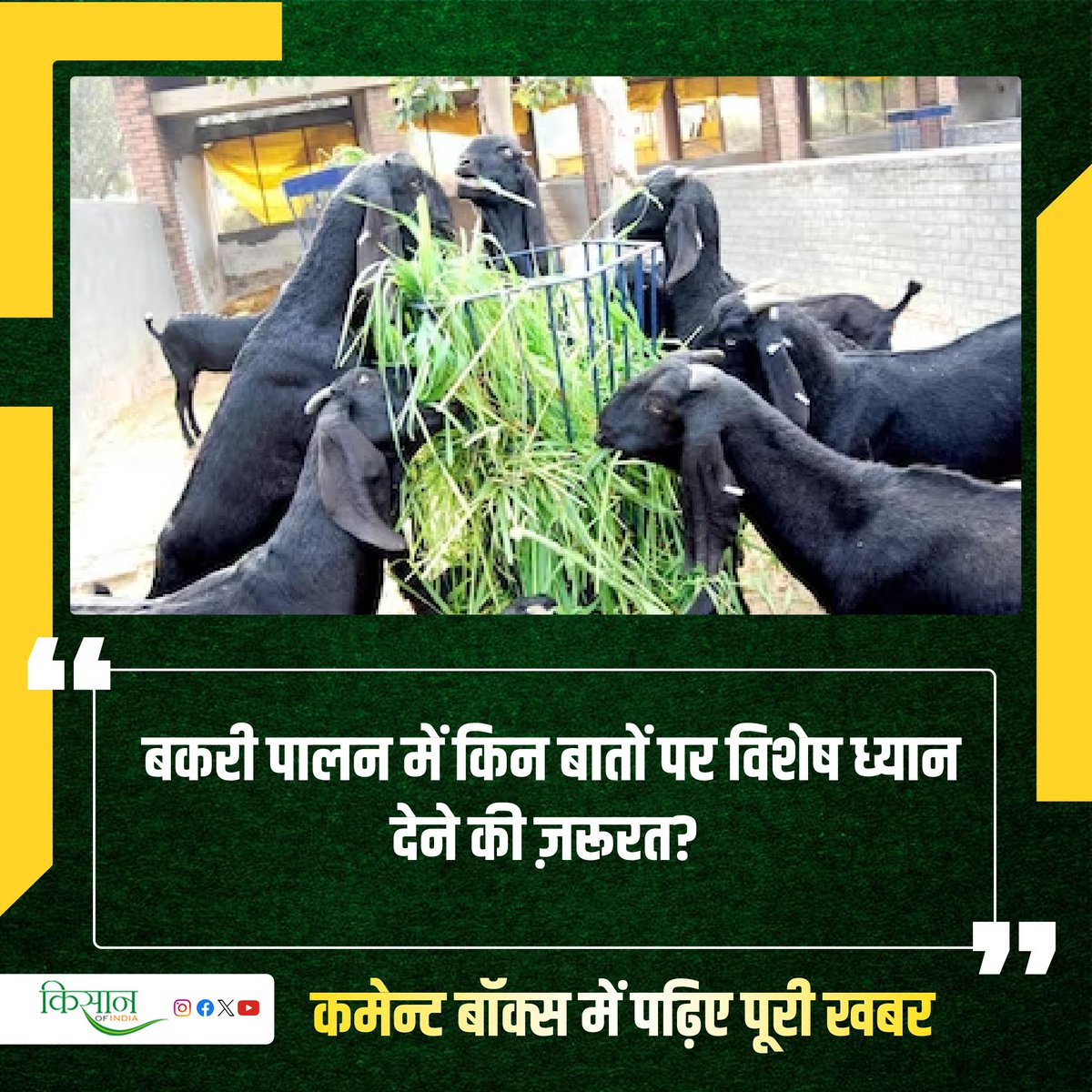
20 साल से बकरी पालन व्यवसाय से जुड़े हैं दीपक पाटीदार, देश-विदेश के लोगों को देते हैं ट्रेनिंग
#KisanOfIndia #Viral #GoatFarming #IntegratedFarmingSystem
1
4
82

28 Feb 2024
PAU directed documentary film adjudged best at Hyderabad Film Festival
#PAU #Punjab #PunjabAgriculturalUniversity #HyderabadFilmFestival #IntegratedFarmingSystem #AgriFilmFestival #YesPunjab
yespunjab.com/?p=935362
47
26 Feb 2024
क्या है एकीकृत कृषि प्रणाली? इस कृषि प्रणाली से किसानों की बढ़ेगी आमदनी। Krishi Ki Baat | Kisan of India
#kisanofindia #integratedfarmingsystem #integratedfarming #IFSModel #farmingsystem #organicfarming #agriculture #fishfarming #mixedfarming #IFSSystem
1
4
91