にゃんco retweeted

STARSHIP IS MASSIVE AND IT WILL BE THE DEFAULT VEHICLE OF CHOICE FOR MAKING HUMANITY AN INTERPLANETARY SPECIES
🚩SpaceX Starship V3 features & dimensions:
• Total stacked height: ~124 m (407–408 ft)
• Diameter: 9 m (29.5 ft) across both stages
• Super Heavy booster height: ~72–81 m (depending on exact stretch; ~5 ft taller overall vs. V2)
• Starship upper stage (Ship) height: ~52–61 m (slightly stretched tanks vs. prior versions)
• Propellant capacity: Super Heavy ~3,650–4,050 t; Starship ~1,600 t (subcooled liquid methane liquid oxygen)
• Engines: 33 Raptor 3 engines on Super Heavy (~10,000 tf liftoff thrust); 6 Raptor 3 engines on Starship (3 sea-level 3 vacuum, ~1,600 tf thrust) — Raptor 3 is lighter, more powerful (~280 tf each), more efficient, with no need for heavy engine shrouds or extensive shielding
• Payload capacity to LEO: 100 metric tons in fully reusable configuration (significant jump from V2’s ~35 t)
• Full reusability: Both stages designed for rapid reuse; booster caught by tower “chopstick” arms (no landing legs needed); Ship performs controlled reentry and landing
• Booster upgrades: Only 3 grid fins (50% larger and repositioned lower for heat protection); integrated reusable hot-staging ring (no longer jettisoned); redesigned massive fuel transfer tube for faster, simultaneous engine ignition/relight; optimized aft section for reduced mass and better thermal protection
• Starship/Ship upgrades: Larger propellant tanks; improved reaction control system (RCS); enhanced heat shield tiles; docking ports and hardware for orbital refueling; Starlink PEZ-style dispenser for rapid satellite deployment; upgraded avionics, power systems, and micro-g propellant management
• Structural and operational features: Stainless steel construction; forward and aft flaps for reentry control and landing flip maneuver; largest operational payload bay/volume (enables oversized cargo, telescopes, space station modules); hot-staging separation; tower catch compatibility for ultra-rapid turnaround
• General capabilities: Designed for crew/cargo transport to Earth orbit, Moon, Mars, and beyond; point-to-point Earth travel (anywhere on Earth in under 1 hour in theory)
🚩Future payload possibilities (with Starship V3 architecture & evolutions):
• Fully reusable LEO payload scaling to 150–200 t with further tank stretches (V4) and optimizations
• Expendable configurations: 250–300 t to LEO
• Orbital refueling (multiple tanker Starships): effective delivery of 100 t to the Moon per mission or hundreds of tons to Mars per campaign (unlocking self-sustaining bases)
• Massive single-launch payloads: entire space stations, giant space telescopes, heavy lunar/Mars surface infrastructure, or full habitats in one flight
• Crewed missions: up to ~100 people per Starship to Mars (with refueling); NASA Artemis human lunar landings and sustained lunar presence
• High-cadence Starlink mega-constellations and other mega-deployments (far larger satellites than Falcon 9 can handle)
• Cargo pricing target: ~$100/kg to Moon/Mars surface with high flight rate and full reuse
• Long-term: self-sustaining Mars civilization via fleets producing thousands of Starships per year; interplanetary cargo/passenger transport at unprecedented scale and low cost
All figures reflect the latest announced V3 design targets as of mid-2026.
13
32
128
29,226

Jun 9
Biznes jest biznesem, ale 53 mln za talent po roku grania w Cagliari.
Tyle to dostał Inter za Hakimiego.
Niech spier.. ten Percassi.
#wloskarobota #InterPL
Jun 9

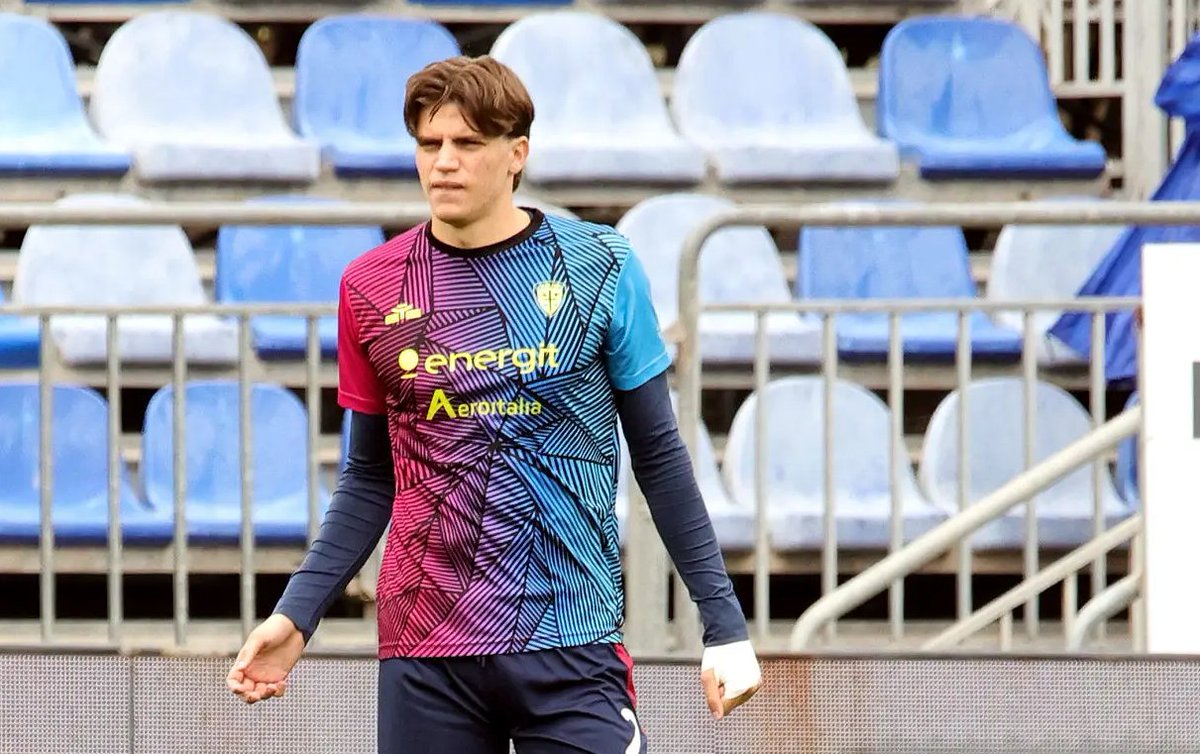
Corriere dello Sport - Per Palestra l'Inter ha messo sul tavolo 42 milioni più bonus. Non bastano. L’asticella bergamasca, infatti, al momento è fissata a 53 milioni. Oaktree ha fissato il tetto base per le operazoni di mercato a 25 mln per i cartellini e 2,5 mln netti per gli ingaggi. Le eccezioni vanno autorizzate (come è stato fatto per l'offerta per Palestra) ma non è ancora arrivato il via libera di Oaktree al rilancio ulteriore
1
1
57

Non è INTERFC dal 1908
Ma INTERPL dal 1908. #ParteLesa .....distoc@zzo
#MarottaLeague
#DovèRocchi
#FIGCMAFIA
2
11
517


3 Jun 2025
Mai, oameni buni, daca victima avea voie sa ii traga doua cand a pus mana pe el, nu mai urca nimeni pe scari. Daca victima ii dadea doua ca sa se apere lua cel putin cu suspendare. “Interpl” va scapa cu suspendare sau NUP pt ca era nervos pe victima pt ca nu i a facut lui pe plac
10
1,822

16 May 2025
Gold prices continue their downward trend, marking weekly losses. It's intriguing how economic shifts and investor sentiment impact these fluctuations. For some, it's a chance to buy low, potentially a future benefit. Makes you wonder about the interpl...news.az/news/gold-prices-ext…
1
2
49

#wloskarobota #InterPL Żebyśmy nie zostali z ręką w nocniku... Na razie ku temu wszystko idzie... Ja wiem, rewanż z Milanem... Tyle że w tym sezonie derby nam nie idą. Z Barcą na dwoje babka. Źle to wygląda.
4
87
#wloskarobota #InterPL ta sytuacja obrazuje sezon Interu. Niby ok, a czegoś brakuje.
1
141
#wloskarobota #InterPL Wyglądamy na przemęczonych. Widać ile wielu kosztował poprzedni sezon. I jest to trochę podobny sezon do tego sprzed 3 lat.
2
79
#wloskarobota #InterPL No karny... Ile ci drukarzu dał de Laurentis...
2
101
#wloskarobota #InterPL Za tydzień derby, a Inter wygląda coraz lepiej, do tego Lautaro coraz lepszy.
2
56