
The Most Chaotic World Cup in History? Politics, Visas and Geopolitics Overshadow Football - Long before a ball has been kicked in anger, the 2026 @FIFAWorldCup was already threatening to become one of the most controversial and politically complicated tournaments ever staged. Instead of discussions being dominated by tactics, star players and title contenders, headlines have increasingly focused on visa disputes, diplomatic tensions, immigration controversies and even active geopolitical conflicts involving participating nations. The irony is striking. FIFA has long promoted the World Cup as a platform that transcends politics, religion and ideology. Yet the build-up to the 2026 tournament demonstrates that football cannot entirely escape the realities of the modern world. National security concerns, international conflicts, immigration laws and diplomatic disputes have all found their way into what is supposed to be the world's greatest sporting festival.
Perhaps the most high-profile controversy concerns Ghanaian star Thomas Partey. Despite being one of Ghana's most important players, Canada denied him entry to the country ahead of Ghana's opening fixture in Toronto. The decision was reportedly linked to pending criminal proceedings in the United Kingdom, despite the player maintaining his innocence and pleading not guilty. The move triggered outrage in Ghana, with officials describing the decision as unfair and inconsistent with the spirit of international sport. The extraordinary situation means a player cleared to train and compete in the United States is simultaneously barred from entering another host nation participating in the same World Cup.
Equally astonishing is the case of Somali FIFA referee Omar Artan. In a development that stunned many within football circles, the respected official was detained for hours upon arrival in Miami before his visa was revoked. As a result, he was forced to miss the World Cup entirely despite being one of Africa's most recognized referees. Ironically, shortly thereafter he was appointed to officiate major UEFA competitions, raising further questions about the handling of the matter.
The most significant challenge, however, involves Iran and the United States. For the first time in modern World Cup history, a host nation finds itself simultaneously hosting a country with which it is experiencing severe geopolitical confrontation. The consequences have been dramatic. Iranian officials have reported visa denials affecting federation personnel, uncertainty surrounding access to tournament venues, ticket allocation disputes and logistical disruptions that forced the national team to relocate parts of its preparations outside the United States. What should have been a celebration of global unity through sport has instead exposed the difficulties of staging a truly international tournament amid growing geopolitical divisions.
Beyond these headline controversies lie broader concerns. Immigration policies differ among the three host nations. Security screening procedures have become increasingly stringent. Diplomatic disputes continue to influence travel arrangements. Questions remain about how FIFA can guarantee equal treatment for all participating nations when host-country domestic laws and foreign policy considerations intersect with international sporting obligations.
These controversies will ultimately never fade even once the tournament has began and one thing is already clear: before the first trophy is lifted and before the first champion is crowned, the 2026 FIFA World Cup has already secured a place in history as one of the most politically complicated and potentially chaotic tournaments the world has ever witnessed.
@KingJoash2 @FIFAWorldCup @moorspunter @Zimsoccer @DynamosFC1963 @capsunitedfczw @caf_online_AR @CAF_Online @Iran @IranIntl @realDonaldTrump @DonaldJTrumpJr @fifamedia
9

13m
I think this is being noticed too late, a lot of DReps have already spent millions more than the approved NCL in prepared yes votes, mainly on infra like you say. I also think that we should be more critical on entities strategically front-running the Intersect Budget Process leaving scraps for the ecosystem, it's disgusting.
2
1
8
skitty retweeted

Jun 13
“you kissed my neck, made our paths intersect 'til the two lines formed a circle.
and i melt with you,
your red and my blue
now i see the world in purple.”

1
76
706
5,336

I'll put up our proposal, but I have no faith in dReps any more. Look at what got funded through intersect! I'm sorry for being rude, but large ADA holders clearly only trust charles and his vendors.
1
22

so it goes that you kissed my neck
made our paths intersect til the two lines formed a circle and i melt with you
your red and my blue now i see the world in purple
P U R P L E
6
Troisieme Gaou retweeted

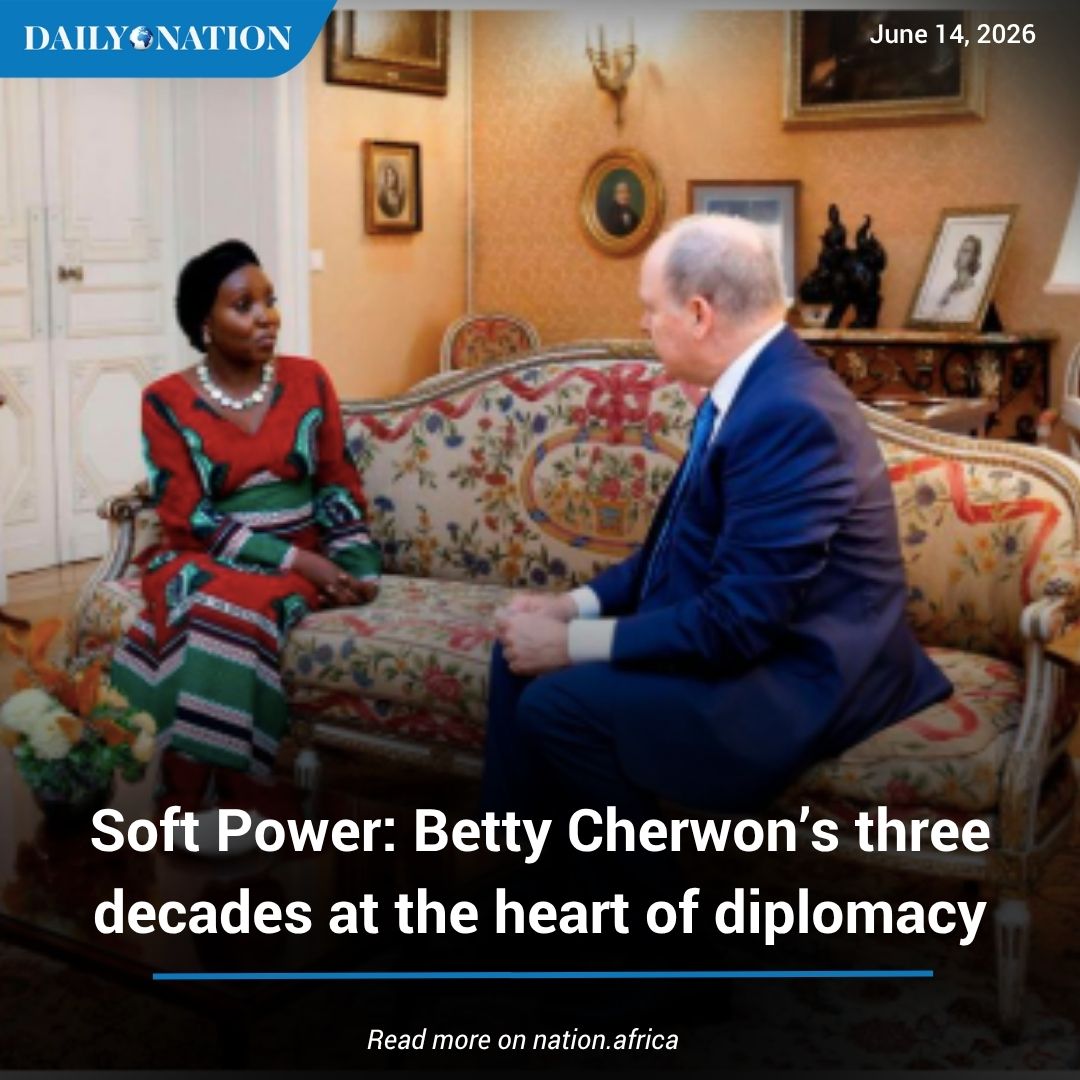
For nearly 30 years, Ambassador Betty Cherwon has worked where power, policy and global events intersect. From witnessing the Arab Spring in Egypt to co-ordinating presidential inaugurations, climate summits and state visits in Kenya, her career has unfolded at the nerve-centre of diplomacy. zurl.co/hFzrf
1
640

I would say the day their first client committed suicide after getting a reclassification notice.
Correlation and causation intersect in this horrid government policy.
Call in the PROPER authorities. Charges must and can be laid.

4

Intersect Masks in Lightroom Classic
Learn how to intersect masks in Lightroom Classic for more precise edits.
pixmellow.com/blogs/news/how…
#LightroomClassic #PhotoEditing #Masking #SelectiveEditing #LightroomTips #Photography #Pixmellow

Mechanical Experts retweeted

Wilson take off with a left turn to Airtel Msa road, onwards via Donholm then another left turn to intersect Thika road and aim north for Nyeri.
14
43
465
17,429

من يقود التغيير البيئي اليوم؟
التحول الحقيقي لا يعتمد على طرف واحد، بل على تكامل الجهود بين مختلف الجهات، حيث تتقاطع الأدوار لتصنع أثرًا مستدامًا.
أخبرنا برأيك 👇
Who is driving environmental change today?
True transformation doesn’t depend on a single party, but rather on the combined efforts of various stakeholders, whose roles intersect to create a lasting impact.
Tell us what you think 👇


These updates are so exciting! Jungwon and Sunghoon always bring such energy to their collaborations. I think fans love seeing their personalities shine through these moments. It’s cool how sports and music can intersect like this. What’s next for them?
10

When these intersect, criticism of foreign influence can be neutralized through ordinary-looking medical-administrative channels while preserving plausible deniability for everyone involved.
Psychiatry has a documented historical record (Nazi eugenics, Soviet “sluggish schizophrenia”) of being repurposed to pathologize dissent when institutions feel threatened.
This report maps the structural risk — not a proven conspiracy.
1
6
wildcryptox 🎯📈🕉️ retweeted

Feb 15
This triangle represents the "Triple Threat" of emerging technologies. When these three fields intersect, they create a powerful synergy that could redefine how we process, secure, and analyze data.
The Innovation Triangle
Quantum Computing
(The Engine)
▲
/
/
/
/
Blockchain ◄———————► Artificial Intelligence
(The Ledger) (The Brain)
3
1
5
1,714

a coalition of different groups whose lives intersect around questions of sexuality, gender, stigma, discrimination, law and social acceptance. By your logic, the moment a group becomes diverse enough that not every member can perfectly describe every other member,
1
4

Islamism is not racism. Nazism and Islamism intersect at anti jewry.
19

Disappointing but sometimes politics tend to intersect with real life thingies
7