
His citation:
Official Citation
The President of the United States of America, authorized by Act of Congress, March 3, 1863, has awarded in the name of Congress the Medal of Honor to
Staff Sergeant Ty M. Carter
United States Army
For conspicuous gallantry and intrepidity at the risk of his life above and beyond the call of duty:
Specialist Ty M. Carter distinguished himself by acts of gallantry and intrepidity at the risk of his life above and beyond the call of duty while serving as a Scout with Bravo Troop, 3d Squadron, 61st Cavalry Regiment, 4th Brigade Combat Team, 4th Infantry Division, during combat operations against an armed enemy in Kamdesh District, Nuristan Province, Afghanistan on October 3, 2009. On that morning, Specialist Carter and his comrades awakened to an attack of an estimated 300 enemy fighters occupying the high ground on all four sides of Combat Outpost Keating, employing concentrated fire from recoilless rifles, rocket propelled grenades, anti-aircraft machine guns, mortars and small arms fire. Specialist Carter reinforced a forward battle position, ran twice through a 100 meter gauntlet of enemy fire to resupply ammunition and voluntarily remained there to defend the isolated position. Armed with only an M4 carbine rifle, Specialist Carter placed accurate, deadly fire on the enemy, beating back the assault force and preventing the position from being overrun, over the course of several hours. With complete disregard for his own safety and in spite of his own wounds, he ran through a hail of enemy rocket propelled grenade and machine gun fire to rescue a critically wounded comrade who had been pinned down in an exposed position. Specialist Carter rendered life extending first aid and carried the Soldier to cover. On his own initiative, Specialist Carter again maneuvered through enemy fire to check on a fallen Soldier and recovered the squad’s radio, which allowed them to coordinate their evacuation with fellow Soldiers. With teammates providing covering fire, Specialist Carter assisted in moving the wounded Soldier 100 meters through withering enemy fire to the aid station and before returning to the fight. Specialist Carter’s heroic actions and tactical skill were critical to the defense of Combat Outpost Keating, preventing the enemy from capturing the position and saving the lives of his fellow Soldiers. Specialist Ty M. Carter’s extraordinary heroism and selflessness above and beyond the call of duty are in keeping with the highest traditions of military service and reflect great credit upon himself, Bravo Troop, 3d Squadron, 61st Cavalry Regiment, 4th Brigade Combat Team, 4th Infantry Division and the United States Army.
1
20

I can’t get over the fact that each fighter is walking out accompanied by a Medal of Honor recipient - the highest military decoration the United States can bestow.
The Medal of Honor is not awarded for simply serving in combat. It is earned for acts of conspicuous gallantry and intrepidity above and beyond the call of duty, in circumstances where the recipient knowingly gives or risks his life to save others.
On Flag Day, during the celebration of America’s 250th birthday, these recipients serve as a living link to our nation’s history of sacrifice. They represent every generation of Americans who have fought, bled, and died under the flag being honored today.
When a UFC fighter enters the arena having dedicated years to mastering his craft, he is among the toughest athletes on earth. But tonight he walks beside someone whose courage was tested under circumstances far beyond and bigger than sport.
Physical strength is admirable, but courage in service to others is something even greater. The Medal of Honor recipients represent the highest ideals of duty, sacrifice, love of country, and devotion to one’s fellow Americans.
And that is why seeing those recipients lead fighters onto the South Lawn of the White House is a moving and necessary reminder that the freedoms being celebrated were purchased by ordinary Americans who, in extraordinary moments, chose courage over self-preservation.

Watching the troops snap off salutes to Ty Carter’s Medal of Honor as he walks out with the fighter at the White House is completely Bad Ass!!!
7
11
65
4,044

Jun 14
I think he’s legit and just revels in his own intrepidity - being completely unafraid to entertain theories no matter how weird or frightening to normies. In fact, the more frightening the better for James lol. His one blind spot may be Christianity but that’s understandable for Christians.
3
2
188

Jun 13
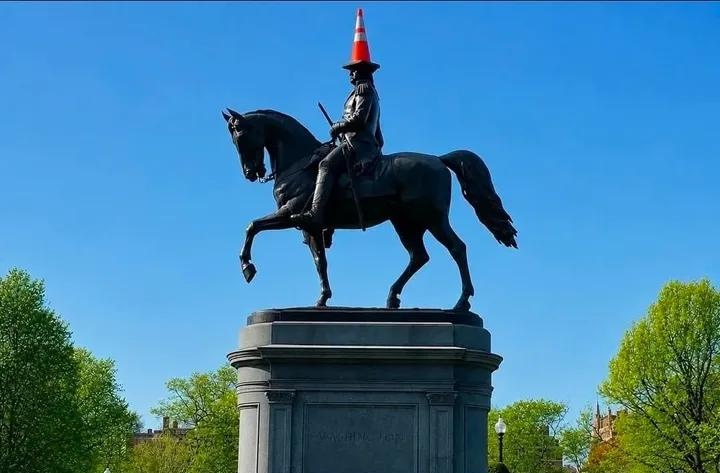
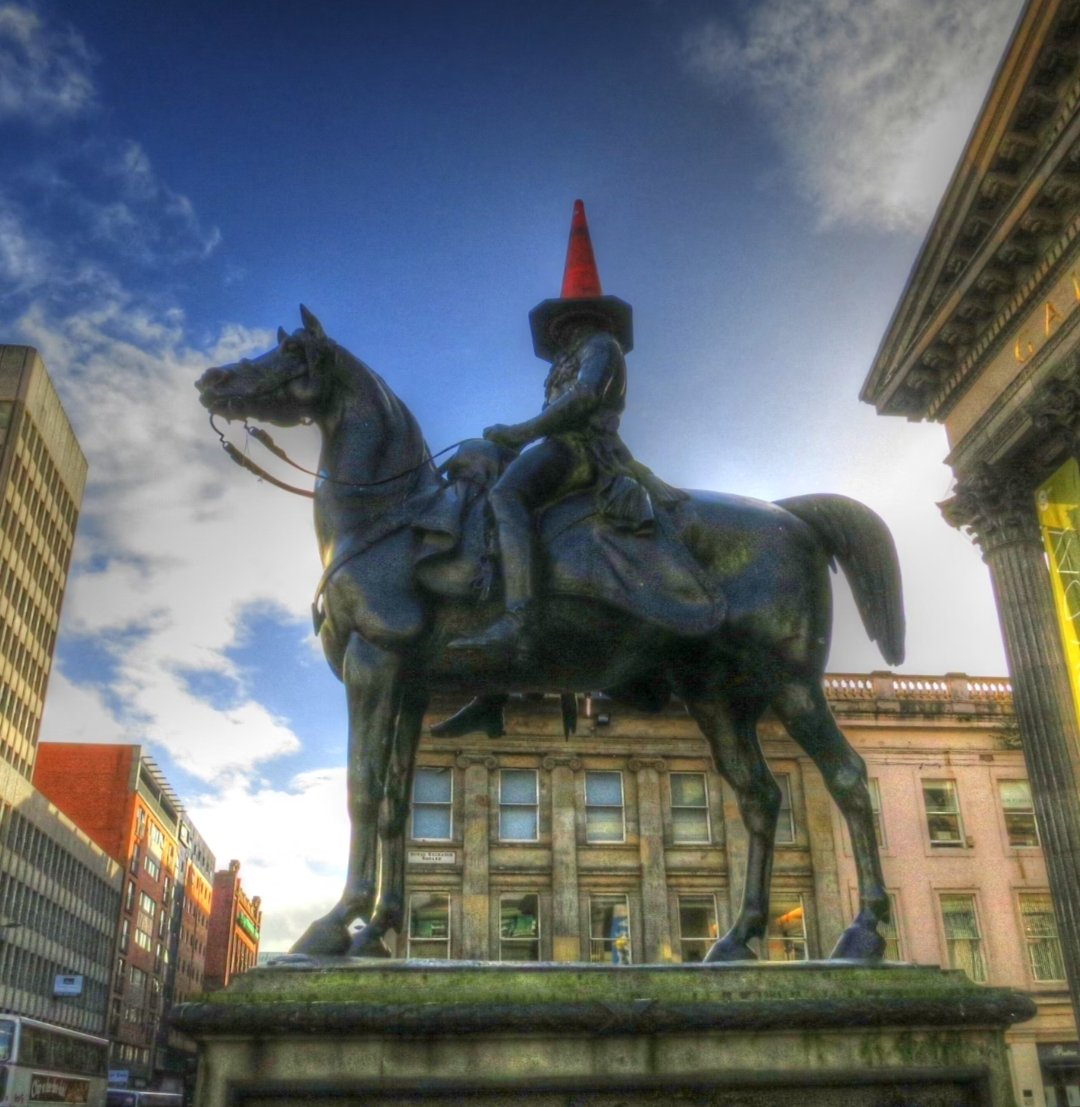
Tartan Army honour
George Washington for his indomitable spirit sacrifice valor courage inspiration intrepidity sacrifice and gallantry on behalf of the Duke of Wellington
Glasgow Scotland
🏴🏴🏴🏴🏴🏴🏴🏴🇺🇸🇺🇸🇺🇸🇺🇸🇺🇸🇺🇸🇺🇸🇺🇸🏴🏴🏴🏴🏴🏴🏴🏴🇺🇸🇺🇸🇺🇸🇺🇸🇺🇸🇺🇸🇺🇸🇺🇸🏴🏴🏴🏴🏴🏴🏴🏴
281

Jun 12
The day I went to see the gladiators fight I witnessed an extraordinary combat, two women being the champions. As soon as they appeared on the stage they made the spectators a profound reverence; they then saluted each other and engaged in a lively and amusing conversation. They boasted that they had a great amount of courage, strength, and intrepidity. One of them regretted she was not born a man, else she would have made her fortune by her powers; the other declared she beat her husband every morning to keep her hand in, etc. Both these women were very scantily clothed, and wore little bodices and very short petticoats of white linen. One of these amazons was a stout Irishwoman, strong and lithe to look at, the other was a small Englishwoman, full of fire and very agile. The first was decked with blue ribbons on the head, waist, and right arm; the second wore red ribbons. Their weapons were a sort of two-handed sword, three or three and a half feet in length; the guard was covered, and the blade was about three inches wide and not sharp - only about half a foot of it was, but then that part cut like a razor. The spectators made numerous bets, and some peers who were there some very large wagers. On either side of the two amazons a man stood by, holding a long staff, ready to separate them should blood flow. After a time the combat became very animated, and was conducted with force and vigour with the broad side of the weapons, for points there were none. The Irishwoman presently received a great cut across her forehead, and that put a stop to the first part of the combat. The Englishwoman’s backers threw her shillings and half-crowns and applauded her. During this time the wounded woman’s forehead was sewn up, this being done on the stage; a plaster was applied to it, and she drank a good big glass of spirits to revive her courage, and the fight began again, each combatant holding a dagger in her left hand to ward off the blows. The Irishwoman was wounded a second time, and her adversary again received coins and plaudits from her admirers. The wound was sewn up, and for the third time the battle recommenced, the women holding wicker shields as defensive weapons. This third combat was fought for some time without result, but the poor Irishwoman was destined to be the loser, for she received a long and deep wound all across her neck and throat. The surgeon sewed it up, but she was too badly hurt to fight any more, and it was time, for the combatants were dripping with perspiration, and the Irishwoman also with blood. A few coins were thrown to her to console her, but the victor made a good day’s work out of the combat. Fortunately it is very rarely one hears of women gladiators.
597
Jun 12
The rapidity of their movements, together with their loud yells, were truly alarming, and as soon as I heard them I ordered our drums to beat the ‘charge’ so as to drown them with their noise, lest they should have a bad effect upon our people. By this means I animated my grenadiers, and prevented them hearing the shouts of the enemy, which before now have produced a heedless panic.
The English infantry led this attack with the greatest intrepidity, right up to our parapet, but there they were opposed with a courage at least equal to their own. Rage, fury, and desperation were manifested by both sides, with the more obstinacy as the assailants and assailed were perhaps the bravest soldiers in the world. The little parapet which separated the two forces became the scene of the bloodiest struggle that could be conceived. Thirteen hundred grenadiers, of whom seven hundred belonged to the Elector’s Guards, and six hundred who were left under my command, bore the brunt of the enemy’s attack at the forefront of the Bavarian infantry.
It would be impossible to describe in words strong enough the details of the carnage that took place during this first attack, which lasted a good hour or more. We were all fighting hand to hand, hurling them back as they clutched at the parapet; men were slaying, or tearing at the muzzles of guns and the bayonets which pierced their entrails; crushing under their feet their own wounded comrades, and even gouging out their opponents’ eyes with their nails, when the grip was so close that neither could make use of their weapons. I verily believe that it would have been quite impossible to find a more terrible representation of Hell itself than was shown in the savagery of both sides on this occasion.
At last the enemy, after losing more than eight thousand men in this first onslaught, were obliged to relax their hold, and they fell back for shelter to the dip in the slope, where we could not harm them. A sudden calm now reigned amongst us, our people were recovering their breath, and seemed more determined even than they were before the conflict. The ground around our parapet was covered with dead and dying, in heaps almost as high as our fascines, but our whole attention was fixed on the enemy and his movements; we noticed that the tops of his standards still showed at about the same place as that from which they had made their charge in the first instance, leaving little doubt but that they were reforming before returning to the assault. As soon as possible we set vigorously to work to render their approach more difficult for them than before, and by means of an increasing fire swept their line of advance with a torrent of bullets, accompanied by numberless grenades, of which we had several wagon loads in rear of our position. These, owing to the slope of the ground, fell right amongst the enemy’s ranks, causing them great annoyance and doubtless added not a little to their hesitation in advancing the second time to the attack. They were so disheartened by the first attempt that their generals had the greatest difficulty in bringing them forward again, and indeed would never have succeeded in this, though they tried every other means, had they not dismounted and set an example by placing themselves at the head of the column, and leading them on foot.
Their devotion cost them dear, for General Stirum and many other generals and officers were killed. They once more, then, advanced to the assault, but with nothing like the success of their first effort, for not only did they lack energy in their attack, but after being vigorously repulsed, were pursued by us at the point of the bayonet for more than eighty paces beyond our entrenchments, which we finally re-entered unmolested.
1
3
286

Jun 11
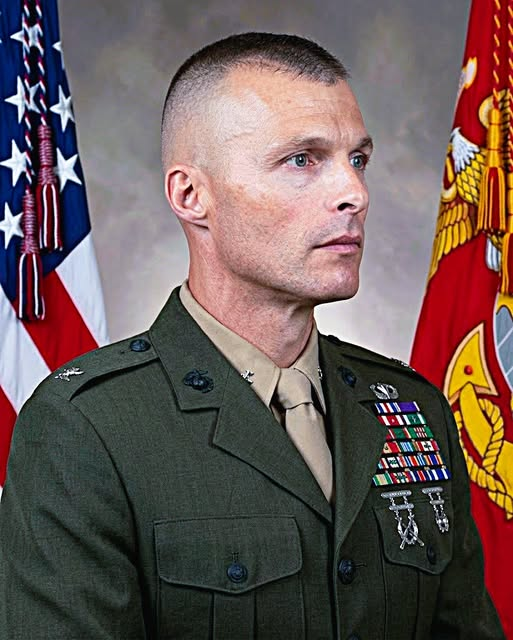
He led Marines through two days of some of the fiercest urban fighting of the Iraq War. Surrounded, outnumbered, and under constant fire, he never stepped back.
Captain Christopher J. Bronzi, U.S. Marine Corps, served as Commanding Officer of Golf Company, 2nd Battalion, 4th Marines, 1st Marine Division during Operation Iraqi Freedom II. In April 2004, his unit was engaged in intense combat in southern Ar Ramadi, Iraq, one of the most violent and contested areas of the war. Over the course of April 6 and 7, his company came under sustained small-arms and rocket-propelled grenade fire in a battle that would push every Marine involved to their limits.
Throughout the engagement, Captain Bronzi repeatedly exposed himself to enemy fire while directing his Marines, identifying threats, and engaging enemy positions. At multiple points, he personally destroyed hostile firing positions, helping shift the momentum of the fight. His leadership was not distant or symbolic—it was immediate, physical, and constantly within the line of fire. His actions during the two-day battle contributed to the elimination of an estimated 250 insurgents and helped prevent the collapse of his unit under overwhelming pressure.
At one point during heavy fighting on April 6, he led a fire team into a street swept by enemy fire to recover a fallen Marine. In the middle of chaos and exposure, he prioritized bringing his comrade home. The following day, his platoon became surrounded and forced into a defensive position inside a building. Cut off and outnumbered, he moved to the roof to regain visibility and command control of his scattered forces, directing Marines under continuous attack. From there, he coordinated the link-up of his platoons and led his men out of isolation toward a designated rendezvous point, ultimately reestablishing cohesion and fighting effectiveness under extreme conditions.
For his actions during these engagements, Captain Bronzi was awarded the Silver Star for conspicuous gallantry and intrepidity in action against the enemy. His leadership under fire became a defining example of initiative, courage, and responsibility in combat. He did not simply issue orders—he fought alongside his Marines, sharing the same danger, the same risks, and the same burden of survival in a chaotic urban battlefield.
Christopher J. Bronzi’s story reflects the reality of leadership in combat: decisions made in seconds, under fire, with lives hanging in the balance. His actions in Ar Ramadi demonstrated not only tactical effectiveness, but the deep responsibility of a Marine officer to his unit. He led from the front, and his Marines followed him through one of the most intense urban battles of the Iraq War.
16
36
168
1,207

Jun 10
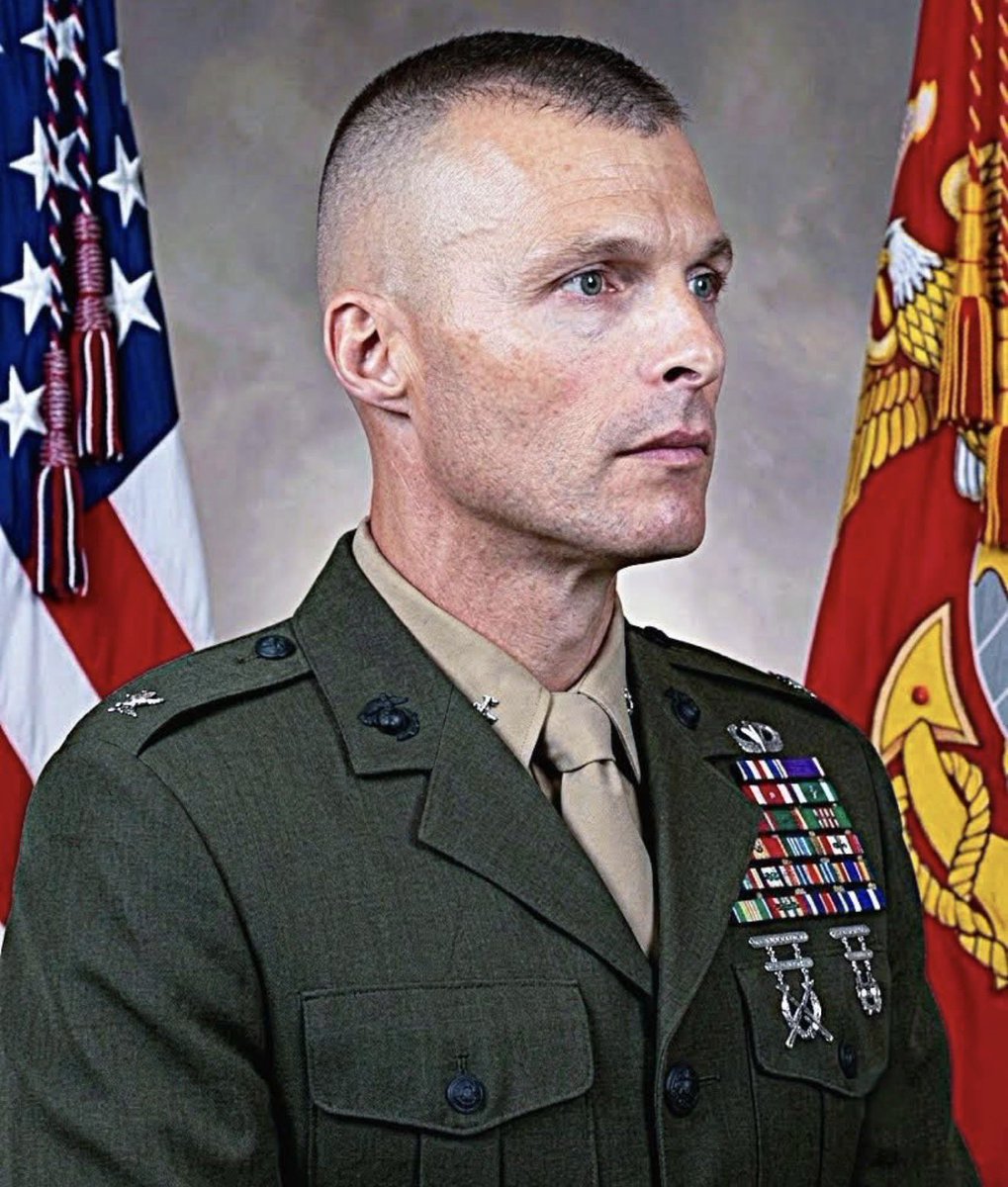
He led Marines through two days of some of the fiercest urban fighting of the Iraq War. Surrounded, outnumbered, and under constant fire, he never stepped back.
Captain Christopher J. Bronzi, U.S. Marine Corps, served as Commanding Officer of Golf Company, 2nd Battalion, 4th Marines, 1st Marine Division during Operation Iraqi Freedom II. In April 2004, his unit was engaged in intense combat in southern Ar Ramadi, Iraq, one of the most violent and contested areas of the war. Over the course of April 6 and 7, his company came under sustained small-arms and rocket-propelled grenade fire in a battle that would push every Marine involved to their limits.
Throughout the engagement, Captain Bronzi repeatedly exposed himself to enemy fire while directing his Marines, identifying threats, and engaging enemy positions. At multiple points, he personally destroyed hostile firing positions, helping shift the momentum of the fight. His leadership was not distant or symbolic—it was immediate, physical, and constantly within the line of fire. His actions during the two-day battle contributed to the elimination of an estimated 250 insurgents and helped prevent the collapse of his unit under overwhelming pressure.
At one point during heavy fighting on April 6, he led a fire team into a street swept by enemy fire to recover a fallen Marine. In the middle of chaos and exposure, he prioritized bringing his comrade home. The following day, his platoon became surrounded and forced into a defensive position inside a building. Cut off and outnumbered, he moved to the roof to regain visibility and command control of his scattered forces, directing Marines under continuous attack. From there, he coordinated the link-up of his platoons and led his men out of isolation toward a designated rendezvous point, ultimately reestablishing cohesion and fighting effectiveness under extreme conditions.
For his actions during these engagements, Captain Bronzi was awarded the Silver Star for conspicuous gallantry and intrepidity in action against the enemy. His leadership under fire became a defining example of initiative, courage, and responsibility in combat. He did not simply issue orders—he fought alongside his Marines, sharing the same danger, the same risks, and the same burden of survival in a chaotic urban battlefield.
Christopher J. Bronzi’s story reflects the reality of leadership in combat: decisions made in seconds, under fire, with lives hanging in the balance. His actions in Ar Ramadi demonstrated not only tactical effectiveness, but the deep responsibility of a Marine officer to his unit. He led from the front, and his Marines followed him through one of the most intense urban battles of the Iraq War
41
167
859
13,196

Nydia Velázquez backs campaign to posthumously award the Medal of Honor to the “Puerto Rican Rambo” ift.tt/B5jfMqc
Congresswoman Nydia Velázquez stated that Jorge Otero Barreto “more than met the criteria of exceptional bravery and intrepidity, risking his life above …
5

Jun 9
I've been neglecting my ancestors lately. I believe I have posted this man's name before. But I'm proud to be his descendant. Thank you, sir, for your intrepidity. Without his kind, we wouldn't be celebrating 250 years. 🇺🇲
23

Jun 9
RT @constelattes: ㅤ
「 𝗗-𝟭 」
“𝘏𝘰𝘱𝘦 𝘥𝘦𝘮𝘢𝘯𝘥𝘴 𝘪𝘯𝘵𝘳𝘦𝘱𝘪𝘥𝘪𝘵𝘺. 𝘐𝘵 𝘢𝘴𝘬𝘴 𝘺𝘰𝘶 𝘵𝘰 𝘣𝘦𝘭𝘪𝘦𝘷𝘦 𝘵𝘩𝘢𝘵 𝘴𝘰𝘮𝘦𝘵𝘩𝘪𝘯𝘨 𝘱𝘳𝘦𝘤𝘪𝘰𝘶𝘴 𝘮𝘢𝘺 𝘳𝘦𝘮𝘢𝘪𝘯, 𝘵𝘩𝘢𝘵 𝘩𝘢𝘱𝘱𝘪𝘯𝘦𝘴𝘴 𝘪𝘴 𝘯𝘰𝘵…
29

Jun 9
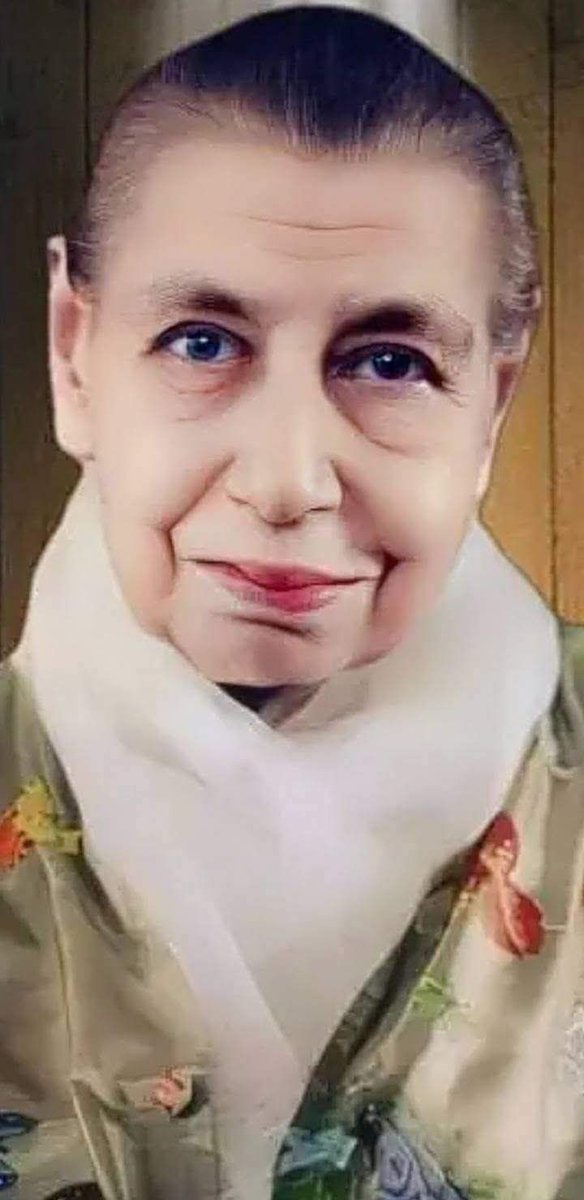
Our Path
To walk on the path you must have a dauntless intrepidity, you must never turn back upon yourself with this mean, petty, weak, ugly movement that fear is.
An indomitable courage, a perfect sincerity, a total self-giving to the extent that you do not calculate or bargain, you do not give with the idea of receiving, you do not offer yourself with the intention of being protected, you do not have a faith that needs proofs,— this is indispensable for advancing on the path,— this alone can shelter you against all dangers.
- The Mother
(CWM-15, p. 190) See less
6
⭐️🇺🇸Lisabeth DonIey🇺🇸⭐️ retweeted

Jun 8
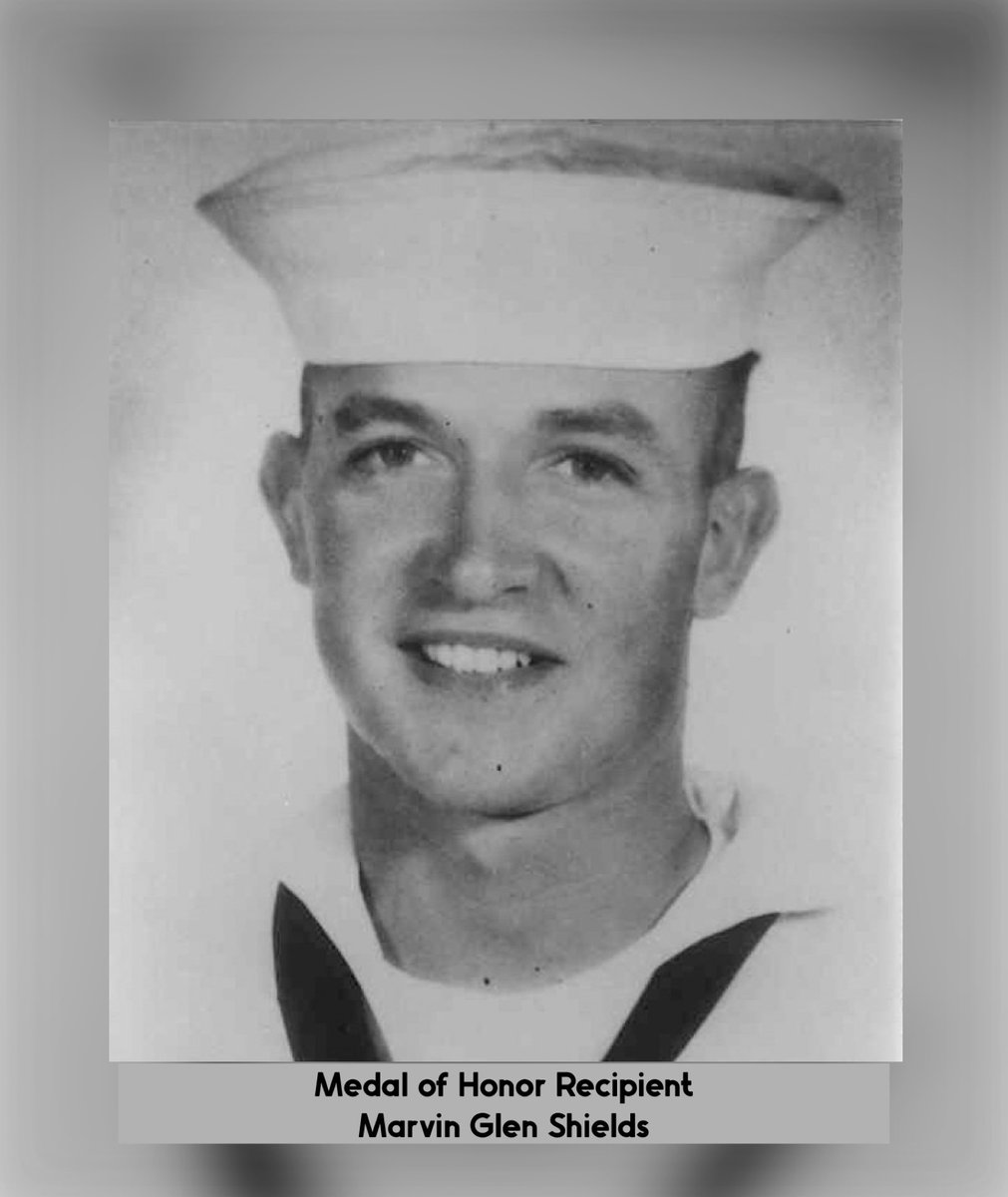
"For conspicuous gallantry and intrepidity at the risk of his life above and beyond the call of duty."
1
4
5
138
Oliver Darko retweeted

Jun 8
We expected that, but it's nice to have the confirmation.
My kingdom for a gaming journalist (haha) with the intrepidity to ask how many actually came back after the panic price cut.

Matthew Ball (Xbox chief strategy officer) said that Xbox Game Pass lost "millions" of subscribers in the period of a few months after the 50% price hike announced in Oct 2025 gamespot.com/articles/is-xbo…

1
11
808
Nationalist Hindu & Proud Bihari retweeted

I am a Marx fan myself — not because of Marx's economics or politics, but because of his intrepidity & sincerity in meticulously conducting research and seeking to discover the laws of social reality.

Not true man some of us have Marx on the tongue Gandhi in spine and Savarkar in soul too!
Hindu youth’s biggest plight is not being Marxist enough.
2
1
6
406